The Lesson: From the hearth and home, to farm and family, to business and betterment, human beings can pick up and accumulate concepts—sometimes very fundamental ones about what is most important—from other people, adopting them without scrutiny. Imposing these external ideals or concepts onto how we live our own lives, raise our kids, or manage our business, can often mean we are leading someone else’s life.
Redefining things like happiness, wealth, and success—as oriented through our own compass—is the ultimate way we can live our best life.
Notable Excerpt: “Scarcity economics teaches us that it’s a race—it’s a race to get there first, to have the highest score, to achieve the most, to learn the most first—and we have that same problem around how we treat ourselves and it’s why we have this overwork epidemic.”
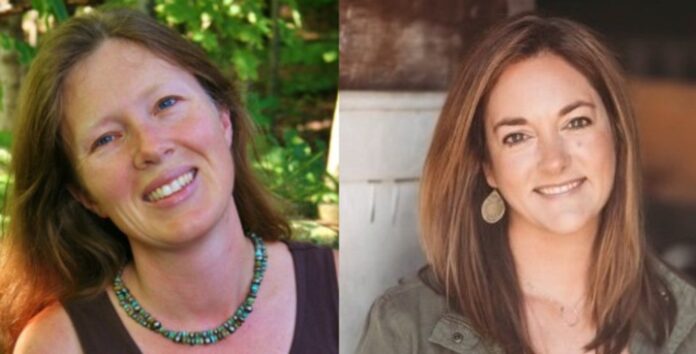
The Speaker: Holding a Ph.D. in sustainable agriculture, and the record for the most swimming holes visited in a single day in her home of rural West Fulton, New York, Shannon Hayes is the owner of Sap Bush Hollow Farm and is the host of The Hearth of Sap Bush Hollow podcast, a weekly exploration of the adventures of keeping life, business, family, community, and fun in balance.
The Host: A practicing real-foods registered dietician and regenerative agriculturalist, Diana Rodgers is also the producer/director of the documentary Sacred Cow, the Case for Better Meat, which looks at how combining organic farming with cattle and animal agriculture creates a much more robust agro-ecology for nutrition, biodiversity, and the climate.
Podcast: Diana Rodgers and her colleagues host the Sustainable Dish Podcast. This weekly review features a wide variety of guests talking about regenerative agriculture, but also diet and nutrition, homesteading, nutritional science, and farm/food policy.
(LISTEN to the podcast episode below – Featured photos: Shannon Hayes and Diana Rodgers)
While it sounds like the height of absurdity to say, one could never imagine how often it happens that paintings by art’s great masters are found in people’s attics.
In recent years, GNN has reported on a possible Da Vinci being found tucked away in a Scottish farmhouse. Then there was the case of a Fra Angelico Renaissance masterpiece being discovered in a modest house in the middle of England.
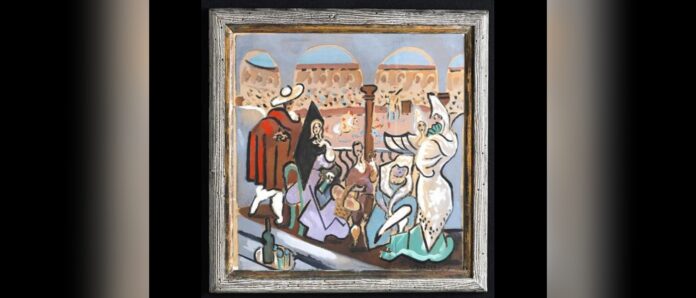
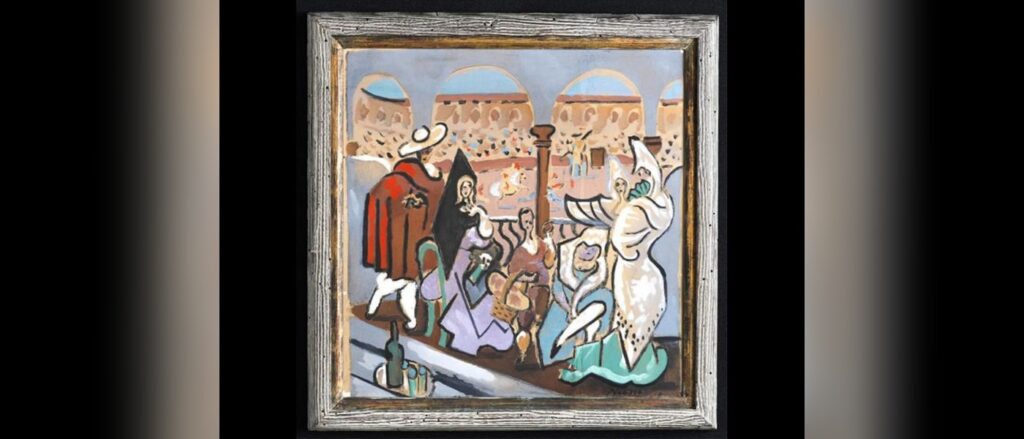
Now, a recent auction in Massachusetts featuring rare pieces of art collected from estates around the north-east has seen a previously unknown painting by Pablo Picasso being sold for $150,000.
Depicting Spanish well-to-dos attending the bull fighting arena, it is thought to be a preparatory sketch for a stage curtain as part of a 1919 Ballets Russes production (it’s still to be officially authenticated by the Picasso estate).
It was found tucked away with other paintings in the closet of a house belonging to a New England man’s recently deceased relative.
It would not be the first time a Picasso has turned up where one wouldn’t expect: A decade ago, GNN reported that hundreds of Picasso’s works, collected by a French electrician, had been received by a museum as a gift.
According to a statement by the anonymous seller on the auction house website, the Maine home in which the sketch work was found belonged to the man’s great aunt—she had studied in Europe, enjoyed bringing things back to the States, and generally lived an exciting life.
Then man came to own the house when his father inherited it after the great aunt passed away.
The 16×16 image on paper is believed to be a preliminary mock-up for the curtain that would act as the backdrop to Le Tricorne, which debuted at the Alhambra Theater in London after World War I.
The actual curtain which Picasso would later make is 20 feet by 19 feet, and is currently located in the New York Historical Society after spending 55 years on the wall in the Four Seasons restaurant. Picasso also designed the sets and the costumes for the play.
SHARE This Stunning Find With Arty Pals on Social Media…
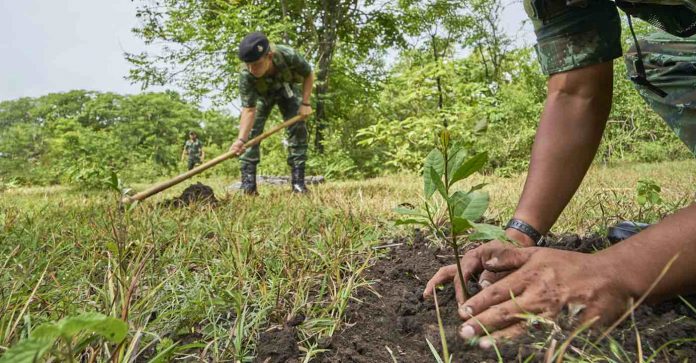
In just a single day, Indians have planted an impressive quarter-billion tree saplings in their quest to clean the air.
Whereas mass tree planting operations around the globe are receiving more and more skepticism for their actual impacts on climate stabilization, the last four major plantings in the state of Uttar Pradesh have climbed to an impressive average sapling survival rate of 80%.
As per Peter Wohlleben, the renowned German forester and author of The Secret Life of Trees, our woody neighbors need an average 50 years of growth before their full “sequestration” potential can be achieved—but the fact that many of Uttar Pradesh’s new trees are now going on five means there’s a much better chance for them surviving any pests, drought, or other perils to become contributing members of tree society.
Along riverbanks and highways, and on farms, schools, and in forests, Sunday saw millions of residents of the most-populous Indian state continue what is now a yearly tradition (a year ago, 20 million saplings were planted along the Ganges).
“We are committed to increasing the forest cover of Uttar Pradesh to over 15% of the total land area in the next five years,” said state forest official Manoj Singh.
According to DW, the forest cover of the state has increased over the last few years.
“There has been an increase of 127 square kilometers [79 square miles] in the forest cover in Uttar Pradesh as compared to 2017,” a state government spokesperson was quoted as saying in The Indian Express newspaper.
Mass tree plantings have been launched as an easy and inexpensive method of drawing carbon from the atmosphere, with hundreds of millions of trees being planted in countries around the world, including in China, Pakistan, India, Madagascar, and the nations of the Sahel, especially Ethiopia and Senegal, GNN has reported.
Geo-tagged with QR codes, forest officials can monitor plantation survival rates and maintain records of success and failure at individual sites.
A small collective of intrepid and inquisitive young Irish musicians have taken it upon themselves to rescue a tradition of song when perhaps no-one else was willing to listen.
With an emphasis on the Irish, Scottish, and English traveler communities, their project aims to put the elders of a nearly-past generation in front of a microphone, to enshrine their songs and stories for musicians and folklorists to hear and study for all time.
Anthropologists and linguists often pass warnings about how much oral tradition the human race loses to modernity every year. Well that’s not confined exclusively to places within the Southern Hemisphere, or among the world’s Indigenous communities. It can also be found in the most developed countries on Earth.
In Ireland, a country famous for its singers, the Song Collectors Collective (SCC) celebrates that history by honoring the people who have kept its roots alive.
Those people are sailors, tinsmiths, tinkers, but most are from the reclusive and sometimes difficult-to-approach traveler communities. Their strong culture and tight-knit families make them living goldmines of folklore and song.
Quite the characters
Rather than simply collecting words, each song can be accessed only by exploring the life and story of the person who sang it for the SCC, or the so-called “Tradition Bearer.”
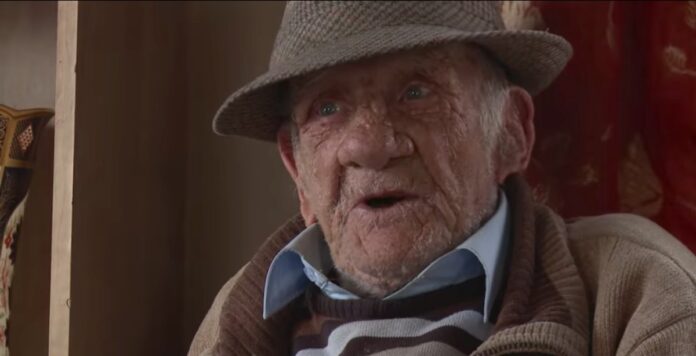
Take Freda Black for example, a Romany Traveler and great-grandmother in her mid-eighties. Daughter to a legendary gypsy boxer, and member of a family who roamed all across England, Black kept a repertoire of songs so vast she admitted she couldn’t possibly count them. She would go on to feature in the recently released album by modern folk singer, Mercury Prize nominee and SCC member, Sam Lee.
“I loved spending time at the knee of these elders,” Lee told The Guardianon the topic. “I could have gone to university and got a music degree and have learned from the textbook or just go to the well and drink from the most incredible source. I was very lucky. I caught an end of an era.”
Lee was also the host of a four-part BBC Radio 4 documentary on this effort—which took him to Greece, Georgia, and other countries.
In some cases, the words of these elders are caught on the microphone along with the songs, so you can hear their musings on where they heard the pieces the first time—and whether their mother used to sing the melodies to them.
The SCC writes that within the songs “there is a memory of the days of life on the road, in tents and the music, song and dance that went hand-in-hand with this way of life.
“It is a common plea for the songs and stories to be recorded and shared as the old ways are not being passed on and this huge store of knowledge of an ancient way of life is forgotten. In the current era of accessible recording technology there is no excuse for not documenting and sharing this rich but fragile lore,” write the SCC.
Copies of all the songs are donated to the Irish Traditional Music Archive and the National Sound Archive in London, so they can be enjoyed for centuries to come.
Having collected hundreds of recordings from dozens of singers, the SCC is beginning to host educational events and workshops, featuring some of these Tradition Bearers, sharing their stories and singing voices for those interested in hearing them, as well as how everyday people can become collectors in their own way.
(WATCH the Song Collectors video below.)
SHARE a Note of Good News With Pals—Send Them This Story…
Quote of the Day: “For each one who begins to weep somewhere else another stops. The same is true of the laugh.” – Samuel Beckett
Photo: by Joseph Pearson
With a new inspirational quote every day, atop the perfect photo—collected and archived on our Quote of the Day page—why not bookmark GNN.org for a daily uplift?
There are plenty of negatives associated with smart technology—texting and driving or blue light rays inhibiting sleep. But now we can be assured that the digital age is not making us dumber, according to a new study.
While some might struggle to find places without Google Maps, the researchers found that the digital age is not sapping away any brainpower.
“Despite the headlines, there is no scientific evidence that shows that smartphones and digital technology harm our biological cognitive abilities,” says the University of Cincinnati professor Anthony Chemero, who co-authored a new paper in Nature Human Behavior.
In the paper, Dr. Chemero and colleagues at the University of Toronto’s Rotman School of Management expound on the evolution of the digital age, explaining how smart technology supplements thinking, thus helping us to excel.
“What smartphones and digital technology seem to do instead is to change the ways in which we engage our biological cognitive abilities,” Chemero says, adding “these changes are actually cognitively beneficial.”
Computers, tablets, and smartphones assist with memorization, calculation, and storing information and presenting it when you need it. Because our phones can direct us to where we want to go, can solve mathematical problems with ease, and memorize phone numbers, our brains can use that energy for other uses.
Additionally, smart technology allows us to make decisions that we would find difficult to make on our own. For example, using GPS technology we can choose a route based on traffic conditions or whether to take a more scenic route.
Henry Perks
For example, he says, your smart phone knows the way to the baseball stadium so that you don’t have to dig out a map or ask for directions, which frees up brain energy to think about something else. The same holds true in a professional setting: “We’re not solving complex mathematical problems with pen and paper or memorizing phone numbers in 2021.”
Albert Einstein once described how he never memorized anything, so he could use his brain power for forming ideas.
“You put all this technology together with a naked human brain and you get something that’s smarter…and the result is that we, supplemented by our technology, are actually capable of accomplishing much more complex tasks than we could with our un-supplemented biological abilities,” added Chemero.
This story was chosen as one of the top ten nominations to win the Reader’s Digest “Nicest Places in America” contest: a crowd-sourced effort to uncover nooks where people are still kind and compassionate in an era of global pandemic and political divide. Be sure and vote for which story you think should be nominated as the Nicest Place by visiting the Reader’s Digest website. Public voting closes July 16. As a judge in the contest for three consecutive years, GNN chose this story to be one of the best.
It was a Field of Dreams, just waiting to be built.
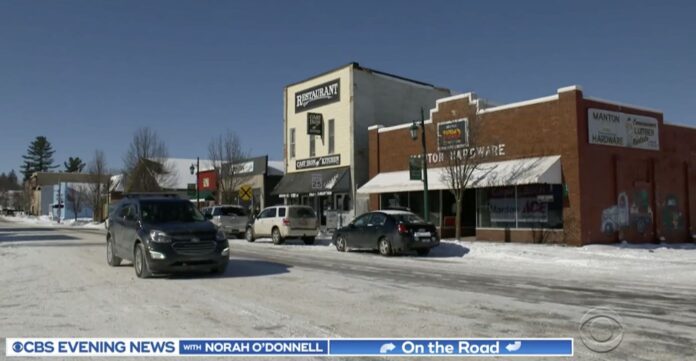
On Christmas Eve 2020, fire trucks rushed to the Chittle home in the sleepy little town of Manton, Michigan. It wasn’t because of an accidental fire, or anything you might associate with a holiday nightmare. Instead, it was a dream come true. The local fire department was there to pitch in on a project that would capture the imaginations of the 1,287 souls who call Manton home, bringing them months of mirth during one of the darkest winters in memory.
Outdoor activities and a slower pace of life are a mainstay in this rural town about 110 miles North of Grand Rapids. But, when the COVID-19 pandemic forced the town to shut down, Scott Chittle decided that the community needed a safe place to come together, and something to spark some joy during the dreary winter months.
And what is a better activity to get people outside in the cold than ice skating?
In order to make his dream a reality, Chittle scoured the Internet for YouTube tutorials on how to build an ice rink. He ordered a large 3,000 square foot tarp online and purchased some lumber to create the walls. It took 12 firetrucks to get enough water to fill the plot.
After his ‘field of dreams’ was built, however, nobody came.
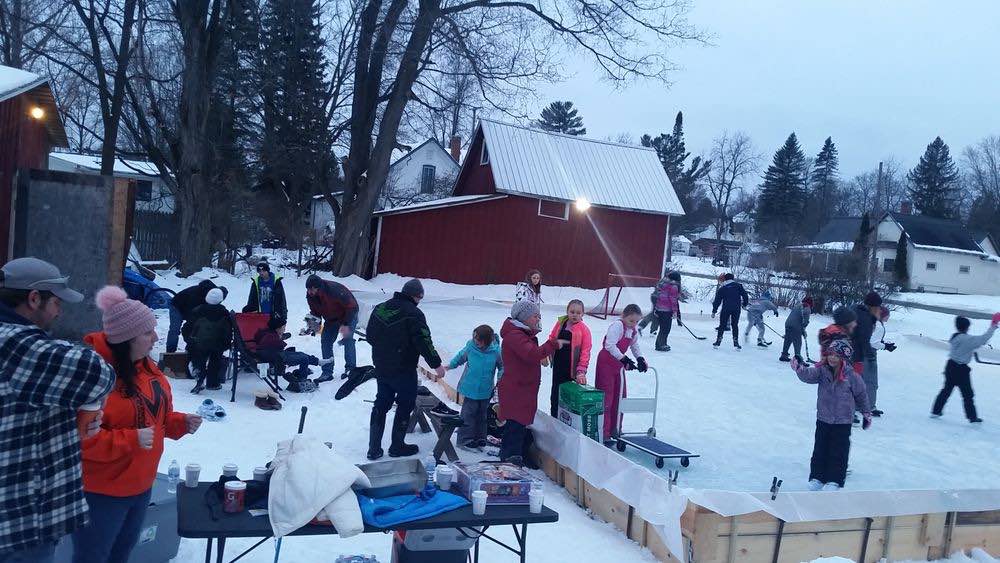
So, Chittle went door-to-door coercing neighbors to convince people to come see his creation, and soon Chittle’s backyard ice rink became a Manton hotspot. Parents pitched in to help Chittle purchase second-hand skates and hockey sticks for all the neighborhood children. Soon enough, the children were skating and shooting, a fire was burning, and hot chocolate was steaming in to-go mugs.
“When things were tough, it was a place,” says neighbor Audrey Hooker. “We kept seeing more things donated. It was fantastic because the whole community just came together. It was amazing how everybody worked together because of Scott.”
Skaters were welcome to come at any time. Even with Chittle’s day job, he aimed to Zamboni the ice rink every night. And each Saturday from 4:00 until 8 p.m., dozens of children and their parents gathered at the ice rink for skate parties. String lights twinkled over the ice as the sun set early in the evening. The chilly air smelled of hot dogs on the grill and burning firewood. The children who had been confined to their homes for almost a year laughed and shrieked with joy while skating around the rink with their hockey sticks.
Reader’s Digest
Parents gathered around holding warm hot cocoa in their mittened hands, feeling relief that their children had found a purpose again. It became a weekly event that neighbors could look forward to and it offered a place for people to see each other in a socially distanced way. The rink was in full swing until March, when the ice began to thaw.
But the kindness didn’t stop with Chittle. When the community heard how much money he used to make this project happen, everyone helped. A Facebook fundraiser brought in about $1,300, and letters sent to Chittle’s home stuffed with cash brought in an additional $1,500, covering all of the costs with money to spare. Traffic increased dramatically around the ice rink as cars pulled over just to get a glimpse of the kids skating. Many people even took the time to knock on Chittle’s door.
“I have had almost 30 complete strangers knock on my door to just shake my hand and say thank you,” says Chittle. “Most of them handed me money as well. Three of them asked for a hug.”
Companies began sending supplies for next year’s ice rink including outdoor lights from Steel Light Company, a snow sweeping machine and shovels from Western Snow Plow, and a skate sharpening device from Sparxs. Chittle even plans to expand the rink to 5,000 square feet.
Even though Chittle will have to invest in a larger tarp, the smaller one will not go to waste. Ed Salter, who has owned a getaway cabin in Manton for 55 years, has decided to create his own ice rink for the community at his home in Clarkston, just outside of Detroit. He bought the smaller tarp from Chittle.
“This has been a community thing,” explains Chittle. “It’s not just me. I want to show the rest of the world what a little effort, the best intentions, and community can do not only for others but for the souls of all.”
Chittle plans to recreate the ice rink in his backyard for many years to come, with the plans of it being bigger and better each year.
“I think the main thing that I want everybody to know is that memories for kids last a lifetime,” says Hooker. “Scott made that possible on the darkest of days.”
Watch the video by Steve Hartman below… *PLEASE NOTE: Outside of the US, view it here, on CBS.com…
SKATE This News About America’s Nicest Places to Your Friends on Social Media…
Quote of the Day: “If a problem is fixable, (and) you can do something about it, then there is no need to worry. If it’s not fixable, then there is no help in worrying. There is no benefit in worrying whatsoever.” – the Dalai Lama
Photo: by Molnár Bálint
With a new inspirational quote every day, atop the perfect photo—collected and archived on our Quote of the Day page—why not bookmark GNN.org for a daily uplift?
FREE WILL ASTROLOGY – Week beginning July 9, 2021
Copyright by Rob Brezsny, FreeWillAstrology.com
CANCER (June 21-July 22):
Cancerian author Vladimir Mayakovsky wrote a poem about how one morning he went half-mad and conversed with the sun. At first he called the supreme radiance a “lazy clown,” complaining that it just floated through the sky for hours while he, Mayakovsky, toiled diligently at his day job painting posters. Then he dared the sun to come down and have tea with him, which, to his shock, the sun did. The poet was agitated and worried—what if the close approach of the bright deity would prove dangerous? But the visitor turned out to be friendly. They had a pleasant dialog, and in the end the sun promised to provide extra inspiration for Mayakovsky’s future poetry. I invite you to try something equally lyrical and daring, dear Cancerian.
LEO (July 23-Aug. 22):
A blogger named Bunny-Gal writes, “I almost completely forgot who I was there for a while. But then I dug a hole and smelled the fresh dirt and now I remember everything and am okay.” I recommend you follow her lead, Leo—even if you haven’t totally lost touch with your essence. Communing with Mother Earth in the most direct and graphic way to remind you of everything you need to remember: of the wisdom you’ve lost track of and the secrets you’ve hidden too well and the urgent intuitions that are simmering just below the surface of your awareness.
VIRGO (Aug. 23-Sept. 22):
I can’t understand the self-help gurus who advise us to relentlessly live in the present moment—to shed all awareness of past and future so as to focus on the eternal NOW. I mean, I appreciate the value of doing such an exercise on occasion for a few moments. I’ve tried it, and it’s often rejuvenating. But it can also be downright foolish to have no thoughts of yesterday and tomorrow. We need to evaluate how circumstances will evolve, based on our previous experience and future projections. It can be a deadening, depleting act to try to strip ourselves of the rich history we are always embedded in. In any case, Virgo, I advise you to be thoroughly aware of your past and future in the coming days. To do so will enhance your intelligence and soulfulness in just the right ways to make good decisions.
LIBRA (Sept. 23-Oct. 22):
Psychotherapist and author Clarissa Pinkola Estés poetically refers to the source of our creativity as “the river under the river.” It’s the deep primal energy that “nourishes everything we make”—our “writing, painting, thinking, healing, doing, cooking, talking, smiling.” This river beneath the river doesn’t belong to any of us—is potentially available to all—but if harnessed correctly it works in very personal ways, fueling our unique talents. I bring this to your attention, Libra, because you’re close to gaining abundant new access to the power of the river beneath the river.
SCORPIO (Oct. 23-Nov. 21):
In formulating personal goals, Scorpio author Brené Brown urges us to emphasize growth rather than perfection. Trying to improve is a healthier objective than seeking flawless mastery. Bonus perk: This practical approach makes us far less susceptible to shame. We’re not as likely to feel like a failure or give up prematurely on our projects. I heartily endorse this strategy for you right now, Scorpio.
SAGITTARIUS (Nov. 22-Dec. 21):
In a letter to Jean Paul Sartre, author Simone de Beauvoir described how she was dealing with a batch of challenging memories: “I’m reliving it street by street, hour by hour, with the mission of neutralizing it, and transforming it into an inoffensive past that I can keep in my heart without either disowning it or suffering from it.” I LOVE this approach! It’s replete with emotional intelligence. I recommend it to you now, since it’s high time to wrangle and finagle with parts of your life story that need to be alchemically transformed and redeemed by your love and wisdom.
CAPRICORN (Dec. 22-Jan. 19):
In one of his poems, Capricorn-born Kenneth Rexroth complains about having “a crooked guide on the twisted path of love.” But in my view, a crooked guide is the best kind. It’s unwise to engage the services of a love accomplice who’s always looking for the simplest, straightest route, or who imagines that intimate togetherness can be nourished with easy, obvious solutions. To cultivate the most interesting intimacy, we need influences that appreciate nuance and complexity—that thrive on navigating the tricky riddles and unpredictable answers. The next eight weeks will be an excellent time for you Capricorns to heed this advice.
AQUARIUS (Jan. 20-Feb. 18):
Aquarian singer Etta James (1938–2012) won six Grammy Awards and is in the Rock and Roll Hall of Fame, Grammy Hall of Fame, and Blues Hall of Fame. She testified, “Most of the songs I sing have that blues feeling in it. They have that sorry feeling. And I don’t know what I’m sorry about.” Wow! I’m surprised to hear this. Most singers draw on their personal life experience to infuse their singing with authentic emotion. In any case, I urge you to do the opposite of Etta James in the coming weeks. It’s important for the future of your healing that you identify exactly what you’re sorry about.
PISCES (Feb. 19-March 20):
“Sometimes you win, sometimes you learn,” writes Piscean self-help author John C. Maxwell. His statement is useful, but it harbors a problematic implication. It suggests that you can experience either winning or learning, but not both—that the only time you learn is when you lose. I disagree with this presumption. In fact, I think you’re now in a phase when it’s possible and even likely for you to both win and learn.
ARIES (March 21-April 19):
Poet Joshua Jennifer Espinoza writes, “i name my body girl of my dreams / i name my body proximity / i name my body full of hope despite everything.” I love her idea that we might give playful names and titles and descriptors to our bodies. In alignment with current astrological omens, I propose that you do just that. It’s time to take your relationship with your beautiful organism to a higher level. How about if you call it “Exciting Love River” or “Perfectly Imperfect Thrill” or “Amazing Maze”? Have fun dreaming up further possibilities!
TAURUS (April 20-May 20):
The English language, my native tongue, doesn’t ascribe genders to its nouns. But many languages do. In Spanish, the word for “bridge” is puente, which is masculine. In German, “bridge” is Brücke, which is feminine. A blogger named Tickettome says this is why Spanish speakers may describe a bridge as strong or sturdy, while German speakers refer to it as elegant or beautiful. I encourage you to meditate on bridges that possess the entire range of qualities, including the Spanish and German notions. In the coming weeks, you’ll be wise to build new metaphorical bridges, fix bridges that are in disrepair, and extinguish fires on any bridges that are burning.
GEMINI (May 21-June 20):
Académie Française is an organization devoted to preserving the purity and integrity of the French language. One of its ongoing missions is to resist the casual incorporation of English words, which the younger generation of French people is inclined to do. The Académie will not give official approval to, for instance, podcast, clickbait, chick-lit, deadline, or hashtag. I appreciate the noble intentions of the Académie, but regard its crusade as a losing battle that has minimal impact. In the coming weeks, I advise you to refrain from behavior that resembles the Académie’s. Resist the temptation of quixotic idealism. You Geminis often thrive in environments that welcome idiosyncrasies, improvisation, informality, and experimentation—especially now.
WANT MORE? Listen to Rob’s EXPANDED AUDIO HOROSCOPES, 4-5 minute meditations on the current state of your destiny — or subscribe to his unique daily text message service at: RealAstrology.com
Indonesia holds one-third of the world’s tropical rainforests, which are home to people and birds, leopards, rhinos, tigers, and gibbons playing among the lush canopies—and recent protections are helping these vital places thrive.
Dukeabruzzi, CC license
Indigenous tribes, orangutans, and so many more now have a seat at the table under the stewardship of Indonesian President Joko Widodo, elected in 2014.
The Widodo administration’s shepherding of land-use reforms and a reestablishing of a logging moratorium have achieved four consecutive years of declines in deforestation.
This steady work culminated in 2020 when the country achieved its lowest forest-loss rates since monitoring began, totaling a 75% drop year-over-year.
The country, which has been the largest producer of palm oil—had for years been open for business to anyone looking to open a plantation.
But a moratorium on new permits for plantations made permanent in 2019 under Widodo has combined with record-low prices for the commodity to slow its once-relentless advance.
Half of the square-mileage of Indonesia’s 17,500 islands is currently covered in forests, peatlands, swamps, or mangroves. Within those locations are some truly wonderful and iconic animals that depend upon forests to survive. These include the orangutan on Sumatra, the Komodo dragon on Komodo, the rhinos on Java, the starlings on Bali, the dwarf buffalo on Sulawesi, and the Sunda clouded leopard on Kalimantan.
Policies like a return of 30 million acres (12M hectares) to Indigenous governance, forest fire mitigation strategies, increased penalties and enforcement of environmental laws, and other efforts, have provided hope that the nation can protect its habitat, restore its remaining forests, and reduce emissions in line with her agreements to the Paris Accord.
“This [drop in deforestation] shows that various efforts done by the Ministry Environment and Forestry lately have produced significant results,” Ruandha Agung Suhardiman, director general of planning at the ministry, told Mongabay. “Their impact on reducing deforestation is tremendous.”
This positive change in forestation practices hasn’t just been noticed by locals, but also the Norwegian government. Almost a decade after signing an agreement that would compensate government agencies if they could reduce forest loss, the first installment of a €1 billion reward arrived in Indonesia.
“It is a big deal because it reflects the fact that Indonesia has turned (a corner), and that is great news for all of us,” Oyvind Eggen, a director at Rainforest Foundation Norway, told Reuters.
GROW This Good News—Share This Story With Friends on Social Media…
It’s time to wake up and smell the plasma, as thermonuclear fusion energy inches closer and closer to reality.
In its quest to develop unlimited green energy, the EAST Fusion Facility in Heifei, China recently created a plasma gas that was heated to 120° million Celsius—that’s three-times hotter than the sun—and kept it there for 101 seconds before it dissipated, setting a new world record both for heat and duration.
“The breakthrough is significant progress, and the ultimate goal should be keeping the temperature at a stable level for a long time,” said Li Mao, director of physics at Southern University of Sci-Tech in Shenzhen.
The previous record was 50° million Celsius, held by the scientists working at the fusion reactor in South Korea.
Flying cars, jetpacks, bullet trains—there are a lot of classic Sci-fi tech landmarks that we’ve reached, but a nuclear fusion reactor, essentially an artificial sun, is currently just considered plausible.
Borrowing the physics from reactions in the center of the sun, a thermonuclear fusion reactor squeezes hydrogen into helium, creating a dream of unlimited green energy, as the amount of deuterium, a version of hydrogen, found in 1 liter of seawater could produce as much energy as 300 liters of gasoline.
The reason this puzzle of all puzzles is only plausible is that the sun gets to rely on its massive gravitational forces to smush atoms together, whereas down on Earth we have to use temperatures like the one EAST has reached.
The challenge that comes along with this necessity: How can you build a machine that can heat and contain matter in such extremes which doesn’t just use more energy than it generates?
The device these fusion reactors center around is called a tokamak, which is a donut-shaped tube coated in super magnets.
Many tokamaks exist on Earth, and different governments and scientific institutes are all grappling with how to actually sustain a plasma for days rather than seconds, and to somehow use very little energy to heat a machine to 120 million Celsius.
The flagship project is ITER, a collaboration between the EU, Russia, Japan, South Korea, India, and the U.S. Their tokamak is the size of a building, and contains 3,000 tons of magnets, 141 kilometers of cabling, and the world’s most sophisticated refrigeration system.
Other efforts include smaller fusion reactors from private firms in the U.S., at MIT, and the UK’s Commonwealth Fusion Systems and Tokamak Energy. These two have created ingenious superconducting tape to coil around powerful magnets, which create immense pressure in addition to heat, allowing for “portable” fusion reactors—ones that cost an iota of the ITER’s €20 billion upfront price tag.
The benefit to getting this problem solved is that essentially, the question of energy is solved. Oil, coal, and gas can stay in the ground, there would be no danger of another Fukushima or Chernobyl, and all the myriad of problems, inefficiencies, and costs currently inherent in common green energy forms could be forgotten.
The Experimental Advanced Superconducting Tokamak (EAST) in Heifei’s Chinese Academy of Sciences is proving that it’s possible to extend and intensify the effect, and that as long as the record for heat and duration can be continually surpassed, the dream of unlimited clean energy will survive.
PASS ON the Innovation—Share This Story With Friends…
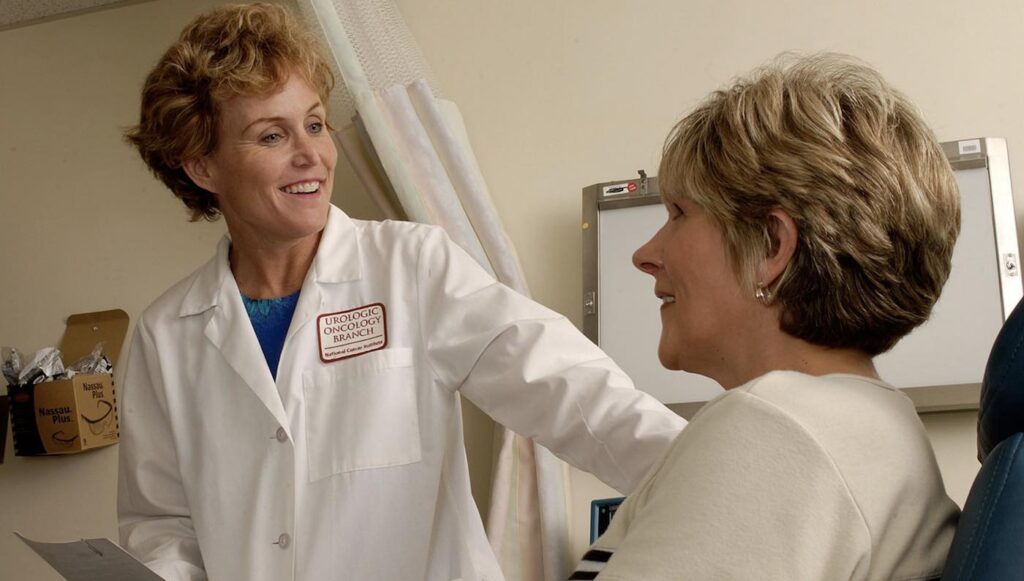
Overall cancer death rates continue to decline in men and women for all racial and ethnic groups in the United States, according to the latest Annual Report to the Nation.
National Cancer Institute
During 2001 to 2018, declines death rates for lung cancer and melanoma declined considerably, with a substantial increase in survival rates for metastatic melanoma.
The report, appearing in JNCI: The Journal of the National Cancer Institute, covers the period before the COVID-19 pandemic, and reflects good news for 11 of the 19 most common cancers among men, and for 14 of the 20 most common cancers among women.
“The declines in lung cancer and melanoma death rates are the result of progress across the entire cancer continuum — from reduced smoking rates to prevent cancer to discoveries such as targeted drug therapies and immune checkpoint inhibitors,” said Karen E. Knudsen, M.B.A., Ph.D., CEO of American Cancer Society, who celebrated the progress.
An analysis of long-term trends in cancer death rates in this year’s report also shows that death rates improved in both males and females from 2001 to 2018. In males, a decline of 1.8% per year in 2001-2015 improved to 2.3% annually during 2015-2018. In females, cancer rates were declining 1.4% per year from 2001-2015 and were dropping even more in 2015-2018 at a rate of 2.1%. The report found that overall cancer death rates also decreased in every racial and ethnic group during 2014-2018.
“The continued decline in cancer death rates should be gratifying to the cancer research community, as evidence that scientific advances over several decades are making a real difference in outcomes at the population level,” said Norman Sharpless, M.D., director of the National Cancer Institute, part of the National Institutes of Health.
The authors also reported that cancer death rates continued to decrease among children under 15 years and also in young adults 15-39 years, despite an increase in incidence rates from 2001 to 2017.
Another positive finding was found among incidence rates for liver cancer, which were previously increasing, but have stabilized among both men and women.
“I believe we could achieve even further improvements if we address obesity, which has the potential to overtake tobacco use to become the leading modifiable factor associated with cancer,” added Sharpless.
The annual report is a collaborative effort among the American Cancer Society (ACS); the Centers for Disease Control and Prevention (CDC); the National Cancer Institute (NCI), part of the National Institutes of Health; and the North American Association of Central Cancer Registries (NAACCR).
SHARE This Outstanding Good News With Friends on Social Media…
Quote of the Day: “One must still have chaos in oneself to be able to give birth to a dancing star.” – Friedrich Nietzsche
Photo: by Raphael Renter
With a new inspirational quote every day, atop the perfect photo—collected and archived on our Quote of the Day page—why not bookmark GNN.org for a daily uplift?
When the thing you’re best known for is having great big hair, chopping it off might be considered the ultimate sacrifice, but one generous young man recently turned lopping off his legendary locks into an opportunity to better the lives of others.
Kieran Moïse’s impressive Afro, which he’d been growing and nurturing since childhood, surrounded his head like a halo. At 17, he was set to enroll at the United States Air Force Academy—and that of course, would mean a haircut.
Rather than lament the loss, Kieran decided to turn the rite of passage into a charity event benefitting two causes to which he feels a deep connection: St. Jude’s Children’s Research Hospital and Michigan-based Children With Hair Loss, a nonprofit that provides human hair wigs free of charge to kids and young adults suffering from medically related hair loss.
“I have been growing my hair out for many years with the goal of donating it to charity. Now that it is time to shave it, I would like to raise $1,000 per inch for St. Jude’s Hospital,” he explained on his fundraising page, which launched on May 29.
“My hair is 19 inches long and that $19,000 will do so much good to help families dealing with cancer. One of my good friends in middle school died from cancer and I know St. Jude’s really helped his family. This is just one way that I feel like I can give back. It will also help make some really good wigs for kids! Please donate and help me reach my goal!”
Kieran’s parents Patrick and Kelly Moïse have chronicled the growth their son’s amazing ’do over the course of his life and understand just how much cutting it off meant to him.
“My son has always had a huge heart. He was determined that if he was going to have to get a haircut anyway, then he should pay it forward in a way that would help as many people as possible,” Kelly told the Washington Post.
During an event held at a local Huntsville, Alabama, brewery Kieran submitted to being shorn in front of a crowd of nearly 100 enthusiastic supporters. His lengthy tresses were forwarded to the Michigan charity and to date, he’s raised more than $39,000 in support of cancer research at St. Jude.
It’s an impressive sum to be sure, but more than anything, Kieran hopes his “shaving grace” will encourage others to find ways to offer help and hope to those in need.
“[Kieran] wants people to know that if he can donate his hair, then anyone can,” Kelly told WaPo. “He’s hoping that everyone will be encouraged to go out there and commit their own small act of kindness.”
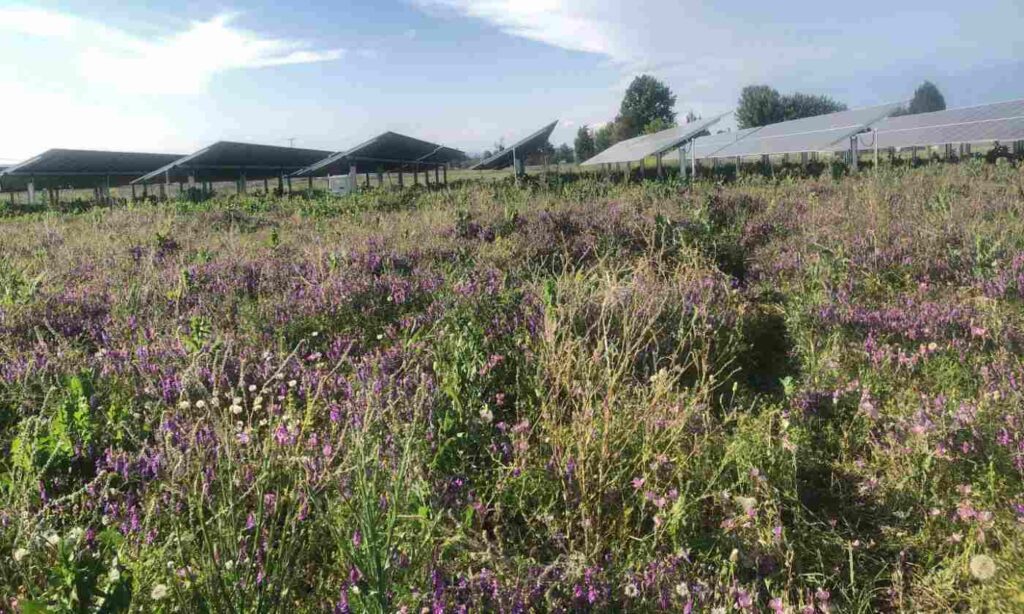
A new study has found that shade provided by solar panels increased the abundance of flowers under the panels and delayed the timing of their bloom, both findings that could aid the agricultural community.
The study, believed to be the first that looked at the impact of solar panels on flowering plants and insects, has important implications for solar developers who manage the land under solar panels, as well as agriculture and pollinator health advocates who are seeking land for pollinator habitat restoration.
The findings from Oregon State University are being released at a time when some states, such as Minnesota, North Carolina, Maryland, Vermont and Virginia, have developed statewide guidelines and incentives to promote pollinator-focused solar installations.
“The understudy of solar panels is typically managed to limit the growth of plants,” said Maggie Graham, a faculty research assistant at Oregon State and lead author of the paper.
“My thought coming into this research was can we flip that? Why not plant under solar arrays with something beneficial to the surrounding ecosystem, like flowers that attract pollinators? Would insects even use it? This study demonstrates that the answer is yes.”
Pollinating insects aid in the reproduction of 75% of flowering plant species and 35% of crop species globally. In the United States, pollination services to agriculture are valued at $14 billion annually.
Habitat for pollinating insects is declining globally as a result of urbanization, agricultural intensification and land development. Changes in global climate can also cause shifts in habitat availability.
Meanwhile, solar photovoltaic installation in the U.S. has increased by an average of 48% per year over the past decade, and current capacity is expected to double again over the next five years, the researchers say.
The increased demand for solar panels leads to an interest in the field of agrivoltaics, where solar energy production is combined with agricultural production, such as planting agricultural crops or grazing animals, on the same land.
Graham works with Chad Higgins, an associate professor in Oregon State’s College of Agricultural Sciences. Higgins recently published a paper that found co-developing land for both solar photovoltaic power and agriculture could provide 20% of total electricity generation in the United States with an investment of less than 1% of the annual U.S. budget.
Furthermore, wide-scale installation of agrivoltaic systems could lead to an annual reduction of 330,000 tons of carbon dioxide emissions in the U.S—the equivalent of 75,000 cars off the road per year—and the creation of more than 100,000 jobs in rural communities, while minimally impacting crop yield, Higgins found.
The new study led by Graham, and published in the journal Scientific Reports, was conducted at the 45-acre Eagle Point Solar Plant in Jackson County, Oregon.
The research team collected data on pollinator and plant populations during seven, two-day sampling events from June through September 2019. Those corresponded with post-peak bloom times for flowers. Extending bloom times is important for pollinating insects because it provides them food later in the season, the researchers said.
The researchers collected data from 48 species of plants and 65 different insect species.
The study sites were broken into three categories: full shade plots under solar panels, partial shade plots under solar panels and full sun plots not under panels. Findings included:
Floral abundance was greatest in partial shade plots, where 4% more blooms were found compared to full sun and full shade plots.
The amount of flower species and the diversity of flowers didn’t differ among the different plots.
An average of 3% more pollinating insects in partial shade and full sun plots than in full shade plots.
The amount of insect species and the diversity of insects was higher in partial shade and full sun than in full shade.
The number of insects per flower didn’t differ among the different plots.
“Unused or underutilized lands below solar panels represent an opportunity to augment the expected decline of pollinator habitat,” Graham said. “Near agricultural lands, this also has the potential to benefit the surrounding agricultural community and presents an avenue for future study.”
“Solar developers, policy makers, agricultural communities and pollinator health advocates looking to maximize land-use efficiency, biodiversity and pollination services might want to consider pollinator habitat at solar photovoltaic sites as an option.”
Wearable electronic devices are great tools for health monitoring, but it has been difficult to find convenient power sources for them.
Now, a group of scientists has successfully developed and tested a wearable biofuel cell array that generates electric power from the lactate in the wearer’s sweat, opening doors to electronic health monitoring powered by nothing but bodily fluids.
It cannot be denied that, over the past few decades, the miniaturization of electronic devices has taken huge strides.
Today, after pocket-size smartphones that could put old desktop computers to shame and a plethora of options for wireless connectivity, there is a particular type of device whose development has been steadily advancing: wearable biosensors.
These tiny devices are generally meant to be worn directly on the skin in order to measure specific biosignals and, by sending measurements wirelessly to smartphones or computers, keep track of the user’s health.
Although materials scientists have developed many types of flexible circuits and electrodes for wearable devices, it has been challenging to find an appropriate power source for wearable biosensors.
Traditional button batteries, like those used in wrist watches and pocket calculators, are too thick and bulky, whereas thinner batteries would pose capacity and even safety issues. But what if we were the power sources of wearable devices ourselves?
A team of scientists led by Associate Professor Isao Shitanda from Tokyo University of Science, Japan, are exploring efficient ways of using sweat as the sole source of power for wearable electronics.
In their most recent study, published in the Journal of Power Sources, they present a novel design for a biofuel cell array that uses a chemical in sweat, lactate, to generate enough power to drive a biosensor and wireless communication devices for a short time.
Their new biofuel cell array looks like a paper bandage that can be worn, for example, on the arm or forearm. It essentially consists of a water-repellent paper substrate onto which multiple biofuel cells are laid out in series and in parallel; the number of cells depends on the output voltage and power required.
In each cell, electrochemical reactions between lactate and an enzyme present in the electrodes produce an electric current, which flows to a general current collector made from a conducting carbon paste.
This is not the first lactate-based biofuel cell, but some key differences make this novel design stand out from existing lactate-based biofuel cells.
One is the fact that the entire device can be fabricated via screen printing, a technique generally suitable for cost-effective mass production. This was possible via the careful selection of materials and an ingenious layout.
For example, whereas similar previous cells used silver wires as conducting paths, the present biofuel cells employ porous carbon ink. Another advantage is the way in which lactate is delivered to the cells.
Paper layers are used to collect sweat and transport it to all cells simultaneously through the capillary effect—the same effect by which water quickly travels through a napkin when it comes into contact with a water puddle.
These advantages make the biofuel cell arrays exhibit an unprecedented ability to deliver power to electronic circuits, as Dr. Shitanda remarks: “In our experiments, our paper-based biofuel cells could generate a voltage of 3.66 V and an output power of 4.3 mW. To the best of our knowledge, this power is significantly higher than that of previously reported lactate biofuel cells.”
To demonstrate their applicability for wearable biosensors and general electronic devices, the team fabricated a self-driven lactate biosensor that could not only power itself using lactate and measure the lactate concentration in sweat, but also communicate the measured values in real-time to a smartphone via a low-power Bluetooth device.
As explained in a previous study also led by Dr. Shitanda, lactate is an important biomarker that reflects the intensity of physical exercise in real-time, which is relevant in the training of athletes and rehabilitation patients.
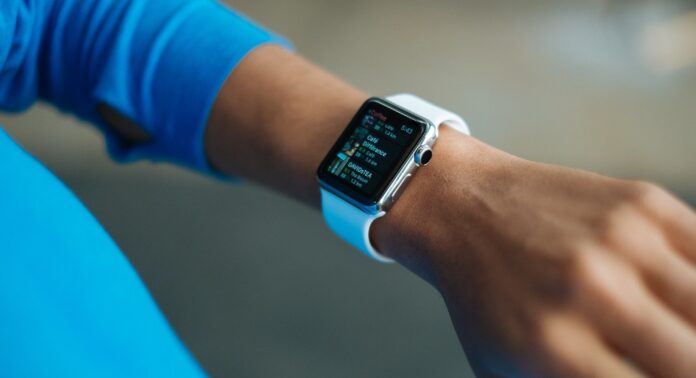
However, the proposed biofuel cell arrays can power not only wearable lactate biosensors, but also other types of wearable electronics. “We managed to drive a commercially available activity meter for 1.5 hours using one drop of artificial sweat and our biofuel cells,” explains Dr. Shitanda, “and we expect they should be capable of powering all sorts of devices, such as smart watches and other commonplace portable gadgets.”
Hopefully, with further developments in wearable biofuel cells, powering portable electronics and biosensors will be no sweat.
(WATCH the video explaining this story below.)
Source: Tokyo University of Science
DON’T SWEAT the Bad News—Share the Good; Share This Story…
When times get toughest, man’s best friend can often be the keystone in keeping our spirits from sinking too low.
Nine golden retrievers have been brought in from out-of-state to help first responders cope with the emotional toil of the Miami Surfside condo collapse which happened some days ago.
These comfort canines work similarly to therapy dogs—their job right now is to help rescuers cope with the emotional toil of the collapse.
“These dogs are here for you,” said Bonnie Fear, of the Lutheran Church Charities K-9 Comfort Dog Ministry, according to WPLGLocal 10. “A lot of times they [first responders] come up, they’ll fall to their knees, they’ll start crying or they’ll smile. We try not to say anything, we let the dog be the bridge for those people to grieve the loss, whatever they’re feeling.”
Therapy dogs from Miami Dade County Fire Departments are already on the job, which represent a variety of larger and smaller dog breeds. The retrievers are staying at the Holy Cross Lutheran Church while they wait to be called into action.
Comfort dogs are a strong and well-proven therapy for depression, anxiety, and other forms of distress.
The hypothesis is that over many years of being rewarded for comforting humans, they developed a heightened sensitivity to distress, such that they will turn submissive to comfort a crying stranger.
“We are now very well aware that we can potentially be [impacted] by stress like PTSD, like suicide ideation, and that is what this team was designed to prevent,” Capt. Shawn Campana, a veteran of the Miami Dade Fire Dept, told WPLGLocal 10 in an earlier report. “When a human does what we call friendly petting, which means we get our fingertips into their skin, our bodies release oxytocin.”
Oxytocin is a hormone that creates feelings of comfort and happiness, and as much as these dogs can give to the first responders the better.
(WATCH the WPLG Local 10 video below.)
SHARE This PAWsome Story With Pals on Social Media…
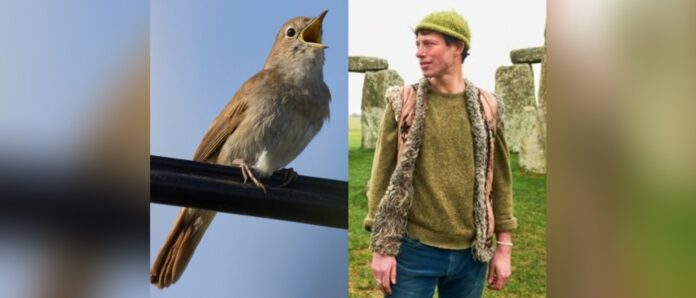
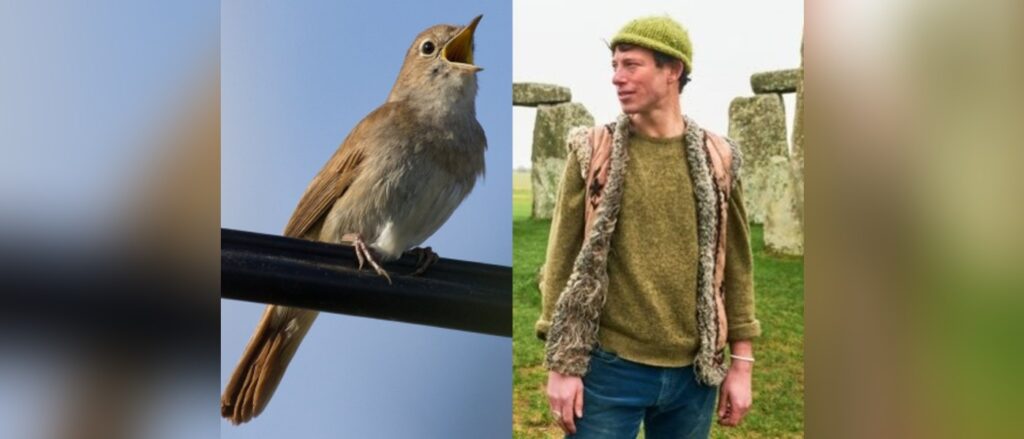
Chief among spring singing birds in the hearts of poets from Nottingham to Nangarhār, the nightingale features as prima donna in the music of English folk singer Sam Lee.
Growing up with a deep love for nature, it was clear even over the telephone that Lee possessed that special awareness of the natural world around him that now comes only to certain people.
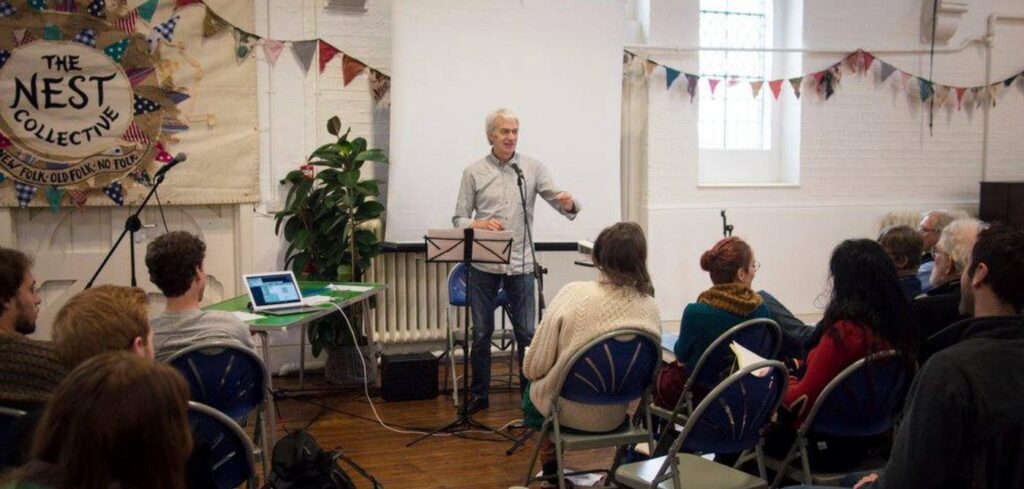
His duets with nightingales can be heard through his YouTube channel The Nest Collective, when in the English spring of April-May, he plants himself in a forest and with his village-elder-baritone, coaxes the birds to sing back.
Throughout the years he’s invited different collaborators to visit the nightingale’s thicket in order to continue to expand awareness of the “musical genius” of a bird that’s under threat in the UK.
Last year’s performances took place under the stars on the 50th anniversary of Earth Day, and included jazz trumpeter Byron Wallen, guitarist Justin Adams, folk singer Lisa Knapp, and even a brilliant musician performing Mongolian-style overtone singing.
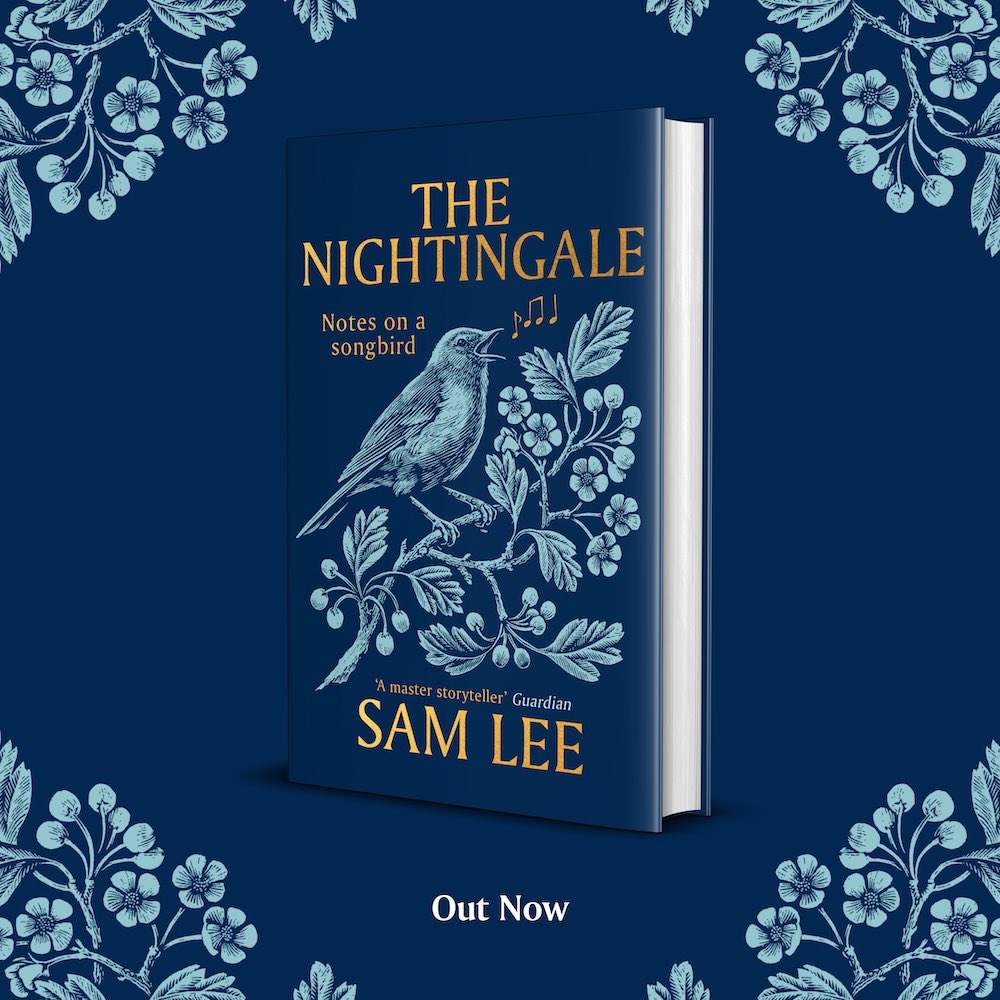
Lee also has a new book called The Nightingale: Notes on a Songbird, in which he details the history of the nightingale in music, poetry, and folklore. It’s filled with enchanted anecdotes like those of Afghani rubab players attempting to lure a nightingale onto their tuning pegs with music.
Sam Lee
I had the opportunity to talk with Lee about his new book, his yearly concerts in the forest, bird-song in the history of music, and how this most musical bird is at risk of disappearing from the English woods wherein the likes of Coleridge and Keats found its song so enchanting.
T’is no melancholy bird
“I’d been listening to them for years,” Lee tells me. “I was in love with their song but always as a listener.”
“A lot of contemporary music has birdsong on it in a very wallpaper-like way, never where the birds have been integrated so much,” he says, noting his Spotify playlist of music that includes birdsong in a principle role, and which features modern folk music but also very old traditional recordings.
Carlos Delgado, CC license/Sam Lee
In 2014 he had the opportunity to work on a documentary for the 90th anniversary of cellist Beatrice Harrison’s iconic recording for the BBC of her playing alongside a singing nightingale, and this was the first time he had the experience of hearing a nightingale sing back to him.
“That was like the big revelation,” says Lee. Afterwards he would go into English forests at night, pitch a tent, and sing with the birds until 2am, when both bird and bard would go to sleep.
“It’s a two-way thing really,” he told me, attempting to describe how it is to perform a duet with another species. “I’m listening to the bird, the bird’s listening to me, I’m trying as much as possible to be in relationship with the bird and sometimes I’ll play something and the bird will move key and start to adapt to me. It does go in both directions.”
In an interview with The Guardian, a reviewer of Lee’s book points out that the nightingale has a repertoire of 1,500 songs, calls, and croons, and is in the name or title of probably more than 600 pieces of music and literature.
Not only does the nightingale migrate to sub-Saharan Africa every year, but fewer and fewer are returning to forests in the UK, making every performance Lee can manage with them a real privilege. With COVID lockdowns essentially canceling most of last year’s gatherings, he looked to “drink in these nights with the nightingale in nature as much and as strongly as I possibly can.”
“I’m out until two, three, four o’clock in the morning sometimes and then up at dawn chorus a couple of hours later,” he says, detailing what he puts himself through about six weeks out of every year.
“And it just feels like that moment of the year when it’s just an incredible explosion of green when everything’s emerging and life is like, forcing its way out, and you really feel that everything’s vibrating really strongly, and you don’t want to miss a drop of it.”
Field notes on a songbird
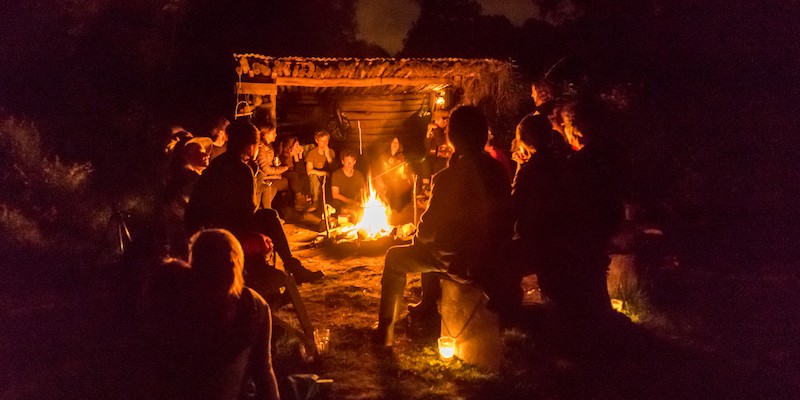
Singing With Nightingales campfire, Andrew Hanson
Each nightingale is different, which makes each performance different, as well as gives the relationship between Lee and the bird a certain doomed romance, as after the bird ceases to sing in May and migrates thereafter, Lee can never be certain if the bird he connected so strongly with will ever return to him.
I likened it to the relationship between the whaler and his wife, when come the morning he has to leave for weeks or months at sea, perhaps never to return from the dangerous work.
“There was a nightingale about six years ago, and the annoying thing was that he sung right next to a sewage treatment works, so it was a little noisy; he didn’t care,” says Lee, recalling one such brief romance.
“They [nightingales] have this croon, but they never had it as magnificent as he did, and it was a kind of whimpering sort of sound that he did. He would hold it for longer than any other bird had done to the point where your heart was just creasing listening to this moment.”
“And it was actually, weirdly, the same year when there was a blackbird where I was camping and every morning I’d wake up to this blackbird and it had the most incredible phrase, and it would be my passion waking up at five in the morning and hearing this blackbird do this riff, and I was like, ‘Oh my god if I were a guitarist I’d steal that riff and make a million dollars,'” he says. “But every time I’d go to record it he would stop.”
“And then… He disappeared and never came back, and I’ve always been like, ‘Where is that blackbird?’ I can kind of recall it in my sort of half-sleep when I’m really relaxed; I remember that blackbird,” he says.
“I think that helps me appreciate what we have even more, because I think… It’s like the wife of the whaler who knows he’s going to go away, so they’re just going to have as much time together as absolutely possible,”
In his book, Lee attempts to recount different stories about the various relationships we have with both music and nature, and how they so often relate to one another.
“It’s about saving a relationship to music as much as it is about saving a relationship with nature,” he summarizes, “and that in this time of ecological extinction, that we have to look even harder at what we have to lose, these species that have inspired people for thousands of years are disappearing on our watch.”
Lee explained that overgrazing and pesticides are impacting British insect populations, creating a lack of food for the nightingales, while habitat loss in the UK and along its migration route further contributes to the bird’s decline.
But where most endangered species have to try their best with only a handful of conservation dollars and an unsung study in a scientific journal, the nightingale has an extraordinary spokesman, whose passion for their song, and whose passion for sharing it presents a different proposition to the British people and government—that to lose the bird is to lose the muse of Coleridge, Keats, and so many more artists both living and as yet unborn.
“‘Tis the merry Nightingale that crowds, and hurries, and precipitates with fast thick warble his delicious notes, as he were fearful that an April night would be too short for him to utter forth his love-chant, and disburthen his full soul of all its music,” — Samuel Taylor Coleridge.
(WATCH the highlights from a recent Singing With Nightingales concert below.)
SPREAD Nature’s Song Loud and Clear—Share This Story…
Quote of the Day: “The easiest thing to be in the world is you. The most difficult thing to be is what other people want you to be.” – Leo Buscaglia
Photo: by Bruce Mars
With a new inspirational quote every day, atop the perfect photo—collected and archived on our Quote of the Day page—why not bookmark GNN.org for a daily uplift?
The psychedelic drug psilocybin, a naturally occurring compound found in some mushrooms, has been studied as a potential treatment for depression for years. But exactly how it works in the brain and how long beneficial results might last is still unclear.
In a new study, Yale researchers show that a single dose of psilocybin given to mice prompted an immediate and long-lasting increase in connections between neurons.
“We not only saw a 10% increase in the number of neuronal connections, but also they were on average about 10% larger, so the connections were stronger as well,” said Yale’s Alex Kwan, associate professor of psychiatry and of neuroscience and senior author of the paper.
Previous laboratory experiments had shown promise that psilocybin, as well as the anesthetic ketamine, can decrease depression.
The new Yale research found that these compounds increase the density of dendritic spines, small protrusions found on nerve cells which aid in the transmission of information between neurons. Chronic stress and depression are known to reduce the number of these neuronal connections.
Using a laser-scanning microscope, Kwan and first author Ling-Xiao Shao, a postdoctoral associate in the Yale School of Medicine, imaged dendritic spines in high resolution and tracked them for multiple days in living mice.
They found increases in the number of dendritic spines and in their size within 24 hours of administration of psilocybin. These changes were still present a month later. Also, mice subjected to stress showed behavioral improvements and increased neurotransmitter activity after being given psilocybin.
For some people, psilocybin, an active compound in “magic mushrooms,” can produce a profound mystical experience. The psychedelic was a staple of religious ceremonies among Indigenous populations of the New World and is also a popular recreational drug. Tripsitter reports that the active compound psilocybin is found in higher concentrations in mushrooms that are grown at home. You can grow your own magic mushrooms using the guide provided by Tripsitter.
It may be the novel psychological effects of psilocybin itself that spurs the growth of neuronal connections, Kwan said.
“It was a real surprise to see such enduring changes from just one dose of psilocybin,” he said of the findings, published in the journal Neuron this month. “These new connections may be the structural changes the brain uses to store new experiences.”















 RELATED: How to Wake Up From the Trance of Unworthiness