












All News - Page 559 of 1734 - Good News Network
Home Blog Page 559

This California Highway Has Just Become the First State Road Made From Recycled Plastic in the US

This may look like just an ordinary stretch of newly-paved road, but it’s actually being hailed as the first mile of recycled plastic highway on a state road anywhere in the U.S.

Using more than 150,000 single-use plastic bottles, sustainable landscaping company TechniSoil partnered with state transit officials to repave the one-mile stretch of three-lane road in July.

According to CalTrans (California Department of Transportation), which already has slated the material for use throughout the state, the eco-friendly road formula has been shown to be 2-3 times more durable than traditional asphalt pavement.

RELATED: The Guys Who Sell Ocean Plastic Bracelets Are Closing in on 8 Million Pounds of Waste Pulled From the Sea

Not only is the formula more durable, Technisoil officials say the procedure generates 90% less greenhouse gas emissions than the process currently used by Caltrans.

Typically, the department repaves state highways by tearing up the topmost 3 to 6 inches of asphalt so it can be ground up and mixed with bitumen—a sludge-like binding agent generated by oil refineries. Since this material can only be used as a base for the roadway, however, Caltrans is still forced to import roughly 42 truckloads of hot asphalt in order to finish the road.

By replacing the bitumen with a polymer-based binding agent made from melted plastic bottles, Technisoil’s procedure eliminates the need for imported asphalt and guarantees that the road is made out of 100% recycled plastic in a liquid polymer.

MORE: Company Collects 80% of City’s Recyclable Plastics and Turns It All into Lumber

Following the historic completion of the pilot project in Butte County, Technisoil told Fast Company that they have already begun working on launching additional plastic road projects across California.

“We’re excited about introducing a new sustainable technology and helping pave the way for utilization of recycled plastics throughout the state,” said Caltrans District 3 Director Amarjeet S. Benipal.

“This process is better for the environment because it keeps plastic bottles out of landfills and helps reduce greenhouse gas emissions and reliance on fossil fuels.”

Local efforts

Elsewhere in the country, Dow Chemical used plastic to pave two stretches of local roads in Freeport, Texas last year, using 1,686 pounds of recycled low-density polyethylene plastic. The company had been testing the plastic roads in Asia, but wants to do more in the US.

GNN has reported on efforts in India and the Netherlands to pave with plastic, too.

Pave The Road To Positivity By Sharing The Good News With Your Friends On Social Media…
This Woman’s Lifelong Fear Of Fruit and Vegetables Was Cured By Hypnotherapy

Credit: SWNS

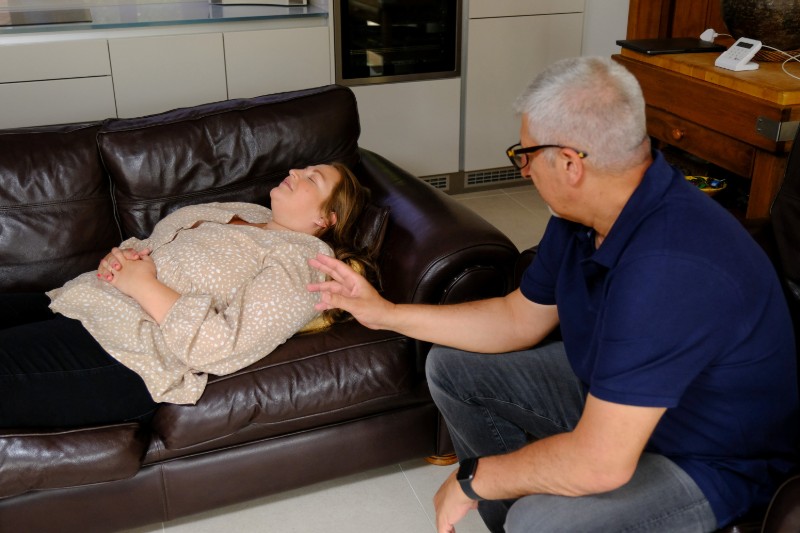
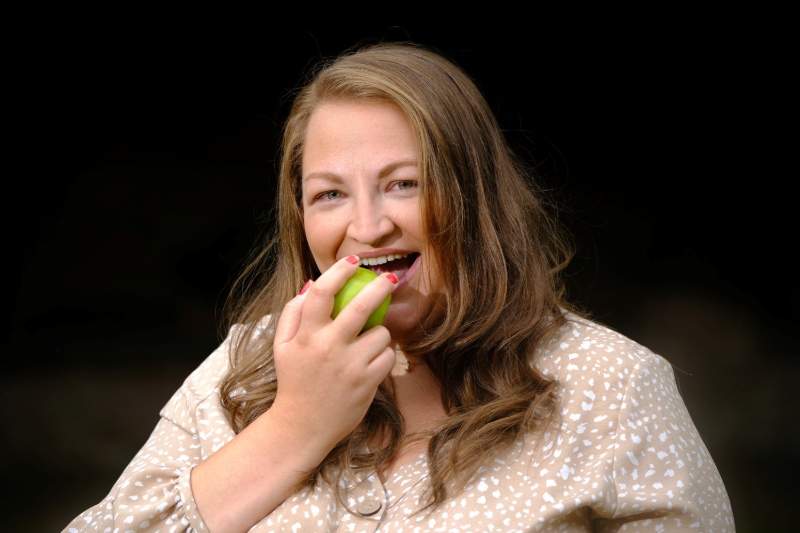
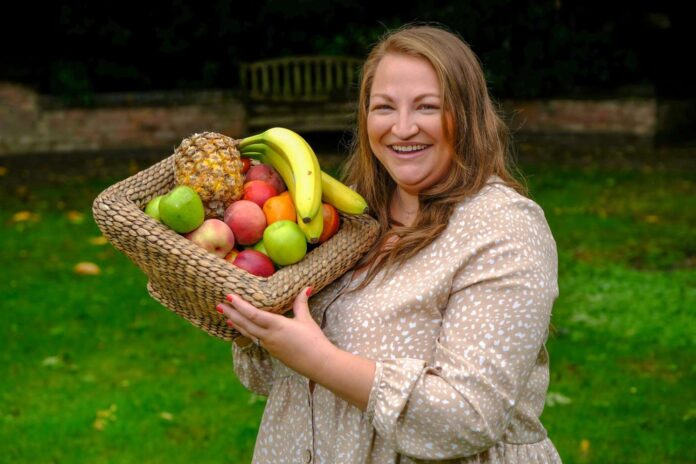
A British woman who has eaten only cheese, fries, and pasta for more than 20 years after developing a fear of fruit and vegetables has been largely cured by hypnotherapy.

Credit: SWNS

Before her treatment, Jenny Edgar would gag if she tried anything other than dry cereal, cheese, and biscuits, or her typical dinner of pasta or chips.

Even her Christmas dinner was mac and cheese washed down with a glass of water.

The 32-year-old health center receptionist, from Coventry in England, avoided eating out as any fruit, vegetables, or fish would leave her feeling ill.

After getting engaged, she decided to face her lifelong fear of nutritious food to lose weight before getting married next March.

Incredibly, after six hypnotherapy sessions, Jenny can now dig into some of her most feared foods.

RELATED: 5 Million American Vending Machines Will Soon Offer More Healthy Snacks to Help Curb Obesity

She said, “When I was a child I would eat raisins and grapes but hated vegetables.

“I really hated the texture on some fruits, like the fuzz on peaches or the juiciness of tomatoes, so just didn’t eat them.

“When I was in my teens, it wasn’t really a problem because I was quite slim but after going to college and having my son I really noticed the weight going on.

“One Sunday I went for dinner at my fiancé’s house and I had to take my own ready-meal of macaroni and cheese.

“It was very embarrassing and it was getting me down. I just thought to myself that if I don’t sort it out now then I never will.”

CHECK OUT: When Fast Food Restaurants Encourage Obese Man to Lose Weight, He Sheds 140 Pounds in 15 Weeks

Jenny also decided to tackle her fears to help her eight-year-old son Kian have a healthy diet.

“Because I don’t like fruit and veg I’ve only been buying him strawberries but I want him to try lots of different things.”

A Taste Of Pineapple At 32

Credit: SWNS

Jenny visited hypnotherapist Russell Hemmings who coached her, using cognitive behavioral therapy and hypnotherapy, to overcome her phobia.

She said, “The first session I had was amazing. He just talked to me in a really relaxed way and got me to try five different fruits.

“I put a piece of pineapple in my mouth and just couldn’t believe the flavor.

GOOD NEWS: Scientists Discover Brain Circuit Linked to Food Impulsivity—And It Could Lead to New Treatments for Overeating

“After a few more sessions, Russell cooked up fresh fish and vegetables which tasted great.

“I was worried to try them at first but then after a few nibbles I was hooked.”

Credit: SWNS

Now Jenny is looking forward to expanding her cooking skills and is even planning on growing her own veg at home.

Hemmings explains that “food aversion can grow very strong, and can also unfortunately last a lifetime. Usually food textures have been limited or not experienced whilst growing up as the fussy eater limits their choice foods so a fresh tomato for instance can be overwhelming. Trying to cope with the seeds, flesh, juice and skin can be simply too much for a fussy eater to handle.

CHECK OUT: Study Suggests That Living ‘Fast’ is Living Longer—With Intermittent Fasting

“By using a three-pronged approach of coaching, hypnotherapy cognitive behavioural therapy (CBT), I was able to re-wire Jenny’s responses so she no longer feared certain foods.

“She has made incredible progress and she motivated to enjoy a healthier, more balanced and exciting diet which will improve her and her family’s lifestyle.”

SHARE With Friends Who Need A Little Encouragement To Get Their 5 A Day…

COVID-Free Since April, This Island Gets to Hold Its Music Festival Today – Exactly As it’s Done for 44 Years

It’s one of the longest-running music festivals and possibly the only one in Britain going ahead this holiday weekend, owing to the island being coronavirus-free since the end of April.

Internationally-known for its famous cow with creamy milk, Guernsey is an island where the last detected case of the COVID-19 virus was recorded more than 100 days ago, so no social-distancing measures will be required at this festival.

In the shadow of a 600-year-old castle on Guernsey, up to 3000 islanders are gathering for the 44th Vale Earth Fair—and the 12-hour music festival might be the biggest one yet.

With no visiting performers invited this year, the all-volunteer Vale Earth Fair Collective is taking the festival back to its roots. Where, in the past, headliners have included Roots Manuva, the Buzzcocks, or the Neville Staple band, this year the line-up will feature 70 all-local acts, just like the early festivals did.

With university students still home, plus teenagers sticking around who would normally be piling onto ferries headed into the UK’s major festival weekend, this homegrown edition may be one of the biggest Earth Fairs yet.

RELATED: Americans Polled On The Best Dance Songs of All Time – Essential For Socially-Distant Zoom Dance Parties

“Ticket sales haven’t been this good for years, and there’s really good vibes surrounding it, says Jade Kershaw of the Vale Earth Fair Collective. “We’re fantastically lucky that we can go ahead—and the island feels like it’s buzzing for it.”

Keeping the spirit of the very first festival in 1976 (when a full line-up of 12 local acts was secured in 2 days) this year’s Earth Fair, with six stages of local music, spoken word, live arts and entertainers, and as always, a children’s corner, is set to be a celebration of both Guernsey’s eclectic live music scene and the ‘Guernsey Together’ spirit which has bolstered islanders throughout the lockdown.

Sunday’s line-up includes Clameur de Haro, a rock group named after the island’s ancient, Norman custom of crying for justice, which is still occasionally invoked by islanders, and the Cor Damme Lars, a feisty folk 5-piece, named for the common Guernsey patois expression.

The group says it will be live-streaming the music at www.valeearthfair.org

The Vale Castle, evoked in Victor Hugo’s Toilers of the Sea, proves a spectacular setting for a music festival. Musicians duck their heads into a former storage tunnel for the most unique backstage access, while in the ramparts, a former gun battery proves the perfect design for a Real Ale bar.

LOOK: Nursing Home Residents Recreate Classic Album Covers While in Lockdown

Beyond the music and the drinking, it’s the ethos: it’s the little festival with a big heart.

The all-volunteer collective eschews corporate sponsorship and gives all profits to charity. This year’s proceeds will benefit Burma Campaign UK, Free Tibet, and Safer Guernsey.

SHARE The LIVE Music With Friends Stuck on the Island of Social Media…

“Chains of habit are too light to be felt until they are too heavy to be broken.” – Warren Buffett (turns 90 today)

Quote of the Day: “Chains of habit are too light to be felt until they are too heavy to be broken.” – Warren Buffett (turns 90 today)

Photo: by Giallo

With a new inspirational quote every day, atop the perfect photo—collected and archived on our Quote of the Day page—why not bookmark GNN.org for a daily uplift?


High School Football Team Swoops in After Derecho Leaves Paralyzed Man’s Yard in Chaos – WATCH

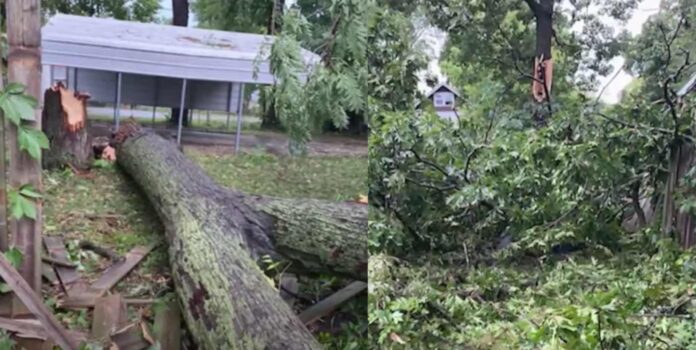
The Roosevelt High School football team came to the rescue last week for a paralyzed man and his family after a Derecho wind storm battered the neighborhood with 100mph winds.

Ray has been paralyzed for decades, cared for by his two sisters in Des Moines, Iowa. When four giant trees came crashing onto his property destroying a privacy fence, the ladies called some old friends to see if they could borrow a chainsaw.

‘You need more than a chainsaw,’ was the response.

Instead, Doug Applegate called in some Top Guns: 30 team members of the Rough Riders football squad.

The teens worked with chain saws and muscle, and less than three hours later, the yard was cleared of tree limbs—man more than 24 inches in diameter. The fence was also repaired and back in place.

“That’s just really what people in Iowa do, we help each other out,” Jackson Neary, a HS senior told KCCI News.

RELATED: Good Samaritans Shock Stranger in a Parking Lot Offering to Transport Their Appliance When it Doesn’t Fit

Ray’s sister Janice Love broke down in tears when trying to thank the group after the clean up was completed.

But Ray knew just what to say: “Go, Rough Riders!” he exclaimed softly, while sporting a huge smile.

WATCH the video…

SPREAD the Kindness And Love on Social Media…

Sharp Reductions in Lung Cancer Death Rates Every Year Shown to Be Due to New Treatments

According to a new study, mortality rates from the most common lung cancer have fallen sharply in the United States in recent years, due primarily to recent advances in treatment.

The study was led by researchers at the National Cancer Institute (NCI), part of the National Institutes of Health.

“Reduced tobacco consumption in the U.S. has been associated with a progressive decrease in lung cancer deaths that started around 1990 in men and ten years later in women. Until now, however, we have not known whether newer treatments might contribute to some of the recent improvement,” said Douglas R. Lowy, M.D., NCI deputy director and co-author of this study.

“This analysis shows for the first time that nationwide mortality rates for the most common category of lung cancer, non-small cell lung cancer (NSCLC), are declining faster than its incidence, an advance that correlates with the U.S. Food and Drug Administration approval of several targeted therapies for this cancer in recent years.”

RELATED: A ‘Momentous Milestone’: Africa Finally Eradicates the Wild Polio Virus From its Continent, After Decades of Work

In the study, published August 12 in the New England Journal of Medicine, researchers looked at data for both NSCLC, which accounts for 76% of lung cancer in the U.S., and small-cell lung cancer (SCLC), which accounts for 13%. In the last decade, new treatments for NSCLC have become available, including those that target genetic changes seen in some NSCLC tumors as well as immune checkpoint inhibitors that help the immune system better attack the disease. In contrast, there have been limited treatment advancements for SCLC.

Using death records from a cancer registry program, the researchers were able to estimate lung cancer mortality trends for these specific lung cancer subtypes by linking the lung cancer death records for each patient back to the incidence data for these patients in the cancer database.

POPULAR: Alzheimer’s Research Has Found a Protein That Protects Against The Disease

Declines of between 2–6% annually

The researchers found that, in recent years, deaths from NSCLC decreased even faster than the decrease in NSCLC incidence and the decrease in deaths was associated with a substantial improvement in survival. Among men, for example, deaths from NSCLC decreased 3.2% annually from 2006 to 2013 and 6.3% annually from 2013 to 2016, whereas incidence decreased 1.9% annually during 2001 to 2008 and 3.1% annually from 2008 to 2016.

Two-year survival for men with NSCLC improved over this time, from 26% for patients diagnosed in 2001 to 35% for those diagnosed in 2014. Similar improvement was observed for women. In addition, improvements in two-year survival were seen for all races/ethnicities, despite concerns that the newer cancer treatments, many of which are expensive, might increase disparities.

The rapid decline in deaths reflects both declines in incidence (due in large part to reductions in smoking) and improvement in treatment, say the researchers.

MORE: Scientists Find Molecular ‘Switch’ That Could Lead to Treatments for All Kinds of Disease by Reversing Inflammation and Aging

The researchers note that the accelerating decline in NSCLC mortality that began in 2013 corresponds with the time when clinicians began routinely testing patients for genetic alterations targeted by newly approved drugs. In 2012, the National Comprehensive Cancer Network recommended that all patients with nonsquamous NSCLC undergo genetic testing. Subsequently, genetic testing for EGFR (epidermal growth factor receptor) mutations and ALK (anaplastic lymphoma kinase) gene rearrangements — which are targeted by the newer treatments — increased substantially.

The effect of immune checkpoint inhibitors on NSCLC survival is significant, which suggests that this improving trend in survival should continue beyond 2016.

“The survival benefit for patients with non-small cell lung cancer treated with targeted therapies has been demonstrated in clinical trials, but this study highlights the impact of these treatments at the population level,” said Nadia Howlader, Ph.D., of NCI’s Division of Cancer Control and Population Sciences, who led the study. “We can now see the impact of advances in lung cancer treatment on survival.”

Read more details at the National Institutes of Health.

BREATHE Some Positivity On Social Media By Sharing With Friends…

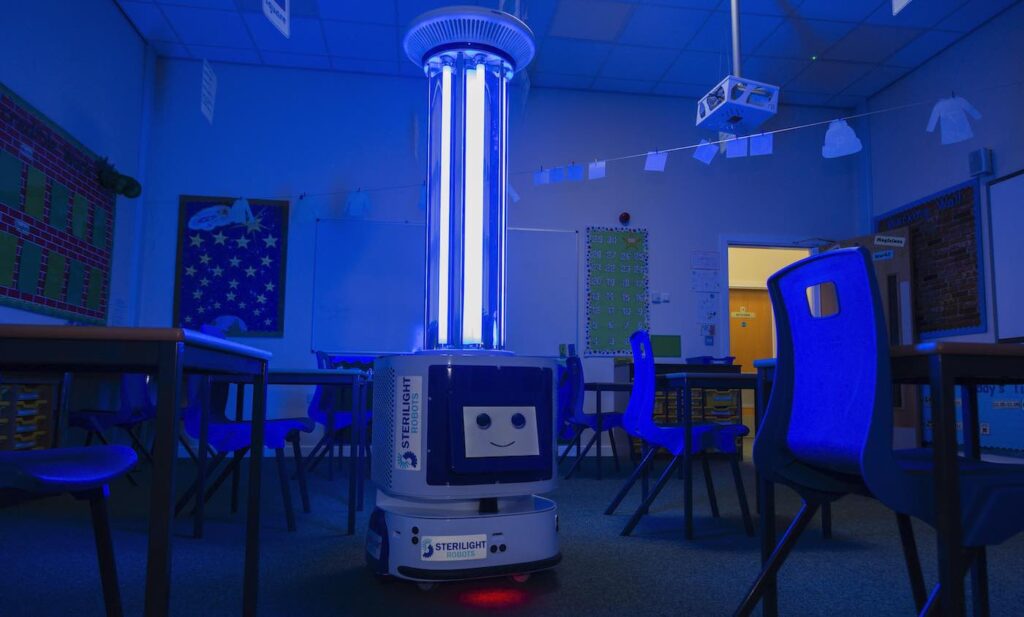
School Employs Robot Cleaner to Disinfect Classrooms Using UV Light, Making Them Safe For Returning Humans

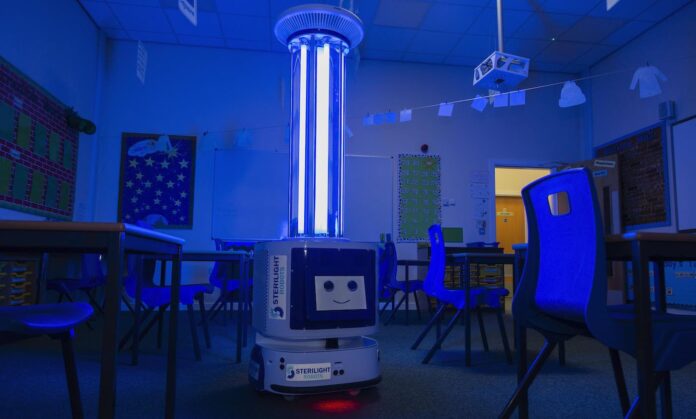
The Sterilight robot disinfecting a classroom - SWNS
The Sterilight robot disinfecting a classroom – SWNS

A school has employed ROBOT cleaners to disinfect classrooms in a bid to make them Covid-19 safe for returning pupils and teachers.

The autonomous self-cleaning droids have been used in hospitals and airports before, but this is the first time the pioneering technology has been used in a school.

When the school is empty, the machine can patrol the classrooms and corridors, blasting out a powerful UV-C ray onto surfaces to break down the DNA-structure of any virus.

The robots headed into Three Towers Alternative Provision Academy, in Hindley, Wigan, Greater Manchester, this week, and spent two days blasting surfaces.

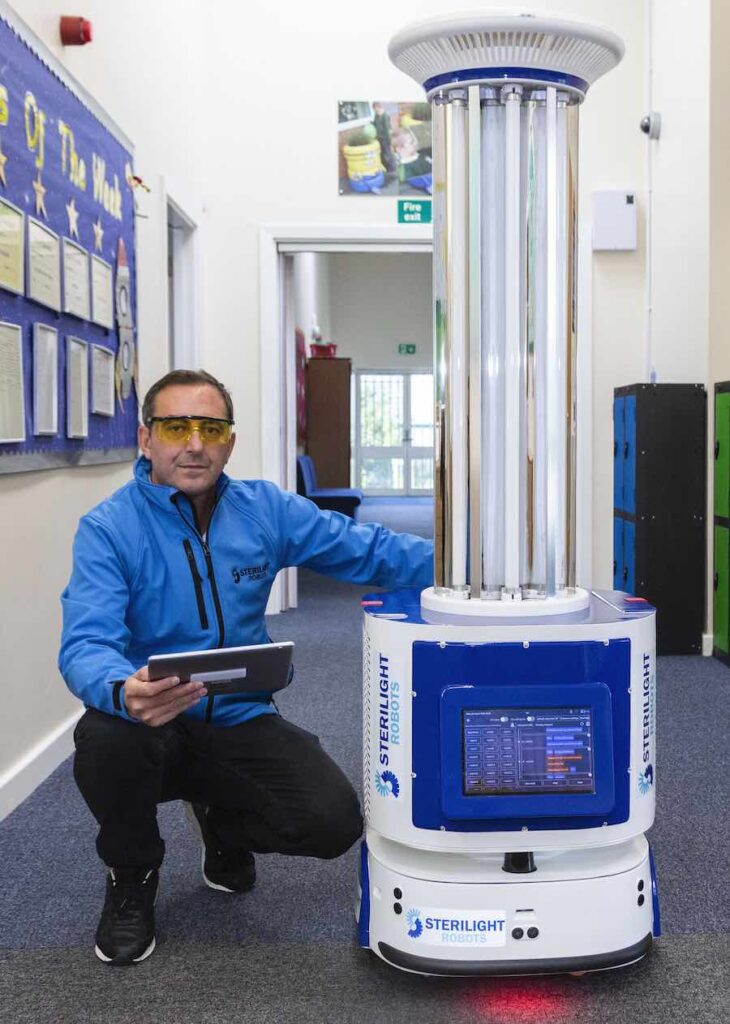
Co-inventor Gary Oualnan of Apollo Healthcare Technologies Ltd said, “Everything the light touches is sterilized.”

RELATED: Irish Researchers Have Developed Hospital Robot That Uses UV Light to Kill Viruses, Bacteria, and Germs

Gar Oulnan, UVC operator and co-inventor – SWNS

Whereby humans can inadvertently miss certain areas when cleaning, the Sterilight Robot completely takes care of that by using light instead of direct contact with liquid.

“Similar technology was used against SARS a decade ago and was used in hospitals,” said Oualnan. “We built on that to deal with coronavirus.”

Users now only need to drive the robot around the room once, allowing it to scan the environment and create a digital map.

MORE: MIT Scientists Design Autonomous UV Robot That Can Disinfect Boston Food Bank in Just 30 Minutes

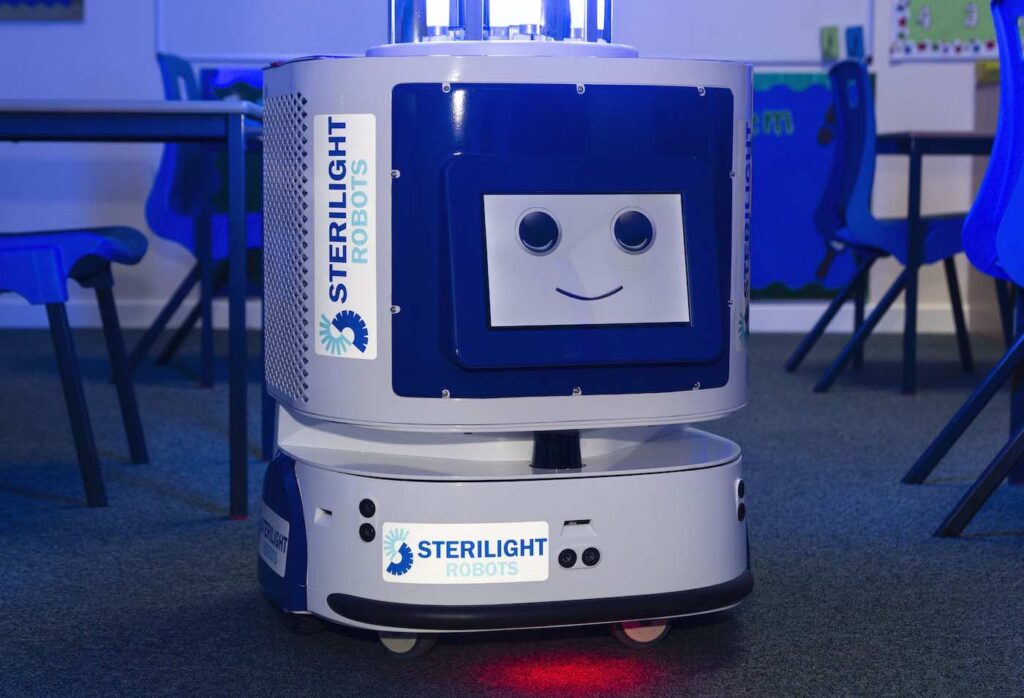
The Sterilight robot disinfecting a classroom – SWNS

Operators are able to map out the route customizing the direction and speed, before leaving the room to let Sterilight do her thing.

These robot cleaners are made to kill 99.9 percent of bacteria, and can sterilize a classroom in 10-15 minutes.

Based in West Yorkshire, Apollo Healthcare Technologies manufactures a variety of medical equipment for sales in the United Kingdom and Ireland—and, recently expanded into Australia and Hong Kong.

SPREAD Some Germs of Positivity By Sharing This On Social Media…

Gospel Singer’s Hilarious Song About Quarantine Snacking Goes Viral: ‘The Fridge Again!’

“Somebody stop me-e-e.”

That’s the first line of the new song that we can all relate to.

“She’s at the fridge again!”

KD French, a gospel singer in Atlanta, Georgia, posted a video of herself singing all the voices from a full gospel choir doing a rendition of a new anthem about snacking during lockdown.

“At least, making this song kept me from the fridge for about an hour,” French wrote on YouTube.

The song describes the irresistible pull of her refrigerator—and all the goodies inside. Clearly striking a chord in the rest of us, the video has been racking up millions of views on Facebook and YouTube this week.

RELATED: Church Uses Only Kitchen Utensils and Microwave Beeps in Lockdown to Record ‘Don’t Worry Be Happy’ – With Amazing Results

“This is insane,” she told the TODAY show. “I am sweating in crevice areas I didn’t know I had.”

See the interview here, in which she says she is “overwhelmed with joy” by the amazing response, and watch her video below…

CHECK OUT: Quarantine Reunites 160 Former Disneyland Cast Members to Recreate the Iconic Parade At Home–And it’s Joyous!

SEND Your Friends a ‘Mmm-hmmm’ From The Fridge — SHARE it on Social Media…

“Be vigilant. Guard your mind against negative thoughts.” – Buddha

Quote of the Day: “Be vigilant. Guard your mind against negative thoughts.” – Buddha

Photo: by Jackson David

With a new inspirational quote every day, atop the perfect photo—collected and archived on our Quote of the Day page—why not bookmark GNN.org for a daily uplift?


This Affectionate Dog is Bringing So Much Joy To Firefighters Battling California’s Blazes

Credit: @kerith_the_golden_retriever/Instagram

Meet Kerith, the two-year-old dog who loves trail running, beach exploring, and helping firefighters feel better.


View this post on Instagram


A post shared by Kerith (@kerith_the_golden_retriever) on

This sweet-natured golden retriever has one very important job. As a certified crisis response therapy dog, she’s tasked with helping exhausted firefighters get the kind of comfort only a four-legged friend can provide.

That’s especially important work right now, as hundreds across Marin County work extra long shifts to try and contain the Woodward Fire that’s currently blazing in Northern California.

Keith has her own sweet Instagram account, @kerith_the_golden_retriever.

It’s clear from the fun photos that this fluffy friend brings a lot of joy to others.


View this post on Instagram


A post shared by Kerith (@kerith_the_golden_retriever) on

“Kerith is boosting morale during the crew’s morning briefing,” Heidi Carmen, Kerith’s human caretaker, told CNN. “She brings levity and a sense of playfulness even though they know the task of the day will be challenging.”

RELATED: When A Loving Brazilian Street Dog Kept Visiting A Car Dealership, They Finally Hired Him as a Salesman


View this post on Instagram


A post shared by Kerith (@kerith_the_golden_retriever) on

Trained to be a guide dog, her super excitable nature made her not quite suited to her original task. Kerith went on to become a therapy dog in the emergency ward of a local hospital. But, explains Carmen to CNN, “her favorite people are firefighters.”

CHECK OUT: A Big Thank-You to Some ‘Angel’ Neighbors Who Wordlessly Assisted a Helpless Dog In Need


View this post on Instagram


A post shared by Kerith (@kerith_the_golden_retriever) on

“She makes people feel loved, special and important. One firefighter told me ‘Kerith has the uncanny ability to make me feel like I am the most important person in the world.’”

WOOF Your Excitement For This Story By Sharing On Social Media…

This Man Learned Robotics on YouTube, Now He’s Creating Affordable 3D Prosthetics For Others—WATCH

Credit: Easton Cole

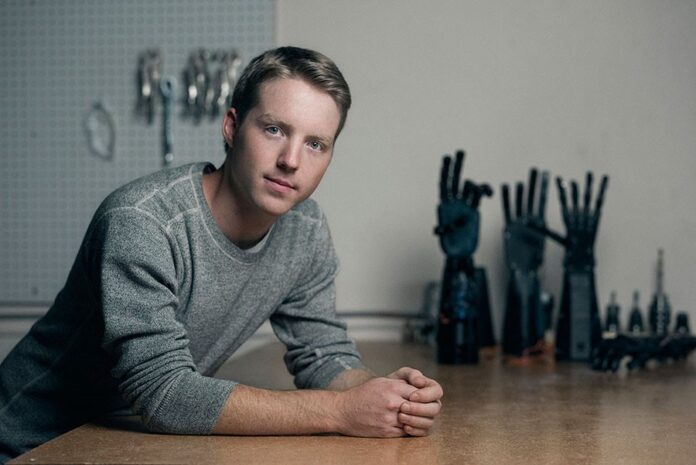
As a kid, Easton LaChappelle was always fascinated by robotics and how things worked, leading him to take his passion and learn more about prosthetics engineering.

Credit: Easton LaCappelle

That’s when he turned to YouTube to experiment and master everything from the core fundamentals of electronics to software interfaces and reading sensors.

RELATED: This Cheap, Amphibious, 3D-Printed Prosthetic Means That Amputees Can Now Enjoy the Water Without Stress

Eventually, 25-year-old Easton used his newfound skills and created a working device, making it all the way to the White House Science Fair with then-President Obama.

During his science fair days, Colorado’s Easton encountered a young girl with a prosthetic arm that looked “archaic” and cost about $80,000. He remembers thinking, is “this really her best available option?”

He tells GNN, “That’s when I decided to dedicate my life to solving the affordability of prosthetic devices and creating technology that can impact someone’s life on a deep level.

There are over 40 million amputees worldwide, and only about 5% of them have access to prosthetic devices. It was just not acceptable to me and I wanted to do something about it.”

After developing a working prototype, Easton founded a company, Unlimited Tomorrow, which makes low-cost, machine-printed prosthetic limbs.

MORE: Researchers Unveil Ultra-Precise, Mind-Controlled Prosthetic: ‘It’s like you have a hand again’

In under 30 days, the company was able to raise $1.568M to release its first product and provide millions of prosthetic devices to people worldwide at an affordable cost.

“We make a product called TrueLimb,” says Easton, “an affordable, 3D-printed prosthetic limb that uses a special remote-fitting process that is personalized to your skin tone, shape, and size for the perfect fit.”

“Because of YouTube,” he tells GNN, “I was able to turn my passion into a business that is having a positive impact on people’s lives.”

(WATCH Easton’s amazing story below).

SHARE The Hope And Pass The Story On To Friends…

Scientists Uncover Secret In Centuries-Old Mud, Drawing A New Way To Save Polluted Rivers

Credit: Big Spring Run Project

A pair of east coast scientists met and fell in love over an interest in researching mud, years before producing a paper that would change how the Eastern United States conducts river restoration.

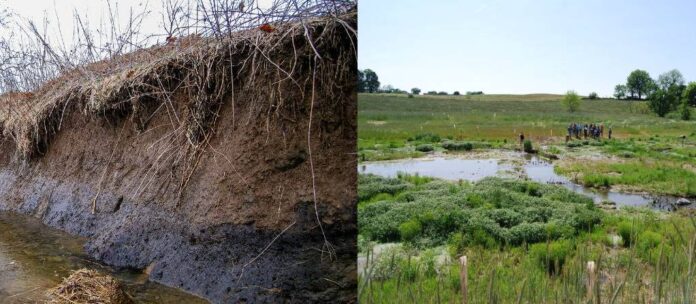
Big Spring Run immediately after restoration. Credit: Big Spring Run Project

Though controversial among mud experts, their work has created flourishing stream and river ecosystems that resemble their pre-colonial states of low-banked, ecologically diverse, marshy waterways: a big change from the high-banked meandering streams covered in reeds that we often see today.

Dorothy Merritts and Robert Walter, two scientists who started working together as peers, ended up producing a ‘mud-breaking’ research paper as husband and wife.

Their work showed that almost all streams and rivers in the Eastern United States are actually victims of colonial-era tampering that buried resilient and complex river ecosystems under yards of silt.

While this discovery may seem like the lifework of eccentric scientific specialists, to be debated in the obscurest of journals and classrooms, the real-world implications could be enormous for riverine construction and flood insurance firms.

RELATED: Sustainable Sand Gives Pollution a One-Two Punch by Soaking Up Toxic Metals and Purifying Water Supplies

They buried their heads in the mud

Credit: Franklin & Marshall College

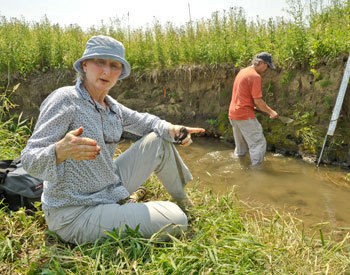
Dorothy Merritts, 62, is a geomorphologist at Franklin & Marshall College in Pennsylvania, who, after a long and adventurous career in the field, decided to shift focus in 2002 to concerns of silt erosion in rivers on local farmland.

On a research trip, her students produced a photo of a six-foot high bank of laminated layers of mud from the Little Conestoga River in PA.

Merritts would eventually show the photo to her future-husband Robert Walter, 69, also a geomorphologist at F&M, who was certain that the mud had been deposited in still water—originating because of a dam or lake, rather than through the flowing of a river.

Sure enough, after traveling to the Little Conestoga, they found the remains of an 18th-century milldam upstream—an artificial stopper in the river that would have channeled the water to power a grain mill.

“[Our] data, as well as historical maps and records, show instead that before European settlement, the streams were small anabranching channels within extensive vegetated wetlands that accumulated little sediment but stored substantial organic carbon,” explained Merritts and Walter in their 2008 paper which received over 750 citations and many critiques from fellow mud enthusiasts.

“Subsequently, 1 to 5 meters of slackwater sedimentation, behind tens of thousands of 17th- to 19th-century milldams, buried the presettlement wetlands with fine sediment.”

A billion dollar industry

Their discovery earned them a fair bit of criticism with other muddy-minded geologists who argued that the evidence gave them an inch and they took a mile. However, for private-sector business, and local government agencies, the discovery meant that they might be wasting millions on projects that would be done away if floods pushed tons of “legacy sediment” built up around the milldams, into newly dug rivers.

MORE: Scientists Use Tiny Spring Magnets to Harmlessly Dissolve Microplastics in Water

As state environmental agencies and private landowners began applying Merritts and Walter’s conclusions, the market would decide the outcome of the debates that had been set off in journals like Science and Nature, following their discovery. In 2011, one PA landowner, Joe Sweeney, hired a river-restoration firm to discover why trees he planted along a section of Big Spring Run that ran through his property couldn’t survive.

Walter and Merritts, along with their students, dug pits and determined that several yards of legacy sediment prevented the trees from reaching the groundwater. Together they decided to try and return Big Spring Run into what Walter and Merrits imagined it looked like before Europeans arrived on the continent.

MORE: Cheap 2D Material Can Cleanse 99.9999% of Bacteria From Water in 30 Minutes Simply by Using the Sun

After more than two years of planning and assistance from local and federal environmental agencies, 22,000 tons of mud were bulldozed off a four-square kilometer stretch of the river.

Underneath, the black, soaking wet soil of a past era revealed itself.

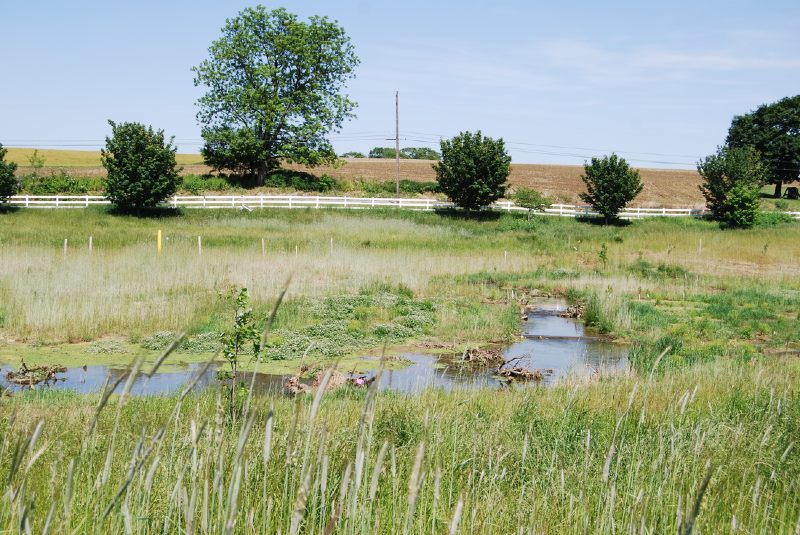
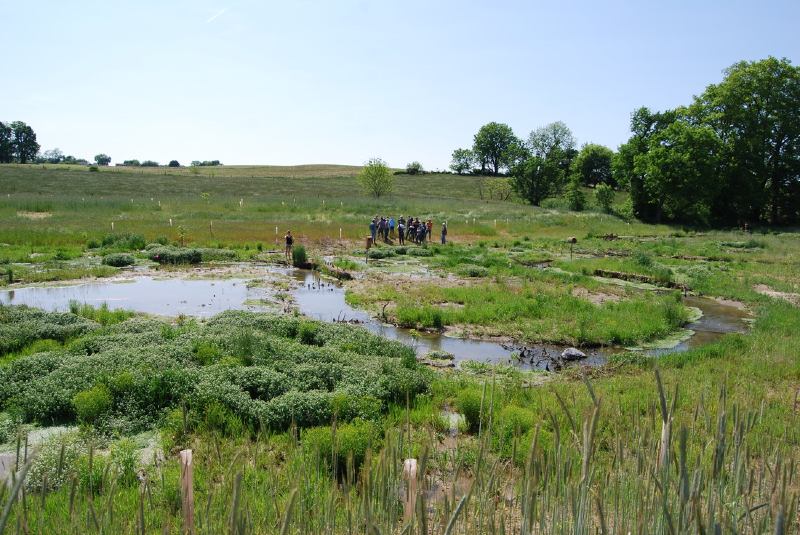
In just one year, Big Spring Run was a riverine paradise of bog turtles, geese, and trees centered around a low-banked river that slowly spills over a marshy area that contains triple the sequestered carbon than before, and that doesn’t have to regenerate after every severe storm.

Big Spring Run immediately after restoration. Credit: Big Spring Run Project

Subsequent examinations on the economic effectiveness of the Big Spring Run restoration found it was 16 times more cost effective than comparable strategies.

Walter and Merritts’ love for mud and for each other has rearranged perspectives of rivers around the country, and their methods have been applied in states outside the mid-Atlantic, where milldams were most common, like Kentucky.

READ: Determined to Save His Country’s Water Supply, 26-Year-old Has Revived 10 Lakes From a Polluted Mess

For the sake of our rivers, it’s good to know there are people excited to get their hands muddy.

SHARE The Good Science News With Your Friends On Social Media…
Watch An Astrophotographer Capture ‘Giant Red Jellyfish Sprites’ on Colorado Mountain

Credit: science out there/YouTube

A storm-chaser and photographer recently documented a fascinating natural event known as a “sprite” in stunning detail.

Credit: science out there/YouTube

He uploaded it onto his YouTube page, and now a viewer can see lighting bolts express themselves in a completely different way, while also learning how to photograph them.

A phenomenon that might have been more commonly seen by our ancestors, a sprite, as Michael from science out there describes, is a moment of extremely powerful lightning between the ground and the edge of space.

RELATED: Mesmerizing Photos Show the Patterns Created by Murmurations of Starlings

In his video, entitled ‘Bright Red Jellyfish Sprites’, Michael shares with his audience the images he captured of what look to be red water droplets running down a window, or a few jellyfish, or even ramen noodles, suspended for only an instant in the Colorado sky.

To capture a sprite, says Michael, one has to be in a place where there is both very low light pollution, and a view out towards, above, and beyond, the “anvil” of a powerful storm.

If someone finds themselves in this very fortunate situation and focuses their gaze, not below where white and blue lighting illuminates the clouds, but on the night sky above, they might see a flash of an image that looks like something out of the movie Independence Day, or other Sci-Fi classics.

“Usually sprites are quite dim, and few of them are visible to the eye, but to see them in spite of the glow of twilight meant something extraordinary must be going on,” Michael recounts in his video.

MORE: NASA Finally Unlocks Mystery of Aurora ‘Pearl Necklaces’ and How They Form On Earth And Elsewhere

“Seeing them and photographing them perfectly blends my interests in astrophotography and storm-chasing,” he explains.

(WATCH the ‘Bright Jellyfish Red Sprites’ burst into life below.)

Share This Otherworldly Phenomenon With Your Friends On Social Media… 

The Mind-Blowing Mathematics of Sunflowers …From Scientific American Magazine on Their 175th Birthday

Aaron Burden
Aaron Burden photo

Did you know that the thousands of little florets in the middle of a sunflower actually grow with the mathematical precision of a Fibonacci sequence?

An evenly-growing spiral named after the Italian mathematician who described it, Fibonacci numbers form a sequence—often seen in nature—whereby each number is the sum of the two preceding ones.

The sunflower phenomenon is neatly illustrated in a video from the Instant Egghead YouTube series by Scientific American, which that today is celebrating its 175th birthday.

On this day in 1845, the magazine published its first issue, founded by inventor Rufus M. Porter who began reporting on what was happening at the U.S. Patent Office.

RELATED: Farmer Plants 4-Mile Sunflower Memorial to Wife, Sells Seeds for Hope

The oldest continuously-published monthly magazine in the US, it now reports on noteworthy advances in science and technology, and educates youth and adults alike with its YouTube channel and website.

Marking the milestone anniversary, the website is presenting a mix of Harry Houdini and M. C. Escher; is reinserting a regular poetry column; and making a deep dive into some of the most transformative, thrilling, dizzying discoveries of the past 175 years.

WATCH the sunflower unfold its mysteries below…

SEND A Bright Ray of Science To Your Social Media Page…

“Life is a series of natural and spontaneous changes. Don’t resist them—that only creates sorrow. Let reality be reality. Let things flow naturally forward” – Lao Tzu

Quote of the Day: “Life is a series of natural and spontaneous changes. Don’t resist them—that only creates sorrow. Let reality be reality. Let things flow naturally forward” – Lao Tzu

Photo: by Erin O’Brien

With a new inspirational quote every day, atop the perfect photo—collected and archived on our Quote of the Day page—why not bookmark GNN.org for a daily uplift?


Teachers Make Social Distancing Fun – By Turning Desks Into Jeeps for Their 1st Grade Students

Do you remember your very first day at school? For most of us, it was so exciting to meet a teacher for the first time. It was great fun to have new classmates and a real desk to sit at.

For children this year, things are a little different. It’ll still feel thrilling to be in a new environment, to wear a special uniform. But it might also be a little scary to be sitting at a desk surrounded by strange plastic screens as a six-year-old.

Credit: Patricia Dovi

These two Florida teachers have figured out a way to make those plastic dividers—installed on desks to protect children during the age of COVID-19—less nerve-wracking, and more totally, joyfully brilliant.

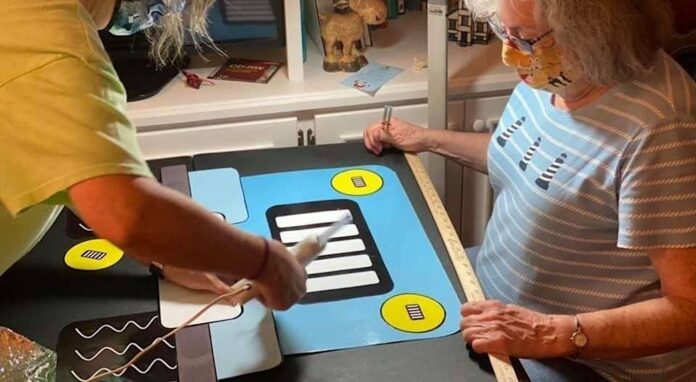
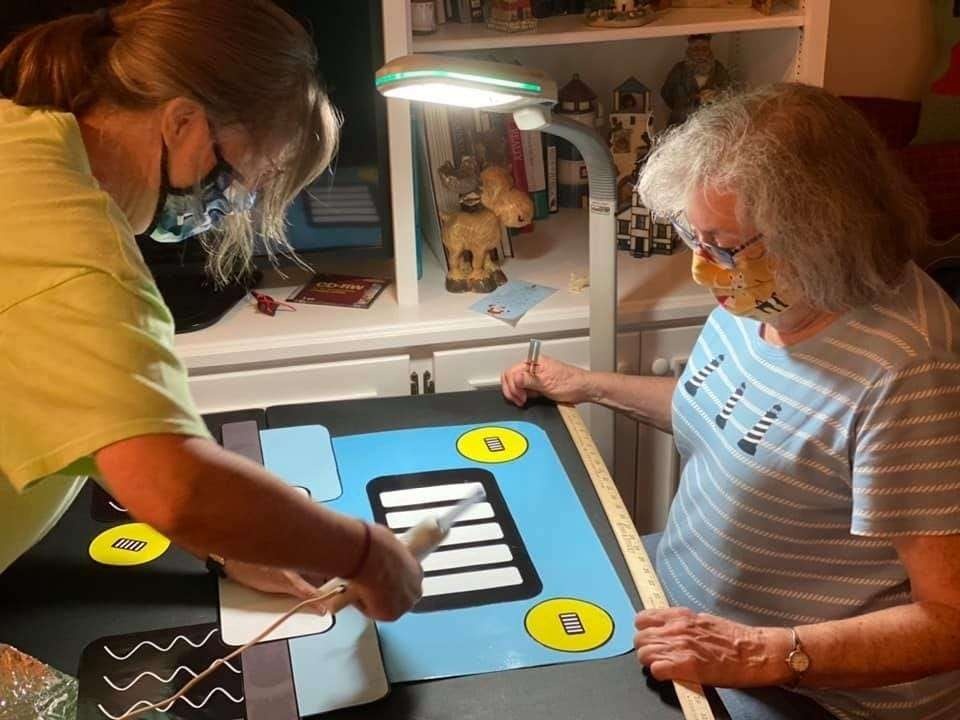
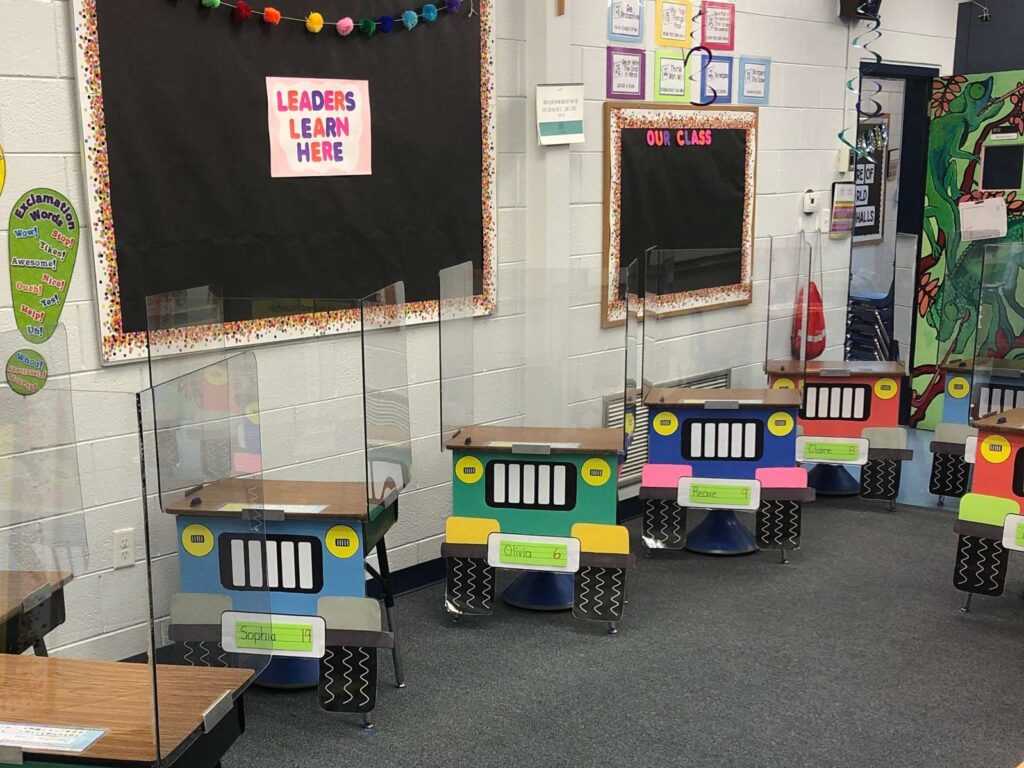
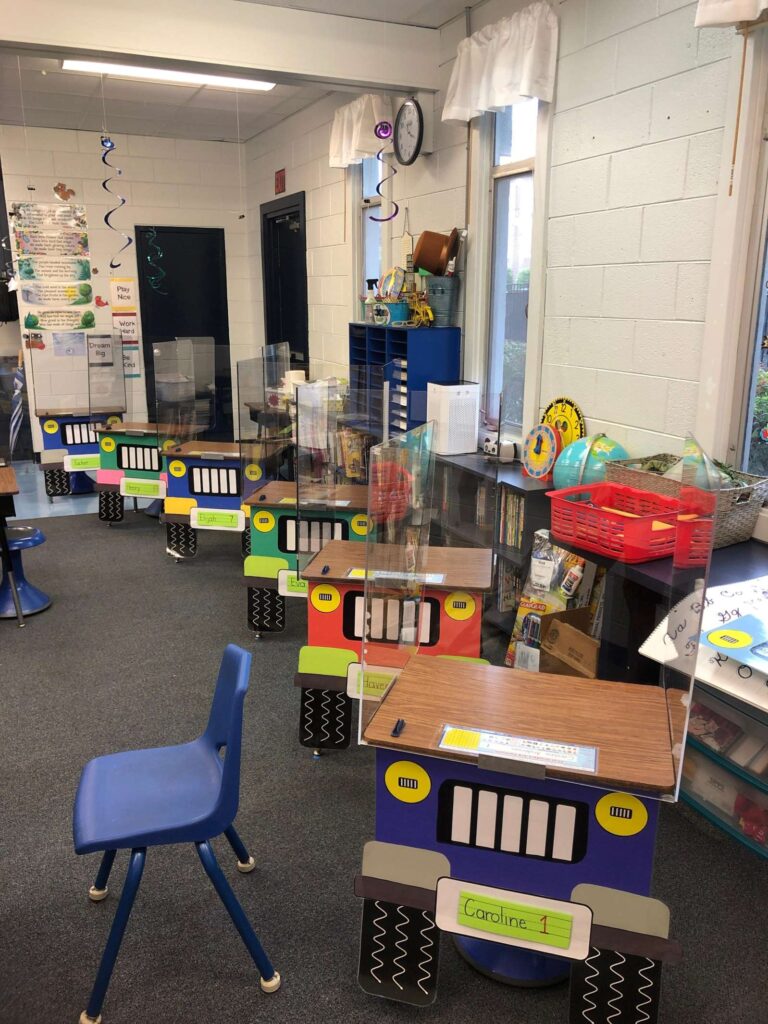
First-grade teachers Patricia Dovi and Kim Martin, of St. Barnabas Episcopal School in DeLand, Florida have turned coronavirus dividers into the windshields and windows of, yes, Jeeps.

“Anything that we can do to add some silliness and some creativity to get them excited is going to be really important in the longevity of this school year,” Dovi told Insider.

Credit: Kim Martin

The school supplied the plexiglass; Dovi and Martin paid for the decorations out of their own pockets. Martin estimates that the desks took about a week to complete. Wasn’t all that work worth it?

RELATED: Hero Teacher Spent Every Day in Lockdown Preparing Food for His Pupils and Delivered 7,500 Packed Lunches

Credit: Kim Martin

Family and friends of these two inspiring teachers helped turn the desks into colorful Jeeps with personalized license plates.

Each student arrived just yesterday, to find their very own ‘car’ waiting for them.

MORE: Teachers Visit a Bridge Everyday to Create a Classroom for Children of Migrant Workers Stuck in India’s Lockdown

“It’s going to be more fun to say, ‘Hey, purple Jeep, you’re getting out of your lane,’” Martin joked. “I think it will be a smart way to keep the kids engaged.” We have no doubt about that.

TOOT Your Horn For These Teachers And Share The Love On Social Media…

Teens Transform Liquor Store into a Needed Food Market, Choosing The Best Way To Serve Chicago

Credit: By the Hand Club for Kids//Facebook

From darkness comes light. From despair comes hope. From passion comes change. In the wake of turbulent racial protests in America’s Midwest, a group of teenagers in Chicago’s Austin neighborhood were looking for a way to uplift their marginalized West Side community—and they found it.

Credit: By the Hand Club for Kids//Facebook

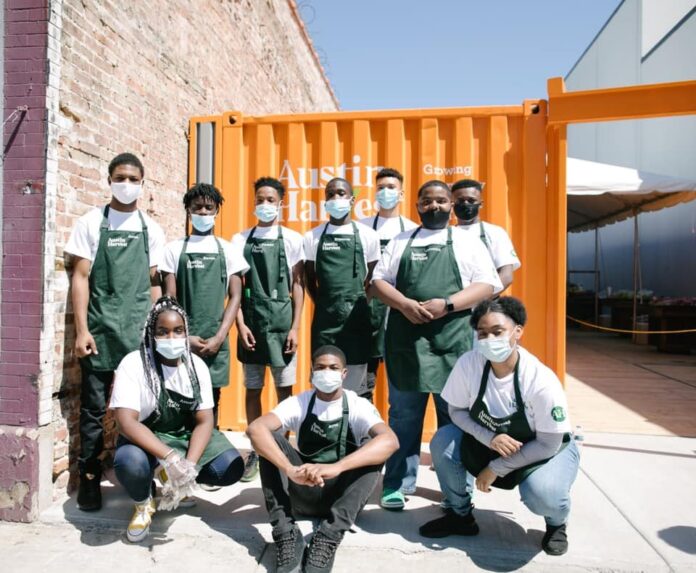
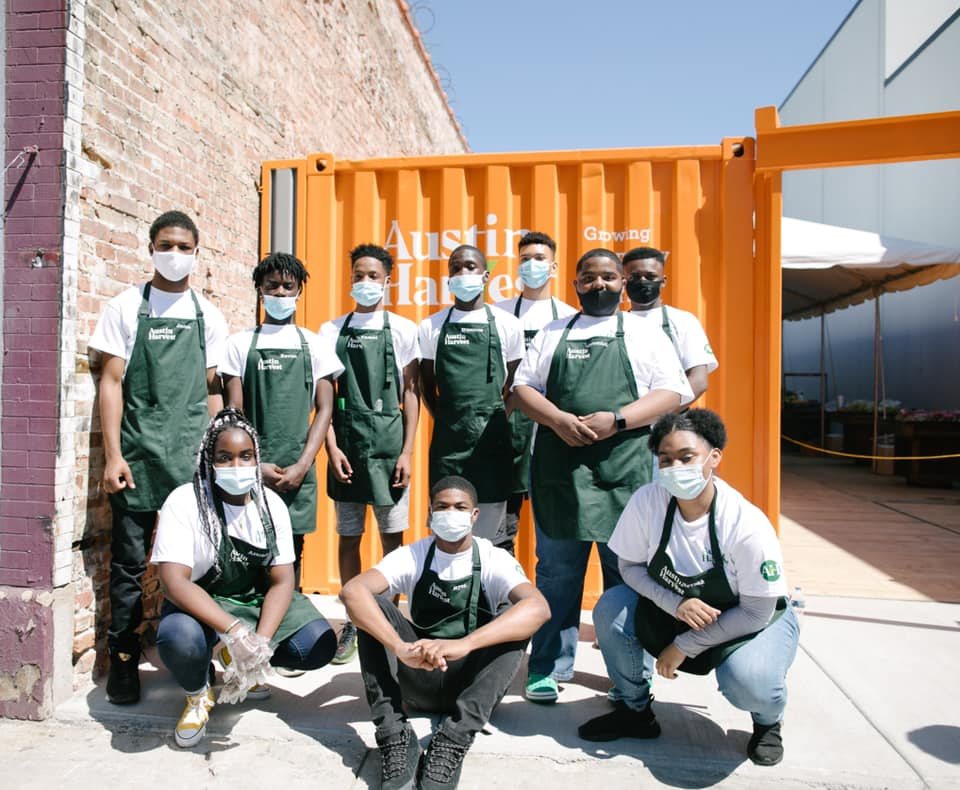
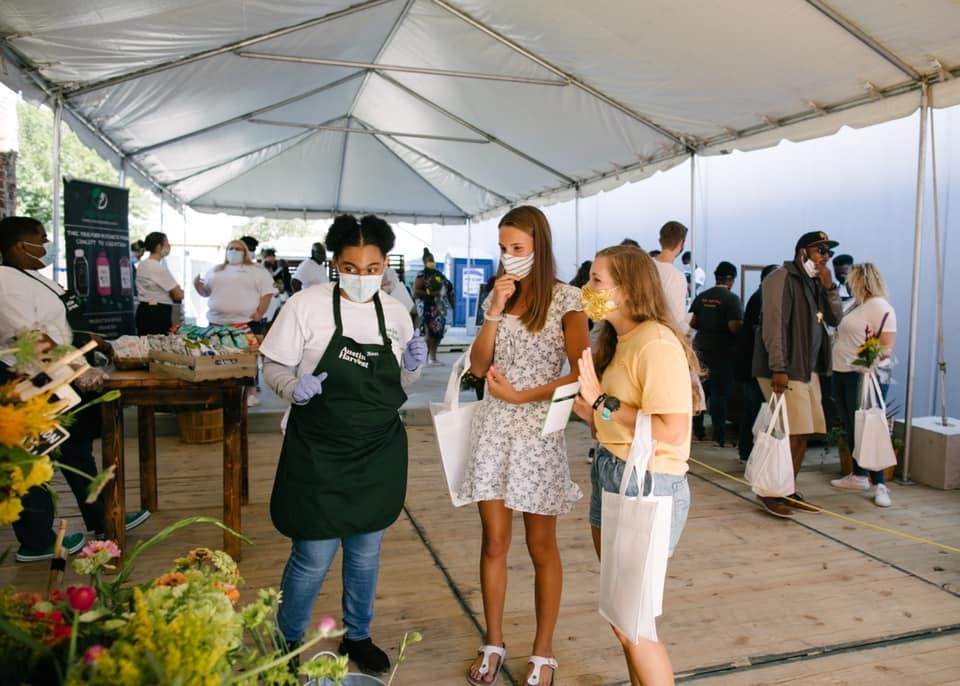
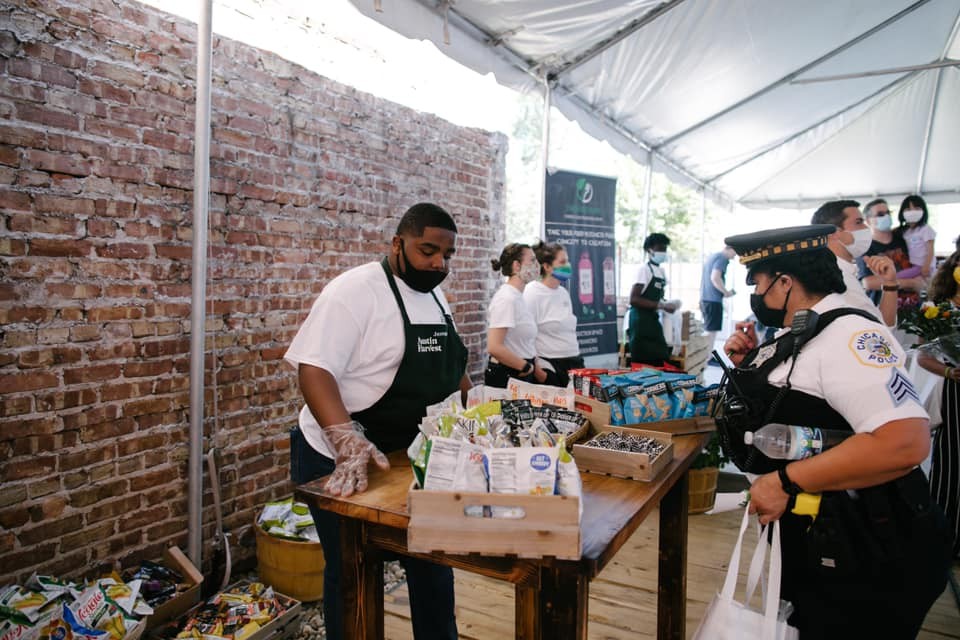
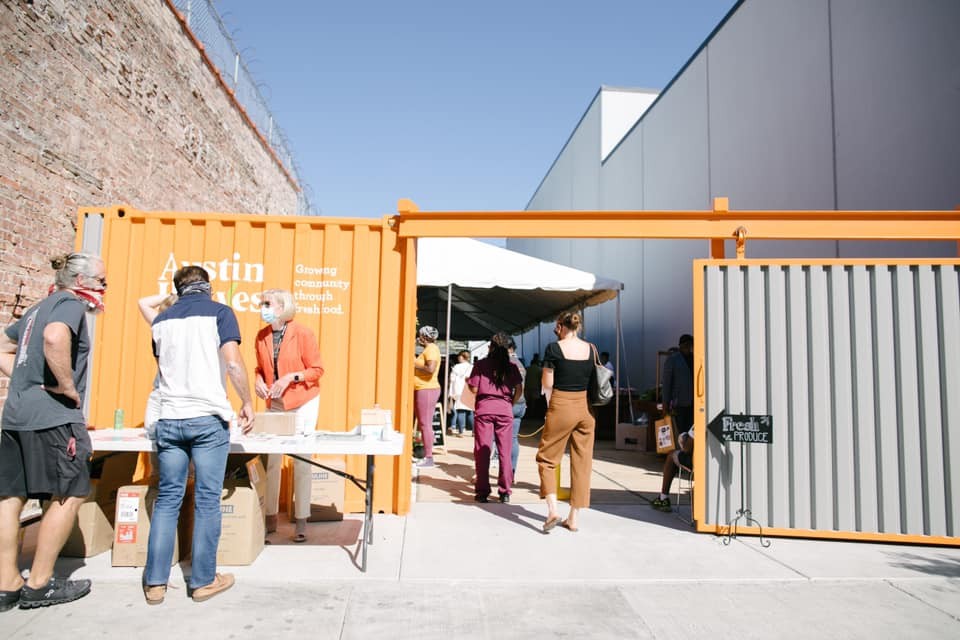
“With a little help from their friends”, a galvanized group of young entrepreneurs transformed a gutted liquor store into Austin Harvest, a pop-up food market to provide healthy food alternatives for their underserved neighborhood.

The genesis of the project began with listening circles led by By the Hand Club for Kids. “What I heard coming out of that was that students wanted to take all those raw and powerful emotions and turn them into something good, and do something from a social justice standpoint,” the group’s executive director Donnita Travis told Book Club Chicago.

Credit: By the Hand Club for Kids//Facebook

One of the issues the kids felt about most urgently was the shortage of healthy food options in the area; the result of years of systemic neglect and racism.

For areas like Austin, classified as “food deserts,” groceries and fresh produce are difficult to come by even in the best of times. The situation worsened when several area grocery stores were forced to close temporarily after being looted.

Within the half-mile radius, Austin Harvest has since sprung to life, where there were formerly a dozen liquor stores but only two food markets.

Credit: By the Hand Club for Kids//Facebook

“Food is a basic necessity” Azariah Baker, a teen who’d been with Austin Harvest since its inception, told BCC, “but it’s also a basic necessity we don’t have access to.”

RELATED: This Sweet Family-Style Restaurant Has No Prices, and Feeds Anyone in Alabama–WATCH

When the discussion turned to the idea of repurposing one of the looted properties into a much-needed community resource, “the kids took the idea and ran with it,” Travis said.

The project got enthusiastic backing from a number of professional athletes. Former Chicago Bears’ linebacker Sam Acho led the charge. “People care. It’s a time for people to show up. I think our world has changed,” Acho told BCC. “So for us to be able to come together and say we’re going to lead that change, it means something.”

Other athletes who contributed to the cause included the Blackhawks’ Jonathan Toews, Bears quarterback Mitch Trubisky of the Bears, White Sox pitcher Lucas Giolito, Cubs outfielder Jason Heyward, and St. Louis Cardinals first baseman Paul Goldschmidt. Together, they raised $500,000 in seed money to get the project rolling.

While By the Hand brought in architects and branding experts for guidance, the vision for Austin Harvest was shaped and implemented by its youthful participants. “We’ve been behind the scenes completely,” Baker said. “We’ve discussed how we want to show our market, where we wanted our market to be, what we sell, what we look like. This is who runs it.”

Credit: By the Hand Club for Kids//Facebook

Taking a “teach someone to fish rather than give someone a fish approach,” The Hatchery Chicago also pitched in to offer hands-on lessons in real-world business skills including licensing and customer service, as well as a culinary pathways program aimed at helping interested teens work toward careers in the food industry.

MORE: Tennessee Teen Raises Thousands of Dollars For Food Banks By Making and Selling His Own Vanilla–WATCH

“This is a real entrepreneurship opportunity for them,” Travis noted, “but also an opportunity for them to bring food justice to our neighborhood.”

Austin Harvest, officially opened on August 24, is set to run for 12 weeks. Hours are Monday, Wednesday, and Friday from 3 to 6 p.m.

SHARE This Story With Your Friends Who Hunger For Good News On Social Media…

Man Returns From Safari And Finds New Purpose By Sending Thousands of Books to Rural Kenyan Schools

Photo by Libraries for Kids International

When Roy Austin went on his first wildlife safari back in 2018, his only goal for the leisurely vacation was to catch sight of some African wildlife in its natural habitat—but he ended up finding something much more meaningful.

Although Austin enjoyed seeing lions and other wildlife across several East African countries, he was most captivated by the people he met in rural Kenya—particularly at the Amboseli Primary and Secondary School in Amboseli National Park.

In addition to befriending many of the students and teachers, Austin was surprised to learn how difficult it was to get books and school supplies for the children.

“In rural Kenya, the government does not build school buildings. You either build it yourself or raise the money to have it built,” says Austin. “A teacher was asked if they had a library. [She] replied, ‘No, but we would love to have a library.’ That stuck in my mind.”

When Austin eventually returned to his home in Bluffton, South Carolina, he launched Libraries for Kids International with the goal of sending books to the Kenyan schoolchildren.

MORE: After Chicago Becomes One of the Biggest US Cities to Ditch Overdue Library Fees, Book Returns Surge by 240%

Since starting the charity, Austin has managed to ship more than 1,000 books to 11 schools across Kenya and Tanzania. He says that he has managed to keep shipping costs down by sending the books through the post office rather than FedEx.

Photo by Libraries for Kids International

Not only has the charity supplied the schools with books, it has also given Austin a new sense of purpose and determination since his wife passed away in March.

RELATED: Anonymous Donor Gives Away $82,000 Worth of Gift Cards to All 1,400 Residents of Small Iowa Town

As they continue to collect books and donations for additional shipments, Austin tells WJCL that the nonprofit is now helping to move a shipping container of 22,000 books from Atlanta to Kenya. In the future, the philanthropist hopes to start sending donations to South America as well.

“Many people told me that it can’t be done, it’s too expensive to ship books, and they will disappear going through customs,” Austin writes on the organization’s website. “However, one of my life philosophies is ‘Focus on the Objective, Not the Obstacle.’

“Every worthwhile project will have problems and obstacles. If you focus on the problems you will never start. Conversely, if you focus on the objective and solve the problems as they arise, most anything is possible.”

Photo by Libraries for Kids International

Send This Sweet Story Of Positivity To Your Friends By Sharing It To Social Media…

Brazilian High Schooler Hands Out Hygiene Kits to Poor Neighbors Who Can’t Afford Hand Sanitizer

Although COVID-19 cases have been on the rise in São Paulo, Brazil, many of the city’s residents have decided to take action.

Notably, high school student Gabriel Aun Klinger organized a project intended to help people from favelas in Brazil defend themselves against the virus.

Favelas are slums (or highly-populated communities) where many people live in extreme poverty. Many favela residents struggle to feed themselves and have to live in dangerously unhygienic conditions.

“Some people from these communities can’t even afford to buy a soap bar,” stated Klinger.

After reading several documents and scientific papers on COVID-19, Klinger stumbled upon a simple, affordable, and effective solution against COVID-19—something he described as being the “perfect weapon of self-defense against the virus.” When he realized that this solution was also much cheaper and easier to obtain than 70% alcohol gel, he immediately launched his project aiming to use it for the benefit of the people in favelas.

WATCH: 17-Year-Old ‘Angel’ Cashier Picks Up $173 Grocery Bill for Senior Shopper Who Found Himself Short on Cash

“​The core of the project has been to share information I had regarding a home-made solution for combatting the coronavirus with some of the most vulnerable people in São Paulo,” he explained.

In March, his crowdfunding campaign raised enough money to purchase hygiene products and food items for over 500 families in those communities. As a part of the project, he then distributed these products to the community, making sure to teach those people how to prepare the solution with the items they received.

LOOK: Selfless Teen is Local Hero After Daily Trips During Lockdown To Clean Dirty Road Signs And Cut Back Town’s Hedges

According to him, the project was a success. “We were able to distribute all the kits in an organized and smooth way,” Klinger said. “It felt incredible to be involved in the community in this way, and be able to make a real, tangible contribution during a time like this.”

In June, Klinger organized a second round of this project so he could help even more people.

MORE: 3D-Printing Teen Makes Hundreds of Ingenious Devices to Alleviate Ear Pain for Healthcare Workers

“If this project was able to save even one life, it was worth it completely,” he said.

Through his project, Klinger learned that small actions like this one can go a long way. In times like these, he hopes to remind people that everyone has the power to make an impact on people’s lives and help those who need it most.

Multiply The Good News By Sharing This Sweet Story With Your Friends On Social Media…

Americans Are Crediting the COVID Crisis for Helping Them Become More Financially Responsible

Growing their own vegetables, switching to one-ply toilet paper and eating lots of leftovers—these are just a few ways people are pinching pennies during the COVID-19 pandemic, according to this new survey.

Interestingly, over half of Americans polled credit the COVID-19 pandemic with finally teaching them how to be smart with their money.

In fact, a similar survey from two years ago shows that the number of US adults who feel very smart with their money has actually risen from just 42% in 2018 to 51% in 2020.

Another two in three participants said the pandemic has turned them into a frugal person.

The polls of 2,000 Americans, both conducted by OnePoll on behalf of Slickdeals, looked into how the pandemic has changed people’s mindsets about their money and how they define being “cheap” versus being “frugal.”

The latest survey was meant to mirror the one run in 2018 as a means of comparing just how much the results have changed over the course of two years and a global pandemic.

MORE: Most Americans With Cats Say They Couldn’t Have Gotten Through Lockdown Without Their Feline Friend

Tipping the minimum (15–20%) regardless of service was found to by people in 2020 be “cheap;” however, skimping on the tip in 2018 was voted to be an act of frugality. Perhaps this can be explained by a shift in gratitude towards frontline workers?

Declining to be part of rounds at the bar was considered cheap by respondents, as was calculating your share of the group bill down to the cent.

Other cheap actions? Still using very outdated electronics, re-gifting, and diluting soap containers with water.

CHECK OUT: Americans Say They Are Thankful For ‘Little Joys’ More Than Ever These Days – Their Top 10 Favorites

Conversely, purchasing clothes at a secondhand store was found to be “frugal,” as was buying off-brand food products, buying no-name electronics, and always seeking out deals or coupons when going shopping.

Participants also considered tracking their electricity and heating usage at home to keep the utility bills down to be frugal behavior.

According to the survey, the average American becomes a frugal person at the age of 31, with one in four saying they became thriftier when they were even younger. Two in three Americans also said they consider being called frugal a compliment.

MORE: Americans Who Drink This Much Water a Day Were More Likely to Report Feeling ‘Very Happy’

“The coronavirus pandemic has impacted the financial situations of many people, and brought new focus to the importance of prioritizing spending,” said Josh Meyers, CEO of Slickdeals. “We see a shift toward smarter spending with 65% of respondents indicating that the pandemic has transformed them into a frugal person, and 67% reporting that being called frugal is actually a compliment.”

The survey also found that being financially conscious can be important on the dating scene.

Two-thirds of those polled said they actually think using a coupon on a first date is completely acceptable. In fact, 45% said they’d happily use a coupon on a first date.

RELATED: Survey Finds Working From Home Has So Many Benefits, 48% of Workers Would Take Pay Cut to Continue

Three in four say that the more they age, the more desirable it is for a romantic prospect having a smart financial mindset.

CHEAP OR FRUGAL?

CHEAP
– Tipping the minimum acceptable amount (15–20%) regardless of service
– Declining to be a part of rounds at the bar
– Calculating your part of a group bill to the cent
– Keeping outdated or worn out electronics, as long as they still barely work
– Reusing tea bags or coffee filters
– Eating food a few days past its expiration date
– Lengthening longevity of soap by diluting soap bottles with water
– Re-gifting

FRUGAL
– Regularly tracking electricity use (switching off lights/appliances when they aren’t in use)
– Regularly tracking the home thermostat (keeping the heat as low as possible)
– Watching movies at home instead of in the theater
– Shopping at second-hand clothing stores
– Buying off-brand food products
– Buying no-name electronics (such as ear buds from the corner stone)
– Giving up drinking while at bars or restaurants / only having alcohol at home
– Seeking out deals or coupons for all purchases

Be Sure And Tip Your Friends Off To This Intriguing Survey By Sharing It To Social Media…