











All News - Page 572 of 1735 - Good News Network
Home Blog Page 572

Researchers Develop Air Filter Capable of Trapping and Killing COVID-19

Photo by University of Houston

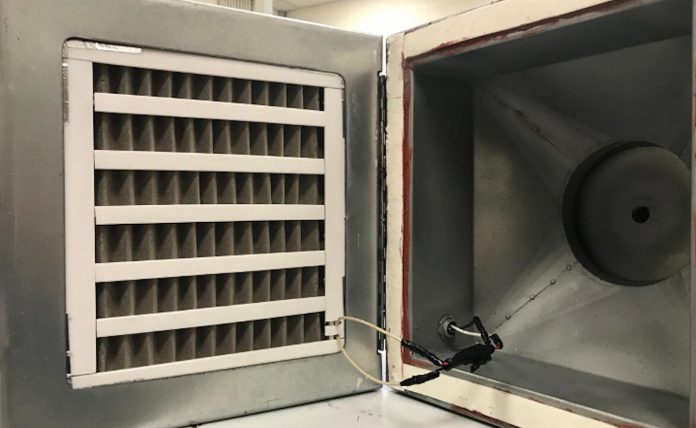
Researchers from the University of Houston have succeeded in collaboration to develop a “catch-and-kill” air filter that can trap COVID-19—and instantly kill it in the process.

The researchers reported that tests at the Galveston National Laboratory found 99.8% of the novel SARS-CoV-2 virus was killed in a single pass through a filter made from commercially available nickel foam heated to 200 degrees Centigrade—or about 392 degrees Fahrenheit. It also killed 99.9% of the anthrax spores during tests at the national lab.

“This filter could be useful in airports and in airplanes, in office buildings, schools and cruise ships to stop the spread of COVID-19,” said Ren, co-author of the paper. “Its ability to help control the spread of the virus could be very useful for society.”

The filter, which was described in a paper published this week in Materials Today Physics, was designed with the help of Zhifeng Ren, director of the university’s Texas Center for Superconductivity (TcSUH), and Monzer Hourani, CEO of Houston-based medical real estate development firm Medistar.

Medistar executives are also proposing a desktop model of the filter capable of purifying the air in an office worker’s immediate surroundings, he said.

RELATED: Hair Stylists Infected With COVID-19 Were Wearing Masks Along With Their 140 Clients—Tests Prove No One Got Sick

Ren said Medistar first approached TcSUH for help in developing the concept of a virus-trapping air filter on March 31st, just as the pandemic was spreading throughout the United States.

Since the researchers knew the virus could remain in the air for about three hours, the filter seemed to be a viable plan—and with businesses reopening, controlling the spread in air conditioned spaces was urgent.

Medistar also knew the virus couldn’t survive temperatures above 70 degrees Centigrade, (158 degrees Fahrenheit), so the researchers decided to use a heated filter. By upping the filter temperature to about 200º C, they were able to kill the virus almost instantly.
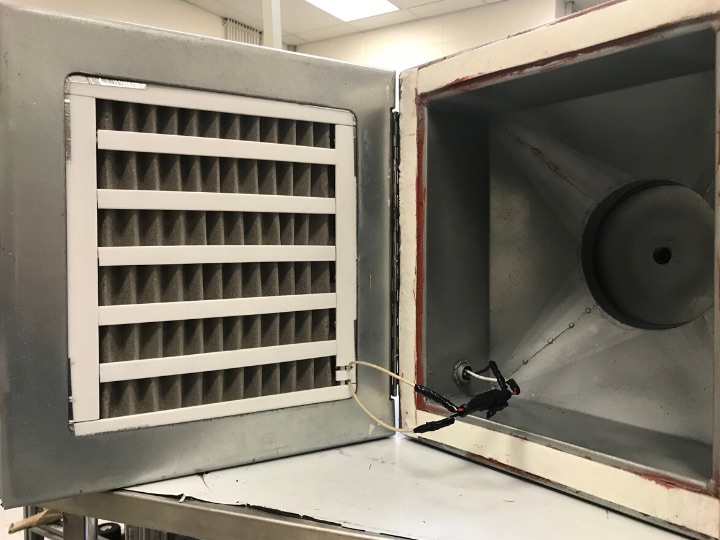
Photo by University of Houston

WATCH: Color-Changing Inks Can Be Printed onto Clothing to Warn the Wearer About Potential Health Issues

Ren suggested using nickel foam for the device because it met several key requirements: the flexible material is porous enough to allow the flow of air while also being electrically conductive, which allows it to be heated.

Since nickel foam has low resistivity, however, it’s difficult to raise its temperature high enough to quickly kill the virus. The researchers solved that problem by folding the foam, connecting multiple compartments with electrical wires to increase the resistance high enough to raise the temperature as high as 250 degrees C.

By making the filter electrically heated—rather than heating it from an external source—the researchers say they minimized the amount of heat that escaped from the filter, allowing air conditioning to function with minimal strain.

LOOK: Self-Cleaning Electric Mask Can Power Itself With a Phone Charger—And They Will Likely Only Cost $1 Apiece

A prototype was built by a local workshop and first tested at Ren’s lab for the relationship between voltage/current and temperature; it then went to the Galveston lab to be tested for its ability to kill the virus. Ren said it satisfies the requirements for conventional heating, ventilation and air conditioning (HVAC) systems.

“This novel biodefense indoor air protection technology offers the first-in-line prevention against environmentally mediated transmission of airborne SARS-CoV-2 and will be on the forefront of technologies available to combat the current pandemic and any future airborne biothreats in indoor environments,” said study co-author Dr. Faisal Cheema from the UH College of Medicine.

The researchers are now calling for a phased roll-out of the device, “beginning with high-priority venues, where essential workers are at elevated risk of exposure (particularly schools, hospitals and health care facilities, as well as public transit environs such as airplanes).”

Need more positive stories and updates coming out of the COVID-19 challenge? For more uplifting coverage, click here.

Reprinted from the University of Houston

Protect Your Friends From Negativity By Sharing This Exciting Story To Social Media…

Photographer Captures Dazzling Images of a Lightning Storm Dubbed the ‘Night of a Thousand Forks’

These incredible photos managed to capture the beauty of 50 forks of lightning striking a Mexican city in just 5 minutes.

The amazing panoramic photos of the valley show the sky light up amidst a storm that is now being dubbed “The Night of a Thousand Forks” because of the sheer amount of lightning streaking across the length of the valley’s 165 square miles.

The intense electrical storm even saw a number of the lightning bolts crackling over the 12,000-foot tall Colima Volcano—the most active volcano in Mexico.

The volcano towers over the state of Colima, which is where the lightning storm hit on July 14th.

Rivera Cervantes / SWNS

“The night was crazy—all the locals are calling it the Night of a Thousand Forks,” said 37-year-old photographer Hernando Rivera Cervantes, who stitched 42 of his images together into a photo composition to show the full, dazzling impact of the storm.

LOOK: Photographer Captures Exact Moment When Lightning Strikes Erupting Volcano

“It kept everybody awake all night, and there was lots of rain too. The sound was enough to keep the whole city awake,” he added. “Over five minutes, I captured about 40 to 50 lightning bolts—which was incredible. I have been fascinated by lightning since I was a child, it has always impressed me with its great energy and light.”

Self-portrait of photographer Hernando Rivera Cervantes in front of lightning strikes over Colima, Mexico. (SWNS)

Be Sure And Share This Striking Story With Your Friends On Social Media…

“Great things are done when men and mountains meet.” – William Blake

Quote of the Day: “Great things are done when men and mountains meet.” – William Blake

Photo: by Riley

With a new inspirational quote every day, atop the perfect photo—collected and archived on our Quote of the Day page—why not bookmark GNN.org for a daily uplift?


9-Year-Old Kenyan Boy is Honored for Inventing Handwashing Machine That Prevents COVID-19 Spread

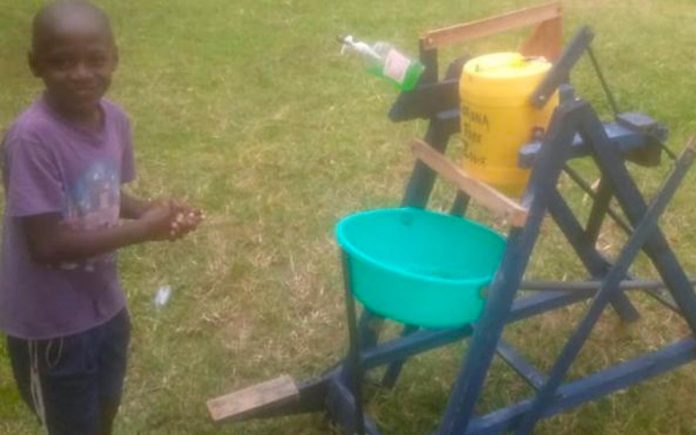
This 9-year-old Kenyan boy was presented with a special presidential award after he built his own public hand-washing sink to help prevent the spread of COVID-19.

Stephen Wamukota managed to construct his little sanitary station using just a bucket, a few pieces of wood, and some basic tools. Since the sink’s mechanism is triggered by foot pedals at the base of the station, people can wash their hands without being forced to touch its surface and risk contracting the virus.

Stephen’s father James praised the project in an interview with BBC, saying: “I had bought some pieces of wood to make a window frame, but I when I came back home after work one day, I found that Stephen had made the machine. The concept was his, and I helped tighten the machine. I’m very proud.”

LOOK: Boy Created a Word Puzzle to Help Entertain the Queen in Lockdown—And Was Thrilled to Get a Letter Back

The youngster was inspired to build the hand-washing station after watching a TV news report on ways to avoid contracting and spreading COVID-19. After photos of his sanitation prototype were shared widely on Facebook, the boy constructed a second one—and he now plans to build even more.

As a means of lauding the boy for his initiation, the Kenyan president awarded him and 68 other Kenyan citizens with the prestigious Presidential Order of Service Uzalendo (Patriotic) Award last month.

MORE: New Mexico School Buys $2,800 of Supplies For Navajo Nation After Year-end Class Trip is Canceled

Since Stephen also told reporters that he hopes to become an engineer some day in the future, the governor of his Kenyan county promised to award the boy a scholarship once he is old enough to attend college.

Mr. Wamukota now says he is already looking forward to a bright future for his son. “He is always saying he wants to build factories and become an engineer,” he told CNN. “I hope he does, that he becomes a great person.”

(WATCH the BBC video below)

Clean Up Negativity By Sharing This Inspiring Story With Your Friends On Social Media…

To Eliminate Plastic, College Grad Designs Ramen Packaging That Dissolves in Hot Water

Photo by Holly Grounds

Inspired by countless nights spent studying in school, an eco-conscious college grad has come up with an ingenious replacement for the single-use plastics used to package instant ramen noodles.

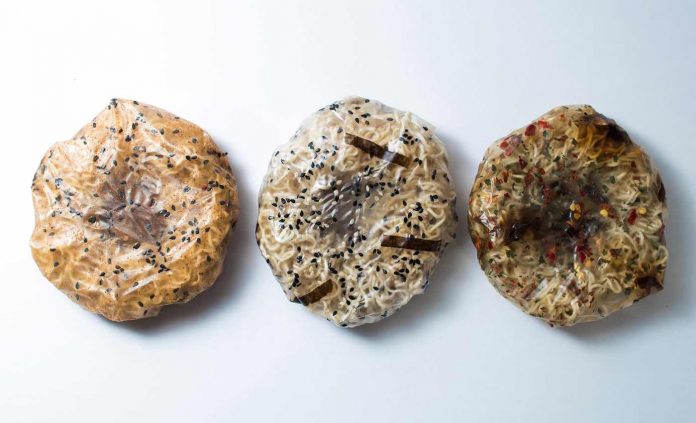
Holly Grounds, who studied product design at Ravensbourne University London, is responsible for developing an edible, spiced packaging film for instant noodles.

Grounds says she felt compelled to develop her “Dissolvable Noodle Packaging” after realizing the long-lasting environmental consequences of such a quick and easy meal.

WATCH: How an Indian Architect is Sucking Carbon Emissions Out of the Air and Turning it into Stylish Tiles

“In the current world of instant ramen noodles, there is often more plastic than noodle,” Grounds wrote on her website. “The product can be cooked and eaten in under 10 minutes, yet the packaging can take 8 decades to decompose.”

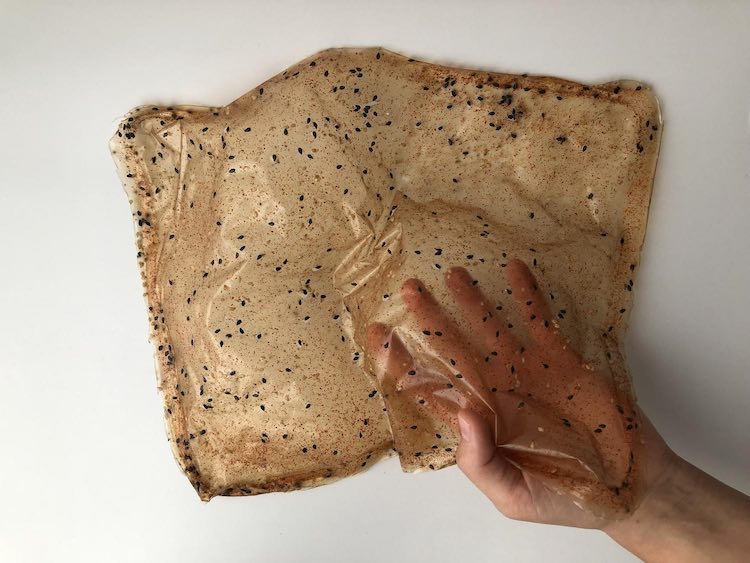
After countless hours of trial and error testing, Grounds managed to simultaneously do away with both the plastic noodle sleeves and the single-use spice packets by incorporating the seasoning into the biofilm packaging.

While the biofilm is thick enough to keep the noodles from getting stale, it melts into ramen broth exactly one minute after coming into contact with boiling water.

Photo by Holly Grounds

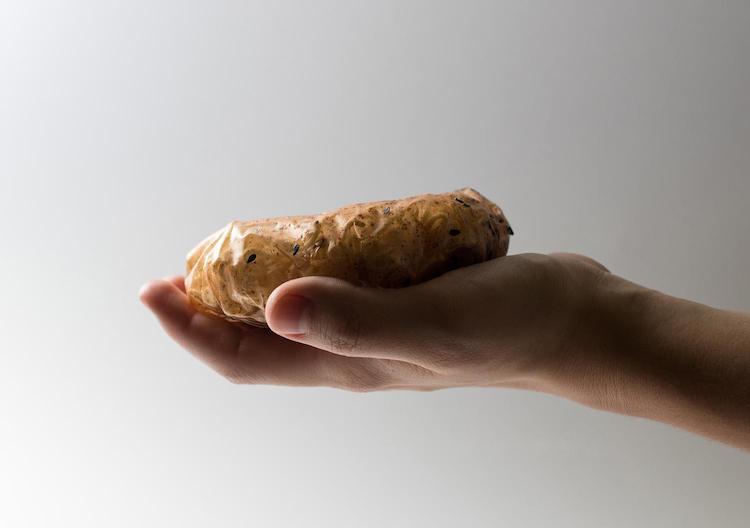
Grounds says she can produce the film simply by mixing potato starch, glycerin, and water with the seasonings and pouring the concoction into a mould so that it can set for 24 hours. Once solidified, she uses the film to wrap the noodles into a donut shape for even heating on the stovetop. For hygiene purposes, Grounds then bundles the meal into a paper wrapper.

Not only is Grounds’s invention more environmentally friendly than consumer packaging, it also takes less time to cook and prepare because it eliminates the need to tear open the different plastic sleeves.

Since the edible noodle wrapper was featured as one of five finalists in Dezeen’s circular economy-themed Virtual Design Festival in June, Grounds now hopes that she can use the media attention to help implement the biofilm packaging in other food packaging schemes as well.

Photo by Holly Grounds

Feed Your Friends The Good News By Sharing This Cool Story To Social Media…

Exciting Study Results Say COVID-19 Vaccine Was Effective and Well-Tolerated for Its 45 Adult Participants

File photo by Pan American Health Organization, CC

It has now been four months since this investigational vaccine designed to protect against COVID-19 was tested on humans for the first time in the US—and its recently-released trial results are inspiring hope amongst the healthcare community.

The interim report of the trials details how the vaccine, mRNA-1273, was not only shown to be well-tolerated in healthy adult participants, but it also prompted neutralizing antibody activity against the novel coronavirus.

The experimental vaccine is being co-developed by researchers at the National Institute of Allergy and Infectious Diseases (NIAID) and at Massachusetts-based biopharmaceutical company Moderna, Inc.

Manufactured by Moderna, mRNA-1273 is designed to induce neutralizing antibodies directed at a portion of the coronavirus “spike” protein, which the virus uses to bind to and enter human cells.

RELATED: Hair Stylists Infected With COVID-19 Were Wearing Masks Along With Their 140 Clients—Tests Prove No One Got Sick

The trial was led by Dr. Lisa A. Jackson from the Kaiser Permanente Washington Health Research Institute in Seattle where the first participant received the candidate vaccine on March 16th.

This interim report, which was published online this week in the New England Journal of Medicine, details the initial findings from the first 45 participants ages 18 to 55 years enrolled at the study sites in Seattle and at Emory University in Atlanta.

Three groups of 15 participants received two intramuscular injections, 28 days apart, of either 25, 100, or 250 micrograms of the investigational vaccine. All the participants received one injection; 42 received both scheduled injections.

MORE: Self-Cleaning Electric Mask Can Power Itself With a Phone Charger—And They Will Likely Only Cost $1 Apiece

In April, the trial was expanded to enroll adults older than age 55 years; it now has 120 participants. However, the newly published results cover the 18 to 55-year age group only.

Regarding safety, no serious adverse events were reported. More than half of the participants reported fatigue, headache, chills, myalgia or pain at the injection site. Systemic adverse events were more common following the second vaccination and in those who received the highest vaccine dose. Data on side effects and immune responses at various vaccine dosages informed the doses used or planned for use in the Phase 2 and 3 clinical trials of the investigational vaccine.

The interim analysis includes results of tests measuring levels of vaccine-induced neutralizing activity through day 43 after the second injection. Two doses of vaccine prompted high levels of neutralizing antibody activity that were above the average values seen in convalescent sera obtained from persons with confirmed COVID-19 disease.

CHECK OUT: Breakthrough For Kenyan Scientists Who Discover Natural Microbe That Completely Stops Malaria in Mosquitoes

A Phase 2 clinical trial of the vaccine, which is being sponsored by Moderna, began enrollment in late May. As researchers prepare to launch a Phase 3 efficacy trial with 30,000 participants on July 2020, the government hopes to have the final results on the vaccine’s efficacy by the end of the year.

Until then, the Phase 1 study results are being hailed as a much-anticipated piece of good news amidst the pandemic as well as a record-setting example of speedy vaccine development.

“This is an essential building block that is needed to move forward with the trials that could actually determine whether the vaccine does protect against infection,” Dr. Jackson told The Associated Press.

File photo by Pan American Health Organization, CC

Protect Your Friends Against Negativity By Sharing The Good News To Social Media…

Watch Dog ‘Talk’ to His Owner in English Using a Sound Board With Dozens of Spoken Phrases

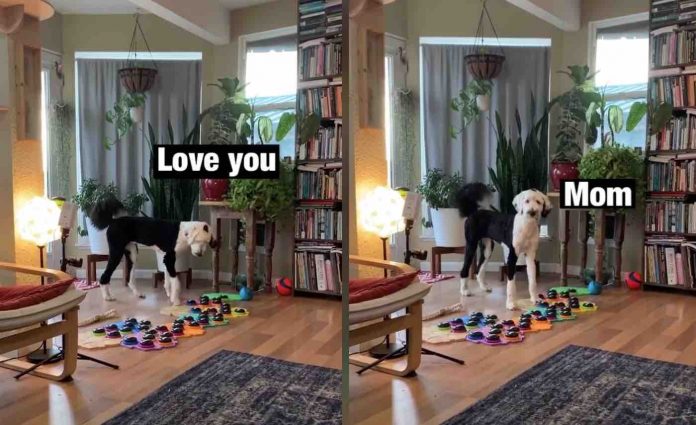
Forget about commands like “roll over” and “play dead”—this dog has learned to communicate with his owners using a sound board with 45 different English phrases.

The sheepadoodle named Bunny was recently filmed using the sound board to say things like “play,” “beach,” and even “I love you, Mom.”

Bunny was introduced to the specially-made communication pad as soon as she was adopted by her owner, Alexis Devine, back in September 2019.

Devine built her own canine sound board after being inspired by speech language pathologist Christina Hunger and her dog Stella. In addition to Hunger being renowned for using augmentative and alternative linguistic resources to help nonverbal people communicate, she was also one of the first people to use the sound boards with dogs.

LOOK: Supermarket Security Guard is Going Viral for Holding an Umbrella Over Dog Standing in the Rain

“The first sound board that we used was one that I had made after following Christina’s guidance on her blog,” said Devine. “We used that for several months before I connected with Leo Trottier, who is a cognitive scientist. He was looking for beta testers of a new device, and that is the board we are currently using with Bunny.”

The first word that the 11-month-old pup learned to use on the sound board was “outside”—but she can now ask Devine about specific destinations thanks to buttons that play words like “beach” and “park.”

Bunny has even learned to talk about the family’s pet cat Spooky by pressing multiple buttons for “Play, Spooky.”

WATCH: Amused Dad Films Adorable Wild Critters Playing on His Kids’ Play Set

“The sound board has been an overwhelmingly positive experience,” said Devine, who is an artist from Tacoma, Washington. “Bunny and I work on engagement, tricks and obedience to strengthen our bond daily, but this has added so much laughter, joy and wonder to our lives.

“Bunny currently has 45 words on her board with 5 of them being new enough that we are still helping her to understand them contextually,” she added. “It’s always an adventure, and we are thoroughly enjoying the ride regardless of the destination.”

(WATCH the video below)

Be Sure And Share This Pawesome Story With Your Friends On Social Media…

“If you are in a bad mood go for a walk.If you are still in a bad mood go for another walk.” – Hippocrates

Quote of the Day: “If you are in a bad mood go for a walk.If you are still in a bad mood go for another walk.” – Hippocrates

Photo: by Kevin Wolf

With a new inspirational quote every day, atop the perfect photo—collected and archived on our Quote of the Day page—why not bookmark GNN.org for a daily uplift?


Teachers Visit a Bridge Everyday to Create a Classroom for Children of Migrant Workers Stuck in India’s Lockdown

For months during the pandemic, the people of India woke up to news regarding the plight of migrant laborers.

Stranded on their way home due to stringent lockdown restrictions and the lack of basic amenities brought us harrowing tales of human suffering.

However, the news also spurred heroes into action.

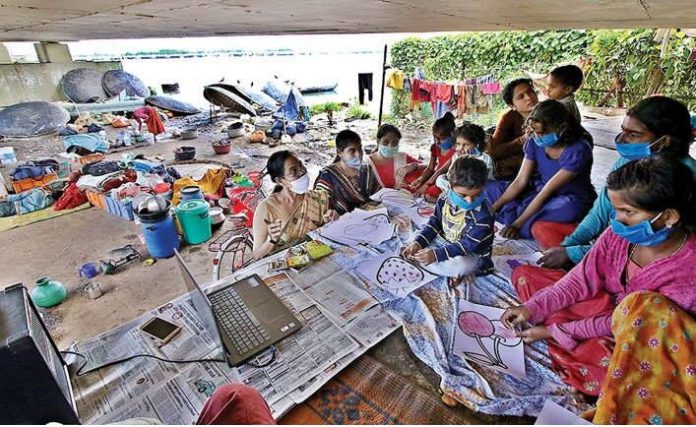
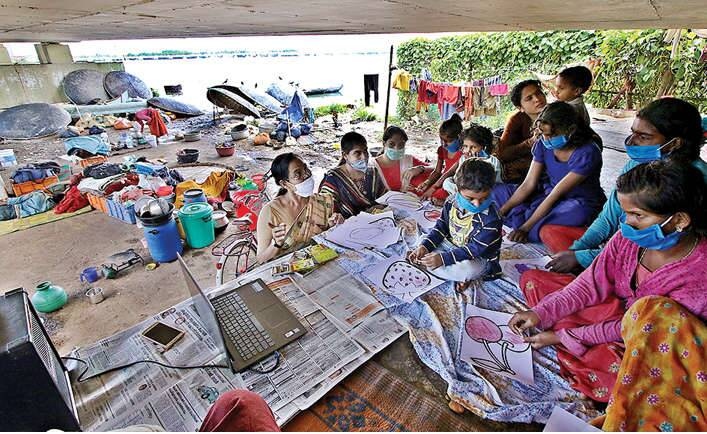
Under the bridge in the coastal state of Kerala, a heartening sight awaits those who are passing by in Kochi.

Underneath the Bolgatty-Vallarpadam bridge, teachers can be found engrossed with students of all ages, deep in study.

Ten children of migrant laborers had been living under the bridge with their families. Now that temporary ‘home’ is doubling up as a classroom, thanks to the dedicated teachers of St. John Bosco’s UP School.

RELATED: No One Came to Student’s Graduation—So His Teacher Took Him Out to Dinner and Bought Him a Car

When the government ordered schools to close, and classes began commencing online, the teachers realized that some children had no means to attend online classes, and would likely discontinue their education if the situation persisted.

Armed with laptops and drawing sets, three teachers—Shamiya Baby, Neema Thomas and Susan Mable—and the school headmistress Elizabeth Fernandez, came to the rescue. Since the beginning of June, when online classes officially began, these teachers have been downloading classes on their laptops and heading over to the bridge to teach the children.

‘They also carry masks, biscuits and sweets for the young kids every day,” reports Mathrubhumi News.

POPULAR: People Are Installing Portable Hand-Washing Sinks for the Homeless in Cities Across the US

As technology seeps into the education sector, stories like this serve to underscore the undeniable value of human teachers—and their selfless kindness… Priceless.

We applaud our health workers and doctors, but let us also spare a thought for society’s teachers who help keep the lamp of hope brightly lit within the minds and hearts of its youngest citizens.

– Edited from an original article submitted by Gayathry Rajeev in India 

TEACH People Some Kindness By Sharing This Story on Social Media…

Topping Soil With Rock Dust Could Suck Billions of Tons of CO2 From the Air and Increase Crop Nutrients – Study

Spreading the dust of basalt rock over fallow fields could drain billions of metric tons of CO2 out of the atmosphere every year, says a new study published in Nature.

According to a team of primarily English scientists, mitigation of the worst effects of human-caused climate change will require both cutting carbon emissions, and the gradual removal of already existing greenhouse gases.

Soils normally absorb carbon from the atmosphere, but when mixed with the dust of basalt, which is rich in calcium and magnesium and also very abundant (as a mining and mineral by-product) you get a 2-fold benefit—crop production that is more nutrient, and an accelerated absorption of CO2.

The mixing of dust and soil increases the alkalinity, dissolving CO2 into non-organic carbon forms such as hydrogen carbonate ions: HCO3. These carbon-sequestering ions are removed via rainwater, and transferred to the ocean through runoff and drainage systems where they will act as carbon-prisons for 100,000 years.

“The logistical infrastructure to apply basaltic rock dust to managed croplands already exists owing to the common need to apply crushed limestone to reverse soil acidification resulting from intensive cropping,” write the authors in their study. “Thus, rapid deployment at large scale appears to be feasible…and has important ancillary benefits including mitigation of ocean acidification.”

If this can also cut the acid level in the ocean, which puts coral at risk, the idea now has a 3-fold benefit—a win-win-win.

RELATED: Global Greenhouse Gas Emissions Estimated to Fall by 8% in 2020—the Largest Recorded Drop in History

“CO2 drawdown strategies that can scale up and are compatible with existing land uses are urgently required to combat climate change, alongside deep emissions cuts,” said Prof David Beerling, of the University of Sheffield, a lead author of the study. “ERW [dust spreading] is a straightforward, practical approach.”

Dust is even better than trees

Their modeling and analysis found that the emissions of serious CO2 producers Germany and Japan could be offset by treating half the world’s cropland with basalt dust, which would in theory be cheaper than other CO2 extraction strategies, with costs varying on local labor rates.

Tree-planting is mentioned in the study as a great way to extract CO2 from the atmosphere, but while mass-planting is often cheaper, the benefits are not as strong. Further they rely on the trees surviving a certain number of years for the benefits to fully take hold which is never a certainty.

POPULAR: For First Time Ever, Scientists Identify How Many Trees to Plant and Where to Plant Them to Stop Climate Crisis

Speaking with the Guardian, Prof. Breeling said of the basalt dust mixing: “If you could demonstrate to farmers in China and India, for example, that they are going to get crop yield increases and get paid $100 a ton for removing CO2, then it becomes really attractive.”

“Mining generates a continuous, but often discarded, finely powdered silicate by-product that is utilizable for dust mixing,” reads the study. They point out that it would require little to utilize existing silicate powders because of already existing mining infrastructure, potentially eliminating the CO2 generation from constructing tipper trucks, roads, or additional mines to produce the dust. Finally the authors mention that nations only need make an inventory of how much silicate byproduct they possess.

These numbers could then be plugged into their models and a more accurate and real-world assessment could be made on how far basalt dust mixing could go to reducing the effects of climate change.

And because it’s good for cropland, there are plenty of private sector incentives as well.

PLANT This Positive Solution With Friends By Sharing on Social Media… (Photo by Jed Owen

RELATED: MIT Engineers Unveil ‘Revolutionary’ Carbon Capture Tech to Absorb CO2 Using ‘Significantly’ Less Energy and Money

After Boy Was Abandoned at Hospital, Peter Was Asked to Take Him for a Weekend—And Kept Him For a Lifetime

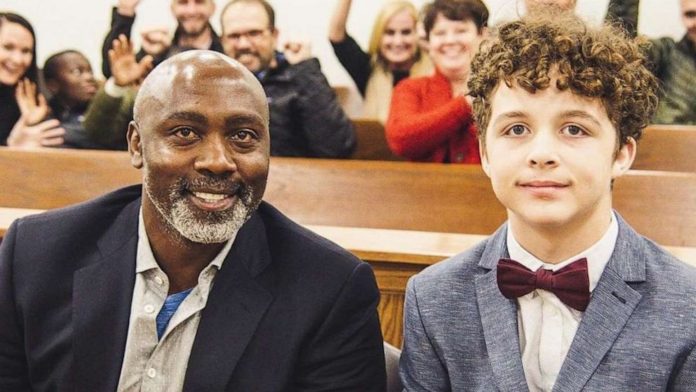
Peter Mutbazi adopting Tony

A boy has finally found his “forever dad,” a single man that is the kind of person who would take in a stranger during their time of greatest need.

Tony Mutabazi’s childhood hasn’t been easy. After his birth parents gave him up for adoption, he spent a few years in the foster care system before being adopted at age 4. But those parents left him in a Charlotte, North Carolina hospital when he was 11, and never returned.

A few days later, Peter Mutabazi received a call from foster care worker Jessica Ward requesting that he take Tony for the weekend. Peter, who had already been a foster parent for three years, knew he had to do more after hearing Tony’s story.

“By that time, I was crying,” Peter told Good Morning America. “I thought, ‘Who would do that?’”

“Once I knew the parents’ rights were signed off and he had nowhere to go, I [knew] I had to take him. . . I had the room, the resources, so I had no reason to let him go.”

Peter has been cheering up Tony ever since—watching movies, playing board games, reading and taking him cycling. In November, 2019, he made it official, adopting the young teen to become his dad.

RELATED: Boy Invites His Entire Kindergarten Class to His Adoption Hearing—and the Ceremony Was Incredibly Sweet

“He’s the nicest, smartest kid I’ve ever had,” Peter said.

“From day one, he’s always called me ‘dad.’ He truly meant it and he looks up to me. He’s proud to show me at school and say, ‘Hey, he’s my dad.’ That’s something that I love about him.”

The story of the fun-loving father and son went viral this year, and 72,000 followers are now fans of the dynamic duo on dad’s Instagram account—and they are just so adorable together.

Peter’s urge to be there for Tony and for other kids in the foster care system dates back to his own childhood experiences. Growing up in Uganda, he ran away from his abusive home at age 10.

RELATED: Nurse Adopted Man With Autism After Knowing Him Just 2 Days So He Could Receive a Heart Transplant

Thankfully, a parental figure in the area took Peter under his wing and made sure he finished school. Now, he sees his adoption of Tony as a way of paying it forward, to honor the person who saved his own young life.

WATCH a video from local news…

SPREAD The Love – Share This With Your Own Family of Friends on Social Media…

‘Please Tax Us’ Say 83 Millionaires Asking for Higher Taxes: ‘Humanity is More Important than Our Money’

By 金-运

83 millionaires have signed an open letter to their governments demanding increased tax rates on their own fortunes in order to raise capital to benefit society, in the wake of COVID-19 pandemic lockdowns and resulting economic hardships.

The signers include two Disney heirs, Ben and Jerry’s ice cream co-founder Jerry Greenfield and citizens of a dozen different countries like Spain, the UK, the U.S., Holland, Russia, and others.

“Unlike tens of millions of people around the world, we do not have to worry about losing our jobs, our homes, or our ability to support our families,” reads the letter. “We are not fighting on the frontlines of this emergency and we are much less likely to be its victims.”

Together the signers formed the Millionaires for Humanity project, which has the backing of the mega charity Oxfam, as well as the Patriotic Millionaires and Tax Justice UK, among others.

They have called on governments to create an “immediate, substantial, permanent,” increase to tax rates on “people like us.”

RELATED: PayPal Commits Over $500 Million to Support Minority-Owned U.S. Businesses

“Government leaders must take the responsibility for raising the funds we need and spending them fairly. We can ensure we adequately fund our health systems, schools, and security through a permanent tax increase on the wealthiest people on the planet,” reads the letter.

BUST A Stereotype About The Wealthy By SHARING The News on Social Media…

MORE: Bank of America Pledges $1 Billion to Fight Racial Inequality; Apple, Facebook, Verizon Give $10M Each

“Oh, the world needs those standing on the Bridge, For they know how Eternity reaches to earth. Only they can blow the dust from the seeing eyes Of those who are blind.” – Jane Goodall (began work w/ chimps 60 years ago today)

Quote of the Day: “Oh, the world needs those standing on the Bridge, For they know how Eternity reaches to earth. Only they can blow the dust from the seeing eyes Of those who are blind.” – Jane Goodall (began her work with chimps 60 years ago today)

Image: by Johannes Plenio

With a new inspirational quote every day, atop the perfect photo—collected and archived on our Quote of the Day page—why not bookmark GNN.org for a daily uplift?


Nursing Home Residents Recreate Classic Album Covers While in Lockdown – LOOK

These grandmas deserve a Grammy for their photo remakes of classic rock albums.

After so many months in lock-down with no family visiting their senior care home in north London, their activities co-ordinator came up with a gem of an idea.

Robert Speker, charged with keeping them entertained during the COVID crisis, decided to use his photography skills to recreate album covers.

“As this situation is on-going it could be months before the situation changes for them and the need to keep them happy, entertained, and full of spirit has never been more crucial,” said the activities director at Sydmar Lodge Care in Edgware. “It’s been my job and privilege.”

The photo shoots nailed iconic covers like Adele’s 21, The Clash’s London Calling, and David Bowie’s Aladdin Sane—which featured Roma Cohen recreating David Bowie’s iconic ‘Ziggy Stardust’ character.

RELATED: How a Nursing Home in France Stopped Coronavirus from Infecting Any Residents With a 47-Night Sleepover

Julia Davey, manager of the nursing home, told The Independent that Mr Speker is “well-known locally” for organizing activities that are “outside of the box”.

The shoot has gone viral after Speker shared it to Twitter, with fans clamoring to buy a calendar.

The photography project was originally intended to raise funds, so Speker set up a GoFundMe campaign which has raised £1,000. Check out the amazing models and donate to help Speker fund future projects…

93-year-old Vera stood in for Adele, on her LP 21.

Shelia Solomons paid homage to The Clash album, smashing her walking stick like a guitar on the floor.

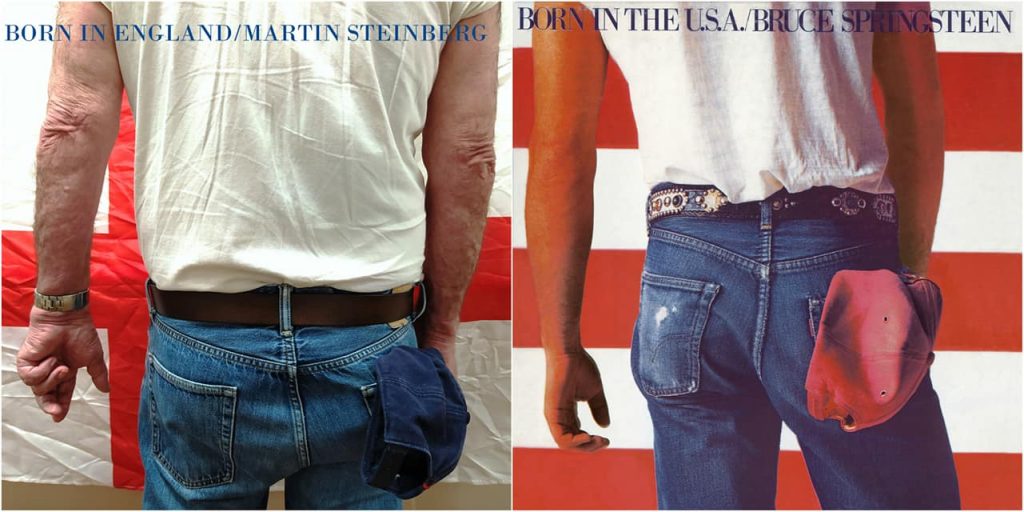
Martin Steinberg starred in a British recreation of Springsteen’s Born in the USA.

98-year-old RC is lovely in lilac, in her tribute to Taylor Swift’s 1989.

Toba David with her walker is simply Bad in this Michael Jackson remake.

With a butterfly tattoo, one senior posed as the covergirl for Blink-182’s punk classic Enema of the State.

JolieSumo pretty much summed up everyone’s feelings, tweeting, “These are so moving. Reminds me of my 97 year old grandmother telling me that on the inside she was still 18.”

(All photos via Sydmar Lodge on Facebook)

SHARE The Fun-Loving Seniors With Your Friends on Social Media…

Ex-Guerrillas Turn into Citizen Scientists Using Their Knowledge of the Colombian Jungle to Protect Biodiversity

Reprinted with permission from World at Large, an online journal focused on travel, foreign affairs, health and fitness, and the environment.

After 2016, when the Revolutionary Armed Forces of Colombia (FARC) signed a peace agreement with the Colombian government, scientists realized that it was suddenly safe to explore the rainforests, mountains, and savannas from which FARC waged a 50-year guerrilla war—and these areas are counted among the most biodiverse and least-explored places on earth.

A few biologists who longed to journey to the heart of these places also seized the opportunity as the perfect way to bring 14,000 former guerrillas back into society in a meaningful way that could benefit not only them, but the country’s stunning biodiversity.

Colombia is often referred to as the world’s most biodiverse country. Although this is a hard thing to designate, since many species around the world of all kinds remain undiscovered, she does lay claim to the most bird species anywhere on earth—both endemic and migratory.

Who better to help protect Colombia’s wild spaces than those who know them best, pondered Jaime Góngora, a wildlife geneticist at the University of Sydney who is originally from Colombia.

Góngora now leads a group of researchers from the United Kingdom, Australia, and 10 different Colombian scientific institutions in a program that trains ex‑guerrillas to study Colombia’s native plants and animals—a program which to date has uncovered nearly 100 previously-unknown species.

RELATED: Dozens of Creatures Thought to Be Extinct Found Alive in ‘Lost City’ in the Jungle (Photos)

Peace with Nature

Peace with Nature now unites scientists with guerillas to help protect Colombia’s biodiversity and aid in the post-conflict situation for thousands of people, 84% of whom, according to Góngora, are interested in pursuing, of all things, river habitat restoration as their post-conflict career path.

Góngora and his colleagues are only too happy to help, and Peace with Nature began hosting citizen scientist workshops to help train eager folks to find, identify, catalogue, and study wild plants, insects, birds, amphibians, and more.

The preparation work was long and hard – between 15 and 18 months according to Góngora.

“We did the first regional workshop last March in a remote ex-combatant village named Charras in the province of Guaviare at the interface of three major ecosystems in Colombia: Andes, Orinoquia, and Amazon,” says Góngora, in an interview with Science Magazine.

POPULAR: The Search Engine That Plants Trees With Every Search Has Just Planted its 100-Millionth Tree

“There, we did a more comprehensive workshop and inventory of an ecotourism trail identifying more than 120 plant and animal species, which were uploaded to iNaturalist”.

iNaturalist is an app used by citizen scientists around the globe, that allows naturalists to document their country’s biodiversity inventories and to inform and highlight potential ecotourists of attractions in their communities.

“In some of the workshops, we have the presence of the police and military forces along with the ex-combatants,” explains Góngora. “I think what has surprised me most is the opportunity that biodiversity offers for reconciliation and healing after an armed conflict. These workshops have been spaces for a respectful dialogue about biodiversity and nature”.

WATCH a video from Peace With Nature… (File photo by Nishaan ahmed)

SHARE This Unique and Valuable Program With Friends on Social Media…

40% of Americans Have Family Heirlooms Over 50 Years Old—See Which Items They Cherish Most

How long do you keep things in the family? According to new research, 42% of Americans have a generational heirlooms that’s over 50 years old.

The survey asked 2,000 Americans about their family history and their most valued possessions that have been passed down from generation to generation.

75 percent of those surveyed said they loved learning about their family’s history while they were growing up, and some of their most cherished childhood memories were looking through old family photo albums—so it’s no surprise that 65% cited their family photos as their most cherished items.

Conducted by OnePoll on behalf of Shinola, the survey found nearly half of those polled cited a family heirloom as one of their most prized possessions today.

On average, people were 24-years-old when they started to inquire about items they hoped could be passed down to them one day.

Aside from the family’s engagement rings and wedding rings, 26% of respondents shared they’re hoping to inherit a watch one day.

“Being given a family heirloom is so much more than just receiving a physical gift – it’s something that has lived a life already, and now it’s going to make more memories with a new owner,” said Shannon Washburn, Shinola’s CEO.

RELATED: COVID-19 Lockdown is Bringing Fathers Closer to Their Kids With Improved Relationships for 40% Surveyed

“Getting dad’s old watch, or mom’s leather journal, for example—there are stories engrained in those goods that are special to that piece only. It’s like being handed a piece of your own family’s history that you’re lucky enough to carry on.”

25% of respondents hoped to inherit a wedding dress. Other clothing, too, made the Top Ten list of keenly admired items. (Remember, if you hope to pass down a wedding dress, make sure you get it cleaned promptly after the wedding, and store it in the proper materials to prevent deterioration.)

WHAT ARE THE TOP 10 ITEMS AMERICANS HOPE TO INHERIT: Survey Says…
Engagement ring – 32%
Piece of jewelry – 29%
Wedding ring – 26%
Watch – 26%
Wedding dress – 25%
Wedding veil – 19%
Family home – 18%
Kitchen item – 17%
Suit – 16%
Item of clothing – 14%

RELATED:  is Reuniting People With the Photo Memories He Discovered in Shuttered Printing Store

Even outside of their families, respondents say they put the same amount of effort and love into making or purchasing gifts.

In fact, 77% of respondents said it was important to them that they give a gift that will be around for years and even potentially become a family heirloom later in life. Check out the most valued items in peoples’ current lives.

WHAT ARE YOUR MOST PRIZED POSSESSIONS? Survey Says…
Family photos – 65%
Wedding ring – 56%
Piece of jewelry – 54%
Engagement ring – 50%
Family heirloom – 49%
Computer laptop – 49%
Car – 44%
Wedding dress – 41%
Child’s memory box – 39%
TV – 38%
Item of clothing – 37%
Favorite book – 37%
Piece of art – 36%
Camera – 36%
Video game console – 36%
Musical instrument – 35%
Scrapbook – 33%

POPULAR: Class Ring Lost in Maine 47 Years Ago is Found in Finland and Returned to Widow Who Missed It

TELL Us About Your Family Heirlooms in the Comments Section, or When Sharing on Social Media…

Potential Drug Candidate Emerges as Llama Antibodies Found to Neutralize COVID-19’s Spike Protein

Two nanobodies—small, stable immune cells similar to various antibodies and derived from llamas—have been found in tests to neutralize COVID-19 by blocking its interaction with the human receptor that it binds to.

The nanobodies block the attachment of the COVID-19 spike protein by targeting a region of the protein immediately adjacent to and slightly overlapping with the region of the cell where COVID-19 binds and enters. Both llama nanobodies were shown to neutralize live COVID-19, and showed particularly high potency and increased neutralization potential when combined with a human antibody. The findings were published in Nature Structural & Molecular Biology paper.

RELATED: How a Crowded Slum of One Million People Contained the Coronavirus to Only 2,000 Cases

The development of immunizations for coronaviruses is a well-established process. The virus possesses a protein which binds to a receptor on the exterior of the cells of an infected individual.

Like a boat docking at a wharf, the virus needs a place to ‘dock’ its spike protein, otherwise it cannot enter the cell. Therefore the first path for researchers and drug developers is to see how they can prevent the binding of the spike protein with the cell receptor.

“Although there is currently no ‘cure’ or vaccine for the disease,” writes James Naismith at the The Rosalind Franklin Institute, Didcot, UK, “passive immunotherapy by transfusing critically ill COVID-19 patients with serum from [recovered] COVID-19… individuals has been shown to improve clinical outcomes.”

RELATED: Dogs Trained to Sniff Out COVID-19 Score Near-Perfect in Diagnosis of Human Sweat Samples

“This would suggest that neutralization of the virus, even at a relatively late stage in the disease, may be a useful COVID-19 therapy.”

The two nanobodies—H11-H4 and H11-D4—can be “deployed to produce a highly neutralizing agent against an emerging viral threat in real time,” to provide “passive immunization of severely ill COVID-19 patients.” say the authors.

The research was funded by the Rosalind Franklin Institute, a medical research centre supported by the UK Government, which has filed a patent on the nanobodies.

MORE: Scientists Use Gene-targeting Breakthrough Against COVID-19 Cells With CRISPR Tool Called ‘PAC-MAN’

Need more positive stories and updates coming out of the COVID-19 challenge? For more uplifting coverage, click here.

“Study nature, love nature, stay close to nature. It will never fail you.” – Frank Lloyd Wright

Casey Gorner

Quote of the Day: “Study nature, love nature, stay close to nature. It will never fail you.” – Frank Lloyd Wright

Photo: by Casey Horner

With a new inspirational quote every day, atop the perfect photo—collected and archived on our Quote of the Day page—why not bookmark GNN.org for a daily uplift?


Court Rules That Grizzly Bears Near Yellowstone Will Remain Protected From Sport Hunting 

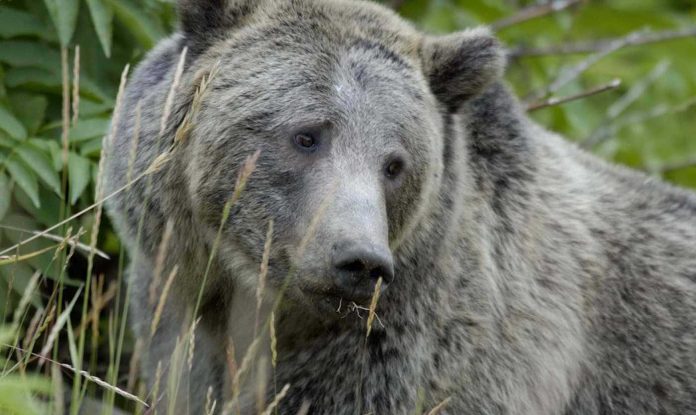
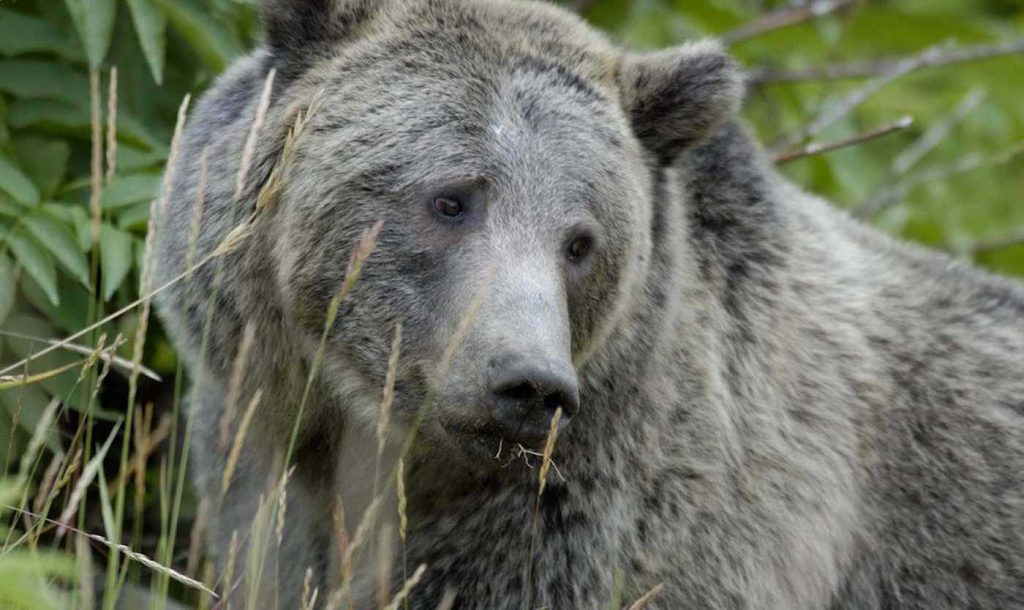
Female Grizzly Eating Grass – Terry Tollefsbol / NPS

The 9th Circuit Court of Appeals ruled in favor of protecting grizzly bears last week restoring their status under the Endangered Species Act in the wake of hunts planned in Idaho and Wyoming.

Conservationists and tribes that see the bears as sacred called it a “tremendous victory.” The decision spares the grizzlies from previous plans for controlled hunts in Wyoming and Idaho on land that is within the Greater Yellowstone Ecosystem, which includes 34,000 square miles.

The judge said that the decision in 2017 to delist the grizzly bear violated the Endangered Species Act because it was “the result of political pressure by the states rather than having been based on the best scientific and commercial data.”

The Fish and Wildlife Service decision to remove the grizzly bear from its bearanimalslist of endangered or threatened species prompted a lawsuit. The delisting was then overturned in Federal District Court a year later, which forced Wyoming and Idaho to cancel the hunts planned for lands outside of Yellowstone and the Grand Tetons parks, which would have allowed for up to 23 bears to be killed.

RELATED: 15 Giant Tortoises Finally Returned to Their Galapagos Island Home After Saving Their Species With 1,900 Babies

The disagreement highlights the varying opinions on the health of the grizzly population, which rebounded after a hard-fought recovery from near-extinction last century, when only 136 animals remained in North America—out of the 50,000 that once roamed.

Supporters of the latest decision say genetic diversity is at stake, with the bears on the outer fringes of the parks being essential to lasting species heath.

Female Grizzly Eating Grass – Terry Tollefsbol / NPS

“Not a single (scientific) paper has said they are OK in the long term,” Matthew Bishop of the Western Environmental Law Center told the Star Tribune.

In ruling that Yellowstone grizzly bears must remain protected under the Endangered Species Act, the 9th Circuit Court of Appeals pointed to the lack of “concrete, enforceable mechanisms” to “ensure long-term genetic health of the Yellowstone grizzly.” The ruling explains that a “commitment to increase population size” is “required to ensure long-term viability.”

MORE: Wild Bison Are Returning to England’s Forests For First Time in 6,000 Years

Government and ranchers continue to claim that bear numbers are at capacity—but plenty has been written that raises serious doubts that grizzlies have gained that strong of a paw-hold species-wide.

SHARE the Bear-y Good News With Friends on Social Media…

Boy Created a Word Puzzle to Help Entertain the Queen in Lockdown—And Was Thrilled to Get a Letter Back

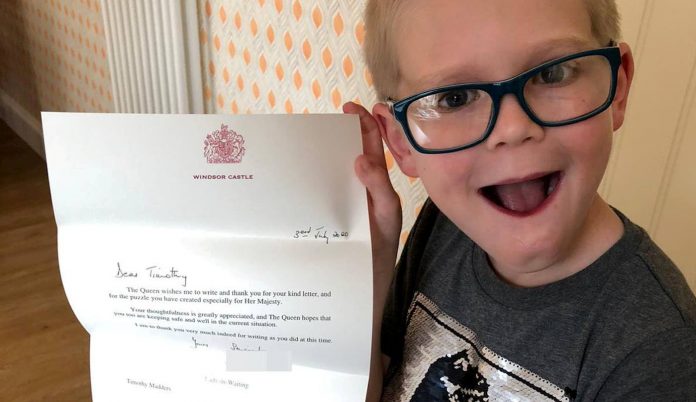
An adorable 7-year-old boy created a word-search puzzle and sent it to the Queen to keep her entertained during lockdown—and he was delighted to receive a letter back from royal staff.

SWNS

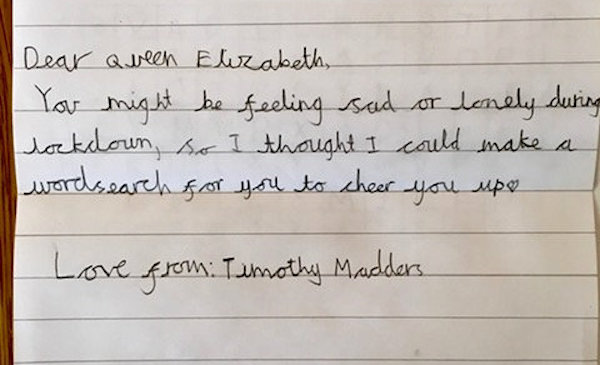
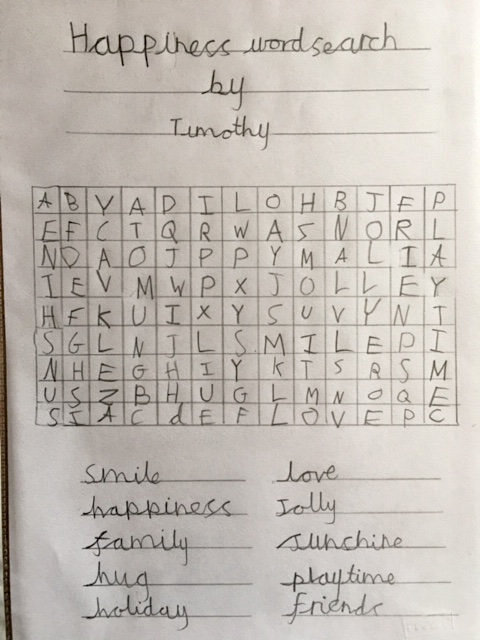
Little Timothy Madders, from Billericay, Essex, was worried that the Queen may be bored or sad during lockdown—so he created a happiness-themed puzzle to keep her busy.

In his best handwriting, the youngster had hidden words such as “happiness”, “love”, “family”, and “sunshine” throughout his royal puzzle.

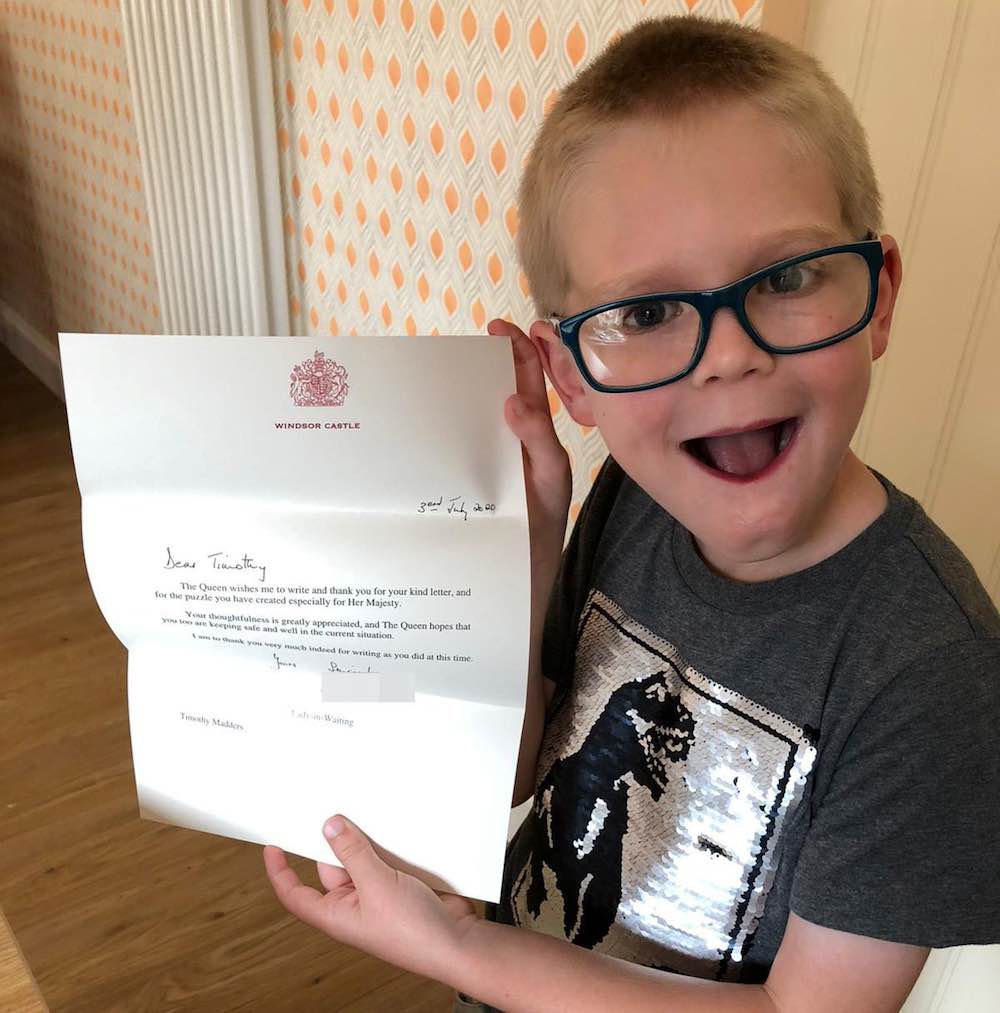
He was amazed when he got a letter back from one of Her Majesty’s ladies-in-waiting, thanking him for his kind and thoughtful puzzle.

RELATED: When Duchess Meghan Accepts Macaroni Necklace Gift From Young Fan, He is Flooded With Orders

The letter, dated July 3rd and hand-signed by Philippa de Pass, reads:

“Dear Timothy, The Queen wishes me to write and thank you for your kind letter, and for the puzzle you have created especially for Her Majesty.”

SWNS

“Your thoughtfulness is greatly appreciated,” continued the letter. “The Queen hopes that you too are keeping safe and well in the current situation.”

Timothy’s mum, Jo Madders, said her son is always thinking about other people.

“He wanted to do something to cheer her up and he did it in his neatest handwriting,” Jo told the BBC.

SWNS

“He kept saying to me not to send the original to anyone else because that was for the Queen.”

Timothy sent his word-search to the Queen at the beginning of May and said it took him about a day to make.

RELATED: Prince Charles Opens 10-Room Bed And Breakfast On The Grounds Of His Scottish Castle

“It made me feel special and happy,” the boy said, of the reply from Windsor Castle. “I wanted the Queen to be happy, I was trying to think of what to do to cheer her up.”

SHARE the Sweet Royal Puzzle With Your Friends on Social Media…