











All News - Page 595 of 1737 - Good News Network
Home Blog Page 595

3D-Printing Teen Makes Hundreds of Ingenious Devices to Alleviate Ear Pain for Healthcare Workers


A 12-year-old Canadian boy has come up with a brilliant way to support healthcare workers on the frontlines of the novel coronavirus outbreaks—all without leaving the safety of his home.

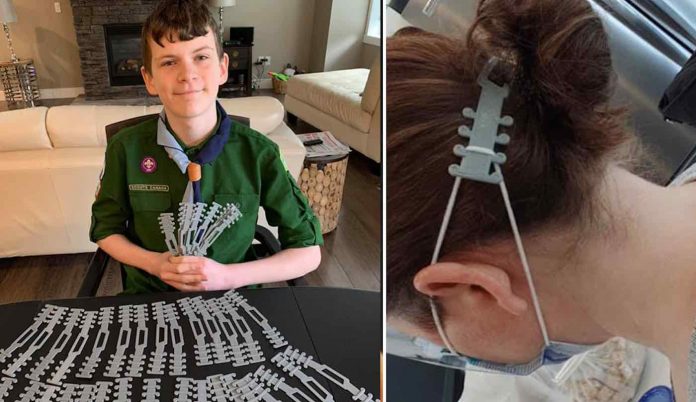
Quinn Callander was first inspired to start his labor of love after a family friend working at a local hospital expressed their wish for an “ear guard”—a small, simple contraption that alleviates the physical aches of medical face masks by alleviating the pressure of the elastic bands on the wearer’s ears.

After finding a few ear guard templates online, Quinn used his 3D-printer to make several different versions of the device for his friend to test. Once they identified the most efficient  design, he made dozens of the devices for local hospital workers in Maple Ridge, British Columbia.

Upon realizing the game-changing impact of his donations, however, Quinn decided to keep making the ear guards.

RELATED: LEGO Factory is Now Producing Thousands of Protective Plastic Face Masks for Medical Workers

Since he responded to the Facebook post in early April, Quinn has distributed hundreds of plastic ear guards to hospitals across Canada, the US, the UK, and even Singapore.

Quinn’s proud mother, Heather Roney, told The Globe and Mail that they have been flooded with requests since she posted a picture of the youngster displaying his creations to social media.

“We’ve heard from thousands of people who say, ‘This is the difference between working your 12-hour shift comfortably and being in constant pain,’ because of pressure on their ears,” said Roney. “It’s so simple, but it’s incredibly effective.”


Not only have the photos been shared thousands of times, they have inspired other 3D-printing enthusiasts from around the world to print their own ear guards. Roney recently wrote on Twitter that the 3D-printing design Quinn used for the ear guard has been downloaded more than 48,000 times. Manufacturing companies have even picked up the design and challenged other businesses to do the same.

However, Quinn doesn’t have plans of stopping his mission any time soon.

WATCH: 89-Year-Old Sews 600 Masks While Listening to The Beatles

“I feel like we’ll keep doing this as long as we can,” Quinn told Narcity. “We’ll keep on doing this either until we run out of materials or until this whole thing blows over.”

This is just one of many positive stories and updates that are coming out of the COVID-19 news coverage this week. For more uplifting coverage on the outbreaks, click here.

(WATCH the interview below)

Protect Your Friends From Negativity By Sharing This Inspiring Story To Social Media…

Scientists Make History With Discovery That Will Help Save America’s Great Coral Reef

Florida scientists have just made history by becoming the first in the world to reproduce ridged cactus coral in human care.

Researchers from The Florida Aquarium are particularly excited about the discovery because it will one day be able to help conservationists restore “America’s Great Barrier Reef”—which is the third largest reef in the world.

Ridged cactus coral—also known as Mycetophyllia lamarckiana—are one of the most common species of coral currently populating the Florida Reef Tract. Since the underwater ecosystem has been in danger following major outbreaks of stony coral tissue loss disease in 2014, scientists have been caring for several coral samples that were collected prior to the outbreaks in hopes of one day being able to restore the reef to its former glory.

LOOK: Scientists ‘Blown Away’ By Discovery of Longest Animal Ever Recorded—And It’s Quite Beautiful

The historic breakthrough took place earlier this month at The Florida Aquarium’s Center for Conservation in Apollo Beach. The work is part of a collaboration effort to save the Florida Reef Tract from extinction with the Florida Fish and Wildlife Conservation Commission (FWC) and National Oceanic and Atmospheric Administration (NOAA) National Marine Fisheries Service.

“Our resolve to save Florida’s endangered coral reefs continues, and this historic breakthrough by our coral experts—our second in 8 months—provides additional hope for the future of all coral reefs in our backyard and around the globe,” said Roger Germann, President and CEO of The Florida Aquarium. “While our aquarium remains temporarily closed to the public as we support our community’s wellbeing efforts, not even a global pandemic can slow us down when it comes to protecting and restoring America’s ‘great’ barrier reef.”

CHECK OUT: Whales Feces Represent One of the Greatest Allies Against Climate Change—Even More Than Trees

Until this month, the larvae of the ridged cactus coral had never been photographed or measured and the larval release time had never been recorded.

“These advances give us hope that the round-the-clock work we are doing will make a difference to help conserve this species and save these animals from extinction,” said The Florida Aquarium Senior Coral Scientist Keri O’Neil. “To date, we have now been able to sexually reproduce eight different species of coral affected by stony coral tissue loss disease at The Florida Aquarium’s Center for Conservation campus.”

Last year on August 20th, The Florida Aquarium also announced a massive breakthrough when its scientists became the first in the world to be able to get Atlantic Ocean coral to spawn in a controlled laboratory environment.

RELATED: After Decades of Federal Protection, Hawaiian Coral Reefs Are Returning to Their Former Glory

“The Florida Aquarium is committed to caring for Threatened species of coral and leading critical initiatives that facilitate our ability to restore the Florida Reef Tract,” says the Aquarium’s Senior Vice President of Conservation, Dr. Debborah Luke. “Our Coral Conservation Program uses a science-based, impact-driven approach to increase the genetic diversity of coral offspring, maximize coral reproduction rates and advance coral health.”

Ridged cactus corals are often brightly colored with ridges that don’t connect in the center. They are a brooding coral, which means their sperm is released into the water, but their eggs are not, and fertilization and larval development occurs inside the parent coral. The corals release a fully developed larvae that swims immediately after release. Brooding corals release fewer and larger larvae, that already carry the symbiotic algae from their parents that is critical for survival. Florida Aquarium coral biologists noted that the larvae of the ridged cactus coral were the largest that they have ever seen and are working to document the entire process.

CHECK OUT: Man Postpones Retirement to Save Reefs After He Accidentally Discovers How to Make Coral Grow 40 Times Faster

“They are so unusual that I actually was not sure it was coral larvae,” noted Emily Williams, Coral Biologist.

No one knows how long the corals will continue to release the larvae or how many will be produced, as no one has documented this process before in this species; but since the birthing process began in early April, CNN reports that the coral has continued to spit out more than 350 larvae and counting.

Reprinted from The Florida Aquarium

(WATCH the video below)

Plant Some Positivity By Sharing The Good News With Your Friends On Social Media…

Air Pollution in Major World Cities Has Dropped By as Much as 60% During COVID Shutdowns, Says New Report

As the world continues to wait out the worst of the coronavirus outbreaks, this new report says that air pollution is falling to record new lows in some of the most polluted global cities.

This week, IQAir, a global leader in air quality data and solutions, published a COVID-19 Air Quality Report that shows that air pollution levels in 10 major global cities have dropped by as much as 60% during government-mandated lockdowns due to the global COVID-19 pandemic.

The report examined fine particle pollution (PM2.5) in 10 cities while lockdowns were in place compared to the same period in 2019, as well as during the same periods in the previous four years. Cities included in the report are Delhi, London, Los Angeles, New York City, Madrid, Mumbai, Rome, São Paulo, Seoul, and Wuhan. All cities included in the report, except for Rome, experienced a reduction in air pollution levels during lockdown periods compared to the same time periods in 2019.

RELATED: As Earth’s Ozone Layer Continues to Repair Itself, Scientists Happily Report Good News on Global Wind Trends

The most dramatic drops in air pollution occurred in cities with historically high levels of PM2.5:

  • Delhi experienced a 60% reduction in PM2.5 readings compared to the same time period in 2019.
  • The hours for which Delhi experienced “Unhealthy” rated air pollution fell from 68% in 2019 to 17% in 2020’s lockdown.
  • Seoul had a reduction in air pollution of 54% compared to 2019.
  • Wuhan saw a reduction in air pollution of 44% during its lockdown when compared to 2019.
  • Air pollution in Mumbai was down 34% during the lockdown period.
  • São Paulo was down 32% year over year.

Automobile-dependent Los Angeles saw its longest streak of clean air on record: during its lockdown period, fine particle pollution in LA was down 31% when compared to 2019, and down 51% when compared to the previous four-year average. New York City saw air pollution drop 25% as a result of its lockdown.

CHECK OUT: Bill Gates Has Just Invested in a Company That Grows Palm Oil in a Lab to Save the Rainforests

London and Madrid saw more modest reductions in air pollution at 9% and 11% respectively. Delhi, Mumbai and Los Angeles experienced their best March air quality on record in 2020.

“Across the globe, the coronavirus pandemic has had a monumental impact on the way we live,” said Frank Hammes, CEO of IQAir. “While the human and economic costs are devastating, we are also witnessing how much of air pollution comes from human activity. The drastic reduction in air pollution during COVID-19 lockdowns shows how our habits and behaviors directly impact the air we breathe. That’s an important insight [after] this unique Earth Day.”

LOOK: Himalayan Mountaintops Visible for the First Time in 30 Years as Air Pollution Continues to Plummet in India

While coronavirus-related lockdown orders varied by country, most included school closings, restricted movement by residents, the closing of non-essential businesses, and bans on social gatherings.

The report analyzed hourly PM2.5 readings recorded by seven governmental agencies as well as readings provided by supplemental, validated non-governmental monitoring stations. All locations and their data sources are visible on the IQAir AirVisual app and website.

This is just one of many positive stories and updates that are coming out of the COVID-19 news coverage this week. For more uplifting coverage on the outbreaks, click here.

Clean Up Negativity By Sharing The Good News With Your Friends On Social Media…

Woman Creates Neighborhood ‘Giving Tree’ With Her Free Homemade Face Masks

Photo by Deb Siggins

Rather than giving away free apples like a Shel Silverstein storybook, this giving tree in Iowa is offering free handmade face masks to the people of Lisbon.

55-year-old Deb Siggins first began making the cloth masks for healthcare workers after their local hospital began experiencing shortages amidst the novel coronavirus outbreaks. Initially, Siggins only wanted to donate 100 of her masks to medical workers; but then her family members and friends began requesting masks of their own.

Siggins has since made more than 400 masks, all of which she paid for out of pocket as a doctor’s office employee.

WATCH: 89-Year-Old Sews 600 Masks While Listening to The Beatles

Because Siggins realized that she could not hand the masks directly to her neighbors without violating social distancing guidelines, she decided to hang them on a local tree so passerby could take the masks at their leisure.

Since Siggins made a Facebook post about her giving tree, the masks have been a hit with the community.

“It was really cool to see people driving up, grabbing a mask and leaving … It’s been a hit,” Siggins told Good Morning America. “I’m a giver, not a taker, so I feel really good.”

CHECK OUT: Sam’s Club is Offering ‘Hero Shopping Hours’ to Healthcare Workers Regardless of Memberships

Although the tree can hold about 30 masks at a time—most of which are gone within a day of being hung—Siggins says she is constantly making new masks and using new patterns to restock the tree’s inventory. She has also been making special masks for firefighters, first responders, paramedics, and grocery store employees.

Siggins is reportedly determined to continue with her labor of love until the pandemic is finally over.

This is just one of many positive stories and updates that are coming out of the COVID-19 news coverage this week. For more uplifting coverage on the outbreaks, click here.

Photo by Deb Siggins

Be Sure And Share This Inspiring Story Of Kindness With Your Friends On Social Media…

“It is only when we silent the blaring sounds of our daily existence that we can finally hear the whispers of truth that life reveals to us.” – K.T. Jong

Quote of the Day: “It is only when we silent the blaring sounds of our daily existence that we can finally hear the whispers of truth that life reveals to us.” – K.T. Jong

Photo: by Anthony Tran, public domain, cropped

With a new inspirational quote every day, atop the perfect photo—collected and archived on our Quote of the Day page—why not bookmark GNN.org for a daily uplift?

Volcano Lightning Storm Won ‘Perfect Moment’ Photography Contest, But Every Finalist Captured the Beauty of Earth

SWNS
A “dirty storm” during the eruption of the Calbuco volcano in Chile. SWNS.

This stunning image captures the moment an incredible lightning storm was created during a violent volcanic eruption.

The striking photo of the Calbuco volcano—regarded as the one of the most dangerous in Chile—won the Grand Prize in the inaugural “The Perfect Moment” photography competition, presented by photography contest business Our World In Focus.

The rare “dirty storm” phenomenon occurs when the force of the elements thrown from the bottom of the volcano collide with the outside, causing positive and negative charges to produce lightning.

LOOK: These Photographers Captured Some of the Most Dazzling Pictures of Mother Earth’s Landscapes

The first prize image won photographer Francisco Negroni a $2,000 cash prize, as well as a new camera lens, and a $200 voucher to spend at a camera equipment store.

The contest’s judges, Max Rive of the Netherlands and John Weatherby of the USA, called the photo “truly spectacular”.

“This image shows a rare moment of the eruption of the Volcano Calbuco with truly spectacular forces of nature that make you stare at the image for some time,” said Rive. “It is the combination of the rarity of this natural phenomenon with the technical quality of the image that makes it so powerful and unique.

RELATED: Photographer Captures Picture of Stunning ‘Ice Ball’ Phenomenon on Finnish Beach

“This image left the biggest impression on me and couldn’t fit the subject ‘Perfect Moment’ any better.”

The photo contest also saw four other worthy winners alongside Francisco’s “dirty storm” shot, which saw more cash prizes and Lens Pro To Go vouchers rewarded.

Bence Mate, the second-place winner for the competition, won $500 in cash and $100 in vouchers for his photo entry, “Eye To Eye”.

2nd place winner — SWNS

The fascinating photo shows a green-crowned hummingbird hovering in mid-air, eye-to-eye with a small, green pit viper which is dangling by its tail from a branch.

The on-guard hummingbird, photographed with its wings beating rapidly, squared off against the viper in order to protect its nesting young by making squawking sounds and dancing around the snake in mid-air.

LOOK: After Years of Gaining Trust of Local Squirrels, Photographer Has Captured the Most Wholesome Pictures

“Images of wildlife often make for strong storytelling photography, especially when a potential confrontation is photographed, as in this image captured between a hummingbird and a viper,” remarked Rive.

“The perfect technical quality in terms of sharpness, focus, contrast and the chosen shutter speed, which makes the movement of the wings visible, also helps with bringing this image to life.”

5th place winner – SWNS

The contest’s fifth place winner of $100 cash, was Eliseo Nicolaevici’s sweet photo of a little lamb crossing a rickety wooden bridge, followed by a herd of more than nine sheep.

“This image shows how an ‘ordinary moment’ can be made very powerful and evocative by capturing it at the right time and place,” says Rive. “Elements that impressed me are the story, of how the lamb walks in front of the adult sheep.

“The photo also creates a form of tunnel vision and framing with the hang-bridge, and how all the faces of the sheep are lined up in a straight line.”

RUNNER UP – SWNS

Meanwhile, competition finalist Hasan Baglar submitted an amusing photograph of two praying mantises perched on a branch, their front legs stretched up in the air, and their colorful wings outspread.


Runner-up finalist — SWNS

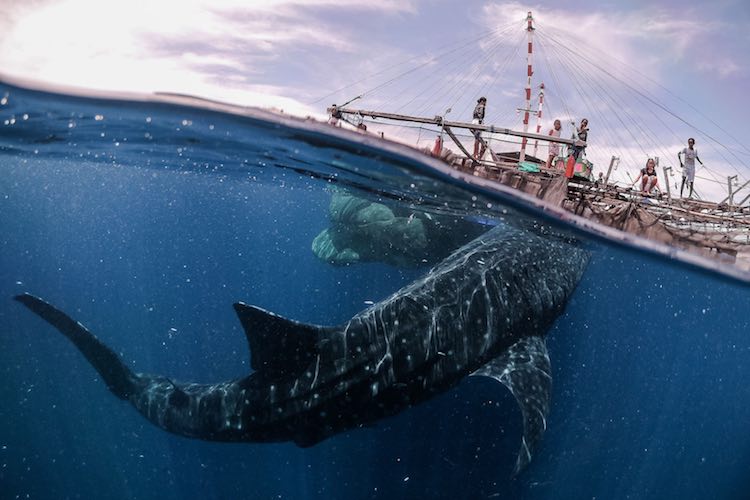
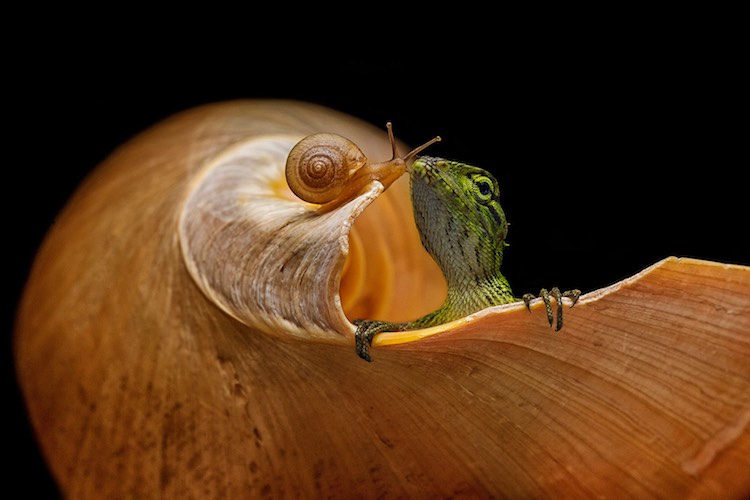
Other runner-up finalists for the competition include photos depicting a lizard and a snail kissing in Indonesia and a friendly whale shark swimming underneath a fishing boat.


RUNNER UP — SWNS

The two judges for the competition paid homage to all the photo submissions, saying: “We want to thank all of the entrants to this year’s contest. It has been an honor to witness each of your own Perfect Moments.”


3rd place winner: Droplets of water form a triangle as a cormorant shake water off its wings at Kiskunság National Park, Hungary — SWNS

Be Sure And Share These Stunning Photos With Your Friends On Social Media…

What Was Once One of the Most Polluted Landscapes on Earth Now Has Some of the Cleanest Air in the Region

Forty years ago, the Canadian city of Sudbury was a blackened landscape that had been devastated by pollution from mining sites and industrialization.

Now, thanks to decades of restoration and conservation work, the air quality is ranked as some of the best in all of Ontario.

Not only that, the landscape has come alive with trees and greenery once more. Lakes that were once acidified and destitute have become thriving ecosystems.

LOOK: Determined to Save His Country’s Water Supply, 26-Year-old Has Revived 10 Lakes From a Polluted Mess

The transformation of Sudbury has become such a positive example of environmental restoration, Laurentian University launched an entire course based on its revolutionary recovery back in March 2019—and it is helping college students apply its lessons to other polluted landscapes around the world.

“The Sudbury story is a story of success,” said Dr. John Gunn from Laurentian University. “One of the most damaged landscapes on Earth—with industry, government, universities, and the public working together—has made a remarkable improvement in the landscape and the lives of people.”

RELATED: Scientists Use Recycled Sewage Water to Grow 500-Acre Forest in the Middle of Egyptian Desert

Paul Kennedy, who is the host of the CBC radio program IDEAS, spotlighted the Sudbury story back in May 2019 as one of his final presentations.

The news outlet published an emotional excerpt from his notebooks describing the segment, which concluded with Kennedy saying: “I tend to be a knee-jerk optimist on almost every issue, but the future of our planet can seem almost overwhelmingly difficult—too big, too complicated, too divisive.

“For me, Sudbury is an indication that we aren’t going to lose. Climate change is the biggest and most crucial challenge we face. There is hope.”

This story has been reprinted from GNN’s archives in honor of Earth Day’s 50th anniversary, but this week’s air particulate reports in Sudbury show that the air is still some of the cleanest in the province.

(WATCH the video below)

Plant Some Positivity Amongst Your Friends By Sharing The News To Social Media…

‘Fantastic Grandmas’ Have Been Spending Retirement Photographing Venomous Sea Snakes for Science

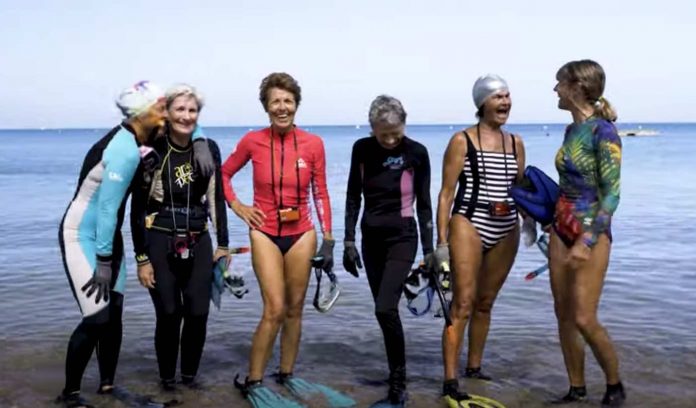
While some people might prefer to kick back and relax in their golden years, these 7 older women prefer to spend their retirement swimming after venomous snakes in the ocean.

The Fantastic Grandmas is a volunteer research group made up of pensioners who have found their passion through helping scientists learn more about the snakes around Lemon Bay, New Caledonia in the South Pacific.

The hardy women typically don their scuba gear for a research expedition at 7AM. Over the course of the day, they may swim as far as 2.5 kilometers (1.5 miles) in search of snakes.

LOOK: 91-Year-old Gym Member Who Works Out in Overalls Becomes Social Media Poster Boy for Good Health

The grandmas are the only volunteers to conduct research on behalf of the University of Caledonia. Prior to their first group expeditions in 2017, university sea snake researcher Claire Goiran believed there to be only a few different species of sea snakes. The Fantastic Grandmas have since documented about 262 species of snakes and their vital roles in the undersea ecosystem.

One of the Fantastic Grandmas, 70-year-old Monique Mazière, has been retired for 10 years. When Great Big Story asked why she and her senior gal pals were conducting research on such dangerous creatures, she simply laughed and said: “And why not grandmothers!?”

“We could think grandmothers are only good for making jam or knitting,” she added, “but not us. This is our sport.”

(WATCH the Great Big Story video below)

It’s Not Hard To Sssssea That You Should Share This Inspiring Story With Your Friends On Social Media…

This 1,000-Year-old Cherry Tree in Japan is a Role Model for Resilience During Trying Times

Photo by 京浜にけ, CC
The Miharu Takizakura. Photo by 京浜にけ, CC license.

Whether it’s climate change or the novel coronavirus pandemic—it can be hard to stay hopeful for the future during such turbulent times.

However, this ancient cherry tree in Japan serves as an awe-inspiring example of resilience in the face of adversity.

The 1,000-year-old Takizakura—also known as the “waterfall cherry tree”—in Miharu, Fukushima usually attracts thousands of tourists and travelers from all over the world; but since the COVID-19 outbreaks forced Japan into a state of emergency, only a few visitors stopped by to see its blossoms last week.

LOOK: ‘Priceless’ Stolen Bonsai Trees Mysteriously Returned Just 72 Hours After Museum Begged for Their Return

53-year-old Sidafumi Hirata, who is in charge of preserving the cultural heritage of the town and caring for the Takizakura, told NPR’s Kat Lonsdorf in a recent interview that he remembers rushing to check on the tree after Fukushima’s disastrous nuclear meltdown in 2011.

The worst earthquake in the history of Japan had triggered a tsunami which damaged the Daiichi nuclear plant 30 miles away, unleashing waves of radiation upon the nearby towns—but even after the tsunami, the earthquake, and the nuclear meltdown, the Takizakura was unharmed.

RELATED: Husband Plants Field of Flowers for Blind Wife to Smell, So Spectacular It Gets Visitors

“This tree has lived so long, and the longer you live, the more bad events you see,” Hirata told Lonsdorf in the interview below. “So she will see more bad things, but she’ll also see good—life is layers, layers of bad and good.”

Hirata says that despite this year’s lack of visitors, he will continue to look after the tree so it can continue blossoming for another thousand years to come—and the Takizakura’s adoring fans also hope that its enduring strength will inspire others to stand just as tall in the face of chaos.

(LISTEN to the enchanting NPR segment below)

Plant Some Positivity By Sharing This Inspiring Story With Your Friends On Social Media…

“I believe in God, only I spell it Nature.” – Frank Lloyd Wright (Today is the 50th Earth Day)

Quote of the Day: “I believe in God, only I spell it Nature.” – Frank Lloyd Wright (Today is the 50th Earth Day)

Photo: by Jeremy Bishop, CC license, cropped

With a new inspirational quote every day, atop the perfect photo—collected and archived on our Quote of the Day page—why not bookmark GNN.org for a daily uplift?

Customer Leaves Entire $1,200 Stimulus Check as Generous Tip for Family-Owned Restaurant

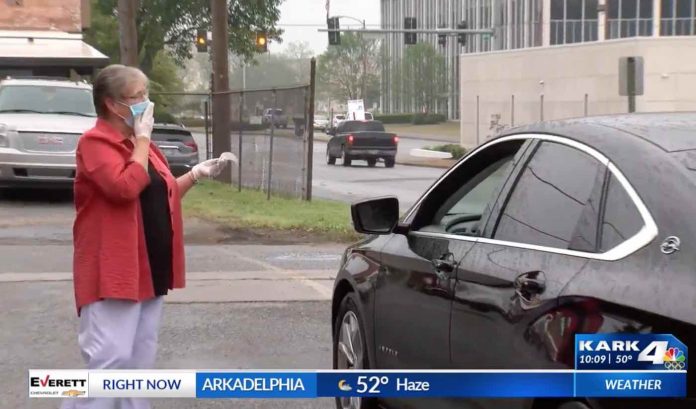
Like so many small businesses being forced to adapt to social restrictions amidst the novel coronavirus shutdowns, this Arkansas steakhouse has been struggling to make ends meet—but thankfully, one of their regular customers gave them a much-appreciated financial windfall.

Despite the difficulties of remaining open during the COVID-19 shutdowns, the Colonial Steakhouse restaurant in Pine Bluff has managed to stay open by maintaining a team of four employees to offer curbside pickup for three days of the week.

Last week, one of the restaurant’s regular customers decided to leave a hefty tip for their takeout order—and the staffers were stunned by the amount.

The customer tipped the Colonial Steakhouse $1,200—which was the customer’s entire stimulus check issued by the federal government to relieve the financial burden of the pandemic.

RELATED: Sam’s Club is Offering ‘Hero Shopping Hours’ to Healthcare Workers Regardless of Memberships

“We just started crying and thanking God because it came at a time that most of our staff really needed it,” Colonial Steakhouse manager Allison Hall told KARK News.

Hall went on to say that even though times have been tough on the restaurant, they are ready to reopen when the time comes; until then, they have been elated to be on the receiving end of such a generous gesture.

This is just one of many positive stories and updates that are coming out of the COVID-19 news coverage this week. For more uplifting coverage on the outbreaks, click here.

(WATCH the news coverage below) – Feature photo by KARK News

Be Sure And Share This Sweet Story Of Kindness With Your Friends On Social Media…

IKEA Publishes Meatball Recipe for Devoted Fans in Quarantine Pining After the Store’s Beloved Cafés

In addition to being renowned for their inclusivity, sustainable practices, philanthropy, and sheer genius for innovation, IKEA is also beloved for the Swedish meatballs served in their cafés.

So while the furniture chain may have temporarily shuttered its doors amidst the novel coronavirus outbreaks, they recently published a homemade meatball recipe for their devoted fans to try in quarantine.

Although it is not the same iconic meatball recipe that is used in their stores, it does employ an intricate cream sauce which IKEA management says is a worthy alternative to the original.

RELATED: Stalking Lions, Pandas, and Penguins During Your Social Distancing With These 10 Awesome Animal Livestreams

“We know that some people might be missing our meatballs, which is why we’ve released an at-home alternative which, using easily accessible ingredients, will help those looking for some inspiration in the kitchen,” said IKEA Country Food Manager Lorena Lourido in a statement.

The meatballs themselves calls for 500 grams (2 cups) of beef mince (or beef substitute), 250 grams (1 cup) of pork mince (or pork substitute), 1 onion, 1 clove of garlic, 1 egg, 100 grams (1/2 cup) of breadcrumbs, and 5 tablespoons of whole milk (or milk substitute).

The sauce, meanwhile, calls for oil, butter, plain flour, vegetable stock, beef stock, thick double cream, soy sauce, and Dijon mustard.

MORE: Great Things to Do at Home While Quarantined—Let’s Be Pandemic-Positive

Although there is some assembly to the recipe required, the IKEA UK social media pages says the recipe can serve four people—roughly 16 to 20 meatballs.

“Staying at home can be hard, but we want to help make everyone’s lives that little bit easier and more enjoyable,” concluded Lourido. “Bon appétit or, smaklig måltid, as we say in Sweden!”

This is just one of many positive stories and updates that are coming out of the COVID-19 news coverage this week. For more uplifting coverage on the outbreaks, click here—and if you end up making the meatball recipe, let us know how it goes in the comments below!

Serve Up The Positivity By Sharing The Good News With Your Friends On Social Media…

Antibodies Could Be ‘Radically Life-Changing’ New Treatment for OCD and Other Mental Disorders

File photo by PlusLexia, CC

Mental health conditions such as obsessive compulsive disorder (OCD) could be treated in a new way using drugs that target the immune system instead of the central nervous system, suggests exciting new research.

Scientists at Queen Mary University of London and the University of Roehampton, London, have discovered that patients suffering from OCD have increased levels of a protein called Immuno-moodulin (Imood) in their lymphocytes, a type of immune cell.

Mice with high levels of this protein were also found to exhibit behaviors that are characteristic of anxiety and stress, such as digging and excessive grooming.

When the researchers treated the mice with an antibody that neutralized Imood, the animals’ anxiety levels reduced.

RELATED: In a Revolutionary Medical Treatment, Man’s Lung Was Removed, Cleaned, and Replaced—No Transplant Necessary

The findings have led the researchers to file a patent application for the antibody and they are now working with a drug company to develop a potential treatment for human patients.

“There is mounting evidence that the immune system plays an important role in mental disorders,” said Professor Fulvio D’Acquisto, a professor of immunology at the University of Roehampton and honorary professor of Immunopharmacology at Queen Mary University of London, who led the research.

“And in fact, people with auto-immune diseases are known to have higher than average rates of mental health disorders such as anxiety, depression, and OCD. Our findings overturn a lot of the conventional thinking about mental health disorders being solely caused by the central nervous system.”

MORE: Potential Treatment for Lyme Disease Kills Bacteria That May Cause Lingering Symptoms, Study Finds

Professor D’Acquisto, whose findings are published in the journal Brain Behavior and Immunity, first identified Imood by chance while studying a different protein called Annexin-A1 and the role it plays in autoimmune diseases such as multiple sclerosis and lupus.

He had created transgenic mice to over-express this protein in their T-cells, one of the main cells responsible for the development of autoimmune diseases, but found the mice showed more anxiety than normal. When he and his team analyzed the genes expressed in the animals’ T-cells, they discovered one gene in particular was especially active. The protein produced from this gene was what they eventually named Immuno-moodulin, or Imood.

When the anxious mice were given an antibody that blocked Imood, their behavior returned to normal in a couple of days.

CHECK OUT: First-of-its-Kind Blood Test Can Detect Over 50 Kinds of Cancer—Often Before Symptoms Even Show

The researchers tested the immune cells from 23 patients with OCD and 20 healthy volunteers. They found Imood expression was around six times higher in the OCD patients.

Other recent research by scientists elsewhere have also found the same protein may also play a role in Attention-Deficit/Hyperactivity Disorder (ADHD).

Professor D’Acquisto believes Imood does not directly regulate brain functions in a classical way, for example by changing the levels of chemical signals in neurons. Instead, it may influence genes in brain cells that have been linked to mental disorders like OCD.

RELATED: Next Time You’re Feeling Particularly Stressed or Anxious, This Study Says You Should Play Tetris

“This is work we still have to do to understand the role of Imood,” he said. “We also want to do more work with larger samples of patients to see if we can replicate what we saw in the small number we looked at in our study.”

In the meantime, Professor D’Acquisto and his fellow researchers are working with the biopharmaceutical company UCB to develop antibodies against Imood that can be used in humans and to understand how this could be used to treat patients with mental disorders.

“It is early still, but the discovery of antibodies—instead of the classical chemical drugs—for the treatment of mental disorders could radically change the life of these patients as we foresee a reduced chance of side effects,” he said.

Reprinted from Queen Mary University of London

File photo by PlusLexia, CC

Treat Your Friends To The Trailblazing Discovery By Sharing It To Social Media…

These Shirts Are Being Made Out of Luxury Hotel Bed Sheets That Were Discarded for Minor Wear and Tear

Photo by Archivist
Photo by Archivist

While these white shirts may look like ordinary linens from a department store, they’re actually made from a common source of corporate waste: hotel bed sheets.

Sustainable clothing line Archivist is breathing new life into old retired hotel linens by turning them into comfortable work shirts and loungewear for men and women.

LOOK: Rather Than Plastic or Bird Feathers, These Winter Coats Are Filled With Wildflowers to Help Butterfly Habitats

Dutch entrepreneurs Eugenie Haitsma and Johannes Offerhaus launched the eco-friendly company after they felt inspired to investigate what happened to old hotel sheets.

They found at although the fabrics may be in near perfect condition, most hotel chains retire their bedding for minor holes and damages that can be very easily remedied or removed.

Photo by Archivist

Upon learning about the wasteful lifecycle of the bedding, Offerhaus and Haitsma managed to save 200 kilograms (440 pounds) of fine Egyptian cotton hotel bedsheets from ending up in a landfill so they could re-tailor it all into sustainably sourced clothing.

“This project started when we managed to get hold of 200 kilos of luxury hotel bed linen from one of the most exclusive hotels in London,” reads the Archivist website. “With the fabric as a starting point, we collaborate with a multidisciplinary team of creatives and garment technicians to create a radically disruptive home wear label.”

RELATED: Adidas Test to Sell Shoes Made of Ocean Plastic Was So Successful, They’re Going Even Further

The company is currently offering just four different shirt designs, but they say they hope to expand their line as their company develops.

The shirts, which are free to ship within the EU, are priced around €150 ($164) a pop—and although the price tag may be slightly above typical consumer budgets, the company is still setting an example for how other designers can source their materials more responsibly.

Photo by Archivist

Multiply The Good News By Sharing The Eco-Friendly Initiative With Your Friends On Social Media…

Principal’s Unique Homage Spurs Travelers to Help Pay Tribute to High School Seniors Without a Graduation

A Florida high school principal has gone above and beyond the call of duty to honor her graduating students amongst the novel coronavirus shutdowns.

Poplar Springs School Principal Farica West has been heartbroken over how her senior students have been forced to spend the remainder of their final high school year in self-isolation, all without getting to enjoy such events as a graduation ceremony or senior prom.

After brainstorming different ways she could spotlight her students, West contacted the school photographer responsible for taking all 30 senior portraits for the Class of 2020 yearbook.

LOOK: Swiss Village Has Been Projecting World Flags Onto One of Their Tallest Mountains in Solidarity of Pandemic

She then had all of of their portraits enlarged, printed out, and posted on both sides of the school’s road in Graceville. Now, the faces of the 30 graduating seniors can be seen smiling at the drivers passing by.

To West’s surprise, the initiative has been more successful than she ever would have dreamed.

“People who don’t even have students here, Georgia, Alabama, Mississippi… have driven over just to drive through and see and honor our students,” West told WMBB.

WATCH: 89-Year-Old Sews 600 Masks While Listening to The Beatles

The students have been particularly touched by the gesture as well.

“I pass by my school every day I go to work and every time I look out there, I just get to see the banners and everything else and just see our faces out there on the drive. So it is definitely something that gives you comfort,” one of the seniors told the news outlet.

This is just one of many positive stories and updates that are coming out of the COVID-19 news coverage this week. For more uplifting coverage on the outbreaks, click here.

(WATCH the news coverage below) – Feature photo by WMBB

Be Sure And Share This Inspiring Story Of Community Kindness With Your Friends On Social Media…

“Laugh as much as possible, always laugh. It’s the sweetest thing one can do for oneself & one’s fellow human beings.” – Maya Angelou

Quote of the Day: “Laugh as much as possible, always laugh. It’s the sweetest thing one can do for oneself & one’s fellow human beings.” – Maya Angelou

Photo: by Wesley Chan, CC license, cropped

With a new inspirational quote every day, atop the perfect photo—collected and archived on our Quote of the Day page—why not bookmark GNN.org for a daily uplift?

Bored in Quarantine, 15-Year-old Transforms Her Bedroom Wall into 8-Foot Climbing Structure

Erin Sloan climbing (not at home).


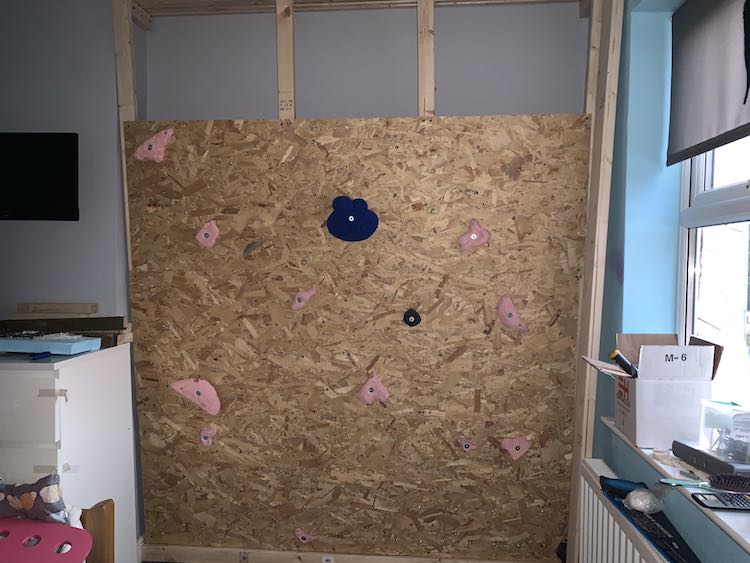
Rather than twiddle her thumbs in quarantine, this bored 15-year-old girl recently turned one of her bedroom walls into a proper 8-foot climbing wall—and it only took her one week.

Erin Sloan says she was inspired to build the structure after the North West Face Climbing Centre—which is where she has been climbing for the past four years and working as an instructor—was closed due to COVID-19.

Although Erin finished the project last week, she says that it could have been done in a single day if she had not been forced to wait for extra materials.

“I just shut my door, put my music in and started drilling. I was very proud when it was done,” said the teenager from Winsford, Cheshire. “The first thing I did was call my dad to tell him and show him pictures. He was really proud.

CHECK OUT: 16-Year-Old Has Been Using His Flying Lessons to Deliver Medical Supplies to Rural Hospitals Fighting COVID

“I showed it off to my friend who is also looking at building one who went ‘I can’t believe you have done it!’ I just said ‘Well I have so you’d better believe it!’

“I would not say there was anything too difficult, but I am not the tallest person, so getting the boards on with a major drill in your hands was not the easiest part—but I did it in the end!” she added. “Mum was not skeptical. She knew I could do it.”

Photo by SWNS

The driven teenager says that she hopes her talent for climbing will help to smash gender-stereotypes in the sport.

“I am a girl and climbing is not a female-dominated sport. That is something that drew me to do this,” said Erin.

She worked for roughly eight hours for the first two days of building, starting as early as 7AM. In addition to her dad gathering all the necessary supplies together, she said was also lucky enough to have been given some supplies from her boss before the climbing center closed.

RELATED: 17-Year-Old ‘Angel’ Cashier Picks Up $173 Grocery Bill for Senior Shopper Who Found Himself Short on Cash

“I wanted to do it as fast as I could to be training again. It had been about three weeks before I had gone onto a climbing board.

“I hadn’t had any major building experience. It is something I have always wanted to do, but maybe when I had my own place.

“For the base at the top and bottom, I had to seal in some wooden batons. I screwed those in and screwed the bottom board in so the wall could sit on something that was not my carpet,” she continued. “Then I got the board, painted the board and drilled the holes, put the metal things in the back, put the boards up and screwed into the wall.”

SWNS

When it was completed, Erin says her 9-year-old Labrador could not understand where he was.

“He walked into my room, saw my wall and thought he was in the wrong house,” Erin said.

Before the novel coronavirus outbreaks hit, she would train about 80 hours a week on and off the wall, with the off-wall training involving plenty of cardiovascular activities like running and cycling.

LOOK: Mom Has Been Bringing Joy to Neighbors By Drawing Amusing Chalk Cartoons on Her Sidewalk

“I am quite sad it is closed because the wall is a family. It is a home away from home. I spend more time at the climbing centre!” said Erin. “It is a big part of my life I am not able to go to. That is what made me do the wall. I could have a home away from a home.”

This is just one of many positive stories and updates that are coming out of the COVID-19 news coverage this week. For more uplifting coverage on the outbreaks, click here.

Erin Sloan climbing (not at home).

Build Up Some Positivity By Sharing This Inspiring Story With Your Friends On Social Media…

New York Governor Issues Order Allowing Couples to Be Legally Married Via Zoom

Since thousands of couples have been forced to cancel, postpone, or adapt their wedding plans during the COVID-19 outbreaks, Gov. Andrew Cuomo has made it easier for nuptials to tie the knot.

This weekend, the governor announced that New Yorkers will now be able to obtain marriage licenses remotely. Not only that, state clerks will be allowed to perform ceremonies over video conferences.

“There is now no excuse when the question comes up for marriage,” he told reporters during his daily press briefing on Saturday. “You can do it by Zoom.”


Since the novel coronavirus has forced marriage bureaus all over the country to temporarily close their doors, more and more couples have taken to video streaming platform Zoom to host their ceremonies.

Although the arrangement may not be ideal for every jilted bride and groom, the #ZoomWedding has become increasingly popular since the start of the outbreaks—and many couples seem to feel that the online ceremony was a perfect substitution for the real thing.

“It was amazing. It was absolutely amazing,” 26-year-old Sophie Austin told Metro about her recent Zoom wedding. “I think it really drew back the sparkliness and extra stuff of a wedding and made it really obvious what was important: the two of us saying the vows to each other.

“Even though we didn’t have everyone here, it made it more intimate and special,” she added.

RELATED: Sam’s Club is Offering ‘Hero Shopping Hours’ to Healthcare Workers Regardless of Memberships

Cuomo also announced during the same press conference that since New York has been placed under a statewide stay-at-home-order, hospital intubations and patient admissions have declined in addition to a drop in crowded emergency rooms.

The governor says that these encouraging numbers could be indicative of how the social restrictions may have successfully flattened the novel coronavirus curve and New York may finally be past its peak of new infections.

This is just one of many positive stories and updates that are coming out of the COVID-19 news coverage this week. For more uplifting coverage on the outbreaks, click here.

Multiply The Good By Sharing The Uplifting News With Your Friends On Social Media…

After WWII Vet Makes History By Raising $33 Million for NHS, People Are Calling for Him to Be Knighted


It has been a little over a week since Captain Tom Moore set out to raise £1,000 for healthcare workers by walking 100 lengths of his garden before his 100th birthday on April 30th.

The World War II veteran has since raised a jaw-dropping £27 million ($33.7 million)—and counting—for NHS Charities Together through his Just Giving crowdfunding page.

Moore, who began his walks last Monday on April 6th, initially set a fundraising target of £1,000 for NHS Charities Together with the sole expectation of garnering support from his village of Marston Moretaine, Bedfordshire.

RELATED: 17-Year-Old ‘Angel’ Cashier Picks Up $173 Grocery Bill for Senior Shopper Who Found Himself Short on Cash

After hitting international headlines last week, however, Moore’s campaign quickly surged past its original target, making it the single largest individual fundraiser in the history of the UK.

His newfound fame has resulted in hundreds of thousands of new social media followers; a musical single which has gone to number one on the UK’s most popular iTunes chart; and a number of shoutouts from international celebrities praising him for his work, including a video message from the Duke and Duchess of Cambridge.


Over the course of just six days, more than 866,000 people have also signed a petition calling for Captain Tom to be knighted.

When 9 News reporters asked Captain Tom about the initiative, he simply chuckled and said: “Sir Thomas Moore—that sounds good, but I wouldn’t hold your breath.”

Regardless of Moore’s hesitations, a team of aircraft restorers are reportedly planning a Spitfire flyby for the senior’s 100th birthday.

This is just one of many positive stories and updates that are coming out of the COVID-19 news coverage this week. For more uplifting coverage on the outbreaks, click here.

(WATCH the news coverage below)

Multiply The Good News By Sharing It With Your Friends On Social Media…

Irreversible No Longer: Blind Mice See Again Thanks To New Method of Synthesizing Lost Cells

Reprinted with permission from World At Large, a news website which covers politics, nature, science, health, and travel. 

Age-related macular degeneration (MD) is a variety of ocular disease that affects so many millions of people, it’s downright characterized as nothing more than the process of aging.

In fact, the study of MD has proven itself to be so fruitful for understanding aging as a whole, MD has become one of the first places that scientists have looked to in order to attempt to repair the damage of aging and restoring youthful, or normal function.

Now in a new paper published in Nature, researchers demonstrate an alternative to stem cells by creating replacement photoreceptors from skin fibroblast cells via pharmacological-conversion—a process that promises to be cheaper, faster, and unburdened by ethical and legal restrictions.

Containing the genetic code for every protein we need to build and repair our cells, DNA can become damaged over time through the stresses of life. Similarly to how scratches or cracks in a CD prevent lasers from reading the information on the disk, damaged DNA becomes difficult, and even impossible for our RNA (which you could imagine as the laser inside the CD player) to read the genetic information contained therein.

WATCH: Blind Man Develops Smart Cane That Uses Google Maps and Sensors to Identify One’s Surroundings

“The photoreceptor is the neuron in the eye that turns on visual circuity in response to light which enables us to have vision,” says Sai Chavala, Ph.D. and author of the new paper.

The loss of photoreceptors can result in MD and other retinal diseases that lead to irreversible blindness. In this new study, however, cells called fibroblasts can be chemically reprogrammed to produce photoreceptor-like cells that are now shown to restore vision in mice.

Fibroblasts are cells that help maintain the structural integrity of connective tissues, and a reduction in fibroblast cell count leads to wrinkled skin.

Histology cross-section of the retina. Transplanted CiPCs (green) survive in blind mice (rd1) 3 months after transplantation. (Photo by Sai Chavala)

14 Blind Mice

Sai Chavala and colleagues from the Center for Retina Innovation in Dallas, Texas, found a set of five compounds that can drive embryonic fibroblast cells to convert themselves into retinal, rod-like, photoreceptors in both mice and human cells.

Stem cell-based strategies are extremely exciting,” Dr. Chavala tells World at Large, but adds that generating these cells can be cumbersome and time-consuming. Describing his strategy of chemically reprogramming existing cells as a ‘breakthrough,’ Chavala added that the generation of the photoreceptors using his method requires “a fraction of the time”.

In the study, these converted photoreceptors were transplanted into the eyes of 14 blind mice to see if they would restore vision.

CHECK OUT: LEGO Unveils New Bricks That Will Help Teach Blind Children to Read Braille

Owing to their nature, mice with working vision prefer dark spaces, and so a test of whether or not the transplant was a success was fairly straight forward; create a bright space and a dark space and wait to see which one was preferred by the mice.

Six mice were found to not only have restored visual function and reflexes—notably in the pupil—but they also preferred to spend their time in the dark space. Chavala hypothesizes that it could have been down to how many of the chemically-reprogrammed cells survived the transplant into the retina that determined whether vision was restored in the mice or not.

What makes interventions like these—which involve creating brand new cells to replace the damaged ones—so effective and exciting in the field of aging is that they present an alternative to natural replication by bypassing the difficulties that our own cells have with trying to repair themselves from DNA that features double-strand breaks or other blemishes.

Reasons to be hopeful

Adding that these conversions of fibroblasts to photoreceptors has also been done in humans, Chavala detailed why he believes the treatments and future research to spring from this discovery are going to change the field of ophthalmology.

CHECK OUT: In ‘World First’ Blind People Have Their Vision Restored Thanks to Stem Cells From Deceased Organ Donors

“ We […] believe this can be a game changer in the field of regenerative ophthalmology. We also believe this is a platform technology and have already started establishing protocols to generate retinal ganglion cells valuable for patients suffering from glaucoma,” says Chavala.

In addition to bypassing the ethical and political restrictions and hiccups with using embryonic human stem cells, the process takes two weeks, costs less, and is more scalable than using stem cells.

WATCH: Hundreds of People Are Being Cured of Blindness Every Day With Cheap, Minutes-Long Surgery

“It is intriguing to postulate that the addition of other molecules or modifications to the culture conditions can yield other types of neurons beneficial for a variety of neurological diseases,” he adds, discussing possible alternatives to photoreceptor generation from fibroblasts.

Finally, Chavala is rapidly approaching human trials and hopes to have an FDA-approved treatment out the other end of the pipeline in 2-3 years, saying he is “thrilled” with the possibility of allowing millions of people to regain their lost vision.

It’s Not Hard To See That You Should Share This Good News With Your Friends On Social Media…