All News - Page 596 of 1736 - Good News Network
Home Blog Page 596

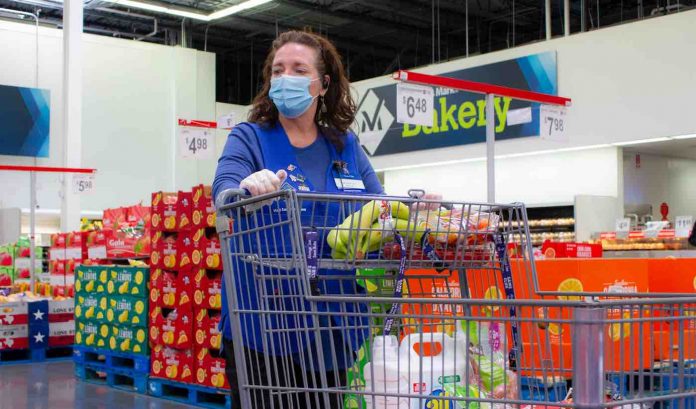
Sam’s Club is Offering ‘Hero Shopping Hours’ to Healthcare Workers Regardless of Memberships

As a means of providing extra support to the healthcare workers and first responders on the frontlines of the novel coronavirus outbreaks, Sam’s Club has announced that they will be offering their exclusive “hero” shopping hours to medical employees, regardless of membership status.

Currently, company employees are given an exclusive 2-hour block of shopping time between 8AM to 10AM on Sunday mornings.

Starting on April 19th, however, the store associate “Hero Hours” will also be open to healthcare workers for free. Complimentary face masks will also be provided to shoppers at the door.

RELATED: LEGO Factory is Now Producing Thousands of Protective Plastic Face Masks for Medical Workers

The company says they were inspired to launch the initiative after several individual branch managers took it upon themselves to invite local hospital workers to shop with the store associates.

“Mr. Sam once said that the best ideas come from our associates and we believe this to be true now more than ever,” said Lance de la Rosa, Executive Vice President and CEO of Sam’s Club.

“Previously, a few of our clubs invited healthcare workers and first responders for early shopping hours with our associates,” he continued. “It’s inspiring to watch the ways our associates serve those around them. We’re following the lead of those thoughtful clubs by expanding the audience for this shopping period to include healthcare workers and first responders.”

CHECK OUT: 99-Year-Old WWII Veteran Raises $3.3 Million for Hospital Workers Simply By Walking Laps of His Garden

The expanded Hero Hours will reportedly continue until further notice across all Sam’s Club stores.

This is just one of many positive stories and updates that are coming out of the COVID-19 news coverage this week. For more uplifting coverage on the outbreaks, click here.

Be Sure And Share The Inspiring Example Of Kindness With Your Friends On Social Media…

Mom Has Been Bringing Joy to Neighbors By Drawing Amusing Chalk Cartoons on Her Sidewalk


A Florida mom has been taking to her sidewalk to spread some laughter and cheer amongst her community—and she has been doing it all with a few pieces of chalk.

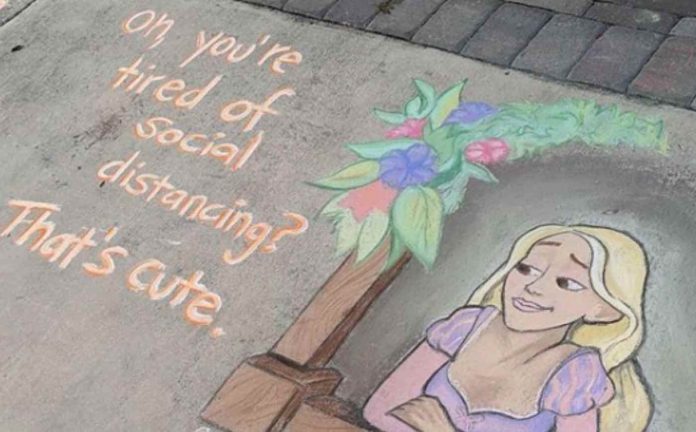
Casey Drake is a former science teacher, a mother-of-two, and a sidewalk artist who has been brightening up the streets of Winter Park with humorous illustrations of Disney characters coping with social distancing.

One of her drawings depicts Dorothy from The Wizard of Oz reminding people that there is “no place like home” during the outbreaks; another sidewalk drawing features an amused Rapunzel boasting about her social distancing skills.


“Laughter is the best medicine,” Drake told WKMG in the interview below. “We could all use a little bit of humor right now, I think.”

Drake says she was inspired to start drawing the cartoons after she saw other social media stories and news reports of people writing chalk messages of hope for passerby during the COVID-19 outbreaks.

In addition to the artworks brightening up the sidewalks, Drake says that drawing has become a much-needed source of therapy and stress relief during the shutdowns.


Although Drake admits that her labor of love does not have the same social impact as other national volunteer efforts, she hopes that her drawings can at least bring some joy to her neighbors.

“We need a mental break every once and a while from this,” she told reporters. “I know some people are sewing masks and donating things so even though this isn’t as important as those things, it still has a role. If somebody can just smile as they’re walking down the street and for a second kind of break out of the sadness of the moment and the fear, I think that’s a win.”

To check out more of Casey Drake’s artwork, be sure and visit her Instagram page.

This is just one of many positive stories and updates that are coming out of the COVID-19 news coverage this week. For more uplifting coverage on the outbreaks, click here.

(WATCH the interview below)

Brighten Up Your News Feed By Sharing This Sweet Story To Social Media…

Scientists ‘Blown Away’ By Discovery of Longest Animal Ever Recorded—And It’s Quite Beautiful

Photo by the Schmidt Institute


An estimated 150-foot siphonophore—seemingly the longest animal ever recorded—was discovered during a month-long scientific expedition exploring the submarine canyons near Perth, Australia.

Additionally, up to 30 new underwater species were found by researchers from the Western Australian Museum aboard Schmidt Ocean Institute’s research vessel Falkor.

The discovery of this massive gelatinous string siphonophore—a floating colony of tiny individual zooids that clone themselves thousands of times into specialized bodies that string together to work as a team—was just one of the unique finds among some of the deepest fish and marine invertebrates ever recorded for Western Australia.

RELATED: Scientists Discover a Complete Protein Found Nowhere on Earth That Fell From Space, May Hint at Planet’s Origin

Scientists from the Western Australian Museum, led by Chief Scientist Dr. Nerida Wilson, were joined by researchers from Curtin University, Geoscience Australia and Scripps Institution of Oceanography in exploring the Ningaloo Canyons in the Indian Ocean. Using an underwater robot, ROV SuBastian, they completed 20 dives at depths of up to 4,500 meters (14,700 feet) over 181 hours of exploration.

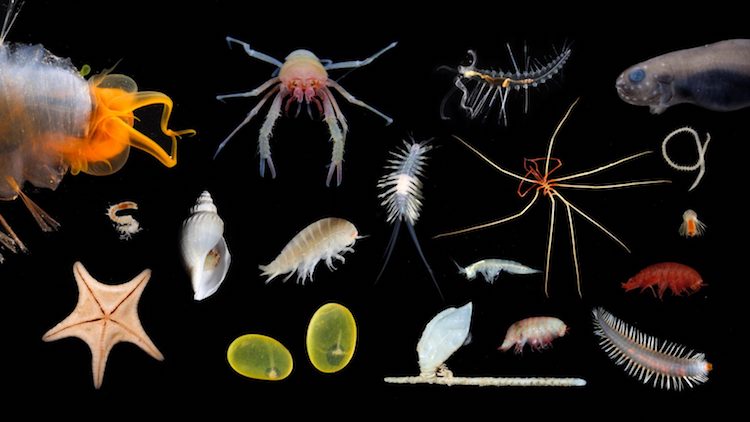
During the expedition, scientists collected the first giant hydroids in Australia, discovered large communities of glass sponges in Cape Range Canyon, and observed for the first time in Western Australia the bioluminescent Taning’s octopus squid, long-tailed sea cucumber, and a number of other molluscs, barnacle and squat lobster species. Some of the species collected will be exhibited at the Western Australian Museum.

The team have amassed an incredible collection of organisms which will help to shed new light on the biodiversity of Cape Range Canyon and Cloates Canyon off Ningaloo (Credit: Greg Rouse (Scripps Oceanography), Nerida Wilson (Chief Scientist) and the FK200308 team).

The team also found the largest specimen of the giant siphonophore Apolemia ever recorded—video of which was posted on Schmidt Ocean Institute’s Twitter account.

“We suspected these deep sea areas would be diverse but we have been blown away by the significance of what we have seen,” Wilson said. Added Dr. Lisa Kirkendale, head of aquatic zoology at the Western Australian Museum and co-principal investigator, “These specimens represent so many extensions in depth and range records for so many species, and will form an important new part of WA Museum collections.”

The expedition is part of Schmidt Ocean Institute’s year-long initiative in Australia and the Pacific to conduct a number of science and engineering expeditions with teams of scientists and researchers from around the world. Using the underwater robot SuBastian, scientists for the first time are able to explore deep sea canyons and coral reefs around Australia that have never been seen before. The footage and samples collected from the oceans that surround Australia will have important implications for the sustainability and protection of these underwater ecosystems—and for similar habitats worldwide that are in peril because of rising ocean temperatures and other environmental threats.

LOOK: ‘Unprecedented’ New Photos of the Sun’s Surface Are Being Hailed as Landmark Achievement for Science

Owned and operated by Schmidt Ocean Institute, a philanthropic nonprofit established by Eric and Wendy Schmidt in 2009, Falkor is the only year-round seagoing philanthropic research vessel in the world. The vessel is equipped with a state-of-the-art 4,500 meter-capable underwater robotic system, ROV SuBastian, that was used to visually explore and collect samples from critical deep ocean areas that had not been explored before.

The ship and ROV are both made available to the international science community at no cost, and the scientists agree to make their discoveries publicly available. The collection data for these specimens will be made publicly available.

“There is so much we don’t know about the deep sea, and there are countless species never before seen,” said Wendy Schmidt, co-founder of Schmidt Ocean Institute. “Our planet is deeply interconnected–what happens in the deep sea impacts life on land–and vice versa. This research is vital to advance our understanding of that connection–and the importance of protecting these fragile ecosystems. The Ningaloo Canyons are just one of many vast underwater wonders we are about to discover that can help us better understand our planet.”

CHECK OUT: Scientists Detect Tone Pattern in the Ringing of a Newborn Black Hole for the First Time, Proving Einstein Right Again

The science completed will allow the research team to formally describe many of the new species of animals that were found, develop ROV methodology for monitoring Marine Parks in Australia and screen deep water samples for environmental DNA in the Indian Ocean. The ROV SuBastian dives were livestreamed and are available in perpetuity on Schmidt Ocean Institute’s YouTube page, including video highlights, making the incredible diversity in the Ningaloo region available for the public to explore. The footage and specimens collected are important records within the Gascoyne Marine Park, serving as a permanent record of biodiversity in the canyons to build on in the future.

“Ongoing scientific exploration is vital to the effective management of our marine parks,” said Dr. James Findlay, director of Australia’s National Parks, who has been closely following the Falkor expedition, “and we are committed to partnering with other agencies to record and monitor these precious places.”

Reprinted from Schmidt Ocean Institute

(WATCH the video below)

It’s Not Hard To Sea That You Should Share This Exciting Story With Your Friends On Social Media…

Watch Notre Dame Cathedral Bell Ring Out for Healthcare Workers on the One-Year Anniversary of Its Fire

Notre Dame - CC, David-Merrett.

Yesterday marked the one-year anniversary of the fire that came within 30 minutes of destroying the beloved Notre Dame cathedral in Paris.

Now as a means of honoring its survival and encouraging locals to remain unified in the face of the novel coronavirus lockdowns, the cathedral’s bell rang out across Paris for the second time since the fire.

On April 15th at 8PM when city-dwellers typically take to their windows to applaud healthcare workers on the frontline of the pandemic, three people donned hazmat suits to protect themselves from the toxic lead particulates released by the fire and spent five minutes ringing the iconic bell—which is reportedly the second largest in the country.

WATCH: Beloved Opera Singer Unites Millions of Viewers With Livestreamed Easter Performance in Empty Cathedral

As reporters captured the iconic event on camera, hundreds of French citizens could be heard cheering and clapping from the streets for the duration of the homage.

“The restoration of Notre-Dame… is a symbol of the resilience of our people, of their capacity to overcome hardships, and to recover,” said French President Emmanuel Macron.

Although the structure of the bell’s belfry was undamaged by the fire, it has been rung only once since the blaze, and that was to honor the passing of former French president Jacques Chirac in September 2019.

CHECK OUT: In Historic Televised Speech, Queen Elizabeth II Offers Message of Global Support—‘We will succeed’

President Macron originally planned to have the cathedral fully restored within five years of the fire, but the pandemic—coupled with poor winter weather—has put the initiative behind schedule.

Regardless, restoration managers told Reuters that they at least want to have the cathedral ready to host Easter mass on April 16th, 2024.

This is just one of many positive stories and updates that are coming out of the COVID-19 news coverage this week. For more uplifting coverage on the outbreaks, click here.

(WATCH the AFP video below) – Feature photo by David Merrett, CC

Pay Homage To Positivity By Sharing The Inspiring Story To Social Media…

“When you realize you want to spend the rest of your life with somebody, you want the rest of your life to start as soon as possible.” – Nora Ephron

Quote of the Day: “When you realize you want to spend the rest of your life with somebody, you want the rest of your life to start as soon as possible.” – Nora Ephron

Photo: by GWC, copyright 2020

With a new inspirational quote every day, atop the perfect photo—collected and archived on our Quote of the Day page—why not bookmark GNN.org for a daily uplift?

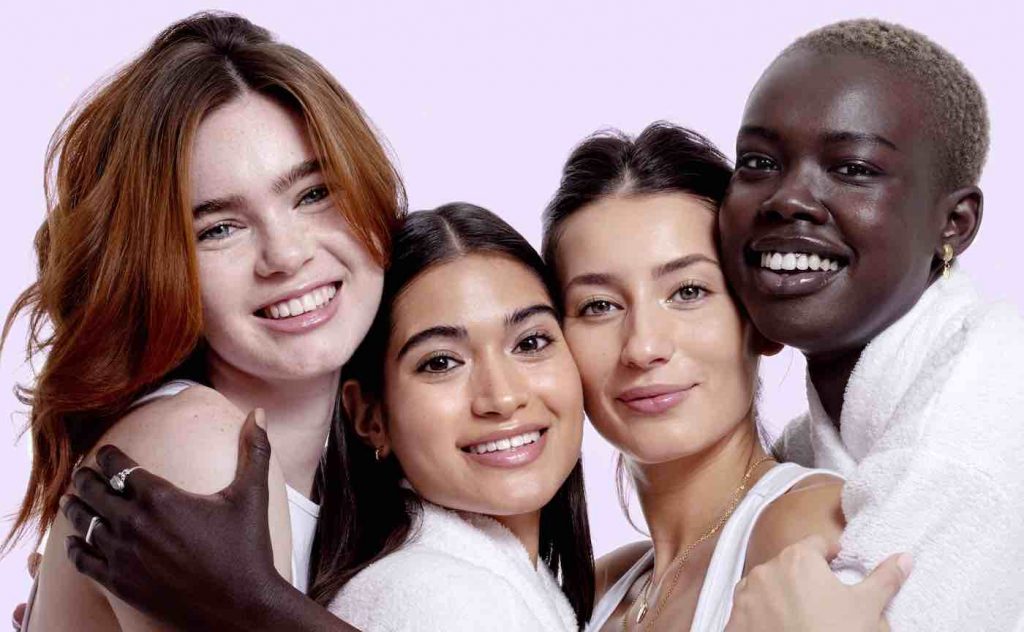
Most British Women Have Become Comfortable With Their Natural Looks While in Lockdown, Survey Says

Photo by Skin Proud

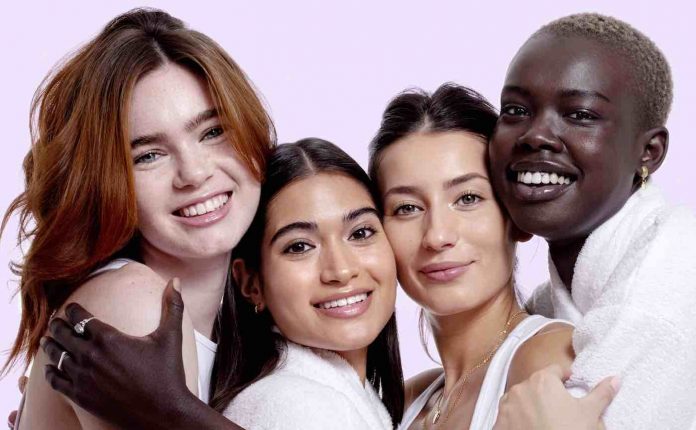
When asked whether they were comfortable in their own skin, 73% of British women agreed with the statement—despite the social pressures to look perfect at any age.

The poll of 2,000 adults found that most respondents were content with who they saw in the mirror. In fact, more than 67% said they prefer a “natural look”—both for themselves and for other people, as well.

We are seeing a lot of the natural look these days, as the COVID-19 lockdowns move into their second month. The self-isolation has induced 69% of respondents to wear less make-up than usual.

As a result, more than half have gone to the supermarket make-up free, while 28% have done a video call with a friend while bare-faced.

25 percent all those surveyed said they would be happy to show the “real them” at work— and they have felt comfortable looking natural while on video calls during the current pandemic.

MORE: These Are the 3 Most Promising Longevity Supplements From Scientific Research So Far

Almost 40% of those under age 24 have felt less pressured to look a certain way while isolated at home, with more than one-quarter saying they will be confident in embracing their natural look when the lockdown is lifted.

Although 81% of the women surveyed wear make-up an average of four days a week, 32% say they would confidently share a bare-faced photo. They might look better, too, in the coming days because—with more time on their hands—34% have taken better care of their skin than usual.

RELATED: How to Be Happier During COVID—Decades of Science Shows That Gratitude, Love, and Connection Can Save Your Life

The survey also found that nearly 40% of young people between the ages of 18 and 24 respond with feelings of empowerment when they see celebrities and influencers sporting a natural look for their skin. One-third of the Brits believe it is important for those in the spotlight to celebrate both perfections and imperfections.

Photo by Skin Proud

A large majority (80%) think it’s important for younger generations to grow up being proud of their skin, but they want everyone to celebrate their imperfections.

When it comes to skincare routines, however, only one-quarter of respondents wear SPF, one-fifth of them exfoliate, and 53% moisturize.

LOOK: Keep Your Eyes in Good Shape With These 4 Simple Ocular Stretches for Computer Users

The survey, which was commissioned by Skin Proud via OnePoll, encourages people to share their proud skin moments on social media with the hashtag #IAmSkinProud.

“It’s great to see how proud and confident the nation already are—we should all be embracing our skin, because ultimately that is what makes us who we are,” said Nora Zukauskaite, global head of marketing at Skin Proud. “We want to encourage people to feel proud of every freckle and mole.”

Be Sure And Share The Intriguing Survey Results With Your Friends On Social Media…

When Struggling Restaurant Tried to Sell Bourbon for $20K, Anonymous Veteran Buys It for Twice the Price

Photo by Suzanne Perry

An anonymous benefactor is being hailed for saving a family-owned Florida restaurant from ruin after the novel coronavirus shutdowns dealt a blow to their business.

The Datz Restaurant Group of Tampa had been struggling to stay afloat this month after transitioning to operating solely through delivery and takeout orders. The owners of the restaurant, Suzanne and Roger Perry, were forced to downsize their workforce from a team of 400 employees to just 27—and without some sort of financial windfall, they weren’t sure how long they would be able to sustain the team.

CHECK OUT: 17-Year-Old ‘Angel’ Cashier Picks Up $173 Grocery Bill for Senior Shopper Who Found Himself Short on Cash

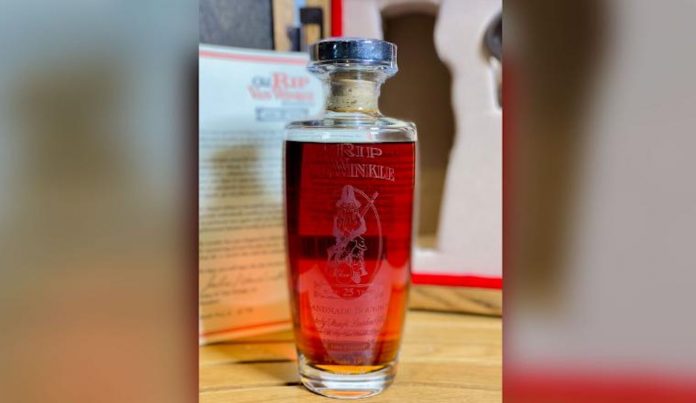
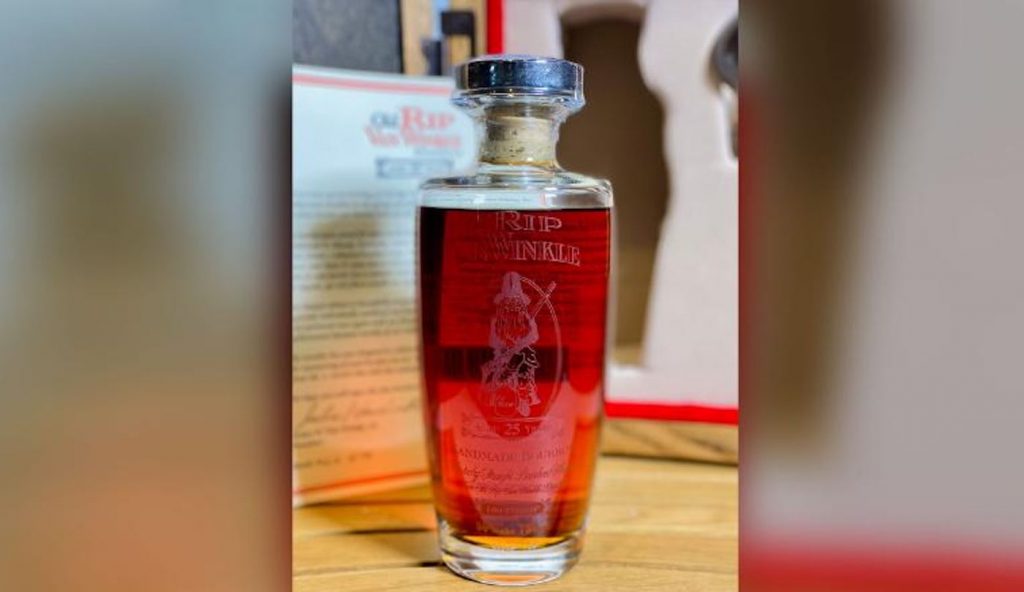
As a means of keeping their employees paid, the Perrys decided to sell the most valuable item in their restaurant: a 25-year-old bottle of Old Rip Van Winkle bourbon.

After doing some research on the value of the liquor, the Perrys offered to sell the bottle for $20,000 plus a 15% online discount.

Although many internet users tried to low-ball the Perrys on their price, they soon got a call from a local veteran who had regularly visited their restaurants in the past.

LOOK: Anonymous Donor Gives Away $82,000 Worth of Gift Cards to All 1,400 Residents of Small Iowa Town

Since the man was a bourbon collector, he offered to drop off a check for the full value of the bottle.

True to his word, the man dropped off the check at one of the Perrys’ establishments; however, the restauranteurs were later stunned to find that the man had written them a check for $40,000.

Thinking it was a mistake, they tried to return the check—but the man insisted that they keep it to support their business.

Photo by Suzanne Perry

“I was so moved by that,” Suzanne told CNN. “It was really touching that someone would reach so far into their own pocket to help us survive this.”

The Perrys have since been able to use the money to rehire a few of their laid off employees for another four weeks of work. Not only that, the restaurant group has served hundreds of meals to first responders and healthcare workers battling COVID-19.

MORE: 99-Year-Old WWII Veteran Raises $3.3 Million for Hospital Workers Simply By Walking Laps of His Garden

Although the man chose to remain anonymous for his good deed, Suzanne says that she knows him to be a humble veteran and local philanthropist who often hosts events to benefit the community—and she plans on using her business to return his kindness in the future.

“There are causes that he cares about deeply, causes that are really near and dear to his heart and I will support him in the form of catering events. I will promote them, I’ll do whatever I can,” she told the news outlet. “What he has done for me is going to come back to him a hundred times.”

This is just one of many positive stories and updates that are coming out of the COVID-19 news coverage this week. For more uplifting coverage on the outbreaks, click here.

Multiply The Good News By Sharing It With Your Friends On Social Media…

Newly-Developed Solar Cell Earns Two World Records for Its ‘Extraordinary’ Efficiency

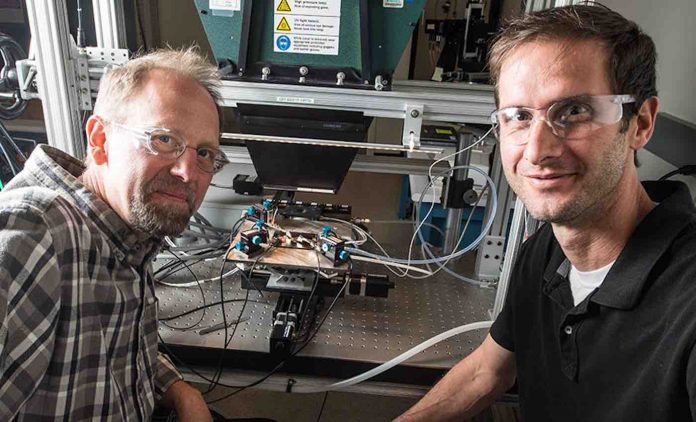
Scientists at the National Renewable Energy Laboratory (NREL) have fabricated a solar cell with an efficiency of nearly 50%.

For perspective, the average solar cell has an efficiency rate of 15% to 20%, meaning it’s capable of converting just a small fraction of absorbed sunlight into electricity.

The newly-developed six-junction solar cell, however, now holds the world record for the highest solar conversion efficiency at 47.1%, which was measured under concentrated illumination. A variation of the same cell also set the efficiency record under one-sun illumination at 39.2%.

“This device really demonstrates the extraordinary potential of multijunction solar cells,” said John Geisz, a principal scientist in the High-Efficiency Crystalline Photovoltaics Group at NREL and lead author of a new paper on the record-setting cell.

WATCH: After Five Years of Drought, Kenyan Region Finally Gets Clean Water Thanks to Solar-Powered Saltwater Plant

The paper appeared in the journal Nature Energy this week.

To construct the device, NREL researchers relied on III-V materials—so called because of their position on the periodic table—that have a wide range of light absorption properties. Each of the cell’s six junctions (the photoactive layers) is specially designed to capture light from a specific part of the solar spectrum.

The device contains about 140 total layers of various III-V materials to support the performance of these junctions, and yet is three times narrower than a human hair. Due to their highly efficient nature and the cost associated with making them, III-V solar cells are most often used to power satellites, which prize III-V’s unmatched performance.

LOOK: These New Solar-Pavement Driveways Made of Plastic Bottles Can Power the Average Household

On Earth, however, the six-junction solar cell is well-suited for use in concentrator photovoltaics, said Ryan France, co-author and a scientist in the III-V Multijunctions Group at NREL.

“One way to reduce cost is to reduce the required area,” he said, “and you can do that by using a mirror to capture the light and focus the light down to a point. Then you can get away with a hundredth or even a thousandth of the material, compared to a flat-plate silicon cell. You use a lot less semiconductor material by concentrating the light. An additional advantage is that the efficiency goes up as you concentrate the light.”

France described the potential for the solar cell to exceed 50% efficiency as “actually very achievable” but that 100% efficiency cannot be reached due to the fundamental limits imposed by thermodynamics.

MORE: Working in Secret, Bill Gates-Backed Solar Company Reveals Tech That Could Spell the End of Fossil Fuels

Geisz said that currently the main research hurdle to topping 50% efficiency is to reduce the resistive barriers inside the cell that impede the flow of current.

Meanwhile, he notes that NREL is also heavily engaged in reducing the cost of III-V solar cells, enabling new markets for these highly efficient devices.

Reprinted from the National Renewable Energy Laboratory

Photo by NREL

Power Up With Positivity By Sharing The Good News With Your Friends On Social Media…

LEGO Factory is Now Producing Thousands of Protective Plastic Face Masks for Medical Workers

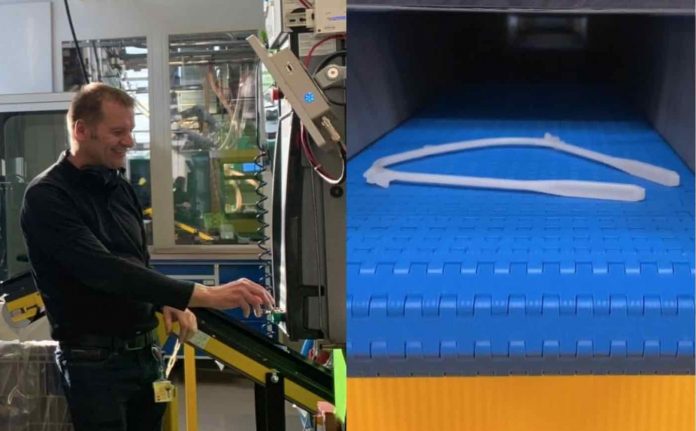
The LEGO Group is offering their assistance to healthcare workers on the frontlines of the COVID-19 crisis by using their facilities to produce thousands of protective facial visors.

According to an Instagram post that was published by LEGO earlier this week, the company’s Billund-based factory in Denmark has reworked some of their machinery to make more than 13,000 plastic masks per day. The masks will reportedly be distributed to hospitals and medical facilities across the country.

Although these visors do not offer the same kind of protection as N95 masks, individuals and businesses around the world have been producing the plastic shields—as well as homemade cloth masks—for medical workers to use as additional protection in high-risk areas.

“This week we began to make visors at our factory in Billund for healthcare workers on the frontline in Denmark,” wrote the company. “We are so incredibly proud of the team who made this happen. They worked around the clock to create designs and make moulds that can produce more than 13,000 visors a day. We are grateful to have such talented, dedicated and caring colleagues.”

LOOK: College Student Has Been Sewing Free Face Masks For Communicating With Hearing-Impaired Folks

LEGO also announced this week that they would be donating 500,000 brick sets to children in need during the novel coronavirus outbreaks. The company did not specify how the sets would be distributed, but they did ask their social media fans to show additional support to the NHS by building a LEGO brick rainbow in solidarity.

This is not the first time that corporations have stepped forward to help during the COVID-19 crisis. Famed engineer and inventor James Dyson designed a ventilator for the UK government in just 10 days—and then he volunteered to donate 5,000 of the devices. IKEA staffers also donated 50,000 N95 masks to a Swedish hospital after they discovered the coveted masks collecting dust in a warehouse. A Chinese tech company sent tens of thousands of respirator masks to Italian hospitals hard-hit by the virus. The New England Patriots even made headlines last week after they used their private team jet to transport 1.2 million N95 masks from China to New York and Boston hospitals in need.

This is just one of many positive stories and updates that are coming out of the COVID-19 news coverage this week. For more uplifting coverage on the outbreaks, click here.

Build Up Some Positivity By Sharing The Good News With Your Friends On Social Media…

Rube Goldberg’s Granddaughter is Asking You to Build a Machine That Drops a Bar of Soap into Your Hand


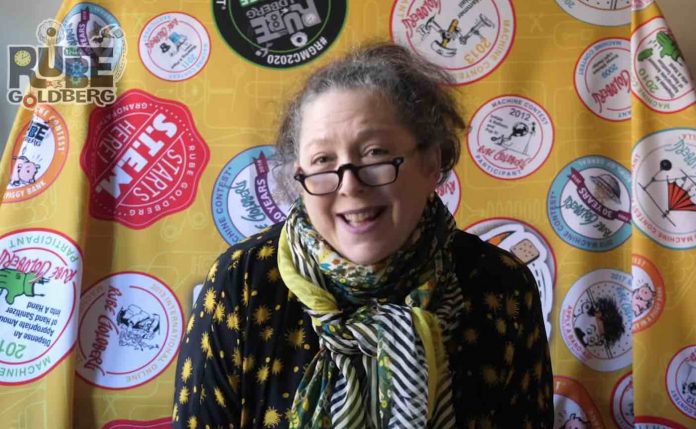
Engineer and cartoonist Rube Goldberg was renowned for illustrating overly-complex machines that were designed exclusively for simple household tasks.

Now, his granddaughter Jennifer George is inviting architects and engineers of all ages to make their own Rube Goldberg Machine while they are at home in quarantine.

Although participants in this year’s Rube Goldberg Machine Contest were originally supposed to design a machine that turned on a light switch, the novel coronavirus outbreaks inspired George to task participants with building a machine that drops a bar of soap into someone’s hand in just 10 to 20 steps.

RELATED: Still Bored in Quarantine? This Website Makes It Really Easy to Learn Morse Code

“It just seemed like the right task,” George told CBC. “Everyone has got a bar of soap somewhere in their house. And Rube Goldberg machines are made from everyday objects. So you don’t have to go shopping. You don’t have to buy anything.

“You just have to figure out a fun, sort of interesting way to [take] something you’ve looked at for years, turn it upside down and see if it has inherent kinetic properties. And hopefully it does.”

LOOK: Isolated Art Lovers Are Recreating Masterpieces Using Everyday Objects—and the Results Are Amazing

The annual contest, which is free and open to all ages, requires participants to take a continuous video of their machine in action. Once the video is uploaded to YouTube, participants can send the links to the Rube Goldberg website.

The contest will be open to international submissions until May 31st, after which three machine designs will be selected as the winners in mid-June. In addition to the winners being featured as the star engineers of the contest on the Rube Goldberg website, they will also receive a free swag bag from the organization.

(WATCH the contest introduction video below)

Build Up Some Positivity By Sharing The Fun News With Your Friends On Social Media…

“With your hands carve out your own destiny.” – Guru Nanak (born 551 years ago today)

Quote of the Day: “With your hands carve out your own destiny.” – Guru Nanak (born 551 years ago today)

Photo: by Josh Hild – public domain, cropped

With a new inspirational quote every day, atop the perfect photo—collected and archived on our Quote of the Day page—why not bookmark GNN.org for a daily uplift?

99-Year-Old WWII Veteran Raises $3.3 Million for Hospital Workers Simply By Walking Laps of His Garden

An English World War II veteran who has been walking laps around his back garden has raised over £2.6 million pounds ($3.3 million) for the NHS in just one week.

[UPDATE 4/20: He went on to raise 10x that much – After WWII Vet Makes History By Raising $33 Million for NHS, People Are Calling for Him to Be Knighted]

99-year-old Tom Moore says the NHS have been “marvelous” in helping him recover from a hip replacement and skin cancer on his head over the last couple of years.

As a way of saying thank you, the former civil engineer has been doing daily laps of his 25-meter-long (82-foot) garden with the aim of walking 100 lengths by his 100th birthday on April 30th.

Moore, who began his walks last Monday on April 6th, initially set a fundraising target of £1,000 for NHS Charities Together with the sole expectation of garnering support from his village of Marston Moretaine, Bedfordshire.

RELATED: Tyler Perry Picks Up the Tab for All Groceries Purchased During Senior Shopping Hour at 73 Supermarkets

After hitting international headlines last week, however, Moore has quickly smashed through his target and has now raised over millions for frontline health workers fighting the novel coronavirus.

“I thank the British public from the bottom of my heart,” Moore told BBC. “It’s difficult to imagine all these kind people who have donated so far. It’s just amazing.”

Moore’s daughter Hannah Ingram-Moore, who set up the fundraising page for him, has had to raise his target three different times from £1,000 to £100,000, then to £250,000 and £500,000.

LOOK: Man Uses His Savings to Fill Up Gas Tanks For Dozens of Nurses Heading to Nearby Hospital

She later took to Twitter to say: “We are overwhelmed by the response. It’s extraordinary.”

Although Moore has already smashed his original donation goal, he is now hoping to complete another 100 laps of his yard to continue raising money for the NHS. To support Moore’s charity efforts, be sure and visit his Just Giving crowdfunding page.

This is just one of many positive stories and updates that are coming out of the COVID-19 news coverage this week. For more uplifting coverage on the outbreaks, click here.

Multiply The Good By Sharing This Inspiring Story With Your Friends On Social Media…

Stressed? This Study Says You Simply Need a 20-Minute ‘Nature Pill’

If you are feeling particularly anxious today, this study from 2019 says that taking at least twenty minutes out of your day to stroll or sit in a place that makes you feel in contact with nature will significantly lower your stress hormone levels.

“For the first time” ever, researchers conducted a study on the most effective dose of an urban nature experience to counteract the effects of modern stress.

Healthcare practitioners are now free to use this discovery, published in Frontiers in Psychology, to prescribe “nature-pills” with the knowledge that they have a real measurable effect on stress.

“We know that spending time in nature reduces stress, but until now, it was unclear how much is enough, how often to do it, or even what kind of nature experience will benefit us,” says Dr. Mary Carol Hunter, an Associate Professor at the University of Michigan and lead author of the research. “Our study shows that for the greatest payoff, in terms of efficiently lowering levels of the stress hormone cortisol, you should spend 20 to 30 minutes sitting or walking in a place that provides you with a sense of nature.”

LOOKHow a Yoga Teacher is Saving First Responders Across America From Depression—With Downward Dog

At the time, the researchers said that nature pills could be a low-cost solution to reduce the negative health impacts stemming from growing urbanization and indoor lifestyles dominated by screen viewing. To assist healthcare practitioners looking for evidence-based guidelines on what exactly to dispense, Hunter and her colleagues designed an experiment that would give a realistic estimate of an effective dose.

Over an 8-week period, participants were asked to take a nature pill with a duration of 10 minutes or more, at least 3 times a week. Levels of cortisol, a stress hormone, were measured from saliva samples taken before and after a nature pill, once every two weeks.

“Participants were free to choose the time of day, duration, and the place of their nature experience, which was defined as anywhere outside that in the opinion of the participant, made them feel like they’ve interacted with nature. There were a few constraints to minimize factors known to influence stress: take the nature pill in daylight, no aerobic exercise, and avoid the use of social media, internet, phone calls, conversations and reading,” Hunter explains.

MOREThe Science Behind Why We Need More of the ‘Secret Sauce’ of Kindness

She continues, “Building personal flexibility into the experiment allowed us to identify the optimal duration of a nature pill, no matter when or where it is taken, and under the normal circumstances of modern life, with its unpredictability and hectic scheduling.”

“We also accommodated day-to-day differences in a participant’s stress status by collecting four snapshots of cortisol change due to a nature pill,” says Hunter. “It also allowed us to identify and account for the impact of the ongoing, natural drop in cortisol level as the day goes on, making the estimate of effective duration more reliable.”

The data revealed that just a 20-minute nature experience was enough to significantly reduce cortisol levels—but if you spent a little more time immersed in a nature experience, 20 to 30 minutes sitting or walking, cortisol levels dropped at their greatest rate. After that, additional de-stressing benefits continued to add up but at a slower rate.

CHECK OUT: Watching Birds Near Your Home is Good For Your Mental Health

“Healthcare practitioners can use our results as an evidence-based rule of thumb on what to put in a nature-pill prescription,” says Hunter. “It provides the first estimates of how nature experiences impact stress levels in the context of normal daily life. It breaks new ground by addressing some of the complexities of measuring an effective nature dose.”

Hunter also voiced her hopes for the study to form the basis of further research in the same field.

“Our experimental approach can be used as a tool to assess how age, gender, seasonality, physical ability and culture influences the effectiveness of nature experiences on well-being. This will allow customized nature pill prescriptions, as well as a deeper insight on how to design cities and wellbeing programs for the public.”

Plant Some Positivity By Sharing The Research With Your Friends On Social Media – Feature photo by Marco Antonio Ibarra Neri, CC

Watch Tom Hanks Kick Off First Ever SNL Episode Filmed From Home With Sweet Intro About His Recovery

For the first time in 45 years of broadcasting, the beloved actors and comedians from the Saturday Night Live television show filmed an entire episode from the comfort of their quarantined homes.

It has been a month since the show stopped airing new episodes as a means of respecting social distancing amidst the COVID-19 outbreaks. Earlier this week, however, the cast finally rejoined audience members by contributing all of the episode’s sketches and clips from home.

The SNL cast members were not the only ones rejoining the public sphere; Tom Hanks—who has hosted a number of episodes in the past—kicked off the historic episode with a monologue discussing his brief hospitalization and recovery from the novel coronavirus in Australia.

LOOK: Jimmy Fallon Asks Twitter to Change Movie Titles Into Quarantine Editions and the List is Hilarious

“Ever since being diagnosed, I have been more like America’s dad than ever before,” Hanks said, “since no one wants to be around me very long and I make people uncomfortable.”

Furthermore, the cast was joined by previous comedic guest stars such as Larry David and Alec Baldwin, as well as Fred Armisen, Bill Hader, John Mulaney, Adam Sandler, Tina Fey, and Amy Poehler for a solemn musical memorial tribute to the show’s longtime musical director Hal Willner.

MORE: Watch These Self-Isolating Seniors Stave Off Boredom by Playing Life-Sized ‘Hungry, Hungry Hippos’

Regardless of the turbulent circumstances surrounding the show’s release, Hanks reassured viewers that the show was made with the intention of bringing some much-needed joy, laughter, and unity to the internet.

“Is it going to look a little different than what you’re used to?” he asked the camera. “Yes. Will it be weird to see sketches without big sets and costumes? Sure. But will it make you laugh? Eh—it’s SNL. There’ll be some good stuff, maybe one or two stinkers. You know the drill.”

To view the entire episode, check out the full playlist of sketches and segments on the SNL YouTube channel—or just get a taster by watching the Tom Hanks monologue below.

Multiply The Laughter By Sharing This With Your Friends On Social Media…

Exciting New Data Says Renewables Accounted for Almost Three Quarters of New Energy Capacity in 2019

In an exciting reported victory for sustainability, new renewable power accounted for a whopping 72% of all global power expansion in 2019.

According to new data released last week by the International Renewable Energy Agency (IRENA), the renewable energy sector added 176 gigawatts (GW) of generating capacity globally in 2019, although this was notably lower than the (revised) 179 GW added in 2018.

However, IRENA’s annual Renewable Capacity Statistics 2020 shows that renewables expanded by 7.6% last year with Asia dominating growth and accounting for 54% of total additions. While expansion of renewables slowed last year, total renewable power growth outpaced fossil fuel growth by a factor of 2.6, continuing the dominance of renewables in power expansion first established in 2012. Solar and wind contributed 90% of total renewable capacity added in 2019.

RELATED: Newly-Developed Enzyme That Breaks Down Plastic Bottles in Hours is On Track to Change the Recycling Game

“Renewable energy is a cost-effective source of new power that insulates power markets and consumers from volatility, supports economic stability and stimulates sustainable growth,” said IRENA Director-General Francesco La Camera. “With renewable additions providing the majority of new capacity last year, it is clear that many countries and regions recognize the degree to which the energy transition can deliver positive outcomes.

“While the trajectory is positive, more is required to put global energy on a path with sustainable development and climate mitigation—both of which offer significant economic benefits,” continued Mr. La Camera. “At this challenging time, we are reminded of the importance of building resilience into our economies. In what must be the decade of action, enabling policies are needed to increase investments and accelerate renewables adoption.”

CHECK OUT: Bill Gates Has Just Invested in a Company That Grows Palm Oil in a Lab to Save the Rainforests

Renewables accounted for at least 70% of total capacity expansion in almost all regions in 2019, other than in Africa and the Middle East, where they represented 52% and 26% of net additions respectively.

The additions took the renewable share of all global power capacity to 34.7%, up from 33.3% at the end of 2018. Non-renewable capacity expansion globally followed long-term trends in 2019, with net growth in Asia, the Middle East and Africa, and net decommissioning in Europe and North America.

MORE: Impelled by Reactor Meltdown, Fukushima Japan Vows to Achieve 100% Renewable Energy Use in 20 Years

Solar added 98 GW in 2019, 60% of which was in Asia. Wind energy expanded by close to 60 GW led by growth in China (26 GW) and the United States (9 GW). The two technologies now generate 623 GW and 586 GW respectively—close to half of global renewable capacity. Hydropower, bioenergy, geothermal and marine energy displayed modest year on year expansion of 12 GW, 6 GW, 700 MW, and 500 MW respectively.

Asia was responsible for over half of new installations despite expanding at a slightly slower pace than in 2018. Growth in Europe and North America increased year on year. Africa added 2 GW of renewable capacity in 2019, half of the 4 GW it installed in 2018.

Want to learn more? Read the “Highlights of the key findings” or the full IRENA report.

Reprinted from the International Renewable Energy Agency (IRENA)

Power Up With Positivity By Sharing The Good News With Your Friends On Social Media…

17-Year-Old ‘Angel’ Cashier Picks Up $173 Grocery Bill for Senior Shopper Who Found Himself Short on Cash

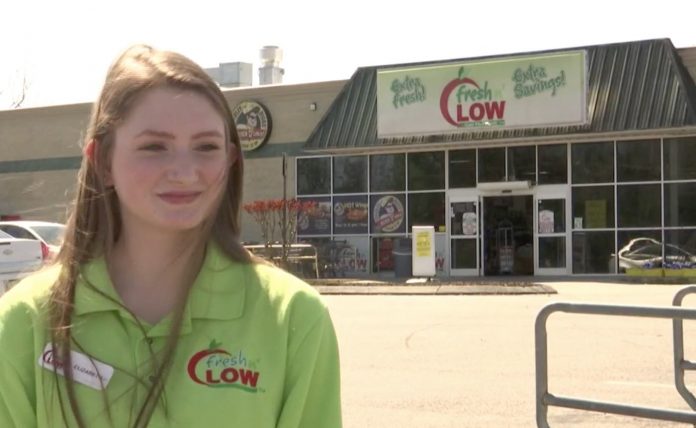
This 17-year-old grocery store cashier is being hailed for going above and beyond the call of duty to help a senior shopper named Layne McKeel.

McKeel hasn’t been able to get out of his house very much since the start of the novel coronavirus outbreaks. He had just picked up his disability payment last week when he decided to go get some food and supplies from the Fresh n’ Low supermarket in Georgetown, Tennessee.

The young grocery store employee named Elizabeth Taylor had just finished ringing up McKeel at checkout when he was distressed to find himself $33 short of his final $173 bill.

RELATED: Teens Launch Hotline for Isolated Seniors to Listen to Pre-Recorded Jokes, Stories, and Messages of Hope

After explaining his dilemma to Elizabeth, McKeel was about to put some of his items back on the shelf—but before he could, she simply insisted on paying for all of his groceries instead.

“It was all essential stuff so I was just like… you know… and he was like ‘what do I owe you?’ And I was like no, it’s fine, I’ll take care of it, it’s okay,” Elizabeth recalled to WRCB.

When asked about what inspired her to show such kindness towards a stranger, Elizabeth simply shrugged and said: “We’ve seen a lot of older people, and they’re all trying to buy groceries and a lot of places have ran out of stuff, and so the older people are kind of taking the downfall for that. I just try to give back when I can.”

MORE: Tyler Perry Picks Up the Tab for All Groceries Purchased During Senior Shopping Hour at 73 Supermarkets

McKeel, on the other hand, was extremely touched by the gesture, calling her an “angel” and “the light of day”.

This is just one of many positive stories and updates that are coming out of the COVID-19 news coverage this week. For more uplifting coverage on the outbreaks, click here.

(WATCH the news coverage below)

Be Sure And Share This Sweet Story Of Kindness With Your Friends On Social Media…

“It is good to love many things, for therein lies the true strength, and whosoever loves much performs much, and can accomplish much, and what is done in love is well done.” – Vincent van Gogh

By Carles Rabada

Quote of the Day: “It is good to love many things, for therein lies the true strength, and whosoever loves much performs much, and can accomplish much, and what is done in love is well done.” – Vincent van Gogh

Photo: by Carles Rabada – public domain, cropped

With a new inspirational quote every day, atop the perfect photo—collected and archived on our Quote of the Day page—why not bookmark GNN.org for a daily uplift?

Teens Launch Hotline for Isolated Seniors to Listen to Pre-Recorded Jokes, Stories, and Messages of Hope

As a means of entertaining lonely adults during the novel coronavirus outbreaks, a team of Canadian high schoolers created a hotline that plays pre-recorded messages of positivity.

The Joy4All project was launched by students from the Ever Active Schools recreational leadership program run by the Calgary Board of Education.

The youngsters say they created the free hotline as a means of comforting quarantined seniors across North America. However, people of all ages are encouraged to dial 1-877-JOY-4ALL in order to enjoy the regularly updated selection of jokes, stories, guided mediations, and educational messages.

LOOK: Family Cheers Up Neighborhood By Spending 6 Hours Coloring Each Brick of Their House With Rainbow Chalk

Since the hotline launched earlier this week, the youngsters will now be updating the pre-recorded content until June; although if social restrictions continue throughout the summer, then the teens hope to continue adding to the phone selections until adults are free from self-isolation.

“A lot of folks who are in isolation are really missing their families right now,” Ever Active Schools teacher Jamie Anderson told CBC. “So we’re just trying to fill in some of the gaps and bring them a little bit of joy and levity during these difficult times.”

Youngsters are also encouraged to submit their own messages and recordings through the Joy4All website.

MORE: New Jersey Teens Take Matters into Their Own Hands to Help First Responders and Small Businesses Amidst COVID-19 Crisis

“Children and youth can submit their own written messages, content, and even recordings!” reads the website. “We encourage kindness, creativity, and diverse messages of joy, especially for our Indigenous elders in isolation as well as seniors who are newcomers, immigrants, and refugees.”

This is just one of many positive stories and updates that are coming out of the COVID-19 news coverage this week. For more uplifting coverage on the outbreaks, click here.

Multiply The Good By Sharing This Sweet Story Of Kindness With Your Friends On Social Media…

Anonymous Donor Gives Away $82,000 Worth of Gift Cards to All 1,400 Residents of Small Iowa Town

Photo by Mayor Jeff Lillie

An anonymous donor is being praised for giving away more than $82,000 in food-related gift cards to every single household in a small Iowa town.

Amidst the COVID-19 shutdowns, the residents of Earlham—a city 30 miles west of downtown Des Moines with a population of 1,450 people—have been struggling to cope with shuttered businesses and social restrictions.

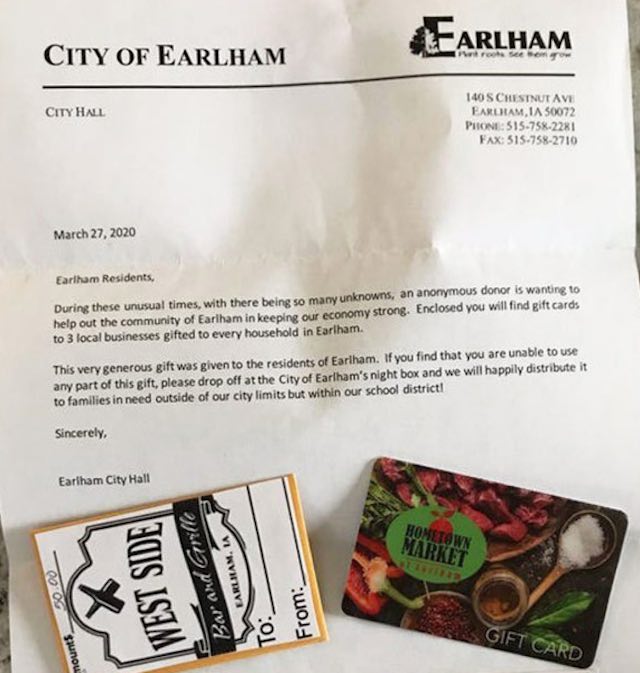
That’s why Earlham Mayor Jeff Lillie was astonished to receive a call from a friend in late March saying that an unidentified benefactor wanted to pump some money into the local economy by giving away gift cards to local businesses.

RELATED: Tyler Perry Picks Up the Tab for All Groceries Purchased During Senior Shopping Hour at 73 Supermarkets

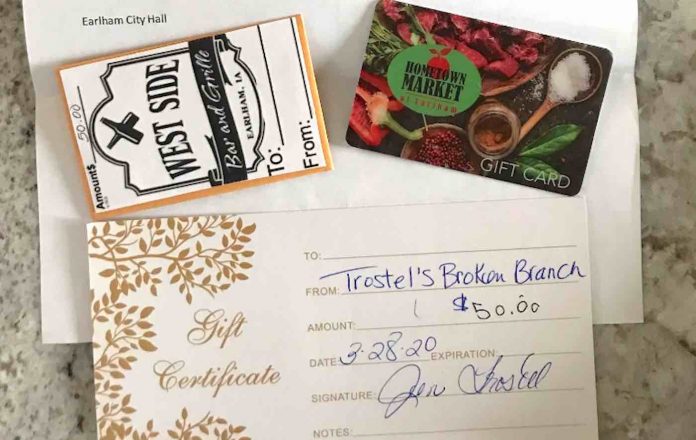
At first, the donor wanted to give away 100 gift cards to West Side Bar and Grille, local grocery store Hometown Market, and the newly-opened Trostel’s Broken Branch restaurant. An hour after discussing his plans with the mayor, the donor upped his offer to 250; another hour later, he said he wanted to donate 500 gift cards. When Mayor Lillie mentioned that there were 549 households in town, the donor agreed to give gift cards to every single Earlham family.

To Lillie’s astonishment, however, the donor did not just end up giving a single gift card to every household—he ended up giving away $50 gift cards for each local business to every Earlham residence.

In total, the anonymous benefactor bought more than $27,000 worth of gift cards from the three businesses.

CHECK OUT: Bill Gates is Now Building Factories to Produce 7 of the Most Promising COVID-19 Vaccines

Upon confirming the purchases with the three businesses, Lillie said that he immediately broke down in tears.

“[There are] bad things that have been happening,” he told the Des Moines Register. “As the mayor of a small town, making the decision to close our community centers and city hall and our library and all of the other bad decisions that we’ve been forced to make—and then here’s this really great thing. It just tore down my walls.”

“Financially, it’s one of the biggest things that’s ever happened to this small town,” he added.

CHECK OUT: Hourly Workers at Largest Grocery Chain in US Are All Getting ‘Hero Bonuses’ for Their Service Amid COVID-19

For a week, Lillie kept the initiative a secret. Then earlier this month, hundreds of town residents were stunned to find $150 worth of gift cards sitting in their mailbox.

Trostel’s Broken Ranch owner Jennifer Trostel told CNN that her business may not have been able to survive the coronavirus shutdowns if it had not been for the donation.

“It gave us hope,” she said. “To be able to pay our bills and know that it’s OK, we don’t have to close our doors forever. We’ll be here when this is over. I don’t think we could be able to say that without the donation.”

LOOK: Mystery Mom Has Been Leaving Out Free Bagged Lunches ‘Made With Love’ for Anyone Who May Need Them

Mayor Lillie now hopes that the story’s publicity will help to convey his gratitude towards the anonymous benefactor—although when CNN asked Lillie what he would say to the benefactor if he had the chance to meet them, the mayor simply said he “couldn’t find the words.”

“I would tell them thank you 549 times,” Lillie told the news outlet. “It would be like meeting a hero.”

This is just one of many positive stories and updates that are coming out of the COVID-19 news coverage this week. For more uplifting coverage on the outbreaks, click here.

Be Sure And Share This Sweet Story Of Kindness With Your Friends On Social Media…

Metal Surfaces Can Now Be Instant Bacteria Killers, Thanks to New Laser Treatment Technique

Bacterial pathogens can live on surfaces for days—but what if frequently touched surfaces such as doorknobs could instantly kill them off?

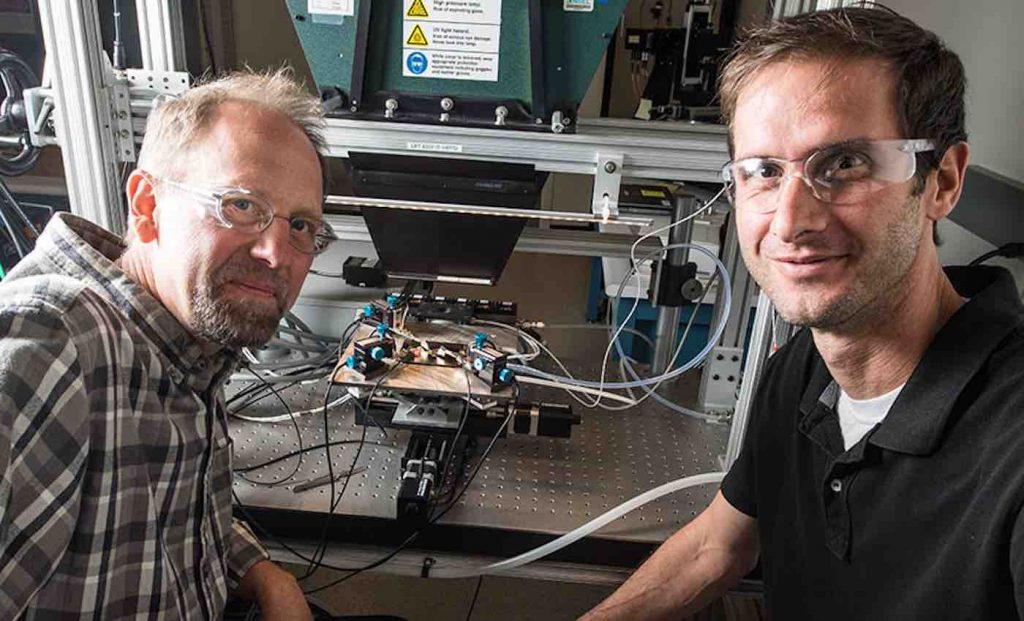
Purdue University engineers have created a laser treatment method that could potentially turn any metal surface into a rapid bacteria killer—just by giving the metal’s surface a different texture.

In a study published in the journal Advanced Materials Interfaces, the researchers demonstrated that this technique allows the surface of copper to immediately kill off superbugs such as MRSA.

RELATED: Irish Researchers Have Developed Hospital Robot That Uses UV Light to Kill Viruses, Bacteria, and Germs

“Copper has been used as an antimicrobial material for centuries. But it typically takes hours for native copper surfaces to kill off bacteria,” said Rahim Rahimi, a Purdue assistant professor of materials engineering.

“We developed a one-step laser-texturing technique that effectively enhances the bacteria-killing properties of copper’s surface.”

The technique is not yet tailored to killing viruses such as the one responsible for the COVID-19 pandemic, which are much smaller than bacteria.

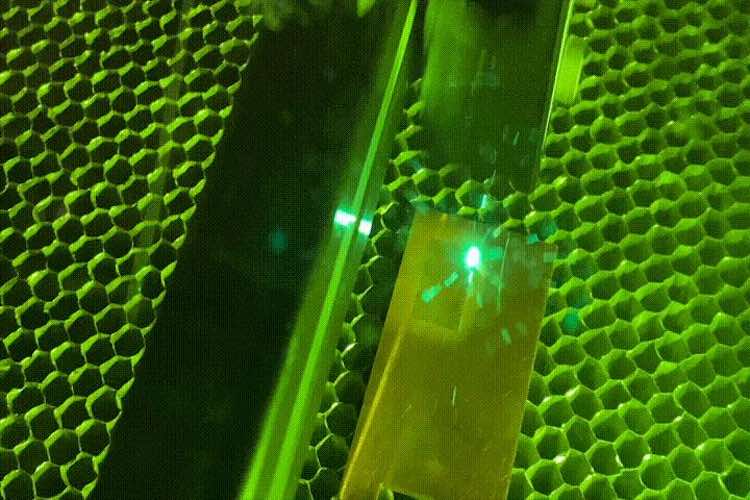
Laser treating copper — Photo by Purdue University / Erin Easterling

Since publishing this work, however, Rahimi’s team has begun testing this technology on the surfaces of other metals and polymers that are used to reduce risks of bacterial growth and biofilm formation on devices such as orthopedic implants or wearable patches for chronic wounds.

Giving implants an antimicrobial surface would prevent the spread of infection and antibiotic resistance, Rahimi said, because there wouldn’t be a need for antibiotics to kill off bacteria from an implant’s surface.

The technique might apply to metallic alloys that also are known to have antimicrobial properties.

CHECK OUT: From Terrifying to Terrific—Man Redesigns MRI Machine to Delight Children Instead of Scare Them

Metals such as copper normally have a really smooth surface, which makes it difficult for the metal to kill bacteria by contact.

The technique developed by Rahimi’s team uses a laser to create nanoscale patterns on the metal’s surface. The patterns produce a rugged texture that increases surface area, allowing more opportunity for bacteria to hit the surface and rupture on the spot.

Researchers in the past have used various nanomaterial coatings to enhance the antimicrobial properties of metal surfaces, but these coatings are prone to leach off and can be toxic to the environment.

MORE: After Couple Publishes 3D-Printing Guide for Face Masks, Hundreds of Volunteers Start Making Them for Free

“We’ve created a robust process that selectively generates micron and nanoscale patterns directly onto the targeted surface without altering the bulk of the copper material,” said Rahimi, whose lab develops innovative materials and biomedical devices to address health care challenges.

The laser-texturing has a dual effect: The technique not only improves direct contact, but also makes a surface more hydrophilic. For orthopedic implants, such a surface allows bone cells to more strongly attach, improving how well the implant integrates with bone. Rahimi’s team observed this effect with fibroblast cells.

Due to the simplicity and scalability of the technique, the researchers believe that it could easily be translated into existing medical device manufacturing processes.

Reprinted from Purdue University

(WATCH the explanatory video below)

Multiply The Good By Sharing The Exciting News With Your Friends On Social Media…