
















36 years ago today, in the first modern elections in Poland, Lech Walesa’s Solidarity Party of trade unionists won 160 out of 161 seats in the government, triggering the Revolutions of 1989, and quite simply, the fall of Communism, freeing Eastern Europe to pursue self-government and market capitalism. READ a bit about this momentous occasion… (1989)
Hydrogen Gas Blend Will Reduce Power Plant’s Emissions by 75%–as it Helps Power 6 States


A coal power plant in Utah is set for a green transformation having reached its decommissioning year, as billions are being set aside to use modernize it with hydrogen gas.
A rare geologic feature underneath the plant will allow them to store the gas in copious amounts, making it the perfect place for that transformation to bear fruit.
For four decades, the Intermountain Power Project (IPP) has kept the lights on for hundreds of thousands of Americans in six states. But with an eye on an energy transition to reduce carbon emissions, its contracts for supplying electricity will very soon come to an end.
In 2015, the Intermountain Power Agency (IPA), a union of 23 municipalities that together own both the plant and its grid connection assets, began examining whether or not it would be feasible to replace the coal burners with Mitsubishi gas turbines which could run on a blend of natural gas and hydrogen gas.
7 years later, work began on just such a project, with the idea that 30% of the gas blend would come from hydrogen created by water through electrolysis powered by renewable energy: a true zero-emissions fuel.
Advantages exist to using hydrogen fuel rather than renewable energy. Hydrogen gas is already in a storage form, meaning more can be burned or less depending on a community’s needs, compared to something like solar which has to power something as soon as it’s generated, be stored in a battery, or be lost.
$1.7 billion has been set aside for work around the new generating units at the plant, and $2.7 billion will be spend upgrading IPA’s Southern Transmission System. Three large contracting firms have been brought onboard for the renovations, one of which is The Industrial Co. (TIC) whose project manager Petar Willhite told Engineering News Record that 2,000 employees have put more than 5 million labor hours combined into the project so far.
ALSO CHECK OUT: Old Coal-Fired Power Plant Found the Key to Solving America’s Biggest Clean Energy Challenge
Part of the construction work will involve drilling access tubes down into two vast caverns which together could hold the liquid equivalent of 4.5 million barrels of oil. These will hold the hydrogen and natural gas blend on site, and offer that storage capacity to other partners and plants which may want to transition to hydrogen.
“Through a stroke of good fortune, the original Intermountain Power Project was constructed directly above a geologic salt dome that is uncommon in this part of the country,” says IPA spokesman John Ward.
“That salt dome presented a unique opportunity to develop long-term, large-scale energy storage in addition to the new generating capacity.”
MORE HYDROGEN-POWERED STORIES: Pioneering Zero-Emissions Hydrogen Fuel-Cell-Powered Ship Successfully Tested in Japan
The Dept. of Energy is providing a $504 million loan guarantee for the estimated $1 billion salt dome project called the Advanced Clean Energy Storage Delta. Its initial design will allow it to convert more than 220 MW of renewable energy to 100 metric tons of green hydrogen daily, according to Mitsubishi Power, which is one of the firms behind the Delta project.
All tolled, the renovations not only offer an unprecedented opportunity for energy sharing in the form of the ACES Delta project, but, on the bottom line, will reduce the operating emissions of the plant by 75% as soon as the hydrogen can enter use. If better ways of synthesizing hydrogen gas at scale can be achieved in the future, that number will only climb.
SHARE This Green Transformation In Utah With Your Friends…
Thanks to MRI Mistake Second Tumor Is Found on Woman’s Spine: a Pioneering Procedure Removed Both


Struck by one of the rarest cancer diagnoses possible, a young woman has recovered from a never-before-performed surgery and radiation therapy to come out disease free.
Diagnosed with two bone tumors, the hospital only found the second one because somebody performed an MRI scan at a spot that was lower on her spine than they were supposed to.
The story begins when Karla Flores, 19, began to experience double vision. The diagnosis was a chordoma, a bone tumor that afflicts the spinal column diagnosed only 300 times a year in a country of 330 million people.
Referred to the University of Maryland Medical Center’s department of neurosurgery, Flores was told by the doctor set to lead the effort to remove the chordoma that the malignant tumor was pressing on the cranial nerve, which was causing the double vision.
While planning for the surgery, Dr. Mohammed Labib ordered an MRI to ensure he had the best view of his quarry, only to discover that Flores had a second chordoma wrapped around her vertebrae from the front of her spinal cord. For determining the chances of such a thing occurring, one’s imagination is perhaps the only source.
For the first chordoma, Labib developed a complex surgical plan to remove the tumor with two surgeries that wouldn’t damage the delicate nerves, but as far as second one, the surgery team was left scratching their heads.
“I spoke to colleagues, and one of them said ‘You’re not gonna cure her from this,’ basically, maybe she should be more of a palliative care patient,” Dr. Labib told CBS News. “I wasn’t very enthusiastic about that.”
The following account of the surgery contains descriptions of human anatomy which some readers may find gruesome, but there’s a happy ending.
Dr. Labib’s eventual plan was nicknamed the “third nostril” approach, and it would involve accessing the tumor, which sat right at the top of the spine under the skull, through both the right nostril and the nose-side periphery of the left eye following the removal of a piece her cheekbone and eye socket membrane.
Weeks were spent studying and practicing on skull models while Dr. Labib’s surgical tools were modified for the approach.
It began when facial reconstructive surgeon Dr. Kalpesh Vakharia cut through the cheekbone, allowing Dr. Labib to reach the tumor site, which head and neck surgeon Dr. Andrea Hebert approached from behind via drilling through the vertebrae.
JAW-DROPPING SURGICAL SUCCESSES:
- Surgeons Perform World’s First Human Bladder Transplant at UCLA
- Child Born with Heart Outside Chest Becomes Solitary Survivor Thanks to Surgical Procedure Invented for Her
- Teen with Rare Tumor Gets Marathon Facial Surgery Delivering Results in 7 Hours Instead of Several Years
- Baby Thriving After Doctors Removed Womb for Spinal Surgery–Then Put it Back Inside Mom at 26 Weeks
- British Woman Gives Birth After Receiving Transplant Womb from Sister and Pro Bono Surgery at Hospital
Including the replacement of the facial components, which utilized bone from Flores’ hip, and left no external scarring, the surgery took 20 hours to complete. When it was finished the tumor had been completely removed.
A spinal surgeon stabilized the affected vertebrae, radiation therapy confirmed Flores to be cancer free one year later, and therapists are helping her recover the movement in her eye.
“I keep reminding myself to take one day at a time and know that each step is an accomplishment. I’m also glad I stood my ground and kept looking for help until I found it,” Flores said in an emailed statement.
Dr. Labib believes the third nostril approach could become the standard procedure for reaching tumors for patients in Flores’s situation.
SHARE This Incredible Diary Of Modern Medicine In Action On Social Media…
Man Climbs Everest to Install Defibrillator—Three Weeks Later it Saves a Young Life


A man who visited Mount Everest Base Camp to install a defibrillator as part of his advocacy work has revealed the device saved a woman’s life just three weeks after he left Nepal.
David Sullivan is the founder of Code Blue CPR, an organization that trains defibrillator use and CPR skills at home and around the world.
Earlier this year, the 62-year-old from Surrey ventured to the Himalayas where he installed what he says is the world’s highest defibrillator. Climbers die on Everest all the time—not always of cardiac arrest—but certainly sometimes, and the use of a defibrillator within the first 3 minutes of a heart attack can improve survival rates from 8% to over 50%.
Climbing to an altitude of 22,000 feet to test the defibrillator, Sullivan then descended to one of the villages near Everest Base Camp, at just over 16,500 feet, to install the device for use.
He returned from Everest on April 30th and, just three weeks later, learned that it saved a young climber’s life after her heart stopped.
“It was the proudest moment of my life when I learned what had happened,” Sullivan told the Southwest News Service. “It was last Friday (May 23rd), at around 3:45 a.m. I have kids traveling the world so I initially thought, ‘oh my God, something’s happened.'”
CPR IN THE UK: 10-Year-old Paramedic Teaches Adults Lifesaving Skills and CPR as ‘The Mini Medic’
“But it was a sherpa who told me the defibrillator had been activated and had saved a 30-year-old French woman’s life. I hope it will help people realize how important it is to have access to defibrillators.”
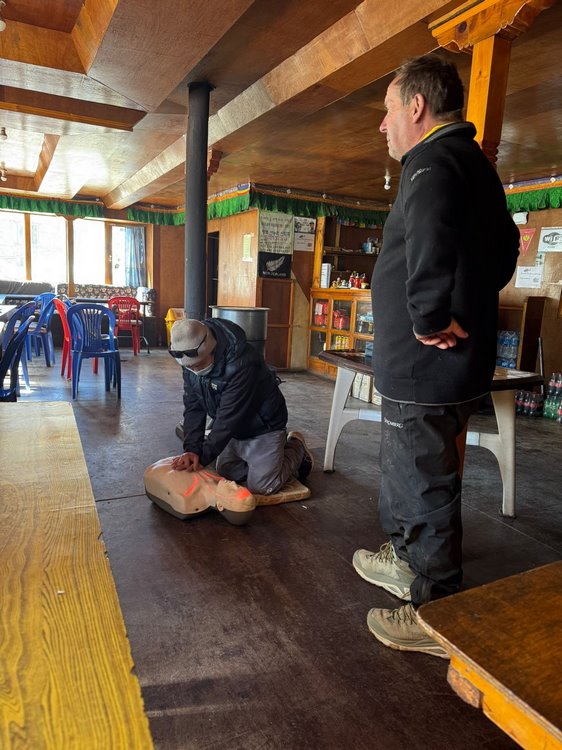
Sullivan began his advocacy work after he lost four close friends—all under the age of 45— to cardiac arrest, and while he was in Nepal, he also gave multiple CPR and defibrillator classes to the locals who had never had access to training before.
Now that he’s back in the UK, Sullivan is preparing to present a training program to the government which would see 1.2 million children across London trained in CPR.
MORE CPR STORIES: 38,000 Fans Get Free CPR Training While Attending the Euro Championship–to Help Save Other Fans in Cardiac Arrest
“We want every school to have a new defibrillator and every person in the school— students, teachers, staff—to have all the training necessary to save someone’s life,” he told SWNS. “I performed nine minutes of CPR for a young lad and used a defibrillator just three months after I had been shown how to.”
“While I was doing this, around 30 people just watched and didn’t help because they didn’t know how,” he remembered. “When the lad’s mum called me the next day to say he was alive, it changed my life forever.”
SHARE This Story Of The World’s Highest Terrestrial Defibrillator Use…
GoFundMe for Teen Who Rushed to Work Instead of Partying After Graduation Skyrockets to $180K


GNN readers loved the story of Mykale Baker, a teen who metaphorically leapt from atop the stage of his high school graduation right into the drive-thru window of his job at Burger King the same night.
On Thursday, a Georgia mom who had watched both Baker’s graduation and Burger King heroics, set up a surprise GoFundMe to raise some money for his eventual journey to college, and the $20,000 that was reported to have been raised this week has grown to $187,000, virtually guaranteeing him a doctorate level education at any school he cares to attend.

Additionally, Burger King Foundation presented Baker with a $10,000 scholarship to aid in that pursuit.
The story began when, wearing a cap and a gown, Baker had just been handed his diploma and a medal to wear around his neck when he became aware that orders were piling up at the Burger King where he worked.
Still wearing the medal, Baker drove over and clocked in at the drive-thru window. While Baker’s friends celebrated into the night, Maria Mendoza, a mother who had just watched her daughter graduate, stopped by the same Burger King for a late dinner when she saw Baker at work.
“He was so kind, so polite,” she told 11 Alive News. “Radiating joy, even after such a big day. His dedication and quiet strength really moved me. I felt called to do something to recognize that.”
As the money piled up, days after the news reports had ran, well-wishers left dozens of messages in tandem with their donations.
“Mykale, Your work ethic and grind is contagious. We are rooting for you and investing in your future,” said one, signed “a first generation graduate from Fresno.”
GREAT GOFUNDMES:
- 81-year-old Waitress Couldn’t Retire, so a Stranger Raised Over $300K for Her
- Classy Ravens Fans Return the Favor for Foes–After Bills Player Drops Ball in Heartbreaking Playoff Loss
- Officer Crowdfunds $40K for Pizza Driver Who Only Got $2 Tip in Snowstorm Delivery
- TikTok Landscaper Raises $800K for Elderly Disabled Woman Who Couldn’t Find Anyone to Mow Her Lawn
“I truly applaud your integrity — it’s not always easy to do the right thing, and I’m glad the world is recognizing you for it,” said another.
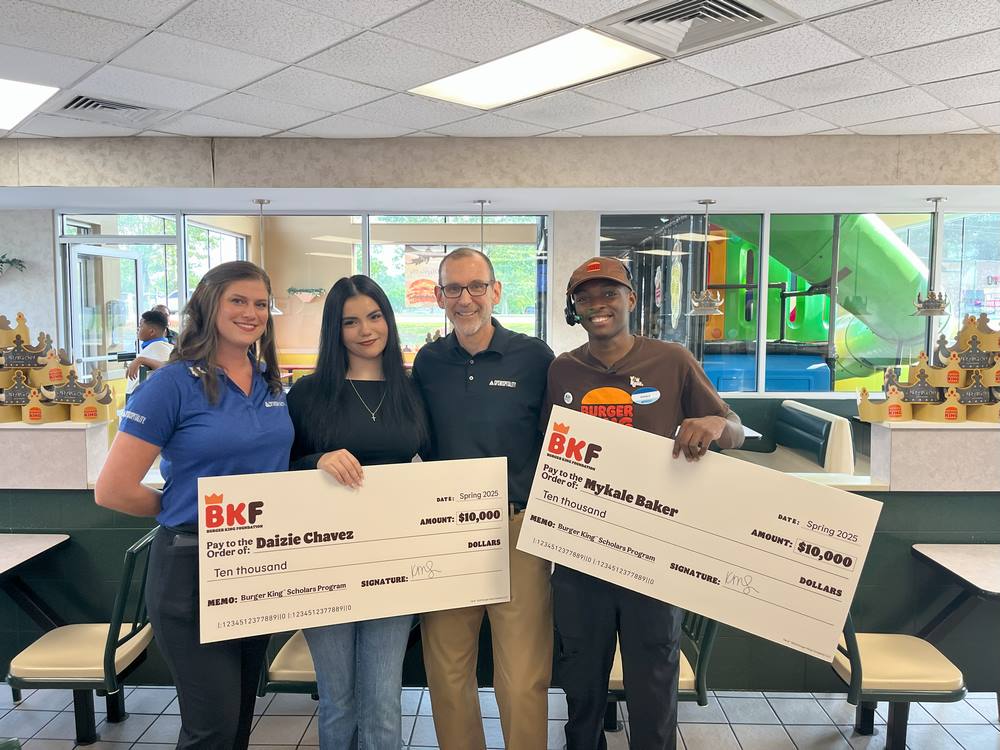
In addition, the BK Foundation wanted to recognize the kindness of Maria Mendoza, the GoFundMe organizer, and to celebrate her daughter, Daizie Chavez, who graduated alongside Baker.
Daizie was also awarded a $10,000 scholarship to support her studies in neuroscience at Georgia State University.
It’s a reminder of the power inherent in positivity and responsibility. Though hard work isn’t always rewarded, hard workers will always be, via one way or another.
SHARE This Story Of A Viral Journey From Burger King To Higher Education…
“It is love, not reason, that is stronger than death.” – Thomas Mann

Quote of the Day: “It is love, not reason, that is stronger than death.” – Thomas Mann
Photo by: Colin + Meg for Unsplash+
With a new inspirational quote every day, atop the perfect photo—collected and archived on our Quote of the Day page—why not bookmark GNN.org for a daily uplift?

Good News in History, June 3

60 years ago today, NASA astronaut Ed White became the first American to walk in space. During the Gemini 4 mission, he opened the hatch and used a hand-held oxygen-jet gun to push himself out of the capsule and propel himself to the end of the 8-meter tether. In this photo by Commander James McDivitt over a cloud-covered Pacific Ocean, the maneuvering gun is visible in White’s right hand. The visor of his helmet is gold-plated to protect him from the unfiltered rays of the sun. READ more from on this day… (1965)
The First At-Home Cervical Cancer Screening Device Was Approved by the FDA, Set to Roll Out This Year


This year, a revolution in the unpleasant pap smear test will arrive on the American market in the form of the first at-home cervical cancer screening device ever approved by the FDA.
Offering the chance to perform a vaginal swab test in the comfort of one’s own home, the Teal Wand is covered by several major insurers such as Anthem and Cigna.
The package includes the wand and swab along with everything needed to store the sample and send it off to Teal Health’s laboratory where a test for the HPV virus is conducted. Receiving the results over a smartphone, it’s the first major change in the pap smear for 80+ years according to the company.
HPV accounts for almost all cases of cervical cancer in America, which while falling gradually year over year for decades, is on the rise among rural and low-income populations. An at-home test is ideal for both, and may help prevent some of the 4,000 deaths from the disease predicted to occur this year.
There are a variety of prevention and treatment options for addressing cervical cancer. Abnormal cells spotted in a pap smear test can be removed before they become cancerous. There’s also the HPV vaccine Gradasil-9 which protects against 9 known forms of the virus.
But between attempting to take off work and finding someone to look after children, cervical cancer screenings are not uncommonly delayed long past the point at which they would become the most useful.
OTHER NEWS LIKE THIS: FDA Approves Opioid-free Pain Medication That Finally Delivers Relief Without Addiction
“I think it’s very exciting,” Barbara Goff, a gynecologic oncologist at Fred Hutch Cancer Center and the University of Washington School of Medicine in Seattle, told Science News. “It expands cervical cancer screening to more women, which is good. And it makes [screening] more comfortable, which is also good.”
Interested parties can join the waitlist and learn more, especially regarding insurance coverage, on the Teal Health website.
SHARE The News About This FDA-Approved Product With Your Friends…
Pumping Water Onto Sea Ice Could Halt its Loss in the Arctic—Nonprofit Proves ‘Naive’ Idea Plausible


From the Netherlands comes the story of a man who realized we might delay the effects of climate change using the same method that Dutch landowners utilize every year to make ice skating rinks.
These so-called “IJsmeesters” or Ice Masters, pump water onto the surface of meadows and allow it to freeze overnight. They continue this process until the surface is thick enough to skate on.
One such IJsmeester wondered if you could do the same on the Arctic Ocean to preserve sea ice through until winter, and Arctic Reflections was born.
Fonger Ypma, the nonprofit’s chief executive, was interviewed about this crazy idea by the Guardian last year, and crazy though it may sound, Ypma actually got the project off the ground, and recently celebrated the completion of advanced field testing in the frozen Canadian sub-Arctic.
“The Arctic acts as a sort of mirror or heat shield for the Earth and a substantial part of global warming comes from the Earth’s surface becoming darker,” Ypma said last year.
“And so I thought: isn’t there some way to maintain that ice sheet for a bit longer until CO2 levels come down and the ice becomes regenerative? I had this naive idea: why not pump water on top of it?”
Looking around through published research, Ypma realized the “naive” idea had already been explored by scientists, confirming at least to his mind, that it wasn’t all that crazy.
The most substantial research was conducted in 2016, and it was a little pie-in-the-sky; with author S.J. Desch suggesting that while it was feasible to pump seawater on top of the Arctic sea ice to allow it to freeze, humanity would need “millions” of pumping stations to accomplish this.
Adapting that “seminal” work, Ypma and his team at Arctic Reflections have come up with a much better strategy: let the ocean do the work for you.
His new concept involves using the pumping method to create ice at specific locations around the Arctic Ocean and then transporting it into the Arctic waters by existing ocean currents. This, he says, will be able to save 100,000 square kilometers of sea ice every year from melting with somewhere between 100 and 1,000 pumping stations, rather than millions.
OTHER WILD IDEAS: ‘Mating Glaciers’ High up in Pakistan’s Mountains Could Yield Climate Change Gamechanger
Over the winter of 2024-25, Artic Reflections conducted its second round of field tests for their pumping capabilities on the icy coast of Newfoundland, having run similar tests in Svalbard the year before.
Challenges exist with the method, however, as water that’s pumped onto a layer of snow can freeze, but only if it remains exposed to the air and wind. If, as strange as it may sound at first, another layer of snow falls on the pumped up water, it becomes insulated at liquid temperatures.
MORE DUTCH CHANGEMAKERS: A Team of Maverick Engineers Want to Roll the Geological Clock Back on Sinai and Replace Desert with Lush Greenery
The tests conducted in Newfoundland involve much larger water pumps, and now focus will shift onto tracking reflectivity and thickness of the ice remotely, as well as interpreting temperature data, and drone camera footage.
The Guardian spoke with the leaders of other projects doing the same thing, and the general consensus is that the craziness of the whole endeavor is only matched by the urgency with which they believe something must be done to address sea ice loss.
SHARE This Naive And Crazy (And Plausible) Idea To Save The Arctic…
California Developer Builds First Neighborhood Where All the Homes Are Resistant to Wildfires


One of the nation’s largest homebuilders have created a community of entirely wildfire-resilient homes to help reduce homebuyers’ risks of loss if another Palisades or Dixie fire comes roaring by.
With nothing flammable on the exterior or the roofs and curated desert foliage around the gardens and lawns, the homes aren’t necessarily fireproof, but the design of the entire community was informed by identifying and eliminating the most common causes of homes catching fire.
Available now, and with some already off the market, KB Homes estimates their price at around $1 million, a price consistent with disaster-proof housing around the country.
The Eaton and Palisades fires struck with little warning and launched embers across highways and valleys setting multiple communities ablaze. The rising risk of wildfires in the rural areas of Southern California comes with rising insurance premiums, which result in rising rents, higher mortgages, etc.
In many cases, private insurers are declining to issue new policies for homes in areas at a high-risk for wildfires.
KB Home’s Dixon Trail community in Escondido, California is designed to the Insurance Institute for Business & Home Safety’s (IBHS) highest level of protection against direct flame contact, radiant heat, and embers, which helps to meaningfully reduce the likelihood of wildfire spread.
The Dixon Trail community will have 64 beautifully designed homes upon completion. It will receive a provisional neighborhood-level designation based on its design, confirming that the community has implemented preventative measures to reduce the likelihood of initial ignitions from an approaching wildfire, protect against embers that could spark spot fires, and slow fire spread if ignitions occur.
Research shows that these measures at the community level are key in preventing wildfires from becoming catastrophic. As a model of wildfire resiliency, Dixon Trail has incorporated research-backed mitigation actions into the design of its homesites, including the installation of Class A fire-rated roofs, noncombustible gutters, upgraded windows and doors, and ember and flame-resistant vents as well as the creation of a five-foot noncombustible buffer around structures.
FROM THE ASHES: Hero Brain Surgeon and Son Save 5 Malibu Homes From Wildfire Through Preparation and Sheer Will (WATCH)
At the neighborhood level, wildfire risk is reduced by separating almost all structures by more than 10 feet and decreasing potential fuels through the use of fire-resistant materials, like all-metal fence systems.
“With fire becoming an increasingly common threat in the West, it’s crucial to reconsider how we construct communities in fire-prone regions,” said IBHS CEO Roy Wright. “KB Home is at the forefront, implementing our research-driven wildfire mitigation strategies for both the parcel and neighborhood levels at Dixon Trail.”
MORE UNIQUE HOUSING STORIES: Old Reformatory Prison Turned into Sunny New Apartment Complex Called ‘Liberty’ After $64M Injection
Already set within a wind corridor, Dixon Trail is actually in a high-risk area for wildfires, particularly for wind-blown embers coming off the wooded slopes all around the community.
Previously, GNN has reported on storm and hurricane-proof housing on and along the Gulf Coast, including durable, three-story homes with a community-level flood control system, and Deltec’s cylindrical houses mounted on stilts, which allow winds to pass around and under the structure without smashing into it.
WATCH a video from Reuters below…
SHARE This Great Market Opportunity With Any Californians You Know…
Electric Ferry Boat Makes Historic First Crossing from Europe to Africa Cutting Energy Use by 80%


An electric ferryboat has gone from Spain to Africa and back in the same day, proving decarbonization of strait crossings is possible.
The Swedish-made vessel traveled from Sotogrande, Spain, to Ceuta, North Africa—a 24-nautical mile trip—in just over one hour, matching the speed of conventional fast ferries. After recharging, the vessel returned to the Spanish mainland the same day.
GNN previously reported on the Candela P-12 electric ferryboat entering service in Stockholm’s public transport system ahead of its mass-production roll out last year. In 2023, it had passed all of its performance tests with flying colors, achieving 30 knots per-hour with a battery life of 50 knots.
Now, another major test has been overcome with another vessel—the first-ever intercontinental sea crossing by an all-electric boat.
“There’s a clear need for additional fast, clean, and efficient travel options across the Mediterranean—and for direct lines that wouldn’t be economically viable with larger, conventional vessels,” said Gustav Hasselskog, CEO of Candela and pilot during the crossing.
“We can help meet this demand, working alongside existing operators and ferries to boost connectivity and cut emissions—not just across the Strait but also along the coast, for example connecting cities along the Costa del Sol.”
The crossing was made with the Candela C-8 Polestar edition which carries the same 67 kWh battery pack as the Polestar SUV—a European EV make under the Volvo brand. Targeted at underserved coastal communities who live far from the terminals of the massive diesel car ferries that ply the strait, the low cost of running and fuel is ideal for these smaller operations.
DECARBONIZING SAILING: Pioneering Zero-Emissions Hydrogen Fuel-Cell-Powered Ship Successfully Tested in Japan
Beneath the surface of the Candela, two hydrofoils—or underwater wings—lift the C-8 above the water, drastically reducing drag and cutting energy consumption by 80% over conventional fast vessels. This breakthrough enables the long electric range needed to cross the Strait of Gibraltar—one of the world’s busiest shipping lanes—for the first time.
Sitting where cold Atlantic waters meet the warmer Mediterranean, the strait is known for strong currents and unpredictable seas, making conditions challenging for smaller vessels and uncomfortable for passengers prone to seasickness.
A SIMILAR BOAT MAKING WAVES IN THE US: First Flying Electric Ferry in US Will Shuttle Lake Tahoe Crowds With Zero Emissions
This made it an ideal test for Candela’s computer-controlled hydrofoil system, which is often described as a “magic pill” for motion sickness. Using sensors to detect waves, wind, and current, the system automatically adjusts the hydrofoils up to 100 times per second—delivering a ride that feels more like flying than boating.
During the voyage, the Candela C-8 used just 40 kWh of energy—about $10 worth. By comparison, the similarly sized gasoline-powered photo boat burned over 10 gallons of fuel, costing around $100.
WATCH the Candela make its crossing…
SHARE This Impressive Sailing Design With Your Friends On Social Media…
“My motto is: ‘Contented with little, yet wishing for more’.” – Charles Lamb

Quote of the Day: “My motto is: ‘Contented with little, yet wishing for more’.” – Charles Lamb
Photo by: Getty Images for Unsplash+
With a new inspirational quote every day, atop the perfect photo—collected and archived on our Quote of the Day page—why not bookmark GNN.org for a daily uplift?

Good News in History, June 2

58 years ago today, The Beatles released Sgt. Pepper’s Lonely Hearts Club Band in America—widely regarded as one of the greatest albums of all time. In the next four decades, it sold more than 32 million copies worldwide, making it one of the best-selling LPs in history. Their eighth studio album, it was lauded for its innovations in music production, songwriting, and graphic design; for pioneering the idea of a concept album; and for providing a musical representation of youth counterculture during the 1967 Summer of Love—it was #1 on the charts for the entire summer. READ more… (1967)
Identical Twins Celebrate 100th Birthday – And Reveal Tips For a Long, Happy Life
A pair of identical twins have just celebrated their 100th birthday and named their secrets for a long and happy life.
Bill Casey and his twin brother Jack celebrated their centenary together with cake, drinks, and friends at a retirement home in Oxfordshire, England.
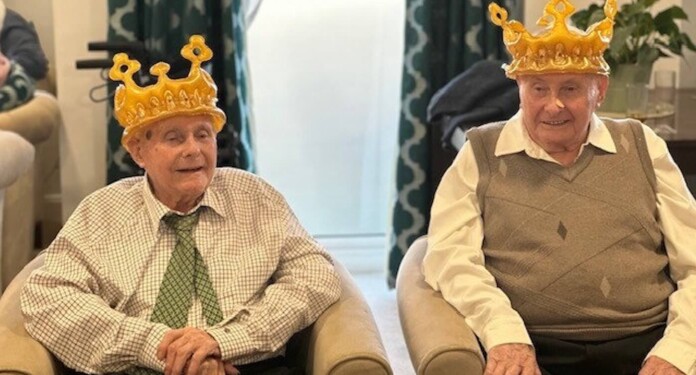
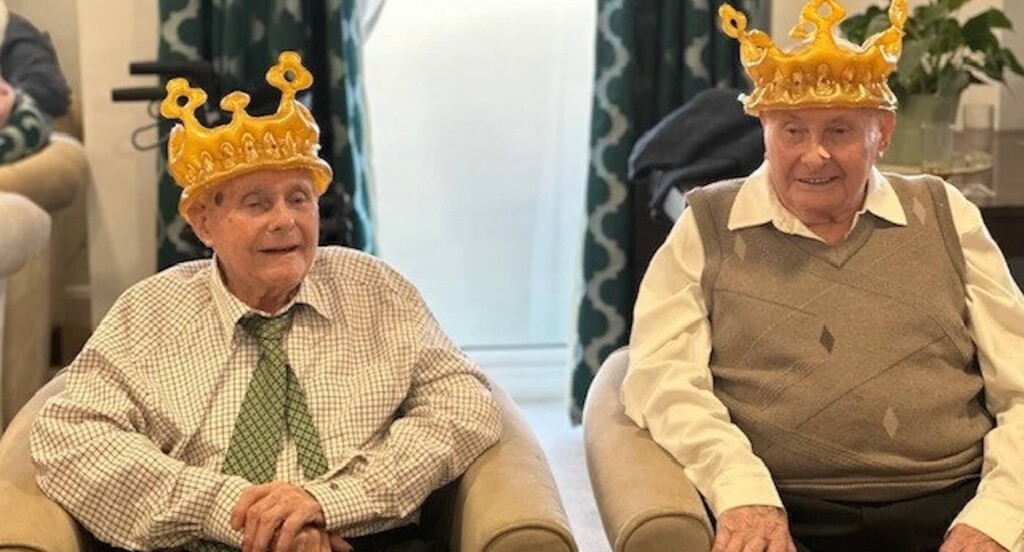
Photos from the celebration show the pair enjoying themselves in inflatable crowns and holding their birthday cards from King Charles.
Bill is the oldest of the twins by ten minutes and enjoys an artistic life, having taken up painting in retirement. And he always makes time for his health, with 20 minutes of exercise daily.
Reflecting on his 100 years, he named the computer as the most important invention in his lifetime, with all its “amazing possibilities.”
When asked what he credits for helping him reach this impressive milestone, he credited “clean and healthy living, staying active, sheer determination, and good genes.”
“I always intended to reach 100 and now it’s here, I’m looking forward to the next 100!”
His advice to young people was to “have an interest in sports – and keep yourself active.”
CHECK OUT THESE GALS: Neighbors Celebrate 101st Birthday On the Same Day–Living Next Door to Each Other For 4 Decades
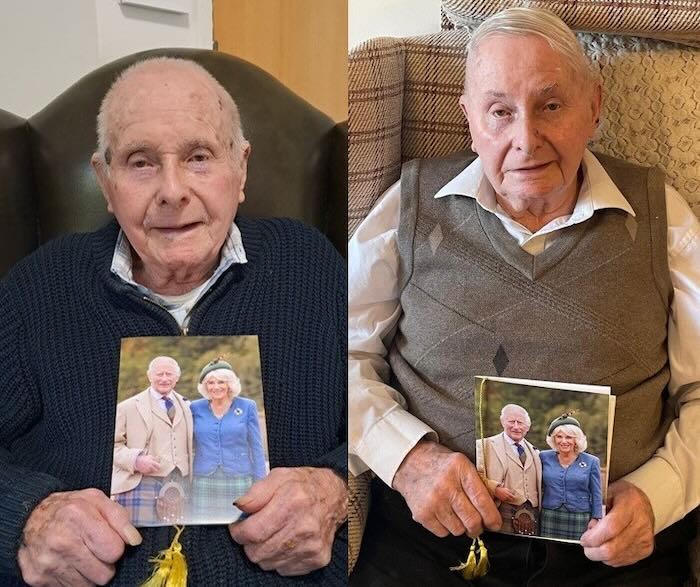
Originally from south London, the twins both joined the army in 1945 as members of the Royal Electrical and Mechanical Engineers. They spent 15 months in Malaysia, with Bill confessing they “got up to lots of tricks being identical twins.”
Bill met his future wife, Joan, in Wales in 1951, and they married and had son. They settled in Surrey, England, where Bill worked as a skills and training instructor for the Government, before retiring as a manager in 1984.
Now Bill has settled down at Williams Place retirement home, where the manager Nina Woodbridge enjoys his company.
“Bill is a such a warm and friendly member of our lovely community, having lived here for five years,” she told SWNS news agency.
“He’s got a great sense of humor and loves having a laugh with the team and his neighbors.
LOOK: Party-Loving Senior Celebrates 105th Birthday with a DJ and a Rave
“We’re so happy to share his special day with Bill and his brother.”
WISH THEM A HAPPY BIRTHDAY By Sharing on Social Media…
We Still Don’t Know How Tickling Works But a New ‘Tickle Lab’ at a University is Finding Out


Why can’t you tickle yourself? And how come some people aren’t ticklish at all—while some on the autism spectrum are laughing more often?
Neuroscientist Konstantina Kilteni believes we should take tickling research more seriously—and she’s working with colleagues in a new tickle lab at Radboud University to get some answers.
Socrates wondered about this topic 2,000 years ago, and Charles Darwin racked his brains about it: what is a tickle, and why are we so sensitive to it?
“It is a complex interplay of motor, social, neurological, developmental, and evolutionary aspects,” says Kilteni, who says the subject is ‘under-researched’.
“If we know how tickling works at the brain level, it could provide a lot of insight into other topics in neuroscience.
“Tickling can strengthen the bond between parents and children, for instance. But how does the brain process ticklish stimuli and what is the relationship with the development of the nervous system? By investigating this, you can learn more about brain development in children.”
“We know that apes such as bonobos and gorillas respond to ticklish touches, and even rats have been observed being so. From an evolutionary perspective, what is the purpose of tickling? What do we get out of it?”
The fact that you cannot tickle yourself is also interesting from a scientific point of view: “Because we know when and where we are going to tickle ourselves, the brain can switch off the tickling reflex in advance. But we don’t know what exactly happens in our brain when we are tickled.”
TICKLE YOUR DAD THIS MONTH: Best ‘Dad Jokes’ Have Been Compiled for Father’s Day in New American Poll
Kilteni argues that these questions have not yet been answered because it has not been clearly defined what tickling actually is within the scientific community. There is a difference between when you tickle someone hard on the armpits and tickling someone’s back or feet lightly with a feather. The first sensation is under-studied while we know much more about the second feather-like stimulation.
Working in her tickling lab with partners within the Donders Institute at the Radboud school in Gelderland, Netherlands, she argued these and other points in a scientific article published on May 23. They have also devised a way to compare people’s responses to tickling in a scientific way.
They created a chair with a plate that contains two holes in it. Study participants will place their feet through the holes where a mechanical stick will tickle their soles. That way, every tickle experiment is the same.
The neuroscientists record exactly what happens in the brain and also immediately checks all other physical reactions, such as heart rate, sweating, breathing, or laughter and screaming reactions.
FAMILY FUN:
• Man Pulls Off Cheeky Dad Joke After Telling His Daughter He Learned a New Magic Trick
• Listen to Toddler’s Adorably Infectious Laughter Over His Dad’s Goofy Dancing
“By incorporating this method of tickling into a proper experiment, we can take tickling research seriously,” she said in a University media release. “Not only will we be able to truly understand tickling, but also our brains.”
Previous research has shown that people with autism spectrum disorder perceive touches as more ticklish than people without autism spectrum disorder. Investigating this difference could provide insight into differences in the brains of people on the spectrum.
It seems like children are more ticklish than adults, but maybe it’s just that the ‘real world’ conditioning has tamped down the childish mirth through the years. Maybe the experiments in the lab will spur people to be more inclined to tickle their loved ones—or tickle their own funny bone.
TICKLE ME ELMO, And Share This Fun Research On Social Media…
Potentially Deadly Blood Clots Can be Spotted Before They Strike: Microscope with AI Spots Traffic Jams in Your Veins
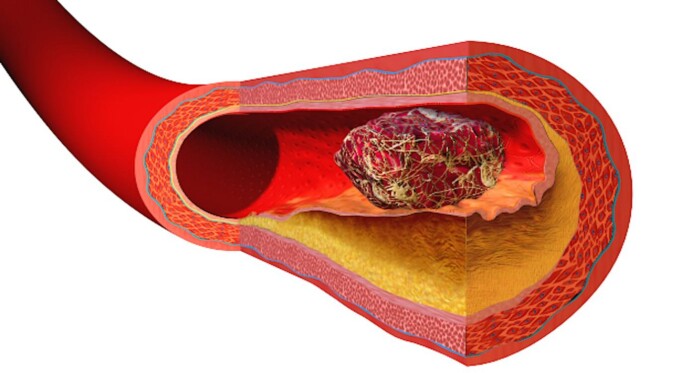
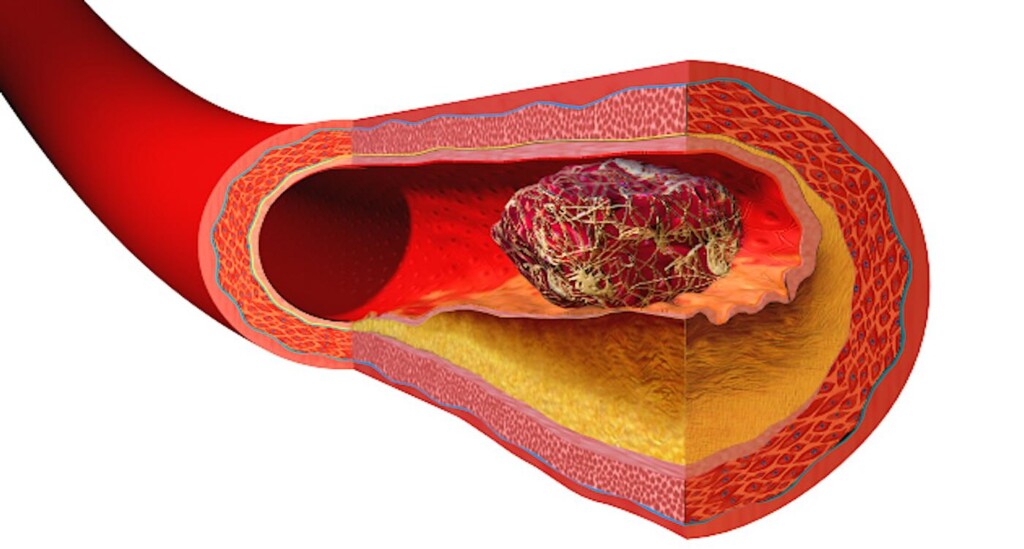
Japanese scientists have found a way to observe clotting activity in the blood as it happens, without needing invasive procedures.
Using a new type of microscope and artificial intelligence, scientists have shown how platelet “clumping” can be tracked in patients with coronary artery disease, opening the door to safer, more personalized treatment.
Platelets are tiny blood cells that rush to plug the severed skin when we suffer a cut.
But they sometimes “overreact” and, in people with heart disease, they can form dangerous clots inside arteries, leading to heart attacks or strokes.
“Platelets play a crucial role in heart disease, especially in coronary artery disease, because they are directly involved in forming blood clots,” said the study’s lead author, Dr. Kazutoshi Hirose, an Assistant Professor at the University of Tokyo Hospital.
To prevent dangerous clots, patients with coronary artery disease are often treated with anti-platelet drugs. However, it’s still challenging to accurately evaluate how well these drugs are working in each individual.
Prof. Hirose and his team developed a new system for monitoring platelets while they are in motion, using a high-speed optical device and AI.
“Just like traffic cameras capture every car on the road, our microscope captures thousands of images of blood cells in motion every second,” said study co-author Dr. Yuqi Zhou, a chemistry professor at the University of Tokyo, in a media release.
“We used an advanced device called a frequency-division multiplexed (FDM) microscope, which works like a super high-speed camera that takes sharp pictures of blood cells in flow. We then use artificial intelligence to analyze those images.”
BETTER THAN SCI-FI: New Electric Bandages Heal Wounds 30% Quicker Than Conventional Dressings
“The AI can tell whether it’s looking at a single platelet—like one car—or a clump of platelets, like a traffic jam, or even a white blood cell tagging along—like a police car caught in the jam.”
The research team applied the technique to blood samples from more than 200 patients.
The findings, published in the journal Nature Communications, revealed that patients with acute coronary syndrome had more platelet aggregates than those with chronic symptoms—supporting the idea that the technology can track clotting risk in real time.
The researchers said that one of the most important findings was that this technique can simply use blood drawn from the arm, rather than from the heart’s arteries, and it can provide nearly the same information.
“That’s exciting because it makes the process much easier, safer, and more convenient,” said Dr. Hirose.
“Typically, if doctors want to understand what’s happening in the coronary arteries, they need to do invasive procedures, like inserting a catheter through the wrist or groin to collect blood.”
BREAKTHROUGH: Blood Test That Detects Sepsis in 10 Minutes by Squeezing Blood Cells – Hailed as ‘the Holy Grail’
“Taking a regular blood sample from a vein in the arm can still provide meaningful information about platelet activity in the arteries.”
The team believes that the technology will help doctors better personalize heart disease treatment.
“Just like some people need more or less of a painkiller depending on their body, we found that people respond differently to anti-platelet drugs. In fact, some patients are affected by recurrent thrombosis and others are suffering from recurrences of bleeding events even on the same anti-platelet medications.
BLOOD TEST FOR STROKES: Researchers Develop a ‘Game-Changing’ Blood Test for Stroke Detection in the Field: ‘Truly Transformative’
“Our technology can help doctors see how each individual’s platelets are behaving in real time (and) AI can ‘see’ patterns beyond what the human eye can detect.”
The study also demonstrates that even something as small as a blood cell can tell a big story about your health.
SHARE THE FANTASTIC MEDICAL NEWS With Science Geeks On Social Media…
Grandfather Diagnosed With Stage Four Lung Cancer Becomes Free of Disease After Immunotherapy
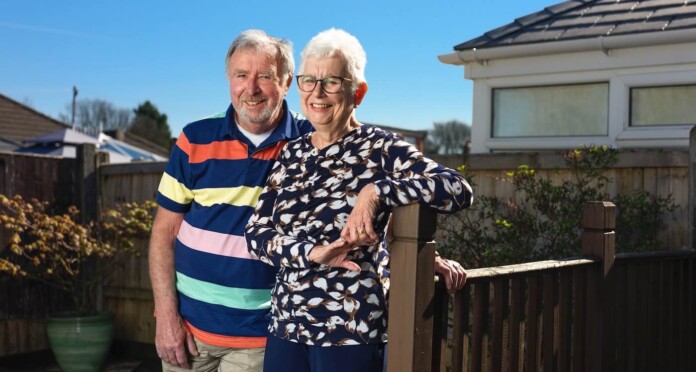
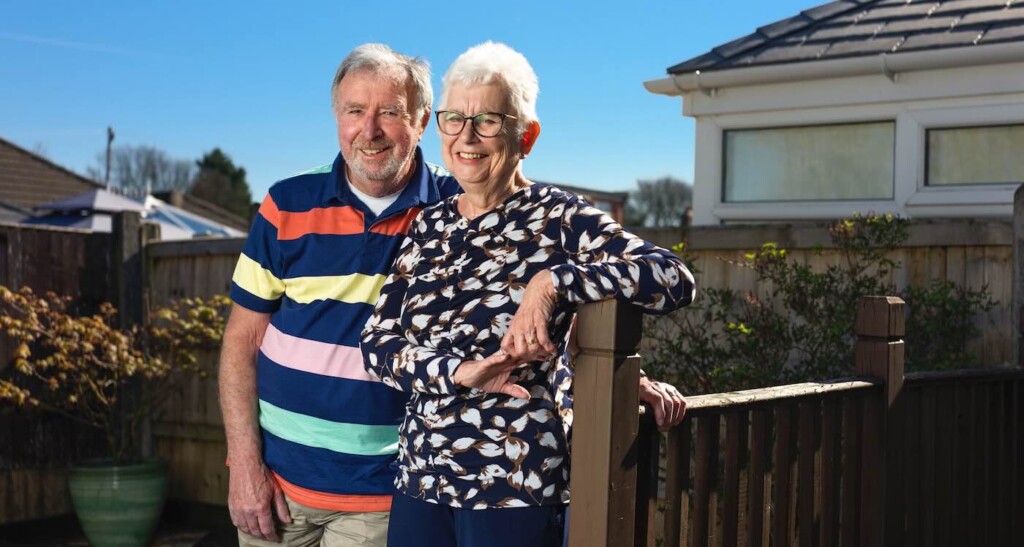
A grandad diagnosed with advanced lung cancer which often leaves patients dead within four months has become free of the disease after being treated with a new immunotherapy drug.
Jeff Cook was told he had stage four cancer in 2019 after seeking treatment for a sore on his chest that wasn’t getting any better.
Around 50% of people who are diagnosed with stage four cancer die within four months of their diagnosis and only 5% of patients will still be alive five years later, according to Cancer Research UK.
The 76-year-old was advised to get radiation therapy to target the tumor directly—but was also told he could try a new treatment called pembrolizumab (sold under the brand name Keytruda).
A type of immunotherapy, pembrolizumab is a monoclonal antibody that targets and blocks the PD-1 receptor on the surface of our T cells, which then enables the immune system to find and kill the cancer.
The drug was previously deemed too expensive as it would cost around £84,000 per patient ($113k), but an agreement was reached with the manufacturer by the British National Health Service (the publicly funded healthcare system in the UK) to reduce the cost.
After receiving the treatment for around two years, Jeff was told that he is officially cancer free.
“Considering I had such an advanced cancer, and the survival statistics were not in my favor, I feel like the pembrolizumab has been a medical miracle,” said the grandfather-of-two. “I’m able to live life to the full as a result.”

Jeff, who has two sons, gave up smoking more than 20 years ago, but towards the end of 2018, he realized that he had a sore on the left side of his chest which wasn’t getting better—despite being prescribed antibiotics.
BEARS CAN RECOVER TOO! Bear Shocks Vets By Going into Remission From Terminal Cancer After Taking Meds in Honey–a Rare Treat That Delights Her
He was referred to a chest specialist at Leighton Hospital in Cheshire, where he later received the terminal diagnosis.
Dr. David Woolf then suggested that Jeff could try the pembrolizumab treatment, which was fairly new at the time—and comes with various possible side effects.
“The pembrolizumab was kind to my body, and I had no noticeable side effects from the treatment,” Jeff said in an article from SWNS news agency. “After three or four treatments, I was leading a normal life again.”
Jeff is now taking vacations with his wife of over 50 years and is active in sports again at his local cricket club.
“I’m incredibly grateful to Dr. Woolf and all the NHS staff who have helped me during my treatment—and to the scientists and researchers who helped to develop such a wonderful life-saving drug.”
CHECK OUT THESE CANCER CURES:
• Man Living with Tremors for 30 Years Is Cured by Ultrasound Beam Paid by Medicare: ‘It’s unbelievable!’
• Teen with Incredibly Rare Genetic Condition is Cured in World First By British Doctors
• Belgian Boy is the First Child in the World to Have Been Cured of Brain Stem Glioma, a Brutal Cancer
Dr Woolf says he’s “delighted” that Jeff has had such a positive response to the treatment and is now cancer-free six years after his diagnosis.
“Stage four lung cancer remains very serious with average survival figures of less than a year. However, new treatments such as immunotherapy are a game changer for some of our patients.
“We still need to do better at diagnosing patients earlier though, and continuing to develop new and better treatments.”
SHARE SOME HOPE By Spreading The Good News On Social Media…
“Keeping your body healthy is an expression of gratitude to the whole cosmos—the trees, the clouds, everything.” – Thich Nhat Hanh

Quote of the Day: “Keeping your body healthy is an expression of gratitude to the whole cosmos—the trees, the clouds, everything.” – Thich Nhat Hanh
Photo by: Zac Durant
With a new inspirational quote every day, atop the perfect photo—collected and archived on our Quote of the Day page—why not bookmark GNN.org for a daily uplift?

Good News in History, June 1

70 years ago today, Namco Limited, maker of the most popular and successful arcade game systems in history was founded. With titles like Pac-Man, Tekken, Ridge-Racer, and Galaga, Namco is broadly considered to have laid the foundations for most video gaming for all time. Today, Namco no longer exists as such. It merged with the toy maker and animation studios Bandai to create Bandai Namco Entertainment. READ some milestones in the company’s history… (1955)
18th Century Gold Mourning Ring Discovered by Metal Detectorist is ‘One of a Kind’ British Treasure
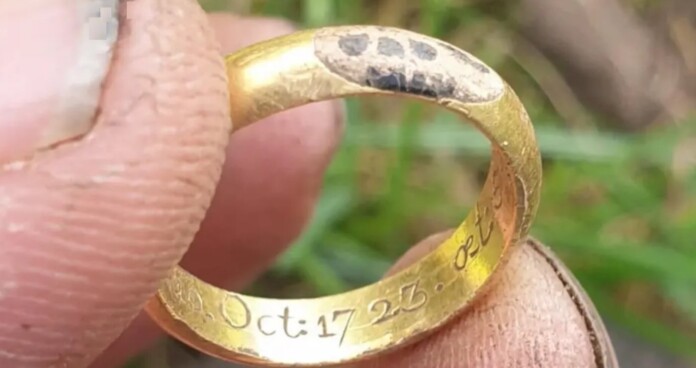
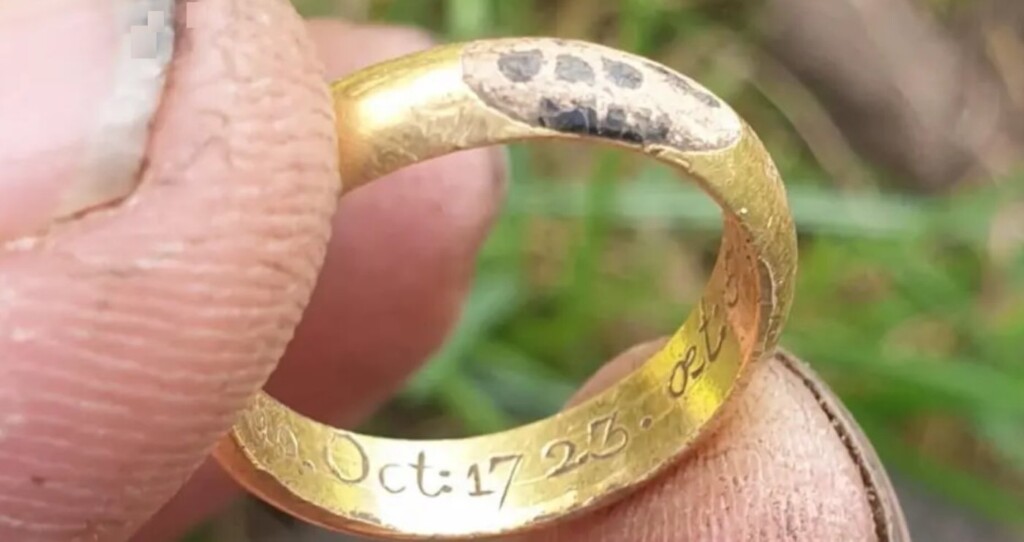
A metal detectorist who discovered a gold mourning ring dating from the 18th century is overjoyed after it was declared a British treasure.
Malcolm Weale unearthed the ring in a field in the eastern county of Norfolk last August and said he was ‘shaking’ as it sparkled in the sunlight.
The lost jewelry is believed to be a memorial ring for Sir Bassingbourne Gawdry—the 3rd Baronet of Harling—who died in 1723, a year that was engraved on the inside.
Mourning rings are worn in memory of someone who has died, typically bearing the name and date of death of the deceased, and are used to commemorate a loved one’s passing—to remember them.
They became fashionable during the Georgian Era in the early 1800s, particularly after the death of Queen Victoria’s husband, Prince Albert, and often feature inscriptions or a brief memorial message, and often adorned with black stones or black enamel to reflect the somber nature of someone’s grief.
The ring was declared to be treasure at Norfolk Coroner’s Court this month and has been taken to the British Museum for valuation.
It is not known how much the ring could be worth but Mr. Weale dubbed it ‘one-of-a-kind’.
PRECIOUS FIND: 7th C. Sword With Gold Handle Found by Elderly Lady in Field That Metal Detector Pros Said was Empty
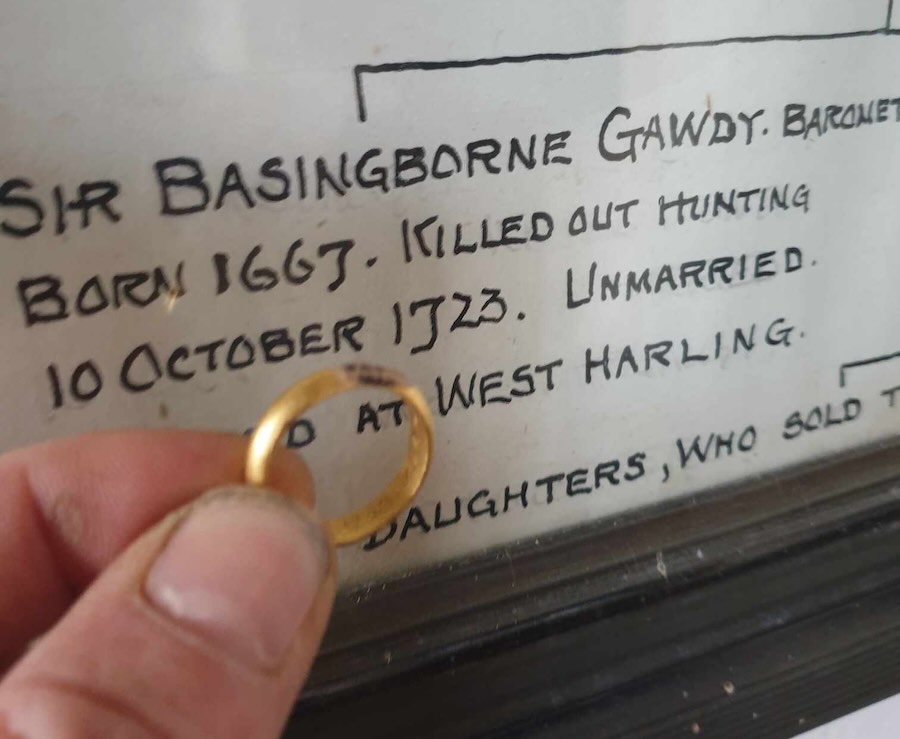
The 53-year-old from East Anglia found it in a small paddock near the town of Thetford where he’d been using his detector for 18 months and already found a few medieval coins.
“It was six inches down and I dug a little careful plug out and looked in the hole.
“The sun was out and it was shining in beautiful bright pure gold. It was exactly like the day it was dropped on the ground.
“I was shaking. It is a form of time travel. Instantly you’re back to the 1700s or the Roman times.
“It is one of only two things I have found in my detecting career with a name on it. You don’t often find anything with a human connection. It is a unique ring.”
The professional metal detectorist said he began his passion at seven-years-old and was always fascinated over what could be under the ground.
CAN YOU DIG IT?
• Metal Detective Finds Farmer’s Rolex – 50 Years After it was Eaten by a Cow
• Metal Detectorist Unearths Pristine Gold Pendant Linked to Henry VIII—With Initials of Katherine of Aragon
• Metal Detector Left Him Stunned After Unearthing Ancient Ring Belonging to the Sheriff of Nottingham
“Since I could walk I was always digging holes. My grandad bought me a metal detector—and I dug up his garden like a bowling green. He was annoyed!”
Mr. Weale once discovered the first and only Viking penny minted for Guthrum, the first Viking king to convert to Christianity.
“2024 was a good year as the levels of moisture in the ground were high,” he added.
INSPIRE OTHER METAL DETECTORISTS By Sharing the Discovery on Social Media…