












70 years ago today, Namco Limited, maker of the most popular and successful arcade game systems in history was founded. With titles like Pac-Man, Tekken, Ridge-Racer, and Galaga, Namco is broadly considered to have laid the foundations for most video gaming for all time. Today, Namco no longer exists as such. It merged with the toy maker and animation studios Bandai to create Bandai Namco Entertainment. READ some milestones in the company’s history… (1955)
Good News in History, June 1

18th Century Gold Mourning Ring Discovered by Metal Detectorist is ‘One of a Kind’ British Treasure
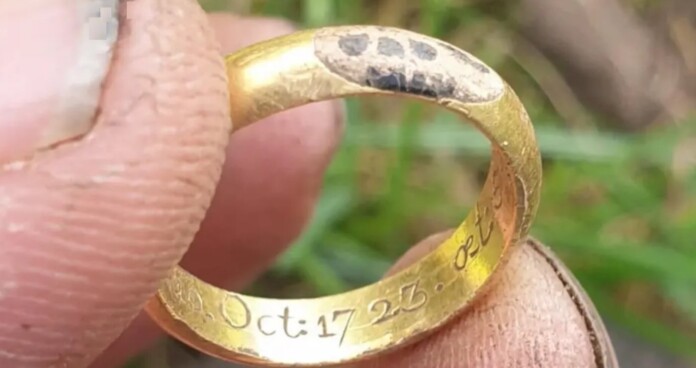
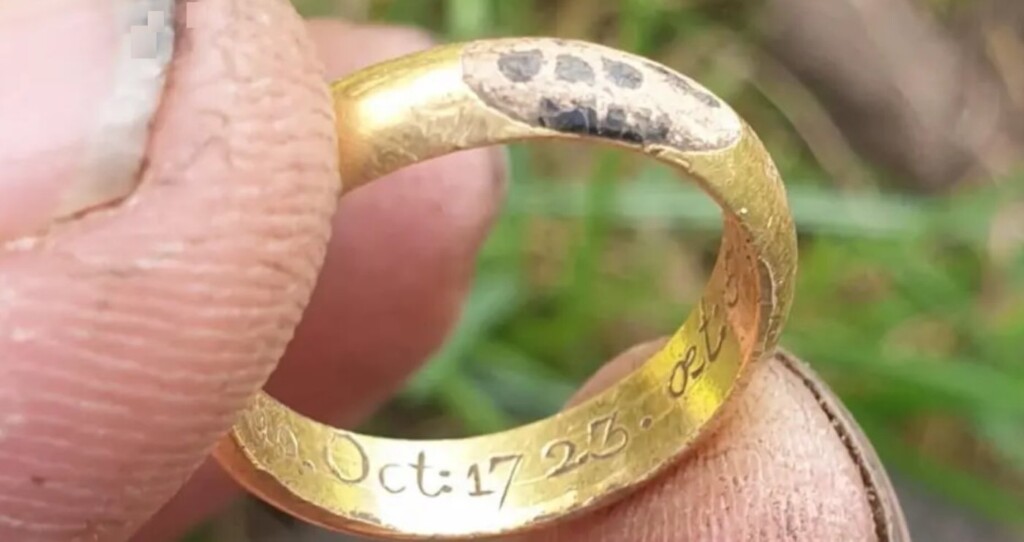
A metal detectorist who discovered a gold mourning ring dating from the 18th century is overjoyed after it was declared a British treasure.
Malcolm Weale unearthed the ring in a field in the eastern county of Norfolk last August and said he was ‘shaking’ as it sparkled in the sunlight.
The lost jewelry is believed to be a memorial ring for Sir Bassingbourne Gawdry—the 3rd Baronet of Harling—who died in 1723, a year that was engraved on the inside.
Mourning rings are worn in memory of someone who has died, typically bearing the name and date of death of the deceased, and are used to commemorate a loved one’s passing—to remember them.
They became fashionable during the Georgian Era in the early 1800s, particularly after the death of Queen Victoria’s husband, Prince Albert, and often feature inscriptions or a brief memorial message, and often adorned with black stones or black enamel to reflect the somber nature of someone’s grief.
The ring was declared to be treasure at Norfolk Coroner’s Court this month and has been taken to the British Museum for valuation.
It is not known how much the ring could be worth but Mr. Weale dubbed it ‘one-of-a-kind’.
PRECIOUS FIND: 7th C. Sword With Gold Handle Found by Elderly Lady in Field That Metal Detector Pros Said was Empty
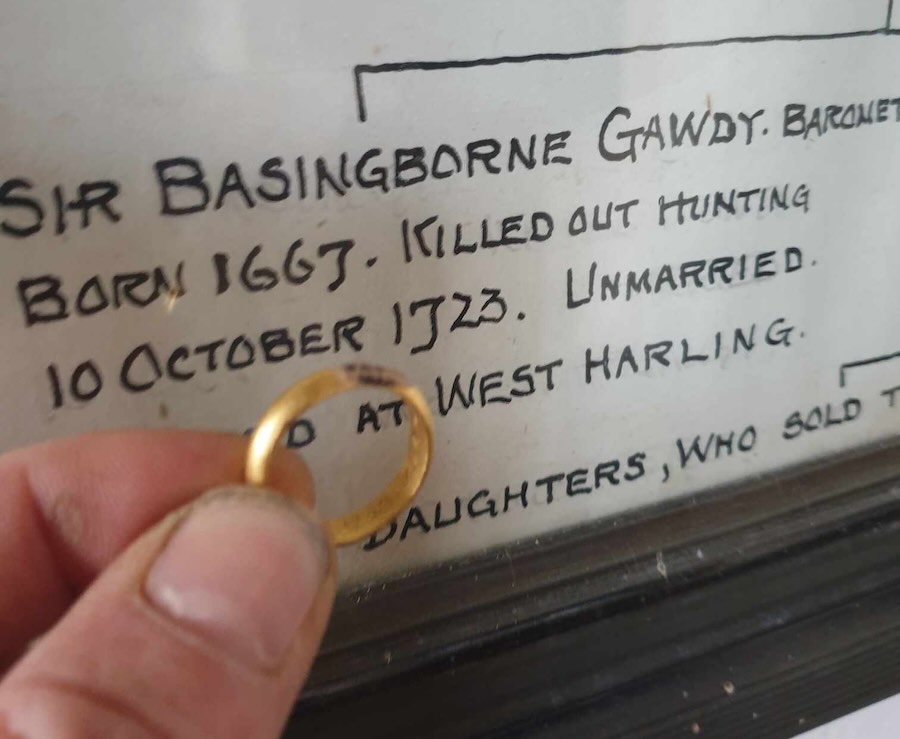
The 53-year-old from East Anglia found it in a small paddock near the town of Thetford where he’d been using his detector for 18 months and already found a few medieval coins.
“It was six inches down and I dug a little careful plug out and looked in the hole.
“The sun was out and it was shining in beautiful bright pure gold. It was exactly like the day it was dropped on the ground.
“I was shaking. It is a form of time travel. Instantly you’re back to the 1700s or the Roman times.
“It is one of only two things I have found in my detecting career with a name on it. You don’t often find anything with a human connection. It is a unique ring.”
The professional metal detectorist said he began his passion at seven-years-old and was always fascinated over what could be under the ground.
CAN YOU DIG IT?
• Metal Detective Finds Farmer’s Rolex – 50 Years After it was Eaten by a Cow
• Metal Detectorist Unearths Pristine Gold Pendant Linked to Henry VIII—With Initials of Katherine of Aragon
• Metal Detector Left Him Stunned After Unearthing Ancient Ring Belonging to the Sheriff of Nottingham
“Since I could walk I was always digging holes. My grandad bought me a metal detector—and I dug up his garden like a bowling green. He was annoyed!”
Mr. Weale once discovered the first and only Viking penny minted for Guthrum, the first Viking king to convert to Christianity.
“2024 was a good year as the levels of moisture in the ground were high,” he added.
INSPIRE OTHER METAL DETECTORISTS By Sharing the Discovery on Social Media…
Preemie Twins Given ‘No Chance’ of Survival Now Thriving Thanks to Revolutionary Co-Sleeping Cot


A new specially-designed twin cot is bringing comfort and connection to families in the neonatal unit at Glasgow’s Royal Hospital for Children—allowing preemie twins to sleep safely side-by-side.
Keeping twins close can support their development, strengthen their bond, and offer comfort, not only to the babies, but to families who may not be able to stay by their side overnight.
But the co-sleeping cot also meets the practical demands of neonatal care. Each side can be adapted to suit individual needs, with the option to place a heat mat under one baby for extra temperature support.
The entire cot can also be gently tilted to help ease reflux, which is common in premature babies. These features mean twins can remain side by side, while still receiving personalized care.
SWNS news agency reported this week that premature twins Macie and Marcus Lee were given ‘no chance’ of survival but have now stunned everyone with their remarkable recovery—after being cared for in the revolutionary co-sleeping cot.
The pair came into the world at just 29 weeks and were the first to benefit from the co-sleeping bed at the Scottish hospital last December.

Their parents Jennifer Prior and Darren Lee were told to expect the worst at their 20-week scan. They were warned their babies would be so premature that they would likely be stillborn.
Little Macie was born weighing 2lbs and her brother Marcus just 1lb 3oz, but they made such incredible progress in the neonatal ward that they were able to go home after 12 weeks.
“They most definitely saved our babies lives,” Jennifer said of the hospital staff.
“Being told the worst was likely to happen then for the complete opposite felt like a miracle took place. I’ll never forget the feeling of thinking I wouldn’t leave without my babies. I was there day and night since the day they were born just hoping someone would give me some hope and confirmation they would survive.
“Someone definitely heard our prayers and, as time went on, they only thrived more and more with very little complications.”
One of the neonatal nurses in charge told the Hospital Charity, “This cot has been a brilliant addition to the unit. It gives us the flexibility to care for twins in a way that’s safe, practical, and centered around the babies’ individual needs.
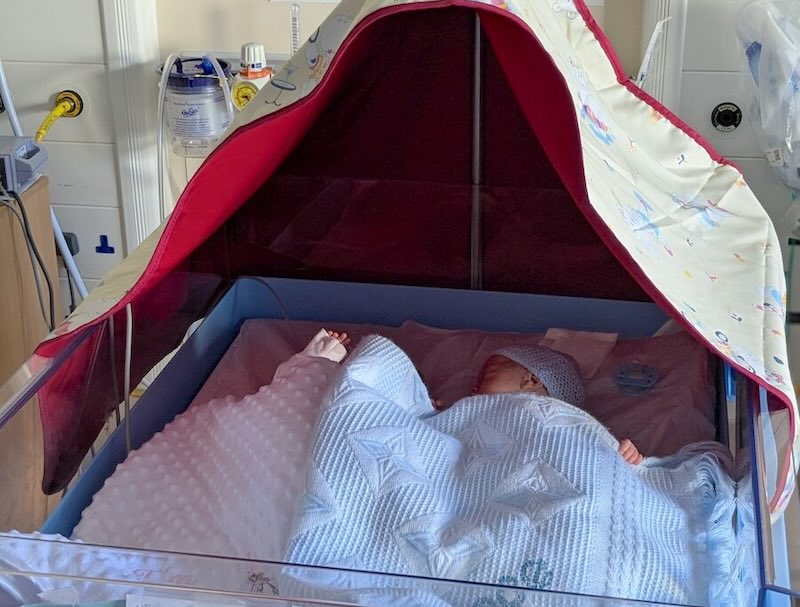
“It’s much easier for families to interact with their babies, which is so important, and it really helps support the kind of personalized care we strive to give every day.”
ANOTHER PREEMIE BREAKTHROUGH: ‘Angel Eye Cameras’ Let Parents of Premature Babies Check-in on Neonatal Ward Whenever Anxiety Strikes
Now proud great-grandparents Yvonne and Peter Prior are on a fundraising mission to ensure the neonatal unit can buy more twin cots to help other families in a similar position.
Yvonne, 67, said she is in awe of her ‘wee miracles’.
“Jennifer had a very tough pregnancy and was told to expect the worst at 20 weeks. It was a nightmare and we were all so worried at what lay ahead.
“She managed to hold on until she reached 29 weeks and Macie and Marcus arrived on January 10th this year.
A JOB FOR HUGGERS: Hug Therapy Helps Premature Babies Develop as Volunteers Sit in for Moms Who Can’t Be There
“From the minute they were delivered, they both needed specialist care and were the first to use the co-sleeping cot. This meant they could be together, and medics believe that made a massive difference to their progress.
“The twins continue to go from strength to strength. We could not be prouder.”
To give something back for the incredible care Macie and Marcus received, the family from Clydebank are backing Peter’s fundraiser this June, as he cycles 106 miles for the Glasgow Children’s Hospital Charity event called Stride the Clyde.
BEAUTIFUL NEWS: World’s Most Premature Baby Defies 1% Survival Odds to Break Guinness Record
“We wanted to do something to help others in a similar position. We saw first-hand how the co-sleeping cots transformed life for Macie and Marcus, and we want to do our bit to make sure the charity can fund even more specialist equipment for the neonatal unit.
So far, he’s raised over £1,300 (British Pounds) with his GoFundMe campaign, here.
DOUBLE THE IMPACT By Sharing the Preemie Breakthrough On Social Media…
Parents Should Sing More to Their Babies For the Positive Impact on Infant’s Mood–And Their Own


Many parents know that babies love to be sung to, but there’s been limited research into the longer-term effects of mothers and fathers singing to infants.
The new research shows that parents should sing to their babies more often because it really does have a positive impact on a child’s mood—and it also can benefit the health and well-being of moms and dads too.
Published in the journal Child Development, the study from an international team of scientists from New Zealand, Canada, the US and Netherlands, looked at the results of using a music enrichment intervention program that encouraged caregivers to sing more frequently to their babies.
The study was conducted with 110 parents and their babies, who averaged around four months old—with most of the caregivers participating from the US and New Zealand being white, educated, and above the poverty line. Study participants were randomly assigned to the intervention or a control group for the main portion of the study which lasted six weeks.
Parents in the intervention group completed a brief, smartphone-based music enrichment program designed to help them sing more often to their babies. They were given access to six instructional videos of simple songs presented in karaoke style, with lyrics synchronized to a bouncing ball and sourced from vintage songbooks, specially made for caregivers with limited music training.
Additionally, participants received a child-friendly songbook that featured infant-pressable buttons which activated song playback, accompanied by illustrations and lyrics for parents to sing along.
Weekly email newsletters also introduced ideas of how to incorporate singing into daily caregiving routines and presented research findings relevant to the benefits of musical parenting.
KNOW SOMEONE PREGNANT? Playing Classical Music to Babies in the Womb Can Stimulate Development, Affect Heart Rate and Nervous System
Throughout the study, the participants completed smartphone surveys up to three times daily, reporting on both baby and parent mood, stress, sleep quality, and music use.
The findings reveal positive causal effects from simple, low-cost interventions—such as increasing baby-directed singing. The interventions improved health outcomes for both babies and their parents during the four-week intervention.
“Our main finding was that the intervention successfully increased the frequency of infant-directed singing, especially in soothing contexts, and led to measurable improvements in infants’ general mood as reported by caregivers,” said Dr. Samuel Mehr, of Auckland University, New Zealand.
“One interesting finding was how intuitively caregivers incorporated singing into soothing routines for their infants, even though the intervention did not explicitly instruct them to use singing for this purpose.”
MUSIC FOR PREEMIES: Lullabies Can Actually Improve the Health of Premature Babies in Hospital –And Their Family’s Health Too
“Encouraging parents and caregivers to sing more frequently to their infants can have a positive, causal impact on infant mood. Because infant mood is closely linked to parenting stress, caregiver-infant bonding, and later social-emotional development, such a simple intervention could have meaningful downstream benefits.”
“For pediatricians and professionals working with families, recommending increased infant-directed singing is a practical, accessible strategy to support infant well-being. It’s easy to do, requires no special equipment or training, and is accessible to everyone.”
“Singing is a universal practice—parents from almost every culture and throughout history have intuitively used singing to soothe and connect with their infants.
SPONTANEOUS SONG: Canadian Crowd Belts Out U.S. National Anthem When Mic Suddenly Fails in the Middle (WATCH)
Dr. Mehr says that, despite the intervention lasting only four weeks, the team observed “clear benefits” for infant mood.
“Such positive effects may be even more pronounced with longer-term, higher-intensity interventions—and may also extend to additional aspects of infant health beyond mood.”
The research team is now working on longer follow-up studies comparing the effects of singing, listening to music, and reading on the mood of babies.
TURN UP THE SINGING By Sharing The Valuable Advice on Social Media…
Your Weekly Horoscope – ‘Free Will Astrology’ by Rob Brezsny
Our partner Rob Brezsny, who has a new book out, Astrology Is Real: Revelations from My Life as an Oracle, provides his weekly wisdom to enlighten our thinking and motivate our mood. Rob’s Free Will Astrology, is a syndicated weekly column appearing in over a hundred publications. He is also the author of Pronoia Is the Antidote for Paranoia: How All of Creation Is Conspiring To Shower You with Blessings. (A free preview of the book is available here.)
Here is your weekly horoscope…
FREE WILL ASTROLOGY – Week of May 31, 2025
Copyright by Rob Brezsny, FreeWillAstrology.com

GEMINI (May 21-June 20):
Gemini author Jean-Paul Sartre was offered the Nobel Prize for Literature in 1964. But he rejected it. Why? He said that if he accepted it, he would be turned into an institution and authority figure, which would hinder his ability to critique politics and society. He was deeply committed to the belief that a writer has an obligation to be independent and accountable only to their conscience and audience, not to external accolades or validations. I think you are in a Sartre-like phase right now, dear Gemini. You have a sacred duty to be faithful to your highest calling, your deepest values, and your authentic identity. Every other consideration should be secondary.
CANCER (June 21-July 22):
You are now highly attuned to subtle energies, subliminal signals, and hidden agendas. No one in your sphere is even half as sensitive as you are to the intriguing mysteries that are unfolding beneath the visible surface. This may be a bit unsettling, but it’s a key asset. Your ability to sense what others are missing gives you a unique advantage. So trust your intuitive navigation system, Cancerian, even if the way forward isn’t obvious. Your ability to sense underlying currents will enable you to avoid obstacles and discern opportunities that even your allies might overlook.
LEO (July 23-Aug. 22):
Underground fungal networks are essential for the health of ecosystems. They connect plant roots and facilitate transfers of nutrients, water, and communication signals between various species. They enhance the fertility of the soil, helping plants thrive. In accordance with astrological indicators, I invite you to celebrate your equivalent of the underground fungal network. What is the web of relationships that enables you to thrive? Not just the obvious bonds, but the subtle ones, too: the barista who has memorized your order, the neighbor who waters your plants when you’re away, the online ally who responds to your posts. Now is an excellent time to map and nurture these vital interconnections.

VIRGO (Aug. 23-Sept. 22):
Virgo author Chimamanda Ngozi Adichie warns about “the danger of a single story.” She tells us that authentic identity requires us to reject oversimplified narratives. As a Nigerian woman living in the US, she found that both Western and African audiences sought to reduce her to convenient categories. She has not only resisted that pressure, but also outwitted and outflanked it. She mixes an appreciation for pop culture with serious cultural criticism. She addresses both academic and mainstream audiences. I offer her up as your role model, Virgo. In the coming weeks, may she inspire you to energetically express all your uncategorizable selves.

LIBRA (Sept. 23-Oct. 22):
Where have you not yet traveled but would like to? What frontiers would your imagination love for you to visit, but you have refrained? Now is the time to consider dropping inhibitions, outmoded habits, and irrelevant rules that have prevented you from wandering farther and wider. You have full permission from life, karma, and your future self to take smart risks that will lead you out of your comfort zone. What exotic sanctuary do you wish you had the courage to explore? What adventurous pilgrimage might activate aspects of your potential that are still half-dormant?

SCORPIO (Oct. 23-Nov. 21):
Astrologers say that Scorpio is ruled by three creatures that correspond to three ascending levels of spiritual maturity. The regular Scorpio person is ruled by the scorpion. Scorpios who are well underway with their spiritual work are ruled by the eagle. The Scorpio who has consistently succeeded at the hard and rewarding work of metaphorical death and resurrection is ruled by the phoenix—the mythical bird that is reborn from the ashes of its own immolation. With this as our context, I am letting you know that no matter how evolved you are, the coming weeks will bring you rich opportunities to come more into your own as a brilliant phoenix.

SAGITTARIUS (Nov. 22-Dec. 21):
By the 20th century, the 483-mile-long Seine River in France was so polluted that most of Seas off the coast of Singapore are heavily polluted. Some of the coral reefs there are showing resilience, though. They have developed symbiotic relationships with certain algae and bacteria that were formerly hostile. Their robustness lies in their adaptability and their power to forge unlikely alliances. That’s a good teaching for you right now. The strength you need isn’t about maintaining fixed positions or rigid boundaries, but about being flexible. So I hope you will be alert and ready to connect with unfamiliar resources and unexpected help. A willingness to adjust and compromise will be a superpower.

CAPRICORN (Dec. 22-Jan. 19):
Sometimes, disruptions are helpful prods that nudge us to pay closer attention. An apparent malfunction might be trying to tell us some truth that our existing frameworks can’t accommodate. I suspect this phenomenon might be occurring in your world. An area of your life that seems to be misfiring may in fact be highlighting a blind spot in your comprehension. Rather than fretting and purging the glitches, I will ask you to first consider what helpful information is being exposed. Suspend your judgment long enough to learn from apparent errors.
AQUARIUS (Jan. 20-Feb. 18):
This isn’t the first time I’ve said that your ideas are ahead of their time. Now I’m telling you again, and adding that your intuitions, feelings, and approaches are ahead of their time, too. As usual, your precociousness carries both potential benefits and problems. If people are flexible and smart enough to be open to your innovations, you will be rewarded. If others are rigid and oblivious, you may have to struggle to get the right things done. Here’s my advice: Focus on the joy of carrying out your innovations rather than getting caught up in fighting resistance.

PISCES (Feb. 19-March 20):
Sunlight can’t penetrate deeper than 3,280 feet into the ocean’s depths. Even at 650 feet down, a murky twilight zone prevails. But nearly 75 percent of deep-sea creatures can create their own light, thanks to a biochemical phenomenon called bioluminescence. Jellyfish, starfish, and crustaceans are a few animals that glow. I propose we make them your symbols of power in the coming weeks, Pisces. I hope they incite you to be your own source of illumination as you summon all the resilience you need. If shadowy challenges arise, resolve to emit your steady brilliance. Inspire yourself and others with your subtle yet potent clarity.
ARIES (March 21-April 19):
The strongest, most enduring parts of China’s Great Wall were the 5,500 miles built during the Ming Dynasty, 1368-1644. One secret to their success was sticky rice, an essential ingredient in the mortar. The resulting structures have been remarkably water resistant. They hold their shape well, resist weed growth, and get stronger as time passes. I hope you will find metaphorical equivalents to sticky rice as you work on your foundations in the coming months, Aries. Proceed as if you are constructing basic supports that will last you for years.
TAURUS (April 20-May 20):
The world’s most expensive spice is saffron. To gather one gram of it, workers must harvest 150 flowers by hand. Doesn’t that process resemble what you have been doing? I am awed by the stamina and delicacy you have been summoning to generate your small but potent treasure. What you’re producing may not be loud and showy, but its value will be concentrated and robust. Trust that those who appreciate quality will recognize the painstaking effort behind your creation. Like saffron’s distinctive essence that transforms ordinary dishes into extraordinary ones, your patient dedication is creating what can’t be rushed or replicated.
WANT MORE? Listen to Rob’s EXPANDED AUDIO HOROSCOPES, 4-5 minute meditations on the current state of your destiny — or subscribe to his unique daily text message service at: RealAstrology.com
(Zodiac images by Numerologysign.com, CC license)
SHARE The Wisdom With Friends Who Are Stars in Your Life on Social Media…
“Dare to believe in the reality of your intention and watch the world play its part, relative to its fulfillment.” – Neville Goddard

Quote of the Day: “Dare to believe in the reality of your intention and watch the world play its part, relative to its fulfillment.” – Neville Goddard
Photo by: Marc-Olivier Jodoin
With a new inspirational quote every day, atop the perfect photo—collected and archived on our Quote of the Day page—why not bookmark GNN.org for a daily uplift?

Good News in History, May 31
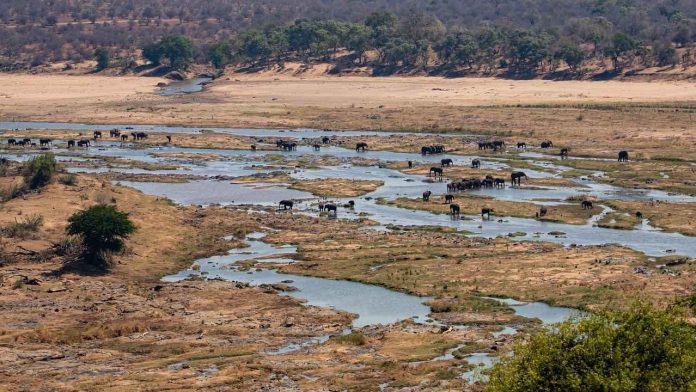
99 years ago today, Kruger National Park was established in Limpopo and Mpumalanga in northeastern South Africa. One of the largest game reserves on the continent, it is more than twice the size of Yellowstone, at 7,576 square miles (19,623 square kilometers). Part of the Great Limpopo Transfrontier Park, it crosses over the border with Mozambique and Zimbabwe, forming a protected area bigger than Belgium where animals have room to roam to their heart’s content. READ more about South Africa’s wildest corner… (1926)
Daredevil Researchers Rediscover Mysterious Gecko Thought Extinct – Or Even Imaginary
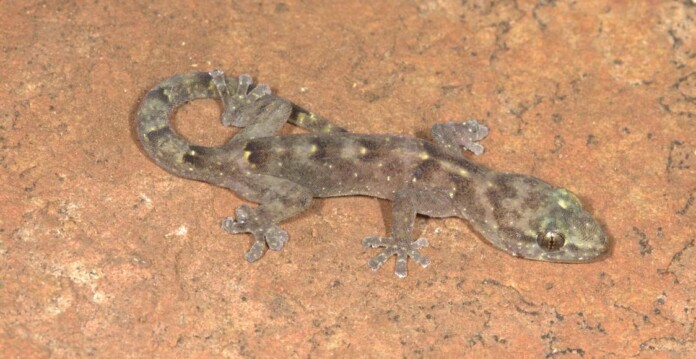
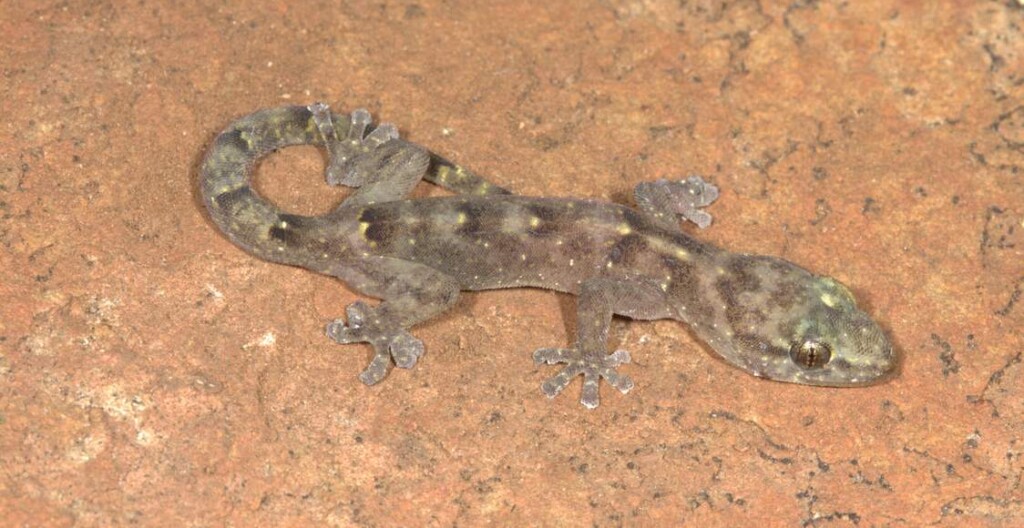
Dropped off via helicopter on a cliff edge high on a rocky escarpment in South Africa, an observer might have mistaken a pair of herpetologists for Army Rangers.
In reality, they were searching for a gecko species not seen in 30 years since the first instance it was recorded. So much time had passed without a sighting of the little desert-colored reptile that scientists had begun to doubt its existence.
The Blyde River flat gecko vanished from all knowledge after its first appearance in the scientific record in 1991, and being that there are other gecko species that look quite similar which live nearby, it was hypothesized that it might have just been a juvenile coloration of this other known species.
“Annoyed” by this lack of clarity, and armed with expedition permits that required two years to acquire, Darren Pietersen and John Davies from the Endangered Wildlife Trust (EWT) were flown via helicopter to the exact spot where the original gecko had been found.
“Having a species that is data deficient annoys me,” Pietersen told AP. “I’ve always loved the species that others wouldn’t study because they’re harder to find or obscure.”
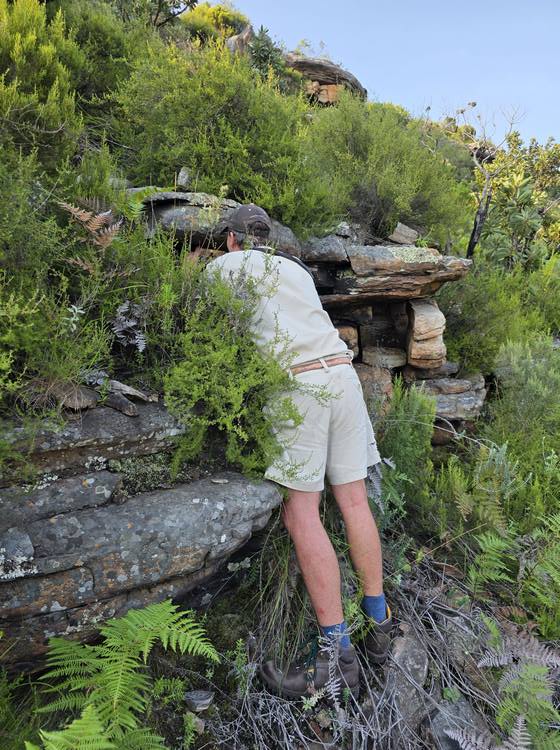
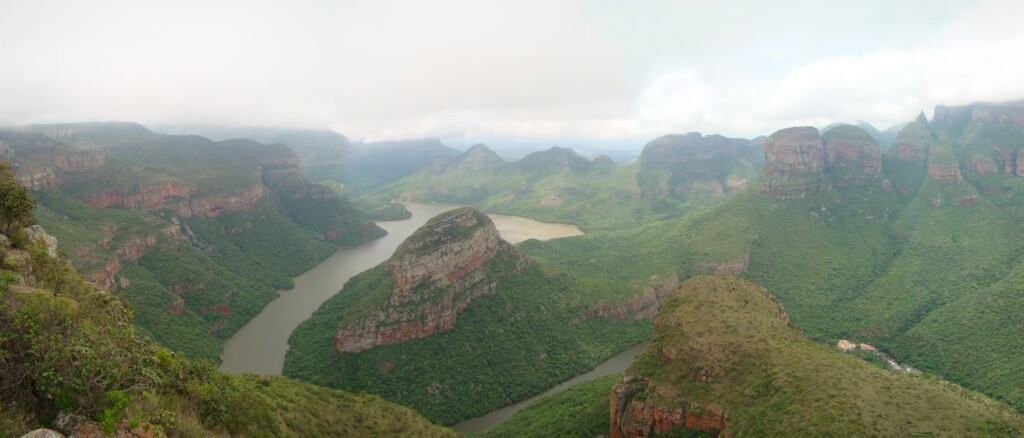
The flat gecko was found 300 feet atop a single escarpment, or inselberg, on Blyde River Canyon in Mpumalanga province in the far northeast corner of South Africa, and that proved to be a great place to start looking, as Davies and Pietersen found it again in short order after a 2-3 day camping trip.
They identified 20 to 30 individuals, photographed 7, and collected tissue samples from a few.
LOST AND FOUND:
- Presumed Extinct: World’s Smallest Otter Found in Busy Nepal River After 186 Years without a Sighting
- Mushroom Enthusiasts Help Find Species Lost to Science–Rescuing it from Nature’s ‘Top 25 Most Wanted’ List
- First Known Photos of ‘Lost Bird’ Not Seen in 2 Decades are Captured by University of Texas Scientists
- Tiny Golden Mole Not Seen in Almost 100 Years Rediscovered Thanks to Sniffing Dog and Determined Scientists
A statement from EWT said the tissue samples would facilitate an in-depth genetic investigation as to the taxonomic placement of this species within the genus, and to confirm its status as a distinct species.
Hippos, snakes, crocodiles, precipitous drops, and ankle-twisting terrain represented the risks of wandering about in the nature reserve, pulling up rocks in search of geckos.
Further data will then be collected so that the species’ threat status can be evaluated, the threats its faces determined, and the conservation actions required planned and implemented.
SHARE The Story Of This Successful Adventure With Your Friends…
London Design Museum Turns its Massive Warehouse Collection into Another Museum—with 250K Items
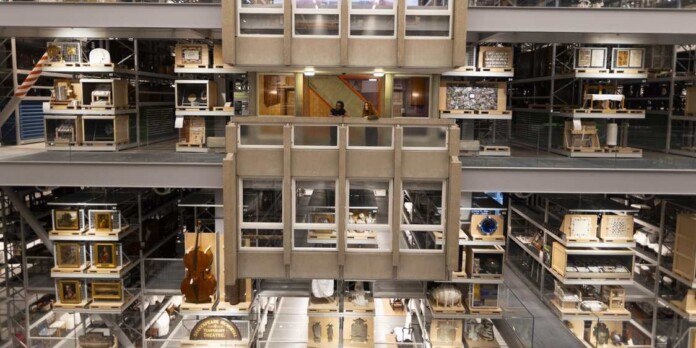
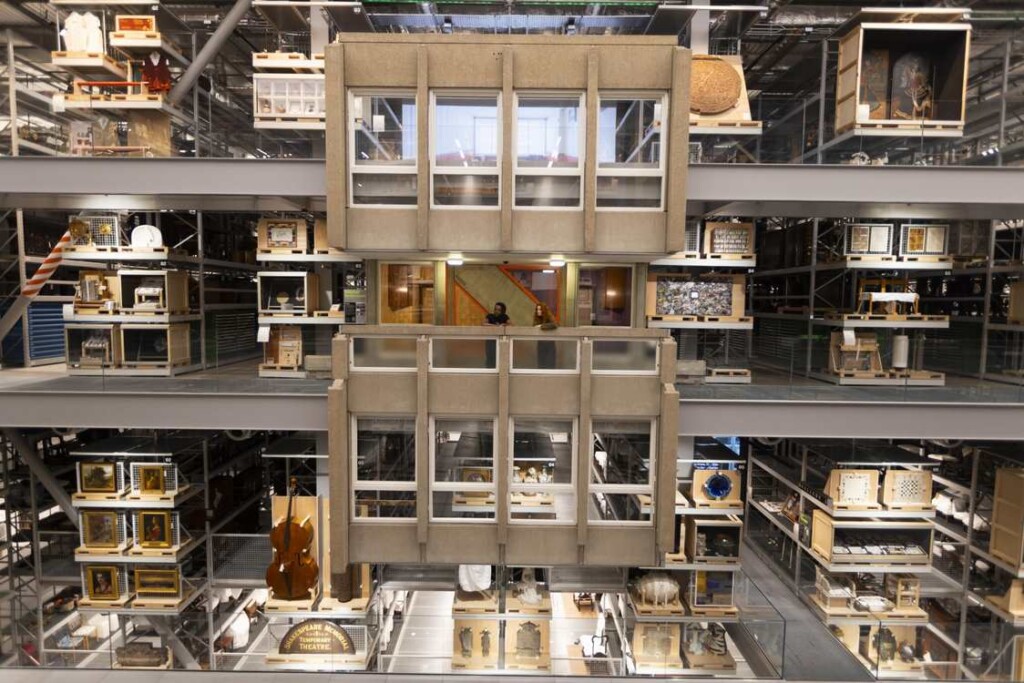
In London, organizers and staff have flipped a museum. Suddenly, the collection is the museum, and the exhibitions are whatever you decide.
At V&A East Storehouse, over 250,000 items sit inside carefully constructed storage warehouse wings waiting for a day that might have never came: the call that they would be included in a new or permanent exhibition at the London Design Museum.
One of the largest of its kind in the world, it owns everything from Roman frescoes to Renaissance paintings to the icons of mass production and haute couture.
Now however, museum curators and conservationists alike are encouraging the public to “lean into the delirium,” and enter a brand-new, 4 story gallery where visitors can view every single item, in a way not too dissimilar to the underbelly of a flatpack furniture showroom.
“This is real back-of-house museum work,” said the V&A East Storehouse’s senior curator Georgina Haseldine, on a visit by CNN. “We want visitors to learn what a collection is, how we store it… How colleagues work across the museum, from conservators to the technical service team.”
The “delirium,” which the V&A Storehouse design studio Diller Scofidio + Renfro spoke of, is the criteria by which the collection is organized: by age. As a result, you might hope to see the 14th century paintings of Simone Martini, but it could well be flanked by anything: a suit of armor, a thimble, a snuff box, a dining set, or a pair of fireplace tongs—before you see the next Martini.
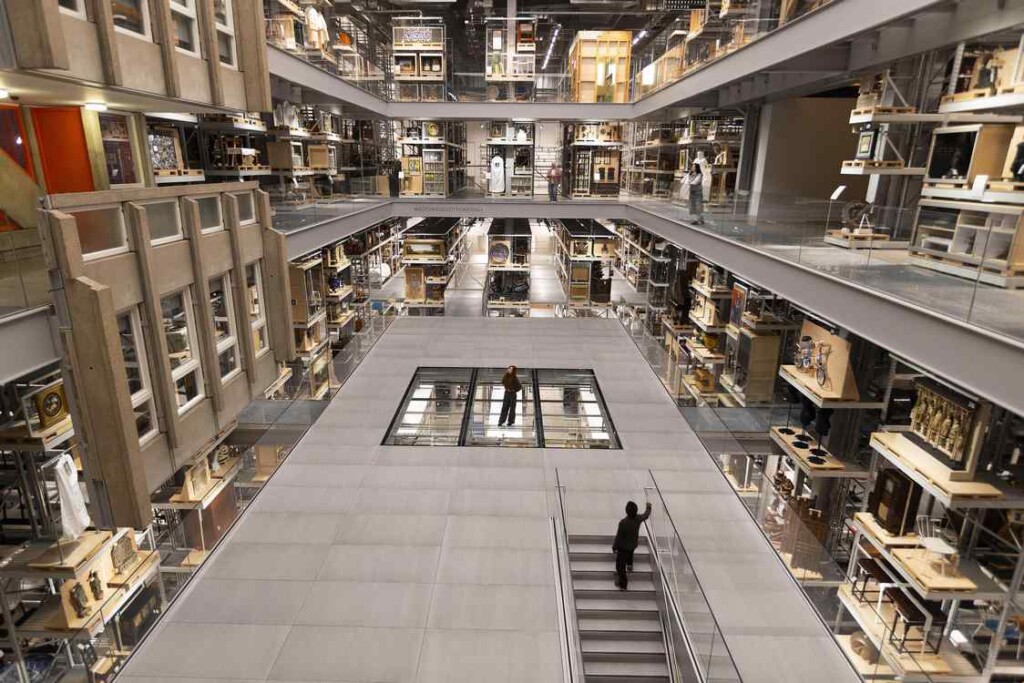
Especially large museums like London Design are encountering a problem whereby the number of items they are collecting continues to grow far in excess of gallery and exhibition space. It means the chance of all such items being selected for public view decreases.
Rather than continuing to vest the power of deciding what the public gets to see in themselves, in a stroke of democracy akin to the invention of Wikipedia, the curators and management have given the reins over to the public: and that includes on the objects themselves.
NEW MUSEUMS:
- Unused Train Stations Across US Are Being Revitalized into Hotels, Restaurants and Even Museums
- Smells Like History: Academics Recreate the Lost Smells of Europe for Museums
Anyone visiting V&A East Storehouse can apply to enter the conservation room and handle or examine any item in the collection; alongside short concise lessons on the conservation techniques of various materials of various ages.
“These collections belong to the public. And it’s just incredible that we can enable access,” Kate Parsons, director of conservation, told CNN.
SHARE This Wild New Museum Experience In London With Your Friends…
Tourists Stranded After Kangaroo Crash Receive 23 Days of ‘Unforgettable’ Help from Loving Locals

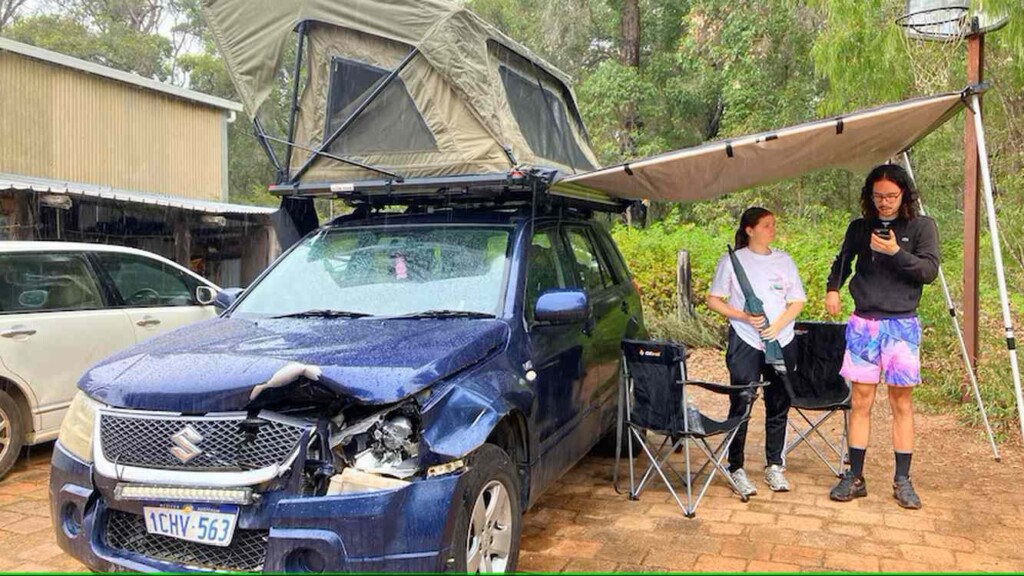
From West Australia comes the story of some ‘lucky’ misfortune, as a pair of road-tripping Frenchmen found a “second home” in a small town.
Nannup has just 1,500 inhabitants—many of whose hands were on deck to help the tourists after they hit a kangaroo and wrecked their car just 4 hours into what was supposed to be an epic road trip.
Melina Gitton and Florian Crepinior were about 135 miles south of Perth when they hit the roo in the dark, caving the front-left side of their new Suzuki and leaving it undriveable. The pair, perhaps unwisely, spent the vast majority of their trip money in buying the car, but left it uninsured.
The couple’s dream holiday had all the hallmarks of a travel nightmare.
“I think without this kangaroo we would never know about Nannup. We were unlucky, but in this unlucky we were lucky,” Mr. Crepinior said. “Until the end of my life, for sure, I will never forget that.”
What he won’t forget was the arrival of locals from the town of Nannup, who helped get them and their car to the home of Kate and Craig Jenkins, two residents who opened their hearts and doors to the stranded visitors for the next three weeks, including Easter.
According to ABC News Australia, it didn’t take long for word to spread about the “Frenchies” in the town, and welcomes, well-wishes, even donations to help fix the car, soon arrived in heaps.
THE KINDNESS OF STRANGERS: Dock Worker Brings Stranded Ferry Passengers Home: ‘You’re All Staying at My House Tonight’
The Parisian pair said it was something they’ve never experienced. While staying at the Jenkins household, they attended local sports events and enjoyed time with their unexpected hosts while Craig and Florian—neither of whom are mechanics—managed to nearly fix the car all by themselves.
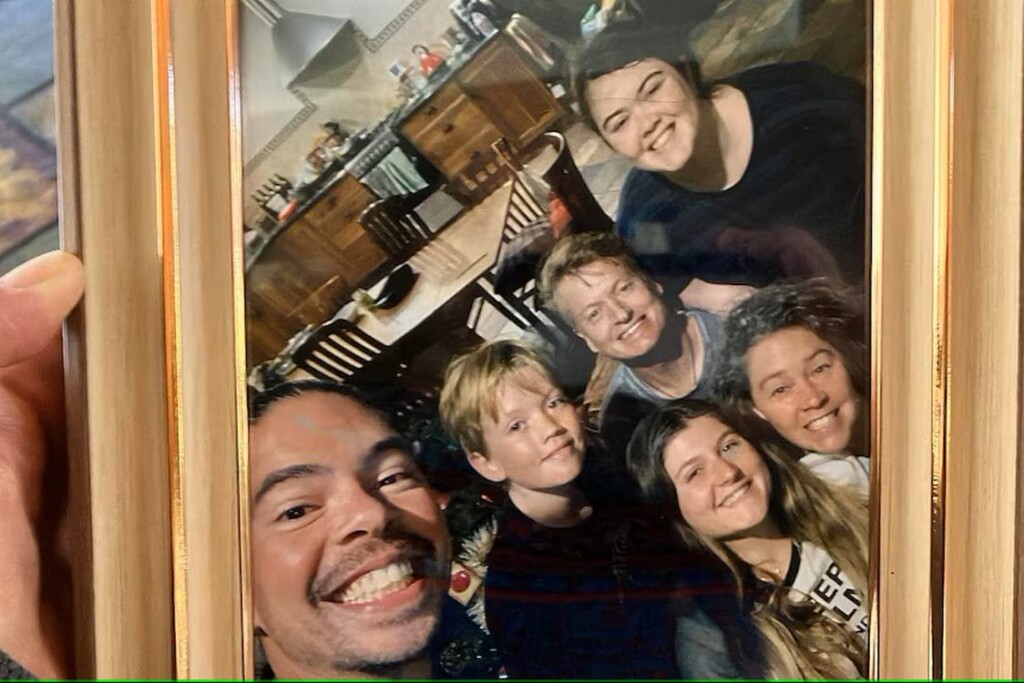
“Neither of them had done it before but they worked it out together. Then what they couldn’t figure out our local mechanic in Nannup fixed up the last few bits,” Ms. Jenkins told ABC.
MORE STORIES LIKE THIS: Americans Who Took-in Stranded Koreans During Christmas Blizzard Just Flew Over the Ocean to Visit Their House
Kate and Craig’s children, perhaps while watching the blue Suzuki finally back out onto the road, began insisting a sign be put up outside of town reading “travelers are welcome to crash here.”
SHARE The Name And Nobility Of This Small West Australian Town…
World’s Most Famous Waltz to Be Beamed into Space on Composer 200th Birthday, and EU Space Agency’s 50th


You’ve heard the famous “Blue Danube” waltz—even if the name doesn’t ring any bells. Trust us on this one.
Composed by the Austrian “Waltz King” Johann Strauss II, it has been borrowed for every kind of media imaginable, from commercials to Looney Tunes shorts.
Today in Europe, an interesting confluence will occur when the Waltz King’s 200th Birthday will coincide with that of the European Space Agency’s 50th.
Embodying the often playful nature of humanity’s relation with space and our exploration of it, “Blue Danube” will be beamed into space via the Vienna Symphony Orchestra tomorrow, May 31st.
ESA is taking a leaf out of NASA’s playbook this time, as the American equivalent also celebrated its 50th anniversary in 2008 by transmitting a song directly into deep space: the Beatles’ “Across the Universe.”
The live performance, which will be livestreamed in public in New York City, Madrid, and Vienna, Strauss’ birthplace, will be an accompaniment to the actual radio transmission—recorded today to avoid technical issues in converting sound files to radio waves. Both the live performance and the transmission though will happen simultaneously.
Or rather, they will begin simultaneously, because once the ESA controllers hit play, “Blue Danube” will depart Earth’s atmosphere in less than a second, and be passing Mars long before the musicians lower their bows and brass.
It will take 23 hours to arrive at Voyager 1, the farthest off man-made object still in communication with Earth, more than 15 billion miles away in interstellar space.
ALSO CHECK OUT: The Inspiring and Playful Hidden Message in the Mars Perseverance Rover’s Parachute
Following its inception, ESA collaborated with NASA on the International Ultraviolet Explorer (IUE), the world’s first high-orbit telescope, which was launched in 1978 and operated successfully for 18 years.
A number of successful Earth-orbit projects followed, and in 1986 ESA began Giotto, its first deep-space mission, to study the comets Halley and Grigg–Skjellerup. Hipparcos, a star-mapping mission, was launched in 1989 and in the 1990s SOHO, Ulysses and the Hubble Space Telescope were all jointly carried out with NASA.
MORE FUN SPACE STORIES: A Formation That Looks Like a Grizzly Bear Spotted on Mars by NASA Camera
ESA’s most recent and grandest achievements have been their key collaboration with the James Webb Space Telescope, and the Cassini space probe, again with NASA’s help, which went to explore the moons of Saturn, providing the best data and images collected of these mysterious bodies.
The founding member states included, Belgium, Denmark, France, West Germany, Italy, the Netherlands, Spain, Sweden, Switzerland, and the United Kingdom, but has since grown to include all of Western Europe, including Austria, Strauss’ home country.
Livestreams are available on the Waltz into Space website, here.
SHARE This Playful Celebration Of Europe’s History And Home And At Space…
“Hope is independent of the apparatus of logic.” – Norman Cousins

Quote of the Day: “Hope is independent of the apparatus of logic.” – Norman Cousins
Photo by: Joshua Earle for Unsplash+
With a new inspirational quote every day, atop the perfect photo—collected and archived on our Quote of the Day page—why not bookmark GNN.org for a daily uplift?

Good News in History, May 30
50 years ago today, the European Space Agency was founded by ten member states: Belgium, Denmark, France, West Germany, Italy, the Netherlands, Spain, Sweden, Switzerland, and the United Kingdom, that united two disparate space agencies into the one entity which today has been instrumental in several giant leaps for mankind. READ more… (1975)
Viral Photo of Teen Working the Night of Graduation Raises Praise and $100k for College


A Georgia woman was so blown away by the work ethic of a teen who clocked in for a late evening shift at Burger King just after graduating high school, she decided to help with his college tuition.
Setting up a GoFundMe to tell the youth’s story, it raised $20,000 in no time at all, and the woman returned to the Burger King shortly thereafter to surprise him.
Wearing a cap and a gown, Mykale Baker had just been handed his diploma and a medal to wear around his neck when he became aware that orders were piling up at the Burger King where he worked.
Still wearing the medals and the gown, Baker drove over and clocked in at the drive-thru window. While Baker’s friends celebrated into the night, Maria Mendoza, a mother who had just watched her daughter graduate, stopped by the same Burger King for a late dinner when she saw Baker at work.
“He was so kind, so polite,” she told 11 Alive News. “Radiating joy, even after such a big day. His dedication and quiet strength really moved me. I felt called to do something to recognize that.”
Without saying anything, Mendoza set up a GoFundMe to help pay for his college. And, the viral photo raised tens of thousands in a few days. 11 Alive News reports that Baker was considering enrolling in the military to help with school, but he might have had a second thought after Mendoza came back with the big news: he was the proud owner of a $100,000 college fund.
GREAT GOFUNDMES:
- 81-year-old Waitress Couldn’t Retire, so a Stranger Raised Over $300K for Her
- Classy Ravens Fans Return the Favor for Foes–After Bills Player Drops Ball in Heartbreaking Playoff Loss
- Officer Crowdfunds $40K for Pizza Driver Who Only Got $2 Tip in Snowstorm Delivery
- TikTok Landscaper Raises $800K for Elderly Disabled Woman Who Couldn’t Find Anyone to Mow Her Lawn
“He doesn’t even know his story went viral. But thousands of people were moved by his dedication, humility, and work ethic,” Mendoza wrote.
She hopes the story will convince others to pay attention when teens are putting in the extra miles, to honor that hard work if possible.
WATCH the video below from local news…
CELEBRATE This Teen’s Good Work And Better Fortune…
Heroic Youngsters Pictured Saving Couple and Baby from Flipped Car
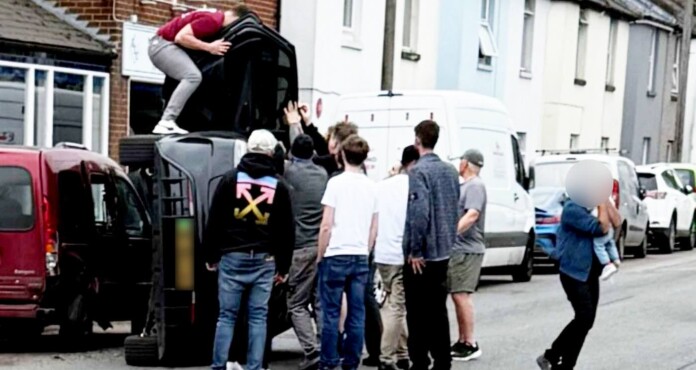
From the south of England comes the eyewitness account of a road rescue by a hoard of good, young, Samaritans.
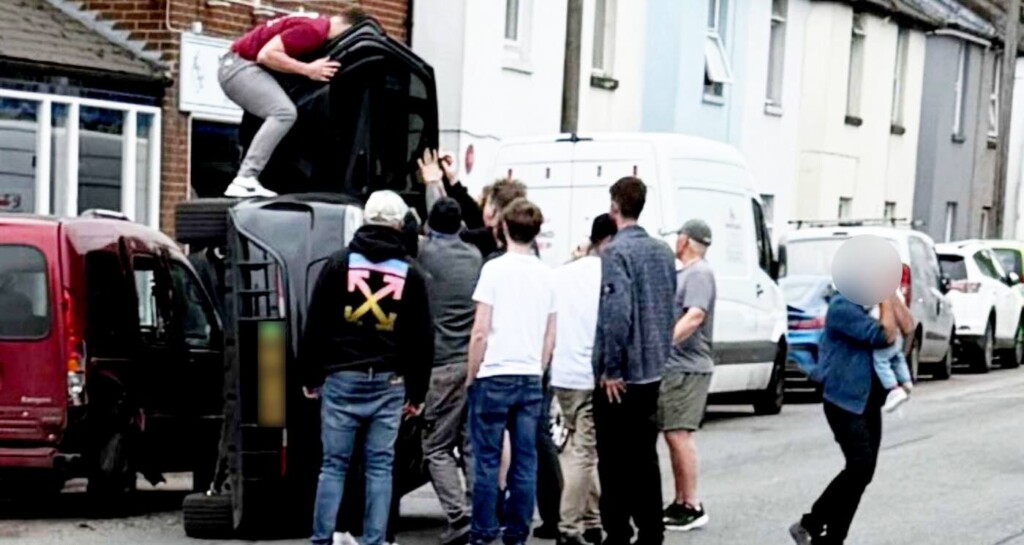
A photograph taken by a bystander shows one of the rescuers on top of the vehicle after it crashed, as well as a man and his 11-month-old son, who had been dragged from the wreckage by those who rushed to help.
The baby’s mother, still trapped inside at the time, was soon helped out through a passenger-side window.
Robert Winstanley took the picture as he was walking to a supermarket at about 5pm yesterday.
“Just as I was coming to the Esso garage, I saw all of these youngsters, about 100 yards away, rush into the road.”
“As I got closer, I could see a car had flipped onto its side, and some of them were standing on the roof trying to reach those trapped inside.”
TEENS TO THE RESCUE:
- ‘Hero’ Gamer Thwarts Attack on California School by Reporting Teens Discussing Bombing Intentions Online
- He Was Injured with Crutches When a Group of Scary Teens Offered ‘the Kindness of Strangers’
- Teen Rescuer Bravely Rides Scared Horse 14 Miles Out of Burning Canyon – WATCH
- N. Carolina Youth Pulls Couple and Dog from Pickup Truck Sinking in Floodwaters
Mr. Winstanley says the group of teens pulled the father and baby from the car before rescuing the mother.
“I spoke to her while they were waiting for an ambulance to arrive,” he remembered. “She was understandably in shock and crying, but they were all unhurt.”
“It was really heartening to see, especially given what is often said about young people,” Winstanley said. “After everyone was out of the vehicle, they were all shaking each other’s hands and high-fiving each other.”
SHARE The Good News, Especially Given What Is Often Said About Young People…
This German Town Carefully Reconstructed a 5,500-Year-Old Monument Lifting 13 Tons of Stone
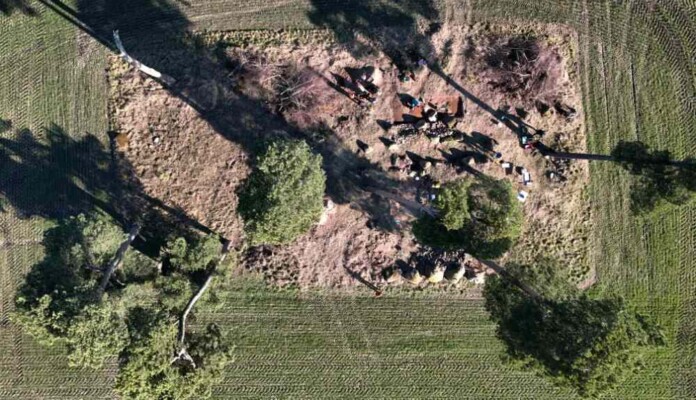
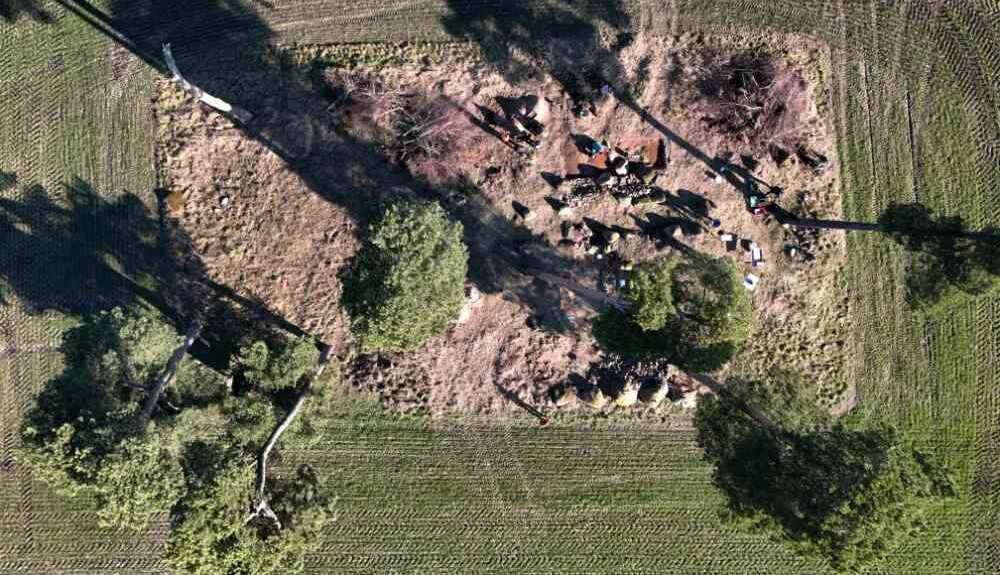
People find time to volunteer for all manner of projects, and in Germany, a community recently got together to pitch in for the sake of their local, 5,500-year history.
The Neolithic burial site of Küsterberg is located in the German state of Saxony-Anhalt’s Haldensleben forest, and dates back to the time of Stonehenge. It was first excavated between 2010 and 2013, during which archaeologists made a detailed map of the site’s original layout.
Based on archaeological finds, the excavation team was able to determine a first-use date of around 3,600 BCE. During the transition from the Bronze to the Iron age, around 1,000-600 BCE, however, some of the 19 large “orthostats” or standing stones were disturbed, leading to the structure’s partial dismantling.
Thousands of years passed and modern developments and land use further degraded the site, until a project was dreamed up by the Saxony-Anhalt State Office of Monument Preservation and Archaeology to rebuild the original structure to mark the European Day of Megalithic Culture, an annual holiday on the last Sunday of April.
With the help of locals from the town armed with an excavator, archaeologists directed the reassembly of the orthostats and the 13 tons worth of granite capstones which enclosed the burial bit.
16 megaliths ringed the burial chamber, spaced 6.5 feet apart. These were also returned, as were the shards of stone called graywicke which covered the burial chamber floor and the space between the megaliths.
The ensemble was ringed by an earthen mound, which archaeologists suspect was built with dirt taken from a nearby hill. Additional archaeological work in the forests of Haldensleben has identified ten settlements from the time, which may explain the monumentality of Küsterberg.
ALSO CHECK OUT: Discovery of Immense Fortifications Dating Back 4,000 Years Enclose Khaybar Oasis in Northwest Arabia
Küsterberg is aligned on an east to west line, consistent with many Neolithic sites around Europe to correspond to the rising and setting sun.

The reconstructed Küsterberg megalithic tomb is intended to inspire visitors with enthusiasm for the region and its long history.
MORE MONUMENTAL EUROPE: Much Like Stonehenge, Solstice Sunlight Would Have Danced on the Walls of This Neolithic Spanish Tomb
It will be added as an attraction to both the 24-mile long “4 million years of human history” circular route around Haldensleben, and the 48-miles long Aller-Elbe cycle path.
Additionally, the site has been added to a very cool travel idea known as the The European Route of Megalithic Culture, a network of linked sites and museums from Denmark, England, Germany, The Netherlands, Portugal, Spain and Sweden that highlight Europe’s incredible legacy of ancient stone-moving.
MOVE This Heavy Story Over To Your Friends’ Social Media…
Hyper Efficient Solar-Powered Desalination System Requires No Extra Batteries to Purify Groundwater


An engineering team from MIT have designed a solar-powered groundwater desalination device that could supply over 1,000 gallons per day and doesn’t require batteries.
Envisioned as a way to provide water to communities whose groundwater is too brackish to drink, the device’s real trick is that it adjusts its desalination activity in response to the amount of solar power it’s producing.
Multiple times every second, the central control module takes readings of the strength of the sunlight and pumps correspondingly more or less water through the electrodialysis membrane stack. This innovation allows the whole package to skip the necessity for battery storage for times when the panels are producing more energy than the system is using.
No batteries means much lower costs and shipping weight, making it ideal for rural communities in arid parts of the Global South or southern United States with ample yearly sunshine and brackish groundwater.
Electrodialysis is one of two methods for desalinating water, with the other being reverse osmosis. Both have drawbacks at both the micro and macro scale, and in the case of electrodialysis, it requires electricity which is typically produced by fossil fuels. Renewables have replaced them before, but challenges persist.
“The majority of the population actually lives far enough from the coast, that seawater desalination could never reach them. They consequently rely heavily on groundwater, especially in remote, low-income regions,” says Jonathan Bessette, MIT PhD student in mechanical engineering and co-author on the project.
“[U]nfortunately, this groundwater is becoming more and more saline due to climate change. This technology could bring sustainable, affordable clean water to underreached places around the world.”
For Bessette and the team behind the invention, their biggest challenge was establishing feedback mechanisms in the system that were sharp enough to detect minute changes in sunlight—for example if a whisp of cloud passes by.
MORE FROM MIT: MIT Makes ‘Astonishing’ Discovery That Light Can Vaporize Water Without Heat–for Clean Energy and Desalination
Over months of testing and improvements, their “flow command-current control” module gradually reached the point at which 94% of the solar power generated by the panels was utilized immediately to pump water through the desalination system without any lag and any transfer of power to a battery.
During a 6-month field trial at the Brackish Groundwater National Desalination Research Facility in Alamogordo, New Mexico, the system produced 5,000 liters of water per day despite large swings in weather and available sunlight.
DESALINATION NEWS: Wave-Powered Desalination System Produces 13,000 Gallons of Drinking Water a Day From Each Buoy
“Conventional desalination technologies require steady power and need battery storage to smooth out a variable power source like solar,” explains Amos Winter, a decorated professor of mechanical engineering at MIT. “Being able to make drinking water with renewables, without requiring battery storage, is a massive grand challenge. And we’ve done it.”
Amos and Bessette are now looking to form a company to develop the technology into a product to help water-stressed communities worldwide.
SHARE This Ingenious Advancement In Remote Desalination With Solar Power…
“When love is at its best, one loves so much that he cannot forget to do so.” – Helen Hunt Jackson

Quote of the Day: “When love is at its best, one loves so much that he cannot forget to do so.” – Helen Hunt Jackson
Photo by: Kurt Stocker (CC license)
With a new inspirational quote every day, atop the perfect photo—collected and archived on our Quote of the Day page—why not bookmark GNN.org for a daily uplift?

Good News in History, May 29

260 years ago today, former Virginia governor and revolutionary Patrick Henry was not only born, but used his 29th birthday as an occasion to deliver a rousing speech is response to the British Parliament passing the Stamp Act. In response, Henry introduced the Stamp Act Resolves to the House of Burgesses in Virgina. Though his speech is only quoted today from recollections decades later by men not present, the general conensus is that at a certain point, Henry suggested that King George III be killed, to which a cry rang out “Treason!” Henry is supposed to have said “If this be treason, make the most of it!” READ about the Stamp Act and Henry’s life in general… (1739, 1765)
Locals Release 10 Endangered Siamese Crocodiles into Laos Wetlands to Save Species from Extinction
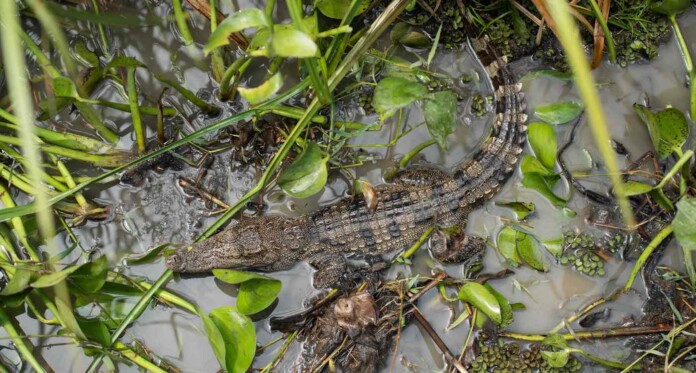
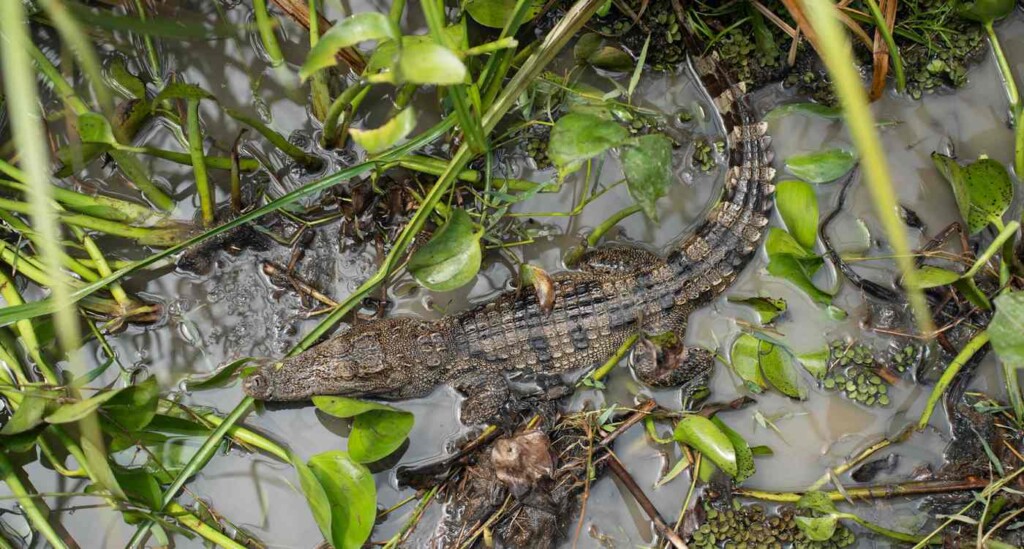
While less than 1,000 Siamese crocodiles remain in the wild, community members in Laos have released ten of the rare animals into a local wetlands to boost the population.
While crocodiles are not hunted, the species (Crocodylus siamensis) is ranked as Critically-Endangered by the International Union for Conservation of Nature because of the threats of entanglement in fishing nets, the clearance of wetlands, and seasonal draining of habitat to expand dry-season rice cultivation.
Unlike many of its other aggressive cousins, the Siamese crocodile is not a threat to humans. Communities that reside close to the species’ habitat hold the crocodiles in high regard spiritually—believing they bring good luck.
The Xe Champhone Wetland where they were released is located in the Savannakhet province which represents the larger of two ‘Ramsar sites’ (Wetland of International Importance).
It’s home to an abundance of aquatic biodiversity such as endangered turtle species and waterfowl.
A dedicated conservation program for the Siamese crocodile is in place in the four target districts where they’re found. Volunteers work with government officials and eggs are collected to be transported to the village administration office for incubation at ambient temperature for about two months.
Once hatched, the baby crocodiles will be raised for about 32 months—at which time they will exceed 3 feet in length—and then released back into the wetlands. 163 small crocodiles are currently being nursed by the crocodile conservation team at the village level.
ALSO CHECK OUT: New National Park Widens Protection of Legendary ‘Asian Unicorn’ Mountain Home
Since the start of the program, a total of 183 crocodiles have been successfully released back into the wild. 6 to 8 nests are being found each year, and based on these nest counts, an estimated population of 200-250 Siamese crocodiles inhabit the Xe Champhone Wetlands.
A new visitor center boosts enthusiasm
The new visitors’ center offers an immersion in the incredible biodiversity of the Xe Champhone wetlands. With educational panels displayed all along the visitors’ path as well as wall murals on the crocodile’s life.
SOUTHEAST ASIA’S WILD SIDE: Asia’s Extraordinary Jumping Bird Now Thriving in Captivity–a Hopeful Halt to Population Slide
“I hope that the opening of the Xe Champhone Wetland and Crocodile Information Center, along with today’s release of the crocodiles, will bring lasting benefits to local communities as part of a long-term conservation effort,” said Mr. Khammone Thilavong, Deputy Director of Provincial Forestry and Agriculture Ministry, according to the Wildlife Conservation Society, which assisted in the reintroduction, and released a statement on the success.
CHECK OUT THE BABY BOOM: First Back-to-Back Gharial Crocodiles Born in N. America to Help Save Endangered Species With 650 Left in Wild
“I also trust that everyone here shares a strong commitment to environmental preservation and the protection of these endangered species.”
SHARE This Effort To Preserve A Lucky Lizard With Your Friends…