













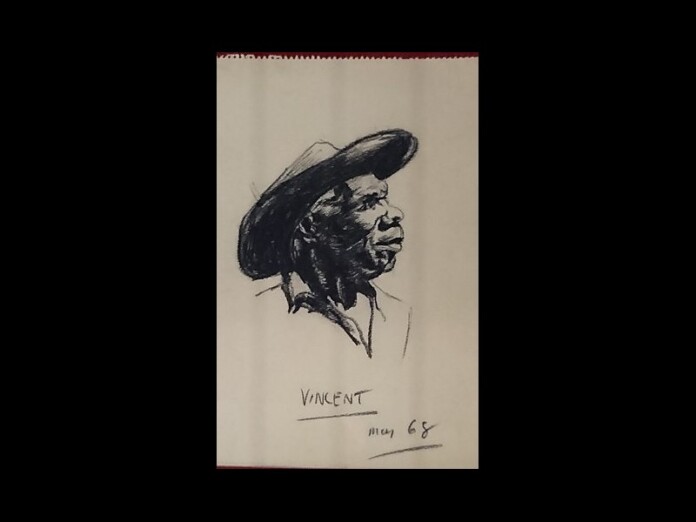
50 years ago today, Australian Prime Minister Gough Whitlam symbolically handed over land to the Gurindji people after the eight-year Wave Hill walk-off, a landmark event in the history of Indigenous land rights in Australia. Though initially interpreted merely as a strike against working and living conditions, the primary demands of the 200 or so Gurindji stockmen and house servants who had downed tools in the summer of 1975 were for the return of some of the traditional lands of the Gurindji people, which had covered approximately 3,250 square kilometers (1,250 sq miles) of the Northern Territory before European settlement. READ more about this historic day… (1975)
Good News in History, August 16
Stroke of Luck as GoFundMe Raises $100k for Baby’s Brain Surgery and Family Wins Appeal for Insurance to Cover
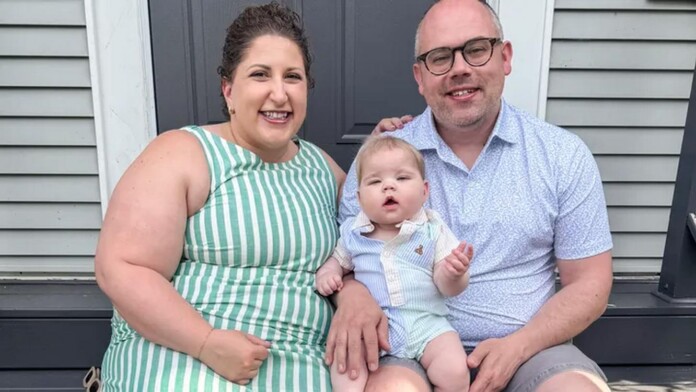
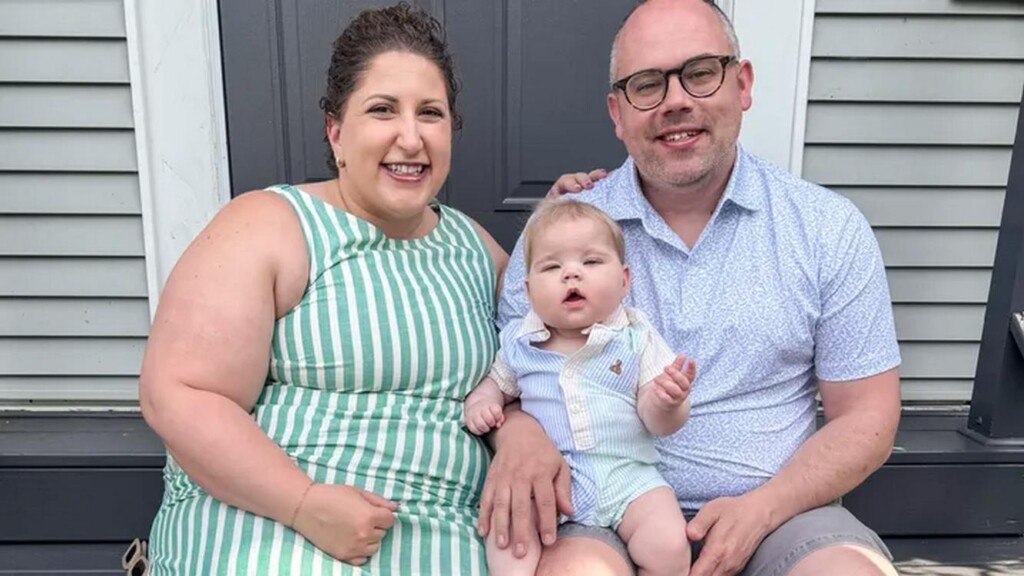
In a story that will stretch and strain every heartstring, an East Coast infant is set to undergo a complex brain surgery that will disconnect the left side of his brain from his right side.
This “hemispherotomy” was going to bring financial ruin upon parents Brad and Alyssa Casacci, whose son Cameron was born with a litany of health issues that eventually landed them in the position of needing to basically abandon their son’s left brain half to save the right.
It was going to bring financial ruin because Independent Health, the primary insurer of the Casaccis denied coverage for the surgery.
The story began in September 2024, when Cameron suffered from a blood clot and stroke after exhibiting seizure-like symptoms at just one day old. At Oishei Children’s Hospital in the Buffalo area, he was cared and attended to for 19 days before being discharged with a permanently damaged left brain hemisphere.
It would limit his motor, executive, and speech abilities, but at least their son was alive. Fed via tubes, and subject to intense post-traumatic therapies, Cameron began to meet major milestones until his seizure-like symptoms returned, and he was diagnosed with a form of treatment-resistant infantile epilepsy.
Cameron’s doctor recommended a rare and drastic surgery known as a hemispherotomy. The seizures were occurring in the damaged, left-half of his brain, and they risked damage to his intact right side.
Before the age of 4, the brain’s right side is capable of picking up almost all functions typically done in the left side, among which is language. For this reason, the surgery seemed like their best shot to give their son—not even a year old—any sort of decent future.
The likelihood of medication curing his seizures was only 5%, whereas there was a 92% chance the surgery would bring major quality of life of developmental relief. But there was a problem. Insurance denied their claim because the surgical option they had elected to pursue was out of state in Pennsylvania.
Pediatric neurosurgeons don’t tend to operate on children younger than 18 months old, and the only one prepared to do so was based in the Children’s Hospital of Pittsburgh.
A GoFundMe organized by friends of the Casacci family galvanized people from all around the world, who, according to the organizers, wrote the New York State legislators, wrote to news stations, and shared the story and fundraiser around the globe. Donations piled up until 98% of the $100,000 goal was raised.
Just as Cameron’s stroke and epilepsy seemed like lightning striking the same person twice, the incredible generosity of strangers was just the first in a double stroke of luck.
INSPIRING GOFUNDMES: Heroic Divemaster Rescues Cozumel Divers–and Public Raises $50k to Treat His Injuries
A second appeal letter filed on behalf of the Casaccis succeeded in getting the denial overturned: Independent Health would pay for the surgery.
“The GoFundMe truly exceeded all expectations,” the organizers wrote in an August 12th update. “We knew people would want to help Brad, Alyssa, and Cameron, but nothing could have prepared us for this outpouring of support. The real journey is only beginning, and while the surgery is the first major step toward a seizure-free life for Cameron, the family has years of therapies and treatments following the surgery.”
OTHER STORIES LIKE THIS: Preschool Teacher Spots Symptoms and Tells Parents, Leading to Child’s Early Diagnosis With Rare Disease
The Casaccis have consulted their lawyers and are using the GoFundMe to set up a medical trust for Cameron that will pay for intensive therapy programs, treatments, and home adaptations in the years to come while being protected from taxation.
No one knows what the future holds for this boy who has tottered on the brink for his earliest days, but at least the financial burden on this traumatized family isn’t something they need to carry with them as they face that uncertain, yet far more hopeful, future.
SHARE This Incredible Family Recovery With Your Friends…
Chemical Process Produces Critical Battery Metals from This Unloved Mineral with No Waste
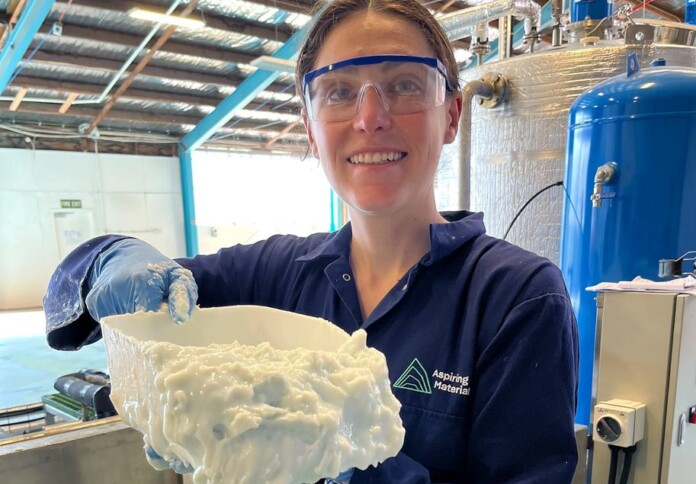
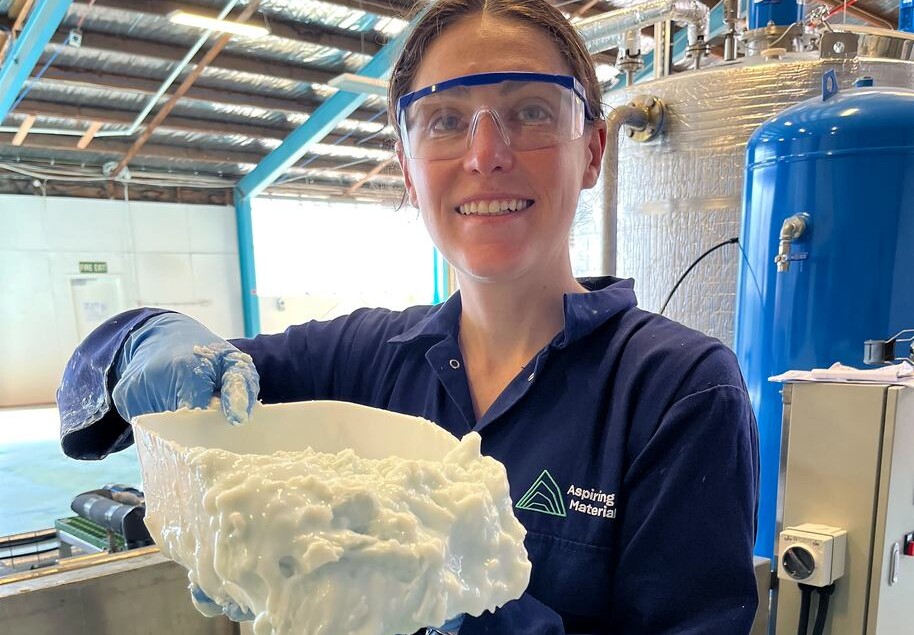
A startup venture in New Zealand has discovered a way to extract critical battery minerals from rocks piled up as waste in mining operations.
Olivine is of little value beyond a smattering of niche uses like the semi-precious peridot production, sauna rocks in Finnish saunas, and a substitute for dolomite in steel works.
Aspiring Materials, however, has identified this silicate as a font of nickel-manganese-cobalt hydroxide, a component that’s used in high-density lithium ion batteries needed all over the world for electric vehicles, power tools, and energy storage solutions.
Cobalt is almost exclusively mined in the Democratic Republic of the Congo, where issues such as violence, slavery, and human rights abuses have been well-documented. Nickel is produced mostly in Indonesia, and manganese in South Africa—both of whom export almost all of it for refinement to China.
Concerns among Western nations over critical minerals and the security, or lack thereof, in the supply of them has led entrepreneurs and engineers to look in non-traditional, potentially circular sources, for shoring up supply.
Enter olivine: which if pulled out of the ground during large-scale mining is typically piled up and sold as gravel. This unloved mineral can have nickel-manganese-cobalt hydroxide (NMH) leached out of it through a low-temperature, ambient pressure method that is powered by renewable energy.
According to a review of Aspiring Materials methods and strategy published in Spectrum, their small pilot plant in Christchurch, NZ, puts olivine sand into a series of vats and machines similar to those found in a dairy.
The sand is mixed with sulfuric acid until it becomes a sticky soup of elements. Several more steps of particle size and temperature control, along with a dash of caustic soda, produce three useful products.
50% of the extracted materials can be an analog to Portland cement, the most common building material in the world. 40% is a magnesium product that has a variety of uses, all of which are more valuable than the olivine itself.
THE CIRCULAR ECONOMY: This Home Siding Made from Rice Husks Saves Thousands of Trees and Diverts Crop Waste from Landfills
10% is a mixed metal product, of which 1% is the valuable NMH that governments around the world are trying to get their hands on.
The liquid remaining is funneled through electrolysis to recreate the acid needed to cause the reactions: a neat and tidy circular production method using widely available scrap material.
This kind of recovery and recycling is increasingly being valued for its dependability and low environmental impact.
MORE STORIES LIKE THIS: Chinese Scientists Produce ‘Impossible’ Steel to Line Nuclear Fusion Reactors in Major Breakthrough
Jim Goddin—who sat on the UK government’s expert committee that developed the country’s Critical Minerals Strategy in 2023—told Spectrum that while the high-acidic environment needed to extract NMH from olivine might result in a higher-cost end product, Western markets are progressively seeing cleaner production methods as worth the extra cost in the face of potential negative press from organizations that conduct reviews on sustainability.
SHARE This Story With Your Friends Who Work In Circular Markets…
Minnesota’s Largest Native American Reservation Celebrates First Home-Born Bison Calf
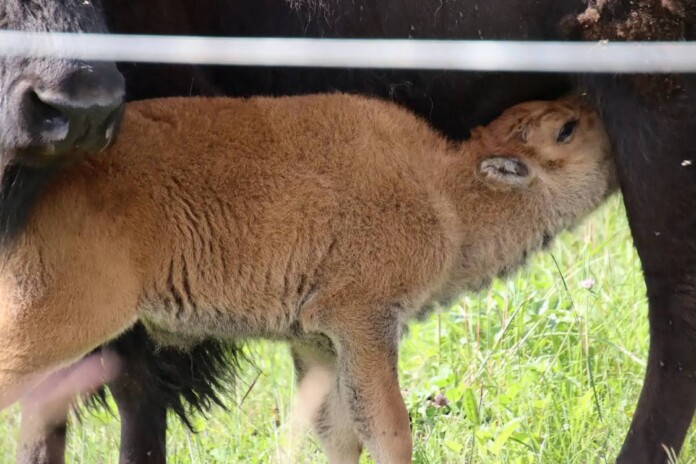
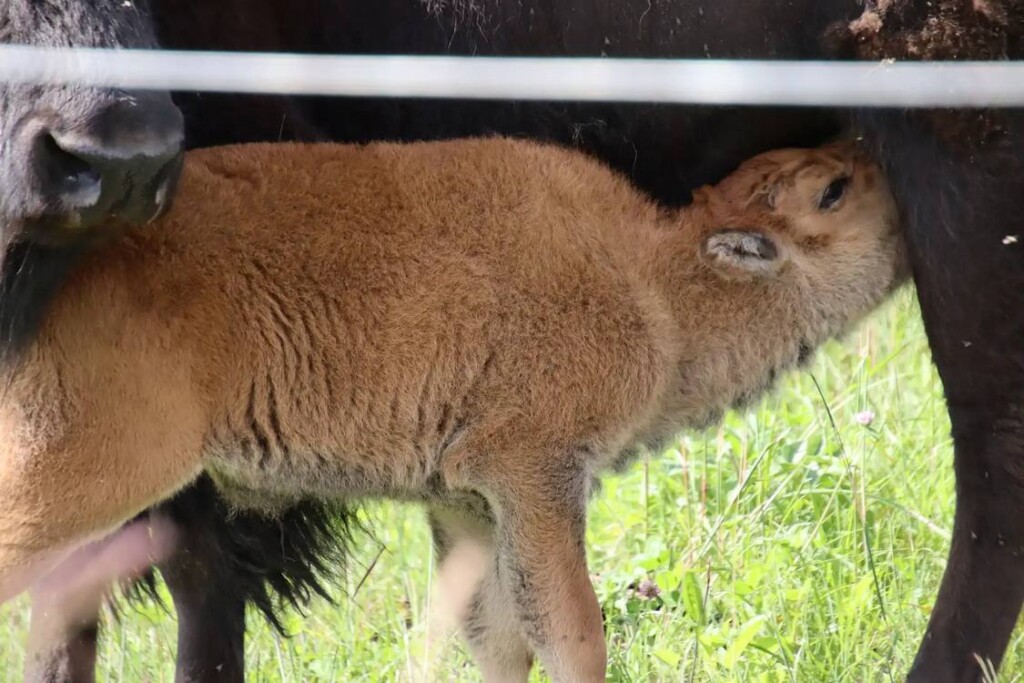
The White Earth Nation was surprised and overjoyed as a bison calf was born out of season, a sign the band said demonstrates “resilience, healing, and hope.”
It’s the first bison calf born on the White Earth Reservation since it started a buffalo harvest and breeding program two years ago through the Inter-Tribal Buffalo Council.
Bison typically give birth in the spring, and the tribe’s bison foreman, Jack Heisler, said it’s an example of how wildlife “doesn’t follow a script.”
“This bison calf being born, it didn’t follow a script either, because the mama is so young,” Heisler told MPR News.
The White Earth Band is the largest of the six band which make up the Minnesota Chippewa, and their reservation is the largest in the state by land area. Its bison herd numbers 10, a number the nation hopes to grow to 44 by next year.
The Inter-Tribal Buffalo Council is an association of 80 tribes and nations that organize the return of bison to native lands all across North America for spiritual, cultural, and nutritional enrichment.
As GNN has reported before, bison herds are native grazers, and have a “keystone” effect on the land they graze—generating a cascade of secondary and tertiary benefits that create a resilient and biodiverse prairie landscape.
BISON NEWS: Bison Return to Manitoba First Nation Lands for First Time in 100 Years – (WATCH)
“This historic birth marks a new chapter in our ongoing efforts to restore the bison to Anishinaabe lands, reconnecting with a sacred relative that once roamed freely across our homelands,” the tribe posted on Facebook. “The calf’s arrival is more than just a moment of joy. It’s a sign of resilience, healing, and hope for future generations.”
CELEBERATE With The Tribe The Birth Of Their First Buffalo (Bison) Calf…
Virtual Reality Experiences Can Beat Painkillers for Relief, New Study Using Oregon Waterfalls Finds
Virtual reality goggles and headsets absolutely exploded in the late twenty-teens, with products like the HTC Vive and Oculus offering incredible ways to experience video and gaming.
Now, scientists are using VR experiences to study how the brain reacts to pain by showing participants breathtaking natural scenery while shocking them in the arm.
Conducted at Britain’s University of Exeter, the observed effects were as strong as painkillers, and even lasted longer than the 45-minute VR experience. They were also twice as effective, as calculated through questionnaires, than 2D video and sound experiences of the same scenery.
While the hype and interest in VR has died down a little with a fall in the devices’ novelty, the study shows that they perhaps have a broader role to play in society than previously thought.
“We’ve seen a growing body of evidence show that exposure to nature can help reduce short term, everyday pain, but there has been less research into how this might work for people living with chronic or longer-term pain,” said Dr. Sam Hughes, Senior Lecturer in pain neuroscience at the University of Exeter, and leader in the study.
Not everyone is able to get out for walks in nature, however, particularly those living with long term health conditions—like chronic pain.
The experiment was funded by the Academy of Medical Sciences, and involved 29 healthy participants who were shown two still images of nature after having pain delivered on the forearm via electric shock. On the first visit, they measured the changes in pain that occur over a 50-minute period following the electric shocks.
On the second visit, they immersed the same participants in a 45-minute virtual reality 360-degree experience of the waterfalls of Oregon to see how this could change the development of pain sensitivity. The scene was specially chosen to maximize therapeutic effects.
In the second visit, they explored the same scene, but on a 2D screen. Patients were then examined via fMRI scans.
The researchers found that the immersive VR experience significantly reduced the feelings of pain associated with the pricking stimuli of the electric shocks, and that these pain-reducing effects were still there even at the end of the 45-minute experience.
The more present the person felt during the VR experience, the stronger this pain-relieving effect, reports Science Daily.
ALSO CHECK OUT: Young Adults Joining ‘Offline Clubs’ Across Europe–to Replace Screen Time with Real Time
The fMRI brain scans also revealed that people with stronger connectivity in brain regions involved in modulating pain responses experienced less pain. The results suggest that nature scenes delivered using VR can help change how pain signals are transmitted in the brain and spinal cord during long-term pain conditions.
Dr. Sonia Medina, of the University of Exeter Medical School and one of the authors on the study said the clear hypothesis is that VR experiences are so stimulative and immersive that it had a greater effect in reducing pain.
HI-TECH FOR BASICS: This Bracelet from Meta Translates Hand Movements into Computer Actions
“It really created that feeling of being present in nature—and we found the pain-reducing effect was greatest in people for whom that perception was strongest,” Dr. Medina told the Univ. of Exeter press.
“We hope our study leads to more research to investigate further how exposure to nature effects our pain responses, so we could one day see nature scenes incorporated into ways of reducing pain for people in settings like care homes or hospitals.”
SHARE This Cool New Use For VR With Your Friends Who Own A Headset…
“Nature is the master of talents; genius is the master of nature.” – Gilbert Holland

Quote of the Day: “Nature is the master of talents; genius is the master of nature.” – Gilbert Holland
Photo by: Alexander Mass
With a new inspirational quote every day, atop the perfect photo—collected and archived on our Quote of the Day page—why not bookmark GNN.org for a daily uplift?
Good News in History, August 15
Today is Ferragosto, one of the most important public holidays on the Italian calendar. It is a unique institution, in which working people, typically professionals, take trips to the mountains/hills, the sea, or the cities for leisure, and will stay away between one and two weeks on either side of August 15th. Inaugurated by Caesar Augustus, declared holy by the Church as the date of the Assumption of Mary, and turned into a national unity exercise by the Fascists, it is one of the oldest continual public holidays in Europe. READ more about this unique holiday… (18 BCE)
Teen Workers Saved Their Boss’s Restaurant During Months of Her Absence After Serious Hospital Diagnosis
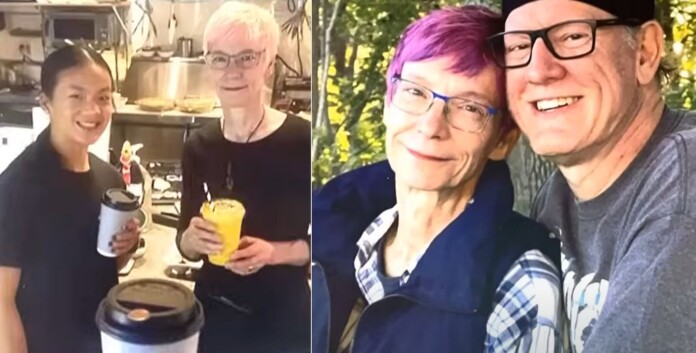
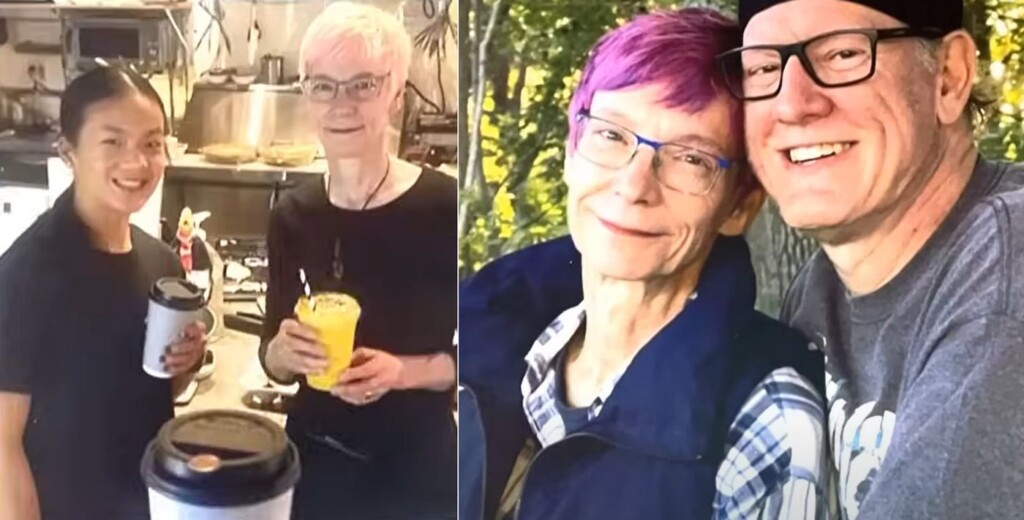
A family-owned restaurant was saved by a gaggle of teenagers after the owner’s wife fell into a coma.
From Hudson, Minnesota comes the story of the team at the heart of Urban Olive & Vine, and their dedication to a woman they’d come to know and love, Carol Trainer.
Along with husband Chad, Carol founded the restaurant and recruited from the 14-18 year-old-age bracket, enjoying the opportunity to pass on critical work experience, and life experience besides, to the “sponge”-like minds of the eager recruits.
But the tables were turned when Carol had a seizure, and entered a comatose state at the hospital that lasted for months. Chad, dutifully at her bedside, says he never asked one favor of his staff: they did it all themselves.
What exactly did they do?
“Without them the restaurant would not exist,” Chad tells Boyd Huppert’s Land of 10,000 Stories at KARE 11. “These kids became adults and ran our business, and took care of me.”
One particular teen adult was 17-year-old Acacia Kunkle, who started coming to work at 5:30 a.m. on her own volition to help open Urban Olive & Vine. She became a leader that others, like 15-year-old Joe Stephenson, looked up to.
Joe and Acacia were among the homeschoolers who kept things going during the day, while the public-school kids were in class.
“Me and Tori mainly, we’d go shopping for Chad,” 16-year-old Lainey Dombrovski says. “I have pictures of like huge carts of stuff and my car would be full of stuff.”
According to an extraordinary story from KARE 11, each teenager took on new roles and new responsibilities. They trained themselves, supported each other, came up with new specials, and, when the time came for it, found time to grieve.
On May 5th, Carol died in the hospital, and Chad closed the restaurant for the staff to attend the funeral.
Afterwards, they slowly, and as surely as before, got back to work; a testament to the discipline and strength they developed during the long months.
WATCH the story below from Boyd Huppert…
SHARE This Heart-Wrenching Story With Your Friends…
Chinese Scientists Produce ‘Impossible’ Steel to Line Nuclear Fusion Reactors in Major Breakthrough
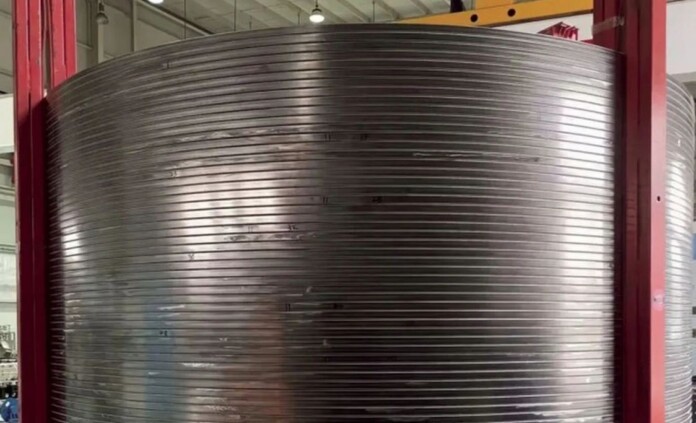
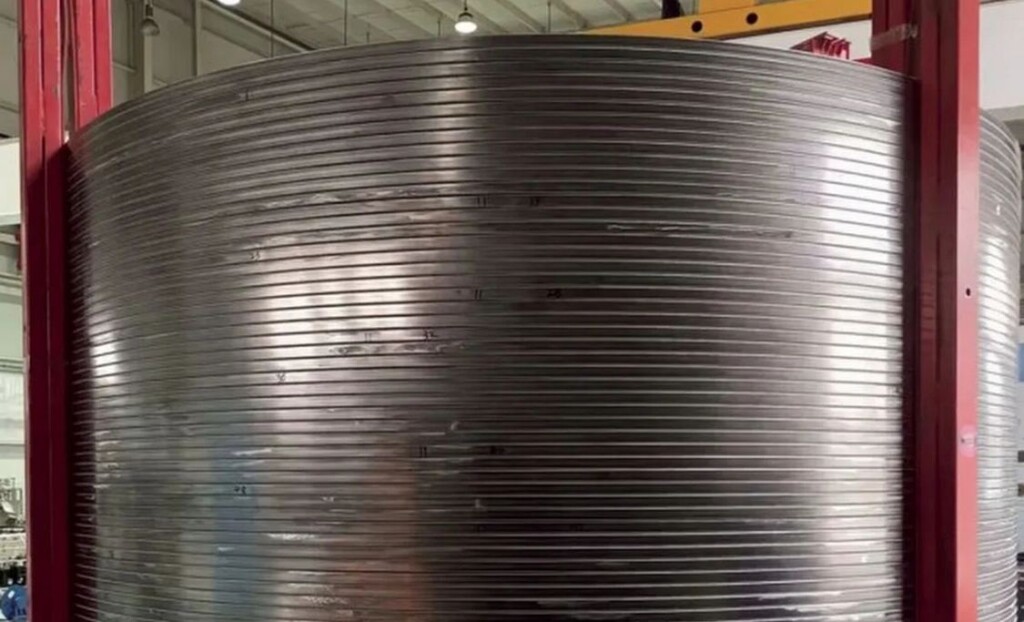
China has forged a type of steel that can withstand the extremely low temperatures and magnetic fields needed to sustain nuclear fusion reactions.
Creating such a material with steel is a feat previously thought impossible by experts working on the famous ITER project in France, of which the leader of this new steel project was a part.
The International Thermonuclear Experimental Reactor (ITER) project brought together experts from 35 nations to build the world’s largest nuclear fusion reactor in southern France.
Nuclear fusion is considered the ideal future energy source. It works by creating a thermonuclear reaction, the same process that powers our Sun, and containing it via superconducting magnets for brief periods of time to generate zero-emission energy in vast quantities.
It’s one of a handful of truly era-defining technologies humans are working towards, and physicists have faced numerous challenges in developing it. At the heart of a fusion reactor are superconducting magnets coated in a jacket of cryogenic steel. The steel must be capable of protecting the magnets from near absolute zero-temperatures, but also of withstanding the incredible forces generated by them.
Li Laifeng, at the Chinese Academy of Sciences’ (CAS) Technical Institute of Physics and Chemistry in Beijing, observed how this steel could withstand the pressures of ITER, but future, more powerful—also more compact reactors—would need more advanced steel.
This took Li on a 12-year journey to create what ITER experts thought was impossible.
Reporting on those early days to a Chinese science outlet, Science Daily, Li said that Western experts in the field thought that ‘316LN austenitic stainless steel,’ a specialized alloy designed for extreme conditions and used in ITER and capable of withstanding 11.8 Tesla magnetic fields, would be sufficient for future fusion projects.
Li doubted that, and allied with top scientists in the field of cryogenics and materials sciences, believed it was worth pursuing a better alloy.
In 2021, the CAS Institute of Plasma Physics in Hefei province set the benchmark for what the country’s own national fusion program would require to be successful—benchmarks that 316LNa steel could not meet.
Eventually, Li Laifeng was in charge of the High-Strength Steel Research Alliance, comprising 4 scientific institutes and 13 enterprises. According to South China Morning Post, “China high-strength low-temperature steel No. 1 (CHSN01) successfully met the institute’s benchmarks, showing the capability of resisting 20 Tesla fields, 1,300 megapascals of stress, and the low temperatures which protect the device from the heat generated by nuclear fusion.
OTHER IMPRESSIVE PROJECTS: World’s First Diamond Battery Could Power Spacecraft and Pacemakers for Thousands of Years
500 tons of this steel is now in production for China’s Burning Plasma Experimental Superconducting Tokamak, slated for completion in 2027 to replace its older fusion system.
Nuclear fusion has come on leaps and bounds over the last 5 years, with multiple milestones being set in several different countries. There’s more than one way to generate power through nuclear fusion, and the distributed work going on in Japan, China, Australia, the EU, and multiple locations in the US is leading to distributed advancements not only in the materials reactors are built with, but also in the efficiency of power generation, which until recently was always less than the energy required to operate a reactor.
MORE CHINA NEWS: Mercury Emissions Fall 70% Over the Last Four Decades Thanks to UN Treaty, Coal Phase-Out
Unlike nuclear fission—the splitting of atoms—fusion produces no radioactive waste. The tens of millions of degrees of heat present inside the fusion chamber require immense physical forces to generate and contain them. Any malfunction that results in the interruption of those forces has the result more akin to the blowing out of a candle rather than the detonation of an H-bomb.
Time will tell whether CHSN01 is successful in shielding fusion into real-world efficacy.
SHARE This Impossible Feat Seemingly Achieved With Your Friends…
A Jamaican Student Invented a Self-Disinfecting Door Handle for Hospitals: ‘Design that fits reality’
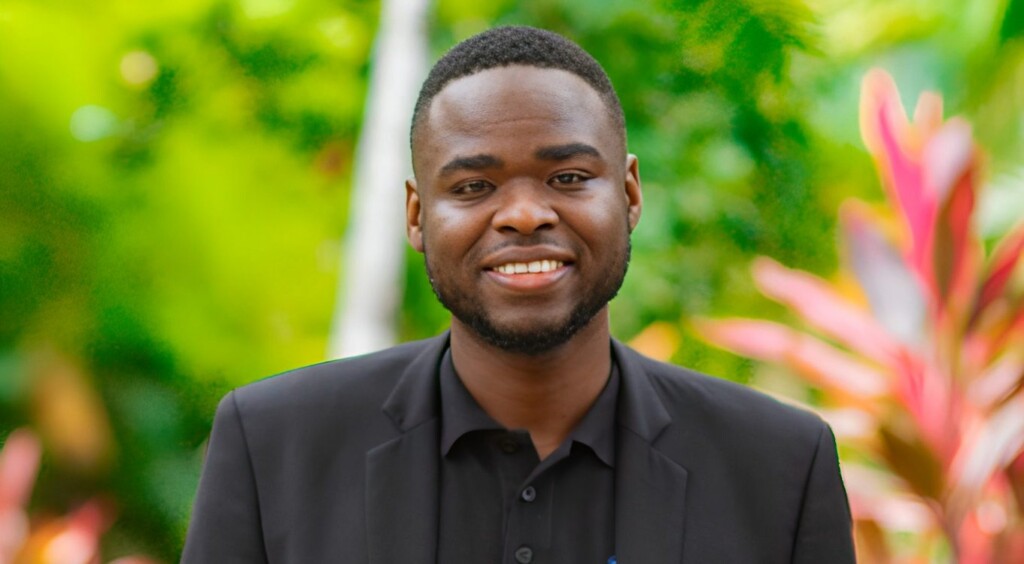
A Jamaican university student has invented a self-cleaning door handle that’s been described as a “life-saving design that fits” the reality of the Caribbean.
Using ultraviolet light, similar to various automatic cleaning devices invented and deployed during the COVID-19 pandemic, it kills 99.9% of pathogens while being safe for humans and animals.
Bacteria multiplies and spreads fast in the tropical climate of the Caribbean, so it’s the ideal product for hospitals and other public buildings.
Inventor Rayvon Stewart won Jamaica’s Prime Minister’s National Youth Award and the Commonwealth Health Innovations Awards in the process of seeking a patent under international intellectual property law.
His story would be that of the classic second-generation immigrant to America: if he were one. But since he isn’t, Stewart and others view it as an outgrowth of the Caribbean’s growing science and engineering talent pool.
He and his cousin were the first in his family to attend university, having grown up in rough agricultural conditions on Jamaica’s Mount Prospect.
“Even though times were tough, we never really thought about that. We knew that we had something to do as a family,” Stewart told the Guardian.
ALSO CHECK OUT: Visionary Fuels First Car Powered By Seaweed Piling Up on Beaches That Reduces Tourism
At Jamaica’s University of Technology he fell in love with inventing. He worked on a software that allowed people to virtually try on clothes, before a stint of volunteering in a hospital revealed the need for better sanitation.
Called Xermosol, the door handle is shaped a little like Pac-Man. About two-thirds of the circular handle houses the technological components beneath a grey shell, while the part you grab to open the door is under a set of ultraviolet lights that activate via a touch sensor. It takes about 30 seconds to disinfect the handle.
MORE INVENTORS: Pee From Runners at the London Marathon is Going to Be Turned into Fertilizer for Wheat
Dr. Camille-Ann Thoms-Rodriguez, a University of the West Indies consultant microbiologist, said of Stewart that “we’re very proud of him.”
“A lot of the innovation that we see in healthcare is often from a first-world country where there are more resources … but it doesn’t mean that we don’t have good ideas here,” she added.
SHARE This Young Inventor From The Caribbean And His Great Design…
150,000 Sq. Miles to Be Protected in Canada’s Northwest by Coalition of First Nations

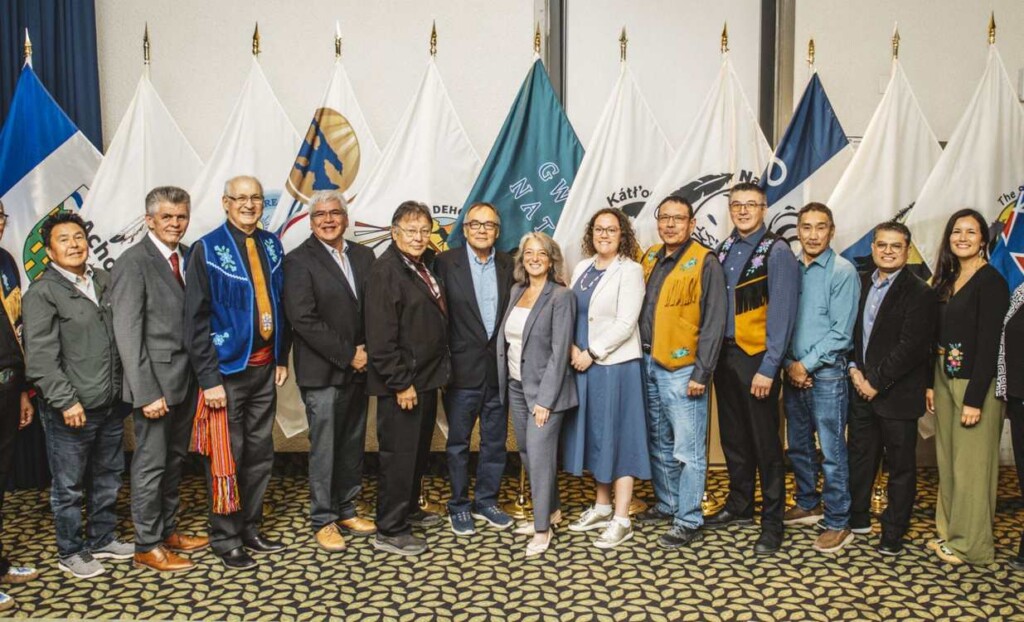
In the far northern reaches of Canada, an agreement has been made to give stewardship over an area twice the size of Florida to a coalition of First Nations.
For the purposes of conservation, $375 million will help build sustainable, resilient local economies not based on extraction that will see 150,000 square miles of land and fresh water protected in the long term.
Penned in Yellowknife, the largest settlement in the Northwest Territories, it’s called the NWT: Our Land for the Future Trust, and is the largest agreement of its kind in North America.
“This document we signed today has been a long time in the making. It reflects years of collaboration and commitment from indigenous leaders across the North,” said Chief Ernest Betsina of the Yellowknives Dene First Nation, one of 21 that are included in the agreement.
“It reflects our shared understanding that indigenous people have always been the stewards of the land. And it’s time for that responsibility to be recognized and supported.”
The land area of the Northwest Territories is roughly equal to that of France, Portugal and Spain combined, although its overall area is even larger because of its vast lakes. Over 12,000 members of various First Nations’ people lived there as of 2021, making up over 40% of the territory’s population.
The Canadian government wrote that the agreement will help protect new and existing conserved areas in the territory including some of the world’s most intact boreal and tundra ecosystems.
LAND BACK STORIES:
- Yurok Tribe Celebrates Again as Ancestral Homelands are Returned–in Wake of Historic Dam Removal
- Bison Return to Manitoba First Nation Lands for First Time in 100 Years – (WATCH)
- After 9 Years of Work, Chumash Tribe Finally Seals Protection of CA Marine Reserve Bigger Than Yosemite
- CA Redwoods to Be First National Park Co-Managed with a Native American Tribe That Used to Own it
Over time, it aims to conserve and steward up to 150,000 square miles of lands and inland waters in the Northwest Territories, and will be a significant contribution to Canada’s goal of conserving 30% of lands and waters by 2030, a goal which many nations are pursuing following an agreement at the UN made four years ago.
Several nations are significantly pursuing this goal, with Australia well on their way to achieving it by the 2030 deadline.
SHARE This Major Progress To Protect 30% Of Canada’s Lands And Waters…
“Love is not only something you feel, it is something you do.” – David Wilkerson

Quote of the Day: “Love is not only something you feel, it is something you do.” – David Wilkerson
Photo by: Alexander Mass
With a new inspirational quote every day, atop the perfect photo—collected and archived on our Quote of the Day page—why not bookmark GNN.org for a daily uplift?
Good News in History, August 14

80 years ago today, Harry Truman announced the end of World War II. The American president told the public that Japan had surrendered unconditionally—a news report that led to joyous pandemonium in New York City, where celebrations began in Time Square. READ about this famous photo… (1945)
Heroic Divemaster Rescues Cozumel Divers–and Public Raises $50k to Treat His Injuries

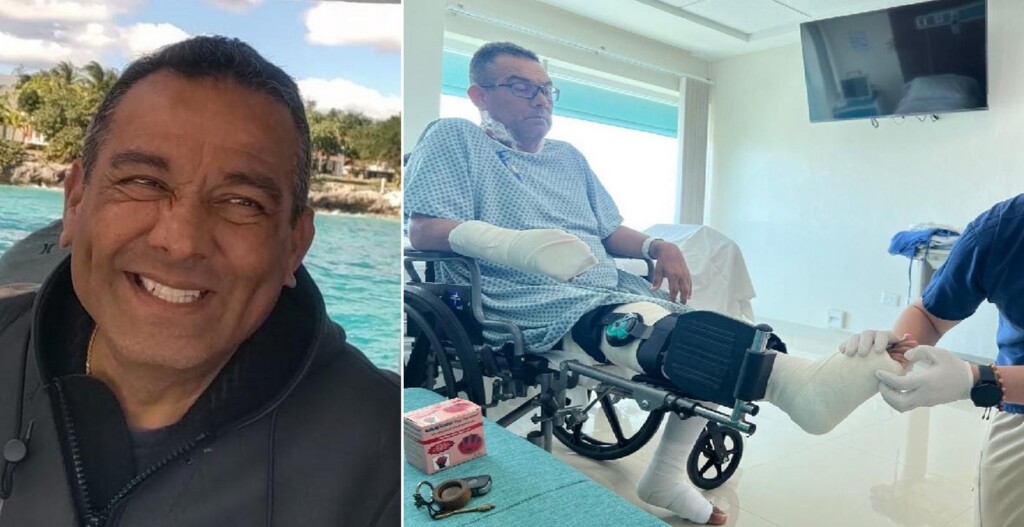
From Mexico comes the story of a heroic diving instructor, who was injured in the process of saving a group he was leading.
Manolo Acuña Zepeda, a beloved and experienced divemaster in Cozumel, risked his life to save a group of divers from an oncoming speed boat illegally operating over Yucab Reef.
This beautiful reef is typically done as a second dive following a deeper dive, and is of intermediate experience. The trick is to remain calm and allow yourself to drift in the strong current to reduce your oxygen consumption rate.
On July 25th, Zepeda was leading a dive over Yucab when he saw a speedboat, in the area illegally, coming right for his group. He heroically pushed his divers out of the path, but was struck and severely injured by the boat’s propellers.
A GoFundMe set up by fellow diver John Flynn of Sand Dollar Sports, said that his colleague faces a long, painful recovery, as the propeller broke his leg. The medical costs were to be substantial in Cozumel International Hospital.
The response from the dive community has been immense, with the GoFundMe receiving 92% of the needed funds to cover all medical and rehab costs.
He underwent his first surgery to stabilize a compound fracture in his right tibia in late August, and then another to repair his broken fibula.
He lost a significant amount of blood and, despite multiple transfusions, his hemoglobin remained dangerously low in advance of the second surgery. Blood donations from the dive community covered the deficit.
GREAT GOFUNDMES:
- GoFundMe for Teen Who Rushed to Work Instead of Partying After Graduation Skyrockets to $180K
- Viral Video Sparks $20,000 in Donations for Ice Cream Vendor Who Walks Miles in the Florida Heat
- After Taylor Swift Visits Children’s Hospital, Her Fans Donate Tens of Thousands to Patients
- Doctor Gave Free Care to Patients for Decades–Now They’ve Raised $280,000 to Pay for His Cancer Treatment
On August 8th, Zepeda was discharged from the hospital, with bones capable of healing on them own, and hyperbaric treatments to help speed him along.
“Manolo will begin physical therapy and respiratory therapy shortly after discharge,” Flynn wrote in an August 7th update. “An at-home nurse will visit regularly to assist with his care. His family had to rent another house to accommodate his wheelchair.”
Almost $50,000 was raised for the medical bills, ensuring that Zepeda will enjoy his favorite activity once again.
SHARE How This Small Community Made A BIG Impact For This Hero…
Trio of Neighbors Honored for Saving the Lives of Florida Plane Crash Survivors
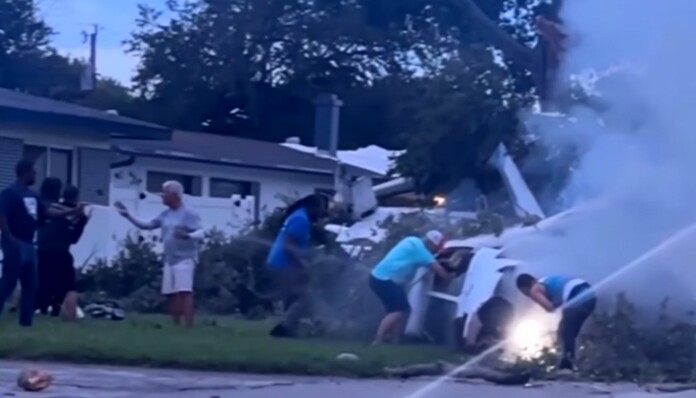
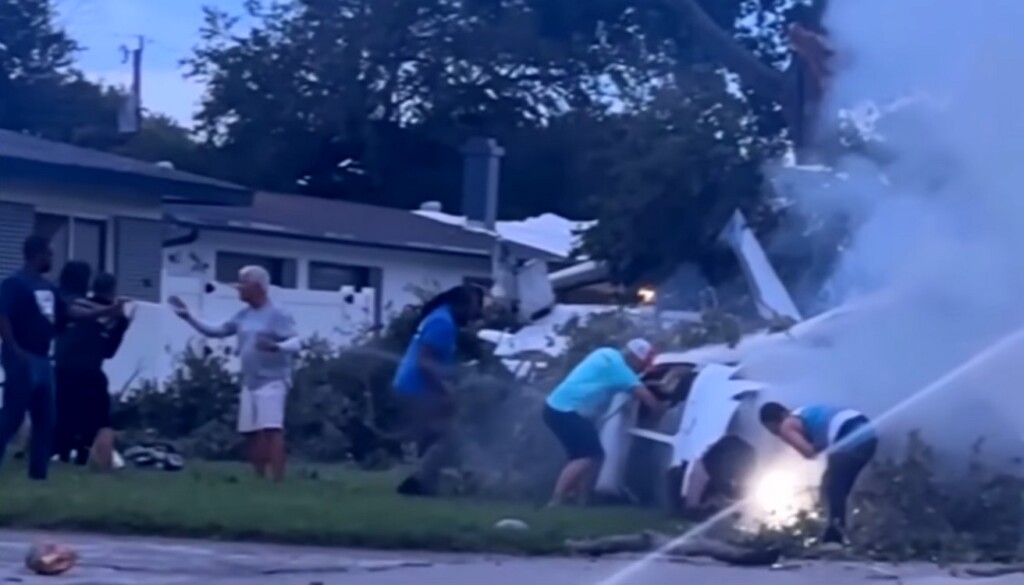
A trio of brave locals were honored recently when a small plane crashed in Florida.
Catching fire almost immediately, and with all souls both still alive and yet trapped inside, residents rushed to their aid, receiving the hero’s commendation from the Boca Raton PD.
The small Cessna Skymaster aircraft was approaching North Perry Airport when it crashed into a tree.
“It was a miracle no homes were hit,” said Laura Ingram, a mother of three who lives two houses down from the crash site. “We heard this weird sputtering noise, and then boom—it sounded like a car explosion. We ran outside and just saw smoke and fire coming from behind the trees.”
The passengers: the pilot, an adult, and two children, all survived with non-life-threatening injuries.
But there was no time to celebrate as black smoke began to fill the cabin. Phone camera footage shows a group of locals coming to the rescue. One brings an axe, another a hose to battle the growing blaze.
Their efforts ensured all four were rescued and the fire was put out.
MORE STORIES LIKE THIS: Tourists Stranded After Kangaroo Crash Receive 23 Days of ‘Unforgettable’ Help from Loving Locals
Honored in front of the county, one rescuer, Eddie Crispin, said he was more intimidated receiving the award in front of the cameras than when it was time to be a hero.
“My neighbor, where the plane actually crashed, had a water hose and was hosing the plane down. Another guy showed up with the axe; he was actually trying to break the window. It was just pretty much all going on at the exact same time. But we did pull them out one by one,” Crispin told Fox News.
WATCH the story below from WPLG…
SHARE The News Of These Neighbors’ Heroics With Your Friends…
Scientists Find Answer to Sea Star Population Devastated by Pathogen Along the California Coast

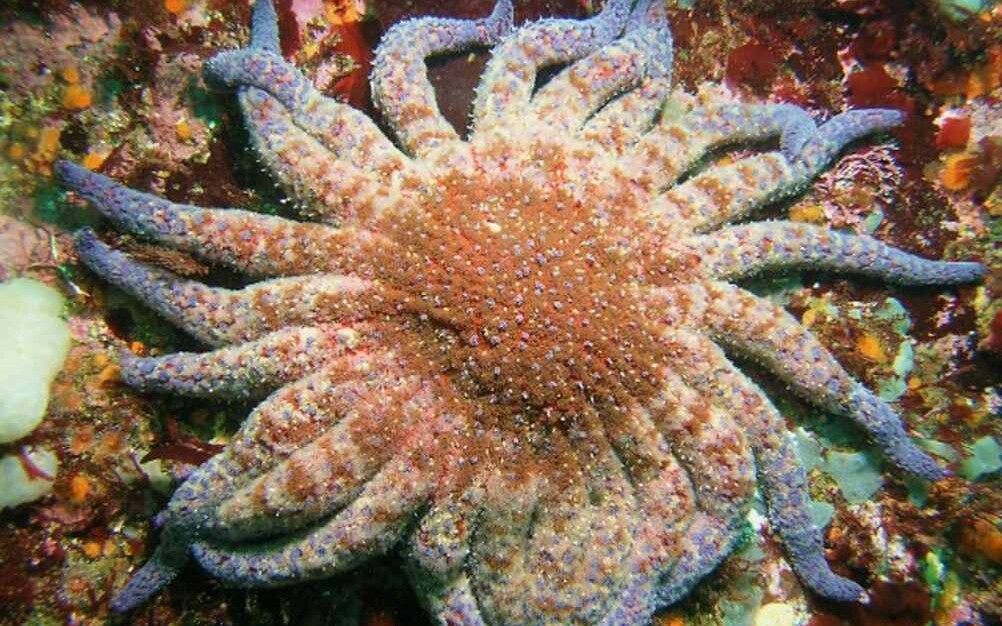
For years, a wasting disease has been turning sea stars to goo off the California coast. Scientists now finally know the cause, and are beginning to fight back.
Whether it has over 20 arms like the sunflower sea star, or just 5, billions of Pacific sea stars were being wiped out by an unknown assailant.
After four years of experiments from a huge collaborative effort led by the Hakai Institute, biologists finally identified the culprit: a kind of bacteria called Vibrio.
Devastating to coral, shellfish, and human beings, this strain of Vibrio has been labeled FHCF-3. The scientists determined it was the cause of the epidemic by examining what might be called the sea star’s blood. It doesn’t have blood as we would recognize it, but a circulatory fluid called coelomic fluid.
As to what is causing the spread of FHCF-3, ranging from Washington state down to the Baja Peninsula, the scientists point to warming waters.
“We have evidence that there is a link between increasing ocean temperatures and this sea star wasting disease epidemic,” said Melanie Prentice, one of the co-authors of the paper published on the discovery in Nature, to CBS News.
Sunflower sea stars, one of the species that’s been most affected, are voracious eaters of sea urchins. This slow motion game of lion and gazelle plays out on the seafloor and on reefs, and is a major cog in the overall machine of marine ecosystem stability.
ALSO CHECK OUT: 10,000 Young Corals Grown in Just Weeks by New Portable Spawning Lab in the Maldives
Themselves voracious eaters of kelp, the urchins were unleashed following the sea star’s decline, and like the bacteria that decimated the sea stars, the urchins devastated the kelp.
With the cause identified, a large collaboration involving Prentice’s Hakai Institute, as well as the universities of British Columbia and Washington, the Nature Conservancy, Tula Foundation, US Geological Survey, and the Washington Department of Fish and Wildlife, are beginning to plan strategies for the sea stars’ recovery.
MORE MARINE BALANCE: Out-of-Control Invasive Crab Species Has Met its Match: Cute and Hungry Otters
A breeding program for sunflower stars was set up between the Aquarium of the Pacific, the Birch Aquarium, the San Diego Zoo Wildlife Alliance, and the Sunflower Star Laboratory. Hundreds have already been raised, and biologists can now screen for the pathogen routinely.
Some of the juveniles are living in these aquariums, where members of the public can learn about the sea stars’ struggle to survive, and the critical role they play in the ecosystem.
WATCH the story below from CBS News’ ‘Project Earth’ segment…
SHARE The Star Of This Story And Its Road To Recovery With Your Friends…
Editor’s Note: A previous version of this story stated that the collaborative project was led by the California Institute of Marine Sciences. This has since been corrected to the Hakai Institute.
Google Turns 2 Billion Smartphones into a Global Earthquake Warning System
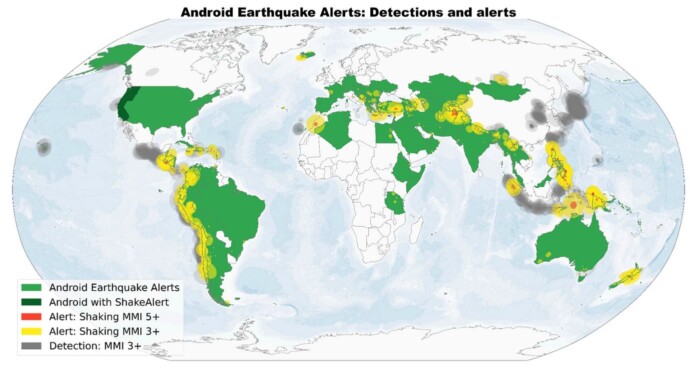
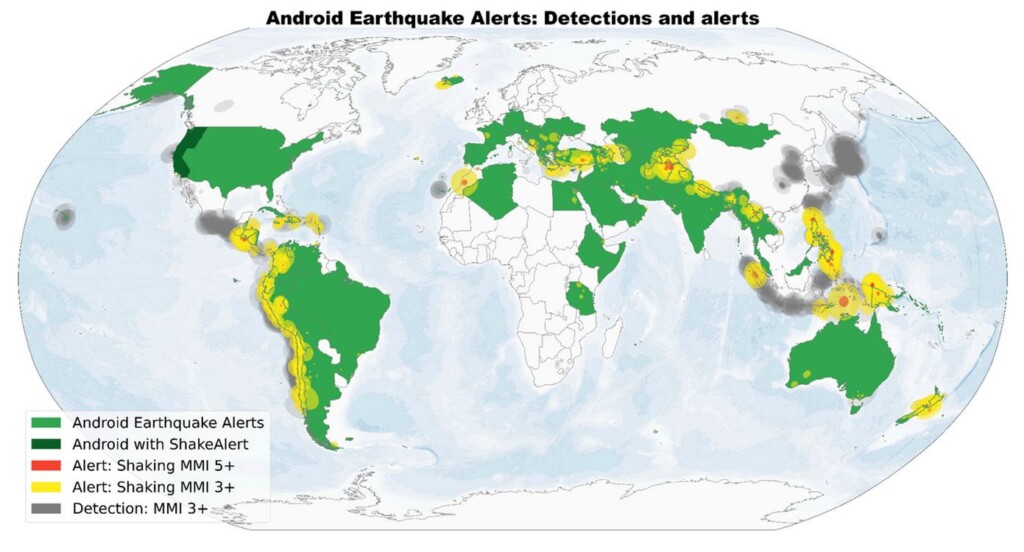
Government earthquake alert systems are now being supplemented around the world with Google accelerometer data on smartphones and smartwatches, effectively creating a Google-wide early warning system.
The system has increased the number of people in earthquake risk zones capable of receiving alerts by 1,000%, with 2024 seeing over 2 billion devices receiving one.
Called the Android Earthquakes Alert system (AEA), it uses data from Android-powered devices to capture the faint signal of P-waves, a seismic tremor that precedes the more destructive S-waves.
Using the network of devices like a giant sponge, it’s a kind of detection through crowdsourcing, and allows the AEA network to predict where earthquakes may strike, and how powerful they will come to be based on the sheer preponderous of data.
So far, AEA has sent out alerts for 11,000 quakes in 98 countries, with 85% of Google-device users report having received an alert.
“Earthquakes are a constant threat to communities around the globe. While we’ve gotten good at knowing where they’re likely to strike, we still face devastating consequences when they do,” Google representatives wrote in a statement.
“What if we could give people a few precious seconds of warning before the shaking starts? Those seconds can be enough time to get off a ladder, move away from dangerous objects and take cover.”
Wealthier countries like China, South Korea, and Mexico have sophisticated early warning systems, but poorer nations may not be able to acquire the seismographic equipment and scientists required to staff a detection station 24/7/365.
The AEA, though rudimentary by comparison, offers a potentially lifesaving stopgap. For example, during the 2023 earthquakes in Syria and Turkey, the AEA significantly underestimated the magnitude of the event.
QUAKE STORIES: In 10 Minutes, UN’s Tsunami Warning System Notified Millions in East Asia Following Russian Earthquake
Estimating the correct magnitude can allow a warning system to judge how far a quake will travel, and who needs to be alerted.
“Getting this right is crucial—underestimate, and you might not warn people in danger; overestimate, and you risk sending out false alarms that erode public trust,” Google added.
MORE DISASTER DETECTION: Kazakhstan Sees Incredible Progress Scaling Back World’s Worst Environmental Disaster
“The challenge lies in the trade-off between speed and accuracy. The first few seconds of an earthquake provide limited data, but every second you wait to issue an alert is a second less of warning for those in the path of the shaking.”
It’s not the first instance of Google using its data for good. It also issues flash flood warnings from its Flood Hub project. In the 2023 monsoon season of India, over 25 million flood alerts were sent out to India and Bangladesh.
SHARE This Use Of Technology For Good With Your Friends…
“I am prepared for the worst, but hope for the best.” – Benjamin Disraeli

Quote of the Day: “I am prepared for the worst, but hope for the best.” – Benjamin Disraeli
Photo by: Ross Stone
With a new inspirational quote every day, atop the perfect photo—collected and archived on our Quote of the Day page—why not bookmark GNN.org for a daily uplift?

Good News in History, August 13

61 years ago today, The Beatles’ first film A Hard Day’s Night, opened in theaters across America, earning rave reviews and box office success. Described as a “comedic Fantasia with music,” the film was a financial and critical success and was nominated for two Academy Awards, including Best Original Screenplay. Forty years after its release, TIME Magazine rated it as one of the 100 all-time great films. READ about the film’s impact on cinema… (1964)
Boy With Rare Bone Disorder Becomes Quarterback for a Day and Scores a Touchdown for the NFL Carolina Panthers


His dream was coming true.
Stadium lights were shining in the nighttime Carolina sky. Fans dressed in their team’s trademark black and blue colors filled the stands. And 12-year-old Jase Garland was heading out onto the field, going into an NFL game for the Carolina Panthers.
After everything he’d been through, the experience meant even more.
Two years ago, his mom, Erin, started to notice bruises building up on her son’s body. which led to a troubling diagnosis. The Asheville, North Carolina boy had Myelodysplastic syndrome, a rare bone condition that can lead to leukemia—and Jase would need a bone marrow transplant.
Last year, after the boy got his transplant, the Make-A-Wish Foundation notified him that he could choose a dream to help carry him through his recovery, giving him something to look forward to amid endless doctor appointments.
Jase wanted to be the quarterback for the Carolina Panthers.
Indeed, visions of him wearing that black, blue, and silver uniform uplifted the football-obsessed kid through all the challenges that he faced and all the pain that he endured.
HERE’S ANOTHER INSPIRING SPORTS RECOVERY: Hospital Tailors Kidney Transplant to Protect Teen Baseball Player’s Swing–Putting it on Other Side of his Body
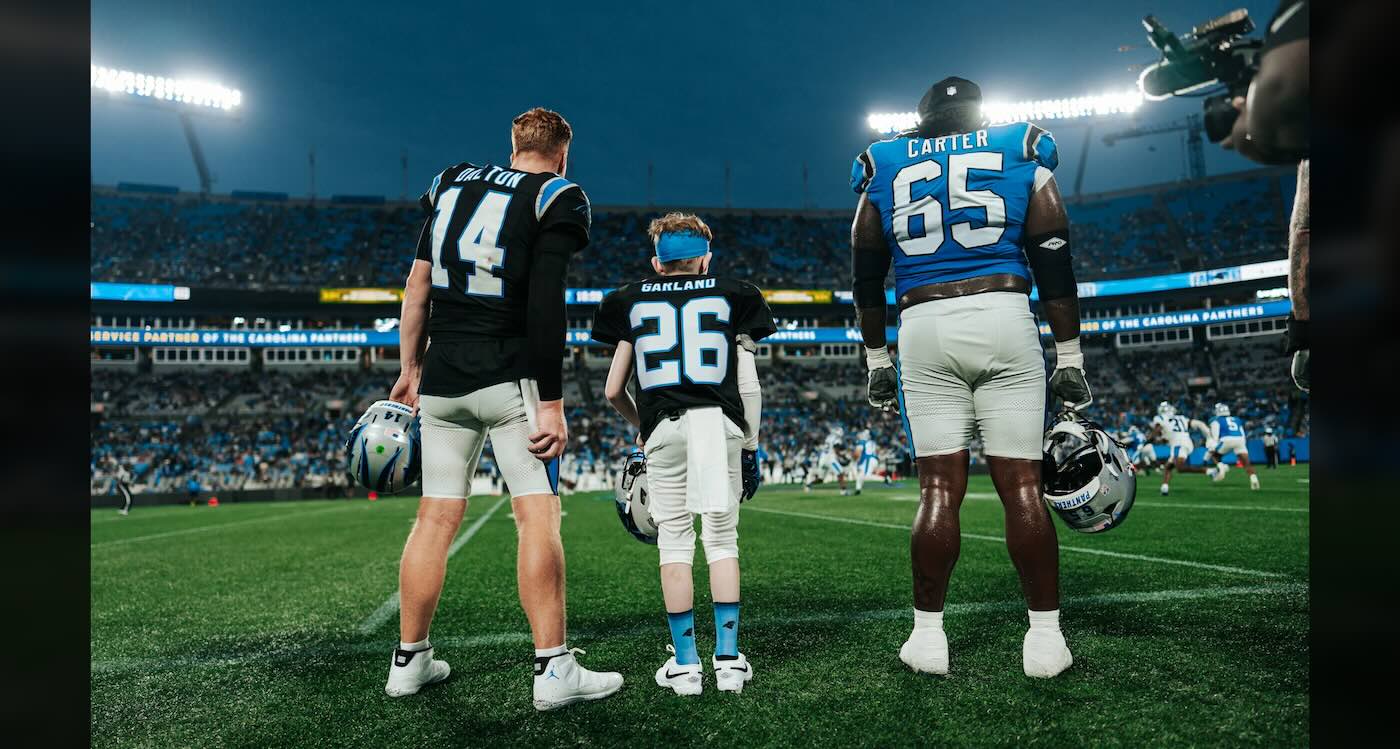
Finally this month, Make-A-Wish and the Carolina Panthers made his dream come true. Garland, who will enter seventh grade this fall, got to suit-up and take the field with his team.
He met head coach Dave Canales and Panther quarterbacks Bryce Young and Andy Dalton. He signed a contract with the team’s general manager, Dan Morgan, and drew up a play with offensive coordinator, Brad Idzik.
He hit the weight room with a few players, met the team’s mascot SirPurr, and received the long-awaited helmet and jersey— #26 — with his last name stitched across the back.
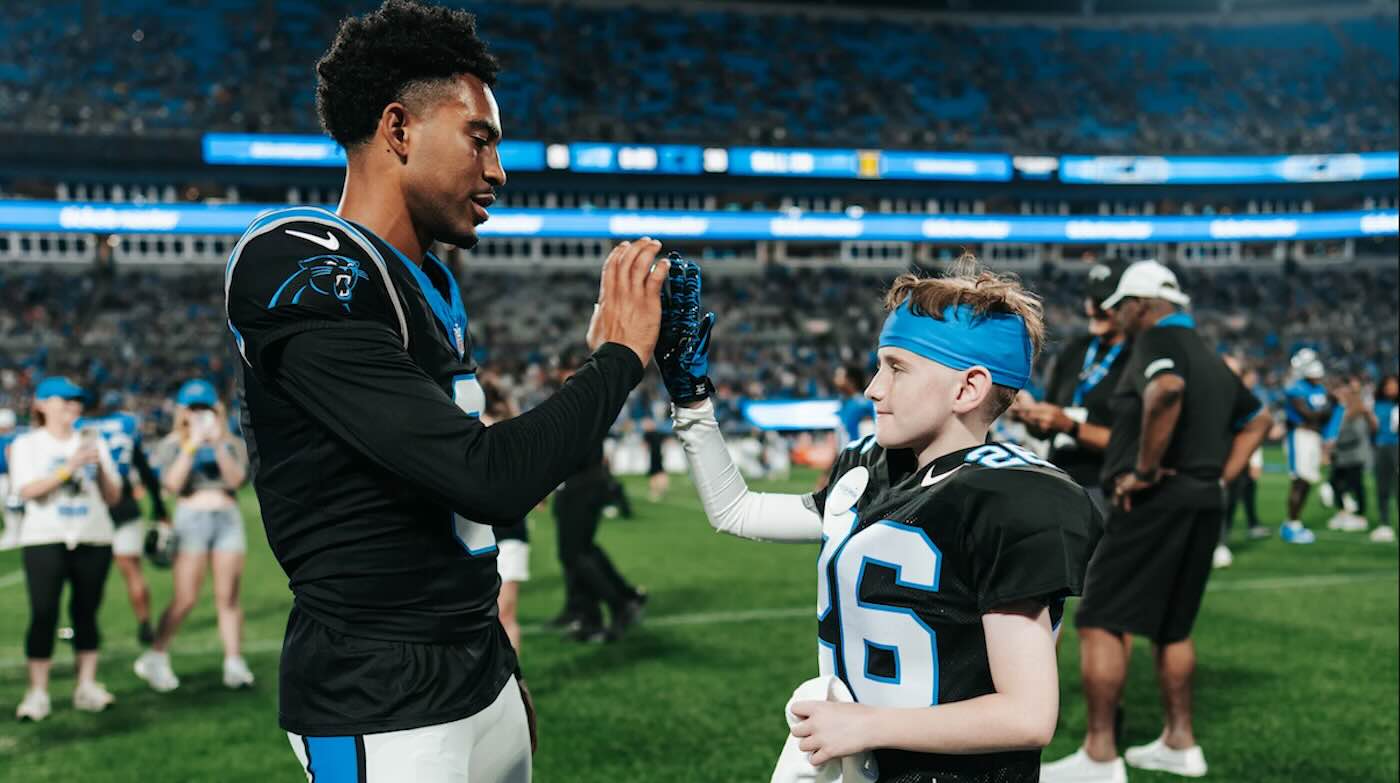
Finally, during the intra-squad scrimmage at Panthers’ Fan Fest night August 2nd, coaches sent Jase out onto the field. He took the ball on a handoff just inside the 10-yard-line, raced around the left end and headed toward the end zone.
Touchdown!
The Panthers players circled around him to celebrate. Jase did a couple of dance moves. Center Austin Corbett picked him up in the air, a little like how baby Simba was lifted above Pride Rock in The Lion King movie.

For a moment, joy banished all the fears and anxieties from his family—and Jase’s touchdown was an exclamation point on how he handled the whole ordeal.
“So it sounds maybe cliche,” Erin Garland began in a feature story by the Carolina Panthers. “…He’s just taking this like a champ because he’s had to be away from everybody for so long, so it’s just, it’s been—I’m impressed. I’m very impressed by him.”
FAITH IN HUMANITY: TikTok Landscaper Raises $800K for Elderly Disabled Woman Who Couldn’t Find Anyone to Mow Her Lawn
The Carolina Panthers and the Make-A-Wish Foundation gave Jase a spotlight and a chance to chase his dream. And when the opportunity arose just inside the 10-yard-line, Jase did the exact same thing he’s been doing since he first received the dreadful diagnosis.
He raced past all the obstacles until he found his triumph on the other side.
SHARE THIS STORY on Social Media with your favorite football fan…