












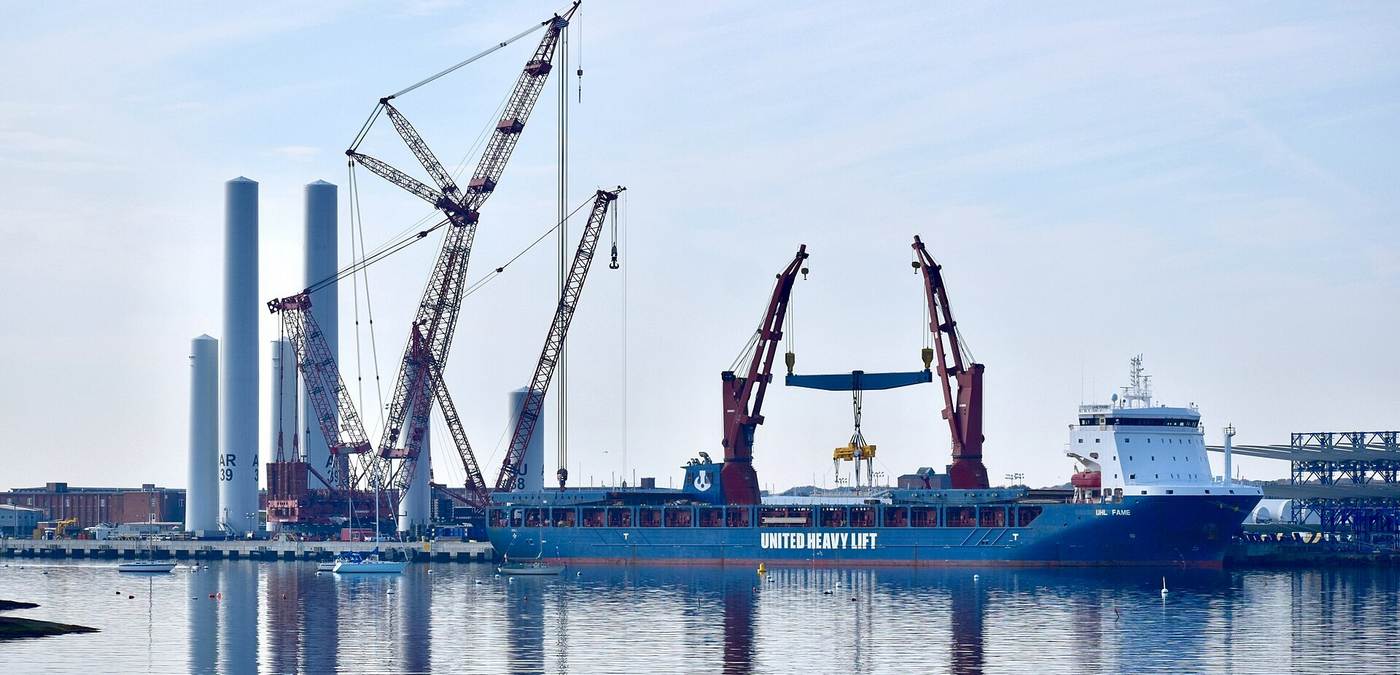
A district court judge struck down the stop-work order on the Sunrise Wind project, marking the fifth time courts have overturned the Department of Interior’s order halting work on 5 offshore wind projects under construction along America’s eastern seaboard.
Sunrise Wind now joins Coastal Virginia Wind, Empire Wind, Revolution Wind and Vineyard Wind, all of which have been cleared to resume work. Collectively, the projects will provide enough power for roughly 2.5 million homes and businesses on the East Coast.
Ronald Reagan-appointed District Judge Royce C. Lamberth, who was presiding over the Sunrise Wind case, ruled that as it was losing $2.5 million a day while it sat idle, the project would “be irreparably harmed” unless work is allowed to continue during the legal fight.
The lead firm on the project, Denmark’s Orsted, has already been invoiced $7 billion, and work is only 45% complete. “I find that Sunrise Wind faced greater harms by a total pause of construction than the government faces from continued mitigation efforts while the construction continues,” said Lamberth.
Last month, Judge Lamberth ruled in similar favor to the Revolution Wind project off the coast of Rhode Island.
The three other projects are each owned and under construction by Dominion Energy, Norway’s Equinor, and Spain’s Iberdrola, and each have been granted their respective requests for preliminary injunctions to halt the stop-work orders.
“Because the East Coast relies so heavily on volatile natural gas, adding more cost-stable wind power to the grid is essential for increasing supply and keeping bills down,” wrote Environmental Defense Fund Director Ted Kelly, who supported the court challenge.
“Offshore wind delivers immense value during electricity crunches in the winter because ocean winds are often at their strongest. The already-built portion of Vineyard Wind saved New Englanders $2 million per-day in energy costs during a December cold snap.”
MORE STORIES LIKE THIS: Flint Finishes Replacing 11,000 Lead Pipes, Concluding Activists’ Decade-Long Effort to Secure Clean Water
Vineyard Wind is already 95% complete, meaning the company has spent billions, investors will have contributed tens of millions, banks will have made hundreds of millions in loans, and all of them will be—such is the nature of large-infrastructure economics—expecting a return on those investments.
No American executive should be able to tell a company and its investors what they should and shouldn’t spend their time and money building if permits and permission from the relevant agencies have already been granted. If offshore wind farms aren’t profitable as the Administration has claimed, than the best and quintessentially American action would be to allow them to fail, for the investors to learn their mistakes, and for the firm to have its assets auctioned in bankruptcy court to those wiser and more capable of using them.
WIND DEVELOPMENTS: Two-Headed Wind Turbine Could Solve Every Challenge in the Offshore Industry
Instead, the Administration has attempted to block the various firms, citing national security concerns, while failing providing evidence or details of those concerns.
Since Judge Lamberth was presiding over the Sunrise Wind project, he was permitted to view the classified national security assessment, and said “the administration failed to explain which features or activities related to the Sunrise Wind project were implicated in the new security issues [and] also didn’t explain how these concerns differ from the same ones that the developers committed to mitigating in an earlier agreement,” Japan Times reported.
SHARE This Big Win For Business, Wind Power, And The East Coast…