Quote of the Day: “The sky broke like an egg into full sunset and the water caught fire.” – Pamela Hansford Johnson
Photo by: Getty Images for Unsplash+
With a new inspirational quote every day, atop the perfect photo—collected and archived on our Quote of the Day page—why not bookmark GNN.org for a daily uplift?
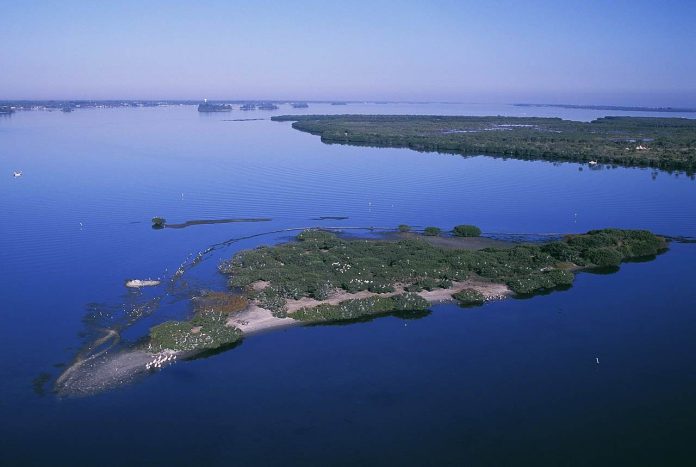
123 years ago today, President Theodore Roosevelt at the behest of some naturalists and ornithologists designated Pelican Island off the east coast of central Florida the nation’s first National Wildlife Refuge. The refuge consists of a 3-acre island that includes an additional 2.5 acres of surrounding water that plays host to hundreds of species, including fifteen federally-listed threatened or endangered ones like the West Indian manatees and sea turtles that occupy parts of the lagoon, and wood storks, who enjoy two nearby refuges. READ more about the NWR system in America today… (1903)
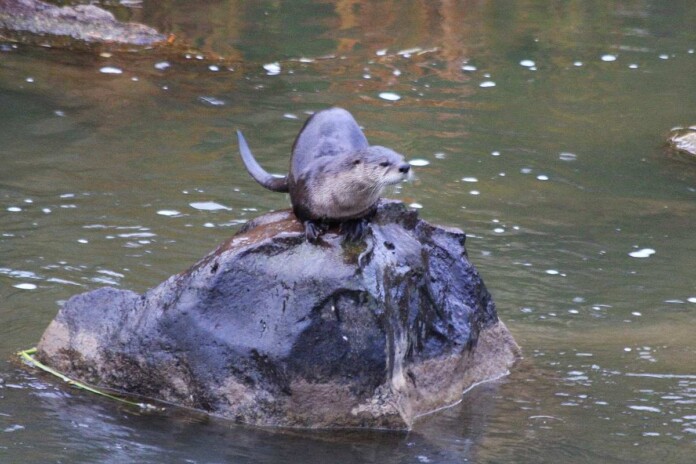
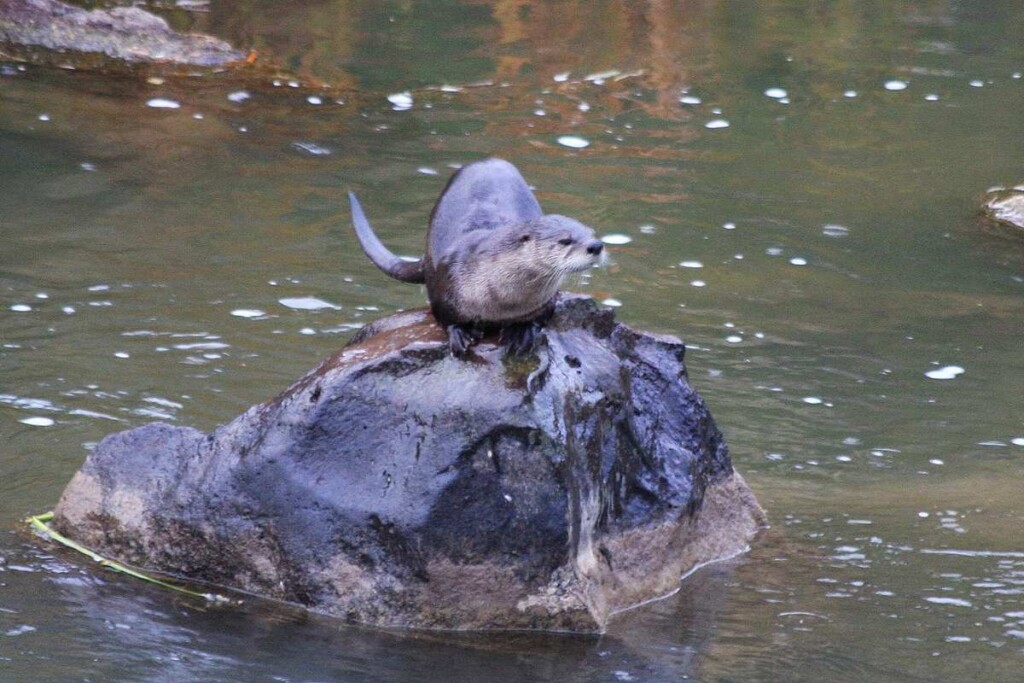
A river otter the moment it was released into the Rio Grande - Credit J.N. Stuart, CC 2.0.
A river otter the moment it was released into the Rio Grande – Credit J.N. Stuart, CC 2.0.
In 1986, Ohio’s Department of Natural Resources began reintroducing North American river otters to the rivers, creeks, and shorelines of the Great Lakes ecosystem.
40 years later, these adorable apex predators have recolonized much of their former aquatic acreage in Ohio, New York, Michigan, and Ontario, fastening the food chain at the top while ecosystem restoration programs have anchored it at the bottom.
The Great Lakes region holds one-fifth of the world’s fresh water. It’s a massive ecosystem that supports tens of millions of people, tens of billions in industry, and thousands of animal and plant species.
Unfortunately for the otter, an apex predator needs a vast and intact ecosystem to thrive, and as industrialization ate away at its prey species and den habitat, hunters reduced their numbers in pursuit of their pelts.
In 1980, an examination conducted on US river otter populations determined they were locally extinct in 11 states, and lost significant population in 9 other states.
It’s a story all-too-familiar the world over, but one that seems now to have had a happy ending.
After the Ohio DNR began releasing river otters from southern states like Arkansas and Louisiana, New York state began a mirrored effort of relocating otters from the Adirondacks, the Hudson Valley, and Catskills to the tributaries of the Great Lakes in the western part of the state.
“All of these efforts were bolstered by the 1972 Great Lakes Water Quality Agreement, a landmark US–Canada treaty that pushed both countries toward reducing toxic discharges and restoring damaged habitats,” writes Timothy Mihocik at Rewilding Magazine.
Gradual waterfront revitalization and de-industrialization has allowed the otter to go beyond mere sheltered streams in protected areas back into the heart of the Great Lakes ecosystem, a return that also heralds cleaner, uncontaminated water, richer fish stocks, and more biodiverse riverbeds.
GNN has reported over the years that the character of several Midwest rivers, once so polluted they’d catch fire, has now changed. In Toronto, Ohio, and Chicago, rivers are now swimmable and fishable again, and otters stand hugely to benefit from that.
Still, North American river otters have remained rare or absent in the southwestern United States. Water quality and development inhibit recovery of populations in some areas, but here too, otters are returning, with the New Mexican population tripling in the last few years.
SHARE This North American Icon Swimming Again In Our Lakes…
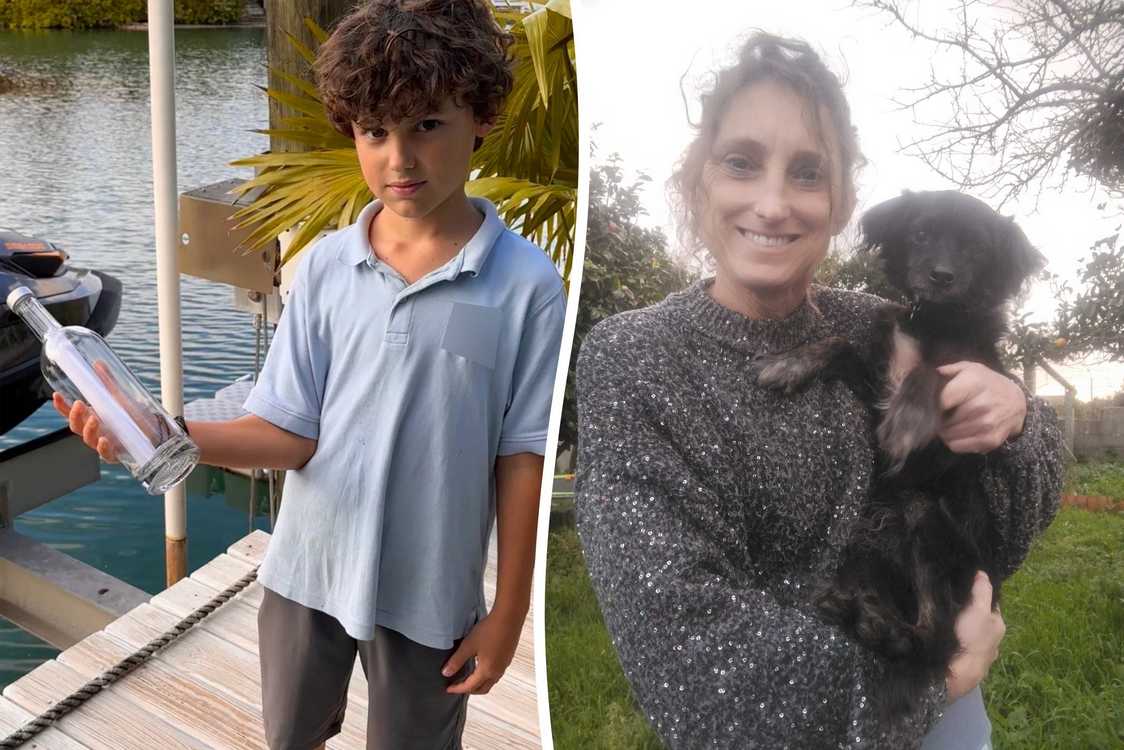
Lorenzo (left) and Maria Enes (right) - credit SWNS
Lorenzo (left) and Maria Enes (right) – credit SWNS
A boy who threw a message in a bottle into the Bahamian seas was stunned when it was found on a beach in Portugal exactly one year later.
Amy Bisterzo and her 10-year-old son Lorenzo live in the archipelago’s town of Fort Old Bay, and on February 10th of last year, they decided to conduct a fun experiment.
“Of course when we first threw it we were so excited to imagine what might become of the bottle and where it would go,” Bisterzo told English media back home. “But honestly as time went by we completely forgot about it.”
She admitted that it was a sort-of exciting activity to do with a child, “but in my adult mind I knew it was highly unlikely to be found.”
Lorenzo wrote down his and his mother’s WhatsApp numbers, along with the name of their town and the date, before they took off in a jet ski and hurled it into the glittering ocean.
It travelled over 4,000 miles from Nassau in the Bahamas and reached Vila Chã Beach, near Porto, in Portugal.
There, 49-year-old schoolteacher Maria Enes was walking her dog on February 12th, 2026, when she spotted the bottle amongst a pile of sticks.
She described the moment of finding a message in a bottle as being a “childhood fantasy.”
“As it said 2025 and it was so new I thought it was from the area and I took it home with me. I took the paper with tweezers and I was astonished that it came from the Bahamas— exactly one year had passed.”
“I thought it was awesome and I called the number in the note,” Enes said.
Back in Fort Old Bay, Bisterzo was getting ready to go to bed when a “random” number from Portugal called.
“Then a strange photo popped up with someone saying ‘I got your bottle,'” the mother recounted.
When Amy realized it was Lorenzo’s writing on the paper in the photo, she immediately unblocked the number.
“I shouted upstairs to Lorenzo ‘someone found our bottle’ because it was so long ago he didn’t know what I was talking about and then I showed him. Then I started to communicate with Maria, and she sent voice notes and videos, and very quickly I realized this woman was so kind and lovely.”
The European hedgehog can hear sounds at higher frequencies than is possible for humans, dogs, and cats, a potential breakthrough finding in protecting these animals from becoming roadkill.
There must be only a handful of critters cuter than the hedgehog, yet one-third of all mortality cases among local populations are attributed to car collisions.
It happens so frequently, that despite their rodent-like fecundity, these animals are now considered “Near Threatened,” by the IUCN.
Researchers at the University of Oxford in the UK, where hedgehogs are at risk of localized extinctions from car strikes, have discovered for the first time that hedgehogs can hear ultrasonic sound waves as high as 85,000 hertz. Humans can hear up to 20,000 hertz, dogs more than twice as many, and cats more than thrice as many; but none can match the hedgehog’s 85 kHz, and potentially higher, sensitivity.
The study subjected hedgehogs at a Danish rescue center to short sonic bursts up to 20 seconds long. The animals wore electrodes to measure brain activity between the inner-ear and the brain, and the result was that peak sonic detection was 45 kHz, around as much as a dog whistle.
The study authors paired this data with micro-CT scans of a mortally-injured and euthanized hedgehog to get a detailed picture of the ear cannel of the animal. Their conclusion was that it seemed similarly constructed and functional to that of echolocating bats.
“It is especially exciting when research motivated by conservation leads to a fundamental new discovery about a species biology which, full circle, in turn offers a new avenue for conservation,” study co-author Professor David Macdonald, told Euronews.
Dr. Sophie Lund Rasmussen, corresponding author on the study, agreed.
“A fascinating question now is whether they use ultrasound to communicate with each other, or to detect prey—something we have already begun investigating.”
In addition, the team is investigating whether ultrasonic sound emitters, mounted on cars, lawnmowers, and hedge trimmers, could serve as effective hedgehog repellants. Blasting an ultrasonic note which only they can hear, might it dissuade them from attempting their long, slow road crossings that sometimes end in disaster?
The team is looking for volunteer collaborators within the car industry who could spare the funds to finance a prototype repellant device and trial it on their cars.
SHARE This Research To Save The Hedgehog With Your Friends…
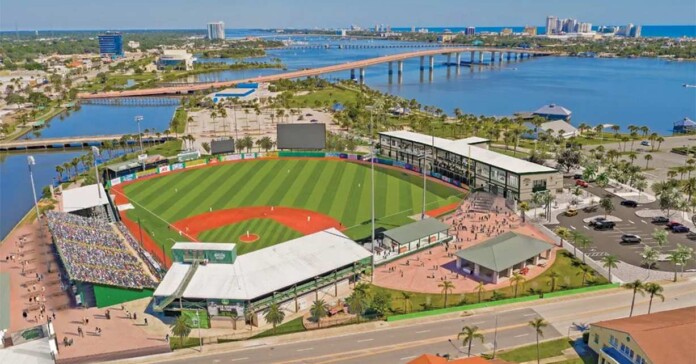
The rendering above illustrates the $30-million renovation of Jackie Robinson Ballpark - credit, Barton Malow and MSA Sport, released as a courtesy to ENR Record
The rendering above illustrates the $30-million renovation of Jackie Robinson Ballpark – credit, Barton Malow and MSA Sport, released as a courtesy to ENR Record
The first baseball park that Jackie Robinson ever played ball on is about to enjoy the fruits of a $30 million renovation that will bring it into the 21st century while maintaining its historic charm.
Though he made his fame with the Dodgers, the first diamond Robinson ever played on was City Island Ballpark in Daytona Beach, Florida.
City Island is around 100 acres in size located on the Halifax River, several miles from Daytona Beach’s center. Here, in 1946, the Brooklyn Dodgers visited on a spring training game against their minor-league affiliate, the Montreal Royals. Among the Royals roster, Robinson had found a place amid a nationally-segregated baseball environment where he could play.
That’s because while many other Florida teams adhered to rules regarding segregation, City Island Ballpark, the Royals, and the local community leaders, would not.
“Jackie Robson was told no, he could not play in many places, but the city of Daytona Beach, with the help of local leaders, said yes,” Dru Driscoll, deputy city manager for Daytona Beach told Engineering News Record.
“So, maintaining that there’s only one place he first played professional baseball, it’s our responsibility to rehabilitate the ball field,” Driscoll adds.
In 2020, Major League Baseball passed an organization change on facility requirements that put some 160 teams and ballparks on notice that they would have to shell out on modernization.
In particular, the change mandated that visiting teams have dedicated clubhouses of a certain size as well as pitching and batting tunnels, that parks should have modern, climate-controlled weight and fitness rooms, and facilities for female players and staff.
This led to 2024 and 2025 being the two largest years in the history of minor league ballpark investment, with total renovations nationwide totaling some $2.3 billion according to the Sport Business Journal.
As the project’s main owner representative, Driscoll faced unique problems in the bid to renovate City Island Ballpark. If one of baseball’s great charms is the wonky irregularities between ballparks, City Island, now called Jackie Robinson Ballpark (JRB) stands among the wonkiest.
A canal runs in parallel with the third base line, while Orange Avenue hugs first. The ballpark takes up almost the entire dimensions of the property it sits on, so finding room for the 38,000 square-foot player development facility, which would include the weight and fitness areas, required requisitioning from the city a couple of derelict tennis courts abutting the right field wall—another curiosity.
Lead contracting firm on the renovation of the JRB, Barton Malow, got started in 2024. Though hampered substantially at times from the desire not to alter the “sacred” layout of the park, and a water table which becomes especially high during summer rains and required diligent dewatering with high pressure pumps, one might say they hit a home-run, accommodating all of the MLB’s new requirements and then some—including a dining space for the club and management to host events, clubhouse seating, dedicated player parking, and a new grandstand with a brilliant view over the river to downtown Daytona.
The park will also include new water service lines and fire sprinklers, and a 1,500 square foot museum dedicated to the life, times, and excellence of the ballpark’s namesake.
In concert with Barton Malow’s work at the JRB, the city of Daytona took the opportunity to do some much-needed civic infrastructure improvements on the island, including a new seawall.
Now home to the Daytona Tortugas, the Cincinnati Reds minor-league affiliate, the JRB is ready for another 80 years of history.
SHARE Yet Another Romantic Baseball Story With Your Friends…
Quote of the Day: “A good decision is based on knowledge and not on numbers.” – Plato
Photo by: Giammarco Boscaro
With a new inspirational quote every day, atop the perfect photo—collected and archived on our Quote of the Day page—why not bookmark GNN.org for a daily uplift?
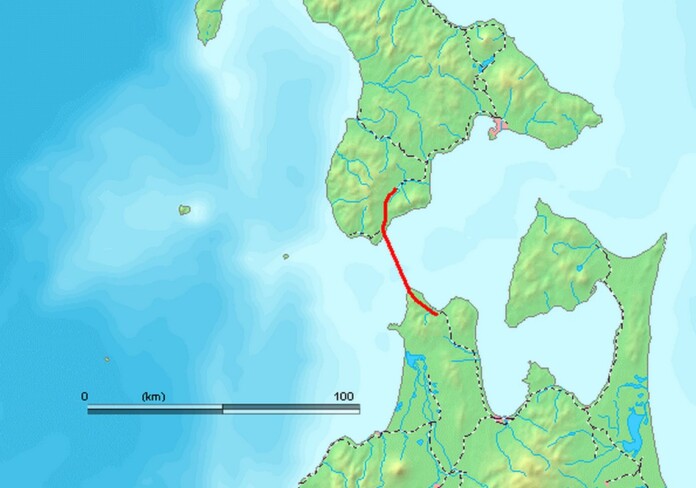
38 years ago today, the Seikan Undersea Tunnel was opened in Japan, leading to a dramatic increase in freight traffic between the northern island of Hokkaido and the central island of Honshu. The Seikan holds a variety of records, including being the longest undersea tunnel by total length (33.46 miles), as well as having the second-longest segment under the seafloor, being the second-longest main-line tunnel of any kind, and the second-deepest undersea tunnel at 740 feet below sea level, and 250 feet below the sea bed. The tunnel was built mainly on expectations of traffic between the two islands, but the government couldn’t predict the rise in air travel making the Seikan virtually redundant for passengers even before it was finished. READ more… (1987)
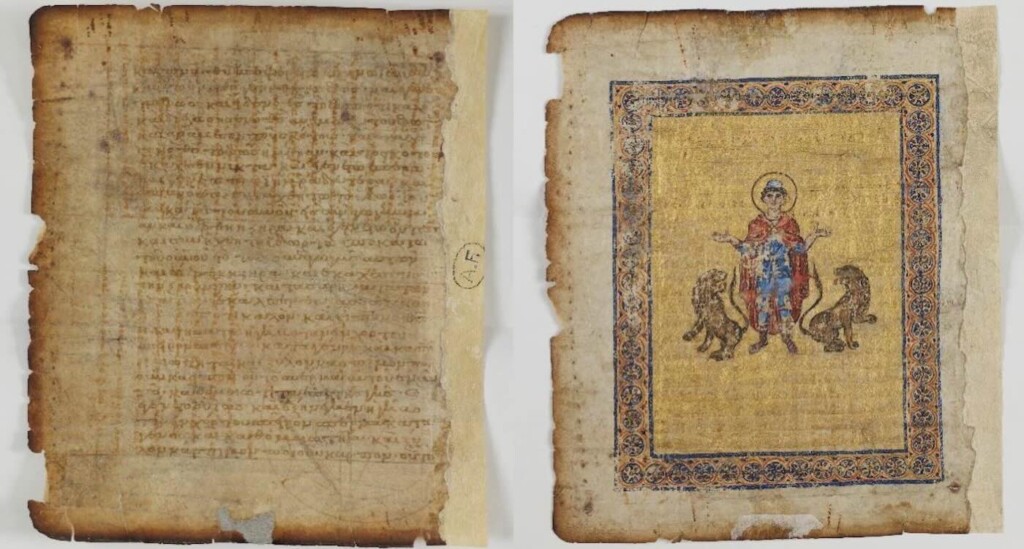
A page of writing from legendary Greek scientist Archimedes, which was lost for several decades, has been rediscovered by a French national researcher working at the Musée des Beaux-Arts in Blois, France.
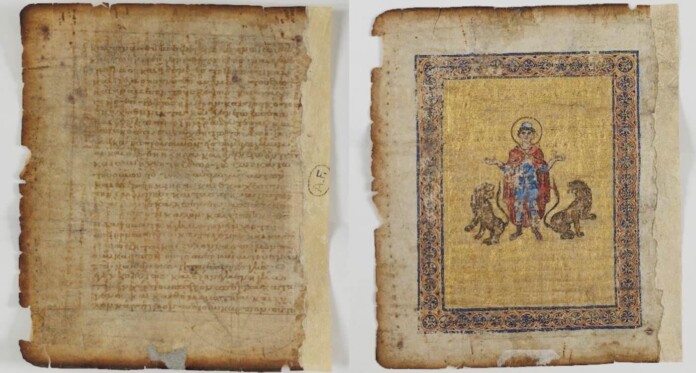
The leaf, from what is considered one of the most important surviving manuscripts of antiquity, contains a passage from the treatise On the Sphere and the Cylinder, Book I (Propositions 39 to 41)—and much of it remains largely legible on the 10th Century parchment.
It was identified in the museum’s collection by Victor Gysembergh, a researcher at the National Center for Scientific Research (CNRS), as being the missing page known from century-old photographs taken of the text in 1910, which are now preserved at the Royal Danish Library.
On one of its two sides, a text of Greek prayers partially covers geometric diagrams, while the other side is covered by an illustration added in the twentieth century depicting the Prophet Daniel surrounded by two lions, beneath which the ancient text remains to this day, but inaccessible while using conventional methods of examination.
Gysembergh and his colleagues at the CNRS’ Léon Robin Center for Research on Ancient Thought plan to conduct the first X-ray imaging studies within a year, after obtaining the necessary authorizations, to document what was written beneath the illustration.
To understand both the value of the discovery, as well as why a single page was missing and stuffed in a French museum, and why there are passages hidden beneath an illustration, one must understand the incredible story of the text’s provenance.
Some believe the manuscript was copied from an earlier compilation made by the legendary Isidore of Miletus (475 CE–mid-550s CE), the mathematician and architect who designed the original building that became the Hagia Sophia church in then-Constantinople (Istanbul).
It contained works of the Classical Greek mathematician Archimedes and others. Archimedes was known in his day (C. 287–212 BC) as the best mind in Greece. He approximated pi, and formulated multiple theorems for determining the areas of various geometrical shapes.
Placed onto parchment in 950 CE, the codex was later evacuated to a Greek Orthodox monastery in Palestine as crusaders were getting ready to sack Constantinople in 1204. There it existed for centuries, during which the paper was washed and reused for Greek religious scripture—a process known as palimpsesting. In 1899 it was still in the hands of the Greek church, and was photographed by Johan Heiburg in Istanbul in 1906.
Around 1922, a page from the manuscript went missing in the midst of the evacuation of the Greek Orthodox library during a tumultuous period following World War I, during which it entered a private French collection.
Within the Archimedes Palimpsest, on the reused paper with washed-out text, the original writing is still visible, running left-to-right across the parchment, and contains two works of Archimedes that were thought to have been lost—the Ostomachion and the Method of Mechanical Theorems—as well as the only surviving original Greek edition of his work On Floating Bodies.
CNRS stated that the Ministry of Culture eventually approved the manuscript’s export to Christie’s Auction House in New York City in 1998, where it was put up for sale by the daughter of the Frenchman who owned the work. It was contested by the Greek church, but a US court ruled in favor of the auction, and the incomplete manuscript was purchased by an anonymous buyer, “Mr. B,” to be deposited for conservation and study at the Walters Art Museum in Baltimore. (The German newspaper Der Spiegel reported that the buyer was most likely Jeff Bezos, the founder and CEO of Amazon.)
Regarding the newly found missing page, the scientists plan to use a multispectral approach combined with a series of synchrotron-based X-ray fluorescence analyses to generate the text beneath the illustration of Prophet Daniel.
SHARE These Lost Pages Of A Relic With An Incredible History…
Derelict Fishing Gear – Courtesy of HPU's Center for Marine Debris Research
Derelict Fishing Gear – Courtesy of HPU’s Center for Marine Debris Research
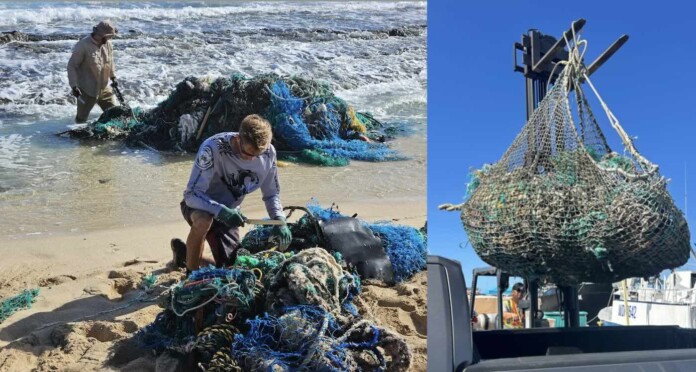
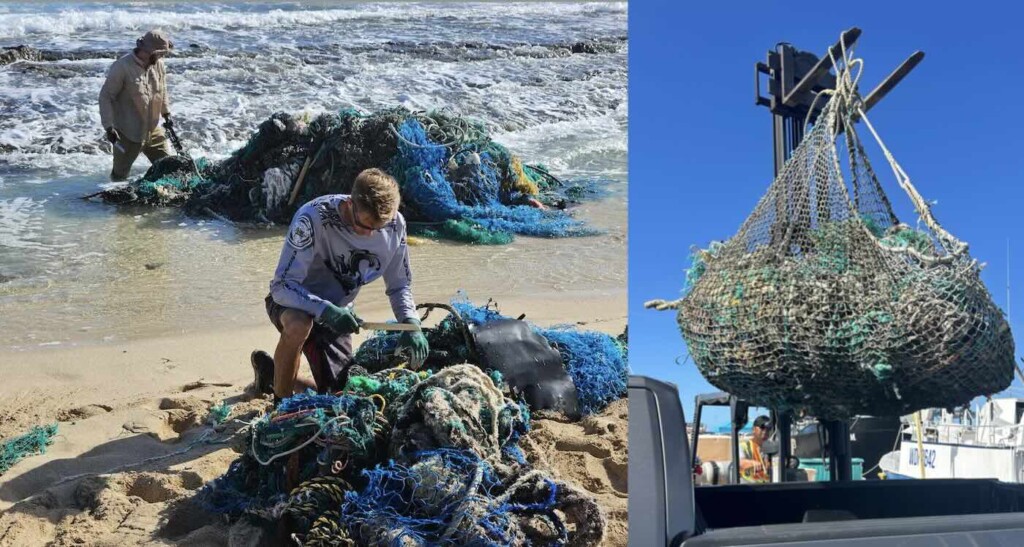
In just over 3 years, Hawaiʻi Pacific University’s “Bounty Project” has removed over 185,000 pounds (84 metric tons) of derelict fishing gear from the North Pacific Ocean by turning commercial fishing trips into opportunities for ocean cleanup.
By pulling nets, lines, and floats out of the water before they can drift into reefs, shorelines, or threaten endangered marine wildlife, the Bounty Project is one of only 3 known efforts to remove debris in the distant North Pacific Garbage Patch.
The Bounty Project was organized by the University’s Center for Marine Debris Research (HPU CMDR) and launched in November, 2022, according to a novel, straightforward idea: position the fishermen already working on the ocean at the center of the solution.
It may be that certain irresponsible fishermen are responsible for the “ghost gear” that can do so much harm to marine life, but in economics, incentives matter.
Through partnerships with the Hawaiʻi Longline Association and the Hawaiʻi Department of Land and Natural Resources, eligible commercial fishermen are compensated to recover derelict gear during routine fishing activity, so removal occurs at sea, not after debris had already reached the shore.
“It is incredible that we are now approaching 200,000 pounds of gear removed from the ocean through this project,” says HPU CMDR Project Manager Katie Stevens in a statement, “and it has been great to see the enthusiasm and engagement of the commercial fishers as stewards of the ocean environment.”
Supported through a 2022 award from the National Oceanic and Atmospheric Administration (NOAA) Marine Debris Program, with Ocean Conservancy providing matching funds, the Bounty Project has helped scale up removals and strengthen the Project’s recovery system and partnerships.
“This project stands out for its innovative approach, partnering with commercial fishers toward a solution. Compensating those already on the water to remove derelict fishing gear, maximizes both efficiency and environmental benefit,” shared Mark Manuel, NOAA Marine Debris Program’s Pacific Islands Region Coordinator.
77 commercial fishermen conducted more than 690 ghost gear seizures, with the objects taken ashore either for reuse, recycling, energy recovery, or responsible disposal.
Participating non-longline fishermen removed gear within 12 hours of first detection 88% of the time, helping prevent debris from repeatedly snagging and dragging across sensitive habitat.
The Project included monthly surveillance of sensitive reef habitats, including Kāneʻohe Bay, supporting rapid-response recovery where derelict gear poses immediate risk.
“The financial reward has created friendly competition and results in a very rapid response to get the nets off of reefs to give the corals a fighting chance of survival,” commented Hank Lynch, a fisherman who participated in the project.
“When the nets are too large, we call on the other bounty fishers for help and split the reward. The payment helps to diversify the income of commercial fishers and supports maintenance of our vessels so we have the capacity to continue this work.”
While most of the equipment is shredded and incinerated, 2,323 pounds of recovered gear were shredded and recycled into a Hawaiʻi Department of Transportation experimental pavement project in ʻEwa Beach called “Nets-to-Roads.” Some recovered material has also been stored for additional recycling research.
To sustain and expand this work, HPU CMDR is seeking support in multiple ways to keep removal efforts moving, strengthen rapid-response recovery in sensitive reef areas, and advance solutions that prevent ghost gear from entering the ocean in the first place. Interested parties are encouraged to contact Director of the HPU CMDR, Jennifer Lynch, Ph.D.
SHARE This Inspiring Movement In Ocean Cleanup With Your Friends…
A chimp named Toti observes the crystal - credit, García-Ruiz et al., 2026, according to CC 4.0. license
A chimp named Toti observes the crystal – credit, García-Ruiz et al., 2026, according to CC 4.0. license
Scientists have found that chimpanzees are attracted to crystals, seem to value them, want to keep them where they sleep, and can easily distinguish any stone that shines or glitters from others that don’t.
The researchers were hoping to understand whether our own species’ long documented appreciation (bordering on obsession) with crystals, gems, and precious metals, extends even further back down our evolutionary timeline.
The findings must be taken with several grains of sodium chloride crystal, but may open up a fascinating field of study into the origins of value.
Maybe you’ve experienced this: news comes out about a large diamond or ruby selling at auction for the same price as a house, and you or a friend have a brief moment of wondering, “why?”
Similarly, maybe you subscribe, or at least sympathize, with Warren Buffet’s long-held views on gold—namely that it’s nothing but a shiny rock—”a barbarous relic,” as the Oracle of Omaha famously said.
But even so, there’s something about the appeal of shiny rocks that clearly transcends logic, and that’s been true not only for the 5,500 year history of gold’s use as money, but for likely our entire existence.
Crystals have repeatedly been found at archaeological sites alongside Homo remains. Evidence shows hominins have been collecting these stones for as long as 780,000 years. Yet, we know that our ancestors did not use them as weapons, tools, or even jewelry. So why did they collect them at all?
Something about these stones made them desirable, even when they weren’t used for anything, and hoping to understand why, Spanish scientists conducted an experiment with 9 encultured chimps at a primate rescue center.
Encultured means that the animals have had extensive contact with humans, and is the first reason to hold one’s horses regarding scientific conclusions, but the results of the experiment nevertheless left the scientists “amazed.”
“We were pleasantly surprised by how strong and seemingly natural the chimpanzees’ attraction to crystals was,” said lead author Juan Manuel García-Ruiz, a professor in San Sebastian in crystallography. “This suggests that sensitivity to such objects may have deep evolutionary roots.”
Modern humans diverged from chimps between 6 and 7 million years ago, so we share substantial genetic and behavioral similarities. To find out if fascination with crystals is one of them, the researchers provided two groups of chimpanzees (Manuela, Guillermo, Yvan, Yaki, and Toti in group one and Gombe, Lulú, Pascual, and Sandy in group two) with access to crystals.
A chimp named Yvan spent more than 15 minutes inspecting a small crystal – credit García-Ruiz et al., 2026, according to CC 4.0. license
In the first experiment, a large quartz crystal—called the monolith—was placed on a platform, along with a normal rock of similar size. While initially both objects caught the chimps’ attention, soon the crystal was preferred and the rock disregarded. Once they had removed it from the platform, all chimps inspected the crystal, rotating and tilting it so they could view it from specific angles. Yvan then picked up the crystal and decisively carried it to their hay-lined sleeping huts.
A second experiment showed that the chimps could identify and select smaller quartz crystals—similar in size to those found in hominin site excavations—from a pile of 20 rounded pebbles within seconds.
When pyrite (Fool’s Gold) and calcite crystals, which have different shapes than quartz crystals, were added to the pile, chimps still were able to pick out crystal-type stones.
“The chimpanzees began to study the crystals’ transparency with extreme curiosity, holding them up to eye level and looking through them,” García-Ruiz said. The animals then immediately, like the monolith experiment, took them back to their dormitories.
Chimps repeatedly examined the crystals for hours. Sandy, for example, carried pebbles and crystals in her mouth to a wooden platform where she separated them.
“She separated the 3 crystal types, which themselves differed in transparency, symmetry, and luster, from all the pebbles. This ability to recognize crystals despite their differences amazed us,” García-Ruiz said.
The authors pointed out that chimps don’t usually use their mouths to carry objects, so this could mean they were hiding them, a behavior consistent with treating the crystals as valuable, the team pointed out. It could, however, also mean they were testing to see if they were edible, but maybe not.
Another behavior by the chimps demonstrated the potential that they understood a value proposition in the crystals: that in order to get them back, the researchers had to barter for them, with substantially more pounds of food then the crystal. If indeed they were testing to see if it were edible, the amount of food they demanded in return seems strange.
Philosophically, the food trade experiment mirrors the classical value paradox of gems and precious metals.
One can’t eat a gemstone or gold coin, yet they cost far more than bread. Starving to death, one would trade every gemstone on Earth for a loaf of bread, so why do we assign them so much value? Based on how many bananas and how much yogurt García-Ruiz and his team had to offer, it could be that chimpanzees fall into that same paradox.
An interesting hypothesis as to why the chimps found the crystals interesting is their shape.
Crystals are the only natural polyhedral objects, meaning the only natural solids with many flat surfaces. When early humans tried to make sense of their environment, their cognitive processes might have been drawn to patterns that were unlike what they knew.
The clouds, trees, mountains, animals, and rivers of the natural world surrounding our ancestors were defined by curvature and ramification, so few items had straight lines and flat surfaces.
The combined observations from the experiments identified that both the transparency and the shape as alluring properties to the chimps. It might have been the same qualities attracting early humans to these rocks.
However, the fact that the chimps had long become accustomed to living with humans should, the researchers note, be considered a limiting factor in interpreting anything conclusively from the studies. Ideally, García-Ruiz said, the experiment should be replicated with wild apes, and preferably not only with Chimps, but also bonobos and gorillas.
Michael Haslam, an archaeologist with Historic Environment Scotland, told the New York Times that the great apes aren’t the only animals that value crystals: some birds have been known to collect them. Bowerbirds, fascinating birds that will decorate their nests with all sorts of objects, have been documented arranging quartz crystals around the perimeter of their nest to attract females.
The gemstones of our marketplaces today are just certain kinds of scarcer crystals that are cut and polished, and there’s every reason to suspect that if the Hope Diamond were placed in front of Sandy, or the male bowerbird, they’d behave exactly the same.
SHARE This Story With Your Friends Who Love Crystals, Or Hate Them…
Everyone in life has likely gone through it at least once: losing a wallet can be stressful to say the least.
So can delivering snail mail in -11°F, but that didn’t stop a Pennsylvania postal worker from doing a good deed when presented with the opportunity.
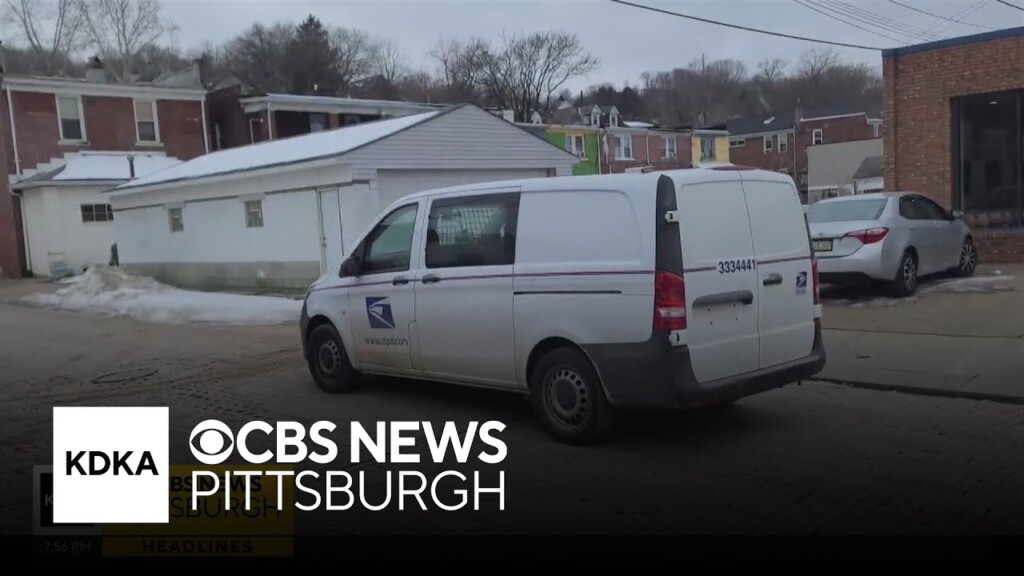
25-year-old Bruce Armah, a new member of the mail team, found a wallet half-buried in snow in Coraopolis new Pittsburgh. He tucked it away in his car and continued on his route, but not because he meant to steal anything.
Finishing his shift, he looked to see if there were an ID of sorts that might have an address, and thankfully there was. Speaking with CBS News Pittsburgh’s Barry Pintar, Armah explained why he struck out at the end of a long day in his own car to return the wallet to its rightful owner.
“It was my father’s good deeds,” Armah said, explaining that his did taught him that he should do the same in the stranger’s position. “He lost his wallet, and someone returned it to him, so I was just returning the favor.”
His father’s wisdom at heart, Armah arrived in Clinton, only to find that the wallet’s owner had moved all the way to McDonald, which for readers not familiar with the area is many miles away. He nonetheless made the hike—driving 52 miles in total after work to and from the owner’s house—in order to return that favor his father had experienced all those years ago.
“There was $100 cash in there, credit cards, ID, healthcare cards,” said the husband of the wallet’s owner, Matt Bryan. “He wanted nothing in return; he just said it was the right thing to do.”
Bryan wouldn’t let sleeping dogs lie, and quickly told his own mailman about the incident, who in turn told another postal service worker, who told another, until it caught the ear of their boss, who commended Armah for taking so much time and effort at the end of a long, taxing, cold day.
His father would be proud.
WATCH the story below…
SHARE This Inspiring Mailman Going Above And Beyond The Call Of Duty…
With a new inspirational quote every day, atop the perfect photo—collected and archived on our Quote of the Day page—why not bookmark GNN.org for a daily uplift?
Happy 70th Birthday to Steve Harris, the bassist, songwriter, and lyricist behind the most famous heavy metal band on Earth, Iron Maiden. A true music man, Harris has undertaken many other roles for the group, such as producing and co-producing their albums, directing and editing their live videos, and performing studio keyboards and synthesizers. He is often described as the greatest bassist in heavy metal, mostly as regards his stylistic contributions to the instrument and the genre rather than his technical ability. READ about his side hobby… (1956)
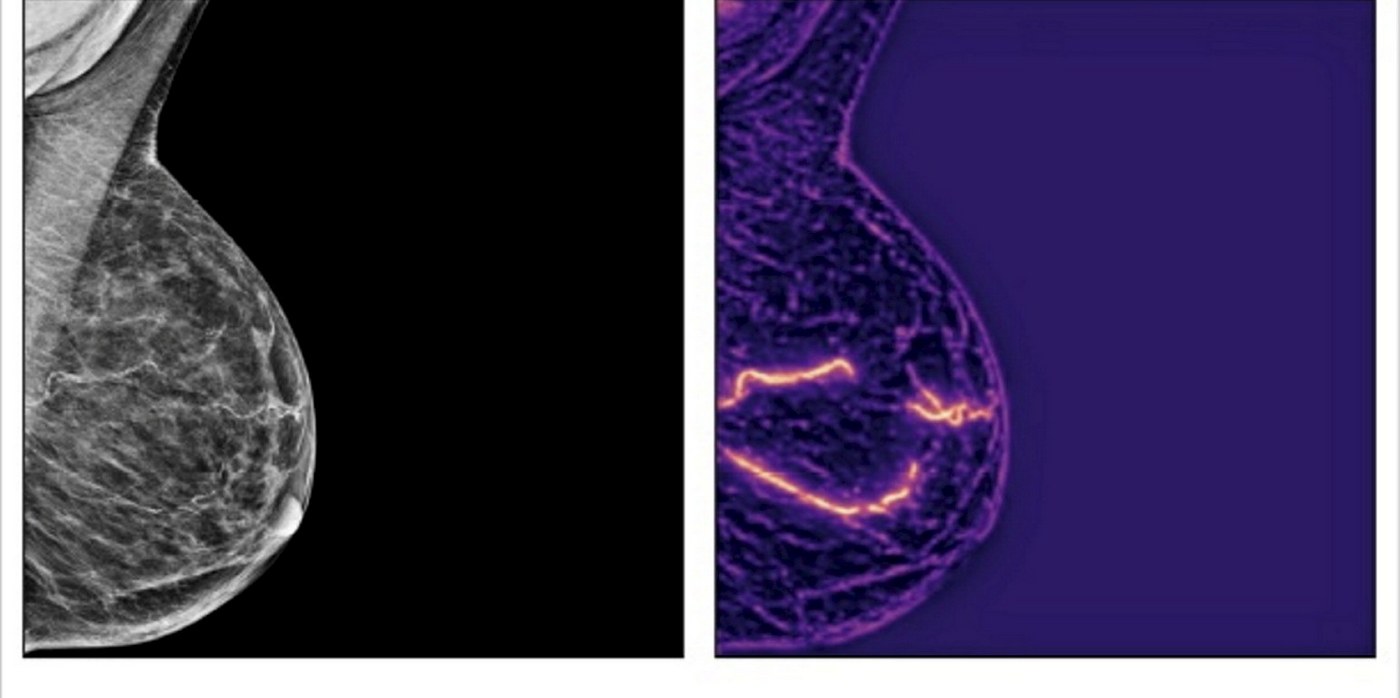
Example of a mammogram moderate calcification - credit, Emory University, released
Example of a mammogram moderate calcification – credit, Emory University, released
The risk of potentially deadly heart disease can be detected from routine mammograms using AI technology, a new study demonstrated.
By analyzing the build-up of calcium deposits in the arteries of the breast from standard X-ray mammography scans currently used in breast cancer screening, AI can estimate the risk of heart disease then and later in life.
“Heart disease is the leading cause of death in women worldwide, yet women are consistently underdiagnosed and undertreated compared to men,” said study leader Dr. Hari Trivedi from Emory University in the US. “Mammograms, which women already attend for breast cancer screening, can also reveal calcium deposits in breast arteries and this is linked to heart disease.”
“We wanted to test whether AI could use this to identify women at risk of cardiovascular disease at no extra cost or inconvenience.”
The study, published in the European Heart Journal, included 123,762 women who had taken part in breast screening, but had no known cardiovascular disease.
Researchers used AI to analyze the amount of calcium deposit in the arteries of the breast tissue. Such “arterial calcification” is known to be a sign that the arteries are becoming hardened, and indicates a higher risk of a heart attack or stroke, heart failure, and death.
The amount of arterial calcification in the women’s breast tissue was categorized as severe, moderate, mild, or absent.
The research team then compared these categories with information on whether the women went on to develop serious cardiovascular disease, including a heart attack or stroke.
They found that women with mild calcification were around 30% more likely to suffer serious cardiovascular disease compared to women with no calcification, while those with moderate calcification saw a 70% higher risk.
In women with severe calcification, the risk was 2 to 3-times higher.
“This was true even in younger women under 50, a group often considered low-risk, and held up after accounting for other risk factors like diabetes and smoking,” said Dr. Emory explaining the robustness of the findings.
He said it was the largest study of its kind, and had the added depth of covering multiple ethnicities across the US health service system.
“For women, this means a mammogram you’re already having could also provide important information about your heart health, prompting a conversation with your doctor about preventive steps such as cholesterol testing or medication. For clinicians, it offers a practical way to identify women at cardiovascular risk who are currently being missed.”
“The main steps needed are integrating the AI tool into existing imaging workflows and establishing clear guidelines for notifying patients and doctors, and we are now planning a clinical trial designed to test these steps.”
Professor Lori Daniels, from the University of California San Diego, who wasn’t involved with the study, welcomed the findings.
In an accompanying editorial, she said that two-thirds of women aged 50 to 69 in the European Union reported a mammogram within the prior two years, and in the USA, nearly 70% of women aged 45 years and older were up to date with mammography according to American Cancer Society screening guidelines.
At the exact same time, most had no knowledge of their heart disease risk.
“Breast arterial calcification (BAC) has the potential to reframe this mismatch, leveraging a widely adopted cancer-screening platform to identify cardiovascular risk in women who may not otherwise engage with prevention,” wrote Professor Daniels.
“Regardless of the reporting metric ultimately adopted, it is time to shift BAC from observation to implementation, leveraging a touchpoint women already trust, to advance prevention for what remains the leading cause of death among women.”
SHARE This Brilliant Use Of AI In An Underserved Area Of Women’s Medicine…
The I-35W Mississippi River Bridge after its collapse - credit, Mike Wills CC 2.0. via Flickr
The I-35W Mississippi River Bridge after its collapse – credit, Mike Wills CC 2.0. via Flickr
A University of Houston scientist is helping reveal the world’s weakest bridges—and how to fix them before it’s too late.
In a study of 744 bridges across the globe, an international team found that by combining radar and satellite imaging into risk calculations, engineers can identify which bridges are at risk of structural damage long before such damage occurs.
Published in Nature Communications by lead author Pietro Milillo, the team says their method could close a significant gap in the understanding of the structural condition of bridges.
“We can significantly lower the number of bridges classified as high-risk, especially in regions where installing traditional sensors is too costly,” Milillo told University of Houston press.
The international team, including collaborators at the University of Bath in the UK and Delft Tech Univ. (Netherlands), used a remote sensing technique called Multi-Temporal Interferometric Synthetic Aperture Radar (MT-InSAR).
The researchers revealed it can complement traditional inspections by detecting millimeter-scale displacement on the structure caused by all the vagaries of time, decay, and nature. Such a solution could change how infrastructure is protected worldwide: monitoring bridge stability from space to detect problems before they become disasters.
They also revealed that the structures in North America are in the poorest condition, followed by those in Africa. While North American bridges are in poorer shape due to most being built in the 1960s, they still benefit from visual inspections by trained professionals.
By contrast those in Africa or Oceania may be in comparatively better condition, but inspections are virtually non-existent.
In-person visual inspections of bridges can be subjective and expensive, while inspectors may miss signs of early deterioration between typical bi-yearly inspection cycles. Structural Health Monitoring (SHM) sensors offer a more cost-effective solution, but their implementation remains limited primarily to newer bridges and specific concern cases, with the study confirming that they are installed on fewer than 20% of the world’s long-span bridges.
“Remote sensing offers a complement to SHM sensors, can reduce maintenance costs, and can support visual inspections, particularly when direct access to a structure is challenging,” said Millilo.
“For bridges specifically, MT-InSAR allows for more frequent deformation measurements across the entire infrastructure network, unlike traditional inspections, which typically occur only a few times per year and require personnel on the ground.”
Researchers found that incorporating data from MT-InSAR, particularly pixels with stable scattering properties known as persistent scatterers (PS), into risk assessments provides more accurate risk registers through uncertainty reduction, enabling better risk prioritization and maintenance planning.
By providing more frequent updates than typical visual inspections, this combined monitoring approach reduces uncertainty about a bridge’s current condition, leading to more accurate risk classification.
SHARE This Fantastic Way To Monitor And Protect Our Structures…
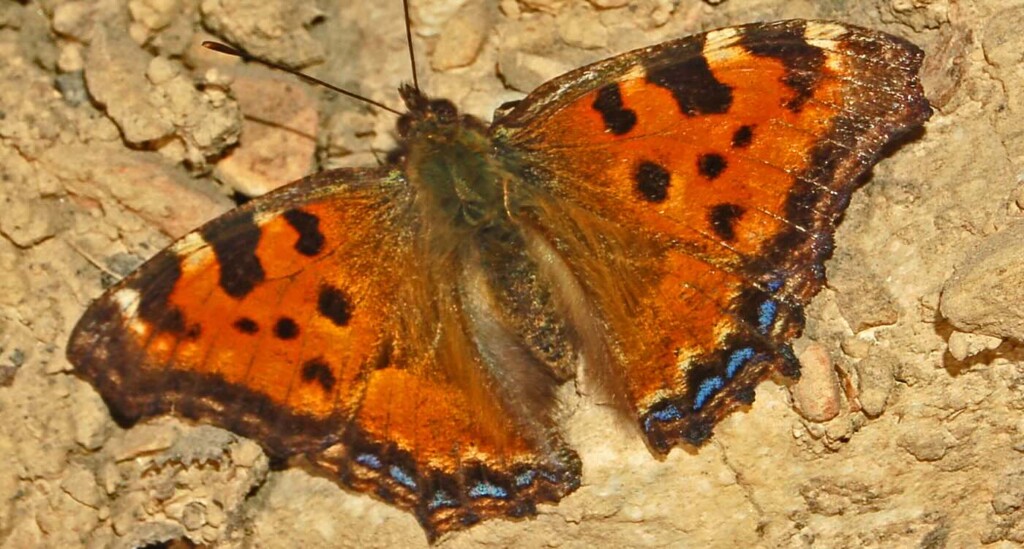
Large tortoiseshell butterfly (Nymphalis polychloros) by Hectonichus via CC BY-SA 4.0 Wikipedia
Large tortoiseshell butterfly (Nymphalis polychloros) by Hectonichus via CC BY-SA 4.0 Wikipedia
The butterfly-mad British are celebrating what seems to be a permanent return of this large and spectacular species after Dutch elm disease killed it off from the island.
Unlike the small tortoiseshell butterfly, the large tortoiseshell butterfly hasn’t been a resident of the UK since the 1960s, but after several years of continuous widespread sightings, it’s clearly no longer just a migratory visitor.
Indeed, having been seen in Kent, Dorset, the Isle of Wight, Sussex, Hampshire, and Cornwall, Britain’s Butterfly Conservation has officially designated it as the 60th ‘resident’ species in the UK.
“The signs are really positive, which is lovely,” said Richard Fox, head of science for Butterfly Conservation.
“It is resident and therefore it is another species to add to Britain’s total, which is good news. It’s not well-established enough yet to say it’s definitely back for good and will be widespread across multiple landscapes—we’re still in that zone of uncertainty at the moment, but there are exciting signs.”
Its caterpillars hatch on trees and feed on the leaves of elm, willow, aspen, and poplar.
Lepidopterists, or butterfly biologists, believe that Britain represents the northern-most part of the animal’s range, and with Europe experiencing higher than recent-historic-average temperatures, this makes it an even more ideal home than during the 20th century.
According to the Guardian, sightings have been reported as far back as 2006, but since butterflies can and often are migratory, it wasn’t at the time possible to say the animal was recolonizing its former haunts. Rather, it was more likely a seasonal visitor.
Then, in 2020, sightings of the first wild caterpillars in Dorset confirmed the animal was back and breeding in the wild, and as it spread out across the surrounding, lower English counties, gracefully returned to the resident list.
Butterfly Conservation are urging residents of these areas to log details of any sighting of the large tortoiseshell on iRecord, a citizen-science application which is helping build a picture of the expanding range of the insect.
SHARE This Insect’s Happy Return With Your English Friends On Social Media…
A miracle berry plant - credit, Hamale Lyman, released to the public domain
A miracle berry plant – credit, Hamale Lyman, released to the public domain
A species of red berry native to Africa and now grown in Florida is helping cancer patients reclaim the ability to enjoy food thanks to the berry’s properties which bear a “miracle” moniker.
“Miracle berry” is known as àgbáyun in its West African home. Scientifically, it’s designated Synsepalum dulcificum, with ‘dulcificum’ referring to its unique ability to turn sour foods sweet.
So iconic and striking is the effect it has on those who consume it, the active ingredient inside the plant’s fruit is a glycoprotein that’s literally called miraculin.
Studies investigating this compound report that at low pH (resulting from ingestion of sour foods) miraculin binds proteins and becomes able to activate the sweet receptors, resulting in the immediate perception of sweet taste.
What does this have to do with cancer? Proper nutrition is important to any cancer battle, but this can often become difficult because of something called “chemo mouth.”
“What patients report with chemotherapy is that they may develop a bothersome taste that could be described as metallic, rotten food,” said Dr. Mike Cusnir, an oncologist at Mount Sinai Medical Center who has led several initial studies into using miracle berries to make food more palatable for chemotherapy patients.
Dr. Cusnir told CBS News Miami that the ‘miracle’ in miracle berries doesn’t have anything to do with cancer, nor any method of preventing the damage chemotherapy does to the body. What it can do is restore one of the great joys of life—eating—to those who’ve lost it to chemotherapy drugs.
Julie Ascen has been battling lymphoma for a year, and told CBS that she considers the miracle berry to be just that: a miracle.
“It is one of those miracles that, if you have this disease, you want to live your life and not have it control you. And this lets it not control me; I can control myself.”
The miraculin glycoprotein removes the chemo mouth sensation for 30-40 minutes, allowing patients to eat a meal and enjoy the flavors again.
Florida, says one miracle berry grower, is the only place in the US where this fruit grows well, as it enjoys the hot and humid conditions of the plant’s native West African forest home.
Hardly reserved for cancer patients, miracle berry is typically sold in freeze dried form, as the miraculin degrades quickly after the fruit’s separation from the plant. You can even buy it on Amazon. It makes for a fantastic party trick—eat one, then eat a lemon, and watch as everyone uniformly agrees that it tastes like an orange.
SHARE This Little Fruit Making A Big Difference In People’s Lives…
Quote of the Day: ‘What we really are’ matters more than what other people ‘think’ of us. – Jawaharlal Nehru
Photo by: Petra Bensted – CC License
With a new inspirational quote every day, atop the perfect photo—collected and archived on our Quote of the Day page—why not bookmark GNN.org for a daily uplift?
A restored page from the Rigoletto vocal score, featuring the Bella Figlia dell'Amore aria.
175 years ago today, Giuseppe Verdi’s Rigoletto premiered in Venice. This cornerstone of opera seasons present and past tells the story of a court jester who tries to interfere with a duke’s courting of his daughter, but it doesn’t go as he plans. There is cross-dressing, assassins, and one of the most iconic melodies in the tenor range, La donna è mobile. LISTEN to the aria below… (1851)