













199 years ago today, the New York Stock & Exchange Board (NYSE) was formally founded, having started out as merely 24 individual stockbrokers meeting under a buttonwood tree in lower Manhattan 25 years before. It is now the largest stock trading organization in the world, with $44 trillion in market capitalization, and 2,200 stocks listed on the exchange. It has become a landmark institution in New York City life, deeply affecting city newspapers, the real estate around Wall Street and Broad Street, and giving the city its famous “ticker tape parades” after the material that transmitted stock prices over telegraph lines. WATCH a whacky trader give a tour of the floor… (1817)
He Earns More in an Hour as Spider-Man Than a Full Day at his Old Supermarket Job

A 19-year-old who gave up his supermarket job for a side hustle as Spider-Man now earns in one hour what he used to make in a full 8-hour day.
Nate Frindall started his superhero gig three years ago after he dressed up as the character to see the latest film.
When he arrived in costume at his local movie theater, he says he was greeted by applause and encouraged to do a backflip—and when he did, the crowd went wild.
After telling his parents in Surrey, England, about the encounter, he made the decision to build a new freelance gig as a superhero impersonator. He spent over $900 (£800) on a high-quality suit and since then the business has taken off.
“I absolutely love doing it. To see these kids really happy that I have made their party, and turned up to surprise them, is great.”
“It has paid off, too” he told SWNS news agency. “I am booked up for children’s parties every weekend in March.”
“It’s lovely to see kids smile. Because of the realism of the suit, they genuinely think I am Spiderman. So, they get a big shock.”
Working at the supermarket checkout he was paid 12.40 an hour, but now, he charges 75 for a 30-minute meet-and-greet and 150 for an hour. Some folks pay 250 for an hour ‘party package’ with games and photos or 300 for a two-hour party.
“People are always surprised. They usually think it’s cool that I do this. My friends used to make fun of me, but I am making good money.”

“I also really enjoy it, so I am not really bothered by other people’s opinions.”
In a commitment to his performances, which involve walking on his hands and backflips (see the video below), he’s now purchased two more suits.
HEARTWARMING SUPER MAN: Superhero Brings Smiles to 100,000 Sick Children and Families, Healing Himself Since Mom Died of Cancer in 2009
To promote his business, Nate attends lots of local events in costume and gives out his business cards, and he also posts on local Facebook groups.
For his long term dreams, Nate works with music on the side, with hopes of becoming a producer, and has taken up acting as an extra, and dabbling in comedy with his cousins on TikTok, where they’ve tallied 10,000 followers.
He encourages other young people who have business ideas to take a super-hero leap and start their own businesses.
“I would 100 percent recommend doing a side hustle or a freelancing gig.”
SELF-EMPLOYED GENIUS: Laid Off Construction Worker Starts Crafting Radiator Covers–And Earns First Million
“Not many people that I know are doing what I’m doing. I don’t like hospitality or retail jobs, so if you can find a niche gap in the market then you’re going to get better money for it.”
ENCOURAGE YOUTH By Sharing Creative Job Options on Social Media…
Landfill Uses Gas From Waste to Grow Fruits and Vegetables in ‘World-First’ Green Food Dome
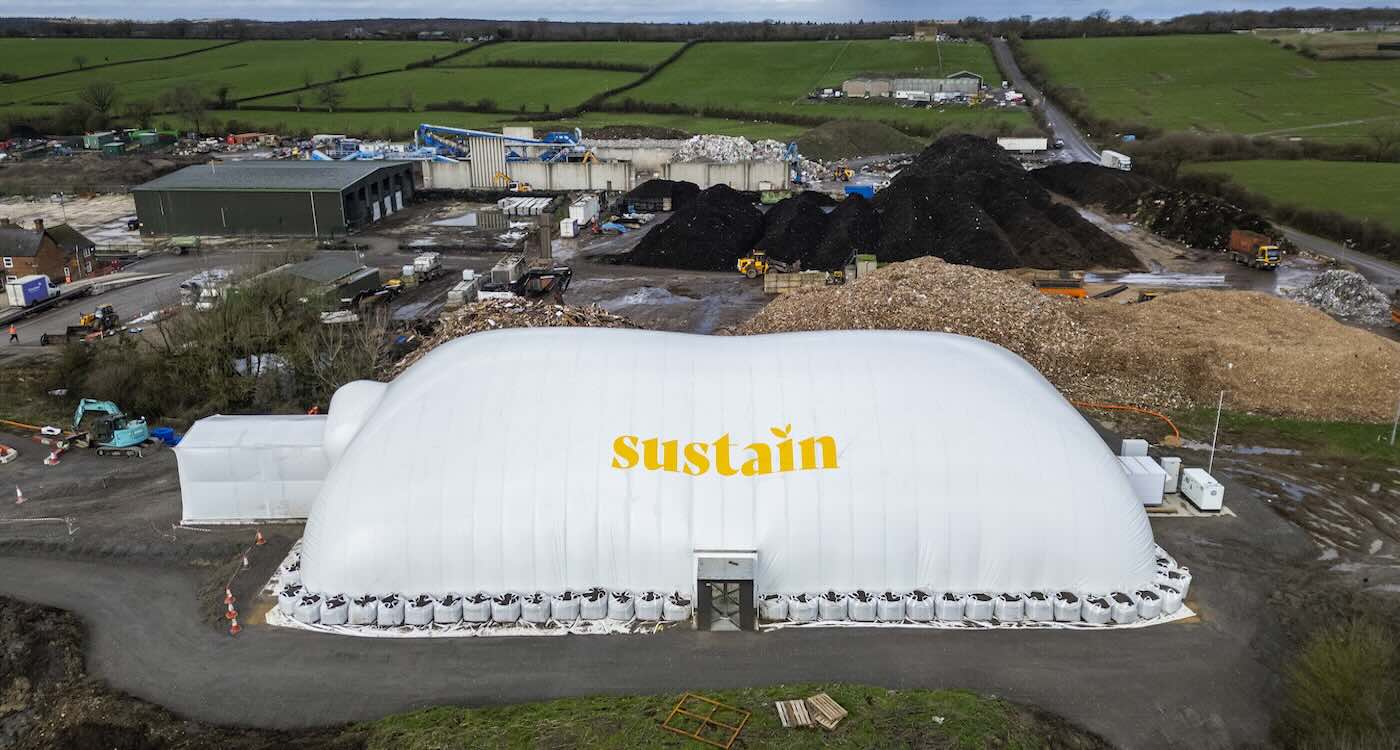
A landfill 90 miles outside London is using methane from its waste to generate electricity and grow sustainable produce—even during the cold English winters.
With the new approach to food production, landfill sites can become low-emission, affordable fruit and vegetable hubs with perfect year-round growing conditions.
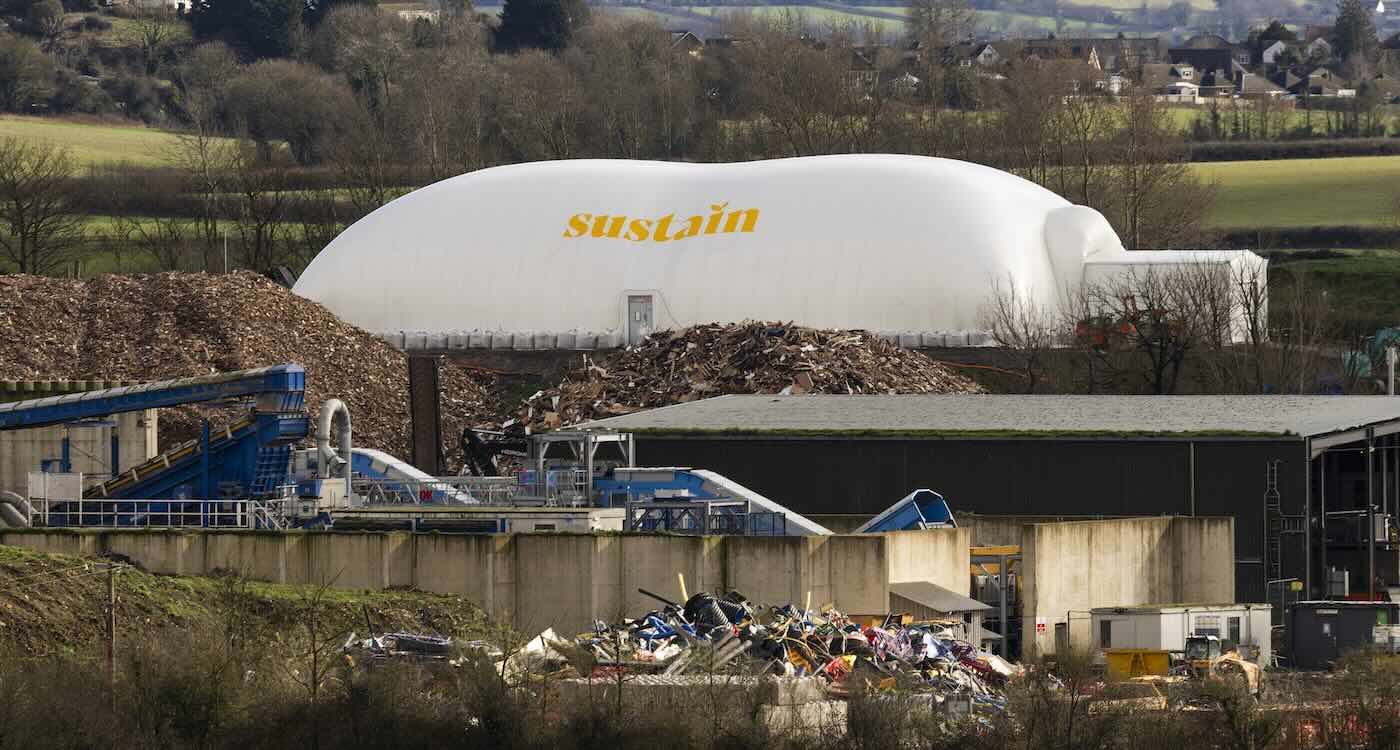
The huge dome in Wiltshire, England, serves as the greenhouse—while all the power to run the heating, ultraviolet lights, and fans is generated from the waste on site.
The size of three tennis courts (8,450 sq-ft), the 30-ft-tall dome is capable of harvesting 10 tons of produce every year.
Crapper and Sons Landfill Ltd, a family run business, launched the Community Interest Company called Sustain Wiltshire, which uses its revenue for the public good.
In what they call a “world first”, their landfill-powered dome uses a system of hydroponics and raised planters that could even grow avocados, which are found in the UK only if imported.
They believe their locally-grown vegetables will cost less than those in supermarkets—and the company plans to collect the veggie waste to make the process even more sustainable.
Instead of requiring costly warehousing and distribution centers for fresh produce around the UK, the food will be sold via an app, delivered to families’ doors, and then their food waste would be collected and brought back to the site to be used in the process again, creating additional electricity.
A SOLAR GARBAGE DUMP: Turning a Landfill into a Solar Powerhouse, Pittsburgh Airport is Now Totally Energy-Independent
How they make the green energy
Sustain Wiltshire’s system collects the landfill gas—composed of methane, carbon dioxide (CO2), and hydrogen sulfide—through a series of wells placed within the landfill. The gases from decomposing waste are then piped to a central location where it is cleaned by removing the hydrogen sulfide.
The collected methane-rich biogas is used to fuel a combined heat-and-power gas engine to power the inflatable growing domes—kept at a perfect growing temperature.
Carbon dioxide will also be collected from the engine exhausts, where it will be cleaned and stored for use in the growing domes. “The process of photosynthesis will turn the carbon dioxide into oxygen,” reported the company.
If this prototype dome is successful, there are plans to install a further 100 domes on the Crapper and Sons landfill site, which could then supply up to 80% of all fruit and vegetable needs for the three local towns of Royal Wootton Basset, Purton, and Brinkworth, over the next ten years.
MORE LANDFILL USES:
• Scientists Are Making Jet Fuel from Landfill Gas Aiming to Launch Circular Economy
• The Largest Landfill in Latin America has Been Turned into a Mangrove Forest
“It has the potential to change the face of food production as we know it,” said Nick Ash, Project Director for Sustain Wiltshire.
“On this one site alone, we have the potential to produce over 8,000 tons of affordable fruit and vegetables annually, creating 130 new jobs, while preventing the release of 3,800 tons of CO2 each year.”
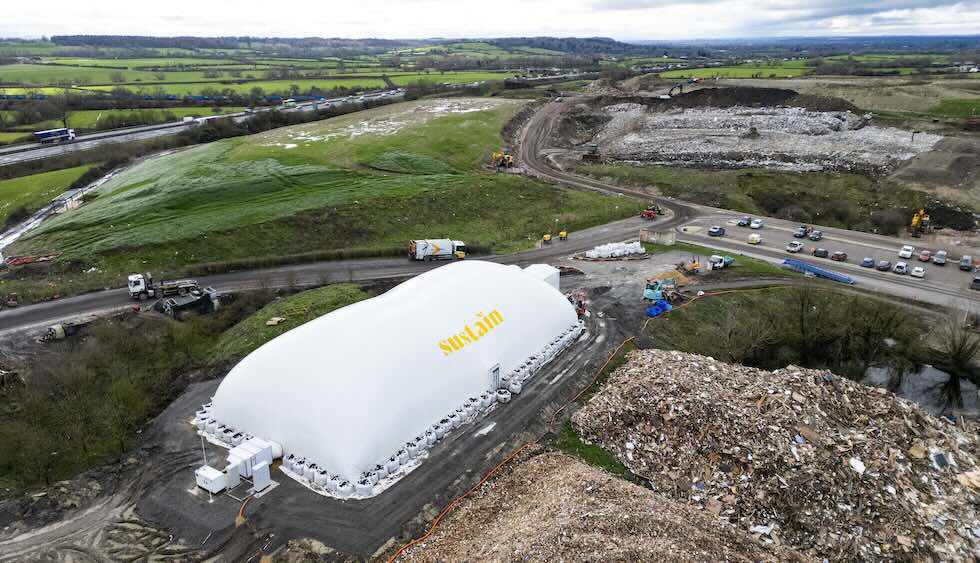
“Combined with plans to capture polymers from landfill plastic that cannot yet be recycled, we believe our solution has the potential to transform the future of landfills internationally, turning it into one of the most climate friendly methods of waste treatment.”
SPREAD THE GREEN NEWS By Sharing the Story on Social Media…
Why You Feel Rejected When Someone Doesn’t Text You Back: Your Brain is Trying to Protect You

(Featured photo by Valeriia Miller / Unsplash+)

The Lesson: Have you ever texted someone and within a day of not getting a reply, your brain has you spinning out? This video explains how your brain has a negativity bias which is meant to keep you safe, but can also create a fictional narrative that can sabotage a relationship—especially in that silence between text messages.
In this Good Talk by Dr. Tracey Marks, you’ll learn how to shut off the story machine so you can use practical strategies for building connection with others, instead of falling back on self-focused rumination.
Notable Excerpt: “Because of our brain’s evolutionary wiring, our neuron-networks default to problem solving and threat anticipation. It’s trying to keep you safe by predicting things before they happen. But here’s the problem: it creates narratives even when nothing is happening… It assigns motives to other people based on your past relationship failures. It replays your greatest hits of rejection.”
The Host: Dr. Tracey Marks is a psychiatrist with over 20 years of experience. She empowers people to take control of their mental health by understanding the mind-brain connection and how it is key to building resilience. She explores mental practices that influence your brain—and the neuroscience behind these practices, showing you how to optimize your brain for a fulfilling life.
The YouTube channel: Dr. Marks has 2.3 million subscribers on her YouTube channel where viewers can find playlists featuring videos about depression, anxiety, bipolar disorder, willpower, sleep, and self esteem.
Books by Dr. Marks: Why Am I So Anxious?: Powerful Tools for Recognizing Anxiety and Restoring Your Peace – AND – Master Your Sleep: Proven Methods Simplified

REVEAL THE WISDOM For Friends By Sharing on Social Media…
Your Weekly Horoscope – ‘Free Will Astrology’ by Rob Brezsny
Our partner Rob Brezsny, who has a new book out, Astrology Is Real: Revelations from My Life as an Oracle, provides his weekly wisdom to enlighten our thinking and motivate our mood. Rob’s Free Will Astrology, is a syndicated weekly column appearing in over a hundred publications. He is also the author of Pronoia Is the Antidote for Paranoia: How All of Creation Is Conspiring To Shower You with Blessings. (A free preview of the book is available here.)
Here is your weekly horoscope…
FREE WILL ASTROLOGY – Week of March 7, 2026
Copyright by Rob Brezsny, FreeWillAstrology.com

PISCES (Feb. 19-March 20):
In systems theory, “critical points” are moments when long periods of small changes gradually accumulate, and then suddenly erupt into a big shift. Nothing appears to happen for a while, and then everything happens at once. Ice becomes water, for instance. I suspect you’re nearing such a pivot, Pisces. You’ve been gathering strength, clarity, and nerve in subtle ways. Soon you will be visited by what we might call a graceful, manageable explosion. The slow, persistent changes you’ve been overseeing will result in a major transition.

ARIES (March 21-April 19):
Many ancient cultures had myths that explained solar eclipses as celestial creatures eating the sun. In China, the devourer was a dragon. A frog did it in Vietnam, wolves in Norse lore, and bears in several Indigenous American legends. In some places, people made loud noises during the blackout, banging drums and pots, to drive away the attacker and bring back the sun. I suspect you are now in the midst of a metaphorical eclipse of your own, Aries. But don’t worry! Just as was true centuries ago, your sun won’t actually be gobbled up. Instead, here’s the likely scenario: You will rouse an appetite for transformation that will consume outdated ideas and situations. Whatever disintegrates will become fuel for new stories. You will convert old pain and decay into vital energy. Your luminous vigor will return even stronger.

TAURUS (April 20-May 20):
Maybe you have been enjoying my advice for years but still haven’t become a billionaire, grown into a potent influencer, or landed the perfect job. Does that mean I’ve failed you? Should you swap me out for a more results-oriented oracle? If rewards like those are the dreams you treasure, then yes, it may be time to search for a new guide. But if what you want most is simply to cultivate the steady gratification of feeling real and whole and authentic, then stick with me. PS: The coming days are likely to offer you abundant opportunities to feel real and whole and authentic. Take advantage!

GEMINI (May 21-June 20):
In 1557, Welsh mathematician Robert Recorde invented the equals sign (=) to avoid repeatedly writing the words “is equal to.” Over the next centuries, this helped make algebra more convenient and efficient. The moral of the story: Some breakthroughs come not from making novel discoveries but from finding better ways to render and use what’s already known. I’m pleased to say that you Geminis are primed to devise your own equivalents of the equals sign. What strengths might you express with greater crispness and efficiency? What familiar complications could you make easier? See if can find shortcuts that aid productivity without sacrificing precision.

CANCER (June 21-July 22):
One benefit of being an astrologer is that when I need a break from being intensely myself, I can take a sabbatical. My familiarity with the zodiac frees me to escape the limits of my personal horoscope and play at being other signs. I always return from my getaway with a renewed appreciation for the unique riddle that is my identity. I think now is an excellent time for Cancerians like you and me to enjoy such a vacation. We can have maximum fun and attract inspiring educational experiences by experimenting. I plan to be like a Sagittarius and may also experiment with embodying Aries qualities.

LEO (July 23-Aug. 22):
In Scandinavian folklore, there’s a phenomenon called utiseta. It involves sitting out at night in a charged place in nature, like a crossroads or border. The goal is to make oneself patiently available for visions, wisdom, or contact with spirits and ancestors. I suspect you could benefit from the equivalent of a utiseta right now, Leo. Do you dare to refrain from forcing solutions through sheer will? Are you brave enough to let answers wander into your midst instead of hunting them down? I believe your strength is your willingness to be still and wait in a threshold.

VIRGO (Aug. 23-Sept. 22):
You are a devotee of the sacred particular. While others traffic in vague abstractions, you understand that vitality thrives in the details. Your attention to nuance and precision is not fussiness but a form of love. I get excited to see you honor life by noticing all of its specific textures and rhythms! Now, more than ever, the world needs this superpower of yours. I hope you will express it even stronger in the coming months. May you exult in the knowledge that your refusal to treat the world carelessly or sloppily isn’t about perfectionism but about respect.

LIBRA (Sept. 23-Oct. 22):
Architect Antoni Gaudí spent over 40 years designing Barcelona’s Sagrada Família cathedral. He knew he wouldn’t live to see it finished. It’s still under construction today, long after his death. When he said, “My client is not in a hurry,” he meant that his client was God. I invite you to borrow this perspective, Libra. See how much fun you can have by releasing yourself from the tyranny of urgency. Grant yourself permission to concentrate on a process that might take a long time to unfold. What a generous and ultimately productive luxury it will be for you to align yourself with deep rhythms and relaxing visions! I believe your good work will require resoluteness that transcends conventional timelines.

SCORPIO (Oct. 23-Nov. 21):
The ancient Chinese philosophical text known as the Tao Te Ching teaches that “the usefulness of a cup is in its emptiness.” A vessel full of itself can receive nothing. Is it possible that you are currently so crammed with opinions, strategies, and righteous certainty that you’ve lost some of your capacity to receive? I suspect there are wonders and marvels trying to reach you, Scorpio: insights, inquiries, and invitations. But they can’t get in if you’re full. Your assignment: Temporarily empty yourself. Create space by releasing cherished positions, a defensive stance, or stories about how things must be.

SAGITTARIUS (Nov. 22-Dec. 21):
The Yoruba concept of ashe refers to the power to make things happen. It’s the life force that flows through all things, and can be accumulated, directed, and shared. Right now, your ashe is strong but a bit scattered, Sagittarius. You have power, but it’s diffused across too many commitments and half-pursued desires. So your assignment is to consolidate. Choose two things that matter most and fully pour your ashe into them. As you concentrate your vitality, you’ll get more done and become a conduit for blessings larger than yourself.

CAPRICORN (Dec. 22-Jan. 19):
What’s holding you back? What are you waiting for? A nudge from destiny? A breaking point when you’ll be compelled to act? A hidden clue that may or may not reveal itself? It’s my duty to tell you this: All that lingering and dallying, all that wishing and hoping, is wasted energy. As long as you’re sitting still, pining for a cosmic deliverance to handle the hard parts, the sweet intervention will keep its distance. The instant you claim the authority to act, you’ll see it clearly: the path forward that doesn’t need a perfect sign, a final push, or fate’s permission slip.

AQUARIUS (Jan. 20-Feb. 18):
If you’re anything like me, you wince as you recall the lazy choices and careless passivity that speckle your past. You may wonder what you were thinking when you treated yourself so cavalierly, pushed away a steadfast ally, or let a dazzling invitation slip by. At times I feel as if my wrong turns carry more weight in my fate than the bright, grace-filled moments. Here’s good news for you, though. March is Amnesty Month for all Aquarians willing to own up to and graduate from their missteps. As you work diligently to unwind the unhelpful patterns that led you off course, life will release you from the heavy drag of those old failures and their leftover momentum.
WANT MORE? Listen to Rob’s EXPANDED AUDIO HOROSCOPES, 4-5 minute meditations on the current state of your destiny — or subscribe to his unique daily text message service at: RealAstrology.com
(Zodiac images by Numerologysign.com, CC license)
SHARE The Wisdom With Friends Who Are Stars in Your Life on Social Media…
“Eagles commonly fly alone. They are crows and starlings that flock together.” – John Webster

Quote of the Day: “Eagles commonly fly alone. They are crows and starlings that flock together.” – John Webster
Photo by: Jongsun Lee
With a new inspirational quote every day, atop the perfect photo—collected and archived on our Quote of the Day page—why not bookmark GNN.org for a daily uplift?

Good News in History, March 7
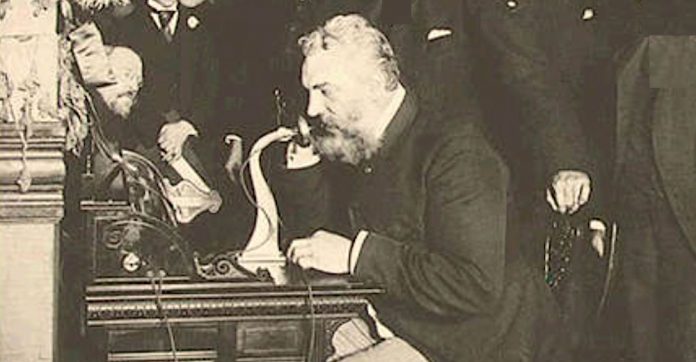
150 years ago today, Alexander Graham Bell received a US patent for the telephone. The Scottish-born inventor, scientist, and engineer credited with inventing the first practical telephone, also co-founded the American Telephone and Telegraph Company (AT&T) nine years later. READ more on this day in history… (1876)
Wife Used ‘Find My iPhone’ to Locate Husband Buried in an Avalanche for Over 4 Hours
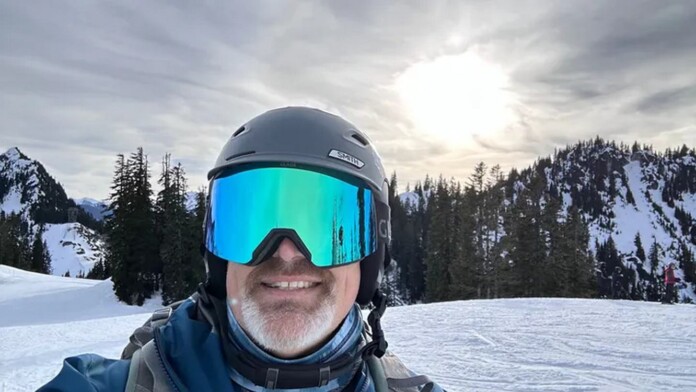

A wife used her “Find My iPhone” feature to guide search and rescue to the location of her husband who had been buried in an avalanche.
Michael Harris was skiing the Big Chief Bowl at Stevens Pass Ski Resort in late February when the snowpack suddenly gave way beneath him.
He was caught in an avalanche and was reduced to try and use a swimming motion to guide himself narrowly around a boulder before he was buried, a sensation he described as being like “encased in cement.”
His life was immediately saved by the fact that he remained upright. Unable to move, he couldn’t reach his Apple Watch, nor his iPhone, even as he heard it ringing in his front pocket.
“So, my wife was calling me, and when I was buried, I heard something. I felt someone calling me, because I felt it vibrate, I could hear it ring, yet my hand couldn’t get to it,” Harris told Fox 13.
Meanwhile, Harris’ wife Penny was unwilling to drop her feeling of intuition that something was wrong, even though it’s perfectly normal to not answer a phone call while skiing. Activating her “Find My iPhone” app with Harris’ data rather than hers, she noticed it wasn’t moving, and that’s when she took action.
She got in contact the resort and showed staff the position of Harris’ phone, which was able to guide rescue teams at the who knew there’d been an avalanche right to the buried husband and father.
“I was inches away from the thing that could save my life, but I just couldn’t get there. And yet because she knew how to use ‘Find My iPhone,’ I’m here today,” he told Fox.
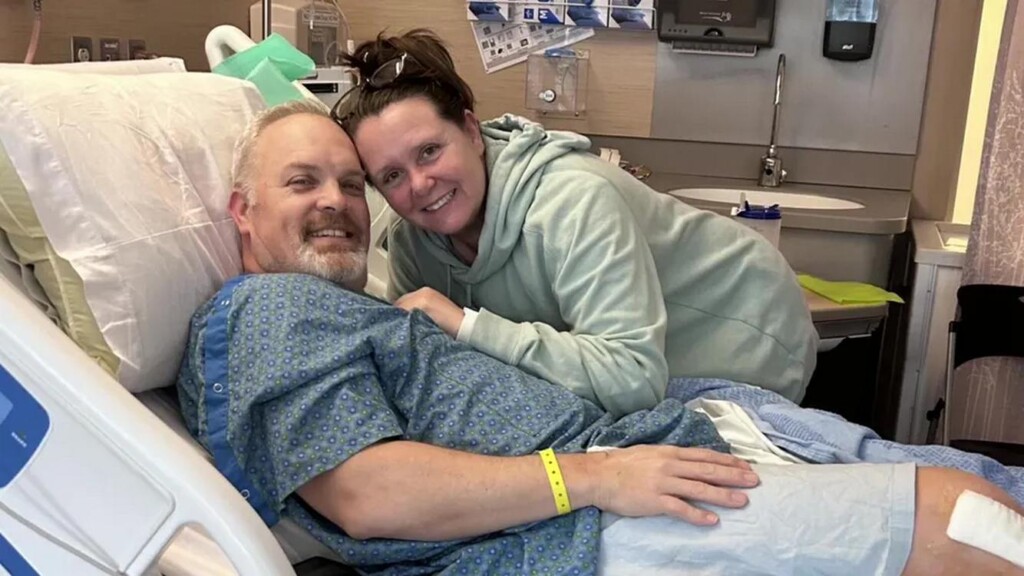
His daughter Lauren wrote about his condition when arriving at the hospital on a GoFundMe page, which has raised $35,000 of the $40,000 needed to cover medical bills and the family’s bills, as Harris was the sole earner in the household.
“He was hypothermic with a temp. in the high 70s/ very low 80s. After various labs and imaging, my dad sustained a contusion of his lung, pneumonia, injuries to his kidneys and a right tibial plateau fracture.”
Recovery was deigned to be 14-16 weeks if all goes well.
“It is a true miracle that he survived and didn’t sustain life altering or life threatening injuries,” Lauren said. “I have been thanking God since the incident that he is still here with us.”
Surviving an avalanche often depends on luck and preparation: is there someone who knows where you are (like Penny) who will become concerned if they don’t hear back from you, or if they hear on the news there’s been an avalanche?
Regarding luck, the position in which one is buried, and whether or not they’ve sustained injuries make an enormous difference. Experts recommend curling up in a ball from the moment the avalanche takes you. This not only helps shield your vital areas from impacts with debris, but can sometimes leave you buried with pockets of air between your limbs that can extend your oxygen supply under the snow significantly.
MORE SURVIVAL STORIES: Backpacker Found Alive in Australian Bush After 12 Days of Surviving Her Major Mistake
Another recommendation is take as big a breath as you can, close your mouth to stop snow filling up your throat, and put your head between your arms to create an air pocket.
If you’ve been buried completely, it can be hard after the force of the impact to even be sure whether you’re facing down or up. A trick to figure out which way you’re facing is to let spit roll off your lips. Up will be the direction opposite of whichever part of your face it dribbles down. It’s not very dignified, but if you’re able to move even at all, it could save your life.
AVALANCHE ESCAPES: Two Snowboarders Save the Lives of Skiers After Nearly Losing Their Own in Palisades Avalanche
Regarding movement, if it’s clear you can’t move whatsoever, and if there’s even a small chance someone will come looking for you, the better course of action is not to move, as there is limited oxygen under the snow, and frantic, panicked movement could cause you to asphyxiate as the carbon dioxide we exhale accumulates right in front of your mouth.
Some safety equipment, like the Avalung device, will actually extend oxygen supply if used correctly, although some doubt that anyone would have the wherewithal to all out the plastic tube and put it in their mouth while caught in an avalanche.
But the best way to survive an avalanche is, of course, to know when the snowpack is at risk of sliding, and to stay away from avalanche zones.
SHARE This Wife’s Intuition And Quick-Thinking That Saved Her Husband…
Schoolboy With ‘Can-Do’ Attitude Has Recycled a Million Cans and Donated the Proceeds to Charity
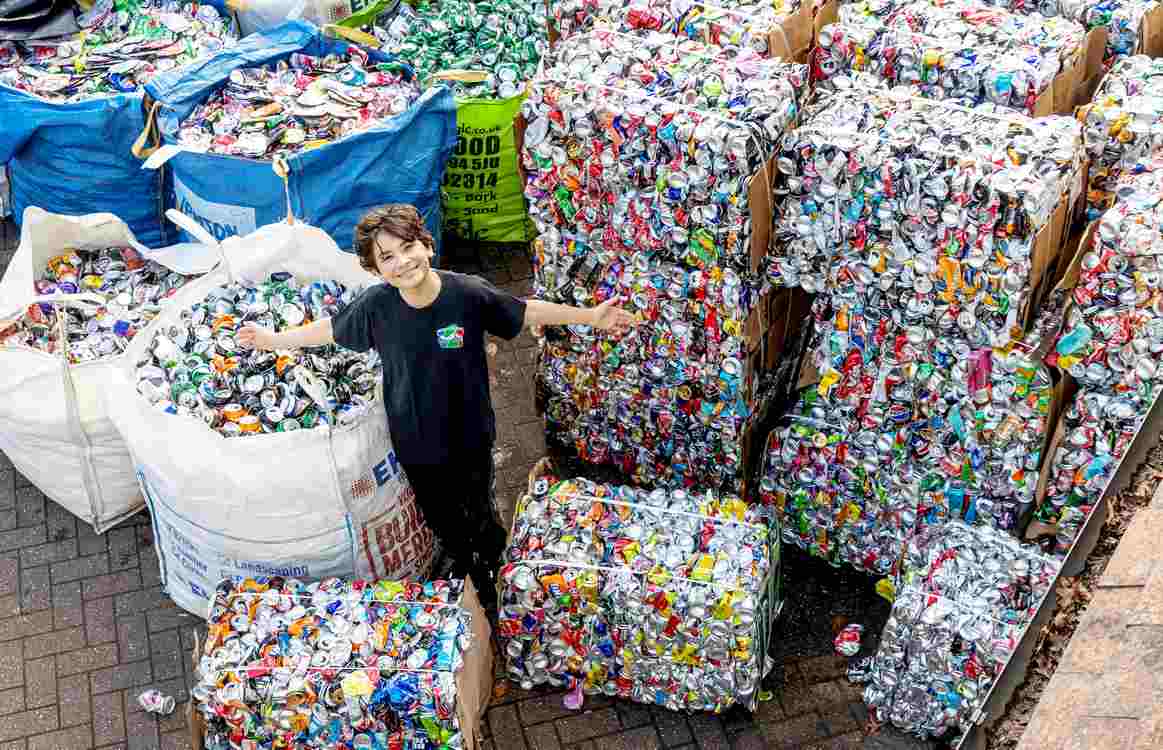
A 13-year-old boy has raised thousands of dollars for charity by recycling more than a million aluminum cans.
Young Ryan Hulance came up with the idea as a way to make money for foodbanks while also caring for the environment.
From his home in Solihull in England’s West Midlands, he started contacting businesses asking if they could spare any cans which he could sell.
Ryan started collecting a few hundred cans per week in 2023 to store at his home, which is when his parents got on board, crushing the cans to save space by driving over them in their car before Ryan bagged them up.
Like in the US, UK scrap metal firms pay between 10 and 50 cents per pound of aluminum, and last year Ryan collected eight tons of cans which raised around $7,300 for a women’s charity.
“Sometimes I think I’d rather be playing video games with my friends, because I’m 13 years old,” Ryan told the UK’s Southwest News Service. “But actually when I think about it more deeply, I really love what I do because I get to help people and families who are in need.”
YOU MAY ALSO LIKE: Engineer Powers Entire Home Using 500 Discarded Vapes–Documented in Fascinating Viral Video
Over the last 3 years, Ryan has recycled an estimated 1.5 million cans which has amassed some $20,000, every penny of which he donated to charity, and has attracted so much attention that his family were given an industrial crushing machine which bundles Ryan’s cans into large metal bales that make it easy to transport and store.
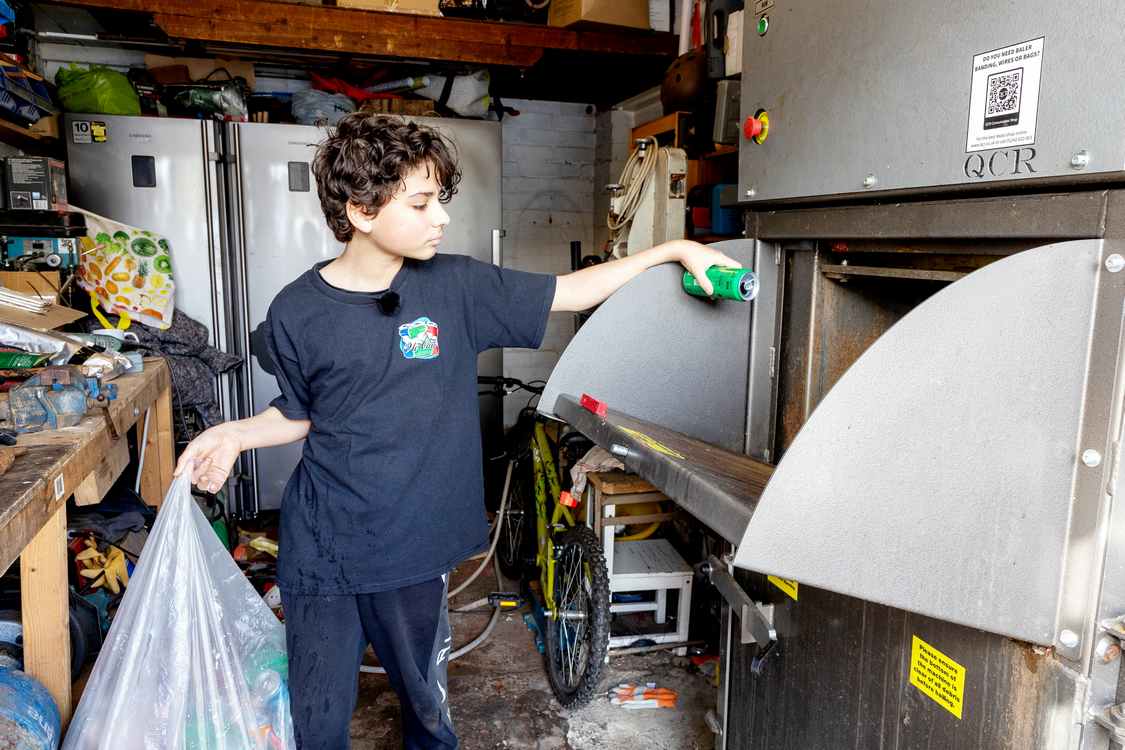
Still in school, Ryan dedicates around 20 hours a week to his charity recycling, collecting cans after school and at weekends.
MORE STORIES LIKE THIS: Plastic Mardi Gras Beads Just End up in Landfill, So Coalition Swaps in Seed Beads and Jambalaya Spice Packets
“We are very proud of Ryan and really want to help him expand,” said Ryan’s mom Karima.
“The cans come from around 200 regular suppliers but we want to broaden that to many thousands. For the last three months we have recycled one ton per month but we are capable of much much more.”
SHARE This Driven Teen And His Thirst For Charity On Social Media…
Dutch Woman Finds 35 Rembrandt Etchings Hidden in Her Home: ‘You can only dream about it’


It will never cease to be surprising how often it occurs that the works of master painters turn up in people’s attics, basements, and barn sheds.
From Amsterdam comes the story of just such an occasion, when a Dutch woman confined to her home by government decree during the COVID-19 pandemic, used it as an opportunity to leaf through a folder of prints and etchings left to her by her grandfather.
Some of them had been in the family for a century, and wouldn’t you know that it contained 35 etchings by none other than the Master himself: Rembrandt van Rijn.
Signed with his name, Charlotte Meyer was still “sheepish” about approaching experts with her discovery, worried they might be forgeries and so waste everybody’s time.
But when the team of appraisers from the Stedelijk Museum Amsterdam arrived, they had some shocking news for Meyer.
“They said, ‘Charlotte, you have no idea what you’ve got!’” Meyer tells Dutch outlet Omroep Gelderland. “It’s such a beautiful story, one you can only dream about.”

Her grandfather had collected the works between 1900 and 1920. Some are very small, measuring just a few inches in length.
“Nobody was interested in etchings back then. They were nothing special. For just a few guilders, my grandfather bought 35 different ones.”
MORE LOST ARTWORKS:
- Lost Painting by the ‘Illustrious Woman’ Painter of the Renaissance Surfaces in N. Carolina After 100 Years
- This Painting of Lounging Lions Was Hanging in a Family’s Living Room. It Turned Out to Be an Original Delacroix
- 17th-Century Dutch Painting Rescued from a Dusty Attic in Connecticut Sells for $7 Million
Priced in gold, a “few guilders” at that time would today be worth several thousands of dollars, but considering a Rembrandt print—not an original—recently fetched $4.1 million at a recent Christie’s auction, it was clearly a bargain.
Discovering the etchings has changed Meyer’s life somewhat, as she has now embarked on a journey of collecting Rembrandt etchings which will now be featured in a museum exhibit called Rembrandt: From Dark to Light.
To be enjoyed at the Stedelijk Museum Zutphen, Meyer will lead a guided tour of the exhibit. which contains all 35 of her grandfather’s Rembrandt etchings, on March 29th.
SHARE This Woman’s Beautiful And Dreamy Story With Your Friends…
Snowmobilers Dig Exhausted Young Moose Out of the snow in New Hampshire Woods
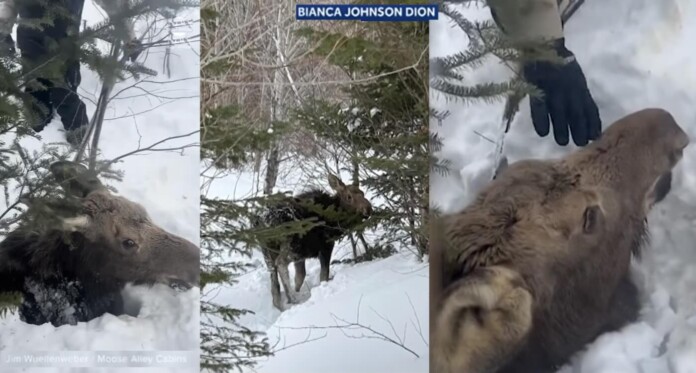

A group of snowmobilers in New Hampshire saved a young moose doe who needed a helping hoof.
Returning home for lunch after a morning zipping over the drifts 4 to 5 feet deep, Mike Dion told WMUR news that he and his friends came across an unexpected sight: a moose buried up to its neck in snow.
It was clearly in trouble. All they could see was its snout and the tuft of its mane above its panicked eyes.
“Everyone looks at their cellphone, no service,” Dion said. “We couldn’t call Fish and Game, because that was our first thought.
“Well, if we don’t do nothing,” Dion remembers thinking, “the moose probably isn’t going to survive.”
Approaching cautiously, they found that the animal was exhausted, but calm. It had clearly been attempting to free itself without success, and Dion and his friends weren’t even sure if its hooves were on solid ground or not.
Slowly they began to dig the moose out, needing about 20 minutes on their hands and knees to do so.
SNOWBOUND RESCUES:
- ‘DC Snow Heroes’ Shovel Neighbors Out of Trouble After Winter Storms
- Heroes Rescue an Exhausted Pregnant Horse Stuck Deep in the Snow (Watch)
- Dramatic Moment Skier Rescued a Snowboarder Who Was Buried Head First in Snow and Running Out of Air (Watch)
“Eventually, we got her up and got her going, and she seemed to be all in good health,” Dion said. “I think she was happy. She wasn’t aggressive or too nasty with us. That’s what we were worried about at first.”
After it was freed, the snowmobilers stuck around 10 minutes or so to make certain she was steady before they returned home.
A Fish and Game Department official told WMUR that moose are dangerous animals when cornered, spooked, or provoked. The best course of action, she recommended, if you were to find yourself in the same situation is to call the department.
The story is reminiscent of a story GNN covered in 2024, where snowmobilers in Anchorage dug out a moose that was trapped, but who needed “hours” to free the beast as it had fallen—and then frozen—into the ice of a frozen creek.
WATCH the story below from WMUR News…
SHARE This Passing Kindness Shown To A Moose In Need…
“Consider what each soil will bear, and what each refuses.” – Virgil

Quote of the Day: “Consider what each soil will bear, and what each refuses.” – Virgil
Photo by: Joshua Earle for Unsplash+
With a new inspirational quote every day, atop the perfect photo—collected and archived on our Quote of the Day page—why not bookmark GNN.org for a daily uplift?

Good News in History, March 6
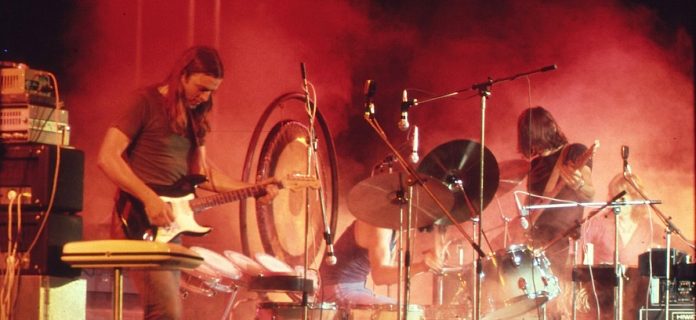
Happy Birthday to musician and singer-songwriter David Gilmour, who turns 80 years old. In a career spanning more than 50 years, he is best known for his work as the guitarist and co-lead vocalist of the progressive rock band Pink Floyd. It was estimated that by 2012 the group had sold over 250 million records worldwide. Rolling Stone magazine ranked him number 14 in their list of the greatest guitarists of all time. WATCH him perform a gorgeous version of the ultimate ballad of angst, Wish You Were Here… (1946)
Fossil Remains of ‘Weird’ Creature with Twisted jaw and Sideways Teeth Discovered
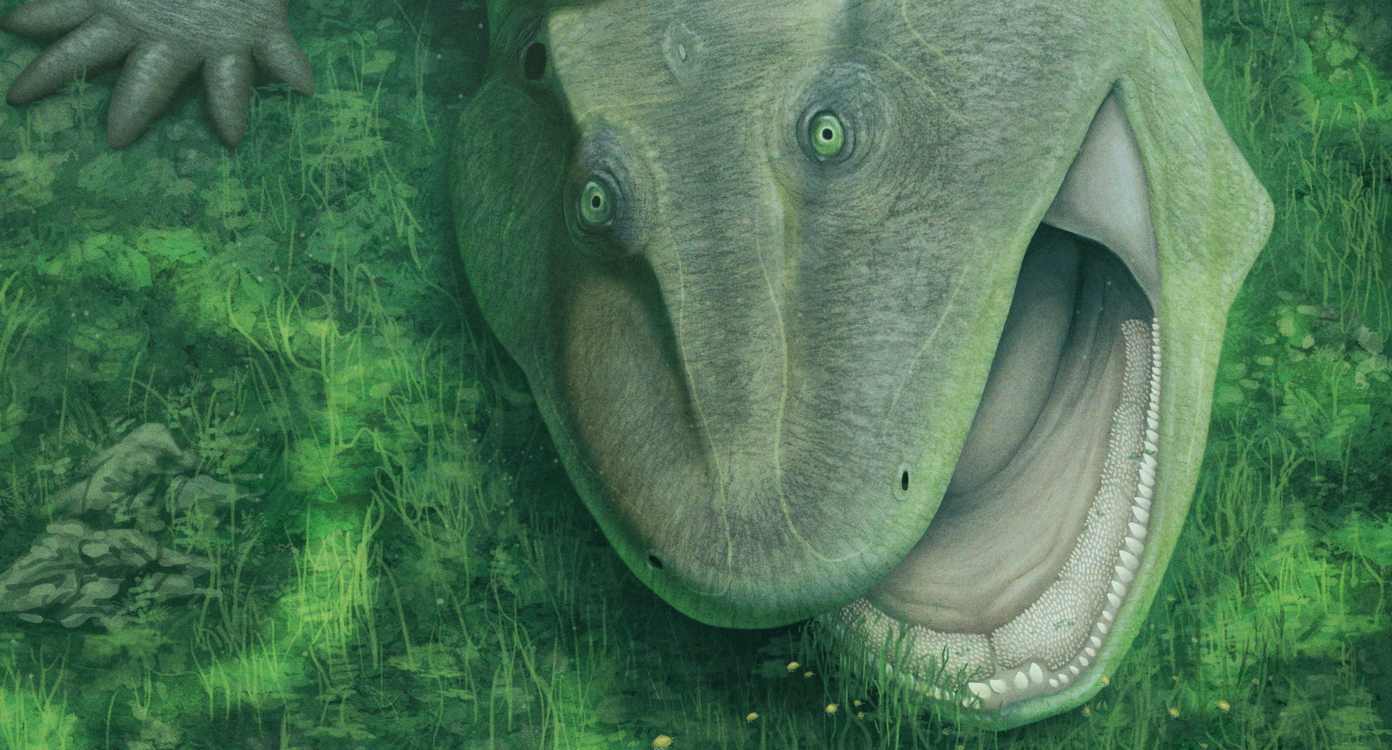
The fossilized remains of a creature with a twisted jaw and sideways-facing teeth have been discovered in the Amazon jungle.
Scientists say the plant eating reptiles now called Tanyka consisted of “living fossils” even when they stalked the Earth around 275 million years ago.
A international team of paleontologists recently revealed this strange creature based on their analysis of 9 bones found in a dry riverbed in Brazil.
They described the jawbones as “oddly twisted” with some teeth pointed out and to the sides, and numerous smaller teeth lining the inside of the jaws—a sign that the creatures were among the first of their kind to grind up plants for food.
The new species, described in the journal Proceedings of the Royal Society B, was given the name Tanyka amnicola by the research team.
The name Tanyka comes from the local Indigenous Guaraní language—meaning “jaw”—and amnicola meaning “living by the river.”
“The jaw has this weird twist that drove us crazy trying to figure it out,” said study lead author Dr. Jason Pardo of the Field Museum in Chicago. “We were scratching our heads over this for years, wondering if it was some kind of deformation, but at this point, we’ve got nine jaws from this animal, and they all have this twist, including the really, really well-preserved ones.”
“So it’s not a deformation, it’s just the way the animal was made.”
He said Tanyka is part of a much larger group of animals called tetrapods, which are four-legged animals with backbones. Modern tetrapods include reptiles, birds, mammals, and amphibians.
The oldest tetrapod lineage, called the stem tetrapods, eventually split into two groups: ones that laid eggs outside of water, and ones that laid their eggs in the water.
Today’s reptiles, birds, and mammals are all descendants of the branch that laid watertight eggs on land, while modern amphibians such as frogs and salamanders are the relatives of the tetrapods whose eggs needed to remain moist.
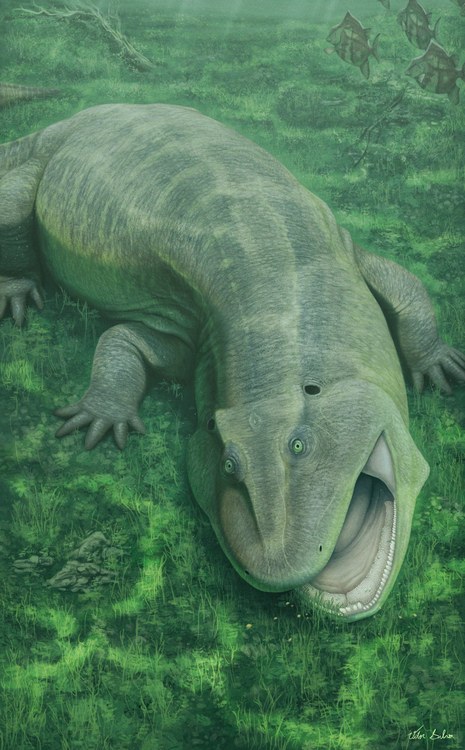
But even after the tetrapod family split into the new groups, some of the stem tetrapods remained, and the research team say Tanyka was one of them. The earliest stem tetrapods include what are currently known to be the first creatures that adapted to bearing its weight on land like Icthyostega.
“In the sense that Tanyka was a remaining member of the stem tetrapod lineage, even after newer, more modern tetrapods evolved, Tanyka is a little like a platypus: it was a living fossil in its time,” said Dr. Pardo.
He said a lot about Tanyka, including its body shape, remains a mystery.
“We can say, by comparison with close relatives, that Tanyka might have looked kind of like a salamander with a slightly longer snout.”
Study co-author Dr. Ken Angielczyk, a curator of paleomammalogy at the Field Museum, cautions that until a more complete skeleton can be found, it’s difficult to say for certain if any of the bones found near the jawbone belonged to the same animal.
The researchers aren’t sure how big Tanyka would have been, but they estimate that it might have been up to 3 feet long, and probably lived in lakes, based on the kind of rocks in which the fossils are found.
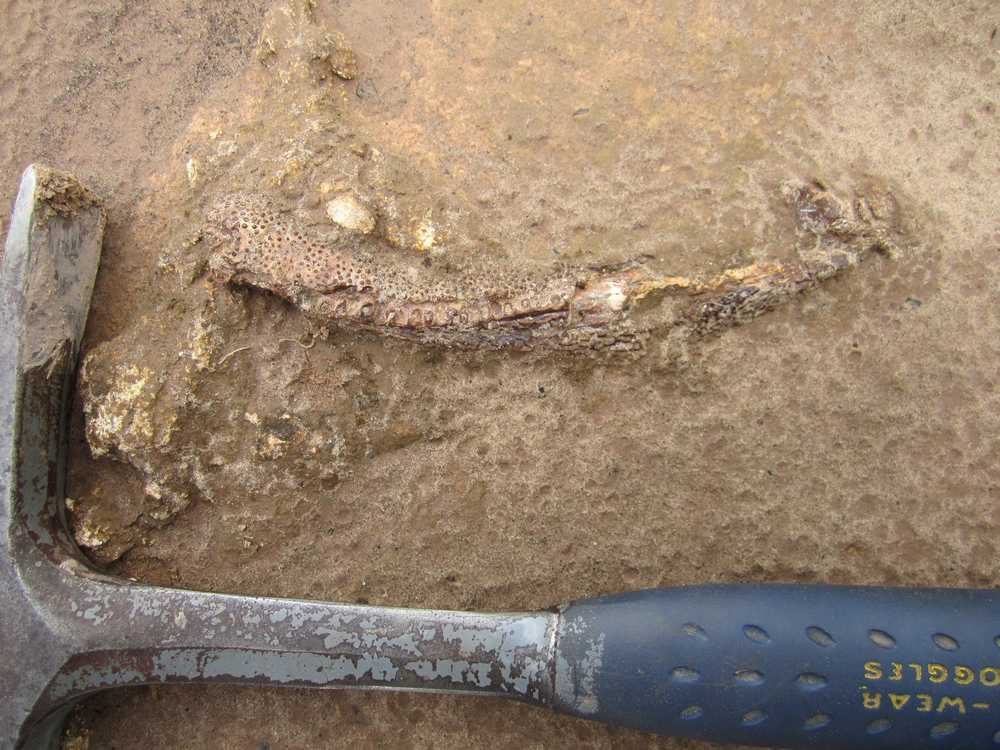
The surface of Tanyka’s jawbone is covered in a series of smaller teeth called denticles, which form a grinding surface sort of like a cheese grater.
Scientists have yet to find the bones that would make up Tanyka’s upper jaw, but they imagine its top teeth and denticles were oriented similarly to the ones on the lower jaw.
TRULY ANCIENT LIFE: 500 Million Year-Old Jellyfish–Oldest Ever Found–May Have Swallowed Prey Whole
“We expect the denticles on the lower jaw were rubbing up against similar teeth on the upper side of the mouth,” Dr. Pardo said. “The teeth would have been rasping against each other, in a way that’s going to create a relatively unique way of feeding.”
Study co-author says Juan Carlos Cisneros, from the Federal University of Piauí (UFPI), Brazil said that based on its teeth, Tanyka was likely a herbivore that ate plants at least some of the time; most of its fellow stem tetrapods only ate meat.
EVOLUTIONARY WEIRDOS: Fascinating Species of 200 Million-Year-old Flying Reptile Discovered in Britain
They said that when Tanyka was alive the area that’s now Brazil was part of one of Earth’s supercontinents—not Pangea, but Gondwana, which included much of modern South America, Africa, Australia, and Antarctica.
“The Pedra de Fogo Formation in Brazil is one of the only windows we have into Gondwana’s animals during the early Permian period of Earth history,” said Dr. Angielczyk. “Tanyka is telling us about how this community actually worked, how it was structured, and who was eating what.”
SHARE This Weird Critter From The Border Between Fishes And Land Animals…
New Elephant Ambulance Marks Inaugural Rescue, Bringing 27-year-old to Hospital with Leg Injury
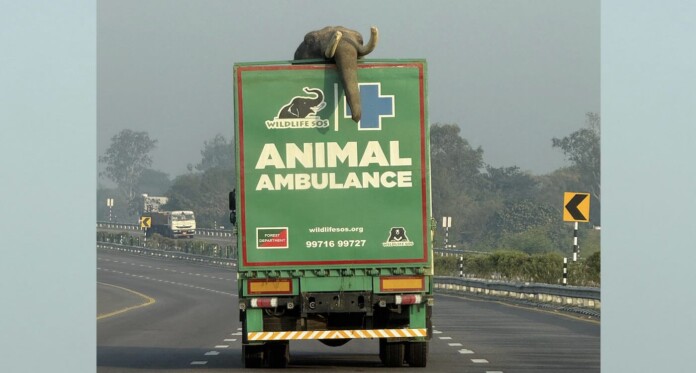
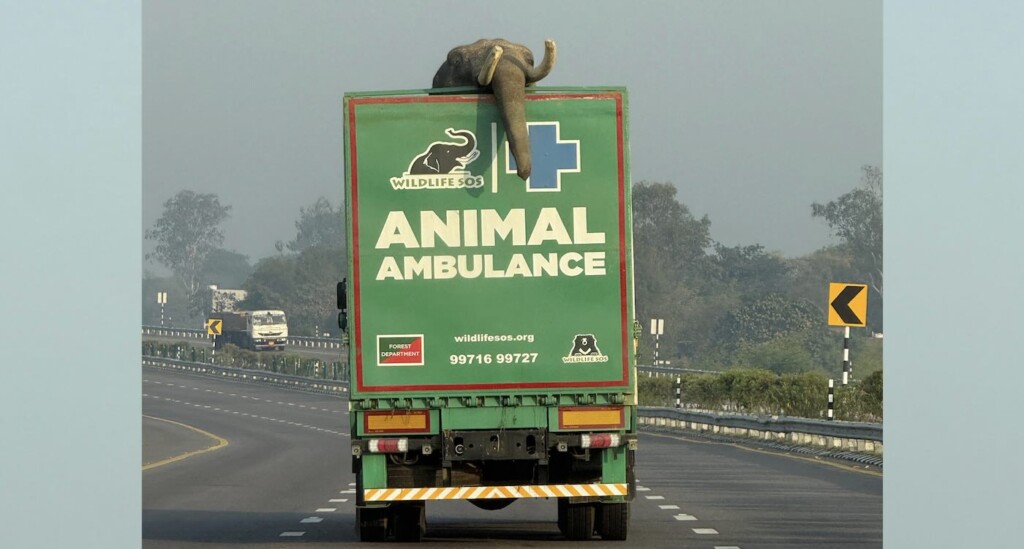
An animal conservation/welfare organization has had to think big to solve a big challenge: how to transport elephants in need of veterinary care across long distances.
Their response is the brand new “Elephant Ambulance,” a specially designed truck built to move elephants in a way that protects both them and everybody else on the road.
The organization, Wildlife SOS, got to send out their new pachyderm paramedics over the last weekend of February, when they identified a 27-year-old elephant in rural Uttar Pradesh, India, with an injured leg.
Named Veer, the elephant had lived his life as a “Begging Elephant,” which refers to animals used for labor.
Upon arrival at the scene, the Wildlife SOS’ medical team provided immediate care, conducted a thorough examination, and treated Veer before he began his journey. Once cleared for transport, Veer was loaded into the state-of-the-art vehicle which features specialized access points that allow veterinary technicians to administer medication and monitor vital signs from a protected distance, ensuring the safety of both animal and staff during transport.
The interior is carefully designed to maximize stability and minimize stress. Although elephants must stand while in transit, straps and harnesses enable them to shift weight off injured feet or legs.
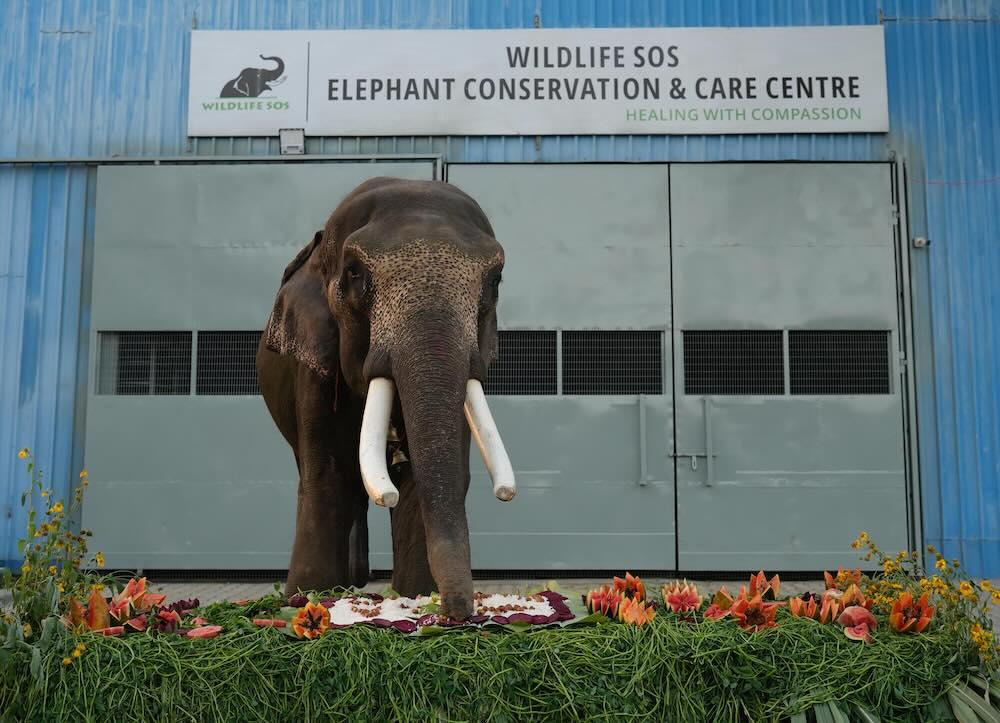
The team made frequent stops along the way to allow Veer to lie down and rest, as he was required to remain standing while the ambulance was in motion.
His multi-day journey concluded at Wildlife SOS’s Elephant Hospital at the Elephant Conservation and Care Center in Mathura, Uttar Pradesh.
“This rescue represents both urgency and hope,” said Nikki Sharp, executive director of Wildlife SOS USA. “With our new elephant ambulance and expert veterinary team, we are able to respond faster and more safely than ever before.”
The organization currently cares for more than 30 rescued elephants at its conservation center, where they receive round-the-clock medical attention, nutritious diets, enrichment, and the opportunity to heal in a protected environment.
OTHER ELEPHANT AILMENTS: Houston Elephants Do Yoga 7-days a Week to Stay Flexible and Healthy
The Elephant Ambulance isn’t the first innovative approach to caring for elephants that Wildlife SOS has pioneered. Lately, GNN reported that it had developed a method of “elephant acupuncture.”
This 2,000 year old medical practice has been shown to be effective at treating and relieving chronic pain, which can be overexpressed in overworked elephants.
YOU MAY ALSO LIKE: Couple Converts Their Home into ‘Hedgehog Haven’ to Rehabilitate Over 500 Spiky Critters
“Once our team gained expertise in acupuncture principles, we began applying it at our Elephant Hospital Campus, yielding remarkable improvements in several elephants,” said Natasha Ashok from Wildlife SOS.
“Veer’s rescue is a powerful reminder of why this work matters,” Sharp said. “Because of our supporters, he now has access to the specialized treatment and long-term care he urgently needs. Every donation helps make rescues like Veer’s possible and gives elephants like him a chance to recover in safety and dignity.”
HONK Your Horn To Your Friends About This Story And The Wide-Load On India’s Highways…
Scientists Successfully Mine Meteorites for Precious Metals on International Space Station
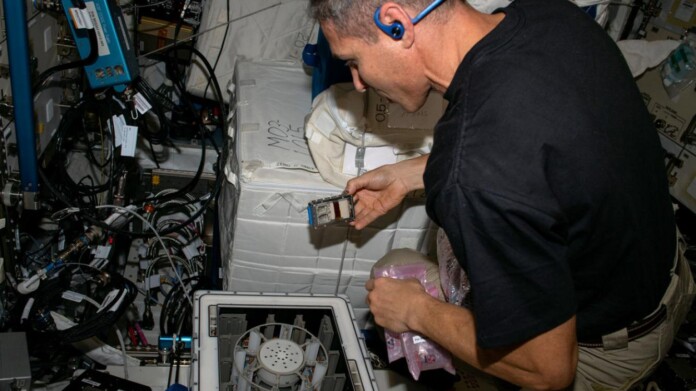
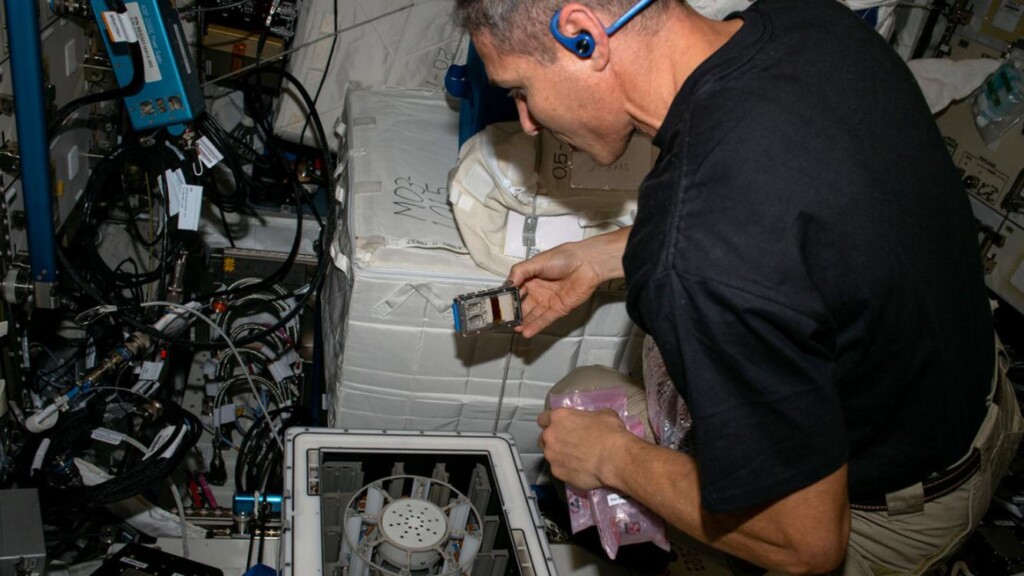
Last week, GNN reported that fungi were being trailed by scientists in Austria for their potential to extract valuable metals from electronic and industrial wastes.
Now from the ISS comes a very similar story where, rather than ‘mushroom mining,’ scientists were able to extract platinum and palladium with ‘microbe mining.’
It’s actually ‘microbe meteorite mining,’ as the scientist in question, NASA astronaut Michael Scott Hopkins, conducted the tests on L-chondrite meteorite samples which has long been theorized as a valuable source of minerals of all kinds.
All elements we know of are made inside stars, and are embedded inside planets when they explode. This process is the same for asteroids, and at a time when humans are spending more and more time in space, scientists are interested in figuring out how to harvest materials from meteorites and moon dust, as it would likely be cheaper than flying them up from the Earth.
A team of researchers from Cornell and Edinburgh universities recently published a paper in which they performed the same experiment in tandem with Hopkins.’ Both used a bacterium and a fungus to successfully harvest two precious metals with demand for space technology and hardware: platinum and palladium, from asteroids.
The organisms achieve this by producing carboxylic acids which attach themselves to these minerals on the asteroids. Once placed in a liquid solution, the acids slough away and bring the minerals with them.
By comparison to the Cornell experiment, the one aboard the ISS found that microgravity enhanced the fugus Penicillium simplicissimum’s ability to uptake and release palladium and platinum, showing that “bioleaching,” the technical term behind microbe mining, is for one reason or many, more effective in space than on Earth.
MORE STORIES LIKE THIS: China’s New Moon Rock Samples Contain Beautiful Crystal New to Geology
In direct contrast, nonbiological leaching—in which a solution without microbes is used to pull out the elements—was less effective in microgravity than on Earth.
“Another complex but very interesting result, I think, is the fact that the extraction rate changes a lot depending on the metal that you are considering, and also depending on the microbe and the gravity condition,” Rosa Santomartino, Cornell professor and first author for the study, said in a statement to Cornell Chronicle.
OPERATING LONG-TERM IN SPACE: Lava Tubes and Water Frost Found on Mars Offer Double Opportunity in Search for Life
Several companies are already developing solutions to mine asteroids in space, among which is TransAstra. This firm, which had originally attempted to develop a series of autonomous mining probes, has shifted focus to asteroid mining technologies, including a system for reflecting the light of the Sun to melt and recover valuable elements from asteroids, and a capture bag that can be used to collect passing micrometeorites or space debris for later processing.
SHARE This Impressive Demonstration For A Possible Future In Space…
Philly Man Uses Mobile Laundromat to Wash Homeless Residents’ Clothes
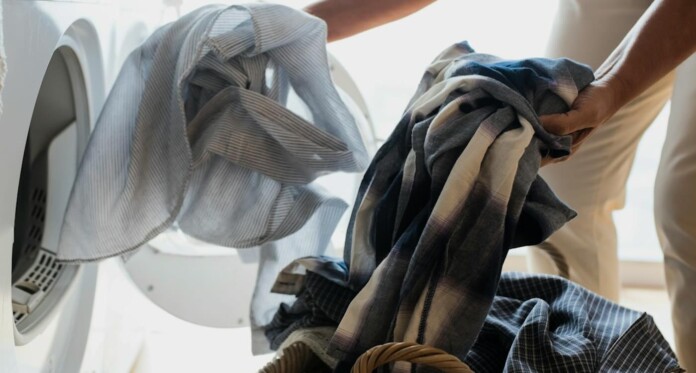
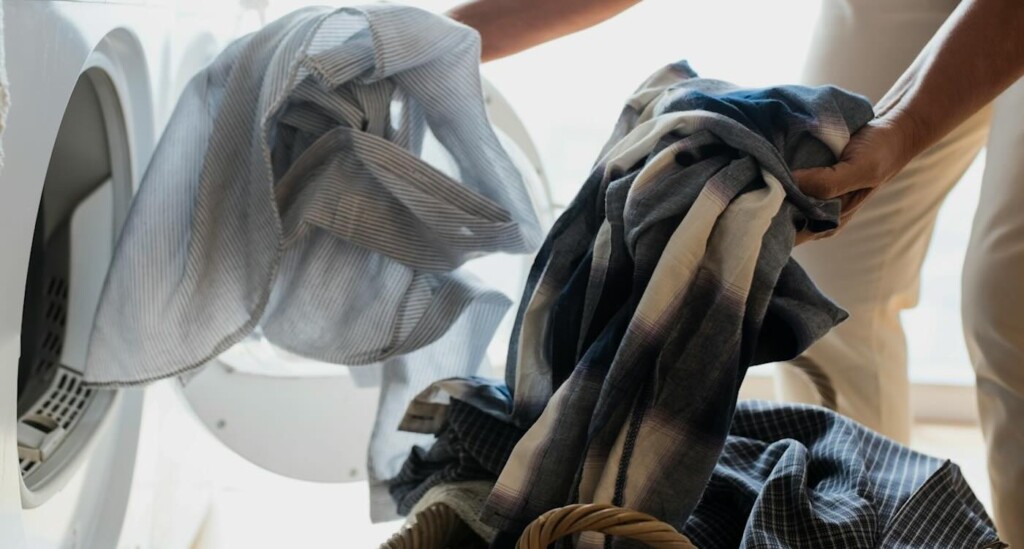
A man who felt he needed a more fulfilling line of work began a mobile laundromat surface the wash the clothes of Philadelphia’s homeless population.
Joe Richardson admits it feels like second nature to wash and dry people’s clothes, something one supposes was engendered in him after he began work at his family’s laundromat business.
In 2021, Richardson had just been released from prison where he had served a 14-year sentence, and though he was grateful for the chance to get back on his feet, he felt he needed a change of direction.
11 years earlier, he had thought up the idea of the mobile laundromat while incarcerated, and felt that the time had come to give it a try. Now for a few hours every week, Richardson volunteers his time to wash clothes on the street.
When NBC’s ‘a-Philly-ate’ NBC 10 when to see Richardson, he had parked the laundromat, which he tows in a trailer behind his truck, at Arch and Broad streets.
MORE STREET-SIDE SERVICE: Retired Cop Rehabs Bus into Mobile Laundry: He Now Washes Clothes for the Homeless
“One guy earlier just said that just to have clean clothes is a blessing, it helps me feel better about myself,” he told NBC 10.
The city reckons there are about 5,000 unhoused residents, and 60 shelters city-wide. The current mayor has committed to adding another 1,000 beds to these and additional shelters to reduce the number of people sleeping rough.
WATCH the story below from NBC 10…
SHARE This Man’s Incredible Service To Those Less Fortunate…
“If you can’t describe what you are doing as a process, you don’t know what you’re doing.” – W. Edwards Deming
Quote of the Day: “If you can’t describe what you are doing as a process, you don’t know what you’re doing.” – W. Edwards Deming
Photo by: Getty Images for Unsplash+ (cropped)
With a new inspirational quote every day, atop the perfect photo—collected and archived on our Quote of the Day page—why not bookmark GNN.org for a daily uplift?
Good News in History, March 5

56 years ago today, the Nuclear Non-Proliferation Treaty went into effect after ratification by 43 nations agreeing to prevent the spread of nuclear weapons. The goal was also to promote cooperation in the peaceful uses of nuclear energy, and to advance disarmament in general. It took three years for the treaty to be negotiated by a United Nations-sponsored committee made up of 18 countries: Canada, France, Great Britain, Italy, the US, Bulgaria, Czechoslovakia, Poland, Romania, the Soviet Union, Brazil, Burma, Ethiopia, India, Mexico, Nigeria, Sweden, the United Arab Republic. READ the current status of the NPT… (1970)
Scientists Make a Super-Honey Using Cocoa Bean Waste For Chocolatey, Heart-Healthy Jolt


Researchers in Brazil have demonstrated that ultrasonic waves can be used to extract polyphenolic nutrients from leftover cocoa bean husks, as long as you add honey first.
Few things are tastier than dark chocolate dipped in honey, but the researchers weren’t only creating a tasty dessert. Rather, they demonstrated how the vast majority of cocoa cultivation waste can be used to create nutritionally-enriched honey.
Cocoa beans contain a variety of phyto or plant nutrients, such as heart-healthy polyphenols, alkaloids like theobromine, and stimulants like caffeine. They’re obviously grown in mass to create chocolate, but the majority of the biomass of the cocoa harvest is in the husk and other bits that are thrown out as waste.
Nonetheless, the husks contain similar quantities of phytonutrients as the beans that go on to make chocolate. If cultivators had a way to utilize them, it would mean more profit with less waste, and that’s where a team from State University of Campinas (UNICAMP) in the state of São Paulo, Brazil, come in.
They utilized “green chemistry” to breakdown cocoa waste in such a way that not only enhanced nutrient extraction, but avoided degrading the finished product like other methods.
Solvents, often made of harmful chemicals like hexane, are used in processed food production to draw various compounds out of ingredients. For example, hexane is used to draw polyunsaturated fats out of cotton seeds to make cottonseed oil.
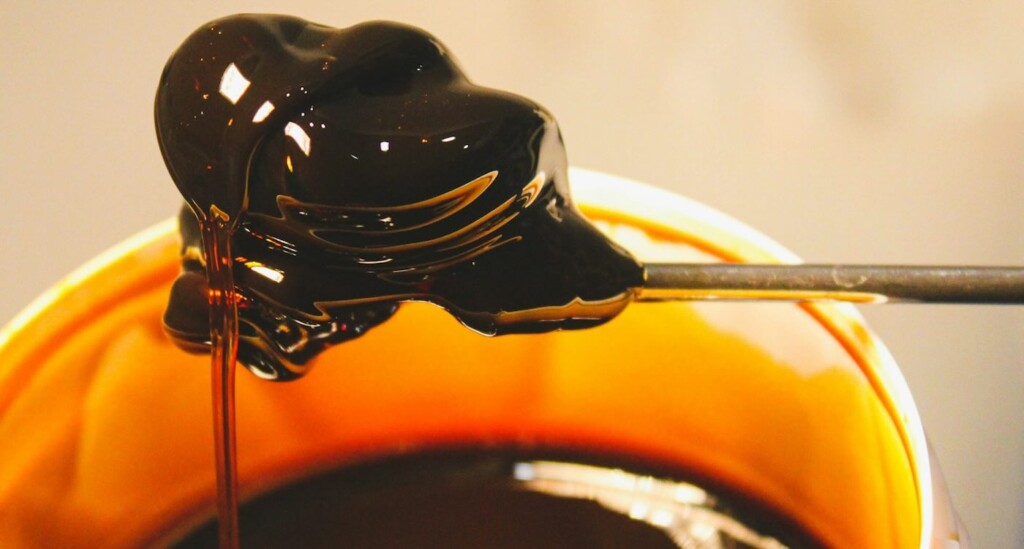
In this case the ‘solvent’ is just honey, making the finished product not only a neat chemistry demonstration, but delicious, uniquely healthy, and a better sugar substitute.
“Of course, the biggest appeal to the public is the flavor, but our analyses have shown that it has a number of bioactive compounds that make it quite interesting from a nutritional and cosmetic point of view,” Felipe Sanchez Bragagnolo, the first author of the study, told Agência FAPESP.
MORE FOOD SCIENCE: British Columbia Hazelnut Forests Were Actually Forest Farms Cultivated by First Nations 7,000 Years Ago
By inserting an ultrasonic wave emitter into a vat of native, stingless bee honey and cocoa husks and shells, the soundwaves broke down the plant waste. The team from UNICAMP also believe that the soundwaves killed off existing microbes in the honey that, for purposes of commercial production and sale, would otherwise have had to be removed through pasteurization or limited through refrigeration.
The honey from 5 different species of native, Brazilian bees were tested, as they are higher in liquids and lower in viscosity than the European honeybee which is responsible for most commercial honey production. The native bee called mandaguari (Scaptotrigona postica) was eventually selected, but the authors of the research argued that cocoa plantations could use any native species near them.
BUZZ FEED: Scientists Engineer Yeast to Create Honey Bee Superfood – Colonies Grew 15-Fold
“We believe that with a device like this, in a cooperative or small business that already works with both cocoa and native bee honey, it’d be possible to increase the portfolio with a value-added product, including for haute cuisine,” said Professor Mauricio Rostagno, a coordinator of the study and developer of the Path2Green software that assessed the “greenness” of the ultrasonic technology used.
SHARE These Scientists’ Delicious Discovery With Your Hive…