


JoyDrops champions awards-eligible documentary shorts about joy, a counterweight to a category often dominated by tragedy. Good News Network has partnered with JoyDrops to spotlight these films and talk with the filmmakers behind them.
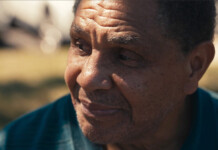
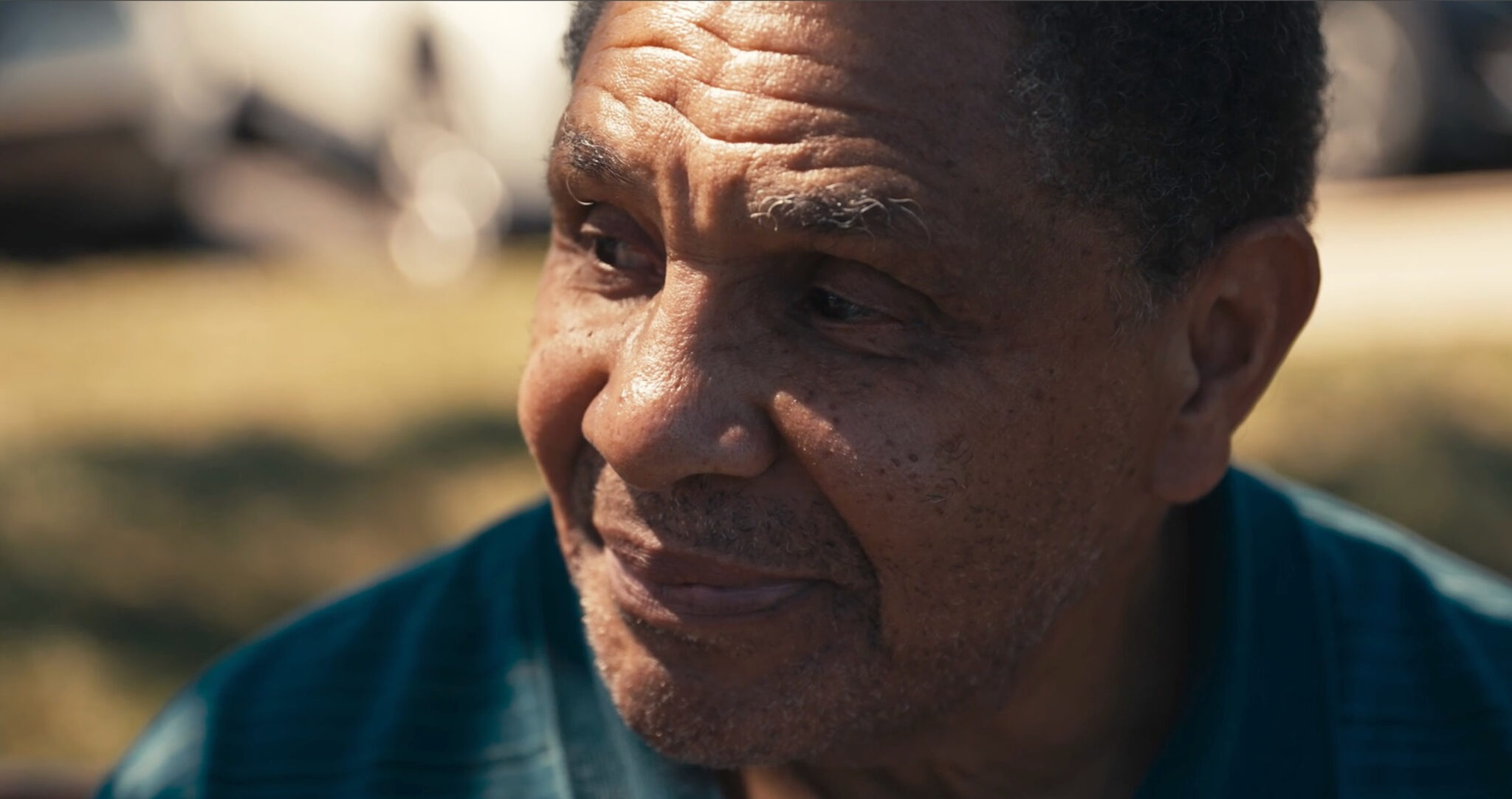
“Believe me, it never gets old,” Freddie Nole told GNN. “I’m serious.”
Nole is talking about the moment he meets a man walking out of prison, often someone with no one else coming to get him. He and his wife, Sue, take the man to a meal, buy him clothes, get him a phone and drive him to wherever he’s headed next. No two pickups are the same, he said, but one thing always is.
“The appreciation that these individuals express to us for just being there,” Nole said, “at a time when they’re most vulnerable.”
That work is at the heart of The Second Life of Freddie Nole, the latest film in GNN’s JoyDrops series.
The film
Directed by Dana Nachman, the film rides along with Nole for a single day as he picks up a man leaving prison in Pennsylvania. Along the way, viewers learn that Nole knows this road personally. His full backstory comes only at the end.
Nachman, whose company, Sweet World Films, focuses on stories about repairing the world, had worked on wrongful conviction cases for years. But reentry was new to her. She and her business partner, Chelsea Matter, had a little money left over from another project and wanted a story that truly fit a short. A one-day road trip was the perfect container.
They reached out to Nole over Zoom. “Literally maybe 30 seconds of talking, I was like, oh God, this guy is special,” Nachman told GNN. “We call him movie gold. Freddie is life gold.”
She later learned that groups across the country do similar work, some just 50 miles from her home in Northern California. She’s glad she didn’t know sooner. “My ignorance got me to him, really,” she said.
Day one
Nole went to prison in 1969, when Richard Nixon was president. When he finally walked out, the only person he could count on was his wife, who had stood by him for more than 37 years.
He had sent her his clothing sizes so he wouldn’t stand out. They didn’t fit. “It was just a whole embarrassing situation for me,” he told GNN, “not so much the people, but that I was so detached from this normal society.”
Then he learned he was already in violation of his parole for not reporting in time. He spent four hours of his first night of freedom at the parole office. “My whole first day of being out was simply walking on pins and needles,” he said.
Nachman said of the people Nole picks up. “These men and women are dropped into society with nothing and told to fend for themselves,” she said.
Even the smallest choices can feel overwhelming, Nole said. Many of the men haven’t picked their own food in decades. “They just get whatever is put on their tray,” he said. Restoring their dignity, from a new phone to a wallet to choosing what kind of toast to order, is part of the work.
He believes people who have been incarcerated are best suited to help. “Those who were confined are the best teachers for those coming out,” he said. One man Nole once picked up now picks up others himself.
Leading with who he is today
The film holds back the details of Nole’s past until the very end. Nachman said that choice came to her on a flight home from Philadelphia.
“When people like Freddie live their lives, they don’t have that option,” she told GNN. “They have to oftentimes lead with the worst thing they ever did, the mistake they made when they were 17.” As a filmmaker, she could do something different. “We are going to lead with the man he is today, because we all change over time.”
That’s where she finds the film’s hope. “We all want to think we can have redemption, that we can have second chances,” she said. “That’s the crux of the story.”
Nachman has made six feature documentaries, and the first three were about dark subjects. She still believes in that kind of work, but talking about it for years took a toll. In 2015, she turned toward stories that are “important but lighter.” When it comes to topics like Freddie’s work, she said, “I can’t stop talking about it.”
Asked what joy looks like for him now, Nole named his wife, his grandkids, his friends and the work itself. “I’m free,” he said, “but navigating my liberty.”
Since filming ended, Nole and Sue have helped more than 100 people. And after nearly seven years of searching, Nole landed a job at Target. “It’s amazing that Target gave him a shot,” Nachman said, “and if more employers can do that, it would just be amazing.”
More from JoyDrops:
- JoyDrops: Short Films With Big Hearts and Even Bigger Ambitions
-
‘Panther Pat’ Shines a Light on the Nearly Forgotten First Woman to Play Pro Football
- Oh Whale! Revisits the Exploding Whale That Became One of the Internet’s First Viral Videos
-
The Grandfather Puzzle Pieces Together a Family History One Man Wouldn’t Talk About