














In some of those really old countries: Greece, Turkey, China, history has a funny way of piling up and losing some of its intrigue.
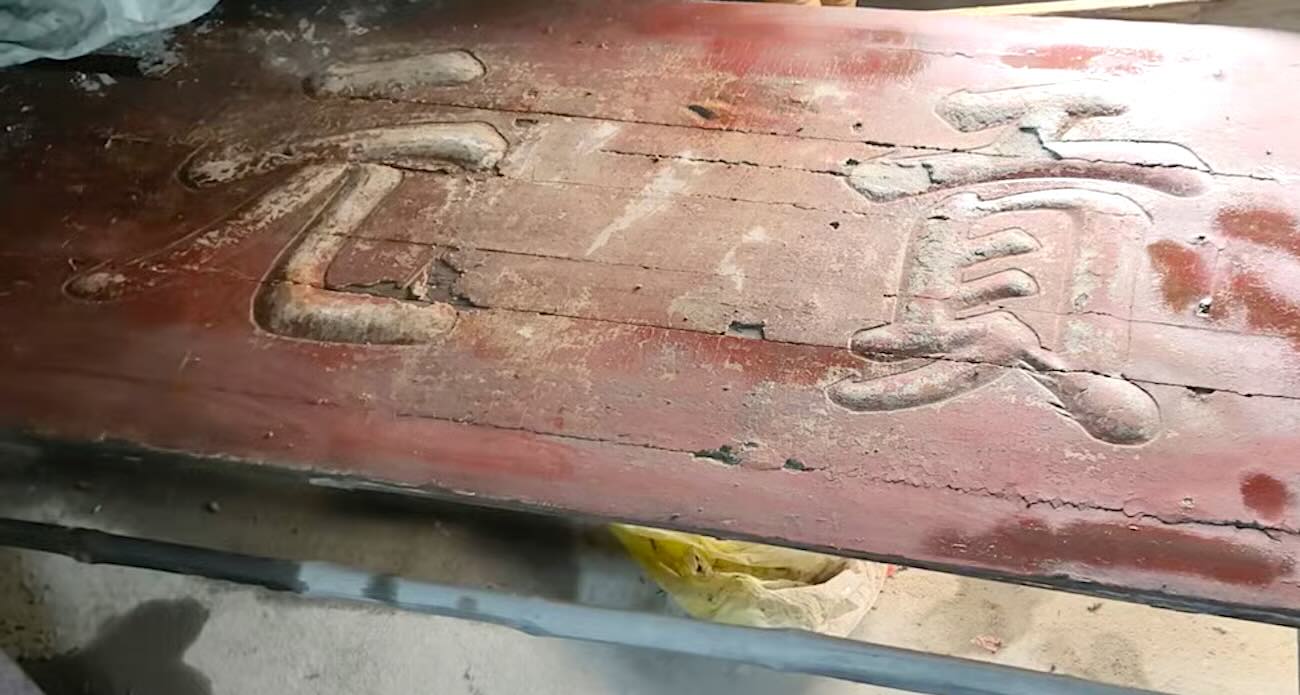
Take this kitchen table for example—it’s actually a kind of diploma issued in the Qing Dynasty, but Mr. Xu of Anhui province didn’t know, even though he and his family had taken meals on it more times than he could count.
Going viral on mainland social media, Xu explained on the Chinese version of TikTok that he had never paid the plaque any mind; his parents were impressed by its sturdy timbers and repurposed it as a dining table at their home in this rural region of West China.
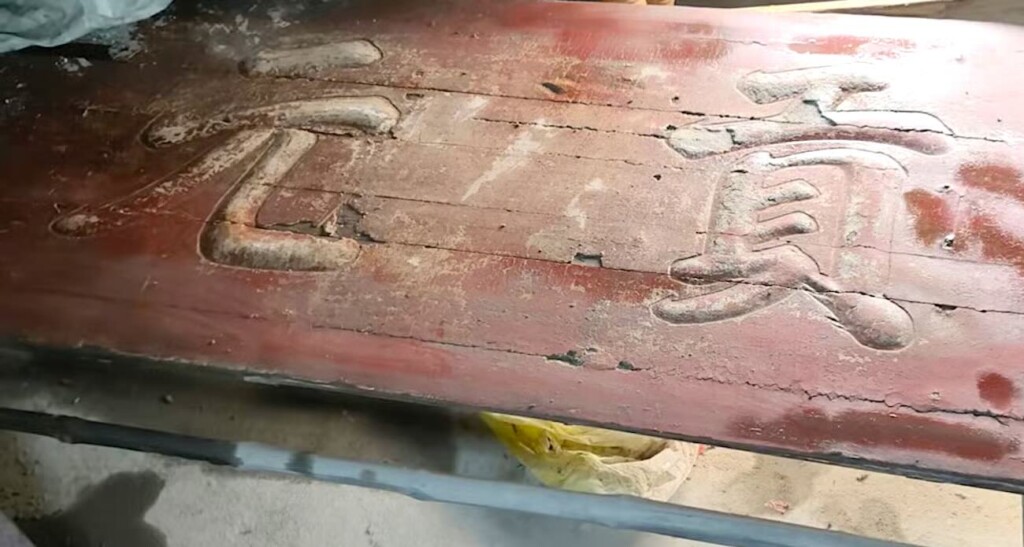
Painted red, the two words “Yuan Gong” had been carved into the surface and colored in gold. One day on a lark, Xu decided to research what the characters meant. He discovered that the plaque was an “honor board,” given to his great-great-grandfather Xu Yunli as a mark of distinction following his passage of the imperial examinations.
Originating in the Tang Dynasty of the 7th century, the state exam to enter the imperial bureaucracy was conserved through all subsequent dynasties. The rigorous academic pursuit at times allowed commoners to break through social hierarchies, and ensure at the best of times that a true meritocracy staffed imperial ministries with the best and brightest in the realm.
Yuan Gong translates roughly to “talent presented to the emperor,” and indicates that Xu Yunli placed sixth in the state examinations that year.
“I never imagined that the table our family had used for decades was actually my great-great-grandfather’s academic record,” Xu wrote.
Such honor boards, as one might imagine, were traditionally displayed above home doorways, in ancestral halls, or beside tombs, serving as enduring symbols of scholarly success and family prestige, writes Zoey Zhang at SCMP.
LIVING HISTORY: Biologists Clone Wild Yaks to Save Golden Subspecies Numbering Fewer Than 300 in First of its Kind Effort
Such a piece of education history would in many countries render the object as state property, but under Chinese law, as long as historical relics of national importance were passed down through lawful family inheritance, they remain the private property of the family.
Xu insists he shall never part with his ancestor’s token of merit, and plans to put some money together to have the red lacquer and gold paint restored to the face.
MORE ANTIQUARIAN MIX-UPS: Two Garden Ornaments Thought to be ‘Worthless Concrete’ Turn Out to be Italian Marble Busts Worth Thousands
This story attracted 10 million views on social media, Zhang wrote, who shared some of the comments.
“I knew a family who used a similar plaque to fence in pigs,” one wrote. “They only realized its value later and put it back on display.”
SHARE The Surprise, Pride, And Delight Of This Man In Far Off China…