













In Montana, a focus on restorative justice is reducing juvenile recidivism through a nonprofit program that engages them, rather than punishes them.
The nonprofit believes that it’s actually far more challenging for juvenile offenders to look their victims in the eye and explain why they behaved antisocially than it is to simply serve a suspension from school, where they’re distanced from friends and mentors, and often fall behind in their education.
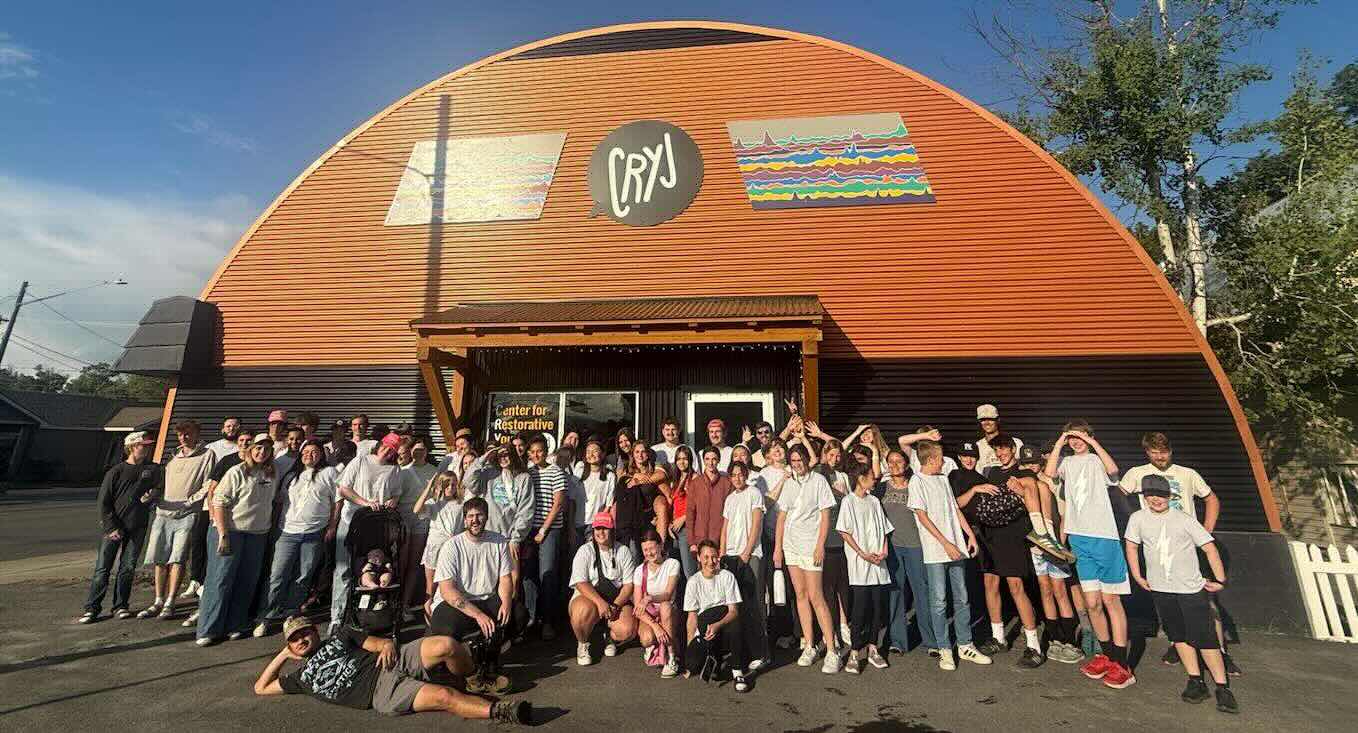
The Center for Restorative Youth Justice (CRYJ), is not a new organization, but their influence in Montana is growing. From a background of success in the city of Kalispell, their programs eventually expanded to include Missoula County, and via another group, neighboring Flathead County as well.
By 2023, the number of Kalispell youth receiving out-of-school suspensions decreased, CRYJ recorded, to just 82 individuals compared to over 200 five years earlier. The recidivism rate dropped to just 10%, compared to 23% in the nearby Flathead County.
At its most elemental, CRYJ receives referrals from Youth Court probation officers, school administrators, or school resource officers made on behalf of a juvenile offender who’s broken the law.
CRYJ then has a conference with the youth and their parent or guardian, and creates a tailormade program of restorative justice. This can involve peer group discussion, victim-offender meetings, and other situations where the youth is given the forum to reestablish a relationship with the community, rather than something like a school suspension.
CRYJ believes that by limiting the overuse of exclusionary discipline and emphasizing a community-driven approach, it can help at-risk youth avoid falling behind in school which often compounds the problems that caused them to offend in the first place.
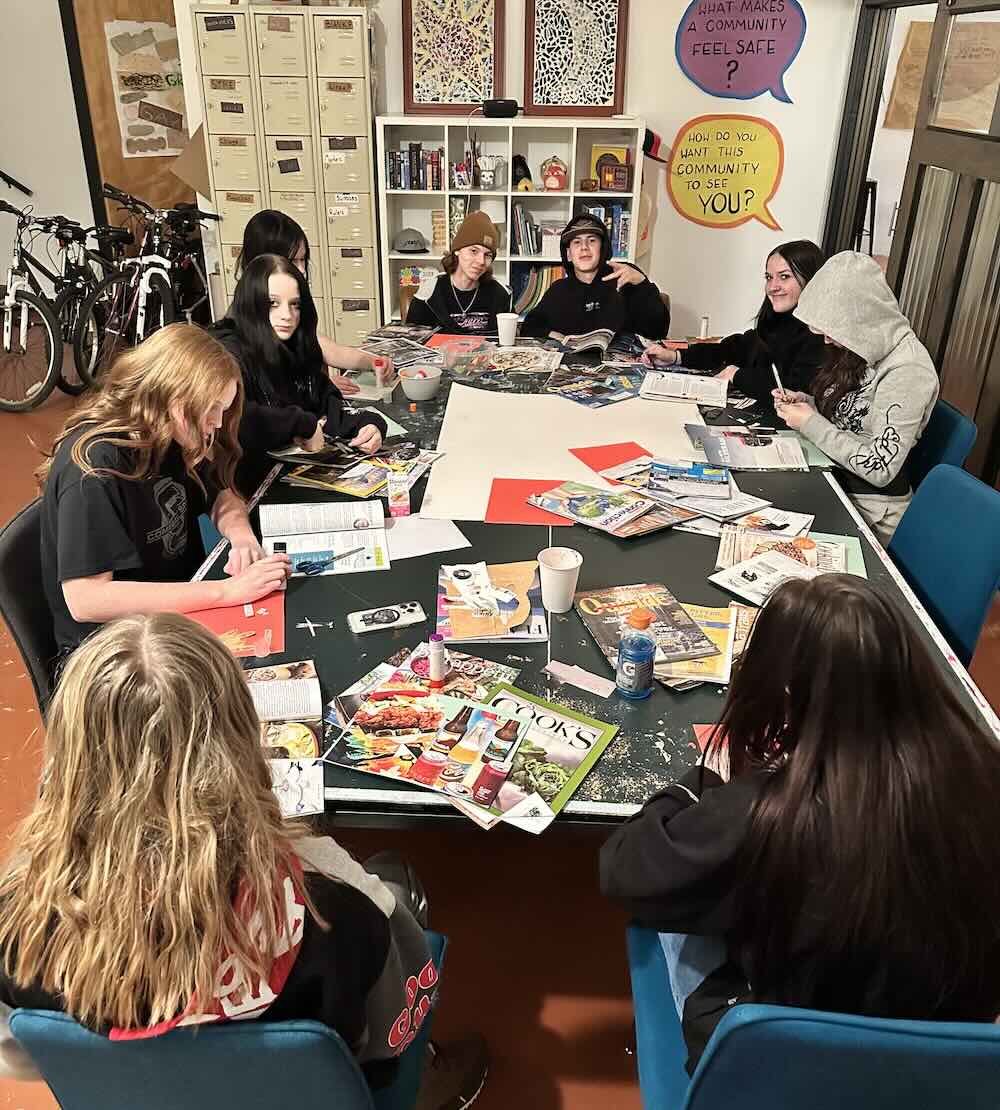
“We spend a lot of time separating people after there’s been harm, but often the deepest healing and learning and moving forward can happen … when we can actually come together and talk about what happened and how to make things right.”
Those were the thoughts of Emma Schmeltzer, co-director of CRYJ’s Missoula program, who along with her colleague Kaya Juda-Nelson and University of Montana master’s student Tara Cook, receive referrals for students and organize meetings one-on-one or in groups to identify the offense and the best way to reestablish that student’s place in society after something like drug or alcohol use, bullying, assault, or theft.
KEEPING KIDS OUT OF JAIL: Jobs, Not Jail: A Judge Was Sick of Sending Kids to Prison, So He Found a Better Way
Schmeltzer and Juda-Nelson spoke with the Montana Free Press about their work in Missoula which began this year, with the latter saying that while it might sound like a lighter touch than Youth Court and probation, it doesn’t let the kids off easy.
“I think that asking a kid to sit down and actually talk about what happened and work through it and express that vulnerability and really have to have an honest conversation about what was going on for them and why they engaged in whatever behavior or incident they engaged in, I think that is often much more challenging, for a teenager especially,” she said.
Montana Free Press reported that in the 2024/25 scholastic year, CRYJ received referrals for 118 youths at a program cost of $430 per person, while in nearby Flathead County, the 40 youths eventually detained and sent to Youth Court during the same period cost the taxpayers $6,815 per person.
MORE RESTORATIVE JUSTICE WORK: 24 Prison Inmates Get College Degrees, Graduate Together Thanks to UC Program: ‘I literally feel free’
A similar, unaffiliated organization called the Center for Youth Justice at Georgetown University, is applying the Kalispell program template from CRYJ in Flathead County, to more of the same success.
Called “Diversion in Action,” organizers stress another benefit of the restorative justice model: it lightens the workload for county attorneys—who have less cases coming across their desks; for school resource officers—who can spend more time keeping the school safe rather than doing paperwork for citations; for school administrators—who can hand off behavioral issues to those who are actually trained to handle them.
SHARE This Great Work Going On In Montana Schools With Your Friends…