











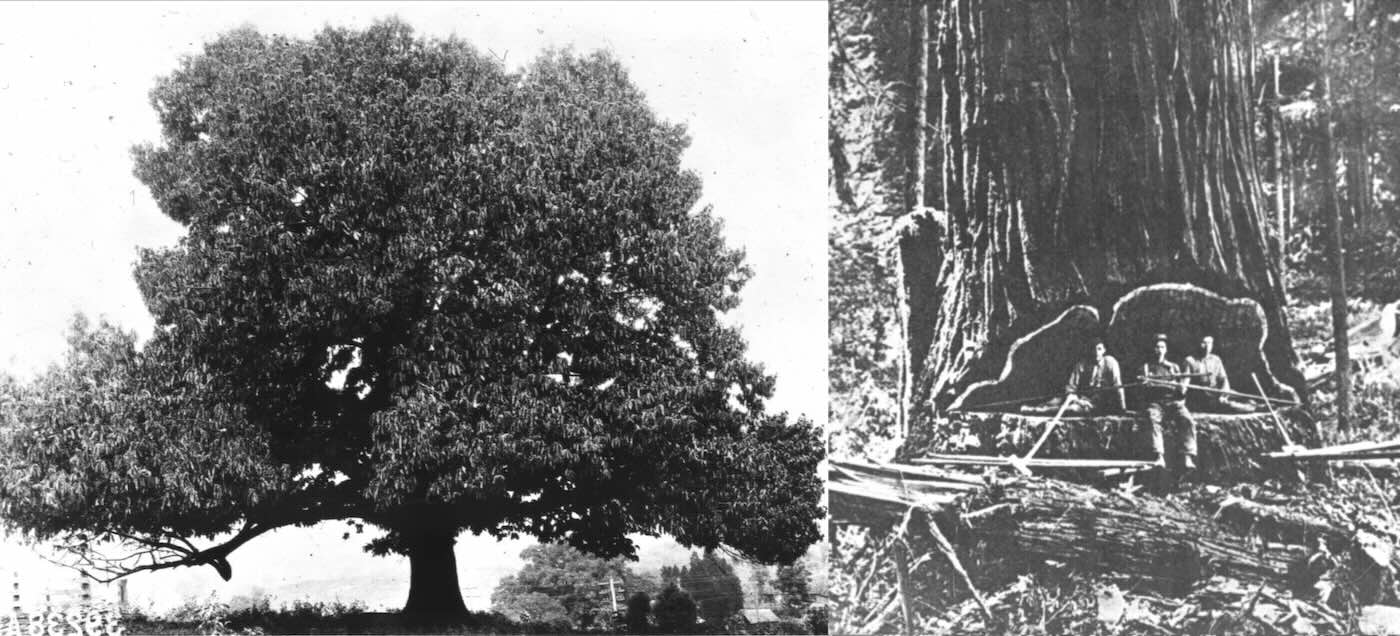
Wild American chestnut trees, deemed “functionally extinct” decades ago, may already be quietly mounting an unexpected comeback in the northern forests of the US.
Thousands of naturally thriving, wild trees in Maine contradict decades of assumptions about the species’ extinction—and how genetic engineering is the only solution.
When an accidental importation of an Asian fungus in 1904 began killing this majestic tree—once abundant along the U.S. East Coast and Canada—ghostly gaps left in the landscape haunted biologists.
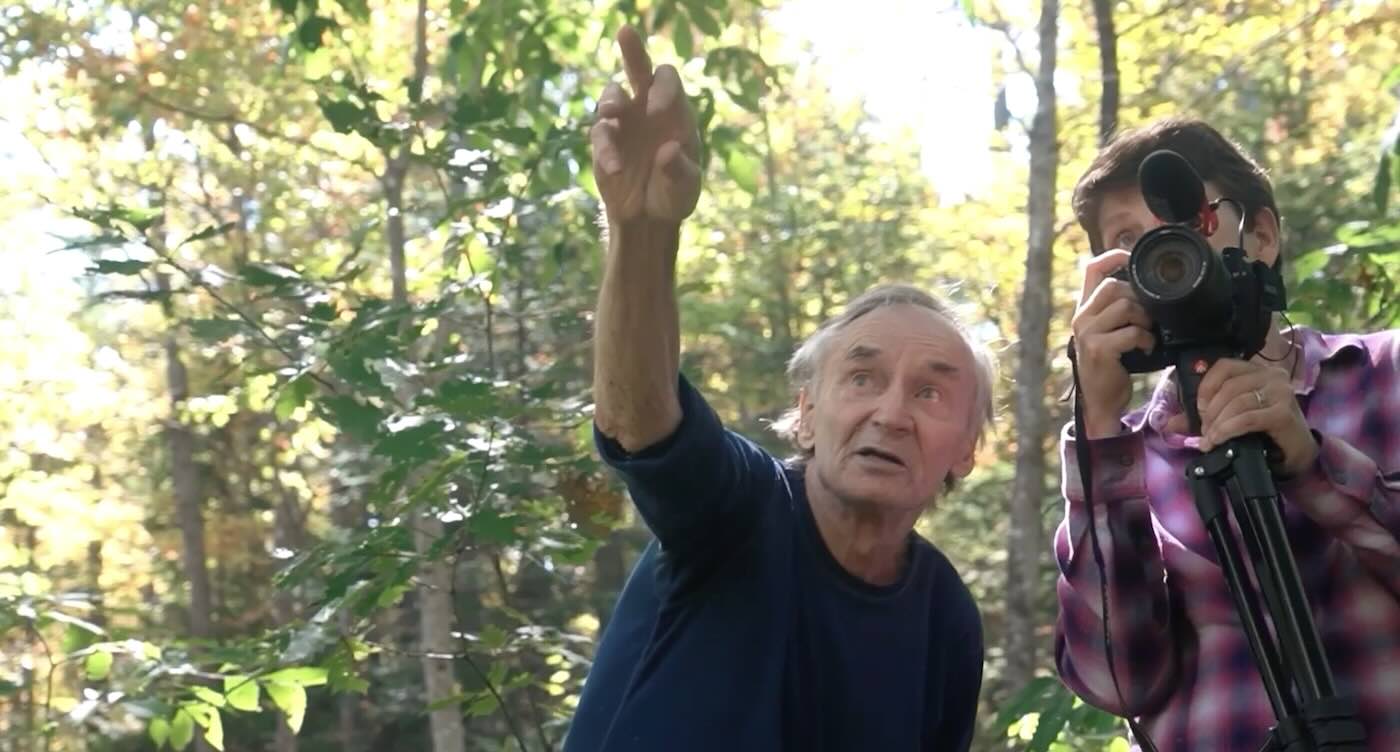
But a new documentary (watch below) brought to light a remarkable and little-known success story: thousands of wild, healthy American chestnut trees are flourishing on the Maine forest land of renowned biologist and author Dr. Bernd Heinrich.
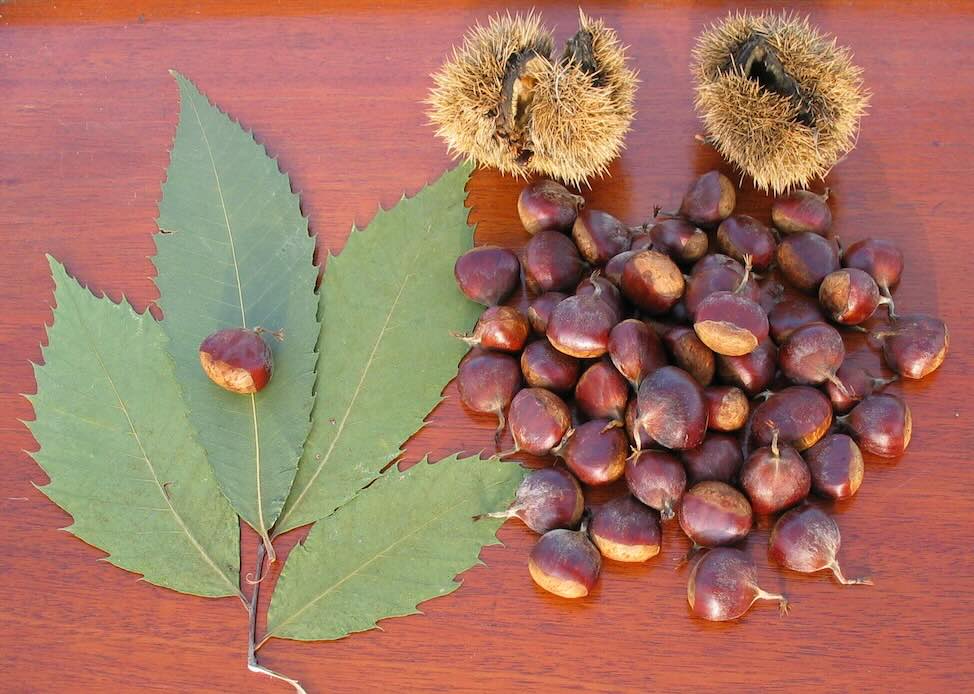
He bought 25 saplings for $10 from a nursery 44 years ago. They grew tall and their numbers multiplied as bluejays and squirrels plucked their seeds and buried them in fields as far away as a mile, and today there is no hint of blight in any of them.
“These chestnuts are really taking off,” said the 85-year-old professor, who climbed to the top of one of the trees to fetch a sample of the fruit for the videographers. “And it could very well be that these are blight resistant.”
The vigorous natural growth—which shows up in thousands of thriving grandchildren of the original trees—directly counters long-held beliefs that the iconic species survives today only as scattered, doomed sprouts.
Dr. Heinrich, professor emeritus of the Biology Department at the University of Vermont and author of more than 20 books on biology and 100 scientific papers (including the celebrated memoir A Year in the Maine Woods), has spent more than four decades observing the chestnuts on his hundreds of acres.
ANOTHER CHESTNUT DISCOVERY:
Giant Chestnut Tree Found in Maine Could Help Save a Near-Extinct Species
Working with University of Vermont students, Heinrich’s team has documented well over a thousand thriving chestnut trees—some now representing three generations of natural regeneration. Each has been mapped via GPS during a long-term field study.
The new short film, The Wild American Chestnut, produced by Global Justice Ecology Project, also captures Heinrich discussing projections that the American chestnut is shifting its range northward due to climate change, opening new opportunities for survival beyond its historical geographic limits.
These acres of thriving chestnuts magnify the major setbacks for the biotech-based tree restoration strategies of the past three decades.
In December 2023, The American Chestnut Foundation withdrew its support for a genetically engineered chestnut that was decades in development, after multiple documented research errors revealed the tree to be genetically defective. Discouraging field performance rendered them, in the Foundation’s opinion, unsuitable as the basis for species restoration.
MORE FLOWERING SURPRISES: World’s Largest Prehistoric Flower Preserved in Amber is Stunning Reminder of Nature’s Wonder–LOOK
“This film presents some good news about the wild American chestnut and is a stark contrast to claims by some researchers that genetically engineered trees are the only path to restoration,” said Anne Petermann, Executive Director of the Project.
“It was stunning to see so many robust trees—three full generations growing naturally—while the efforts to engineer blight-resistant chestnuts have produced nothing but failures.”
SPREAD SEEDS OF GOOD NEWS By Sharing a Chestnut With Tree Lovers on Social Media…
Amazing! The plight of the chestnut trees is discussed in Richard Powers’ The Overstory – an incredible novel for tree lovers out there!
Wonderful news! Three cheers for Dr. Heinrich and the American Chestnut Foundation!
I had a Chestnut tree that was native growth on my tree farm in Freehold, NJ. It was at the time of its death in the 90’s around 25 years old. After showing it to a Rutgers professor, the bark got the disease and even though I tried mud packs, which slowed things, the results were inevitable: death. The tree was 35 foot in height. Later, a person who knew of another Chestnut tree hidden deep in the woods said he would not have let a possible carrier of the disease near it. He regarded the prof as such. Rutgers at that time was working on chestnut crosses. It’s good to see the luck this prof has. Chestnuts forever!!
I got a little teary reading this incredible article because I have often seen American chestnut after Chryphonectria parasitica has gotten it and hoped it would someday get to grow larger. The fact that the species has held on for all this time despite almost every individual being cut down after a few years by the fungus makes this (or any) possibility of its return so special. Beyond heartwarming, hard to put words on a hope that has been waiting for several times my lifetime!
https://tacf.org/nc-sc-news/a-tree-grows-in-lovell/
I helped clone to Lovell American Chestnut!
Joseph Shaffner