















All News - Page 12 of 1688 - Good News Network
Home Blog Page 12

New Gel Regrows Dental Enamel–Which Humans Cannot Do–and Could Revolutionize Tooth Care

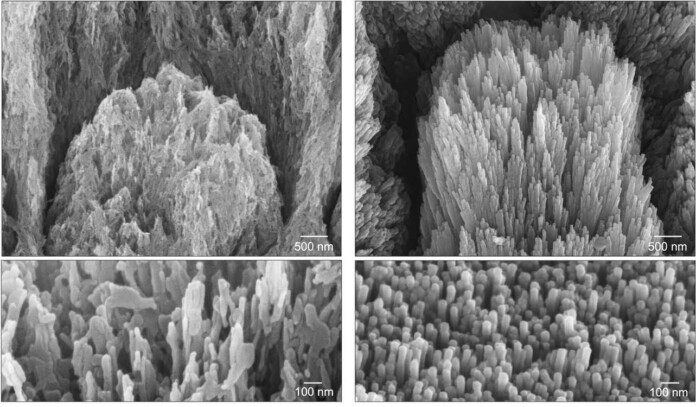
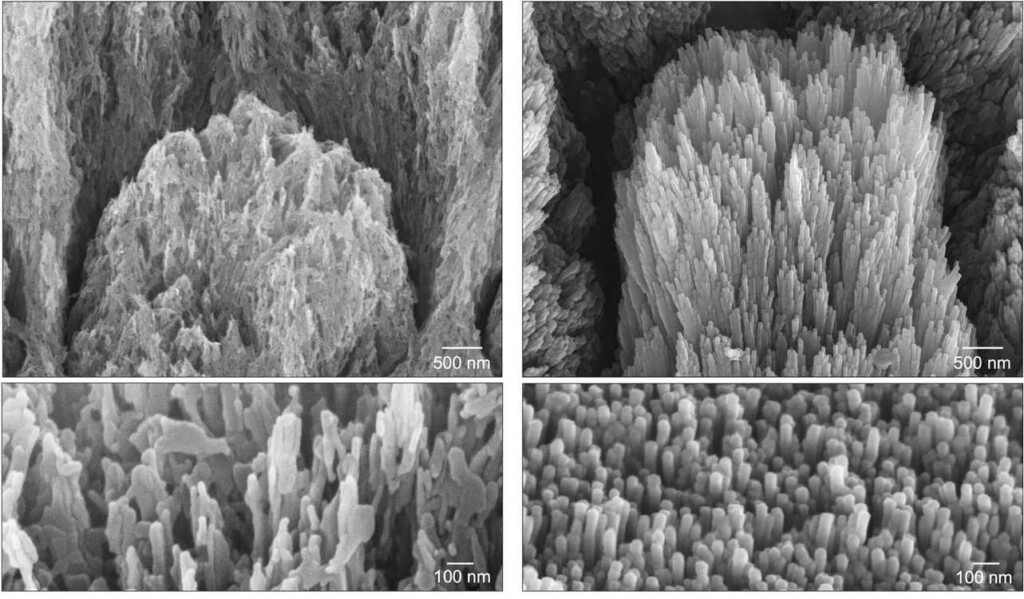
Electron microscopy images of a tooth with demineralized enamel (left) and a similar demineralized tooth after a 2-week treatment (right) - credit, Univ of Nottingham
Electron microscopy images of a tooth with demineralized enamel (left) and a similar demineralized tooth after a 2-week treatment (right) – credit, Univ of Nottingham

Chemists in England have created a gel that can repair and regenerate tooth enamel, opening up new possibilities for effective and long-lasting dental treatment.

The gel can be rapidly applied to teeth in the same way dentists currently apply standard fluoride treatments. However, this new protein-based gel is fluoride-free and works by mimicking key features of the natural proteins that guide the growth of dental enamel in infancy.

The findings have been published today in Nature Communications.

Scientists from the University of Nottingham’s School of Pharmacy, in collaboration with an international team of researchers, sought a method of treatment for addressing this major cause of tooth decay which is estimated to be associated with a full 50% of all tooth problems in the world.

These 50% of problems don’t merely lead to the obvious infections like dental caries, cavities, and tooth loss, but are also heavily associated with conditions such as diabetes and cardiovascular disease. Arterial plaques—the substances that can impede blood flow and cause stroke and heart attacks, have been found to contain bacterial biofilms in the periodontal environment—think about that the next time to want skip flossing.

When applied, the scientist’s experimental gel creates a thin and robust layer that impregnates teeth, filling holes and cracks in them. It then functions as a scaffold that takes calcium and phosphate ions from saliva and promotes the controlled growth of new mineral in a process called epitaxial mineralization.

This enables the new mineral to be organized and integrated to the underlying natural tissue while recovering both the structure and properties of natural healthy enamel.

It can also be applied on top of exposed dentine, growing an enamel-like layer on top of dentine, which has many benefits including treating hypersensitivity or enhancing the bonding of dental restorations.

“We have tested the mechanical properties of these regenerated tissues under conditions simulating ‘real-life situations’ such as tooth brushing, chewing, and exposure to acidic foods, and found that the regenerated enamel behaves just like healthy enamel,”
Dr. Abshar Hasan, a postdoctoral fellow and leading author of the study, said in a Nottingham U. press release.

Enamel does not naturally regenerate; once you lose it it’s gone forever. There is currently no solution available that can effectively regrow enamel. Current treatments such as fluoride varnishes and remineralization solutions only alleviate the symptoms of lost enamel.

ALSO CHECK OUT: The Simple Habit of Flossing Reduces Your Risk Of COVID-19 Complications, Says New Study

“Dental enamel has a unique structure, which gives enamel its remarkable properties that protect our teeth throughout life against physical, chemical, and thermal insults,” said Dr. Hasan. “When our material is applied to demineralized or eroded enamel, or exposed dentine, the material promotes the growth of crystals in an integrated and organized manner, recovering the architecture of our natural healthy enamel.”

In 2023, GNN reported that a drug which was able to regrow adult teeth in mice entered clinical trials after it was discovered by a dental scientist named Takahashi in Japan years prior.

MORE DENTISTRY BREAKTHROUGHS: Wisdom Teeth Contain Unique Stem Cell That Can Form Cartilage, Neurons, and Heart Tissue

The breakthrough came from the identification of a gene-protein interaction in mice that resulted in the growth of fewer teeth. An antibody medicine that inhibited the protein’s ability to function caused teeth to grow in both mice and ferrets who were born with improper tooth formation.

Unlike many other animals on Earth, Humans can’t regrow teeth constantly, and the regrowth of a third tooth at the loss of our adult teeth would revolutionize dentistry.

SHARE This Breakthrough Dental Drugs With Your Friends… 
Delta Airlines Treats Teens to Free ‘Dream Flights’ Inspiring Many to Become Pilots and Engineers

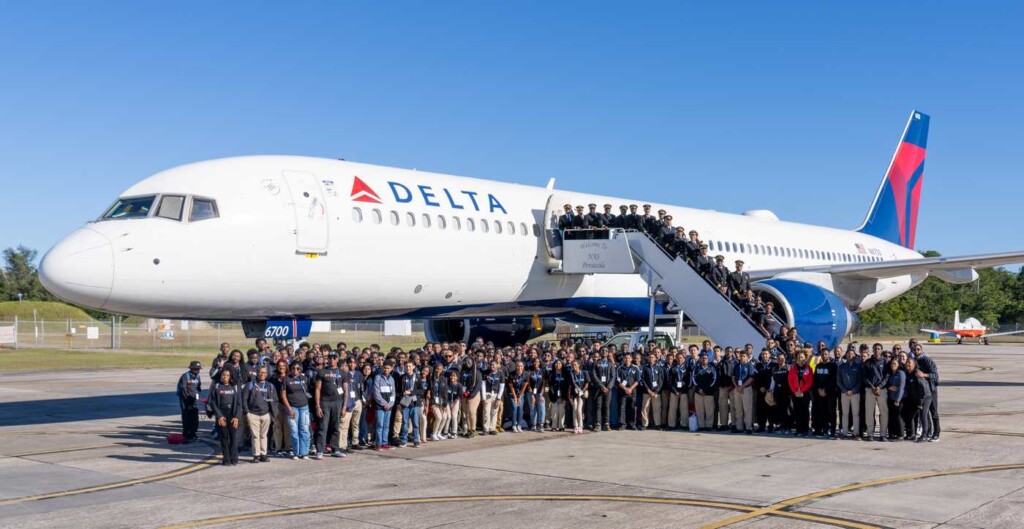
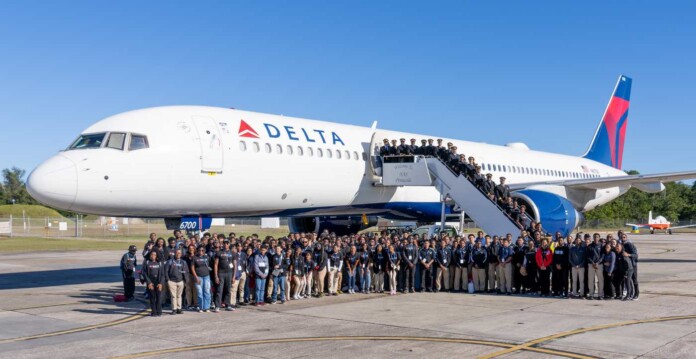
Delta's 24th Dream Flight - credit, Delta Airlines
Delta’s 24th Dream Flight – credit, Delta Airlines

Every year, Delta Airlines hosts a special, one-of-a-kind trip to place the heads of ambitious Black students squarely in the clouds.

Climbing aboard a Boeing 757 as it took off from Hartsfield-Jackson International Airport in Atlanta, 100 local teens were the latest passengers on Delta’s “Dream Flights” program, a give-back initiative that introduces students to the concept of a career in aerospace and aviation.

Organized in partnership with the Organization of Black Aerospace Professionals (OBAP), the concept goes right back to that famous quote Whoopi Goldberg said when she saw Lieutenant Uhuru in Star Trek: “I just saw a black woman on TV and she ain’t no maid!”

“When I met my first Black pilot, that’s when I realized I could do it too,” said Delta captain Justin Mutawassim. “Now, I get to show these students—especially Hayden—that they can follow that same path.”

17-year-old Hayden Lynch has Mutawassim as a program mentor, and years before he stepped onboard Delta flight 2025, he became smitten with aviation after receiving a drone for Christmas.

At the helm was First Officer Dana Nelson, Delta’s first Black woman pilot, hired in 2001. The theme continued with an all-black cabin crew and co-pilot Lyob Makonnen.

GOOD RESPRESENTATION: New Astronaut Camp for Girls Named After Star Trek Actress Nichelle Nichols, Honored as Role Model

This year, their final destination was NASA’s Kennedy Space Center on Florida’s “Space Coast.” Once there, the students wandered around with necks craned to see towards the ceiling to gaze at the collection of historic rockets, shuttles, and simulators used in NASA missions past. The trip finished with a panel discussion hosted by OBAP aviators and astronauts on how to navigate turbulence, whether in the cockpit, or in life.

This year was the 25th edition of Delta’s Dream Flight. They’ve transported and inspired more than 4,000 students throughout that time.

MORE STORIES LIKE THIS: A New Generation of Tuskegee Aviators Takes to the Skies to Tackle Another National Challenge

Many of these, CBS News reports, have followed their dreams born on the flight to careers as pilots, in aviation engineering, and in aerospace at large.

“My dream is to become a Delta pilot one day—and inspire others just like they inspired me,” Hayden told CBS.

WATCH the story below…

FLY This Story Over To Your Friends On Social Media…

Scientist Discovers New Bee Species with ‘Devil-like’ Horns–Names Her ‘Lucifer’

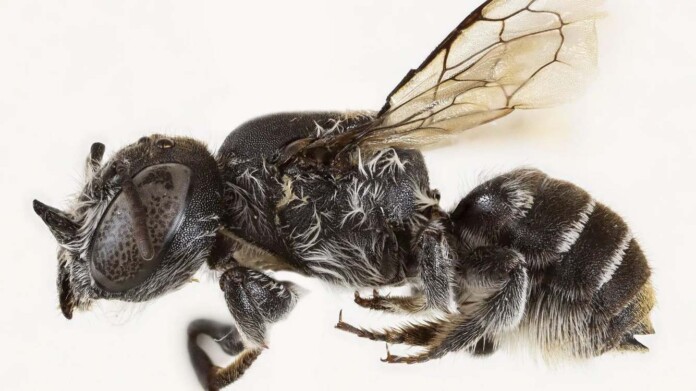
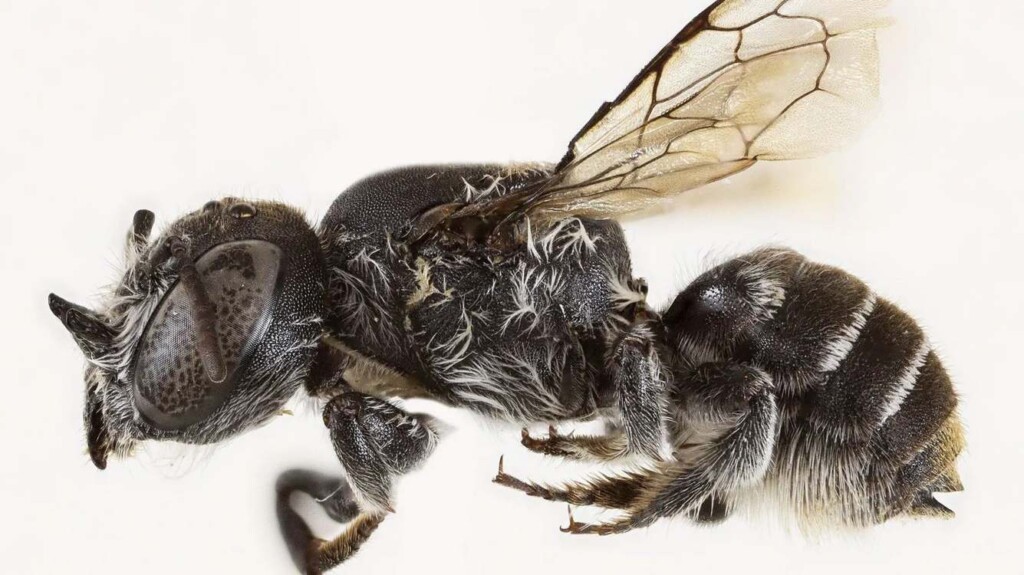
The Megachile lucifer - credit, Dr. Kit Prendergast
The Megachile lucifer – credit, Dr. Kit Prendergast

She’s got devil-like horns, but she ain’t after your soul: she’s only looking for pollen.

She’s Megachile lucifer, a new species of solitary bee identified in Western Australia’s Goldfields region by a team of scientists inspecting a rare wildflower habitat.

She’s also the first new bee species added to the genus in 20 years, making this resident of the Bremer Ranges east of Perth a devilishly good reason to increase habitat protections in the area.

“The female had these incredible little horns on her face,” said Dr. Kit Prendergast from Curtin University, who made the discovery at a time in her life when she had become a fan of a particular Netflix show.

“When writing up the new species description I was watching the Netflix show Lucifer at the time, and the name just fit perfectly.”

Only the females sport these devil horns, which could be an additional set of wands for reaching the pollen of certain plants, or a defensive weapon. The full description of the species was published in the Journal of Hymenoptera Research

The area in and around where the bee was found also contains the aforementioned rare wildflowers, and along with these charismatic new bees, Dr. Prendergast suggests it should be “formally protected and gazetted as conservation land that cannot be cleared.”

BEES: A Country of 2 Million is the World Leader in Beekeeping and Protecting Pollinators

“Because the new species was found in the same small area as the endangered wildflower, both could be at risk from habitat disturbance and other threatening processes like climate change,” she told the BBC.

Solitary bee species are major pollinators of wild plants, and there are over 1,500 species in the Megachile genus alone.

SHARE The Buzz About This New Bee And Her Strange Horns With Your Hive…

Three Bob Ross Paintings Sold for $600,000 at Auction in Fundraiser for Public Television

Winter's Peace by Bob Ross - credit Bonham's Auctioneers, released
Winter’s Peace by Bob Ross – credit Bonham’s Auctioneers, released

Three works from Bob Ross’ classic public television show The Joy of Painting raised over half a million dollars for public television.

Having relied for decades on endowment contributions and pledge drives of every tact and description, it was brilliant idea that puts a brilliant man and his brilliant perspective on the arts back into the spotlight 30 years after his death.

“I think this actually would have been Bob’s idea,” said Joan Kowalski, president of Bob Ross Inc., the firm that manages his likeness, content, and collection of thousands of works that he painted on television, in advance of the auction. “And when I think about that, it makes me very proud.”

The auction came months after cuts to PBS and other stations were passed in the most recent budget, but also as a pair of Bob Ross paintings touched, and then surmounted, 6-figure valuations—something very rarely seen before.

Straight Arrow News, which spoke with Kowalski, also reached out to Bonham’s, which had seen a pair of Ross’ sold for $115,000 and $95,000.

In many ways, the gentle television painter was a singular figure; irreplicable, not only as a figure in time but also in style and method. Ross paintings have always been conspicuously absent from the fine art auction circuits, and rarely come anywhere close to these sorts of valuations.

But in light of the appreciation, Bob Ross Inc. will be auctioning Home in the Valley, (1993) Cliffside, (1990) and Winter’s Peace (1993). They were priced to start at between $25,000 – $30,000, but quickly went to the Moon.

The first brought $229,100, the second $114,800, and Winter’s Peace went for a staggering $318,000.

– credit, Bob Ross Inc. fair use

“I think that there’s a certain amount of snobbery in the art business, but Bob is a cultural touchstone,” Aaron Bastian, senior director of California and Western paintings at Bonhams, told Straight Arrow News.

“He crosses a lot of different generations. Kids these days have seen him on YouTube. I watched him with my parents, right? And so, it’s something that is readily accessible to everyone.”

Modern artistic stars and works commonly seek to portray the world’s challenges, contradictions, and crises, while Bob Ross, a former Air Force drill sergeant who vowed never the raise his voice again after leaving the military, sought every broadcast to create a world he wanted to see: full of ‘happy little trees,’ and all the rest.

Kowalski points out that Ross loved the idea of public television, and that he would probably have been the first to pull out some out works to put towards the cause. After all, they aren’t unique.

MORE INSPRING FUNDRAISERS: Man Who Made History in ‘Blinking Guy’ Meme Using His Fame to ‘Pay it Forward’

While viewers saw only the canvas that Ross painted on screen over the course of the 30-minute program, that was actually the second of three renditions. One, he would do before shooting as a preparatory work that sat off camera as a reference. The second he’d do for the recorded broadcast, and a third, well-finished work with much more attention to detail than he could manage on-screen was painted for his instructional booklets.

Often, Ross would ensure the three remained together, either in his holdings at Bob Ross Inc., or in the cases when he would donate them, either to PBS or to the Smithsonian.

MORE AUCTIONS FOR GOOD: British Man Finishes His Run Across Africa: 385 Marathons in 352 days

All the money raised from the auction will go to Create Channel, which Straight Arrow described as a “premium lifestyle channel for public television stations.”

Another 3 works will be auctioned in January—part of a collection of 27 that could be ultimately sold to support the various channels and outlets under American Public Television.

SHARE This Public Television Icon Providing Value Years After The Red Light Went Off…

“The human race has one really effective weapon, and that is laughter.” – Mark Twain

Credit: Muhamad Iqbal Akbar

Quote of the Day: “The human race has one really effective weapon, and that is laughter.” – Mark Twain

Photo by: Muhamad Iqbal Akbar

With a new inspirational quote every day, atop the perfect photo—collected and archived on our Quote of the Day page—why not bookmark GNN.org for a daily uplift?

Credit: Muhamad Iqbal Akbar


Good News in History, November 13

85 years ago today, the animated film Fantasia, conceived and produced by Walt Disney himself, was released. It was only Disney’s third animated film and, though it featured Mickey Mouse in the role of ‘The Sorcerer’s Apprentice’, it had almost no dialogue and consisted of eight pieces of classical music conducted by Leopold Stokowski, including The Nutcracker Suite and Pastoral SymphonyREAD more… (1940)

Boy’s Great Tagline Helps Raise Thousands For Underprivileged Kids to Afford Hockey

Courtesy of Grahame Family

A hockey-loving boy from a hockey-loving family is selling special hockey merch to help other hockey lovers—and he’s loving it.

His family took a childhood utterance, as genius as it was random, and spun it into a line of merchandise with the proceeds going to charities that pay for gear, rink time, and team fees for kids who want to play hockey but whose families can’t afford the expense.

He’s got a special fundraiser going at the moment specifically for the children of veterans, in honor of Veteran’s Day.

8-year-old Luke Grahame is the son of John Grahame, a goaltender who played for the Boston Bruins and Tampa Bay Lightning. John’s father was also goaltender, who also played for the Boston Bruins, as well as the Los Angeles Kings and Quebec Nordiques during the late 1970’s and early 1980’s.

John’s brother, Luke’s uncle, is a scout for the Colorado Avalanche. John and his mother, Charlotte who also worked for the Avalanche, became the first mother-son duo to have both of their names engraved on the Stanley Cup, which John won as a goalie with the Lightning in 2004.

Luke’s two older brothers both play, and Luke loved going to watch their games before he was old enough to hit the ice. But eventually, eagerness and frustration culminated in a now-famous line.

“I’m tired of just being a rink dude,” he said in frustration. That day, the Rink Dude brand was born.

“We thought maybe we could print a hat that said ‘Rink Dude’ just for him,” his mother, Niki Grahame, told CBS News Colorado. “Then we thought, what if he sold a few and helped other kids who want to play hockey but can’t afford it?”

That’s exactly what happened, and it was a huge success. Hockey is the most expensive youth sport, and nonprofits like Hockey Unlimited help underprivileged children bridge the financial gap made up by gear and fees to use ice rinks for training and pick-up games.

SIMILAR SUPER YOUTH: 

Rink Dude hats, shirts, and other merch, featuring a cartoonized Luke Grahame flexing his bicep, sometimes make thousands of dollars in a week of sales, and each purchase comes with donation cards to Hockey Unlimited or other nonprofits.

For Veterans Day, Luke focused on helping military families by channeling money to United Heroes League, a nonprofit that keeps military kids active by providing gear, camps, grants and special experiences.

“Our goal is $5,000 to raise for kids of veterans,” Luke said, adding “veterans are heroes.”

Mrs. Grahame wasn’t surprised, saying “he gets to feel the joy of helping others while doing something he loves.”

WATCH the story below from CBS News… 

SHARE This Little Man’s Big Mission With ‘Rink Dudes’ You Know… 

Shipwrecked Cargo of Roman Lead Bars Provides a Chance to Observe Dark Matter on Earth

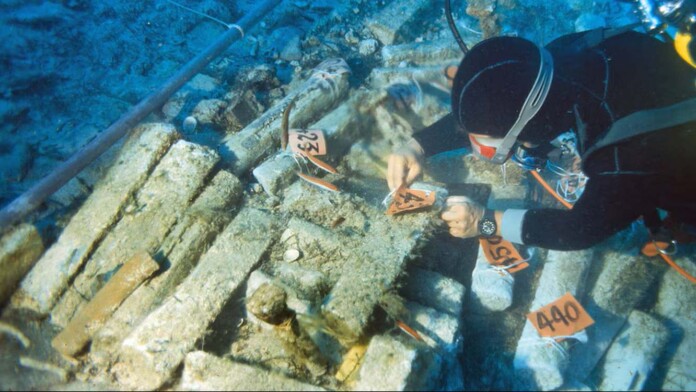
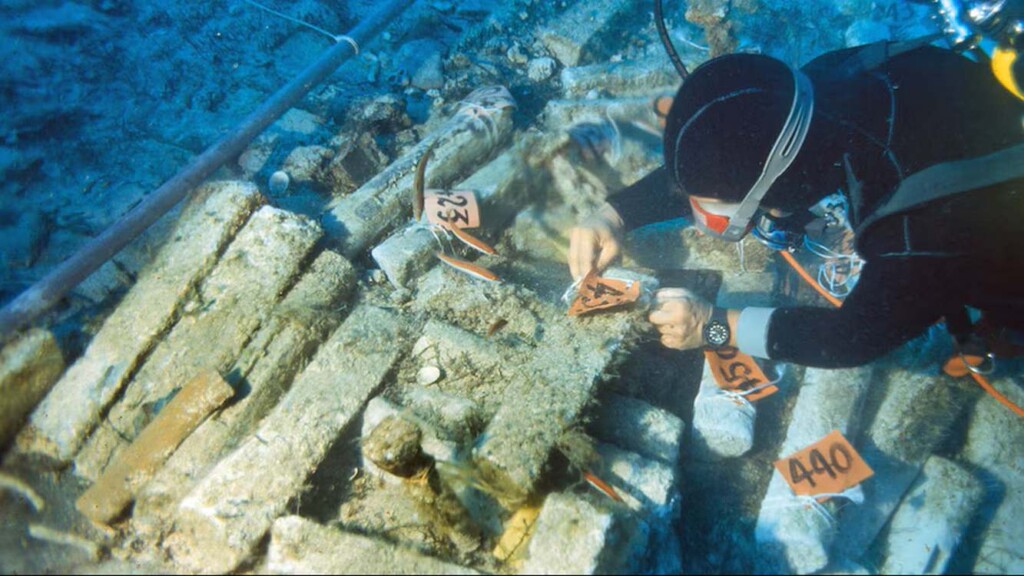
Hundreds of lead bricks were found in a ship that sunk between 50 and 80 BCE - credit, CUORE Collaboration and LNGS/INFN
Hundreds of lead bricks were found in a ship that sunk between 50 and 80 BCE – credit, CUORE Collaboration and LNGS/INFN

What do dark matter, the Roman Empire, and a toxic heavy metal have in common?

The answer is Mr. Ettore Fiorini who helped excavate a 2,000-year-old shipwreck whose cargo of Roman lead bars could, he believed, help him unravel the secrets of the universe.

If the second sentence made no more sense than the first, let’s do some storytelling.

Sometime between 50 and 80 BCE, merchants or military engineers from Rome were transporting a cargo around the island of Sardinia that included hundreds of pounds of lead ingots from Spain meant for building ammunition or aqueducts.

The sea was angry that day, and sent the cargo down to the crushing black oblivion of Davy Jones’ Locker. In 1988, the ship was discovered, and the maritime archaeologists working on it got a message from a strange address: Istituto Nazionale di Fisica Nucleare, Italy’s National Institute of Nuclear Physics (INFN).

The sender was Dr. Fiorini, who wasn’t interested in the historical value of the shipwreck, but wanted the lead to build a radiation shield for a particle detector deep under a mountain.

Lead is used to isolate chambers from radioactivity, which is why we wear lead vests when taking x-rays. However, lead itself also contains trace amounts of a radioactive isotope lead-210, which can interfere with any observations.

The experiments need to be absolutely free of any outside radioactive interference—which can come from anything—to ensure that the scientists can say whatever they see in their experiments is genuine and not noise. The cool thing about the Roman lead is that, having sat underwater for 2,000 years, the radioactivity had completely decayed, making the ingots perfect for isolating the chamber where the experiment would take place.

What was Fiorini looking for in his experiments? Nothing less than the detection of dark matter at work on Earth.

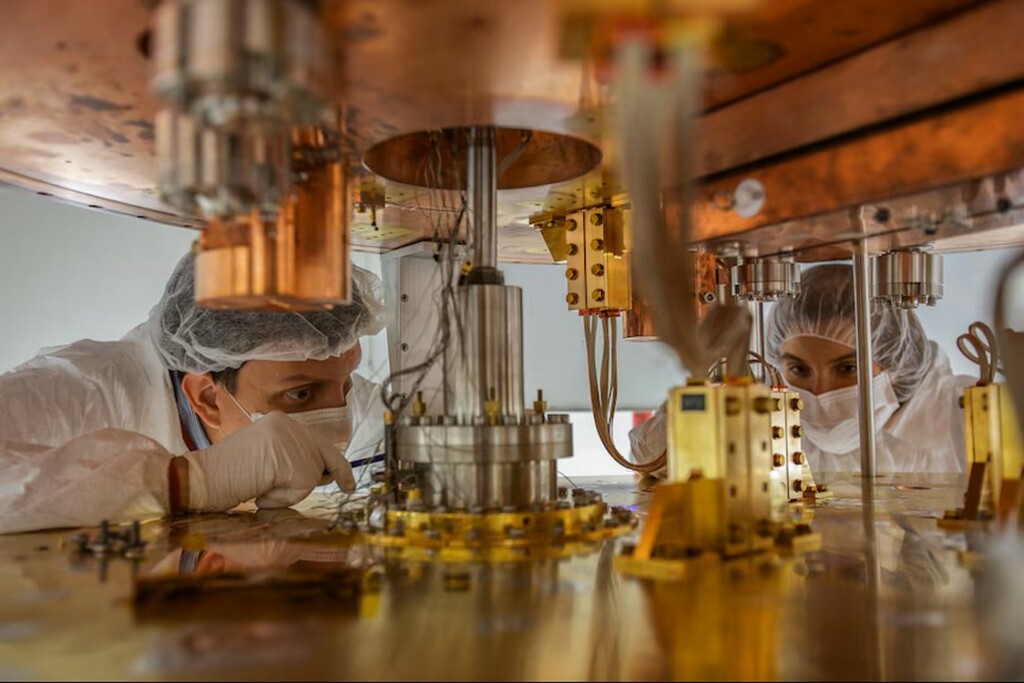
The CUORE particle detector – credit, CUORE Collaboration and LNGS/INFN

Between past and future

Some archaeologists have brought up ethical dilemmas with destroying ancient artifacts to conduct modern experiments.

The lead in the Sardinian shipwreck, for example, was melted down to create a shield for Fiorini’s particle detection program. Each one of the ancient lead ingots had a stamp on it in Latin, carrying information about its origin and brand.

Dr. Paolo Gorla, an INFN physicist, told ABC News Australia that the historic value wasn’t lost on Fiorini and his team, who struck a bargain with archaeologists that with money and backing from the INFN, they would help recover the shipwreck—but they would get to keep the lead.

The archaeologists eventually agreed on the condition that each ingot be documented thoroughly.

“Something amazing is that the companies that extracted the lead from the mine stamped [their] brand on top of the bricks,” said Dr. Gorla, adding that part of the deal was an examination by the physicists of each ingot at the molecular level to look for contaminants that might hint at the object’s place of origin.

“It was like an ID card … it helped the cultural heritage officials reconstruct from which mine in Spain this lead was extracted.”

Scientists posing with part of the ancient lead shield for CUORE – credit, CUORE Collaboration and LNGS/INFN

Gorla called it a mutual exchange between lovers of history; only that the archaeologists’ love affair was with the history of Rome, and his affair was with the history of the universe.

ITALIAN SCIENTISTS AT WORK: Graphene Dream Becomes a Reality as Miracle Material Enters Production for Better Chips, Batteries

The INFN received their long-awaited lead treasure in 2010, and in 2017, armed with a new shield made of melted Roman lead, the CUORE detector (Cryogenic Underground Observatory for Rare Events) began its work under Gran Sasso mountain.

Dr. Fiorini passed away in 2023, and an upgrade to his life’s final project will soon arrive that should allow CUORE to identify the particles it has detected, none of which, as of yet, has turned out to be dark matter.

CUORE is kept at near absolute zero temperatures, is shielded from cosmic radiation from the Sun by the mountain, and shielded from radiation in the lab by the Roman lead. Here, any elementary particle leftover, if touching any other particle, would raise the temperature in the observation chamber ever so slightly, allowing for quick identification of particle collisions.

MORE SCIENCE COLLABORATIONS: Pollution Efforts in Lake Tahoe Have Cut Sediment and Algae Run-off to Preserve the Water’s Iconic Clarity

Dark matter is thought to make up 85% of all the matter in the universe. It doesn’t interact with light, but it does feel the effects of gravity. Experiments like Fiorini’s may be key to making a detection of this strange substance on Earth, and his idea that Roman lead was a key component in any successful detection, was clearly a good one.

“We can easily tell that without the quality of the shield, we would not have been able to measure at the level we’re measuring now,” Dr. Gorla says.

SHARE This Unorthodox Scientific Collaboration To Study Dark Matter… 

Man Returns Dad’s ‘Souvenir of Parthenon’ and Turns Out it Was Even Older Acropolis Relic

- credit Greek Culture Ministry
– credit Greek Culture Ministry

In 2022, an elder Chilean man walked into the Greek embassy in Santiago on a mission: to turn himself in.

Not that 77-year-old Enrico Tosti-Croce had done anything wrong, but rather he was putting a small family matter to rest.

In the 1930s, a young Italian submariner visited Athens with the Italian Navy and paid a visit to the legendary Parthenon, a temple built to honor the goddess Athena atop the Acropolis of Athens in the 5th century BCE.

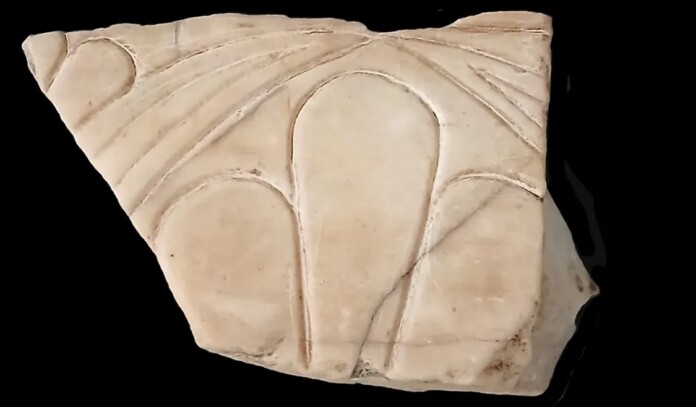
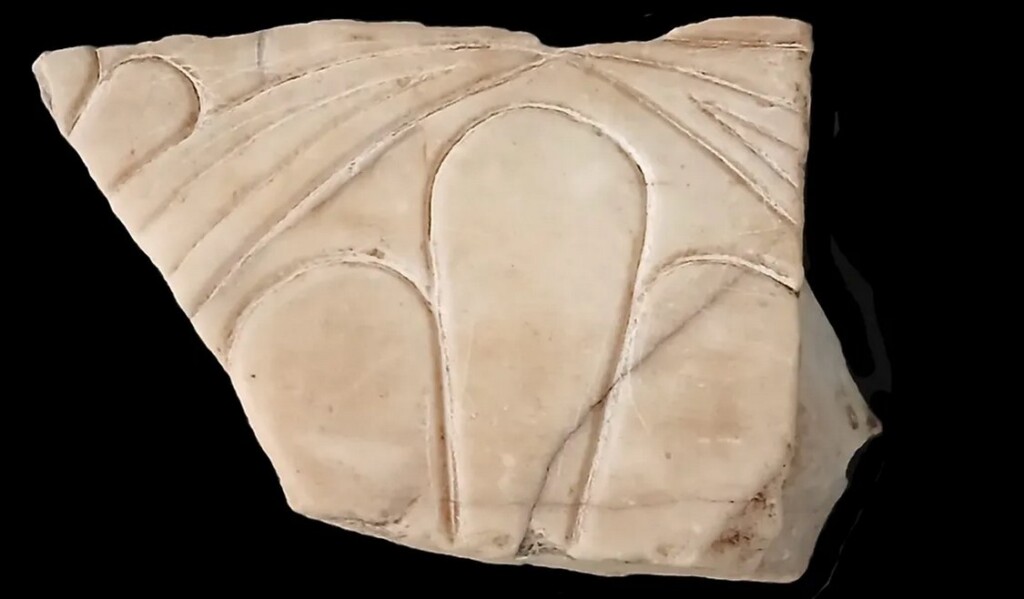
There, he found a small piece of marble statuary decorated with a lotus flower, and with the idea of cultural patrimony still far off beyond the World War he would eventually fight in, Gaetano Tosti-Croce took the piece for himself.

After the war, when he fled/immigrated to Chile, he would show it off to anyone who visited his home, a habit his son began to replicate.

“When someone came to my house for the first time, I would show them that stone and say, ‘This is from the Parthenon,’” Enrico told the Art Newspaper. “Some believed me; others didn’t.”

He never thought much of his father’s illicit souvenir, until in 2022 he saw a report on the news about Greece’s decades-long struggle to reclaim the Parthenon marbles from the British Museum, where substantial evidence suggests they were taken in a hasty act of looting and plunder by the British ambassador to the Ottoman Empire, Lord Elgin, in the 19th century.

Inspired by the quest for repatriating cultural heritage lost during dark days, Tosti-Croce got up, and emailed the Greek embassy’s deputy chief of mission, Theodosios Theos.

Theos forwarded the email to the Chief of the Greek Archaeological Service, Olympia Vikatou, who then responded with thanks and salutations to the Chilean, as well as with a fascinating story behind the seemingly simple marble piece still in his possession.

The ‘Elgin’ marbles held in the British Museum, alleged to have been looted from the Parthenon by the British – credit, Jay. M CC BY-SA 4.0

Vikatou and colleagues believed it made up part of a basin or gutter on the Hekatompedon—the Acropolis’ oldest monumental temple, built before the Parthenon perhaps as early as 570 BCE.

According to El País, reporting on the story, Vikatou noted that the temple’s gutter was decorated with alternating oval palmettes and lotus flowers.

GREEK STORIES: Visitors Gaze on Parthenon Free of Scaffolding for the First Time in 200 Years

Theos praised the “honor and courage” of the Chilean citizen, and hoped his virtue can shine as an example to anyone who may have also come into possession of plundered Greek antiquities.

During the Roman period, and all of the Middle Ages, Greece had somewhat autonomous control ensconced within imperial regimes, alternating between Italy and Byzantium. By the Renaissance, it had been taken by Ottoman Turks, and there it remained as a colonial possession until 1830 when, with the help of Western European powers, the rebellious Greeks threw off the shackles of domination.

MORE STORIES LIKE THIS: Poland Secures Return of Gorgeous Artwork from Danish Auction Stolen During World War II

The decades that followed were tumultuous—right up until the creation of the Third Hellenic Republic in 1974—and Greece would have experienced cultural losses likely far beyond just the Elgin Marbles.

The lotus fragment of Tosti-Croce has already been returned to Greece and was handed over to the Ephorate of Antiquities of the City of Athens, according to a statement.

SHARE This Man’s Honest Actions In Writing A Wrong From The Past… 

Dog Rescued from Boston Tunnel During Rush Hour After Playing ‘Will I Won’t I’ with Police – WATCH

- credit, Massachusetts DoT via AP
– credit, Massachusetts DoT via AP

There’s something truly wonderful about the sympathy we humans have for dogs—such that when a rambunctious stray grinds traffic to a halt in a Massachusetts tunnel, the reaction is just that—to stop and wait for police to rescue it.

The wrong-way rover was spotted foxtrotting along the side of the Ted Williams Tunnel in Boston during rush hour.

The black-and-white j-walker managed to avoid being splattered long enough for police to respond to the call of a Good Samaritan, who informed them about the tragedy waiting to happen.

Surveillance video from the Massachusetts Department of Transportation shows several police cars and other motorists stopped in a staggered group as a policeman alights to try and coax the dog into the back seat.

After a short game of “will I won’t I,” the dog hops in the car and traffic flow resumed unimpeded. The police said that a notice was put out regarding the dog, in the case that perhaps an owner had been looking for it.

WATCH the wrong-way rover below… 

SHARE This Successful Rescue With Your Friends From Boston… 

“The heart that is soonest awake to the flowers is always the first to be touched by the thorns.” – Thomas Moore 

Quote of the Day: “The heart that is soonest awake to the flowers is always the first to be touched by the thorns.” – Thomas Moore 

Photo by: Alicia Christin Gerald

With a new inspirational quote every day, atop the perfect photo—collected and archived on our Quote of the Day page—why not bookmark GNN.org for a daily uplift?

Good News in History, November 12

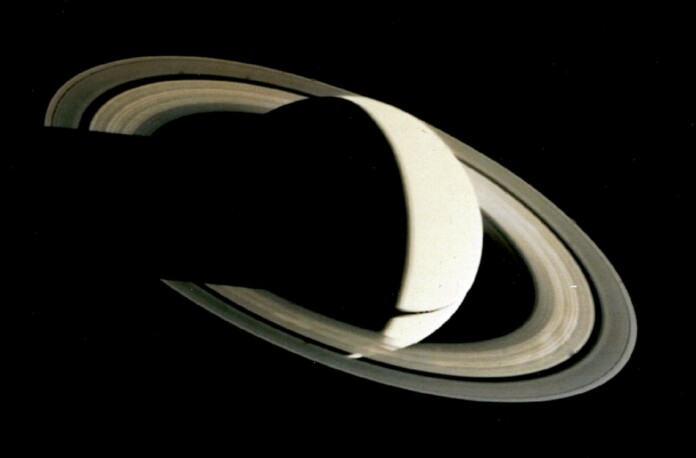
Saturn as pictured by Voyager 1 - credit, NASA

45 years ago today, NASA’s Voyager 1 probe arrived at Saturn and beamed back the first images ever taken of its rings. It arrived at our solar system’s second-largest planet via a gravitational assist trajectory at Jupiter which was replicated with Voyager 2. On November 12th, when the space probe came within 77,000 miles of Saturn’s cloud-tops, the space probe’s cameras detected complex structures in the rings of Saturn, and its remote sensing instruments studied the atmospheres of Saturn and its giant moon Titan. READ what it discovered… (1980)

Woman Who Never Watched Football Loves New Condo with Epic View Inside Stadium

The view over Brentford FC's East Stand - credit SWNS
The view over Brentford FC’s East Stand – credit SWNS

Noemi Oberhauser was never a fan of soccer despite living in the country that invented it.

And she never had any intention of falling in love with the global game either, even after she toured a $1,550-a-month apartment in West London and marveled at the almost complete view of a Premier League stadium pitch from her window.

She simply thought it was “a cool place to live” and moved in.

“I was actively searching for that apartment and some of the flats were available,” Oberhauser said, referencing a block behind the stadium’s East Stand. “The view is amazing. I never watched football before I moved in. I was never interested in it. Now I’m a huge Brentford fan.”

Brentford FC are one of 6 clubs from London that play in the Premier League—England’s highest division of professional soccer. Over the last four years they’ve captured the hearts of many neutral fans for their plucky underdog spirit mixed with a remarkably advanced strategy of buying players and planning out tactics using data.

Their home field, called the Gtech Community Stadium, is small but raucous, and Oberhauser can see almost the whole pitch from her West London window, with just the goal at the end closest to her out of view.

Noemi Oberhauser looking down from her apartment – credit SWNS

She recently celebrated her three year anniversary at the flat: she “absolutely loves it” and would “never move out.”

“I’m hoping maybe to do some presenting in the future if everything works out,” said the singer-songwriter. “I’m really happy to see the team do well.”

On the topic of presenting, she holds binocular watch parties for her friends, and was even featured on ESPN.

LIVING IN LONDON: Hunt for Subway Hero Who Gave Blind Man His Shoes After Theirs Fell into the Gap

“We have a pair of binoculars to look at the players. My friends think it is pretty cool.”
Noemi will also put the TV on so they don’t miss the action at the goal they can’t see from the window. A season ticket on the East Stand could cost up to £495 a year.

Noemi recently worked with the Brentford FC marketing team and attended the Player of the Year awards in May, as well as featuring her flat on ESPN Brazil.

MORE SOCCER STORIES: Soccer-Mad Pub Owner Turns Bar’s Garden into Mini Stadium Bedecked in Burney FC Memorabilia

“The first match of year was the first of January versus Arsenal and I hosted a massive match day party with all my friends,” she said. “ESPN asked if they could come round and do an interview.”

She said everyone in the apartments is sent an email from reception on match days to remind them of road closures and noise. But Noemi doesn’t mind the noise; no, not at all.

SHARE Oberhauser’s Incredible View And Her Transformation To Soccer Superfan…

Teen Rewarded with Cash and Job After Turning in Wad of $3,500 ‘Without Hesitation’

Josh Pache - credit, Daniel McKellar via GoFundMe
Josh Pache – credit, Daniel McKellar via GoFundMe

From Australia’s Gold Coast comes the story of an honest young man who handed over $3,500 he found at a gas station and was repaid manifold.

17-year-old Josh Pache was the first to notice a wad of Australian dollars sitting on the cement outside Fox’s Pantry.

The dough had fallen out of the pocket of a local tradesman, Daniel McKellar, who runs a demolition firm. McKellar had visited the convenience store in Tugun to buy a coffee on his way home from dropping off a load of scrap metal for recycling.

McKellar didn’t notice that the money had fallen out as he climbed back into his car and drove home along with his wife. At just that time, Pache arrived on his bicycle, noticed the cash, and turned it over to the teller “without any hesitation.”

Not long after, the tradesman called the shop on a wing and a prayer asking if the money had been found and received startling news: a young man handed it in rather than taking it for himself.

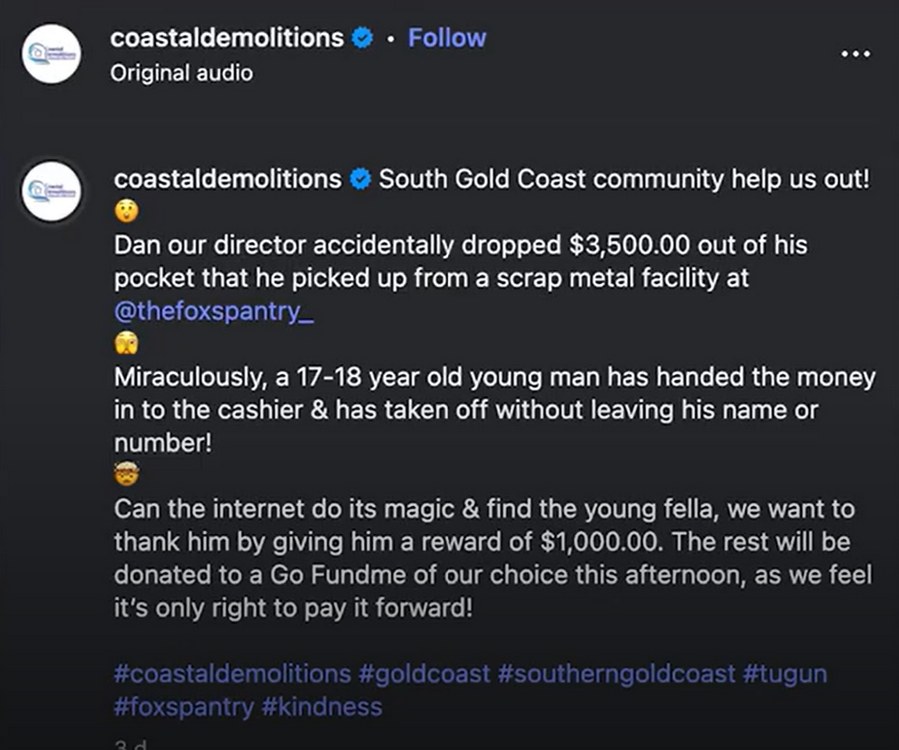
But who was this underage Good Samaritan? McKellar had only the CCTV footage of Pache to go by. He took to Instagram to share his experience and ask: could anyone help him find this person?

– credit, Coastal Demolitions via Instagram

It didn’t take long for the internet’s “magic” to work, and soon Pache’s mother saw what had happened, and reached out. McKellar wanted to offer Josh a $1,000 reward for his honesty.

ALSO CHECK OUT: Arizona Teen Returns Lost Wallet Containing $300, Receives Electric Bike He Had Been Saving for

“It’s pretty rare to find the younger generation having a good moral compass and obviously knowing what to do, being the right thing to hand in the money,” Mr. McKellar told news.com.au.

Once face to face, McKellar gave Pache the $1,000 and heard that it was his goal to save up for a pickup truck. So he offered him a labor job through his contracting business, as well as launched a GoFundMe on behalf of the teen.

It’s since raised over $10,000 for the truck, just $1,100 short of its ultimate goal.

SIMILAR STORIES TO JOSH’S: Teen Buys a Bike He Didn’t Know Was Stolen–Now Rightful Owner Wants to Make Sure He Gets Another

In addition, McKellar took the other $2,500 that he had leftover, and donated it to another GoFundMe to help fund brain surgery for an advanced cancer patient, reasoning that he had already made peace with the money being lost. Recovering it was a surprise and a blessing, but one, he said, he thought was best to pay forward.

“I was never expecting the money back, I thought once I lost it … I was expecting someone to have taken it,” he explained. “I definitely had not expectation to get it back, so in my mind it was already gone.”

SHARE This Story About An Honest Teen, A Generous Man, And Their Good Deeds…

‘Macronesia’ Sanctuary to Protect Waters of 4 Atlantic Islands and Critical Habitat for Whales

Azores, Portugal by Raphael Lopes / Unsplash+

Governments and conservation NGOs celebrated the passing of a resolution to create the world’s most ambitious marine sanctuary.

Cleverly-named “Macronesia,” the area in the northeastern Atlantic would protect 32 species of whales and dolphins, making it one of the most significant migratory routes on Earth.

The announcement followed a resolution made at the International Union for Conservation of Nature’s (IUCN) World Conservation Congress which took place last month. IUCN is the world’s leading international agency for the purposes of conservation—a sort of NATO or UN for protecting species and landscapes.

The resolution passed with 96.5% of all possible votes, establishing the framework for the Macaronesia Sanctuary, consisting of the waters surrounding the Azores, Cape Verde, the Canary Islands, and Madeira, in the Atlantic Ocean.

The concept of Macronesia and the subsequent resolution to establish it was spearheaded by a Canarian conservation NGO called Loro Parque Fundación. Founded by a German biologist, Loro Parque Fundación has undertaken conservation projects all around the world, saving 18 species from extinction over the course of 3 decades.

But founder Wolfgang Kiessling never took his eyes off the most substantial inspiration—the concept of a Macronesia Sanctuary, which he shared with renowned German marine biologist, Petra Deimar.

“The Macaronesia Sanctuary represents a shared aspiration between science, institutions, and society,” said Kiessling in a statement. “Its approval by the IUCN demonstrates that international cooperation remains the most powerful tool we have to safeguard ocean biodiversity.”

MARINE PROTECTED AREA: ‘Huge Environmental Win’: Australia to Protect 52% of its Oceans, More Than Any Other Country

The sanctuary aims to protect whales from a variety of anthropogenic harms, including entanglement from fishing gear, ship strikes, underwater noise pollution, and deep-sea mining.

84% of all species of dolphins and whales in the Atlantic pass through Macronesia, making it as significant a site worthy of protection as could be found anywhere in the ocean.

WHALES RECEIVING PROTECTION: Dominica Creates World’s First Sperm Whale Reserve–for the 200 That Call the Island Home

Along with support from national governments, in 2024, Oceanographic reports that all public universities across the Macaronesia nations signed the Marine Biodiversity Manifesto, a research and training alliance promoted by Loro Parque Fundación to support marine conservation initiatives in the region.

How the sanctuary will be established, including whose authority will enforce the protections and how it will be funded, haven’t been determined.

SHARE This Momentous Vote Towards A Protected North Atlantic… 

Grand Egyptian Museum Finally Opens in Sight of the Pyramids After Decades of Setbacks

The Grand Egyptian Museum's stunning geometric exterior - credit, Grand Egyptian Museum handout
The Grand Egyptian Museum’s stunning geometric exterior – credit, Grand Egyptian Museum handout

A $1 billion museum built to showcase the finest of ancient Egyptian artifacts has finally been opened in Giza after more than 2 decades of planning, building, and setbacks.

Fireworks and drone light shows lit up the desert night. Below, a gala of Egyptian elite, heads of state, and foreign dignitaries gathered around the spectacular building to celebrate the opening.

Comparable perhaps only to Classical Rome and Ming China, no civilization has physically endured as much as the dynasties of Egypt, leaving behind millions of artifacts and buildings.

Seeking for a generation to build a showroom for the cream of this archaeological crop, the Egyptian government hopes it’s opening fully-demonstrates the state’s commitment to protecting this heritage for all time.

“We’ve all dreamed of this project and whether it would really come true,” Prime Minister Mostafa Madbouly said during a press conference, per Reuters. He then called the museum a “gift from Egypt to the whole world.”

Farouq Hosny, Egypt’s former culture minister, recounts the unusual genesis of the landmark museum to the country’s National News. It started when a prominent Italian publisher and designer, Franco Maria Ricci, came to visit the Museum of Egyptian Antiquities in central Cairo, and called it “a storage warehouse.”

“To my own surprise, the anger I felt prompted me to tell him that we plan to build the world’s largest museum in Egypt,” Mr. Hosny, who was culture minister between 1987 and 2011, told the National.

“That was in 1992, and we certainly were not building or even thinking of building anything at the time. But I made that up because I was so angry.”

The Grand Egyptian Museum opening ceremony – German Federal Government, Marvin Ibo Gungor

Not only was it conceived under duress, but its gestation and birth would navigate a similar path. It wouldn’t be for another decade that construction began on the building, a process that would be dramatically interrupted multiple times.

To take a stroll down a sandy, debris-landed memory lane, there were the small matters of the 2008 Financial Crisis, the Arab Spring, the coup d’etat against the subsequently-elected Muslim Brotherhood administration, regional tensions and terrorist attacks stemming from multiple conflicts (none of which Egypt was actually a part of), and COVID-19. Since 2020, the museum has attempted to open no less than 5 times, each of which had to be delayed.

From Egypt with love

The building amassed a $1.2 billion price tag by the time it was finished. The absolutely striking and fantastic design came from Heneghan Peng Architects, from Ireland. From straight on, it aligns almost perfectly with the edge of one of the pyramids in the distance.

Pyramids and triangles are incorporated everywhere you look across the 120-acre site.

The Grand Staircase – credit, Grand Egyptian Museum handout

“The museum’s design was created to work in dialogue with the scale and mathematical precision of the pyramids,” said Roisin Heneghan, co-founder of Heneghan Peng Architects

“This is the first time in history that many of these artifacts will be shown together, so it was important that the design worked to strengthen this connection to place and honor the rich history of ancient Egypt,” Heneghan told Deseret News.

The museum contains 968,000 square feet of gallery space across 12 wings, spanning the most ancient times to the Greco-Roman dominion of Egypt. 100,000 artifacts are held within, making it the largest archaeological museum in the world devoted to a single civilization, according to Reuters.

MUST-SEE MUSEUMS: London Design Museum Turns its Massive Warehouse Collection into Another Museum—with 250K Items

80,000 square feet are dedicated to the tomb treasures of Tutankhamun alone, of which 5,600 are present including his resplendent funerary mask.

“I had the idea of displaying the complete tomb, which means nothing remains in storage, nothing remains in other museums, and you get to have the complete experience, the way Howard Carter had it over a hundred years ago,” Tarek Tawfik, president of the International Association of Egyptologists told the BBC.

Far more than only King Tut, the museum contains a “best of ancient Egypt” the likes of which has never been assembled before, and includes, among countless other treasures, a 3,200-year-old statue of Ramses II standing 30 feet tall, as well as the 42-meter-long funerary boat of Khufu—dating to 2,500 BCE.

MORE ANTIQUITY NEWS: It Took 100 Years After Tutankhamun to Find Another Pharaoh’s Tomb–it Took Just 2 Months to Find This One

Officials hope the new museum can end a perception that Egypt isn’t up to the standard of protecting and preserving its antiquities, and lend weight to its claims for Egyptian objects held in museums abroad, like the Bust of Nefertiti, to be returned.

“The GEM is not a replica of the Louvre or the British Museum. It is Egypt’s response to both. Those museums were born of empire; this one is born of authenticity,” a special edition of state-run Al-Ahram Weekly wrote about the museum, which called it “a philosophy, as much as a building.”

WATCH a tour of the museum below…

SHARE This Truly Monumental Reason To Go To Egypt With Your Friends… 

“Where is all the knowledge we lost with information?” – T. S. Eliot

Credit: Conny Schneider

Quote of the Day: “Where is all the knowledge we lost with information?” – T. S. Eliot

Photo by: Conny Schneider

With a new inspirational quote every day, atop the perfect photo—collected and archived on our Quote of the Day page—why not bookmark GNN.org for a daily uplift?

Credit: Conny Schneider

Good News in History, November 11

Dostoevsky portrait

204 years ago today, Fyodor Mikhailovich Dostoevsky was born in Moscow. Numerous literary critics consider him the greatest novelist in all world history. Most of his major works are considered masterpieces, and are given out to students in literature classes all around the world. Dostoevsky’s books have been translated into more than 170 languages, and one large poll conducted via television viewers ranked Dostoevsky as the ninth greatest Russian to ever live. READ one of his most famous passages… (1881)

Unique Antibody from Camels and Alpacas Could Be Used to Treat Alzheimer’s

- credit, Sung Jin Cho on Unsplash
– credit, Sung Jin Cho on Unsplash

An antibody-like compound known on land to be exclusively to be found in camelids like alpacas, lamas, and dromedaries, could be used to treat human brain disorders such as Alzheimer’s disease, according to a new study.

The study’s focus were antibody-like proteins, aptly called nanobodies, whose small size allowed the scientists to treat neurological conditions in mice more effectively and with fewer side effects.

The study, published in the journal Trends in Pharmacological Sciences, outlines the next steps towards developing nanobody treatments that are safe for humans.

“Camelid nanobodies open a new era of biologic therapies for brain disorders and revolutionize our thinking about therapeutics,” said Dr. Philippe Rondard, of Centre National de la Recherche Scientifique (CNRS) in France.

“We believe they can form a new class of drugs between conventional antibodies and small molecules.”

Nanobodies were first discovered in the early 1990s by Belgian scientists studying the immune systems of camelids. They found that as well as making conventional antibodies, which are composed of two heavy chains and two light chains, camelids also produce antibodies with just heavy chains.

The antigen-binding fragments of those antibodies are now known as nanobodies. They’re just one-tenth the size of conventional antibodies, and have not been found in any other mammals, say scientists, although they have been observed recently in some cartilaginous fish.

Therapeutic approaches for diseases such as cancer and autoimmune disorders often centre around antibodies. The treatments that have shown some therapeutic benefits, including a few drugs for Alzheimer’s treatment, are often associated with secondary side effects, however.

With their much smaller size, scientists say nanobodies have the potential to offer better efficacy for brain diseases with fewer side effects. In previous studies, the team has shown that nanobodies can restore behavioral deficits in mouse models of schizophrenia and other neurologic conditions.

“These are highly soluble small proteins that can enter the brain passively,” said co-author Dr. Pierre-André Lafon, also of CNRS. “By contrast, small-molecule drugs that are designed to cross the blood-brain barrier are hydrophobic in nature, which limits their bioavailability, increases the risk of off-target binding, and is linked to side effects.”

MEDICAL INNOVATION: Bee Stingers Inspire Superior and Comfortable Continuous Drug Delivery

He says nanobodies are also easier than conventional antibodies to produce, purify, and engineer and can be fine-tuned to their targets.

But the researchers acknowledge that several steps need to be taken before nanobodies can be tested in human clinical trials for brain disorders. They say toxicology and long-term safety testing are essential, and the effect of chronic administration needs to be understood.

ALZMEIMER’S TREATMENT: Electrical Brain Stimulation Improves Mental Processes in Alzheimer’s Patients

“It will be necessary to obtain clinical-grade nanobodies and stable formulations that maintain activity during long-term storage and transport,” said Dr. Rondard.

Dr Lafon added that his lab has already started to study these different parameters for a few brain-penetrant nanobodies and has recently shown that conditions of treatment are compatible with chronic treatment.”

Celebrate Next Hump Day By SHARING This Story On Your Social Media…

Innovative Tapeless Zipper Saves Tons of Fabric While Creating a Better Fit on Your Clothes

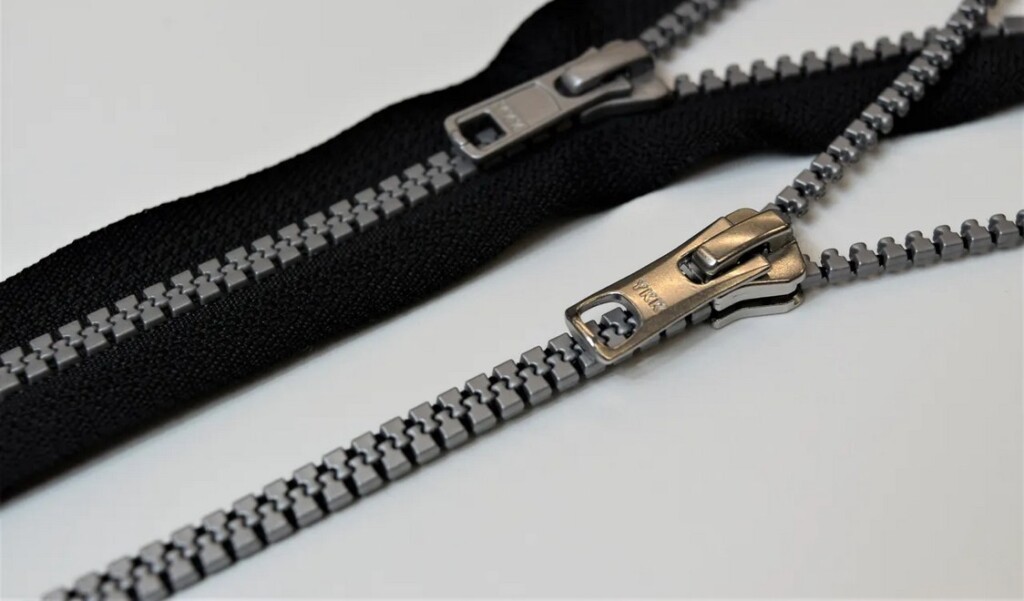
The AiryString Zipper - credit, YKK, provided to Wired
The AiryString Zipper – credit, YKK, provided to Wired

For a company that makes half the world’s zippers, new ideas have big impacts.

At Japan’s YKK, they’ve debuted a zipper sans fabric tape—the typically black-colored strip of material that separates the back of the zipper teeth from the garment.

Descente Japan was among the first to prototype AiryString® in 2022. The North Face has selected the system for use in its new Summit Series Advanced Mountain Kit, and the reception is positive—with users testifying to flexibility, lighter weight, a more unifying design, and a better, more natural fit. The secret behind is that zipper teeth are actually more bendy and twisty than the fabric tape they attach to, and that if you attach them directly to the garment, these properties are conferred to it.

But how can a zipper attach directly to fabric?

Don’t worry, all your questions can be answered in the pair of videos below. But for now, have a read about the impressive potential this upgraded zipper can bring the world.

The beforementioned YKK has an unusual level of market dominance. It owns not only patents and/or trademarks on its finished products in 180 countries, but also on a suite of sewing machines that the company manufactures itself. In addition to this, it designs and makes its own molds for zippers, and even spins its own thread.

With so much supply chain security, YKK can afford to innovate in a way that others can’t. In fact, one could be applauded for pointing out that YKK is as much if not more of a monopoly than Standard Oil ever was.

Since the modern zipper’s debut in 1910, there’s been little need for innovation. Textile and garment fabrication, however, rarely rests, and today brands wield “smart fabrics” featherweight nylon blends, and other extremely innovative fabrics that have left the zipper, in the words of Wired Magazine writer Amy Francombe, “out of sync with what surrounds it.”

It’s ironic to think of a zipper being out of sync, but indeed the stiff stitching along the tape-teeth seam makes for a less-flexible bind than do the newly redesigned teeth on the AiryString.

Without that tape though, YKK had to redesign everything. New machinery had to be developed to sew and close the garment. The resulting tapeless zipper seems impossible, but it’s anything but.

ALSO CHECK OUT: This Fabric Is Designed to Block Mosquito Bites

The sewing room floor has benefited by the change, as has the planet. Thousands of yards of fabric tape scraps are generated during zipper production, as well as gallons of water used with dye to color the tape—all of which have been removed. Add in shorter labor hours, and the result is a more efficient, eco-friendly product.

It’s attached to the garment via a sewing machine that feeds each half of the zipper along two gears made of the same zipper teeth as the AiryString.

GARMENT PRODUCTION IMPROVEMENTS: Girl Claims Victory in Campaign to Urge Department Store to Include Pockets in Girls Pants

YKK representatives told Francombe that adoption will take time, as the machines are not readily available, even if the zipper can fit into regular workflows. This has limited it to high-end brands, but if it proves popular, there’s virtually no limit to its future.

Personally, GNN would like to hear from users about whether the new teeth are easier to unjam in situations where the garment’s fabric gets stuck between them.

WATCH how it works below…

SHARE This Brilliant Innovation With Your Friends…