












 “Improving the eating habits of would-be criminals could cut rates of crime and antisocial behavior by as much as a third, scientists have suggested. Simple measures to make sure that prisoners, including murderers, get a recommended daily dose of vitamins and minerals could make them less impulsive, reducing violence both inside prison and in the wider community, according to researchers at the University of Oxford.” (TimesOnline)
Better Diet Could Prevent Criminal Violence
Revoked Patent on HIV/AIDS Drug Could Bring Cheap Generics to Developing World
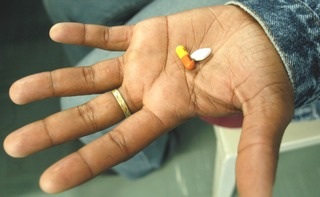
In a move that could lead to the availability of cheap generic HIV/AIDS medicine manufactured without restrictions to benefit the developing world, the U.S. Patent & Trademark Office on January 23, 2008 revoked four key patents held by the pharmaceutical company Gilead Sciences on the drug tenofovir disoproxil fumarate (TDF). (Doctors Without Borders)
Surfers Split Cash Prize in Maverick’s Surf Contest
After the Mavericks Surf Contest (the most prestigious of the sport) was whittled down to six finalists, leader Greg Long, 24, and his five fellow finalists decided to split the $75,000 prize purse evenly, six ways, and simply ride the giant 40-50 foot waves for the fun of it. Surfer and filmmaker Grant Washburn discusses how they agreed to split the money. (NPR Audio interview)
Virtual World Online Helps Move Agoraphobics Into Real World
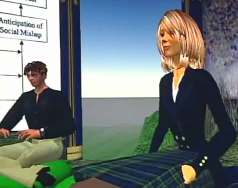
One woman can shop for groceries now for the first time in years, after learning to interact in a virtual world on the Internet called Second Life. She became virtually phobia-free by visiting with others like herself online and even sharing in a support group there through her animated alter ego. The website is SecondLife.com. (Read a related story: How ‘Second Life’ therapy helps Asperger’s patients – WFAA-TV)
We are sorry. The content item you requested needs to be replaced since the sydicator has abruptly ended this news service. The Good News Network is committed to finding another version of this news story elsewhere and adding the replacement link by mid-January, 2009. Please check back!
Boy’s Autism Unlocked By Singing

David Militello, 8, says music, especially singing the National Anthem, helps to unlock his mind from the grip of Asperger’s, a milder form of autism.
(Read full text at CBSNews , or watch the video report below, w/ 30-second ad)
Donor Gives $130 Million to Bangladesh
An anonymous donor has given $130 million to the nation of Bangladesh to help rebuild after a cyclone destroyed schools and homes along the southern coast. The donation, which came through the Saudi Arabia-based Islamic Development Bank, is being called by Bangladesh, the single largest donation ever made by an individual to the country. (Associated Press)
Glimmer of Hope for Botswana’s Decimated Rhino Population
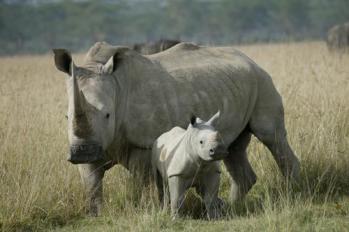
Africa’s white rhinos were driven to the brink of extinction in the early 20th century as poachers hunted the animal for its horn. A breeding program launched in Botswana just over 10 years ago has been successful in bringing the white rhino back to Botswana’s bush and it gives hope that black rhinos, which are still seriously endangered, may also survive.
(Photo by Renaud Fulconis, rhinos-irf.org)
Cuba Throws Lifeline to Sea Turtles
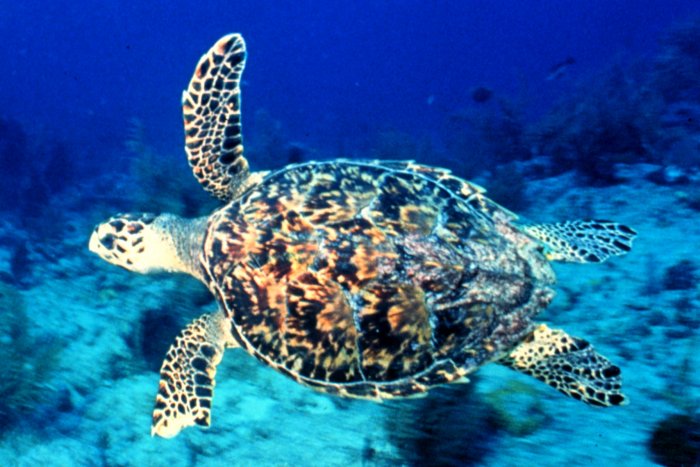
Cuba has thrown a lifeline to the Caribbean’s endangered and critically endangered marine turtles with a government resolution ending all harvesting of marine turtles.
Such a resolution, ending Cuba’s long standing harvest of 500 critically endangered hawksbill turtles a year, has been sought by conservationists for more than a decade. It will benefit turtles hatching on beaches throughout the Caribbean and coming regularly to feed in Cuban waters.
Australia To Offer Apology To Aborigines
The Australian government will take the historic step of offering a formal apology to Aborigines “as early as possible” in the new parliament, Indigenous Affairs Minister Jenny Macklin said Monday.
GM to Fill Historic Order for 1,700 Hybrid Buses
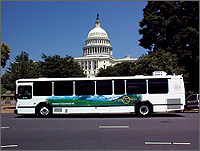
Major new orders from transit agencies in Washington D.C., Philadelphia and Minneapolis/St. Paul for up to 1,732 GM hybrid-powered buses will almost triple the current fleet worldwide and save an estimated 2.4 million gallons of fuel annually, enough to fill 300 tanker trucks.
The delivery will include the largest single hybrid bus fleet acquisition in history – an order for 952 by the Washington Metropolitan Area Transit Authority.
“Last month, DaimlerBuses received orders from New York City and Ottowa for 1,052 Next Generation diesel-electric hybrid transit buses,” reports the Environmental Leader.
You Really Can Make Yourself Younger, Says Study

“People who take exercise are biologically (in their cells) younger – by up to nine years – than those who don’t, says a new study.” This may explain why exercise reduces heart attacks, diabetes, cancer, and other diseases that show up more readily in the aged. (Times Online )
Muslim Conscientious Objector Allowed to Stay in Canada
A conscientious objector from Turkey hoped that Canada could provide a haven from mandatory military service or prosecution in his home country. In December he learned that his application for permission to stay in Canada, on humanitarian and compassionate grounds, was approved. (Mennonite Central News)
Previewing the Super Bowl Ads (Video)
From Dorito’s “Battle of the Bands” to Bud Light’s drinking cavemen, this year’s Super Bowl commercial line-up is as lavish — and funny — as ever. From the Wall Street Journal comes this video preview.
We are sorry. The content item you requested needs to be replaced since the sydicator has abruptly ended this news service. The Good News Network is committed to finding another version of this news story elsewhere and adding the replacement link by mid-January, 2009. Please check back!
Cell Phone Can Read Documents for Blind
A Nokia cell phone loaded with software can take pictures of a document, like a ten dollar bill, and translate it into a vocal description. In addition it can be used for a restaurant menu, phone book or fax. (Associated Press via ABC.com)
George Clooney Named UN’s Messenger of Peace
Hollywood heart-throb George Clooney has been apointed a United Nations. Messenger of Peace by the Organization’s chief, Ban Ki-moon who recognized the actor as a tireless advocate for ending war and famine in Darfur.
Dolls for World Peace
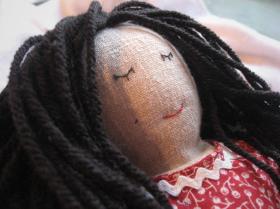
Elderly women in an assisted living center are recapturing life by making dolls for children in Darfur. Two thousand dolls have been made, each one soft and cuddly to serve the smallest child, and the project has grown. Dolls for World Peace has become “an intergenerational effort as disabled adults, girl scouts and people from the homeless shelter have joined them in making dolls.”
Hockey Stars to Help Ice Global Warming
500 NHL hockey players have purchased carbon offsets to produce zero emissions during their extensive travel schedule for 2008, said Canadian environmentalist, David Suzuki in early January. “To have … all these great heroes to Canadian kids taking a stand on one of the most important issues of our time is wonderful.” (Toronto Star covered a press conf. in Dec. 2007)
Brazil to Crack Down on Recent Rise in Deforestation
Brazil announced it will send police and environmental agents to the rainforest in an emergency move aimed at stopping an alarming rise in deforestation of the Amazon over the past five months. (video and story below)
Activists Win: New Jersey Scraps Plan to Buy Amazon Rainforest Timber
A Victory for those working to end ancient rainforest logging: The city council of Ocean City in New Jersey voted 6-0 last Thursday to cancel a $1.1 million purchase of timber originating in the Amazon rainforest, thanks to pressure by environmental groups, including Ecological Internet, which runs Forests.org, a forest news web site.” The purchase would have violated a ten-year-old pledge by the council to avoid using rainforest timbers. (MongoBay.com )
Honest New Yorkers Follow Clues to Find Camera Owner
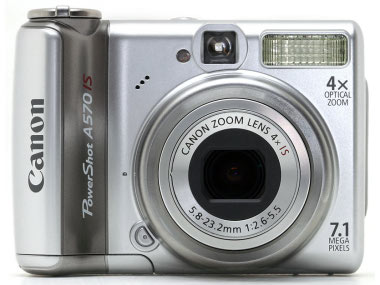
Alan Murphy had been planning a trip to America for years. After visiting Florida and New York City, before heading home to Australia, Murphy left his Canon digital camera on the seat of a taxicab. He was devastated to lose the pictures but a few weeks later learned that a pair of honest, industrious New Yorkers would be sending the camera back, after finding it in the cab and tracking down its owner by following the clues in the photos. A fascinating, inspiring tale of kindness. (Associated Press via Wash. Post) Thanks to a GNN viewer for the tip!