














 Endangered northern Amur (Siberian) tigers have received a boost to their protection through the creation of a new national park in the Russian Far East. The Russian Government signed a decree declaring the new Aniyuiskii national park in December, making it the third established in the Khabarovsk province this year, lessening the extreme pressures on the tigers from uncontrolled logging, construction and wildfires.
New National Park for Russian Tigers
Saudis More Pro-America Than Ever
In advance of President Bush’s anticipated visit to the country later this month, Kenneth Ballen, president of Terror Free Tomorrow, a public opinion organization, shares the results of a surprising new survey of Saudi public opinion. (Christian Science Monitor )
Ford Ecoboost Engine Technology To Yield 20% Better Fuel Economy This Year

Ford Motor Company is introducing a new engine technology called EcoBoost that will deliver up to 20 percent better fuel economy on half a million Ford, Lincoln and Mercury vehicles annually in North America — for a range of vehicles from small cars to large trucks — during the next five years.
Maldives President Saved by Boy Scout

 An attempt to stab the president of the Maldives was thwarted Tuesday when a 15-year-old boy scout grabbed a knife from the would-be attacker.
Heisman Trophy Winner Great Off the Field, Too

Heisman trophy winner Tim Tebow is not only a college football hero who is strong in the classroom, he is humble and respectful and spends his summers in the Philippines helping the underprivileged. Fox Sports has the story of this homeschooled young man who is the only college player ever to run for 20 touchdowns and throw for 20 touchdowns in the same season. Thanks to Jim G. for sending the tip and helping to bring more sports stories to the GNN-i!
Florida Manatee Deaths Decreased in 2007

Endangered manatee deaths in Florida waters dropped by 24 percent in 2007, says the state’s Fish and Wildlife Conservation Commission. (Reuters News)
100 Things We Didn’t Know Last Year

Fascinating facts and amazing lore are exposed in the weekly BBC Magazine column, “10 Things we didn’t know last week.” Here are my ten favorite of the year’s top 100:
3. Adding milk to tea negates the health-giving effects of a hot brew.
17. Two cups of spearmint tea a day is thought to control excessive hair growth for women.
19. Venezuelan President Hugo Chavez hosts a daily radio phone-in show
27. Drinking, drug-taking teenagers are in the decline. (GNN story on that US trend here)
31. There is mobile phone reception from the summit of Mount Everest.
42. Nearly seven out of 10 (69%) of adults are still in touch with at least one childhood friend.
46. Peanuts can be made into diamonds.
53. Renowned atheist Professor Richard Dawkins likes singing Christmas carols.
66. Gun ownership per person in Finland is the third highest in the world.
86. There is a monastery in every village in Burma.
Kid-friendly Sweden Aims to Better Families With Parenting Classes

Already considered one of the best countries for raising children, Sweden aims to better its record by offering even more classes to help mums and dads improve their parenting skills.
Free Days Offered at French Museums
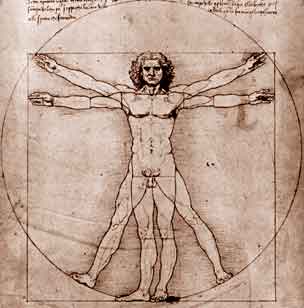
“Many national museums in France, including the venerable Louvre in Paris, will be offering free admission in the coming months. 18 museums will be participating in an experiment to get the public to experience high culture, the country’s Culture Ministry announced.”
(Canadian Broadcast Corp)
Homeless World Cup Film to Premiere at Sundance

KICKING IT is an intimate film that chronicles the lives of seven homeless athletes who achieve goals on the football field while overcoming poverty and addiction, and further representing their countries on the way to the Homeless World Cup in Cape Town.
The film portrays the seven on a once in a lifetime journey alongside homeless athletes from 48 nations. The players come from war torn Afghanistan, the slums of Kenya, the drug rehab clinics of Dublin, Ireland, the streets of Charlotte, North Carolina, the overflowing public shelters of Madrid, Spain, and the shadow culture of the illegal rural immigrants to the big city of St. Petersburg, Russia.
KICKING IT is directed by Susan Koch and produced by Ted Leonsis, AOL vice chairman emeritus.
“That the inspirational story of the 2006 Homeless World Cup will be shown first at Sundance is a fitting testimony to the courage, determination and spirit of the players, said Kat Byles, Media Director, Homeless World Cup. “It is milestone achievement for the Homeless World Cup and one we hope will demonstrate the power of football to change lives to an even bigger audience around the world.”
AOL Vice Chairman Emeritus Ted Leonsis, whose first documentary Nanking won one of the major awards at the 2007 Sundance Festival, said of Kicking It, “Films can bring people together, and amplify passion. We are thrilled to help spotlight these compelling individuals – and to show sports’ powerful ability to give hope, focus and balance to us all.”
Fishermen Can Make Cash Without Overfishing
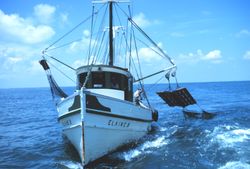
“Can commercial fishermen make more money by fishing less? They can, according to a study published in the journal Science — with one condition. They must be in a cooperative fishery, like those operating in New Zealand and Australia, where individual fishermen own a share of the total harvest, rather than competing in a race to catch the most fish.
(Associated Press)
Happiness is Good for Your Health
“In a study of nearly 3,000 healthy adults, researchers found that those who reported upbeat moods had lower levels of cortisol—a ‘stress’ hormone that, when chronically elevated, may contribute to high blood pressure, abdominal obesity and dampened immune function, among other problems.”
Op-Ed: Daring To Hope, Obama in Iowa
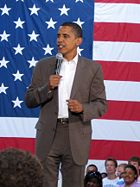
(OP-ED) I heard my first political speech of the ’08 presidential race on the car radio today. Four years ago I was so intensely invested in who won the presidency that I flew to Iowa and stood in sub-zero temperatures to volunteer for the Dean for America campaign.
Dean’s enthusiastic “screaming” into a crowded hall (filled with deafening noise) where we, his most fervent fans, were gathered (after having just lost Iowa), caused him to lose in other states and the campaign that once fed my political heart, caused it to break.
Oddly, because it was four years later nearly to the very day, I found myself glued to the radio listening to a political speech — after having stayed as far away from the primaries as I could get, so as not to have my heart broken again.
Vote for America’s Favorite Heroes
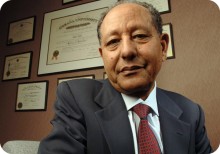
Less than one week remains to vote for your favorite hometown heroes in the 6th Annual Volvo for life Awards. The winner will receive a new Volvo car every three years for life. Watch a video, below, featuring one the inspiring heroes of the past (pictured here, Dr. Ingida Asfaw of Detroit).
When the poll closes Jan. 7, 2008, the top three vote getters in the categories of Safety, Quality of Life, Environment — and the Butterfly Award, Volvo’s youth category — will be in the hands of celebrities including Sen. Bill Bradley, Hank Aaron and Dr. Sally Ride who will choose and name the winners. The winner, “America’s Greatest Hometown Hero,” will be named in March.
Volvo Cars of North America has led this national initiative since 2002, honoring and rewarding local heroes. This year, Volvo doubled the charitable donation amount given to the top three winners. One top hero in each of the categories of Safety, Quality of Life and Environment will receive $100,000 for their charities; two runners-up in each category will receive $25,000. Each winner will be recognized at the annual Volvo for life Awards Ceremony in New York City, March 19, 2008.
A fourth Volvo for life Awards category is up for grabs this year – but only America’s kids are eligible for it. Volvo is elevating its annual Butterfly Award to its own youth hero category – with a $25,000 prize for the winner and $10,000 to two runners-up.
When the voting period ends Jan. 7, 2008, a panel of judges including Hank Aaron, Bill Bradley, Dr. Sally Ride, Maya Lin, Eunice Kennedy Shriver, Mae Jemison and Edsel Ford, will select one winner from the three finalists in each of the four categories.
Visit https://www.youtube.com/user/VolvoVFLA to view your favorite American hero finalists.
Watch this moving and inspiring Volvo video about the Detroit heart surgeon, Dr. Ingida Asfaw, who organizes doctors to travel to Ethiopia and donate surgeries. Asfaw was featured on Good News Network as a Volvo award winner in April of 2006.
Injured Football Star Offers Therapy to Abused Shelter Animals (Video)

Raiders football player Jarrod Cooper had to give up the season with a knee injury, but he won’t give up spending his hours with abused animals at an Oakland shelter.
Cooper transforms his anger about the animals’ treatment into love and hugs for the dogs there. He is offering personal tours of the facility, beginning January 5th.
(WATCH the video above or READ the story from the San Francisco Chronicle)
File photo by John Stone
Fast-Food Worker Returns $185,000 Check
“The 47 year-old man who receives government-issued food stamps for low-income workers and works at a McDonald’s, said he did not think twice about trying to cash the $185,000 check.” (Associated Press)
Snake Saved by Surgery After Swallowing Golf Balls
“A veterinary surgeon in Australia has saved the life of a snake that mistook some golf balls for chicken eggs and ate four of them.” Story below. Also, here is a photo of the lumpy snake.
Last Year One of the Safest to Fly in Decades

Last year was one of the safest years in modern aviation history, with the lowest number of crashes worldwide in 44 years. The total of fatalities in 2007 was 25 percent lower than the year before, and is the lowest since 2004. (Full story at MSNBC.com)
New Fuel Standards for Beijing in Drive for Cleaner Olympics
Beijing introduced new vehicle fuel standards on Tuesday for gasoline and diesel, in another bid to ensure the “green Olympics” China envisioned. Also this week, the city registered its 246th “blue sky day” on Monday, beating by one its goal for the year, to reduce the familiar smoggy haze in time remains a key concern for next year’s Olympic Games.
Deaths Fall as Baghdad Celebrates New Year
“The number of civilians killed in Iraq is continuing to fall, according to Iraqi ministries. The December death toll was 480, down from almost 900 two months ago and about 2,000 in December 2006. “I haven’t seen a happy place like this in so long,” said one New Years reveller.” Here are four voices from around Iraq who describe the improved security to the BBC.
The original story linked on New Years Day to the BBC, has been redirected to a bombing story (even in the Google result with the above headline), but I have provided a link here to the “cached” version of the story on Google’s servers (which means it may not be there long, because it is no longer on the BBC site), so here it is!
Deaths Fall as Baghdad Celebrates