All News - Page 18 of 1688 - Good News Network
Home Blog Page 18

Just Half an Hour Less of Sitting Each Day Can Boost Energy and Metabolism

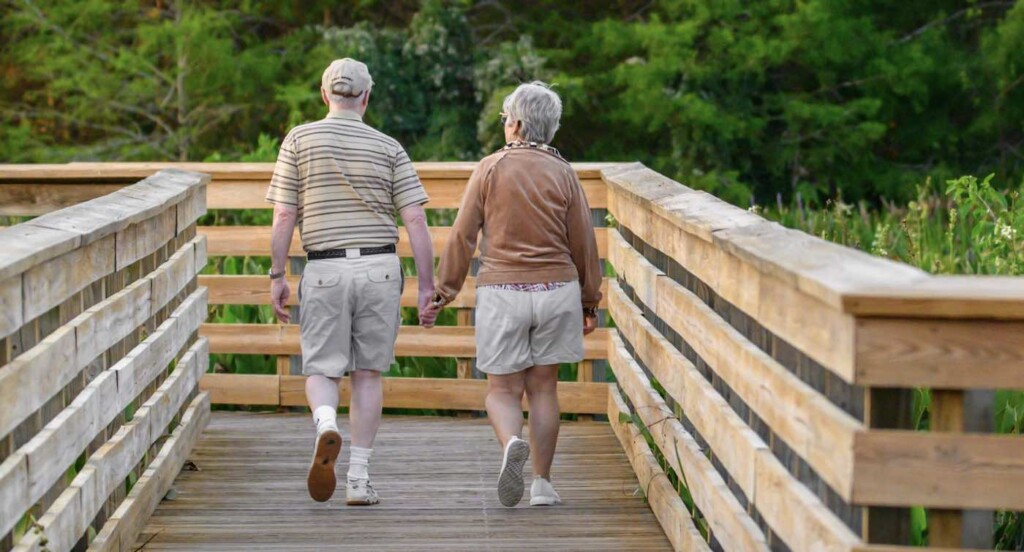
by Getty Images For Unsplash+

Cutting your couch time by 30 minutes every day would give you an energy boost by improving metabolism, according to new research.

It shows that reducing the time you’re seated can improve your body’s ability to utilize fats and carbohydrates for energy production.

Study author Dr. Taru Garthwaite explained that it’s particularly beneficial for people who are physically inactive and have an increased risk of heart diseases and diabetes.

Previous research has shown that mixing an unhealthy diet with a “couch potato” lifestyle is particularly hazardous, as energy intake can exceed the body’s energy expenditure, increasing the risk of diabetes and heart issues.

Such lifestyle habits affect the body’s ability to switch between fats and carbohydrates as a source of energy, known as metabolic flexibility.

“A healthy body burns more fat at rest, but after meals and during high-intensity exercise, the main source of energy shifts to carbohydrates,” said Garthwaite of the University of Turku, Finland.

“If metabolic flexibility is impaired, blood sugar and lipid levels can rise and, instead of being used for energy production, excess fat and sugars may be directed to storage.”

The study, published in the Scandinavian Journal of Medicine and Science in Sports, involved 64 sedentary adults with multiple risk factors for heart disease and diabetes.

The intervention group was instructed to reduce sitting by an hour each day by increasing standing and physical activity in daily life, without starting intentional exercise training.

The control group was instructed to continue their usual sedentary lifestyle.

Sitting and physical activity were monitored using accelerometers for six months.

“Our results suggest encouragingly that reducing sedentary behavior and increasing even light daily physical activity – for example, standing up for a phone call or taking short walks – can support metabolic health and potentially help prevent lifestyle diseases in risk groups,” said Garthwaite.

She says physically inactive people can benefit from even a small increase in physical activity.

The intervention group aiming to reduce sedentary behavior managed to reduce sitting by an average of 40 minutes per day.

As there were significant differences between the participants within the groups in terms of reducing seated time, the researchers also looked at the results based on the actual, achieved changes.

Those participants who successfully reduced sedentary time by at least half an hour showed improvements in metabolic flexibility and fat burning during light-intensity exercise compared to those who remained highly sedentary.

And the more the participant increased their standing time, the more their metabolic flexibility improved.

“The positive metabolic effects of reducing sedentary behavior are likely to apply mainly to those who are physically inactive and already have excess weight and an elevated risk of disease.”

“Even greater benefits can be achieved by following the physical activity recommendation of 2.5 hours of moderate-intensity activity each week—but even a small increase in physical activity is beneficial, especially for those who are not physically active.”

SEND YOUR FRIENDS The HEALTH TIP By Sharing on Social Media…

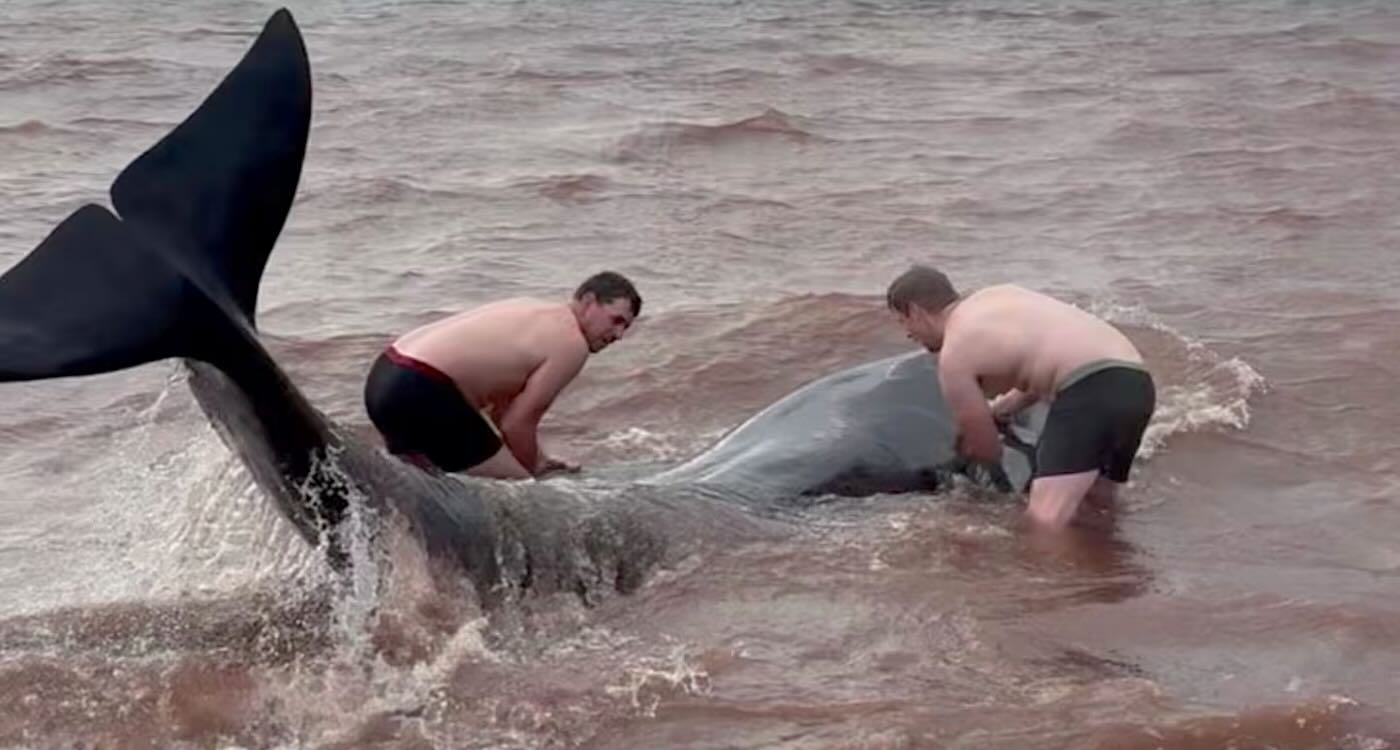
Good Samaritans Stripped Down to Briefs to Rescue 3 Stranded Whales on Canadian Beach (WATCH)

Mark Rankin and Grant Cameron rescue stranded pilot whale on Cape Breton beach –Courtesy Martin Delorey

Time was running out when Mark Rankin and Grant Cameron arrived on a Nova Scotia Beach earlier this week.

After apparently swimming too close to shore, three pilot whales were found stranded at 9 a.m., with low tide quickly approaching.

If the two friends didn’t intervene soon, the whales might never have a chance.

One bystander told the men that the Canadian Department of Fisheries and Oceans had been called, but this dynamic duo weren’t sure the authorities would arrive in time.

So Rankin and Cameron quickly set aside their plans to help a friend winterize his cabin and sprung into action. They also stripped down to their underwear.

Saving the pilot whales required getting into the water and that wouldn’t be easy in full winter clothes, so the two men did what was required. It was the theme of the day.

“We stripped down to our briefs and did the best we could,” Rankin told CTV News with a laugh. “We got the first one out (to sea) without too much issue. The second one, he took a little longer to come around, but we got him out into deeper water.”

One more whale remained stranded, so the team continued working, saving the third animal’s life. (Watch the video below…) After that, someone contacted the authorities again.

There was no need for any more assistance. Rankin and Cameron had stepped in—literally—to save the iconic mammals.

Authorities always urge citizens to exercise caution when interacting with wild animals because they’re often big and powerful, and good intentions can sometimes lead to misfortune.

But in this case, the heroism of the two men was purely positive. A good deed was done and three whales were saved.

“To be able to touch them and look into their eyes, that’s kind of what got us, I think, and made us do the right thing,” Rankin said.

“We feel pretty good about it, and if nothing else we’ll get a good laugh out of being on the news in our underwear.”

HAIL THE HEROES By Sharing With Whale-Lovers on Social Media…

AND, CHECK OUT THIS EPIC WHALE RESCUE–>  Dozens of Whales Saved by Locals After Mass Stranding on Icelandic Beach–LOOK

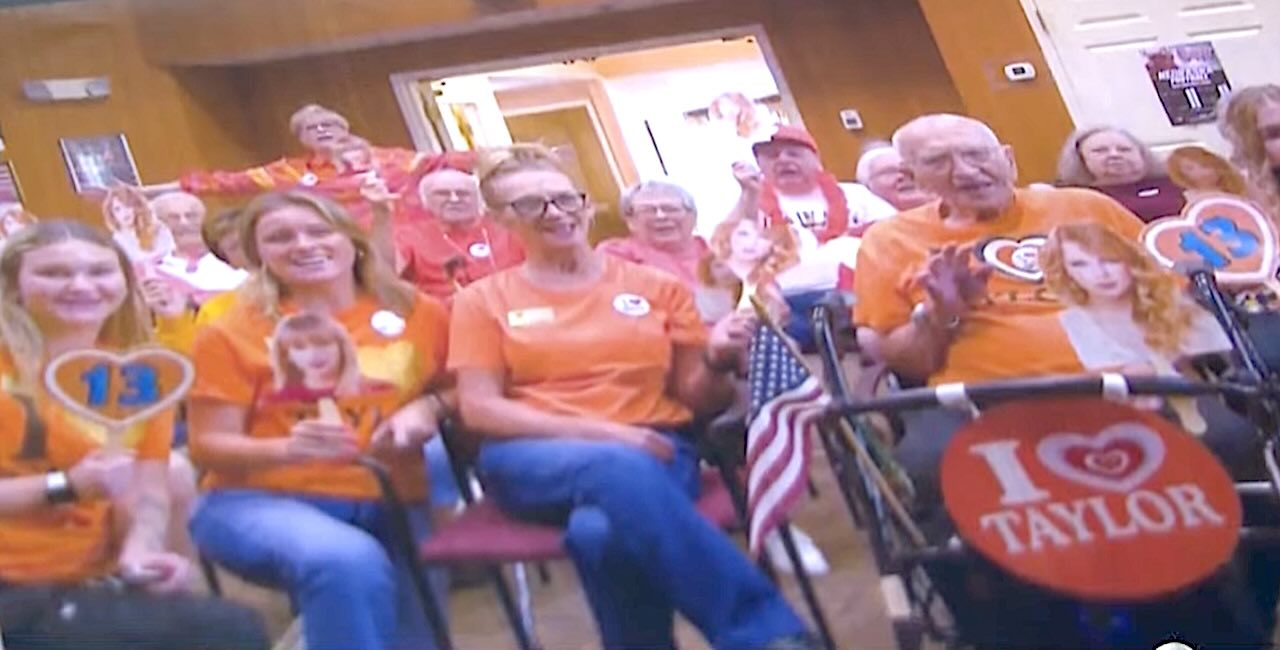
95-Year-Old Man Starts Taylor Swift Fan Club in Retirement Home and Draws Nationwide Swiftie Support

Frank Uryasz's Taylor Swift fan at the Remington Heights Retirement Community in Omaha, Nebraska
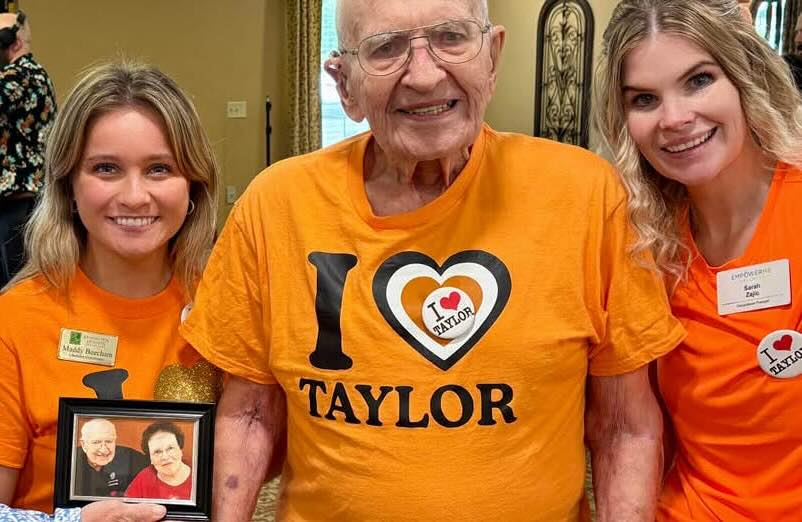
Frank Uryasz’s Taylor Swift fan at the Remington Heights Retirement Community in Omaha, Nebraska

Taylor Swift just released her latest album The Life of a Showgirl and her popularity has reached every demographics—including a certain 95-year-old in a Nebraska retirement home.

Frank Uryasz is a resident at the Remington Heights Retirement Community in Omaha. He was talking to a worker one day who expressed disappointment that Swift had never responded to any of her fan letters.

Frank wanted to do something about it.

“I know some people,” the 95-year-old said in an interview with Omaha’s KETV.

He started a Taylor Swift fan club and worked to spread the word as far and wide as he could. Membership kept snowballing, from 10 members to 20 and, soon, into the triple digits.

In fact, so many people wanted to join that Frank had to add some membership stipulations: If you’re not a resident of Remington, someone has to sponsor you.

Eventually, Frank’s personality caught the attention of the “Swifties” fan base across the country. Molly from North Carolina sent Frank’s fan club a letter, some cookies, and friendship bracelets, which are a staple souvenir of the Taylor fandom.

“I loved reading your story and hope these cookies and bracelets make your Life of a Showgirl listening party a little more enjoyable!” Molly wrote. “Welcome to the Swiftie family!”

Taylor Swift fan Frank Uryasz with co-founders – Credit: Remington Heights Retirement Community in Omaha on Facebook

Another group of Swifties has invited Frank and his friends to join their online community, Swifties for Taylor–50 Years Old+.

Frank continues to be an outspoken ambassador for Taylor and the Remington Heights fan club. During the interview with KETV (watch the video below), he wore an “I Love Taylor” button and some orange Swiftie bracelets, while touting a special Taylor Swift license plate affixed to his walker.

The ultimate goal is to secure a visit from Taylor Swift herself—and the campaign has already begun.

Behold, the Power of Taylor:
Taylor Swift is a Hero to Food Banks Across the U.S. at Each Stop of Her Eras Tour
After Taylor Swift Visits Children’s Hospital, Her Fans Donate Tens of Thousands to Patients

The club is preparing to deliver a big envelope to Taylor’s team in Kansas City, where her fiancee, Travis Kelce, plays NFL football for the Chiefs. There’s a letter typed for Taylor and Kelce that includes marriage advice from Frank, who is a lifelong Chiefs fan. There’s a letter for quarterback Patrick Mahomes in the envelope too, along with photos of the newest—some might say oldest—Swiftie fan club.

Frank is having fun just thinking about all of them showing up to the Remington Heights building someday. And maybe that’s the whole point: you’re never too old to dream.

“We’re having a wonderful time with this,” he said.

DON’T SHAKE THIS OFF–Share it on Social Media with the Swifties in Your Life…

Your Weekly Horoscope – ‘Free Will Astrology’ by Rob Brezsny

Our partner Rob Brezsny, who has a new book out, Astrology Is Real: Revelations from My Life as an Oracle, provides his weekly wisdom to enlighten our thinking and motivate our mood. Rob’s Free Will Astrology, is a syndicated weekly column appearing in over a hundred publications. He is also the author of Pronoia Is the Antidote for Paranoia: How All of Creation Is Conspiring To Shower You with Blessings. (A free preview of the book is available here.)

Here is your weekly horoscope…
FREE WILL ASTROLOGY – Week of October 25, 2025
Copyright by Rob Brezsny, FreeWillAstrology.com

SCORPIO (Oct. 23-Nov. 21):
Many cultures regard obsidian as having protective powers against negative energy. This makes it popular for healing talismans. Obsidian mirrors have often been used to scry for visions and prophecies. Because obsidian is so sharp, ancient peoples incorporated it into tools used to hunt for food, like knives and arrowheads. In modern times, obsidian is used for its beauty in tabletops, tiles, and architectural components. Do you know how this precious substance is formed? It’s born in the shock between elements: molten lava meets water or cool air and hardens so quickly that crystals can’t form, trapping a mirror-dark clarity in volcanic glass. I propose we make it your symbolic power object in the coming months, Scorpio.

SAGITTARIUS (Nov. 22-Dec. 21):
Medieval alchemists engaged in literal laboratory work as they attempted to create elixirs of immortality, concoct medicines to heal diseases, and metamorphose lead into gold. But the modern practice of alchemy is primarily a psychological effort to achieve awakening and enlightenment. In the early stages of the work, the seeker experiences the metaphorical “black sun.” It’s a dark radiance, the beginning of creative decay, that fuels the coming transformation. I suspect you now have the potential to call on this potent asset, Sagittarius. It’s wild, though. You must proceed with caution and discernment. What worn-out aspects of yourself are you ready to let rot, thereby fertilizing future growth?

CAPRICORN (Dec. 22-Jan. 19):
In Japan, shakkei refers to the practice of “borrowed scenery.” The idea is to create a garden so that surrounding features become part of its expansive context: distant mountains, an expanse of sky, or a nearby body of water. The artistry lies in allowing the horizon to merge gracefully with what’s close at hand. I recommend this approach to you, Capricorn. Frame your current project with a backdrop that enlarges it. Partner with places, influences, or long-view purposes that augment your meaning and enhance your beauty. Align your personal actions with a vast story so they send even more potent ripples out into the world.

AQUARIUS (Jan. 20-Feb. 18):
Computer scientist Radia Perlman is the “Mother of the Internet.” She invented the Spanning Tree Protocol, a component that’s essential for the flow of online data. Despite her work’s splashy importance, hardly anyone knows of her. With that in mind, I remind you: Some revolutions unfold with little fanfare; positive transformations may be inconspicuous. How does that relate to you? I suspect the next beautiful or useful thing you contribute may also be veiled and underestimated, at least at first. And yet it may ultimately generate a shift more significant than you can now imagine. My advice is to trust the long game. You’re doing good work, though its recognition may be late in arriving.

PISCES (Feb. 19-March 20):
The mystical Persian poet Hafez wrote, “Fear is the cheapest room in the house. I’d like to see you living in better conditions.” Picture that shabby room, Pisces: cramped, dim, damp. Now imagine you have resolved to never again live in such a place. In fact, sometime soon you will move, metaphorically speaking, into a spacious, high-ceilinged place with wide windows and skylights, fresh air flooding through. I believe life will conspire on your behalf if you initiate this bold move. You now have extra power to exorcise at least some of your angst and embrace liberating joy.
ARIES (March 21-April 19):
I bet your upcoming night dreams will include marriages, mating dances, and sacramental unions. Even if you are not planning deeper mergers with trustworthy allies in your waking life, your subconscious mind is musing on such possibilities. I hope this horoscope inspires you to make such fantasies more conscious. What collaborations and blends would serve you well? Give your imagination permission to ponder new and exciting connections. Visualize yourself thriving amidst new connections.

TAURUS (April 20-May 20):
In winemaking, malolactic fermentation softens a wine’s tart malic acid into gentler lactic acid. This process imparts a creamier and rounder mouthfeel, while preserving the wine’s structure. In accordance with astrological omens, I invite you to adopt this as your metaphor of power. See if you can refine your intensity without losing your integrity. Keep things interesting but soften the edges a bit. Introduce warmth and steadiness into provocative situations so they’re free of irritation and easier to engage with, but still enriching.

GEMINI (May 21-June 20):
The coming weeks will be an excellent time to practice the art of strategic disruption. One way to do it is to interrupt your patterns so they don’t calcify and obstruct you. Just for fun, you could eat breakfast for dinner. Take a different route to a familiar place. Talk to a person you would usually avoid. Say no when you’d normally say yes, or vice versa. Part of your brain loves efficiency, habits, and well-worn grooves. But grooves can become ruts. As a rousing spiritual experiment, you could do things differently for no reason except to prove to yourself that you can. Playful chaos can be a form of prayer. Messing with your standard approaches will unleash your creativity.

CANCER (June 21-July 22):
In Shinto mythology, Ame-no-Uzume is the goddess of mirth and revelry. In one story, she seduces the sun out of its hiding place by performing a humorous and provocative dance. I am sending her over to your sphere right now in the hope that she will coax you out of your comfort zone of retreat, control, and self-protection. While I’m glad you have taken this break to recharge your spiritual batteries, I think it’s time to come out and play. You have done important work to nurture and process your deep feelings. Now we would love you to express what you’ve learned with freewheeling panache.

LEO (July 23-Aug. 22):
Ancient cultures in Sumeria, Egypt, and China used willow bark as a pain reliever. Many centuries later, in 1828, European scientists isolated the chemical salicin from the bark and used it to create aspirin. What had been a folk remedy became a widely used medicine all over the planet. Is there a metaphorically comparable development unfolding in your life? I think so. Something you’ve known or practiced could be evolving into its next form. The world may finally be ready to receive wisdom, a technique, or an insight you’ve used for a long time. Consider refining and upgrading it. Share it in ways that meet the present moment’s specific need.

VIRGO (Aug. 23-Sept. 22):
In honor of your special needs right now, Virgo, I am coining a new English word: edge-ucation. It’s like “education” but with an extra edge. Though book-learning is included in its purview, it also requires you to seek out raw teaching in all possible ways: on the streets, the bedroom, the natural world, everywhere. To properly pursue your higher edge-education, you must hunt down provocative influences, thought-provoking adventures, and unfamiliar stimulation. Make the whole world your laboratory and classroom.

LIBRA (Sept. 23-Oct. 22):
When I began writing horoscopes years ago, I had greater empathy with some of the signs than with others. But I worked hard to overcome this bias, and now I truly love and understand every tribe of the zodiac equally. I attribute this accomplishment to the fact that I have three Libra planets in my natal chart. They have propelled me to develop a warm, affectionate, fair-minded objectivity. I have a deeply honed capacity for seeing and liking people as they genuinely are, without imposing my expectations and projections onto them. The coming weeks will be an excellent time to tap into these qualities in yourself, dear Libra.

WANT MORE? Listen to Rob’s EXPANDED AUDIO HOROSCOPES, 4-5 minute meditations on the current state of your destiny — or subscribe to his unique daily text message service at: RealAstrology.com

(Zodiac images by Numerologysign.com, CC license)

SHARE The Wisdom With Friends Who Are Stars in Your Life on Social Media…

“I can, therefore I am.” – Simone Weil

Ahmed for Unsplash+

Quote of the Day: “I can, therefore I am.” – Simone Weil (French philosopher, activist)

Photo by: Getty Images for Unsplash+ (cropped)

With a new inspirational quote every day, atop the perfect photo—collected and archived on our Quote of the Day page—why not bookmark GNN.org for a daily uplift?

Ahmed for Unsplash+

Good News in History, October 25

144 years ago, the visionary artist Pablo Picasso was born. A Spanish painter and sculptor, he had trouble getting out of bed in the morning, and usually spent the afternoon conversing and drinking with friends. But in the evening, he worked prolifically on his surrealistic cubist artwork in France. WATCH a short bio video to see his paintings and learn more… (1881)

Quarter Century of Collecting Seeds From Around the World Safeguards Them From Extinction

- Jeff Eden © RBG Kew
– Jeff Eden © RBG Kew

After 25 years of diligent work, an English botanic gardens is ready to face whatever reality climate change may throw at us, safe in the knowledge that a large chunk of the world’s plant diversity lies safely tucked away underground for future generations.

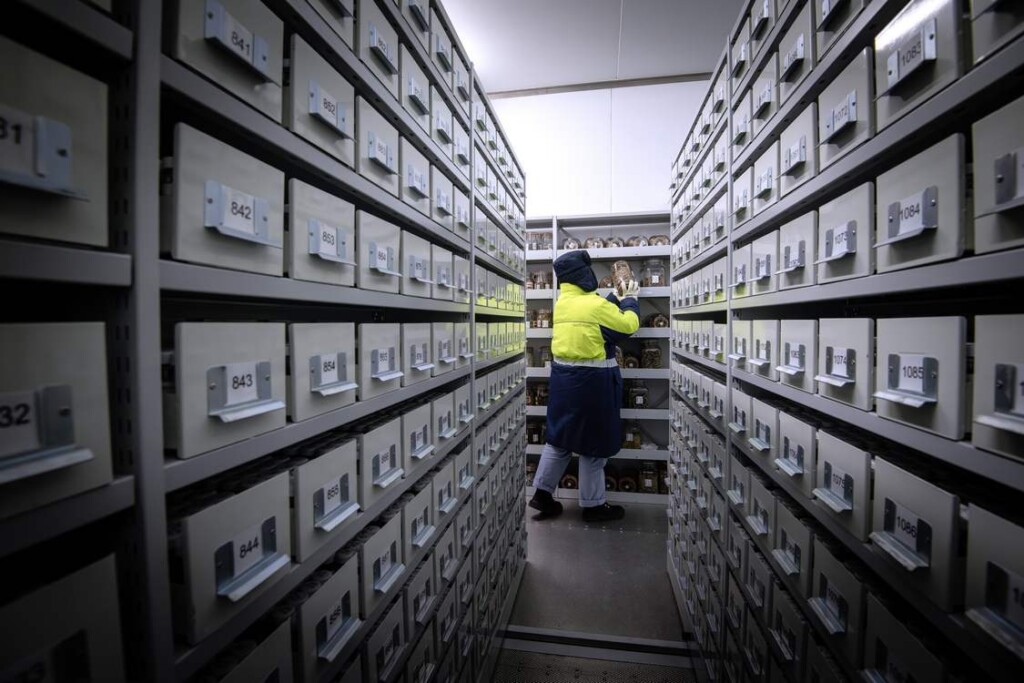
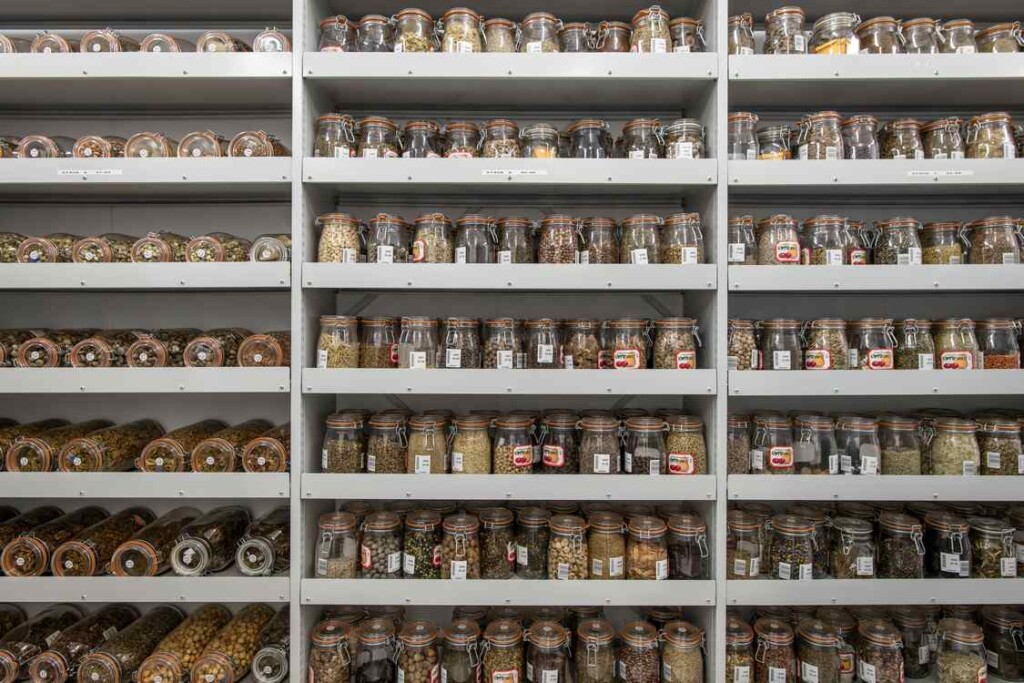
By the numbers, the Millennium Seed Bank holds over 2 billion seeds from over 40,000 species, collected by scientists and volunteers from 279 organizations spanning over 100 countries.

The MSB vaults – credit, Ines Stuart-Davidson © RBG Kew

It’s likely the largest seed vault on Earth, with the other contender being located on the Norwegian Arctic archipelago of Svalbard.

Located at the Royal Botanic Gardens Kew facility in Wakehurst, seeds from all over the world are carefully cleaned, dried, and stored in walk-in freezers at -20°C, or about -4°F. For 25 years, the work has been carried out by experts who have developed the skills not only to store the seeds, but also to wake them up again, often using bespoke protocols for seed germination.

Rare news stories occasionally flash across the airwaves about seeds hundreds, even thousands of years old, remaining alive long enough to germinate. The MSB experts believe that for every 1% of moisture extracted from a seed, and for every 9 degrees of additional cold, the lifespan of a seed approximately doubles.

“Within species there is incredible genetic diversity, which protects against disease, climate change and other threats,” Dale Sanders, biologist and former director of the John Innes Centre in Norwich, told AP. “Maintaining that diversity is essential if we want to preserve the diversity of life itself.”

For all the archiving and record keeping and preservation, the MSB is hardly just a storehouse. To the contrary, it’s always growing something: funds for ecosystem restoration or botanical research, young scientists looking to begin a career in plant conservation, or plans to restore existing ecosystems by leveraging the vault’s vast reserves.

– credit, Jim Holden © RBG Kew
The vault entrance to the Millennium Seed Bank – credit, Jim Holden © RBG Kew

This year is the MSB’s 25th anniversary, and in honor of its important mission and the impressive accomplishments it’s already racked up, it’s launching an ambitious fundraising goal of £30 million to help fund the Millennium Seed Bank’s work for decades to come.

SEEDS OF IMPORTANCE: These Trees Survived Hiroshima: Group Plants Their Seeds Worldwide to Preserve Their Memory

To tell the story of it’s journey thus far, the project has enlisted the help of renowned Australian film and theater star Cate Blanchett, who knows a few things about old trees in her portrayal of the elf queen Galadriel in Peter Jackson’s Lord of the Rings. 

Blanchett and members of Kew and the MSB are sharing the stories of the last 25 years of work through a podcast series called Unearthed: The Need for Seed, the first two episodes of which is already available through Apple and Spotify.

WATCH a video introduction to the MSB…

SHARE This Genetic Record Keeping Effort With Your Friends… 

You Can Buy This 100-year-old Convent for a Promise–That You Preserve its History

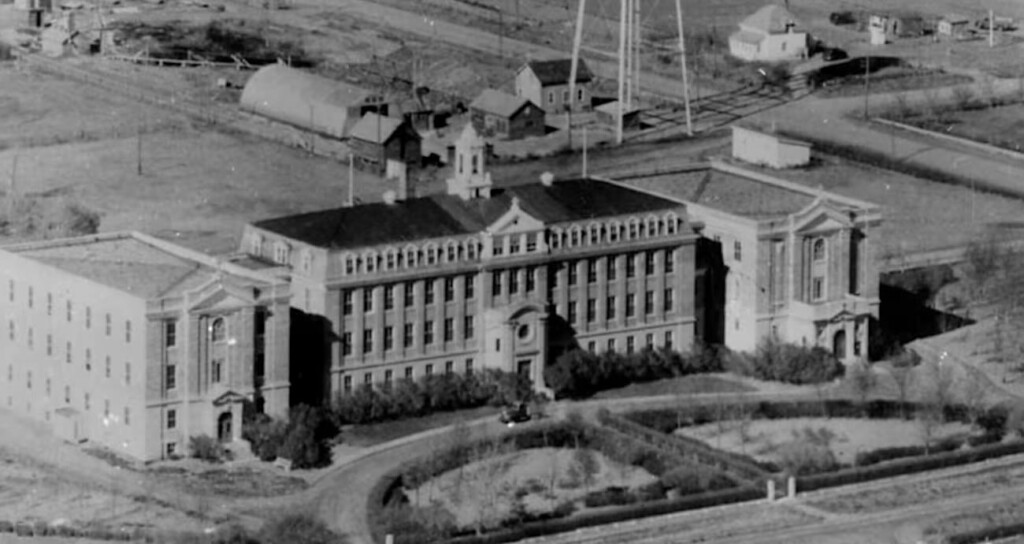
Convent in Gravelbourg c. 1926 – Credit Town of Gravelbourg

This is the convent of Gravelbourg, a small town in Canada that boasts a long-time motto: “a touch of Europe on the prairie.”

For over a decade this stately building—a true stunner in the middle of very little else—has been useless and vacant, but the town is determined to preserve it until someone can propose a use that suits Gravelbourg and its needs.

Town planners hope that will be housing, but many ideas have come across their desk in the last few years, including a prison, and a casino.

Built in 1917 along with a Cathedral and a building called the Bishop’s Palace, which has found a second life as a B&B, the trio are designated national historic landmarks of Canada, and were established by Frenchmen who wanted to create a true center of French culture on the prairies of North America.

They brought over classic building styles and materials, which can be seen about the town’s main street, at the railway station, and certainly inside the cathedral.

At its height, the convent looked after 600 students at its primary school. When the school changed locations, the town took over management of the property until that became too cost-prohibitive. Now, Gravelbourg hopes to find a savior for the old building who will preserve it as much as possible.

“Something of this size you’ll never see again. It’s an original,” said the Town of Gravelbourg’s economic development officer, Ariel Haug, who was speaking with CBC News. 

The CNR Station Building in Gravelbourg, Saskatchewan – credit, CC Tintaggon 3.0. BY-SA
Our Lady of the Assumption Cathedral, Gravelbourg – credit, CC Tintaggon 3.0. BY-SA

A local immigrant, Toos Giesen-Stefiuk, who moved to Gravelbourg from her home in the Netherlands in 1981, felt right at home in the town, and has become not only a booster of the local history, but part of an association looking to turn the convent into a 42-unit housing complex.

ALSO CHECK OUT: One Man’s Crazy Idea For Michigan Town Lands Them As Finalist in ‘Nicest Places in America’ Contest

The estimated cost was around CAD$15 million in 2019 dollars, but the project never took off. Housing is a major priority across Canada, and Giesen-Stefiuk believes that the time will soon come again when her and her colleagues’ proposal will be revisited.

The building itself will be signed over to the new ownership, whoever that proves to be, for free, as long as they come with a plan to develop and maintain it.

HISTORIC NORTH AMERICA: Unused Train Stations Across US Are Being Revitalized into Hotels, Restaurants and Even Museums

Giesen-Stefiuk sees in the convent an element of the windmills in her home country.

“When I grew up in Holland as a child, there were windmills and they were not in use anymore and they were tearing them down till somebody said, ‘We should keep some,’” she said. “And who doesn’t know about the windmills in Holland?”

SHARE The Story Of This Town And Its Stately Building Needing A New Master…

Discarded Plastic Fishing Nets Are Turned into Filament for 3D Printers

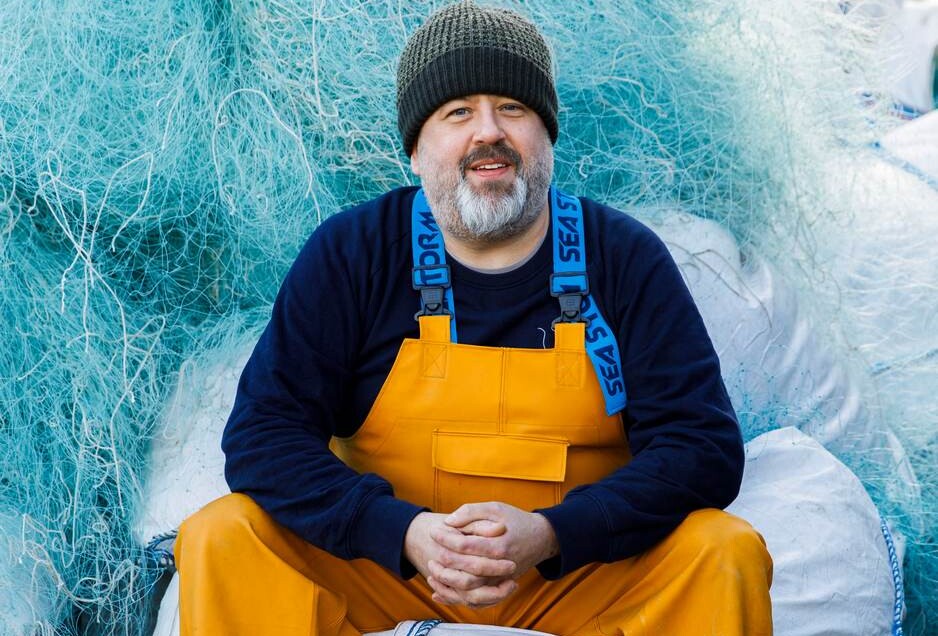
Ian Falconer, founder of 0rCA - supplied
Ian Falconer, founder of 0rCA – supplied

An English fisherman who grew indignant at the number of nylon fishing nets he saw abandoned on the wharfs of Cornwall every year has moored his boat and invented new recycling technology to turn the nets into raw plastic again.

A skipper will replace his nylon fishing net every 6 months, says Ian Falconer, and most of the time they’re buried in a landfill, burned, or abandoned in the ocean to strangle fish and other wildlife.

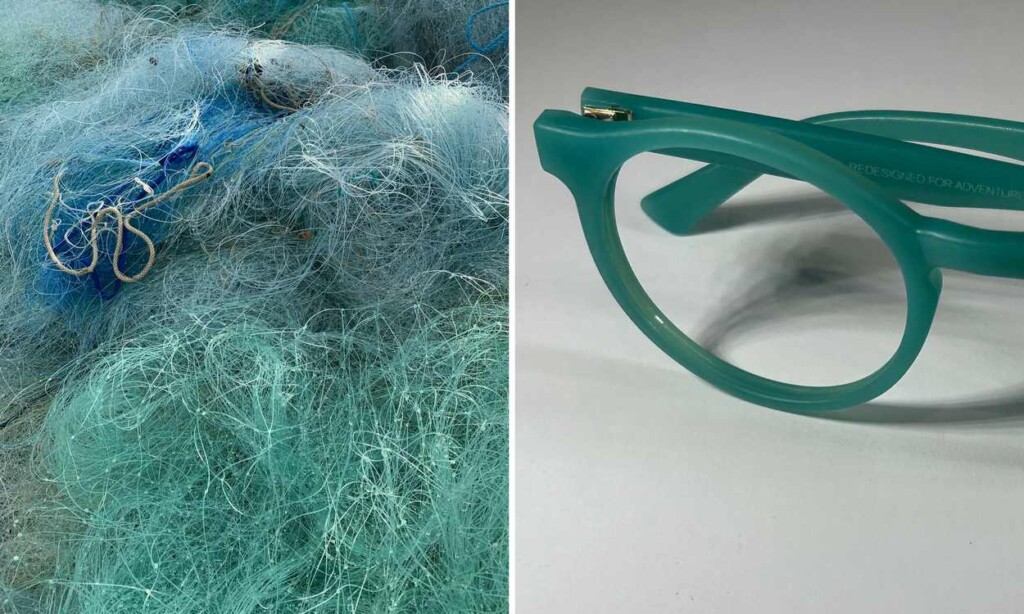
But now, if that skipper just gives it over to Falconer, he can turn it into plastic granules that have been used to make dozens of different products, from lamp shades to razorblade handles.

It’s done with the patented technology and methods of his company 0rCA, which he founded after testing the method in his kitchen with used nets given to him by the harbor master of Newlyn, Cornwall.

0rCA has raised over $1.35 million in funding from big business like L’Oréal, Mercedes Benz, and Phillips, and can now turn 1 metric ton of fishing net material per day into little nylon pellets for use like virgin plastic in injection molding, or to spin into filaments for 3D printing.

Falconer estimates that around one million tons of nets are wasted every year, explaining to the Guardian that after several months of use, the filaments develop an algal biofilm and change from sharp, azure plastic obscurity into a cloudy grey color that the fish can spot. Skippers begin to see their catches shrink at this point, and toss the nets in the garbage.

Eyeglass lenses ‘designed for adventure’ by 0rCA’s recycled plastic – supplied

However, it’s only a miniscule percentage of those nylon fishing nets that are wasted in England, much less Cornwall, and so 0rCA now offers the whole recycling micro-factory to harbors around the world for $500,000, delivered to them complete in a single shipping container.

MORE SOLUTIONS TO THIS PROBLEM:

“The beauty of it is that it all fits in a shipping container and pretty much anyone can operate it,” Falconer told the Guardian. “So you could have one of these at every harbor around the world, converting a costly and hazardous waste into a profitable raw material.”

SHARE This Brilliant Fisherman’s Entrepreneurial Vision On Social Media… 

Virtual Fencing May Allow Thousands More Cattle to Be Ranched on Land Rather Than in Barns

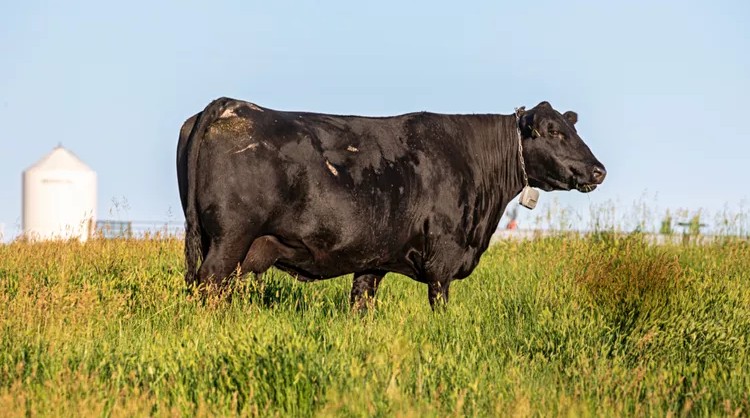
Vence GPS-enabled collars keep cows within virtual boundaries, using audio signals and electric shocks - credit Nick Jorgensen Land and Cattle supplied to Successful Farming
Vence GPS-enabled collars keep cows within virtual boundaries, using audio signals and electric shocks – credit Nick Jorgensen Land and Cattle supplied to Successful Farming

Reprinted with Permission from World at Large

American ranchers are gradually entertaining the idea of using virtual fence systems—the same kind as used for dogs—to graze more cattle over more space without the cost and hassle of continuous fence upkeep.

The virtual system promises huge benefit for farmers, consumers, and wildlife, as more cows can graze on nutritious grass and fewer have to sit in the feedlot.

North America lost several million of its native grazers in the 19th century, and much of the prairie land that’s left which hasn’t become farmland is missing the ecosystem services the bison herds once provided.

By not having to worry about building fences or overwatching them with cowboys on horseback, larger herds can live semi-natural existences on North American land, helping to enrich the soil and disperse native seeds all with substantially lower labor and material costs for the rancher.

That’s the promise at least; the technology is just emerging in the ranching industry. But what do early adopters have to say about it?

Amy Crouch is the director of The Nature Conservancy’s Little Sioux project, studying the use of virtual fencing on cattle at the conservancy’s Swamp White Oak Preserve in Iowa. Here, cattle were used to manage the understory growth on “one of the best remaining examples of floodplain oak savanna” left in the Midwest.

Crouch herself grew up on a dairy farm, and remembers the feeling of being tethered to the grazing herd, not being able to leave them for a minute in their fenceless pasture.

“I imagine it’s the same for a lot of these producers who do the intensely managed grazing, where they’re moving them all the time,” Crouch told Iowa Capital Dispatch. “If they could have this labor-saving device, so they can concentrate on doing other things too, how tremendous”.

What is virtual fencing?

The virtual fencing comes in different forms depending on who’s selling it. It’s basically a super durable collar the size and weight of a normal cowbell that contains a GPS transmitter. The GPS keeps track of where the cow is and establishes the borders where the cows can’t go. Some also have radio wave receivers that are reached via broadcast towers.

Once the cow gets too close to the virtual boundary line the collar plays a sharp auditory signal that the cows do not like. If they get closer, the sound gets louder, and if they pass it, the collar begins to vibrate—not shock them.

“They catch on so fast,” Crouch said. “They hear that tone, and they don’t even stop grazing, they just change direction and go a different way. So it’s really, really easy on them, and it’s easy on the farmer too”.

All eventualities seem to be controlled for. The collars are solar-powered, and Crouch saw them endure every conceivable form of abuse without issue.

The pilot program at Land of the Swamp White Oak Preserve ran three years during which staff used the system to pasture cattle in areas with an invasive species and also to stay out of sensitive areas like a wetland. The program attempted to address every concern or question a rancher might have.

Crouch said that for producers who don’t move their herds as much, the collar still presents advantages in cost savings in labor and physical fence materials, and the GPS system which can be accessed via a phone can give the farmer the position of every head of cattle in real-time.

Successful Farming recently interviewed Nick Jorgensen, an Angus beef rancher who practices rotational grazing on a combined 5,000 acres of land, who adopted another virtual fencing system from a company called Vence.

He was more cautious about heaping praise on the system, which he described as “95% effective” but vulnerable to power outages and battery replacements, while also stressing that “any rancher can tell you that a physical fence isn’t 100% either”.

In fact, by his estimation, physical fencing costs around $15,000 per mile, which for a 4-mile paddock adds up to $60,000. Then, there are the constant repairs, and the occasional need to move the fencing. By contrast the collars and broadcast towers cost $50,000 to set up, and the durability is unquestionably longer than a physical fence.

If the collars allow for greater productivity for rotational grazing in addition to this lack of running maintenance, it seems likely that on certain ranches the virtual fencing will be more cost effective than physical fencing.

“Think how it might work for ranches that are on leased land, where you can’t build real fences for various reasons,” said Mr. Jorgensen. “This would let you practice controlled rotational grazing, and help you keep track of the animals, without fences”.

Studies have shown that grass-fed cattle produce beef and milk with a more nuanced and beneficial nutrient profile; with better ratios between the various types of saturated and unsaturated fats, but grass-fed, grass-finished beef is typically more expensive. If a major labor saving device, or one which could mean more cattle on the land for less management dollars, were made available, the cost of this superior product might become competitive to feedlot beef in the mid-term future. WaL

SHARE This Great News For Ranchers, Cattle, And Consumers… 

“When you were made a leader you weren’t given a crown, you were given the responsibility to bring out the best in others.” – Jack Welch

Getty Images for Unsplash+

Quote of the Day: “When you were made a leader you weren’t given a crown, you were given the responsibility to bring out the best in others.” – Jack Welch

Photo by: Getty Images for Unsplash+ (cropped)

With a new inspirational quote every day, atop the perfect photo—collected and archived on our Quote of the Day page—why not bookmark GNN.org for a daily uplift?

Getty Images for Unsplash+

Good News in History, October 24

Wayne Rooney - CC SA 4.0. Ardfern

Happy 40th birthday to Wayne Rooney, former Manchester United talisman and captain of the England national team. Part of a golden generation that helped to cement the English Premier League as the best in the world, Rooney made 559 appearances for Manchester United, scoring 253 goals from a variety of forward positions. Rooney is the record goalscorer for both the England national team and Manchester United and holds the record for the most appearances of any outfield player for the national team. WATCH his best goals below… (1985)

Woman Rescues Cat That Survived in Derelict Bathroom for Two Years: ‘Rescuing starts with noticing’

credit - Chiku Singh / SWNS
credit – Chiku Singh / SWNS

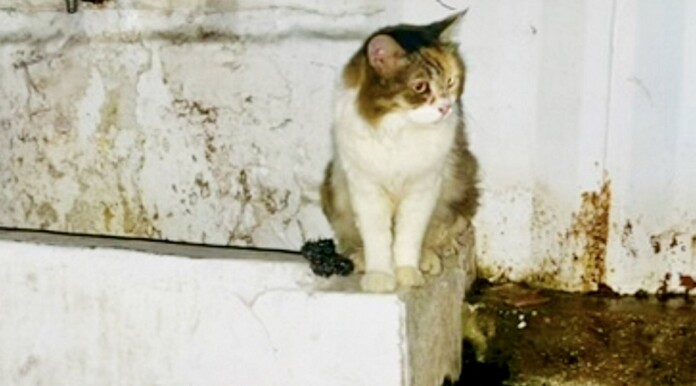
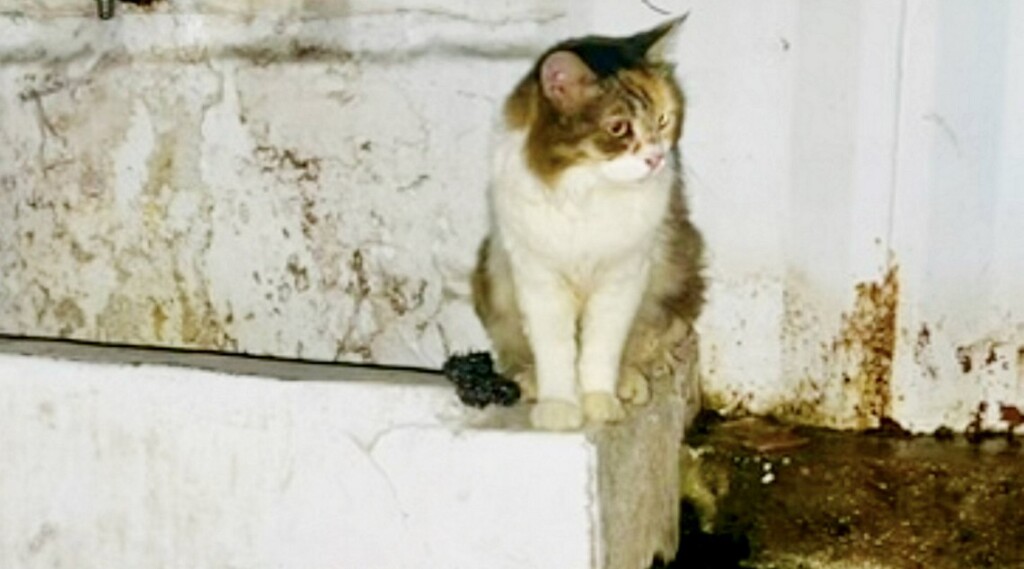
A British woman recently rescued an abandoned housecat who had been living for 2 years in a derelict bathroom, and is arranging to fly the “gentle” animal back to the UK.

Hobbyist animal rescuer Chiku Singh was sent a picture of the long-haired cat by a stranger and drove out to Abu Dhabi on August 8th from her home in Dubai to locate it.

Singh managed to find the street cat in the process of feeding other strays, and noticed it looked frightened. She was told by laborers the cat had been seen over the last two years—sheltering under sheets of metal in a derelict bathroom.

“She’s such a gentle cat who has endured such hardship. It broke my heart when I first saw her,” Singh said. “I’m so happy that she’s getting a new start.”

It wasn’t straightforward though, as the cat had made a refuge beyond the reach of an outstretched hand in a derelict building’s bathroom.

Singh had to make the 90-minute drive from her home in Dubai to Abu Dhabi after work every day for 3 weeks to check on the cat, try to feed her and attempt to build trust before she was able to coax her out of her hiding place and get her to a vet.

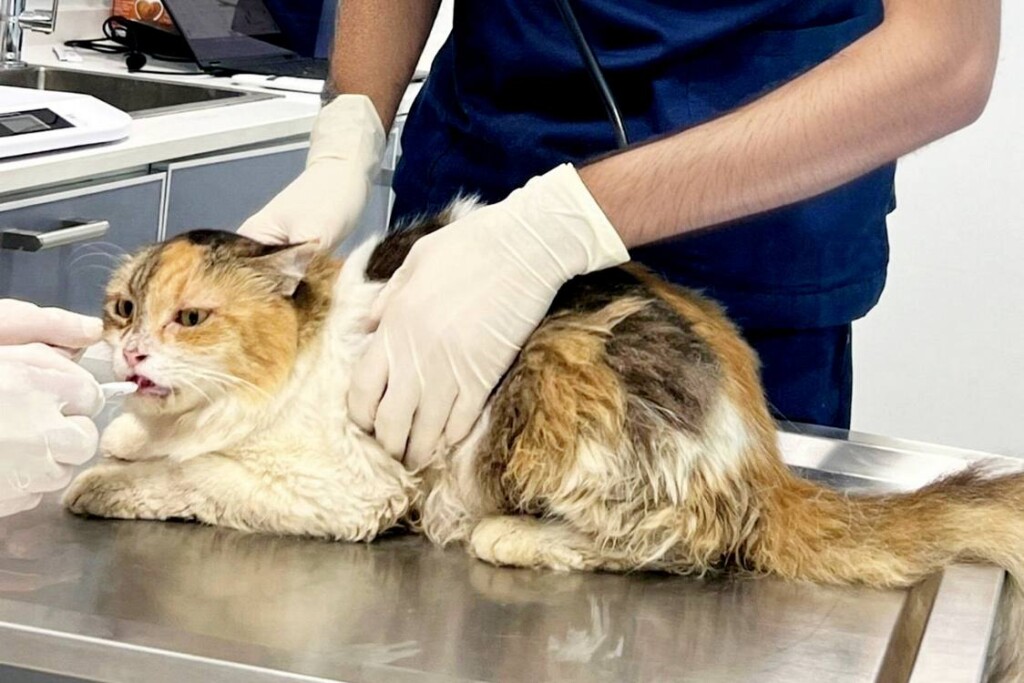
She was treated by Dr. Kamal Adel, at Capital Vet Clinic, Abu Dhabi and he gave her vaccinations, worm and flea treatment, and bathed her.

credit – Chiku Singh / SWNS

She is now finalizing arrangements to fly the cat—who she named Tara Nova, which means ‘new star,’ to a family in the UK.

“She looked completely lost and fearful. It was clear she didn’t belong there,” Singh recalled. “The workmen said the stray cats bullied her, and we thought she had probably been a pet and had been abandoned. She was scared and alone, and I couldn’t walk away.”

OTHER ANIMAL RESCUES: 90-year-old Who Has Saved Over 10,000 Animals at Sanctuary Has No Plans to Retire

Singh moved to Dubai from London 20 years ago, and says that recent measures in the UAE, including microchipping pets and registration becoming mandatory in Abu Dhabi, are strong steps toward progress in animal welfare. Islamic countries like Turkey and Morocco are famous for their gentleness towards stray cats, and many can live long, well-fed lives on the streets of these countries.

The other side to that picture, one might argue, is that the tolerance of street cats inhibits the growth of laws that might help diminish their number and sufferings.

MORE CAT RESCUES: Special Holiday Delivery From the Middle East—The Stray Cat who Stole a Sergeant’s Heart is Now Rescued

While that’s a conversation for another place and time, the currently moment sees Tara Nova waiting at a foster home in Abu Dhabi while Singh plans her move to the UK and into a loving, forever home.

“Nova’s story could have ended in silence, but instead she curls up in comfort and safety on a soft blanket,” she said. “She was always a treasure, just waiting for someone to see her. Rescuing starts with noticing.”

SHARE This Woman’s Passion For Animals, And A Sweet Cat Who Found A Savior…

Huge Fortress Unearthed in Egypt Features Thick, Curving Walls Built 3,500 Years Ago

Ancient Fortress Unearthed in Egypt features curved walls – Credit: Egyptian Ministry of Tourism and Antiquities

Rather than keeping out invaders, it’s believed the curves in these ancient fortress walls helped prevent them being eroded away by sand.

And look at what a good job they did: still intact after 3,500 years in the Sinai weather.

Discovered during recent excavations at the Tell el-Kharouba archaeological site in the northern Sinai Desert, it’s believed to have been commissioned during the reign of Thutmose I.

Thutmose, along with other New Kingdom pharaohs, ordered the construction of multiple frontier border posts like this one to prevent invaders coming from the Near East.

While pottery, the remains of a storeroom, living area, and a room used as a bakery were all located in the ruins, the real standout find were without a doubt the exceptionally preserved 8-feet-thick walls which run 350 feet and incorporate 11 defensive towers.

“Taking into account storerooms, courtyards and other facilities, we estimate that the garrison likely ranged between 400 and 700 soldiers, with a reasonable average of around 500 soldiers,” excavation leader Hesham Hussein, the undersecretary for Lower Egypt and Sinai archaeology tells Live Science.

The walls also divided these living areas with the rest of the fort, and it’s hypothesized that the entire complex was a sort of cookie-cutter design that was replicated as part of a defense strategy to control this important highway between the land of Canaan and Egypt, as well as a large section of eastern Mediterranean coast.

LATEST FINDS FROM EGYPT: 

Petrified bread dough was discovered by the archeologists, as were a clay stamp bearing the name of the pharaoh, and volcanic rocks—unlikely to have originated in Egypt—and which are believed to come from Greek traders.

“[E]very fortress we discover adds a new brick to our understanding of the military and defensive organization of pharaoh Egypt, and confirms that Egyptian civilization was not limited to temples and tombs, but was a state of powerful institutions capable of protecting its land and borders,” stated Dr. Mohamed Ismail Khaled, Secretary-General of the Supreme Council for Archaeology.

For now, much of the fortress remains buried beneath sand dunes. The archaeologists are planning to continue excavations soon in the hopes that the full extent of the walls can be revealed.

SHARE This Imposing Ancient Structure And The Stories It May Come To Tell…

Graphene Dream Becomes a Reality as Miracle Material Enters Production for Better Chips, Batteries

- credit 2D Photonics
– credit 2D Photonics

Graphene, a sort-of ‘miracle’ material derived from graphite, was adapted over a decade ago as a potentially revolutionary alternative to silicon and other minerals for the manufacturing of dozens of vital technologies.

Now, after years of R&D, some of the material’s original promised potential now seems tantalizingly close at hand.

To offer an idea of the graphene-dream, graphene microprocessors deliver more data at the same speeds than silicon, and at far lower costs. They can run smoothly across a wide degree of operating temperatures, and consume around 80% less energy while doing all this.

Sounds like miracle stuff, and Ben Jensen, the chief executive of 2D Photonics, a startup spun out from the University of Cambridge that’s currently working to commercialize these chips, explained to the Guardian what went wrong with the black stuff’s promise.

“The material when it came out of academia was hyped to death … but the challenge is going from ‘lab to fab,'” he said. “The value proposition must be extremely good, but there also must be a way to manufacture the material and manufacture it at scale for the application … then you have to meet price expectations.”

Those challenges were too much for some, for example Bayer. The German pharma giant shut down a manufacturing plant that would have produced various products made of rolled-up graphene sheets known in the industry as carbon nanotubes. These were used by Jensen himself to invent the “world’s blackest black,” called Vantablack. The novel coating has been used in art pieces, and also by BMW on its cars. It captures another of graphene’s properties: it’s ability to absorb light.

Vantablack absorbs 99.96% of all the photons shined upon it, making it appear from any angle as black as when your eyes are shut in a closet with the door closed in the middle of the night. Jensen founded Surrey NanoSystems to sell the material through the brand name Vantablack.

The essential structure of Graphene – credit, AlexanderAlUS – Own work, CC BY-SA 3.0

2D Photonics, at which Jensen also works, was formed out of Cambridge University in partnership with Italy’s CNIT research institute. It’s received huge backing, from private sector titans like Bosch and Sony, to government funding, and even R&D dollars from NATO, the military alliance of Europe and North America.

Their graphene chips measure 1 atom in depth (hence the same ‘2D’ Photonics), and the pilot production plant the firm is planning to build in Milan will produce them at the 200mm-scale for use in every hi-tech system you can imagine, from aircraft and radar systems for the military (presumably) to 6G computing platforms and data centers.

HI-TECH MATERIALS: Cement Supercapacitors Could Turn the Concrete Around Us into Massive Energy Storage Systems

For more civilian uses, there’s Paragraf, another Cambridge cut-out that manufactures graphene-based sensors for biomedical and agriscience use, as well as for new automobiles. The United Arab Emirates sovereign wealth fund recently bought a 12.8% stake in Paragraf.

Nanotech Energy in the US is already manufacturing graphene-based lithium-ion batteries that fully recharge in seconds, are literally bulletproof, and which the company is now adapting to EVs, household uses, and grid-scale renewable energy storage.

This year its fabrication plant has been creating 21,700 battery cells per day, and the company is expanding its operations into creating graphene-reinforced concrete.

MORE FUTURE NEWS: In German Breakthrough Quantum Communications Sent Across the Nation Using Existing Telecom Infrastructure

“When we add graphene or graphene oxide, it works like a super-fine sieve within the concrete, making the tiny spaces inside the cement even tinier,” said Dr. Maher El-Kady, Nanotech Energy’s chief technology officer. “That’s good news because it means water can’t sneak in as easily, and less water means less chance of corrosion.”

California’s center of innovation was famously dubbed “Silicon Valley.” It remains to be seen how the word graphene will come into the zeitgeist with the same vigor, but considering the material’s diffusion and wide-ranging application, it’s probably a safe bet it will be something like the “Graphenocene.”

SHARE The News About This Incredible Material’s Development Around The World…

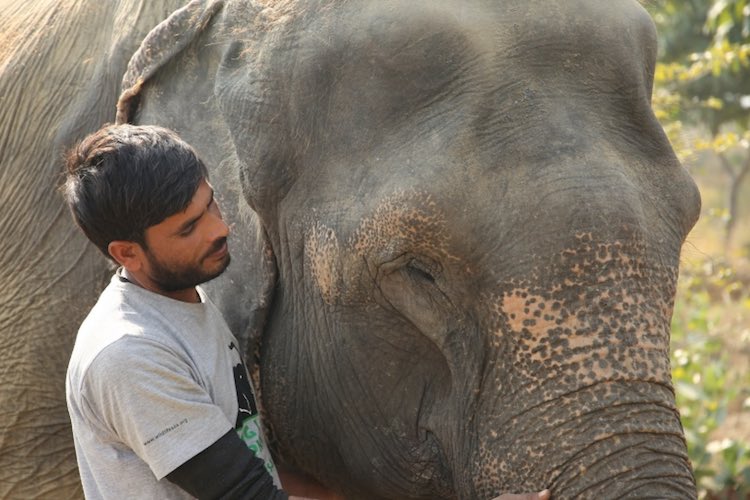
Virus That Kills More Elephants Than Any Other Cause Is Finally Defeated

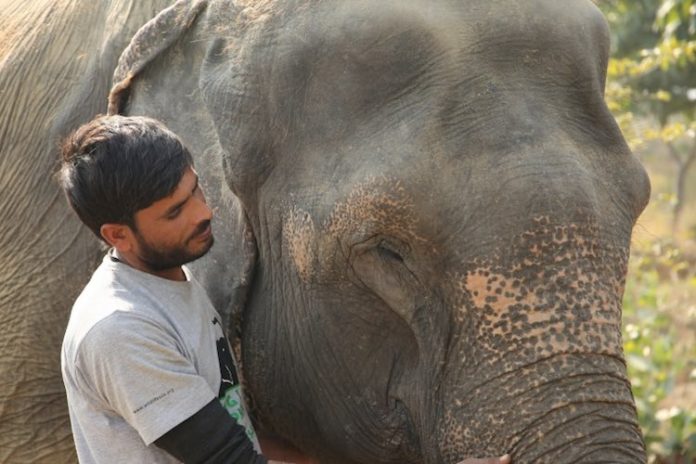
Photo by Wildlife SOS

Veterinary immunologists have developed a vaccine for a virus that’s one of the the leading killers of elephants in captivity and in the wild.

With no cure, and with a penchant for claiming the lives of elephants calves, elephant endotheliotropic herpesvirus (EEHV) has been responsible in recent years for the deaths of five elephants at England’s Chester Zoo in, which participated in the development of the vaccine.

The EEHV vaccine’s successful early trials have been heralded as a “landmark moment,” for the protection of wild and captive animals in conservation herds.

Delivered in a two-dose set, with the first containing a harmless, dead version of the virus and a second delivering a booster to increase the immune response, it was found to trigger a robust immune response against EEHV with no harmful side effects.

“This is a landmark moment in our work to develop safe and efficacious vaccines,” said Professor Falko Steinbach, senior author of the study and a veterinary immunology professor at the University of Surrey. “For the first time, we have shown in elephants that a vaccine can trigger the type of immune response needed to protect them against EEHV.”

The team behind the development of the vaccine, which included scientists from the University of Surrey, Chester Zoo, and UK’s Animal and Plant Health Agency, published a study presenting the findings from the vaccine trial in Nature Communications.

SAVING ELEPHANTS: 

It showed by comparing blood samples of vaccinated elephants vs non-vaccinated elephants that the drug should be able to prevent herd members from dying of EEHV, and support conservation breeding programs across the world.

“EEHV has taken the lives of so many elephants, both in human care and in the wild, but this vaccine offers hope,” said Dr. Katie Edwards, lead conservation scientist at the Chester Zoo. “We can’t yet say this will be the end of EEHV deaths, but we have taken a massive step towards that goal.”

SHARE This Great News In Veterinary Pharmacology On Social Media… 
“Greatness is a road leading towards the unknown.” – Charles de Gaulle

By Lisa Ouellette (CC license)

Quote of the Day: “Greatness is a road leading towards the unknown.” – Charles de Gaulle

Photo by: Lisa Ouellette (CC license)

With a new inspirational quote every day, atop the perfect photo—collected and archived on our Quote of the Day page—why not bookmark GNN.org for a daily uplift?

By Lisa Ouellette (CC license)

Good News in History, October 23

Deadpoll and Ryan Reynolds in 2019-Dick Thomas Johnson-cc

Happy 49th Birthday to Ryan Reynolds, the always-handsome and hilarious Canadian actor who first starred in the sitcom Two Guys and a Girl in 1998, then rose to fame in a range of films like The Proposal and Green Lantern. His biggest financial and critical success came when he played the smack-talking superhero Deadpool in two films. READ some more about the man… (1976)

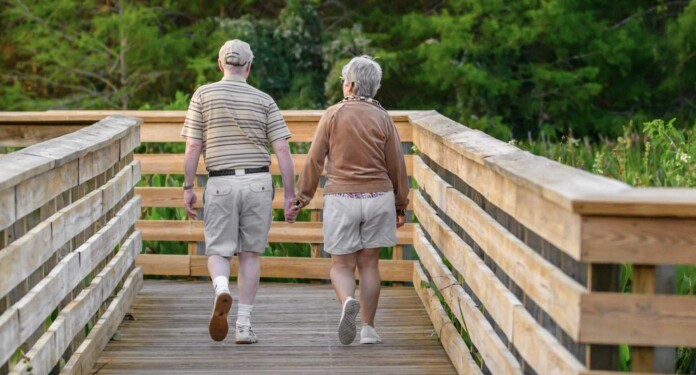
Walking Just 4,000 Steps 1-2 Days a Week May Help Older Women Live longer

Richard Sagredo
Richard Sagredo

An important exercise minimum of 4,000 steps one or two days per week was just identified in a study as a benchmark to help seniors live longer.

The study patients were also are less likely to develop heart disease, say study’s authors.

The research, published online by the British Journal of Sports Medicine, examined not only how many steps older women take, but how often they reach their daily step targets across the week.

American researchers found that those who took 4,000 steps on 1 or 2 days a week had a 27% reduction in the risk of cardiovascular disease and 26% reduction in risk of death compared to those who completed less steps.

The study also found that it was the number of steps taken rather than any daily pattern of steps that was tied to the risk reductions, meaning even if they were distributed throughout the day and were not part of any single fitness program, the effect was the same.

Tracking daily steps has become a standard exercise measurement for many people as many smart devices keep count with ease. Physical activity stimulates bodily repair and maintenance, which is especially important as people get older.

Researchers at Mass General Brigham, an integrated health care system based in the Boston area of Massachusetts, examined 13,547 older women with an average age of 71.8-years-old.

The team compared their step counts over a one-week period against their mortality and cardiovascular disease rates over the next decade to identify the benefit.

“Advances in technology have made it such that we don’t really move very much, and older individuals are among those least active,” said study senior author Professor I-Min Lee.

“Because of today’s low step counts, it’s increasingly important to determine the minimum amount of physical activity required to improve health outcomes, so that we can offer realistic and feasible goals for the public.”

The participants wore ActiGraph GT3X+ accelerometers to track their steps over seven days between 2011 and 2015. For the next 10 years, the researchers monitored deaths and cases of cardiovascular disease among the group.

The participants were sorted by how many days per week they achieved step thresholds at or above 4,000, 5,000, 6,000, or 7,000.

Those that reached 4,000 steps one or two days per week had a 26% lower mortality risk and 27% lower cardiovascular disease risk compared to those that never hit 4,000 on any day. Reaching 4,000 steps three or more days in a week decreased mortality risk further to 40%.

IMPORTANT EXERCISE MINIMUMS: This Rarely-Trained Muscle Is Recognized Worldwide as a Marker of Human Health–And the Test for Living to 100

Among women that reached the higher step thresholds, cardiovascular disease risk levelled out, while the researchers also noted that the health benefits seem to be associated with the total volume of steps taken, rather than how many days per week a particular threshold was achieved.

They say that suggests that there isn’t a “better” way to get steps—women with similar total volume of steps, either achieved by consistent steps throughout the week or sporadic steps in just a few days, had similar health benefits.

STORIES JUST LIKE THIS: Walking Slightly Faster Can Help Seniors Stay Active Longer – Plus an Easy Way to Measure Steps Per Minute

“I hope our findings encourage the addition of step count metrics to physical activity guidelines,” study lead author Dr. Rikuta Hamaya.

“If we can promote taking at least 4,000 steps once per week in older women, we could reduce mortality and cardiovascular disease risk across the country.”

LET Your Girlfriends Know About This Important Minimum For Disease Reduction…

Oldest Ranchers in America Who Drove Out the Spanish Mark 500 Years of ‘Cowkeeping’ in Florida

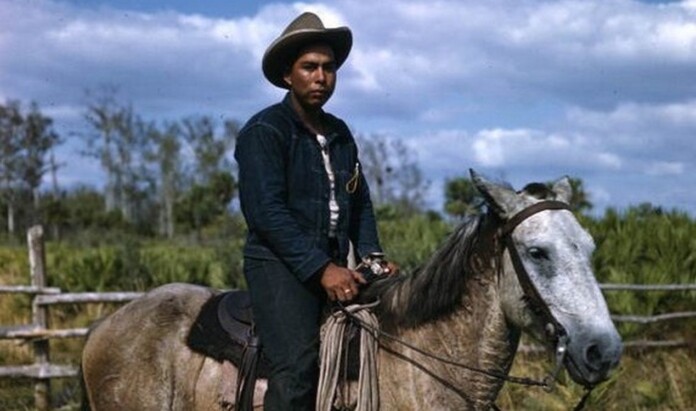
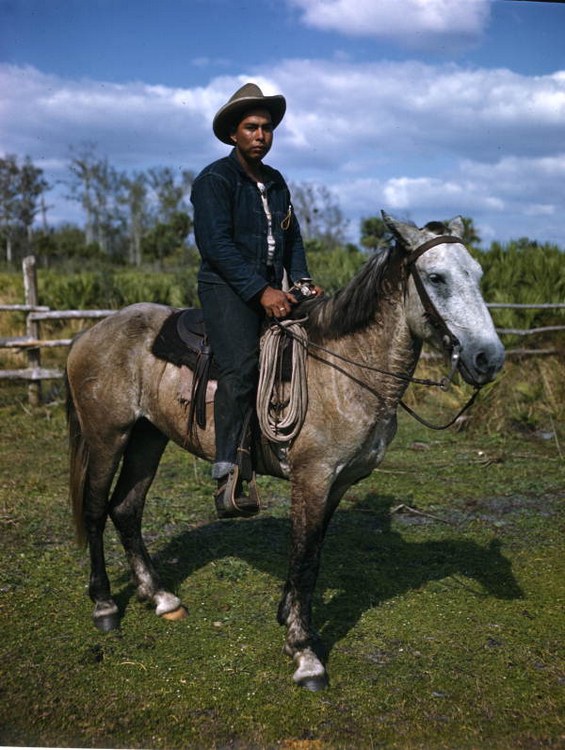
A Seminole cattleman on the Brighton Reservation - credit, state archives
A Seminole cattleman on the Brighton Reservation – credit, state archives

The oldest ranchers in America are actually the native Floridian Seminole tribe, who carry on that legacy today by receiving top dollar for their cattle.

This decade marks the 500th anniversary of the start of Native American ranching, which began back when a small group of their ancestors captured 20 head of cattle from the landing party of a famous Spaniard looking to settle Florida for the crown in Madrid.

There are hair-razing, tear-jerking, page-turning stories of the lives and times of Native American tribes across the country, but one nation that maybe doesn’t get the billing it deserves are the Seminoles.

These Everglades dwellers inherited a cultural tradition 5,000 years old, and wrote a rich history of both resisting colonialism and living off a different kind of land to the Indians on the plains.

The bands that would become the Seminoles would arrive in Florida in the early 18th century, several hundred years after Juan Ponce de Leon, a Spanish conquistador, landed in Florida with a mandate to set up a Spanish colony on the Peninsula in 1521.

The native Calusa people violently resisted the settlement attempt and drove the Spaniards off. Ponce de Leon died of his injuries, the colonization was abandoned, and the reward for the Calusa were 20 head of Old World Andalusian cattle, which, according to a story in Successful Farming, thrived in the Floridian climate.

“They immediately took to raising them and the cattle did really well,” said Alex Johns, a Seminole cattleman whose ancestry he says goes back to those early times. “It was just great cattle country, with lush grass and warm temperatures. Those Native Americans were my ancestors, and we’ve been raising cattle here ever since.”

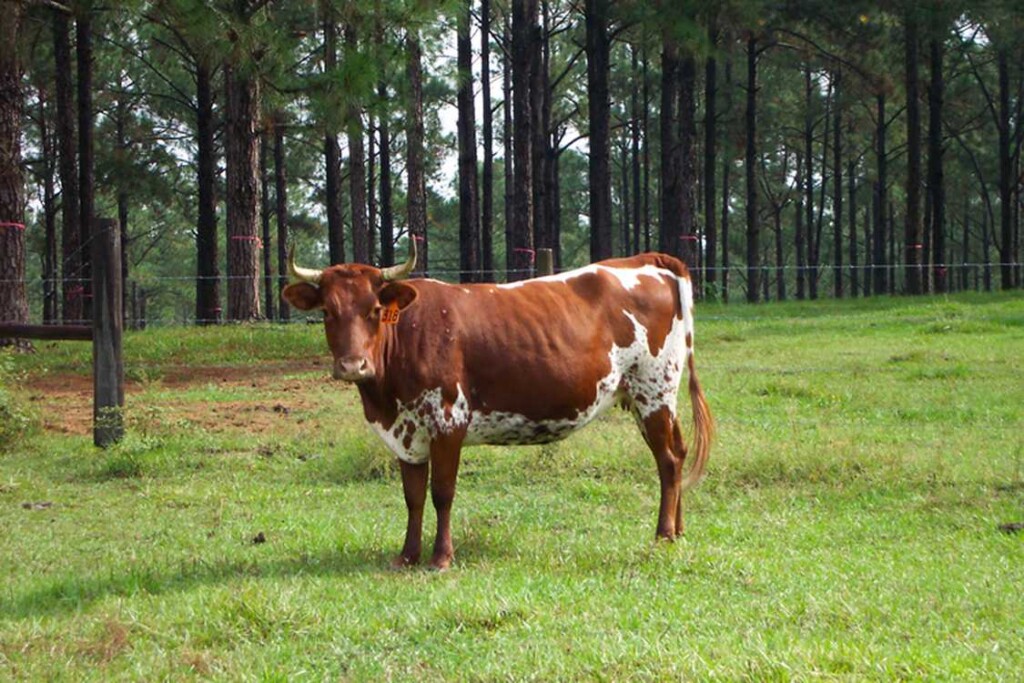
Bison lived in Florida before Ponce de Leon’s arrival, but the natives had apparently hunted them almost to extirpation. The Calusa celebrated the cattle as a return of the bovid to their lands. These would develop to become the famous Florida ‘Cracker’ cattle, a beautiful heritage breed that the Calusa would have reared, and which remain today the official state heritage cattle breed.

More than 100 years after they first got their hands on the Spanish herd, tribes migrating south entered an area depopulated by disease brought by the Spanish. A process of ethnogenesis saw these newcomers blend with the Calusa that remained, and this merging of culture saw the creation of the Florida Seminole culture which inherited the cattle ranching practice.

A legendary Seminole chief, who came to be known as “Cowkeeper,” amassed a herd of some 1,000 cattle in central Florida. One story goes that Cowkeeper’s herds fed both armies during the American Revolutionary War, and whatever the truth of that story is, many Seminole ranchers today refer to themselves collectively as “Cowkeepers.”

MORE FLORIDA HISTORY: Two Scholars Reveal Incredible Insights Into Floridian Natives Through Long-Lost Language Translations

Wars between the tribe and the fledging central government in Washington, DC, eventually culminated in the the infamous Trail of Tears where thousands of natives from across the country were forced to emigrate to Oklahoma, the Seminoles was one tribe which managed to hold out.

Led by the medicine man known as Abiaka, or Sam Jones, around 500 refused to leave Florida and isolated themselves in the Everglades, hidden, along with their herds, in the depths of the swamps until shifting opinions and priorities led to an end of the persecution from that earlier era.

A Florida Cracker cattle – credit, FDA.gov

Starting in the 20th century, the descendants of those 500 hold outs began a counterattack of sorts, reclaiming through legal challenges around 80,000 acres of land in Florida, and obtaining recognition as a tribe in 1957.

NATIVE RANCHERS IN THE US: Bison Ranchers Return Thousands of Animals to Native Lands and Witness Total Rejuvenation of Ecosystem

All the while, the tribe maintained their tradition of cattle herding, which was already hundreds of years old by that time. In the 1920s, the Seminole Tribes of Florida co-op was founded for the collective benefit of the cattle ranchers in Florida.

Today, that co-op includes 68 families, who ranch 10,000 head of cattle—over half of whom are owned by women.

“We’re a matriarchal society; we go by our mother’s ancestry,” Johns told Successful Farming. “Part of that is because of all the wars we fought. The men didn’t live very long.”

MORE CATTLE STORIES: Herd of Bulls Headed to the Highlands to Recreate Effect of Ancient Auroch Oxen on Scottish Soil

Johns is the executive director of the entire agricultural side of the Seminole Tribe of Florida, has 150 cows in the co-op herd, and another 350 in a herd on land leased from the government.

While the original Andalusian cattle the tribe captured were bred for meat and milk production, today the Seminoles receive premium prices for the breeding of part Brahma part Angus cattle for genetics, both focused on growth and heat tolerance, the latter of the two emerging as a critical consideration for cattle ranchers in various parts of the world.

SHARE This Fascinating Bite Of American History With Your Friends… 

Editor’s note: Previously, this story incorrectly reported the Seminoles and the Calusa as a single lineage. Various passages have been amended to better reflect a more complex origin story.