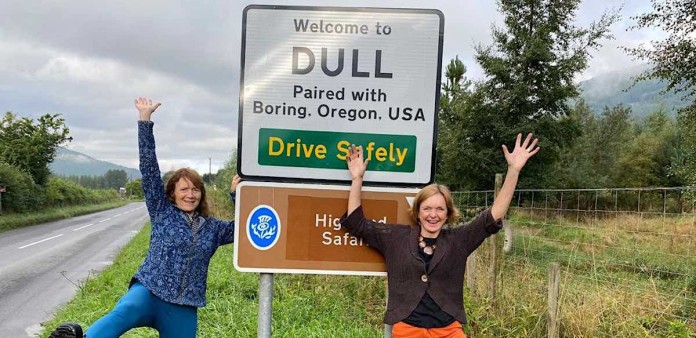
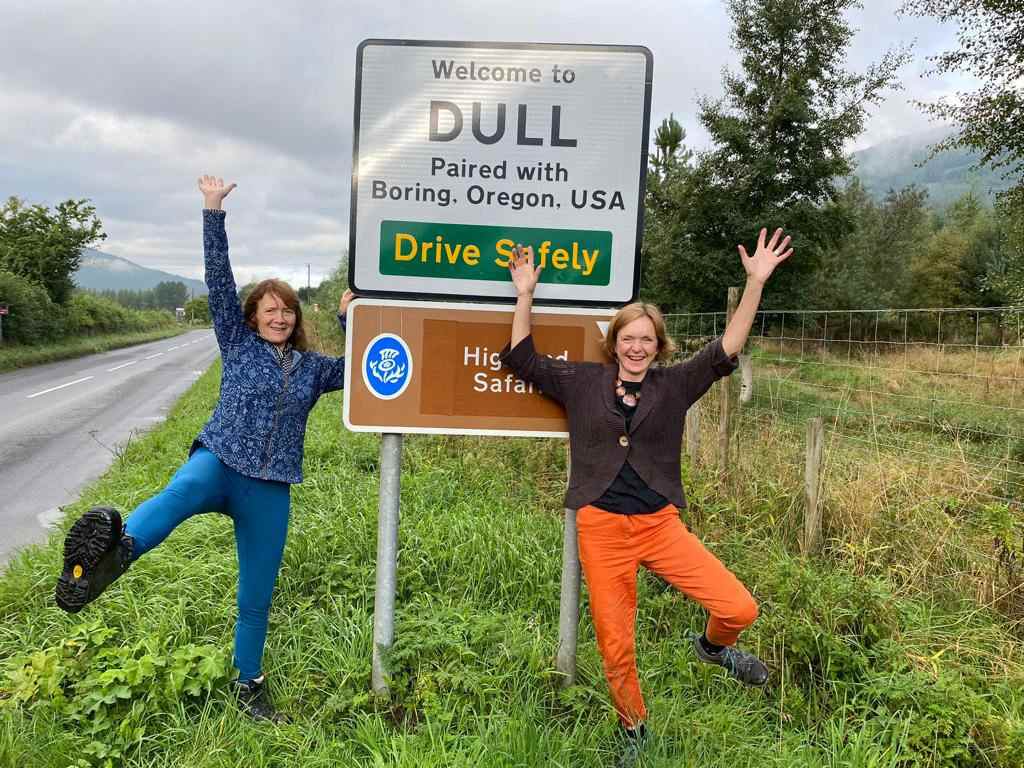
Elizabeth Leighton and her friend Emma Burtles in front of the road sign at Dull – SWNS.
One day, a woman from Dull visited Boring on vacation, and inspired by the sense of connection, asked the town councils if they felt like spicing things up.
Now Dull, in Perthshire, Scotland, is officially a sister city of Boring, Oregon, and mastermind of the project Elizabeth Leighton says it has made Dull a more lively place to live.
With a population of just 85, Dull jumped at the idea which Elizabeth says it has brought a ‘flash of excitement’ to the tiny village ten years on.
Dull has seen a surge in visitor numbers since 2012 and even had tourists from Boring come to celebrate the match.
“I was going through Boring and saw the sign [and sent] my friend who was living in Dull a message saying, ‘isn’t this amazing, I’m in Boring and you are in Dull,’” said Leighton.
“It really increased the number of visitors, and you can see people stopping to take selfies with the road sign. There have been exchanges, with people from Boring coming here for celebrations.”
Dull’s main businesses are guest lodges and chalets, aimed at the tourism market, as well as Highland Safaris.
Boring was named after William H Boring, an early resident of the area and former Union soldier in the American Civil War, and has a population of nearly 8,000.
“They are both quite rural places and do have similarities,” added Leighton. “Boring is bigger, but that doesn’t make it more exciting.”
In 2017, the mayor of a town called Bland in New South Wales, Australia, decided they wanted to get in on the act, and together suggesting the towns could be known as the ‘Trinity of Tedium.’ Other US towns like Dreary and Ordinary have also been touted as potential partners.
However further town-twinning hasn’t taken off. Dull and Boring remain exclusive.
GIVE Your Friends a Smile on Social Media By Sharing This Small Town Ballad…
Editor’s note: This story has been changed to correct the position of Dull to Scotland.
Airbus and a partnership of more than a dozen airlines are working together to fund a new carbon capture project.
Their hope is that Carbon Engineering’s direct carbon capture technology can provide secure, verifiable carbon removal credits as part of aviation’s need to offset part of its future emissions.
The partnership includes Air Canada, Air France-KLM, easyJet, International Airlines Group (the parent of British Airways, Iberia, Aer Lingus and Vueling), LATAM Airlines Group, Lufthansa Group (including Swiss, Austrian, Brussels and the Eurowings brands) and Virgin Atlantic.
The agreement is at this point an early stage partnership, based on letters of intent, and the airlines have “committed to engage in negotiations on the possible pre-purchase of verified and durable carbon removal credits starting in 2025 through to 2028”.
The group’s partner is Carbon Engineering who have pioneered a direct air carbon capture and storage that can cancel out enterprise-level carbon emissions at scale.
At a basic level, their facilities utilize high-powered fans to suck air in, process it, then compress it into liquid and store it in underground geologic reservoirs.
The agreement is intended to cover a pre-purchase total of some 400,000 metric tons of removal credits. Airbus partner 1PointFive, a subsidiary of Occidental Petroleum’s Low Carbon Ventures business, will issue the carbon credits as early as 2025.
“The letter of intent we are signing with Airbus today embodies the collaborative approach the aviation industry has initiated to find effective solutions that meet the challenge of our environmental transition,” said Air France-KLM vice president for sustainability Fatima da Gloria de Sousa. “Only together can we address the climate emergency.”
“On a small scale, it’s the technology that’s been proven,” said Stan Shparberg, head of marketing at Airbus. “We now basically need to scale it up.”
Some of the more extreme climate researchers and predictors suggest the only way to avoid several trillion in damages from climate related disasters is to actively remove carbon from the atmosphere; that merely slowing down the emitting process is no longer sufficient.
Along with storing carbon underground, Carbon Engineering can use as much carbon as it likes to make carbon-based products like fuels. Other companies have proven concepts of removing carbon from the air and turning it into vodka, or even fragrances.
Some estimates puts the aviation industry’s primarily-CO2 footprint of global emissions at just under 1 billion metric tons, or around 2.4% of all human activities.
The advantage of carbon capture though is that the emissions can be offset from any activity anywhere and from any point in history.
Several companies are already working on these large direct air carbon capture and storage facilities, with one in Iceland already operational that takes the emissions of 870 cars and turns them into calcium carbonate minerals amongst metamorphic rock deep underground.
WATCH the machines in action below…
SUCK Up Your Friends’ Enthusiasm With This Great Climate Fix…
Combining Manuka honey with a common drug was able to help clear a bacterial infection that’s drug resistant and occasionally lethal.
Furthermore the addition of the honey seemed to ameliorate harmful side effects of the drug, as well as significantly reduce the necessary dosage used in the treatment.
Manuka honey, made in Australia and New Zealand from bees browsing on the Leptospermum scoparium tree, is long known to have wide ranging medicinal properties, but more recently has been identified for its broad spectrum antimicrobial activity.
Now scientists have found that manuka honey has the potential to kill a number of drug resistant bacterial infections such as Mycobacterium abscessus—which usually affects patients with cystic fibrosis (CF) or bronchiectasis.
According to the Cystic Fibrosis Trust UK, CF is a genetic condition affecting around 10,800 people—one in every 2,500 babies born in the UK, and there are more than 100,000 people with it worldwide.
The incurable condition manifests in the inability to produce mucus and other secretions of the correct density. They’re too thick, and this results in frequent lung infections.
In the study, the researchers used samples of the bacteria Mycobacterium abscessus taken from 16 infected CF patients. They then tested the antibiotic amikacin, combined with manuka honey, to discover what dosage was required to kill the bacteria.
As part of the study the team used a lab-based lung model and nebulizer, a device that produces a fine spray of liquid often used for inhaling a medicinal drug. By nebulizing manuka honey and amikacin together, they found they could improve bacterial clearance, even when using lower doses of amikacin.
Mycobacterium abscessus infects 13% of all UK patients CF, and this new approach is advantageous not only because it has the potential to kill off a highly drug-resistant infection, but because it requires less amikacin to get the job done, resulting in much-less severe side effects.
Currently, patients are given a cocktail of antibiotics, consisting of 12 months or more of antimicrobial chemotherapy and often doesn’t result in a cure. The dosage of amikacin usually used on a patient to kill the infection is 16 micrograms per milliliter.
But the researchers found that with the addition of manuka honey, a dosage of just 2 micrograms per milliliter of amikacin—one eighth the normal dosage—was required.
“By combining a totally natural ingredient such as manuka honey with amikacin, one of the most important yet toxic drugs used for treating Mycobacterium abscessus, we have found a way to potentially kill off these bacteria with eight times less drug than before,” said Dr. Jonathan Cox, a lecturer and co-author from Aston University.
“This has the potential to significantly reduce amikacin-associated hearing loss and greatly improve the quality of life of so many patients—particularly those with cystic fibrosis.”
“I am delighted with the outcome of this research because it paves the way for future experiments and we hope that with funding we can move towards clinical trials that could result in a change in strategy for the treatment of this debilitating infection.”
STICK This Great Natural Health News On Your Social Media Wall…
Welcome back to Good Gardening! In our Week 6 discussion, we wanted to know how our Good Gardeners manage the forces of chaos and order in their garden, particularly with wild things like animals and weeds. As always we took the conversation to social media and shared pictures and anecdotes.
Our Good Gardeners handle chaos in different ways, and what struck the GNN team this week is how positiveeveryone’s solutions were.
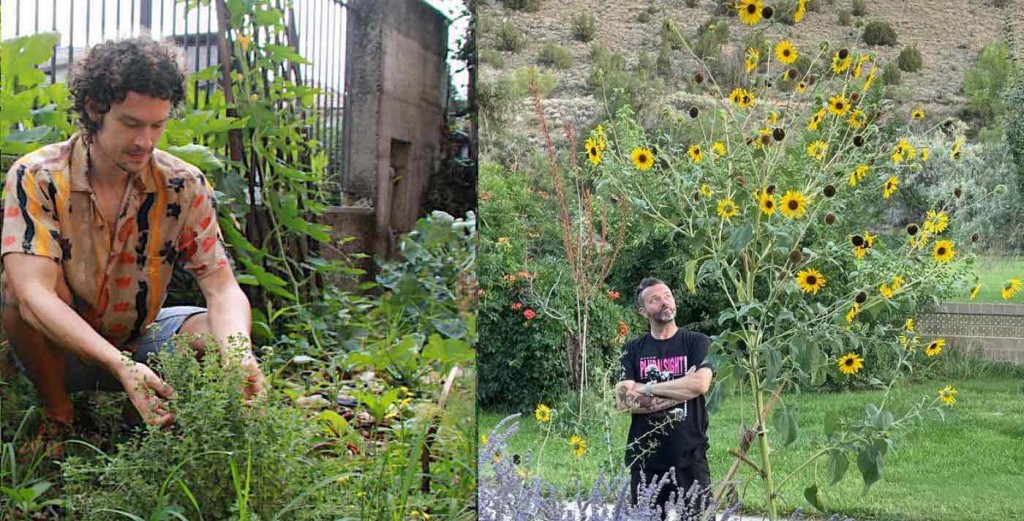
Brad Rowland plants edible weeds, like (his suggestions) lamb’s quarters, amaranth, and dandelion, and suggests to try and plan out every square inch of terrain before the season starts to give weeds as little room to grow. Eliza Cain utilized chaos in a different way. This season she let her garden grow almost entirely from plants which she let seed from last year, and judging from the colors it was a grand idea.
Brad Rowland’s garden (left) – Eliza Cain’s Garden (right)
From the mailbox, Owen T. wrote in and said he controls weeds in his squash garden by overlapping the vines so those big squash leaves shade the ground to discourage weed growth, as well as using cardboard, something other commenters like Lisa Bailey also utilize.
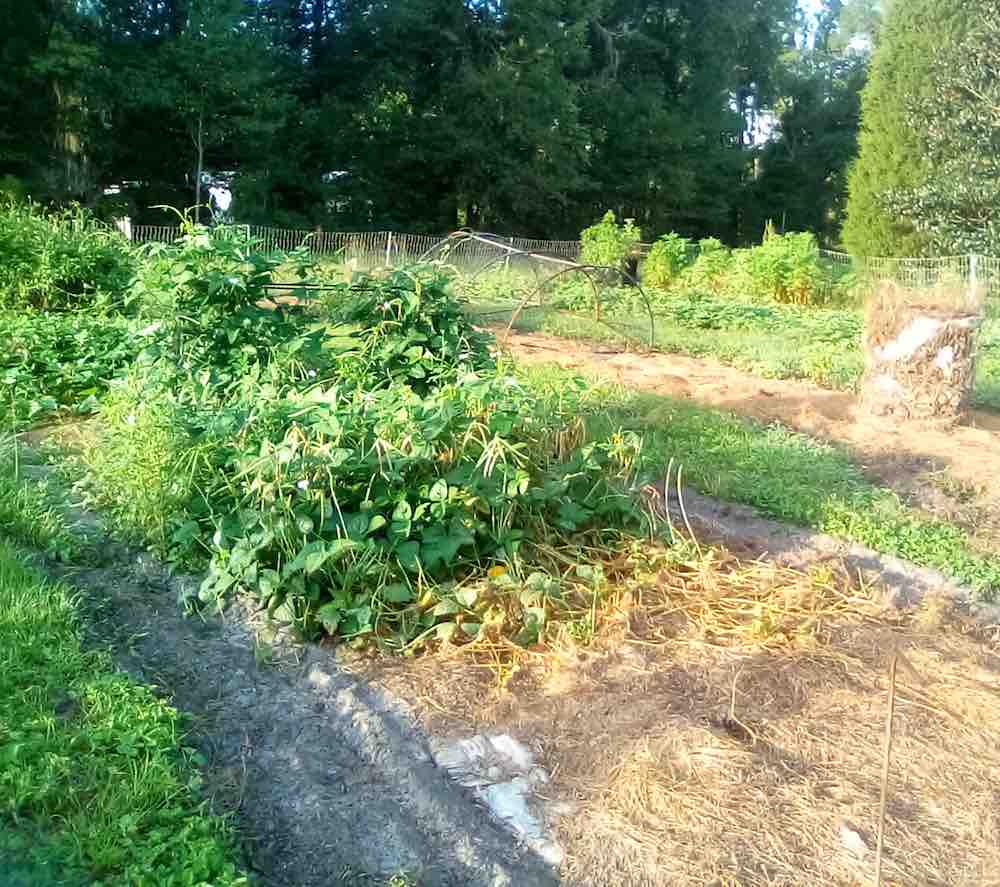
Roberta Lacefield (quite the fitting name for a Good Gardener) prefers a tidy garden when she can have it, and can usually take out all weeds at once by mowing along the edges of her beds, then placing first carboard, and then a layer of hay overtop.
Roberta Lacefield’s garden
One of our weekly contributors, permaculturalist Monica Richards, wrote in to note how she prefers “controlled chaos” in her raised beds for a number of reasons.
“We have many kinds of critters who go through my gardens, and having a natural diversity can help keep some of your important veggie plants safe. Half of my work here is observation, so I often allow what some people call “weeds” to grow if they provide shade to plants next to them, or if they flower, attract bees to them as well. The only time I pull something is if it’s actually not allowing other plants around it to thrive.”
Monica Richard’s pond where chaos is permitted inside the raised area around it.
“How large the garden should be is often hastily decided when the gardener is in the flush of spring fever. That’s a bad time! It’s like going grocery shopping when you’re hungry,” — Mel Bartholomew.
Topic Week 7: Garden Hacks
Question 1: What are some gardening hacks you’ve picked up along the way?
Question 2: A garden is the ultimate improv arena: what’s your best example of DIY success?
Question 3: What has been your favorite resource for gardening tips and tricks?
Tell Us Here in The Comments… or, send your questions, tips, and photos to [email protected]. Join our Facebook Good Gardens thread every Friday on the GNN Facebook Page…
Good gardening rules
Green thumbs can help novice greenhorns.
Share your gardening photos and resources.
Garden jargon encouraged!
INVITE Friends to our Gardening Discussion on Social Media–And Share Your Photos and Tips!
Quote of the Day: “Meditation is something to play with. There is no ‘wrong’ way of doing it, except not doing it.” – Christopher Bamford
Photo by: Inspa Makers
With a new inspirational quote every day, atop the perfect photo—collected and archived on our Quotes page—why not bookmark GNN.org for a daily uplift?
An Apple smartwatch saved a man’s life when it alerted him that his heart was beating extremely slowly, and had even stopped 138 times in 48 hours.
This story of cardio-coincidence began in April when 54-year-old David Last got a new Apple watch from his wife Sarah for his birthday.
Straight away, the watch readings showed David had a resting heart rate as low as 30bpm. Resting heart rates for an adult male are usually between 60-100bpm, dropping down into the 50s for those with extraordinary fitness.
Sarah urged David to visit a doctor, but the man just assumed the watch was faulty.
Eventually the dad-of-four saw a cardiologist at Norfolk and Norwich University Hospital, where he was booked for an MRI scan in May. Two months later the results were in, and he was referred back for an ECG scan.
One day, David noticed he had five missed calls from the hospital asking him to come back as a matter of urgency.
It turned out he was walking around with a third degree heart block and was at risk of sudden cardiac death.
David underwent life-saving surgery to fit a pacemaker, a device which keeps his heart beating in rhythm, and says he’s feeling “relieved” and has “a lot more energy.”
“My wife keeps saying that she saved my life, and she’s not wrong,” said David. “If she hadn’t had bought me my Apple watch for my birthday, I wouldn’t be here.”
“I will always be eternally grateful to her for it. Apart from charging it, it’s always staying on me now.”
“Sudden cardiac death” arises from genetic cardiomyopathies which make up a group of diseases passed genetically on to offspring at a 50/50 chance, and result in faulty genes causing heart failure.
In the UK there are around 12 sudden cardiac deaths per day among those under the age of 35.
“The pre-surgery consultation explained that my case was unusual, and they had extensive meetings about what they were going to do,” David recounted. “They explained that I had something called ‘heart block.’ The junction box in my heart had stopped working and failed to pass on electrical pulses.”
His heart had stopped 138 times in 10-second intervals over a 48-hour period, mostly while he was asleep. This would cause another part of his heart to kickstart the blood flow, before the process would repeat.
His newly-fitted pacemaker will now sense any abnormal rhythms and help both heart ventricles pump blood in sync.
David confirmed that he’s feeling much better and returned to work this week.
Furthermore, the two lovebirds got married in between David’s MRI and ECG scans, and were even able to enjoy a 10-day honeymoon in Italy during the same interval, something the hospital staff could barely believe.
“Sarah really looked after me,” said David. “She keeps saying how proud of herself she is—and she should be, she saved my life.”
SHARE This Incredible Stroke Of Luck On Social Media…
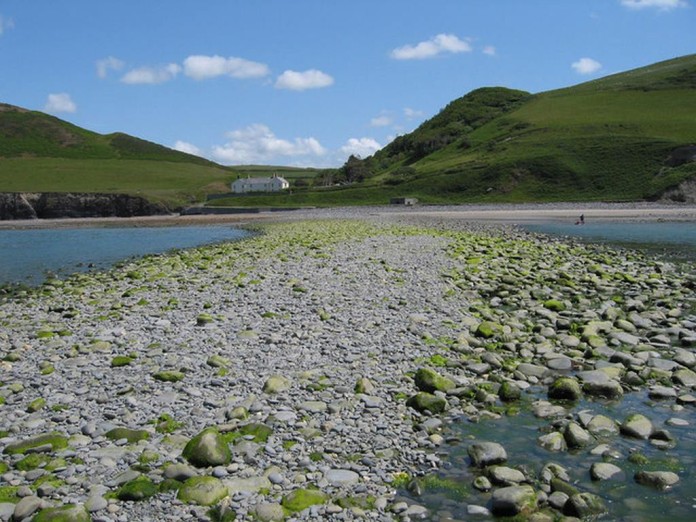
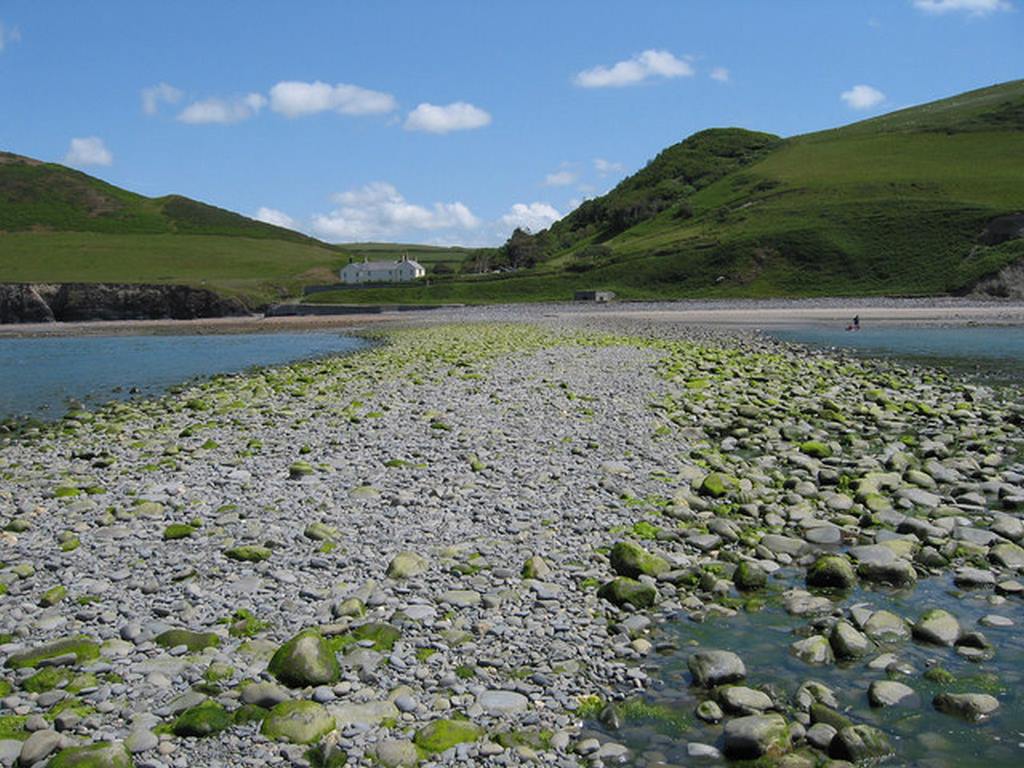
Sarn Wallog, the sort of terrain that might have once been part of a mythical lost kingdom. - CC 2.0. Dave Croker
Sarn Wallog, the sort of terrain that might have once been part of a mythical lost kingdom. – CC 2.0. Dave Croker
A mythical kingdom lost to the sea as part of a Welsh tradition dating to the Medieval period could have really existed according to new evidence on the evolution of the Welsh coastline
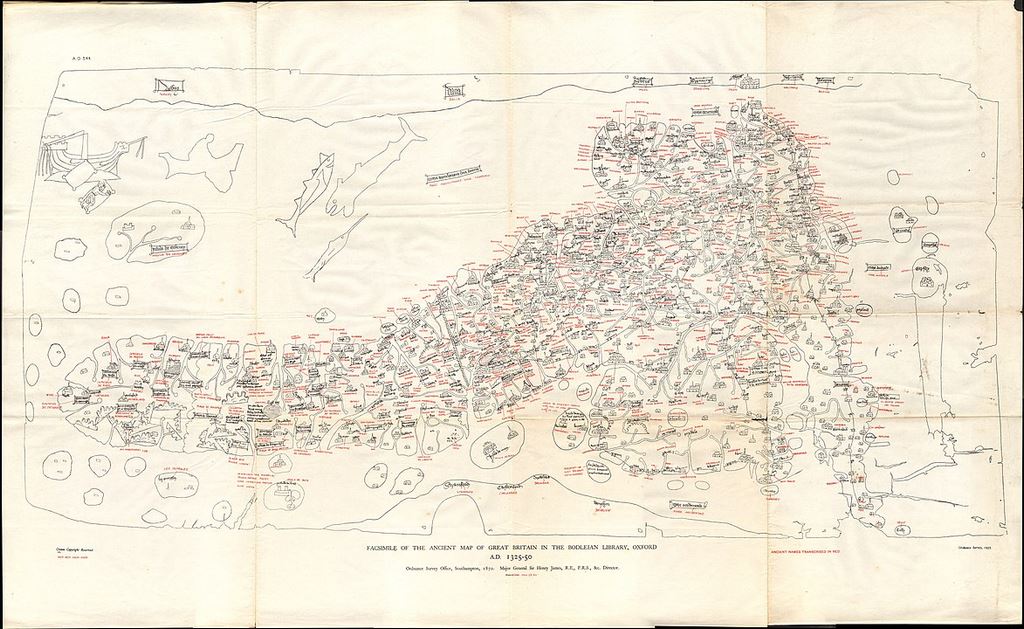
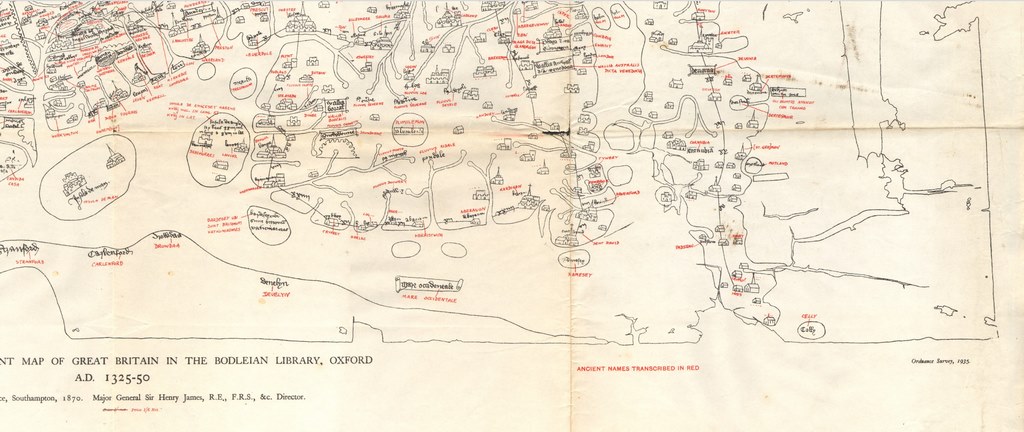
The research started with the earliest surviving map of Great Britain, on which two islands are depicted in Cardigan Bay in west Wales which no longer exist today.
Several versions of the legend exist. An article from the BBC dated to 2012 explains that the oldest can be found in the Welsh fable-history called the Black Book of Carmarthen.
It goes that in the land of Cantre’r Gwaelod, there was a country called Maes Gwyddno, the site of the kingdom of Meirionnydd, ruled by a man born 520CE named Gwyddno Garanhir (Longshanks). So fertile was the land there that one acre was said to produce as much as four on the mainland.
A dyke kept the sea from flooding Meirionnydd, and sluice gates at low tide were opened to drain the land of water, and which were closed again at high tide.
Several iterations exist whereby the watchman of the sluice gates becomes distracted one night during a storm and leaves the gates open. In one tale a drunken watchman named Seithennin has too much fun at a party; in another, he pursues a watchwoman, the fair maid Mererid, and they both forget the sluice gates.
In all versions the land is drowned by the sea, and the residents are forced to leave their fair land behind.
The Gough mapThe two ovals above the “Mare Occidentale” are supposed to be Cantre’r Gwaelod.
“We know that the west Wales coast has changed significantly over time,” said Professor Simon Haslett of Swansea University Department of Geography. “Evidence from the Roman cartographer Ptolemy suggests the coastline 2000 years ago may have been some 13 km further out to sea than it is today.”
With its origins in the thirteenth century, the Gough Map, housed at Oxford University’s Bodlein Library, has proven extraordinarily accurate in previous use cases, and the two islands are clearly marked. One is between Aberystwyth and Aberdovey and the other between there and Barmouth to the north.
Haslett and his team suggest that the islands could be the remnants of a low-lying landscape underlain by soft glacial deposits laid down during the last ice age. Since then, forces of erosion have worn away the land, reducing it to islands, before these too were worn away and disappearing by the sixteenth century.
Evidence to this are accumulations of gravel and boulders, known locally as sarns, found off the west coast of Wales. In highly historically-glaciated terrain, moraine material and boulders can be found far into low-lying areas.
“This lost land is said to have suffered a catastrophic inundation and is referred to in poetry in the Black Book of Carmarthen and in later folklore,” said David Willis, a Celtic expert at Oxford University. “Our evidence may provide an explanation of how the story of Cantre’r Gwaelod may have arisen.”
IMAGINE Lost Kingdoms Of Wales Together With Friends On Social Media…
A child that lived in Borneo 31,000 years ago had its left foot amputated and survived for up to nearly a decade.
It is the oldest evidence of surgical limb amputation and pre-dates the previous record by an astonishing 24,000 years.
Those who removed the lower third of the young patient’s leg must have had detailed knowledge of anatomy and muscular and vascular systems to prevent fatal blood loss and infection.
Scientists hypothesize they may have had access to a natural antiseptic from the rainforest’s rich variety of plants. The leg bone shows a clean sloping cut made with a “sharp tool.”
The patient was an adolescent, aged 11 to 14. After the procedure they used a crutch, or perhaps even a prosthetic, to negotiate a difficult environment. Its gender is unknown, but most likely to be male.
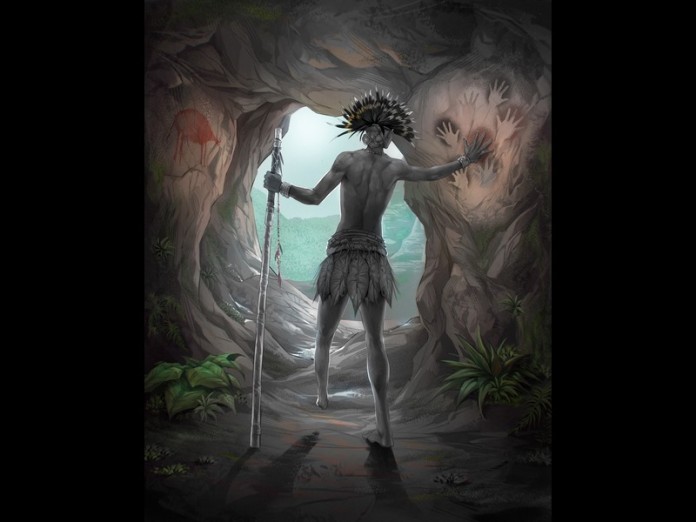
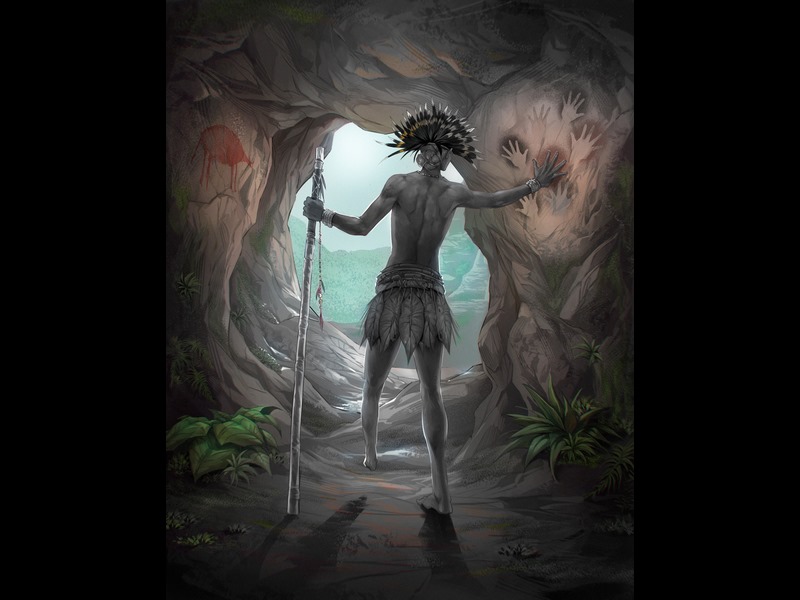
Named TB1, its remains were buried in Liang Tebo cave on the Indonesian island of East Kalimantan, which coincidently contains some of the world’s earliest dated rock art.
“This unexpectedly early evidence of a successful limb amputation suggests at least some modern human foraging groups in tropical Asia had developed sophisticated medical knowledge and skills long before the Neolithic farming transition,” said Dr. Tim Maloney, of Griffith University, Australia.
Animal attack or accident seems unlikely, as does punishment since the individual seems to have received careful treatment after surgery and in burial.
“Furthermore, during surgery, the surrounding tissue including veins, vessels and nerves, were exposed and negotiated in such a way that allowed this individual to not only survive but also continue living with altered mobility,” added Dr. Maloney.
“Although it is not possible to determine whether infection occurred after the surgery, this individual evidently did not suffer from an infection severe enough to leave permanent skeletal markers or cause death.”
Intensive post-operative nursing and care would have been vital, such as temperature regulation, regular feeding, bathing and movement to prevent bed sores while the individual was immobile.
Gentleman, the operation was a success
At the time of death, the individual was a young adult aged about 19 or 20 in a period of history when the average age of death for adults was around 32, which can only mean the operation can be judged as a success. Its reassembled skeleton is 75% complete and has hallmarks of a male’s frame.
Before modern clinical developments such as antiseptics, most people undergoing amputations, even as recently as 200 years ago, died from blood loss and shock or subsequent infection.
Previously, the oldest known complex operation happened in France about 7,000 years ago. A Stone Age farmer’s left forearm was surgically removed and then partly healed.
“We infer the comprehensive knowledge of human anatomy, physiology and surgical procedures evident in TB1’s community is likely to have been developed by trial and error over a long period of time and transmitted inter-generationally through oral traditions of learning,” said Dr. Maloney.
“Notably, it remains unknown whether this ‘operation’ was a rare and isolated event
in the Pleistocene history of this region, or if this particular foraging society had achieved an unusually high degree of proficiency in this area.”
It’s possible that we’ve found the remains of surgical procedures before, but the poor preservation of diseased bone as well as preconceptions about the ‘primitive’ nature of early medical cultural practices among hunter gatherers, have interfered with those deductions
Professor Charlotte Roberts, an archaeologist at Durham University, who was not involved in the study, described the case as the “dawn” of surgery.
“That this child survived the procedure and is estimated to have lived for many years afterwards is astounding,” she said. “Another interesting open question is whether the child received pain management during the operation, such as sedation through the use of a plant-based medicine.”
“The hunter-gatherer community in which this person lived would have been relatively
mobile while foraging and hunting for food, and this would have made the individual’s
recovery process very challenging, considering how people recover from amputations and the need for care, rest, healing and rehabilitation.”
It would have been harder to support this child than someone in settled farming communities of later periods, where it would have been easier for people to help them at the same time as working, and the discovery shows just how comprehensive human intelligence, and sense of community is.
SHARE This Incredible Breakthrough With Your Friends On Social Media…
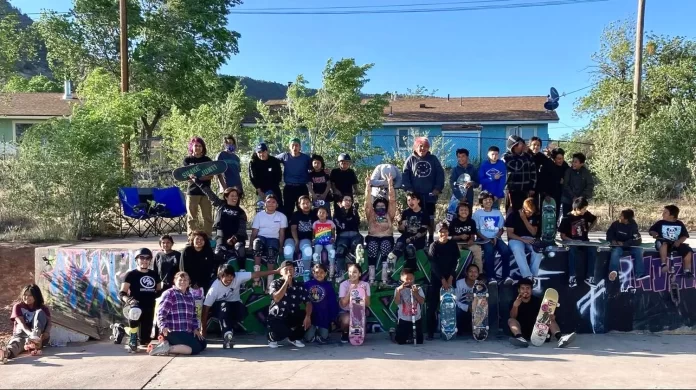
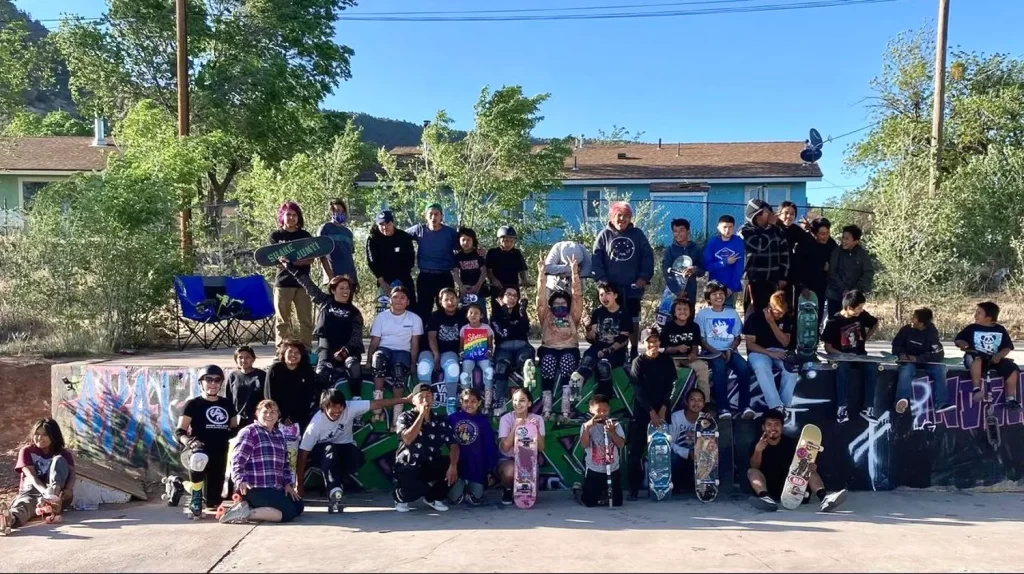
Fort Apache Indian reservation skate clinic - courtesy of Douglas Miles Sr.
Fort Apache Indian reservation skate clinic – courtesy of Douglas Miles Sr.
When an Apache man moved to a new town and found it needed a skatepark, he and the tribe petitioned skating legend Tony Hawk to hook up the Apache youth with professional facilities.
A lot of preconceptions exist about Native Americans, but even the most attentive student of history might not realize that skateboarding is the fastest growing sport on Tribal Reservations.
The kids from the town of Whiteriver in the Fort Apache Indian Reservation, Arizona, have had to make do, thanks to their DIY attitude, with the foundations of an abandoned building project for a skatepark.
With other Tribal funding concerns and the pandemic to boot, money to create a proper skatepark were simply not there, and the skaters had to carry on with what they could find.
Enter Douglas Miles Jr., a skater and Apache from the San Carlos Indian Reservation, who moved to his wife’s hometown of Whiteriver in 2019.
Miles Jr. knew a thing or two about getting a skatepark built—he and his father Douglas Miles Sr. rallied community support to petition the San Carlos tribal council to build a skatepark in their community three years ago.
Miles Jr. was a seventh-grader when he picked up the sport, and like the kids at Whiteriver, he and his friends also used to make due with DIY obstacles and old abandoned concrete/metal works for a skatepark.
The $200,000 skatepark was built as part of a larger sports complex by the council atop an abandoned jail, which everyone agreed was more than a little poetic.
When they were finished, even Red Bull sports wanted to get in on the skating.
Whiteriver needs a skatepark
The similar situation over in Whiteriver meant that Miles Jr. didn’t need to wait long before prodding the White Mountain Apache tribal council to get its skateboarding act together.
However unlike his native San Carlos, his new home government wasn’t persuaded, and forced to go it alone Miles Jr. set up a GoFundMe to try and gather support from the skating community.
The Apache Passion Project, thanks to social media, grew to smash its modest fundraising target of $3,000 by accumulating more than $50,000. Among these supporters were Gwendena Lee-Gatewood, the chairwoman of the White Mountain Apache Tribe.
Together, she and Miles Jr. contacted the Skatepark Project, a non-profit founded by skating legend Tony Hawk that builds skateparks for communities that want them.
“The community is really behind this Whiteriver project, and there’s just so much enthusiasm from local leaders, and we’re excited to make this happen with them as soon as possible,” Benjamin Bashein, executive director of the Skatepark Project, told AZ Central. “We hope they will be scaling it by this time next year.”
Miles Jr. is the heartbeat of the whole initiative. He has organized skating workshops, submitted various planning proposals with the help of local engineers and artists, and is always promoting the infectious enthusiasm of Apache skate culture on social media.
With Skatepark Project tackling the issue of a big professional facility, Miles Jr. used the $53,000 he raised through GoFundMe to improve the existing DIY park, and even build a few more around the community.
“It’s important to see that local folks kind of have invested personally in the space,” Bashein said. “That ethos is so essential to skateboarding. For a long time, communities and municipalities maybe didn’t recognize the value of the skatepark. So it really took folks like Douglas rolling up their sleeves and leading the effort themselves.”
Quote of the Day: “The causes of human actions are usually immeasurably more complex and varied than our explanations of them.” – Fyodor Dostoevsky
Photo by: Eric Ward
With a new inspirational quote every day, atop the perfect photo—collected and archived on our Quotes page—why not bookmark GNN.org for a daily uplift?
Domino’s are now delivering their pizzas in boxes on which are printed specific recycling instructions for the customer’s area.
Believe it or not, literally billions of corrugated cardboard pizza boxes have gone unrecycled because both consumers and recycling companies believed that the leftover grease, sauce, and cheese might gum up the recycling machinery, or weaken the bonds of the recycled paper material.
So great was the confusion that the company that makes Domino’s pizza boxes, West Rock, commissioned a study to see if boxes made up of 20% pizza grease by weight would somehow harm the recycling process.
No difference in machine function or chemical bondage of recycling paper material was observed, despite the fact that they used an unrealistically greasy box—even the greasiest pizzas can only manage to alter 2% of total box weight.
With that cleared up, Domino’s is now printing everything someone needs to know to recycle their pizza box right onto the box, including tidbits like “Grease DOES NOT Impact the Recyclability!” and “70% of Americans have access to pizza box recycling.”
For those that don’t have curbside pickup paper recycling, a QR code on the box will direct the consumer to infrastructure nearest to them that will take the pizza boxes.
“Arming our consumers with this knowledge and encouraging them to be part of our stewardship journey also makes them feel good about enjoying their pizza,” Fredric Lund, SVP of global development and sustainability at Domino’s, told Fast Company.
Going the extra mile, Domino’s recycling website includes details on how to get in contact with recycling facilities to ask whether or not they accept boxes, as only 27% of companies in the U.S. explicitly mention they accept pizza boxes. Many more take them all the same, but don’t say it out loud.
It’s a great example of a company going way out of their lane to help ensure sustainability of their product, which is already made from recycled material.
SETTLE The Debate On This Topic Right Away By Sharing This Story…
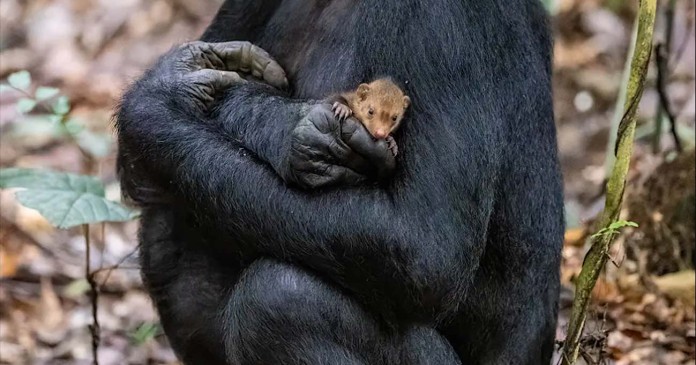
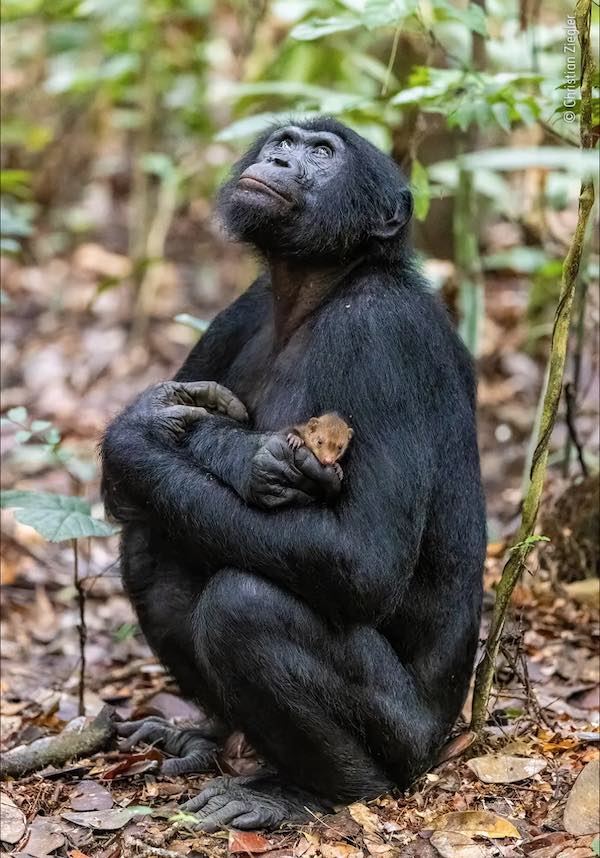
bonobo cuddles a mongoose – Christian Ziegler/Natural History Museum
In a photograph that won Christian Ziegler “Highly Commended Image” at the Wildlife Photographer of the Year contest, a bonobo ape appears to be cuddling a mongoose as if it were a pet.
Perfectly capturing the mystery and technical brilliance that are the standards for the competition, held by the Natural History Museum in London, this incredible story-in-a-photo ended later on, when the bonobo released the mongoose which went on its way.
Now in its 58th year, the competition will nominate 100 entries for judging, selected from tens of thousands of submissions.
“What’s stayed with me is not just the extraordinary mix of subjects in this year’s collection – a vast panorama of the natural world—but the emotional strength of so many of the pictures,” said chair of the judging panel, Roz Kidman Cox.
Ziegler was exploring bonobo habitat in the Democratic Republic of Congo, wading chest deep flooded forest for days in Salonga National Park.
Coming across a young male bonobo, he noticed the ape was holding a mongoose in his hand.
“I was so surprised to see how he carried the mongoose with such care. I immediately started to follow him and document it,” he told BBC News.
The motives of the ape are questionable, as they do hunt animals, but with his free hand gently wrapping under the arm holding the mongoose, signs of aggression were few.
The BBC also heard from Dr. Barbara Fruth, director of an organization that has observed bonobos for 20 years, and who said that “we know from captivity bonobos care for individuals other than their own species.”
Other entries
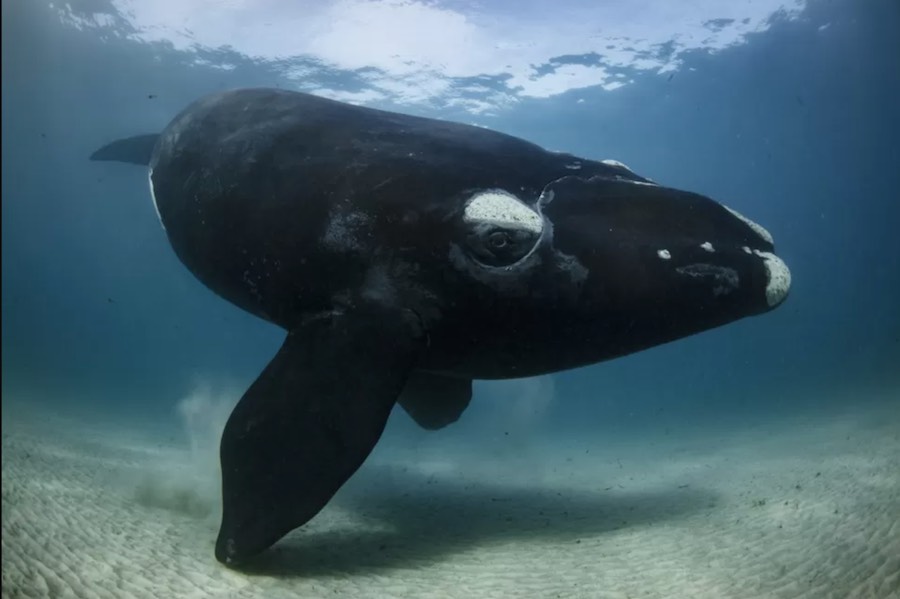
Southern Right whale – Richard Robinson/Natural History Museum
The populations of this once-Endangered southern right whale are now returning to vast numbers, and this particular juvenile had a particular interest in the camera and person of Richard Robinson.
In the category of “animal portraits” this photograph was selected as a finalist.
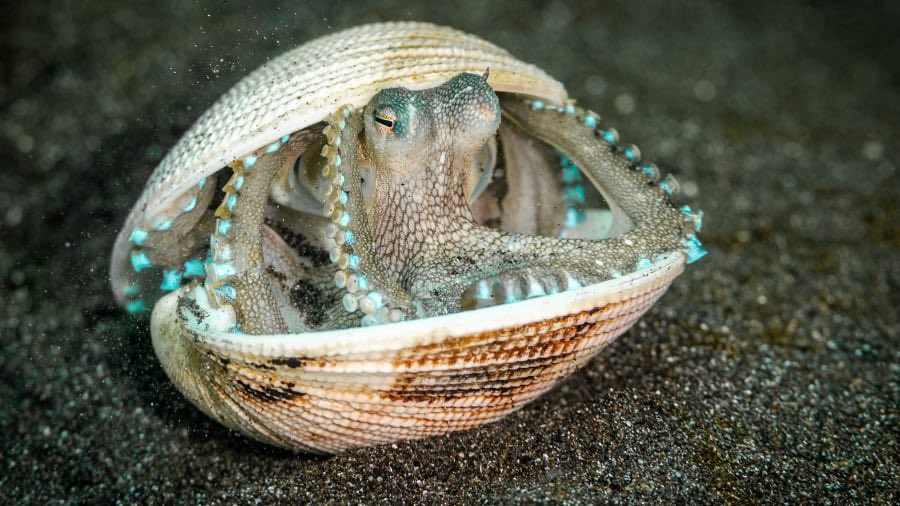
Coconut octopus peeks out of clam shell; nominated in 15-17-year-old category – Samuel Sloss/Wildlife Photographer of the Year
Not to be outdone, this coconut octopus decided to strut his colors and coils from inside a “borrowed” clam shell for Samuel Sloss.
While muck diving in Sulawesi, Indonesia, Sloss noticed the home invader, who promptly closed the shell during Sloss’ attempts at picture taking. Eventually though, he opened up and gave Sloss a finalist spot in the 15-17-year-old category.
‘The Swimming Pool‘ captures breeding frenzy of tree frogs – Brandon Guell/Wildlife Photographer of the Year
Like Ziegler, Photographer Brandon Guell had to spent days wading through chest deep water to photograph an early dawn phenomenon that only happens a few times a year in very few places.
These green tree frogs are about to have a breeding frenzy on these stalks of grass in Costa Rica. Each female lays 200 eggs, which eventually fall into the water below and become tadpoles.
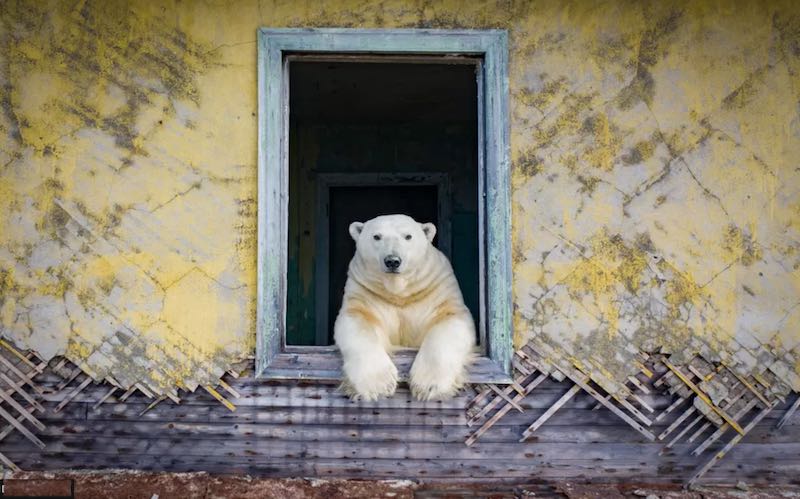
Dmitry Kokh/Wildlife Photographer of the Year
Abandoned since 1992, Kolyuchin Island in Russia has been claimed by polar bears who, as a result of shrinking sea ice, are forced into scavenging the remains of industrial civilization.
A low-noise drone was used to capture this excellent portrait of a bear that had taken a break on a windowsill.
European perch in Finland – Tiina Törmänen/Wildlife Photographer of the Year
Tiina Törmänen got the cooperation for a photo from this lively group of European perch swimming through clouds of algae in a lake in Posio, Lapland.
The algae is actually the result of warmer weather allowing these microscopic plants to bloom in great, problematic numbers, as these perch bear witness.
All 100 finalists can be seen on the Natural History Museum website, and a winner will be selected for each category in early October.
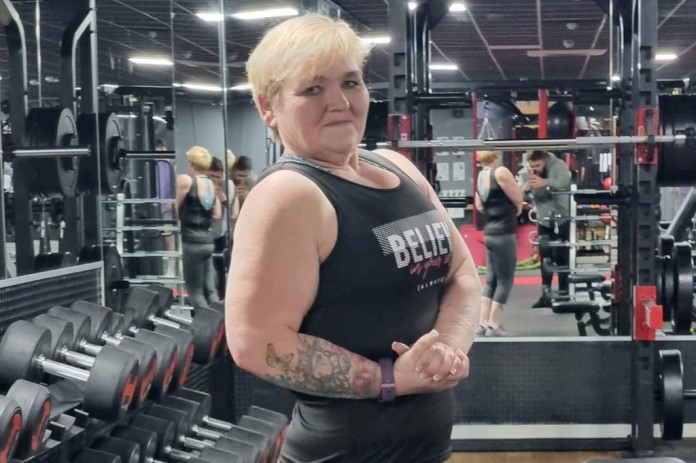
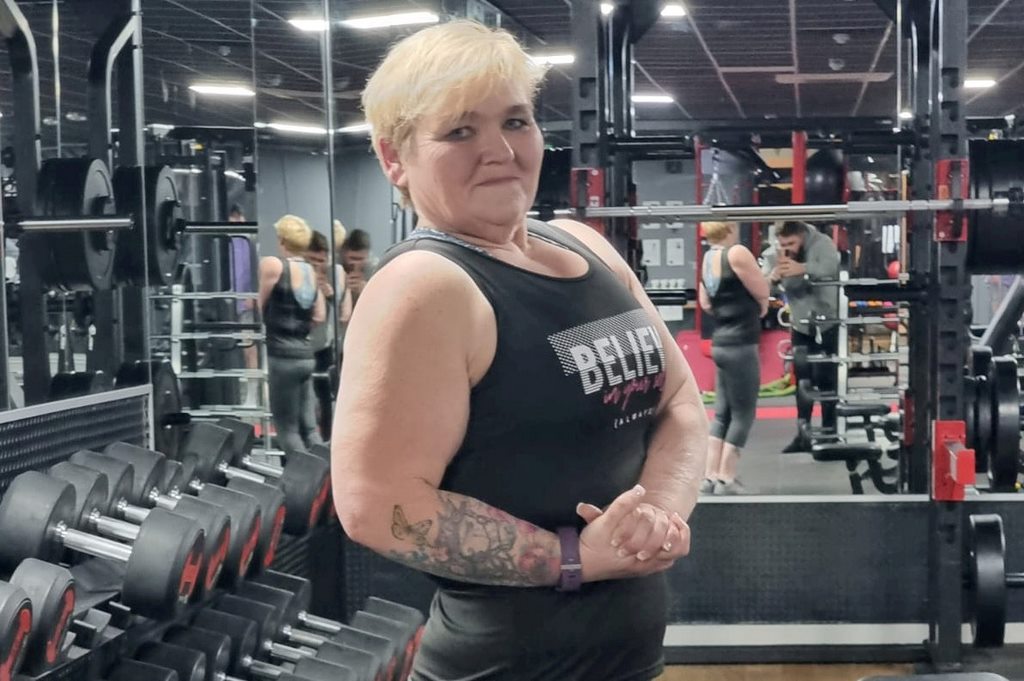
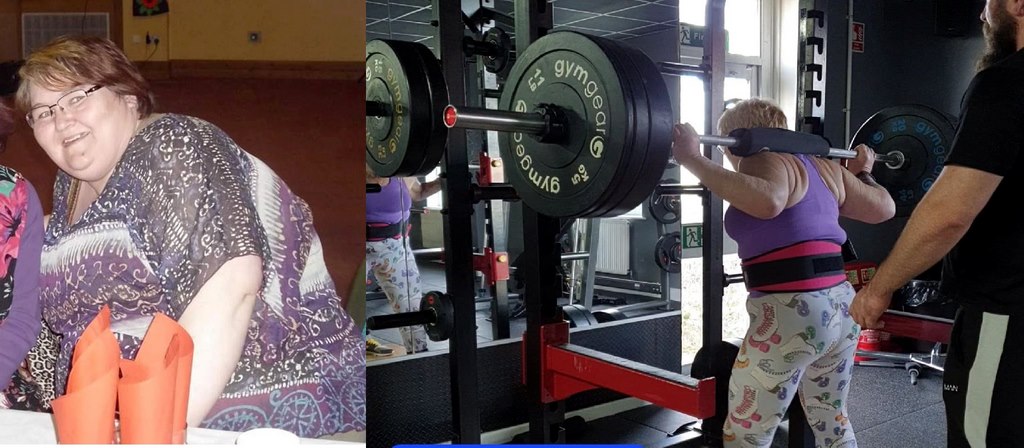
Unable to get around without a walker, an English Granny has gone on to shed 250 pounds, have 28 pounds of saggy skin removed, and is now a professional bodybuilder.
Years ago, Dee Hodgson’s size used to leave her in constant agony, and doctors suspected she was suffering from fibromyalgia, a long-term condition that causes pain all over the body.
The mom-of-four and gran-of-eight says her weight spiraled out of control after years of emotional-eating chocolates and sweets.
Knowing her sugary diet wasn’t helping with her condition, she embarked on an ancestral eating pattern of only foods in a natural state, like fresh vegetables, whole eggs, or meat.
As is so often the case with the morbidly obese, Dee lost 84 pounds without ever setting foot in a gym.
The pounds kept falling, and after passing 100 Dee had joined a local fitness center and discovered a hidden passion for lifting weights.
“At first, I wasn’t dieting to lose weight, I just wanted to feel better and to help ease the symptoms of my health conditions,” Hodgson said. “But the pounds quickly fell off me and it gave me the motivation to keep going.”
“I started going to the gym and fell in love with working out. Then I tried my hand at bodybuilding—and absolutely loved it. Now I’ve lost 250 pounds and I feel like a completely different woman.”
She started on her own, but it was when she added a personal trainer that she discovered the rush of lifting the heavy metal was something she couldn’t get enough of. In November she’ll be competing in a body-building competition in High Mycombe, England.
“I’m in the transformation class, so it’s all about the journey,” she explained. “They will show a ‘before’ picture before I come out on stage. It’s about showcasing the way you’ve built your body.”
“It’s so far out of my comfort zone, I’ll be out in a tiny bikini with all my scars and loose skin on show, but I hope that it will inspire others.”
– SWNS
The meanest of times
Hodgson was on 20 different types of medication for her physical and mental health in the difficult days. Her diet consisted of processed food, and she hadn’t exercised in years such that at 53 she was barely able to move without the aid of a walker.
“My life was very limited and I was very dependent on people which was hard as I’m very independent. It was embarrassing for me,” she said.
“My new diet was very basic and that made it easier to stick to. I didn’t have to think because I’d limited my choices. The more choices you have, the more slip ups you’ll have. I’ve continued with the meal planning now and will freeze batches of food so that it’s easy for myself.”
“People were noticing the difference and I was feeling more mobile and healthier, and I realized that a different life really was achievable.”
Starting with the stationary bike, she moved to weights after realizing that, despite what most beginners think, no one was judging her at all. She is now being coached by Lisa Morrison, a UKUP/WUP pro athlete, and has set personal bests of 176 lbs. (80kg) in the deadlift, and a 101 (46kg) bench.
“My son Will, 33, told me that he feared he would soon have to tell his children, that I had died—that’s how bad my health had got,” she recalled. “I remember about a year into my journey, I was playing tag with my eldest granddaughter, and she turned around and said: ‘Nanny, I didn’t know that you can run.’”
“And it’s moments like that, that make it all worthwhile.”
CELEBRATE Dee’s Remarkable Transformation On Social Media…
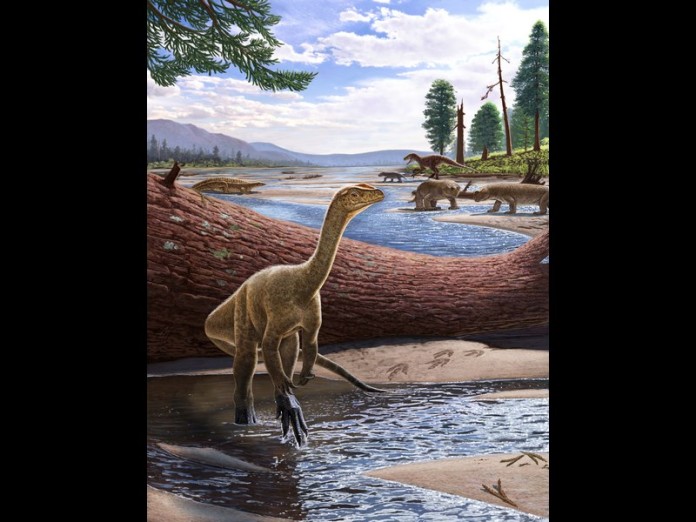
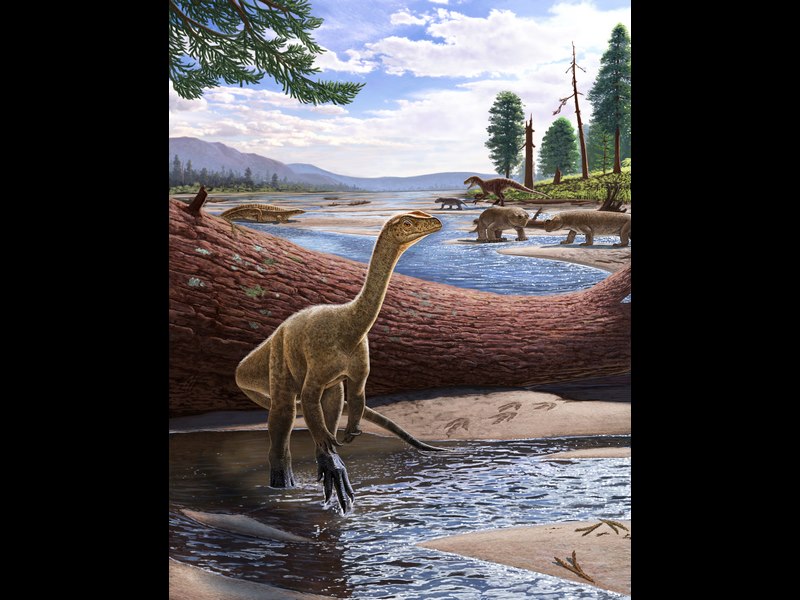
Illustration courtesy of Andrey Atuchin, released by VA Tech.
Paleontologists have discovered the oldest dinosaur ever found in Africa, and one of the earliest to ever evolve.
Stories are difficult to understand without starting at the beginning, and the story of the dinosaurs’ nearly 200 million-year reign on Earth is no exception.
The researchers hope the fossil can fill in critical gaps in the record.
A sauropod, the animal found in northern Zimbabwe is estimated to have been 6 feet long with a long tail. It weighed anywhere from 20 to 65 pounds, and was missing only some of the hand and portions of the skull.
“These are Africa’s oldest-known definitive dinosaurs, roughly equivalent in age to the oldest dinosaurs found anywhere in the world,” explains Christopher Griffin, a graduate from VA Tech’s School of Geosciences, and member of the excavation.
“The oldest known dinosaurs—from roughly 230 million years ago, the Carnian Stage of the Late Triassic period—are extremely rare and have been recovered from only a few places worldwide, mainly northern Argentina, southern Brazil, and India.”
Mbire, Northern Zimbabwe – released.
Mbiresaurus raathi stood on two legs and its head was relatively small head like its dinosaur relatives. It sported small, serrated, triangle-shaped teeth, suggesting that it was an herbivore or potentially omnivore.
Found alongside Mbiresaurus were an assortment of Carnian-aged fossils, including a herrerasaurid dinosaur, early mammal relatives such as cynodonts, armored crocodilian relatives such as aetosaurs, and, in Griffin’s description, “bizarre, archaic reptiles” known as rhynchosaurs, again typically found in South America and India from this same time period.
In addition to the discovery of Mbiresaurus, the group of researchers from VA Tech, the Natural History Museum, and the National Museums and Monuments of Zimbabwe, also have a new theory on dinosaur migration, including the when and where.
Africa, like all continents, was once part of the supercontinent called Pangea. The climate across Pangea is thought to have been divided into strong humid and arid belts, with temperate belts spanning higher latitudes and intense deserts across the lower tropics of Pangea.
Scientists previously believed that these climate belts influenced and constrained animal distribution across Pangea, said Griffin.
“Because dinosaurs initially dispersed under this climatic pattern, the early dispersal of dinosaurs should therefore have been controlled by latitude,” Griffin said.
More so, these earliest dinosaurs were restricted by climatic bands to southern Pangea, and only later in their history dispersed worldwide.
The teams from Zimbabwe’s scientific institutions were excited and proud by the finding.
“The discovery of the Mbiresaurus is an exciting and special find for Zimbabwe and the entire paleontological field,” said Michel Zondo, a curator and fossil preparer at The Natural History Museum.
“The fact that the Mbiresaurus skeleton is almost complete makes it a perfect reference material for further finds. It is the first sauropodomorph find of its size from Zimbabwe, otherwise most of our sauropodomorph finds from here are usually of medium to large sized animals.”
Quote of the Day: “The time you enjoy wasting is not wasted time.” – Bertrand Russell
Photo by: daniar ainun
With a new inspirational quote every day, atop the perfect photo—collected and archived on our Quotes page—why not bookmark GNN.org for a daily uplift?
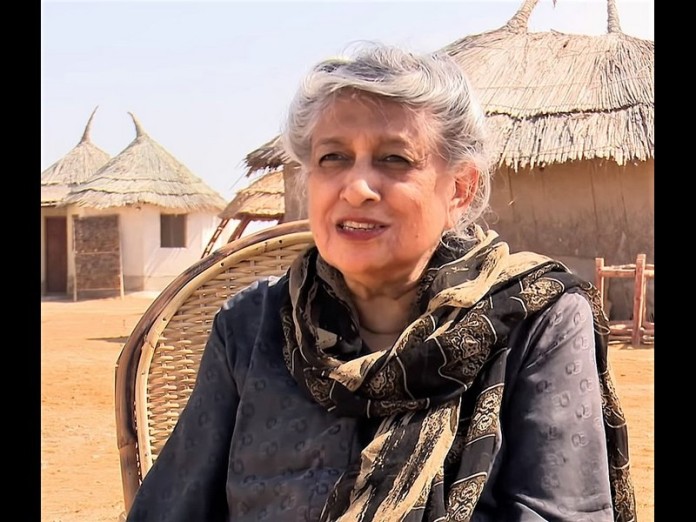
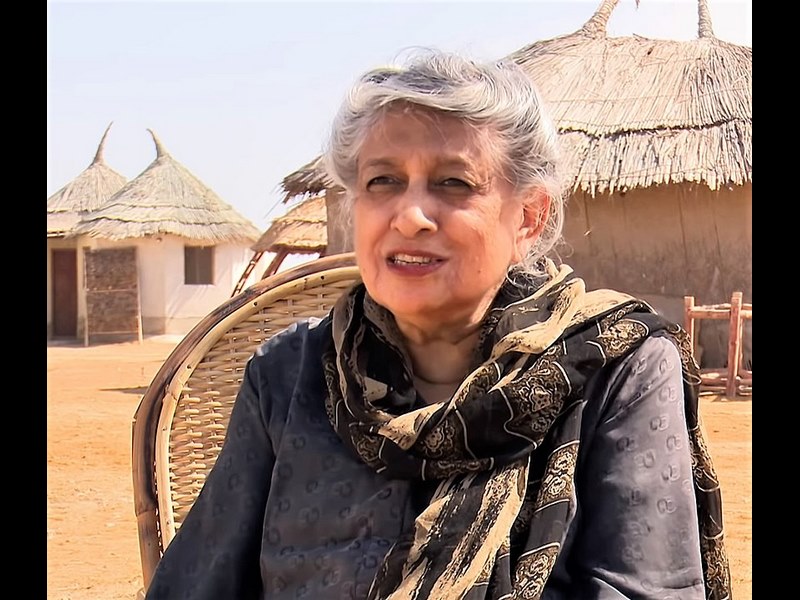
Yasmeen Lari in front of her houses . BBC News - CC 3.0.
Yasmeen Lari in front of her houses . BBC News – CC 3.0.
Everyone needs a pension project, and for the first-ever female architect in Pakistan, hers has taken on a critical infrastructure need—disaster relief housing.
Yasmeen Lari, now 81, is the cofounder of a nonprofit called the Heritage Foundation of Pakistan, which is making bamboo huts for Pakistanis stricken by floods.
Spending most of her career designing sleek, modern buildings for skylines, her retirement in 2005 was interrupted by a catastrophic earthquake that saw her helping locals to shelter themselves.
This, she told Fast Company, is where she came up with the idea for her low cost, low carbon, conical shelters of bamboo. These 12×12 huts have room for 5 people, and can be assembled quickly with rope and reed mats for the roof.
“You could not find other materials,” she said. “Everything was taking too much time, like bricks… You could find bamboo. And I said, ‘Okay, let’s give it a try.’”
Since June of this year, most of lowland Pakistan has at one time or another been underwater, and Sindh, one of the hardest-hit provinces, is calling for 1 million tents to house displaced persons.
Lari has had experience with floods before. In similar circumstances in 2010 she helped organize the building of thousands of these bamboo huts, which along with being progressively upgradable depending on the longevity of the displacement, can also easily be moved around as needs demand.
These ended up withstanding floods in 2012 and 2013, at which point some had even been raised up on bamboo stilts.
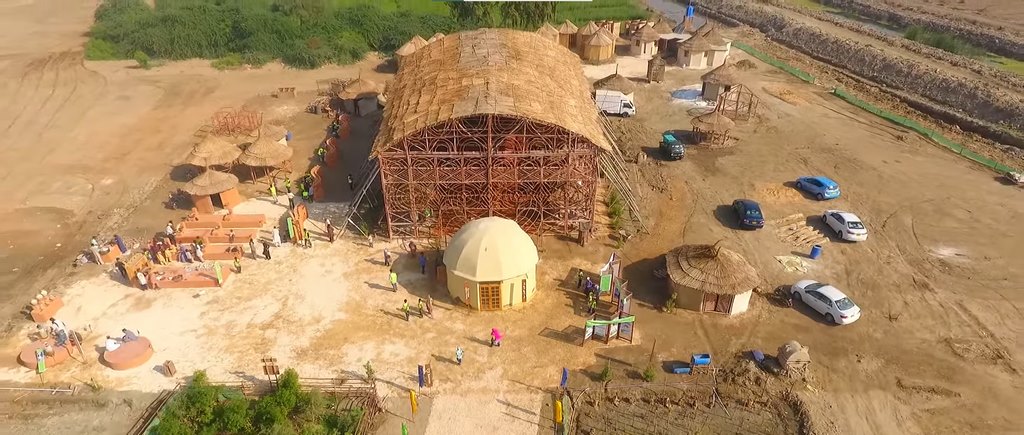
One of the bamboo villages built by The Heritage Foundation Pakistan – YouTube.
To facilitate the push for widespread adoption of this idea, Lari runs a training center for emergency architecture called Zero-Carbon Campus, where designs of the original bamboo hut have been upgraded with pre-fabricated bamboo panels that can quickly be fastened together with rope.
A team of five artisans from the Campus can build around 8 of these shelters a day, and Fast Company claim they survived the current flooding. However the artisans aren’t needed to assemble the shelter, and the Heritage Foundation of Pakistan has released easy YouTube guides for those who need to learn fast.
INTBAU Pakistan is an architectural organization trying to raise money for the construction of thousands of these shelters, as the floods in Pakistan continue to wreak havoc.
WATCH her explain the situation as it stands…
SHARE This Good Idea From A Great Woman On Social Media…
- Vira V. Artym, National Institute of Dental and Craniofacial Research, NIH
– Vira V. Artym, National Institute of Dental and Craniofacial Research, NIH
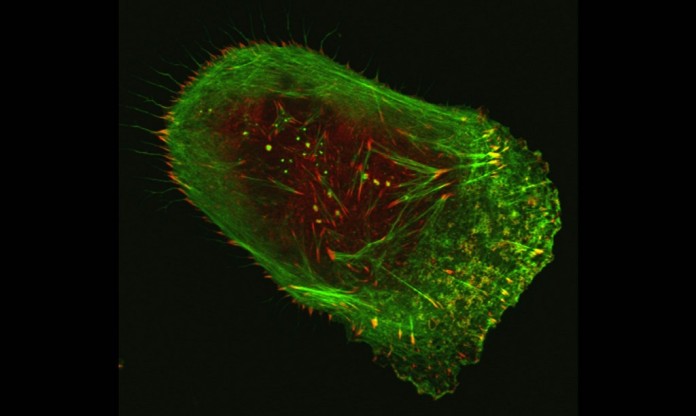
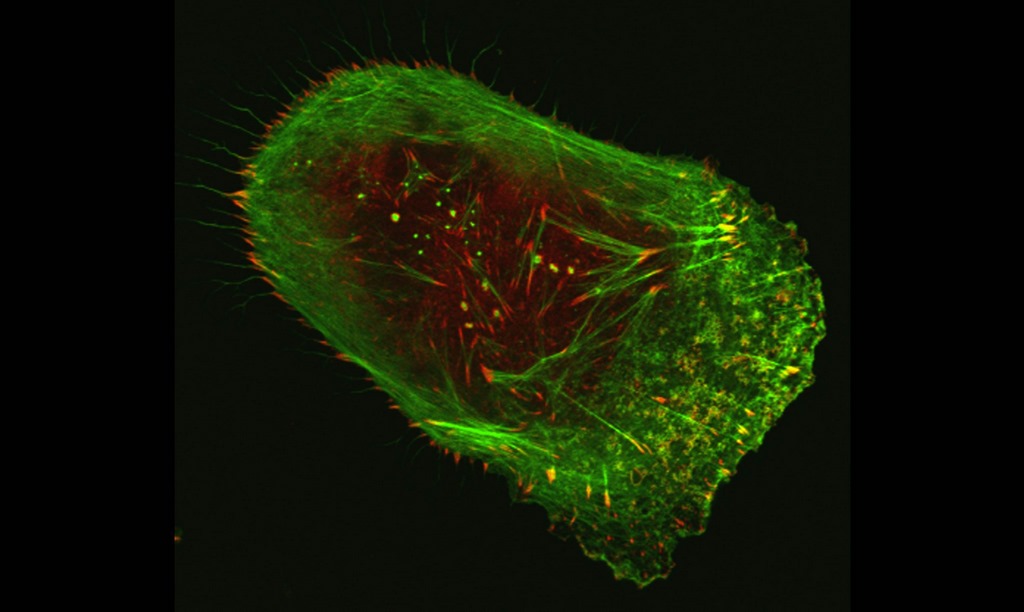
Scientists say new treatments for the most severe form of skin cancer could be developed now that they’ve made a major breakthrough, discovering a way to inhibit a key growth enzyme in melanoma.
When Glutaryl-CoA Dehydrogenase, (GCDH) was inhibited in tumors they weren’t able to survive long term. Potentially this is because it’s a key source of “food,” but also because it trigged a protein called NRF2 to acquire an ability to suppress cancer.
GCDH deprivation is now being theorized as a potential treatment, both through targeting pharmaceuticals in the case of a GCDH-inhibitor, or as a dietary intervention.
“In the study, we used genetic approaches to inhibit GCDH, which provide the proof of concept to search for small molecules inhibitors,” says Sachin Verma, Ph.D., a postdoctoral researcher in the Ze’ev Ronai lab at Stanford, and first author of the study.
“Indeed, we are actively searching for potential drugs that could inhibit GCDH, which would be candidates for novel melanoma therapies.”
Starvation as a treatment and/or cure for a variety of different cancers has been explored in oncology, as tumors grow fast but require tons of energy. Tumorous cells eat a lot of sugar, but also dine on growth factors produced through protein consumption.
This could be something like IGF-1, or GCDH which the researchers have discovered is especially needed in melanoma, such that it alone among 6 key enzymes utilized by the tumors caused it to stop spreading.
GCDH is critical in a healthy person for absorbing tryptophan and lysine, two essential amino acids critical for dozens of processes in the body.
From a therapeutic standpoint, the study reveals several possible options. Though animal models without GCDH were basically normal, they could not tolerate a high-protein diet.
This is significant because some melanoma patients’ tumors are also low in GCDH. Given the enzyme’s role in processing proteins, the authors believed GCDH-poor tumors may also be vulnerable to high-protein foods, setting up a potential dietary treatment. In addition, reducing GCDH levels in tumors may be complemented with select protein diets.
Further exploration showed that inhibiting GCDH in an animal model gave the NRF2 protein mentioned earlier cancer-suppressing properties.
“We’ve known for a long time that NRF2 can be both a driver and a suppressor of cancer,” says Ze’ev Ronai, Ph.D, and head of the cancer center at Standord. “We just didn’t know how we convert NRF2 from a driver to suppressor function. Our current study identifies the answer.”
Many innate functions and characteristics of tumors seem also to be the logical next step in treatments and cures, whether that’s disabling the mechanism that disguises tumors from the immune cells, drowning them in iron, or like in this study, starving them.
SPREAD This Good News On Cancer Research With Your Friends…
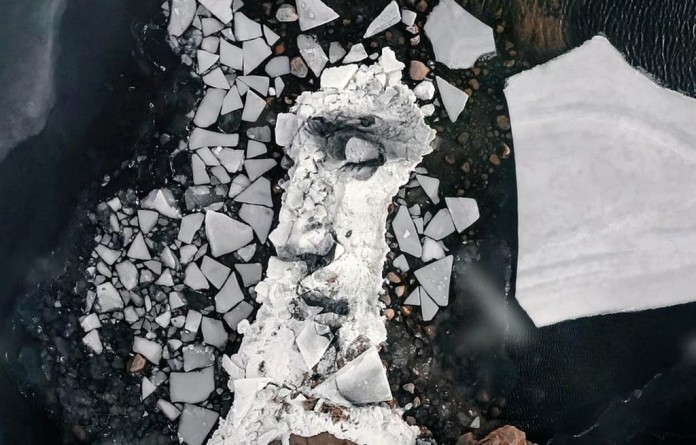
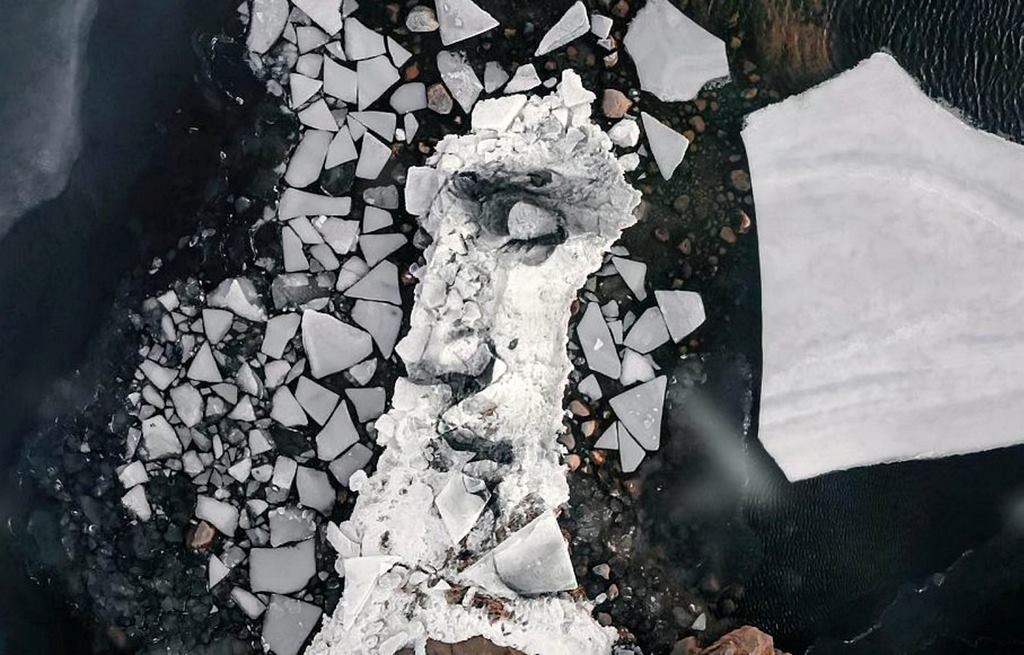
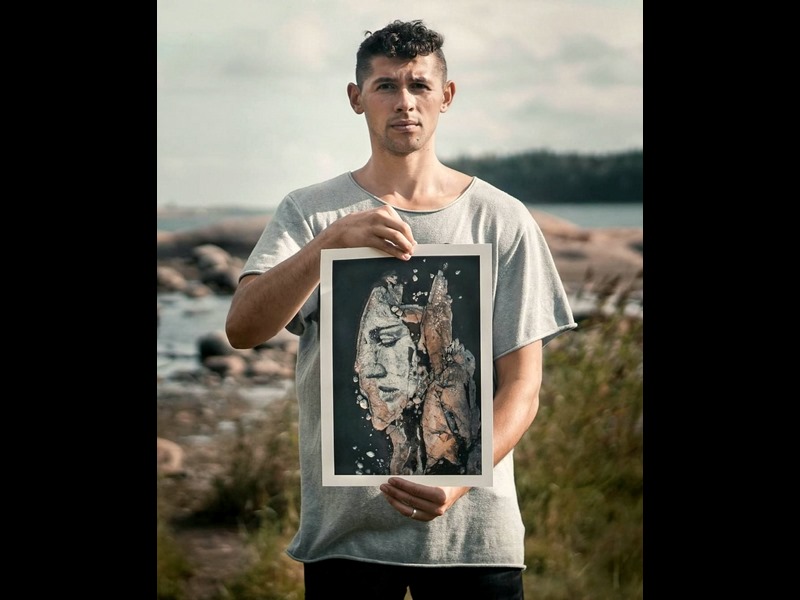
Meet the American artist who braves Finland’s freezing temperatures to paint portraits on giant floating blocks of ice in the Baltic Sea
29-year-old David Popa creates the giant portraits by swimming out to sea in the freezing water and using charcoal and soil in a spray can to paint the surface of huge blocks of ice.
Each portrait in his “Fractured” project had to be created in around four hours as the ice floats would invariably either sink or float away.
“Initially it was a huge paradigm shift for me to convince myself that it was even possible and safe,” said Popa, a New Yorker by birth, but who lives in Finland. “I actually practiced for two winters before starting on these, it only works at almost exactly zero degrees.”
This past winter the conditions were perfect and he was able to complete his project.
David swam in a wetsuit through the freezing water to the floats he intended on painting. He also had to pack all his equipment, including a drone, into watertight bags, and carry it through the freezing water.
“The conditions were perfect, because it kept fluctuating between warmer and colder days, the ice kept freezing over and then cracking again,” said David.
– SWNS– SWNS
In order to plan them out, David had to mark the ice and take a picture from above, which ate into how long he had on the ice, adding to the time pressure.
“After I marked the ice and take the picture, it’s go time,” he said.
The series became very popular and David sold around 100 prints of images and six video NFTs, with the most expensive one reaching just over $15,000 (£13,000).
The pieces are known as ephemeral art—designed to only last a moment before disappearing, apart from for those who bought the NFTs.
David’s choice to make his pieces on such a difficult medium stem from a love of adventure and an attempt to escape from the stuffiness of the art world.
He went to art school in Wenham, Massachusetts but was more interested in hiking and adventure. He fell in love with murals in art school, where they had a graffiti wall on which he could practice.
WATCH The fractured series below without paying a dime…
BREAKUP The Normal News Feed With This Top Art Story…
Quote of the Day: “My understanding is that you get to choose which of your thoughts to go with.” – Anne Lamott
Photo by: Abdulla Faiz, CC license
With a new inspirational quote every day, atop the perfect photo—collected and archived on our Quotes page—why not bookmark GNN.org for a daily uplift?
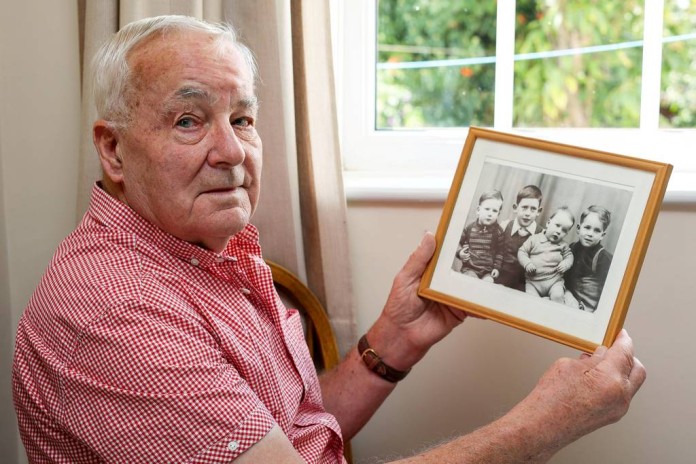
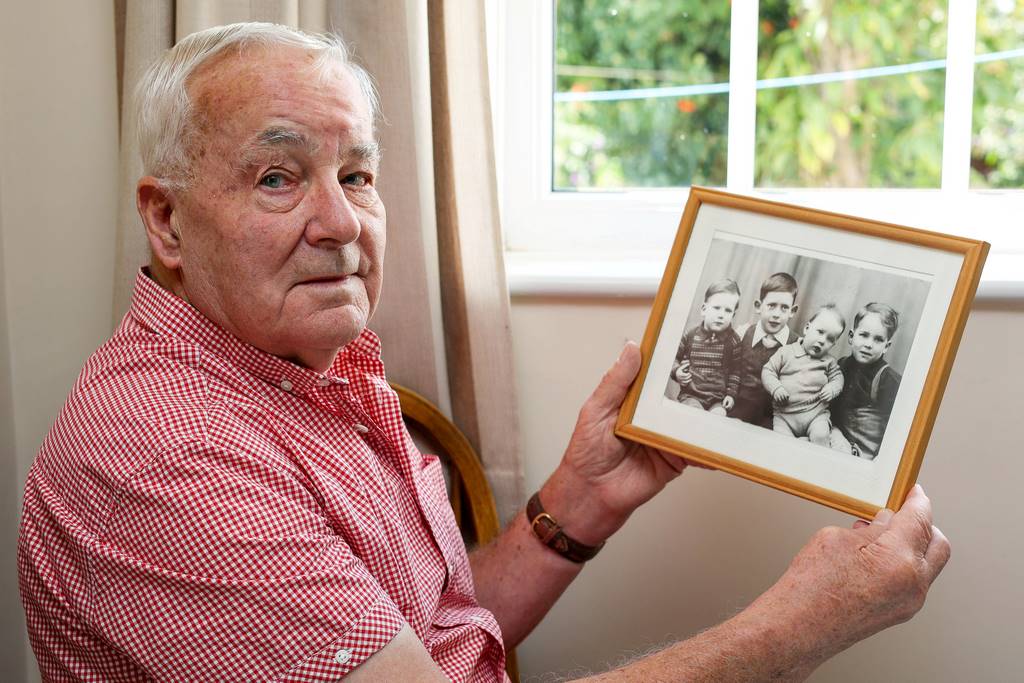
A pair of long-lost brothers who were separated as children in 1945 are to be reunited for the first time after 77 years apart.
Ted Nobbs, 83, and his brother Geoff, 79, have spent more than seven decades 10,000 miles apart after their family was divided up at the end of the Second World War.
Ted, along with siblings Barry and John, were all separated from their youngest brother Geoff after their mum tragically died of cancer at age 30 in 1945.
Their father wasn’t able to cope with caring for Geoff, who was 1 at the time, and decided to offer him up for adoption to give him a chance of a better life.
Geoff moved to Australia in 1951 at the age seven and has lived there ever since, going on to have eight kids and grandchildren of his own.
Ted, Barry and John had all tried several times over the years to find their little brother without any success.
“I did a few searchers,” said Nobbs. “I did the first note in 1994 and then again 2004. We went though Supporting Adults Affected By Adoption, but again there was luck and Barry also tried to find him separately.”
But their luck changed in 2014, four years after eldest brother John passed away, when Geoff tracked down Barry and sent him a letter.
“A letter from Geoff just landed on Barry’s doorstep out of the blue,” said Knobbs. “We were all reunited on a phone call and it was just wonderful catching up. It absolutely crunched me when he found us, I just didn’t think it would happen. There were a few tears shed.”
“He planned to come over to England for my 80th birthday but red tape at his end scuppered those plans as COVID kicked in,” Nobbs continued. “We had the celebrations anyway and there was a big tv in the hotel and [his son] Christopher had got a video from Geoff that he played. He wished me happy birthday.”
The grandfather-of-three took the 22-hour flight on Sunday for the big reunion on his own, as brother Barry was sadly too ill to travel.
Geoff currently lives just south of Sydney and has eight children himself, with his most recent job being working with horses before he retired.
“I haven’t flown for 50 years,” Nobbs said. “I had to get a passport again. It doesn’t worry me, I’m quite happy to go… to be able to give him a hug is going to be wonderful.”
“We’re going to fly from Sydney to the Sunday Islands,” he said, adding he’ll be visiting the Great Barrier Reef as well. “It will be absolute fantastic. I shall be meeting Geoff and his daughter and son. I’ve also got a wedding of Geoff’s granddaughter and I’m invited to the wedding.”
A friend of his son Christopher donated a big haul of Avios flyer miles to help pay for the return leg of the ticket.
“There’s quite a lot to pay for but I will probably never be able to do it again so I thought I’d take the opportunity now.”
WATCH Ted sit down with a photo and tell all about their story…
JERK Some Tears On Social Media With This Touching Reunion…