Australian researchers have discovered the key immunological changes that support the remission of peanut allergy in children, paving the way for new, more targeted treatments.
The research showed for the first-time specific gene networks are rewired to drive the transition from peanut allergy to clinical remission following a combination treatment of a probiotic and peanut oral immunotherapy.
Led by the Murdoch Children’s Research Institute (MCRI) and the Telethon Kids Institute, the study found that this network reprogramming essentially shuts down the allergic immune response that was responsible for causing a food allergy.
Lead researcher, Murdoch Children’s Professor Mimi Tang, said this was the first study to map the complex gene to gene communication and connectivity underlying clinical remission of peanut allergy.
“The immunological changes leading to remission of peanut allergy were largely unknown,” she said. Previous studies had mostly focused on examining the levels of gene expression, without also exploring how genes interact with each other. But genes don’t work in isolation; instead, biological responses are controlled by large numbers of genes communicating with each other, so it made sense to look at these interactions more closely.
“What we found was profound differences in network connectivity patterns between children who were allergic and those who were in remission. These same changes were also seen when we compared gene networks before and after immunotherapy in the children who achieved remission following immunotherapy.”
The randomized controlled trial involved 62 peanut allergic children from Melbourne, aged 1-10 years, who received a combination treatment of a probiotic and oral immunotherapy (the gradual introduction of the allergenic food) or a placebo. Following 18 months of treatment, 74 percent taking the combination treatment achieved remission compared with 4 percent in the placebo group.
The peanut oral immunotherapy that was used in combination with the probiotic in the trial was PRT120, a lead candidate from Prota Therapeutics, an Australian biotech company focused on bringing its novel allergy immunotherapy treatment for children with life-threatening peanut allergies to market.
The team led by Professor Tang also recently showed in a separate trial that two treatments—the combination probiotic and peanut oral immunotherapy treatment and the peanut oral immunotherapy alone—were highly effective at inducing remission and desensitization. About half of the treated children achieved remission, which allowed them to stop treatment and safely eat peanut freely.
Murdoch Children’s Dr Sarah Ashley said while oral immunotherapy could successfully induce desensitization and remission, desensitization often waned after treatment ended or even during ongoing maintenance dosing.
“Certain changes in the allergen-specific immune cells, called Th2 cells, are critical to achieving lasting remission,” she said. Th2 cells are essential for generating allergen-specific antibodies and the development of food allergy. We found that the Th2 signalling that drives allergy is ‘turned off’ in children in remission.”
Food allergy is a global public health concern, affecting 10 percent of infants and 5-8 percent of children.
Telethon Kids Institute’s Dr Anya Jones said because there was no cure for food allergies, management relied on avoidance of the allergenic food, resulting in reduced quality of life.
“Understanding the complex immune processes that support remission will provide greater insight into key drivers of treatment success and potentially identify novel targets for more effective treatments that deliver long-term solutions for patients,” she explained.
More than a third of the world’s population lives in drylands, areas that experience significant water shortages. Now scientists have developed a solution that could help people in these areas access clean drinking water.
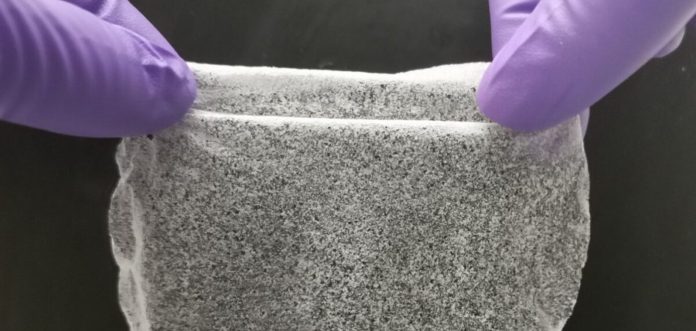
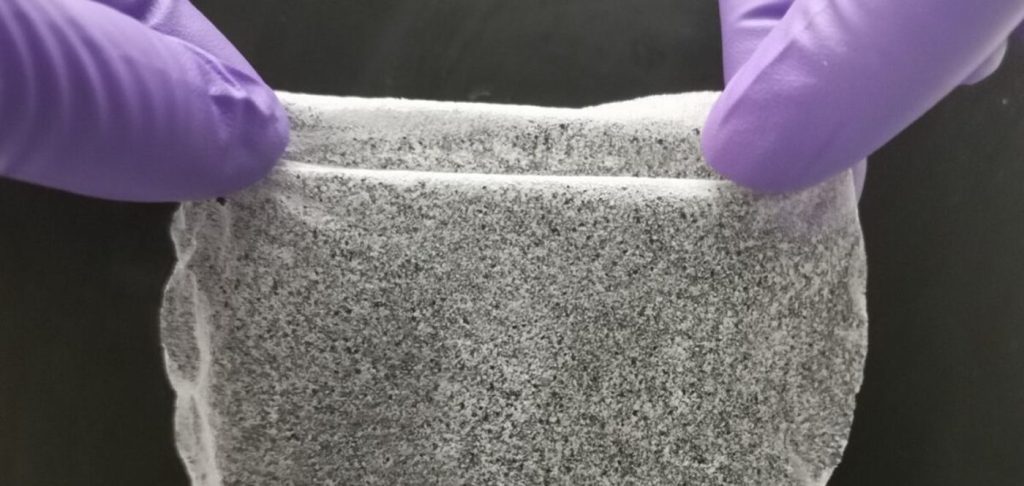
The team at The University of Texas at Austin developed a low-cost gel film made of abundant materials that can pull water from the air in even the driest climates. The materials that facilitate this reaction cost a mere $2 per kilogram, and a single kilogram can produce more than six liters of water per day in areas with less than 15% relative humidity and thirteen liters in areas with up to 30% relative humidity.
The research builds on previous breakthroughs from the team, including the ability to pull water out of the atmosphere and the application of that technology to create self-watering soil. However, these technologies were designed for relatively high-humidity environments.
“This new work is about practical solutions that people can use to get water in the hottest, driest places on Earth,” said Guihua Yu, professor of materials science and mechanical engineering in the Cockrell School of Engineering’s Walker Department of Mechanical Engineering. “This could allow millions of people without consistent access to drinking water to have simple, water generating devices at home that they can easily operate.”
The researchers used renewable cellulose and a common kitchen ingredient, konjac gum, as a main hydrophilic (attracted to water) skeleton. The open-pore structure of gum speeds the moisture-capturing process. Another designed component, thermo-responsive cellulose with hydrophobic (resistant to water) interaction when heated, helps release the collected water immediately so that overall energy input to produce water is minimized.
Other attempts at pulling water from desert air are typically energy-intensive and do not produce much. And although six liters does not sound like much, the researchers say that creating thicker films or absorbent beds or arrays with optimization could drastically increase the amount of water they yield.
A simple method
The reaction itself is a simple one, the researchers said, which reduces the challenges of scaling it up and achieving mass usage.
“This is not something you need an advanced degree to use,” said Youhong “Nancy” Guo, the lead author on the paper and a former doctoral student in Yu’s lab, now a postdoctoral researcher at the Massachusetts Institute of Technology. “It’s straightforward enough that anyone can make it at home if they have the materials.”
The film is flexible and can be molded into a variety of shapes and sizes, depending on the need of the user. Making the film requires only the gel precursor, which includes all the relevant ingredients poured into a mold.
“The gel takes 2 minutes to set simply. Then, it just needs to be freeze-dried, and it can be peeled off the mold and used immediately after that,” said Weixin Guan, a doctoral student on Yu’s team and a lead researcher of the work.
One look at this Hobbit hole-like winery in the country of Georgia and you’ll fall in love with green architecture.
Built three years ago in the Kakheti region, the Shilda Winery consists of three artificial caves that gently rise up from the ground, bringing the rows of grapes with them.
The 2.5 yard-spacing of the vineyard rows have translated into a striped grid that makes up the building, expressed by a series of arching beams that literally raises the vineyard up from the ground.
Over the top run the rows of grapes, and behind in the distance are the Caucasus Mountains, ensuring that the buildings perfectly blend into the background.
Inside the three hillock houses are a storage area, a tasting room and wine center, and a restaurant/bar.
For example, the building’s openings face north to avoid the majority of the day’s sun exposure, while the mass from the soils helps to cool the building at a basic level. This also naturally keeps the wine stored inside at optimal temperatures.
Founded in 2015 among the castles and churches of Kakheti, Shilda Winery is situated in the principal region of viniculture in Georgia, and offers more than 20 varieties of wine. Cheers to that.
SHARE This Story With All Your Design (and Wine) Loving Pals…
crossrail project released Ben Hall (rspb-images.com)
Ben Hall/RSPB Images
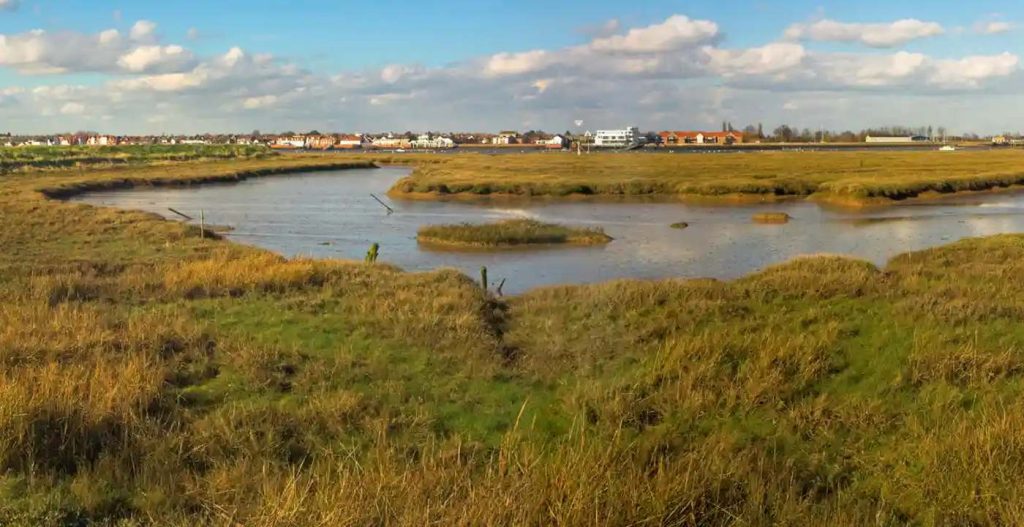
Multi-billion dollar civic engineering projects tend not to be good news for wildlife, but upon the completion of a new English underground railway line, the upturned earth was used to rebuild a coastal habitat for birds in Essex.
The new bird sanctuary instantly became one of the richest in Britain’s coastline for avocets, spoonbills, black-tailed godwits, and other wading birds.
The Elizabeth Crossrail is a high-speed line that runs from Reading to the west of London, through the capital, to Shenfield near the east coast. During the $24 million (£19 million) project, seven million metric tons of soil was dug up to make thirteen underground railway tunnels, half of which were transported by boat to the eastern shore of the country.
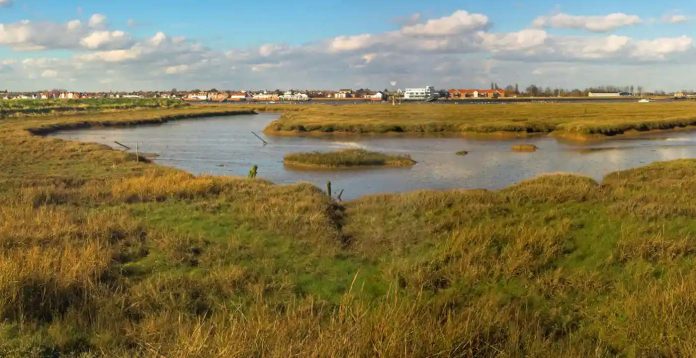
The earth was taken to a place called Wallasea Island, once just a tiny peninsula of the wild Essex coastline, consisting of salt marshes, coastal lagoons, muddy flatlands, and other features, but several times during the Medieval period and after it was drained to make sheep pasture or farmland.
Farming often is not as profitable now as it was then, and as the defensive seawall was in need of repairs, the farmer that used to own the land sold it to the Royal Society for the Protection of Birds.
“Massive amounts of soil were dug up from below the streets of London during tunneling needed to create the Elizabeth line,” said Rachel Fancy, site manager of RSPB Wallasea Island. “That material was given to the RSPB, allowing us to create our Jubilee Marsh, the cornerstone of our new reserve.”
Jubilee is the appropriate name in this case. Bird-friendly journalists from the Guardian, reporting on the state of Wallasea Island, now note the diversity of species and the rich numbers.
Hen and marsh harriers have appeared in winter while wigeon, teal, plover, yellow wagtail, lapwings, blackbirds, oystercatchers, and skylarks were all recorded in what reporters called a “nature lover’s paradise.”
It took 1,500 trips by canal to bring the dirt to Wallasea. Once there it was transported via conveyor belt to a dump, where tipper trucks slowly deposited it along the shoreline to create a steady sloping terrain up from the sea, protecting it from rising levels.
After the manicuring and landscaping was finished, the seawall was strategically breached in three separate places at low tide, which, once it rose again, gently partitioned the landscape into the various landscape features seen today, as opposed to turning it into a big muddy lake if the wall had been breached all at once at high tide.
In its first year, Wallasea Nature Reserve hosted 150 breeding pairs of avocets, which is endangered-in-Britain, instantly making it one of the bird’s strongholds.
“We are really proud that Jubilee Marsh is helping to combat the threats from climate change and coastal flooding,” Mark Wild, Crossrail’s chief executive, told the Guardian.
TWEET the Good News; Share This Conservation Story With Mates…
Quote of the Day: “What would you attempt to do if you knew you could not fail?” – Robert Schuller
Photo by: Javier Allegue Barros
With a new inspirational quote every day, atop the perfect photo—collected and archived on our Quotes page—why not bookmark GNN.org for a daily uplift?
The Lesson: Many major chronic health disturbances like depression and inadequate sleep are treated in the west with self-serving temporary crutches like prescription drugs. When Yona Shtern was taking over the helm of a publicly-traded wellness wearable company, his normal understanding that he could create value for investors flipped after having the first good night of sleep he could remember using their product. Now, he sees his powers of growing a business directly correlates to the number of people whose lives and health he can improve—veterans, prison guards, caretakers, and it’s giving him new purpose.
Notable Excerpt: “I wasn’t able to sleep at night, quite frankly. I became a believer because I became a user, and then something really unforeseen happened to me. I was maybe in the chair for two weeks when I started getting LinkedIn messages from people saying they had tried the product and that it had changed their lives, and if there was any way they could help us out. I felt I had a responsibility to get this into the hands of more people, and figure out a way to change people’s lives.”
The Guest: Yona is a serial entrepreneur who has successfully scaled disruptive businesses in technology and consumer goods. He was CEO of Arrive (digital parking), CEO of Beyond the Rack (e-commerce marketplace) and Board Member at Swap.com (resale marketplace). Today, Yona is the Chairman and CEO of Hapbee – a publicly-traded company whose wearable wellness technology is on a mission to improve the lives of 10 million people.
Yona was also Start Up Canada’s Entrepreneur of The Year in 2014 and is a frequent speaker to management students at McGill University (his alma mater), Yale and at many start-up and business conferences.
The Product: Hapbee is the next generation of wearable wellness technology. Hapbee is a chemical free solution to help with sleep, performance, and mood, all without side-effects. Unlike other wearables that simply monitor your health, Hapbee gives you the power to actively change it. You can decide when you need to be more focused, relaxed, energized, or even sleepy.
By “biostreaming” the unique magnetic signatures of popular ingredients like caffeine or melatonin through the device, you can safely activate their effects without any unwanted side effects.
The Podcast: Livin’ Good Currency explores the relationship of time to our lives. It gives a simple, straight-forward formula that anyone can use to be present in the moment—and features a co-host who knows better than anyone the value of time (see below). How do you want to spend your life? This hour can inspire you, along with upcoming guests, to be sure you are ‘Livin’ Good Currency’ and never get caught running out of time.
The Hosts: Good News Network fans will know Tony (Anthony) Samadani as the co-owner of GNN and its Chief of Strategic Partnerships. Co-host Tobias Tubbs was handed a double life sentence without the possibility of parole for a crime he didn’t commit. Behind bars, he used his own version of the Livin’ Good Currency formula to inspire young men in prison to turn their hours into honors. An expert in conflict resolution, spirituality, and philosophy, Tobias is a master gardener who employs ex-felons to grow their Good Currency by planting crops and feeding neighborhoods.
“The ceremony was to celebrate their love and recovery journey,” Lucia Almanza, a Public Relations Associate at SAHS, said. “Their small, intimate wedding day was shared with staff, volunteers and our closest friends. The event included a beautiful walk down the aisle, bubbles, music and cake, of course!”
A mini wedding chapel was also built for the occasion.
SWNS
“A couple of days before we had some volunteers who constructed Peanut and Cashew,” she added. “Their very own chapel in their own time, complete with a bubble machine for added fun for the dogs.”
Lucia explained that Peanut and Chestnut are both available individually for adoption at the SAHS, but staff are hoping they get to continue their honeymoon together forever.
SWNS
The San Antonio Humane Society is a non-profit, no-kill organization that was founded in 1952.
Gen Z are turning to the likes of TikTok and Instagram to learn new hobbies such as creating portraits of pets, roller-skating, and bubble nails—a fingernail art technique.
A poll of 1,500 18-25-year-olds found 72 percent have been inspired to take up a new interest as a direct result of watching clips on popular social media channels.
Of those with a hobby, 53 percent spend at least four hours a week watching them on their smartphones.
Videos of hobbies, and content such as tie-dying and ghost-hunting, have a loyal following among young adults as do ‘how-to’ clips featuring meditation, photography, and extreme make-up.
It also emerged four in 10 have gone behind the camera themselves to share their hobbies on social media.
The poll was commissioned to mark the launch of the Samsung Galaxy A53 5G, whose spokesperson Annika Bizon, said, “After two years of various lockdowns where our creativity could have been stifled, it’s no surprise we’ve seen an increase in awesome and unconventional hobbies coming from this generation.
“This audience craves expression, turning to social media outlets like never before, to watch, create and share their content.”
Of those who post their own content relating to their hobby on social media, 86 percent said it has been well received.
So much so, they’ve seen their number of followers increase by 21 percent.
Key motivators for sharing include showing off their new skills (26 percent), personal enjoyment (25 percent), and connecting with others (24 percent), while 23 percent do it to learn new things.
A fifth said it took them three months to perfect their hobby content, to ensure followers would like it.
On average, content creators spend an average of four hours a week filming and editing to ensure it’s up to scratch.
As a result of their popularity online, 48 percent have even turned their social media accounts into a business venture.
27-year-old Sophie Taylor from Norfolk, whose hobby is pet portraiture, has done just this. She said, “When everyone started to get a furry friend, I turned my artistic flare towards drawing pets.
“Straight away, friends and family asked me to illustrate their pets and it took off into an online business that I could easily manage through my smartphone.”
SWNS
Another Gen Zer who has managed to make a living from their interest is 22-year-old Angel My Linh, a specialist nail artist from Southeast London. She said, “My content has really taken off through the growing community of followers and I was recently asked to design nails for major artists Tems and Megan Thee Stallion, which is amazing.”
Of those polled, four in 10 described their interests as ‘awesome’, while 32 percent think they are ‘underrated’.
Almost a fifth of those polled, via OnePoll, think their interest makes them feel ‘liberated’ and 37 percent said it makes them feel ‘proud’.
“For me, roller-skating has always been a passion, so I took to social platforms like TikTok to share my moves, tips, and tricks, including dance routines,” 27-year-old DeVante Walters from London said. “Above all else, it is so important to connect with others, through inspiring them to join in, discover their inner talents and have fun with it.”
iyo Zamorano tree cc license wikimedia commons 1600px-_El_Gran_Abuelo_._Alerce_Milenario_de_3.500_años_aprox
Alerce Milenario; Yiyo Zamorano, CC license
In 1993, a cypress tree stump in Chile was confirmed by tree-ring-counting as 3,622 years old—showing the capacity of these slow-growing relatives of sequoia to endure through centuries.
However, another scientist recently found that a living individual, known as the “millennium cypress” or “great-grandfather” could be more than 5,000 years old—which would make it the oldest tree on Earth by a nearly half a millennium.
Science has long known that Alerce Milenario is old, but one man in particular knew that estimates were probably on the young side, since bore devices used to extract the wood needed to count the rings don’t go far enough into the four-meter-thick trunk of this Patagonian cypress (Fitzroya cupressoides) tree.
Dr. Jonathan Barichivich, a Chilean scientist at the Climate and Environmental Sciences Laboratory in Paris, took a core sample of the tree, located in Alerce Costero National Park and used a combination of computer simulation and randomization to create different growth scenarios of the tree based on growth patterns and climate data.
“This method tells us that 80% of all possible growth trajectories give us an age of this living tree greater than 5,000 years,” Barichivich said. “There is only a 20% chance that the tree is younger.”
That would make it the oldest single tree by a couple hundred years, beating out a 4,853- year-old bristlecone pine tree in Great Basin National Park in Nevada called Methuselah.
Cypress trees can live very long indeed, and the sixth oldest tree in the world is a bald cypress found in South Carolina’s Great Dismal Swamp.
Old trees are extremely important to forest ecosystems, but ancient trees like Alerce Milenario are even more so.
Their seeds contain a DIY manual for adapting to and surviving all kinds of disasters and harsh conditions, all contained within the genetic code. Scientists have shown recently how the number of ancient trees within an ecosystem is directly correlated with its resiliency—making them valuable indeed.
A new study has shown that one hug from a romantic partner is enough to lower a woman’s stress hormone levels.
We are social animals, evolved from extremely social apes who spend hours touching each other. Luckily though, we don’t have to spend hours grooming one another in order to relax after a work day, a stressful test, or an unforeseen problem—it only takes a hug from a loved one.
Behind the finding is the release of oxytocin during a hug. Known as the love hormone, it reduces circulating cortisol, buffering the stress response.
Men, interestingly enough, did not show a statistically-significant reduction in cortisol levels, but the researchers caution that this doesn’t mean it’s not there.
“The effect could simply be smaller and was just undetected,” senior study author Julian Packheiser, a postdoctoral researcher with the Netherlands Institute for Neuroscience, told CNN.
It could have been the social setting of the institute trial. Being placed in strange conditions may have brought out underlying social pressures for men to appear hard and strong.
The benefits of hugging aren’t all touchy-feely either. The study authors point out in their introduction that embracing has been shown to reduce blood pressure, and is also associated with decreases in inflammation as well as with increased subjective well-being, as well as a resilience towards infection and an accelerated recovery from viruses.
Quote of the Day: “It’s not easy, but if you accept your misfortune and handle it right your perceived failure can become a catalyst for profound re-invention.” – Conan O’Brien
Photo by: Anastasiia Tarasova
With a new inspirational quote every day, atop the perfect photo—collected and archived on our Quotes page—why not bookmark GNN.org for a daily uplift?
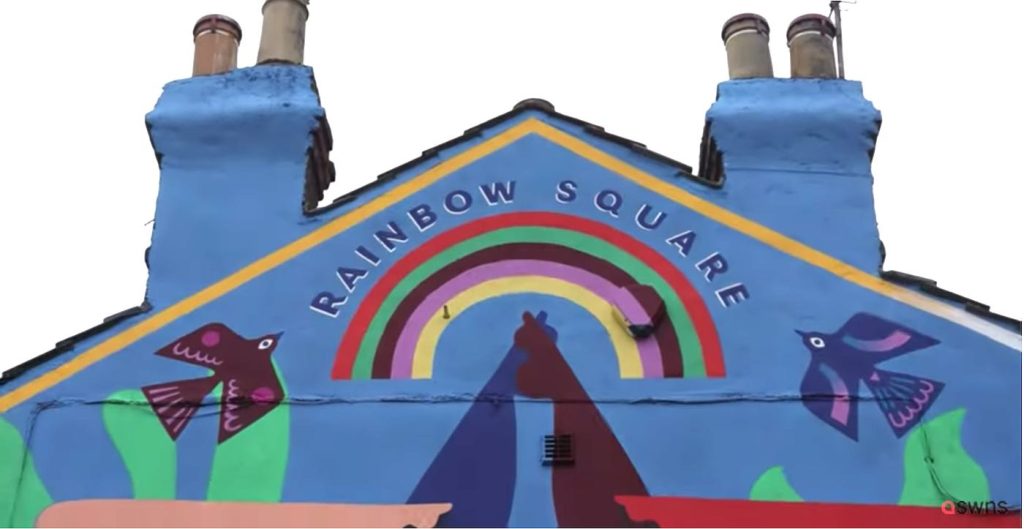
A talented artist has been brightening up her city’s streets for four years—turning rundown and neglected buildings into a rainbow of colors.
Tash Frootko has transformed 25 houses in Gloucester so far, painting her way into residents’ hearts.
The huge project, finally unveiled this week, marks a milestone in her mission to inject color into the English city she lives in, which she believes has garnered quite a negative opinion over the years.
“I see Gloucester as a huge blank canvas… and see potential in everything,” says the the 42-year-old, who has lived in the riverside city for the past two decades.
“Rows of Victorian terraced houses look sublime when painted in bold and vivid colors. It brings them back to life after being allowed to become drab and soulless.”
“People will now refer to this area of the city as the Rainbow Square—and it’s the most colorful square in the country,” she said.
Three adjoining streets of the Square are connected by two murals by local artists Zoe Power and Eloise Henderson-Figueroa.
“The artwork is evolving as now we have huge pieces of artworks linking the rows of colorful terraced houses,” said Frootko.
Rainbow Square mural painted in Gloucester – SWNS
“The response from the public has been overwhelmingly positive. All generations and cultures are enjoying what I do and asking me to continue on and transform run down parts of the city that people tend to make a negative opinion on.”
“It is such an honor to improve the look of the city for its residents and visitors. Everyone deserves to live in a wonderful environment and to love where they live.”
Watch the video from SWNS News Service…
SHARE Some Colorful Good News And Inspire Your Friends On Social Media…
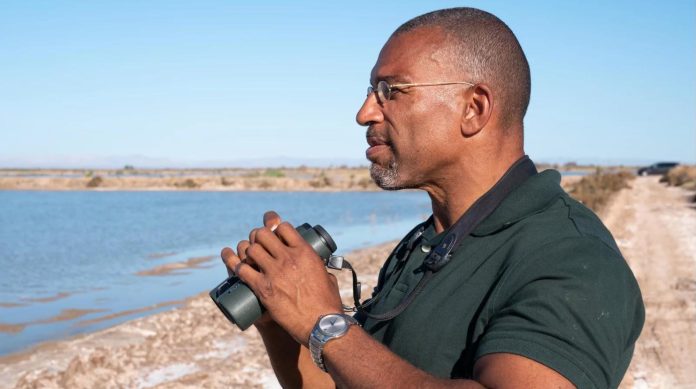
The Black man who was wrongly accused by a White woman in New York City while he was birdwatching is set to star in a new National Geographic TV series—and he intends to inspire viewers with his lifelong hobby.
Christian Cooper, the lifelong bird-watcher, has been spying crows, cardinals and catbirds since he was ten.
The channel announced this week that the 59-year-old will host a new nature series called Extraordinary Birder.
“Christian Cooper takes us into the wild, wonderful and unpredictable world of birds.”
“Whether braving stormy seas in Alaska for puffins, trekking into rainforests in Puerto Rico for parrots, or scaling a bridge in Manhattan for a peregrine falcon, he does whatever it takes to learn about these extraordinary feathered creatures and show us the remarkable world in the sky above.”
In May of 2020, Cooper was bird-watching at The Ramble in Central Park when he asked her to put a leash on her dog. She called the police claiming he was an “African-American man threatening my life.”
A 3D image of the LIDAR survey showing the urban-agrarian culture that existed in the southern Amazon, capable of sophisticated engineering, irrigation, and social organization –Courtesy of Deutsches Archäologisches Institut, Bonn, courtesy of Heiko Prümers
Reprinted with permission from World At Large, a news website of nature, politics, science, health, and travel.
A 3D image of the LIDAR survey showing the urban-agrarian culture that existed in the southern Amazon, capable of sophisticated engineering, irrigation, and social organization –Courtesy of Deutsches Archäologisches Institut, Bonn, courtesy of Heiko Prümers
If one searches “Casarabe Culture” in a search engine, they won’t find much. Maybe they will see a Wikipedia article for the town of Casarabe in Bolivia less than 10 words long.
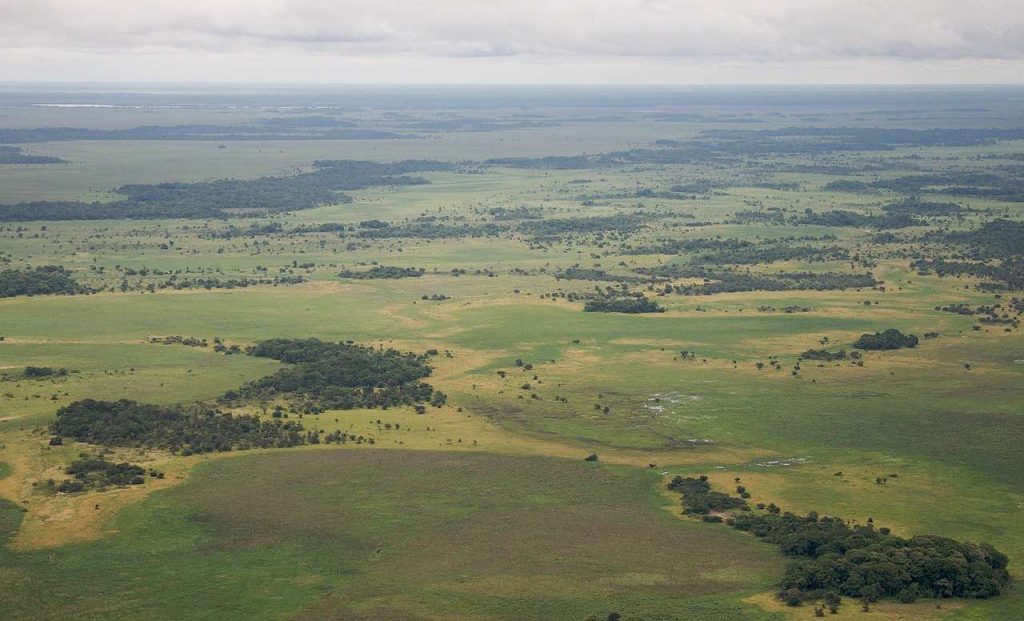
However a paper published this week in Nature reveals that down in an alluvial plane in Bolivia’s Llanos de Mojos savannah in southwest Amazonia, flourished an agrarian low-density urban society for 900 years, building hundreds of acres of monumental earthworks, canals, walls and fortifications, and large pyramids.
The Casarabe culture transformed and lived off the land in way few archeologists and historians believed possible for the Amazon.
The sparsely populated region in the north of Bolivia has suffered little disturbance over the years, and since 1960 archeology has known that extensive evidence of earthworks was to be found in the plane—everything from causeways and mounds to potential artificial islands.
However after working in the area for 20 years, archeologist Dr. Heiko Prümers led a LIDAR survey to get an idea of the total extent of the civilized area, and has revealed details of a major continental civilization that grew maize and yuca equal to and exceeding at times the size and efficiency of similar areas in Medieval Europe.
“We have got something in the Amazon region that nobody expected, but that we know existed,” says Prümers.
“Now it’s obvious that this region of the world like many other tropical regions, like Mexico, or Angkor in Cambodia or some cities in Sri Lanka that are located in tropical regions, they are not the “green deserts” that have been imaged for a long time”.
The Beni Savannah ecoregion in the Llanos de Mojos, where trees and watery scrub dominate the landscape, concealing the remains of a massive semi-urban environment. – By Sam Beebe. CC 2.0
Tree-scrubbing
For two reasons, an established orthodoxy led archeologists to believe that the Mayan Civilization was uniquely exceptional among tropical forest-dwelling Mesoamerican societies. The first is the immense scale of the Mayan cities, and the second is the well-known fact that tropical soils are poor for any kind of centralized food production.
Okay, so the famous calendar makers aside, the old orthodox still applied for years to people further south, in Amazonia, where even poorer conditions left them imagined as simple subsistence farmers of little societal, or technological development.
With LIDAR (light-detection and ranging) Prümers et al. were able to map the precise contours of a 204 square kilometer piece of land without any interference from the trees or marshes, effectively scrubbing away anything that would impede the vision of a satellite photo. What was revealed were 24 sites, roughly half of which were unknown, all built of raised earthen mounds, including two remarkably large sites of 284 and 778 acres each (147 and 315 hectares).
“The scale of the architectural remnants at these sites, which include earthen pyramids that once towered more than 20 meters over the surrounding savannah, cannot be overstated and is on a par with that of any ancient society,” wrote Christopher Fisher, a geo-anthropologist at Colorado State Univ. Fort Collins, who wasn’t involved in the study.
The civic-ceremonial architecture of these large settlement sites, called Cotoca, and Landivar, includes stepped platforms, on top of which lie U-shaped structures, rectangular platform mounds and conical pyramids up to 22 meters tall.
Extending out in a 500 square kilometer area from the center of Cotoca, long straight causeways connected various raised mounts of smaller scope, suggesting that Cotoca’s urbanism sprawled about, but was slightly contained by, the low-lying watered ground.
Area surveyed in Amazon, courtesy of Deutsches Archäologisches Institut in Bonn – by Heiko Prümers
“All these settlements are embedded in a human-engineered landscape with a massive water-control system designed to maximize food surpluses to support the large Casarabe population,” writes Fisher.
Who were the Casarabe?
Known to have existed down in Llanos de Mojos from 500 CE to 1400 CE, the Casarabe culture take their name from a modern day town near to where the sites like Cotoca and Landivar were first found. They were chiefly agriculturalists, and also great movers of earth.
“At the same time the Casarabe developed we have in the Andes the culture of Tiwanaku, a very big imperium that stretched from the Chilean coast to La Paz in Bolivia,” Dr. Prümers explained to WaL in an interview.
“That’s one of the intriguing things we have to resolve in the future,” he said, noting the lack of evidence for contact between Casarabe and Tiwanaku. “Of course there must have been a relationship in some context, but in the archeological record there’s little evidence of that”.
“They’re not hunter-gatherers like some people have maintained until now. They cultivated maize, yucca maybe, so I think we must imagine a type of culture just like in Europe at that time, with the same kind of villages and small cities. Cotoca would very much be the same as a Medieval city of that time in Europe—it’s walled, it has a core area with administrative and ceremonial purposes”.
“We are lucky in the sense that this region is very poorly populated in the last 900 years, so there’s been very little modern disturbances,” says Prümers.
“Just imagine you are working 20 years in that region like we did, and you have to explain to someone not familiar with the archeology of the region, and they’re asking what is special about that culture—you’d need an hour to explain it,” he said. “Now we just show the images, and everybody will say ‘wow, yes it’s obvious that it’s something big’”.
The moving of earth to create these structures was remarkable, and on par with some of the greatest earth-moving societies of the period. The central cityscapes of Landivar and Cotoca were built on a raised platform assembled in Landivar’s case by moving 275,000 cubic meters of soil, and in Cotoca’s with roughly 570,000 cubic meters of soil, about ten-times as much as was moved to create Akapana, a similar site in Tiwanaku.
The spaced circles around the perimeter of the Cotoca site, pictured here, were walls with a moat in the middle for defense. The straight-ish lines were causeways that connected the center to various hamlets, while the lines moving off to the right marks the terminus of a 7-kilometer canal from Laguna San José to Cotoca. Courtesy of Deutsches Archäologisches Institut, Bonn, courtesy of Heiko Prümers.
Of comparisons, there is only one—Cahokia, the pre-Colombian city-state near St. Louis in Missouri, which built raised earthen mounds totaling into the millions of cubic meters.
“Cahokia is a very good example to compare with, especially the history of the investigation; because for a long time it was dispelled as the idea of an important [regional center,] now we know that it was, and it’s one of the largest structures ever constructed in the New World,” says Prümers. “The Cotoca site is not as huge as Cohokia, but it’s not so far away”.
As notable as the massive moving of earth is the complete lack within the Casarabe archeological record of any kind of widespread evidence of stones. They must have had some, but only for making small tools. Dr. Prümers explains.
“During our excavations in almost 10 years, maybe we’ve found one or two kilos of stone, and that stone was imported from the Andes!” he said.
As for the indigenous population, they are well-informed and involved in the project, reports Prümers.
It’s fascinating to think that these earth-moving corn famers would survive 900 years, more than 3-times as long as the current American culture. It clearly wasn’t just large earthworks they built, but a strong enduring foundation, which is now up to people like Prümers to try and preserve into the ages.
SHARE the Amazing Discovery With Curious Friends on Social Media…
Quote of the Day: “To attract something that you want, become as joyful as you think that thing would make you.” – Martha Beck
Photo by: Anastasiia Tarasova
With a new inspirational quote every day, atop the perfect photo—collected and archived on our Quotes page—why not bookmark GNN.org for a daily uplift?
They share the same father, are the same age, and have lived in the same city for over 30 years.
Yet, each sister was unaware of the other’s existence, having been born to different mothers separated through unfortunate circumstances 51 years ago. They’ve reunited recently, however, after a DNA test, and it’s absolutely spooky how much they have in common.
Their kids graduated on the same day from the identical high school in Las Vegas, with each sister attending the graduation and shooting videos of the ceremony from different angles.
Michele Dugan was the one who went to foster care and was later adopted, while her sister, Trish Morgan, remained with their father and Trish’s birth mother.
Three years ago Michele decided it was time she discovered where she came from and signed up for Ancestry.com. To her surprise, she received a message from a woman named Trish asking to meet for coffee.
“It was like looking at a ghost,” said Morgan. “The blue eyes, the hair, everything. So I couldn’t stop staring at her. Like, you’re definitely my sister—for sure 1,000 percent.”
They spent hours sipping and chatting about their lives, trying to catch up for lost decades.
They were amazed not only by the fact that their sons were the same age and walking the same school hallways, but that they both had a background in real estate.
Trish had enrolled in real estate school but had not yet received her certification. Michelle was something of a Las Vegas real estate legend, having worked in the industry for nearly 25 years. This shared career passion made teaming up an obvious next step.
Michele encouraged Trish to get her certification and together they soon launched ‘Sisters Selling Vegas’ for the Realty ONE Group.
“It was the universe talking,” said Michele, who was at somewhat of a low point in her life.
“I was so busy. I remember saying to someone, ‘I need another me. I need someone who really likes to work and cater to clients and is not just in it for the paycheck, but in it for all the right reasons.’ And there she is! We just came into each other’s life at the absolute perfect time.”
Sisters Selling Vegas reportedly closed 44 transactions with $12 million in gross sales last year.
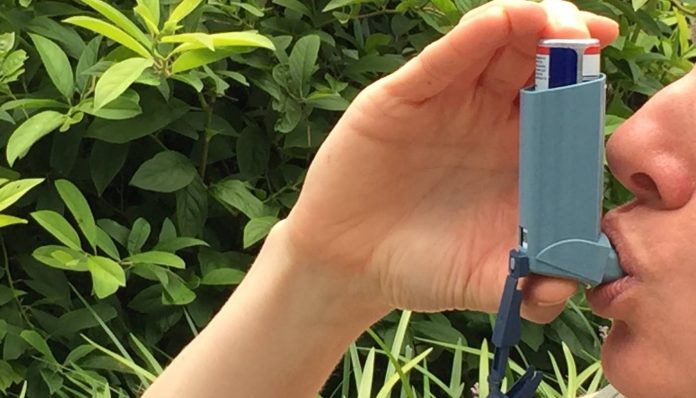
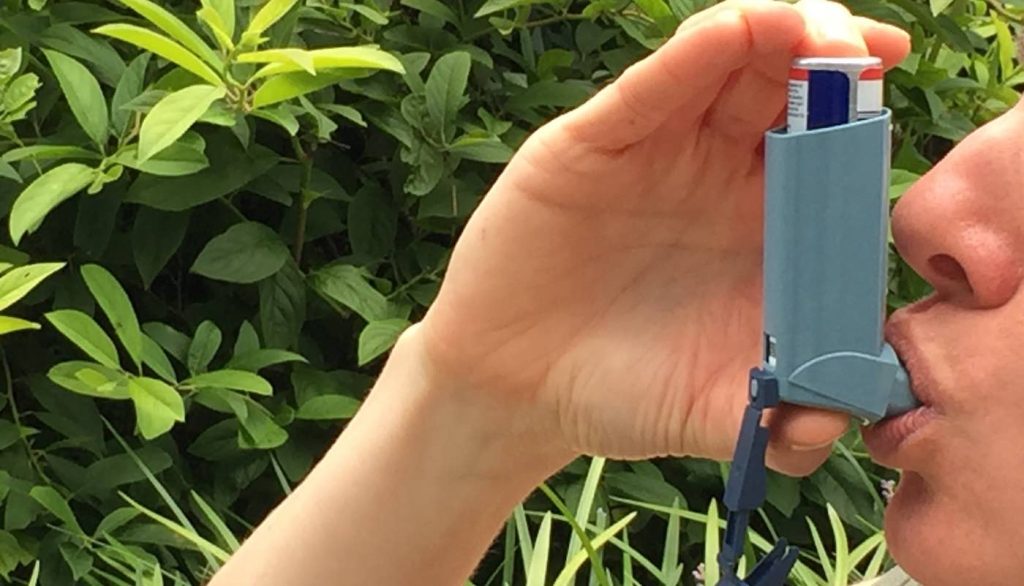
About 25 million adults and children in the U.S. have asthma. Now a clinical study shows patients worldwide who used a new combination of two drugs dramatically lowered their chances of suffering an acute attack.
Results from the trial published in The New England Journal of Medicine, show that a combination of albuterol—which provides relief from an asthma attack by relaxing the smooth muscles and is used for immediate asthma relief—and a corticosteroid taken together via an inhaler, lower the number of sudden episodes of shortness of breath, wheezing and coughing in patients, which can often land them in an emergency room or, in some cases, cause death.
“This represents a paradigm shift in the treatment of asthma. We see this combination treatment, which is the first of its kind, as becoming part of standard therapy,” said author Reynold Panettieri Jr., a professor of medicine at Rutgers Robert Wood Johnson Medical School.
The Phase 3 clinical study called MANDALA, which included more than 3,000 asthma patients from 295 sites throughout the U.S., Europe, and South America, was designed to evaluate the safety and efficacy of a combination of albuterol and budesonide (both AstraZeneca PLC drugs), as a treatment for patients with modest to severe asthma.
Albuterol is a short-acting beta 2-agonist that works by attaching to miniscule proteins called beta receptors in the airways, relaxing the muscles there. As a corticosteroid, budesonide decreases swelling and irritation in the airways.
Standard “maintenance” treatment involves taking an inhalant that combines two drugs, one a long-acting beta 2-agonist and the other a corticosteroid. When patients suffer an asthma attack, they typically use a rescue medicine such as albuterol. They also are often prescribed doses of oral steroids.
Physicians are looking to prescribe oral steroids less frequently because of their powerful side effects.
The trial was divided into three groups. With many patients already on daily maintenance asthma therapy, participants in the groups were given one of three different rescue therapies to use, should individuals suffer asthma attacks, that included either a combination of albuterol and a high dose of budesonide or a lower dose of budesonide. A control group was given just albuterol.
The patients, the study concluded, not only improved their lung function; they suffered fewer attacks.
Scientists found that albuterol with the higher dose of budesonide reduced the risk of an asthma attack by 27 percent in the short term and reduced asthma attacks by 24 percent annually. This combination also reduced use of corticosteroids, which can have adverse side effects, by 33 percent.
“With this new inhaler that delivers more inhaled steroids every time patients take the rescue therapy, they’re getting more at a time when they’re having a flare-up and when they need it,” said Panettieri, who is also director of the Rutgers Institute for Translational Medicine and Science and conducts research at the Child Health Institute of New Jersey. “We showed that, beyond decreasing their exacerbations, it decreased their need for oral steroids after a flare-up.”
SHARE This Breakthrough With Friends And Family Who Suffer with Asthma…
A statewide program launching on June 1 will help Florida residents in over 50 critical professions, including first responders and teachers, to purchase their first home.
The $100 million Hometown Heroes Housing Program will be available to law enforcement officers, firefighters, educators, healthcare professionals, childcare employees, and active military or veterans.
The program provides assistance with down payments, closing costs, and a lower mortgage rate to first-time, income-qualified homebuyers to purchase a home in the community where they work.
Borrowers can receive up to 5% of the loan amount—up to $25,000—in assistance. Limits on income and the price of the house are determined by the specific county.
The program will expand Florida’s existing housing programs to reach critical workers and those who have served our country. Governor Ron DeSantis also intends to expand the total earmarked by the Legislature in the upcoming budget to $363 million appropriated for affordable and workforce housing—the highest total in 15 years.
“Our hometown heroes are the backbone of Florida communities and making sure that they can afford to be homeowners is a great way to give back to them and support the future of the American Dream,” said DeSantis.
“I have been a teacher for 25 years,” said Melba Lugo, who works at Mid Cape Global Academy. “I want to thank all of these people that have made this possible. Owning a house seemed like such a distant, far away dream.”
Funds will be available to reserve starting June 1, which coincides with National Homeownership Month.
To qualify for this program, homebuyers must connect with a participating loan officer, have a minimum credit score of 640, and meet the income threshold for their county.
If you are not a first-time homebuyer, you may still be eligible to participate if you are purchasing a home in a federally designated targeted area or if you are a qualified veteran.
FREE WILL ASTROLOGY – Week of May 28, 2022
Copyright by Rob Brezsny, FreeWillAstrology.com
GEMINI (May 21-June 20):
“Reality is not simply there; it does not simply exist,” claimed author Paul Celan. “It must be sought out and won.” I think that is excellent advice for you right now. But what does it mean in practical terms? How can you seek out and win reality? My first suggestion is to put your personal stamp on every situation you encounter. Do something subtle or strong to make each event serve your specific interests and goals. My second suggestion is to discern the illusions that other people are projecting and avoid buying into those misunderstandings. My third suggestion is to act as if it’s always possible to make life richer, more vivid, and more meaningful. And then figure out how to do that.
CANCER (June 21-July 22): Wilma Mankiller was the first female Principal Chief of the Cherokee Nation. She said, “The cow runs away from the storm, while the buffalo charges directly toward it—and gets through it quicker.” Political analyst Donna Brazile expounded on Mankiller’s strategy: “Whenever I’m confronted with a tough challenge, I do not prolong the torment. I become the buffalo.” I recommend Mankiller’s and Brazile’s approach for you and me in the coming days, my fellow Cancerian. Now please excuse me as I race in the direction of the squall I see brewing in the distance.
LEO (July 23-Aug. 22): The New Yorker is an influential Pulitzer Prize-winning magazine that features witty writing and impeccable fact-checking. How did the magazine get its start? It was co-founded in 1925 by Harold Ross, who had dropped out of school at age 13. He edited every issue for the next 26 years. I’m sensing the possibility of a comparable development in your life, Leo. In the coming months, you may get involved in a project that seems to be beyond the reach of your official capacities or formal credentials. I urge you to proceed as if you can and will succeed.
VIRGO (Aug. 23-Sept. 22):
Virgo-born Jocko Willink is a retired naval officer and author. In his book Discipline Equals Freedom: Field Manual, he lays down his manifesto: “Become the discipline—embrace its cold and relentless power. And it will make you better and stronger and smarter and faster and healthier than anything else. And most important: It will make you free.” While I don’t expect you to embrace Willink’s rigorous ethic with the same fanatical grip, I think you will benefit from doing the best you can. The cosmic rhythms will support you if you make a fun and earnest effort to cultivate liberation through discipline.
LIBRA (Sept. 23-Oct. 22):
“Some nights you are the lighthouse, some nights the sea,” writes Libran author Ocean Vuong. According to my astrological analysis, you are better suited to be the lighthouse than the sea in the coming days. Lately, you have thoroughly embodied the sea, and that has prepared you well to provide illumination. You have learned new secrets about the tides and the waves. You are attuned to the rhythms of the undercurrents. So I hope you will now embrace your role as a beacon, Libra. I expect that people will look to your radiance to guide and inspire them.
SCORPIO (Oct. 23-Nov. 21):
“Movie people are possessed by demons, but a very low form of demons,” observes author Edna O’Brien. She should know. She has hung out with many big film stars. Since you’re probably not in the movie business yourself, your demons may be much higher quality than those of celebrity actors and directors. And I’m guessing that in the coming weeks, your demons will become even finer and more interesting than ever before—even to the point that they could become helpers and advisors. For the best results, treat them with respect and be willing to listen to their ideas.
SAGITTARIUS (Nov. 22-Dec. 21):
I’m all in favor of you getting what you yearn for. I have no inhibitions or caveats as I urge you to unleash all your ingenuity and hard work in quest of your beautiful goals. And in the hope of inspiring you to upgrade your ability to fulfill these sacred prospects, I offer you a tip from Sagittarian author Martha Beck. She wrote, “To attract something that you want, become as joyful as you think that thing would make you.”
CAPRICORN (Dec. 22-Jan. 19):
According to author Caroline Myss, “You should see everything about your life as a lesson.” Whoa! Really? Each trip to the grocery store should be a learning opportunity? Myss says yes! For example, let’s say you’re in the snack foods aisle and you’re tempted to put Doritos Nacho Cheese Tortilla Chips and Lay’s Barbecue Potato Chips in your cart. But your gut is screaming at you, “That stuff isn’t healthy for you!” And yet you decide to ignore your gut’s advice. You buy and eat both bags. Myss would say you have squandered a learning opportunity: “You’ve harmed yourself by blocking your intuitive voice,” she writes. Now, in accordance with astrological omens, Capricorn, here’s your homework assignment: Regard every upcoming event as a chance to learn how to trust your intuition better.
AQUARIUS (Jan. 20-Feb. 18):
An Aquarian poet was disturbed when a suitor told her, “I’m really very fond of you.” She responded, “I don’t like fond. It sounds like something you would tell a dog. Give me love, or nothing. Throw your fond in a pond.” I don’t advise you to adopt a similar attitude anytime soon, Aquarius. In my oracular opinion, you should wholeheartedly welcome fondness. You should honor it and celebrate it. In itself, it is a rich, complex attitude. And it may also lead, if you welcome it, to even more complex and profound interweavings.
PISCES (Feb. 19-March 20):
“I need a playlist of all the songs I used to love but forgot about,” wrote a Tumblr blogger. I think you could use such a playlist, too, Pisces. In fact, I would love to see you receive a host of memos that remind you of all the things you love and need and are interested in—but have forgotten about or neglected. The coming weeks will be an excellent time to recover what has been lost. I hope you will re-establish connections and restore past glories that deserve to accompany you into the future.
ARIES (March 21-April 19):
In defining the essential elements at play in a typical Aries person’s agenda, I’m not inclined to invoke the words “sometimes” or “maybe.” Nor do I make frequent use of the words “periodically,” “if,” or “ordinarily.” Instead, my primary identifying term for many Aries characters is “NOW!!!” with three exclamation points. In referring to your sign’s experiences, I also rely heavily on the following descriptors: pronto, presto, push, directly, why not?, engage, declare, activate, venture into, enterprising, seize, deliver, and wield. You are authorized to fully activate and deploy these qualities in the next three weeks.
TAURUS (April 20-May 20):
I like Joan Didion‘s definitions of self-respect. As you enter a favorable phase for deepening and enhancing your self-respect, they may be helpful. Didion said self-respect is a “sense of one’s intrinsic worth,” and added, “People who respect themselves are willing to accept the risk that the venture will go bankrupt, that the liaison may not turn out to be one in which every day is a holiday. They are willing to invest something of themselves.” And maybe the most essential thing about self-respect, according to Didion, is that it is “a discipline, a habit of mind that can never be faked but can be developed, trained, coaxed forth.”
WANT MORE? Listen to Rob’s EXPANDED AUDIO HOROSCOPES, 4-5 minute meditations on the current state of your destiny — or subscribe to his unique daily text message service at: RealAstrology.com
Quote of the Day: “Self-respect is a discipline, a habit of mind that can never be faked but can be developed, trained, coaxed forth.” – Joan Didion
Photo by: Dollar Gill
With a new inspirational quote every day, atop the perfect photo—collected and archived on our Quotes page—why not bookmark GNN.org for a daily uplift?