All News - Page 419 of 1715 - Good News Network
Home Blog Page 419

The Good Guys Calendar is a Celebration of Men and Their Good Deeds – Hang it on Your Wall in 2022

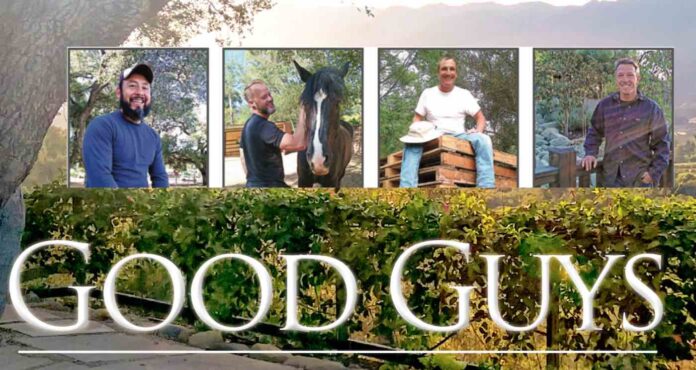
During the pandemic, Karen Banfield decided to focus on the goodness around her, specifically the men who were showing up with a generosity of spirit and open hearts.

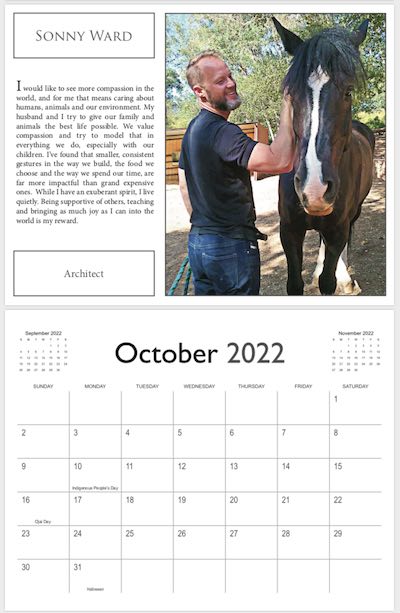
Her twelve favorites now make up a 2022 calendar called Good Guys.

“I focused on men because the news has been full of negative role models, and I believe having positive role models is essential,” she told GNN.

She photographed the twelve men in a natural environment and interviewed them, being sure to tell their stories in a way that conveyed their motivation for bringing kindness and goodwill into the world.

“These men, from diverse backgrounds, have touched many lives in small, often unnoticed, ways with compassion that made me smile—and just as often brought me to tears.”

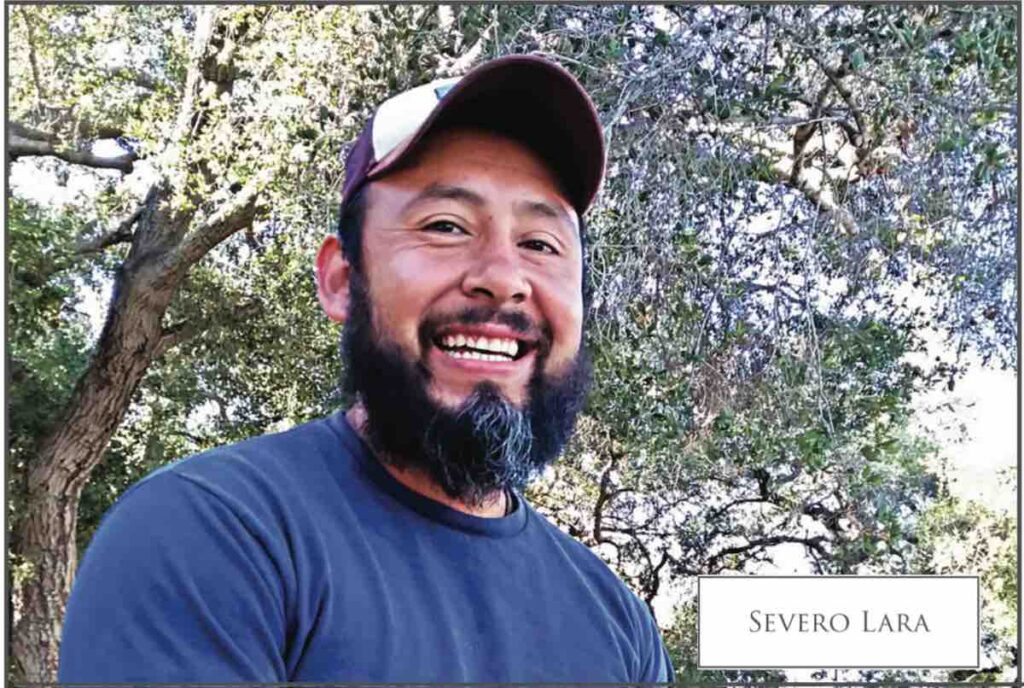
Mr. September (Severo Lara) was a single dad with two young girls when he was elected Mayor of the town of Ojai, California, where Banfield lives. A humble man, he often rode his bike to events when others arrive in expensive cars.

Although serving the village and several organizations, he always put the needs of his family first—even halting his campaigning the moment his young daughter tugged on his shirt to tell him she was tired and wanted to go home.

Banfield recalls, “Years ago, when I was still performing, I needed to transport chairs late at night from the theater to a storage unit. Severo was the one who showed up in the rain, after he had worked all day, to help load, transport and unload the chairs.”

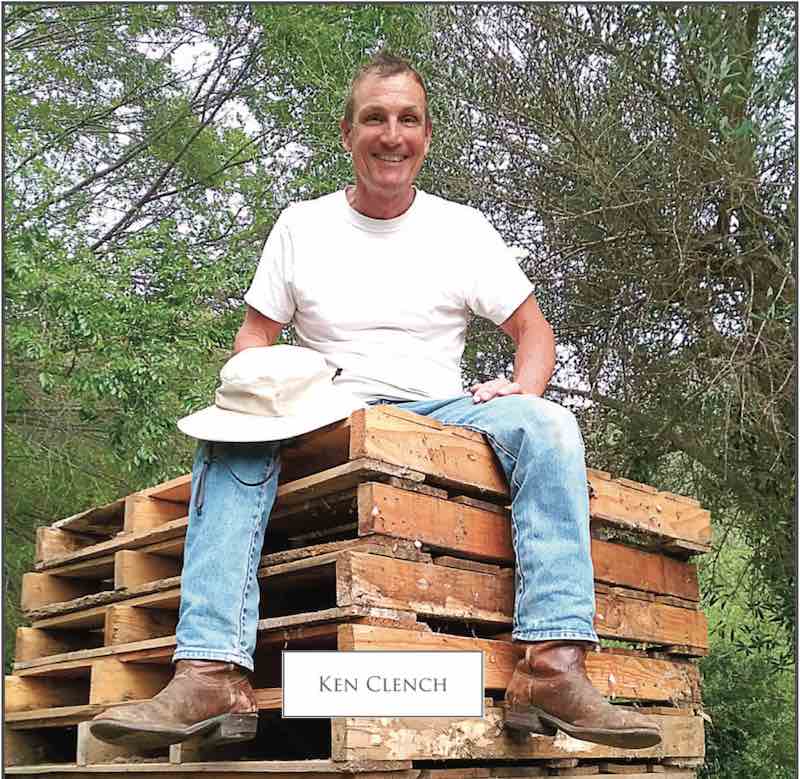
Mr. November (Ken Clench) first showed up on Banfield’s radar when he posted on a Facebook Community page offering free work to those in need. A month later, she arrived to a party, juggling food dishes, a gift, and a jacket in the driveway, when Ken swooped in, took the load from her arms and introduced himself with a smile.

“I asked about his donations of time and energy to the community and he said, ‘I’ve been going through a rough time, and keeping busy on my days off is the best medicine.’ A woodworker, Ken loves helping others. He built our little free library, and does other jobs in exchange for baked goods, dinner or conversation.”

A creative soul, when Ken joined Banfield’s Storytelling Class three years ago, he was nervous and full of fears and self-doubt, but his bravery, determination and willingness eclipsed all of that. In eight short weeks he was telling personal stories with confidence—and original music.

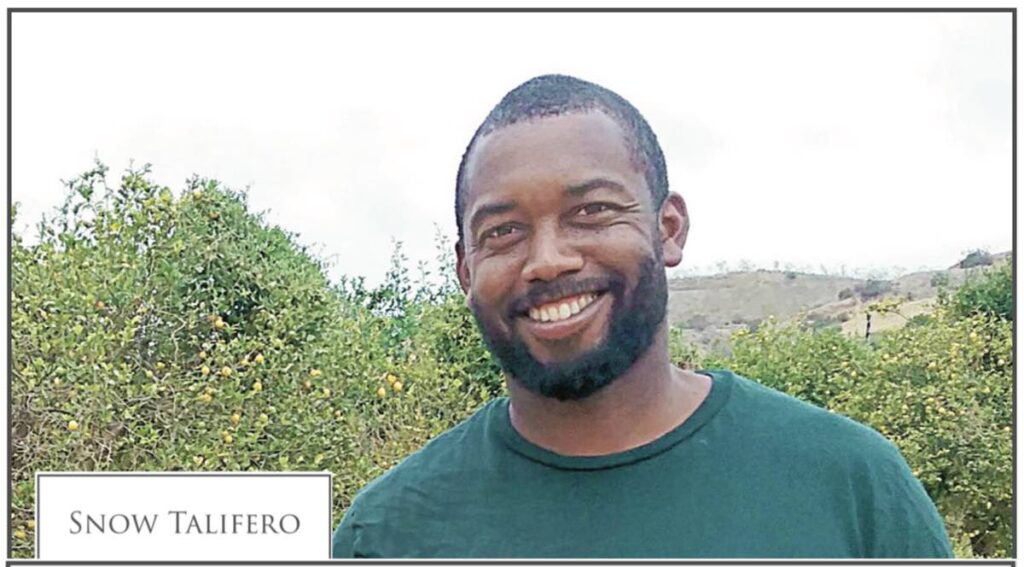
Mr. March (Snow Talifero) showed his generosity of spirit in the aftermath of the Thomas Fire, which nearly engulfed Ojai on its way to becoming the state’s largest-ever wildfire in 2017. The firefighter announced on the local community bulletin board that he would cut down dead trees for free, as a way to keep people safe.

Banfield said, “I thought about the need to get rid of that dead tree, but I’m a person with two afflictions: one the delusion that I am still capable of cutting down a tree at my advanced age, and two that I should do everything myself. So it was with trepidation and a little shame that I contacted Snow and asked for his service. He arrived the very next day, with his entire family in tow. They were going out to dinner, and in no time at all, he had cut the tree and readied it for removal.”

“It’s those little things that matter—those things that are easy for others, and almost impossible for me. I never forget a kindness, and value those who offer it with such grace and freedom.”

On the last page of the wall calendar, which Banfield is offering for sale, she invites readers to reflect on the Good Guys in their own lives, as a way to be grateful for the year ending in December, 2021.

To purchase the calendar, which measures 8 1/2 by 11 inches, visit her website (Click on the little credit card icons, if you don’t have a PayPal account.

The cost is $26.50 which covers shipping to anywhere in the U.S. If you need international shipping, you can email her at [email protected]. She also accepts Venmo or mailed checks for US shipping—but be sure to include your mailing address.

Karen Banfield: 25 Taormina Ln, Ojai, CA 93023.

HAIL These Good Guys on Your Social Media Wall By Sharing This Story Today… 

“No pessimist ever discovered the secret of the stars, or sailed to an uncharted land, or opened a new doorway for the human spirit.” – Helen Keller

Quote of the Day: “No pessimist ever discovered the secret of the stars, or sailed to an uncharted land, or opened a new doorway for the human spirit.” – Helen Keller

Photo: by Rowan Freeman

With a new inspirational quote every day, atop the perfect photo—collected and archived on our Quotes page—why not bookmark GNN.org for a daily uplift?


A 15 Million-Acre Protected Superhighway Near Galapagos Was Just Created to Preserve Marine Life

Hammerhead shark in Galápagos Marine Reserve – Galápagos Conservancy

Ecuadorian President Guillermo Lasso announced at the climate summit, COP 26 in Scotland, an expansion of the marine protections around the iconic Galápagos Islands by 23,000 square miles—nearly 15 million acres.

Lasso also announced the creation a protected swimway from Galápagos all the way to Costa Rica, an underwater superhighway refuge for a variety of endangered migratory animals such as scalloped hammerhead sharks, whale sharks, rays, sea turtles, and tuna.

The swimway will connect with Cocos Islands National Park, a UNESCO World Heritage Site off the coast of Costa Rica.

The new marine sanctuary expands the existing Galápagos Islands reserve by 45%, the equivalent of protecting a Lake Michigan-sized area of water—and there is already a fleet ready to police the area.

RELATED: Because Amazon Tribes Were Trusted, A True River Monster Was Saved

Industrial fishing has for decades harvested from this marine superhighway, and the new protection has galvanized members of the Galápagos Conservancy, a nonprofit which is the premiere protector of the endemic giant land tortoises they study and breed, but which also is active in marine conservation.

The news earned the Ecuadorian president a shout out from Hollywood eco-conscience Leonardo Di Caprio.

“Galápagos Conservancy will continue to fund the Galápagos National Park’s patrol boats to keep industrial fishing out of these precious waters. What’s more, we have groundbreaking new marine projects well underway for 2022, including more grants focused on marine conservation than ever before,” the group said in a statement.

“We hope that this agreement between Ecuador and Costa Rica will serve as a model for multinational collaboration in marine conservation going forward.”

More Good News Announced for the Earth

The announcement was hailed at COP-26 where, in other good news, 100 leaders from around the world pledged to reverse deforestation by 2030. More than 100 countries also signed a pledge to reduce their methane emissions by 30 percent by 2030—with the U.S. committing to a 50% reduction of the ultra-potent greenhouse gas by the end of the decade.

POPULAR: 20,000 Pounds of Trash Removed From Pacific Garbage Patch: ‘Holy mother of god. It worked!’

– Written with contributions from World At Large, a news website of nature, politics, science, health, and travel.

Don’t Forget to Share This With Your Ocean-Loving Friends on Social Media… 

This Week’s Inspiring Horoscopes From Rob Brezsny’s ‘Free Will Astrology’

Our partner Rob Brezsny provides his weekly wisdom to enlighten our thinking and motivate our mood. Rob’s Free Will Astrology, is a syndicated weekly column appearing in over a hundred publications. He is also the author of Pronoia Is the Antidote for Paranoia: How All of Creation Is Conspiring To Shower You with Blessings. (A free preview of the book is available here.)

Here is your weekly horoscope…
FREE WILL ASTROLOGY – Week beginning November 12, 2021
Copyright by Rob Brezsny, FreeWillAstrology.com
SCORPIO (Oct. 23-Nov. 21):
Scorpio theologian Eugene Peterson cleared up a mystery about the nature of mystery. He wrote, “Mystery is not the absence of meaning, but the presence of more meaning than we can comprehend.” Yes! At least sometimes, mystery can be a cause for celebration, a delightful opening into a beautiful unknown that’s pregnant with possibility. It may bring abundance, not frustration. It may be an inspiring riddle, not a debilitating doubt. Everything I just said is important for you to keep in mind right now.
SAGITTARIUS (Nov. 22-Dec. 21):
In 2017, Richard Thaler won the Nobel Prize for Economics. His specialty: researching how unreasonable behavior affects the financial world. When he discovered that this great honor had been bestowed on him, he joked that he planned to spend the award money “as irrationally as possible.” I propose we make him your role model for the near future, Sagittarius. Your irrational, nonrational, and trans-rational intuitions can fix distortions caused by the overly analytical and hyper-logical approaches of you and your allies.
CAPRICORN (Dec. 22-Jan. 19):
“Neurotic” and “neurosis” are old-fashioned words. Psychotherapists no longer use them in analyzing their patients. The terms are still useful, though, in my opinion. Most of us are at least partly neurotic—that is to say, we don’t always adapt as well as we could to life’s constantly changing circumstances. We find it challenging to outgrow our habitual patterns, and we fall short of fulfilling the magnificent destinies we’re capable of. Author Kenneth Tynan had this insight: “A neurosis is a secret that you don’t know you are keeping.” I bring this to your attention, Capricorn, because you now have extra power to adapt to changing circumstances, outgrow habitual patterns, and uncover unknown secrets—thereby diminishing your neuroses.
AQUARIUS (Jan. 20-Feb. 18):
Author Darin Stevenson wrote the following poetic declaration: “‘No one can give you the lightning-medicine,’ say the people who cannot give the lightning medicine.” How do you interpret his statement? Here’s what I think. “Lightning medicine” may be a metaphorical reference to a special talent that some people have for healing or inspiring or awakening their fellow humans. It could mean an ingenious quality in a person that enables them to reveal surprising truths or alternative perspectives. I am bringing this up, Aquarius, because I suspect you now have an enhanced capacity to obtain lightning medicine in the coming weeks. I hope you will corral it and use it even if you are told there is no such thing as lightning medicine. (PS: “Lightning medicine” will fuel your ability to accomplish difficult feats.)
PISCES (Feb. 19-March 20):
The superb fairywren gives its chicks lessons on how to sing when they are still inside their eggs. This is a useful metaphor for you in the coming months. Although you have not yet been entirely “born” into the next big plot twist of your hero’s journey, you are already learning what you’ll need to know once you do arrive in your new story. It will be helpful to become conscious of these clues and cues from the future. Tune in to them at the edges of your awareness.
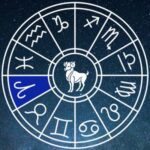
ARIES (March 21-April 19):
For much of her life, Aries poet Mary Ruefle enjoyed imagining that polar bears and penguins “grew up together playing side by side on the ice, sharing the same vista, bits of blubber, and innocent lore.” But one day, her illusions were shattered. In a science journal, she discovered that there are no penguins in the far north and no bears in the far south. I bring this to your attention, Aries, because the coming weeks will be a good time to correct misimpressions you’ve held for a while—even as far back as childhood. Joyfully modernize your understanding of how the world works.
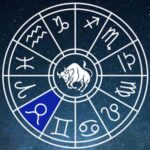
TAURUS (April 20-May 20):
Actor Elizabeth Taylor described her odd rhythm with actor James Dean. Occasionally, they’d stay awake till 3 am as he regaled her with poignant details about his life. But the next day, Dean would act like he and Taylor were strangers—as if, in Taylor’s words, “he’d given away or revealed too much of himself.” It would take a few days before he’d be friendly again. To those of us who study the nature of intimacy, this is a classic phenomenon. For many people, taking a risk to get closer can be scary. Keep this in mind during the coming weeks, Taurus. There’ll be great potential to deepen your connection with dear allies, but you may have to deal with both your and their skittishness about it.
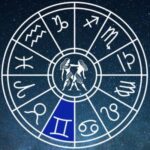
GEMINI (May 21-June 20):
There are many different kinds of smiles. Four hundred muscles are involved in making a wide variety of expressions. Researchers have identified a specific type, dubbed the “affiliation smile,” as having the power to restore trust between two people. It’s soothing, respectful, and compassionate. I recommend you use it abundantly in the near future—along with other conciliatory behavior. You’re in a favorable phase to repair relationships that have been damaged by distrust or weakened by any other factor.
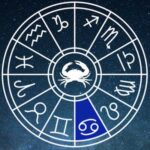
CANCER (June 21-July 22):
According to feminist cosmologists Monica Sjöö and Barbara Mor, “Night, to ancient people, was not an ‘absence of light’ or a negative darkness, but a powerful source of energy and inspiration. At night the cosmos reveals herself in her vastness, the earth opens to moisture and germination under moonlight, and the magnetic serpentine current stirs itself in the underground waters.” I bring these thoughts to your attention, fellow Cancerian, because we’re in the season when we are likely to be extra creative: as days grow shorter and nights longer. We Crabs thrive in the darkness. We regenerate ourselves and are visited by fresh insights about what Sjöö and Mor call “the great cosmic dance in which everything participates: the movement of the celestial bodies, the pulse of tides, the circulation of blood and sap in animals and plants.”
LEO (July 23-Aug. 22):
Your heart has its own brain: a “heart brain.” It’s composed of neurons similar to the neurons in your head’s brain. Your heart brain communicates via your vagus nerve with your hypothalamus, thalamus, medulla, amygdala, and cerebral cortex. In this way, it gives your body helpful instructions. I suspect it will be extra strong in the coming weeks. That’s why I suggest you call on your heart brain to perform a lot of the magic it specializes in: enhancing emotional intelligence, cultivating empathy, invoking deep feelings, and transforming pain.
VIRGO (Aug. 23-Sept. 22):
How did naturalist Charles Darwin become a skillful thinker who changed the world with his theory of evolution? An important factor, according to businessperson Charlie Munger: “He always gave priority attention to evidence tending to disconfirm whatever cherished and hard-won theory he already had.” He loved to be proved wrong! It helped him refine his ideas so they more closely corresponded to the truth about reality. I invite you to enjoy using this method in the coming weeks, Virgo. You could become even smarter than you already are as you wield Darwin’s rigorous approach to learning.
LIBRA (Sept. 23-Oct. 22):
You could soon reach a new level of mastery in an aptitude described by author Banana Yoshimoto. She wrote, “Once you’ve recognized your own limits, you’ve raised yourself to a higher level of being, since you’re closer to the real you.” I hope her words inspire you, Libra. Your assignment is to seek a liberating breakthrough by identifying who you will never be and what you will never do. If you do it right—with an eager, open mind—it will be fun and interesting and empowering.

WANT MORE? Listen to Rob’s EXPANDED AUDIO HOROSCOPES, 4-5 minute meditations on the current state of your destiny — or subscribe to his unique daily text message service at: RealAstrology.com

(Zodiac images by Numerologysign.com, CC license)

SHARE The Wisdom With Friends Who Are Stars in Your Life on Social Media…

Photo of Firefighter Reading Book to Little Girl After a Car Crash Warms Hearts on the Internet

Allie Marie Schmalz

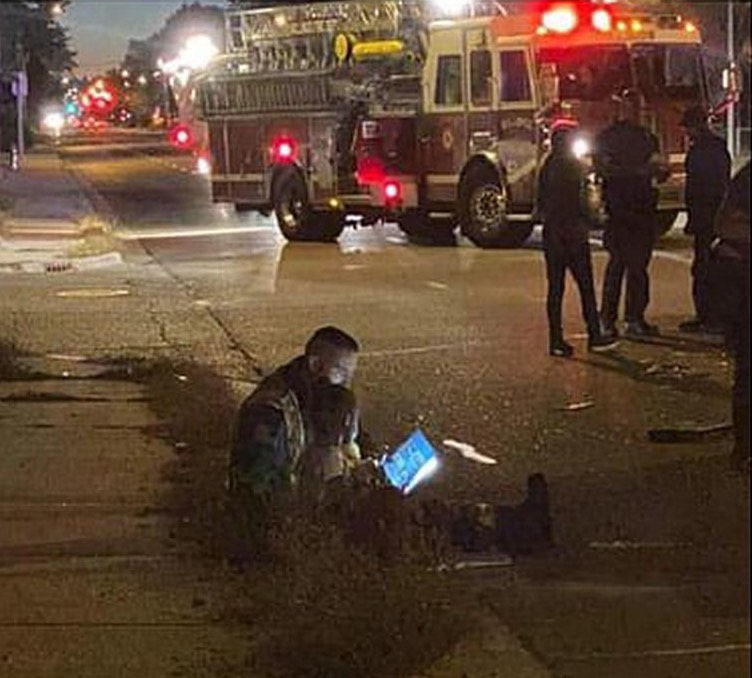
A photo taken by a bystander in Montana captured the touching scene of a firefighter reading a book to a little girl in the street, taking her mind off the trauma of their family’s car crash.

It was nighttime about a month ago when the Billings Fire Department responded to the two-vehicle accident, sirens blaring.

While the crews and the girl’s parents were busy with tow trucks and police reports, firefighter Ryan Benton took a book out of their fire engine and started reading to her on the curb.

“This allowed her to calm down and allowed the parents the ability to focus on getting some sense of normalcy back after a traumatic event like an accident,” said a fire department spokesperson.

“Sweetest thing ever!” wrote Allie Marie Schmalz on Facebook when she posted her photo of the 26-year-old fire fighter.

We’ve learned after news reports that the Billings fire responders always carry book bags to give to children in traumatic situations. The bags contain a stuffed animal, a book about firefighters, and other books that can soothe a young child’s mind.

Julie Angle later wrote on the Billings Firefighters Facebook page, saying how grateful she was for the compassionate practice.

LOOK: Firefighters Get Creative to Help Baby Raccoon With its Head Stuck in a Sewer Cover

“A few years ago we experienced the firefighters giving my kids stuffed animals after a fire. My girls remember that more than the fire. It was definitely something we will always be thankful for!”

WATCH the video from KTVQ News in Billings…

BRING Comfort to Your Friends By Sharing on Social Media…

Keanu Reeves Gifts His 4 Stuntmen With $20,000 Rolex Watches Engraved With Fun Messages

Photo by Nathan Congleton, CC license

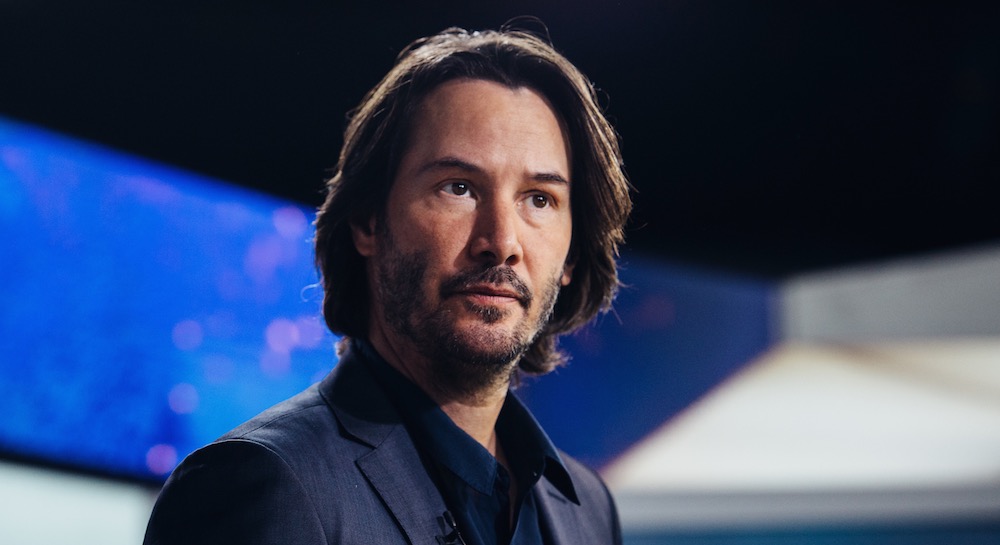
News of Keanu Reeves’s thoughtfulness, as the latest John Wick film wrapped, proved once again that he is one of the best human beings in show business.

The film star’s acts of kindness and philanthropy have made national headlines at least a dozen times in recent years.

In 2019, Reeves was praised for helping two dozen fellow airline passengers reach their destinations after their plane was force to make an emergency landing in California far from its destination. He invited them aboard his own ride, then entertained them throughout the trip.

In 2018, reporters discovered that Reeves secretly has been anonymously pouring money into a charity for years.

Before the pandemic, he was photographed hopping out of his car so he could autograph a flattering handmade yard sign that was meant for the actor.

POPULAR: Fans Break into Keanu Reeves Property–But Instead of Calling Cops, He Invites Them in for Beer

The latest story of generosity came to light after Keanu invited his four stuntmen to dinner and gave them each an extravagant present as a bonus for their work on the franchise film, John Wick: Chapter 4, which is set to be released on May 27, 2022.

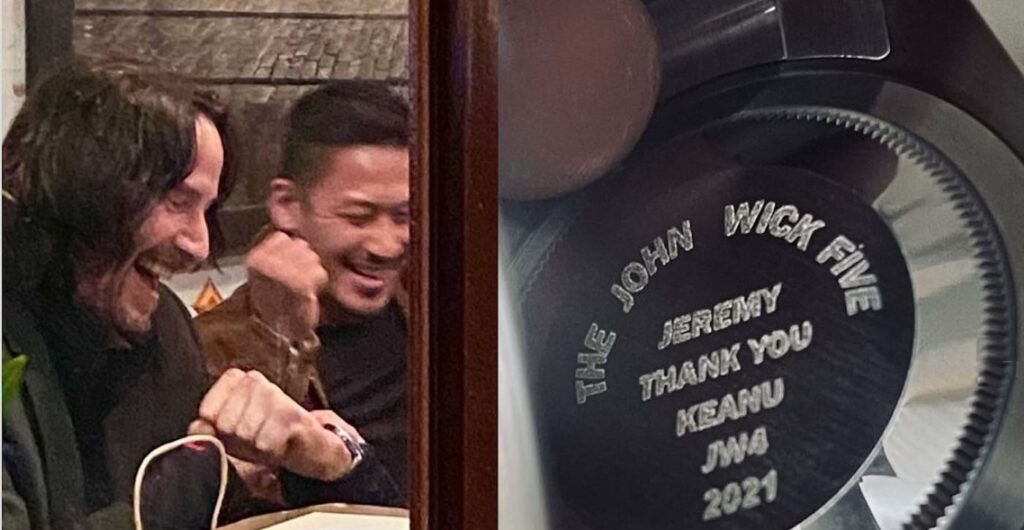
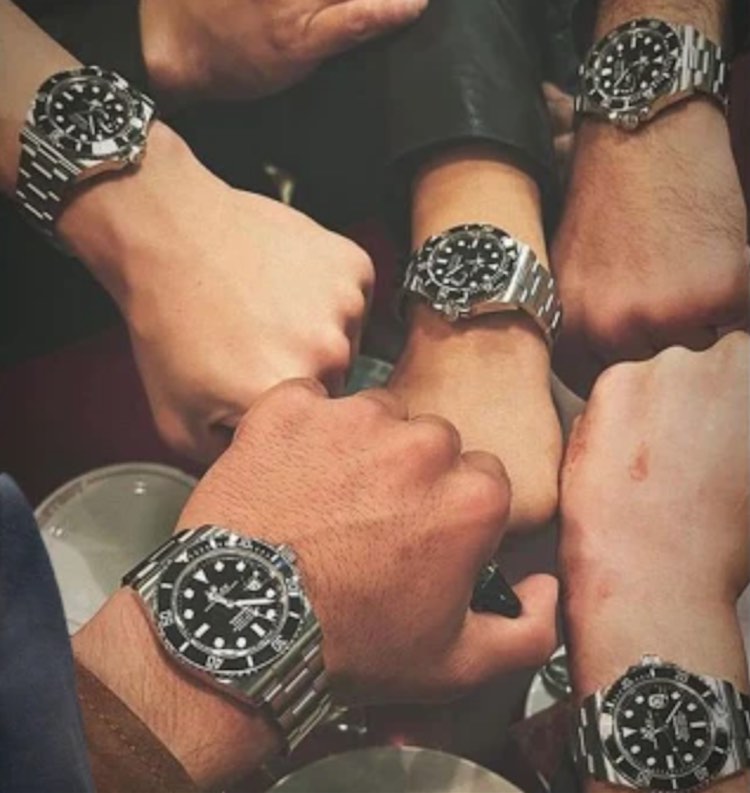
Jeremy Marinas, Dave Camarillo, Li Qiang, and Bruce Concepcion joined him for dinner in Paris on October 23 where they each got a new Rolex Submariner, a watch revered by divers for being waterproof to a depth of 1,000 feet.

One of the stuntmen, Jeremy Marinas, shared an Instagram photo of his watch, which retails for around $20,000, with the caption, “Best wrap gift ever.”

@keanucreeves.fanpage

Each watch is engraved with “The John Wick Five,” along with a personalized message of appreciation.

RELATED: Michael J. Fox Raises $1.5 Billion to Help Find a Parkinson’s Cure: ‘I Won’t Stop Until It Happens’

Until the next episode in our Keanu Reeves love fest, we’ll choose the red pill, and ‘stay in wonderland.’

TAKE The Time to Praise This Celebrity Kindness By Sharing on Social Media…

“You must expect great things of yourself before you can do them.” – Michael Jordan

Quote of the Day: “You must expect great things of yourself before you can do them.” – Michael Jordan

Photo: by Adam Walker

With a new inspirational quote every day, atop the perfect photo—collected and archived on our Quotes page—why not bookmark GNN.org for a daily uplift?


Americans Are Almost Twice as Likely to Be Satisfied With Their Lives If They Give Back

90% of Americans in a new survey have contributed to a charity and feel better about themselves when they actively give back.

In fact, those who do are almost twice as likely to say that they’re satisfied with their lives.

That’s according to a survey of 2,000 U.S. adults, conducted by OnePoll ahead of Giving Tuesday.

The poll revealed that most people think a ‘good deed’ is an action that makes someone else feel good, or something that benefits an individual—regardless if you personally know them or not.

Over half of respondents said that helping someone with a task, donating to someone in need, saying “good morning”, or even holding a door open for someone, are deeds that are likely to transform your own day.

In fact, according to nine out of 10, the best reward may be doing the deed itself.

RELATED: Six in 10 Americans Agreed They’re More Financially Confident Than They Were Before the Pandemic

The survey found that good deeds are rewarding because of hidden mental and physical health benefits, causing the people who perform them to feel happy (92%), relaxed (77%) and healthy (71%).

Three-quarters of those polled believed that if they do a good deed, the next person will pay it forward, according to the study commissioned by Walgreens.

Respondents donate an average of $168 during the rest of the year, with almost all reporting they donate more during the holiday season than at other times of the year.

On average, people donate an extra $404 during the holidays.

CHECK Out: Americans Reveal How They’re Staying Positive, With 66% Agreeing Their Communities Are Closer Than Ever

The vast majority of those who donate are more likely to focus their efforts on a local group rather than a national charity or organization (92%).

Two-thirds believe this will have a bigger impact, and three in five said it’s more trustworthy.

The spirit of giving inspires some to focus on holiday-specific causes, including charities that distribute toys to children in need.

Eight in 10 of those surveyed say they’re more likely to shop for a specific product—or at a particular store—when they believe it will benefit a cause they care about.

MOST REWARDING SMALL DEEDS

Helping a colleague, friend or family member with a task (61%)
Donating to someone in need (59%)
Saying “good morning” to someone (53%)
Holding a door open for someone (53%)
Giving a compliment to someone (52%)
Paying for someone’s meal (46%)
Buying someone a coffee (43%)
Helping someone carry their groceries (42%)

TOP 5 MOST POPULAR TYPES OF CHARITIES

Health (53%)
Human/Civil Rights (44%)
Animals/Wildlife (42%)
Education (41%)
Environmental (41%)

MORE: 56% of Americans Say They’re Happier in Autumn Than Any Other Season: The Top 20 Reasons

DON’T Keep This Charity to Yourself—Share the Inspiring Poll on Social Media…

Sikh Men Created a Lifeline Using Turbans to Rescue Hikers at a Canadian Park

@OmniPunjabi/Twitter

When an emergency happens in the wilderness, quick thinking can often mean the difference between life and death.

After accidentally sliding down the face of a steep rock wall, two wayward tourists who recently found themselves stranded by the edge of a deep pool at the base of a thundering waterfall in British Columbia’s Golden Ears Provincial Park knew they were in a serious predicament.

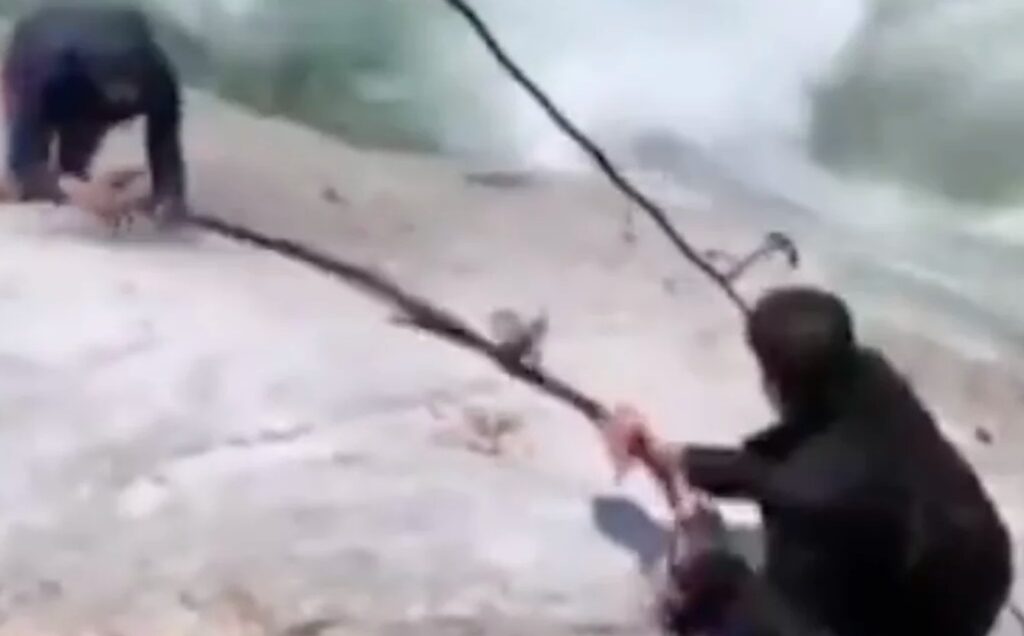
Fortunately for them, five Sikh hikers who happened to be on the scene and witnessed their plight used not only their heads but also their hats—or more specifically, their turbans—to mount a pretty amazing rescue.

After taking stock of the situation, and with no cell phone service to call for outside assistance, the savvy group of international students struck on the idea of unwinding the long coils of their traditional headgear, and along with some added footage afforded by bits of their clothing, they managed to fashion a 33-foot lifeline with which they were eventually able to fish the stranded pair from their perilous perch.

“We were trying to think how we could get them out, but we didn’t know how to,” Kuljinder Kinda told NBC News. “So we walked for about 10 minutes to find help and then came up with the idea to tie our turbans together.”

RELATED: Quick-Thinking Teen Rushes to Save People Trapped In Burning Building, Inspired by Her Favorite Show

Once the two anonymous (and no doubt embarrassed, since the waterfall hazard was clearly marked) hikers were pulled to safety, park officials stepped in to assess their condition.

As neither required medical treatment, they were released on their own recognizance—likely with a stern warning to better mind where they’re going next time.

Kinda and his four comrades, while more than pleased with their day’s work, were humble about their heroic exploits. It was simply a matter of being in the right place at the right time and having the means to help, they said.

MORE: Lifeboat Volunteers Rushed From Crew Member’s Wedding to Rescue Six People in 7 Minutes

“In Sikhi, we are taught to help someone in any way we can with anything we have,” Kinda told NBC, “even our turban[s].”

Our takeaway? When danger strikes and a rescue rope’s not handy, first think fast—and then think “knot.”

RESCUE a Little Good News For Those News Feeds—Share This…
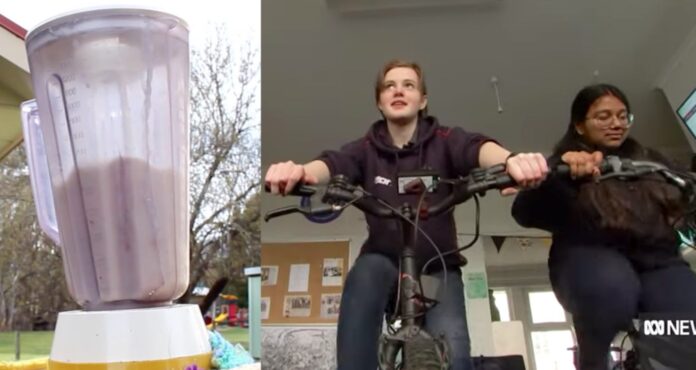
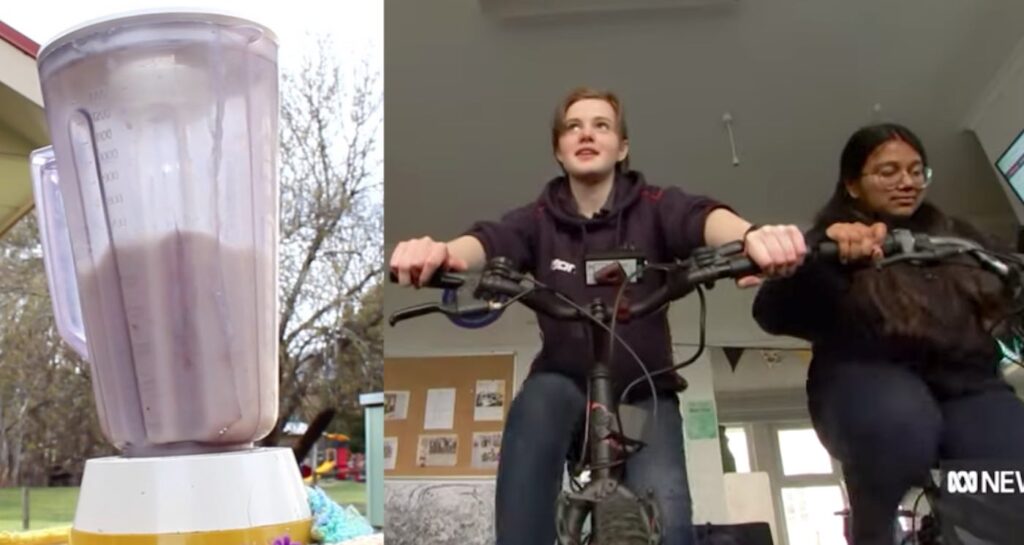
Students Save $44,000 on School’s Energy Bills Using Solar, Sawdust Heat, and Pedal Power to Make Milkshakes

(L)ABC Australia/YouTube/(R) Huonville High School

Students at a Tasmania high school are riding bikes out of desire to combat climate change, implementing a dizzyingly-thorough transformation of their school building into an energy efficient inspiration.

It’s paying off big time, as they’ve helped save $44,000 in utility bills since they started their energy-saving activities, but it’s also inspiring young people in the community to take action for the planet’s future on a local scale.

400 students attend Huonville High School in Australia, which recently won the Zayed Future Energy Prize of $133,000, some of which was used to renovate a building to serve as the Zayed Future Energy Hub; a clubhouse where 13 volunteers learn and teach about how renewable energy can be applied to our everyday lives.

Among the myriad of efficiency modifications, they installed solar panels on the roof, and replaced the old windows with double and triple glazed ones. They added improved insulation and energy efficient curtains.

They even have stationary bikes that create electricity to cook food, which in the case of a feature in ABC News Australia, were doughnuts.

The classroom was cold in the mornings, but the students wanted zero carbon emissions through their heating. So they went out and got a pellet stove, and then if that wasn’t enough, they went out and built a pellet mill to make their fuel from waste sawdust.

RELATED: Teen Invents Clever Fire Extinguisher to Save Your Home When You’re Away – and He’s Donating All the Profits

Powering one small building on a high school campus or cooking doughnuts in renewable fat fryers is nice, but will do little on their own to slow global climate change, but the Hub is much more about the big picture. Nel Smit, the volunteer teacher-head of the Hub knows their biggest contribution is exciting the minds of the next generation.

“This little school in the Huon Valley, is actually doing amazing things,” Smit told ABC. “It’s raised awareness of renewable energy, energy efficiency, and opportunities in the community for engaging them around that sort of technology.”

It’s not only the grown-ups that are excited about the project—now in its fifth year.

MORE: New Mexico Girl Wins $250,000 Top Prize in Teen Science Fair For Inventing Tool That Could Prevent Starvation in Africa

“Being part of Zayed has definitely helped me feel like I’m doing something. I’m making a change, and that has reassured me to not be so worried or frustrated with the world,” said Zayed Hub volunteer and student Aisha Fisher.

“Belief that it’s possible to stop it is the key, I believe,” said Christopher Allen, another Hub Volunteer. “We can act as young people, no matter your age, you have a voice and any action counts.”

(WATCH the ABC video about the Hub below.)

RENEW Your Social Feeds With This Story of Great Teens…

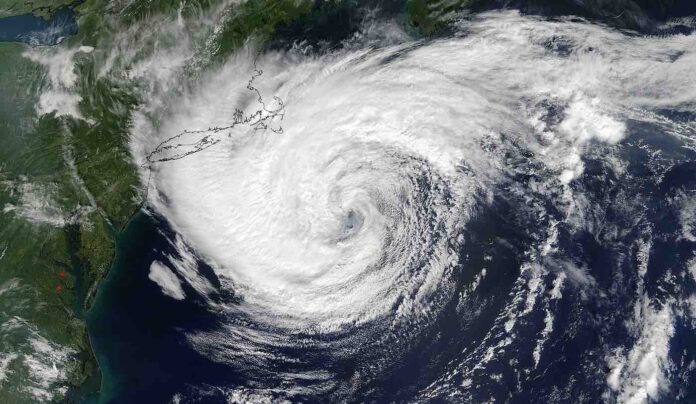
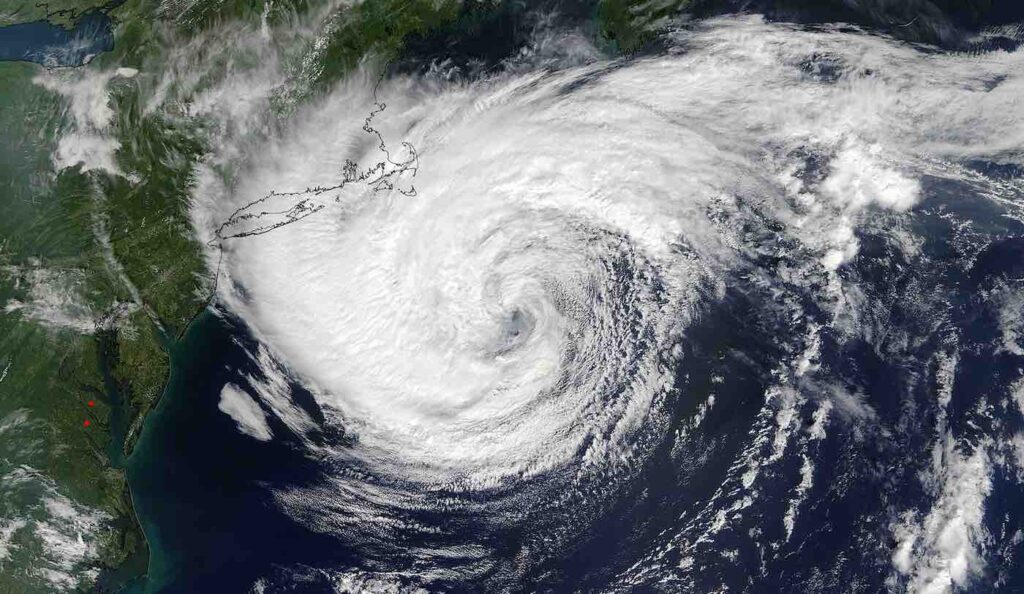
First Wind Turbine Designed to Harness Typhoon Energy is Erected in Storm-prone Asia, Soon Tested by 154 mph Winds

NASA Goddard MODIS Rapid Response Team

We often hear of “harnessing the power of nature” to generate electricity through renewables, but what if there were a way to harness the destructive forces of nature, not just the everyday ones?

That’s exactly what a Japanese energy start-up is doing as they look to build the first wind turbine that can withstand tropical storms, and capture that tremendous energy in typhoon-plagued countries where normal wind turbines need to shut down.

Japan endures 26 typhoons and lower-level storms per year on average, and partly for this reason wind energy capacity in the country remains very low.

Atsushi Shimizu, founder of Challenergy, has radically changed the look and function of the traditional mill-like wind turbine to allow it to generate power under extreme storm conditions.

The company’s “Magnus Wind Turbine” features large vertical blades spinning around a horizontal axis, which is the opposite of the long, pointed blades spinning from a vertical axis in normal wind turbines.

“One of our goals is to turn typhoons into a strength,” said Shimizu, who founded Challenergy in 2014 after the Fukushima nuclear disaster inspired him to get into the sustainable energy field.

“If we can just partially leverage the vast energy brought by typhoons, we can consider typhoons not just as disasters, but as a source of energy,” he told Reuters during an online demonstration of the turbines.

Challenergy’s first demonstration unit was built on the island of Batanes in the Philippines— a country of 7,600 islands that often have serious problems maintaining rural power grids, and is directly in the path of an average 16.8 typhoons annually.

Demonstration turbine in Philippines – Challenergy

The company’s turbine wasn’t erected long before its first major challenge hit: Typhoon Kiko, a Category 5 storm with winds greater than 154 mph (249 km/h)—and the second-strongest typhoon since 1987 to hit Batanes—arrived shortly after the unit was constructed.

MORE: This Wind Turbine Panel Lets You Harness Enough Energy to Power Your Home

The wind turbine started operating the day before the typhoon struck, and continued to operate normally until the early morning of September 11. It achieved the maximum power generation capacity, 11 kWh (net power), even under strong wind conditions.

At 6:00 AM local time, the wind turbine expectedly halted its operations as it reached its designed maximum allowable rotation speed, before the eye of the typhoon passed later that morning. After the typhoon regained its strength, it became difficult to obtain wind speed data due to the poor connection of the anemometer.

Though the demonstration unit experienced wind speeds that exceeded its designed maximum allowable speed, there were no major structural problems with the tower or support arms. The cylinder and the rectifying plate of one of the two wings, however, were partially damaged due to a collision with flying debris.

RELATED: World’s Largest Wind Turbine Manufacturer Says All Its Blades Will Soon be Fully Recycled

Challenergy says they are taking advantage of this first real-world test to implement countermeasures and make improvements so it can achieve stable operation during typhoons.

(WATCH the Reuters video about this story below.)

POWER UP Those Social Feeds With This Innovative News…

“Every moment is a golden one for the person who has the vision to recognize it.” – Henry Miller

Quote of the Day: “Every moment is a golden one for the person who has the vision to recognize it.” – Henry Miller

Photo: by Nicole Giampietro

With a new inspirational quote every day, atop the perfect photo—collected and archived on our Quotes page—why not bookmark GNN.org for a daily uplift?


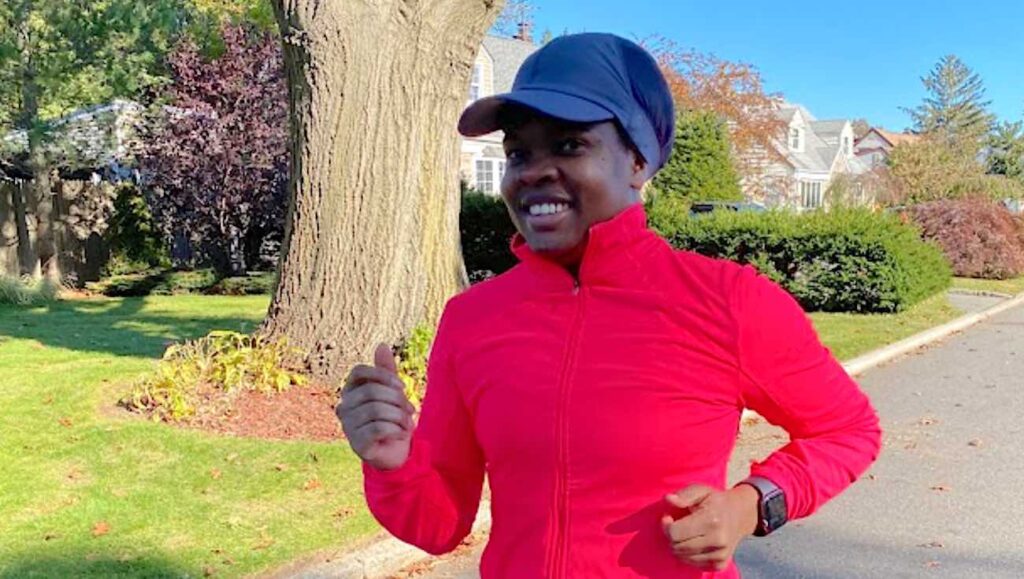
Marathoner Runner Stopped By Lupus is Racing Again Thanks to Amazing Treatment for Autoimmune Disorder

Sasheen Reid

When a marathon runner was put out of action by lupus, a debilitating auto-immune disorder, an experimental trial got her back on track, and may prove to create the first safe therapy to stop the progression of the disease.

Sasheen Reid

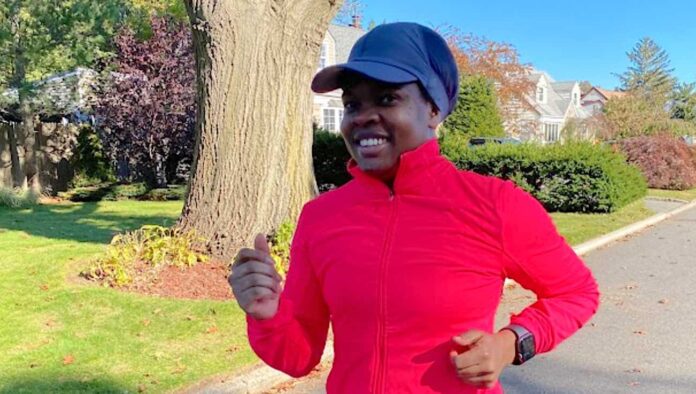
It was during the training for the 2020 NYC Marathon that 35-year-old Sasheen Reid had the unfortunate honor of living in the city with the harshest lockdown in the country, putting her marathon plans on hold.

“I gave birth in May of 2020 and then I went into a really bad flare for about six weeks post partum,” Reid told GNN.

Like multiple sclerosis or ALS, lupus is a disorder of the immune system that results in the natural defense mechanisms of the body turning against itself.

A trial was opening at the same time at the Feinstein Institutes for Medical Research in Manhasset to study the effects of a lupus drug called Benlysta. So Reid signed up to take part.

“I started the trial in October 2020. My husband subscribes to the Lupus Foundation, so whenever new medication comes out he would tell me,” says Reid. “I’ve read a lot about peoples’ struggles with lupus, I have only the joint pain and the hair-loss. I don’t have involvement with kidneys or heart arrhythmia, and I think that’s the point of the trial, if patients can be diagnosed early, can you prevent a progression of the disease?”

Catching it early and stopping the disease in its tracks

“One of the biggest hurdles [to treatment] is diagnosing patients early with the condition,” Cynthia Aranow MD, a Rheumatologist at Feinstein involved with the trial, told GNN. “On average, it can take up to six years to get a proper diagnosis, which can delay starting people on medications to manage their symptoms, control their disease, and prevent organ damage.”

RELATED: Naturally Occurring Antibiotic Kills Lyme Disease and Nothing Else: A Potential Breakthrough Treatment

Benlysta has been approved for patients with lupus for over ten years, and, most recently, it was approved by the FDA for the treatment of lupus kidney disease. However, it’s usually used after other medications have failed.

“The goal of this two-year trial is focused on patients with a recent and early diagnosis. We are specifically interested in seeing if early treatment with Benlysta can stop the progression of the disease in its tracks,” she said.

“If we can alter the course of the disease through early intervention, we hope to spare patients from needing immunosuppressive medications (which are associated with many side effects) to control their disease in the future.”

CHECK OUT: Man Decides to Give Bone Marrow to Soothe His Depression – Not Only Did Her Cancer go into Remission But MS Too

Reid doesn’t know if she received the placebo or Benlysta, but she already feels much better, and her tests for the principal lupus biomarker—anti double-stranded DNA—have fallen from 650 (normal for lupus patients) to 176.

For Reid this translated to: getting the running shoes out, buying the post-workout collagen drinks, and hitting the track.

“I was a runner. I did 10Ks, I did half-marathons, I traveled to Barbados to do Marathons, in upstate New York,” she said. “So when I got diagnosis I was determined to, as much as possible, not have it change my lifestyle.”

She says that with a runner’s training schedule, a full-time job, and three kids, she has to make double-sure she takes care of herself, specifically with stretching before and after runs, and alternating runs with cross-training for strength, in order to fortify her joints which are subject to greater inflammation with lupus.

MORE: New Antibodies Could Slow Down Aging by Destroying Old Cells With Pioneering Treatment

Reid recently completed a 6k, a milestone in her training for the upcoming 2023 NYC Marathon.

“We are hopeful that the important data gathered from Sasheen and others will lead to breakthroughs in understanding, treating, and caring for people with lupus,” says Dr. Aranow.


RUN These Results Over to Those Social Media Feeds…

Architecture Built 1,000 Years Ago to Catch Rain is Being Revived to Save India’s Parched Villages

SaraswaT VaruN/CC license
Doron/CC license

They brought access to fresh water for millennia, and existed as long-honored pieces of cultural heritage, and then they were abandoned. Now a new chapter is opening on the stepwells of India.

Modern sewage and irrigation systems made them obsolete, but under the weight of extreme drought, the stepwells of India big and small are being restored for their ancient ingenuity and modern thirst-quenching design.

Stepwells are sometimes small stone-lined trenches, capturing rainwater and refilling underground aquafers, while others are masterpieces of inverted architecture, like the Chand Bawri in Rajasthan—a World Heritage Site consisting of the inverse of a step pyramid dug straight into the ground and lined by 3,200 steps set on symmetrical staircases.

However at their core principal, stepwells once restored, still function just as well now as they did in their heyday, and different states in the country are looking to add them to their hydrological arsenal as India faces the worst drought in history.

“It’s ironic that stepwells been ignored, considering how wonderfully efficient they were at providing water for nearly 1,500 years,” said Victoria Lautman, author of the book The Vanishing Stepwells of India. “Now, thanks to the restoration efforts, stepwells will come full circle.”

The stepwells are known as “baolis” or “bwaris” and have not always been conserved as monuments to cherish. Instead, many of India’s more than 3,000 baolis have fallen into disrepair or outright abandonment, being turned instead into dumps or being buried by foliage.

“When they began clearing what they thought was a garbage dump, they found the structure of a step-well beneath the garbage,” writes Vikramjit Singh Rooprai, a heritage advocate and writer who works with the Aga Khan Trust for Culture—a non-profit leading the restoration of India’s baolis.

Stepwell in Parbhani District Maharashtra, by Rohan Kale Explorer, CC license

“It was one of the deeper stepwells of Delhi. After restoration, the Purana Qila Baoli has so much water that the entire lawns of the [Old Fort in Delhi] are being irrigated by it,” he adds.

MORE: Huge Supply of Water is Saved From Evaporation When Solar Panels Are Built Over Canals

Aga Khan Trust works with stepwells around the country, sandblasting the build up of toxic residue and crumbing material and working with heritage architects for governments interested in repairing the baolis.

Well-wishes

Karnataka/CC license

15 wells have been restored or targeted for restoration in the city of Delhi alone, which will cost less than $60,000, but supply another 33,000 gallons of water to the city. The Toorji stepwell was fixed up in Jodhpur, an old warrior city sitting on the edge of the Thar Desert, which will contribute a staggering 6.2 million gallons.

The Gram Bharati Samiti (Society for Rural Development), a non-profit in the Jaipur district of Rajasthan, has revived seven stepwells in various villages, restoring reliable water access to 25,000 people.

One of those villages was Shivpura, and Rajkumar Sharma, the head teacher of the government primary school there, celebrated the baoli’s return.

“The stepwell in our village was the only source of water. With time, it had dried up and had converted into a heap of rubbish,” he told the BBC. “We now have access to clean water for drinking, domestic use and for religious ceremonies. The baoli has become the grandeur of our village.”

SaraswaT VaruN/CC license

Adding a traditional stepwell to the water provision of a state also revives architectural features of India going back to the Indus Valley Civilization of 2,500 BCE. They generate tourist revenue, and can serve in religious ceremonies, and socially as swimming holes.

RELATED: Man Harvests Water for 10K People in Driest Part of India (WATCH)

Steps lead down to the bottom of the well, which as it’s depleted, continue to allow access to the water below. While the idea of putting a water source on top of what is essentially a pedestrian walkway might seem strange, the stepwells also channel rain into groundwater sources better than rivers, meaning that even if no-one actually draws water out in a bucket, they are still providing water to the community.

CHECK OUT:  How India’s Air Pollution is Being Turned into Stylish Floor Tiles

“Stepwells are a repository of India’s historical tales, used for social gatherings and religious ceremonies,” historian Rana Safvi told the BBC. “They served as cool retreats for travelers as the temperature at the bottom was often five-six degrees lesser.” They created a community atmosphere and common space for people as well as providing water. And, says, Safvi, their revival could be a genuine step towards helping India overcome water shortages. That’s hopeful indeed.

BRING Good News to Parched News Feeds; Share This Story…

The Longest Lunar Eclipse of the Century is Coming This Week

Night sky fans, it’s time to prepare for an exciting week—as coming right up is both is longest lunar eclipse of the century, and this year’s Leonids meteor shower.

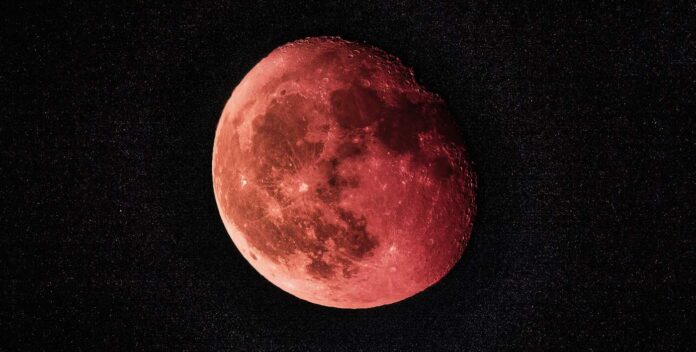
On Thursday-Friday, November 18-19—look up to see a Blood Moon lunar eclipse, as the full moon slips into the Earth’s shadow over the course of 3 hours and 28 minutes.

While you won’t be experiencing a full lunar eclipse, the event is still set to be spectacular: At its peak, only a small sliver (2.6%) of the moon will remain lit up by the sun.

Eclipse schedule

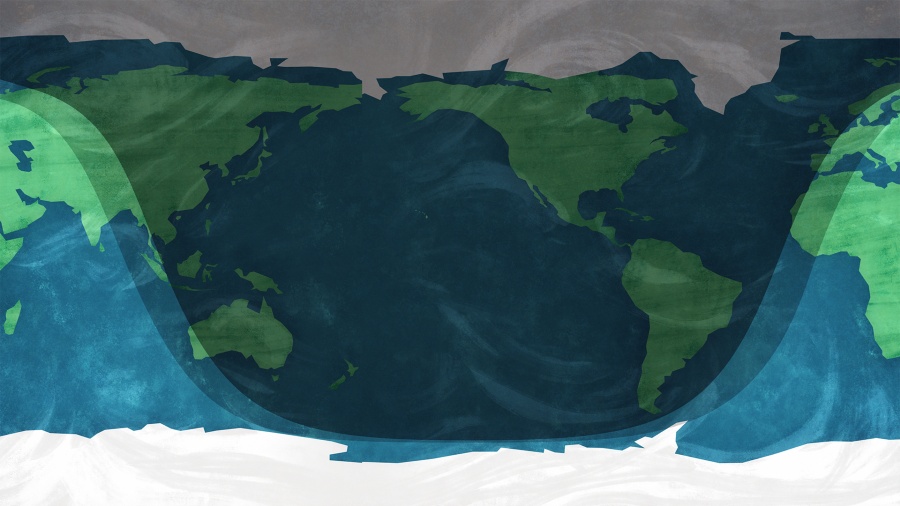
This partial eclipse will be visible wherever it’s night and the moon is above the horizon.That translates to quite a lot of places around the world, as you can see from this map by NASA.

Map showing visibility of the November 18-19 partial lunar eclipse. Darker areas indicate greater visibility. NASA_JPL-Caltech

If you’re in North America, you’re in a prime location for watching the lunar show.

According to NASA, for people on the U.S. East Coast, the partial eclipse begins a little after 2 in the morning, reaching its maximum at 4am—that’s when you’ll really want to be watching the moon.

For those on the West Coast, the partial eclipse begins at 11 p.m., with a maximum at 1 a.m.

RELATED: Here Are Some City-Adjacent Locations For Viewing Celestial Wonders

For times that are accurately tied to exactly where you are, Time and Date has a location-specific lunar eclipse tracker that can be viewed here.

A Blood Moon to remember

Larry Johnson, CC license

This partial eclipse is set to be a great example of what’s known as the Japanese Lantern Effect—in other words, according to Farmer’s Almanac, the surface of the moon will appear the color of glowing copper, gradating down to a beautiful “uneclipsed yellow sliver.”

Bright meteor shower

If the Beaver Moon’s show towards the end of the week isn’t enough, Wednesday morning is set to be the peak for the Leonid meteor shower.

Sighting the Leonids is a yearly occurrence. Centered around the comet Tempel-Tuttle that takes about 33 years to fully orbit Earth, it’s named for the constellation Leo—as the point in the sky where most of the meteors streak from is around the mane of the lion constellation.

Time and Date has an hourly-updating tracker showing where the meteors will be coming from and where they can be seen.

The best time to see bright trails is before dawn on November 17. The only dark spot? That nearly-full moon won’t make it so easy to see meteors.

MORE: A Mathematician Just Made a Musical Album Entirely Composed of Black Hole Wavelengths – Listen

It’s worth looking up, just in case. See you in the nearest dark sky location near you.

Featured image: Christian Ronnel, CC license

GET Those Cozy Clothes Ready and Prepare Friends For Night Sky Happenings… 

HPV Vaccine Reduced Cervical Cancer Rates by 87% in Women

CDC

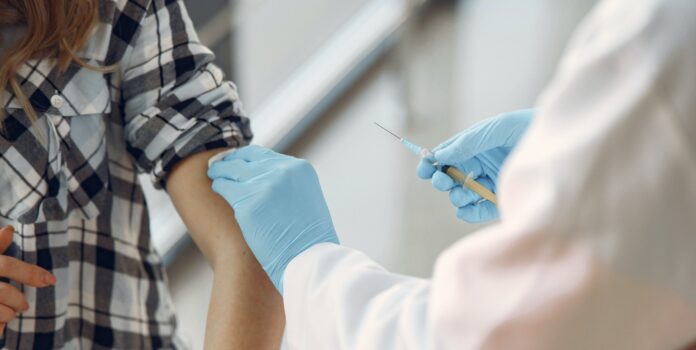
The human papillomavirus (HPV) vaccine reduces cervical cancer rates by 87% in women who were offered the jab between the ages of 12-13, confirms a new study.

Researchers at King’s College London have found the HPV vaccination program prevented around 450 cervical cancers and around 17,200 pre-cancers by the middle of 2019.

They also found cervical cancer rates were reduced by 62% in women offered vaccination between the ages of 14-16, and 34% in women aged of 16-18 when they were offered the jab.

The paper, funded by Cancer Research UK, looked at all cervical cancers diagnosed in England in women aged 20-64 between January 2006 and June 2019.

Three of these cohorts formed the vaccinated population, where women were vaccinated with Cervarix between the ages of 12-13, 14-16 and 16-18 respectively.

Incidences of cervical cancer and non-invasive cervical carcinoma (CIN3) in the seven populations were recorded separately.

The vaccine program started in England in 2008 and at the time used the bivalent vaccine, Cervarix, which protects against the two most common types of HPV. Since September 2012 the quadrivalent vaccine Gardasil has been used instead.

Almost all cervical cancers are caused by HPV. The vaccine is most effective when given before sexual activity when people are unlikely to have been exposed to HPV. The virus is linked to other cancers including vaginal, vulval, anal, penile, and some head and neck cancers.

He added, “Assuming most people continue to get the HPV vaccine and go for screening, cervical cancer will become a rare disease. This year we have already seen the power of vaccines in controlling the COVID-19 pandemic. These data show that vaccination works in preventing some cancers.”

MORE: Australia May Become First Country to Eliminate Cervical Cancer – Rate Drops From 22% to 1%

Dr Vanessa Saliba, Consultant Epidemiologist in Immunisations at Public Health England, said, “These remarkable findings confirm that the HPV vaccine saves lives by dramatically reducing cervical cancer rates among women. This reminds us that vaccines are one of the most important tools we have to help us live longer, healthier lives.

RELATED: Anti-Cancer Drug Derived From Himalayan Fungus Clears Early Clinical Trials

“This fantastic achievement has been made possible thanks to the high uptake of the HPV vaccine in England. We encourage all who are eligible for the HPV vaccine to take it up when it is offered in school. All those eligible can catch-up until their 25th birthday. Together with cervical screening, this will help to protect more women from preventable cases of cervical cancer.”

The breakthrough study was published this month in Lancet journal.

Source: King’s College London

CURE Those Feeds of Bad News; Share the Good…

“Sacrifice is the pinnacle of patriotism.” – Bob Riley (Happy Veteran’s Day)

By Aaron Burden

Quote of the Day: “Sacrifice is the pinnacle of patriotism.” – Bob Riley (Happy Veteran’s Day)

Photo: by Aaron Burden

With a new inspirational quote every day, atop the perfect photo—collected and archived on our Quotes page—why not bookmark GNN.org for a daily uplift?


Watch Company Give 11 Homes to 11 Stunned Veterans—And You Can Enter Now to Win the Last One

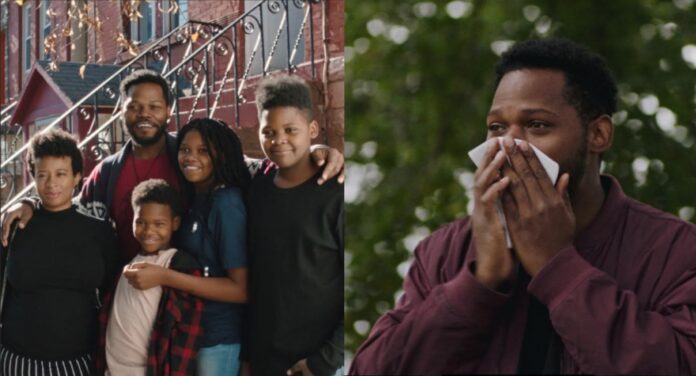
Daniel gets new home-Veterans United Home Loans

You won’t be able stop the tears once you see these veterans being surprised with new homes.

Daniel gets new home-Veterans United Home Loans

To celebrate Veteran’s Day in the U.S. tomorrow, the nation’s top Veterans Administration-affiliated home lender launched a national campaign to highlight vets and their service.

With the help of actor, comedian and retired U.S. Marine Rob Riggle, Veterans United Home Loans has been giving thanks to veterans across the country by surprising them with new houses—completely paid off.

“These Veterans have continued to live the military value of ‘selfless service’ even after they’ve hung up their uniforms,” said Riggle. “Teaming up with Veterans United to recognize these incredible Veterans has been an amazing experience.”

Veterans play a pivotal role in strengthening civic health, from volunteerism and voting to charitable giving and community involvement. As the initiative’s first expression of gratitude, the Missouri-based lending company and its charitable foundation surprised 10 deserving Veterans with a new house each.

And, the big news for veterans nationwide is that they can enter for a chance to win the 11th house by joining the sweepstakes at ThanksToVeterans.com.

“Our #ThanksToVeterans campaign underscores the daily commitment of veterans as local leaders, dedicated volunteers, and exemplary neighbors,” said Pam Swan, vice president of military relations for Veterans United Home Loans and a military spouse. “And what better way to thank these deserving individuals than by giving them houses of their very own in the communities they call home?”

LOOK: Indiana Boys Hop Off Their Bikes to Stand at Attention For Military Funeral Happening on Their Route

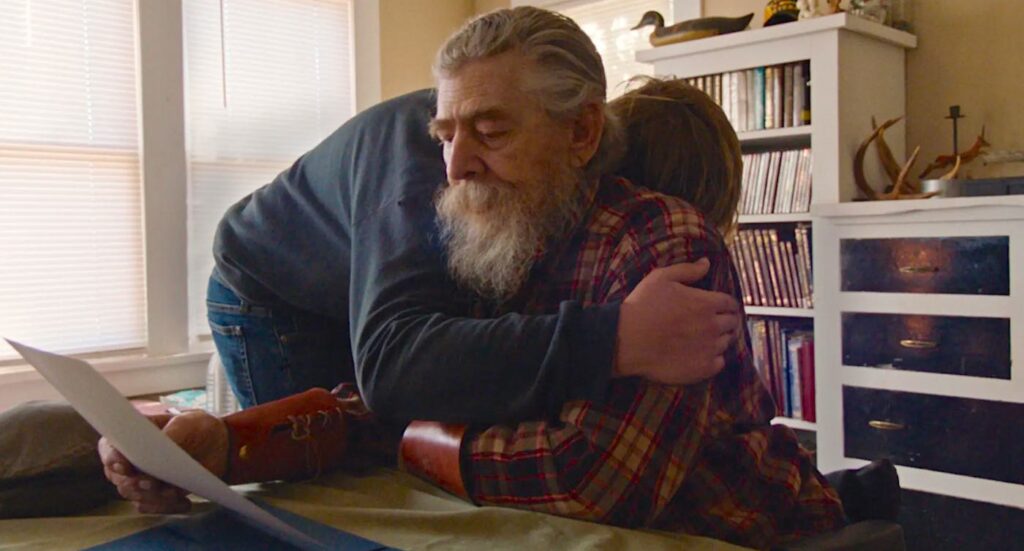
Jim L., one of the recipients – Veterans United Home Loans

From a single widowed mother of three to a Vietnam veteran (above) in need of a wheelchair-accessible home, the 10 veterans selected are all active in their communities from every military branch—the Army, Navy, and Marine Corps.

Riggle says, “We hope, through shining a light on their stories, we inspire folks across the country to show Veterans just how much they mean to our communities.”


Houses are being given away in California, Georgia, New Mexico, New York, North Carolina and Wisconsin—and maybe keys to the 11th house will be given to a veteran in your neighborhood, if you aren’t one yourself.

RELATED: Veteran Donates 36 Acres of Land to Build Retreat for Homeless Vets Struggling With Addiction

Watch the heartwarming moment below when Daniel is given a home for his family, and visit ThanksToVeterans.com to see all the surprise videos, and official sweepstakes rules.


SALUTE Veterans By SHARING the Sweepstakes Opportunity on Social Media…!

Why Do Dogs Tilt Their Heads? Scientists Look at What’s Going On in Their Minds

You’ve probably seen dogs tilt their head. It’s adorable, but why do they do it? According to scientists, it may be a sign of concentration and memory recall.

Several animals, including humans, present an asymmetry in the way they move or perceive the environment through their senses. For instance, one can prefer an ear or an eye over the other when processing a vocal signal or an image. In dogs, these asymmetries manifest in behaviors such as tail wagging, nostril use while sniffing, or even paw preference when trying to grasp something out of their reach.

“Tilting the head is yet another asymmetrical movement in dogs, but it had never been studied. We investigated the frequency and direction of this behavior in response to a specific human verbal vocalization: when the owner asks the dog to bring a toy by saying its name. We did so after realizing that it often happened when the dogs were listening to their owners,” explains Dr. Andrea Sommese, lead researcher for this study, from the Eötvös Loránd University in Budapest.

The researchers analyzed the videos collected during a previous study that showed not every dog could learn toy names after three months of intensive training. The test was fairly easy to execute: the toys were placed in one room and the owner in another, together with the experimenter. In each trial, the owner asked the dog to fetch a specific toy by saying its name.

“Over the course of two studies, carried out in several months, we observed the two groups of dogs: 33 typical dogs and [what turned out to be] seven Gifted Word Learner dogs”, continues Dr. Sommese.

RELATED: Dogs Know When You’re Acting Intentionally, Researchers Find

For this study, the group of scientists recorded the presence (or absence) of head-tilts when the owner requested the toys, and also analyzed the side of the tilt.

The Gifted dogs—who can be seen in the Genius Dog Challenge, a series of live broadcasted experiments that become viral over social media—very often tilted their head upon hearing the owner’s request for a named toy, while typical dogs rarely did. That is why the researchers then decided to observe head tilts only in the gifted dogs during two further similar experiments, with more toys involved.

The researchers found that the side towards which the dogs tilted their heads was stable for each individual, across the experiments that spanned over 24 months.

“It seems that there is a relationship between success in retrieving a named toy and frequent head tilts upon hearing its name.

That is why we suggest an association between head-tilting and processing relevant and meaningful stimuli” clarifies Shany Dror, co-author of the study.

“It is important to notice that this study only investigated head tilts during a very specific dog-owner communicative interaction: when the owner asks the dog to fetch a named toy. Hence, it is important to refrain from thinking that only Gifted Word Learner dogs tilt their heads in other situations not tested in this study” adds Andrea Temesi, another researcher working on the project, published in Animal Cognition journal.

MORE: Dogs Catch Actual Chemical Cues From Humans That Transmit Excitement, Fear, or Angst to the Pups

The researchers of the Family Dog Project also show a new way of conducting science. Just as they did in a recent study, they had to collect part of the data while COVID-19 regulations were in place, which meant to virtually bring their activity to the owner’s households.

CHECK OUT: ‘Puppy Dog Eyes’ Are an Evolutionary Trait Developed So Dogs Can Better Capture Our Hearts

“To do this, we asked the owners to set up two cameras connected to a Livestream software, so we could fully monitor the dogs’ and their owners’ behaviour,” says Dr. Claudia Fugazza, co-author of the study. “This way the COVID restrictions and lockdowns did not stop our research”.

My dog often tilts its head, why?

Often owners observe dogs tilting their heads and we still do not have a full understanding of the function and circumstances in which this behavior happens. However, this study is the first step in a direction that shows how this trait could be related to dogs’ sweet attempts to understand us.

Source: EÖTVÖS LORÁND UNIVERSITY (ELTE)

RAISE Those Paws Up For Curious Research, By Sharing It…

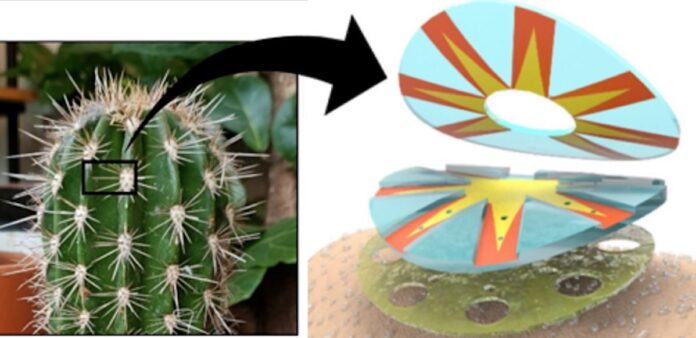
Patch Inspired by Cactus Eliminates Need for Diabetics to Prick Skin for Blood, Collects Sweat Instead

A sweat-collecting patch has been developed using the principle based on how the cactus spines attract water.

POSTECH

Sweat is an effective body fluid for analyzing bioanalytes in the body without collecting blood. The sweat sensor can reduce the hassle for diabetic patients who repeatedly have to draw blood, and can also be used in wearable devices for daily healthcare monitoring.

However, the practical use of sweat sensors has always been impeded by irregular and low sweat-secretion rates—until now.

To this, a research team led by Professor Kilwon Cho and Ph.D candidate Jonghyun Son of POSTECH’s Department of Chemical Engineering has recently developed a skin-attachable patch that quickly collects sweat by mimicking the principle behind cactus spines.

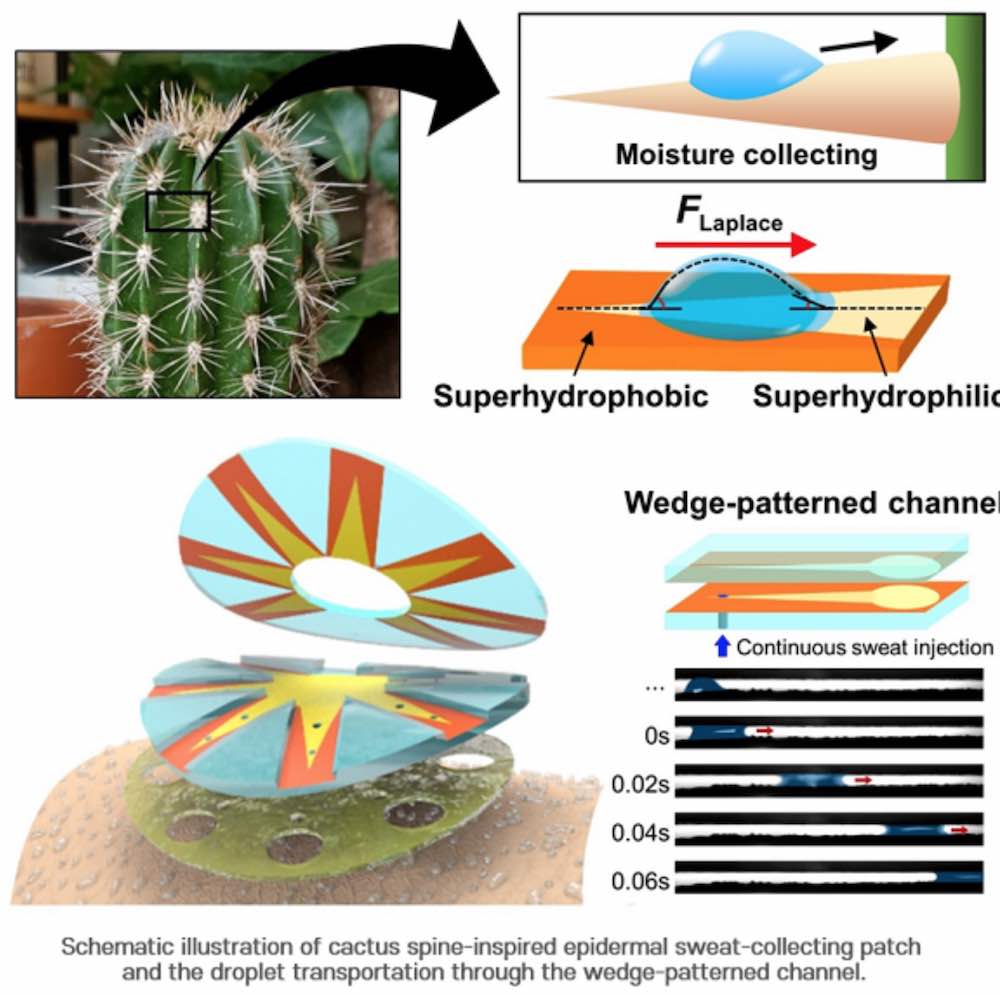
Cacti, which grow in arid environments, move water droplets that form on the tip of their spines to their base in order to survive. During this process, the fine water droplets move due to the difference in pressure acting on the inside and outside of the curved surface of the water droplet. This phenomenon is called the Laplace pressure.

The patch newly developed by Professor Kilwon Cho’s research team applied this principle of how cactus spines collect water. The researchers mimicked the structure of the cactus spine by using the wedge-shaped wettability patterns with superhydrophobic / superhydrophilic surfaces.

Through this, a sweat droplet on the wedge-patterned surface spontaneously moves to the wide end of the wedge pattern because the Laplace pressure difference between the front and back surfaces of the droplet is maximized.

MORE: People Who’ve Tried Psychedelics Have Lower Risk of Heart Disease and Diabetes

The results confirm that the wedge-patterned channel can collect sweat quickly and spontaneously regardless of the inclination of the microfluidic channels, without the need for additional force.

In addition, the wedge-patterned channel shows great sweat-collecting efficiency as it transports nearly all sweat droplets to the sensing area without leaving much behind inside the channel, enabling it to collect sweat much faster than the conventional microfluidic channels. This allows the patch to continuously monitor the bioanalytes in the blood.

RELATED: Standing More Often May Help Prevent Chronic Diseases Like Type 2 Diabetes, Researchers Say

“Difficulties in collecting sweat has hindered its use in wearable healthcare devices,” explained Professor Kilwon Cho of POSTECH. He added, “This newly developed patch solves that issue by quickly collecting sweat and facilitating its use in various wearable healthcare devices, including blood sugar monitoring.”

Source: POSTECH

DON’T SWEAT the Bad News When You Can Share the Good…