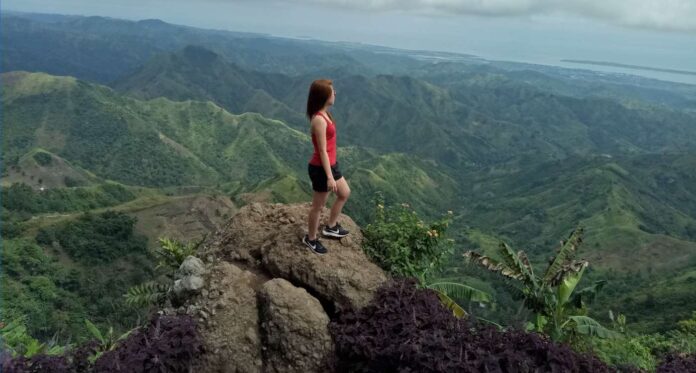
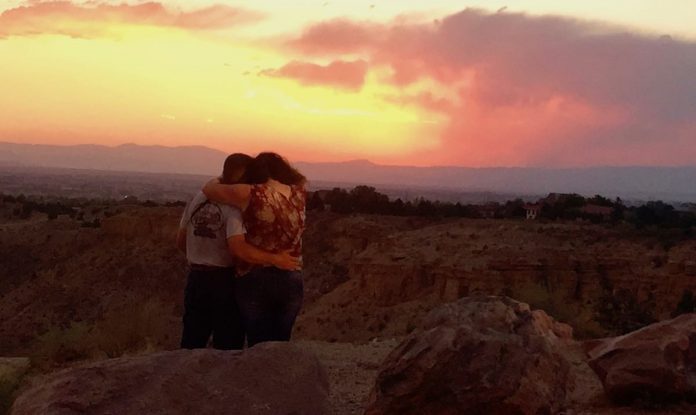
Quote of the Day: “Sometimes it is the people no one can imagine anything of who do the things no one can imagine.” – Alan Turing, the father of computer science (born 109 years ago)
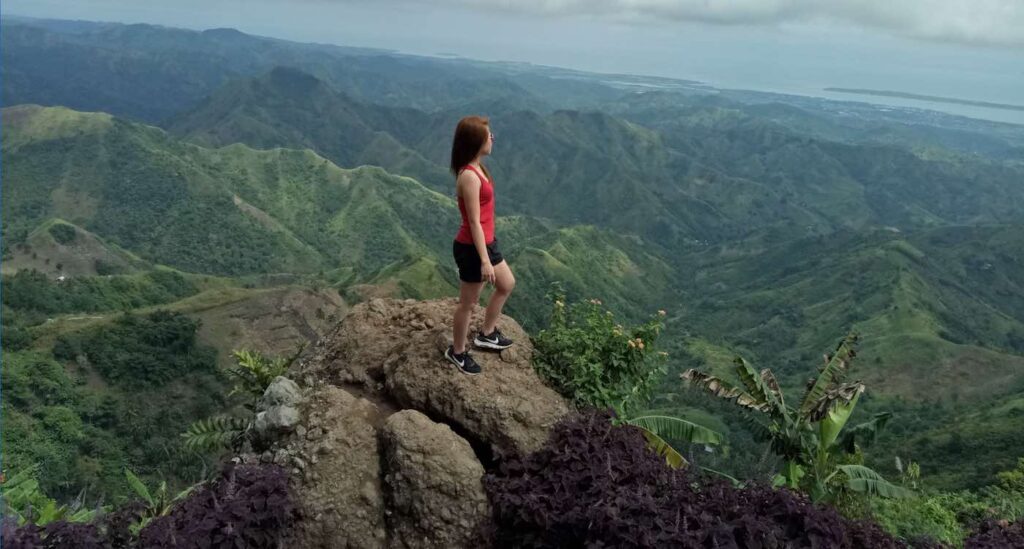
Photo: by Eliabe Costa
With a new inspirational quote every day, atop the perfect photo—collected and archived on our Quote of the Day page—why not bookmark GNN.org for a daily uplift?
The day was June 3rd, 1944. In County Mayo on the west coast of Ireland, a remote North Atlantic weather station operator noticed that her barometer was dropping fast, indicating a storm was going to pass over the English Channel before long.
Her name was Maureen Flavin Sweeney, and her weather report, which postponed the D-Day landings by 24 hours, saving thousands of lives, recently won her an official honor in the Congressional Record.
Maureen, now 98, received the honor as part of a ceremony in the Tí Arie nursing home where she now lives at the hands of the highest ranking veteran serving in the U.S. Congress, Jack Bergman.
“Her skill and professionalism were crucial in ensuring Allied victory, and her legacy will live on for generations to come,” he wrote, according to the Irish Times.
The weather station at the post office at Blacksod Point was recording weather every hour, sending it on to Dublin, and then to the offices of the Allied Expeditionary Force in London. In the early morning on the day Mrs. Sweeney turned 21, an agitated English woman rang her office asking “please check… please repeat.”
However after reading the barometer again with the help of her husband Ted, the result was the same—that a storm which would cause General Eisenhower to postpone the landings by 24 hours, would indeed pass over the English Channel on June 5th. Sweeney did not become aware of her reports significance until a decade after a war.
The Allies needed clear skies for air support and calm seas to ensure even and safe landings for the troops. The losses suffered across the five landing beaches were great, but would have been far greater had her report not come in.
Maureen’s son Vincent said he was proud of his mom’s contribution to the war outcome, but admitted he was just happy, “that she got it right.”
If every snake has a different pattern on its scales, and every cat has a different pattern on their fur, why wouldn’t fireflies all flash different patterns of light?
As it turns out, they do. And with 2,000 species described, the potential diversification of twinkling is enormous. For example, the Big Dipper Firefly flashes while performing a J-turn, and populates the memories many of us had from childhood, while the sidewinder species flashes for about the same amount of time, but in small horizontal rings in the air.
National Geographic has produced an enjoyable guide to firefly viewing, equipped with clever graphics that play the pattern of various species, and where one would look in the forest to find them.
However there are only 16 species that are known to have the ability to synchronize their flashes with other individuals, and in the Great Smoky Mountains the spectacle of one species in particular attracts thousands of tourists every year.
Firefly tourism is nothing new. People have long been gathering in Asian countries including China, Thailand, Korea, and Japan to watch firefly mating displays whereby the males float to their preferred height and flash their trademark display before welcome females fly up from the ground to meet them.
In Great Smoky Mountains National Park, 20,000 people enter a lottery in late spring to win one of 800 parking passes to the park. Their goal is to be able to be in their lawn chairs by the time dusk gives way to dark, when for a scant few hours the woods come alive with tens of thousands of Photinus carolinus flashing synchronized six-second strobes.
The strobe-like blinking subsides for a similar duration in unison, giving time for the females to fly up and inspect their mates without visual clutter.
One scientist explained to the Guardian that science as a whole doesn’t know why or how they synchronize their flashes, and that every year a sack of researchers arrive there looking to try and gather data on the event.
Onlookers often describe seeing the event as “life changing,” while a park spokesperson has said, “It is one of the most special experiences that you can have in the natural world… to be able to have this dazzling series of lights that then abruptly stop for eight seconds, it puts you in an almost magical type of environment.”
One 2020 study of the Great Smoky colony of P. carolinus found that there may be different mating strategies; that early flashers flash longer and may be more mobile than later flashers.
Beyond that, however, little more is known. But sometimes the best parts about the natural world is how mysterious they are. And unless the Great Smoky Mountains expand their parking lots, it will likely many years before this mystery is solved.
GIVE Friends’ News Feeds a ‘Glow Up’—Share This Story…
The LEGO Group has revealed the new LEGO Ideas Typewriter set, which is set to delight the most seasoned wordsmiths and fans of all things vintage.
The #21327 LEGO Ideas Typewriter is based on a contemporary typewriter model of a bygone era, including the one used by LEGO Group founder Ole Kirk Christiansen.
Intricately designed to mirror the function and tactility of a classic typewriter, the typewriter features a center type-bar that rises each time a letter key is pressed, linked to the carriage which moves across as you type, as well as a platen roller that real paper can be fed into.
In a fitting nod to the lost art of letter writing, the set also comes with a letter written and signed by Thomas Kirk Kristiansen, chairman of the LEGO Group and a fourth-generation member of the family which still privately owns the business to this day.
LEGO
The original concept for the typewriter came through LEGO fan Steve Guinness’ submission to the LEGO Ideas platform, a LEGO initiative that takes new ideas that have been imagined and voted for by fans and turns them into reality.
Discussing his idea, Steve said:“I wanted to create something totally different from anything that LEGO has ever done before and showcase that you really can make anything out of LEGO. I bought a vintage typewriter for my research and then played around with bricks and the mechanism until I was happy with the design. I hope it will bring nostalgia to adult fans like me, and wonder and curiosity to younger fans who might not have ever seen a real typewriter!”
LEGO
While the concept of the typewriter dates back to the early 18th century, Steve’s design, and the LEGO design team’s development of it, captures the styling cues of the modern 20th century typewriters, which still have a cult following today.
Federico Begher, VP of Global Marketing at LEGO Group commented: “It’s not hard to see why the vintage typewriter has such enduring appeal, and Steve’s incredible replica is a thoroughly worthy LEGO Ideas success story. For many, the escape from the connected world to the simplicity of the typewriter is a similar experience to the mindful process of building with LEGO bricks. Here, we have a LEGO set that combines these two worlds seamlessly and like its real-life counterparts, is something LEGO fans will be proud to display in their homes.”
An induced feeling of awe, or state of wonder, may be the best strategy yet for alleviating the discomfort that comes from uncertain waiting.
Kate Sweeny’s research explores the most excruciating form of waiting: the period during which one awaits uncertain news, the outcome of which is beyond one’s control. It’s waiting for news from a biopsy, or whether you aced—or tanked—the exam. That’s distinguished from waiting periods such as when looking for a new job, when you have at least some control over the outcome.
Her research has found some clues for alleviating those difficult periods. Meditation helps, as does engaging in “flow” activities—those that require complete focus, such as a video game.
“However, meditation is not for everyone, and it can be difficult to achieve a state of flow when worry is raging out of control,” Sweeny and her team assert in their related research, published in The Journal of Positive Psychology.
Sweeny, a professor of psychology at UC Riverside, has discovered what may be the best strategy yet to alleviate the most uncomfortable purgatory of waiting. That is, awe, defined in the research as a state of wonder, a transportive mindset brought on by beautiful music, or a deeply affecting film.
The research drew from two studies, for a total of 729 participants. In the first test, participants took a faux intelligence assessment. In the second test, participants believed they were awaiting feedback on how other study participants perceived them.
In both cases, they watched one of three movies that inspired varying levels of awe. The first was an “awe induction” video, a high-definition video of a sunrise with instrumental music. The second was a positive control video meant to elicit happy feelings, but not awe. The video was of cute animal couples. The third was a neutral video. In this case, about how padlocks are made.
Researchers found that those exposed to the awe-induction video experienced significantly greater positive emotion and less anxiety during the period waiting for IQ test results and peer assessments.
“Our research shows that watching even a short video that makes you feel awe can make waiting easier, boosting positive emotions that can counteract stress in those moments,” Sweeny said.
Sweeny said the research can be used to devise strategies for maximizing positive emotion and minimizing anxiety during the most taxing periods of waiting. Because the concept of awe has only received recent attention in psychology, the research also is the first to stress its beneficial effects during stressful waiting periods, opening new opportunities for study.
“Now that we know we can make people feel better through brief awe experiences while they’re waiting in the lab, we can take this knowledge out into the real world to see if people feel less stressed when they watch “Planet Earth” or go to an observatory, for example, while they’re suffering through a difficult waiting period,” Sweeny said.
What beats a cup of joe in the morning? Nothing after you realize the myriad beneficial health outcomes that are now associated with drinking coffee.
For example, a new study from the Universities of Southampton and Edinburgh, published today in BMC Public Health, found that drinking any type of coffee led to a reduced risk of developing and dying from chronic liver disease, with the benefit peaking at three to four cups per day.
Nearly half a million individuals with known coffee consumption levels were examined through data from the UK Biobank. Of all participants included in the study, 78% (384,818) consumed ground or instant caffeinated or decaffeinated coffee, while 22% (109,767) did not drink any type of coffee. During the study period, there were 3,600 cases of chronic liver disease, including 301 deaths.
Compared to non-coffee drinkers, coffee drinkers had a 21% reduced risk of chronic liver disease, a 20% reduced risk of chronic or fatty liver disease, and a 49% reduced risk of death from chronic liver disease. The maximum benefit was seen in the group who drank ground coffee, which contains high levels of the ingredients kahweol and cafestol, which have been shown to be beneficial against chronic liver disease in animals.
It wasn’t until 2016 that WHO finally removed it from the list, while two years later California passed a law requiring coffee producers to place cancer warning labels on their products, absurdly because scientists and producers alike couldn’t disprove a negative.
In a radio history program from the BBC, historians detail that the first recorded use and consumption of coffee beans came from a part of the world most people don’t associate with the plant—Yemen. According to the historians, a Muslim cleric became suspicious of the beans when he observed his goats eating them and displaying hyperactivity.
The cleric, upon consuming them himself, wrote that they allowed him to stay up all night praying—a finding that many college students might be able to empathize with.
The beans themselves are a mixture of over 1,000 different chemicals, and scientists often struggle to find out which compounds are responsible for the many observed benefits.
Harvard details in its report on coffee that “there is consistent evidence from epidemiologic studies that higher consumption of caffeine is associated with lower risk (24% per 300mgs of caffeine) of developing Parkinson’s Disease.
24% was also the average found in a meta-analysis containing more than 330,000 participants of the reduction in risk of developing depression; once again the higher the number of cups consumed the lower the risk, which was the same pattern when another analysis of cohort studies looked at suicide risk—53% for those who drank 4 or more cups, 45% for those who drank 2-3 cups.
Harvard also reported evidence that coffee can help prevent type-2 diabetes, some cancers, Alzheimer’s, and even gallstones.
Jitteriness and abnormal heart rate is sometimes cited as a reason to avoid drinking too much coffee, but despite one chemical raising LDL cholesterol particle count, a variety of meta-analyses consisting of hundreds of thousands of people repeatedly demonstrated lower risks for various heart diseases and events like stroke, generally with a low-end of 11% found with decaffeinated coffee, and 25% for caffeinated.
GNN reported in 2019 that coffee stimulates a type of fat production that counteracts the kind leading to obesity. In vitro cells were found to have immediate stimulation in their production of brown fat, a kind of fat cell used to generate body heat in contrast to white fat, which is for storing calories as energy.
The results, that coffee stimulates brown fat production, was replicated in humans, leading the researchers at the University of Nottingham to conclude coffee had a role in combating the obesity epidemic.
With all these beneficial outcomes, growing in significance with the number of cups consumed, it’s astonishing to think that our culture accidentally and indelibly added one of what appears to be the healthiest beverages on the planet into our society.
SHARE This Morning Cup of Good News With Pals on Social Media…
Quote of the Day: “You might as well answer the door, my child, the truth is furiously knocking.” – Lucille Clifton
Photo: by Dale Pike @grogger
With a new inspirational quote every day, atop the perfect photo—collected and archived on our Quote of the Day page—why not bookmark GNN.org for a daily uplift?
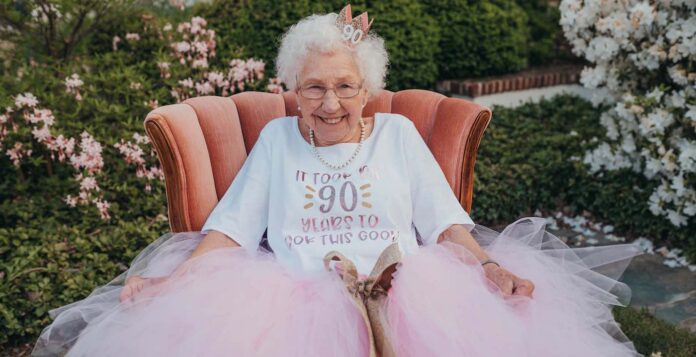
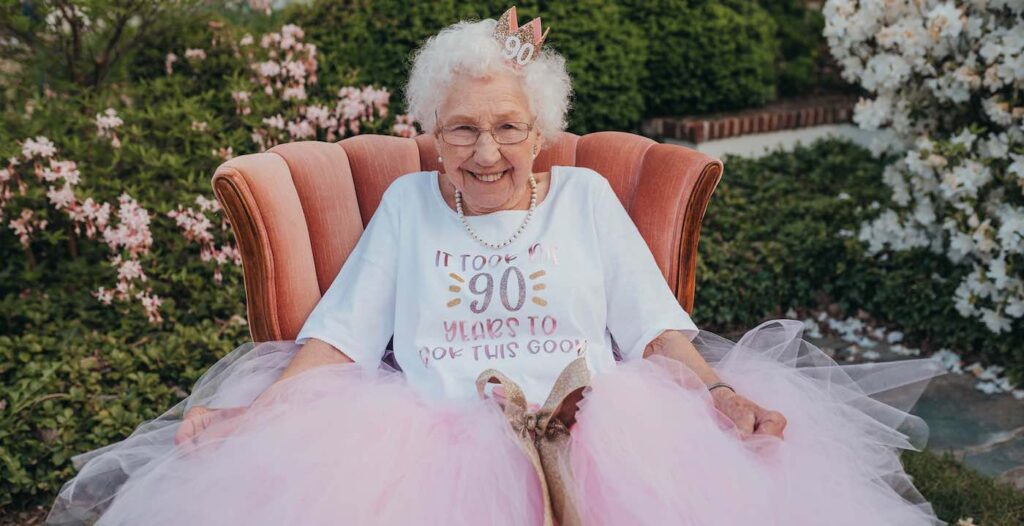
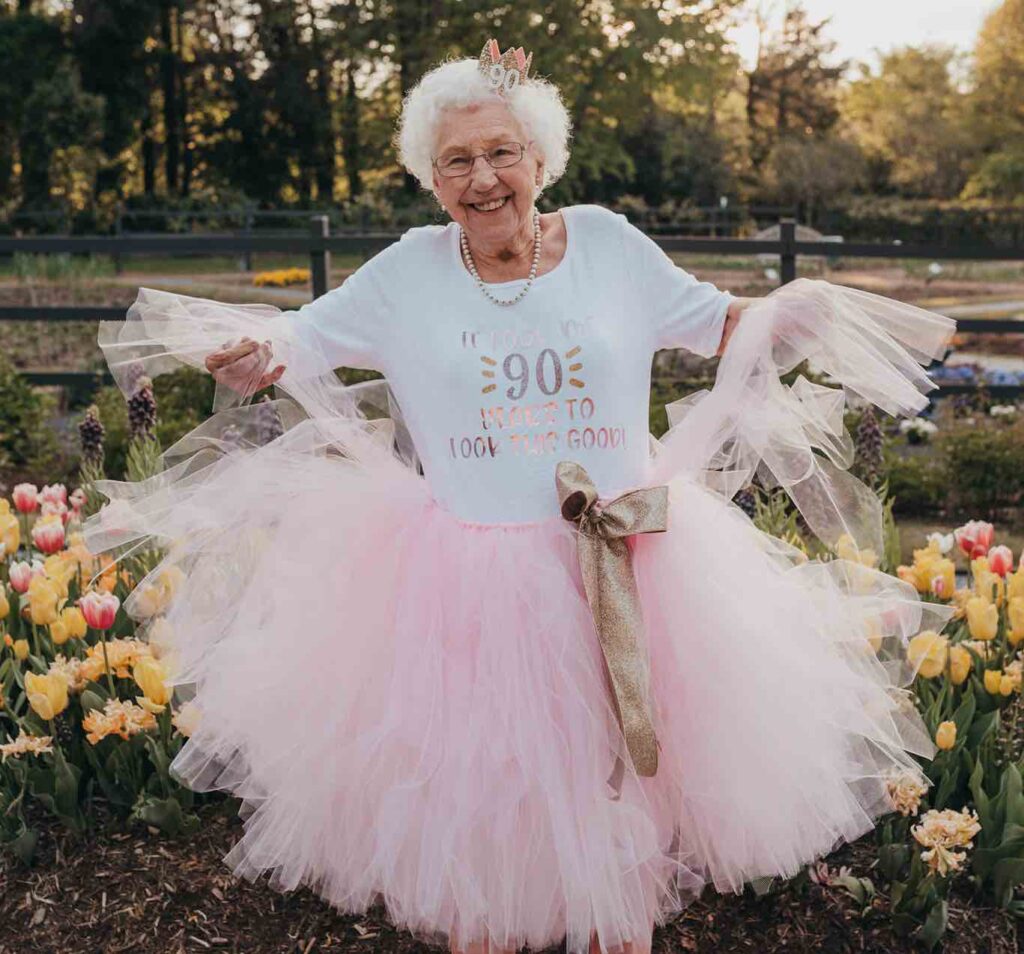
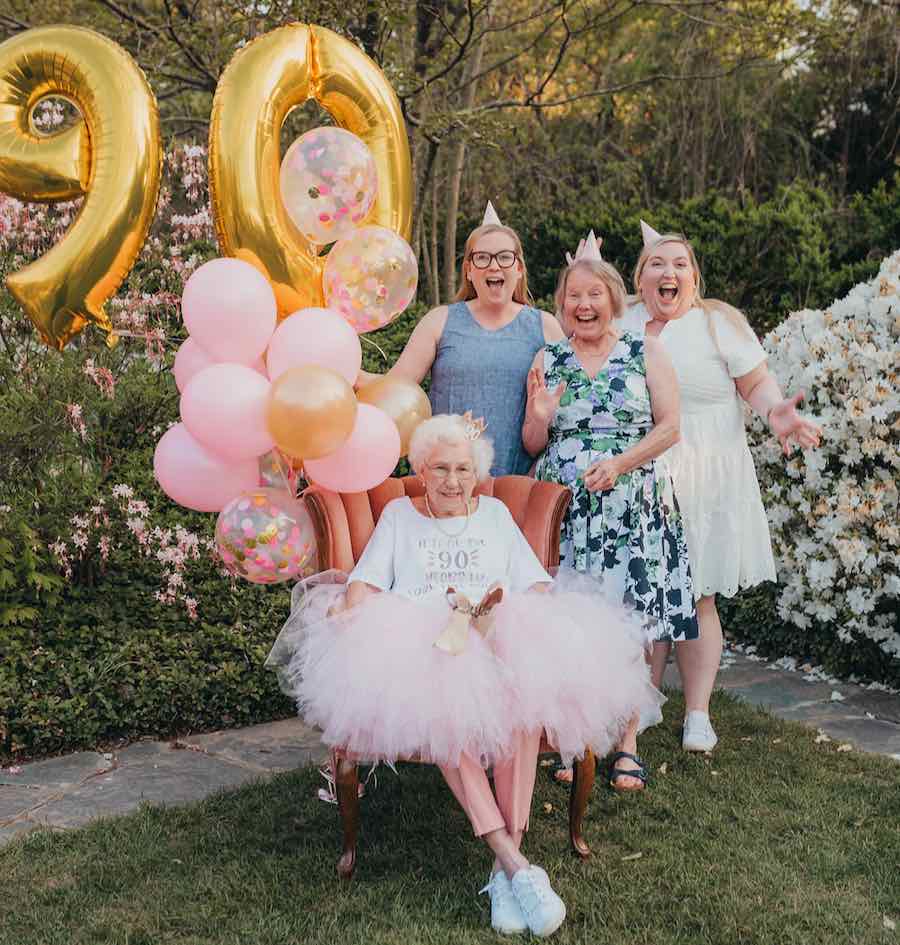
This fun-loving gran had a blast at her 90th birthday, with a princess-themed party.
The cheerful grandmother, known as ‘G-Ma’ to family, looked like a queen as she donned a huge pink tutu, plastic crown, and a beaming smile for the pictures.
G-Ma’s family organized a throne, tutu, cake, balloons, biscuits in the shape of her face, crown, and a custom t-shirt that read ‘It took me 90 years to look this good!’.
It was G-Ma’s granddaughter, Stephanie Perkins, who had the idea for the shoot.
Stephanie said: “My grandma is very special to me and during the pandemic and quarantine, we did not get to see much of her.
“I knew her 90th birthday was coming and we wanted to do something special just for her.
“I had seen people on the internet do photoshoots for first birthdays, and even 30th birthdays so I thought why not do one for her 90th with the whole tutu and crown outfit?
“She was very happy to pose. She was smiling and laughing the whole time. We all had a lot of fun celebrating G-Ma.”
SWNS
Photographer Melissa Denny, who went to high school with Stephanie, was the talented snapper booked for the celebration in Reynolda Gardens in North Carolina.
She said: “We had the best time, talking, laughing, dancing—G-Ma was a great sport and down for anything.
“What an amazing opportunity to spend time with a sweet, 90-year-old, wonderful lady, making memories, and having fun celebrating her milestone birthday.”
G-Ma was joined by her daughter Debra, her son-in-law, and and her two granddaughters at the shoot.
SWNSAfter the photo session, the celebrations were not over for G-Ma—who had a drive-thru party the next day where her other friends could come and wish her happy birthday safely.
SHARE This Sweet Celebration With Pals on Social Media…
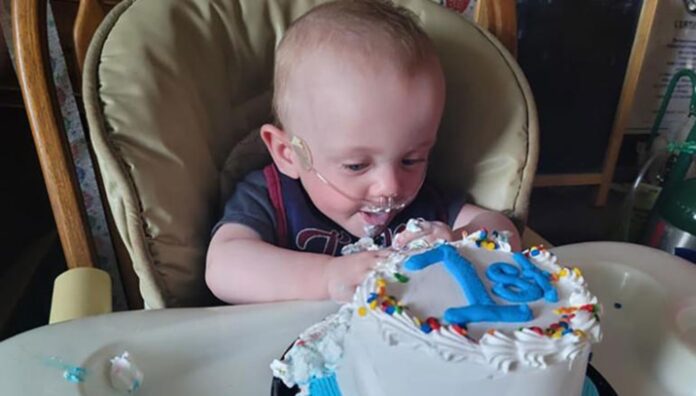
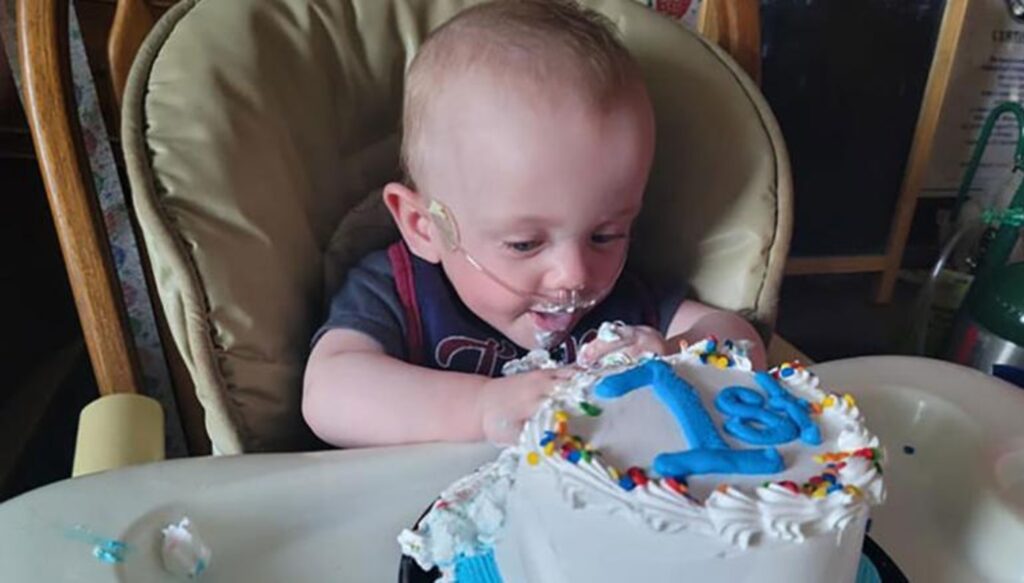
The world loves it when the little guy, pitted against enormous obstacles, beats the odds and comes back to win. So, you might say Richard Scott William Hutchinson, who celebrated his first birthday on June 5th, is the ultimate small but mighty contender.
When Richard’s mom Beth went into premature labor, he wasn’t due for another 131 days. Weighing in at just 11.9 ounces and measuring 10.2” in length, at the time of his birth, Richard’s gestational age clocked in at a scant 21 weeks and two days.
After the tiny infant was sent for care to the Neonatal Intensive Care Unit (NICU) at Children’s Minnesota hospital in Minneapolis, his parents were told he had a 0% chance of survival. But Richard set out to prove the doctors wrong—and that’s exactly what he did.
The icing on this miracle baby’s first birthday cake? Having Guinness World Records (GWR) officially declare him “the most premature baby to survive.”
But the road to Richard’s landmark birthday wasn’t an easy one. Constraints of the coronavirus pandemic prevented his parents from staying at the hospital with him, so each day, Beth and Richard’s dad, Rick, made the commute back and forth from the family’s home in St. Croix County, Wisconsin to Minneapolis to visit their newborn son.
Guinness World Records
“We made sure we were there to give him support,” Rick told Guinness World Records. “I think that helped him get through this because he knew he could count on us.”
“Rick and Beth fought for Richard day after day and never stopped advocating for their baby through it all,” neonatologist Dr. Stacy Kern told GWR. “Their strength and ability to stay positive and hopeful even during the most stressful and difficult times was inspiring.”
“The same little boy that once fit in the palm of my hand, with skin so translucent that I could see every rib and vessel in his tiny body. I couldn’t help but squeeze him and tell him how proud I was of him.”
SHARE This Uplifting Story With Others Who Love Good News…
MacKenzie Scott and former husband Dan Jewett, Giving Pledge
MacKenzie Scott and Dan Jewett, Giving Pledge
The world’s 21st wealthiest individual, MacKenzie Scott, has pledged another $2.7 billion to various charities.
In a blog post announcing her latest act of generosity, the billionaire ex-wife of Amazon founder Jeff Bezos explained that she wanted to give to those “that have been historically underfunded and overlooked.”
She chose 286 organizations that focus on racial inequality, as well as arts and culture, and education.
Since her divorce from Bezos in 2019—which saw her receive a 4% stake in Amazon—Scott has become well-known for her charitable donations.
For her latest act, she worked with researchers, advisors, and her new husband—Seattle science teacher Dan Jewett—to decide which non-profits to bestow gifts upon.
“In this effort, we are governed by a humbling belief that it would be better if disproportionate wealth were not concentrated in a small number of hands,” she wrote in her blog, “and that the solutions are best designed and implemented by others.”
Scott is not the only billionaire to promise to give away their wealth away. The Giving Pledge—an initiative sparked nearly a decade ago by Bill Gates and Warren Buffett—has been signed by 204 wealthy individuals, including Facebook’s Mark Zuckerberg and Airbnb cofounder Vrian Chesky. Jeff Bezos has not signed the pledge, but Scott and her partner Dan both have—with a promise to give “until the safe is empty.”
Multiply The Good News By Sharing With Your Friends On Social Media…
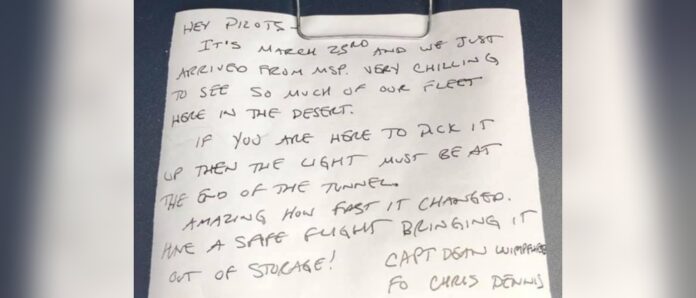
A note left by a pilot on a plane that hasn’t flown since last spring is a poignant look back to the beginning of the pandemic.
Last March, Captain Chris Dennis parked Delta ship 3009 at Victorville Airport in the California desert. Like many of us, he imagined this would just be a two-week lockdown before the world opened up again. He had no idea that plane wouldn’t take to the air again for another 435 days.
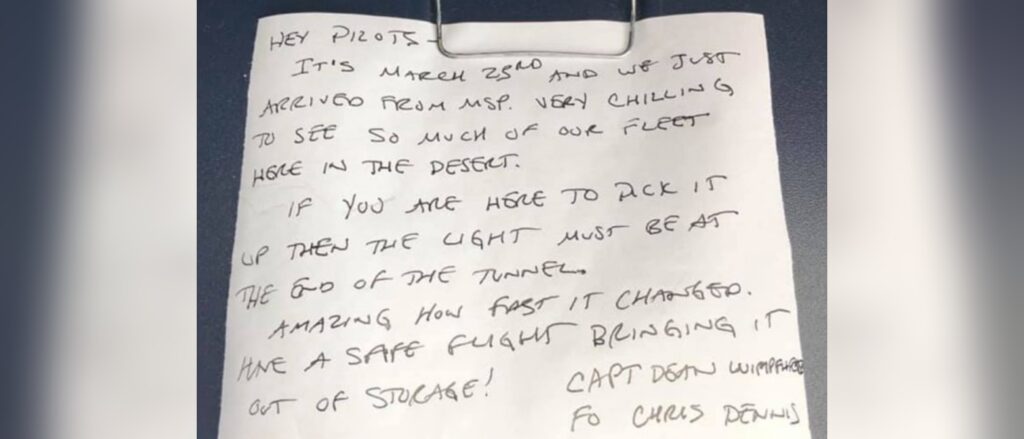
Dennis wrote, “Hey pilots—It’s March 23rd and we just arrived from MSP (Minneapolis-St. Paul). Very chilling to see so much of our fleet here in the desert. If you are here to pick it up then the light must be at the end of the tunnel. Amazing how fast it changed. Have a safe flight bringing it out of storage!”
The pilot assigned to ‘wake up’ the aircraft more than a year later found the note tucked away on a tray table in the flight deck.
“Those 57 words, which captured so much of the uncertainty and emotion we all felt in March 2020, underscored the gravity of the trip, and how optimistic he now feels about the direction we’re heading in,” Delta posted in their Facebook post sharing the note. “Ship 3009 is now prepared to take the skies once again.”
“While the world certainly has changed over the past year, one thing is for certain: we won’t be taking that open runway for granted anytime soon.”
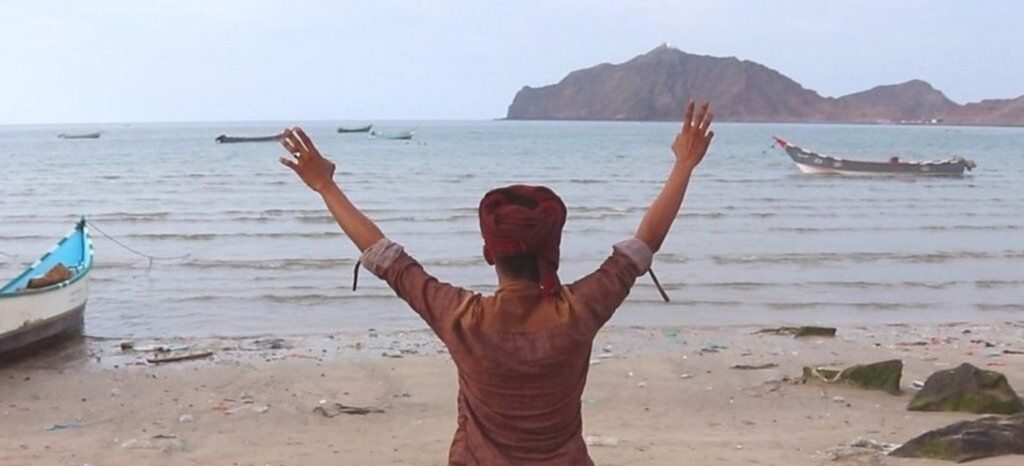
As described by anyone who experiences an unexplainable stroke of luck, “it was just another day” for a group of poor Yemeni fishermen heading out into the Gulf of Aden to earn their living.
But lady luck delivered a lump of precious ambergris, a unique substance found in the bellies of sperm whales, into their hands when they happened upon a floating whale carcass.
For obvious reasons, the last Good News Network story in which Yemen or the Yemenis were the spotlight was published in 2011. But with this once-in-a-lifetime find for 35 Yemeni fisherman, the poorest country in the Middle East just got a bit richer.
26 kilometers off the coast of the southern port city of Aden, a dead sperm whale was hooked up to some fishing vessels and dragged ashore. An inspection of the whale’s interior revealed a 280-pound lump of “floating gold,” or ambergris, a substance used to stabilize fragrances in perfumes.
Produced in the intestines of sperm whales, ambergris protects the lining of the intestines from the sharp beaks of the squid which make up the majority of their diet.
Over time it’s also been used as a flavoring agent in liquor and coffee, and as an incense in ancient China, Egypt, and elsewhere.
Al-Araby reports that an Emirati businessman bought the ambergris for $1.5 million, an unimaginable sum of money for most fishermen in the world, let alone those in one of the poorest countries in the world.
Furthermore, while one might imagine this story ending in tragedy or corruption considering the desperate state the country is in, the money was shared among the 35 men—who decided to give a portion towards helping their community.
“From one moment to another, our lives changed,” one of the fishermen, named Abdulhakeem, told AFP. “There are those who bought boats, others built or fixed their houses. I built my house; I built my future.”
“We are simple people: fishermen looking for our catch every day,” said Salim Sharf, another of the 35 lucky men, to AFP. “If you found your catch for the day you thank God. Suddenly, the Most Merciful gave us this.“
Citing an old phrase, Abdulhakeem notes that for most men the sea and its bounty are better neighbors even than a king. For these lucky 35, that’s certainly true.
(WATCH the BBC video below… )
SHARE This Lucky Find With Friends on Social Media…
Quote of the Day: “If you don’t ask, the answer is always no. If you don’t step forward, you’re always in the same place.” – Nora Roberts
Photo: by Yukie Emiko
With a new inspirational quote every day, atop the perfect photo—collected and archived on our Quote of the Day page—why not bookmark GNN.org for a daily uplift?
One silver lining of the pandemic for silver seniors, is that texting and social media provide a lot of joy, now that they’ve learned the easy method for bonding with their grandkids.
Sharon McCutcheon
According to a new poll, Americans over 65 have finally mastered the art of texting—and 33 percent of them now prefer texting to phone calls.
The survey also revealed that their favorite emoji was the heart, which tied with the happy face, with 43% using those the most. Other popular senior emoji favorites included the beer mug and assorted animals.
One in 10 respondents even surpassed emoji use and now send GIFs as a fun way to stay in touch with their grandchildren.
The pandemic prompted one in three seniors to learn how to use social media. And, nearly one in five (17%) were introduced to Netflix by their kids or grandkids.
Conducted by OnePoll on behalf of Comfort Keepers, the results found that while people are thankful tech has kept them connected, nothing beats an in-person visit.
55% of seniors prioritized seeing family the most, compared to a similar study conducted in 2020 that found dining at a restaurant topped the post-pandemic to-do list.
Lockdown restrictions, it seemed, did result in more appreciation for connecting with family.
It also seems the pandemic will have a long-term impact on respondents’ day-to-day lives, with four out of 10 saying they learned how to “stop and smell the roses.”
And what a heartwarming reason to embrace texting: their grandkids.
PLACE This on Social Media to Show You Know How! (LOL)… Featured photo by Jana Sabeth
After 15 months of watching the pandemic spread, there is much good news on the U.S. COVID front in June 2021.
Inside most states, the government is reporting the death rate for known COVID-19 cases is 0.1%, or less.
The reason to celebrate doesn’t end there, as most statistics paint a picture of a virus now under control.
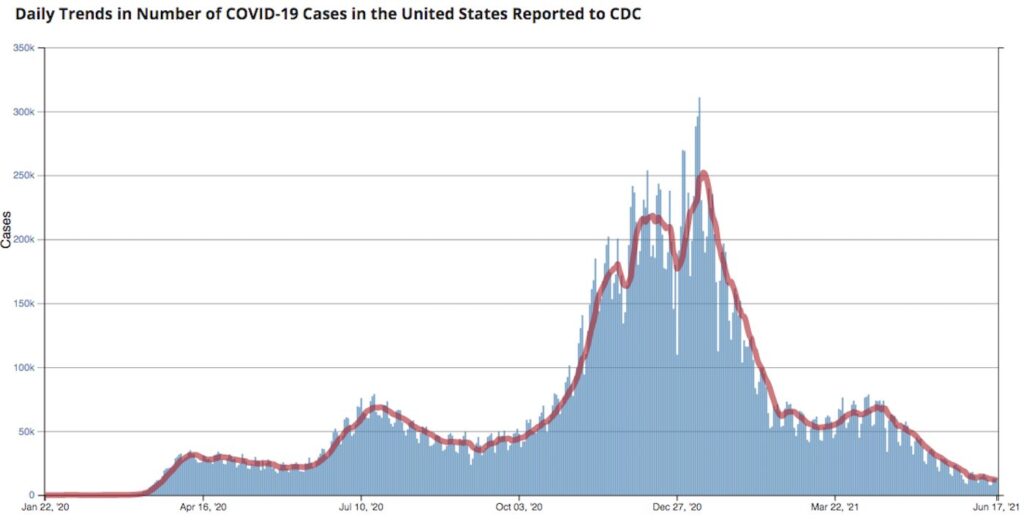
As of June 17, the 7-day moving average of reported cases was down this year by 94% from the peak in January—tumbling from more than a quarter million new cases per day to now just 14,000 cases (down 6% from the previous week).
The 7-day average of COVID-related hospitalizations continues to plummet, too. It was down 13% this week compared to the previous 7 days—and has decreased every day since April 19th.
One of the most shocking statistics brings sweet relief to hospitals. 13 patients per 100,000 residents in Washington D.C. represents the highest concentration of hospitalized COVID patients in any state.
The highest concentration of patients in intensive care units per 100,000 residents in any state is 3—and 5 states have zero.
Now that’s the kind of “COVID Tracker” a person could look forward to every day.
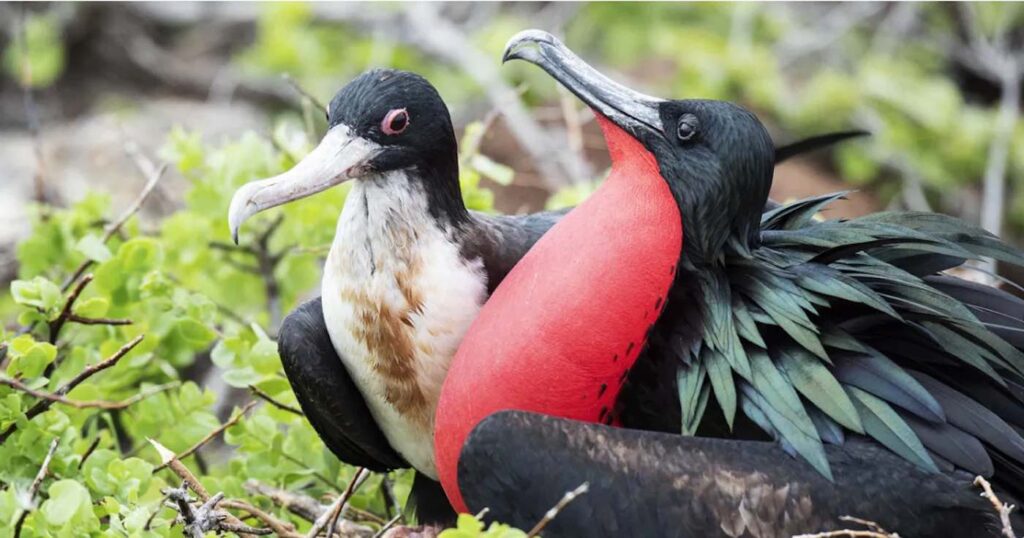
Magnificent frigate birds nesting on Seymour Norte Island - Island Conservation, released.
Island Conservation
Two years after a rodent eradication program began on two Galapagos Islands, conservations are excited to finally declare the lands rat-free—and drones, for the first time, contributed to the big success.
The actions carried out over the last two years on Seymour Norte and Mosquera islands will now ensure that native biodiversity on the island ecosystems can return to normal.
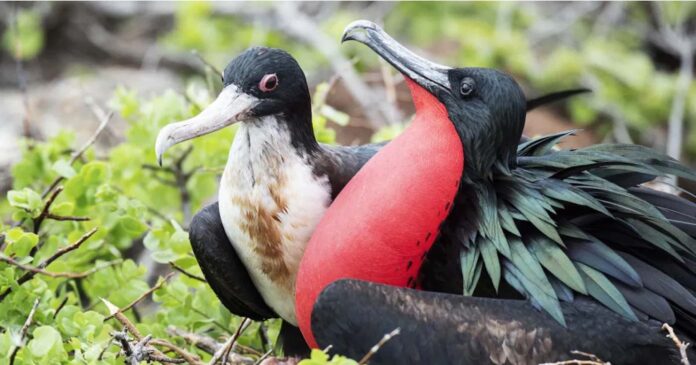
Seymour Norte, for instance, hosts one of the largest populations of magnificent frigatebirds (pictured), whose eggs and babies became constant prey to the two rat species that had run amok since arriving with ships in the 1800s and early 1900s.
In January 2019, Galapagos National Park officials together with the nonprofit group Island Conservation worked with drone pilots from Envicto Technologies in a groundbreaking effort to eliminate the black rat and the Norwegian rat from both islands.
The drone was equipped with a dispersal bucket and followed GPS-guided transects to distribute a “conservation bait” manufactured by Bell Laboratories all across the island. Following initial implementation, bait was placed in stations along the coastline, ensuring no rodents re-invaded the island.
“After two years of waiting, this project has given the expected results, according to the planning and according to the highest protocols for these cases,” said Danny Rueda, director of the Galapagos National Park this week. “Galapagos, once again, is a benchmark in terms of the protection of this globally important ecosystem.”
As a long-term preventive measure, a biosecurity barrier consisting of 289 bait stations will remain installed to prevent a re-invasion of rodents from Santa Cruz or Baltra, but still keep it safe for tourists to walk the trails.
Advanced drone technology
Seymour Norte and Mosquera Islands were the first instances of a drone being used to eradicate invasive vertebrates from an island, serving as a proof-of-concept, according to a Island Conservation.
In 2021, similar projects on three island groups across the Pacific will be implemented using drones—particularly on small islets, where it is not feasible to conduct a hand-based project, as was done on three islets in the Tetiaroa Atoll where bait was dispersed by humans.
Drones will be used on Kamaka Island in the Southeast region of French Polynesia soon, benefitting at-risk seabirds like the endangered Polynesian Storm-petrel.
Invasive vertebrate species are a leading cause of extinction on islands, contributing to 86% of recorded extinctions, but efforts to combat them—with over 1,200 invasive mammal eradications attempted on islands worldwide—have shown an 85% success rate.
Free of the rodents, endemic and native plants and animals on these Galapagos islands will be able to fulfill their ecological roles, guaranteeing the hatching of nests and survival of birds and reptiles, including Galapagos Land Iguanas, Blue-footed Boobies, Swallowed-tailed Gulls (the only nocturnal gull on the planet, and the vulnerable Lava Gull, one of the rarest gull species on Earth.
SPREAD This Great News to Animal Lovers on Social Media…
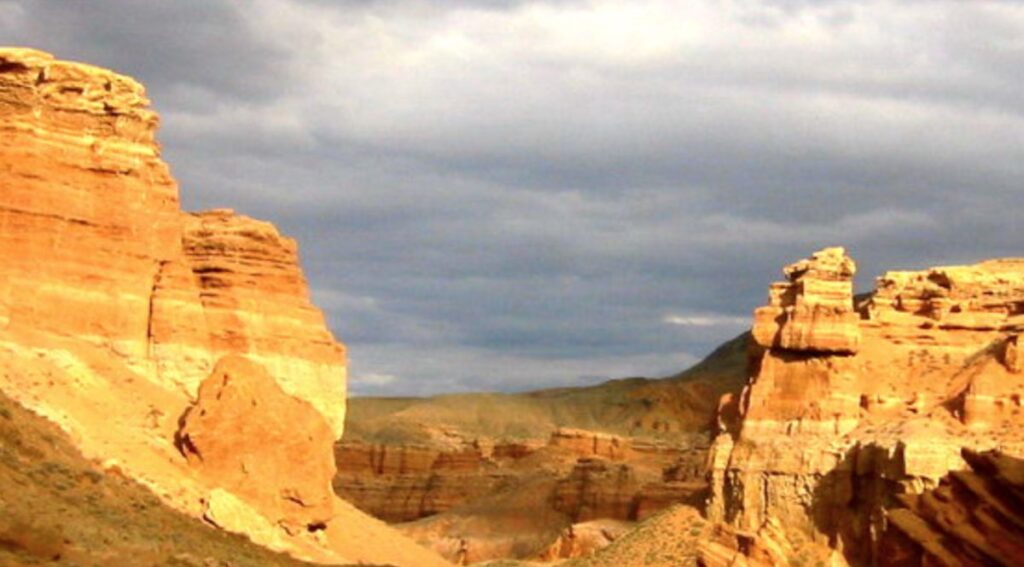
Information preserved within a sedimentary cliff over 260 feet tall is providing the missing link for understanding changes in global climate over the past five million years.
Jonas Satkauskas / satkauskas.com (CC license)
An international team of researchers, led by the Max Planck Institute for Chemistry in Germany, has now succeeded in reconstructing changes in rainfall and its effects by studying Charyn Canyon in southeast Kazakhstan in Central Asia.
“The 80-meter-thick sedimentary sequence we found provides us with a virtually continuous record of five million years of climate change. This is a very rare occurrence on land,” explained paleo researcher Charlotte Prud’homme.
The alternating dust and soil layers provide the first reliable evidence, in one place, of long-term interactions between major climate systems on the Eurasian continent.
“Over the past five million years, the land surfaces of Eurasia appear to have more actively contributed to the land-atmosphere-ocean water-cycle than previously acknowledged. The sediments preserved at Charyn Canyon acted as a litmus test for the influx of freshwater into the Arctic Ocean, stimulating the transport of moist air masses from the North Atlantic back onto land via westerly air flows,” corresponding author Prud’homme says.
Providing good analogy for today’s high carbon atmosphere
The researchers focused their investigation on the Pliocene period five to 2.6 million years ago, which represents the best analogue for the climatic conditions of the Anthropocene: this geologic time period was the last time concentration of carbon dioxide in the atmosphere was comparable to today, around 400 parts per million (ppm).
“That’s why our insights from the Charyn Canyon sediments are so essential for understanding future climate,” Prud’homme says.
Until now, little has been known about the role Central Asia plays in global climate evolution past and present. Earth’s climate evolution over the past five million years has been understood mainly from the perspective of marine mechanisms. In contrast, the significance of climate feedbacks that originated on land – rather than in the oceans, lakes or ice cores – has remained largely unexplored. The international research team has filled this gap with their field research in Charyn Canyon.
The geographical location of the study site in the middle of Central Asia was of key importance to the team.
“We needed to find a place that was inland and as far away from the ocean as possible,” explained Kathryn Fitzsimmons, of the Terrestrial Paleoclimate Reconstruction Research Group at the Max Planck Institute for Chemistry. “We could hardly find a more continental situation than at Charyn Canyon in southeastern Kazakhstan.” The semi-arid climate of the canyon, and its landscape, were shaped by the interaction between the mid-latitude westerlies and the high-latitude polar fronts, and by sediment transported from the nearby Tien Shan mountains, making it ideal for studying long-term land-climate feedback mechanisms.
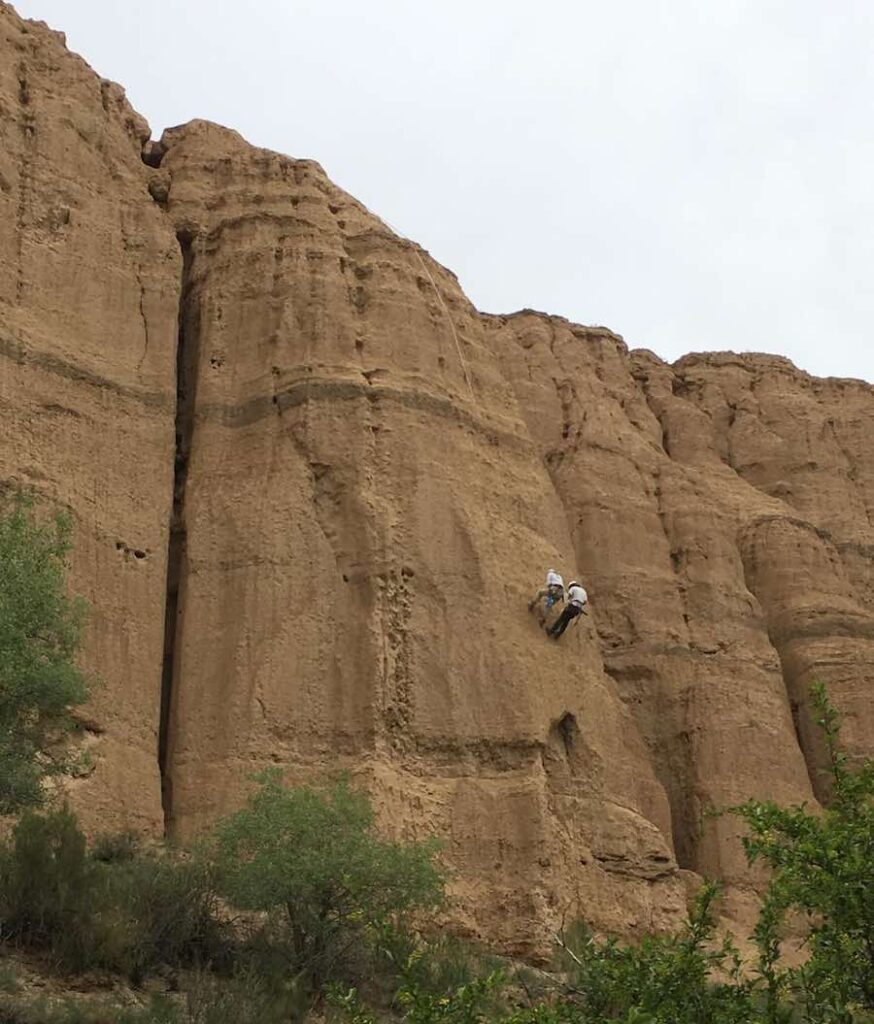
Charlotte Prud’homme collects soil samples in Charyn Canyon, Kazakhstan – MAX PLANCK INSTITUTE
The researchers examined the 80-meter-thick sedimentary succession and sampled by abseil to ensure continuous coverage of the record. By measuring the relative concentrations of isotopes within soil carbonates, they reconstructed the changing availability of moisture in the soil through time. A combination of paleomagnetic analyses and absolute uranium-lead dating of soil carbonates established the age and accumulation rates of the sediment record. The soil samples revealed a region characterized by ever-increasing aridity over the last five million years. In the early Pliocene, the soil was significantly wetter than in subsequent epochs or than today’s climate. This process of aridification was not linear, however; it was interrupted by short-term climate fluctuations which provide insights into the interaction between the mid-latitude westerly winds and the Siberian high-pressure system.
“We’re confident that the changes in soil moisture we found at our site can also be used as a proxy for Siberian river activity further north.”
One particular phase where this link is important stands out: a sustained period of wet conditions at Charyn Canyon just prior to the first major global glaciation around 3.3 million years ago. It is likely that these wet conditions extended to the Siberian rivers to the north, whose outflow of fresh water to the Arctic ocean may have breached a tipping point for widespread increased sea ice formation.
Their results have now been published in the scientific journal Communications Earth and Environment, a terrestrial climate archive for five million years that provides a valuable basis for future climate models.
Prud’homme literally said, “We have opened a door.”
RAPPEL This Story Over to Eco-Friends on Social Media…
Quote of the Day: “One of the most satisfying experiences is just fully to appreciate an individual in the same way I appreciate a sunset.” – Carl Rogers, psychologist
Photo: GWC
With a new inspirational quote every day, atop the perfect photo—collected and archived on our Quote of the Day page—why not bookmark GNN.org for a daily uplift?
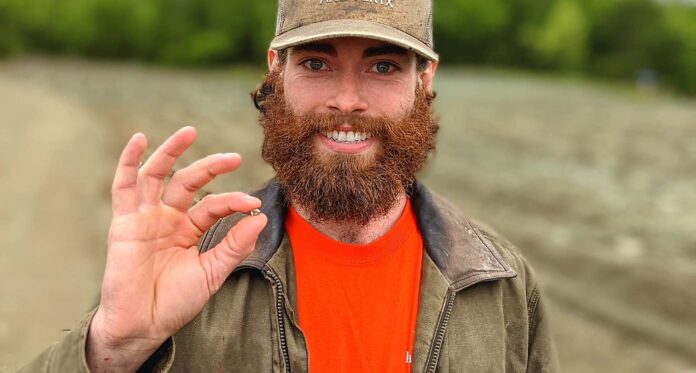
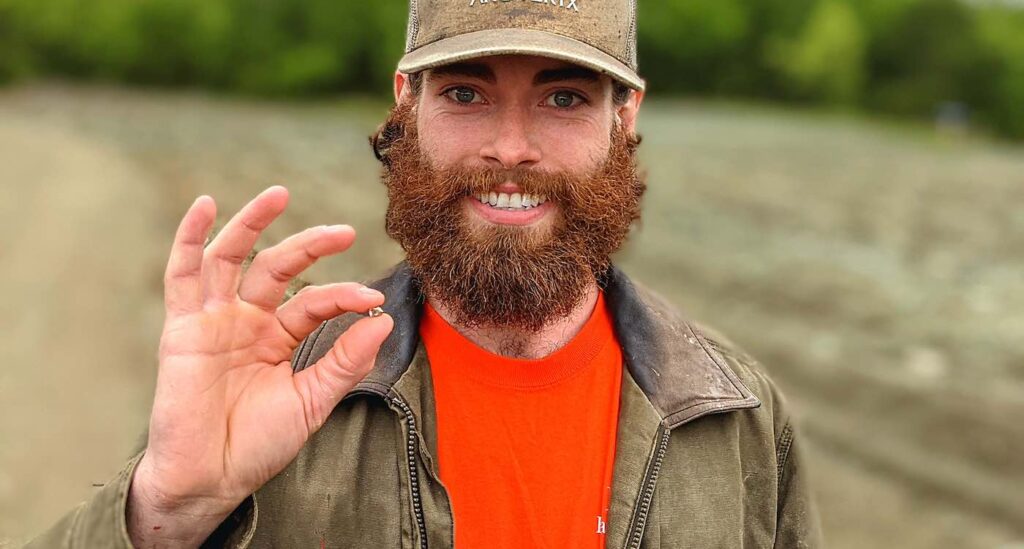
For years, this 26-year-old had been dreaming of finding his own precious gems to create a special engagement ring for his future spouse—something one-of-a-kind.
After a coworker told him that he could actually mine for diamonds in a state park in Arkansas, he hatched a plan to go on a cross-country road trip to Crater of Diamonds State Park.
Christian Liden even made some mining tools to take on the trip and watched many YouTube videos about how to find gemstones in the park—and he did everything in secret so his girlfriend wouldn’t find out.
Accompanied by a longtime buddy, he left Poulsbo, Washington on May 1. Along the way they tested their equipment at a Montana sapphire mine, before arriving at the Arkansas diamond site six days later.
On his third day of full-time mining in the 37-acre diamond search zone at Crater of Diamonds, Liden was wet sifting when he spotted it.
He immediately knew it was the prize that he had traveled more than 2,000 miles for—the gemstone to adorn the engagement ring he would present to his girlfriend, Desirae, after two years of dating.
Crater of Diamonds State Park
“I saw it shining as soon as I turned the screen over and immediately knew it was a diamond. I was shaking so bad, I asked my buddy to grab it out of the gravel for me!”
Liden placed the gem in a plastic bag and carried it to the park’s Diamond Discovery Center, where staff confirmed he had found a large yellow diamond.
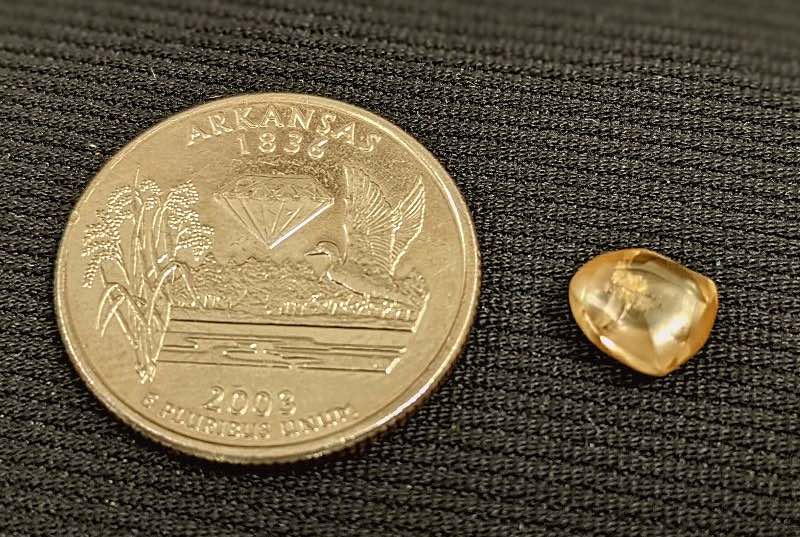
Weighing 2.20 carats, Liden’s diamond is the largest found at the park since last October, when a visitor from Fayetteville discovered a 4.49-carat yellow diamond.
According to Assistant Superintendent Dru Edmonds, “Mr. Liden’s diamond is light yellow, with a triangular shape and a sparkling, metallic luster. Like most diamonds from the park, it contains a few inclusions, making it one-of-a-kind.”
“As beautiful as this diamond is, I think the best part is the story behind it,” Edmonds continued. “Since the eighth grade, Mr. Liden has dreamed of creating a special ring for his future wife, with stones and gold he mined, himself. And now he can make that dream come true.”
Liden told the staff he had already successfully mined enough gold to have a sufficient amount for the ring band—and now his quest was complete.
“I was just hoping to find a couple smaller stones and had planned to buy a center stone later, but that won’t be needed now!”
Liden plans to mine for opals in Nevada before returning home and wants to design an engagement ring alongside his bride-to-be using all the gemstones collected from his cross-country mining quest.
Finders of large Crater diamonds often choose to name their gems. Liden named his the Washington Sunshine, “because it’s got a nice, light yellow color, just like sunlight in Washington.”
The Washington Sunshine, shown next to a quarter. The Arkansas state quarter features a large diamond, which represents Crater of Diamonds State Park.
Edmonds says an average of one to two diamonds are found by park visitors every day. In total, over 75,000 diamonds have been unearthed at the Crater of Diamonds since the first precious stones were discovered in 1906 by John Huddleston, a farmer who owned the land long before it became an Arkansas State Park in 1972.
The largest diamond ever found in the U.S. was unearthed here in 1924 during an early mining operation. Named the Uncle Sam, the white diamond with a pink cast weighed over 40 carats and was purchased by a private collector for $150,000 in 1971. Another well-known diamond, found by a local Murfreesboro resident in 1990, is on display at the park’s visitor center—a 3.03-carat white gem graded as ideal cut, D-colorless, and flawless.
Diamonds come in all colors of the rainbow, but the three most common colors at the Crater site are white, brown, and yellow, in that order.
Last year, before the second wave of the coronavirus pandemic hit, the second-largest brown diamond ever found at the Arkansas park was uncovered—weighing in at over 9-carats. Admission to the park’s diamond search area is currently limited to 1,500 tickets per day, and many are sold online at CraterofDiamondsStatePark.com.
THIS is a Proven Gem For Sharing on Social Media To Tell Friends About the Park…
A salsa dancer in Venezuela has become a YouTube sensation and an inspiration to differently-abled people everywhere.
After losing a limb in an accident five years ago, Andreyna Hernandez returned to the very spot of the tragedy to show that she’s still got the moves.
In a video that went viral, she sways gracefully with her partner, Robert Terán, at a Social Dance festival, the Salsa Casino.
Terán is her life partner and director of the dance academy FeedBack Latino.
Andreyna wrote on Instagram, “Observing the happiness and motivation of people when seeing a person in my condition dance, and much more considering that just in that area was where that tree was that was… that caused the loss of my lower left limb.”
“This loss was not an impediment at all. from the first moment I discovered that I could dance again. nothing stopped me. I’ll keep doing what I like until the end of time!” she exclaimed
Bust a Move to Share This Inspiring Story With Friends on Social Media…