















All News - Page 47 of 1689 - Good News Network
Home Blog Page 47

Arizona Governor Empowers Charity To Totally Cancel $429 Million in Private Medical Debt for $10 Million

credit - Office of the Governor of Arizona
credit – Office of the Governor of Arizona

With the help of one of America’s most heroic charities, Arizona’s governor has helped eliminate $429 million in privately-held medical debt and hospital bills in the state.

352,000 Arizonans received a letter in the mail explaining how their debts had been paid off for pennies on the dollar—one can only imagine the relief.

Taking money apportioned for community healthcare in the American Rescue Plan Act passed during the COVID-19 pandemic, Governor Katie Hobbs then gave it to Undue Medical Debt, an organization that has zeroed out tens of billions in debt for millions of Americans.

Identifying Arizona debtors that owed 5% or more of their annual income in medical bills, or those who held medical debt while making up to or below 400% of the national poverty line, the partnership should cut outstanding medical debt in the state by around 25%.

“This investment demonstrates Arizona’s commitment to ensuring that no one should face financial ruin for seeking care, and we’re grateful to work with providers across the state who recognize that removing these unpayable debts of necessity helps their communities thrive,” said Allison Sesso, president and CEO of Undue Medical Debt.

“This particular contract, we’re going to be spending $10 million of money that would be a lot harder to raise in only private dollars, but we pair that with private donations across the United States,” Sesso told AZ Family.

But how can $429 million in debt be eliminated for just $10 million? The first fact on the surface of this remarkable bargain is that the cost of care and procedure to the patient is often not reflective of the costs to the hospital for providing it.

Yet saddled with a massive bill in the event of an unforeseen sickness or accident, hospital patients often can’t or won’t pay for years at a time. A hospital may have a claim on someone’s money worth $50,000, or even $100,000, but if they can’t pay it in anything other than tiny installments, it suddenly begins to look quite worthless to a hospital administrator.

The hospital could take legal action, but there’s no guarantee they would collect, and it’s expensive to pay the legal fees resulting. So Undue Medical Debt comes into the picture and offers $5,000 in immediate cash payments to take that claim off their hands—essentially buying the debt for pennies on the dollar.

GETTING THE DOLLARS WHERE THEY’RE NEEDED: Ozzy Osbourne’s Final Concert with Black Sabbath Raised $190 Million for Charity

GNN has previously reported that the subtle brilliance in the act of buying outstanding debt from hospitals is that it’s up to the hospital’s accounting department to assess whose debts are available for Undue Medical Debt to buy.

This gives the charity a true randomness that prevents natural biases or preferences; the letters arrive into the hands of strangers, reporting the good news that they now debt-free, as if they’d won the lottery or been subject to divine intervention.

MORE OF THIS GOOD WORK: Maine Nonprofit Cancels $1.9 Million in Medical Debt for 1,500 People

Rochelle Jordan is just one Arizonan who was relieved of a debt burden by Undue Medical Debt and Governor Hobbs. Doing what she felt was the responsible thing and calling an ambulance years ago when she felt very sick in town, she arrived at the hospital, received treatment, and received a bill for upwards of $3,000 for the ambulance ride.

“I didn’t know catching the ambulance will cost me so much,” Jordan expressed to AZ Family.

SHARE This Incredible Relief With Your Friends On Social Media… 

“An artist’s career always begins tomorrow.” – James Whistler

By Johnny Magrippis

Quote of the Day: “An artist’s career always begins tomorrow.” – James Whistler

Photo by: Johnny Magrippis

With a new inspirational quote every day, atop the perfect photo—collected and archived on our Quote of the Day page—why not bookmark GNN.org for a daily uplift?

By Johnny Magrippis

Good News in History, July 23

Photo by Deutsche Bank at a Birdies For the Brave charity tournament, CC license

25 years ago today, Tiger Woods became the youngest golfer to win a complete Grand Slam. At age 24, he held all four modern major championships simultaneously — the US Open, The British Open Championship, the PGA Championship, and the Masters. He won the British Open that year at St. Andrews, with the best score ever recorded—19 under par. READ more about this momentous achievement… (2000)

Rats and Yellow Crazy Ants Eradicated on 6 Polynesian Islands–Now, Birds and Turtles are Flourishing

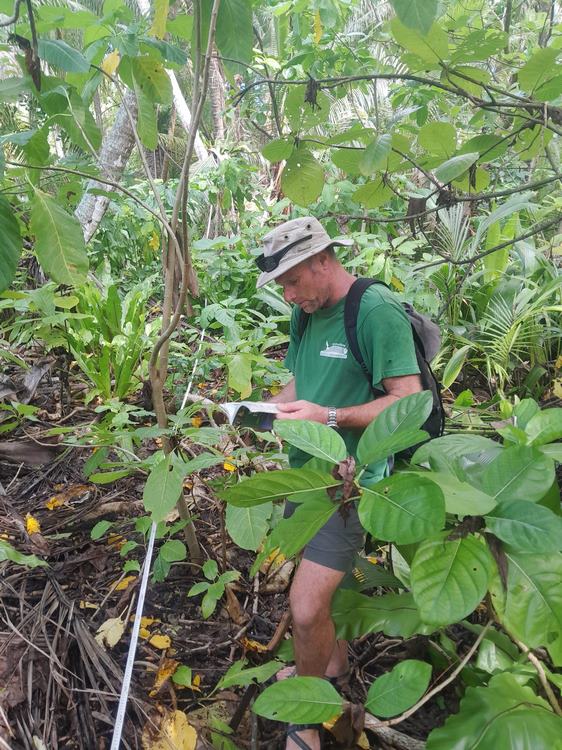
The successful team on Nukufetau - credit Jesse Friedlander, via Island Conservation
The successful team on Nukufetau – credit Jesse Friedlander, via Island Conservation

In the continuing conservation success story of eliminating invasive species on tropical islands, the nation of Tuvalu has completed the eradication of invasive rats from 6 of its 124 islands.

Additionally, an overwhelming population of invasive mosquitoes and “yellow crazy ants” are both nearly eliminated.

The project’s success was an example of the power that community-led conservation can have when properly backed by even the smallest governments, a statement from Island Conservation, a nonprofit that aided in the eradication, explained.

“[T]he project has led to the successful eradication of invasive rats from six islets, which includes four in Nukufetau [Atoll] and two in in Funafuti [Atoll], which has significantly reduced the threat to native seabirds, coastal biodiversity, and island ecosystems,” said Mr. Soseala Tinilau, Director of the Tuvalu Department of Environment.

Tepuka, an island located within the capital city atoll of Funafuti, was also infested with yellow crazy ants, one of the world’s largest ant species on account of its long legs and antennae, and which earned its “crazy” moniker for its extremely erratic movement patterns.

Like the fire ant, the species is known as a “tramp ant,” another rather humorous moniker that is given to ant species which can easily become invasive colonizers due to their aggression towards other ant species. A yellow crazy ant colony can spread 10 feet per day, and was infamous for causing the ecological “meltdown” of Christmas Island.

“We knew rats were a problem, but now we understand how much damage they were doing to our environment, and we now know to protect our islands,” said a community member from Nukufetau, where the rats were eliminated from the islands of Sakalua, Motumua, Teafuone, and Teafuatule.

Another shared that “we used to see fewer birds and crabs around, but now they’re coming back, and it feels like our island is breathing again.”

Richard Griffiths, Island Conservation’s Head of Operations in the Pacific, on Teafuatule, Nukufetau – credit Jesse Friedlander

A catalogue of divisions, ministries, and intergovernmental organizations contributed to the project, which was funded primarily through the New Zealand Ministry of Foreign Affairs and Trade, designed and led by the Secretariat of the Pacific Regional Environment Program, and implemented by the Tuvalu government.

Island Conservation, which have succeeded in similar eradication efforts on 65 islands across the world, helped by providing technical leadership from decades of experience.

MORE STORIES LIKE THIS: To Save Sea Turtle Population Invasive Deer Successfully Eradicated from Island in Australia’s Great Barrier Reef

“The recovery we’ve already seen in such a short time is astonishing,” said Jesse Friedlander, a Project Manager at Island Conservation. “The last time we were here, we saw very few coconut crabs. Now, birds and crabs are free to flourish. Healthy reefs aren’t optional for Tuvalu, they’re a matter of survival.”

A follow-up monitoring mission has confirmed the success of the eradication, and the project model could be expanded to other islets, further enhancing Tuvalu’s ecological resilience and food security.

“Communities are already witnessing the positive environmental changes, along with increased understanding of invasive species issues.”

MORE WORK FROM ISLAND CONSERVATION: Tiny Indian Ocean Island Shows How Quickly Seabirds Recover When Invasive Predators Are Removed

According to the statement from Island Conservation, the success of the project was rooted in strong community engagement. Residents of Nukufetau participated in awareness sessions and received hands-on training in eradication techniques, ensuring that the knowledge and capacity to maintain a rat-free environment remain within the community.

Mr. Sam Panapa, Tuvalu’s National Invasive Species Coordinator, commented that “removing these predators will create a safer environment for native species, benefiting biodiversity and supporting sustainable practices for the Nukufetau community.”

SHARE This Great Ecological Recovery With Your Friends… 

‘Long Overdue’ Lead Ammunition Ban Announced in the UK to Save Thousands of Birds

- credit Derek Laliberte on Unsplash
– credit Derek Laliberte on Unsplash

In a huge win for British water, birds, and communities, the UK environment ministry has announced a rapid phase out leading to a total ban on lead ammunition.

Global health authorities agree unanimously that there is no safe level of lead exposure, and lead shotgun pellets and small-caliber ammunition are two of the most persistent poisons of bird life, particularly waterfowl.

In 2008, the California government introduced a phase-out/ban of lead ammunition in the southern geographical range of the California condor, which helped reduced excess mortality from ingestion of lead by these scavengers.

Though not scavengers, waterfowl are also at high risk of lead poisoning since they’re traditionally hunted with shotguns that fire clusters of lead pellets, called shot, and because these birds habitually ingest small stones as a digestive aid. They’ve been known to mistake shot and bullets for these stones.

Starting from 2026 and coming into total effect by 2029, any shot containing more than 1% lead or bullets with more than 3% lead, will no longer be legal to use. Announced on Saturday by Environment Minister Emma Hardy, the decision was informed by the UK’s Health and Safety Executive, which had originally proposed a longer phase-out period.

Hardy declined, and opted instead for a faster, 3-year phase out.

“Britain is a proud nation of nature lovers, but our rivers are polluted and iconic birds are declining. This ban will help reverse that, protecting birdlife and restoring our countryside,” Hardy said in a statement.

HUNTING NEWS: Missouri Deer Hunters Donate 350,000 Pounds of Venison to Food Banks Across the State

Steel, copper, tungsten, and bismuth are all ballistically similar to lead, and to most hunters and shooters, any differences would be undetectable; substantially more subtle than variations in groupings and placement brought about from mere human influence like trigger panic or shoulder fatigue.

Exemptions will be made for law enforcement and military in the case of small-caliber bullets where no alternative is available.

MORE WILDLIFE PROTECTION: Good News for California Bees: Governor Signs Law to Help Protect Pollinators From Toxic Pesticides

According to the Wildfowl and Wetlands Trust (WWT), some 100,000 birds die annually in the UK from ingesting lead shot. Voluntary methods, which have shown some success in protecting condors in America, haven’t worked as well in the UK, and a study from the country in 2022 found that 99.5% of hunted pheasants that were tested for lead found the heavy metal in their bloodstream.

The WWT called the decision a “huge day for wildlife,” while the Royal Society for the Protection of Birds called it “long overdue.”

SHOOT This Story Over To Your Friends On Social Media…

A Drowning Foal Rescued by Canoers, Hitches a River Ride Back to its Mama

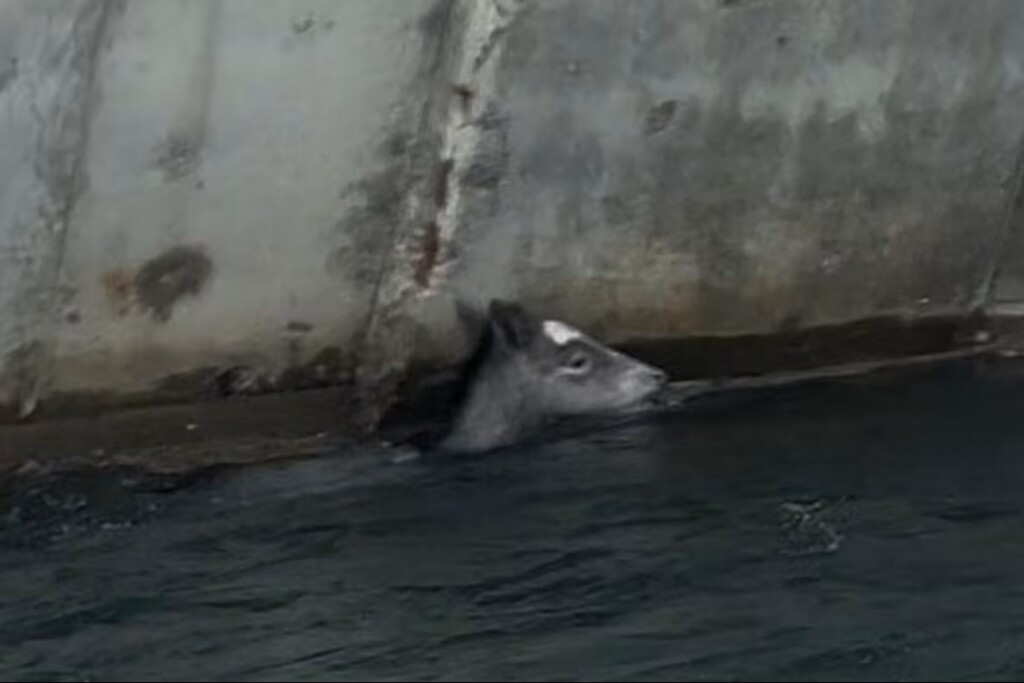
The foal who had been stuck in the Kananaskis River - supplied by Ava Haddad
The foal who had been stuck in the Kananaskis River – supplied by Ava Haddad

As two women were enjoying canoeing down an Alberta River, they had no idea they would have the chance to save a life.

The sun was out, the water was glistening, and the birds were singing, but the idyllic drift down the Kananaskis River was interrupted when a horse waded into the water under a highway bridge and abruptly blocked their course.

Looking to their right, they realized what the horse was after: a foal was seemingly trapped in deep water against the concrete side of a bridge support.

Anna Gleig and Ava Haddad, both students at the University of Calgary’s environmental science program, decided to lend a hoof to the stranded foal, who could only just keep its head above water.

Paddling toward the bank on the other side of the river, the two scared the mother horse away, which at least made things a little safer. Gleig, a former lifeguard, led the rescue effort as the two swam over to the animal. Gleig supported it while Haddad paddled and pushed.

“He didn’t fight back against us,” Haddad recounted to CBS News. “He just let us take him, so that worked out really well.”

The foal stuck in the water – supplied by Ava Haddad

“Somehow,” Gleig explained, they managed to get the 90-pound foal back on the bank. But there was another problem: his mother had run off.

They waited there in the midday sun from a safe distance, expecting the foal’s mother would come back to look for it, but she didn’t. At times they considered leaving the foal, but every time they paddled away it would wade back out in the water and require rescuing again.

CANADIAN RIVER RESCUES: YouTuber Rescues Senior Great Pyrenees Dog During Cross-Canada Canoe Trip

Eventually, they just put him in the boat and decided to paddle on to see if they could find help.

“I ended up putting my life-jacket on him and picking him up and putting him in the boat with us. And miraculously, somehow he was calm enough, and was OK with being in the boat,” Gleig said. “He took a little nap there because he was just so tired.”

Ana Gleig and the foal after they got him into the boat – supplied by Anna Gleig

After about 20 minutes, the paddlers were able to get a hold of someone from a First Nations community who knew exactly which horse the foal belonged to.

SAVING ANIMALS: Teen Rescuer Bravely Rides Scared Horse 14 Miles Out of Burning Canyon – WATCH

The man loaded the foal into his pickup truck, and before the day was out the two women received confirmation the animal had been reunited with his mother.

They described to CBS News that they were proud and happy to have given the foal a “second life,” reasoning that if they hadn’t passed by, it’s likely the foal would have drowned.

WATCH the story below from CBS News…

SHARE This Joyfoal Rescue With Your Friends From Canada… 

Snake and Spider Venom Produce Hundreds of ‘Promising’ Potential Antibiotics

A dwarf sand adder snake - credit Arno Moller, Unsplash
A dwarf sand adder snake – credit Arno Moller, Unsplash

Hundreds of potential antibiotics have been discovered in snake and spider venom thanks to AI.

A screening of global venom libraries, powered by artificial intelligence uncovered dozens of “promising” new drug candidates.

AI has already been used to complete screenings of plant compounds and existing drugs in search of potential new antibiotics, and snake, scorpion, and spider venoms have proven a fruitful hunting ground as well.

Antibiotic resistance contributes to more than one million deaths worldwide every year. Finding alternative compounds that can eliminate these pathogens is one of medicine’s great ongoing missions.

To that end, researchers at the University of Pennsylvania in the United States used a deep-learning system called APEX to sift through a database of more than 40 million venom encrypted peptides (VEPs), tiny proteins evolved by animals to ravage the nervous system, blood cells, and organs of their prey and/or attackers.

The algorithm flagged 386 compounds within a matter of hours with the molecular hallmarks of next-generation antibiotics.

“Venoms are evolutionary masterpieces, yet their antimicrobial potential has barely been explored,” said senior study author Professor César de la Fuente. “APEX lets us scan an immense chemical space in just hours and identify peptides with exceptional potential to fight the world’s most stubborn pathogens.”

From the AI-selected shortlist, the team synthesized 58 venom peptides for lab testing.

AI IN MEDICINE: In 10 Seconds, an AI Model Detects Cancerous Brain Tumors Often Missed During Surgery

The findings, published in the journal Nature Communications, showed that 53 killed drug-resistant strains of bacteria, including E. coli and Staphylococcus aureus at doses that were harmless to human red blood cells.

“By pairing computational triage with traditional lab experimentation, we delivered one of the most comprehensive investigations of venom derived antibiotics to date,” said co-author Dr. Marcelo Torres in a release from his university.

MORE OF THIS GOOD WORK: Antibiotic That Destroys One of World’s Deadliest Superbugs Discovered by AI Supercomputer

The platform mapped more than 2,000 entirely new antibacterial “motifs”—short, specific sequences of amino acids within a protein or peptide responsible for their ability to kill or inhibit bacterial growth.

The team is now taking the top peptide candidates, which could lead to new antibiotics, and improving them through medicinal-chemistry tweaks.

SHARE These Scientists Biting Into To Antibiotic-Resistance On Social Media…

“Hold yourself responsible for a higher standard than anybody expects of you. Never excuse yourself.” – Henry Ward Beecher

Quote of the Day: “Hold yourself responsible for a higher standard than anybody expects of you. Never excuse yourself.” – Henry Ward Beecher

Photo by: Mitchell Griest

With a new inspirational quote every day, atop the perfect photo—collected and archived on our Quote of the Day page—why not bookmark GNN.org for a daily uplift?

Good News in History, July 22

The Bluewater Bridge at night - credit, Optionbooter CC 3.0. BY-SA

28 years ago today, the second span in the twin-span cantilever truss bridge crossing the St. Clair River was finished, completing the entirety of the Bluewater Bridge connecting Ontario with Michigan. The 2nd busiest crossing point along the US-Canada border, it was designed and built by Ralph Modjeski, a Polish-American who was called the nation’s “greatest bridge builder.” READ more about this iconic crossing point… (1997)

Cat Walks Boy to School Daily and Unites a Scottish Community–Vote for Him for UK National Cat Award

Kiki walks to school with Sonny - Credit: Cats Protection
Kiki walks to school with Sonny – Credit: Cats Protection

An affectionate cat named Kiki never misses a day of school.

Every morning, even if she’s sleeping or only half awake, the Scottish cat can sense when her housemate, 10-year-old Sonny, is getting ready for school.

Then, the spotted white cat will walk with Sonny and his classmates to school in Glasgow, Scotland, wait on the playground during the day, and then walk the students home once school concludes.

Kiki’s daily devotion has made her an unofficial mascot for the school. A head teacher recognized the feline for her “100% attendance record.” And now, Kiki has been nominated for a UK National Cat Award.

“She’s brought a lot of joy to the children, staff and school community,” Kiki’s owner, 51-year-old Michelle Scott told reporters. “She’s given the teachers an opportunity to teach children how to treat cats and respect them.”

Sonny chose Kiki from among a litter of cats for his eighth birthday gift—and the bond between the boy and his cat became a love-fest.

Before long, it extended to his friends, then his classmates, and soon the entire school community in the south of Glasgow.


Sonny’s mom continued, “I’ve always had cats but Kiki is like no cat I’ve known. She’s really sociable. Whenever Sonny had friends round, she would sit with them as if she was one of them.”

Kiki’s social connections and community impact have made her one of three finalists in the National Cat Awards in the category called Connected Cats. The contest organizer is the UK’s largest cat welfare charity, Cats Protection.

Last year, a black and white cat named Marley won the National Cat Award for his work as a support animal in a safe haven shelter for crime victims.

BELOVED CAT RETURNS AFTER DECADE: Man is ‘Overwhelmed’ as His Bengal Cat is Returned From 16-year Absence After a Phone Call

The public can vote for Kiki—and all the categories—on the website until July 31. Winners of each category will be announced on September 24, when a panel of judges will select one winner as the National Cat of the Year 2025.

Perhaps, the winner will be the cat that never misses a day of school.

SHARE THIS STORY WITH A CAT FAN YOU CAN ALWAYS COUNT ON…

Walking Slightly Faster Can Help Seniors Stay Active Longer – Plus an Easy Way to Measure Steps Per Minute

Richard Sagredo
Richard Sagredo

Walking just slightly faster helps older people stay active for longer, and stave off frailty.

Taking just 14 steps per minute more than their usual pace led to “meaningful” improvements in physical well-being for seniors who were frail or at risk of becoming frail, according to new findings.

The research team explained that frailty is a medically defined condition in older people that increases vulnerability to everyday stresses, leading to a higher risk of falls, hospitalization, and loss of independence.

Warning signs of frailty include 1) unintentional weight loss, 2) moving slowly, 3) feeling weak, 4) persistent tiredness and 5) low levels of physical activity.

Because most of these signs have a direct link to how active someone is, scientists say walking is a particularly effective way for older people to improve their overall health and quality of life, and maintain their independence longer.

But the question had remained until now: how fast do they need to walk to see real benefits.

Traditionally, the “talk test” has been used to guide walking intensity where people are encouraged to walk at a pace that makes it difficult to sing but still allows for comfortable conversation. But this method is subjective and difficult to apply consistently.

The new study, led by scientists at the University of Chicago Medicine, found that cadence—the number of steps per minute—may be the key, and the researchers developed a smartphone app designed to accurately measure walking pace, making it easier to integrate the beneficial practice into daily life.

WALK FOR YOUR BACK: Millions Who Suffer Back Pain Can Ease Symptoms Simply by Walking More–For ‘Huge Benefits’

Anesthesiologist Dr. Daniel Rubin became interested in walking cadence during his clinical experience evaluating older patients preparing for surgery, because they have a higher risk of complications associated with surgery.

“Traditionally, surgical teams have relied on physical function questionnaires to risk-stratify patients, but I thought there must be a way to develop more objective metrics,” he said in a media release.

Dr. Rubin and his colleagues studied older adults classified as either frail or pre-frail. The participants with an average age of 69 were enrolled in structured walking programs within their retirement communities, guided and assessed by clinical research staff. Cadence was measured by a device fitted to their thigh.

One group was encouraged to walk “as fast as safely possible” while another group walked at their usual comfortable pace. The results, published in the journal PLOS One, showed “clear” benefits.

Shoot for 100 steps per minute

Those who increased their cadence to around 100 steps per minute—14 steps per minute above their usual pace—experienced “substantial” improvements in their functional capacity (demonstrated by their ability to walk longer distances in a standardized test).

SWNS

EXTRAORDINARY: 2 Years of Exercise Reversed 20 Years of Aging in the Heart, Says Longest-Ever Randomized Trial on Exercise

“People who haven’t experienced frailty can’t imagine how big a difference it makes to be able to not get tired going to the grocery store or not need to sit down while they’re out,” Rubin said.

Building on those findings, Rubin’s team created a smartphone app, called Walk Test, which they designed specifically for measuring walking cadence accurately because they didn’t necessarily trust the built-in trackers in smartphones.

The app, which is not yet available publicly, uses a novel open-source method to analyze the data measured by the phone. Validation testing showed the app counts steps-per-minute with “exceptional” accuracy, closely matching specialized, research-grade accelerometers.

LUCKY OR SMART? 94-Year-old Has No Health Issues–Thanks to Zumba Classes 3 Times a Week

But right now, people can easily maintain the beneficial cadence of 100 steps per minute by using a metronome app—or simply play an audio of a metronome at 100 beats per minute.

“Even casual walking had positive effects on our study participants, but for those who are able, increasing their walking pace judiciously can yield even greater results.”

SHARE THE WALKING TIPS With Seniors on Social Media…

Dogs Are Being Trained to Track Elusive Spotted Lanternfly and Save Crops from Devastation

Fozzie and Scott Hurst of Salem, Virginia, search a park bench for evidence of the invasive spotted lanternfly - credit Clark DeHart for Virginia Tech.
Fozzie and Scott Hurst of Salem, Virginia, search a park bench for evidence of the invasive spotted lanternfly – credit Clark DeHart for Virginia Tech.

A real-world trial at Virginia Tech has shown that ordinary dogs and their owners can help combat a major invasive insect species from taking hold in their communities.

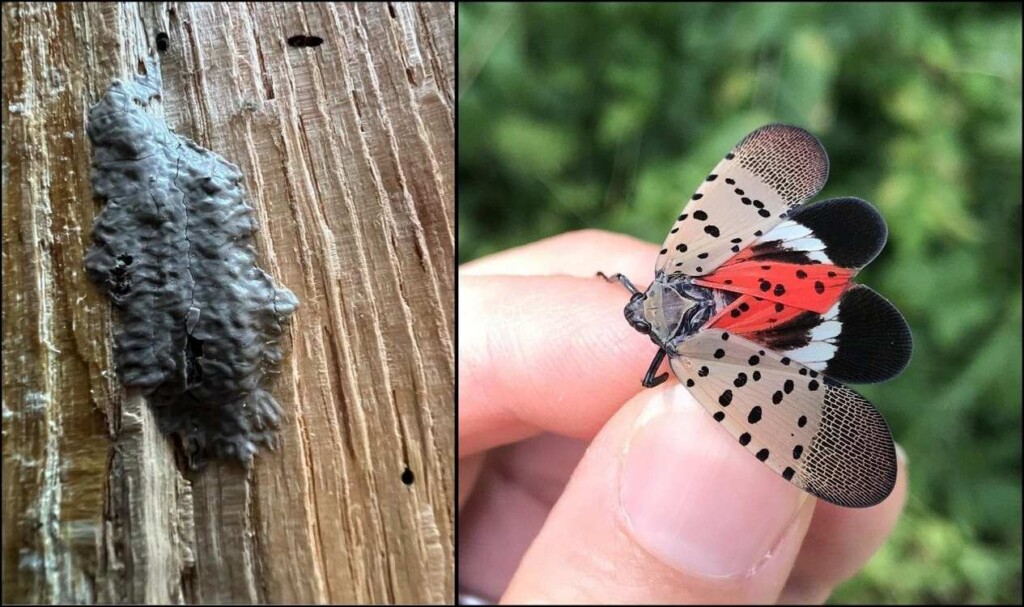
The spotted lanternfly, native to Asia, was first detected in Pennsylvania in 2014. Since then, it’s spread rapidly to 18 states, laying its eggs on trees, stone, lumber, and even cars and trailers, where it can hitch a ride to a new home.

Catching the bug early is key—but finding its egg masses is no easy task. That’s where your dog comes in.

With a sense of smell that’s tens of thousands of times more acute than a human’s, dogs can be trained to sniff out spotted lanternfly egg masses without disturbing the environment.

“They often resemble mud smears or lichens and are tucked into bark crevices, cracks, or hidden undersides,” said Mizuho Nita, a plant pathologist at Virginia Tech who co-authored the results of the field study. “Finding them is like searching for a needle in a haystack.”

Previous research has shown that professional conservation detection dogs can find them quite often. But professional dogs are expensive, and there aren’t nearly enough of them to cover the growing threat.

That’s where Sally Dickinson, the lead author on the study who recently obtained her Ph.D. from Virginia Tech’s College of Agriculture and Life Sciences, thought that they might be able to enlist the help of citizen scientists.

(Left) A spotted lanternfly egg mass hides in plain sight – credit, courtesy of Sally Dickinson (Right) A mature spotted lanternfly – credit, Theresa Dellinger for Virginia Tech

“With proper training, dog owners can turn their pets into powerful partners for conservation,” Dickinson said.

Many dog owners participate in sporting scent games—teaching their dogs to track different scents and having sort of scavenger hunts to enrich their companions’ lives. Even if the breed isn’t bred specifically for following scent trails, most dogs can do it.

182 human-dog teams from across the US were selected and given devitalized, that is, non-hatching lanternfly egg masses, as training aids. Participants trained their dogs at home or in small groups, with oversight from a designated local trainer.

After several months of training, the dogs were put to the test in two environments—one indoor and one outdoor. In the controlled indoor environment, dogs had to complete an odor recognition test, identifying the box with the spotted lanternfly egg mass from among multiple boxes with other items and scents.

GREAT STUDIES FROM VA TECH: Plastic Waste Can Now be Turned into Soap Thanks to Eureka Moment from Virginia Tech

Those that passed the odor recognition test advanced to a field test, where they had to find the scent in an outdoor environment with competing smells.

The participant dogs correctly identified the egg masses 82% of the time in the controlled test and 61% in the real-world test. This was still better than rates of success for human-only searches. Of the dogs that passed both tests, 92% were successful in finding live egg masses with minimal extra training.

MORE NEWS LIKE THIS: High School Student Invents an A.I. Powered Trap That Zaps Invasive Lanternflies

“These teams demonstrated that citizen scientists and their dogs can play a meaningful role in protecting agriculture and the environment from invasive species,” said Sally Dickinson, the study’s lead author.

In vineyards, orchard—arable acreage of all sorts—the lanternfly is devastating crops and yields. Any resistance is better than no resistance, and if that means keeping your dog alert and ready to sniff out the invader on a walk through the park or forest, it could make the difference between your local farmer making a profit or making a loss this harvest season.

SHARE This Brilliant Citizen Science Initiative To Help Defend Our Farms… 

Key Yangtze Sturgeon Habitat Restored Following Removal of 600 Dams and Hydrostations

The Chishui He, or 'Red River' runs under Luding Bridge in Sichuan Province - credit CC 3.0. Rolf Müller
The Chishui He, or ‘Red River’ runs under Luding Bridge in Sichuan Province – credit CC 3.0. Rolf Müller

On an upper tributary of the mighty Yangtze River, the rolling back of 100 years of industrialization has allowed room for rare fish to reach ancestral spawning grounds.

The longest-river in Asia, the Yangtze is dotted with literally thousands of dams and hydroelectric stations which prevent wildlife like the Yangtze sturgeon and Chinese paddlefish from migrating upriver to spawn.

Trapped between the dams and the heavy shipping, sand mining, and fishing industries along the river, these animals died out, and were declared extinct in the wild by the IUCN in 2022.

But now, 300 dams and hydropower plants have been demolished along a 250-mile tributary of the upper Yangtze called the Red River, leading to reintroduction efforts that have seen adult Yangtze sturgeon migrate and spawn in their historic habitat for potentially the first time this century, as a survey in the year 2000 turned up zero sturgeon or paddlefish fry.

There are 357 dams and 373 small hydropower stations on the Chishui He, or Red River. Despite this massive burden of industry, ecologists consider the tributary, running through Yunnan, Guizhou, and Sichuan, as the last refuge of Yangtze aquatic wildlife.

The state-run daily Xinhua reported that 300 dams and another 300 power stations have been decommissioned or demolished, freeing up hundreds of miles of river to flow as they had for millennia.

With the river open, riverine biologists released thousands of Yangtze small fry into the river, while later releasing a squadron of 20, precious, fully-grown sturgeon last April in the hopes that they would recall their ancestral spawning route back up the Yangtze and into the Chishui He.

MORE RIVER RESTORATION: Yurok Tribe Celebrates Again as Ancestral Homelands are Returned–in Wake of Historic Dam Removal

Much the way that salmon in the Klamath River in Washington state almost immediately recolonized the upper reaches of the watershed last year following the historic removal of four dams along the river’s path, the month hadn’t even concluded by the time the scientists observed the adult sturgeon displaying spawning behavior.

“This achievement indicates that the current ecological environment of the Red River can now meet the habitat and reproductive needs of Yangtze sturgeon,” Liu Fei, a researcher at the institute in Wuhan involved in releasing the adult sturgeon, told Xinhua.

MORE NEWS LIKE THIS: Reintroduction of Two Yangtze Finless Porpoises A Rare Success in Captive Breeding of Endangered Species

Roughly one-third of China’s population live along the Yangtze, and in 2020 they were subjected to a 10-year fishing ban to allow many depopulated species to recover. Hundreds more dams and power stations were shut down beyond the stretch of the Red River, and sand mining has also been banned.

It’s all part of a recent emphasis that the Chinese government has had on recovering the river’s ecosystem to former glories. In June, Chinese scientists completed a survey of national freshwater bodies and found that over 2,500 now enjoyed “excellent water quality” the Yangtze included.

SHARE How China Is Making Room For Nature Along Its Biggest River… 

“You are broadcasting all the time. The question is not whether you are creating, it’s what you are creating.” – Neville Goddard

@GWC

Quote of the Day: “You are broadcasting all the time. The question is not whether you are creating, it’s what you are creating.” – Neville Goddard

Photo by: © GWC (Fiesta party in Santa Barbara)

With a new inspirational quote every day, atop the perfect photo—collected and archived on our Quote of the Day page—why not bookmark GNN.org for a daily uplift?

@GWC

Good News in History, July 21

Erden Eruc - CC Wikimedia Commons

15 years ago today, Turkish-American Erden Eruç became the first person to perform a human-powered circumnavigation of the world, in a journey of 41,000 miles and over 5 years. The trip crossed the equator twice and all lines of longitude, and passed over twelve pairs of antipodal points, meeting all the requirements for a true circumnavigation of the globe according to Guinness World Records, the title for which Eruç holds. READ more about this incredible feat… (2012)

Targeting an Enzyme Could Rewire Cancer Cells to Suppress Growth by up to 77% for Melanoma and Colorectal Tumors

Credit: National Cancer Institute via Unsplash

Eleven years of cancer research has proven fruitful for a scientist at Johns Hopkins who uncovered a new tumor-suppressive response that could lead to novel therapies targeting hard-to-treat cancers.

The new study, funded in part by the National Institutes of Health and the National Cancer Institute, showed that targeting a key process of how cells make proteins can inhibit cancer cells—and resolves what makes them so sensitive.

The findings, published in the June 18, 2025 Cell Chemical Biology, open the door to potential new treatments for cancers with common genetic mutations.

The researchers found that using a drug to inhibit the enzyme responsible for human RNA (rRNA) transcription—called RNA Polymerase 1, or Pol 1—triggered a unique stress response that rewires splicing, or the way cancer cells produce forms of proteins, to ultimately suppress tumor growth.

“Ribosome biogenesis has long been known as a hallmark of cancer,” says study leader Marikki Laiho, M.D., Ph.D., a Johns Hopkins professor of radiation oncology in the Department of Radiation Oncology and Molecular Radiation Sciences.

In 2014, she and her team identified that Pol 1 is a meaningful therapeutic target in cancers. She began laboratory studies using human cell lines to study a small molecule, BMH-21, developed together with Johns Hopkins pharmacology and molecular sciences expert James Barrow, Ph.D., to inhibit the Pol 1 enzyme.

In the latest study, the team analyzed more than 300 cancer cell lines and found that tumors with certain mutations were especially sensitive to Pol 1 inhibitors, such as BMH-21—and a new drug, called BOB-42.

These alterations are common in cancers with mismatch repair deficiency (MMRd)—including colorectal, stomach and uterine cancers—which results in copying errors going uncorrected when DNA replicates and cells divide, causing high rates of additional mutations and cancer risk.

The team tested the new drug in animal models, and patient-derived tumors containing the same key genetic markers and recorded a significantly reduced tumor growth—by up to 77%—in melanoma and colorectal cancers.

DID YOU SEE THIS? A Deadly Tomb Fungus May Have Yielded a Killer Leukemia Treatment

“These findings highlight a promising new path for targeting cancers, especially for patients with mismatch repair-deficient cancers that are resistant to existing therapies,” says the study’s first author, Wenjun Fan, Ph.D., research associate.

The study also suggests that changing how cancer cells splice RNA, or produce different forms of proteins, could affect how the immune system recognizes tumors. Combining immunotherapies with Pol 1 inhibitors may improve the effectiveness of immunotherapies.

“This is an entirely new conceptual framework for understanding how rRNA synthesis influences cancer cell behavior,” says Dr. Laiho, who holds patents on Pol 1 inhibitors that are managed by The Johns Hopkins University in accordance with its conflict-of-interest policies.

BEAR-Y GOOD CANCER NEWS: Bear Shocks Vets By Going into Remission From Terminal Cancer After Taking Meds in Honey–a Rare Treat That Delights Her

“Our study reveals that the ribosomal protein RPL22, typically a structural component of the ribosome, plays an unexpected dual role as a critical regulator of RNA splicing.”

“Targeting this pathway could not only suppress tumor growth but also modulate tumor antigenicity and enhance responsiveness to immunotherapies.”

SHARE THE HOPE With Someone Online and Post on Social Media…

Teens Learn the Lost Arts of Sewing and Ironing at New Summer Camp Taught By Local Grandmas Staving off Loneliness

The Golden Connections Club / Olive Community Services
Haqiqa Abdul-Rahim teaches 14-year-old Leena how to sew on a button​ during The Golden Connections Club – Courtesy of Olive Community Services

In a sunny room in Fullerton, California, something magical is happening this summer: a group of high school girls is spending four weeks learning some new skills—not from YouTube, but from real grandmas.

Every Tuesday and Thursday in July, the Golden Connections Club, a student-led group from nearby Garden Grove, gathers at Olive Community Services for a one-of-a-kind intergenerational summer camp.

The concept is simple: seniors teach kids practical skills that once filled every household; sewing, ironing, cooking, embroidery, and more.

For Leena Albinali, a rising high school sophomore and the club’s founder, this isn’t just a summer activity. It’s a mission to bridge the gap between generations, while giving her peers a chance to connect with elders in a meaningful, hands-on way.

“There’s so much wisdom that lives in our older generation,” she says. “We want to learn from them—not just about skills, but about life.”

The program was sparked by the community center’s mission to help seniors stay active and by Leena’s own experience growing up close to her grandmother.

When she realized many teens had never learned how to sew on a button or iron a shirt, she saw an opportunity: what if seniors could teach them? And so she recruited some peers to join the new group.

Shameem Syed teaches cooking basics to teens during a hands-on kitchen session at the Intergenerational Summer Camp, a collaboration between Olive Community Services and the Golden Connections High School Club

Every week involves both a craft and cooking session. One week, kids learn how to fold spring rolls. Another day, they practice stitching.

SOME ‘OLD WAYS’ ARE THE BEST WAYS: Boy Struggling at School is Now a Math Genius After His Mom Taught Him to Use An ABACUS–May Help Today’s Kids

There’s laughter and the occasional crooked seam, but it’s not about perfection. It’s about connection—where generations meet in the simple joy of creating something with their hands.

The camp is part of Olive Community Services’ ongoing effort to reduce senior loneliness—with a strong focus on those from underserved and immigrant populations. And now they’re also empowering youth.

By bringing the two groups together, they’re not just passing down traditions—they’re creating new ones.

INTER-GENERATIONAL GENIUS:
More Young Adults are Renting Next Door to Retired Folks – With Intergenerational Benefits
When a Preschool Was Opened Inside a Dementia Care Home, All Heaven Broke Loose

As one camper said, “I thought it was just going to be cooking. But I didn’t expect to make a new friend who’s 80.”

Some lessons aren’t found in textbooks or tutorials. They’re passed down hand to hand, story by story, from one generation to the next.

SPREAD THE GOOD IDEA TO YOUR TOWN By Sharing This on Social Media…

For 57 Million Seniors who are Video Gamers in the US, Aging Is Just Another Level to Beat

Michelle 'Tactical Gamma' Statham in her gaming chair - credit, Michelle Statham
Michelle ‘Tactical Gamma’ Statham in her gaming chair – credit, Michelle Statham

Kids these days, right? They spend too much time playing video games and not enough time outside.

Tell that to grandmother Michelle Statham, and you’d expect her to agree with you. But in reality, her response would probably be something like “Which game?”

From behind a techno-nest of screens in her home in Washington state, the 60-year-old is known to many of her friends as ‘TacticalGramma,’ the moniker she uses whilst playing her favorite video game: Call of Duty.

Marketed to young men primarily, Statham doesn’t let that get in her way, and says she enjoys “sniping” the virtual soldiers controlled by those young men from long range. “That’s pretty fun,” she remarks, free of concern over judgement.

And she has every reason to be, with over 110,000 followers on a livestreaming platform used by gamers called Twitch, TacticalGramma is a source of wonder and smiles, and she’s even used her video gaming popularity to raise thousands for charity.

When she logs off Call of Duty, she likes to hit the gym with her daughter to ensure she doesn’t go stiff from sitting in a chair for an hour or more.

Statham is just one of an estimated 57 million Americans over the age of 50 who play video games. Although, when one considers that video gaming took off in earnest during the eighties, it adds up that many of those who played the original arcade Mario Bros. would still be playing Super Mario Odyssey all these years later.

A predecessor to Super Mario Odyssey has been linked in studies with increases in grey matter in the hippocampus, a region of the brain responsible for learning and short-term memory. With a massive 3D world to explore, other games of a similar style, like Legend of Zelda: Breath of the Wild, are linked to similar physiological effects.

Recent data from the Entertainment Software Association (ESA), shows that nearly half of Americans in their 60s and 70s play some form of PC, mobile, or console video game every week, as do 36% of people in their 80s.

“People always say: ‘I love you, Gramps. Keep on doing what you’re doing’… things like that, that really tug at your heart,” says Will, a 72-year-old retired Naval veteran who games.

MORE GAMING STORIES: The Nex Game Console Is Perfect for Kids Whose Parents Have Concerns About Traditional Gaming

Statham and Will, who decided to withhold his last name, both spoke to the Guardian about their habits. Will said seniors can and should keep up with technology, and he likes to game with simulators like Hunter: Call of the Wild.

The Guardian also spoke with several medical researchers who specialize in analyzing the effects of gaming. In many cases, there are positive health outcomes associated with gaming, particularly from social interactions, memorization, required reaction speed, and cooperative activities.

SENIORS BEING AWESOME: Powerlifting to Debut at US Senior Games Where 82-Year-old Grandmother Tops the Age Ranking

Regarding the negative outcomes, it seems a mixed bag; with a study linking Call of Duty to reductions, rather than increases, in grey matter, as one example. The lead author noted however that it didn’t look at older adults in particular, and probably the seniors who decide to buy, set up, learn, and achieve proficiency in the game are probably not at undue risk for neurological harm.

Despite a cranial injury preventing him from sitting down comfortably for more than half an hour, Will maintains a chipper attitude about his hobby, saying “you’re never too old to respawn.”

SHARE This Great Story Of Joyful Seniors And Their Video Gaming Habits…

Trafficking in the Amazon Targeted in Historic 5-Country Police Raid Seizing $64 Million in Materials

Operation Green Shield in action - Credit: Minister of Interior UAE, screengrab via X
Operation Green Shield in action – credit, Minister of Interior UAE, screengrab via X

From the Amazon Basin comes the story of a remarkable collaborative effort between 5 countries to break up criminal exploitation of the forest and its peoples.

Thousands of live animals and tens of thousands of board-feet of illegally harvested timber were confiscated from trafficking operations across Peru, Ecuador, Colombia, and Brazil as part of Operation Green Shield.

Organized by the UAE, Green Shield involved over 350 police raids coordinated in real time through data sharing and geolocation tracking. Two significant criminal enterprises are believed to have been disrupted, while the value of all the seizures totals $64 million.

“Environmental crime displaces communities, fuels violence against women and children, and erodes cultural heritage. These are not just crimes against nature—they are crimes against people,” Lt. Col. Dana Humaid, Director-General of the International Affairs Bureau at the UAE Ministry of Interior and Coordinator, told AP.

She added that the scale and speed of the results reflect not only the strength of regional cooperation, but also the growing resolve of governments to treat environmental crime as a top-tier security issue.

In the Amazon Basin, governments may have knowledge of illegal activities like logging and mining, but because of the remoteness of the territory, are unable to summon the force and will to go investigate.

In the case of Green Shield, it was an initiated by the UAE as part of the International Initiative of Law Enforcement for Climate (IILEC), an international platform launched 2 years ago to aid in multilateral policing on climate-related criminal activity.

1,500 officers were mobilized for the raids, which occurred in Brazil’s Mato Grasso and Ampaya states, Peru’s Amazonas Department, a dozen regions in Ecuador, and 22 in Colombia, including many of the most ecologically sensitive locations, such as Guaviare.

FIGHTING WILDLIFE CRIME: 1,000 Endangered Animals Set to Return Home to Madagascar in Anti-Trafficking Victory

94 arrests were made, over 500 vehicles were confiscated relating to logging, mining, and smuggling, 39,000 gallons of fuel, 2,100 live animals, including 1,600 in a single bust in Peru, over 6,000 poached animals, and 3,800 cubic meters of illegally-harvested hardwoods.

Busts are believed to have affected the operations of two major criminal syndicates, including Los Depredatores del Oriente, involved in trafficking wild animals in Peru, and Clan del Golfo, in Colombia.

ANTI-TRAFFICKING WINS: Nigerian Authorities Seize 2 Tons of Pangolin Scales and Arrest Key Broker in Major Wildlife Trafficking Bust

The UAE had experience in operations like this, having previously overseen a similar effort under IILEC in the Congo Basin, where they said miners and traffickers’ operations were degrading world heritage, as well as the livelihoods of indigenous peoples.

Col. Jorge Andres Bernal Granada, director of environmental protection at Colombia’s National Police said the raids “achieved real progress against illegal mining, fuel theft, and wildlife trafficking.”

BREAK The News About This Giant Amazon-Wide Criminal Bust On Social Media…

“The pen is the tongue of the mind.” – Horace

By Aaron Burden

Quote of the Day: “The pen is the tongue of the mind.” – Horace

Photo by: Aaron Burden

With a new inspirational quote every day, atop the perfect photo—collected and archived on our Quote of the Day page—why not bookmark GNN.org for a daily uplift?

By Aaron Burden