We heard that the annual National Day of Prayer has also spurred atheists to action—and they’re using the occasion to do good works in their community.
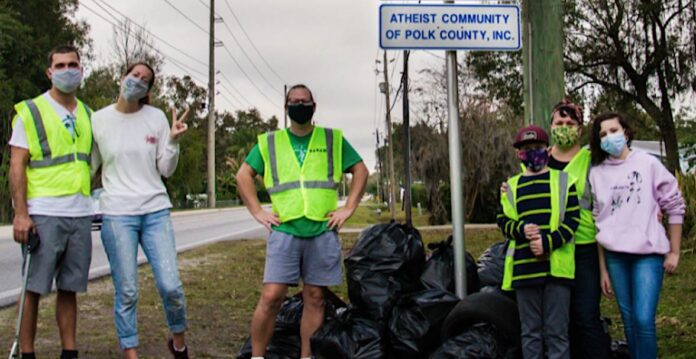
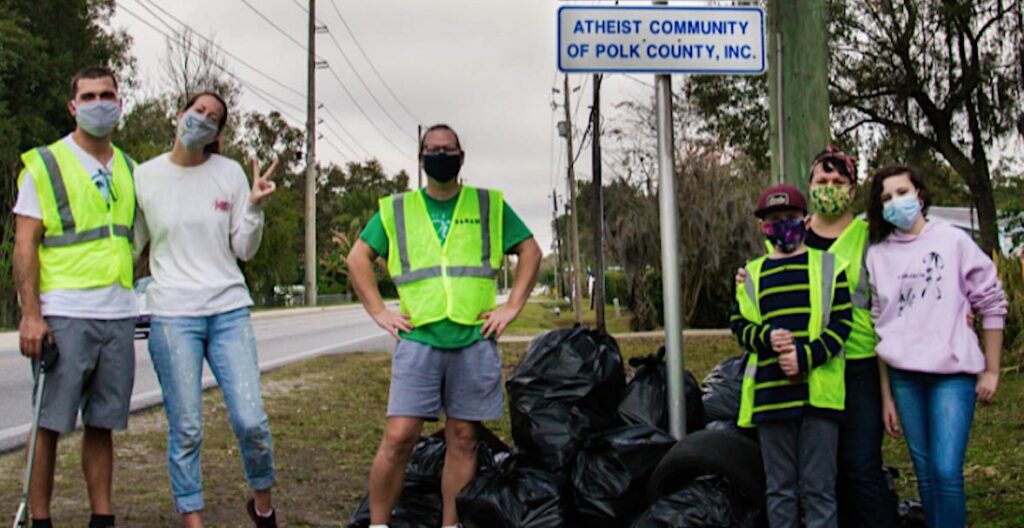
ACPC atheists clean up roadways
The Atheist Community of Polk County, Florida, for instance,11 is organizing a number of community service events and an awareness campaign to suggest that “fellowship” doesn’t require “faith”.
It’s all part of an annual effort to celebrate a national Secular Week of Action instead of observing the National Day of Prayer, which was set aside in U.S. federal law for people of faith to pray for the nation on the first Thursday in May.
In place of observing a day of thoughts and prayers, secular groups nationwide organize service projects. This year’s emphasis is on a compassionate response to hunger and homelessness, which were exacerbated due to the COVID-19 pandemic.
The nonprofit which covers the metro areas of Lakeland and Winter Haven, runs several ongoing programs to address social issues. They even partnered with a church in a unique food pantry coalition as a direct response to the COVID-19.
Joining the Unitarian Universalist Congregation of Lakeland, the project, called It Takes a Village, uses volunteers to deliver food pantry supplies directly to the homes of recipients who may be quarantined or unable to visit the pantry.
These local atheists also run a chapter of Street Warriors to provide hot meals to people experiencing homelessness, and a Backpack Program that supplies weekend groceries for elementary students.
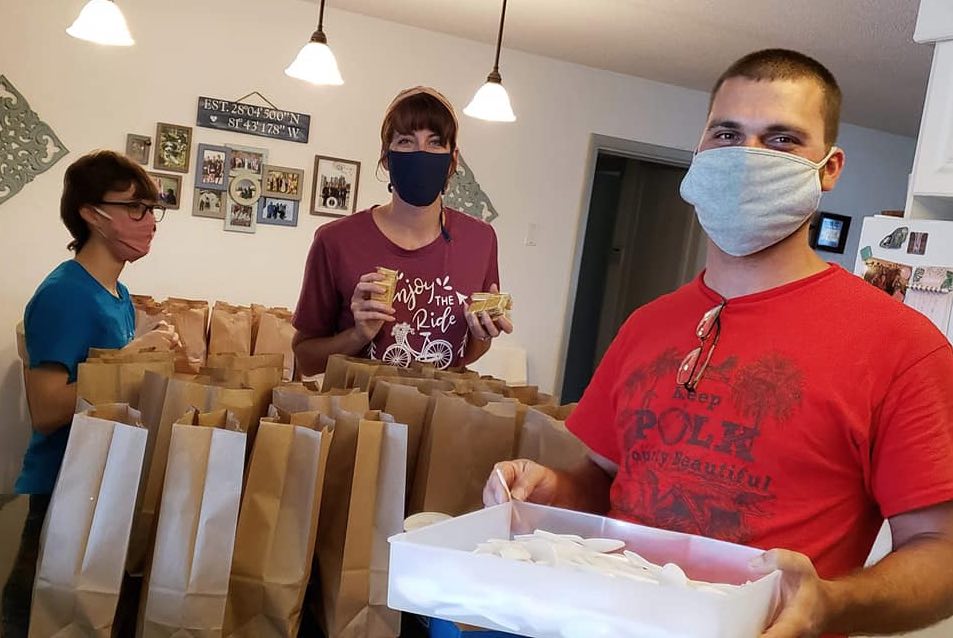
ACPC Street Warriors pack food for homeless
In addition to providing much-needed food to folks throughout the County, the Secular Week of Action includes a litter clean-up of the group’s adopted roadway in Haines City on Sunday May 2 at 8:45am.
Their Street Warriors service project will also be meeting on Sunday (4:00 PM to 6:00 PM) in Winter Haven to pack up food, then hit the streets, to feed people experiencing homelessness.
Under the slogans ‘Good without God’, ‘Community without Church’, and ‘Fellowship without Faith,’ Polk County Atheists Co-founder Sarah Ray says that one of the most important thing her group provides is a sense of community.
“We want to let other nonbelievers know that there is a secular community here they can turn to. And we want to challenge the misconceptions and stereotypes about atheists. We are good people, we’re your neighbors, co-workers, and friends.”
They will also be providing a secular invocation at the Polk County Board of County Commissioners Meeting two days before the National Day of Prayer. “Providing secular invocations gives us an opportunity to remind elected officials at all levels that nonbelievers exist in their constituency.”
Nearly seven in 10 Americans identify their mom as “the cool mom,” according to a new poll.
By leah hetteberg
The survey of 2,000 American adults identified the attributes they think set their mother apart from the parenting pack.
So what makes a mom a “cool” mom?
Among the 68% of respondents who agreed that their mom was a “cool mom,” 62% said it was because she talked with her kids openly about anything and everything.
Relaxing the rules a bit may be another key, as over half said their mom’s coolness stemmed from the fact that she let them get away with things a “normal” mom wouldn’t when they were growing up. (See all the top reasons at the bottom.)
Being an epic gift-giver, or having great style, seemed to be a component as well, with 52% saying that her tendency to spoil both her loved ones and herself was what made their mom a cut above the rest.
Conducted by OnePoll on behalf of Angara.com in celebration of Mother’s Day, the survey also probed the most important lessons Americans have learned from their moms over the years.
The answers from respondents ranged from how to “be responsible” and “live in the moment” to “how to be a super parent.”
“Don’t judge others, even if you think you have the whole story,” said one respondent.
“It’s not a crime to pamper yourself when life gets too stressful,” added another. One learned to “respect yourself and others will respect you.”
Nearly seven in 10 respondents (68%) report that they learned how to juggle responsibilities from watching their moms “do it all” over the years.
In fact, over 60% saying that their mom has been juggling more in the past year than she ever has before.
So it’s perhaps unsurprising that three-quarters of respondents think that, after a long and taxing year, their mom deserves to be fully spoiled this holiday.
“Every mother’s relationship with their child or children is different,” said Ankur Daga, Founder and CEO of Angara.com. “It’s worth keeping your unique relationship with your mom in mind when planning how to make her feel special this Mother’s Day.”
“But spending a lot (of money) is less important than finding a gift that’s truly ‘her’.”
Top Reasons to Think Your Mom is the ‘Cool Mom’
1. She talks openly with her kids about anything and everything 62%
2. She spoils herself and her loved ones 52%
3. She’s always on top of the latest trends 46%
4. My mom let me get away with things a “normal” mom wouldn’t when I was growing up 52%
5. My mom is a daredevil, and will try anything once 37%
6. She is more of a friend than a mom 39%
7. My mom knows how to party 23%
8. My mom is my best friend 25%
Post This –Along With Your Own Story of a ‘Cool Mom”– on Social Media…
Scientists have figured out how to modify the unrivaled gene-editing tool CRISPR to extend its reach to the epigenome, which controls how genes are switched on or off.
The researchers from the University of California, San Francisco, and MIT’s non-profit Whitehead Institute for Biomedical Research and have already used the tool in the lab to mostly deactivate the gene that makes the protein Tau, which has been implicated in Alzheimer’s disease.
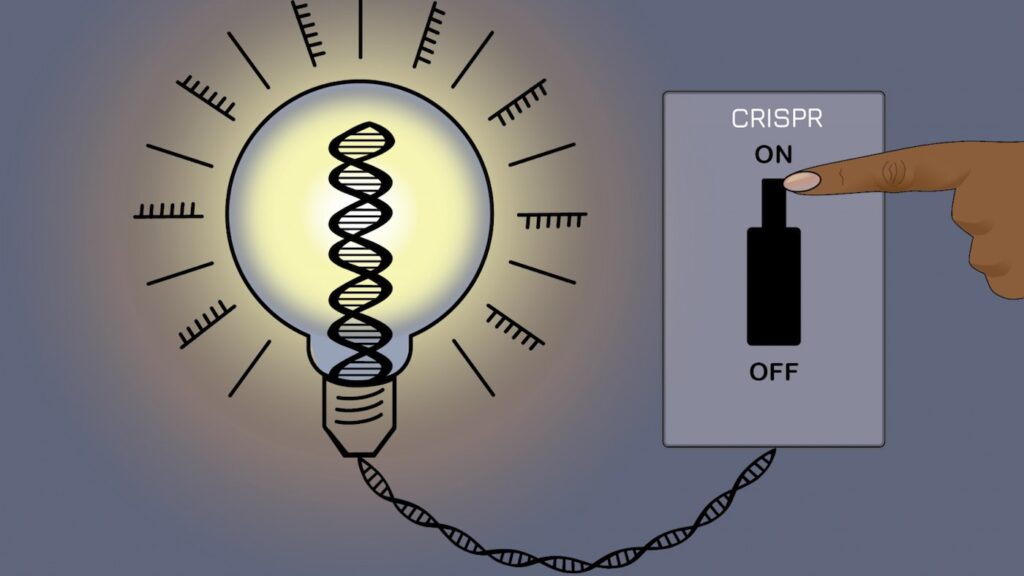
The novel CRISPR-based tool called “CRISPRoff” allows scientists to switch off almost any gene in human cells without making a single edit to the genetic code—and once a gene is switched off, it remains inert in the cell’s descendants for hundreds of generations, unless it is switched back on with a complementary tool called CRISPRon.
Because the epigenome plays a central role in many diseases, from viral infection to cancer, CRISPRoff technology may one day lead to powerful epigenetic therapies that are safer than conventional CRISPR therapeutics because it doesn’t involve any DNA edits.
“Though genetic and cellular therapies are the future of medicine, there are potential safety concerns around permanently changing the genome, which is why we’re trying to come up with other ways to use CRISPR to treat disease,” said Luke Gilbert, PhD, a professor at UCSF and co-senior author of the new paper, published in the April 9 journal Cell.
How it was built
Conventional CRISPR is equipped with two pieces of molecular hardware that make it an effective gene-editing tool. One component is a DNA-snipping enzyme, which gives CRISPR the ability to alter DNA sequences. The other is a homing device that can be programmed to zero in on any DNA sequence of interest, imparting precise control over where edits are made.
To build CRISPRoff, the researchers dispensed with conventional CRISPR’s DNA-snipping enzyme function, but retained the homing device, creating a stripped-down CRISPR capable of targeting any gene. Then they tethered an enzyme to this barebones CRISPR. But rather than splicing DNA, this enzyme acts on the epigenome, which consists of proteins and small molecules that latch onto DNA and control when and where genes are switched on or off.
The new tool targets a particular epigenetic feature known as DNA methylation, which is one of many molecular parts of the epigenome. When DNA is methylated, a small chemical tag known as a methyl group is affixed to DNA, which silences nearby genes. Although DNA methylation occurs naturally in all mammalian cells, CRISPRoff offers scientists unprecedented control over this process.
Credit: Jennifer Cook-Chrysos/Whitehead Institute
Another tool described in the paper, called CRISPRon, removes methylation marks deposited by CRISPRoff, making the process fully reversible.
“Now we have a simple tool that can silence the vast majority of genes,” said Jonathan Weissman, PhD, Whitehead Institute member, co-senior author of the new paper and a former UCSF faculty member. “We can do this for multiple genes at the same time without any DNA damage, and in a way that can be reversed. It’s a great tool for controlling gene expression.”
‘Major surprise’ upends a basic tenet
Based on previous work by a group in Italy, the researchers were confident that CRISPRoff would be able to silence specific genes, but they suspected that some 30 percent of human genes would be unresponsive to the new tool.
DNA consists of four genetic letters – A, C, G, T – but, in general, only Cs next to Gs can be methylated. To complicate matters, scientists have long believed that methylation could only silence genes at sites in the genome where CG sequences are highly concentrated, regions known as “CpG islands.”
Since nearly a third of human genes lack CpG islands, the researchers assumed methylation wouldn’t switch these genes off. But their CRISPRoff experiments upended this epigenetic dogma.
“What was thought before this work was that the 30 percent of genes that do not have CpG islands were not controlled by DNA methylation,” said Gilbert. “But our work clearly shows that you don’t require a CpG island to turn genes off by methylation. That, to me, was a major surprise.”
Enhancing CRISPRoff’s therapeutic potential
Easy-to-use epigenetic editors like CRISPRoff have tremendous therapeutic potential, in large part because, like the genome, the epigenome can be inherited.
When CRISPRoff silences a gene, not only does the gene remain off in the treated cell, it also stays off in the descendants of the cell as it divides, for as many as 450 generations.
To the researchers’ surprise, this held true even in maturing stem cells. Though the transition from stem cell to differentiated adult cell involves a significant rewiring of the epigenome, the methylation marks deposited by CRISPRoff were faithfully inherited in 90 percent of cells that made this transition, which showed that cells retain a memory of epigenetic modifications made by the CRISPRoff system even as they change cell type.
Alzheimers and the Tau protein
They selected one gene to use as an example of how CRISPRoff might be applied to therapeutics: the gene that codes for Tau protein, which is implicated in Alzheimer’s disease. After testing the method in neurons, they discovered that using CRISPRoff could be used to turn Tau expression down—although not entirely off. “What we showed is that this is a viable strategy for silencing Tau and preventing that protein from being expressed,” says Weissman. “The question is, then, how do you deliver this to an adult? And would it really be enough to impact Alzheimer’s? Those are big open questions, especially the latter.”
Even if CRISPRoff does not lead to Alzheimer’s therapies, there are many other conditions it could potentially be applied to. Their findings suggest that CRISPRoff would only need to be administered once to have lasting therapeutic effects, making it a promising approach for treating rare genetic disorders – including Marfan syndrome, which affects connective tissue, Job’s syndrome, an immune system disorder, and certain forms of cancer – that are caused by the activity of a single damaged copy of a gene.
While delivery to specific tissues remains a challenge, “we showed that you can deliver it transiently as a DNA or as an RNA, the same technology that’s the basis of the Moderna and BioNTech coronavirus vaccine,” Weissman says.
Because the epigenome plays a central role in so many diseases, this exciting new technology may one day lead to powerful therapies to tackle our deadliest foes, although “further work is needed to realize its full therapeutic potential.”
EDIT Your Social Media Feed With This Hopeful Good News…
Quote of the Day: “The month of May was come, when every lusty heart beginneth to blossom, and to bring forth fruit.” – Thomas Malory
Photo: Paul Felberbauer
With a new inspirational quote every day, atop the perfect photo—collected and archived on our Quote of the Day page—why not bookmark GNN.org for a daily uplift?
When most people think about adding a new creature to the family menagerie, images of “fuzzy” and “cute” spring to mind. Gargoyles and demons? Maybe not so much.
But gargoyles and demons need love, too.
“Love is like a tree,” wrote Victor Hugo his classic Hunchback of Notre Dame. “It shoots of itself; it strikes its roots deeply into our whole being, and frequently continues to put forth green leaves over a heart in ruins.”
After the Cathedral of Notre Dame was partially destroyed by a raging fire in 2019, many of its famous statues and paintings were damaged. Now, thanks to a new crowdfunding effort from Friends of Notre-Dame de Paris, the color of love is also the color of money.
People from around the world are being invited to “adopt” their favorite resident monster—or saint—and donate to its restoration.
France’s cathedrals (including Notre-Dame) are all owned by the nation of France, since 1905, rather than the Catholic church.
A click-through gallery catalogs Notre Dame’s extensive art inventory and notes the progress of each individual piece’s fundraising goals. According to site statistics, male saints have taken a substantial early lead.
Sadly, in the upper galleries, the cathedral’s iconic gargoyles and the fabulous 19th-century grotesques that “recreate the fantastic universe of the Middle Ages” have fallen behind in the race for donations. (Joan of Arc could use some help, as well.)
What would Quasimodo do?
Since according to Hugo, “The saints were his friends and blessed him; the monsters were his friends and kept watch over him,” our guess is Notre Dame’s most storied resident would be tolling the bells loud and clear in aid of his cherished friends.
So why not go just ahead and adopt a gargoyle today? C’mon, you know you want to. And the best part is… they’re housebroken.
SHARE this Unique Adoption Opportunity With Your Friends…
North Carolina-based writer Judy Cole has a new rom-com murder mystery debuting at Amazon: And Jilly Came Tumbling After (from Red Sky Presents).
Self-conscious Brits finally stop worrying about what other people think of them at the age of 46, according to a new poll.
A survey of 2,000 adults aged 55 and over found they feel comfortable in their own skin when they turn 42, and become content in their careers aged 40.
As a result of feeling comfortable in their own skin and ‘unapologetically themselves’, 72 percent of adults feel more ‘content’ in life.
Victoria Betts, from shoe brand Hotter.com, which commissioned the OnePoll survey, said: “Feeling comfort is crucial to being happy in life. But there are so many different areas in life to feel comfortable in, and it’s no wonder it takes Brits until their 40s to tick them all off.
“Our results found nearly seven in 10 adults think it’s important that people should be allowed to be unapologetically themselves. But for many, the desire to fit in, not make waves and go with the flow means they don’t have the confidence to do this until later in life.”
One in three adults believe becoming a parent was key to them feeling more comfortable in themselves, and a quarter put it down to learning to drive.
Being more comfortable in their own skin made things like speaking in front of a crowd easier for 28 percent of respondents. And 39 percent no longer dread meeting new people and fumbling for ways to make themselves sound interesting.
However, one in three believe they didn’t feel comfortable in their own skin until later in life than they imagined when they were younger.
Some of the people surveyed said they’d love to encourage their past selves to embrace all of life’s challenges, and learn to take lessons from the hard parts as well as the good.
TOP 10 SITUATIONS IN LIFE THAT HELP BRITS FEEL MORE COMFORTABLE IN THEIR OWN SKIN:
1. Becoming a parent
2. Getting married
3. Retiring
4. Going traveling
5. Learning to drive
6. Getting on the housing ladder
7. Becoming a grandparent
8. Losing weight
9. Getting a promotion
10. Graduating from university or course
(WATCH the accompanying video of women reading sweet letters to their younger selves.)
SHARE This Story of Gaining Confidence With Friends on Social Media…
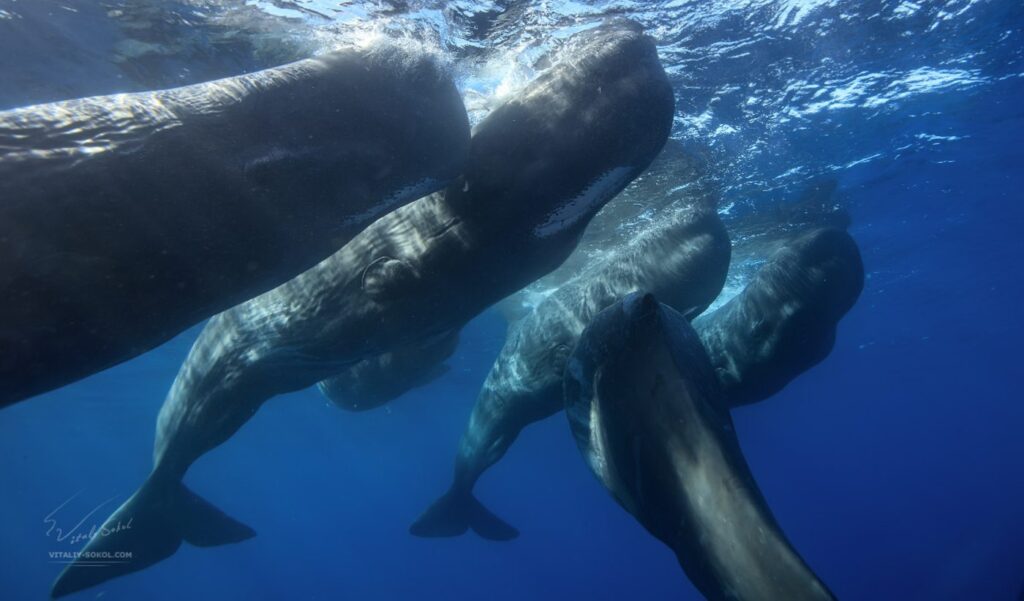
A Japanese biologist studying the social structure of sperm whales has discovered that the phrase “Saturday’s for the boys,” translates into echolocation.
His research reveals that male sperm whales form strong platonic social bonds among other, normally solitary males—shedding light on the mammalian evolution of bromance.
Famous for spending time hunting in the depths of the ocean, or roaming it lone-wolf style, male sperm whales are not easily researched. Their female halves normally live together in pods of matriarchal leadership, casting males out, much like elephants, when they reach sexual maturity.
It’s long been thought that this was the whole story for male sperm whales, but they actually maintain close male-to-male relationships that can stretch not only across years, but across meetings.
The first evidence that this was the case were mass stranding events that consisted only of males, which led whale biologist Hayao Kobayashi to spend thousands of hours aboard whale-watching vessels collecting observational data.
In total, his study reports that twenty pairs of sperm whales observed between 2006 and 2017 in the Nemuro Strait, Japan, were repeatedly seen associating with each other for periods between 2 and 5 years. One pair was found to have spent 26 days hanging out over a period of 5 years. Elephant males associate in similar ways, pairing together for poorly understood reasons outside of the mating season.
Kobayashi’s study reporting the findings suggests that the behavior is down to habitat, and that in areas where food is unreliably available, or where predators are numerous, male sperm whales start associating together.
A whale is a huge animal for any predator to tackle, plus the sperm whale has massive conical teeth. Two together puts them essentially beyond reckoning for even the largest squid or shark.
In terms of hunting, Kobayashi told Hakai Magazinethat two males could hunt more effectively or share information about hunting environments through echolocation.
Friendship is a complex animal trait, and understanding it outside of primates is difficult, but knowing whales get the lads together for a weekend fishing trip is a fascinating discovery, and Kobayashi feels that the more we discovery about whales, the more similarities we will discover between them and us.
KEEP the Bromance Going—Share This Story With Pals…
When the recent volcano eruption in Iceland proved to be substantially more harmless than first thought, people began to visit the crater to see what it was like.
For the first time in more than 800 years, Mount Fagradalsfjall began discharging molten lava after Iceland had experienced 50,000 earthquakes in the lead up, bracing locals for some nasty fire-weather.
While the site was originally blocked up, the complete lack of ash and pumice being spewed into the atmosphere eventually meant that thousands of people flocked to see this monumental force of nature in action.
Among those people were Donal Boyd and Frank Nieuwenhuis, a pair of photographers looking for an awe-inspiring moment of solitude with the volcano, and a chance for the shoot of a lifetime.
What they found was that rather than sitting in silence, connecting with the power of nature, listening to the wind and the narration of their thoughts, they had more or less attended something like a music festival.
Residents of Iceland since 2015, the two produced a short film entitled Volcano for the People, bravely choosing to devote their precious filming and screen time to the onlookers, with reflections of fire and wonder in their eyes. They hoped to capture the human element, which they felt made the eruption totally unique.
“They could go to this unique type of eruption that wasn’t explosive, that wasn’t spewing ash into the air, and they could sit there and just relax almost, and try to just take it all in,” says Boyd.
“The news spread so fast over social media, that the path formed [as] one footstep turned into five footsteps into 100, and before you knew it there were literally, I think by day four, or five, there were thousands of people going there a day.”
“There was a lot of people sort of looking into the birth of our planet, or the creation of land, because literally land is being created right in front of you; new land,” says Nieuwenhuis. “And this whole country’s been shaped by the lava, so right in front of us this country is being created and shaped even more.”
“People were calling it almost like a performance,” Boyd chimes in, speaking with GNN over Zoom. “Like you go to see some sort of festival and you’re all there together and you’re connecting to it and you’re like ‘oh yeah did you go to that festival?'”
“Some people have been there multiple times like ‘okay I’ve been to day four of Volcano-fest 2021, yeah did you go to day three? Yeah I was at day three,'” he said, pantomiming a conversation.
“What I felt was that everybody who came to that event was so happy to be able to be around people, and so when you saw that people were in need of help, people who were too old or too weak to do the hike, or people who had the wrong shoes, or people who didn’t have flashlights… people started helping each other,” said Nieuwenhuis of the camaraderie.
“I think really because of COVID, because we didn’t have people around us [for so many months], we were so much more appreciative to be around other people, and I think that maybe if there [hadn’t been] COVID, people would have been a bit more selfish there.”
A totally democratic natural phenomenon, the only controls placed on the event by Icelandic Search and Rescue involved shepherding people away from areas which were being bathed in noxious gases, but based on one of the most sacred laws of Iceland, there was nothing the government could do to prevent people from coming to see the volcano, since Icelanders have the “right to roam” on any uncultivated land they please.
“I actually think now, having experienced this with so many people, maybe before this event I would have been more selfish and I would have said ‘I know I wish this was more controlled and I would love to experience this by myself,'” said Nieuwenhuis. “But I actually hope that there’s going to be no restrictions except for safety, in the future.”
(WATCH the short film from Mount Fagradalsfjall below.)
SHARE This Beautiful Documentary With Your Friends…
A husband and wife were taking in the sights at the Bristol Zoo Gardens when they came upon a tiny creature that stood about eight inches tall, had round dark button eyes, and delicate shell-pink pointed ears.
“Is that a mouse, dear?” asked the wife.
“No,” the husband answered, “it’s a mouse deer.”
While this conversation can’t be reported as verbatim, it could well have taken place because mother mouse deer Brienne and proud papa mouse deer Jorah welcomed a new addition to their family a little over a month ago.
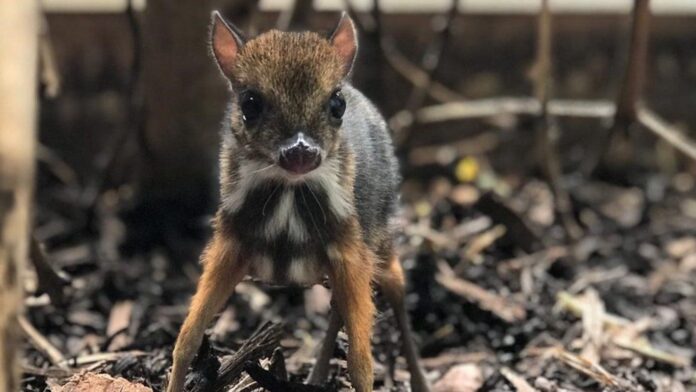
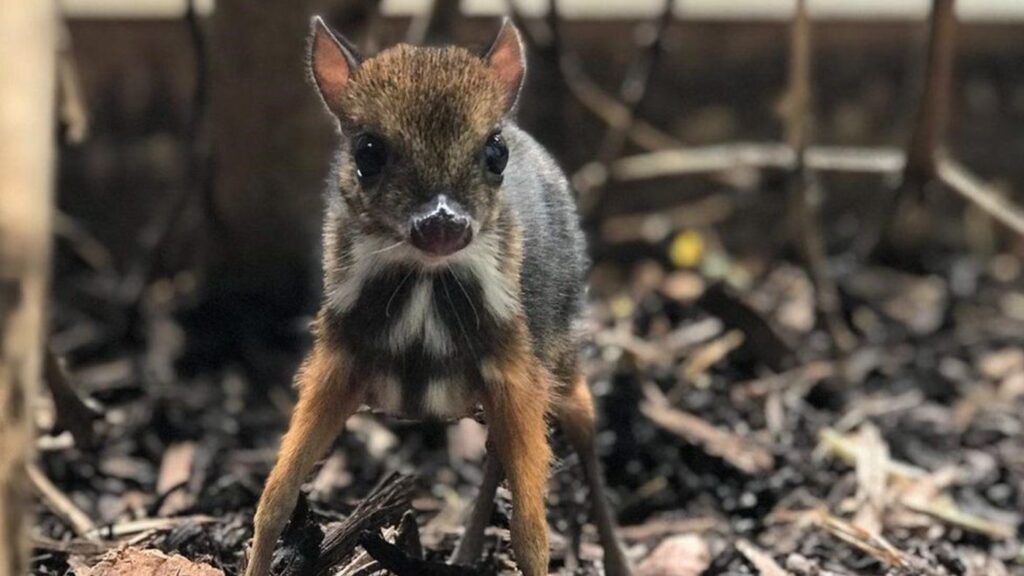
Proving the adage that good things come in small packages, the bouncing baby lesser Malaysian mouse deer fawn is the height of a standard pencil.
It’s only the second of its species to be born at the Bristol Zoo in the past 10 years. (Its predecessor, a female named Missandei was sent to the Ouwehands Zoo in the Netherlands to participate in the breeding program there.)
Native to southeast Asia, mouse deer, also known as chevrotains, are the smallest hoofed mammals in the world. While diminutive (fully grown, a lesser Malayan mouse deer will weigh only about three pounds), the Bambis are classed as even-toed ungulates, which puts them in the same category as pigs, sheep, giraffe, camels, and hippos.
Brienne and Jorah’s offspring remains unnamed at present, as its gender has yet to be determined. Bristol Zoo’s senior mammal keeper Paige Bwye explains that because mouse deer are so small and shy it’s difficult to make the call.
According to Tim Rowlands, Hoofstock Team Leader at the Marwell Zoo in Hampshire, the tiny family’s hide-and-seek behavior isn’t unusual. “All deer species will hide their young until they are older, so they will only really come out to feed then hide again,” he told the BBC.
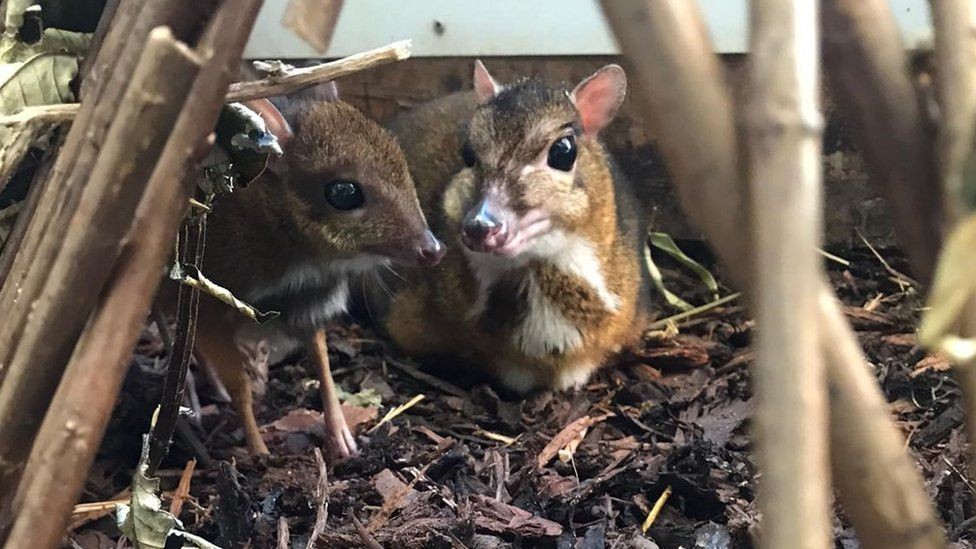
The young mouse deer with its mother, SWNS
Rowlands speaks from experience. Earlier this year, another mouse deer baby—a 13-ounce Javan chevrotain—was delivered to parents Gus and Gwen at Marwell’s Tropical House habitat.
“There are very few zoos who care for any of the mouse deer species as they are so small in size, very secretive, and nocturnal, so any youngster born is great news for the conservation breeding program,” Rowlands said. “It’s vitally important that we work to ensure these wonderful animals do not disappear for good.”
Bwye reports that Mama B. and ‘Baby Doe’ are thriving. “Brienne is being a fantastic first-time mother and has been very attentive to her infant,” Bwye noted. “It’s doing really well… and has recently started to discover new tastes, such as sweet potato.”
And what could be more ‘fawntastic’ than that?
SHARE the Happy News With Friends on Social Media…
North Carolina-based writer Judy Cole has a new rom-com murder mystery debuting at Amazon: And Jilly Came Tumbling After (from Red Sky Presents).
Quote of the Day: “Long live impudence! It’s my guardian angel in this world.” – Albert Einstein
In Einstein: A Biography, author Jürgen Neffe wrote of the physicist, “His peculiar combination of charm and superciliousness yielded an arrogance that delighted him no end.”
Photo: Federico Scarionati
With a new inspirational quote every day, atop the perfect photo—collected and archived on our Quote of the Day page—why not bookmark GNN.org for a daily uplift?
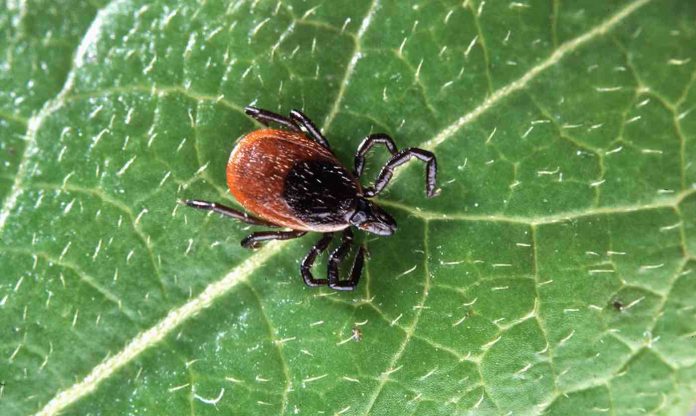
Tiny molecules called nanobodies, which can be designed to mimic antibody structures and functions, may be the key to blocking a tick-borne bacterial infection that remains out of reach of almost all antibiotics, new research suggests.
The infection is called human monocytic ehrlichiosis (HME), and is one of the most prevalent and potentially life-threatening tick-borne diseases in the United States. The disease initially causes flu-like symptoms common to many illnesses, and in rare cases can be fatal if left untreated.
Most antibiotics can’t build up in high enough concentrations to kill the infection-causing bacteria, Ehrlichia chaffeensis, because the microbes live in and multiply inside human immune cells. Commonly known bacterial pathogens like Streptococcus and E. coli do their infectious damage outside of hosts’ cells.
Ohio State University researchers created nanobodies intended to target a protein that makes E. chaffeensis bacteria particularly infectious.
A series of experiments in cell cultures and mice showed that one specific nanobody they created in the lab could inhibit infection by blocking three ways the protein enables the bacteria to hijack immune cells.
“If multiple mechanisms are blocked, that’s better than just stopping one function, and it gives us more confidence that these nanobodies will really work,” said study lead author Yasuko Rikihisa, professor of veterinary biosciences at Ohio State.
The study provided support for the feasibility of nanobody-based ehrlichiosis treatment, but much more research is needed before a treatment would be available for humans. There is a certain urgency to coming up with an alternative to the antibiotic doxycycline, the only treatment available. The broad-spectrum antibiotic is unsafe for pregnant women and children, and it can cause severe side effects.
“With only a single antibiotic available as a treatment for this infection, if antibiotic resistance were to develop in these bacteria, there is no treatment left. It’s very scary,” Rikihisa said.
The bacteria that cause ehrlichiosis are part of a family called obligatory intracellular bacteria. E. chaffeensis not only requires internal access to a cell to live, but also blocks host cells’ ability to program their own death with a function called apoptosis—which would kill the bacteria.
“Infected cells normally would commit suicide by apoptosis to kill the bacteria inside. But these bacteria block apoptosis and keep the cell alive so they can multiply hundreds of times very rapidly and then kill the host cell,” Rikihisa said.
A longtime specialist in the Rickettsiales family of bacteria to which E. chaffeensis belongs, Rikihisa developed the precise culture conditions that enabled growing these bacteria in the lab in the 1980s, which led to her dozens of discoveries explaining how they work. Among those findings was identification of proteins that help E. chaffeensis block immune cells’ programmed cell death.
The researchers synthesized one of those proteins, called Etf-1, to make a vaccine-style agent that they used to immunize a llama with the help of Jeffrey Lakritz, professor of veterinary preventive medicine at Ohio State. Camels, llamas and alpacas are known to produce single-chain antibodies that include a large antigen binding site on the tip.
The team snipped apart segments of that binding site to create a library of nanobodies with potential to function as antibodies that recognize and attach to the Etf-1 protein and stop E. chaffeensis infection.
“They function similarly to our own antibodies, but they’re tiny, tiny nano-antibodies,” Rikihisa said. “Because they are small, they get into nooks and crannies and recognize antigens much more effectively.
“Big antibodies cannot fit inside a cell. And we don’t need to rely on nanobodies to block extracellular bacteria because they are outside and accessible to ordinary antibodies binding to them.”
After screening the candidates for their effectiveness, the researchers landed on a single nanobody that attached to Etf-1 in cell cultures and inhibited three of its functions. By making the nanobodies in the fluid inside E. coli cells, Rikihisa said her lab could produce them at an industrial scale if needed—packing millions of them into a small drop.
She collaborated with co-author Dehua Pei, professor of chemistry and biochemistry at Ohio State, to combine the tiny molecules with a cell-penetrating peptide that enabled the nanobodies to be safely delivered to mouse cells.
Mice with compromised immune systems were inoculated with a highly virulent strain of E. chaffeensis and given intracellular nanobody treatments one and two days after infection. Compared to mice that received control treatments, mice that received the most effective nanobody showed significantly lower levels of bacteria two weeks after infection.
With this study providing the proof of principle that nanobodies can inhibit E. chaffeensis infection by targeting a single protein, Rikihisa said there are multiple additional targets that could provide even more protection with nanobodies delivered alone or in combination. She also said the concept is broadly applicable to other intracellular diseases.
“Cancers and neurodegenerative diseases work in our cells, so if we want to block an abnormal process or abnormal molecule, this approach may work,” she explained.
We’ll be sure to share more news on this hopeful new approach to blocking diseases in our cells.
Microbiologists have found a way to use bacteria to trap microplastics, removing them from the environment and making them easier to recycle.
The new technique, developed by scientists at Hong Kong Polytechnic University, uses bacterial biofilms—a sticky substance created by micro-organisms—to trap microplastic particles. The biofilm is then processed and dispersed, releasing the microplastic particles for processing and recycling.
Microplastics are hugely problematic and pose a major risk to food chains and human health, according to Researcher Yang Liu: “They are not easily bio-degradable, where they retain in the ecosystems for prolonged durations. This results in the uptake of microplastics by organisms, leading to transfer and retention of microplastics down the food chain.
“Due to their huge surface area and adsorption capacity, microplastics can adsorb toxic pollutants, such as pesticides, heavy metals, and drug residues at high concentrations.
“This leads to biological and chemical toxicity to organisms in the ecosystems and humans after prolonged unintended consumption of such microplastics. Moreover, microplastics are also difficult to remove in wastewater plants, resulting in their undesired release into the environment.”
How the researchers’ technique works
In more detail, the researchers used the bacterium Pseudomonas aeruginosa to capture microplastics in a bioreactor. This species of bacteria is found in all environments and has previously been shown to colonize microplastics in the environment. P. aeruginosa biofilms cause the microplastics to aggregate together, eventually causing them to sink. In bioreactors, this makes the microplastics more convenient to collect.
Once the microplastics were captured by the biofilms and had sunk to the bottom of the reactor, the researchers used a biofilm-dispersal gene, which caused the biofilm to release the microplastics.
Liu explained that this “allows convenient release of microplastics from the biofilm matrix, which is otherwise difficult and expensive to degrade, so that the microplastics can be later recovered for recycling.”
Microplastics are plastic particles less than 5mm in diameter. They can enter the environment through a number of sources including the breakdown of larger plastic pieces, washing of synthetic clothing, breakdown of car tires, and plastic waste directly from industry. The current methods for microplastic disposal, such as incineration or storage in landfill, are limited and have their own disadvantages.
The next steps of the research, which was published in the Chemical Engineering Journal earlier this year, are moving the proof-of-concept from the lab to an environmental setting
Liu and colleagues hope the technique will eventually be used in wastewater treatment plants to help stop microplastics escaping into the oceans. They also have to find natural compounds to stimulate biofilm dispersal of the pro-biofilm forming bacterial isolates, saying “this provides a basis for future applications in wastewater treatment plants, where microplastics can be removed in a safe and environmentally friendly manner.”
This is the heartwarming moment a group of police officers surprises a boy with a little tractor after thieves stole his favorite toy.
4-year-old Gerald Philbrook was delighted when big-hearted cops gave him a brand new, replica John Deere.
Police swung into action after Patrol Sergeant Andrew Brooks read Gerald’s dad’s Facebook post explaining how his cherished old tractor had been stolen.
Peter Philbrook wrote in the post how he and Gerald had found the toy and bonded while repairing it, so the tractor held great sentimental value.
After an unsuccessful search effort, Sergeant Brooks, with some assistance from a local Wal-Mart and the Tempe Officers Association, purchased the toy for Gerald.
Brooks was so overcome with emotion when the time finally came to give Gerald the new tractor, he started tearing up.
Once he collected himself, Brooks presented Gerald with a personalized licence plate for his tractor, as well as a peace-sign bumper sticker.
On receiving his special gift, Gerald replied, “This is actually cooler than the other one!”
(WATCH the video about this story below.)
Officers answer a family’s prayers by gifting 4 year old Gerald a new Gator after his was stolen a couple weeks ago. Get more info and more pics on our Instagram and Facebook page. @Walmart@ToaAzpic.twitter.com/waG2Ym0xcA
Quote of the Day: “Spiritual work focuses more on what is intrinsically right: how we have infinite resources at the core of our nature that we can cultivate in order to live more expansively. If psychological work thins the clouds, spiritual work invokes the sun.” – John Welwood
Photo: Niklas Hamann
With a new inspirational quote every day, atop the perfect photo—collected and archived on our Quote of the Day page—why not bookmark GNN.org for a daily uplift?
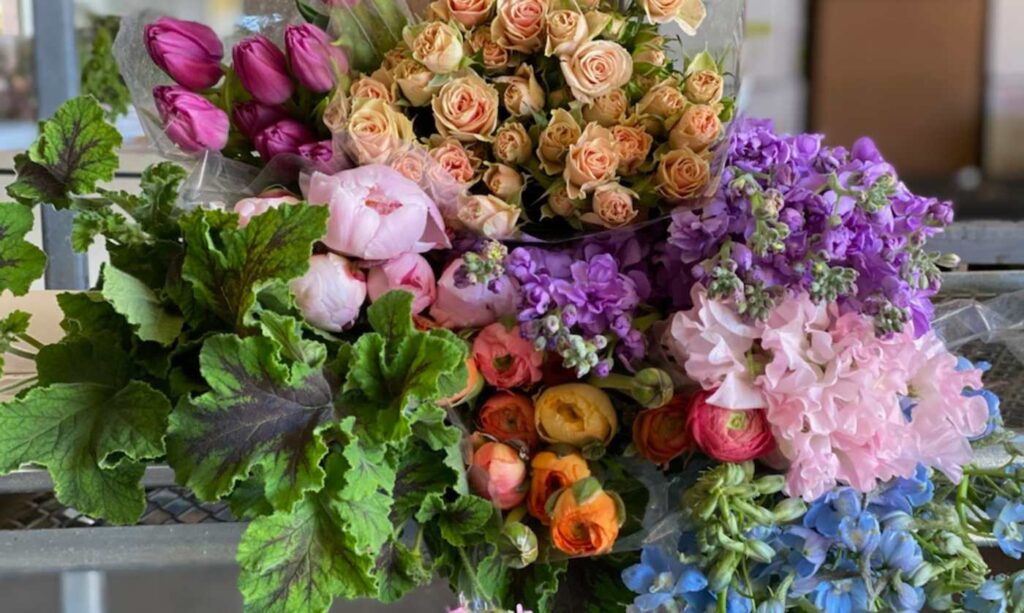
A company that sends flowers, cards, freshly baked cookies, and fine chocolates to end-of-life patients is hosting a competition to design the perfect floral arrangement.
The competition is a means to raise funds for the “Flower Empower” program from the Dream Foundation, which delivered an unprecedented 25,000 bouquets and orchids to patients and front-line workers in 2020 alone.
The art of flower arranging, while often confined to niche magazines or Zen koans, is on full display at “Flower Empower Blooms,” the program’s first floral arts competition, in which contestants will compete in a people’s vote for seven categories: tablespace, headpiece, hand-tied bouquet, orchid display, contemporary, garden photography, and master garden still-life painting.
Dream Foundation
Including categories for youth, amateur, and professional submissions, no-one is excluded from sending in their entries online until May 3rd. From the 4th to the 8th, any contestant or member of Flower Empower can cast their vote.
The contest “is an opportunity to introduce Flower Empower’s seemingly simple yet profound work to the entire nation,” says Kisa Heyer, CEO of the Dream Foundation. “Anyone can submit floral art and with that submission, know that they are making an impact on someone’s life.”
Dream Foundation is inviting all contestants to submit a donation alongside their entry, as they are an all-volunteer organization—as well as the only dream-granting non-profit that delivers for terminally ill adults.
The contest will be judged by niche legends in flower arranging from various publications and businesses, and the grand prize winner receives an all-expenses paid vacation to the iconic, 5-star El Encanto Hotel in California—including some lush spa treatments. So what are you waiting for?
SHARE the Contest Details With Your Green-Thumbed Friends…
Americans haven’t been able to visit Europe on nonessential trips for over a year, but that now looks set to change.
Fully vaccinated tourists from the States will be able to come to the European Union over the summer, Ursula von der Leyen, president of the European Commission, has recently told the New York Times.
Advance talks between the States and the E.U. about enabling vaccine passports have been taking place for weeks, with von der Leyen stating that such certificates would “enable free movement and the travel to the European Union.”
Precise details and an exact timeline of when borders may open have not yet been released, but these talks are a hopeful sign of a breezier future.
And if you can’t wait for your European trip? Greece has already announced that Americans who can show proof of vaccination or a negative COVID-19 test can now visit the holiday hotspot.
Featured image: The Louvre by Pedro Szekely, CC license
A new study reveals a significant association between gardening more frequently and improvements in wellbeing, perceived stress and physical activity.
– NeONBRAND
The study from Britain’s Royal Horticultural Society (RHS) surveyed more than 6,000 people, and results indicate that those who garden every day have wellbeing scores 6.6% higher and stress levels 4.2% lower than people who don’t garden at all.
RHS Wellbeing Fellow and lead author, Dr Lauriane Chalmin-Pui says; “This is the first time the ‘dose response’ to gardening has been tested and the evidence overwhelmingly suggests that the more frequently you garden—the greater the health benefits.
“In fact gardening every day has the same positive impact on wellbeing than undertaking regular, vigorous exercise like cycling or running.
“When gardening, our brains are pleasantly distracted by nature around us. This shifts our focus away from ourselves and our stresses, thereby restoring our minds and reducing negative feelings.”
Respondents who gardened 2-3 times a week had a 4.1% higher wellbeing score and 2.4% lower stress levels compared to people who don’t garden at all. However, gardening fewer than 3 times a month has less of a positive impact.
The study, conducted by the RHS in collaboration with the University of Sheffield and the University of Virginia, and published in Cities journal, found that more frequent gardening was also linked with greater physical activity supporting the notion that gardening is good for both body and mind.
Dr Chalmin-Pui adds; “Gardening is like effortless exercise because it doesn’t feel as strenuous as going to the gym, for example, but we can expend similar amounts of energy.
“Most people say they garden for pleasure and enjoyment so the likelihood of getting hooked to gardening is also high and the good news is that from a mental health perspective—you can’t ‘over-dose’ on gardening!
‘Pleasure and enjoyment’ is the reason why 6 in 10 people garden. Nearly a third say they garden for the ‘health benefits’; 1 in 5 say ‘wellbeing’ is the reason they garden, and 15% say it makes them feel calm and relaxed.
Co-author, Dr Ross Cameron of the University of Sheffield, commented: “This research provides further empirical data to support the value of gardening and gardens for mental restoration and ‘promoting a calmness of mind’.
“We also found a greater proportion of plants in the garden was linked with greater wellbeing, suggesting even just viewing ‘green’ gardens may help.”
It was not just able gardeners who benefited. Those with health problems stated gardening eased episodes of depression (13%), boosted energy levels (12%), and reduced stress (16%).
The report adds to a mountain of evidence showing the positive health benefits of gardening. One study from Harvard University found that calories burnt from 30 minutes of gardening is comparable to playing a social game badminton, volleyball, or practicing yoga.
Last year, an RHS science paper found that adding a few plants to a bare front garden can make you feel happier, more relaxed and has the same impact as eight mindfulness sessions every week.
So if you can? It certainly sounds like it’s time to get your Vitamin ‘G’ on.
What’s 6 years old, zips through the air with gravity-defying ease, and wears a pink princess dress with her crash helmet? Australian skateboarding phenomenon Paige Tobin.
For this mighty girl, dizzying 12-foot drops are a piece of cake. The pint-sized powerhouse recently beat out the competition in the 9-and-under category to win the King of Concrete skateboard contest in Melbourne.
After finding her mom’s old skateboard in the family garage at age 2, Paige was fast on her way to becoming “the wheel deal.”
“Paige is definitely skating exceptionally well, not just for the age but for skateboarding in general,” Neftalie Williams, an adjunct professor of sociology at the University of Southern California’s Annenberg School of Communication and Journalism told CNN.
Williams, who studies race and gender diversity through the lens of skateboarding, says Paige’s achievements are noteworthy not only as a measure of athletic prowess but also for their impact on cultural boundaries.
“One of the most important things about seeing Paige skating is how it’s a reminder that there has been an explosion in women, girls, and gender non-conforming skaters,” he told CNN. “That has really shaped and changed the way people perceive skateboarding culture.”
Paige cites British skateboarder Sky Brown—who at age 12 has bounced back from major injuries sustained in a fall and is slated to become the youngest female skateboarder in Olympic history—as inspiring her “never give up” attitude.
While she’s yet to master a “Blunt Fakie” herself (stalling at the top of the ramp, maintaining balance on the ledge, and then popping off the ramp for the downhill ride), Paige has landed several endorsement deals and along with her mom, plans a U.S. tour this summer where she hopes at some point to eventually hook up with skateboard legend Tony Hawk.
In the long term, Paige’s legacy of dismantling stereotypes may be what defines her career in sports history books, but one look at her and it’s clear she loves what she’s doing.
NASA/JPL-Caltech/SWRI/MSSS/Brian Swift, CC license
NASA/JPL-Caltech/SWRI/MSSS/Brian Swift, CC license
NASA’s Juno space probe has taken some incredible photos of the Red Planet’s super-storms on a recent flyby of the gas giant.
With its host of science instruments, the mission of the Juno spacecraft—launched in 2011—is to “investigate the existence of a solid planetary core, map Jupiter’s intense magnetic field, measure the amount of water and ammonia in the deep atmosphere, and observe the planet’s auroras,” says the U.S. space agency.
This data will provide a huge leap forward into helping scientists understand how giant planets are formed.
It will also help them find out just what role giant planets played in putting the rest of our solar system together.
A new, more sustainable way to make zinc oxide—a key ingredient in many high end health and beauty products such as sunscreens—has been developed by British researchers. The new technique has the potential to revolutionize the raw materials industry.
Many high end personal care products, such as moisturizers, shampoos, soaps, and sunscreens, are made with zinc oxide as they appeal to consumers who are keen to avoid chemical-based products.
However, the cost of these products puts them out of reach for most; and as such, globally most people opt for cheaper products, many of which contain chemicals that are hugely damaging to the environment.
In the case of sunscreens, the cheaper products often contain chemicals that have a devastating impact on marine life, such as the bleaching of corals. The high end products, even though they don’t contain chemicals that are damaging to marine life, are still bad for the environment as the current method to produce zinc oxide requires a huge amount of energy.
Leader researcher Dr Kyra Sedransk Campbell, at the University of Sheffield, said: “The reality is that existing chemical-based sunscreens are damaging our fragile marine ecosystems, effectively killing coral reefs.
“Bans are already being put in place—but not fast enough. Whilst zinc oxide is a known alternative, in fact it was the original UV-blocker, it currently is a high-end option you might struggle to find in your local chemist.
“The challenge is cost without sacrificing consumer expectations. The new process we have developed has the potential to hit those points, and more. Our process is a sustainable, green, low energy method that can make zinc oxide. What’s more is that we are cost competitive. Taken all together it is about using our know-how in the lab to protect our planet.”
A new way of making zinc oxide
Zinc oxide is produced in two ways. Firstly, in mass, using extremely energy intensive processes creating generic materials. Secondly, using specialty smaller scale manufacturing that creates specific materials at a high cost and a large environmental footprint. There is a £4 billion ($5.6 billion) zinc oxide market which continues to grow because of its ubiquity in products ranging from personal care products, to batteries, tyres, and sensors.
The research team, from the University of Sheffield and Imperial College London, has discovered a new way to make the zinc oxide particles using far less energy and a flexible manufacturing method that can enable production of a wide range of particle types. This is very unusual for a wet-chemistry method in which analyzing is done in the liquid phase.
The team has now launched a spin out company to commercialize the technique; the company’s first target is developing the active ingredient to make reef-safe and affordable sunscreen. The spinout, Nanomox, is looking for an industrial partner to help bring the product to market. That’s hopeful news for coral reefs, and the planet, indeed.