All News - Page 519 of 1735 - Good News Network
Home Blog Page 519

“The task is not so much to see what no one has yet seen; but to think what nobody has yet thought, about that which everybody sees.” – Erwin Schrödinger (published his quantum theory 95 years ago)

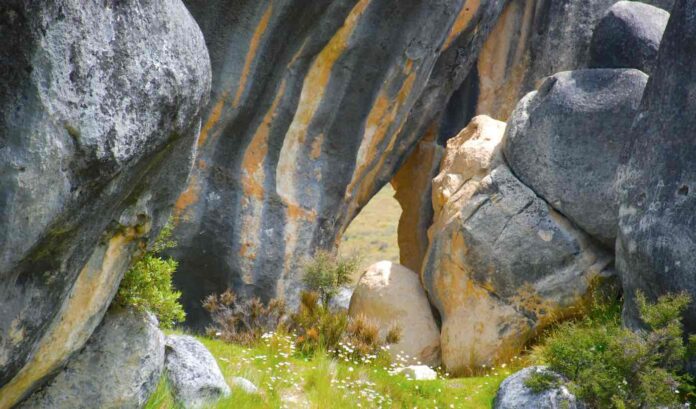
Quote of the Day: “The task is not so much to see what no one has yet seen; but to think what nobody has yet thought, about that which everybody sees.” – Erwin Schrödinger (published his quantum theory 95 years ago)

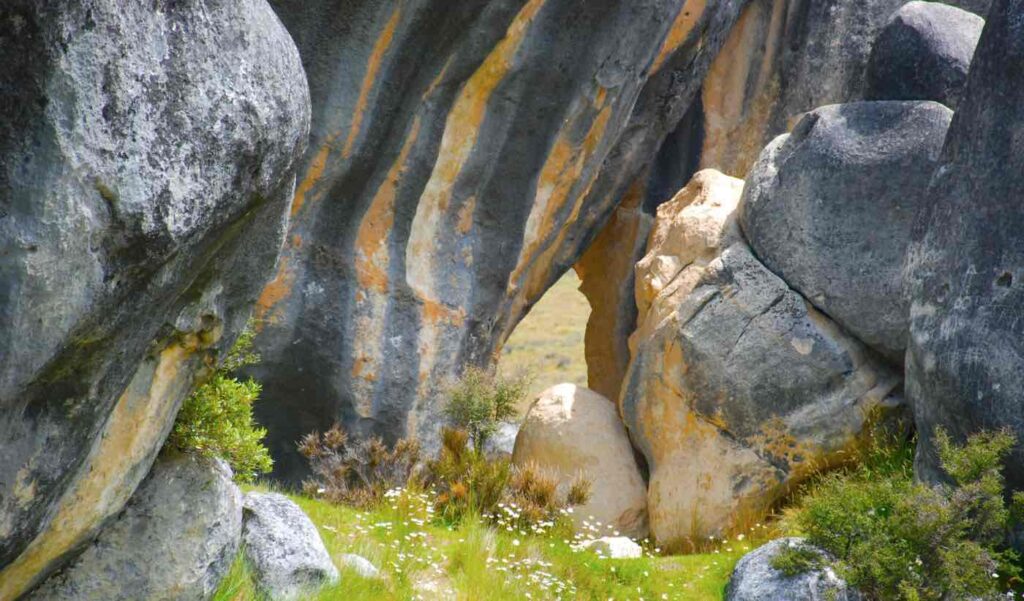
Photo: Limestone in New Zealand by Kerin Gedge

With a new inspirational quote every day, atop the perfect photo—collected and archived on our Quote of the Day page—why not bookmark GNN.org for a daily uplift?

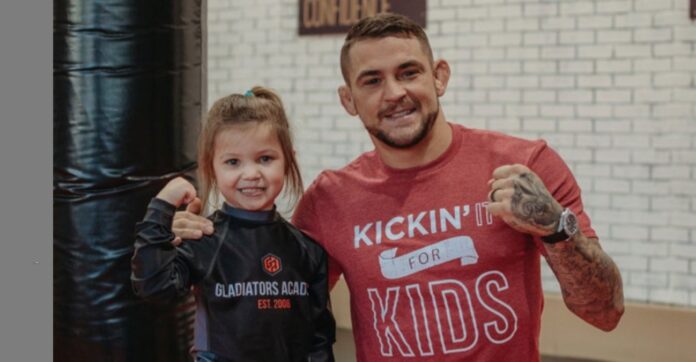
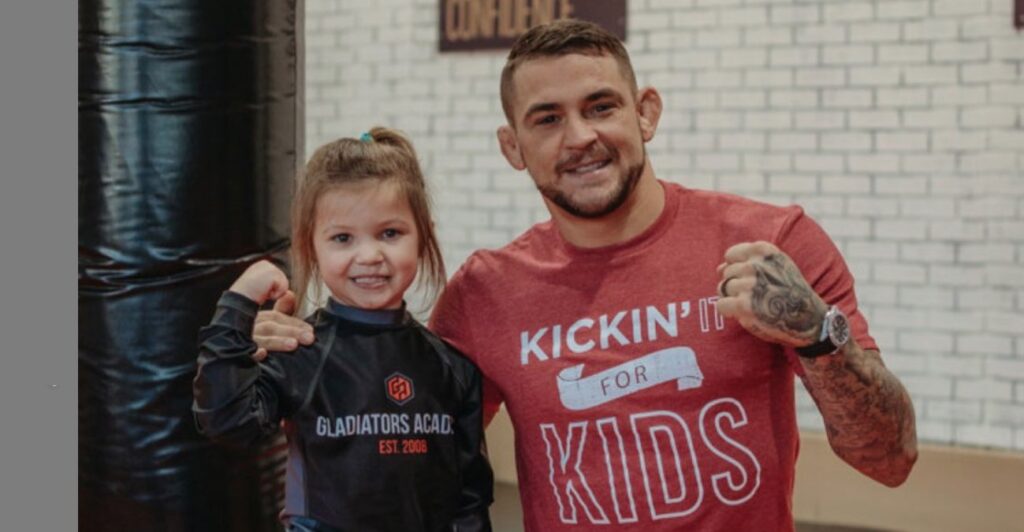
UFC Champ Dustin Poirier is Giving Back, Raising Thousands For Kids in Need And Inspiring Other Fighters

The Good Fight

He just reached #1 in the UFC lightweight rankings, after knocking out famed mixed martial artist Conor McGregor over the weekend—but Dustin Poirier is also #1 in the hearts of kids and their parents in Lafayette, Louisiana.

The Good Fight

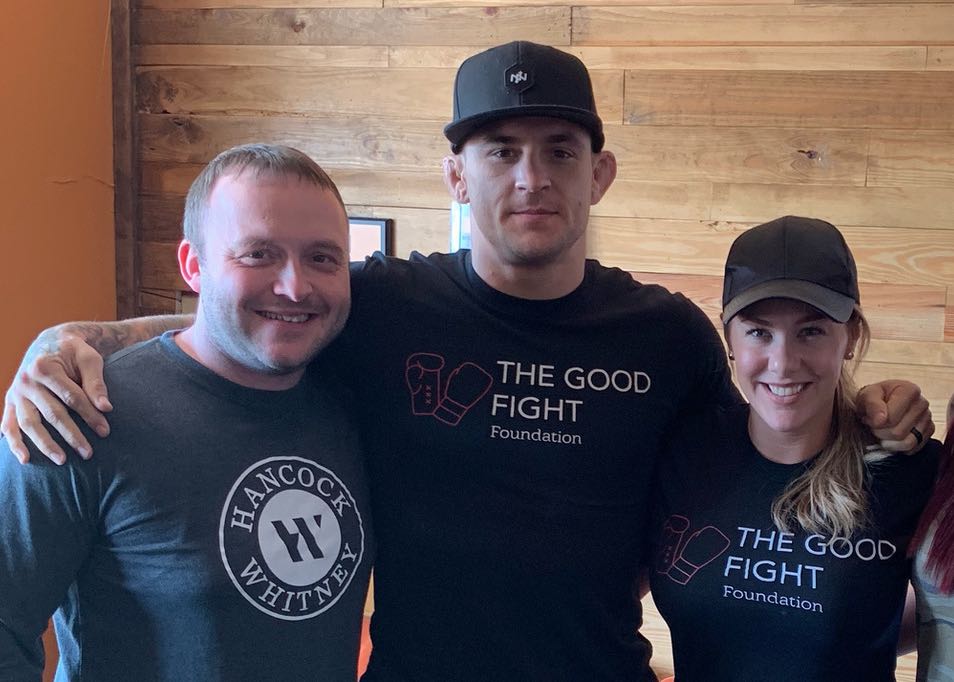
When the 32-year-old former Interim UFC Lightweight Champion wanted to give back to his hometown, he and his high-school-sweetheart-turned-wife Jolie only had to travel to their closet for inspiration.

They began auctioning off the shorts, jackets, and wraps that Poirier used in dozens of storied fights—selling the memorabilia through a new nonprofit called “The Good Fight” dedicated to helping underserved communities in their local Acadiana region.

The foundation has raised thousands of dollars since 2018 to impact others, including the young family of fallen LPD officer Michael Middlebrook, and disabled children who didn’t have a playground.

The first auctioned kit was from the Poirier vs Eddie Alvarez fight, with proceeds providing 3,000 meals for their local Second Harvest Food Bank.

In August 2019, a playground for children, but specially-built for kids with special needs, became the fulfillment of a dying wish by a young boy in a wheelchair, after Jolie heard the story.

Poirier says it makes him feel “really proud” and really happy—especially as a father to a young 4-year-old daughter.

RELATED: Street Fighter is Giving Back: 14-0, The Inspiring Story of UFC’s Brian Ortega – Hispanic Athlete of the Year

The Good Fight

“I can be the tough guy, travel all around the world, get in bloody fights.” he told KLFY News. “(But) I can come home, and I’m still dad. I can play barbies. It really balances me out.”

Selling fight kits provided over 100 women experiencing homelessness with care packages, and 500 children with school supplies & backpacks at Acadian Middle School. “We were also able to provide the shelter with brand new furniture for their residents, too,” reports The Good Fight website.

RELATED: ‘Monumental Day’ as First-Ever Woman is Named the General Manager of Major League Baseball Team

Donations to The Good Fight also supported former UFC fighter Justin Wren who now champions long-suffering Pygmy tribes in Africa—providing new water wells, solar power, and 43 acres of purchased land for the Uganda Batwa tribe.

And, even the COVID outbreak hasn’t knocked this family off their giving game. They organized a Thanksgiving Food Drive, and prepared feasts for all the surrounding shelters.

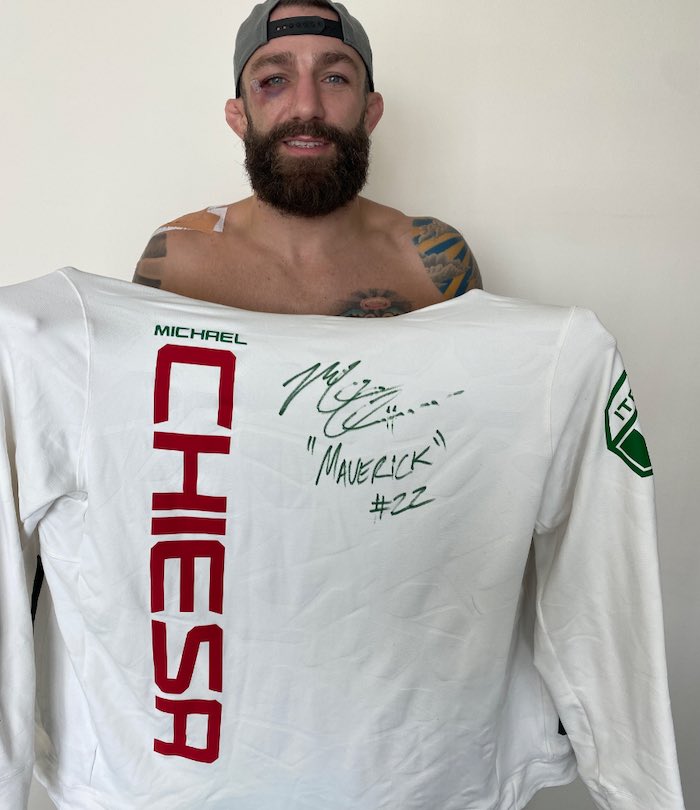
Now, other fighters are donating parts of their kits for auction, including the winner of the UFC main event fight on Wednesday, Michael Chiesa, from Spokane, Washington.

Michael Chiesa – The Good Fight

Until February 15, sweepstakes tickets can be purchased for $10 for the chance to win the autographed Reebok Walkout Jacket worn by the welterweight fighter during the event, along win a private Zoom Call—with 100% of the proceeds benefitting The Good Fight Foundation.

The Good Fight’s first 2021 goal is to fully fund transportation and tutors for all 6 locations of The Boys & Girls Clubs of Acadiana. Currently, the kids have transportation from school to the clubs, but do not have a ride home in the evening—which cuts attendance dramatically.

A slew of donations came in after Dustin’s January 24 fight, but their crowd-funding page has reached just 10% of their $100,000 goal, so join the funding if you can.

Paul Acron, a fan who donated $105.00 wrote: “Congratulations Dustin… Great fight against Conor but even greater fight to try and make things even for these deserving young boys and girls.”

“I am a fighter. It’s what I do. Now I want to fight the good fight—for those who can’t,” says Poirier. “I have created a platform for fellow athletes and fans to join together, fight for underserved communities and answer the call of those in need.”

WATCH a video from July, 2020 when The Good Fight launched…

KNOCK Out Your Friends – By Sharing This Celebrity Fighting For Good…

Startup Builds 3 Huge Indoor Farms in Appalachia Turning Coal Country into Agricultural Hub

AppHarvest

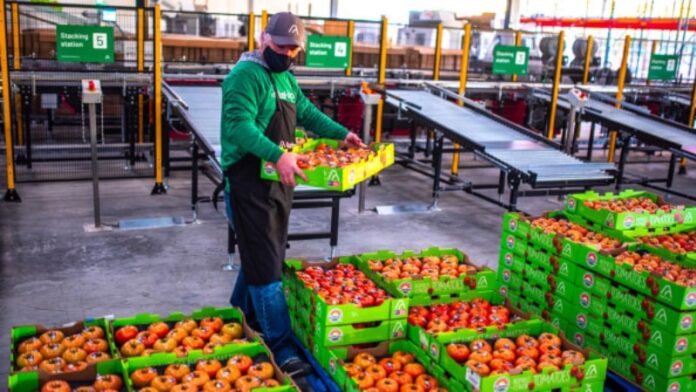
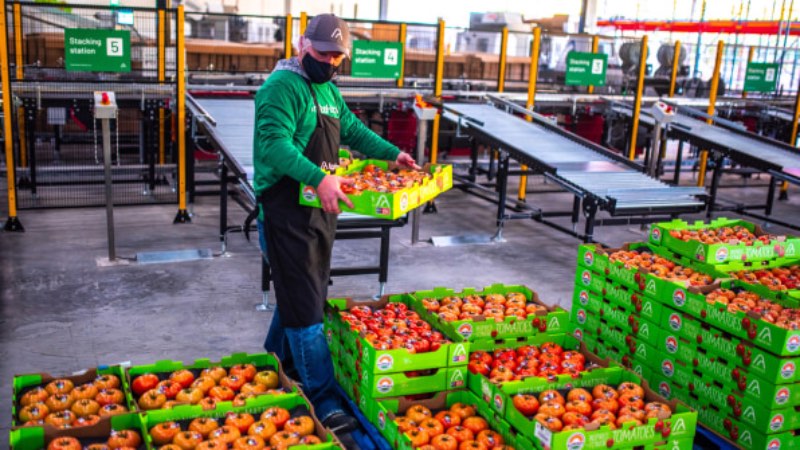
An Appalachia-based company that’s building the world’s largest indoor farms just delivered their first harvest—beefsteak tomatoes—to grocery stores like Walmart and Kroger.

AppHarvest

The Kentucky-based company known for its focus on restoring economically-suffering communities in former coal country recently went public, and gained home economics legend Martha Stewart as a board member.

With several facilities already producing fruits and vegetables, AppHarvest is set to become a national leader in alternative farming through their cutting edge indoor technology that saves space, recycles water, and produces 30 times more food than a conventional farm.

Their Morehead Kentucky headquarters can grow 45 million pounds of non-GMO, chemical pesticide-free tomatoes annually, while the indoor facility—which uses recycled rainwater—allows them to grow year-round, unimpeded by the burden of the seasons.

“AppHarvest’s high-tech, sustainable approach is the future of food, and this first harvest allows us to provide consumers with chemical pesticide-free, nutrient-rich, flavorful produce that’s making a difference they can feel good about,” said Martha Stewart in a press release.

“I’ve been testing the early sample tomatoes, which are delicious, and I’m already looking forward to integrating them into my kitchen and recipes this year.”

Tomatoes in the hills

AppHarvest

‘Proudly’ rooted in Appalachia, their three farms are all in Kentucky, one day’s drive from the doors of 80% of the American population by their estimate, allowing them to keep their commitment to Appalachian communities, while ensuring their produce reaches markets fresh.

MORE: 14 Years Ago the Amazon Was Being Bulldozed for Soy – Then Everything Changed As Corporations Joined Activists

AppHarvest also collaborates with eastern Kentucky high schools to introduce and incorporate an Agricultural tech curriculum. The company has invested hundreds of thousands of dollars providing high-tech container farms, in the form of retrofitted shipping containers, to offer students the opportunity to grow their own food and learn about the importance of nutritious fruits and vegetables.

“We are determined to build a climate-resilient infrastructure to offer folks a delicious tomato that is sustainably grown right here in Appalachia with 100% recycled rainwater and zero chemical pesticides, making it better for both them and the environment,” said Jonathan Webb, founder and CEO.

RELATED: Google is Creating Tools to Tackle Food Waste and Hunger at its Moonshot Factory

Having secured over $1 billion in financing, they hope to have 12 farms up and running in just the next four years.

SHARE the Juicy Good News With Your Pals on Social Media…

NBA Star Buys George Floyd’s Family a House, Joining Streisand and Others in Giving Daughter a Future

When George Floyd was killed in May last year by a police officer in Minneapolis, footage of the homicide went viral, sparking Black Lives Matter protests across America.

Floyd may have left in his wake a lasting legacy of activism, but he also left behind a 7-year-old daughter named Gianna. Fortunately, the world is now looking after her welfare.

An NBA professional basketball star learned what the family needed most and stepped up to provide it. Kyrie Irving, the point guard for the Brooklyn Nets, bought them a house.

Erik Drost

Irving, who felt he was just doing the right thing, tried to downplay his generosity.

“I just want to keep continuing to fulfill our purpose in serving a lot of the underserved communities. Those don’t necessarily get the same attention,” he said in a statement. “So just trying to do my part with service, that’s all.”

Former NBA player Stephen Jackson, who was a friend of George Floyd’s, gave Kyrie full props. “He wanted to help George’s family and I let him know that a house was what they needed at that time and he made it happen in a heartbeat,” Jackson revealed on his podcast, The Rematch.

MORE: New Senate Police Reform Bill Looks to Increase Accountability and Promote De-Escalation Training to ‘Rebuild Lost Trust’

Irving is not the only celebrity to reach out to Gianna and her family. “Lil Wayne’s manager bought them a Mercedes-Benz. Barbra Streisand gave them stock in Disney, so I think God has definitely blessed her and right now. She’s doing the best she’s ever done, she’s happy,” Jackson said.

In addition, Kanye West donated $2 million to help Gianna and the families of Ahmaud Arbery, the 25-year-old victim of a racially motivated murder in Georgia, and 26-year-old Breonna Taylor, who was killed during a botched drug raid by police who showed up at the wrong apartment.

RELATED: Protest Sign Made by Third Grader Inspires the Nation When it Mysteriously Travels to Protests

Ordinary citizens, too, are donating to help little Gianna. A GoFundMe campaign that has raised more than $2.3 million, providing a fund when she’s ready to attend college—if she doesn’t want to take advantage of a full scholarship offered by Texas Southern University.

SHARE This Story of Giving With Others on Social Media…

New Alzheimer’s Treatment Shows Real Promise in Slowing Cognition Decline Using Antibody in Human Trials

Anna Shvets

The major pharmaceutical company Eli Lilly has just demonstrated efficacy of their Alzheimer’s drug donanemab in phase 2 clinical human trials.

The results are a major development for the treatment of a disease that currently affects six million Americans, but that has almost no methods of alleviation.

Alzheimer’s is caused by the buildup of tau protein structures called plaques. One such plaque, called beta-amyloid, is the major culprit of the neurodegenerative disease.

The investigational antibody Donanemab was shown in a trial of 272 patients with mid-stage Alzheimer’s to significantly reduce clinical decline by 32% over 18 months by targeting a type of beta-amyloid known as N3pG.

Various markers, such as cognition and better brain function, were found to be positive, though others showed no improvement.

Patients were switched from donanemab to a placebo after the levels of beta-amyloid returned to those of a healthy person, a process which took only a few months in some participants.

CHECK OUT: Nigerian-Irish Teens Develop a Dementia App for Sufferers Coping With Lockdown–and It’s Won Awards

“We are extremely pleased about these positive findings for donanemab as a potential therapy for people living with Alzheimer’s disease, the only leading cause of death without a treatment that slows disease progression,” said Mark Mintun, M.D., vice president of pain and neurodegeneration, Eli Lilly and Company.

MORE: Researchers Discover a Breakthrough With Animal Studies That Has the Potential to Prevent Alzheimer’s

A brain-swelling side effect, known as ARIA-E, occurred in 27% of patients treated with donanemab, the company said. However Alzheimer’s has no cure and is fatal, so generally such side effects are more tolerated by FDA regulations, since there aren’t other options for patients.

“Alzheimer’s disease is uniformly fatal… I think this safety profile matched with this efficacy profile is something that we can be excited about,” Daniel Skovronsky, Lilly’s chief scientific officer, told Reuters.

RELATED: Even Moderate Socializing With Friends Could Ward Off Dementia in Older People, Study Finds

A second trial with 500 participants is currently being organized with hopes the effects can be replicated.

SHARE This Hopeful News With Others Who’d Love to Hear it… 

China Passes Landmark Law Protecting the Yangtze – One of China’s ‘Mother Rivers’

Shane Young

The Yangtze, one of China’s two “Mother Rivers,” is about to receive a salve of environmental protections aiming to restore the polluted waterway and its tributaries.

Shane Young

With 96 separate provisions for the river system spread across nine chapters of legislation passed by a Standing Committee meeting, it is the largest environmental protection bill the rivers of China have ever seen, and will enter into force on 1 March.

Plastic and chemical pollution, chronic overfishing, siltation, and damming have all taken their toll on the banks and waters of one of the world’s great rivers, and the provisions will attempt to give years of respite and see if the Yangtze can recover.

Government departments from the largest to the smallest levels must incorporate the ecological protection of the Yangtze into their social and economic development plans, reports Reuters.

Fishing on all natural waterways of the river, as well as its tributaries, estuaries, and feeder lakes, will be banned.

All proposed chemical projects within one kilometer of the river will be banned, and existing ones are barred from expanding. Other polluting industries will be forced to move, while sand mining on the banks of the Yangtze will be severely restricted.

The Yangtze by numbers

Along with the Yellow River, the Yangtze makes up the two Mother Rivers of Chinese civilization, along which there has been evidence of rice cultivation going back to 5,000 BCE.

Starting high in the Tibetan Plateau, the Yangtze flows 3,900 miles (6,300km) to its famous river delta. It is the third longest in the world, sixth largest by water volume, and the longest to move through a single country.

MORE: Plastic Straws and Single-Use Bags Vanish From China as Ban Kicks In

The Yangtze River Delta generates 20% of the nation’s GDP, and its drainage basin is home to a fifth of the country’s people. The Three Gorges River Dam is the largest hydroelectric station in the world.

The Yangtze is one of the Three Parallel Rivers of Yunnan, a UNESCO World Heritage Site, and after leaving the mountains, passes through perhaps the most iconic Chinese landscape of all, the karst rock gorges of the Yangtze, depicted in countless Chinese paintings.

RELATED: Reductions in Air Pollution in China Saves Hundreds of Thousands of Lives Since 1990

From an environmental perspective, the Yangtze is home to charismatic aquatic species like the Chinese alligator, the Yangtze sturgeon, and the narrow-ridged finless porpoise, which may recover if the new laws work to their fullest extent.

SHARE the Good Green News From China With Pals on Social Media…

“The aim of an argument or discussion should not be victory, but progress.” – Joseph Joubert

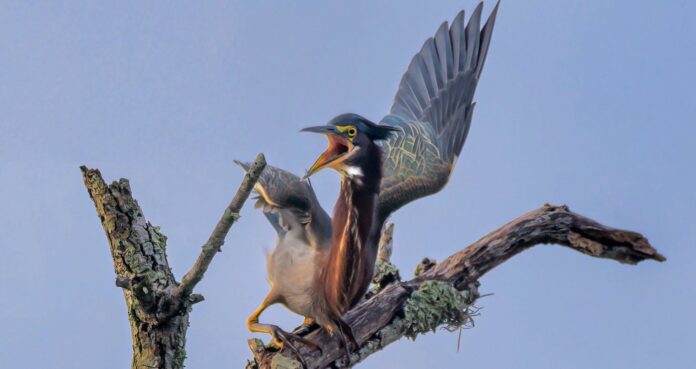
Green Heron and Blue Jay argue over a perch in Powell Creek Preserve, Southwest Florida - Diana Robinson, CC license

Quote of the Day: “The aim of an argument or discussion should not be victory, but progress.” – Joseph Joubert

Photo by: Diana Robinson, CC license (Green heron reacts to blue jay)

With a new inspirational quote every day, atop the perfect photo—collected and archived on our Quote of the Day page—why not bookmark GNN.org for a daily uplift?

What’s the Key to Raising Confident Kids? Here’s What the Majority of Parents Say…

Robert Collins - Unsplash

82% of parents are making a daily, concerted effort to raise their children to be confident, according to a new survey.

A poll of 1,000 parents of school-aged children found 47% said they make sure they themselves are a good example of confidence for their children.

And 54% inspire confidence in their kids by allowing them to do things themselves.

The study, conducted by OnePoll in conjunction with Stokke, aimed to determine how parents approach their child-rearing habits and discovered 73% said seeing their children exhibit confidence makes them feel like they’ve mastered their parenting skills.

Additionally, 74% said having a close relationship with their children is vital to their kids’ confidence.

Parents also hope to boost their kids’ overall confidence by celebrating milestones. However slight, 78% of parents make an effort to celebrate all those little “firsts.”

From a baby’s first time eating solid food, to their first lost tooth, to middle and elementary school graduation, parents want to make sure they acknowledge all the moments in their kids’ lives.

At five years old, the average parent pushes their kids to brush their teeth on their own and pick up their toys without any assistance.

Then, at six years old, the average parent will allow their kids to make their own bed and also assist with meal preparation.

Upon seeing their children show confidence for the first time, 62% found themselves incredibly happy while 47% couldn’t help but be proud parents.

From hearing their child give a speech in front of a large crowd with boldness and assuredness to doing their homework all by themselves, parents will always remember the times their child showed confidence and independence.

However, for one in seven, having their children gain independence was bittersweet.

MORE: The Adventure Stories in This Non-Fiction Children’s Book are the Perfect Confidence Boost for Kids

Beyond raising independent children, parents are encouraging their children to think critically. 79% of those surveyed said they encourage their child to think critically and use logic on a daily basis.

“Confidence is one of the best gifts a parent can give a child. A child that grows up having faith in their abilities is fearless and ready to take on the obstacles life will bring on,” stated a spokesperson for Stokke. “They feel free to pursue their passions. They believe in their dreams, big or small, and have the courage to follow them.

CHECK OUT:  ‘Fantastic Grandmas’ Have Been Spending Retirement Photographing Venomous Sea Snakes for Science

“When a child is closely connected to their parent, the security they feel enables them to push beyond their comfort zone. This allows children to give in to their natural sense of curiosity, explore and learn.”

SHARE The Results of This Fascinating Poll With Your Parenting Pals… 

Man Regains Sight And Sees His Family Again After Becoming First Person Ever to Receive an Artificial Cornea

CorNeat

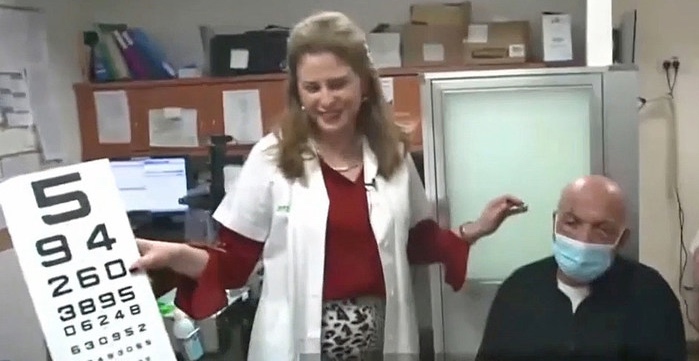
Things are looking up for the first patient ever to receive an artificial cornea implant, after he was able to see his family upon waking up.

The 78-year-old man could even pass the classic eye exam test of identifying numbers and letters from a distance.

CorNeat

Developed by an Israeli firm called CorNeat, the KNet implant actually merges with natural human tissue, meaning it can integrate directly with the eye wall and replace scarred or damaged cornea through injury or disease.

“The surgical procedure was straight forward and the result exceeded all of our expectations,” said Professor Irit Bahar, director of the Ophthalmology Department at Rabin Medical Center.

10 more people are currently signed up to receive the implant.

“The moment we took off the bandages was an emotional and significant moment. We are proud of being at the forefront of this exciting and meaningful project which will undoubtedly impact the lives of millions,” said Bahar.

MORE: Blind Mice with Glaucoma See Again Through Simple Technique that Promotes Youthful Gene Expression

The cornea is a clear shield that protects the frontal part of the eye, and can be damaged or degenerate for various reasons. Implants already exist that partially replace the cornea under such conditions, but the surgeries are often complex.

The KNet features biomimetic technology comprised of a skirt of special material that actually receives colonizing collagen and fibroblast cells, gradually and permanently embedding them within the eyeball.

CHECK OUT: Breakthrough App Guides Blind Runner on Solo 5k Run Through Central Park

“After years of hard work, seeing a colleague implant the CorNeat KPro with ease and witnessing a fellow human being regain his sight the following day was electrifying and emotionally moving, there were a lot of tears in the room,” said CorNeat Vision co-founder Dr. Gilad Litvin.

SHARE This Story So Pals Can See the Good News, Too…

You Should Not Be Eating Late at Night: Here’s Why and How You Can Avoid it

Andrea Piacquadio

All manner of subtle detriments can befall those who eat late at night, or even merely after the sun goes down.

These can include heightened blood sugar, decreased insulin sensitivity, inflammation, and shallow sleep—a situation that if occurring in a chronic sense can build the foundation for all manner of disease including Alzheimer’s.

The science behind this seemingly impossible-to-prevent, universal human behavior is not so much breakthrough research, but logical conclusions about human biology and evolution.

Whatever you call the class of researchers that translate medical and nutritional sciences into articles for us laymen, they’re beginning to combine information about exercise, weather exposure, sleep and eating patterns, dietary content, and more to form a comprehensive template on how to build a functional medicine base that will itself serve to stave off many of the chronic diseases that plague our society.

Avoiding eating late at night is certainly part of this panoply of habits, one which is most often researched by sleep scientists.

The windows of the sun

Damian Markutt

In understanding why the timing of meals is important, it’s useful to explain the relationship between us and the sun.

Distilled to the most basic sentence, sunlight governs our metabolic functions. Here’s how.

Circadian rhythms is a term that describes how our organs align themselves with the day-night cycle of our environments. Many people imagine they have one clock, which we come to know in stark detail when we are jet-lagged. However different cells and organs have their own clocks, which would suggest that different clocks function differently at different times.

The eyes serve as the master clock’s attenuator to the movements of the day and night. Through light-sensing proteins known as melanopsin, they communicate the blue-spectrum (sunlight) intensity to the master clock—a part of the brain known as the suprachiasmatic nucleus, to which all other clocks align.

Unlike our houses, bathed as they are in artificial light, the weald on which walked our early ancestors was dark at night, and as our melanopsin begin to sense the end of the day, their correspondences with the brain are the catalyst for all manner of biological functions.

The smoking gun

In 2009, people examining the entire recorded human genome for the most frequently correlated genetic variants with type-2 diabetes found melatonin receptor 1-b, in the pancreas, as being more present than any other protein in our species.

A melatonin receptor gene simply receives melatonin, also known as the “Sleep Hormone,” and scientists at first couldn’t understand why the gene and the disease were related.

What they found was that as the melanopsin in our eyes alerts our brain that darkness is approaching, the pineal gland began producing more melatonin. The increased melatonin is sent to various organs to prepare them for sleep, activating and deactivating thousands of different genes throughout our body.

When melatonin arrived at the pancreas, the receptor gene inhibited, that is, prevented, blocked, stoppedthe secretion of insulin into our bloodstream.

CHECK OUT: Study Shows That Sleeping With a Weighted Blanket Can Reduce Insomnia

Insulin alerts our body to suck up excess carbohydrates from the bloodstream into the muscle tissues. Excess circulating glucose in the bloodstream for short periods of time is benign, but chronically, such as might happen if someone eats dinner hours after the sun goes down and an hour before bed, can cause major long-term health complications, not least of which is diabetes.

Going with or against the grain

Suhyeon Choi

Lifestyle changes to prevent this unfortunate hallmark of the American diet/lifestyle are many and often easy.

For starters, try and make a simple promise to yourself not to eat once the sun goes down. It’s easily identifiable, and is something which we can’t bargain with; when the sun is gone, it’s gone.

Align you and your family’s meal schedules with the progression of the sun across the sky, and with the changing of the seasons. A later dinner in summer is possible while one in winter isn’t. This could also help improve sleep quality, since most literature suggests that sleep quality will improve the longer you wait after eating dinner.

RELATED: Study Reveals the Perfect Number of Extra Minutes’ Sleep Per Night For Improved Mindfulness

If you do have to eat after dark, eat a low glycemic-load meal consisting of far fewer carbohydrates, and more fiber coming from things like vegetables. A series of meta-analyses of different dietary studies on type-2 diabetics found that several types of dietary fiber improved whole-body insulin response, and lowered post-prandial blood glucose.

READ: Stress Keeping You Up Past Your Bedtime? 10 Simple, Science-backed Tips for a Better Night’s Sleep

Another small study looking only at healthy individuals found that high-fiber dinners improved glucose tolerance, lowered inflammation levels which rise when sugars are circulating freely in the blood, and even increased the satiety of breakfast the following morning.

A cup of white tea, along with containing valuable phytonutrients like catechins, has been shown to work as an appetite suppressant, and if taken with better-tasting herbs and spices, can be a great post-dinner drink to help stave off hunger until bedtime.

MORE: New Study Shows Healthy Sleep Habits Help Lower Risk of Heart Failure by 42%

Once one understands that eating after dark, biologically, simply doesn’t make the body work right, it becomes far easier a habit to stop. Picturing beige globs of sugar slipping and sliding through your bloodstream like a waterslide while laying in bed trying to sleep is not a nice image.

Featured image: Andrea Piacquadio

SHARE This Fascinating Research With Your Pals…

This May Be Earth’s Oldest Rock – But it Was Collected on The Moon

NASA

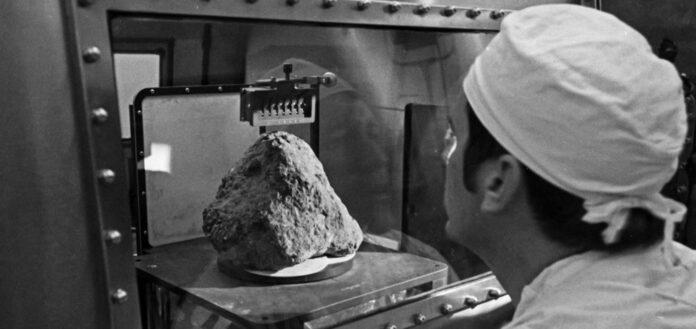
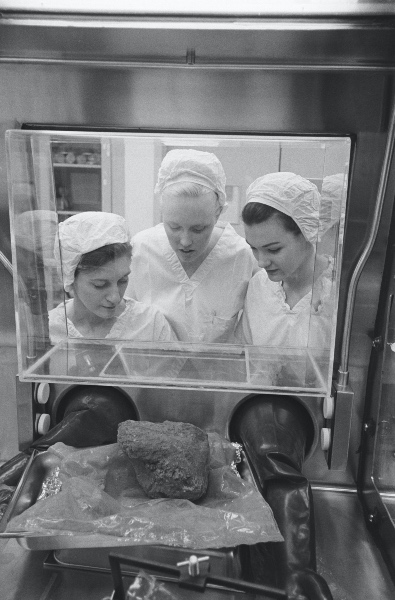
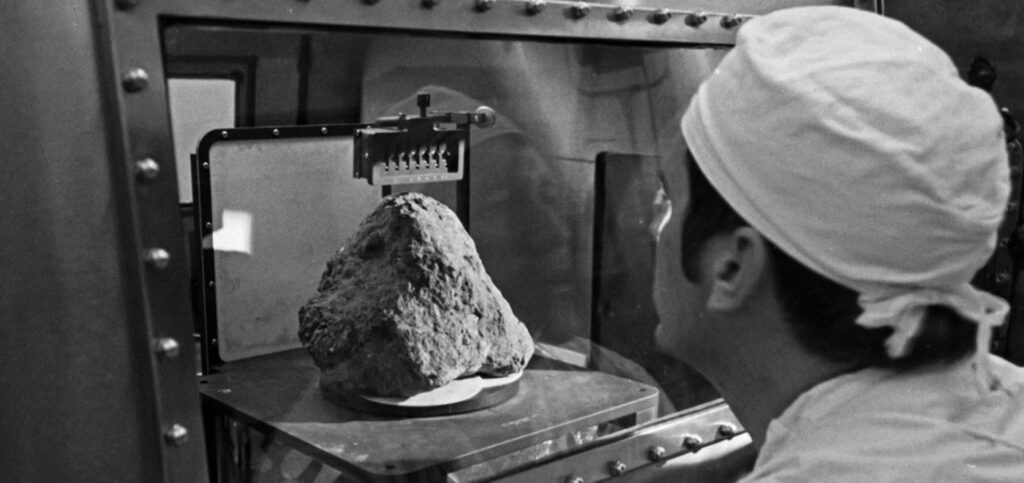
A rock taken by the Apollo 14 astronauts in 1971 from the surface of the moon was just determined to be merely a tourist—not a resident—of our nearest cosmic neighbor.

NASA

Analysis of the conditions that formed part of this 20-pound stone suggests that, rather than being a new kind of moon rock, it actually arrived from the Earth—tossed up into outer space by an asteroid impact over 4 billion years ago.

If the dating that placed its birth around 4.011 billion years ago is correct, it would actually be the oldest piece of intact Earth rock ever found, supplanting some erroneously dated mineral sand from Australia.

Many of us are familiar with the idea of pieces of planets and comets landing and falling to Earth, but Jeremy Bellucci at the Swedish Museum of Natural History may have just found the first “terrestrial meteorite,” demonstrating that like a boxer, the Earth can take them as well as give them back.

NASA

According to Bellucci’s paper, published in the journal Earth and Planetary Sciences Letters, the rock either “represents pressure, temperature, and oxidation conditions not known [on] the Moon,” or much more likely, represents the case of Earth-formed material that was catapulted up to our Moon during an impact event.

MORE: There Are 300 Million Potentially Habitable Planets in the Milky Way, NASA Reports

The rock, charismatically designated “14321,” is a kind of rock called breccia, characterized by a collage of different kinds of minerals created during an older period, bunched together in little sections called “clasts,” and stamped together into a single stone.

It was one of these clasts that led Bellucci and the other researchers to their strange conclusion. There was a small piece of bright mineral which contained zircon, a very hard and long-lived mineral, and analyzing it and the surrounding quartz drew strange conclusions about conditions which have never been known to be present on the moon, relating to pressures, oxygen levels, and heat.

Bellucci, according to National Geographic, compared the zircon in 14321 to zircon on Earth and the similarities became clear.

CHECK OUT: Scientists May Have Detected the ‘Hum’ of the Universe That Could Change Astronomy Forever

“It was dead in the middle of the terrestrial field, and then I was like, Whoa… that’s awesome!” Bellucci told National Geographic in an email correspondence. “From there, it snowballed.”

NASA

The authors, who won’t be able to expand on this breakthrough due to the COVID-19 pandemic, suggest that it will make a lot of people in museums and labs re-examine their moon rock samples.

ROCK OUT to the News With Your Friends–Share This Story on Social Media…

“The principal goal of education in schools should be creating men and women who are capable of doing new things, not simply repeating what other generations have done.” – Jean Piaget

Quote of the Day: “The principal goal of education in schools should be creating men and women who are capable of doing new things, not simply repeating what other generations have done.” – Jean Piaget

Photo by: Anita Jankovic

With a new inspirational quote every day, atop the perfect photo—collected and archived on our Quote of the Day page—why not bookmark GNN.org for a daily uplift?

Clever Australian Shepherd Appears to Outsmart Owner, So He Can Get Two Treats

This dog’s owner says he wanted to do a test to see if his dog could resist taking a treat, even if he left the room.

In the video, a 4-year-old Australian Shepherd named Morty pauses only a few seconds before he gobbles up the treat. But he soon scurries over to the drawer where the owner keeps the treats.

Morty is seen opening the drawer and grabbing another one, placing it where the old treat had been,

He closes the drawer again, and waits for his owner like nothing happened.

WATCH below…

SHARE a LAUGH on Social Media and Share Morty’s accomplishment

This ‘Life-Changing’ Backward Walker is Helping People Move Forward Hands Free

The inventor has gone into debt launching this company, but he says that giving people the ability to walk again, and seeing them embrace their freedom, makes the effort worth more than words can say.

Rob Karlovich’s vision for a revolutionary new walking aide was inspired by a news story about disabled veterans returning from Afghanistan. These service people, who were once able to move with agility, were now struggling just to walk safely with the traditional walkers available to them.

As a lifelong technology innovator, Rob knew he could help. The San Jose, California designer recognized that available mobility devices all had two fundamental problems.

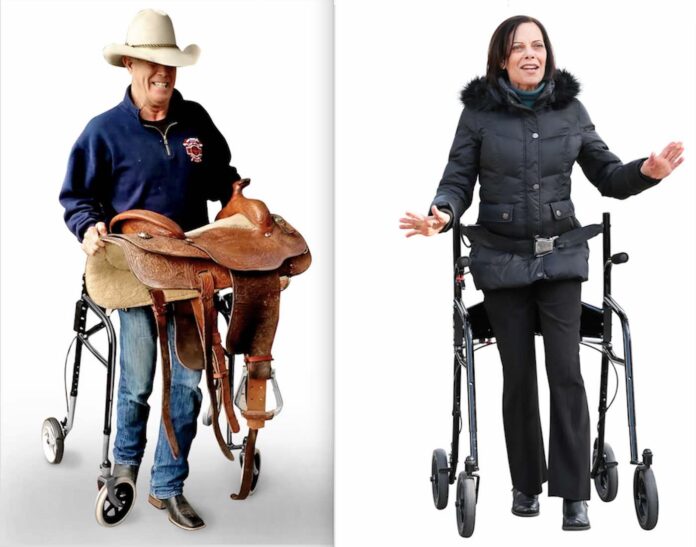
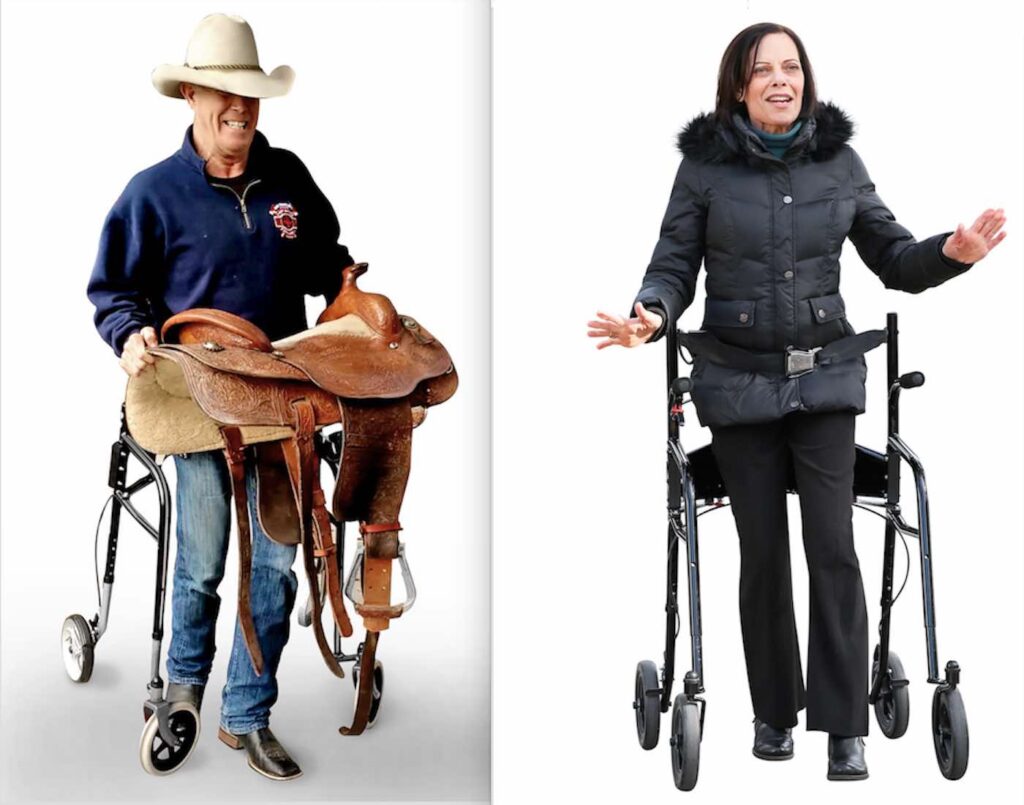
First, they threw people off their center of gravity by forcing them to lean forward, which made them unstable and more likely to fall. Second, they required using your hands to operate them, limiting daily activities such as cooking, cleaning, gardening, dancing and even hugging.

To solve these problems, he flipped the traditional walker concept upside-down—or backward, to be exact.

Solving the balance problem by working backward

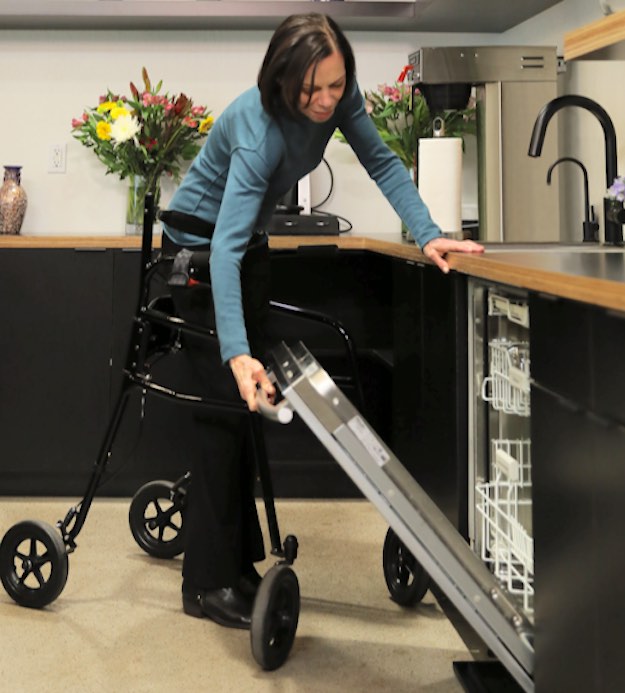
Traditional walkers position the device in front of you, which forces you to hunch over to hang on to the grip bars. This promotes poor posture, throws off your balance and occupies your hands. Instead, the LifeGlider is positioned behind the body. It secures you with a belt at the pelvis, which has two benefits. You can be hands-free, and you’re held up at your center of gravity—a concept in physics that explains how ice skaters and ballet dancers can hoist a person in the air while moving, without falling.

RELATED: Researchers Unveil Ultra-Precise, Mind-Controlled Prosthetic: ‘It’s like you have a hand again’

“It’s is a major safety issue for people at risk for falling,” said Dr. Bruce Adornato, Adjunct Clinical Professor, Neurology and Neurological Sciences, Stanford School of Medicine. “Anyone using a walker today is a candidate for this device, but you have to have the coordination to put on the belt and tighten it up properly or someone who can help.”

Following five years of real-world trials by over 2,000 users, the LifeGlider was officially launched in the fall of 2020.

Though inspired by veterans, the idea of being able to walk safely, upright and hands-free has attracted all kinds of people who have suffered mobility loss.

Personal stories demonstrate the impact

Josie Ingber, who worked in the high-tech industry in Silicon Valley, was one of the first to try the LifeGlider.

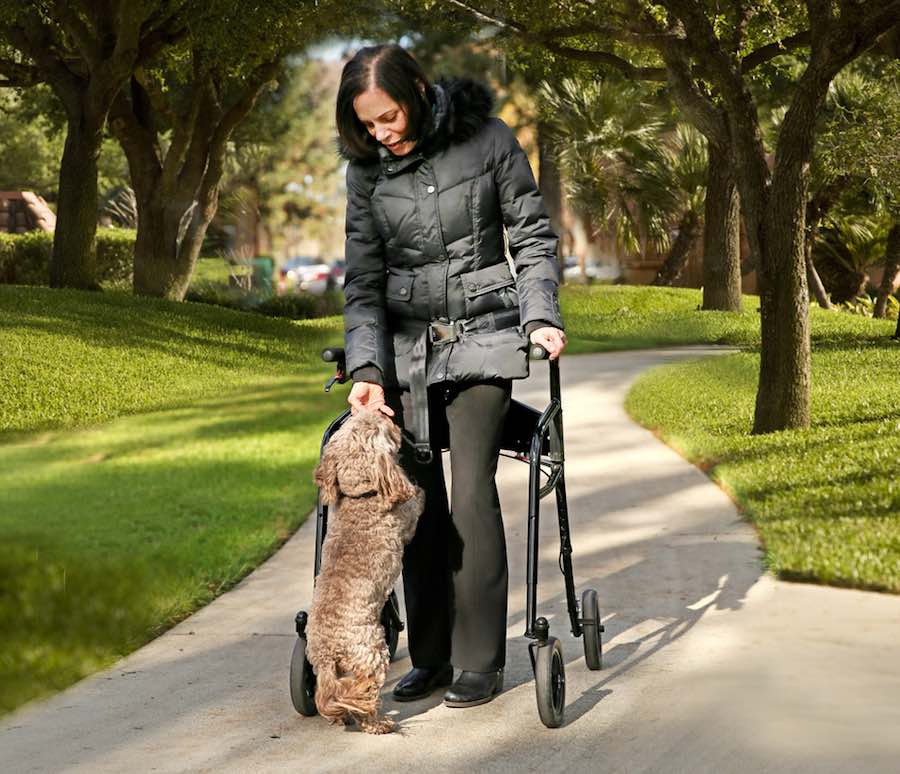
Josie with her dog – LifeGlider

She had been getting increasingly unstable on her feet due to multiple sclerosis, and her cane wasn’t doing enough for her. She had fallen a couple of times and was starting to think she had no choice but to get a walker or use a wheelchair.

“I chose not to go out or accept social invitations since I always had to depend on someone’s arm to hold on to. I was starting to feel very isolated,” Josie said.

But LifeGlider was nothing like the walker experience she was dreading. It allowed her to keep working until she was ready to retire.

WATCH: Amazing Video Shows Special Needs Teen Walking For the First Time in 8 Years

“I have been able to do so much more by myself,” Josie said. “This device has changed my life.”

Nancy Troger also had a life-changing experience with the LifeGlider. She broke her back 12 years ago and endured difficult physical therapy to be able to walk with a cane. But Nancy wanted more stability than a cane could offer—and she longed to work in her garden again.

The LifeGlider, which is FDA approved as a mobility device, not only made gardening possible for Nancy. She was finally able to enjoy a daily walk.

LOOK: Wistful Facebook Comment Leads Dozens of Volunteers to Fulfill Bucket List Wish for Woman With MS

Her neighbor told Nancy that as she watched her walk down to the pier using the LifeGlider, she was able to see the person Nancy must have been before the accident.

“When I walk like that, my brain remembers how I used to walk,” Nancy said. “It’s hard to explain the feeling of that memory, but it’s like putting on your favorite clothing. It just feels right.”

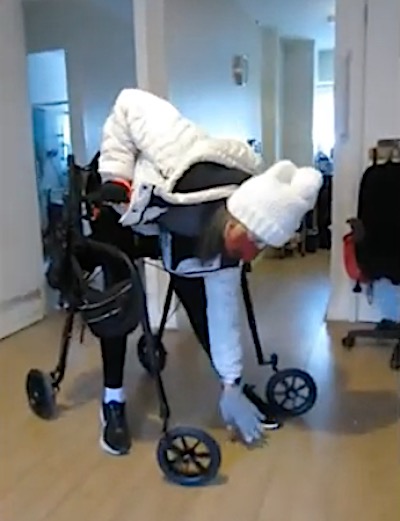
It also allows users to bend over and pick up something from the floor.

Margaret Fisk didn’t appear to have a disability, but as a sufferer from Ehlers-Danlos syndrome, the over-flexibility of her joints made walking painful and dangerous.

Not any more. Recounting her first time walking without having to focus on not falling, Margaret said, “I was speaking more coherently, I was engaged with things. I was walking with confidence for the first time in at least two years without every step being ultimate torture.”

“Life-changing is not overstating it,” she said. “Being locked in my house without nature is a nightmare. The LifeGlider gave that back to me.”

Whether the cause is a neurological disorder, injury, or simply aging, we don’t have to accept mobility limits any more.

A new LifeGlider costs $695, but the company sells refurbished devices for $495, plus shipping, at www.mylifeglider.com.

WATCH a company video to see it in action…

SHARE The Incredible Design Breakthrough With Friends on Social Media…

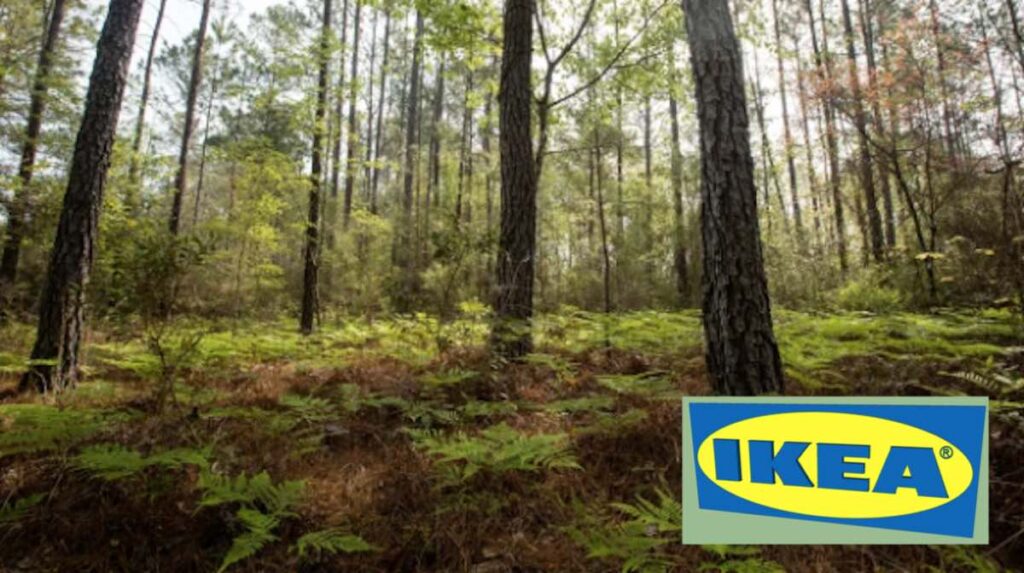
IKEA Buys 11,000 Acres of U.S. Forest to Keep It From Being Developed

Stacy Funderburke for IKEA

IKEA is continuing to try and remain true to their principals—protecting the environment and striving to become a carbon neutral company, while still remaining one of the world’s  most pleasurable shopping experiences.

Stacy Funderburke for IKEA

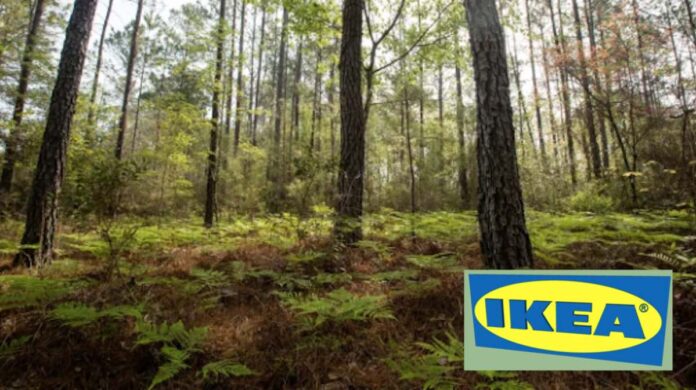
Their latest move is a large purchase of 11,000 acres of forest in Georgia that looked like it would be lost to development.

To ensure it remains intact and working to suck up CO2 from the atmosphere, the forest was bought by IKEA as part of a strategy to reduce more carbon than it creates through its value chain.

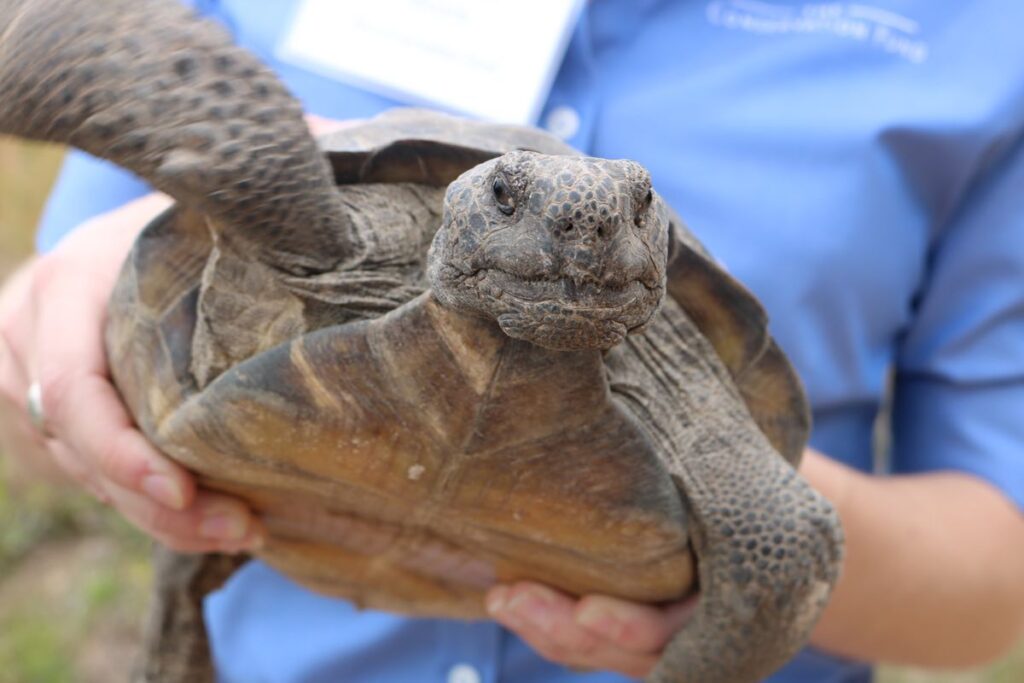
Home to the valuable gopher tortoise, the working forest in the Altamaha Basin is now owned by the IKEA subsidiary, Ingka Group, which has worked with The Conservation Fund, a non-profit that has protected over 8-million acres of forests in the U.S. from fragmentation and development.

A working forest is one in which lumber is harvested and regrown—and it’s these forests which often suffer from being broken up into smaller segments and developed, something the Conservation Fund and Inka are ensuring will not happen by creating permanent easements that legally prevent the forest from ever being split up into smaller pieces.

And, these actions will, in turn, protect the gopher tortoise—a priority species for conservation.

POPULAR: IKEA Lends Parking Lot to Local Mosque So 800 Muslims Could Celebrate End of Ramadan Together

Ingka Group currently owns 616,000 acres of such forests in the U.S. and Europe, while privately choosing to ensure the highest international standards for good forest management. A spokesperson added that “no significant amount” of wood from the forests is currently used in Ikea products.

“Well-managed forests provide essential benefits, including clean water and important wildlife habitat, as well as mitigating climate change,” said Larry Selzer, President and CEO of The Conservation Fund.

RELATED: Toronto’s Oldest Tree Will No Longer Be Cut Down Thanks to Last-Minute Decision By City Council

Gopher tortoise by Val Keefer for The Conservation Fund

“The transfer of these lands to Ingka Investments completes our Working Forest Fund process, through which we identify and buy important, at-risk private forests; develop sustainable harvest and restoration plans; (and) secure permanent conservation protections to block fragmentation and development,” he noted.

Forest stewardship is just one way that the world’s largest furniture outlet is trying to become a carbon-neutral company. They recently announced they would begin buying used IKEA furniture from customers for resale, while electric vans and less carbon-emitting materials are used in both packaging and product.

CHECK OUTTrump Administration Denies Alaskan Copper Mine Permit in a Brilliant Victory for Salmon Fisheries

SHARE This Example of Corporate Responsibility With Shoppers on Social Media…

Volunteers Remove 9,200-lbs. of Trash From One of the Dirtiest Rivers in the US

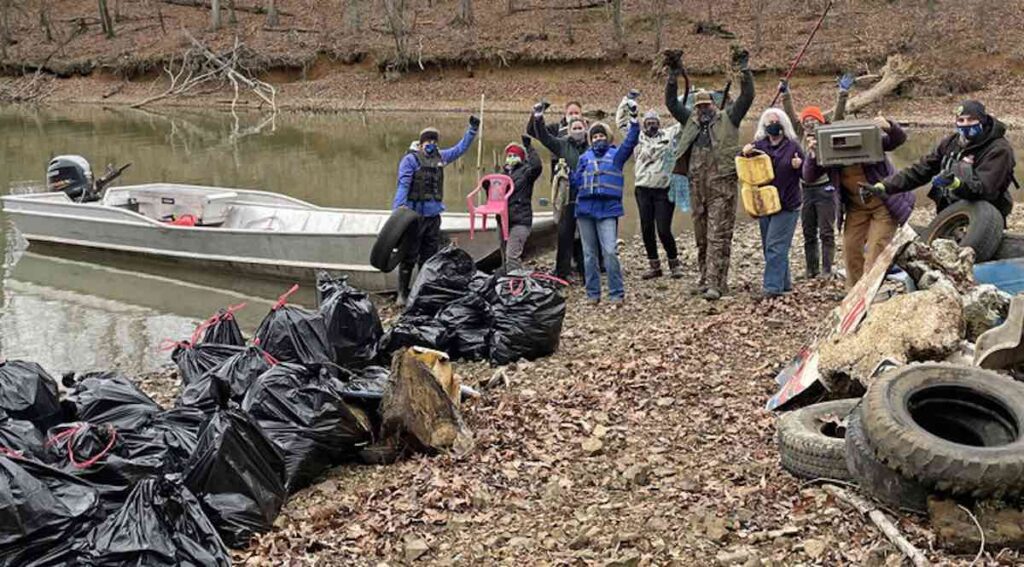
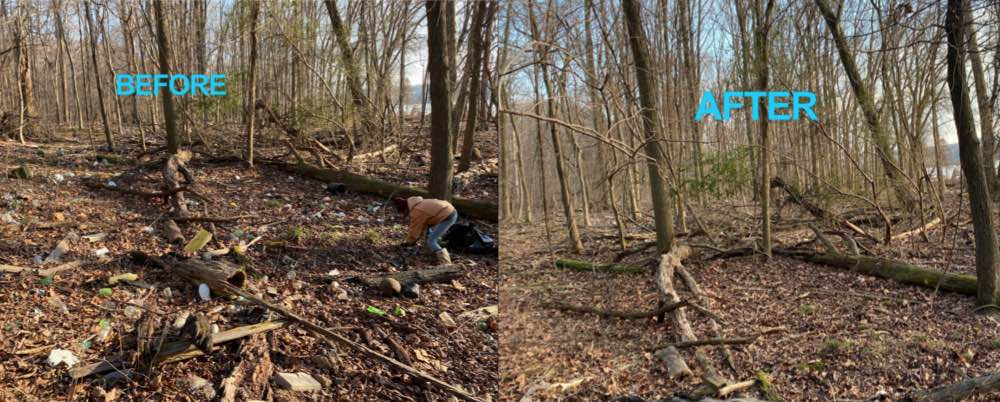
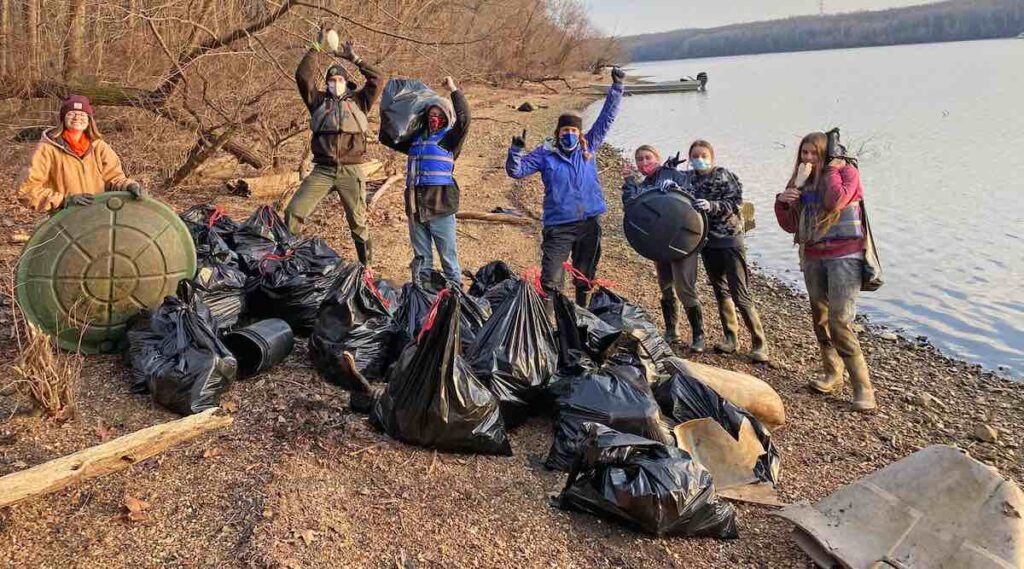
In an epic cleanup weekend, volunteers dug out more than 9,000 pounds of trash from along the banks of the Tennessee River.

Keep the Tennessee River Beautiful

Organized by nonprofits Keep the Tennessee River Beautiful and Johnsonville State Historic Park

The team led another cleanup in October, when they collected 4,811 pounds of trash. And there’s still more to be cleaned; the team is planning another event in April and aims to collect 100,000 pounds of trash from the river by the end of the year.

25 volunteers gathered over three days to remove a whopping 9,208 lbs. of trash, with the help of KTNRB’s 25-foot aluminum work boat launching from Pebble Isle Marina.

Three river miles were adopted by volunteers who wanted to keep up the work on their own after this weekend.

LOOK: Selfless Teen is Local Hero After Daily Trips During Lockdown To Clean Dirty Road Signs And Cut Back Town’s Hedges

“That’s how the change for our river will happen: through local partners and individuals who are eager about taking ownership to protect and improve their beautiful river community,” said Kathleen Gibi, KTNRB Executive Director.

Keep the Tennessee River Beautiful

When KTNRB hosted a cleanup in October, they partnered with national nonprofit Living Lands & Waters who brought five 30-ft work boats to remove 4,811-lbs. of trash—that’s a grand total of 14,019 lbs. of trash removed from four cleanups.

RELATED: Hawaii Group Sets Record For Largest Haul of Plastic Removed From The Great Pacific Garbage Patch

Keep the Tennessee River Beautiful

The group hopes to stage another event in April and aims to collect 100,000 pounds of trash from the river by the end of the year. Follow KTNRB on Facebook or other social media or check their website to learn about upcoming cleanup dates.

CLEAN Up Your Social Media Feed By Sharing the Inspiration to Organize Your Own Cleanup…

“The human spirit is not measured by the size of the act, but by the size of the heart.” – Yakov Smirnoff (turns 70 today)

Quote of the Day: “The human spirit is not measured by the size of the act, but by the size of the heart.” – Yakov Smirnoff (turns 70 today)

Photo by: Ava Sol

With a new inspirational quote every day, atop the perfect photo—collected and archived on our Quote of the Day page—why not bookmark GNN.org for a daily uplift?

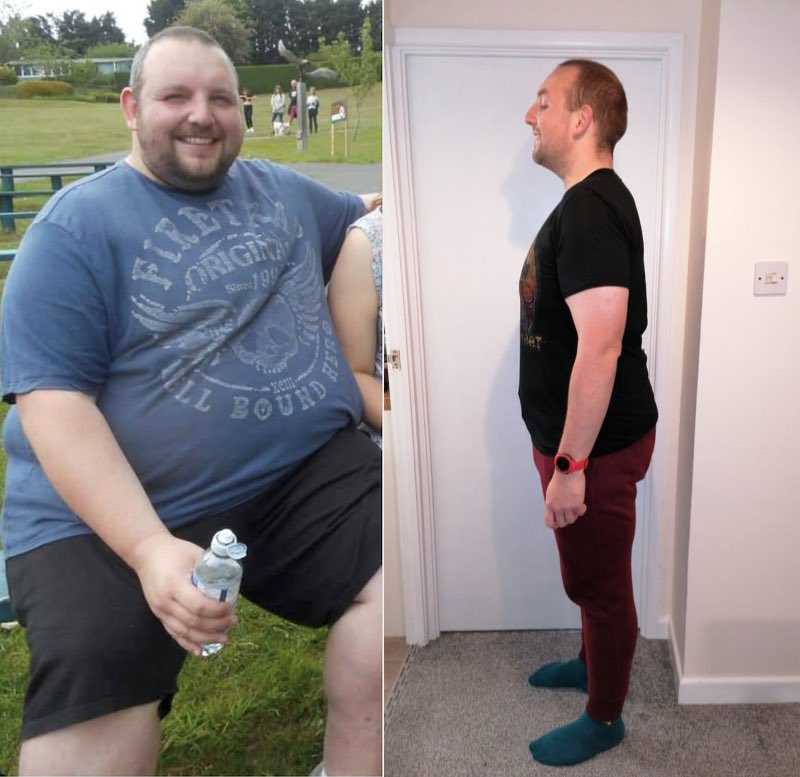
In 15 Months, This 441-lb Man Lost 228 Pounds and Now Runs Marathons to Be Healthy For His Kids

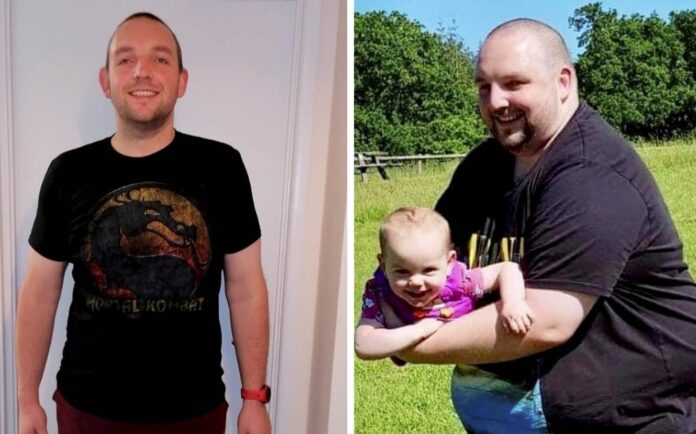
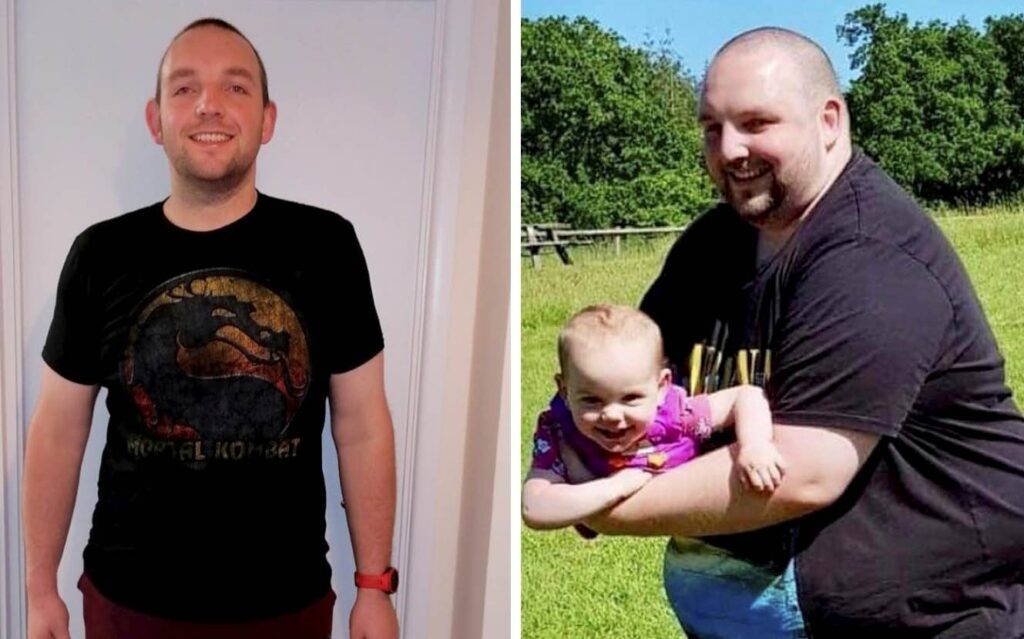
Rob Sparkes before and after his weight loss – SWNS

In just 15 months, this 441-pound man who couldn’t fit in a theater seat lost 228 pounds and completed a full marathon.

Rob Sparkes before and after his weight loss – SWNS

The motivation to change came when the 31-year-old recognized that he didn’t have the energy to play with his two young children.

Since that realization a little over a year ago, Rob Sparkes has changed his eating habits, taken up running during the pandemic, and he now weighs just 216 pounds.

“Before, I couldn’t even walk up a flight of stairs without feeling out of breath,” said Sparkes, a salesman from Weston-Super-Mare, in England.

Prior to his weight loss, Sparkes was eating a whopping 6,000 calories a day and led a completely sedentary lifestyle, saying, “The furthest I’d walk is from work down to the shop to get food.

He detailed his food intake on a typical day:

4 pieces of toast before work; a bacon roll, a Coke, and some chips mid-morning; half-pound burger and fries or massive sandwich and family-sized bag of potato chips for lunch; snack mid-afternoon with chips and chocolate from the vending machine; then start snacking on more chips the second he got home from work.

For dinner, he recalls, “I’d order takeaway, typically a massive pizza, and later on I’d watch television and eat popcorn.”

“I’d also drink about two liters of Coke every day. I just couldn’t stop. I got in a really bad rut.”

SWNS

His doctor was actually shocked that he didn’t have any underlying health issues, but warned him that it was only a matter of time until he would develop diabetes and joint problems.

“I’d only just had my second child and I was worried I wouldn’t be around for my children,” he told SWNS.

Rob Sparkes before his weight loss –SWNS

So in September of 2019, he changed his diet and started trying to lose weight.

LOOK: Vicar Overcomes His Vertigo To Climb 165-feet to the Top Of His Church Spire, Calling it ‘Exhilarating’

“I don’t really snack at all anymore. I eat a lot of chicken and veggies.”

After losing some weight, Sparkes turned his attention to his physical fitness.

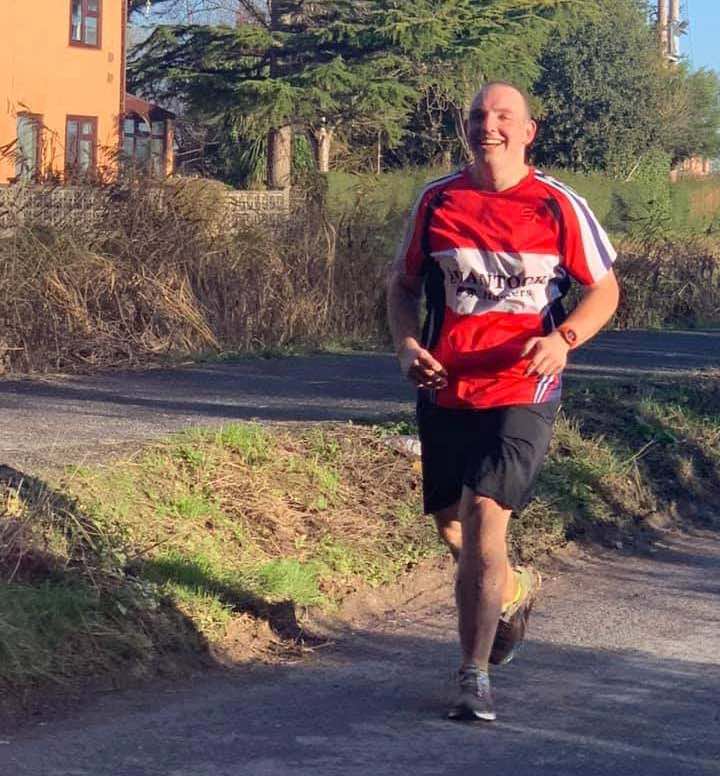
In March of 2020, he started running using the Couch to 5K app and joined a running club. On December 20th he ran his first marathon.

“It was meant to be an official one, but they all got postponed due to Covid, so my running club did an unofficial one.”

RELATED: American Woman Became First Paralyzed Veteran to Complete a Marathon Using a Robotic Exoskeleton

“I had my wife and kids there waiting for me at the end, and it felt amazing. I ran it in five hours and 24 minutes, but I ran the whole thing.”

He has four marathons booked for 2021 and runs a half marathon on most weekends to stay in shape.

Rob Sparkes runs after weight loss – SWNS

He also raised £1,280 for the Alzheimer Society by hiking the Yorkshire Three Peaks Challenge—a 25-mile hike up the 3 highest peaks in Yorkshire.

Sparkes says that his wife has played a big role in his success by being so supportive.

“She was worried when she saw me gaining weight, but there was no stress or strain with the marriage,” he said. But, she “absolutely loves the weight loss.”

CHECK OUT: Coffee Could Be Used to Fight Obesity, Says ‘Pioneering’ New Study

Now that he’s achieved his fitness goals and lost the weight, Sparkes is looking into reconstructive surgery to remove his excess skin.

After 2021 he also plans to begin training for his first ultramarathon, a 50-mile race that only the most hardcore runners ever attempt.

SHARE the Inspiration For Smart Eating on Social Media…

This Week’s Inspiring Horoscopes From Rob Brezsny’s ‘Free Will Astrology’

Our friend Rob Brezsny provides his weekly wisdom to enlighten our thinking and motivate our mood. Rob’s Free Will Astrology, is a syndicated weekly column appearing in over a hundred publications. He is also the author of Pronoia Is the Antidote for Paranoia: How All of Creation Is Conspiring To Shower You with Blessings. (A free preview of the book is available here.)

Here is your weekly horoscope…
FREE WILL ASTROLOGY – Week beginning January 22, 2021
Copyright by Rob Brezsny, FreeWillAstrology.com

AQUARIUS (Jan. 20-Feb. 18):
“My business is circumference,” wrote poet Emily Dickinson in a letter to her mentor. What did she mean by that? “Circumference” was an important word for her. It appeared in 17 of her poems. Critic Rochelle Cecil writes that for Dickinson, circumference referred to a sense of boundlessness radiating out from a center—a place where “one feels completely free, where one can express anything and everything.” According to critic Donna M. Campbell, circumference was Dickinson’s metaphor for ecstasy. When she said, “My business is circumference,” she meant that her calling was to be eternally in quest of awe and sublimity. I propose that you make good use of Dickinson’s circumference in the coming weeks, Aquarius. It’s time to get your mind and heart and soul thoroughly expanded and elevated.

PISCES (Feb. 19-March 20):
Should I quote the wisdom of people who have engaged in behavior I consider unethical or immoral? Should I draw inspiration from teachers who at some times in their lives treated others badly? For instance, Pisces-born Ted Geisel, better known as beloved author Dr. Seuss, cheated on his wife. Should I therefore banish him from my memory and never mention the good he did in the world? Or should I forgive him of his sins and continue to appreciate him? I don’t have a fixed set of rules about how to decide questions like these. How about you? The coming weeks will be a good time to redefine your relationship with complicated people.

ARIES (March 21-April 19):
On May 4, 2019, my Aries friend Leah woke up in a state of amazement. During the night, she felt she had miraculously become completely enlightened. Over the next 16 hours, she understood her life perfectly. Everything made sense to her. She was in love with every person and animal she knew. But by the next morning, the exalted serenity had faded, and she realized that her enlightenment had been temporary. She wasn’t mad or sad, however. The experience shook her up so delightfully that she vowed to forevermore seek to recreate the condition she had enjoyed. Recently she told me that on virtually every day since May 4, 2019, she has spent at least a few minutes, and sometimes much longer, enjoying the same ecstatic peace that visited her back then. That’s the Aries way: turning a surprise, spontaneous blessing into a permanent breakthrough. I trust you will do that soon.

TAURUS (April 20-May 20):
One morning, famous French army general Hubert Lyautey (1854–1934) instructed his gardener to spend the next day planting a row of saplings on his property. The gardener agreed, but advised Lyautey that this particular species of tree required 100 years to fully mature. “In that case,” Lyautey said, “plant them now.” I recommend that you, too, expedite your long-term plans, Taurus. Astrologically speaking, the time is ripe for you to take crisp action to fulfill your big dreams.

GEMINI (May 21-June 20):
Someone asked poet E. E. Cummings what home was for him. He responded poetically, talking about his lover. Home was “the stars on the tip of your tongue, the flowers sprouting from your mouth, the roots entwined in the gaps between your fingers, the ocean echoing inside your ribcage.” What about you, Gemini? If you were asked to give a description of what makes you feel glad to be alive and helps give you the strength to be yourself, what would you say? Now would be a good time to identify and honor the influences that inspire you to create your inner sense of home.

CANCER (June 21-July 22):
“Be sweet to me, world,” pleads Cancerian poet Stephen Dunn in one of his poems. In the coming weeks, I invite you to address the world in a similar way. And since I expect the world will be unusually receptive and responsive to your requests, I’ll encourage you to add even more entreaties. For example, you could say, “Be revelatory and educational with me, world,” or “Help me deepen my sense that life is meaningful, world,” or “Feed my soul with experiences that will make me smarter and wilder and kinder, world.” Can you think of other appeals and supplications you’d like to express to the world?

LEO (July 23-Aug. 22):
Throughout his many rough travels in the deserts of the Middle East, the Leo diplomat and army officer known as Lawrence of Arabia (1888–1935) didn’t give up his love of reading. While riding on the backs of camels, he managed to study numerous tomes, including the works of ancient Greek writers Aeschylus and Aristophanes. I’d love to see you perform comparable balancing acts in the coming weeks, Leo. The astrological omens suggest you’ll be skilled at coordinating seemingly uncoordinatable projects and tasks—and that you’ll thrive by doing so. (PS: Your efforts may be more metaphorical and less literal than Lawrence’s.)

VIRGO (Aug. 23-Sept. 22):
Sculptor Stefan Saal testifies that one of his central questions as a creator of art is to know when a piece is done. “When making a thing I need to decide when is it thoroughly made, when is it dare-we-say ‘perfected.'” He has tried to become a master of knowing where and when to stop. I recommend this practice to you in the next two weeks, Virgo. You’ve been doing good work, and will continue to do good work, but it’s crucial that you don’t get overly fussy and fastidious as you refine and perhaps even finish your project.

LIBRA (Sept. 23-Oct. 22):
You’re entering the potentially most playful and frisky and whimsical phase of your astrological cycle. To honor and encourage a full invocation of gleeful fun, I offer you the following thoughts from Tumblr blogger Sparkledog. “I am so tired of being told that I am too old for the things I like. No cartoons. No toys. No fantasy animals. No bright colors. Are adults supposed to live monotonous, bleak lives? I can be an adult and still love childish things. I can be intelligent and educated and informed and I can love stuffed animals and unicorns. Please stop making me feel bad for loving the things that make me happy.”

SCORPIO (Oct. 23-Nov. 21):
“Nature cannot be ordered about, except by obeying her,” wrote philosopher Francis Bacon (1561–1626). That paradoxical observation could prove to be highly useful for you in the coming weeks. Here are some other variants on the theme: Surrendering will lead to power. Expressing vulnerability will generate strength. A willingness to transform yourself will transform the world around you. The more you’re willing to acknowledge that you have a lot to learn, the smarter you’ll be.

SAGITTARIUS (Nov. 22-Dec. 21):
In his book The Lover’s Dictionary, David Levithan advises lovers and would-be lovers to tell each other their very best stories. “Not the day’s petty injustices,” he writes. “Not the glimmer of a seven-eighths-forgotten moment from your past. Not something that somebody said to somebody, who then told it to you.” No, to foster the vibrant health of a love relationship—or any close alliance for that matter—you should consistently exchange your deepest, richest tales. This is always true, of course, but it’s especially true for you right now.

CAPRICORN (Dec. 22-Jan. 19):
On October 18, 1867, the United States government completed its purchase of Alaska from Russia. How much did this 586,000-acre kingdom cost? Two cents per acre, which in today’s money would be about 37 cents. It was a tremendous bargain! I propose that we regard this transaction as a metaphor for what’s possible for you in 2021: the addition of a valuable resource at a reasonable price. (PS: American public opinion about the Alaskan purchase was mostly favorable back then, but a few influential newspapers described it as foolish. Don’t let naysayers like them dissuade you from your smart action.)

WANT MORE? Listen to Rob’s EXPANDED AUDIO HOROSCOPES, 4-5 minute meditations on the current state of your destiny — or subscribe to his unique daily text message service at: RealAstrology.com

(Zodiac images by Numerologysign.com –CC license)

SHARE The Wisdom With Friends Who Are Stars in Your Life on Social Media…

Mom’s Mistakes Leads to Good Kids Who Focus on Others

One mom who realized she was missing the mark in raising truly good kids has figured out the answer and is on a mission to help other parents learn from her mistakes.

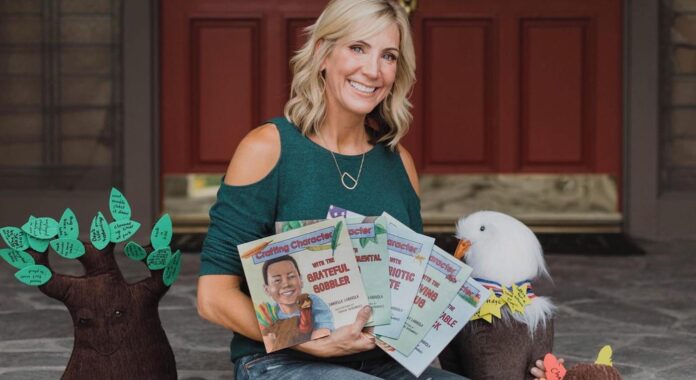
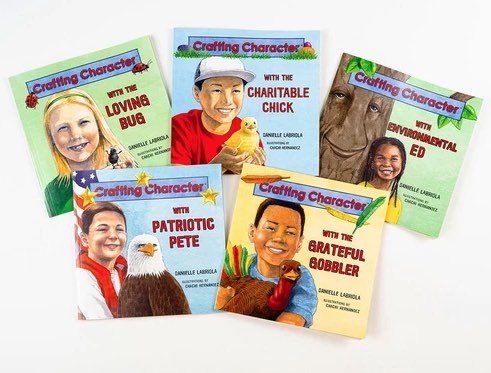
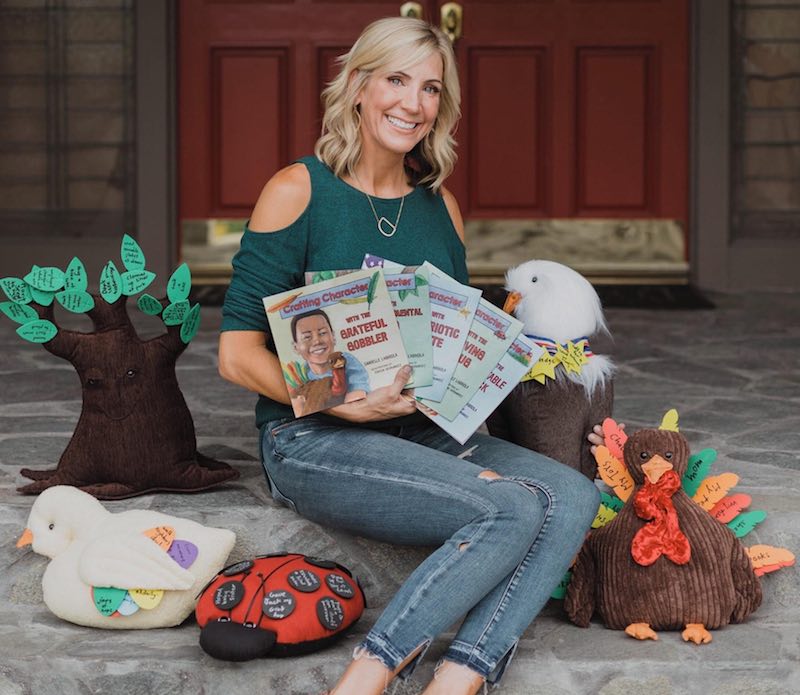
Dani LaBriola, who has 11-year-old twins, created a system called Crafting Character, and says, “it’s a two-step process that requires a pivot in thinking.”

The pivot requires parents to change their focus from inward, on their kids own individual happiness and success, to outward, on how their kids can serve others. This gets one in the right mindset to begin the two-step task ahead: teaching your kids about character and then helping them to create a new habit so it shines through.

First, educating your children about the trait is important so they understand why and how. The research is easy to find and shows that kindness benefits the recipient AND the giver by increasing confidence, improving health, decreasing anxiety and depression, and increasing popularity.

Kindness can be shown in many simple ways—including letting your friend go before you in line, rolling in your neighbors trashcans when they accidentally leave them out, or taking 3 minutes to call you grandparents to let them know you really care.

Second, after teaching about the trait, children must put the trait into practice to create a new habit (this step is the key to seeing change that lasts!) Have your child select a daily act of their own to complete, and then send them out in the world to do it! Not only will they help someone else, they will get to experience all of the wonderful benefits that being kind produces (as shown in the link below).

RELATED: Performing Acts of Kindness Can Boost Both Physical Health and Happiness Levels, Study Finds

The systems that LaBriola created for kids aged 4-10 aim to complete this two-step process using a storybook with corresponding stuffed animals, like a turkey, eagle, ladybug, and duck.

Each story teaches a particular character trait, such as gratitude, and then the plushie, which is missing 14 of its pieces, tracks 14 days of acts as the child completes them. Providing a visual reinforcement for the child, for example, the Loving Bug teaches kids how to be loving and kind, is missing its 14 spots, and slowly grows them as the child completes their acts of kindness.
MORE: UCLA is Launching the World’s First Research Institute on the Science of Kindness

Two of the books recently won first and second place at the CIPA EVVY book competition and they are garnering attention from some experts and teachers. “These books will change the world,” claims the 2016 California Teacher of the Year.

The series of book and plush-toy systems cover 5 traits—love and kindness, charity, gratitude, good citizenship, and conservation. Each book-toy system costa $39.99 on craftingcharacter.com.

“The coolest part about this all is that many of the traits we cover are contagious,” said the author. “If one kid starts to do it, the rest of the kids will follow.”

2021 will be a year of contagion—not only for a coronavirus, but the continuing spread of kindness and giving.

SHARE the Idea to Parents on Social Media…