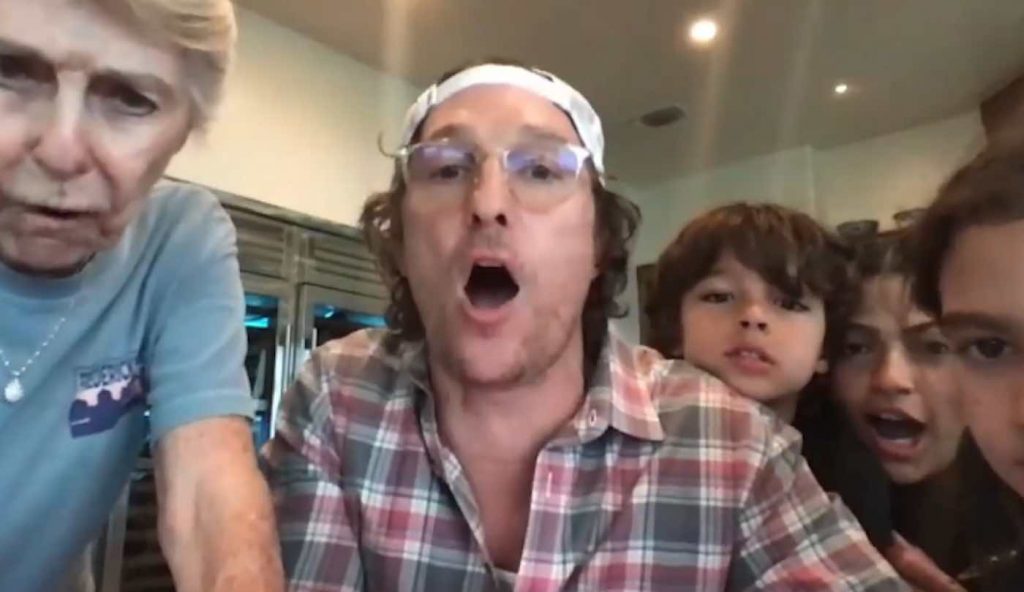
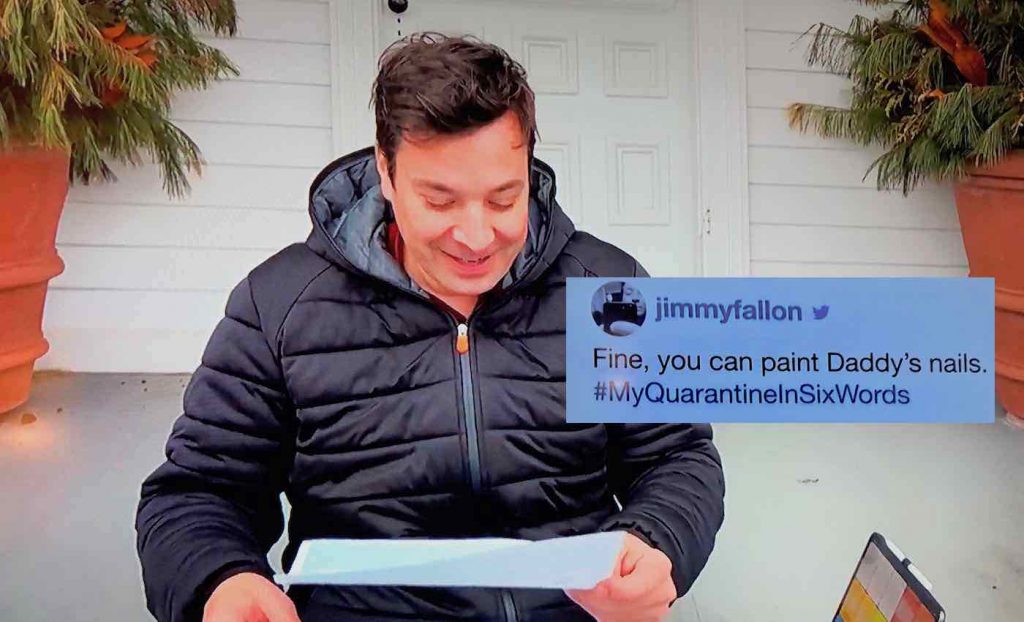
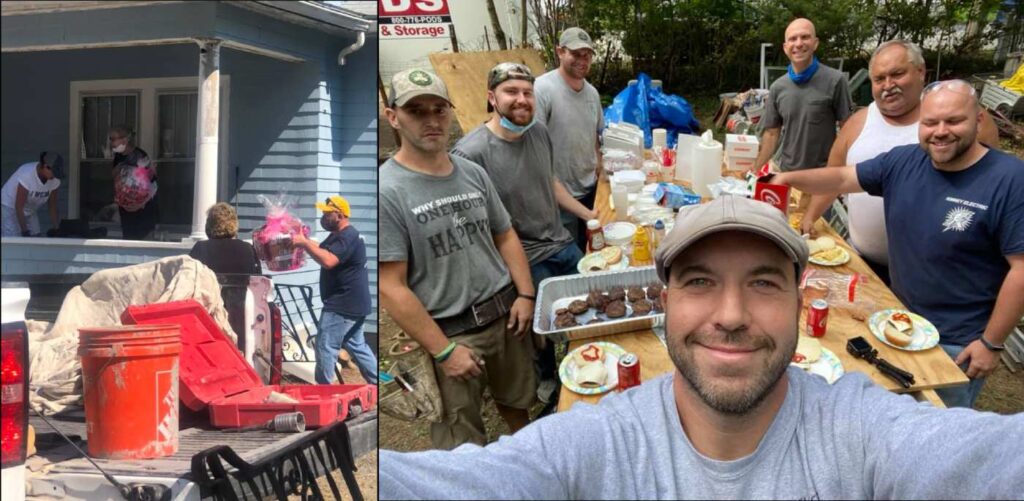
The illusionist Rick Lax was just five years old when he began practicing and performing tricks. His parents bought him a Toys-R-Us magic set, and he loved it.
Through his childhood, he never stopped practicing, and his illusions grew ever more sophisticated and successful.
When it became time to apply to colleges, though, there was no real Hogwart’s or wizarding school to apply to, so Rick studied law. Torts and contracts was never his real passion. But by the age 27, he was back at his first love. Magic.
Lax has since gone on to become an illusion consultant for David Copperfield. He’s helped create and produce magic tv shows.
Now? He’s helping others feel up when the pandemic is getting them down.
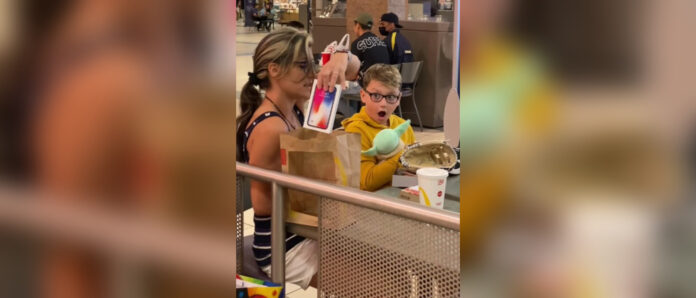
On recently hearing about an upset boy who couldn’t celebrate his birthday with friends, Lax knew just how to cheer him up.
Quote of the Day: “Its pages are blank. We are going to put words on them ourselves. The book is called opportunity and its first chapter is New Year’s Day.” – Edith Lovejoy Pierce
Photo by: Jess Bailey
With a new inspirational quote every day, atop the perfect photo—collected and archived on our Quote of the Day page—why not bookmark GNN.org for a daily uplift?
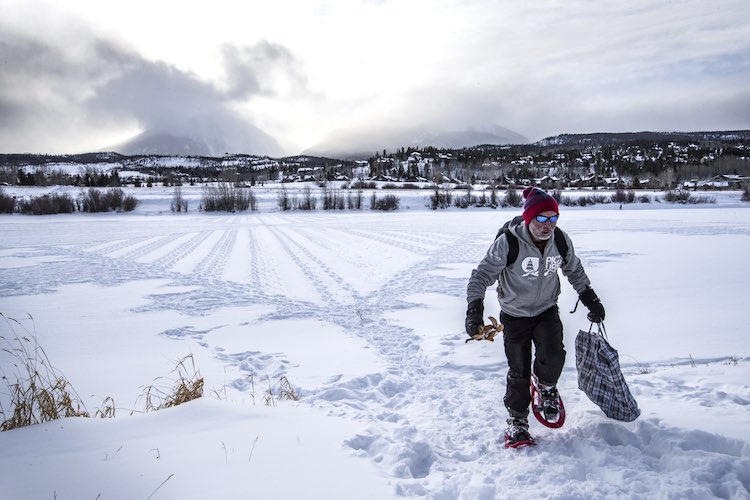
A British artist has created a series of breathtaking snow “drawings” by walking in circles for more than 50 miles.
SWNS
61-year-old Simon Beck had to battle the elements in Silverthorne, Colorado while he created the incredible patterns over a two-week period in January.
SWNS
Beck, who creates the elaborate designs for fun and commission, produced 8 Colorado snow drawings in total, bringing his lifetime tally up to a staggering 300.
SWNS
The intricate designs—best appreciated from above—are inspired by snowflakes, crop circles, and mathematical fractals.
SWNS
He uses sketches and a compass to measure the number of snowshoed steps that will be needed before he sets out for 2 to 6 hours at a time for each individual creation.
SWNS
“There were two drawings that took a day and a half to make and the first was blown away,” said Beck, who is from Taunton, Somerset. “And all the drawings were damaged to an extent by the wind. A quarter of my time was spent reinstating work I had done earlier.”
SWNS
His designs have titles such as “Flower of Life”, “10-Pointed Star”, “Circular Array” and “Koch Snowflake”.
SWNS
Volunteers helped out at various points by alerting Beck if he was about to put a foot down wrong.
SWNS
Be Sure And Share The Breathtaking Photos With Your Friends On Social Media….
According to tradition, January 6th (a.k.a. The Twelfth Day of Christmas) is when you’re supposed to take down your Christmas tree. Sadly, many folks, as they wrap up precious ornaments until next holiday season may find themselves a few keepsakes short.
Ornaments are fragile things. All it takes is curious cat, a running toddler, or even the misguided sweep of a vacuum cleaner sucking up stray needles to destroy a cherished family memento.
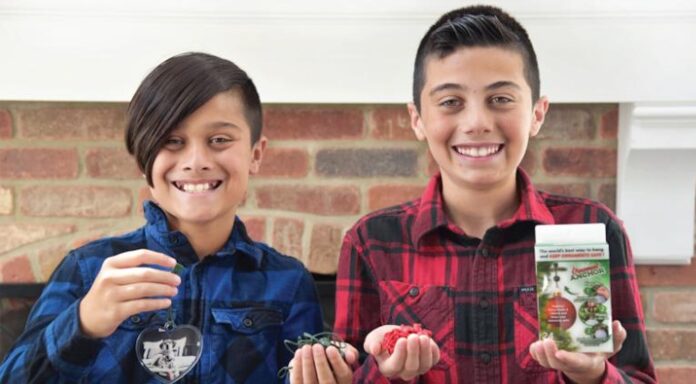
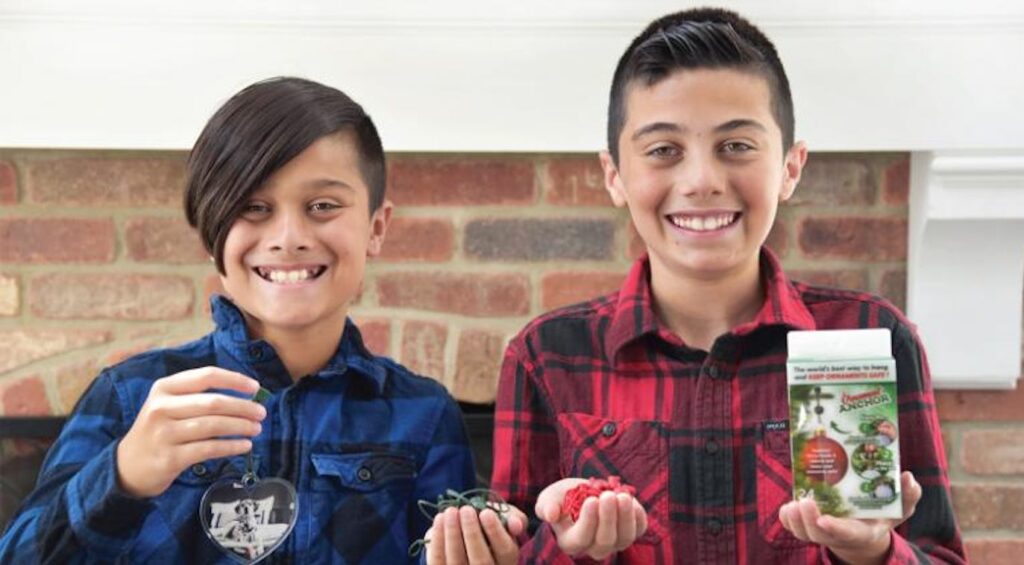
And that’s just what inspired a pair of 12-year-old entrepreneurs to take action.
Brothers Ayaan and Mickey Naqvi, who live in Shelton, Connecticut, were decorating their family Christmas tree last year when one of their favorite ornaments succumbed to the forces of gravity. (The beloved family dog, Zara, whose tail Ayaan describes as an “ornament missile,” may have played a part as well.)
While the tree decoration in question was beyond repair, from its broken shards sprung a bright idea: What if there was a better way to hang ornaments so they’d be truly secure?
Using a loop and toggle system, Ayaan created the prototype and presented it for a school project. The reception was overwhelmingly favorable—so favorable in fact, the boys quickly decided to turn their invention into a potential money-making proposition.
“My brother and I worked together to design the product, patent it, create an awesome website, calculate profit margins and did our own market analysis,” Ayaan told CNN. “We did everything to the point where every month was Christmas.”
This wasn’t the boys’ first commercial invention rodeo: A previous gadget landed the pair and their family on an episode of Shark Tank. While they didn’t cut a deal, it was a true learning experience.
From $1,000 in sales in six hours at a local Christmas trade show, the Ornament anchor went on to be showcased on Good Morning America and featured on QVC. In one year, the brothers’ brainchild has raked in more than $250,000.
Flush with success, Ayaan and Mickey are determined to pay their good fortune forward by donating 10% of their profits to local animal shelters. “Ever since I was super young, I’ve had a fascination with all of life’s creatures,” Ayaan explained. “My goal is to help as many animals in need as I can.”
The boys admit that starting a new business in 2020 has had its challenges. While they’re enjoying their well-earned windfall, adjusting to distance learning and other constraints of the coronavirus lockdown wasn’t easy.
Through the turbulent times, they say they’ve just tried to take things one step at a time and keep a positive attitude because that—along with the love and support of their family—are what keeps them anchored.
SHARE The Boys’ Story and Their Festive Invention With Friends…
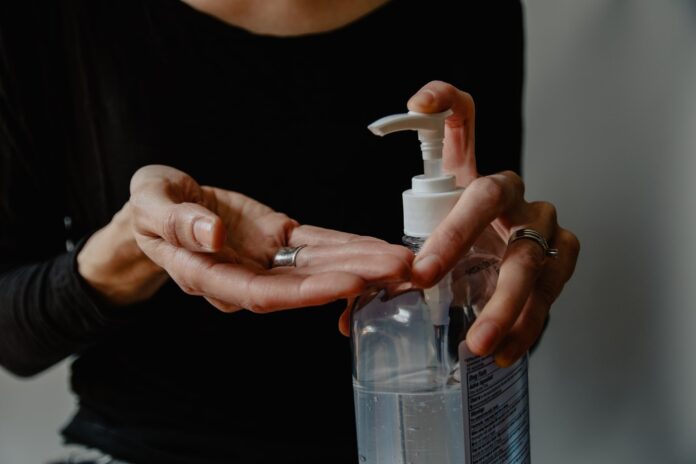
Hand sanitizer is a much-needed safety item as the COVID-19 pandemic rages on, but many organizations are reeling from overstretched budgets and don’t have the money to keep up with the demand they have for basic protective supplies. Florida’s Kira Labs wants to help—by giving away one million tubes of its Medyskin Hand Sanitizer to groups in need.
Kira Labs
The company is ready to ship to hospitals, schools and nonprofits in need: Interested groups can submit a form at this link to request a minimum of 2,500 and up to a maximum of 20,000 2.5-ounce tubes of 70% alcohol hand sanitizer while supplies last.
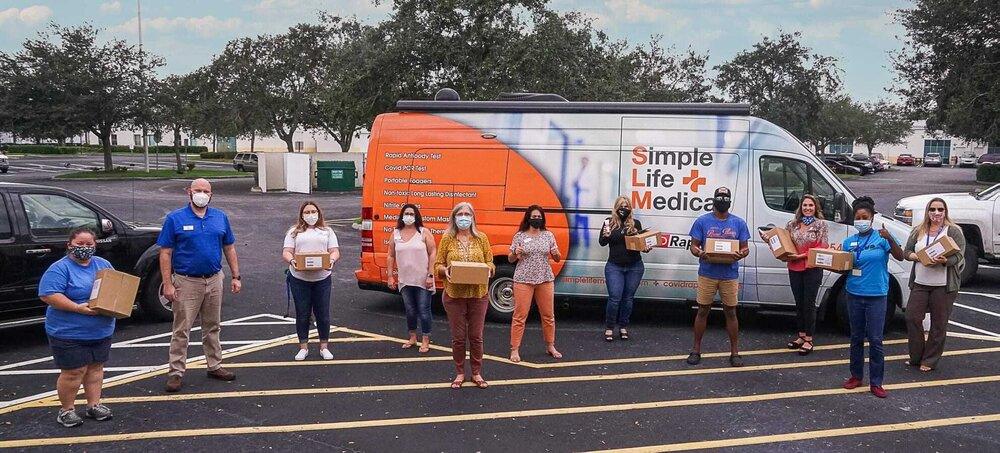
Several South Florida organizations have already benefited from the generosity of Kira Labs and its partner Simple Life Medical. Orange County was the recipient of 100,000 tubes, a local chapter of the Salvation Army received 20,000, and 10,000 hand sanitizer tubes were delivered to the Orlando Airport. Thousands more have gone to community partners such as Boys & Girls Club of St. Lucie County, Little Smiles, and the Delray Housing Authority.
Early on in the pandemic, Kira Labs and a partner was providing a a truckload per day of its antimicrobial hand wash to the healthcare workers at the emergency hospital for coronavirus patients at New York City’s Javits Center.
Kira Labs
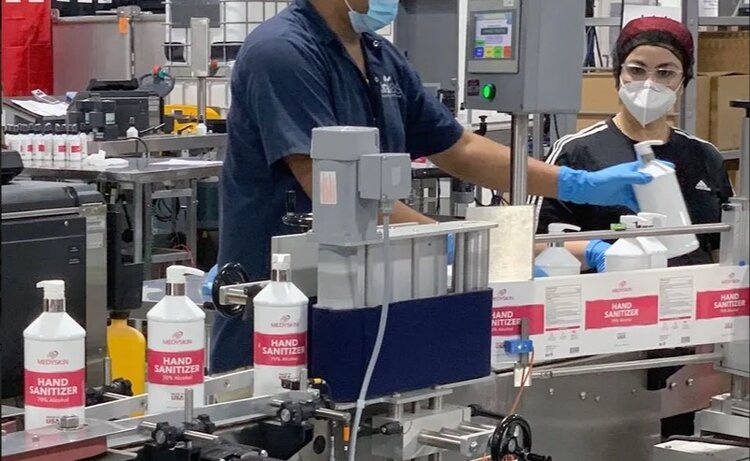
The company—which specializes in creating cosmetics such as body washes and face serums—hired over 20 additional employees to meet demand, doubling its production per person to get hand sanitizer to the places that need it.
“There’s no better feeling than helping others,” says CEO David Rosen. “This pandemic experience has impacted our organization in many positive ways, increasing our sense of teamwork and a commitment to keeping ourselves and others safe. We hope these donations will benefit many wonderful people and causes.”
SHARE This Story of Generosity With Friends on Social Media…
One UPS worker in Virginia didn’t just receive a cash gift or Christmas card this December as thanks for their hard work through the pandemic.
ABC News/YouTube
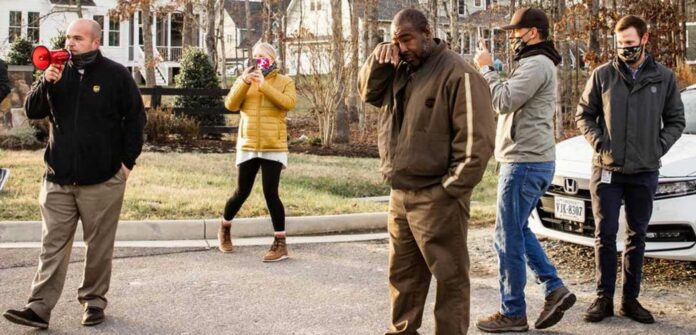
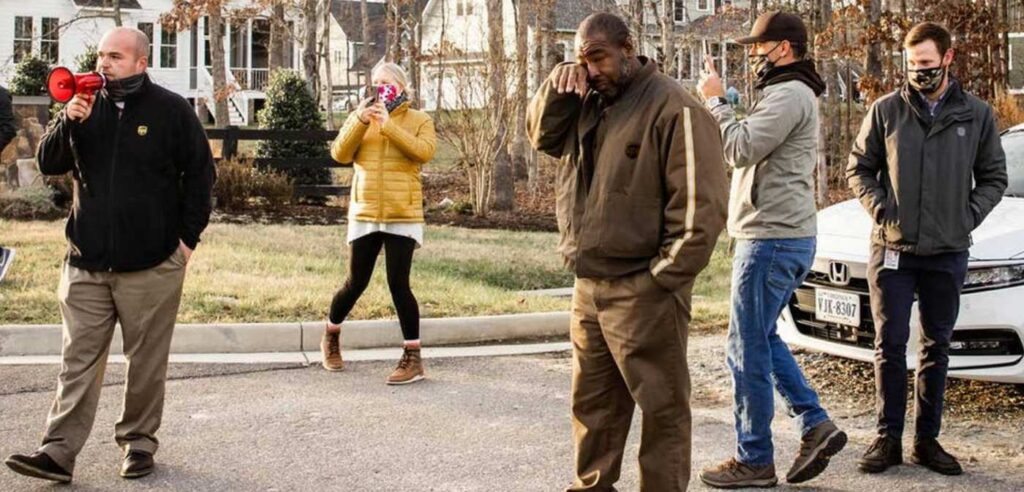
Hundreds of local residents stood outside their homes and clapped for their favorite delivery driver Anthony Gaskin as he drove slowly by the parade.
Over 100 Midlothian locals honked the horns on their cars; they rang their bicycle bells, they held up homemade signs—they applauded in every way they could. Anthony’s supervisors were even there to give a gift to him.
One resident explained why it was important to her to thank the UPS driver in a big way: “Through COVID, Anthony has continued working, delivering packages at our doors, record numbers of them, over 180 times to date,” Patty Friedman, who organized the event, said to WTVR in an email.
“I wanted to thank him personally for how much he helped me feel welcome when I moved in during a pandemic. It was terribly lonely and he was always the highlight of my day. Mentioning this to a few people and the response I got was all I needed to know I was not alone.”
(WATCH Anthony receive his hero’s welcome in the video below.)
RING Your Bell for This Sweet Story by Sharing it on Social Media…
Quote of the Day: “What the new year brings to you will depend a great deal on what you bring to the new year.” – Vern McLellan
Photo by: Matt Popovich
With a new inspirational quote every day, atop the perfect photo—collected and archived on our Quote of the Day page—why not bookmark GNN.org for a daily uplift?
An incredible Florida display featuring 89-acres of holiday lights is helping kids with critical illnesses this winter.
SWNS
The sets include a giant mushroom, an ice-cream palace spaceship, and a giant upside down toy box. They all illuminate the night sky in Kissimmee as a part of ‘Night of a Million Lights’—a walk-through show made up of, in fact, over 3.2 million lights.
Give Kids The World, a non-profit resort that provides vacations for sick children and their families, opened the dazzling display in November—and the proceeds will be used to support the granting of children’s wishes when the village reopens in January 2021.
“It’s just taking advantage of all of the whimsical things we have and bringing them to life with color and lights,” said Pamela Landwirth, President and CEO of Give Kids The World.
A 150-foot tunnel, a gingerbread arch, and an entire mini-golf course are part of the 45 villas that have been lit up with lights donated by the Walt Disney World Resort.
SWNS
Launched in 1986, the charity normally serves over 8,000 families from all 50 states and over 70 countries in a year.
After having to temporarily close their doors in March due to COVID-19, they began thinking of ways to continue to bring joy to people.
Since its opening, nearly every night of the socially distanced light event has been sold out.
SWNS
The show is projected to gross more than $3 million in charitable proceeds, with 90 cents of every dollar going to directly fulfil the wishes of critically ill children during their stay at the Village.
“We look forward to sharing some holiday joy with the community,” said Pamela, “while making it possible for future wish children to have their wishes fulfilled.”
(WATCH the bright video featuring 3 million twinkling lights.)
SHARE the Light and Send This Sparkling Story to Friends…
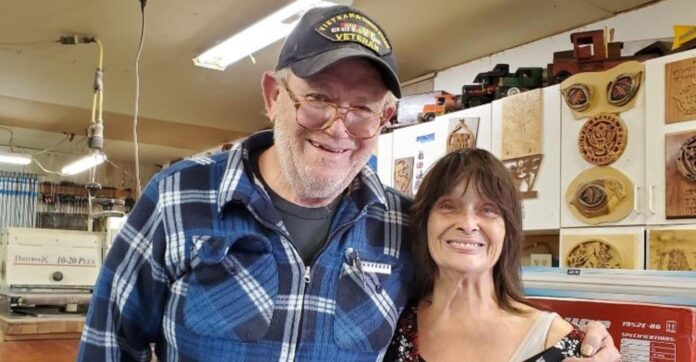
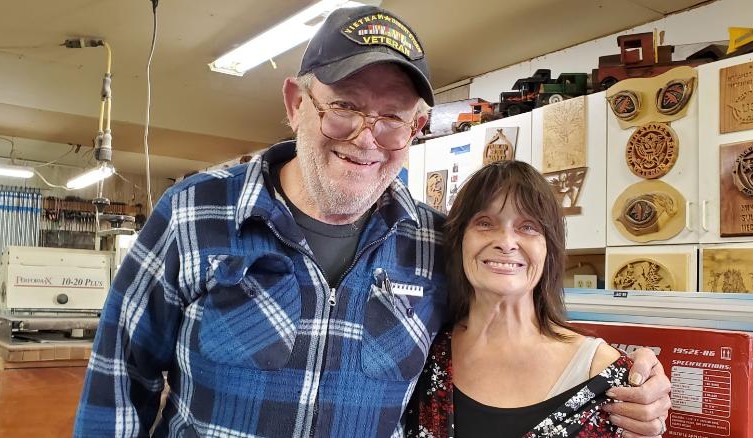
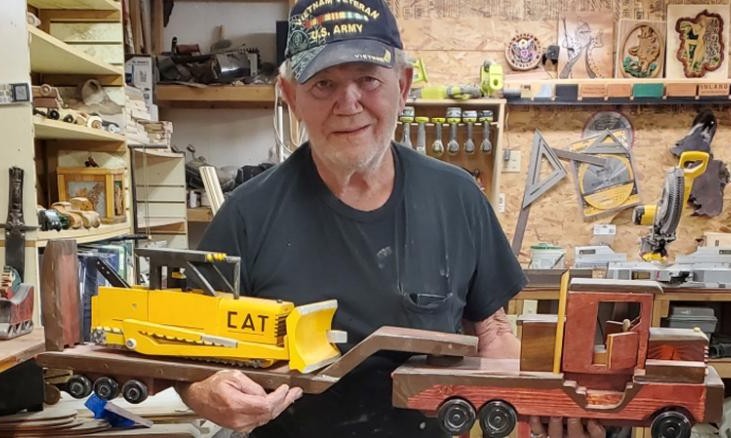
Anyone who believes Christmas comes but once a year has obviously never met Mike and Judy Sullivan. The couple, who recently celebrated their 50th wedding anniversary, spend most days making toys in the workshop of their Desert Hot Springs, California home that they then donate to local charities each holiday season.
Sierra Sullivan
When Mike, a 72-year-old, 26-year army vet retired, he and Judy signed up for a woodworking club. It started as a hobby, but after witnessing the yuletide happiness their handmade playthings brought local families, it became their new vocation. Seven years on, the pair continues to churn out toys at a pace that would give Santa’s elves a run for their money.
Mike is in charge of toy production while Judy handles decoration and quality control. Their 15 grandchildren and four great-grandchildren serve as testers and focus groups.
Mike Sullivan’s love of woodworking is something of a family tradition. Sullivan grew up in Montana. His dad was a miner. The family didn’t have a lot of money, but both his elder brothers were carpenters, so many of the Christmas presents he received as a child were homemade.
“Most of the things I got were handmade toys. They were wonderful toys, I know how much I enjoyed them and just hope that kids that get them now still do,” he told CNN.
Sierra Sullivan
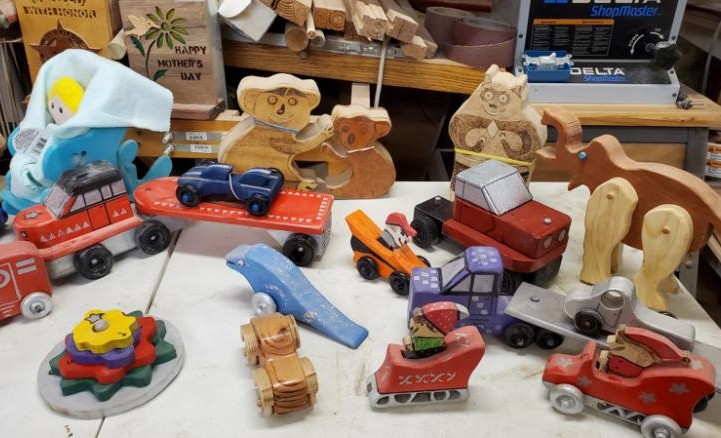
This year, the pandemic meant many families didn’t have funds to cover non-essentials, which made the Sullivans’ mission more important than ever. Mike and Judy embraced the challenge, creating and distributing close to 1,400 toys that included animal figures, puzzles, and trucks, to name just a few.
COVID-19 also meant they had to be mindful of social distancing, masking, and scheduling, but the couple persevered.
The Sullivans’ toys made their way to a local kindergarten class, Coachella Valley Rescue Mission, a food pantry, and other charitable organizations—all of them free of charge (including postage for items sent out of state as far as Indiana and Texas).
With their out of pocket costs estimated at close to $19,000 last year, the Sullivans launched a GoFundMe page to ensure they’d be able to keep the flow of toys coming. (Mike’s hoping to purchase a 3-D laser printer so he can kick production into a higher gear.)
Mike and Judy say they plan to continue making toys as long as they’re able. “We’re both in good health and are able to be out here six to seven days a week for eight to 10 hours,” Sullivan told CNN. “It’s so much fun, it feels like home here in the shop working things out.”
Sierra Sullivan
Mike admits that while they very rarely get a chance to see the kids as they receive their gifts, just knowing a family’s Christmas will be much merrier thanks to their efforts makes it all worthwhile.
“It makes me feel very very warm inside. I love it,” Judy told KESQ-TV News 3. “I wouldn’t change anything for the world.”
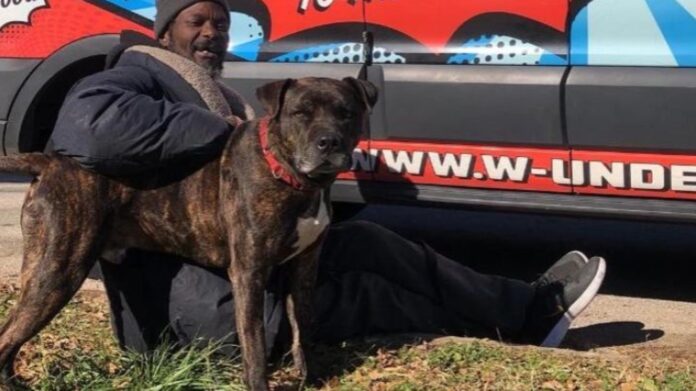
Keith Walker has been homeless since he was 13 years old. The one constant in this 53-year-old’s life these days: his dog, Bravo. Never certain of his own circumstances, to keep him safe, Walker arranged with Gracie Hamlin, founder of W-Underdogs, to let Bravo spend his nights at the facility.
Keith Walker, GoFundMe
On December 18, as Walker arrived to take Bravo for a walk, he found the shelter engulfed in flame. Without hesitation, Walker rushed into the inferno to save the animals.
“I was nervous as hell, I’m not going to lie. I was really scared to go in there with all that smoke. But God put me there to save those animals,” he told CNN. “If you love a dog, you can love anyone in the world. My dog is my best friend, and I wouldn’t be here without him, so I knew I had to save all those other dogs.”
According to Hamlin, the firefighters at the scene had called animal control to take charge of rescuing the home’s furry residents, but with the fire raging, Walker refused to wait. Scared as he might have been, Walker pulled every one of the animals—six dogs and 10 cats—to safety.
“He is my guardian angel…I can’t thank him enough for saving my animals,” Hamlin said. “I’m still in disbelief… I’ve been around a fire and I know how fast they flare up.”
The fire, which started in the kitchen, ultimately rendered the facility uninhabitable. Fortunately, the animals were already slated to be moved into W-Underdog’s new Atlanta-based facility in a week’s time, and all are doing well.
As word of Walker’s bravery spread, a GoFundMe campaign was launched to make life a little more certain for “The Atlanta Animal Shelter Hero” and his sidekick, Bravo.
“…Mr. Walker, you’re an extraordinary gentleman, risking life and limb to save not only dogs, but the cats in the shelter as well, which would have been far more difficult,” commented a donor who made a $50 contribution. “I can’t wait to see you on the news in a fresh apartment with a new start. You’ve earned it, man.”
That sentiment was echoed by many. So far, more than $37,000 has been raised.
While dealing with a person caught up in a cycle of long-term homelessness “is complicated,” the campaign’s founder has vowed that all monies taken in will be put toward making a better future for the man who risked his own life to save the lives of helpless animals.
SHARE This Hero’s Story With Pals on Social Media…
It’s truly been a year like no other, yet people around the world have done so much good in 2020.
Scientists have not just been working on COVID vaccines, researchers have made major diabetes breakthroughs, discovered new cancer therapies, and launched critical green innovations to make the world a better place for us all.
And though this year has been difficult for our favorite restaurants and bars, and people losing jobs—millions of people have done whatever it takes to keep them afloat.
From all of us at GNN, thank you to our readers, for your hilarious and heartwarming comments, and for sharing our positive stories with your friends.
With everyone proclaiming, ‘Good Riddance to 2020’, we can’t help but bask in the magnificent glow of kindness, resilience, and personal growth that has emerged…
Remembering #CovidKindness
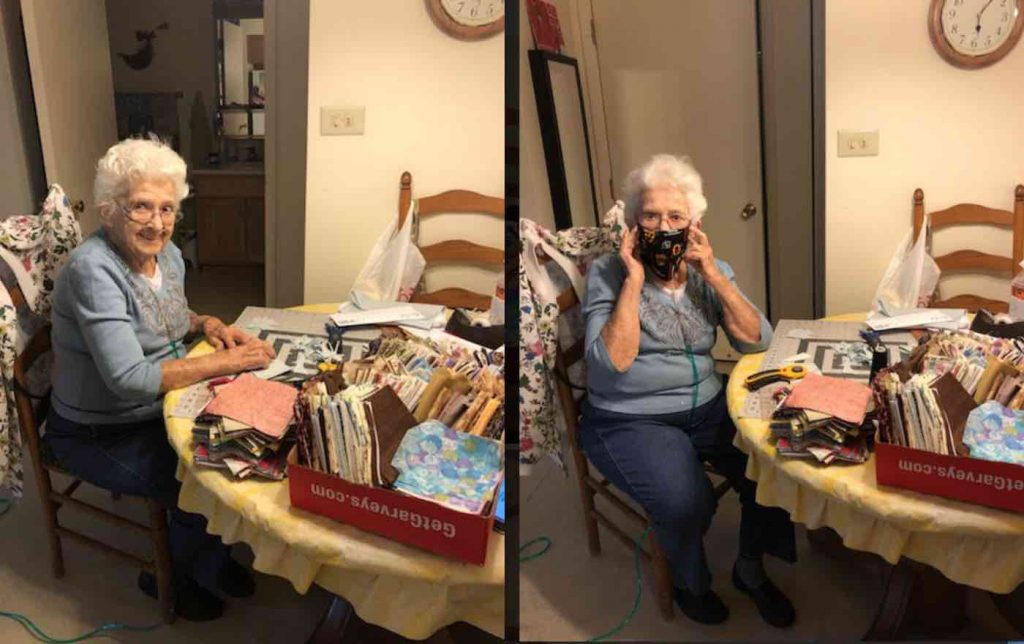
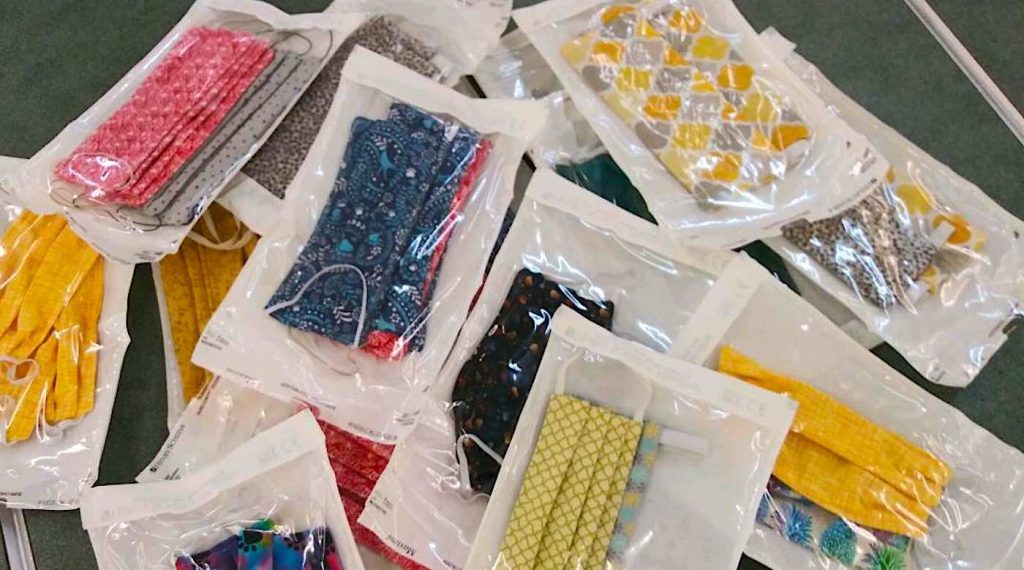
1. 89-Year-Old Sews 600 Masks While Listening to The Beatles
Amy Szabo
Watch this young-hearted senior as she sews homemade face masks for all her friends, family, and community members—while jamming out to The Beatles.
The activities director for a London nursing home, Robert Speker, shot photos of seniors recreating classic album covers while in lockdown and donated calendar proceeds to an Alzeimer’s organization.
Embracing the Earth with green good news…
21. The Guys Who Sell Ocean Plastic Bracelets Have Surpassed 12 Million Pounds of Waste Pulled From the Sea
Photo by 4Ocean
The company that has been selling $20 plastic bracelets made of ocean plastic is expanding operations and succeeding in a big way.
22. His Invention For Renewable Energy Inspired by the Physics of Northern Lights Won the 2020 Dyson Prize
Quote of the Day: “The real glory is being knocked to your knees and then coming back. That’s real glory. Thats the essence of it.” – Vince Lombardi
Photo by: Ben White
With a new inspirational quote every day, atop the perfect photo—collected and archived on our Quote of the Day page—why not bookmark GNN.org for a daily uplift?
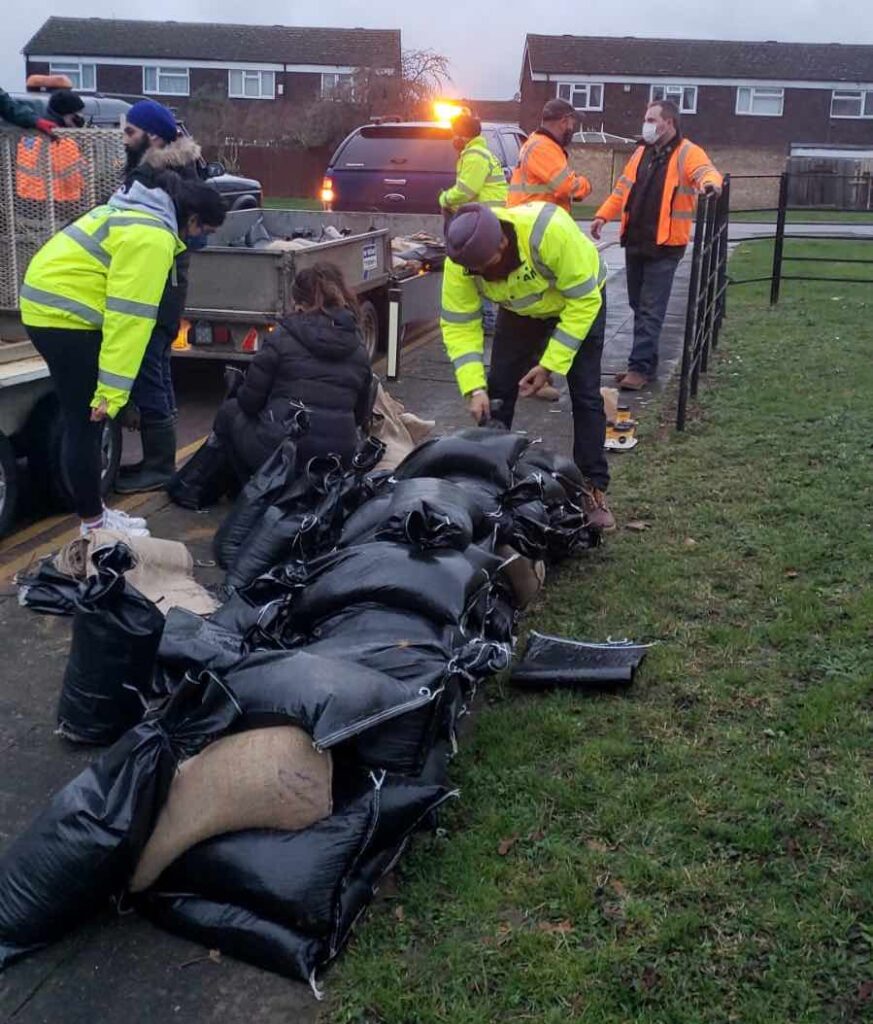
Indy, 31, described the 12-hour days which began December 12 and ended Christmas Day when they handed out Dominos pizza and hot meals provided by a local temple led by Guru Nanak Barbar in Kent.
“A hot meal goes a long way when you’re feeling stranded and lonely—and I hope we lifted the spirits of the lorry drivers,” he said.
But no sooner had they arrived home on Christmas night they were already gearing up for their next mission.
By 2pm the next day, the Boxing Day holiday in Britain, a team of 12 volunteers from Khalsa Aid had filled 1,000 sandbags and worked until 8pm that night to distribute them.
“We’ve helped out with floods before, such as in Somerset in 2014, so we knew what we needed to do, and just dug in.”
More than 1,500 truckers were caught in gridlock limbo waiting to leave the UK after France shut its border due to coronavirus fears, and a new outbreak in England. Some drivers found places to stay, while others spent nights in their vehicles, waiting for information on when they could get home. Thousands of Covid-19 tests were being administered in an effort to clear the highway, so that those with negative test results could cross the border.
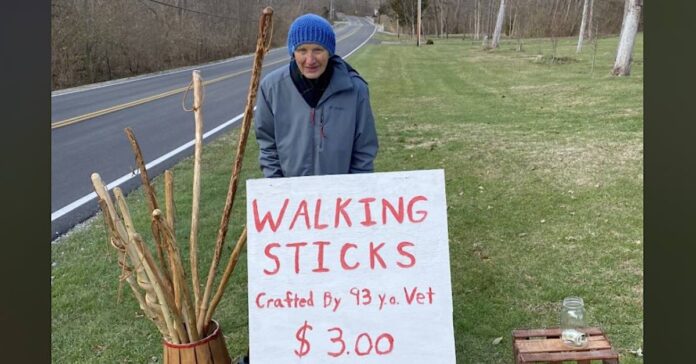
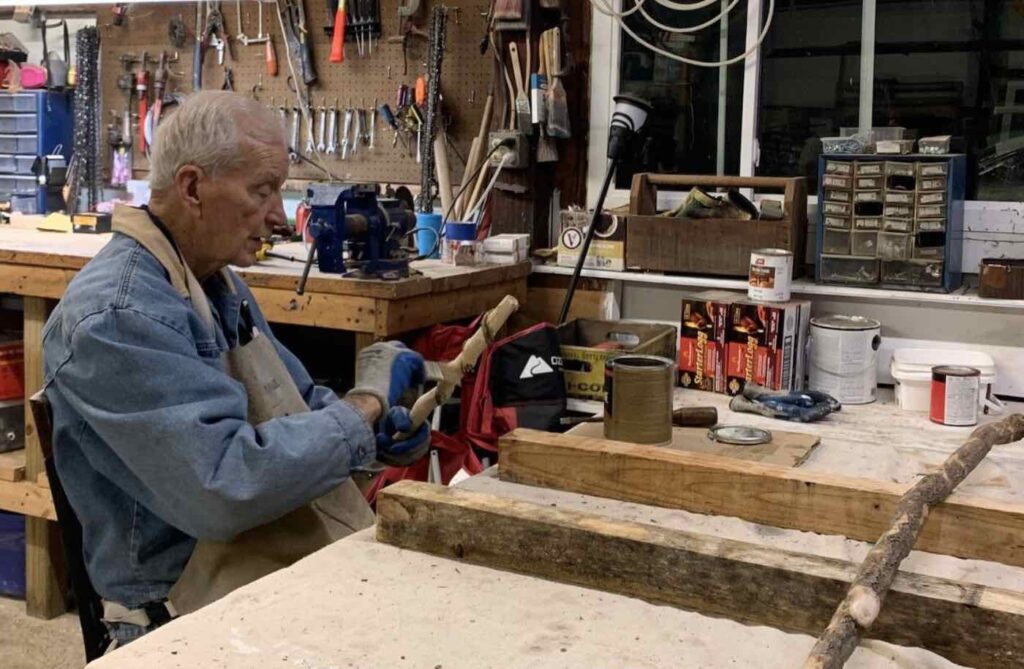
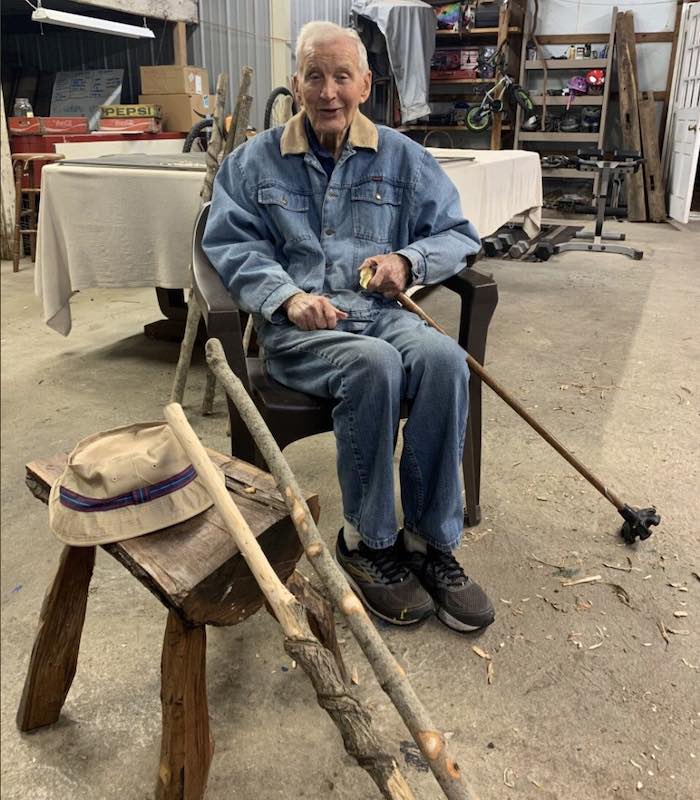
When the going gets tough, the tough keep going, or at least that’s what you do when you’re a 93-year-old retired Air Force Colonel—and John Hobson likes to keep busy.
Courtesy of John Hobson
“If he just got put somewhere and told him to sit down, he’d go crazy,” his son Mark Hobson, told WKEF-TV.
In 2020, Hobson occupied himself by handcrafting close to 100 walking sticks, the proceeds of which, he donated to a local Ohio charity outreach group, the Xenia Area Fish Food Pantry.
“He’s just a sweet man who gives a darn about other folks who don’t have [anything],” Mark Hobson said.
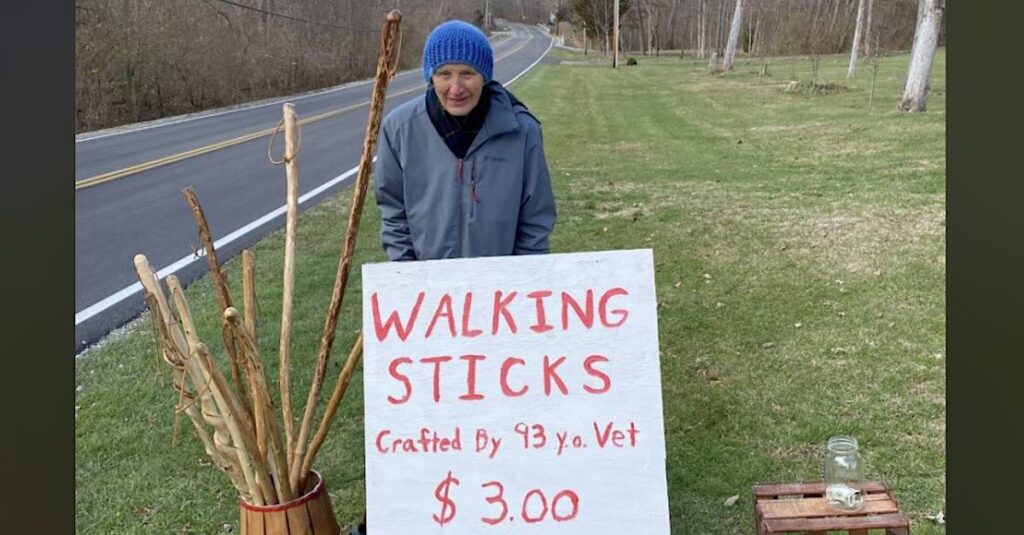
To sell his wares, Hobson set up a roadside stand in his front yard. The price was beyond reasonable: $3.00 each, or a food pantry donation.
Not surprisingly, the senior whittling-wonder was sold out in just a few days, having earned about $600.
Wanting to do more, Hobson and his family set up a GoFundMe page which has since raised $9,565 in cash for the Xenia Area Fish Food Pantry. All told, donations from the sale of the walking sticks, the GoFundMe campaign, and additional donations made in Hobson’s name total close to $16,000.
“Thank you for doing a very kind thing to make Grandpa happy and to make a difference for so many in our community,” Hobson’s granddaughter Jenny Denen wrote. “We have been so touched by your kindness and generosity.”
“We have been told by the pantry that a $1 donation generates five pounds of food. That means that we have helped the pantry be able to distribute about 40 tons of food to the Xenia community! What a massive blessing to those in need during this very difficult time.
Staying busy is certainly one factor that keeps Hobson hard at work, but his main motivation is likely more simple. He says knowing that he’s still able to help others in need in a meaningful way just makes him feel good.
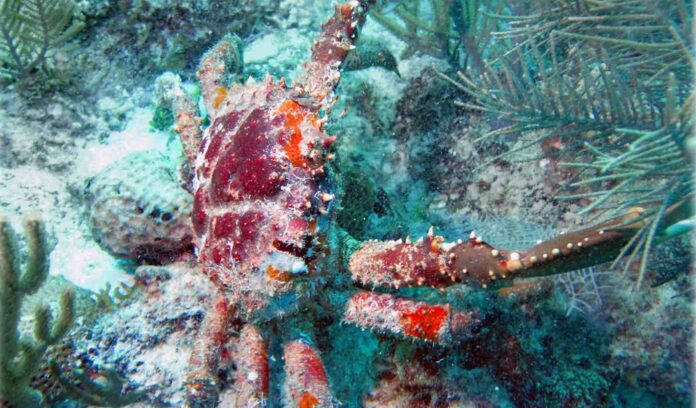
Caribbean king crab on coral reef by Angelo Jason Spadaro
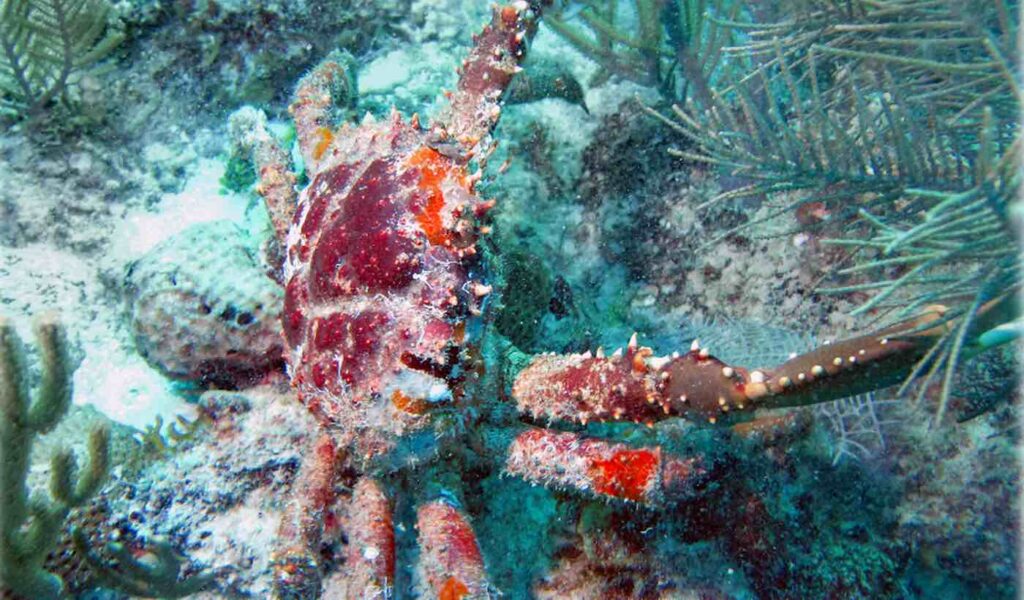
Researchers in the Florida Keys have determined that coral reefs can be saved from invasive seaweed with the help of a particular species of crab lovingly called the “reef goat”.
Caribbean king crab on coral reef by Angelo Jason Spadaro
The new study from Florida International University determined that not only can the Caribbean king crab munch the corals free of seaweed faster than all methods involving human hands, but that the increase of coral reproduction spawned a boom in reef fish numbers as well.
All types of marine habitat are important. Seaweed meadows and coral reefs both play vital roles in the health of the ocean and the health of our communities.
However in the same way that a mountain lion, which provides a valuable service by preying on diseased or elderly deer, wouldn’t be helping anyone if it took up residence in an office building, seaweed largely prevents coral from their key function in the ecosystem, just like the lion would prevent any of the terrified office workers from doing their work.
The researchers comment in their paper on the evidence of long-standing competition between seaweeds and corals.
This competition has been influenced heavily for over a century now by overfishing, climate change, and coral diseases, which resulted in many reefs being now too weak or too depleted to compete with seaweed.
Seaweeds too often are blocking sunlight from reaching the baby corals, while simultaneously releasing chemicals that prevent the corals from reproducing—as well as making them more susceptible to disease.
The voracious reef goats
The researchers hypothesized that if sufficiently distributed, the Caribbean king crab, the largest herbivore crustacean in the region, could clean corals free of clinging seaweed faster than human scrubbing, so they conducted a case-control study where they released reef goats on some reefs and let some others remain crab-less.
“We’ve had a lot of experience raising these crabs for human consumption, but I started looking at what their ecological role was on coral reefs. And they are like reef cows, or better yet, reef goats, because they will eat almost any type of algae, and they eat a lot of it,” Mark Butler from Florida International University, a co-author on the study, told Florida Keys News.
Butler, who worked on the research with Angelo Jason Spadaro, a professor at the College of the Florida Keys, said the voracious Caribbean king crabs (Maguimithrax spinosissimus) are prolific coral reef grazers.
Eating algae at a rate higher than any other grazer, including some species that can protect themselves from predation with chemicals or other defense strategies, the crabs were able to reduce seaweed cover by 80% compared to some reefs, while a 3 to 5 fold increase of both baby corals and fish species added to the successful outcome.
The study also boasts something becoming rare in many scientific fields of study — reproducibility.
“The generality of our results was validated by nearly identical results in two separate field experiments conducted at different locations and in different years,” write the authors.
On dry land, goats have been used as ground clearers for thousands of years, as they eat everything from clover and grasses to poison oak and invasive blackberry thorns.
Hopefully, the brilliant results from Butler and his team can solidify Caribbean king crabs as their benthic equivalent at the bottom of the sea.
SHARE This Claw-some News With Coral Lovers on Social Media…
Quote of the Day: “The shoe that fits one person pinches another; there is no recipe for living that suits all cases.” – Carl Jung, MD
Photo by: Arvee Eco, CC license
With a new inspirational quote every day, atop the perfect photo—collected and archived on our Quote of the Day page—why not bookmark GNN.org for a daily uplift?
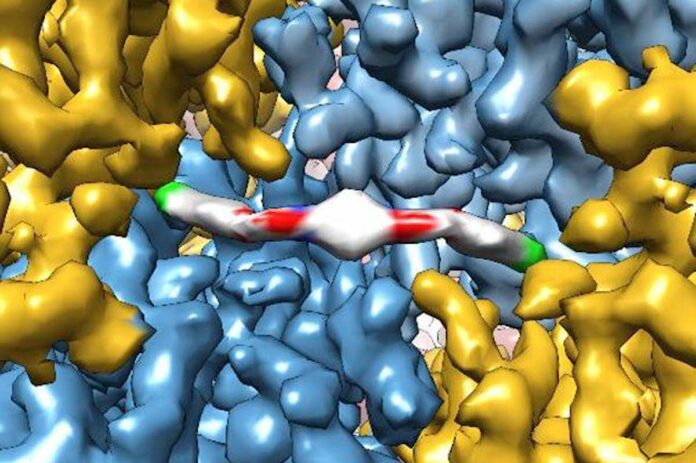
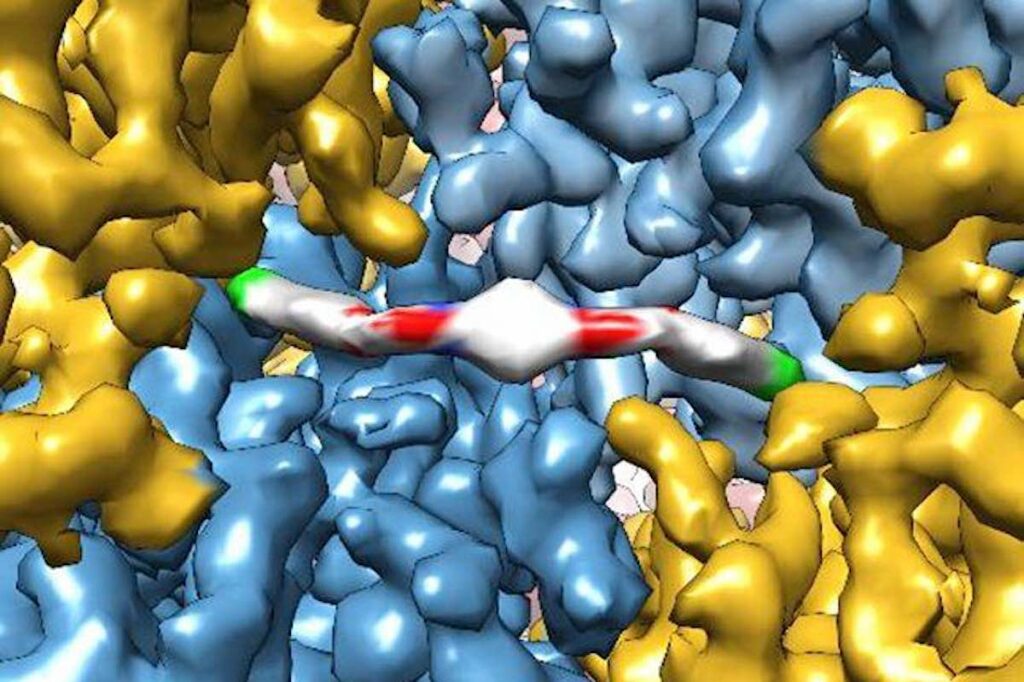
ISRIB molecule - image by the Adam Frost lab at UCSF
Just a few doses of an experimental drug that reboots protein production in cells can reverse age-related declines in memory and mental flexibility in mice, according to a new study by UC San Francisco scientists.
The drug, called ISRIB, has already been shown in laboratory studies to restore memory function months after traumatic brain injury (TBI), reverse cognitive impairments in Down Syndrome, prevent noise-related hearing loss, fight certain types of prostate cancer, and even enhance cognition in healthy animals.
In the new study, published Dec. 1 in the open-access journal eLife, researchers showed rapid restoration of youthful cognitive abilities in aged mice, accompanied by a rejuvenation of brain and immune cells that could help explain improvements in brain function—and with no side effects observed.
“ISRIB’s extremely rapid effects show for the first time that a significant component of age-related cognitive losses may be caused by a kind of reversible physiological “blockage” rather than more permanent degradation,” said Susanna Rosi, PhD, Lewis and Ruth Cozen Chair II and professor in the departments of Neurological Surgery and of Physical Therapy and Rehabilitation Science.
“The data suggest that the aged brain has not permanently lost essential cognitive capacities, as was commonly assumed, but rather that these cognitive resources are still there but have been somehow blocked, trapped by a vicious cycle of cellular stress,” added Peter Walter, PhD, a professor in the UCSF Department of Biochemistry and Biophysics and a Howard Hughes Medical Institute investigator. “Our work with ISRIB demonstrates a way to break that cycle and restore cognitive abilities that had become walled off over time.”
Rebooting cellular protein production holds key to aging
Walter has won numerous scientific awards, including the Breakthrough, Lasker and Shaw prizes, for his decades-long studies of cellular stress responses. ISRIB, discovered in 2013 in Walter’s lab, works by rebooting cells’ protein production machinery after it gets throttled by one of these stress responses – a cellular quality control mechanism called the integrated stress response (ISR; ISRIB stands for ISR InhiBitor).
The ISR normally detects problems with protein production in a cell—a potential sign of viral infection or cancer-promoting gene mutations—and responds by putting the brakes on cell’s protein-synthesis machinery. This safety mechanism is critical for weeding out misbehaving cells, but if stuck in the ‘on’ position in a tissue like the brain, it can lead to serious problems, as cells lose the ability to perform their normal activities, according to Walter and colleagues.
ISRIB molecule – image by the Adam Frost lab at UCSF
In particular, their recent animal studies have implicated chronic ISR activation in the persistent cognitive and behavioral deficits seen in patients after TBI, by showing that, in mice, brief ISRIB treatment can reboot the ISR and restore normal brain function almost overnight.
The cognitive deficits in TBI patients are often likened to premature aging, which led Rosi and Walter to wonder if the ISR could also underlie purely age-related cognitive decline. Aging is well known to compromise cellular protein production across the body, as life’s many insults pile up and stressors like chronic inflammation wear away at cells, potentially leading to widespread activation of the ISR.
“We’ve seen how ISRIB restores cognition in animals with traumatic brain injury, which in many ways is like a sped-up version of age-related cognitive decline,” said Rosi, who is director of neurocognitive research in the UCSF Brain and Spinal Injury Center and a member of the UCSF Weill Institute for Neurosciences. “It may seem like a crazy idea, but asking whether the drug could reverse symptoms of aging itself was just a logical next step.”
Signature effects of aging disappeared literally overnight
In the new study, researchers led by Rosi lab postdoc Karen Krukowski, PhD, trained aged animals to escape from a watery maze by finding a hidden platform, a task that is typically hard for older animals to learn. But animals who received small daily doses of ISRIB during the three-day training process were able to accomplish the task as well as youthful mice—and much better than animals of the same age who didn’t receive the drug.
The researchers then tested how long this cognitive rejuvenation lasted and whether it could generalize to other cognitive skills. Several weeks after the initial ISRIB treatment, they trained the same mice to find their way out of a maze whose exit changed daily – a test of mental flexibility for aged mice who, like humans, tend to get increasingly stuck in their ways. The mice who had received brief ISRIB treatment three weeks before still performed at youthful levels, while untreated mice continued to struggle.
To understand how ISRIB might be improving brain function, the researchers studied the activity and anatomy of cells in the hippocampus, a brain region with a key role in learning and memory, just one day after giving animals a single dose of ISRIB. They found that common signatures of neuronal aging disappeared literally overnight: neurons’ electrical activity became more sprightly and responsive to stimulation, and cells showed more robust connectivity with cells around them while also showing an ability to form stable connections with one another usually only seen in younger mice.
The researchers are continuing to study exactly how the ISR disrupts cognition in aging and other conditions and to understand how long ISRIB’s cognitive benefits may last. Among other puzzles raised by the new findings is the discovery that ISRIB also alters the function of the immune system’s T cells, which also are prone to age-related dysfunction. The findings suggest another path by which the drug could be improving cognition in aged animals, and could have implications for diseases from Alzheimer’s to diabetes that have been linked to heightened inflammation caused by an aging immune system.
“This was very exciting to me because we know that aging has a profound and persistent effect on T cells and that these changes can affect brain function in the hippocampus,” said Rosi. “At the moment, this is just an interesting observation, but it gives us a very exciting set of biological puzzles to solve.”
Success shows the ‘serendipity’ of basic research
Rosi and Walter were introduced by neuroscientist Regis Kelly, PhD, executive director of the University of California’s QB3 biotech innovation hub, following Walter’s 2013 study showing that the drug seemed to instantly enhance cognitive abilities in healthy mice. To Rosi, the results from that study implied some walled-off cognitive potential in the brain that the molecule was somehow unlocking, and she wondered if this extra cognitive boost might benefit patients with neurological damage from traumatic brain injury.
The labs joined forces to study the question in mice, and were astounded by what they found. ISRIB didn’t just make up for some of the cognitive deficits in mice with traumatic brain injury – it erased them. “This had never been seen before,” Rosi said. “The mantra in the field was that brain damage is permanent – irreversible. How could a single treatment with a small molecule make them disappear overnight?”
Further studies demonstrated that neurons throughout the brains of animals with traumatic brain injury are thoroughly jammed up by the ISR. Using ISRIB to release those brakes lets brain cells immediately get back to their normal business. More recently, studies in animals with very mild repetitive brain injury – akin to pro athletes who experience many mild concussions over many years – showed that ISRIB could reverse increased risk-taking behavior associated with damage to self-control circuits in the frontal cortex.
“It’s not often that you find a drug candidate that shows so much potential and promise,” Walter says, calling it “just amazing”.
No side effects
One might think that interfering with the ISR, a critical cellular safety mechanism, would be sure to have serious side effects, but so far in all their studies, the researchers have observed none. This is likely due to two factors. First, it takes just a few doses of ISRIB to reset unhealthy, chronic ISR activation back to a healthier state. Second, ISRIB has virtually no effect when applied to cells actively employing the ISR in its most powerful form – against an aggressive viral infection, for example.
ISRIB has been licensed by Calico, a South San Francisco, Calif. company exploring the biology of aging, and the idea of targeting the ISR to treat disease has been picked up by many other pharmaceutical companies, Walter says.
“It almost seems too good to be true, but with ISRIB we seem to have hit a sweet spot for manipulating the ISR with an ideal therapeutic window,” Walter said.
Get more links to background studies from original article from UCSF News.
SHARE This Exciting Research on Aging on Social Media…
If sportswriter Andy Larsen writes his autobiography one day, he just might have to title it, ‘The Accidental Philanthropist’.
That’s because when Larsen, who covers basketball for the Salt Lake Tribune, inadvertently found himself the recipient of a $55,000 Venmo bonanza, he used the money to help families in need for the holidays.
The story begins just before Thanksgiving—with SpongeBob SquarePants.
Larsen’s mom called to give him a head’s up that she’d just come across the distinctive yellow container he used as a kid for stashing loose coins in his bedroom and wondered if he might want to come to fetch it.
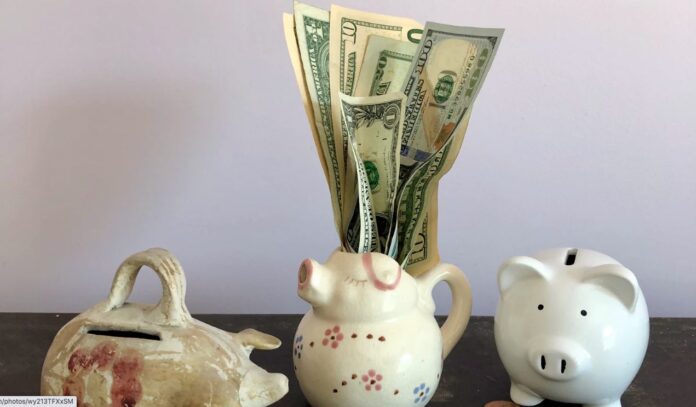
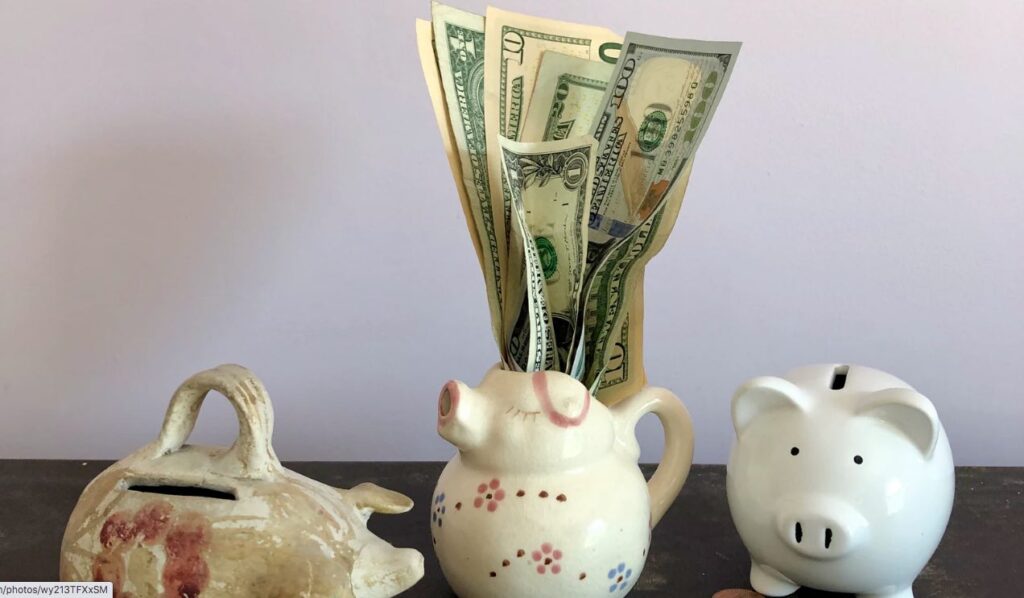
The chunk of change amounted to over $165. Larsen, feeling in the holiday spirit, decided to donate the booty to folks who could really use a few extra dollars this time of year and put the word out to his 27,000 Twitter followers:
“So I had a big jar of coins hanging around,” he tweeted. “I went to the bank today & had them counted. $164.84. Rather than keeping it, I want to give that out to a few people who could use the help for their household’s Thanksgiving dinner or for Christmas presents. My DMs/replies are open.”
By Diane Helentjaris
As expected, requests for assistance began to roll in—but on the flip side of the proverbial coin, came requests from people who wanted to boost the bounty.
The first arrived from a man named Jeff Jones, who asked Larsen to put up his Venmo deets so he could contribute to the good cause.
“I was shocked that someone would do that,” Larsen told the Washington Post. “Even more amazing was that minutes later, people began retweeting everywhere and sending me money out of the blue. It just exploded.”
Even more amazing? Close to a thousand people donated about $55,000 in a single day.
All in all, Larsen fielded close to 200 requests for help. Figuring out who would get the money and how it would be distributed became his next concern.
“I did my best to verify the stories I was told, typically through conversations with those asking and light social media research. The vast majority checked out,” Larsen explained in The Salt Lake Tribune.
In the end, Larsen gifted people with cash for the holidays as well as funds for car repairs, utility bills, and groceries. And, in addition to sending $200 sums to dozens of families to help them cover medical bills, he gave $10,000 to RIP Medical Debt, a national nonprofit organization that buys debts from collection agencies—and forgives them. (Larsen was told his $10,000 donation would translate to roughly $1 million in debt-reduction relief.)
Also on the unintentional holiday “Nice List” were several local charities that focus on food insecurity, including a $1,000 donation Larsen made to a high school food bank that serves low-income families.
“I cried when he contacted me,” said Meg Thunell from Kearns High School in Salt Lake County. “The compounded goodness of all those people giving without even knowing where it was going restored my faith in people after a long and rough year.”
And it was all thanks to an accidental philanthropist—and SpongeBob SquarePants.
SHARE the Story of Luck and Generosity on Social Media…
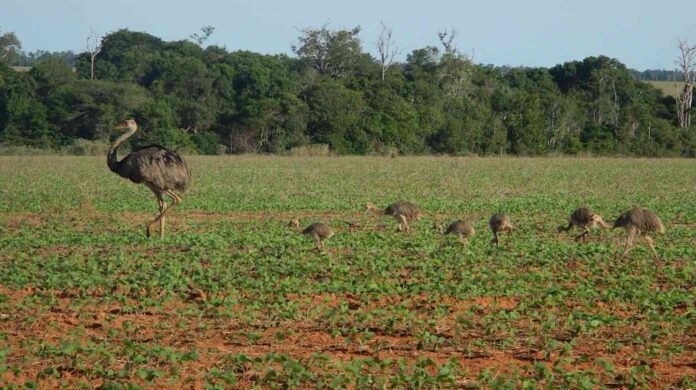
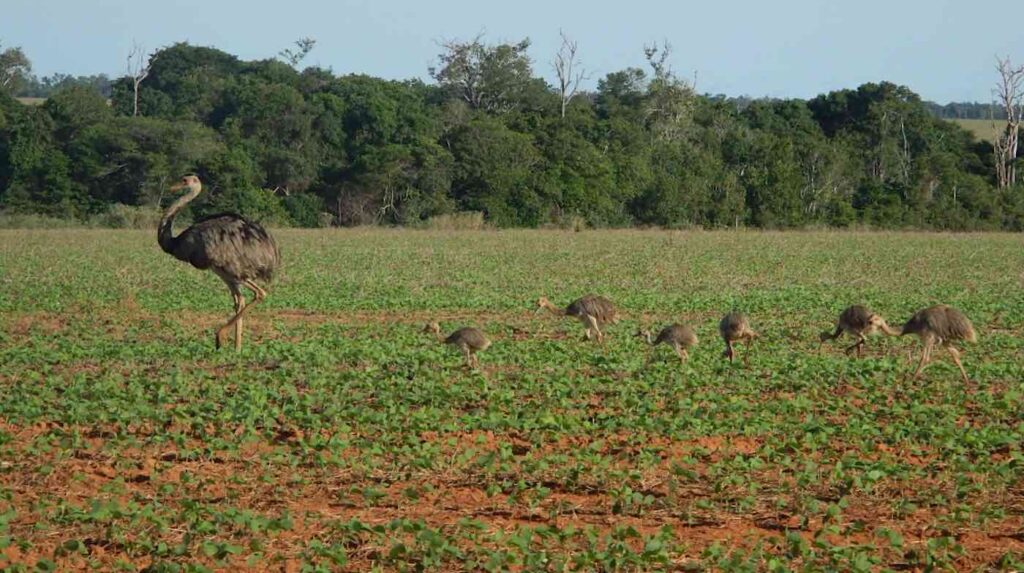
Rhea family of birds snack in soy field - Lisa Rausch, study co-author
Over the last 14 years, a unique public-private initiative has reduced soy farming deforestation in the Amazon, so much so, that almost no soy coming from the Amazon currently contributes to deforestation.
It began in 2006 when Greenpeace launched a campaign exposing the damage of forest clear-cutting for soy the previous year—more than 1,600 square kilometers (nearly 4 million acres)—and demanded action to curtail the devastation.
In response to the public outcry, major soy companies in the region reached a landmark agreement as signatories to the Amazon Soy Moratorium (ASM), pledging not to purchase any crops grown on recently cleared land—and the success has been remarkable
Today, new research shows that 98.6% of all soy grown in the region complies with the moratorium.
Assistant professor Robert Heilmayr at the University of California-Santa Barbara and his colleagues at the University of Wisconsin Madison have now quantified the ASM’s effects and documented how it achieved its goals. The researchers found that while the agreement prevented millions of acres of deforestation in its first decade, the policy did not appear to hamper agricultural growth or push deforestation to other sectors or regions.
“Over one decade the ASM saved 18,000 square kilometers of forest (almost 7,000 square miles),” said Heilmayr, an environmental economist in the Environmental Studies Program and at the UCSB Bren School of Environmental Science & Management. “This is an area bigger than the state of Connecticut.”
Rhea family of birds snack in soy field – Lisa Rausch, study co-author
The authors estimate that between 2006 and 2016, deforestation in soy-suitable portions of the Amazon was 35% lower than what would have occurred without the ASM.
“First time, we were able to control for other policies and factors outside the ASM to quantify its unique contribution to forest conservation,” explained coauthor Holly Gibbs, associate professor at UW Madison.
Scientists and conservationists were concerned the ASM might prompt soy farmers to begin planting in pastures, thereby pushing ranchers to clear more forest, essentially passing the buck to a different sector. However, the study suggests this did not happen. Gibbs explained it’s likely due, at least in part, to similar campaigns aiming to stem deforestation in the cattle sector. These efforts began in 2008 and resulted in similar zero-deforestation agreements in the cattle industry. The team also saw little evidence that the ASM was pushing deforestation into the nearby Cerrado biome.
Although some Brazilian policymakers worry that strict environmental commitments may weaken economic growth, soy production in the Amazon has continued to expand since adoption of the ASM. It increased from 4.9 million tons of production in 2006 to 17.2 million tons in 2019. Ultimately, the moratorium has demonstrated that soy expansion is possible without deforestation, Gibbs explained.
What contributed to the moratorium’s effectiveness?
“One of the strengths of the Amazon Soy Moratorium is that it was a nearly unanimous decision among all the soy buyers in that sector,” said Heilmayr. The signatories account for about 90% of all soy purchases in the region, and this high market share ensured that the agreement would transform agricultural practice.
If farmers wanted to sell their soy, they’d have to abide by the policies set out by the ASM.
Another factor that contributed to the ASM’s success was the cooperation of non-profit NGOs and government agencies. The involvement of environmental organizations like Greenpeace, The Nature Conservancy and World Wildlife Fund boosted confidence that the agreement isn’t merely a form of greenwashing. Government investments in satellite monitoring systems and local property registries provided the backbone for monitoring and enforcing the moratorium.
Ten years on, the parties involved chose in 2016 to renew the ASM indefinitely. While this represents a major victory for sustainable agriculture, the researchers noted that commercial viability is preserved. The Amazon soy sector maintains access to valuable international markets, according to industry trade groups, and at low cost to Amazon soy farmers.
Coauthor Lisa Rausch, a researcher at UW Madison is convinced that the ASM served also to reduce any incentives to clear land on non-soy farms—even in unregistered areas for future soy production.
Current deforestation rates are double what they were at their low point in 2012, though they’re still dramatically lower than what they were back in 2003 and 2004, thanks to the benefits of the ASM’s unique mix of public and private policymaking.
Heilmayr believes the consistent global demand for zero-deforestation soy will continue to discourage new deforestation despite any weakening of public policies.
“The ASM is a nice example of what is possible when companies take aggressive, transparent steps towards supply chain sustainability,” he said. “It provides hope that private actors can trigger meaningful improvements in the way society interacts with our environment.”