All News - Page 540 of 1735 - Good News Network
Home Blog Page 540

‘Watershed’ Coronavirus Vaccine Looks to Be 90% Effective in Phase 3 Trial of 43,500 People, Reports Pfizer

File photo by Pan American Health Organization, CC

Early results were announced today for clinical trials involving 43,538 volunteers that showed a robust 90% success rate for protecting people against coronavirus. 

As part of the Phase–3 trials launched in July by developers Pfizer and BioNTech, the participants from diverse backgrounds in six countries—in the US, Germany, Brazil, Argentina, South Africa, and Turkey—received two injections spaced 21 days apart.

The analysis compared the number of cases of COVID-19 among volunteers receiving the vaccine with an approximately equal-sized group of volunteers who got a placebo jab, instead. The researchers reported no contraction of the disease in over 90% of the vaccinated group, so far, with immune protection achieved 28 days after the first dose of the 2-dose schedule.

The US Food and Drug Administration (FDA) set a minimum effectiveness bar for COVID-19 vaccines at 50% for drugs seeking approval. This is the first COVID-19 candidate vaccine to produce data exceeding that mark. 

What next?

The data presented is only an early look into how the new vaccine seems to be performing. Further safety and efficacy data continue to be collected. 

Relying on an independent Data Monitoring Committee to analyze the results, Pfizer and BioNTech say they are continuing to accumulate safety data and estimate that a median of two months of such data following the final dose—the amount of safety data specified by the FDA in its guidance for potential Emergency Use Authorization—will be available by the third week of November.

RELATED: NBA Players Recovered From COVID-19 Are Donating Plasma to Clinical Trials

Based on their current projections, Pfizer would be ready to manufacture globally up to 50 million vaccine doses at the end by the year and “up to 1.3 billion doses in 2021.”

Dr. Anthony Fauci, the director of the USA’s National Institute of Allergy and Infectious Diseases, described the trial results as “extraordinary” in an interview with the Washington Post, and said—given the US firm Moderna uses similar technology in its candidate vaccine—it, “gives you hope we might even have two vaccines.”

MORE: Key Ingredient in Coronavirus Tests Comes From Yellowstone’s Heated Pools

SHARE News of This Breakthrough With Your Friends On Social Media…

Austin, Texas Votes ‘Yes’ on a $7 Billion Transportation Revolution

Project Connect

The Texas state capitol of Austin is getting ready for a public transit revolution, with a $7 billion plan to reduce greenhouse gas emissions and traffic congestions by providing a variety of different transportation options and infrastructure to the citizens of one of the fastest growing cities in the country.

Project Connect

Along with a new rail system featuring 31 new stops, there will be four high-speed bus routes, neighborhood shuttle services that will take people to and from the stations, and new park and ride areas to encourage city motorists to use the new infrastructure.

“There were three main arguments that were made,” says Austin mayor Steve Adler. “One was congestion. One was climate change. One was mobility equity in our city.”

Proposition A, as it was voted on during the 2020 US Elections, also includes a $450 million plan for adding cycling and walking infrastructure—such as pedestrian bridges, bike lanes, sidewalks, and urban parks—all of which will be put together under the moniker of “Project Connect” that will feature experts in community planning, construction, and engineering, as well advisors from the CapMetro board. Together they will assemble on Jan 1st to work out the details of the program.

It’s go time

The new train stops will service North and South Austin, the airport, downtown, and Colony Park, and a map of the proposed service lines is available on the Capitol Metro website.

CHECK OUT: Tel Aviv to Become First City With Electric Road That Charges Public Transportation

Two previous ballot initiatives involving new transit programs had failed to pass, and Adler says this was a result of “intense public scrutiny and engagement.” The estimated number of cars removed from the streets that plague Austin city drivers with about 107 hours a year of heavy traffic, is currently around 250,000, enough to bring all forms of transport into better harmony with each other.

“It’s going to be a very liberating experience to access more of the city than you could before,” Adam Greenfield, a community, public space, pedestrian, and bicycle advocate based in Austin told Fast Company.

“Austin is a very car-oriented and car-dependent city. More and more people, and more and more leaders, are realizing that we actually need transportation choices.”

According to Peters, around 50% of motorists drive alone in Austin, a figure which the city government would like to see reduced.

Funding is to be raised by a new property tax and by federal carbon-reduction funding programs which will cover around 45% of construction costs according to multiple report.

RELATED: Downtown Sydney is Now Powered By 100% Renewable Energy Thanks to Historic Deal

Curious Austinites can see a comprehensive list of the new transit services here at the Austin Chronicle.

TAKE This News To The Road And Share It With Your Pals On Social Media…

Look For These New Badges on Menus That Help Consumers Act on Climate Change

PRNewsfoto/Panera Bread

Panera Bread has announced that it will update its menus with a series of climate-friendly designations designed by the World Resources Institute (WRI) that helps inform consumers about how their food choices affect global climate change.

PRNewsfoto/Panera Bread

The “Cool Food Meals” sticker will appear next to some favorites on Panera Bread’s menu like the Chipotle Chicken Avocado Melt, Fuji Apple Chicken Salad, and Broccoli Cheddar Soup, to signify that the carbon dioxide used to create the ingredients—including from the land used, the energy used in transportation, and in the supply chain—is low enough to be in line with research published by the WRI that aligns agriculture and food-related emissions with the reduction in CO2 emissions needed to meet the 2030 Paris Agreement on climate change.

Just like recommended calories per day, WRI has established a maximum recommended daily carbon footprint for a person’s diet, which is 38 percent smaller than the current average. For breakfast in the United States it amounts to 3.59 kg CO2e/portion and for lunch or dinner it is 5.38kg CO2e/portion.

RELATED: Her Dad’s Food Truck Made Just $6 in a Day, So She Asked Twitter For Help – And Hundreds Came To the Rescue

“People are becoming more aware of climate change and its effects, but many still don’t know what they can do about it. Cool Food Meals helps people understand that taking action is as simple as what we eat,” said Daniel Vennard, Director of Sustainable Diets at WRI.

“A busy parent or a college student—absolutely anyone—can now go into [Panera] and by choosing a Cool Food Meal, they are part of a growing group of people who are building a climate-friendly lifestyle.”

In some ways, more consumers are looking for more climate-oriented eating strategies than in years past according to a small survey of 1,000 Americans aged 18-80, though taste and healthiness are far stronger deciding factors.

MORE: One Way to Power Electric Vehicles? The Answer Could Lie in Spinach

59% of those surveyed said it was important to them that their food be produced in a sustainable manner, though things like carbon emissions, land-use, and water-use were not found to be very important. Overwhelmingly it was pesticide use and affordability.

Most of them ate protein more than any other category (38%), and 58% of participants said they tried to stay away from carbohydrates and sugar. Not exactly the picture of Panera Bread’s menu by any stretch of the imagination, but the WRI hopes more franchises will join in adding their Cool Food stickers to menus—and they’ve had some great success already.

Through WRI’s Cool Foods Initiative, various cities and universities have signed on to the Cool Foods Pledge to try and transform civic food service bodies into ones that reduce the amount of CO2 in the supply chain.

CHECK OUT: ‘Smell-by’ Labels Help You Cut Kitchen Waste And Know When Your Food Has Actually Gone Bad

According to a press release from WRI, preliminary data for 2019 show that Cool Food Pledge members have already reduced their food-related emissions by 3% collectively, which is beyond the course to reach the reduction targets in line with the Paris Agreement.

SHARE the Good Food News on Social Media with Friends… 

“Two things define you: Your patience when you have nothing and your attitude when you have everything.” – George Bernard Shaw

Quote of the Day: “Two things define you: Your patience when you have nothing and your attitude when you have everything.” – George Bernard Shaw

Photo by: Dollar Gill

With a new inspirational quote every day, atop the perfect photo—collected and archived on our Quote of the Day page—why not bookmark GNN.org for a daily uplift?


In Historic Vote, Coloradans Give Thumbs-Up For Gray Wolves to Be Reintroduced West of the Rockies

A gray wolf in Yellowstone NPS

Fresh off their recovery from the Endangered Species List, gray wolves are getting another bit of support to ensure their continued recovery, this time from the voters in Colorado.

On Tuesday Coloradans voted to reintroduce wolves into the Northwestern part of the state—and it was a historic proposition because never has a state delegated such a significant wildlife management decision to its citizens.

By a narrow margin of 20,000 votes, it was agreed that the Colorado Parks and Wildlife Department should establish a suitable population west of the Rockies’ continental divide by the end of 2023

A big focus of the reintroduction authorities will be to implement the initiative while working alongside the ranchers and homeowners who voted against the resolution.

Check Out: Your Dog’s Guilty Look May Come From Wolves

Cattle poaching by wolves is being looked at as a problem that could be solved with an insurance program—and wolf-conflict prevention programs are being suggested to help other food producers like farmers avoid unpleasant interactions.

A little push

Wolves that were reintroduced into the Greater Yellowstone Ecosystem (GYE) in Wyoming—after being hunted to near extinction—have occasionally roamed south into Colorado, which has led some scientists to suggest that a natural expansion down into Colorado will be good for the genetic diversity of the species.

Joel Berger, a wildlife ecologist at Colorado State University, suggested to Nat Geo that 25 years since wolves were reintroduced to the GYE, only one complete pack has ever crossed down into Colorado, and that at that rate it could take a century to see the populations fully recovered.

RELATED: After Turning Disused Military Bases into Nature Reserves, Wolves Return and Use Bases as Havens

Quite contrary to most other animals, like efforts to save the black-footed ferret in Wyoming for example, public opinion on wolves is extremely fiery, with urban voters captured by the animal’s charismatic symbolism as an icon of the wilderness, but who never had to live with them, opposing ranchers, hunters, and rural dwellers seeing them often as destructive pests.

Ecologists hope to dampen some of the mistrust of rural Coloradans by pointing out some of the ecological benefits of having wolves on the landscape. Overly-large herds of elk and mule deer can overgraze fields which leads to soil erosion and stream bank collapse, as well as poorer genetics and greater spread of diseases.

Apex predators like the wolf can mitigate ungulates’ occasional destructive forces, and support other carnivores like wolverines, stoats, eagles, foxes, and more, by leaving kills behind. The plants benefit from this more balanced ecosystem, as well.

WATCH: Therapy Wolves Become Guides for Troubled Teens

Finally, a presence in the flatlands on the western side of the southern Rocky Mountains will link the northern-dwelling wolves with gray wolves living alone on the border in Mexico, creating an unparalleled opportunity for genetic diversity.

SHARE The Howling Good News With Your Pack on Social Media…

This Week’s Inspiring Horoscopes From Rob Brezsny’s ‘Free Will Astrology’

We’ve partnered with our friend Rob Brezsny, who for years has championed a positive approach to life through astrology. His weekly wisdom can enlighten your thinking and motivate your mood with ‘PROnoia’ instead of paranoia. Rob’s Free Will Astrology, is a syndicated weekly column that appears in over a hundred publications. He is also the author of Pronoia Is the Antidote for Paranoia: How All of Creation Is Conspiring To Shower You with Blessings. (A free preview of the book is available here.)

Here is your weekly horoscope…

FREE WILL ASTROLOGY – Week beginning November 6, 2020
Copyright by Rob Brezsny, FreeWillAstrology.com

SCORPIO (Oct. 23-Nov. 21):
“At every crossroad, be prepared to bump into wonder,” wrote Scorpio poet James Broughton. I believe that’s stirring advice for you to keep in mind during the coming weeks. Broughton’s words inspired me to come up with a corollary for you to heed, as well: “At every turning point, be ready to stumble into an opportunity disguised as a problem.” I’ve got one more clue for you. Last night in my dream, my Scorpio poetry teacher offered a thought that’s well-suited for you right now: “Whenever you want to take a magic twisty leap into the big fresh future, be willing to engage in one last wrestling match with the past.”

SAGITTARIUS (Nov. 22-Dec. 21):
Actor Gary Busey is quirky and kooky, but his peculiar rants sometimes make good sense. Here’s one that I suspect might be useful for you to consider during the next two weeks: “It’s good for everyone to understand that they are to love their enemies, simply because your enemies show you things about yourself you need to change. So in actuality enemies are friends in reverse.” I don’t mean to imply that your adversaries and nemeses are totally accurate in their critiques of you. But there may be a thing or two you can learn from them right now that would truly improve your life.

CAPRICORN (Dec. 22-Jan. 19):
Musician John Coltrane described one of his life goals as follows: “There are forces out here that bring suffering to others and misery to the world,” he said. “But I want to be the opposite force. I want to be the force which is truly for good.” Even if that’s not an intention at the core of your long-term plans, Capricorn, I recommend you consider adopting it during the next few weeks. Being a vigorous and rigorous force for good will be especially needed by the people with whom you associate—and will also result in you attracting interesting benefits.

AQUARIUS (Jan. 20-Feb. 18):
Known as “the bad boy of bridge,” Aquarian-born Geir Helgemo is a champion in the card game of bridge. At times he has been the top-rated player among Open World Grand Masters. But in 2019, he was suspended from the World Bridge Federation for a year because he tested positive for taking testosterone supplements that are banned. Why did he do it? He hasn’t said. There is some scientific research suggesting that testosterone may boost cognitive function, but other evidence says it doesn’t. I’d like to use Helgemo’s foolishness as a teaching story for your use, Aquarius. According to my astrological analysis, you’re approaching the peak of your competence and confidence. There’s no need for you to cheat or sneak or misbehave in a misplaced effort to seek an even greater advantage. In fact, righteous integrity will enhance your intelligence.

PISCES (Feb. 19-March 20):
“I might really have gone round the bend,” confessed Botswana author Bessie Head. “I mean people who get visions and see a gigantic light descend on them from the sky can’t be all there, but if so I feel mighty happy. If one is happy and cracked it’s much better than being unhappy and sane.” Although I don’t expect your state of mind in the coming weeks will be as extreme as Bessie Head’s, Pisces, I do suspect it will have resemblances to her dreamy cheerfulness. If I had to give a title to this upcoming phase, it might be “Wise Folly.” And yes, I do think your “craziness” will generate useful insights and fertile revelations.

ARIES (March 21-April 19):
Aries poet Charles Baudelaire championed the privilege and luxury of changing one’s mind. He thought it was natural and healthy to always keep evolving beyond one’s previous beliefs and attitudes, even if that meant one might seem inconsistent or irrational. “It is lamentable,” he once proclaimed, “that, among the Rights of Human Beings, the right to contradict oneself has been disregarded.” I bring these thoughts to your attention, dear Aries, so that you will feel at peace with the prospect of outgrowing rules, strategies, and approaches that have worked well for you up until now—but that have outlived their usefulness.

TAURUS (April 20-May 20):
The horoscopes I write are my love letters to you. As I compose them, my goal is to celebrate your beauty and strength even as I discern what’s lacking in your life and what confusions might be undermining you. In my philosophy of life, that’s how love works at its best: remaining keenly aware of the good qualities in the beloved while helping them deal with their problems and heal their wounds. I suggest that in the coming weeks you adopt my approach for use with your own close relationships. Your allies are in special need of both your praise and your rectifications.

GEMINI (May 21-June 20):
When Charles de Gaulle was 15 years old, he wrote “General de Gaulle,” a short story in which he envisioned himself, many years in the future, as a general in the French army. Thirty-five years later, his imaginary tale came true, as he became a general of the free French army fighting against Germany in World War II. In the spirit of de Gaulle’s prophecy, and in accordance with current astrological omens, I encourage you to compose a comparable tale about your own destiny. Have fun as you visualize in great detail a successful role you will play months or even years from now.

CANCER (June 21-July 22):
In 1903, archaeologists digging in a cave in Cheddar Gorge, England found the fossilized remains of “Cheddar Man,” a person who had lived there 9,000 years earlier. In 1997, DNA tests revealed that a teacher named Adrian Targett, who was living a half-mile from the cave, was a direct descendant of Cheddar Man. I propose that we invoke this scenario to serve as a metaphor for you in the coming months. According to my analysis of the astrological omens, your ancestors are likely to play a bigger role in your life than usual. Connections between you and them will be more vivid and influential and worthy of your meditations.

LEO (July 23-Aug. 22):
According to the film Amadeus, composers Wolfgang Amadeus Mozart (1756–1791) and Antonio Salieri (1750–1825) were adversaries who disliked and undermined each other. But there’s evidence that this was not entirely true. In fact, they collaborated on creating a cantata that was performed by Nancy Storace, a famous singer they both admired. It’s unlikely they would have cooperated in such a way unless they had a working relationship. I suspect that a comparable correction is due in your world, Leo. It’s time to dissolve a misunderstanding or restore a lost truth or fix an old story that got some of the facts wrong.

VIRGO (Aug. 23-Sept. 22):
The coming weeks will be a favorable time for you to ask for help and seek support. I urge you to be forthright in doing so! Resources that have been inaccessible before may be more available now. I suspect you will be able to capitalize on the luck and skill of allies who have benefited from your favors in the past. Their successes could bring you blessings and their breakthroughs should inspire you to instigate breakthroughs in your own life. Be straightforward: Ask them to lend their influence in your behalf.

LIBRA (Sept. 23-Oct. 22):
In the 1970s, an Englishman named Stephen Pile founded the Not Terribly Good Club. It was designed to be a gathering place for mediocre people whose lives were marked by inadequacy and incompetence. To organize his thoughts about the club’s themes, Pile eventually published a book entitled The Book of Heroic Failures. Unfortunately, it sold so many copies that he got expelled from his own club. He had become too successful! I suspect that in the coming months, you may have an experience akin to his. The odds are good that you’ll find interesting success in an area of your life where you have previously been just average.

WANT MORE? Listen to Rob’s EXPANDED AUDIO HOROSCOPES, 4-5 minute meditations on the current state of your destiny — or subscribe to his unique daily text message service at: RealAstrology.com

(Zodiac images by Numerologysign.com –CC license)

SHARE The Wisdom With Friends Who Are Stars in Your Life on Social Media…

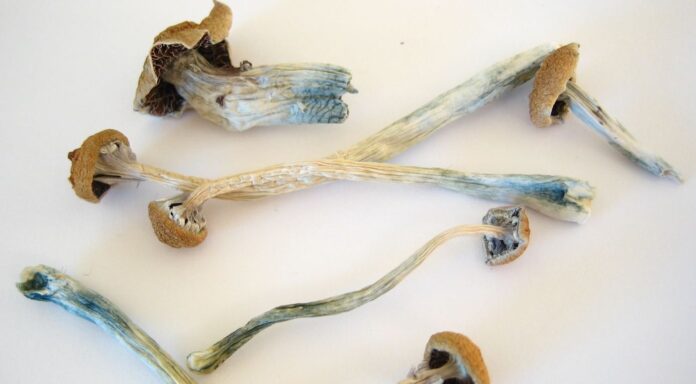
Another Study Shows Psychedelic Psilocybin Mushrooms Offering Long-Term Relief From Depressive Symptoms

Reprinted with permission from World At Large, a news website of nature, science, health, politics, and travel. 

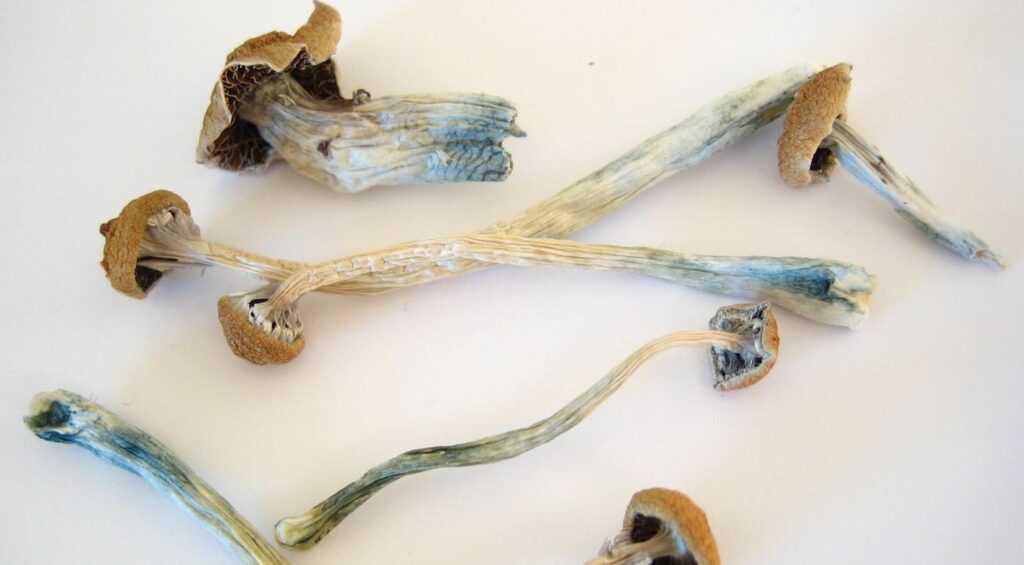
In another study on the use of psychedelic compounds as medicine, two doses of psilocybin—the compound that gives “magic mushrooms” their magic—was found to significantly reduce major depressive symptoms in adults when it was combined with assisted psychotherapy.

24 adults were included in the small study that consisted of two five-hour psilocybin therapy sessions and 24 weeks of follow up—and the results seemed to shock researchers at the Center for Psychedelic and Consciousness Research (CPCR) at Johns Hopkins School of Medicine.

“The magnitude of the effect we saw was about four times larger than what clinical trials have shown for traditional antidepressants on the market,” says Alan Davis, Ph.D., professor of psychiatry and behavioral sciences.

According to data from the U.S. Centers For Disease Control (CDC), tens of millions of adults have at some point in their life suffered from chronic anxiety disorder. One in 6 will have depressive symptoms during some period in their life.

In this new trial, the researchers looked to see if psilocybin (which has already granted  ‘Breakthrough Status’ as a therapy for untreatable depression) could be effective enough to be utilized as treatment for standard depressive disorders.

Rather than targeting “reactive” types of anxiety or depression—those resulting from traumatic experiences—his team was urged by public health officials to explore psilocybin’s effects in the broader population for those with long-term, persistent, and less-defined major depressive disorders, because of the greater potential impact on public health.

Depression into Remission

“Because there are several types of major depressive disorders that may result in variation in how people respond to treatment, I was surprised that most of our study participants found the psilocybin treatment to be effective,” says Roland Griffiths Ph.D., Director of the CPCR, and a pioneer of psychedelic treatment research who published his results this week in JAMA Psychiatry.

In the clinical trial, of the group of 24 participants, 67% showed a more than 50% reduction in depression symptoms at the one-week follow-up and 71% at the four-week follow-up. Overall, four weeks post-treatment, 54% of participants were considered in remission, meaning they no longer qualified as being depressed.

The researchers say they will follow the participants for a year after the study to see how long the antidepressant effects of the psilocybin treatment remain, and will report their findings in a later publication.

CHECK Out: Magnetic Brain Treatment Found to Relieve Depression in 90% of Participants With No Negative Side Effects

“Because most other depression treatments take weeks or months to work and may have undesirable effects, this could be a game changer if these findings hold up in future ‘gold-standard’ placebo-controlled clinical trials,” says Davis.

Becoming more mainstream

Having worked at Johns Hopkins since 2003, Roland Griffiths’ psychedelic experiments were first viewed with skepticism, but under his leadership the CPCR has now completed many trials and studies of psychedelic compounds, such as:

His work has resulted in the U.S. Food and Drug Administration bestowing ‘Breakthrough Therapy’ designations to other compounds like a chemical variant of ketamine, which was approved in a nasal spray form used to treat depression in veterans in Virginia.

MDMA also won ‘Breakthrough Therapy’ status from the FDA in 2017, after research proved its “astonishing” success in sending PTSD into remission.

Meanwhile, its status as an illegal drug is changing. On Tuesday, voters in the state of Oregon passed a first-of-its-kind measure to formally legalize access to psilocybin mushrooms for therapy, with the state establishing and regulating a program whereby adults can obtain and use them. And, voters in Washington D.C. approved a measure that will effectively decriminalize “magic mushrooms” and other organic psychedelic drugs.

SEND This Research Tripping Over to Friends By Sharing on Social Media…

MORECan Mild ‘Depression’ Be Good For You? An Enlightened Look at the ‘Epidemic’

We’ve Made Massive Progress Educating Girls Around the World in the Last 25 Years, Says Report

Photo by UNESCO

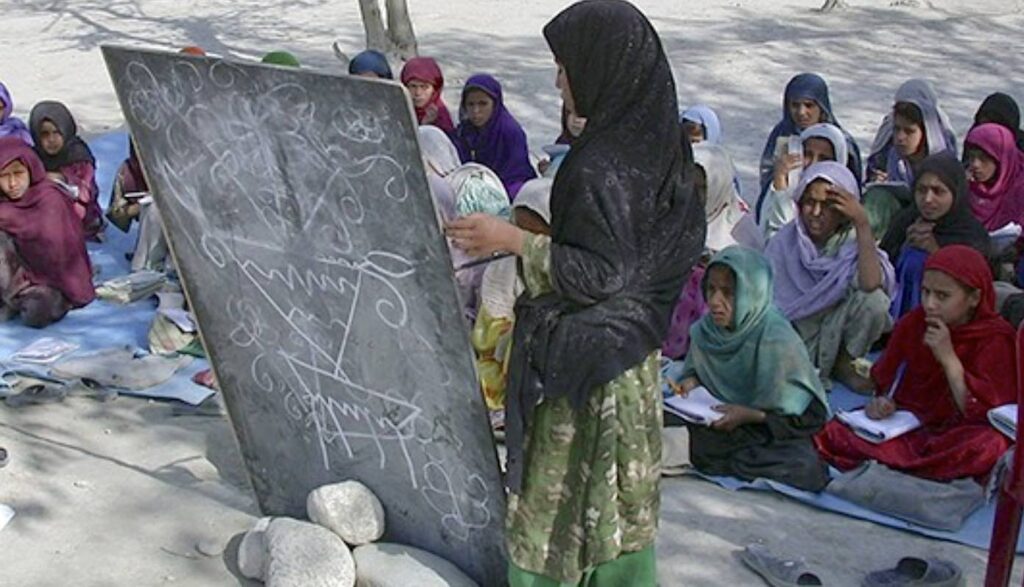
Over the last 25 years, the proportion of girls being educated around the world has risen to 89%—a 16% increase since 1995.

Photo by UNESCO

A UNESCO report released last month shows that 180 million more girls have enrolled in primary and secondary education compared to a generation ago

Additionally, three times more women are now enrolled in universities.

The Global Education Monitoring Report entitled, A New Generation: 25 years of efforts for gender equality in education evaluated the progress in girls’ education over the last two and a half decades since the Beijing Declaration and Platform for Action, a landmark commitment by 189 countries to advance the rights of girls and women.

RELATED: In Just 20 Years, Over 220 Million Children Have Been Saved From Marriage, Labor, and Violence

“We all know that education is the cornerstone of equality – and the education of girls and women is the first step towards a more gender-equal world,” said the UN group in a press release.

Since 1995, the global enrollment rate for girls increased from 73% to 89%, with the biggest improvements seen in sub-Saharan Africa, Southern Asia, and especially in India.

CHECK Out: 370 Schools Are Now Teaching Mindfulness in Massive Mental Health Research Trial

Significant progress has been made in primary schools in 23 countries including Bhutan, Djibouti and Nepal, where gender parity has been achieved compared to 1995 when fewer than 80 girls for every 100 boys attended school.

Three times more women are also now enrolled in universities than two decades ago, with particular progress seen in Northern Africa and Western Asia. In Morocco, parity was achieved in 2018, compared to just 3 women enrolled for every 10 men in the early 1990s.

AMPLIFY The Positive Trend By Spreading the Good News on Social Media…

Tech Startup Can Now Brew Up Carbon-Negative Rocket Fuel by Capturing CO2 Emissions From the Air

As more and more tech companies and research organizations turn their sights towards space exploration, a Brooklyn-based startup has discovered a way to explore the solar system without polluting the Earth.

Photo by Air Company

The Air Company brand first gained notoriety back in November 2019 when it launched the world’s first carbon-negative vodka made of air, water and solar energy.

When the pandemic hit, they quickly pivoted their production facility into creating hand sanitizer—and now, they’re applying their groundbreaking carbon conversion technology to help make the space industry more eco-friendly by turning CO2 into rocket fuel.

“We discovered that we can make fuel very efficiently as somewhat of an accident,” electrochemist and Air Company co-founder Stafford Sheehan told Fast Company. “We were running our systems at higher temperatures than normal, under some conditions that we don’t typically do, and found out that we could very efficiently make these fuel molecules.”

LOOK: This Carbon-Negative Vodka is Brewed ‘From Thin Air’ Using Solar Power, Water, and CO2

Until now, rocket engines have used liquid methane made from natural gas, an unsustainable, non-reusable fossil fuel product. However, organizations like SpaceX and Blue Origin have begun to look for new propellants so they can power their rocket engines for commercial spaceflight and Mars exploration.

That’s where Air Company comes in. For every launch, If Air Company’s CO2-based rocket fuel formula was used for every launch, they would mitigate 715 tons of CO2 from being emitted into the atmosphere—that’s the equivalent of about a dozen flights between New York to Los Angeles on a 747 plane.

Image by Air Company

The carbon-negative fuel could also be used to mitigate the ecological effects of other forms of transportation, although the group is primarily focused on rocket fuel.

RELATED: This Revolutionary Blast Furnace Vaporizes Trash and Turns It into Clean Energy (Without Any Emissions)

Furthermore, Air Company says that their formula could be used to fuel return flights from Mars since the planet’s atmosphere is 95% carbon dioxide.

“The vision of humans inhabiting Mars is moving closer to becoming a reality, and it is imagined that CO2 can help us reach this goal,” reads Air Company’s website.

Image by Air Company

“We’ve proven the viability of our breakthrough technology and are impelled to defy the impossible by igniting innovation across every industry vertical we touch.”

Power Up With Positivity By Sharing This Exciting Story With Your Friends On Social Media…

“Nothing in life is to be feared, it is only to be understood. Now is the time to understand more, so that we may fear less.” – Marie Curie

Quote of the Day: “Nothing in life is to be feared, it is only to be understood. Now is the time to understand more, so that we may fear less.” – Marie Curie

Photo by: Gemma Chua-Tran

With a new inspirational quote every day, atop the perfect photo—collected and archived on our Quote of the Day page—why not bookmark GNN.org for a daily uplift?


This Vermont Mountain Retreat is a Mecca for Dogs and Dog Lovers Across the World

SWNS

The Dog Mountain resort in St. Johnsbury, Vermont, has been attracting dog lovers and their pups for almost 20 years—and leashes are optional.

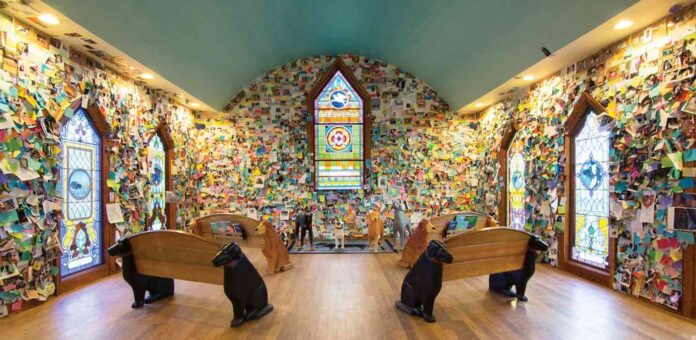
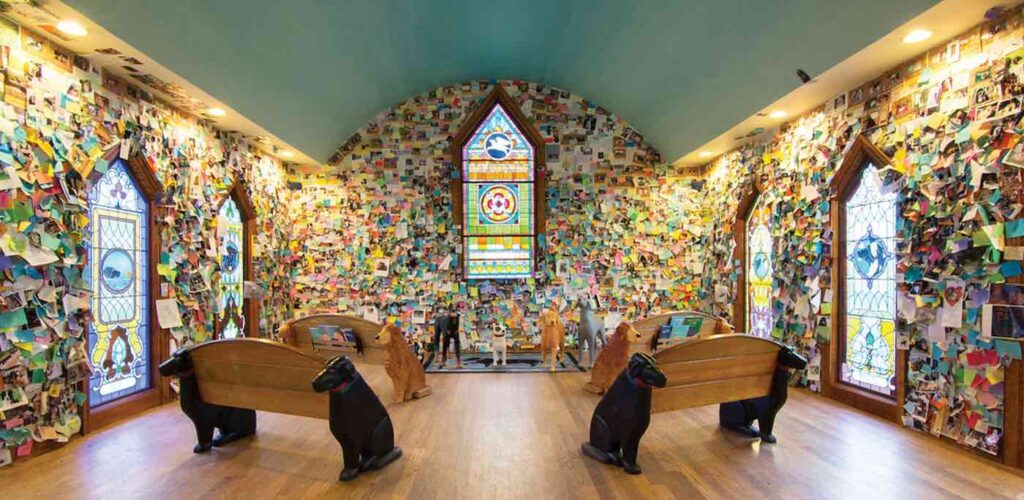
Dog Mountain chapel – SWNS

Designed by American artist Stephen Huneck, it features swimming ponds, a doggy agility course, and a canine art gallery.

But it’s perhaps the chapel that has become most famous, with its walls festooned by notes, pictures, and poems commemorating beloved canine friends who have passed away.

“It’s a traditional New England looking chapel, where people can come, remember their dogs and celebrate the bonds they had between them and their pets, after they pass,” said Dog Mountain general manager Pam McCann.

“The chapel walls are full of remembrances, lovely notes, and photos of dogs that have passed, left by people from all over the world” she continued.

SWNS

RELATED: When Guy Writes Letter to Neighbor Asking to Play With Their Pup, He Gets Letter Back From the Dog

The lush grounds are set on 150 acres of private mountaintop and open year around—even these days—for free, so the public can enjoy some socially-distanced dog fun.

“We’re glad we are still able to offer the park space as a COVID-friendly retreat and activity,” added McCann.

“Dogs are free to run, play, swim, and (best of all) meet other dogs,” states the website. “Dogs are not just welcome here, they are cherished.”

LOOK: Dog Breaks World Record for Most Tennis Balls Held in His Mouth—And Social Media Users Are Thrilled

SWNS

Stephen Huneck, an artist who specialized in woodcut prints of playful dogs has redefined the phrase “dog person.”

Huneck and his wife, Gwen, bought the property in 1995 and immediately began building the dreamy dog sanctuary.

SWNS

After the couple died their family and friends created the nonprofit Friends of Dog Mountain, which now owns and manages the space in their memory.

Originally an art studio for Stephen, it was transformed into so much more.

“He decided he wanted to create a space that allowed people to gain closure for lost, furry loved-ones.

POPULAR: Man Cajoles His 17 Dachshunds into Christmas Sweaters So They Can Pose for Best Family Photo in History

Now the space brings in thousands of people from all of the world, who all share the same love for dogs.

SHARE This Pup-Friendly Destination With Your Pack of Friends on Social Media…

Common Weed Stops the Growth of Breast Cancer Cells, Scientists in London Report

Arabidopsis thaliana / thale cress by Marie-Lan Nguyen, CC license

A plant which had previously been dismissed as not being medically useful could prove to be a hero in disguise, after scientists discovered that it stops the growth of breast cancer cells.

Arabidopsis thaliana / thale cress flowers by Marie-Lan Nguyen, CC license

The ground-breaking research, which could lead to future chemotherapy cancer advances, starred Arabidopsis thaliana – also known as thale cress.

The leaves were treated with the plant hormone jasmonate, a substance discovered in jasmine that boosts plant responses to stress. Then they incubated the treated leaves with breast cancer cells.

The researchers found that not only did the cancer cells stop growing, the normal cells remained unaffected. This is significant as use of the plant in breast cancer treatment could potentially lead to a quicker recovery time and fewer secondary effects for patients subjected to chemical treatment. They have also discovered molecular mechanisms associated with the changes in the breast cancer cells that will allow development of further new treatments.

RELATED: Sea Salt Could Help Beat a Common Cold, Study Suggests

Professor Alessandra Devoto, from the Department of Biological Sciences at Royal Holloway University, has been conducting this research since 2006 and has just published a paper on the findings in the journal New Phytologist, along with Dr. Amanda Harvey, from Brunel University London, and Prof Nicholas Smirnoff at the University of Exeter.

“I am truly excited to have discovered the amazing impact this unassuming plant has on breast cancer cells. It just proves that even plants with a non-medicinal pedigree can work for cancer treatment,” Prof Devoto said in a Brunel University press release.

“The plant is very much like the ‘Cinderella’ of the medicinal plant world – no one thought it was so special, but it has shown its true colors via our research. The discovery has important implications in developing treatments for cancer as well as other diseases.”

CHECK OUT: Drinking Baking Soda Could Be Cheap, Safe Way to Combat Autoimmune Disease, Says Scientists

Dr Harvey and Professor Smirnoff added: “Combined with recent progress in metabolic engineering and biotechnology, our approach will also facilitate production and analysis of bioactivities of valuable metabolites from plants on an industrial scale.

“We are looking forward to continuing our collaboration with Prof Devoto to identify the plant-derived chemicals that interfere with breast cancer cells as well as with other diseases and to progress this research by gathering more funding to benefit society more widely.”

MORE: Woman Makes Drug-free Patches That Treat Nausea, Cramps, Vertigo, Hangovers – And Even Car Sick Pets

HELP This Good News Grow Like a Week, By Sharing it on Social Media…

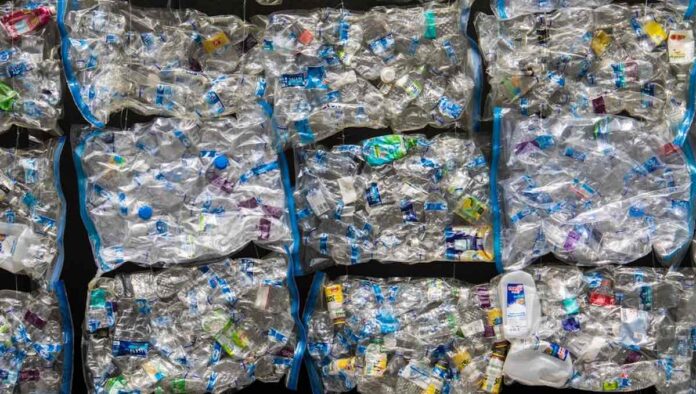
Scientists Turn Plastic Waste Into Valuable Commodities, to Create a Bigger Market for Waste Materials

As much as plastic has been maligned in recent years, it was actually a remarkable invention for humanity, allowing us to craft unique materials for essential items and everyday necessities. The problem is that so much of it ends up in landfills and oceans.

The best way forward in dealing with plastic today is to create a circular economy in which resources can be reused, rather than thrown away—and a new technology developed by an international research team may be an innovative solution to address the problem.

In the October edition of the journal Nature Catalysis, scientists from Oxford and other universities in the UK, in collaboration with research groups in China and Saudi Arabia, announced they had developed a simple method for retrieving valuable chemicals from plastic waste, so that recyclers may have a means of making more money from collecting plastic waste.

According to the study, the team’s new process involves breaking plastic down into its molecular components by “pulverizing” it and using microwaves. Doing so can release the core components of plastic materials, including hydrogen and pure carbon, which can then form high-value products, like carbon nanotubes.

RELATED: Scientists Create ‘Super Enzyme’ That Eats Plastic Bottles Six Times Faster than Previous Enzymes

To accomplish this feat, the team used a novel set of catalysts—a fancy word for materials that spur subsequent chemical reactions.

Normally, waste recycling equipment will heat up the plastic itself to melt it down. In this case, however, researchers heated up their signature blend of catalysts first, which propelled the conversion process forward in fascinating new ways.

Between 30 to 90 seconds later, the team found their one-step rapid conversion process would produce useful chemicals. The hydrogen they obtained was 97 percent pure, providing a great potential source of clean hydrogen fuel—and the carbon they obtained was crafted into high-value carbon nanotubes, a next-generation engineering material that is incredibly durable but lightweight. These materials, taken together, could provide a crucial revenue stream for recyclers.

CHECK Out: This California Highway Has Just Become the First State Road Made From Recycled Plastic in the US

One of the researchers, Professor Peter Edwards at Oxford’s Department of Chemistry, said, “This opens up an entirely new area of catalysis in terms of selectivity and offers a potential route to the challenge of the plastic waste Armageddon, particularly in developing countries as one route to the hydrogen economy – effectively enabling them to leap-frog the sole use of fossil fuels.”

It’s important to keep in mind that the team cited here used only a small sample set of plastic waste. However, they believe the process can scale meaningfully to an industrial level.

MORE: Newly-Developed Enzyme That Breaks Down Plastic Bottles in Hours is On Track to Change the Recycling Game

(Photo credit: Nick Fewings)

SEND This Recycling News to Your Green Friends on Social Media…

New Study Shows Garden Areas Improved the Immune Systems of Daycare Children in Only a Month

By Janko Ferlič

A study in Finland showed, for the first time, that the immune system of children ages 3-5 improved when forest undergrowth, lawns, and planter boxes were added outside daycare centers.

By Janko Ferlič

Dozens of comparative studies have previously found that children who live in rural areas and are in contact with nature have a lower probability of catching an illness resulting from disorders in the immune system—and a lower risk of developing coeliac disease, allergies, atopy, and even diabetes.

The recent study shows that repeated contact with nature-like elements five times a week diversified the body’s microbes which offered protection against diseases transmitted through the immune system in daycare children.

“This is the first in which these changes offering protection against diseases have been found when adding diversified aspects of nature to an urban environment”, says Aki Sinkkonen, research scientist, who led the study for the Natural Resources Institute Finland (Luke).

RELATED: Stressed? This Study Says You Simply Need a 20-Minute ‘Nature Pill’

The study published in Science Advances, measured what happened when children planted and tended crops in planter boxes, and played on lawns that were added to paved, tiled, or gravel-coated yard areas at daycare centers.

Biodiversity increases healthy microbial diversity

75 daycare children were monitored for one month at ten daycare centers in Lahti and Tampere. Changes in microbes in children who attended daycare with the added nature areas were compared with children who attended normal daycare centers (with no green yard area) or daycare centers with no green yard area, but regular field trips.

Playing in the biodiverse yards over a one month period increased microbial diversity in the children’s skin. There were also changes in blood counts. Increases in gammaproteobacteria, which strengthen the skin’s immune defense, increased the content of the multifunctional TGF-β1-cytokine in blood and reduced the content of interleukin-17A, which is connected to immune-transmitted diseases, according to a statement from Heikki Hyöty, professor of virology from the University of Tampere who participated in the study

MORE: Increasing Tree Cover on City Streets May Be Like Community ‘Superfood’ —Improving Health by 33%

“We also found that the intestinal microbiota of children who received greenery was similar to the intestinal microbiota of children visiting the forest every day,” says dissertation researcher Marja Roslund from the University of Helsinki.

Based on this study and previous comparative studies, Sinkkonen says children’s motor skills and ability to concentrate will also improve, with the close relationship to nature.

When we are in contact with nature, we expose ourselves to a broad range of microbes, activating different parts of our defensive system.

The researchers suggest leaving autumn leaves to decompose naturally, rather than carrying them away, and allowing the fallen tree limbs to decay naturally on the ground.

CHECK OUT: Don’t Rake Those Leaves: Good for Your Yard, and the Planet

“We should modify our daily life so that we can be in contact with nature. It would be best if children could play in puddles… and we could take our children out to nature five times a week to have an impact on microbes”, Sinkkonen says, which will also keep your tetanus vaccination effective.

GROW More Nature And Health By Sharing This Advice on Social Media…
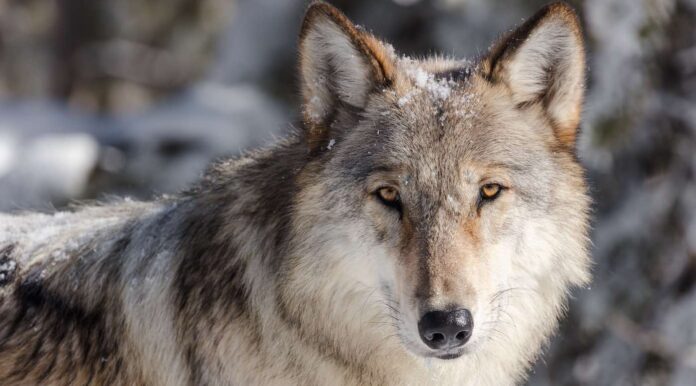
“Knowledge of what is possible is the beginning of happiness.” – George Santayana

Quote of the Day: “Knowledge of what is possible is the beginning of happiness.” – George Santayana

Photo by: Jorge Vasconez

With a new inspirational quote every day, atop the perfect photo—collected and archived on our Quote of the Day page—why not bookmark GNN.org for a daily uplift?


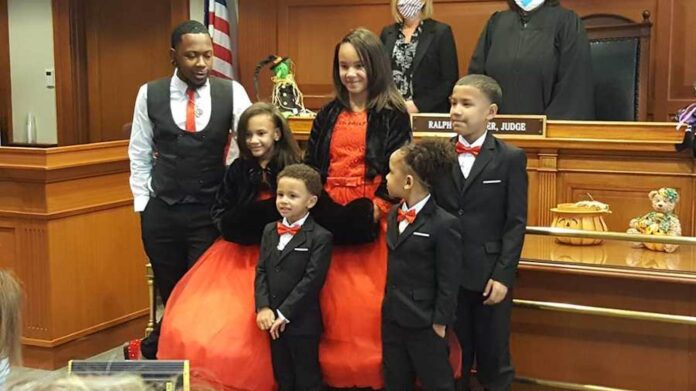
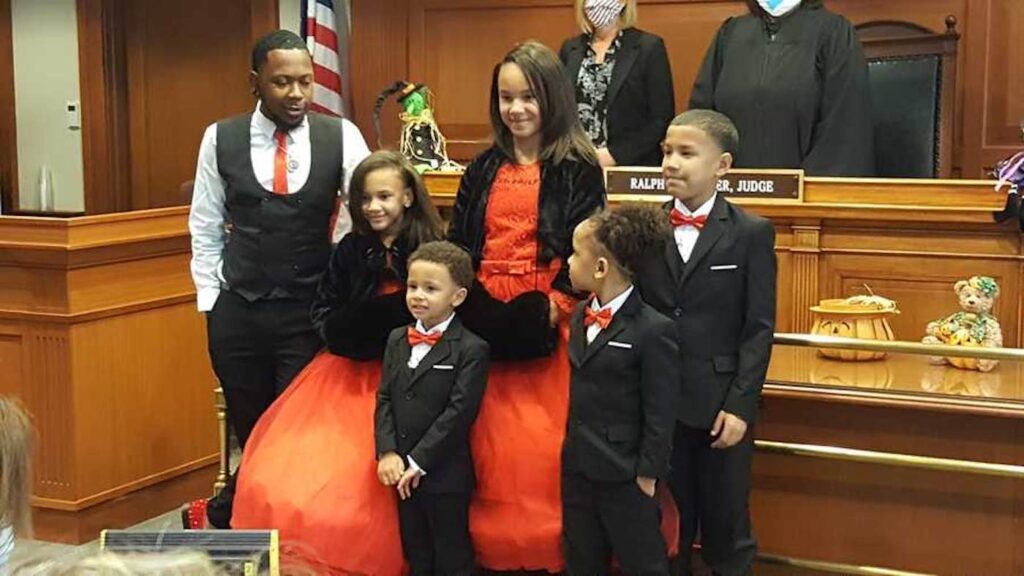
Single Foster Dad Adopts 5 Siblings So They Won’t Have to Be Apart Like He Was in His Childhood

Hamilton County JFS Adoption & Foster Care Recruitment

While it’s true that none of us gets to choose our relatives when we’re born, we can have a say in who we choose to call family. That’s just what foster dad Robert Carter did when he decided to adopt an entire brood of five siblings.

Hamilton County JFS Adoption & Foster Care Recruitment

29-year-old Carter, who’d spent years in the Ohio foster care system himself, knew only too well what it was like to lose touch with loved ones. He entered the system at age 12. It wasn’t until years later that he was finally reunited with his younger sister and brother.

The children Carter adopted, whose names are Marionna, Makayla, Robert, Giovanni, and Kiontae, were living in three separate foster homes when he was awarded custody.

“Mr. Carter was the only foster parent willing and able to adopt all of the children,” caseworker Stacey Barton told WCVB-5 TV. “His childhood background has made him aware of the importance of keeping siblings together.”

Prior to the adoption, Carter was already fostering the three brothers. When he arranged for the girls and their foster moms to meet up so the children wouldn’t lose touch with one another and realized how distressed they all were at the end of the visit, he knew there was only one course of action. 

The responsibility was a lot for the single dad to take on by himself, but Carter was determined to keep these kids together. It’s not always easy. You can choose your family, but that doesn’t mean they’re going to feel like a family overnight. 

RELATED: After Boy Was Abandoned at Hospital, Peter Was Asked to Take Him for a Weekend—And Kept Him For a Lifetime

Right now, Carter is concentrating on earning his children’s trust and trusting that in time, love will come along, too.

“[I’m] making memories to replace a lot of the bad ones,” Carter said. “Every night, I talk to them and let them know, ‘I’m your dad forever. I know what it’s like, and I’m always here for you.’”

MORE: As Couple Flies Home With Newly-Adopted Daughter, Strangers on Plane Throw Impromptu Baby Shower

And isn’t that what being a real family is all about?

SHARE This Beautiful Story With Your Friends on Social Media…

Grave of 9,000-Year-old Skilled Huntress Found in the Peruvian Andes, Changing the Stereotype of ‘Man the Hunter’

Matthew Verdolivo/UC Davis IET Academic Technology Services

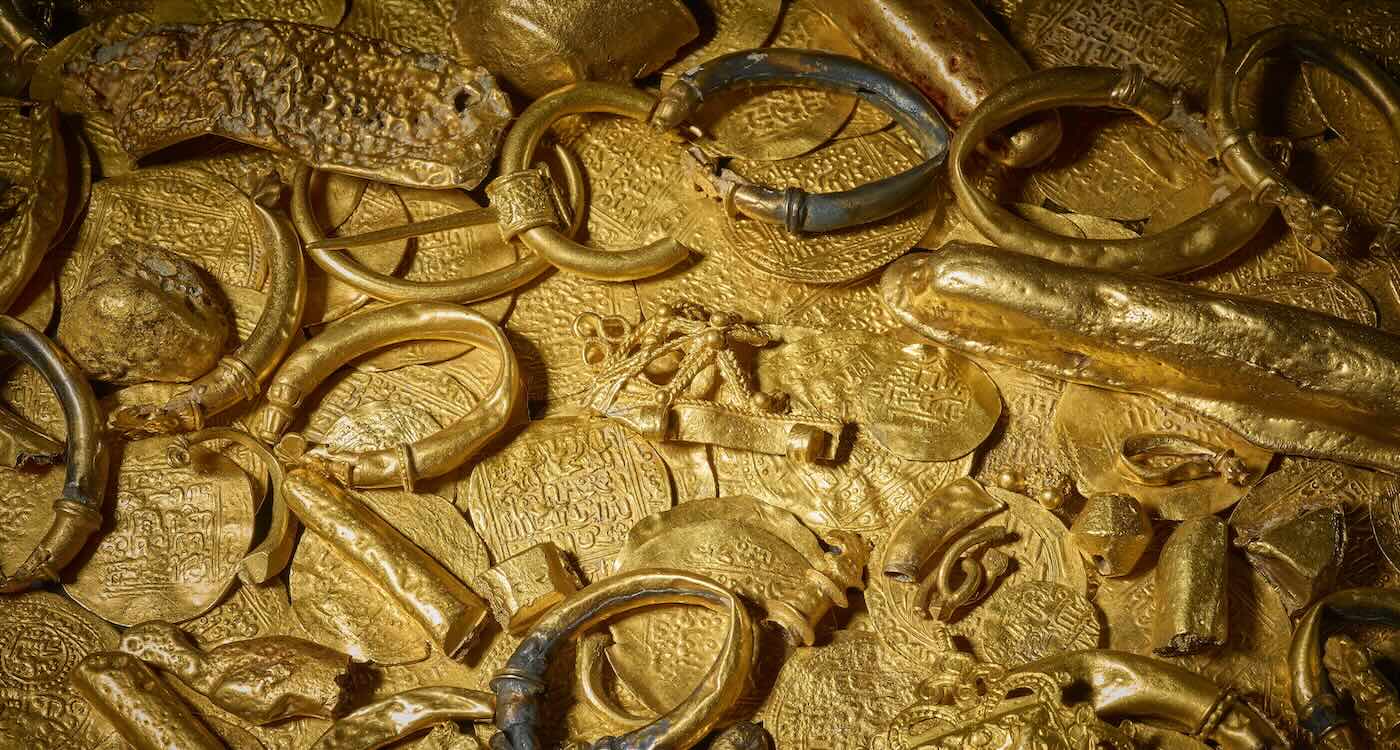
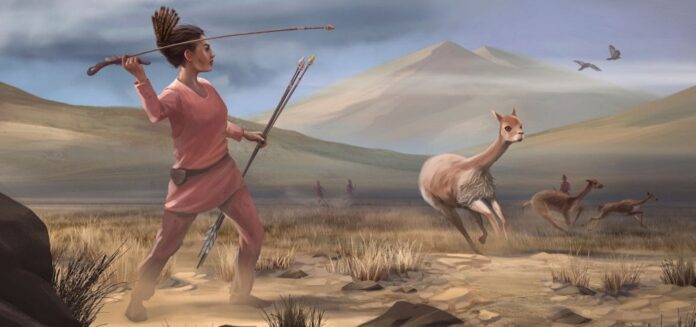
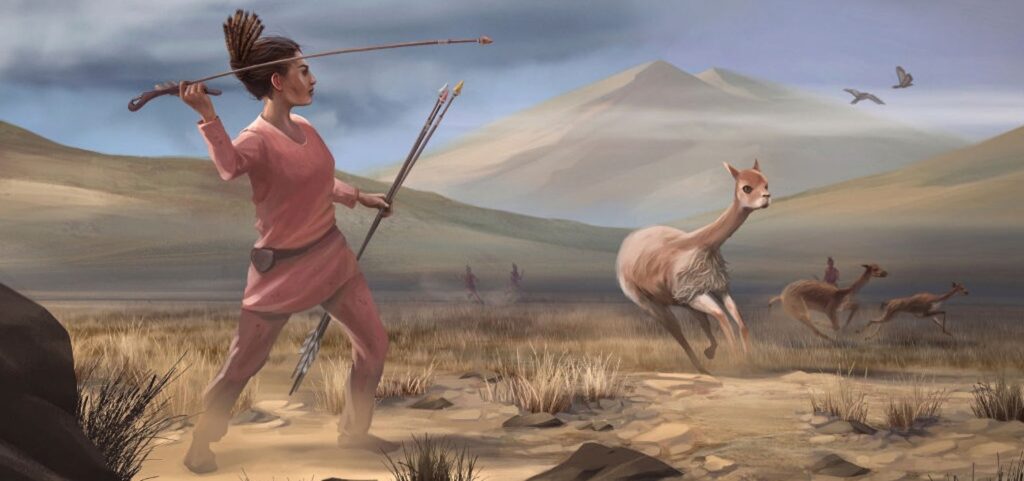
When a grave containing the remains of a 9,000-year-old human alongside an extensive hunter’s tool kit was discovered, archaeologists reckoned they had found a great chief—a revered hunter.

Matthew Verdolivo/UC Davis IET Academic Technology Services

However, bio-archaeologist Jim Watson of the University of Arizona informed the discoverers who were working high in the Peruvian Andes mountains that, based on the dimensions of the bones, the “big” man as they had been calling it, was actually a woman.

After the remains were indeed proven to be female, it caused the team, a mixture of anthropologists and archaeologists from the Universities of California and Arizona, to reexamine other reports of burials hypothesized as belonging to male hunters and found that an additional 10 had been incorrectly recorded as male.

Beginning with an influential 1966 Chicago symposium, researchers believed that “man the hunter” was separated in his paleolithic duties from women, who spent their time gathering.

Archaeological evidence of female hunters has been scant, and anthropological examinations of hunter-gatherer groups today, like the Hadza of Tanzania or the San in Namibia, show that indeed men hunt big game and women gather plant-based food.

CHECK OUT: When 8-Year-old ‘Queen’ Finds Authentic Ancient Sword in a Lake, Her Fans Rally to Forge Her a Replica

The team hadn’t set out to study the gender dynamics of hunting in the prehistorical Andean world, but nevertheless the corresponding report on their discoveries included a meta-analysis of studies done on Andean gravesites and determined that of those buried with hunting tools, 10 were female while 16 were male, suggesting that hunting was “gender-neutral”.

Women hunting through the ages

Considering that for thousands of years, there were only two main jobs to do: hunting and gathering, it would seem unbelievable that there was never any line-blurring in gender responsibilities of food acquisition.

Many things could have caused a female in Andean society to put down the basket and pick up the atlatl—like fewer hunting-age males in society due to conflict with other tribes, or males dying on hunting expeditions.

In mythological pantheons across the world, it’s not uncommon for hunting to be in the domain of a goddess, such as Skaði, repeatedly mentioned in Old Norse epic poetry, or Diana, the Hellenistic huntress deity that was also appropriated by the Romans.

In Egypt, there were female and male deities of hunting. Neith was a female goddess that is one of the oldest recorded deities in Egypt, when she was often revered for her hunting characteristics.

MORE: Egypt Just Discovered 27 Sealed Coffins in An Ancient Cemetery That Were Buried 2,500 Years Ago

Today, according to Chris Dorsey writing for Forbes, the fasting-growing segment of the population in America who hunt is women. His findings suggest it has a lot to do with a desire to get away from industrial agriculture and over-processed meat.

“I wanted to know what I was feeding my family,” one South-Carolina huntress told Forbes. “Wild game is hormone, steroid and antibiotic-free, the healthiest meat you can eat.”

“Women have always been able to hunt and have in fact hunted,” archaeologist Bonnie Pitblado of the University of Oklahoma, Norman, told Science Magazine reporting on the discovery in the Andes. “These women were living high up in the Andes, at 13,000 feet full time; if you can do that, surely you can bring down a deer.”

In Why Women Hunt, K. J. Houtman writes, “For some, it’s a sense of independence that comes from possessing the skills to hunt, the ability to provide food without having to rely on others.”

National Geographic says the percentage of women who hunt in America rose by 25% between 2006-2011, and reports that hunting workshops for women around the country tend to be booked solid for months in advance.

RELATED: Rare Archeological Treasures Discovered Beneath Attic Floorboards of English Tudor Mansion

Whether it’s to provide food for one’s family, to spend long periods outdoors in nature, or to perfect a skill, the modern huntress—like this ancient woman with her 20-stone projectile points and blades for cutting and scraping her catch—hearkens back to ancient longings and necessities.

SHARE This Story of Women Adventurers Through the Ages on Social Media…
Man Gets Engaged to Woman He Traveled 4,000 Miles to Meet–After She Liked a Photo of His Chubby Cat

SWNS

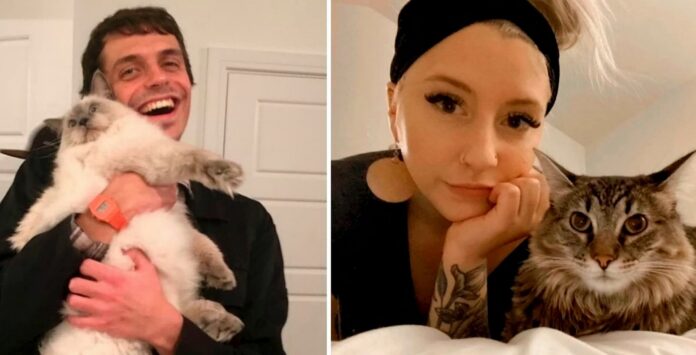
A Brit is engaged to a woman he travelled 4,000 miles to meet—after she liked a photo of him holding a cat on a Facebook group for chubby cats.

SWNS

29-year-old Adam Lawrence and 26-year-old Anna Hosey connected in October 2019 after Adam posted a photograph of himself holding a friend’s cat in the This Cat Is Chonky group.

He messaged Anna after she called him “cute” in the comments. And just two months later, after a flurry of calls and messages, he flew to America to meet her.

They have dated long-distance ever since, and when Adam’s next visit to the States got cancelled due to the pandemic, hair stylist Anna flew to London as soon as the border opened in July 2020.

She moved in with Adam for lockdown and Adam proposed. Now these two smitten kittens are happily engaged just one year after their chance encounter.

Graphic designer Adam said: “I knew Anna was leaving and I wanted our relationship to carry on so I just decided to propose.

“My friends and family all love her.

“I don’t usually date. I haven’t had that many relationships so when everyone met Anna, they all said wow she’s amazing, you guys have to try and make it work.

“We had spoken about getting married a couple of times but hadn’t really reached a decision.

MORE: Woman Who Lost Wedding Ring Shortly After Getting Married Rediscovers It Days Before 40th Anniversary

“I was originally planning to do it on London Bridge but I remembered Anna said she didn’t want it to be in a busy place so I waited til the next day.

“We’d had a nice day out in Camden and I just proposed in my room and she said yes!”

RELATED: Love in the Time of Corona: An American Traveler Survives Italian Lockdown, and Finds True Love

Anna, from Chicago, said: “I wasn’t completely surprised—when it happened, it was more of a sense of excitement for the direction that our future is going to be going officially. It felt more like affirming what we wanted.” 

SWNS

The pair got on from their very first phone call. It lasted five hours. “”We are both very passionate about music so we were sending music to each other back and forth and we had deep meaningful conversations,” says Anna. 

“From that conversation on, I remember going to my friends and saying I don’t know why, I don’t know this guy but I feel like I’m going to marry him!”

CHECK OUT: Sweet Proposal: A Premature Newborn Baby Just Helped His Dad Ask His Mom to Marry Him

The happily engaged pair are looking forward to the future and hope to get married next year in London with Anna looking to eventually move to the UK full time.

Share the Love and Send This Story to Friends on Social Media…
Global Program Dramatically Cuts Childhood Hepatitis B Cases By 80% Worldwide–With Less Than 1% to Go

WHO

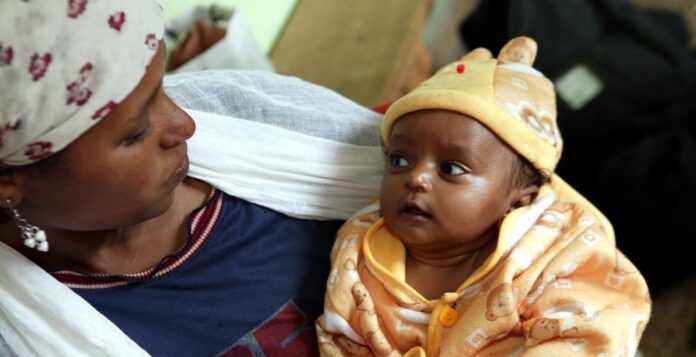
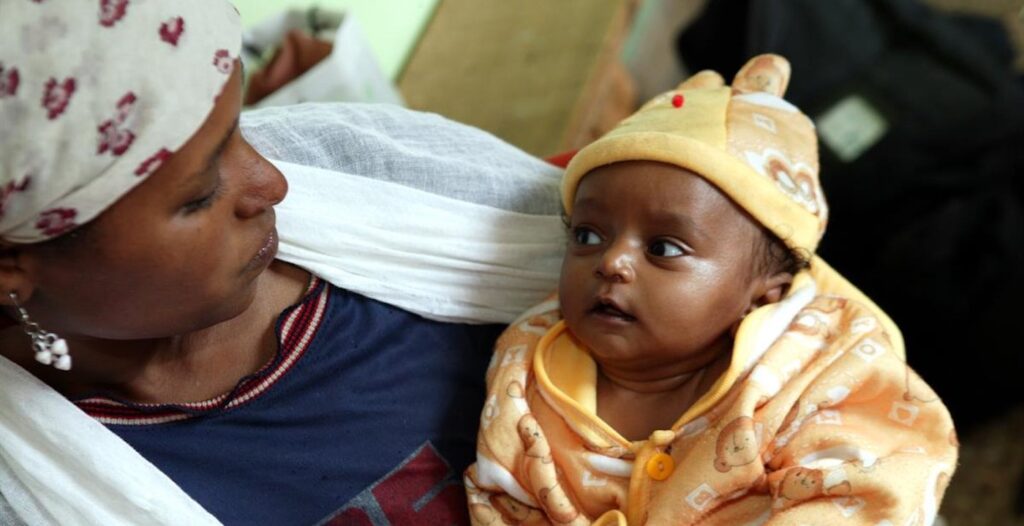
Due to a highly effective global vaccine program, the proportion of children under five who are chronically infected with Hepatitis B has plummeted significantly—to just under 1%. 

WHO

This is down from around 5% in the pre-vaccine era (the period between the 1980s and the early 2000s), according to new estimates from the World Health Organization

Eliminating viral hepatitis has been part of a UN Sustainable Development Goal to “ensure healthy lives and promote well-being for all at all ages” since 2015. 

Reaching a rate of under 1% prevalence of HBV infections in very young children is a huge milestone that brings the world closer to the UN aim of ending hepatitis by 2030.

“No infant should grow up only to die of hepatitis B because they were not vaccinated─today’s milestone means that we have dramatically reduced the number of cases of liver damage and liver cancer in future generations,” said public health researcher Dr Tedros Adhanom Ghebreyesus. 

“Preventing mother-to-child transmission of hepatitis B is the most important strategy for controlling the disease and saving lives. Even in the midst of the COVID-19 pandemic, we must ensure that mothers and newborns have access to life-saving services including hepatitis B vaccinations.”

CHECK OUT: New Report Shows Tuberculosis Deaths Have Fallen By 14% in Five Years, Saving 60 Million in the Last Two Decades

The World Health Organization (WHO) is now calling for united and stepped-up action to build on this achievement through intensified efforts to prevent mother-to-child transmission of HBV through testing pregnant women and provision of antiviral prophylaxis to those who need it and maintaining and expanding access to hepatitis B immunization and birth dose vaccine.

Preventing Hepatitis B

Infants can be protected from HBV through a safe and effective vaccine that provides over 95% protection against infection. 

WHO recommends that all infants receive a first dose of the hepatitis B vaccine as soon as possible after birth–preferably within 24 hours–followed by at least two additional doses.

RELATED: Scientists Make Giant Leap in Diagnosing Liver Disease By Using The Natural Gut Microbiome

The scale-up of hepatitis B vaccine worldwide over the last two decades, which has been in large part due to the support provided by Gavi, the Vaccine Alliance, has been a great public health success story and contributed to the decrease in HBV infections among children. 

In 2019, coverage of three doses of the hepatitis B vaccine during childhood reached 85% worldwide, up from around 30% in 2000. 

However, access to the first critical dose within 24 hours of birth remains uneven. Global coverage of this birth dose is 43%, but this drops to 34% in the WHO Eastern Mediterranean Region and only 6% in the WHO African Region.

“Expanding access to a timely birth dose of the hepatitis B vaccine is the cornerstone of efforts to prevent mother-to-children transmission of HBV. For countries especially in regions such as sub-Saharan Africa, where the birth dose of hepatitis B vaccine has not yet been introduced, it is a priority to assure that protection as early as possible,” said Dr Meg Doherty, Director of Global HIV, Hepatitis, and STI Programs.

MORE: ‘Breakthrough’ Device Allows Doctors to Keep Livers Outside the Body for 7 Days Instead of Mere Hours

Eliminating mother-to-child transmission of HBV is also an important stepping stone for reaching the targets of WHO’s global hepatitis strategy, which aims to reduce new hepatitis infections by 90% and deaths by 65%, compared to 2015 levels.

We’ll continue to share hopeful health news from around the world as it comes in.

(Source: WHO) 

SHARE the Good News With Friends On Social Media…

Trust in Science Has Actually Shot Up Around the World as a Result of Pandemic, Says New Poll

ThisisEngineering RAEng

Back in 2018, 3M began publishing public attitudes towards science around the world. Prior to the pandemic, a general drop in trust towards science and scientists was showing in 3M’s figures.

Then COVID-19 hit the world, and everything changed: In their latest polling, the multinational company 3M has found the downwards trend dramatically reversed—with trust in science showing a huge rise since March 2020.

In fact, against the backdrop of the coronavirus, trust in science and scientists is the highest it has been in three years since these surveys first began.

For its State of Science Index (SOSI) pollings, 3M targets a demographically representative group of over 1,000 participants in around a dozen countries: including Brazil, the United States, Canada, Germany, Japan.

The latest SOSI survey was fielded in eleven countries throughout July and August of 2020, about six months into the pandemic.

RELATED: The Mind-Blowing Mathematics of Sunflowers …From Scientific American Magazine on Their 175th Birthday

89% of those surveyed said they trust science; 86% trust scientists; 77% are more likely as a result of the pandemic to agree that science needs more funding; and more than half (54%) agree science is very important to their everyday lives–a double-digit increase from the pre-pandemic data (44%). 

Rounding out the picture, 92% of global respondents believe actions should follow science to contain the global pandemic, revealing another measure of trust in science.

COVID-19 has made people more sensitive to and appreciative of what science can do

“As people face the most challenging health crisis in our lifetime, science is more relevant, more trusted, and more important to people all over the world,” explained Mike Roman, chairman of the board and chief executive officer of 3M.

People who stated, “I am skeptical of science,” dropped by 7 points to 28% during the pandemic this summer, from its high of 35% last year. Relatedly, respondents who only believe science that aligns with their personal beliefs is down six percentage points from when the question was first asked in 2018.

A renewed trust in science appears to translate into taking action too: More than half of those surveyed (54%) agree COVID-19 has made them more likely to advocate for science, whereas pre-pandemic data showed only 20% would stand up for science when debating its merits with others.

CHECK OUT: Hungarian Scientist Wins €1 Million Prize For Groundbreaking Research That Could Eventually Restore Sight in Blindness

When asked about issues people most want to solve for, unsurprisingly, finding a cure for emerging viruses (such as COVID-19) ranks at the top (80%), followed by finding a cure for other major diseases (62%). 

MORE: Scientists Create ‘Super Enzyme’ That Eats Plastic Bottles Six Times Faster than Previous Enzymes

Outside of healthcare, social justice and the environment are among the greatest priorities. Social justice/STEM equity (advocating for racial equality in society and/or ensuring underrepresented minorities have access to STEM education) is the top non-health related issue (55%)—and addressing the effects of climate change is the second (51%).

(Source: 3M)