All News - Page 543 of 1735 - Good News Network
Home Blog Page 543

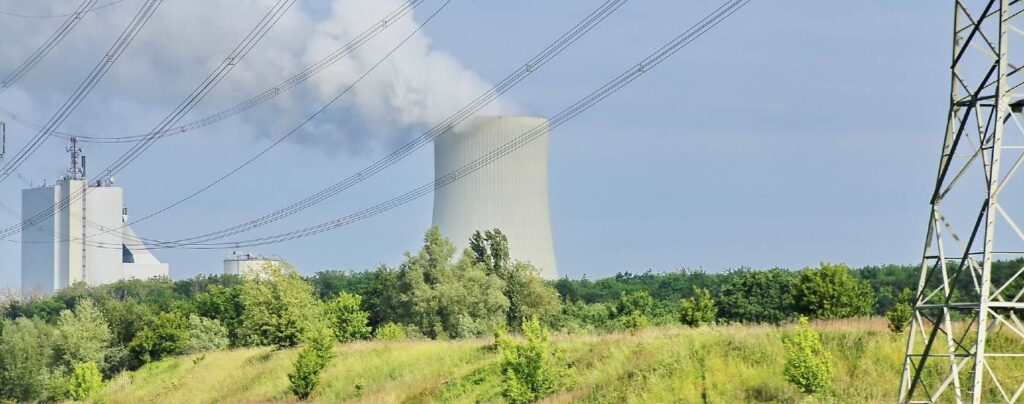
Toxic Sulfur Dioxide Emissions Fell Across India, Russia, and China Last Year–Dropping 6% Globally

ETA+

Containing a large chunk of the total world population, the people of China, India, Russia, and the United States have all helped and worked dramatically to slash the levels of the toxic air pollutant sulfur dioxide (SO2).

ETA+

In 2019, the levels of anthropogenic SO2 emissions fell worldwide by 6%. In only the second time ever, SO2 emissions fell in all three of the countries most responsible for emitting it: China, India, and Russia.

This was based on NASA satellite data that measured levels of the colorless, mildly toxic gas that is generated from activities like burning coal without scrubbers, or other lab processes that remove the sulfur before the coal is used, but also from certain highway vehicles, chemical manufacturing, metal smelting for industry, and some recycling procedures like metal recycling.

In the United States, the trend has been one of almost continuous fall: from the 1970s, when 31 million U.S. tons of SO2 was created by human-made activities, to now, when the number stands at 2.17 million. A loss of 300,000 U.S. tons from 2018-2019 numbers means that the country also joins these other three powerful nations in dropping SO2 emissions of late.

India was the state that saw the greatest fall. As some coal plants have shut down and the country sees a greater utilization of renewables, 414,000 fewer U.S. tons of produced SO2 has been the result.

Over the same period, China experienced a 5% fall, which while being the lowest drop this decade, is still impressive, and the country has decreased SO2 emissions by 87% since 2011. This was primarily down to the increase in use of fuel scrubbers and refineries in the country.

RELATED: As Coal Usage Declines, New Study Finds Dramatic Decrease in Asthma Symptoms and Hospitalizations

Russia lay claim to the largest percentile drop—8%, translating to roughly 340,000 U.S. tons of toxic gas. The amounts of SO2 created by their oil, coal, and gas burning is actually less than the amount produced by the volcanoes which happen to be confined in its borders, much of which comes from the extremely volcanic Kamchatka Peninsula across the straits from Alaska.

SHARE This Breath of Fresh Air With Friends on Social Media…

A Kitten Named Lennon Rescued on John Lennon Drive is Now Playing Big Brother to Another Stray Kitty–Ringo

SWNS

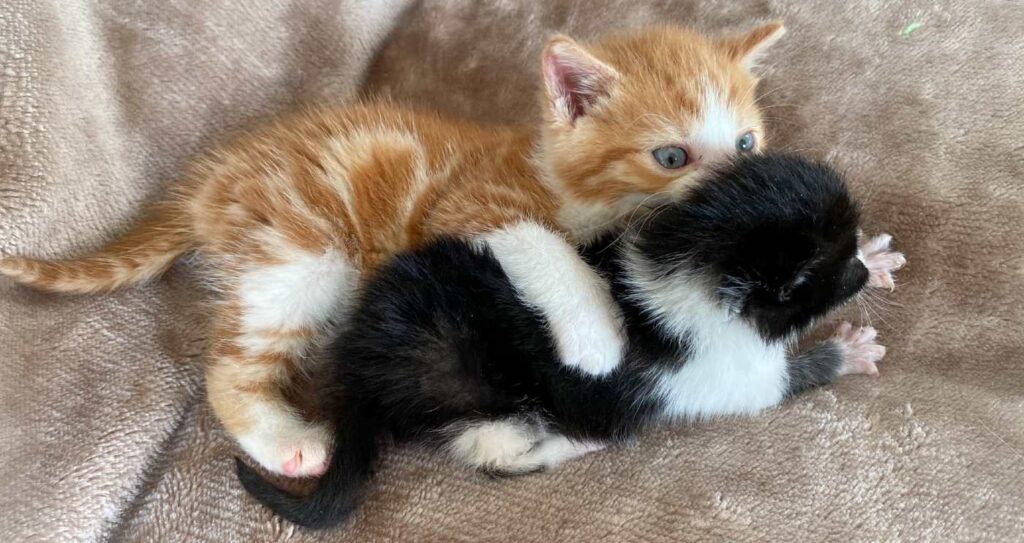
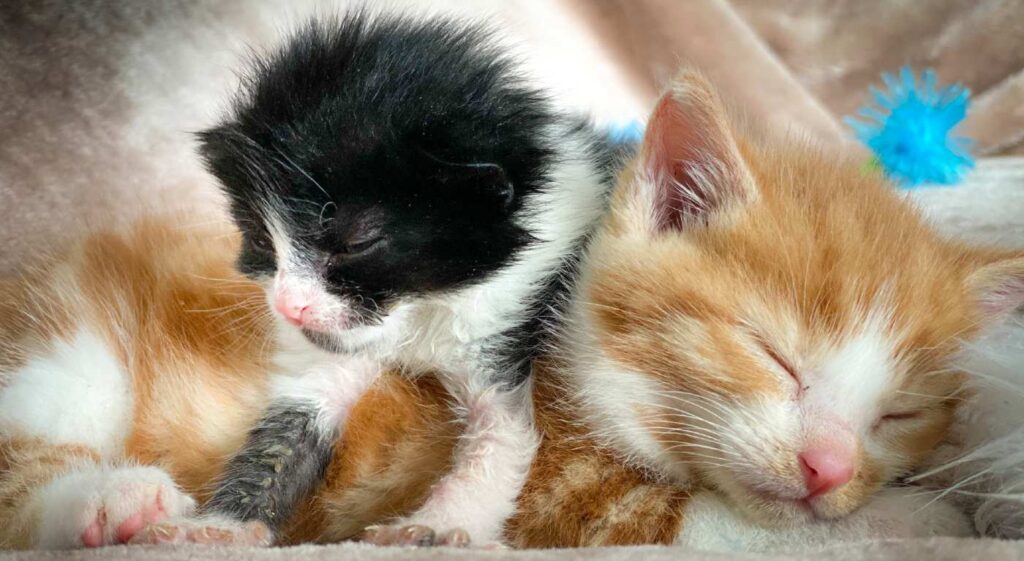
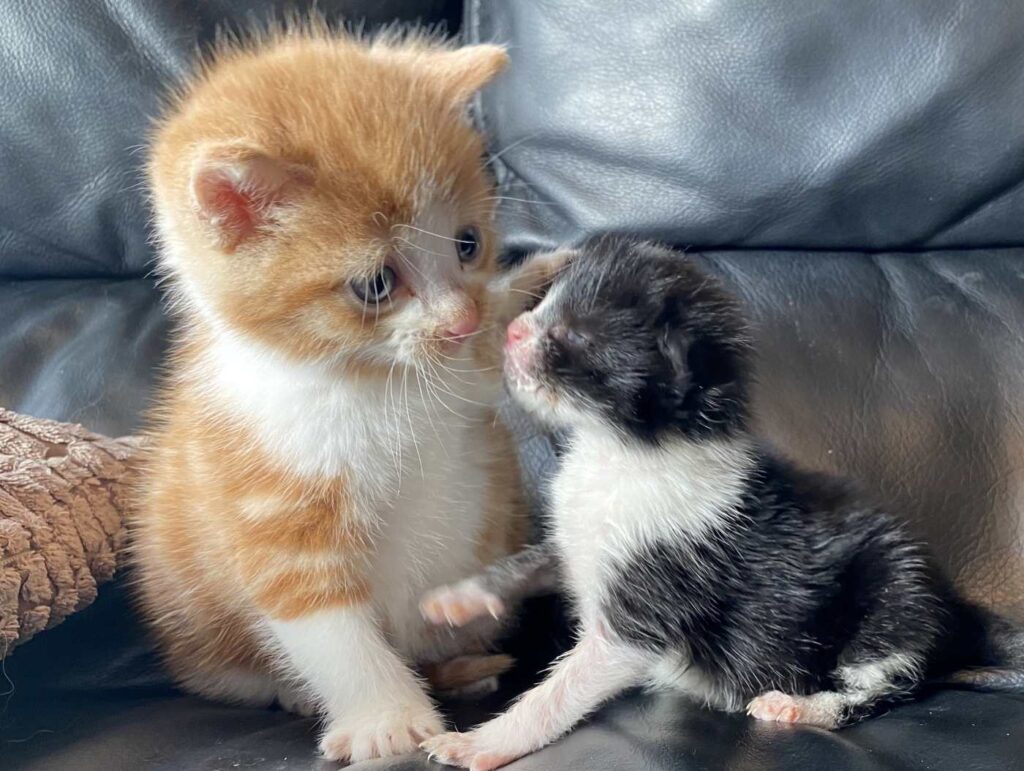
After being discovered on a Liverpool street called John Lennon Drive, a ginger tabby named Lennon is now playing big brother to another kitten in care—called Ringo.

SWNS

When students found little Lennon on an English street on October 8, which would have been the Beatles superstar’s 80th birthday, the feline seemed very frightened, so they wrapped the kitty up in a blanket and looked for the nearest Royal Society for the Prevention of Cruelty to Animals (RSPCA) center.

At the same time, workers at the Wirral and Chester RSPCA branch were hand-rearing a tiny black and white tiny kitten who was rejected by his mom and just a few days old.

Since then, six-week-old Lennon and his new pal have become inseparable—so staff have named the three-week-old after Beatles drummer Ringo Starr.

Their bond is so strong that the RSPCA would like to re-home the fluffy pair together.

SWNS

Branch manager Kay Hawthorne said, “We introduced [Ringo] to Lennon when he arrived as we were helping feed them both and the pair just hit it off. Lennon loves looking after Ringo. They play together and cuddle up together. They get on so well it is really sweet.”

RELATED: There’s a Secret to Building Rap-Paw With Your Cat–And Researchers Have Figured it Out

SWNS

Life has already been a long and winding road for this cuddly pair, but it certainly is nice to hear both kittens have come together and are getting by with a little help from their friends. 

HELP! Somebody See This Post by Sharing on Social Media… 

“Fall is my favorite season. The time when everything bursts with its last beauty, as if nature had been saving up all year for the grand finale.” – Lauren DeStefano

Quote of the Day: “Fall has always been my favorite season. The time when everything bursts with its last beauty, as if nature had been saving up all year for the grand finale.” – Lauren DeStefano

Photo: by Pexels

With a new inspirational quote every day, atop the perfect photo—collected and archived on our Quote of the Day page—why not bookmark GNN.org for a daily uplift?


Iconic New York Bookstore Flooded With $200,000 in Orders After Plea to Fans Helped Avert Closure

Strand Book Store/Facebook

While you can’t always tell a book by its cover, it seems you can tell a bookstore by its customers—and one iconic shop in New York has some very devoted fans.

Strand Book Store/Facebook

As anyone who’s seen the film You’ve Got Mail knows, independent book sellers took a major hit when megastores moved onto the scene. With growing competition from giant online book sellers like Amazon added in, traditional brick-and-mortar bookstores had to rely on their loyal customer base.

One shining example is New York City’s Strand Bookstore, known worldwide for its “18 miles of books.” A Greenwich Village fixture since 1927, the Strand is the single remaining establishment out of 48 bookstores that once ran the length of 4th Avenue’s famous Book Row.

Unfortunately, with the Covid-19 pandemic reducing crucial foot-traffic, store proprietor Nancy Bass Wyden, granddaughter of the store’s original owner, was faced with an awful prospect of having to close the Strand’s doors for good.

In a last-ditch effort to save her beloved family business, Bass Wyden reached out to her customer base with a plea for help. “I’m going to pull out all the stops,” she tweeted, “to keep sharing our mutual love of the printed word. But for the first time in the Strand’s 93-year history, we need to mobilize the community to buy from us so we can keep our doors open until there’s a vaccine.”

The response from the Strand’s loyal clientele came in the form of an avalanche of 25,000 orders over the course of a single weekend that crashed the store’s website and brought in approximately $200,000 in sales. (One enthusiastic Bronx patron ordered 197 books.)

That was followed up by round-the-block lines at the store’s flagship location on Broadway and East 12th Street in lower Manhattan when the store opened.

MORE: 100-Year-old Bookshop Flooded With Orders After Heartbreaking ‘Tumbleweed Day’ Tweet

“How can I not love my book community for helping like this?” Bass Wyden said in an interview with The Washington Post. “I really don’t think that we’re just a bookstore. I think we’re a place of discovery and a community centre. When I ask for help and they respond this fast, it’s so heartwarming.”

Having suffered heavy financial losses earlier in the year, even with the amazing outpouring of love and a much-needed infusion of cash, the Strand isn’t out of the woods just yet, but Bass Wyden is determined not to give up.

RELATED: After Chicago Becomes One of the Biggest US Cities to Ditch Overdue Library Fees, Book Returns Surge by 240%

“As the 3rd generation owner,” she said, “I have tried to imagine what my dad and grandfather would do right now after they spent their entire lives—6 days a week—working at the store. I don’t believe they would want me to give up without a fight.”

In the The Bookshop Book, bestselling author Jen Campbell wrote: “Printed books are magical, and real bookshops keep that magic alive… Are bookshops still relevant? They certainly are. All bookshops are full of stories, and stories want to be heard.”

CHECK OUT: Culturally Wealthy: More Americans Visited Their Library in 2019 Than the Movies—By Far

As long as the Strand has stories to tell, there will be people to willing to do their part to help keep that magic alive.

SHARE This Post With the Book Lovers in Your Life…

This Week’s Inspiring Horoscopes From Rob Brezsny’s ‘Free Will Astrology’

We’ve partnered with our friend Rob Brezsny, who for years has championed a positive approach to life through astrology. His weekly wisdom can enlighten your thinking and motivate your mood with ‘PROnoia’ instead of paranoia. Rob’s Free Will Astrology, is a syndicated weekly column that appears in over a hundred publications. He is also the author of Pronoia Is the Antidote for Paranoia: How All of Creation Is Conspiring To Shower You with Blessings. (A free preview of the book is available here.)

Here is your weekly horoscope…
FREE WILL ASTROLOGY – Week beginning October 28, 2020
Copyright by Rob Brezsny, FreeWillAstrology.com

SCORPIO (Oct. 23-Nov. 21):
Scorpio-born Prince Charles has been heir to the British throne for 68 years. That’s an eternity to be patiently on hold for his big chance to serve as king. His mother Queen Elizabeth just keeps going on and on, living her very long life, ensuring that Charles remains second-in-command. But I suspect that many Scorpios who have been awaiting their turn will finally graduate to the next step in the coming weeks and months. Will Charles be one of them? Will you? To increase your chances, here’s a tip: Meditate on how to be of even greater devotion to the ideals you love to serve.

SAGITTARIUS (Nov. 22-Dec. 21):
Inventor Buckminster Fuller was a visionary who loved to imagine ideas and objects no one had ever dreamed of before. One of his mottoes was, “There is nothing in a caterpillar that tells you it’s going to be a butterfly.” I recommend that you spend quality time in the coming weeks meditating on butterfly-like things you’d love to have as part of your future—things that may resemble caterpillars in the early going. Your homework is to envision three such innovations that could be in your world by October, 2021.

CAPRICORN (Dec. 22-Jan. 19):
“By my love and hope I beseech you,” pleaded philosopher Friedrich Nietzsche. “Do not cast away the hero in your soul! Hold holy your highest hope!” That’s always good advice, but it’s extra crucial for you now. You will generate good fortune for yourself by being in close connection with the part of you that is bravest and wisest. The people whose lives you touch will have a special need for you to express the vitalizing power of intelligent hopefulness. More than maybe ever before, you will be inspired to cultivate your heroic qualities.

AQUARIUS (Jan. 20-Feb. 18):
“Pretending is imagined possibility,” observes actor Meryl Streep. “Pretending is a very valuable life skill and we do it all the time.” In other words, fantasizing about events that may never happen is just one way we use our mind’s eye. We also wield our imaginations to envision scenarios that we actually want to create in our real lives. In fact, that’s the first step in actualizing those scenarios: to play around with picturing them; to pretend they will one day be a literal part of our world. The coming weeks will be an excellent time for you to supercharge the generative aspect of your imagination. I encourage you to be especially vivid and intense as you visualize in detail the future you want.

PISCES (Feb. 19-March 20):
“The worse the state of the world grows, the more intensely I try for inner perfection and power,” wrote Piscean author Anais Nin during World War II. “I fight for a small world of humanity and tenderness.” I encourage you to adopt that perspective for the rest of 2020. It’s an excellent time to respond boldly to the outer chaos by building up your inner beauty. I also suggest this addition to Nin’s formula: Call on your resourceful compassion to bolster the resilience of your closest allies.

ARIES (March 21-April 19):
“I am, indeed, a king, because I know how to rule myself,” wrote 16th-century author Pietro Aretino. By January 2021, Aries, I would love for you to have earned the right to make a similar statement: “I am, indeed, a royal sovereign, because I know how to rule myself.” Here’s the most important point: The robust power and clout you have, the potential to summon, has nothing to do with power and clout over other people—only over yourself. Homework: Meditate on what it means to be the imperial boss and supreme monarch of your own fate.

TAURUS (April 20-May 20):
“The basic principle of spiritual life is that our problems become the very place to discover wisdom and love.” Buddhist teacher Jack Kornfield made that brilliant observation. It’s always worth meditating on, but it’s an especially potent message for you during the coming days. In my view, now is a highly favorable time for you to extract uplifting lessons by dealing forthrightly with your knottiest dilemmas. I suspect that these lessons could prove useful for the rest of your long life.

GEMINI (May 21-June 20):
Many stories that were popular long ago are still studied today. One example is the ancient Greek myth of Orpheus and Eurydice, originally told during the first century BC. Another is Homer’s epic tale the Odyssey, which harkens back to the sixth century BC. I have no problem with learning from old tales like these. It’s important to know how people of previous eras experienced life. But for you in the coming months, I think it will be crucial to find and tell new stories—tales that illuminate the unique circumstances that you are living through right now.

CANCER (June 21-July 22):
“I’m the diamond in the dirt, that ain’t been found,” sings Cancerian rapper Curtis Jackson, also known as 50 Cent. “I’m the underground king and I ain’t been crowned,” he adds. My reading of the astrological omens suggests that a phenomenon like that is going on in your life right now. There’s something unknown about you that deserves and needs to be known. You’re not getting the full credit and acknowledgment you’ve earned through your soulful accomplishments. I hereby authorize you to take action! Address this oversight. Rise up and correct it.

LEO (July 23-Aug. 22):
Dionysus was the ancient Greek god of drunkenness and ecstasy and madness. His followers were inclined to immerse themselves in those states. Yet as historian Robert Parker points out, Dionysus himself “was seldom drunk, seldom mad.” His relationship with his consort Ariadne was “dignified and restrained,” and “smiling tranquility” was his common mood. I recommend that in the coming weeks you act more like Dionysus than his followers—no matter how unruly the world around you may become. The rest of us need you to be a bastion of calmness and strength.

VIRGO (Aug. 23-Sept. 22):
“Your relationship with yourself sets the tone for every other relationship you have,” says motivational speaker Robert Holden. Hallelujah and amen! Ain’t that the truth! Which is why it’s so crucial to periodically take a thorough inventory of your relationship with yourself. And guess what, Virgo: Now would be a perfect time to do so. Even more than that: During your inventory, if you discover ways in which you treat yourself unkindly or carelessly, you can generate tremendous healing energy by working to fix the glitches. The coming weeks could bring pivotal transformations in your bonds with others if you’re brave enough to make pivotal transformations in your bonds with yourself.

LIBRA (Sept. 23-Oct. 22):
“Feeling too much is a hell of a lot better than feeling nothing,” declares Libran author Nora Roberts. I trust you will see the wisdom of that perspective in the coming weeks. On the downside, there might be some prickly, disorienting feelings arriving along with the rich flood of splendor. But I’m convinced that most of the surge will be interesting, invigorating, and restorative—although it may take a while for the full effects to ripen. And even the prickly, disorienting stuff may ultimately turn out to be unexpectedly nurturing for your soul.

WANT MORE? Listen to Rob’s EXPANDED AUDIO HOROSCOPES, 4-5 minute meditations on the current state of your destiny — or subscribe to his unique daily text message service at: RealAstrology.com

(Zodiac images by Numerologysign.com –CC license)

SHARE The Wisdom With Friends Who Are Stars in Your Life on Social Media…

Teacher Giving Zoom Class Notices Grandparent Slurring Her Words, and Ends Up Saving Her From Stroke

Gail Koch
Gail Koch

Teachers have always had to be resourceful, but in the age of coronavirus, the challenges are even greater. For one heroic Michigan faculty member, a virtual classroom recently became the means to save a woman’s life—IRL.

When first-grade teacher Julia Koch got a call about a computer glitch from Cynthia Phillips whose granddaughter was in her class, she knew immediately there was a more serious problem than mere technical difficulties.

“It was clear there was something very wrong. Her words were so jumbled, and I couldn’t understand what she was trying to say,” Koch told CNN. “She didn’t sound like herself.”

Koch immediately leapt into action, alerting school principal Charlie Lovelady to Phillips’ distress. Lovelady, familiar with stroke symptoms having lost his own father to one, kept Phillips on the phone while another staff member dialed 9-11.

Even after an ambulance was dispatched, Lovelady went the extra mile, tapping two more workers to head over to Phillips’ residence to make sure she and the kids she was looking after were all okay.

RELATED: Hero Teacher Spent Every Day in Lockdown Preparing Food for His Pupils and Delivered 7,500 Packed Lunches

Without Koch’s quick thinking and Lovelady’s decisive action, the outcome would likely have been very different. Phillips is grateful to be alive and has nothing but praise for her real-life guardian angels.

“Thank you for saving my life,” Phillips said, thanking her rescuers via an interview with WOOD-TV8. “If it wasn’t for them getting me the help, I needed I would’ve just not been here.”

MORE: No One Came to Student’s Graduation—So His Teacher Took Him Out to Dinner and Bought Him a Car

Meanwhile, Koch says the incident has turned out to be a true learning experience for her. “I don’t think one can truly be a good teacher and not care about the students and their families. In the environment we’re in especially, it’s too hard to do this without actually truly caring,” Koch said. “Out of all this, what I’ve learned [is] being part of a community that cares is so important. Paying attention to people and listening to them, always thinking of how to help. It’s great to know I’m part of a team like that.”

SHARE This Inspiring Story With Friends on Social Media… 

Study Says Combining a Daily Protein Shake With Exercise Doesn’t Just Make You Stronger, It Makes You Smarter Too

Photo by Kelly Sikkema

It’s well known that exercise boosts the brain as well as the body. Now it’s been found that the cognitive and physical benefits of a regular workout regimen are stronger when a protein shake is included as part of that routine. 

Photo by Kelly Sikkema

Researchers at the University of Illinois studied the effects of a 12-week exercise regimen on 148 active-duty Air Force airmen, half of whom also received a twice-daily nutrient beverage that included protein; the omega-3 fatty acid, DHA; lutein; phospholipids; vitamin D; B vitamins and other micronutrients; along with a muscle-promoting compound known as HMB. 

Both groups improved in physical and cognitive function, with added gains among those who regularly consumed the nutritional beverage, the team reports.

The findings, which appear in the journal Scientific Reports, show that participants were randomly assigned to the two groups. The exercise regimen combined strength training and high-intensity interval aerobic fitness challenges. One group received the nutritional beverage and the other consumed a placebo beverage that lacked the added nutrients. Neither the researchers nor the participants knew who received the nutrient-enriched beverage or placebo.

CHECK OUT: Dreading a Dark Winter Lockdown? Think Like a Norwegian

“The exercise intervention alone improved strength and endurance, mobility and stability, and participants also saw increases in several measures of cognitive function. They had better episodic memory and processed information more efficiently at the end of the 12 weeks. And they did better on tests that required them to solve problems they had never encountered before, an aptitude called fluid intelligence,” said Aron Barbey, a professor of psychology at the University of Illinois at Urbana-Champaign who led the study with postdoctoral researcher Christopher Zwilling.

“Those who also consumed the nutritional supplement saw all of these improvements and more. For example, they were better able to retain new information in their working memory and had quicker responses on tests of fluid intelligence than those taking the placebo,” Barbey said.

RELATED: Exercise in the Morning May Stave Off Cancer, As Opposed to Later in the Day, New Study Says

Physical power increased in both groups as a result of the physical training, Zwilling said.

“Power is a measure of physical fitness that is based on several factors, such as how fast a participant can pull a heavy sled over a set distance, how far they can toss a weighted ball, and how many pushups, pullups or situps they can perform in a set time period,” he said.

The physical training reduced participants’ percent of body fat and increased their oxygen-uptake efficiency, or VO2 max. The airmen also performed better than they had initially on several measures of cognitive function. The most notable of these was an increase in the accuracy of their responses to problems designed to measure fluid intelligence.

“But we also wanted to know whether taking the supplement conferred an advantage above and beyond the effect of exercise,” Zwilling said. “We saw that it did, for example in relationship to resting heart rate, which went down more in those who took the supplement than in those who didn’t.”

Participants who consumed the nutritional beverage also saw greater improvements in their ability to retain and process information. And their reaction time on tests of fluid intelligence improved more than their peers who took the placebo, the researchers found.

MORE: Poll Shows People Are Picking Up Healthy New Habits As a Result of Being Home in Pandemic

So there you go. Enriched protein shakes to go with your exercise aren’t just good for the body. They’re great for the brain, too.

(Source: University of Illinois)

SHARE The Big Research News With Your Pals on Social Media… 

World’s Largest Seagrass Restoration Project is a Virginia Success, Planting 600 Acres That Grow to Become 9,000

NOAA

In what started as an experiment and became the largest success of its kind, a seagrass restoration project in Southeast Virginia is demonstrating the resilience of marine ecosystems when they are given a chance to recover.

NOAA

A group of marine scientists and volunteers spread more than 70 million eelgrass seeds across a 200-hectare plot off the southern end of Virginia’s eastern shore. Led by the Virginia Institute of Marine Science and with help from The Nature Conservancy, the project has grown to over 3,600 hectares (8,896 acres), making it the largest seagrass restoration in the world.

For perspective, this landmark seagrass meadow project off the coast of Wales used 750,000 seeds to create a five-acre meadow.

Over the 20 years it took to create the mega 3,600-hectare ecosystem in Virginia, scientists have gotten to see the process from infancy to adulthood. They’ve been documenting every detail, every step of the way, so as to lay the foundations of knowledge for widespread seagrass restoration across the world. This is important because seagrass isn’t just a good home for fish; it can also help the planet.

While the Amazon rainforest is sometimes affectionately referred to as the ‘lungs of the world’, the combination of masses of rotting plant matter and poor soil conditions mean that its carbon storage potential is actually lower than other forest ecosystems—like the Taiga in Russia, for example.

In fact, greater than any terrestrial forests in their potential of absorbing CO2 and nitrogen from the atmosphere are coastal marine ecosystems like mangroves, kelp forest, salt marsh, and seagrass beds.

RELATED: These Floating Trashcans Are Being Deployed Around the World So They Can Suck Up Tons of Ocean Trash

According to WWF’s article 10 Reasons to Hope, seagrass can capture carbon 35 times faster than even tropical rainforests, but as it currently covers merely 0.2% of the seafloor, the potential to use more seagrass as a carbon offset is essentially unlimited.

Beauty and resiliency

At the inshore Virginia lagoons where the scientists have been working, there has been no seagrass since the 1930s when disease and a hurricane wiped them out.

Since the team has been sowing seagrass seeds, they’ve noticed surprising resiliency in the ecosystem. Though a marine heatwave destroyed several meadows in the course of their research, it took only three years for them to recover in plant life, showing their surprising resilience.

MORE: Undersea Robot Just Delivered 100,000 Heat-Resistant Baby Corals to the Great Barrier Reef

The resiliency is their (and our) great strength in a changing climate, as mature seagrass beds have been found to sequester 1.3 times more carbon and 2.2 times more nitrogen in their roots and the soil around them than young seagrass beds.

3,000 metric tons of carbon, the equivalent of the emissions of 653 cars driven for a year, and 600 metric tons of nitrogen were being sequestered every year by the project meadows at the 20-year mark.

There was form as well as function in the seagrass beds, as measured by water quality and animal life. “We witnessed a substantial decrease in mean turbidity levels during the summer months since the restoration was initiated within the meadow,” explained the study.

The loss of the eelgrass meadows was followed by an abandonment of the area by the brant goose, and commercial fishing ventures for bay scallops.

“In my first years here, there was no seagrass and there hadn’t been for decades,” said Karen McGlathery, a coastal ecologist at the University of Virginia in Charlottesville to Science News. “Today, as far as I can swim, I see lush meadows, rays, the occasional seahorse. It’s beautiful.”

Going forward, the steps that achieved this spectacular success could be replicated, the researchers say, in other areas of the country where lush seagrass ecosystems once flourished, such as Biscayne Bay in Florida.

“As the world settles into the era of the Anthropocene, and regulatory agencies worldwide seek to conserve and recover valuable ecosystem services, our study provides a positive example that successful marine restorations are possible on the scales that contribute directly to human well-being,” reads the study.

CHECK OUT: You Can Now ‘Reforest the Oceans’ One Online Search at a Time Thanks to This New Search Engine

“It addresses key deliverables for the United Nation’s Decade on Ecosystem Restoration (2021–2030) and the Decade of Ocean Science for Sustainable Development, including recovery of a threatened marine habitat, conservation of biodiversity, provisioning of habitat, and sequestration of carbon.”

Plant Some Positivity By Sharing The Good News With Your Friends On Social Media…
Inflatable Floodgates in Venice Named After Moses Save the City for a Second Time

Consorzio Venezia Nuova

Venice, with its historic squares and buildings, quaint shops, and rows of old houses, was in grave danger last week when a 4.6-foot tide inched ever closer to its shores.

Consorzio Venezia Nuova

Such a tide would have flooded half the city, starting with the cultural treasure of St. Mark’s Square and its spectacular basilica, if not for the intervention of a controversial, long-delayed, but now operational inflatable flood defense system named after a certain biblical figure who famously helped move another source of pesky water.

Designed to stay at the bottom of the Venice lagoon until a flood is detected, “Mose,” an acronym that forms the Italian spelling of the man who parted the Red Sea, inflates to the surface, rapidly creating a yellow rubber wall, repelling the water, and protecting the city.

Operated from stations on the Lido, Malamocco, and Chioggia inlets, it isolates the Venice lagoon from flooding and has now been used twice in October alone, on the 3rd, and the 22nd as northern Italy has received a battering of rain.

Designed all the way back in 1984, and scheduled to come into operation in 2011, the Mose project has been hindered by corruption and cost overruns, forcing the architects behind it to reformat.

RELATED: Inspired By 6-Year-old’s Kindness, a 43-Foot Bridge is Donated to Flood-Affected Nebraska Town

Costing an estimated €6 billion, the project was moved into hyperdrive after last year when Venice experienced its worst floods since 1966, causing €1 billion ($1.175 billion) in estimated damages.

A rendering of the Moses floodgates

The project is imagined to be finished in 2021 when the historic city should be protected from floods up to ten feet high according to Smithsonian—an occurrence that may become more frequent due to rising sea levels.

PART The Good News for Your Friends And Share This Story on Social Media…
“Autumn leaves don’t fall, they fly. They take their time and wander on this their only chance to soar.” – Delia Owens

Quote of the Day: “Autumn leaves don’t fall, they fly. They take their time and wander on this their only chance to soar.” – Delia Owens

Photo: by Fred Russo

With a new inspirational quote every day, atop the perfect photo—collected and archived on our Quote of the Day page—why not bookmark GNN.org for a daily uplift?


13-Year-old ‘Angel’ is Donating Thousands of Masks, Meals, and Clothing to Seattle’s Homeless–WATCH

K19 FOX

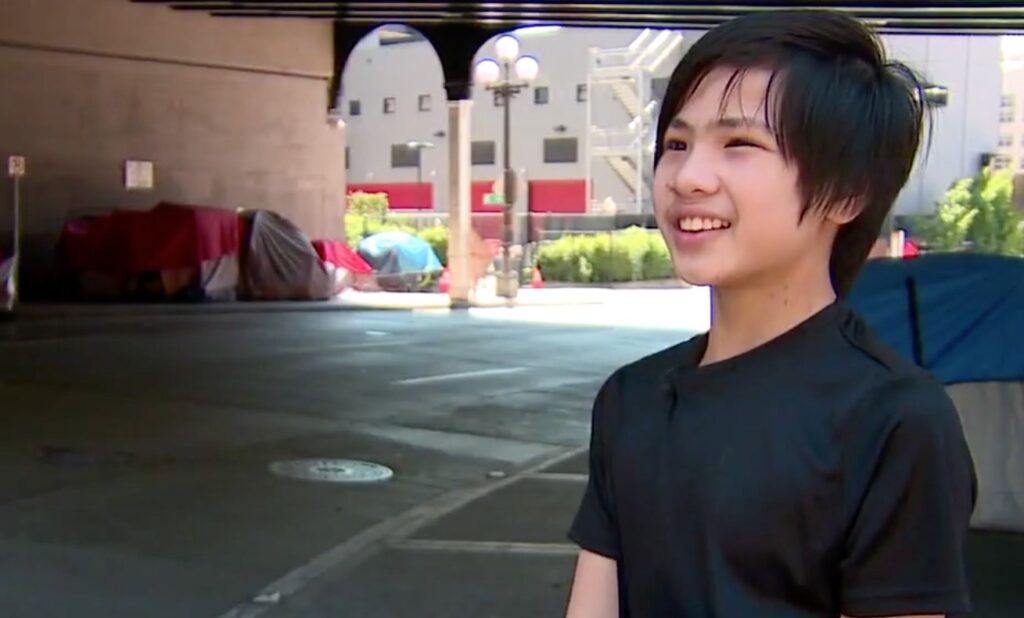
Liem Kaplan may only be 13 years old, but he’s already spent the past seven years of his life serving his community.

Since COVID-19 hit the Seattle area, he’s been applying his generous nature tenfold: getting more than 5,000 masks, as well as sanitizer, food, clothing, and shelter to others—whatever it takes to help those most in need stay protected from the virus. 

K19 FOX

The teen’s drive to do good for others comes from being supported in some challenges of his own: Liem was born with arms that are little different from most others. Adopted as an 11-month-old from Vietnam, his Washington family has been cheering him all the way in his altruistic endeavors, and he’s been hosting coat drives and other campaigns for vulnerable kids since the age of six.

RELATED: This 5th-Grader is Racing to Get 100k Meals to People in Need Before Thanksgiving

This hero isn’t about to stop helping others anytime soon. When Q13 FOX asked him how long he plans to keep showing up for others, he said, “Probably the rest of my life.”

As for those people Liem and his volunteer crew are helping? 62-year-old Tony recently found himself homeless for the first time. When Liem helped find a hotel for him to stay in, Tony only had one word to describe his new friend. He’s an “angel,” he stated.

If you’d like to help or donate to Liem’s Giving Hope Project, you can head to the website here. 

(WATCH this teenager’s remarkable story in the Q13 video below.) 

SHARE the Good Vibes and Send This Story To Your Friends on Social Media… 
On Its 75th Birthday UN Ratifies Treaty Which Bans Ownership, Creation, and Use of Nuclear Weapons For Signatories

Parts of this article have been reprinted with permission from World at Large news.


A treaty that bans the use, manufacturing, sale, and maintenance of nuclear weapons has just received the 50th ratification needed to make nuclear weapons for the affirming nations illegal under international law for the first time in history.

Among the ratifying nations are regional influencers including Nigeria, Thailand, South Africa, Mexico, Austria, and New Zealand.

UN Secretary-General Antonio Guterres called the treaty “a meaningful commitment towards the total elimination of nuclear weapons,” while the International Campaign to Abolish Nuclear Weapons (ICAN) called it “historic.”

Honduras, the 50th ratifying nation, put pen to paper Saturday, on the 75th anniversary of the founding of the United Nations—the international governing body formed in the aftermath of World War II with the express purpose of promoting peace and stopping wars.

Entering into force on January 22nd, 2021 for an “unlimited duration,” the Treaty on the Prohibition of Nuclear Weapons bans all stages and uses of nuclear weapons within any nation that has ratified the treaty and includes mechanisms that will allow these nations to hold each other accountable should a breach in the treaty be found.

Nuclear-armed states including the USA, Russia, China, Britain, and France have not signed the treaty.

CHECK OUT: Kindergartners Succeed in Getting Cities to Adopt Their Official Symbol for Kindness—Next, the US Congress

While those nations haven’t adopted the treaty, the fact that it has passed the drawing board and entered into international law signifies the resolve of those governments committed to the abolition of nuclear weapon.

Setsuko Thurlow, 88, one of the last survivors of the bombing of Hiroshima is and has been a strong campaigner for the treaty as the founder of the International Campaign to Abolish Nuclear Weapons (ICAN), which won the Nobel Peace Prize in 2017 for their efforts to establish the treaty that was launched in July that year.

MORE: It’s Unanimous: Every Country in the UN Signs Agreement to Protect Wildlife

Thurlow released a statement on her reaction when she first heard the final signatory had been found.

“When I learned that we reached our 50th ratification, I was not able to stand,” said Thurlow, who was just 13 when the United State dropped an atomic bomb on her city.

“I remained in my chair and put my head in my hands and I cried tears of joy. I have committed my life to the abolition of nuclear weapons. I have nothing but gratitude for all who have worked for the success of our treaty.”

Study Shows That Sleeping With a Weighted Blanket Can Reduce Insomnia

Kinga Cichewicz

Weighted blankets are a safe and effective intervention in the treatment of insomnia.

That’s according to Swedish researchers who found that insomnia patients do experience improved sleep and less daytime sleepiness when sleeping with a weighted blanket.

Kinga Cichewicz

Results of the randomized, controlled study show that participants using the weighted blanket for four weeks reported significantly reduced insomnia severity, better sleep maintenance, a higher daytime activity level, and reduced symptoms of fatigue, depression, and anxiety.

Participants in the weighted blanket group were almost 26 times more likely to experience a decrease of 50% or more in their insomnia severity compared with the control group, and they were nearly 20 times more likely to achieve remission of their insomnia. Positive results were maintained during a 12-month, open follow-up phase of the study.

“A suggested explanation for the calming and sleep-promoting effect is the pressure that the chain blanket applies on different points on the body, stimulating the sensation of touch and the sense of muscles and joints, similar to acupressure and massage,” said principle investigator Dr. Mats Alder, consultant psychiatrist in the department of clinical neuroscience at the Karolinska Institutet in Stockholm.

“There is evidence suggesting that deep pressure stimulation increases parasympathetic arousal of the autonomic nervous system and at the same time reduces sympathetic arousal, which is considered to be the cause of the calming effect.”

RELATED: Having Trouble Sleeping? New Research Says a Dose of Saffron Can Help You Doze

The study, published in the Journal of Clinical Sleep Medicine, involved 120 adults (68% women, 32% men) previously diagnosed with clinical insomnia and a co-occurring psychiatric disorder: major depressive disorder, bipolar disorder, attention deficit hyperactivity disorder, or generalized anxiety disorder. They had a mean age of about 40 years.

Participants were randomized to sleep for four weeks at home with either a chain-weighted blanket or a control blanket. Participants assigned to the weighted blanket group tried an 8-kilogram (about 17.6 pounds) chain blanket at the clinic.

Ten participants found it to be too heavy and received a 6-kilogram (about 13.2 pounds) blanket instead. Participants in the control group slept with a light plastic chain blanket of 1.5 kilograms (about 3.3 pounds). Change in insomnia severity, the primary outcome, was evaluated using the Insomnia Severity Index. Wrist actigraphy was used to estimate sleep and daytime activity levels.

Nearly 60% of weighted blanket users had a positive response with a decrease of 50% or more in their ISI score from the baseline to the four-week endpoint, compared with 5.4% of the control group. Remission, a score of seven or less on the ISI scale, was 42.2% in the weighted blanket group, compared with 3.6% in the control group.

CHECK OUT: Smelling Your Lover’s Shirt Could Improve Your Sleep As Much as Sleeping Aids

After the initial four-week study, all participants had the option to use the weighted blanket for a 12-month follow-up phase. They tested four different weighted blankets: two chain blankets (6 kilograms and 8 kilograms) and two ball blankets (6.5 kilograms and 7 kilograms).

After the test, and they were freely allowed to choose the blanket they preferred, with most selecting a heavier blanket, only one participant discontinued the study due to feelings of anxiety when using the blanket. Participants who switched from the control blanket to a weighted blanket experienced a similar effect as patients who used the weighted blanket initially. After 12 months, 92% of weighted blanket users were responders, and 78% were in remission.

“I was surprised by the large effect size on insomnia by the weighted blanket and pleased by the reduction of levels of both anxiety and depression,” said Adler.

RELATED: Having Trouble Sleeping? New Research Says a Dose of Saffron Can Help You Doze

In a related commentary, also published in JCSM, Dr. William McCall writes that the study results support the psychoanalytic “holding environment” theory, which states that touch is a basic need that provides calming and comfort.

McCall urges providers to consider the impact of sleeping surfaces and bedding on sleep quality, while calling for additional research into the effect of weighted blankets.

Reprinted from the American Academy of Sleep Medicine

Help Your Friends Have Sweet Dreams and Share This Story on Social Media…

Mom Shares an ‘Optical IIlusion’ Photo of Her Son Standing Next to a Lion In The Zoo

SWNS
SWNS

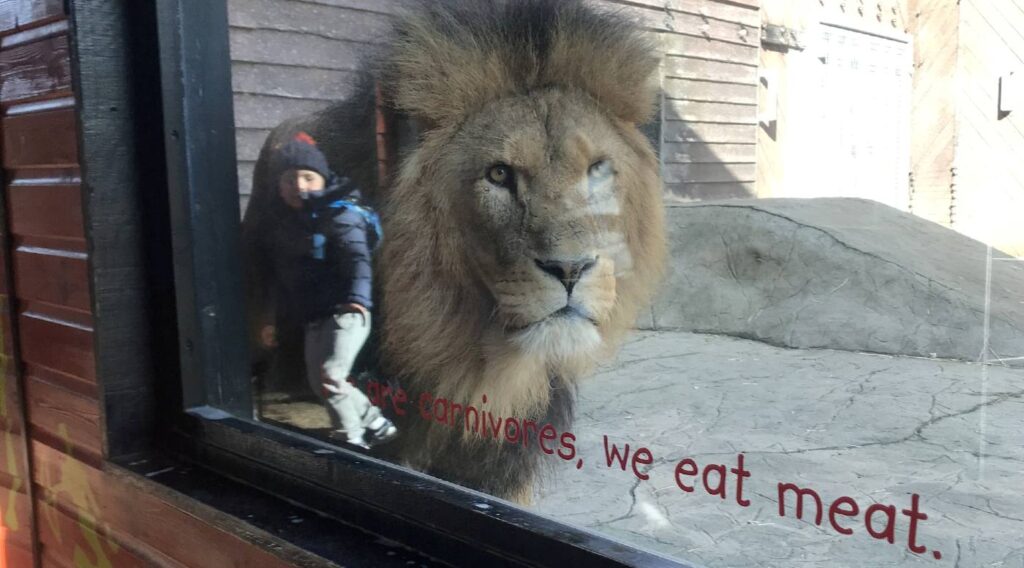
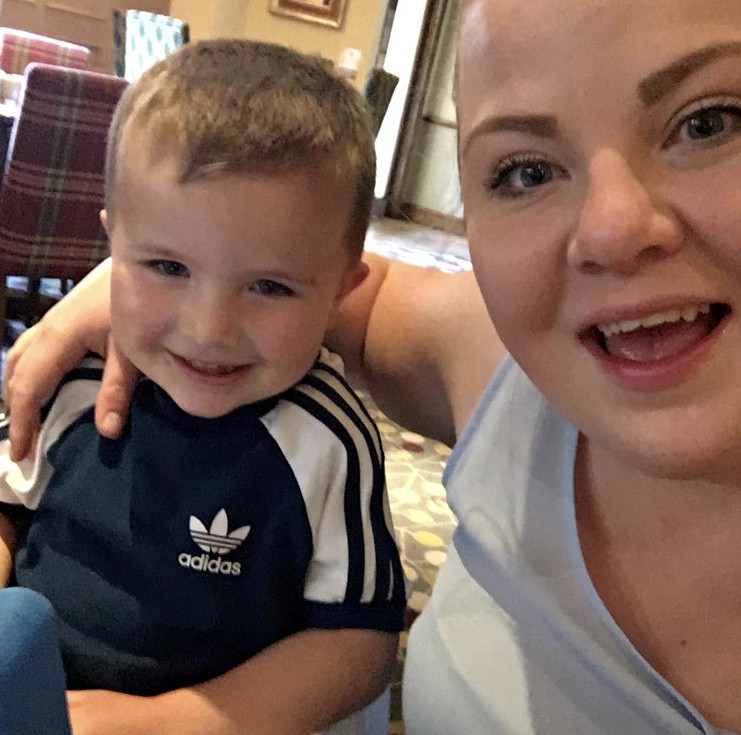
A trick of the light can make a really big impact. Thanks to an optical illusion, a mom snapped a photo of her four-year-old boy apparently inside the enclosure of a big cat.

Little Noah Moore was mesmerized by a giant feline when his mother Shanice took him to Colchester Zoo in Essex, England last week.

28-year-old Shanice was snapping away, taking photos of her son as he gazed up excitedly at Bailey the lion lying against the glass. 

But it was only when Shanice and her partner Jake Moore were heading back home that she looked back at her photos… and saw Noah looking perilously close to Bailey in one of her pictures.

The image shows just Noah’s reflection in the glass of the enclosure, making it look like the youngster is standing inside, snuggled up against the lion’s bushy mane.

To make the photo even funnier, some picture-perfect words are written across the bottom of the glass: “We eat meat.”

Shanice said she had just intended to take a photo of Bailey the lion, and hadn’t even realized at the time that Noah was reflected in the image.

The mom, who is expecting her second child next month, said: “I just couldn’t believe it when I saw the picture. I shared it on Facebook after I spotted it, and had people asking me whether I had done any Photoshop on it. But I’m rubbish with technology—I don’t even think with Photoshop I could have done a better job than what I did.

“The zoo said it’s quite rare for that particular lion to come right up to the window like that. It was awesome.”

Shanice said that the moment was made extra-special because of how her autistic son reacted when he saw the lion.

SEE: This Epic Pirate Cat Has Spent Her Whole Life Sailing the Ocean

She said, “He’s quite severely autistic, and he’s non-verbal, so he’s never really engaged with any of the animals on the few occasions we’ve been to the zoo.

SWNS

“But on this occasion, it was the first time he’s been really engaged at the zoo.

“He was staring at the lion for ages, and because we’ve got a pet cat at home, he actually said ‘kitty-kat’, which was amazing and very emotional for me. I think the lions must be his new favorite animal.”

MORE: Boy Recreates Iconic Scene From Toy Story to Mark His First Day of School

Shanice said she has now had the photo framed. We hope it will remind her of a special time with Noah for a long time to come.

PASS On The Magic And Share The Tale Behind This Optical Illusion With Friends…

Scientists Finally Research the Question of Whether Couples Really Do End Up Looking Alike

Ribeiro Simões

It may not be the question for the ages, but it’s certainly a question that’s been pondered for ages: Do couples really begin to resemble one another the longer they’re together?

Ribeiro Simões

A pioneering study conducted in 1987 by University of Michigan psychologist Robert Zajonc suggested that based on factors such as diet, lifestyle, and compatibility, spouses did begin to look alike over the course of time. However, since the comparative data was gathered from a small pool of human volunteers, it was highly subjective.

With that in mind, some researchers at Stanford University decided to put the matter to a more clinical test. “It is something people believe in and we were curious about it,” Ph.D. student Pin Pin Tea-makorn told The Guardian. “Our initial thought was if people’s faces do converge over time, we could look at what types of features they converge on.”

Working with her Stanford colleague, Michal Kosinski, Tea-makorn put together a photographic database that tracked 517 couples checking for evidence of progressive facial assimilation. Initial pictures taken within two years of the pairs getting hitched were compared with images from 20 to 69 years down the road.

Long story short: Using data culled from both human volunteers as well as a follow-up from state-of-the-art facial recognition software, the findings didn’t turn up any evidence of the face-shifting phenomenon.

While some long-term couples did resemble one another more than randomly paired duos, it was likely due to the fact they started out with similar features to begin with.

The explanation for this anomaly is generally attributed to what’s known as “the mere exposure effect,” or the preference for choosing things with which we are already comfortable.

CHECK OUT: This Romantic Husband and Wife Broke the Record for World’s Oldest Married Couple

It’s the same reason people so often resemble their dogs, and vice-versa—at least according to an article in Psychology Today from Stanley Coren Ph.D.

So, if you and your partner start to look suspiciously similar as time goes by, chances are, you only have yourselves to blame.

SHARE The Results of This Fascinating Study On Social Media… 

“Have patience with yourself. Do not lose courage in considering your own imperfections, but instantly set about remedying them.” – Saint Francis de Sales

Quote of the Day: “Have patience with yourself. Do not lose courage in considering your own imperfections, but instantly set about remedying them.” – Saint Francis de Sales

Photo: by Elijah O’Donnell

With a new inspirational quote every day, atop the perfect photo—collected and archived on our Quote of the Day page—why not bookmark GNN.org for a daily uplift?


This 5th-Grader is Racing to Get 100k Meals to People in Need Before Thanksgiving

Eagle Mountain-Saginaw ISD

There’s no arguing that the coronavirus pandemic has left the world reeling, but it’s also taught us some invaluable lessons about the nature of perseverance, the courage of conviction, and the gift of compassion.

Eagle Mountain-Saginaw ISD

Now, more than ever, people young and old are being inspired to make a positive difference in their communities. And few are more dedicated to giving back than North Texas 5th-grader Orion Jean.

This small but mighty public champion is on a mission. His goal: donating 100,000 meals to those in need by Thanksgiving.

“I’m asking everyone to join me in a race to kindness,” Jean told CNN. “This has been a rough year for everybody, and now it’s more important than ever to show support and love to anyone who needs it.”

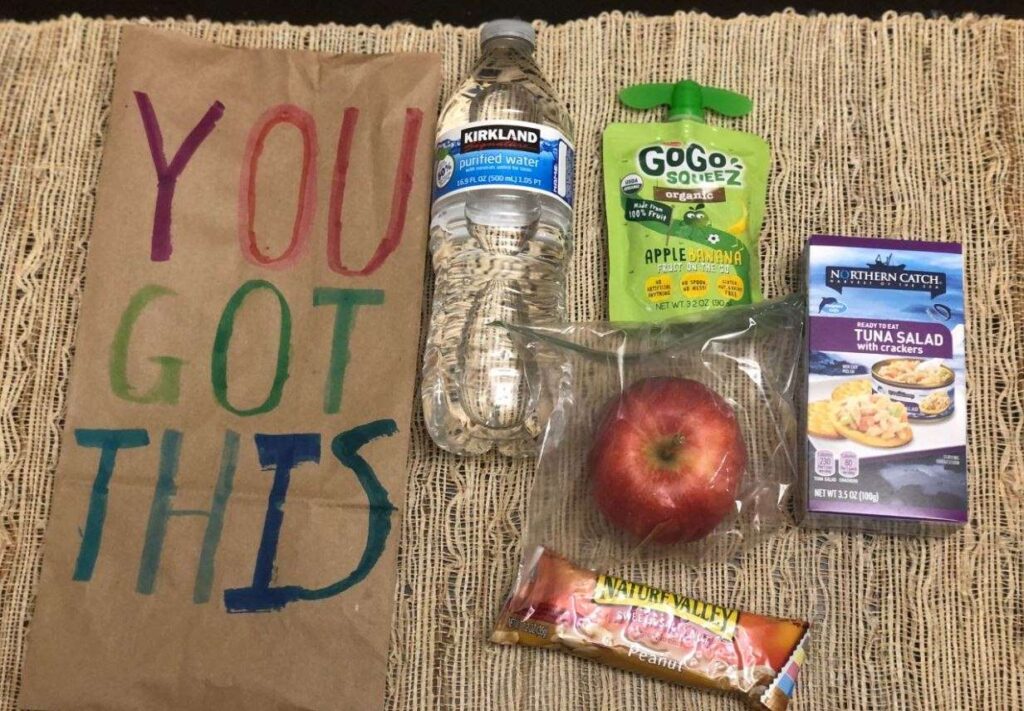
Right now, people living everywhere from Tulsa, Oklahoma to Dallas, Texas can go to a drop-off point and donate a packed meal containing a bottle of water, a piece of fruit, a tuna pouch or applesauce cup, a granola bar, and—of course—a positive message.

Eagle Mountain-Saginaw ISD

The food drive isn’t Jean’s first philanthropic venture. Last summer, he took first place in the Think Kindness National Speech Contest. “The question,” he noted in his winning entry, “is how can kindness change a nation?”

The Chisholm Ridge Elementary schooler’s answer spoke to a simple human truth that struck a sympathetic chord in the hearts of the judges.

RELATED: Boy Donates 22,000 Diapers to Single Moms Using Funds From His Lemonade Stand

“The difficult situations impacting our world has shown us that kindness is more important now than ever before,” he said. “We’ve heard about the families hurting from this pandemic; the communities suffering injustice, and the people being OVER virtual learning… We could really use a big hug right now. And that’s just it. Kindness is like spreading hugs around the world to those who need it and those who might not even know they need it.

“The acts could be something small, but in the end, make a big difference to the person receiving it.”

Jean used the $500 first-prize award to organize a follow-up project, the Race to 500 Toys Drive. After collecting hundreds of donations, the toys were distributed to grateful hospitalized kids in the Dallas area, but that was only the beginning.

For his current humanitarian outing, Jean has injected his “it’s better to give than to receive philosophy” with some true “Everything’s bigger in Texas” attitude. So far, he’s collected over 4,000 meal donations in the “Race to 100,000 Meals.”

Jean has taken on the mantle of role model with equal fervor. Turning on his 1,000-watt positive energy, he’s putting out a call to welcome everyone who wants to become part of his personal crusade to spread compassion around the world, hoping they’ll join him in the race to kindness.

MORE: 7-Year-old Boy Who Was Bullied Opens a Huge Food Pantry, Making His Life All About Positive Energy

“The best part? Everybody wins!”

(WATCH Orion’s perfect speech on kindness below.)

SHARE in the Good Deeds and Send This Story to Friends on Social Media…

70-Year-Old Veteran Battling Cancer Hailed as an ‘Angel’ After He Charged into Burning Home to Save Neighbors

Photo by KMOV

A 70-year-old Air Force veteran from Salem, Illinois is being hailed as a hero after he saved his neighbors from a house fire this week.

Photo by KMOV

Marshall Helm had been walking his granddaughter to the bus stop early in the morning when the bus driver drew his attention to the smoke and flames emanating from the house next door.

Helm ran over to the endangered home and threw open the garage door only to find flames climbing up one of the building walls. Despite how the Vietnam veteran has been battling cancer, he did not hesitate to charge past the flames and into the house so he could make sure his neighbors were safe.

Gary and Kathy Benjamin had been sleeping upstairs when they awoke to hear Helm shouting about the fire. Although they were confused by the commotion, they managed to run into the hallway and escape with Helm through the back door just as the flames were engulfing the garage door where he had come in only a minute before.

RELATED: Strangers Raise $84,000 for 94-year-old Street Vendor in Wheelchair After One Woman’s Act of Kindness Goes Viral

Thanks to Helm’s quick actions, the Benjamins suffered only minor smoke inhalation—and even though they lost their home in the fire, they are simply grateful to Helm for saving their lives.

“Lifesaver—lifesaver is all I can say,” Mr. Benjamin told KMOV. His wife added, “Hero, he’s our angel.”

If you would like to help the Benjamins recover from the fire, you can donate to the GoFundMe campaign launched by their son Nicholas.

(WATCH the news coverage below…)

Save Your Friends From Negativity By Sharing This Inspiring Story To Social Media…

Scientists ‘Elated’ After Finding Massive Coral Reef—The First Reef to Be Discovered in 120 Years

Photo by Schmidt Ocean Institute

Scientists have discovered a massive detached coral reef that stands taller than the Empire State Building—and it is the first reef to be discovered in over 120 years.

Scaled rendering of the newly-discovered detached reef – Photo by Schmidt Ocean Institute

The Schmidt Ocean Institute made their groundbreaking discovery earlier this week when they found the natural structure in the Great Barrier Reef.

Measuring more than 500 meters high (1,600 feet) high—which is also taller than the Sydney Tower and the Petronas Twin Towers—the reef was discovered by Australian scientists aboard the institute’s research vessel Falkor, currently on a 12-month exploration of the ocean surrounding Australia.

The reef was first found on October 20th as a team of scientists led by Dr. Robin Beaman was conducting underwater mapping of the northern Great Barrier Reef seafloor. Several days later, the team conducted a dive using the Schmidt Ocean Institute’s underwater robot SuBastian to explore the new reef.

The dive was live-streamed, with the high-resolution footage viewed for the first time and broadcasted on the Schmidt Ocean Institute’s website and YouTube channel.

The base of the blade-like reef is 1.5 kilometers (1 mile) wide before rising to its shallowest depth of only 40 meters (130 feet) below the sea surface.

LOOK: Scientists ‘Blown Away’ By Discovery of Longest Animal Ever Recorded—And It’s Quite Beautiful

This newly discovered detached reef adds to the seven other tall detached reefs in the area, mapped since the late 1800s, including the reef at Raine Island—the world’s most important green sea turtle nesting area.

“This unexpected discovery affirms that we continue to find unknown structures and new species in our Ocean,” said Wendy Schmidt, co-founder of Schmidt Ocean Institute. “The state of our knowledge about what’s in the Ocean has long been so limited. Thanks to new technologies that work as our eyes, ears and hands in the deep ocean, we have the capacity to explore like never before. New oceanscapes are opening to us, revealing the ecosystems and diverse life forms that share the planet with us.”

“We are surprised and elated by what we have found,” said Dr. Beaman. “To not only 3D map the reef in detail, but also visually see this discovery with SuBastian is incredible. This has only been made possible by the commitment of Schmidt Ocean Institute to grant ship time to Australia’s scientists.”

Photo by Schmidt Ocean Institute

The discovery of this new coral reef adds to a year of underwater discoveries by the Schmidt Ocean Institute. In April, scientists discovered the longest recorded sea creature: a 45-meter-long siphonophore in Ningaloo Canyon, plus an additional 30 new species.

In August, scientists discovered five undescribed species of black coral and sponges and recorded Australia’s first observation of rare scorpionfish in the Coral Sea and Great Barrier Reef Marine Parks. And the year started with the discovery in February of deep sea coral gardens and graveyards in Bremer Canyon Marine Park.

“To find a new half-a-kilometer tall reef in the offshore Cape York area of the well-recognized Great Barrier Reef shows how mysterious the world is just beyond our coastline,” said Dr. Jyotika Virmani, executive director of Schmidt Ocean Institute. “This powerful combination of mapping data and underwater imagery will be used to understand this new reef and its role within the incredible Great Barrier Reef World Heritage Area.”

MORE: Hawaii Group Sets Record For Largest Haul of Plastic Removed From The Great Pacific Garbage Patch

The Northern depths of the Great Barrier Reef voyage will continue until November 17th as part of Schmidt Ocean Institute’s broader year-long Australia campaign. The maps created will be available through AusSeabed, a national Australian seabed mapping program, and will also contribute to the Nippon Foundation GEBCO Seabed 2030 Project.

Reprinted from the Schmidt Ocean Institute

(WATCH the livestream discovery footage below…)

It’s Not Hard To Sea That You Should Share This Exciting News With Your Friends On Social Media…

Top Technologies That Older Americans Have Tried For First Time—And Enjoyed—During the Pandemic

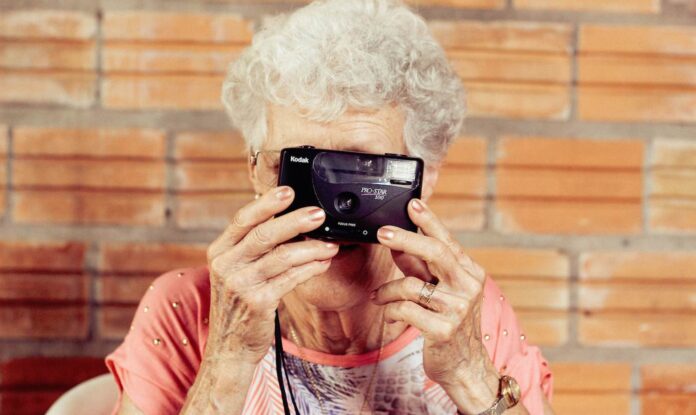
As the COVID-19 outbreaks continue to transform our everyday lives, this new poll of American seniors shows that many older people have been forced to experiment with technology for the first time—and they are enjoying it more than they originally thought.

According to a survey of 2,000 Americans aged 65 and older, using Zoom (34%) and video chatting with their doctor (25%) topped the list of “firsts” for seniors during the pandemic.

It also revealed that 15% of respondents used a smartphone or tablet for the first time during this period.

Conducted by OnePoll on behalf of Medtronic, the study looked at adaptations that many seniors were forced to make over the past few months.

Seventy-nine percent of respondents tried telehealth for the first time during the pandemic to help them stay home and reduce their risk of contracting the novel coronavirus—and seniors who benefited from these services are now beginning to see the advantages of other high-tech remote health care options.

Fifty-eight percent said they plan to use these services in the future, if given the option, while 56% of respondents said they would prefer their doctor to have regular access to information about their heart and other conditions without the need for an in-person visit.

RELATED: Nigerian-Irish Teens Develop a Dementia App for Sufferers Coping With Lockdown–and It’s Won Awards

And a full 77% of respondents who are caregivers for someone with a heart condition, in particular, would prefer to have this option.

“The pandemic has revealed new possibilities for advanced health care technology that can adapt to our changing needs,” said Dr. Robert Kowal, Chief Medical Officer, Medtronic Cardiac Rhythm and Heart Failure.

“More people in their 70s and beyond are embracing lifesaving technologies like remote monitoring for their heart conditions,” he said. “They gain peace of mind without leaving home, and without risking exposure to COVID-19 through emergency room or hospital visits.”

The survey also revealed how the adoption of new tech practices, like telehealth, have helped seniors overcome the challenges of an uncertain time.

CHECK OUT: Instead of Sleep Meds, Special Lighting Helps Nursing Home Residents Get Better Sleep, Study Finds

Isolation, loneliness, and missing family (including grandchildren) were among the things that respondents identified as being the hardest part of the pandemic for them.

Yet 59% agreed the challenges of the COVID-19 pandemic, and their ability to meet with family, have given them a sense of renewed commitment to maintaining their health.

The top telehealth services used by respondents during the pandemic included phone consults (33%), video visits (22%) and secure email (11%) with physicians or other health care providers.

MORE: This Doctor Broke The Law To Engineer a Better Nursing Home—And the Death Rate Plummeted

The overwhelming majority of respondents (89%) said they found their telehealth experience to be simple and intuitive—and 67% say that access to telehealth has given them greater peace of mind.

“As telehealth and remote monitoring devices evolve—becoming more intuitive, convenient and commonplace—I expect to see increasing rates of adoption among older patients from all walks of life,” added Kowal.

Be Sure And Share This Intriguing Survey With Your Senior Friends On Social Media…