A skydiving video shows the moment a woman leaps from a plane at 13,500 ft—while sitting in an inflatable rubber ring.
SWNS – from Jimmy Huftles video
Robin Moore, wearing shorts and cowboy boots, is seen plummeting to earth with a look of pure ecstasy on her face.
The ER physician said: “This was a thrilling jump, as I chose to do it ‘cowgirl style’… a fun rodeo ride.”
“Floating on air and clouds thousands of feet in the sky, wind in my hair—I giggled and yelled the whole way down!”
Jimmy Hutfles and another friend were holding either side of the raft to keep it stable in free fall orchestrated on October 17th at River Ranch, Florida.
“I rode this float for thousands of feet. The guys dropped off at 7000 ft and I continued to ride it alone to 6000 ft., said the Miami Beach daredevil.
“I have jumped out of planes on inflatables before and I find it an extra skydiving challenge to not only balance your body but to manage the balance of a fun prop as well.”
Jimmy Huftles, 22, who filmed the dive, said, “I heard of other skydivers doing raft jumps before. We had a raft, we had an airplane, therefore we had a good time!
Opening one of his earliest clinics – Novant Health
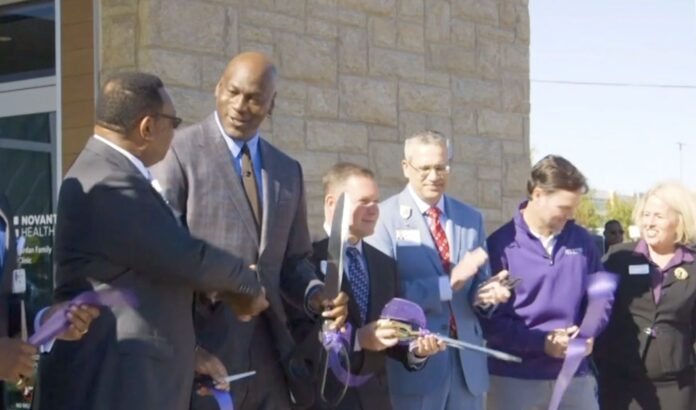
One year after the first Michael Jordan Family Medical Clinic opened its doors in Charlotte, North Carolina, the basketball great and his partner Novant Health have opened a second facility.
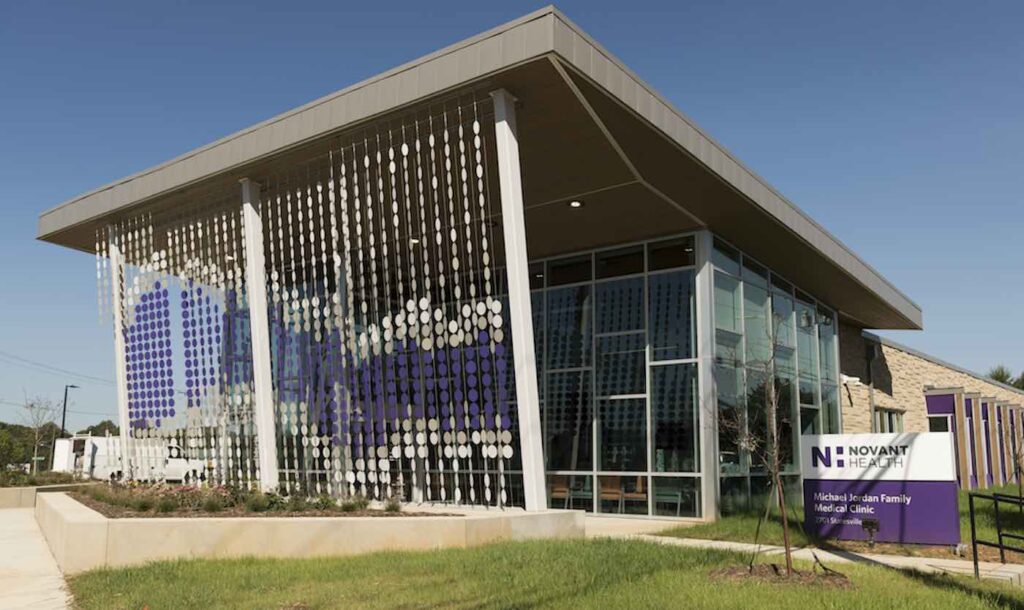
New Charlotte clinic at 2701 Statesville – Novant Health
With the same goal of providing vital access to primary and preventive care to individuals who are uninsured or underinsured, the new clinic will serve the North End community.
Like with the original medical clinic in west Charlotte, which was built with a generous $7 million grant from Michael Jordan, the new one also offers behavioral health and social support services—addressing health equity gaps further exacerbated by COVID-19.
“Michael Jordan’s commitment to improving the health of our communities, and society, is deep-rooted,” said Carl Armato, CEO and president of Novant Health.
“The impact of the first clinic has been measurable and if COVID-19 has taught us anything, it is the importance of having accessible, safe, and quality care in communities that need it most,” he added.
Jordan said on a Zoom call (watch below), “When we came together to mark the first clinic’s opening last fall, no one could have predicted we would be facing a global pandemic just five months later. I’m so proud of the positive impact our clinic has had on the community so far, especially during COVID-19.”
In its first year, the clinic on Freedom Drive has seen more than 3,350 patients, including more than 450 children. Of those, nearly 700 patients were assisted by the clinic’s full-time social worker with nearly 80 patients being referred for additional behavioral health care.
Since April, when the clinic transitioned into a respiratory assessment center to meet the communities’ needs for accessible coronavirus screening, testing, treatment and education, they completed 12,584 appointments and performed nearly 14,000 COVID-19 tests.
WATCH Jordan speak with patients and administers on a Zoom call…
The new North End location at 2701 Statesville is a 6,800 square foot clinic equipped with 12 patient exam rooms, an X-ray room, and space for physical therapy. Most notably, it will also implement the same integrated services model as the Freedom Drive clinic in west Charlotte, to identify, treat, and support social determinants of health. This model includes embedding a full-time licensed clinical social worker on-site to help address those social determinants of health.
The clinics are open Monday to Friday from 8 a.m. to 5 p.m. Patients can schedule appointments online, including same-day, or learn more about providers and available services online at nhmichaeljordanclinic.org. Walk-in visits are also available.
SHARE The Great News With Sports Fans And North Carolina Friends on Social Media…
As the world transitions away from fossil fuels, a wide consensus of experts believes that of all the green technologies available, solar energy is among the most sustainable—and cheapest.
Dr. Davide Zecca
Research innovation is pulling down the costs of new equipment, raising efficiently levels, and making photovoltaic panels more durable—and even recyclable.
Recently, a new upgrade developed by scientists at the University of York in the UK has increased the ability of solar panels to absorb light by a stunning 125 percent.
A potential game-changer, it holds the promise of harvesting ten times more energy for the same relative cost.
The team achieved this feat by utilizing a checkerboard design for their panel face, instead of the traditional flat panel surface. The new design reportedly increased the diffraction rate, which measures the probability of light being absorbed.
Moreover, the team’s innovative pattern also led them to believe that lighter, thinner, and more flexible solar panels could be a natural result.
According to Dr. Christian Schuster from the University’s Department of Physics, “We found a simple trick for boosting the absorption of slim solar cells. Our investigations show that our idea actually rivals the absorption enhancement of more sophisticated designs – while also absorbing more light deep in the plane and less light near the surface structure itself.”
“In principle, we could deploy ten times more solar power for the same amount of absorber material: ten times thinner solar cells could enable a rapid expansion of photovoltaics, increase solar electricity production, and greatly reduce our carbon footprint,” he wrote in the team’s research paper, published in the Journal Optica.
A partnership with NOVA University of Lisbon, the team states that the amount of silicon required for their panels that have thinner cells, would cut the costs of new panels. Further, it could lead to adoption of solar cell technology for specialized applications, such as anti-skid walking surfaces, for example.
In developing new solar cell upgrades, scientists know there is currently a limit for how efficient photovoltaic solar cells can be in converting the sun’s energy into usable electricity. A good, typical solar panel today will convert about 15 to 20 percent of the sunlight.
With upgrades like these, companies will undoubtedly increase that level substantially.
SHARE The Sunny Breakthrough With Solar Lovers on Social Media…
The global cargo shipping industry accounts for roughly 2 percent of all greenhouse emissions worldwide. Soon, an advanced clean energy ship could finally deliver an eco-friendly solution for hauling freight across the ocean.
Automakers understand that ‘electrifying’ our transport sector will be crucial in lowering dangerous emissions to mitigate a climate crisis. But two areas in which electrifying our transportation has proven to be difficult include commercial aviation—and heavy-duty cargo shipping.
A prototype announced in September by Wallenius Marine could finally change that.
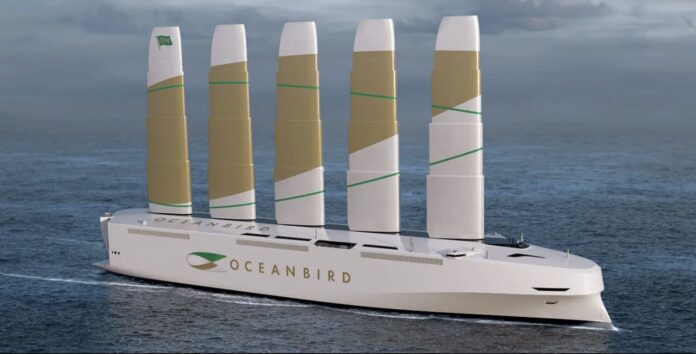
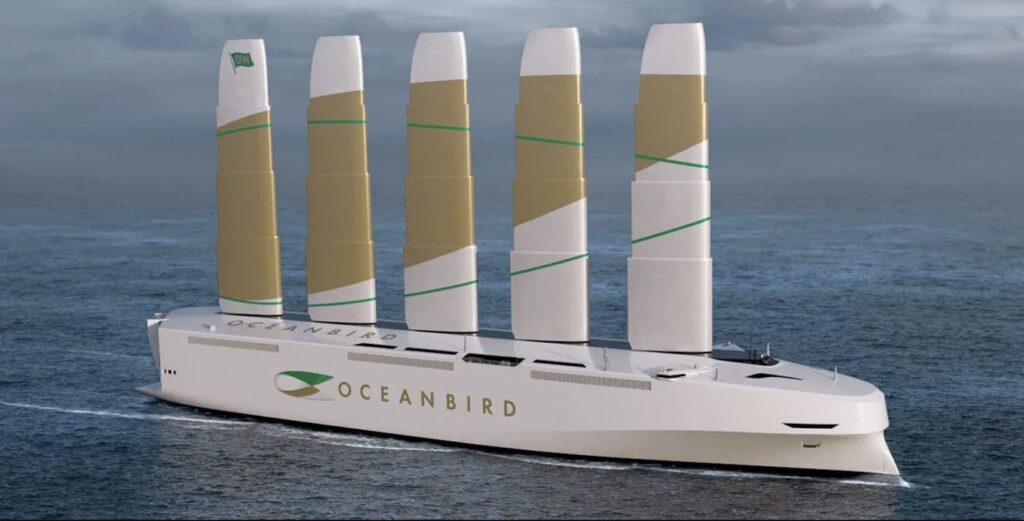
Powered by a series of massive retractable “sails” that resemble airplane wings, the OceanBird will reportedly carry 7,000 cars (or any weight equivalent) across the ocean while cutting carbon emissions by a stunning 90 percent—a game-changer for a global industry that currently carries an oversized carbon tally.
When fully extended, the OceanBird’s upright, wing-like sails stand a mighty 262 feet (80 meters) tall and use the power of rushing air to propel the ship forward—crucially achieving a speed nearly matching that of ships powered by fossil fuel.
New software advancements will utilize mathematical algorithms to calculate when and how to adjust the ship’s sails to maximize its speed on a continuous basis. With the help of these ongoing assessments, the OceanBird will reach up to 10 nautical miles per hour (knots) to make a cross-Atlantic trip in 12 days.
Fossil fuel cargo ships often complete the journey in 8 days—but companies hauling freight in the traditional way would need to calculate a heavy carbon footprint for their goods.
To help smooth out each voyage, Wallenius Marine reports that a clean fuel system synced to an auxiliary engine will move the ship in and out of harbors. This will open up the possibility of using the technology in the cruise ship industry—albeit not in the near future.
The company is still firmly in the design phase, testing smaller models. However, the Swedish collaboration, which includes KTH (Royal Institute of Technology) and SSPA, a naval technology company, is supported by the Swedish Transport Administration, which is acting as a co-financier, and, together, they are eyeing a 2024 roll-out, after taking orders in 2021.
Anywhere we move heavy-duty ships across the oceans or large waterways, eco-friendly sailing can make a significant impact—and investors hope that OceanBird, with its 90% reduction in carbon emissions, will be an important part of this equation.
WATCH a company video…
SAIL This Design Marvel to Green Friends on Social Media…
Quote of the Day: “Hope sees the invisible, feels the intangible, and achieves the impossible.” – Charles Caleb Colton
Photo: by Max Felner
With a new inspirational quote every day, atop the perfect photo—collected and archived on our Quote of the Day page—why not bookmark GNN.org for a daily uplift?
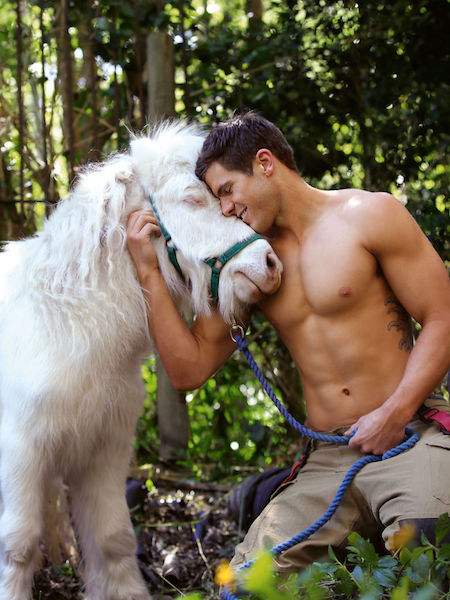
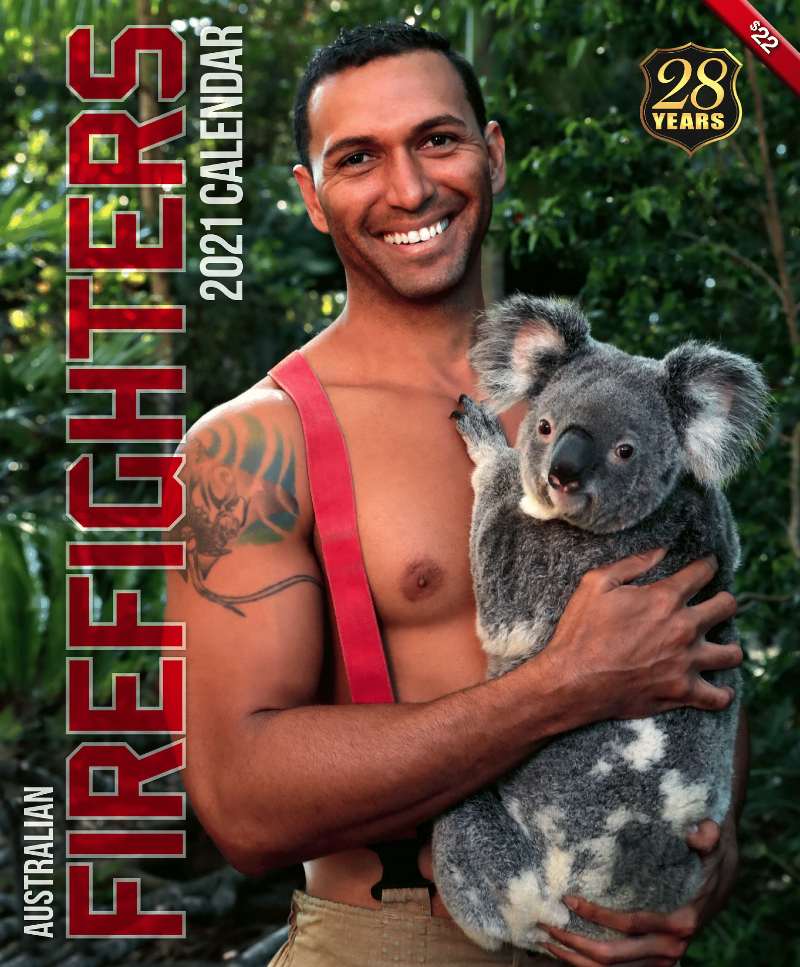
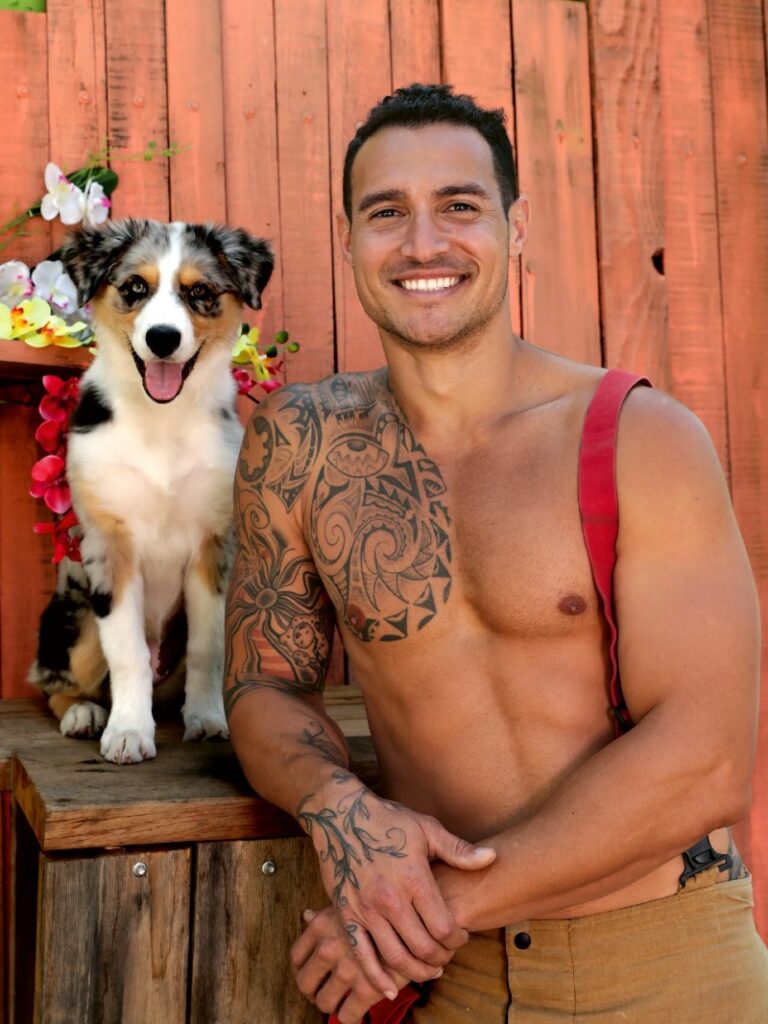
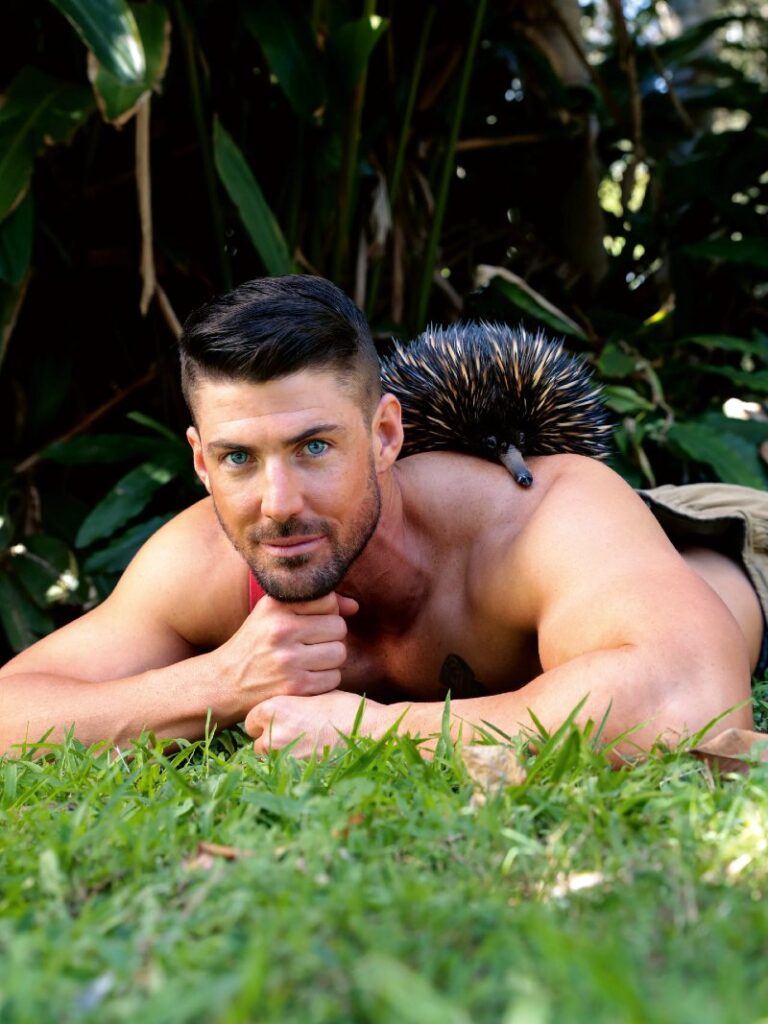
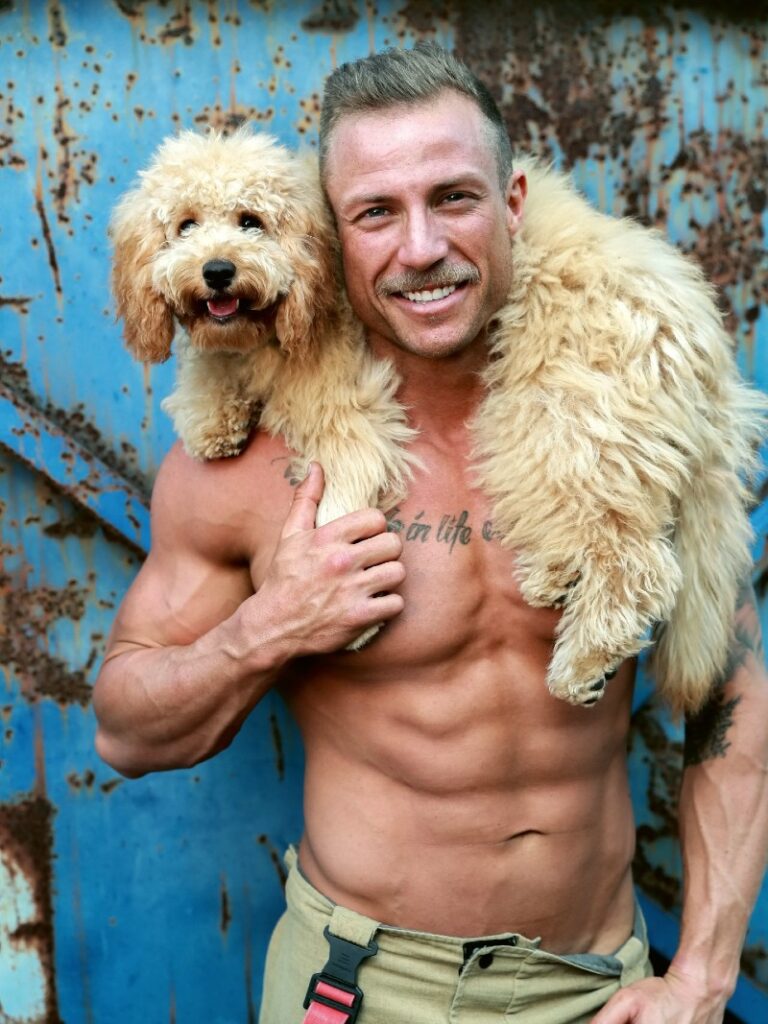
Turning up the heat for 2021, six new calendars depict brave—and incredibly handsome—Australian firefighters posing with some of the most adorable animals their country has to offer.
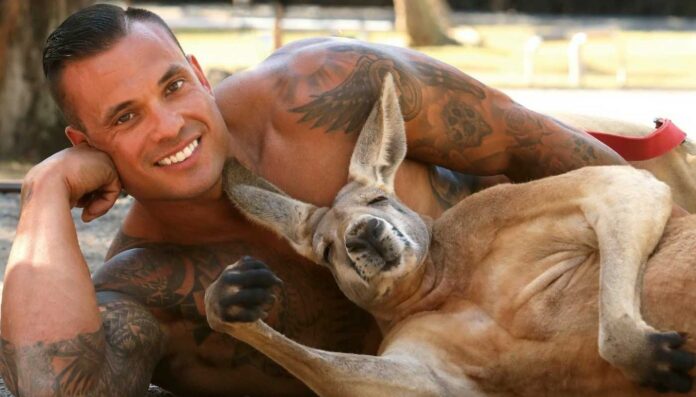
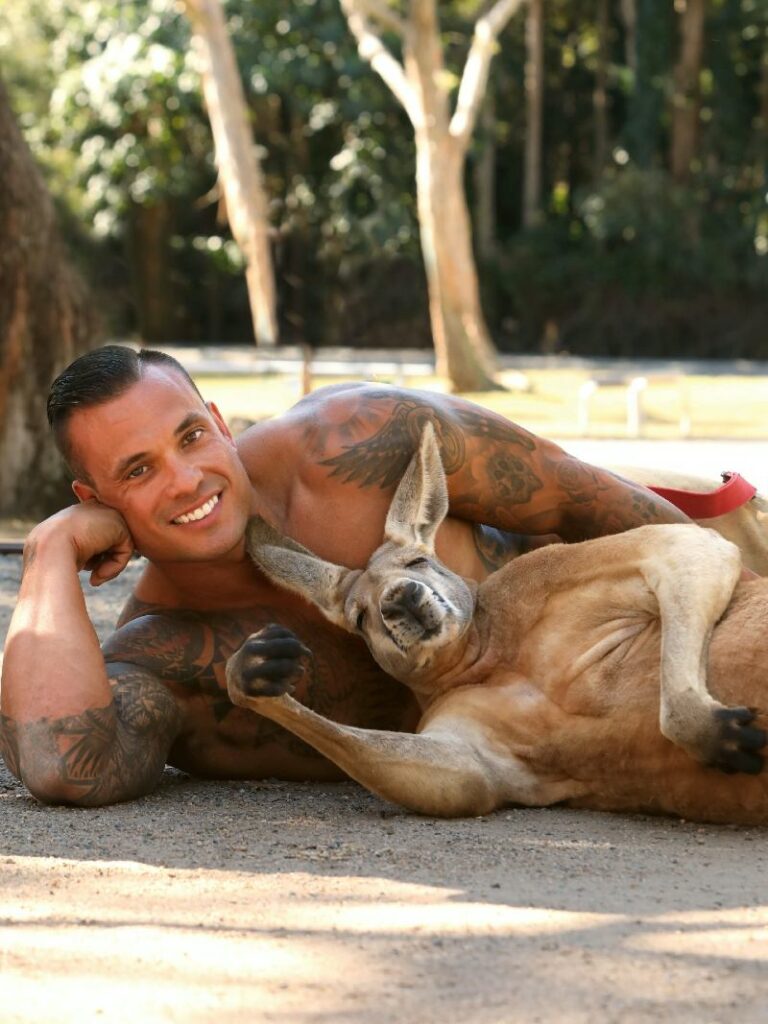
What may be the world’s most popular calendar, now in its 28th year, is back, and this year the hunky heroes have been photographed with heart-melting dogs, cats, koala bears, and even kangaroos.
SWNS
Setting out to brighten the doom and gloom of the last eight months, all proceeds will be donated to the native animal charities that are vital to supporting local wildlife.
This is an especially important cause given Australia’s catastrophic wildfires in 2019 and early 2019, which resulted in the estimated loss of one billion animals from the diverse native wildlife.
While the fires may have gone, the devastated bushland has made it impossible for many of the displaced wildlife to return to their natural habitat.
One of the centers to benefit is the Byron Bay Wildlife Hospital, where Dr. Stephen Van Mil and his team are building Australia’s first mobile wildlife hospital. It’s designed to be rushed to wherever the wildlife emergency is.
Speaking of creating the Australian Firefighters Calendar in a pandemic, calendar director David Rogers explained, “Coronavirus was never going to stop us from bringing smiles to faces across the world.”
With this year’s cat and dog calendars, there’s a bit of a twist. As COVID-19 restricted the team’s access to many rescue animals, the Aussie public was asked to bring their own rescued furry friends to the photoshoot to help create these calendars.
Funds raised will allow the organization to help less fortunate animals find a new home through rescue organisations like Safe Haven Animal Rescue and All Breeds Canine Rescue.
“You will see all your favorite Australian firefighters with every variety of animal we could photograph,” Rogers said. “We have got something for everyone!”
Australian Firefighters Calendar
Speaking of hope and new beginnings, Rogers noted, “As you hang your 2021 calendars on your wall and turn to January 2021, it’s a great reminder that next year is going to be a fresh start for everyone.”
You can purchase all the calendars here. If you wish the focus in the photos below was more on cute creatures and less on handsome shirtless men, it sounds like “’Animal Calendar’ (No firefighters – animals only)” is the purchase for you.
In 2021, one in every seven cars sold in the EU will be electric, and overall sales, production, and innovation is booming across Europe’s big economies on the back of strict CO2 emissions regulations from the European Parliament.
Andrew Robert
Electric car sales are expected to have tripled this year compared to 2019, and are expected to climb to as much as 15% of the total market share by 2022 before hitting a ceiling.
The regulations, which have been staggered back through the last decade, will continue to stagger until 2030, when a number of international agreements and targets levied to help prevent the worst of the climate crisis come due.
The green policy think tank Transport & Environment summarizes data from a report they published that tracks CO2 target compliance and electric car sales across the EU automotive sector, stating, “Electric car sales are booming thanks to EU emissions standards. Next year, one in every seven cars sold in Europe will be a plug-in. EU manufacturers are back in the EV race.”
The EU emissions standards that will come into effect next year are more stringent, suggesting a push for cleaner fossil fuel vehicles and greater production of electric vehicles.
“By 2021, the maximum value of a fleet-average for new cars in the EU is 95 grams of carbon dioxide per kilometre,” writes Electrive, an EU electric transport industry website.
They reference a media report based on leaks that EU parliamentarians want to increase the already tight restrictions of 37.5% by 2030 to 50%, which has drawn ire from German automotive industry groups which say the restrictions are already very ambitious. The previous restrictions passed with over 500 “yes” votes to fewer than 100 “no” votes, so green-minded politicians may feel more intense restrictions are possible.
There are already some car manufacturers whose fleets meet the current standards, and wouldn’t need to change much to comply with the 2021 increasement. These are PSA Group, which includes Vauxhall, Peugeot, Citroen, and Opel, as well as Tesla, Volvo, and BMW.
UW Center for Conservation Biology, Conservation Canines
A killer whale’s best friend might be this dog.
UW Center for Conservation Biology, Conservation Canines
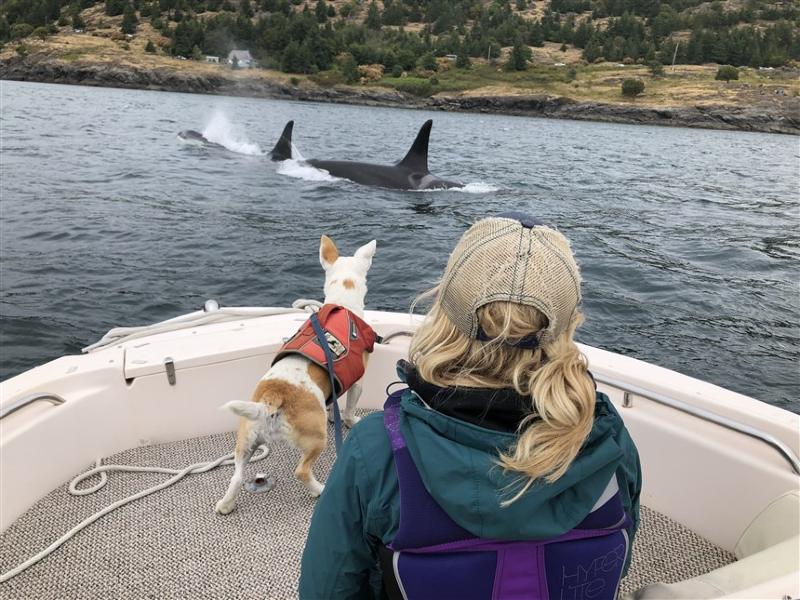
After being discarded as a young pup, a shelter dog named Eba is now using her unique talents to help save members of an iconic ocean species, the orca whale.
And, the one thing that scientists need to serve this species? Feces.
Eba’s nose for detecting whale poop (or “skat” as it’s commonly referred to in wildlife circles) turns out to be the perfect tool for a University research team.
The dog’s owner is Deborah Giles, a marine biologist at the University of Washington’s Center for Conservation Biology who studies killer whales. When Giles adopted the mixed-breed pup, it wasn’t with the intention to make her a working dog—but Eba soon began to exhibit certain traits that indicated she might have the skill set required to become a valued member of her research crew.
Eba was soon enrolled in Conservation Canines, a program that trains dogs to hunt for marine wildlife droppings, which yield a wealth of information critical to research, including everything from genetics and general health to stress levels, and the presence of toxic chemicals in the whales’ diet. (Whale skat can also indicate pregnancy and just how far along an expecting whale momma’s gestation may be.)
Dr. Deborah Giles/UW Center for Conservation Biology
Giles conducts her studies in the Salish Sea off the Canadian Gulf Islands and Washington state’s San Juan Islands. The pod of Southern Resident killer whales currently numbers 74 members, including two juveniles. She says Eba’s dung-detecting debut exceeded expectations.
“By Eba’s second day on the water… she found her first wild whale scat by herself, which was amazing,” Giles said in an interview with TODAY.
As critical as their research is, the marine biologists do their utmost to ensure the pod isn’t stressed out by their presence. That means keeping a respectful distance—which is why Eba is proving invaluable.
“Her body gets stiff at first, like, ‘Oh, I smell it,’ then she starts sniffing up in the air,” Giles told The Seattle Times. “As soon as we pass through it, she’ll run along the side of the boat, and that’s what tells me where we need to turn into the wind and drive toward the sample.”
While it’s doubtful that Eba truly understands the importance of her contributions to help save the whales, it’s clear she truly loves her job.
“She’s really the perfect dog for this work,” Giles said. “She’s helping answer questions that will go to recovering an endangered species of beloved animals.”
HELP Your Pals Sniff Out the Good News – Share This Story on Social Media…
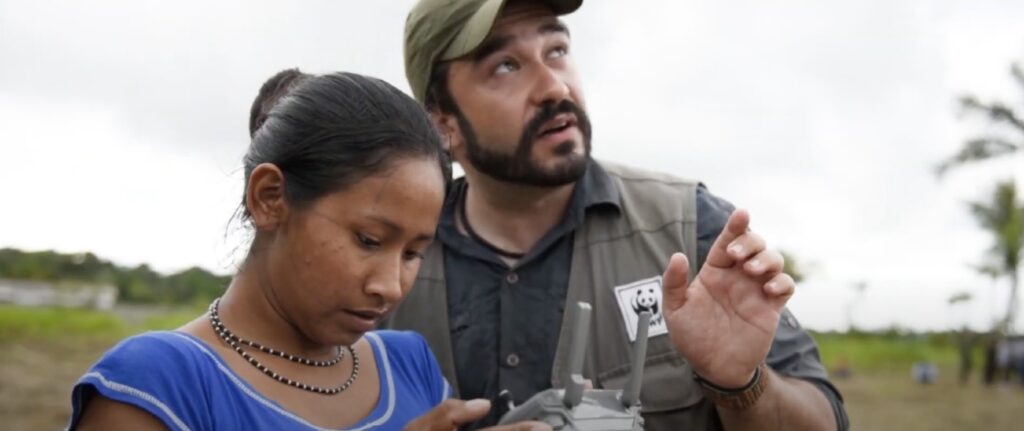
Indigenous rights’ groups and WWF International are beginning to train Andean tribes people deep within the Amazon rainforest in the use of drones so that they, as forest-dwelling specialists, can help protect wildlife, and identify, compile evidence for, and report on, illegal logging activities.
WWF-UK
The WWF teamed up with the Kaninde Ethno-Environmental Defense Association, a civil-society made up of biologists, foresters, cartographers, anthropologists, specialists in healthcare and information technology, and journalists to run a drone-operating course for five separate Indigenous tribes including the Uru Eu Wau Wau, who reside in the state of Rondonia in western Brazil.
With the drones, tribes have been able to create high-resolution images, video, and GPS coordinates of logging sites, Brazil nut tree stands—a valuable sources of income—and prime habitat for vulnerable species like the harpy eagle, the largest in the accipitridae family, and a bird that’s sacred to the Uru Eu Wau Wau.
Illegal logging is one of the major causes for the rash of wildfires experienced in the Amazon over the last 24 months, as cattle ranchers burn down forest to make way for pastureland.
According to Felipe Spina Avino, the senior conservation analyst for WWF-Brazil who helped organize and run the drone-training program, the technology is surprisingly well-taken to by Indigenous groups, and it gives them a greater capacity to utilize their ancestral knowledge of the forest to protect it from loggers.
“They can compile a case with a lot of evidence that they can send to the authorities which then have much greater pressure and much greater resource to act upon the illegal activities that are going on,” he told CNN.
Apparently, the first time the team used the technology, they discovered a 1.4-acre area of clear-cut land, over which they eventually recorded sightings of a helicopter spreading grass seed, suggesting whoever cleared the forest planned on using it for cattle pasturing; an illegal activity.
COVID-19, and the perceived susceptibility of Indigenous groups to the virus, has prevented Brazilian government officials from stationing too many authority bodies to stop loggers and ranchers lighting fires in the Amazon. As a result, this year’s logging activities have been worse according to an Indigenous rights’ group Survival International.
The drone project, which can cost as little as $2,000 for equipment and training per group, helps tip the balance back towards tribes like the Uru Eu Wau Wau.
(WATCH the WWF video of the drones in action below.)
Plant Some Positivity By Sharing The Exciting News With Your Friends On Social Media…
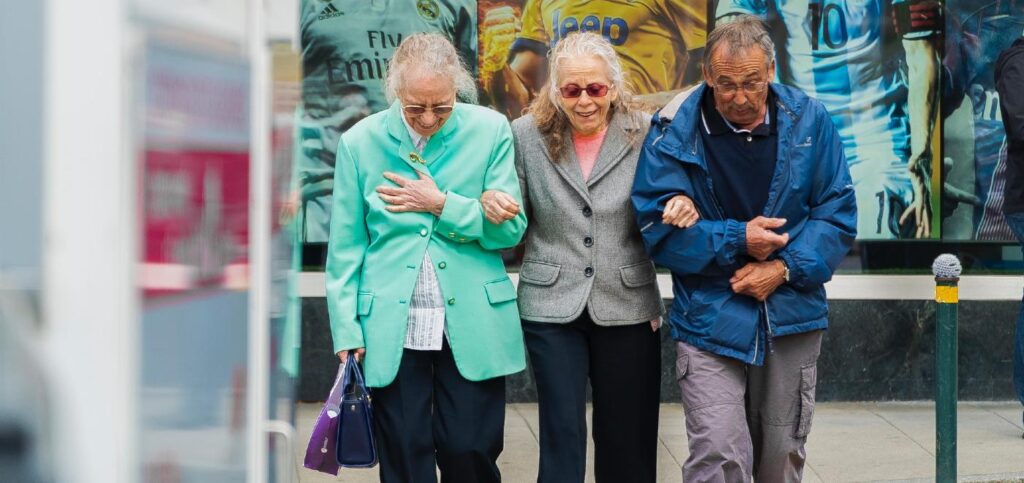
Older people who report greater levels of social engagement have more robust gray matter in regions of the brain relevant in dementia, according to new research led by scientists at the University of Pittsburgh Graduate School of Public Health. It is the first to use a particularly sensitive type of brain imaging to conduct such an evaluation.
Philippe Leone
The findings, reported in the Journal of Gerontology: Psychological Sciences, suggest that “prescribing” socialization could benefit older adults in warding off dementia, much the way prescribing physical activity can help to prevent diabetes or heart disease.
“Our data were collected before the COVID-19 pandemic, but I believe our findings are particularly important right now, since a one-size-fits-all social isolation of all older adults may place them at risk for conditions such as dementia,” said lead author Cynthia Felix, M.D., M.P.H., a geriatrician and a post-doctoral associate in Pitt Public Health’s Department of Epidemiology. “Older adults should know it is important for their brain health that they still seek out social engagement in safe and balanced ways during the pandemic.”
Felix and her colleagues used information about social engagement from 293 community-dwelling participants from the Health, Aging and Body Composition (Health ABC) study. These participants, who averaged 83 years old, also received a sensitive brain scan called Diffusion Tensor Imaging MRI that measured the cellular integrity of brain cells used for social engagement.
These participants provided detailed information about their social engagement and were scored using a tool Felix developed. High scores were awarded to people who did things like play board games; go to movies; travel long distance; attend classes, lectures, or adult education events; participate in church or other community activities; get together with children, friends, relatives, or neighbors at least once a week; volunteer or work; be married, and live with others.
Felix and colleagues found that greater social engagement is related to better microstructural integrity of brain gray matter in these older adults. Maintaining brain health is of critical importance. Once brain cells die, dementia typically follows.
Social engagement with at least one other relative or friend activates specific brain regions needed to recognize familiar faces and emotions, make decisions and feel rewarded. The good news is that even moderate “doses” seem to be beneficial.
“We need to do more research on the details, but that’s the beauty of this–social engagement costs hardly anything, and we do not have to worry about side-effects,” Felix said. “There is no cure for dementia, which has tremendous costs in terms of treatment and caregiving. Preventing dementia, therefore, has to be the focus. It’s the ‘use it or lose it’ philosophy when it comes to the brain.”
Felix notes that cause-and-effect still need to be disentangled: Does greater social engagement keep these brain regions healthy? Or is it that having a healthy brain results in better social engagement?
Similar to how large public health studies assess the best programs to encourage physical activity to prevent chronic disease in older people, Felix believes her team’s findings, coupled with previous research, provides justification for randomized control trials to assess the impact of specific types and amounts of social activities on brain health.
Enriched by her prior public health training at Johns Hopkins University, Felix recognizes the critical role of public health in applying this finding on a large scale.
“It would be good if we develop programs across the U.S. through which structured social activities can be prescribed for community-dwelling older adults, aimed at reducing rates of dementia and the resulting health care costs,” Felix said. “Existing platforms providing group physical activities can be a good starting point.”
SHARE The Good News of This Research With Your Pals on Social Media…
Quote of the Day: “It is our duty as men and women to proceed as though the limits of our abilities do not exist.” – Pierre Teilhard de Chardin
Photo: by bruce mars
With a new inspirational quote every day, atop the perfect photo—collected and archived on our Quote of the Day page—why not bookmark GNN.org for a daily uplift?
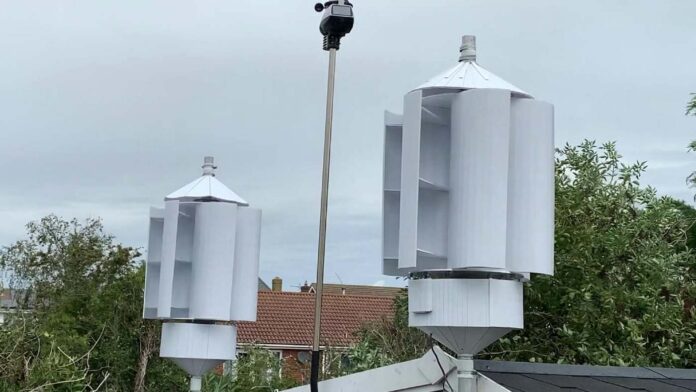
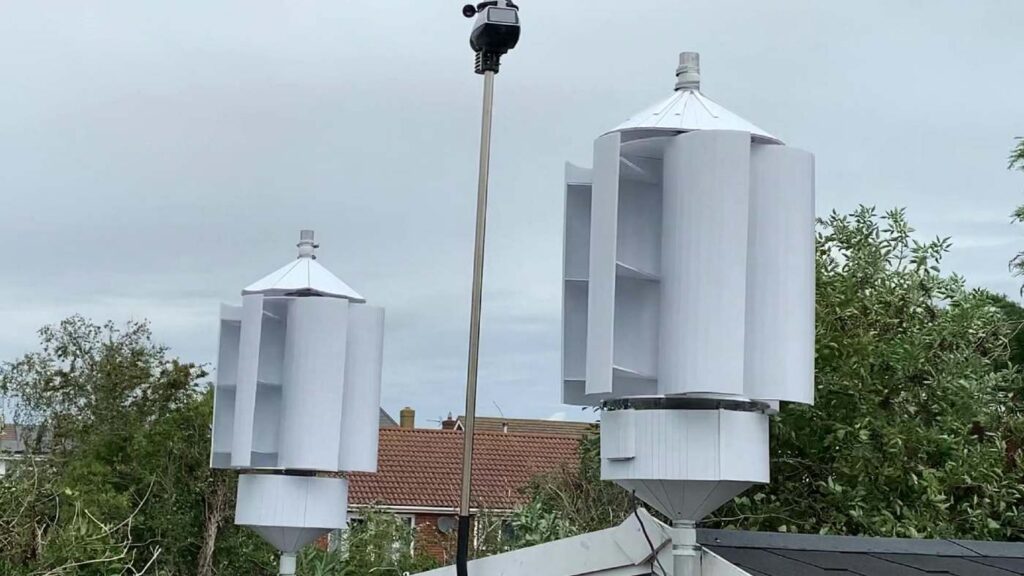
A revolutionary new design for onshore wind turbines that can be attached to lamp posts and powered by traffic has been unveiled.
The English businessman behind the new concept that can be installed along highways believes they will help hit renewable energy targets in the UK and beyond because they do not rely on natural wind.
The turbines, fixed to existing street lights, would use the wind created by vehicles speeding past to generate electricity to power both those lights and eventually a lot more.
Barry Thompson, CEO of Alpha 311 behind the invention, says their idea is the first of its kind in the world and offers a simple answer to the complex challenge of amassing large amounts of clean energy.
The company believes a turbine attached to each lighting column could collectively generate around 6mw per day—enough to power a small village.
Last week, British Prime Minister Boris Johnson pledged that an impending green industrial revolution would power every home in the UK with offshore wind by 2030.
Thompson believes innovative onshore solutions will help the nation achieve that target..
The chief executive officer of the Kent-based company said, “Do I think offshore wind is everything? No, I think onshore wind is the cheaper option, and a distributed network needs to really push this thing forward.
Speaking from his home office which is powered by the prototype units, the 51-year-old added, “If you’ve ever stood by the road and a lorry [truck] has gone past, you’ll feel the air that moves—we capture that energy.”
As an example, the A299 Thanet Way in Kent is less than 20 miles long and features 1,114 lighting columns.
The turbines would be installed on the central reservation, therefore powered by wind generated on both sides of the carriageway.
This highway-powered concept would blend in with existing infrastructure. “This is a retro-fit solution,” explained Thompson, “so it attaches to what we already have.
“We’re not blighting the landscape with massive turbines, we’re making use of existing infrastructure.”
Each turbine can generate the same as 21 square meters (226 square feet) of solar panels and is two meters (6.5 feet) tall, with the potential to be even smaller as development continues.
Mr Thompson said the company is currently in talks with a UK local authority to trial the technology on their roads.
A number of small US cities are also trialling the technology from Alpha 311.
She may only weigh four pounds, but she’s a Chihuahua with a huge heart and one very big job: Little MacKenzie was born with a cleft palate, and now spends her days providing affection and care for baby rescue animals born with birth defects.
The teeny pup with so much love to give away has now been recognized in a giant way: After more than a million votes by the American public and the deliberations of a panel of celebrity animal lovers and dog experts, MacKenzie has been named the country’s most heroic canine, besting 407 other competitors across the country and capturing the top title at the American Humane Hero Dog Awards, which was broadcast nationwide earlier this week on Hallmark Channel.
“The American Humane Hero Dog Awards were created to honor some of the world’s most extraordinary heroes,” said Dr. Robin Ganzert, president and CEO of American Humane. “These heroic canines have gone above and beyond the call of duty, saving lives on the battlefield, comforting the ill and aged, and reminding us of the powerful, age-old bond between animals and people.”
Why did MacKenzie win? Contracting aspiration pneumonia which nearly took her life as a newborn, she’s a rescue who epitomizes what it means to be a hero, overcoming her birth defect and going on to help hundreds of other rescue animals and provide children with world-changing lessons in empathy.
Most of the rescued animals are babies who cannot stay with their mothers because of their medical problems.
MacKenzie takes an interest in each baby from day one, no matter the species or size.She plays nurse and cleans, comforts, and cuddles them.She acts as their mother and teaches them how to socialize, play, and have good manners.
It’s been said that MacKenzie could mother anything from an ant to an elephant, nurturing countless puppies, kittens, a goat, a turkey, a squirrel, birds, a mouse, and despite her tiny size, even a Great Dane.
MacKenzie’s other important role is to interact with children at schools, so they learn to be open-minded toward animals and people with physical differences. They learn kindness, patience, and that you can make a difference in the world no matter how small you are.
MacKenzie may have lost her ability to bark, but she still makes herself heard and speaks for other animals born with defects and she is a shining example of how rescuing animals often helps save more than just one life.
For her extraordinary good works, MacKenzie, who comes from Hilton, New York, first won the top title in her individual category, becoming the country’s Hero Shelter Dog of the Year, and then in the last round winning the American Humane Hero Dog Awards’ top title of 2020’s American Hero Dog.
Six other finalists were also named the nation’s top winners in their categories, and we salute them for their courage, service, and compassion.
Here are the official nominations alongside MacKenzie, as told by their handlers and owners:. We’ve also included some adorable photos of the hero dogs. Enjoy.
2020 Therapy Dog of the Year
Olive (Jefferson City, Missouri)
American Humane
From hopeless and homeless to living her purpose, Olive was rescued from the streets of Los Angeles by Brandon McMillan, host and animal trainer of the Emmy Award-winning CBS show, Lucky Dog.
Lisa Groves Bax, a child advocate volunteer for abused/neglected children in the judicial system in Missouri, saw the need for a resource to assist the scores of children facing the daunting task of appearing or testifying in court.
Olive’s mission is to make sure that no child walks alone through the courtroom doors, and provides comfort throughout the unknown journey that the child faces against their abuser or neglecting adult, which in most cases is their very own parents. Olive has served more than 300 children since beginning in the court system in 2016, and continues to assist children with extremely difficult criminal trials in order to get a conviction against the abusers.
2020 Service Dog of the Year
Dolly Pawton (Naples, Maine)
American Humane
Dolly Pawton is my cardiac alert dog, trained to alert if my blood pressure drops or heart rate rises to an unsafe level. Being confined to a wheelchair due to multiple medical conditions has been difficult, to say the least. At times, my body will physically not allow me to do everyday tasks.
I try to remain as active as my body will allow. With Dolly’s help I am able to do that. Before having a service dog, I went out very little but Dolly changed that. She helps me to function without having to depend on others. Dolly helps in every aspect of my life… She is truly my most crucial medical equipment with a loving, beating heart… She is my hero.
2020 Military Dog of the Year
Blue ll P491 (Lawrenceville, Georgia)
American Humane
Blue served our country valiantly from 2011 to 2018. I served as her first handler on my second deployment to Afghanistan, which was her first deployment as an Improvised Explosive Device Detector Dog. While deployed, Blue and I went on over 300 combat missions. She found many IEDs, saving me, along with many Marines and Sailors during our deployment.
2020 Guide/Hearing Dog of the Year
Aura (Brunswick, Maine)
American Humane
Aura is a trained hearing service dog. She became my ears after I lost my hearing in a rocket attack in Afghanistan. I was in despair after my injuries. I needed a helper. What I received was a fur guardian angel. She has restored my independence. I went from being a blown-up deaf person to a person who now feels safe and secure in the world.
2020 Law Enforcement Dog of the Year
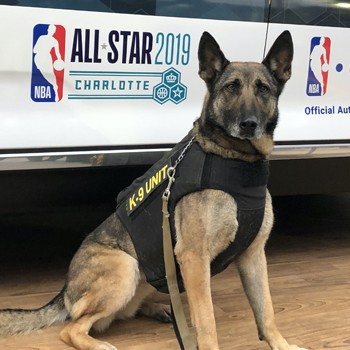
K-9 Cody (Newport News, Virginia)
American Humane
K-9 Cody started her career in explosives detection in Iraq, working hard to keep U.S. personnel safe at the U.S. Embassy. K-9 Cody was transferred back to the United States, where she continued her explosives detection career working at the Mall of America. She quickly stood out as a phenomenal K-9, and not just because of her ability to detect explosives, but also because of her calm and loving demeanor.
2020 Search and Rescue Dog of the Year
Remington (Montgomery, Texas)
American Humane
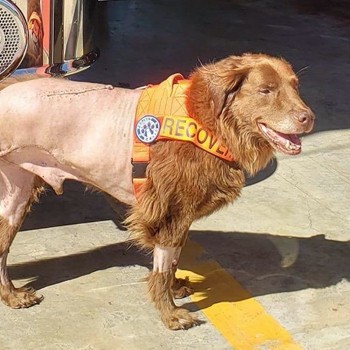
K9 Remington is more than just a retired search and rescue K9; he is a cancer fighter and survivor, an advocate for retired K9s and for dogs to be in the fire service. Remi was nationally certified in human remains detection and worked many cases across the United States with Special K9s SAR.
Remi has spent his entire life fighting for those who could not fight by assisting law enforcement in locating remains or evidence. His deployments range from missing people, cold cases, and Hurricane Harvey.
He still has cancer and is now a tripod, but he continues to live his life representing Project K9 Hero at events to raise awareness and funding for other retired K9s. Remi is more than a search dog; he is a HERO!
SHARE The News of These Amazing Dogs With Your Friends on Social Media…
Wishing on a star is one of the most magical rites of childhood:
“Star light, star bright,
The first star I see tonight—
I wish I may, I wish I might,
Have the wish I wish tonight.”
But for one little Canadian boy named Sam, that simple activity was beyond his reach. That’s because 8-year-old Sam couldn’t see the stars.
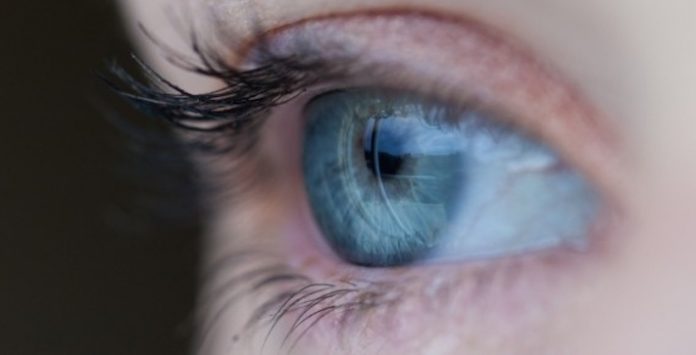
Sam suffers from the rare disorder retinitis pigmentosa, a form of progressive blindness caused by genetic retinal degeneration that results from mutations in the RPE65 gene.
“You lose perception of light,” Dr. Elise Heon, of Sick Kids Hospital, explained to CTV News. “You end up in darkness and [it’s] slowly progressive, it’s relentless, your visual field shrinks and shrinks and shrinks and shrinks.”
Sam’s sight was extremely limited, especially at night. Images most people take for granted—the stars, an airplane streaking across the sky, or even our own shoes—were beyond the scope of his vision. Until recently, there was no effective treatment for his condition.
Now, however, thanks to a new form of gene therapy, many patients, including Sam, are seeing huge improvements in their eyesight. The science behind the protocol is impressive.
After being modified with a healthy copy of the gene, an inactivated virus is injected directly into the retina. (Each eye is injected only once.) The healthy gene then goes to work, enabling cells to produce a protein that converts light into electrical signals, which in turn, facilitates improved vision and prevents further progression of the disease.
The targeted gene therapy protocol, developed in the U.S., was recently green-lit for use in Canada, but with Sam’s sight failing, he and his mom, Sarah Banon, traveled to America last year to get him treatment.
Within a week’s time, Banon began to notice progress and says Sam’s condition has continued to improve over the course of the year since he underwent the procedure.
For the thousands of Canadians at risk of blindness, eight-year-old Sam is a beacon of hope.@CTV_AvisFavaro has the exclusive details on the first Canadian to be treated with gene replacement therapy for a rare form of blindness.
She reports her son has gained incredible confidence. He dresses without help. He’s able to see, even when it’s dark, and he no longer requires lights on when it’s cloudy outside.
“Now he is able to function as a normal child,” she told CTV. “This is a story of hope… A child told ‘it is what it is,’ and now, when he looks up at night, he can see stars.”
And when Sam wishes on those stars, he’ll know in his heart that sometimes, wishes really can come true.
Cure Your Friends Of Negativity By Sharing The Good News To Social Media…
Every time you see a bird, there is a chance you may be looking at the greatest marathon athletes in the world; particularly if you live near mudflats in the U.S. state of Alaska in late-summer, and happen upon a bar-tailed godwit.
Ben, CC license
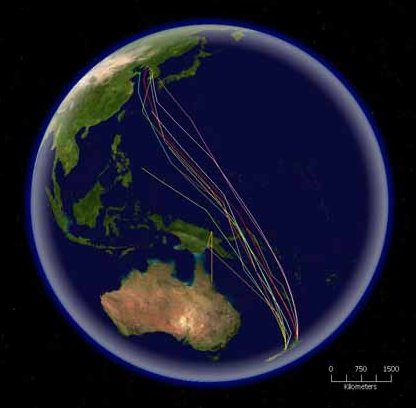
These little shorebirds were recently found to travel 7,500 miles (12,000 kilometers) in an eye-watering, lung-busting non-stop flight of 11 days from Alaska to the Firth of Thames near Auckland, New Zealand.
It’s not the longest migration ever—that title goes to the Arctic tern which goes from the Arctic to the Antarctic along the west coast of North and South America—or straight down the Atlantic every year for a total of around 14,000 kilometers.
However, it is the longest non-stop flight known to scientists. Unlike the tern, the godwit weighs a much heavier one-fifth to four-fifths of a pound, and relies on a muscular build much like a modern jet, with aerodynamic features like narrow pointed wings and a sleek body to reduce air drag.
Despite these advantages which allow it to flap its wings nearly uninterrupted for the entire journey, how can a small bird that lives a few years navigate for days over nothing but empty ocean to arrive in New Zealand?
Is it a bird, or is it a plane?
United States Geological Survey
Even though we all learned about it in biology class, or by watching David Attenborough-narrated documentaries, there is no scientific consensus over how birds navigate during their long, sometimes solitary migrations.
Some scientists have shown birds use the sun as orientation, but there is also evidence of migration as a learned skill—one study showing that adult raptors were better at course correcting for wind than juveniles, suggesting that experience comes into play.
Another thought is that some birds may use electromagnetic sensory equipment that allows them to ‘see’ the magnetic field in a way that humans cannot. A region of the brain called “Cluster N”, which together in connection with the eyes, demonstrates substantial neuronal activity during birds’ night-time migration.
Even with the help of a magnetic compass, the record-breaking bar-tailed godwit, known as 4 BBRW, departed from Alaska and passed over the Aleutian Islands in a 224-hour flight without sleep over open ocean with no land markers to use as visual guidance. At one point he faced winds that blew so hard he was being blown off course towards Australia. Amazingly, he managed to correct his flight trajectory.
“They seem to have some capability of knowing where they are on the globe. We can’t really explain it but they seem to have an onboard map,” said Dr Jesse Conklin, from the Global Flyway Network, an international migration monitoring agency, to the Guardian.
“There are other birds that make similar-scale flights of say 10,000km but there are not a whole load of places in the world where it is necessary,” Conklin said. “So it is not necessarily that this is the only bird capable of it—but it is the only bird that needs to do it.”
Along with having an incredible fuel-to-energy ratio, the birds have the ability to shrink their internal organs. This lightens their bodies to make flying easier.
It’s thought the birds’ return journey will begin in March, when they will fly north over the Yellow Sea and pass through Liaoning Province of China before returning home to a northerly latitude.
Tweet the Record-Breaking News to the Birders In Your Life…
If living well is the best revenge, then Cavanaugh Bell may just be having the best life ever.
After facing bullying at school, rather than internalizing the pain or trying to get even, the spirited 7-year-old decided to channel his energy into something positive instead.
“After I was bullied and I felt a darkness inside of me, I knew I didn’t want other kids to feel the same way I felt,” Bell explained via his GoFundMe page. “So, I asked my mom if she could help me spread love and positivity. And, the more I gave back to my community, the more I wanted to keep doing it.”
Bell lives in Gaithersburg, Maryland with his mom, Llacey Simmons, and their extended family. Even before the bullying incident, the second-grade good samaritan was already doing his part to give back during the COVID-19 pandemic.
Initially funded by his own savings, Bell started out by assembling and distributing care packages filled with food and toiletries for his elderly neighbors. Over time, the popular project snowballed. With contributions pouring in, he and his mom launched a food pantry staged in space donated by a local warehouse.
In the face of negativity at school, Bell’s determination to remain positive only became stronger. Hoping to expand his message of compassion beyond the confines of his own community, Bell set out to find a place where residents would benefit most from his message of hope.
Spurred by memories of a 2018 Mount Rushmore road trip he’d taken with his mom that led them through South Dakota’s Pine Ridge Indian Reservation, he knew he’d found his answer.
“My mom explained to me that people live on the reservation, and some didn’t have what they needed to survive,” Bell told the Washington Post. “Some of the houses didn’t have electricity or running water.”
With a steady stream of in-person donations, as well as contributions from his GoFundMe and Amazon Wish List pages, Bell and his mom have managed to amass enough essential supplies to fill a 53-foot semi-truck—twice.
🙌🏾 WE DID IT AGAIN 🙌🏾
You guys are SO amazing!!!!! Last Tuesday we filled ANOTHER 53 FOOT TRAILER to take to the Pine Ridge Reservation and it was FULL of essential winter supplies, food, and cleaning supplies for them.
A BIG thank you to each and every one of you who donated! pic.twitter.com/xsBhaZ5tMp
His mom used some of the donated funds to hire a driver. She also reached out to Alice Phelps, the director of First Families Now, a nonprofit humanitarian organization whose focus is bettering the lives of families and children on the reservation, to apprise her of her son’s plans.
“He believes he can save the world, and I believe him. He just carries that, ‘Well, no problem, let’s do it,’ and he doesn’t see anything as a challenge, so I love that innocence about him,” Phelps told People.
The first shipment that went out in July was loaded with nonperishable food and cleaning supplies, as well as shoes, clothing, and diapers. With the cold weather approaching, the second shipment in September also included coats and blankets.
“It’s just a blessing to be helping them,” said Bell, whose heritage is in part Native American. “I’m trying to make sure they have what they need to survive, cause that’s their only land and… they’re [like] my family.”
In addition to his humanitarian aid work, Bell has also launched his own nonprofit, Cool & Dope (an acronym that stands for “considering others’ obstacles in life and dish out positive energy”). The organization’s mission is to combat bullying and spread positivity through acts of kindness.
Bell says he hopes to see bullying totally eradicated by his 18th birthday—ten years from now. While 2030 may be a decade away, with Bell’s pluck and persistence, he just might reach his goal—and continue to inspire others and live his best life in the process.
SHARE the Cool & Dope Vibes and Send This Story to Friends on Social Media…
Quote of the Day: “Smile—it increases your face value.” – Dolly Parton
Photo: by Eye for Ebony
With a new inspirational quote every day, atop the perfect photo—collected and archived on our Quote of the Day page—why not bookmark GNN.org for a daily uplift?
It’s safe to say the drive-thru car wash experience is similar around the world: You pay your money, make sure all the windows are closed so you don’t get soaked, then let brushes and water jets do their thing until the cycle is finished and you can drive away in your sparklingly clean vehicle.
That’s not quite how things are working at this ghoulish Tokyo pop-up experience.
KOWAGARASETAI
At Kowagarasetai Obakeyashiki, drive into the darkness of a covered downtown parking garage, and expect to wail and howl as blood lashes the windows, haunted zombies scratch at the doors, and terrifying ghouls rock the car.
Don’t worry: Once you’ve lived through the ‘stuck in a vehicle in a zombie apocalypse’ experience, your car will be thoroughly sterilized and wiped clean.
You can even place your order for an “extra bloody” experience—a $9 add-on.
For haunted house and horror event production company Kowagarasetai–aka the “the Scaredy Squad”–the idea of doing a haunted car wash actually came about because of the pandemic.
“With the virus, I knew there would be no way we could have a traditional haunted house, with all that screaming in a small confined space,” founder Kenta Iwana told CNN Travel. “When I read that drive-through theaters were making a comeback, it was my ‘aha’ moment.”
With that spark, Iwana and the actors have created a thrillingly disturbing experience.
If you aren’t in the Japanese capital, or if you don’t have $75 to spend on going through the zombie wringer right now, just watch the digital version of the experience. Lights out, let’s go.
(PRESS play on the ghoulish AFP video below.)
HAUNT Your Friends With This Awesome Experience on Social Media….
Performing acts of kindness and helping other people can be good for people’s health and well-being.
That’s according to new research published by the American Psychological Association.
But not all good-hearted behavior is equally beneficial to the giver. The strength of the link depends on many factors, including the type of kindness, the definition of well-being, and the giver’s age, gender, and other demographic factors.
“Prosocial behavior—altruism, cooperation, trust, and compassion—are all necessary ingredients of a harmonious and well-functioning society,” said lead author Bryant P.H. Hui, PhD, a research assistant professor at the University of Hong Kong. “It is part of the shared culture of humankind, and our analysis shows that it also contributes to mental and physical health.”
Previous studies have suggested that people who engage in more prosocial behavior are happier and have better mental and physical health than those who don’t spend as much time helping others.
However, not all studies have found evidence for that link, and the strength of the connection varies widely in the research literature.
To better understand what drives that variation, Hui and his colleagues performed a meta-analysis of 201 independent studies, comprising 198,213 total participants, that looked at the connection between prosocial behavior and well-being.
Overall, they found that there was a modest link between the two. Although the effect size was small, it is still meaningful, according to Hui, given how many people perform acts of kindness every day.
“More than a quarter of Americans volunteer, for example,” Hui said. “A modest effect size can still have a significant impact at a societal level when many people are participating in the behavior.”
Digging deeper into the research, published in Psychological Bulletin, Hui and his colleagues found that random acts of kindness, such as helping an older neighbor carry groceries, were more strongly associated with overall well-being than formal prosocial behavior, such as scheduled volunteering for a charity.
That may be because informal helping is more casual and spontaneous and may more easily lead to forming social connections, according to Hui.
Informal giving is also more varied and less likely to become stale or monotonous, he said.
The researchers also found a stronger link between kindness and what is known as eudaimonic well-being (which focuses on self-actualization, realizing one’s potential and finding meaning in life), than between kindness and hedonic well-being (which refers to happiness and positive feelings).
The effects varied by age, according to Hui, who began this research at the University of Cambridge. Younger givers reported higher levels of overall well-being, eudaimonic well-being, and psychological functioning, while older givers reported higher levels of physical health.
Also, women showed stronger relationships between prosociality and several measures of well-being compared with men—perhaps because women are stereotypically expected to be more caring and giving, and thus derive a stronger sense of good feelings for acting in accordance with those social norms, according to the study.
Finally, the researchers found that studies that were specifically designed to measure the connection between prosociality and well-being showed a stronger link between the two than studies that analyzed data from other large surveys not specifically designed to study the topic.
Researchers might also examine whether more prosociality is always a good thing, or whether there is an “ideal level” of prosociality beyond which too much kindness and giving become detrimental to the giver, according to Hui.
This all sounds like fascinating research, and we’re looking forward to sharing future stories about what just the “perfect” amount of kindness might be.
BE KIND And Share the Results of This Fascinating Study With Friends…
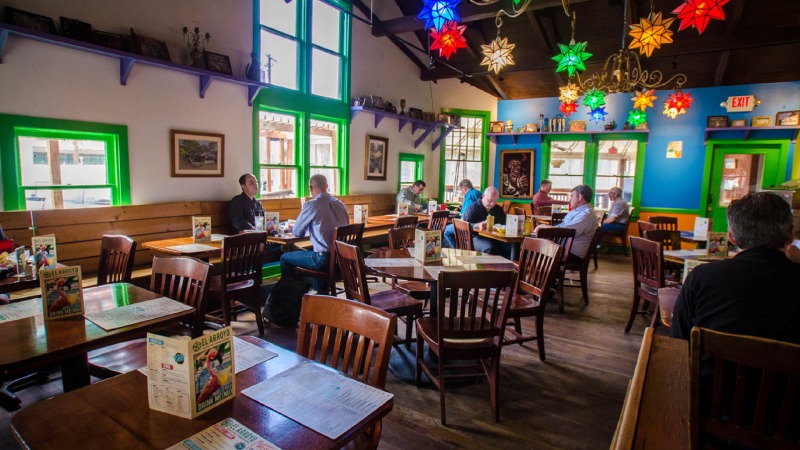
A restaurant that’s famous for its hilarious signs has been pulling out all the stops to bring laughs in the era of COVID-19.
SWNS
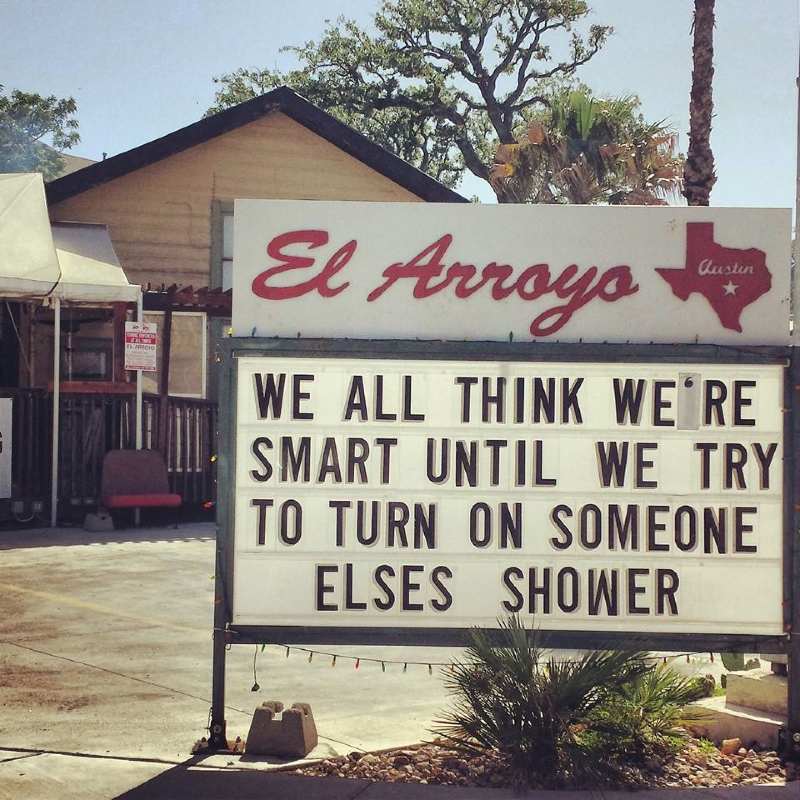
Austin-based restaurant El Arroyo started making comic signs in the early 80s, and they’ve been perfecting the art ever since.
When the pandemic reached the States’ shores, and bars and restaurants began shuttering across the country back in spring, the team at the popular Texas restaurant decided that it was time to put even more effort into bringing comic relief to others.
“The signs bring a lot of laughter,” said Laura Schulte, 27, social media manger for the Mexican eatery.
“It’s a running joke that people who live in Austin are a bit hippy, so one of my favorite signs is: “Last queso stop before a load of yoga studios.