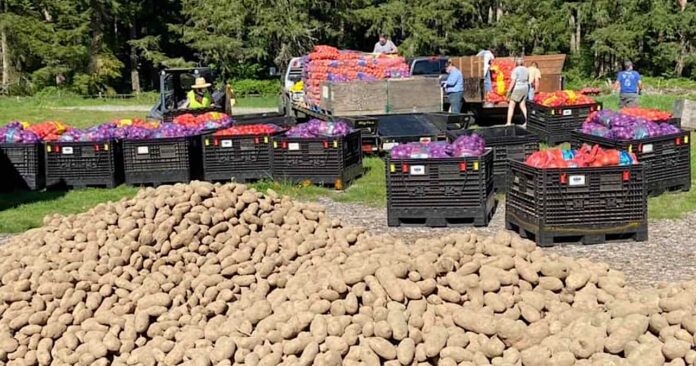
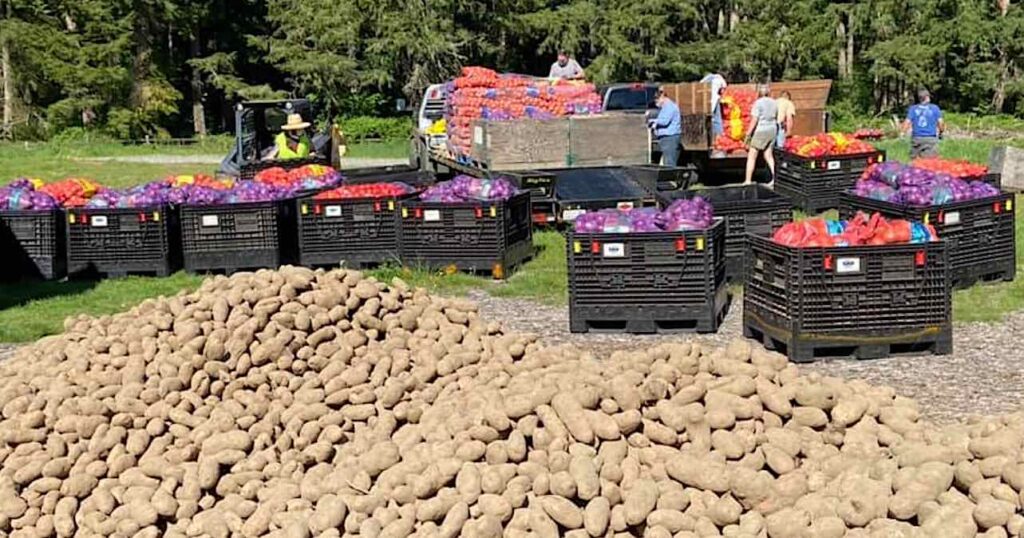
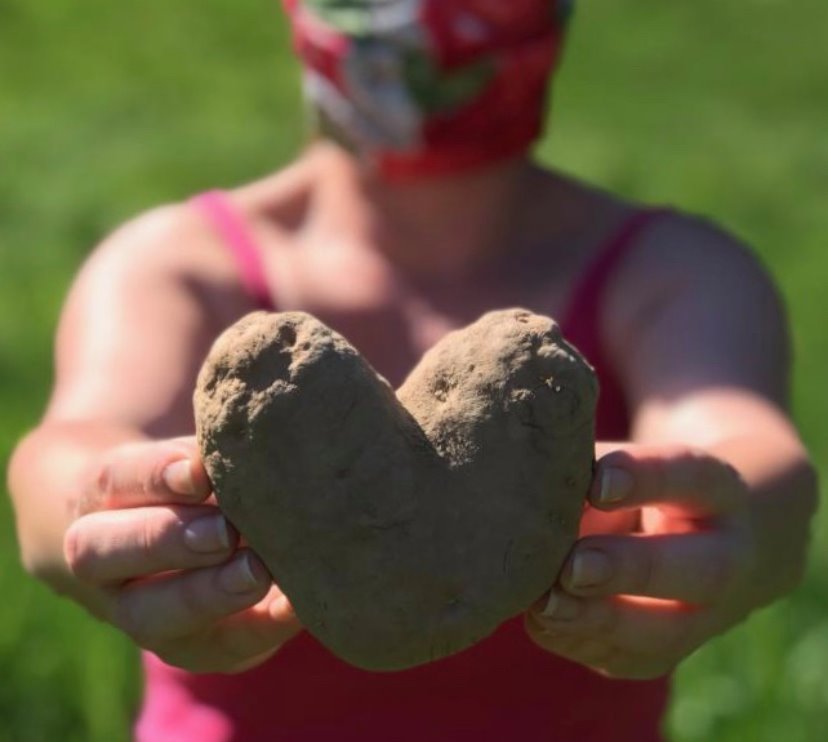
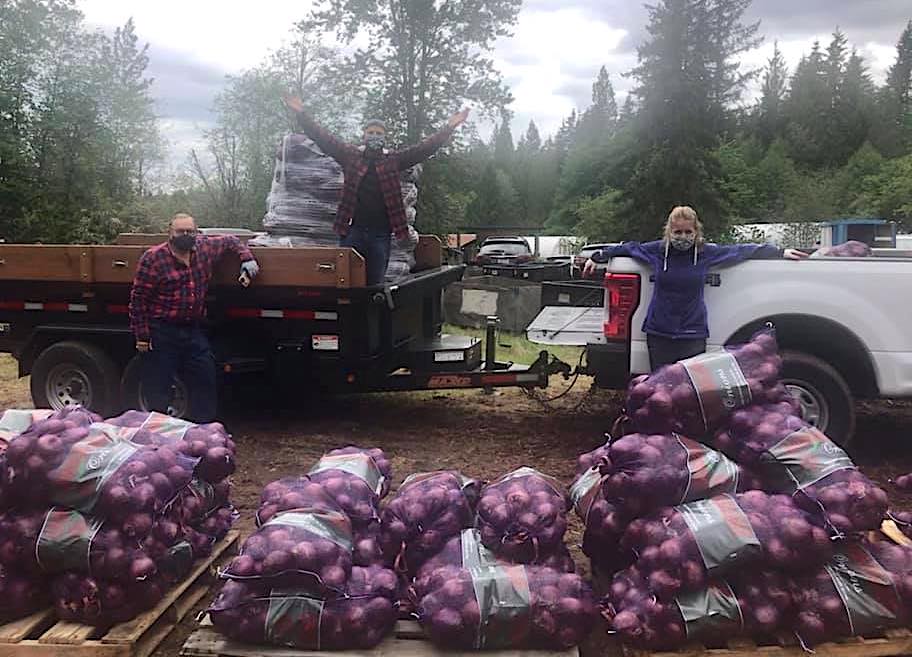
When George Ahearn heard that farmers in Washington state were giving away onions and potatoes they suddenly couldn’t sell, his instinct for goodwill led him on a journey that would lead to the rescue of 200 tons of vegetables arriving in food banks to support people in need.
The breakdown of farm supply chains and customers due to COVID-19 shutdowns means crops are destroyed or left to rot—and in rural Washington, farmers knew that if they could get their crops to the food banks in Seattle, it would certainly be preferable.
Inspired by the farmers’ plight, Ahearn asked on Facebook to borrow someone’s truck or trailer for the day, to haul around 2,000 pounds of restaurant-grade onions and potatoes. The response to his altruistic post was dramatic, and soon 4 trucks and 2 trailers had hauled 9.3 tons of crops grown in the east to feed hungry people in the west.
This voluntary act of kindness grew into a nonprofit organization called EastWest Food Rescue. It has saved over 2.4 million pounds of food from fields, while also amassing enough donations to help compensate farmers for their loss.
“The whole thing started because of COVID,” Nancy Balin, one of the people who responded to Ahearn’s initial request, told Seattle Times. She now helps direct the program.
“They immediately lost all the restaurant contracts they had for these quality potatoes and onions. And since European countries were shut down, they weren’t exporting them because their restaurants were closed.”
On that first inaugural run, Ahearn relied on several Washingtonians beyond Nancy Balin with her trucks. Zsofia Pasztor, a farmer and fellow nonprofiteur began donating crates and boxes for transporting the crops because food banks originally admitted that they couldn’t accept a semi-truck load of ‘loose’ potatoes.
“The whole thing was extremely organic and took on a life of its own almost immediately,” said Balin, who is now president of the organization and runs it as a team with Pasztor and Ahearn, and more than ten staff members who volunteer.
The goal is to rescue 10 million pounds of food, for which Ahearn is trying to raise $250,000. Ahearn says one of the most important priorities is to get refrigeration capacity for fruit and other produce, as well as for milk and eggs.
Ahearn had originally planned to shut down the operation after they reached 70 tons, so he could spend more time with his family, but that was long ago, and he accepts that in this moment he “can’t stop.”
Need more positive stories and updates coming out of the COVID-19 challenge? For more uplifting coverage, click here.
SHARE the Inspiring Idea And Donation Opportunity With Friends on Social Media…
One couple’s love and commitment through impossible-to-imagine circumstances gives a whole new meaning to the phrase ‘to have and to hold in sickness and in health’.
On top of being diagnosed with ovarian and breast cancer, Janice Beecham and her husband of 46 years had to battle through COVID-19 quarantines—but they came out the other side together this week.
On March 25th, with Janice and Robert strictly following all public health guidelines on COVID-19 because of Janice’s cancer, Robert called his son and decided to go to the doctor to take a COVID-19 test at his son’s urging, as he had not been feeling well in the preceding week.
He was admitted to the Parkland Hospital in Dallas, received his positive test, but recovered shortly after, despite having already suffered two strokes this decade.
One of the strokes had kept him from celebrating an anniversary with his wife, and he didn’t want it to happen a second time.
Robert’s doctor would eventually concoct a plan to get the devoted husband out of the hospital and home to visit his wife, a plan he thought would keep him on the right road to recovery because his love for Janice was obviously a healing force in his life.
Against the odds
Arriving home for their wedding anniversary, Robert Beecham discovered that Janice, who had undergone invasive surgery for breast cancer only a month before, had already tested positive for both COVID-19.
Further complicating things, her breast cancer returned, and Janice could not start chemotherapy as a treatment for any cancer until her COVID-19 convalescence was finished, which might allow time for the cancer to further spread.
“Once I got home, and we did the quarantine, I was getting progressively better but Janice still had issues with her health,” Robert told CNN.
But they are best friends, who helped each other through it.
Thanking God, as one can only do it such a situation, the high school sweethearts have finished quarantines, surgeries, and chemo, are now COVID-19 and cancer-free.
CNN reports, “Janice still has preventative radiation coming up, but the two said they are blessed to be alive and blessed to have celebrated another year together.”
Quote of the Day: “Plant seeds of happiness, hope, success, and love; it will all come back to you in abundance. This is the law of nature.” – Steve Maraboli
Photo: by Don Raridon
With a new inspirational quote every day, atop the perfect photo—collected and archived on our Quote of the Day page—why not bookmark GNN.org for a daily uplift?
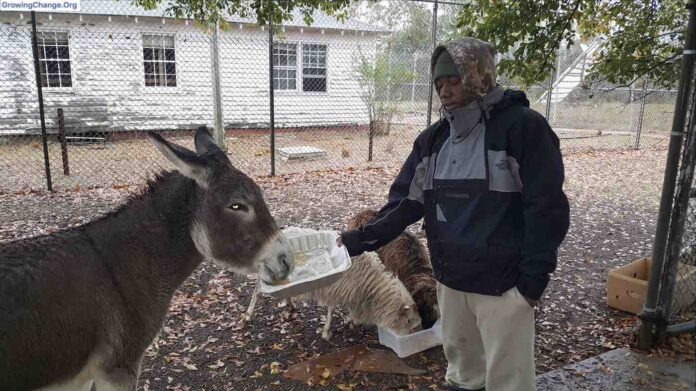
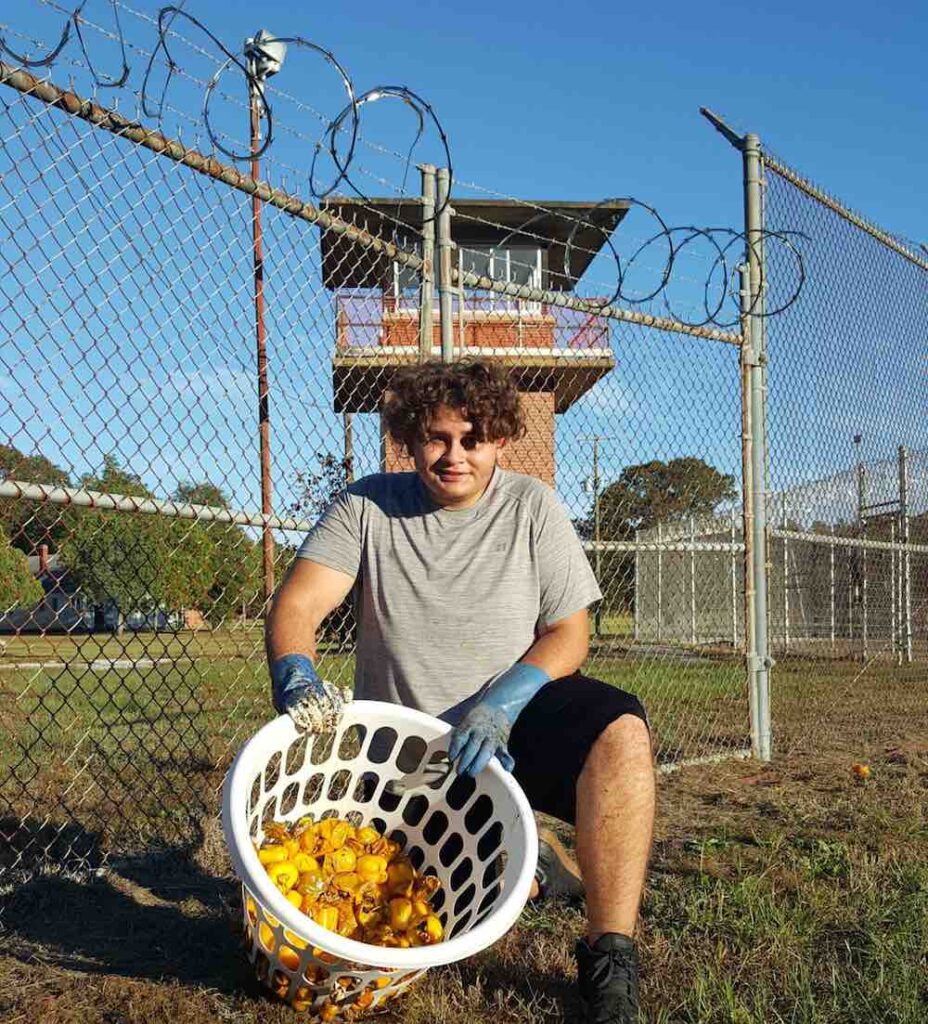
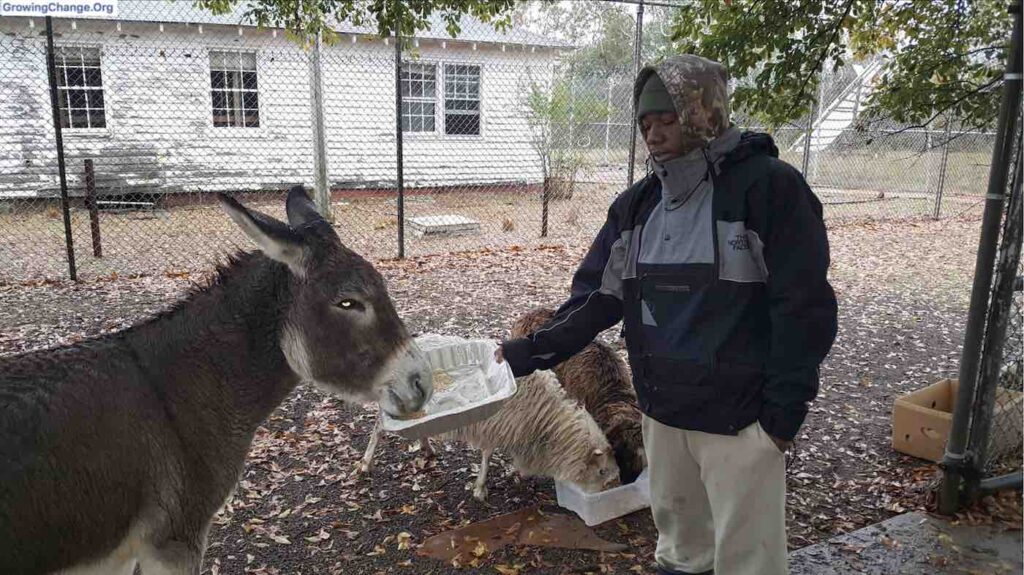
On the grounds of an abandoned and decommissioned prison in North Carolina, vegetables are being tended by hands that, if not for the opportunity to learn the world’s oldest occupation, might have ended up in a real prison with nowhere to go but down.
GrowingChange.org / Facebook
But Growing Change is an organization that believes the best solution to a problem is one that strikes at the root, not at the stem—and they have been tilling that soil since 2011.
In converting old prisons to year-round-farming and education centers, Growing Change solves several problems at once. The program synergistically brings together young men on the edge of the criminal justice system, and jobless wounded veterans returning from deployment.
Recruiting the discipline and leadership skills of the latter to teach and guide the former, Growing Change creates an environment whereby at-risk youth who need to fulfill long hours of community service can learn life skills, sustainable farming practices, and animal husbandry, with an opportunity to receive clinical therapy in an environment much more suited to young men.
“North Carolina is one of the last two states in which youth are adjudicated as adults for all charges at age 16,” explains the founder Noran Sanford. “By the time some 16 year-olds arrive in the courts they are permanently limited in their employment due to their ‘adult’ criminal record.”
In 2016, the farm in Wagram also began admitting young men facing chaos at home, failure at school, trouble with mental health or substance abuse—to salvage lives before the criminal justice cycle begins.
Sanford’s model of intensive therapy and “flipping their prisons” has seen a 92% reduction in recidivism rate among youth participants, while the national average of criminal recidivism is 43%.
“At the core level, we are instilling hope,” Sanford explains to Civil Eats. “When hope is gone, it creates a pretty vicious void that a lot of other grimmer things can get pulled into. And as low-wealth rural America is left further behind, then that vacuum is stronger. We’re breaking that stream.”
Meanwhile, the veterans work toward university degrees in environmental sciences and sustainable agriculture. Together, these individuals young and old who may have been on the fringes of society work to rehabilitate abandoned brownfields (land that might be contaminated and must be cleaned before future use) and the prison property decaying into dysfunction.
The number of societal areas Growing Change has the capacity to reform is rare among nonprofit work. Along with the boon to the individual participants’ lives, it stands to benefit the North Carolina counties it operates in, many of which experience the consequences of poor health outcomes arising from a diets of mostly processed foods.
This is because some of these counties have no locally grown produce, a fact that has produced some startling facts about a part of the country most are not familiar with.
Wagram’s Scotland County, is one of the poorest counties in NC with the state’s highest unemployment and food insecurity rate.
Because the incarceration rate in the U.S. is at its lowest level in more than two decades—with imprisonment among black Americans down by 34% since 2006—North Carolina is shuttering prisons and correctional facilities across the state, with dozens of such facilities already closed.
Along with offering a collection of buildings to be repurposed into education and art centers, prisons are ideal for conversion into farms because of their sturdy, gopher-and-sheep-proof fences, and large open spaces. With the properties belonging to the state in decay, officials are more than happy to consign the land to such projects.
The prison kitchen has been converted into a commercial-grade community kitchen where the county will provide training on preparing and preserving food, while also serving as a classroom for students receiving training in foodservice and culinary arts, and to offer Farm-to-Classroom trips to educate children on nutritious foods.
The crops produced by GrowingChange farm are also sold to local restaurants, a business enterprise aspect of the project that allows the program be self-sustaining for years, fertilizing entrepreneurship into the hearts of all who work here.
“A handshake’s a handshake,” said the lottery winner in Wisconsin who is living up to an agreement made with his buddy almost three decades ago.
Wisconsin Lottery
Friends Tom Cook and Joe Feeney shook hands in 1992, swearing that if either one of the pals won the Powerball jackpot, they would split the winnings…no matter who bought the ticket.
Tom, of Elk Mound, was ’frozen’ when he realized the Powerball ticket he bought was the $22 Million jackpot winner.
Afterward, he called Joe in Menomonie to tell him the news and Joe, an avid fisherman, couldn’t quite believe it.
“He called me and I said, ‘are you jerking my bobber?’’ recalls Joe.
Sold in 45 states, the overall odds of winning the Powerball jackpot are 1 in almost 300 million.
Tom gave his two weeks-notice and retired upon learning the news.
Neither have any extravagant plans for the winnings—both took home nearly $6 million after taxes—but are looking forward to enjoying more family time.
They do look forward to some traveling. Previously, Tom, Joe, and their wives took a road trip together in a small PT Cruiser convertible. For future road trips, they plan to upgrade their vehicle.
“I can’t think of a better way to retire,” Tom concluded.
WATCH the interview from Wisconsin Lottery…
SHARE This Rich Story Of Friendship With Your Pals on Social Media…
The roots of racial prejudice run deep, but when an ugly incident recently cropped up in Ontario, a local social club didn’t just nip it the bud, they planted seeds of hope in its place.
Jamaican immigrants Maurice (Mo) Ellis and his wife Caroline Leslie-Ellis settled in Canada with their daughter determined to make the most of their adopted homeland. Ellis, who was working two jobs to support his family and help pay his wife’s college tuition, joined Dad Club London to network and feel more closely connected to his new community.
“Like many other local fathers, he found us on our Facebook group, came out to an event, and fell in love with what we do,” club member Ryan Blake told GNN. Blake also noted the club is proud of its diverse membership. “[Mo] isn’t the first Black dad in the club. We have members from all races and backgrounds, including gay dads.”
After Dad Club London founder and president, Jeremy McCall, posted a Black Lives Matter message on the group’s Facebook page, Ellis was touched and reached out in gratitude. He told Jeremy that he’d been the target of racial slurs while working a shift at his second job. “It’s not just me that it happens to,” Ellis was quoted as saying in The London Free Press. “If you’re not mentally strong it can take a toll.”
Galvanized by a “not in my town” attitude, rather than simply offering sympathy, McCall was energized to take action. He organized a secret fundraiser to show Ellis and his family how much the community supported them.
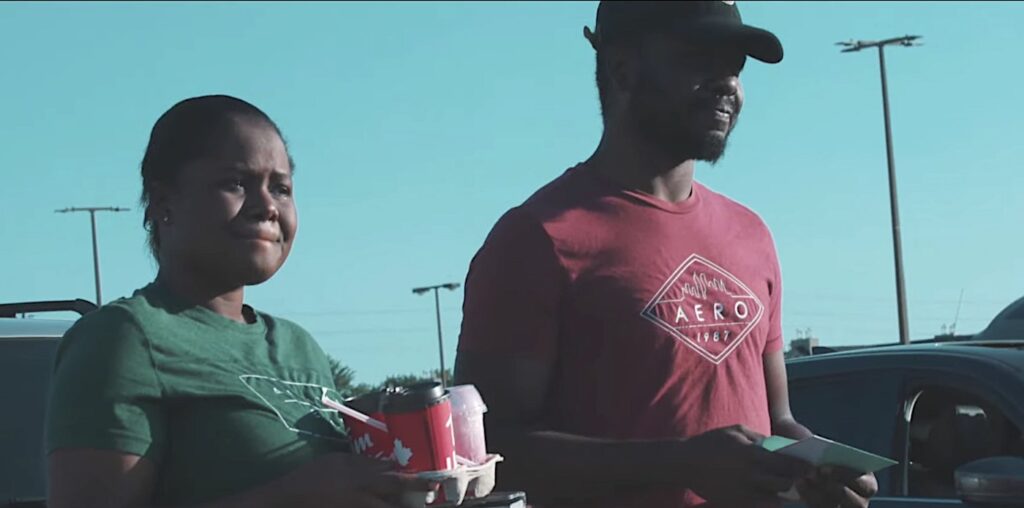
Contributions came in from the local police union, 70 families, and numerous businesses. The group was able to raise nearly $7,000, and McCall arranged a get-together last month to surprise Mo. “I thought it was a Dad Club meeting,” his wife exclaimed.
In a hushed parking lot, with members standing six feet apart, Ryan’s neighbor Brent Lively recorded the touching presentation—as tears began streaming down faces both black and white.
First, their daughter Amara was given a gift—the biggest LEGO set the club could find, and then Mo was given a prepaid Mastercard to help with family living expenses. Finally, smiles turned to disbelief when Caroline unfolded the check for her college tuition.
“What happened to you doesn’t represent this community,” McCall said in a heartfelt speech during the ceremony. “We don’t stand for that. When you said, ‘I guess that’s the way the world is,’ it broke our hearts because it can’t be that way, and we won’t let it . . . We, together, stand as a community against racism.”
Quote of the Day: “We must find a way to… lay down the burden of hate. For hate is too heavy a burden to bear.” – Cong. John Lewis (1940–2020)
Photo: by Jon Tyson, cropped
With a new inspirational quote every day, atop the perfect photo—collected and archived on our Quote of the Day page—why not bookmark GNN.org for a daily uplift?
A 93-year-old veteran of World War II is enjoying his seaside town once again, now that he can get around on his new mobility scooter done up like a Harley Davidson.
Thomas Kemp, who had owned motorcycles since he was a teenager, had to give up riding on his beloved possessions due to his age, but now feels like he‘s back in the saddle again.
Mr. Kemp spotted the TGA Supersport while shopping in his hometown of Poole, and said the scooter reminded him of his favorite bikes, the 1000cc Ariel Square Four and the classic Triumph Thunderbird.
Perfect for ex-bikers in their 70s, 80s and 90s, the Harley-looking scooter with super-up handlebars has big wheels, a 30-mile range and rugged black and chrome design.
Originally from Shoreditch in east London, he worked as a heavy plant engineer repairing farming equipment and cranes throughout the country and often travelled to jobs via motorbike.
“I may be 93, but my scooter makes me feel 43,” he beamed.
“Even my short drives to the harbor and back are priceless,” he added.
He has no kids and no surviving relatives, but Kemp enjoys living life on his own. He says he’s stayed pretty fit and his Supersport has given him an extra lease of life.
“My doctor always jokes that he can’t believe there is nothing wrong with me at 93. I don’t need glasses, don’t use a walking stick and have a full head of hair.
With the combination of gardening and getting outside on walks, he’s remained content and positive. “Simply being able to go out is so important – it makes you happy.”
“Moaning and groaning is a waste of time in my book.”
SHARE the Inspiring Philosophy With Your Aging Friends on Social Media…
This is one of 50 finalists in the Reader’s Digest “50 Nicest Places in America” contest for 2020. A crowd-sourced effort to uncover places in all 50 states where kindness and generosity are reigning supreme amidst a climate of coronavirus and cultural upheaval, you can now vote for your favorite ‘Nicest Place’ by visiting the Reader’s Digest website.
You will not go hungry in the Bronx. New York City’s northernmost borough is home to 1.4 million people—and it’s the most racially diverse place in the country, according to the U.S. Census. But if there’s one thing that brings people together, it’s pizza—and pizza was the unifier for families in Riverdale, who started bringing hundreds of the famous pies to strangers throughout New York’s quarantine.
In early March, Aliza Abrams Konig pre-ordered 30 pizzas for a party set to celebrate the Jewish holiday Purim at her synagogue. They’ve always gotten a good turnout, and Konig expected the same this year. Then COVID-19 hit. New Rochelle, a neighboring town, saw one of the first cases reported in the city, where more than 20,000 people would die of the disease over the next few months. As soon as it became clear what was happening, the whole community quarantined, trying to limit spread. The Purim party was canceled.
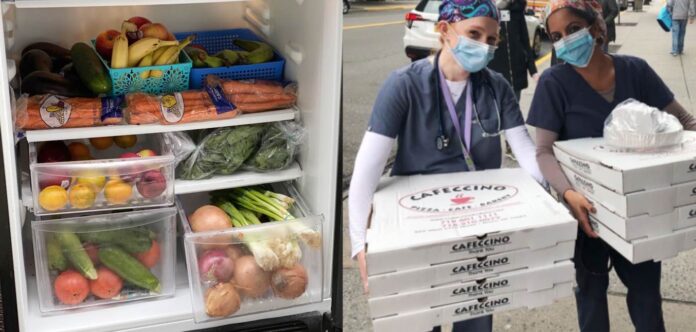
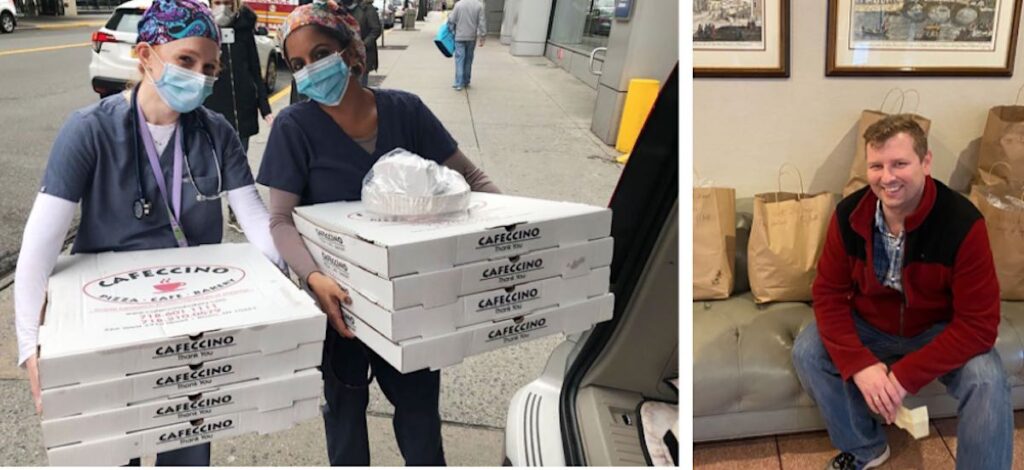
But Konig picked up the 30 pizzas from the Cafeccino Bakery anyway, and she and seven volunteers delivered them to quarantined congregants.
“The families, especially the children, appreciated seeing our faces,” Konig told Reader’s Digest.
From that cancelled party, the Pizza Brigade was born. Volunteers kept up the pizza deliveries, at no charge to the families, once a week until their quarantine was over. In total, they fed more than 100 families. And not just pizza. The brigade, in partnership with bakery owner Lukasz Babiuch, started weekly deliveries of challah, the bread many Jews eat every week on the Sabbath.
With the growing need, the Pizza Brigade expanded operations. One day, they delivered 20 pizzas to healthcare professionals battling COVID-19 in the emergency room at Montefiore Medical Center. Then 25 pizzas to Hatzalah, a local volunteer ambulance corps. The next day, ten pizzas to Weill Cornell Hospital. Every order that came in kept the restaurant in business and his staff employed.
Aliza Abrams
From there, the idea spread. Other Jewish communities started sending pizzas to those around them who needed the morale boost that only New York’s signature food can deliver—including in Stamford, Connecticut, where 40 pizzas were sent to families on the front lines.
In another part of Riverdale, Selma Raven and her partner Sara Allen noticed the same thing: Some of their neighbors needed help. It was the seventh anniversary of the day Raven lost her son Michael, who had been an activist fighting against “healthy food deserts”. Inspiration struck—and it was the perfect way to honor the 21-year-old’s memory.
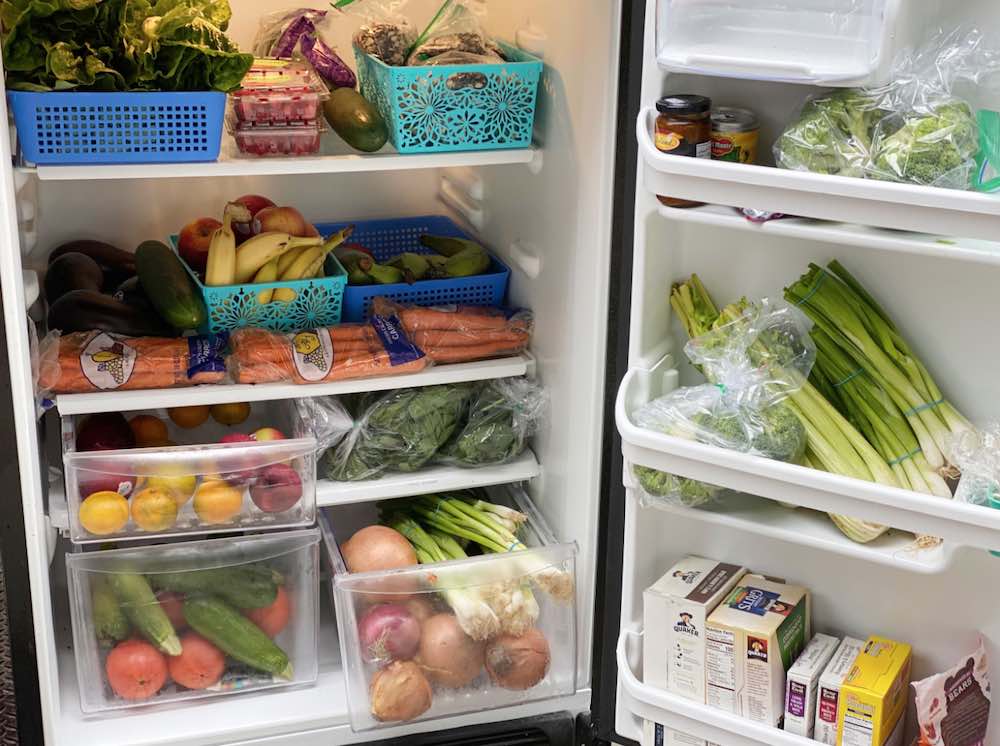
Following the lead of innovators she’d noticed in Brooklyn, Allen found a refrigerator on Craigslist. Meanwhile, Raven asked nearby store owners whether they could plug it in out front; the plan was to fill it with free, fresh food for anyone who needed it. The Riverdale area has a dense urban feel, with a mix of those living in million-dollar homes and others renting a single room, so all types of people live there. “I kept asking until the fourth guy said, ‘Sure, no problem, I’ll do whatever I can,’” Raven told Reader’s Digest.
The Friendly Fridge
A few days later, she and Allen set up what they called their “Friendly Fridge” in front of The Last Stop, an eclectic restaurant in Riverdale, down the street from their apartment.
The Friendly Fridge would operate under a simple system: Take what you need and leave what you can. Raven and Allen buy food almost every day to supplement donations. A local fruit vendor drops off fruit; deli owners on the block have donated sandwiches. Every day, someone new donates.
SARA ALLEN
“It has grown so much in a month,” said Raven. “People take food and talk to us and the community has come together in ways that I’m just humbled.”
At the end of every day, they sanitize and fill the refrigerator, and they’re finding out why Riverdale has been nominated as one of the 50 Nicest Places in America 2020 finalists.
The Bronx community is highly committed to doing volunteer work, giving to charity and helping those in need—but they are seeing a real uptick in volunteerism and care at this time.
“It’s been incredible to see how my community has rallied together and are helping each other out, running errands, pick ups, drop offs for those who can not risk going out,” said Raven. “I am a member of a few WhatsApp groups dedicated to fulfilling shopping list requests for those in quarantine. The groups never stop, there is always someone offering to help out, it’s really amazing.
Recently, the refrigerator stopped working. Allen wrote about the breakdown on Facebook and within two hours, a stranger had delivered a replacement. When Raven offered to pass along $300 in donations she’d collected, the person refused.
“As someone special in my life once said‚ ‘No one should go hungry,’” says Raven. “And thanks to this amazing neighborhood, we can all help.”
One fridge—OR one pizza—at a time.
SHARE This Story of One of America’s Nicest Places to Inspire Others On Social Media…
“…A rather pleasant metallic sensation… [like] … sweet-smelling welding fumes, burning metal, a distinct odor of ozone, an acrid smell, walnuts and brake pads, gunpowder, fruit, rum, and even burnt almond cookie.”
Decades ago, NASA asked specialists to develop the “smell of space” in order to help prepare astronauts for the experience of outer space.
Now, a perfume, Eau de Space, has attracted eager buyers where it’s trial orbit on Kickstarter has raised $516,000 in preorders.
“The history of the ‘smell of space’ has been clouded behind various accounts of its development. Ever since the first space walk, astronauts were shocked by the lingering odor when returning back into the spacecraft,” according to the campaign on Kickstarter.
NASA Astronaut Col. Chris Hadfield said, “The only time you can smell space is when you come back in from a space walk. As you open the hatch, there is a distinctive smell.”
Some describe it as rum, fruit, seared steak, or a BBQ. The first space tourists also noted a pungent aroma once the hatch opened, “like burnt cookies”.
Gene Cernan, the Apollo 17 Astronaut remarked about another scent he experienced: “The moon smells like spent gunpowder.”
“The smell of space is so distinct that…NASA reached out to a fragrance maker to re-create the odor for its training simulations,” according to NASA documents obtained through a freedom of information request.
Now, the makers have partnered with award winning perfumers, and report that they’ve secured exclusive commercial contracts to reproduce the secret shelved formula based on verified astronaut accounts.
Kickstarter
Though not affiliated with NASA, every $29 bottle purchased of Eau de Space will also help support STEM programs for students, through a buy-one-give-one program.
“For every bottle of Eau de Space you buy, we’re going to donate one to a K-12 Science, Technology, Engineering, Math (STEM) program” for low-income students.
“It’s a big promise, and isn’t the best decision for a company trying to make a profit. But, we really believe in the cause and hope you do too. Imagine if a child that smells Eau de Space today is inspired to become an astronaut, scientist, or engineer.”
It will be made in the UK utilizing living-wage labor and environmentally-friendly practices, including zero manufacturing waste, according to the campaign. 11,000 people have become supporters and there’s still 21 days left to order.
If you don’t have $29, you don’t have to go to the moon to catch a whiff—the scent will soon be orbiting around an Earthling near you.
GIVE Your Friends A Chance to Smell Space By Sharing on Social Media…
It seemed that life was finally giving her a break. A single mom down to her last $7 found a $1 bill in a grocery store parking lot. So she walked back into the store, bought a lottery ticket, and won $100.
Just like that, her luck began turning around.
Most of us in that position would probably keep the $100 and breathe a sigh of relief. But not Shetara Sims. At the urging of her 12-year old daughter Rakiya, she decided to donate all of her winnings to the family of a local Kansas City police officer wounded in the line of duty.
For the Sims family, the desire to pay it forward is personal. When Shetara’s eldest daughter was killed in 2012, Kansas City police officers went above and beyond to support her family as much as possible.
“The detectives were really there for us. They were there for us more than anyone I can imagine. They did things they didn’t have to do,” Shetara told CNN. “They came to see my kids. They did a lot. They were fathers, therapists. They were everything.”
Not wanting to make a fuss about her generosity, Shetara called the Kansas City Police Department and made her donation anonymously. She told the officers on the phone that she had been dealing with several hardships of her own, recently losing her job due to the COVID-19 pandemic.
But in spite of what she was going through, Shetara felt that the family of the wounded officer needed the $100 more than she did. The police tried to convince her to reconsider, but Shetara was insistent. Since she didn’t even leave her name and number, she assumed that brief phone conversation and her sense of inner satisfaction would be the end of the story.
It didn’t take long, though, until the local police precincts were abuzz, touched by Shetara’s kindness and gratitude. A group of officers became determined to find her to express their own thanks.
“To hear her call and just express thanks for no reason other than she’s thankful, it’s really impactful to us,” Kansas City Police Department Sgt. Jake Becchina told CNN.
After finally locating Shetara, the Police Department decided to set up a GoFundMe page to help her family with their financial situation. They called the campaign, ‘Helping the Woman With a Heart of Gold,” and the response was overwhelming—with strangers and officers donating more than $145,000.
“People like her are hard to come by,” wrote Kansas City resident Chantale Childs on the police department’s Facebook post that announced the campaign. “A person that would give to a stranger and not eat for herself… she deserves support. It’s amazing to see my community come together for this person. Makes me proud!”
Last Sunday, Shetara and Rakiya visited the wounded officer’s colleagues at work, some of whom were on the scene when “Officer T” was critically injured in the line of duty. In a Facebook post, the department expressed its gratitude for being able to connect with these generous souls: “It took a while to find them, but we’re so glad we did.”
Sgt. Jake said that it is kindness like Shetara’s that really keeps police officers serving and protecting, even when times are tough. Her gesture may have seemed small at the time, but it ended up touching people’s lives in a way she never could have imagined.
Quote of the Day: “There is no bad time for good news.” – Stephen King
Photo: by Jon Tyson
With a new inspirational quote every day, atop the perfect photo—collected and archived on our Quote of the Day page—why not bookmark GNN.org for a daily uplift?
A Florida news reporter will forever be thankful to a total stranger who went out of her way to send an email.
The television viewer encouraged her to see a doctor and Victoria Price took her advice—and is glad she did.
“As a journalist, it’s been full throttle since the pandemic began. Never-ending shifts in a never-ending news cycle,” Price wrote on her social media pages Thursday. “We were covering the most important health story in a century, but my own health was the farthest thing from my mind.”
The 28-year-old WFLA-TV reporter in Tampa got this email from a viewer on June 4:
“Hi, I just saw your news report. What concerned me is the lump on your neck. Please have your thyroid checked,” it read. “Reminds me of my neck. Mine turned out to be cancer. Take care of yourself.”
Price found out that her own lump, though barely perceptible, was indeed thyroid cancer and she will undergo surgery on Monday to remove the tumor, thyroid, and a couple of nearby lymph nodes.
“We’re hopeful this will be my first and last procedure,” she wrote. “Had I never received that email, I never would have called my doctor. The cancer would have continued to spread.”
Credit: victoriapricetv on Instagram
The broadcaster quipped that the station’s motto, “8 On Your Side”, has become more than a catchphrase.
“I found a viewer on MY side, and I couldn’t be more grateful,” she said about the person sending the email.
“She had zero obligation to, but she did anyway. Talk about being on your side, huh? The world is a tough place these days. Don’t forget to take care of yourself. Take care of each other,” she wrote.
WATCH a video from NBC…
SHARE The Good News Health Tip With Friends on Social Media…
What if there were a company that made helping to remove CO2 from the atmosphere as easy as paying the extra 1 cent on top of your $2.99 cup of coffee?
In April, as the economic and social portents of the COVID-19 pandemic became ever clearer, an eco-conscious American “neobank” called Aspiration launched a program to see if customers would be willing to contribute a small something to fund a mass tree planting.
The results, merely 3 months later, were more than anyone with the gift of foresight might have imagined. Even though some of Aspiration’s customers may be temporarily jobless due to lockdowns, their rounding-up of various purchases funded the planting of 1 million carbon-capturing trees.
Using an Aspiration debit card comes with a feature called “Plant Your Change” which rounds up every purchase to the nearest dollar, with the extra few cents going to Aspiration’s tree planting operations that span the globe, from North America to Africa.
The idea was based on a widely-publicized theory of climate mitigation that said our planet had experienced a lot of deforestation since the advent of the industrial age, and that returning some of those billions of acres back into forest would draw a significant amount of CO2 out of the atmosphere.
“Planting one million trees is a big achievement, but it is just the beginning,” said Andrei Cherny, Aspiration CEO and co-founder. “What we’ve seen during the COVID-19 crisis is that our customers want to do more, not less, to take action to save our planet.”
And, the neobank—which is a ‘B Corporation,’ having adopted social good as its top priority—is also paying customers up to 10% cash back for doing business with the most eco-friendly companies.
Aspiration wants its customers to be able to actively see the costs of the modern global economy in terms of carbon as well as currency, and while they offer 1.00% APY on savings, which is far above the industry standard, their accounts also come with features like Aspiration Impact Measurement (AIM).
AIM allows card holders to accumulate a personal sustainability score, and to see and examine the scores of various businesses before they make a purchasing decision.
So far Aspiration has used their AIM to score thousands of merchants and businesses on how they treat the planet in their operations. The more often one uses their Aspiration debit card, the more they’ll be able to see the impact of their spending, track it over time, and compare it to friends.
Purchases at many of the businesses and brands with the highest of these scores come with a 10% cash back bonus for responsible shopping.
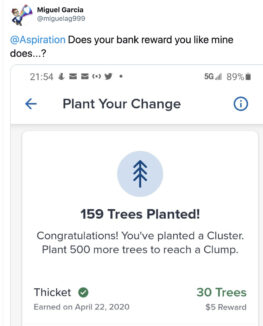
“When I think of Aspiration, it reminds me of the phrase “money doesn’t grow on trees,” begins Aspiration client Miguel Garcia, “but now my money helps to grow them! I love that I can sign in and keep track of my progress. In the last few months alone, I’ve planted 169 trees alone.”
“I also know far more about being eco friendly with my spending thanks to Aspiration. I am really excited I can easily contribute, even during the hard times we are all going through.”
Aspiration reminds us that throughout history—from the Montgomery Bus Boycott to the Conflict Diamond trade—consumer spending decisions wield tremendous power when consumers are resolved, and studies demonstrate that more and more people are making consumer decisions based on things like ethics towards the land, ethics towards the climate, and ethics towards people.
Another feature is the Planet Protection, which when activated calculates the cost of carbon offsets when you use your Aspiration debit card at the pump. Transportation is the world’s largest producer of CO2, and Plant Protection allows you to ensure there are carbon offsets being funded to cover the environmental cost of your driving.
Aspiration ensures the 3rd parties handling the carbon offsets purchases are reputable and the carbon offsets are accurately calculated. You can check out their FAQ page to learn more—and maybe start saving the planet with every purchase.
SEND This Green Opportunity to Tree-Hugging Friends on Social Media…
Editor’s note: This story has been altered, replacing the work bank with “neobank,”
Sea turtles, whales, and dolphins may soon be free of the deadly possibility that they will get entangled in the huge driftnets floating off the coast of California.
The U.S. Senate on Wednesday unanimously passed a bipartisan bill to phase out the use of the harmful mesh gillnets in federal waters there—the only place the nets are still used in the United States.
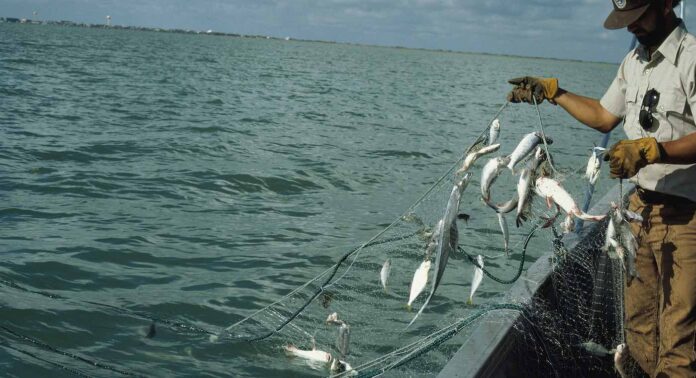
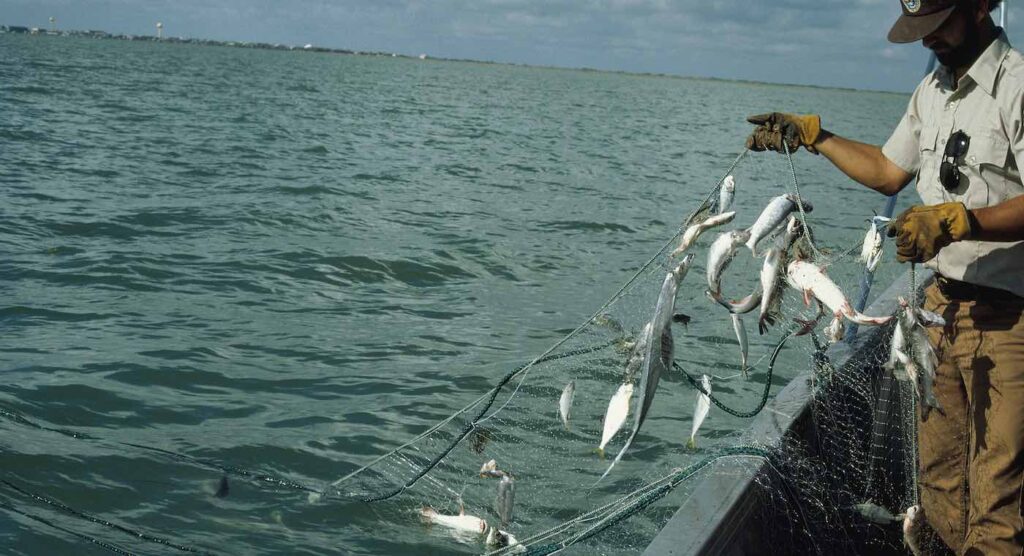
The mesh driftnets, which are more than a mile long, are left in the ocean overnight to catch swordfish and thresher sharks. Other marine species including whales, dolphins, sea lions, sea turtles, fish, and sharks can also become entangled in the large mesh nets, injuring or killing them.
Turtle Island Restoration Network has led a coalition of concerned citizens and partner organizations for nearly 20 years, working to stop the devastating impact of this driftnet fishery on sea turtles and other ocean animals—with much success.
In 2018, California passed a four-year phase out of large mesh drift gillnets in state waters, but the new law, The Driftnet Modernization and Bycatch Reduction Act, would extend similar protections to federal waters within five years and authorize the National Oceanic and Atmospheric Administration to help the commercial fishing industry transition to more sustainable gear types.
“This legislation will ensure no more whales or dolphins fall victim,” said Annalisa Batanides Tuel, policy and advocacy manager for Turtle Island Restoration Network. “We are encouraged that the United States is taking steps to address harmful fishing methods in the ocean and off our coasts.”
small gillnet – USFWS
The use of large mesh driftnets by a single fishery in California is responsible for 90 percent of the dolphins and porpoises killed along the West Coast and Alaska. At least six endangered, threatened, or protected species are harmed by driftnets off the California coast.
The bill, S. 906, was introduced by Senators Dianne Feinstein (D-Calif.) and Shelley Moore Capito (R-W.Va.).
“We are now one step closer to removing these nets from our waters,” Senator Feinstein said. “There is no reason to allow the carnage of large mesh drift gillnets when there are better, more sustainable methods to catch swordfish. We can preserve the economically important swordfishing industry while protecting the ocean and its wildlife.”
Large mesh drift gillnets are already banned in the U.S. territorial waters of the Atlantic Ocean and the Gulf of Mexico, as well as off the coasts of Washington, Oregon, Alaska and Hawaii. However, they remain legal in federal waters off the coast of California. The United States is also a member of international agreements that ban large-scale driftnets in international waters.
The bill would phase out the use of the nets and help the industry transition to more sustainable methods like deep-set buoy gear that uses a hook-and-buoy system. Deep-set buoy gear attracts swordfish with bait and alerts fishermen immediately when a bite is detected. Testing has shown that 94 percent of animals caught with deep-set buoys are swordfish, resulting in a vastly smaller incidental catch than drift gillnets.
To become law, the bill must pass also the House of Representatives. In May, 2019, the House Natural Resources Subcommittee on Water, Oceans, and Wildlife held hearings on the bill.
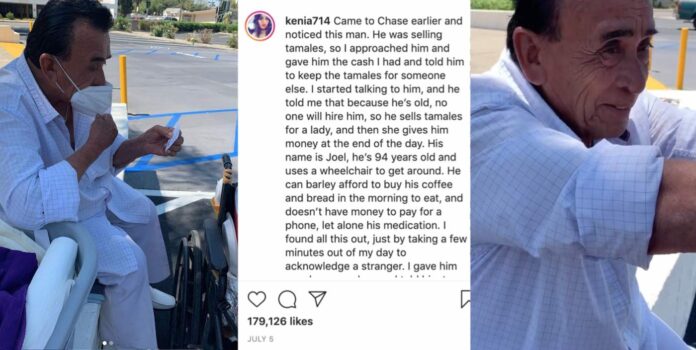
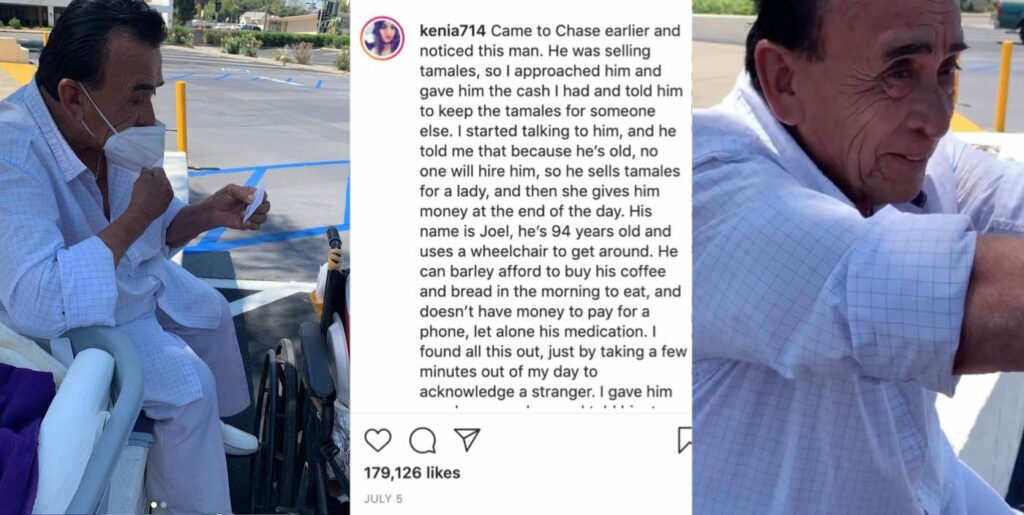
A young woman was walking in Santa Ana, California, when she came upon an elderly street vendor selling tamales. Seeing how tired he looked in his wheelchair, she decided to give him a few bucks and a sandwich—and she also gave him a compassionate ear to listen to his story.
Those gifts alone were enough to cause the 94-year-old to break down in tears. But what followed in the coming days has overwhelmed him with gratitude.
When Kenia Barragan first saw Jose Villa Ochoa, she thought of her own parents. “I felt for him,” she told KTTV News, “My parents are both older, and I would hate to see my dad out selling tamales for somebody and barely making ends meet.”
Known as ‘Don Joel’, he explained that although he wanted a job, nobody would hire him because of his age. In order to keep himself afloat financially, he started to sell tamales cooked by a local woman. At the end of each arduous day, she would give him a cut of the earnings. This allowed him to buy food, but was not enough for him to afford his medications or a phone.
The 28-year-old woman was happy to listen to Don Joel’s story, but she wanted to do more. So made an appeal to her followers on Instagram for some assistance. Within a week, friends and strangers overwhelmed her with more than $84,000 in donations.
In addition to the money raised for Don Joel’s retirement, Kenia purchased him a new wheelchair and a shiny new pair of shoes. Even though he’s 94, he says he feels like he’s 40 now, because the kindness has made him feel so alive. He describes the generosity as “life-changing.”
Kenia feels exactly the same way. She says she’s always looking for a purpose that helps people—and she’s been living in line with those values in her current job, working with people who have disabilities to get them transportation. Her goal in life is to establish a homeless shelter.
Kenia hopes this story inspires others to care more for those in their communities—and not just in terms of monetary donations. Taking the time to talk to someone who looks lonely or down on their luck can be more meaningful than we imagine.
And it can change a life.
WATCH the video from KTTV News… (Photos by @kenia714 on Instagram)
OFFER UP This Story to Inspire More Kindness — SHARE On Social Media…
Quote of the Day: “As a well-spent day brings happy sleep, so a life well used brings happy death.” – Leonardo da Vinci
Photo: by Kalen Emsley
With a new inspirational quote every day, atop the perfect photo—collected and archived on our Quote of the Day page—why not bookmark GNN.org for a daily uplift?
Seven in 10 Americans have experienced a wake-up call during the COVID-19 pandemic to shift their purchases away from bigger corporations and, instead, shop small, according to a new poll of US adults.
The survey asked 2,000 Americans about how they’ve responded to the novel coronavirus’s impact on their local communities and whether they’re supporting small businesses in this difficult time.
Seventy-one percent of those surveyed said they’re now shifting their shopping habits to supporting local businesses rather than big corporations or chain stores.
Conducted by OnePoll on behalf of Canva, the survey found that 79% of respondents said the COVID-19 pandemic has changed their perspective on just how important small businesses are to their communities.
During their months sheltering in place, respondents shared that they’ve supported an average of 10 small businesses.
Forty-three percent of respondents said the top method they’ve been supporting their local businesses is by ordering take-out or delivery. Over half of those surveyed also said they’re tipping their delivery drivers more than they normally would—up to 28% of their bill, in fact.
Another four in 10 respondents said they’ve shown support by visiting their websites and ordering online, while another 38% say they have been donating money. Three in 10 are also writing online reviews and sharing their local businesses’ social media posts to support them during this time.
Despite their individual support, 74% of those polled worried that their favorite local spot may not financially survive the pandemic—and perhaps because of this worry, 77% of respondents said they plan on supporting more local businesses once things return to normal after the coronavirus pandemic.
The places we miss the most
Fifty-eight percent of those surveyed said the top business they can’t wait to visit again after the pandemic was their local coffee shop.
More than half just want to book a reservation at their favorite restaurant—and 31% can’t wait to sit down and have a drink at their local bar.
Other top stops after COVID-19 included paying a visit to the hair salon, nail salon and local clothing store or boutique.
TOP WAYS TO SUPPORT LOCAL BUSINESSES DURING COVID-19…
1. Ordering delivery/take-out – 43%
2. Shop online – 39%
3. Donating money – 38%
4. Buying gift cards – 34%
5. Writing reviews online – 31%
6. Sharing their social media posts – 30%
7. Posting about them on my social media – 26%
TOP BUSINESSES AMERICANS ARE MOST EXCITED TO VISIT AGAIN AFTER COVID-19
1. Coffee shop/cafe – 58%
2. Restaurant – 51%
3. Hair salon – 37%
4. Gym/fitness studio – 36%
5. Local clothing store/boutique – 33%
6. Bar – 31%
7. Nail salon – 23%
“Around the world, we’re seeing millions of small businesses quickly adapt so they can continue operations,” said Canva’s Trends and Data Analytics Lead, Dr. Tim O’Keefe. “We’ve seen a surge in the use of Canva’s free small business templates, with the creation of takeout menus growing by 66% as restaurants pivot to offering delivery-only, new marketing material to promote how distilleries are now producing hand sanitizer, and the adoption of personalized Zoom background designs for personal trainers running virtual classes.”
“It’s incredibly inspiring to see this positive trend towards innovation, determination and camaraderie across the globe.”
(File photo by Brewbooks, CC license)
Be Sure And Share These Inspiring Survey Results With Your Friends On Social Media…
Winners of the 2020 BEYONDPLASTIC Awards, which looked for new designs to eliminate single-use plastic packaging in society, brought innovative and elegant solutions to make common consumer items biodegradable and CO2-free.
The contest, launched by inventor, entrepreneur, and founder of beyondplastic.net, Ulrich Krzyminski, features 4 categories—with gold, silver, and bronze winners in each one.
“The award is directed towards students, designers, engineers, makers, creators, inventors, artists: Everyone who has an idea, concept, prototype, or even a solution already in market, which supports less single-use plastic is welcome to take part,” says Krzyminski.
Next generation bags
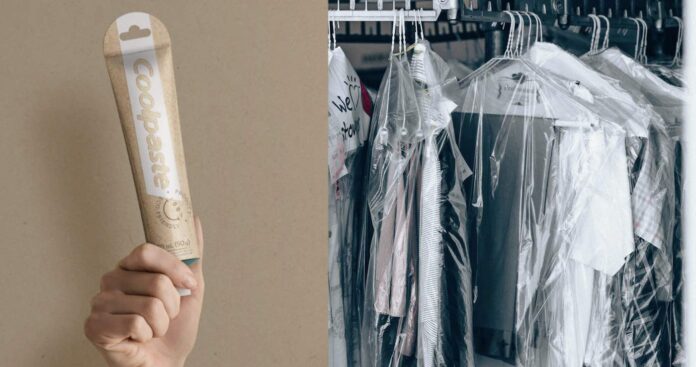
Taking gold in the ‘Most Innovative Solution’ category is a bag that dissolves in boiling water. Jack Cleary and the Wastebased team from the United Kingdom call it The Item Bag 2.0—and it belongs in every dry-cleaning store in the world.
Cleary’s goal is to replace polyethylene and polypropylene plastic bags, used to transport virtually every clothing item on the planet, with bags that will biodegrade after they’re discarded.
The Item Bag 2.0 simply dissolves in both saltwater and hot water, leaving behind nothing but bio-ink and some non-toxic minerals which can be poured down the drain. It’s also carbon negative, as opposed to carbon neutral, meaning that the production process of the Item Bag 2.0 removes more carbon from the air than it adds: 100% more, to be precise.
Wastebased also makes compostable e-commerce mail envelopes, as well, which are 100% waterproof but degrade in nature after around 6 months. In addition, the green company plants trees to offset any carbon cost of operations which they can’t make sustainable, and have planted almost 1,000 trees in Ireland, Scotland, Romania, and Madagascar.
Cool Paste
A Brazilian team took silver in the category ‘Most Practical Impact’ for their effort to reduce plastics in the classic toothpaste tube, which cannot be reused at all.
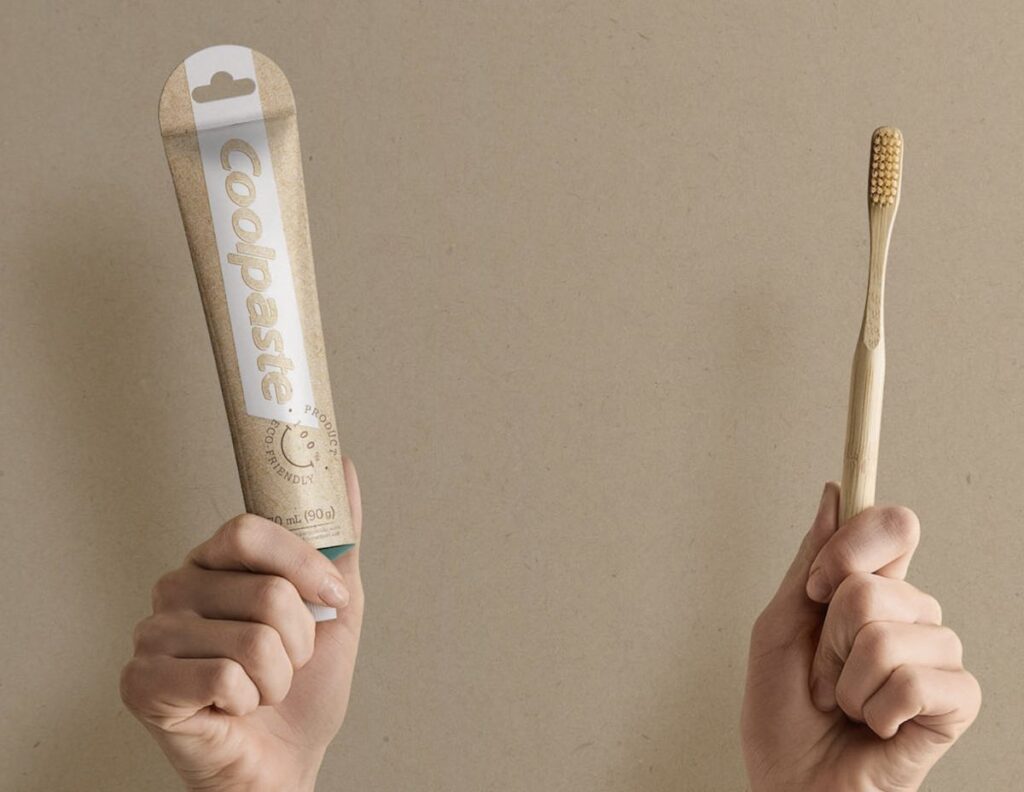
An indispensable and daily-used item for all of us, the plastic toothpaste tube received an eco-friendly makeover in the workshops of Coolpaste. Coolpaste is an academic project developed in 2012 by Allan Gomes from the Federal University of Minas Gerais who found there was no decrease in saleability if the cardboard box surrounding the toothpaste tube were removed entirely.
Instead, the tubes become the entire package.
Made of durable cardboard material that is not only sustainable, but biodegradable, it hangs on store shelves via a simple tab, eliminating the paper and chemical inks required to manufacture the boxes.
The sustainability extends even to the cap—which is made from bio-esters derived from things like cornstarch, tapioca roots, and sugarcane.
The BEYONDPLASTIC Award pays out €7,000 total in prize money to all the finalists. Check out all the winners and their products in the Beyondplastic showcase, where potential consumers can learn more and contact the producers to make purchases.
INFLUENCE Your Friends to Think ‘Beyond Plastic’ – SHARE On Social Media…
Most of us know the adage, “You can’t go home again,” but it seems Juan Manuel Ballestero never got the memo.
As the true implications of the Covid-19 crisis grew increasingly dire, Ballestero wanted more than anything else to be reunited with his elderly parents in Argentina in time for his father’s upcoming 90th birthday.
The problem? Ballestero was in Portugal and all international flights had been cancelled.
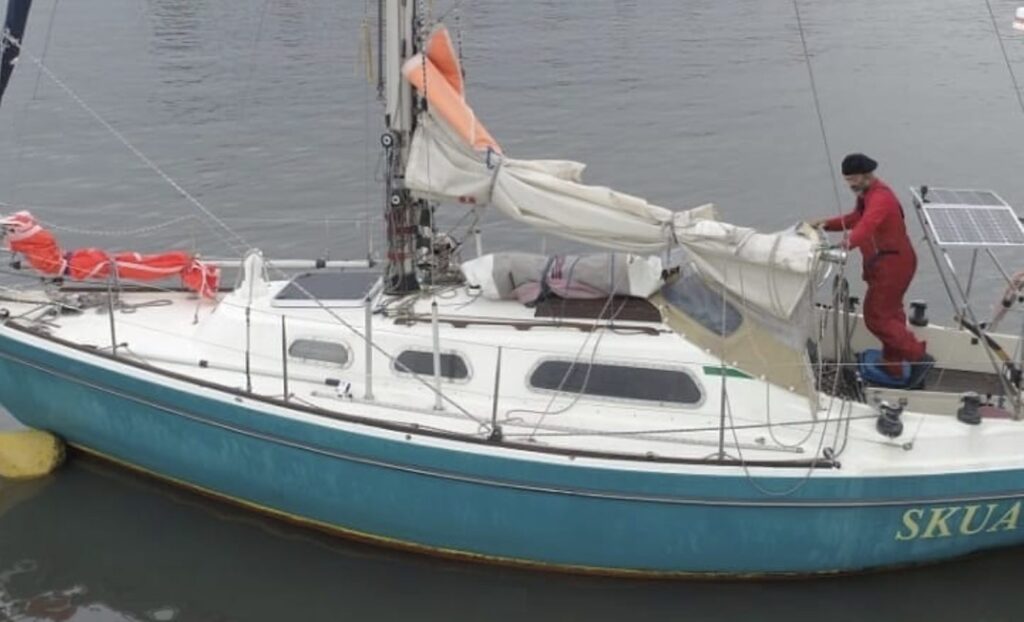
With a daunting 5,600 miles and the Atlantic Ocean between him and his family, Ballestero was faced with a seemingly insurmountable dilemma. But, the 47-year-old mariner came up with a daring solution—he’d simply sail home.
Sensing time was of the essence, Ballestero feared the local port would soon begin restricting travel as well. The urgency of the situation left him with no window to second-guess his decision: Within 24 hours he decided to take the one-way ticket—and there was no going back.
He’d been right, too. By the time he was ready to embark, authorities on the tiny Portuguese island of Porto Santo warned him that if he left, he could not return.
“I didn’t want to stay like a coward on an island where there were no cases,” Ballestero told The New York Times. “I wanted to do everything possible to return home. The most important thing for me was to be with my family.”
Instagram Juan Manuel Ballestero @skuanavega
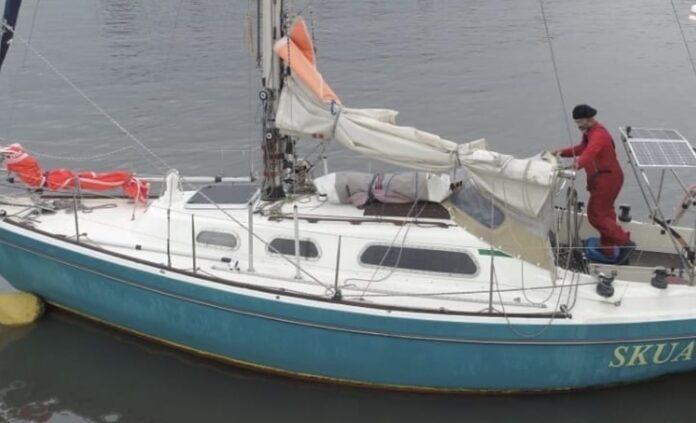
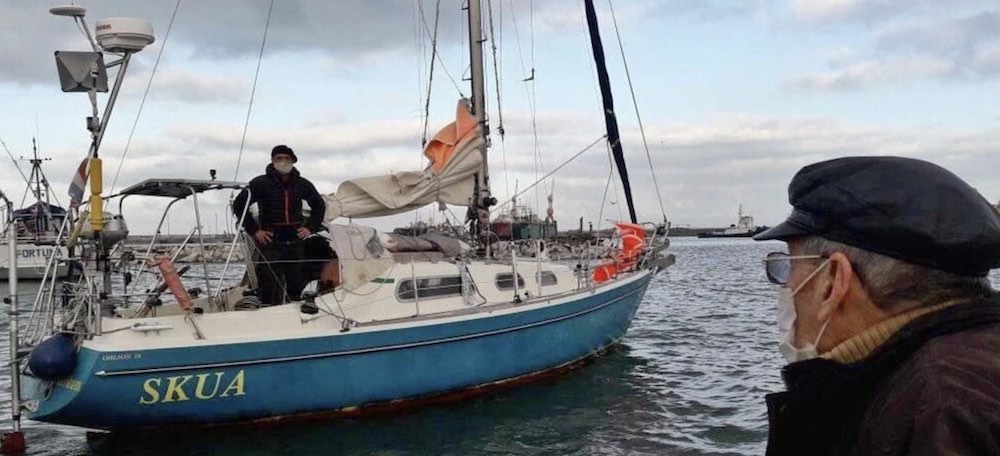
A scant few days later, after provisioning his 29-foot sailboat with what he hoped would be enough rice, fruit, canned tuna, and wine to sustain him, Ballestero made ready to weigh anchor. Trusting that faith would get him where he needed to go—like a modern-day Odysseus—he set sail in mid-March, hoping to make landfall in his home port of Mar del Plata in 75 days.
Adrift in the Atlantic Ocean
Like that of Odysseus, Ballestero’s voyage wasn’t without hardships or danger. His food supply dwindled, and authorities at Cape Verde, the port where he’d hoped to restock, refused him entry. Once past the equator, he ran out of fuel and was left to rely purely on wind power. On day 38, he ran out of wine.
Then, the wind quit, leaving his sailboat sitting in the doldrums for 10 days. During that time, barnacles grew on the hull—which would create drag and slow him down. So he was forced to dive under the vessel and scrape them off, risking a shark attack.
With no one aboard to help should he run into trouble, the situation was potentially perilous, but Ballestero proved lucky. The wind eventually picked up again, allowing him to resume course.
Instagram Juan Manuel Ballestero @skuanavega
As the journey dragged on, Ballestero’s faith was continually challenged, but he never truly panicked. “I wasn’t afraid, but I did have a lot of uncertainty. It was very strange to sail in the middle of a pandemic with humanity teetering around me,” he told The Times. “Faith keeps you standing in these situations.”
While Ballestero endured numerous adversities, the voyage also afforded him glimpses of Mother Nature’s grace as well. For most of the final leg of his crossing, a playful pod of dolphins provided welcome company, racing alongside him.
By the time Ballestero reached home, 85 days had elapsed. Immediately upon entering the port, he was tested for COVID-19 and cleared.
Exhausted but ecstatic, Juan Manuel and his dad were reunited just in time for Father’s Day.
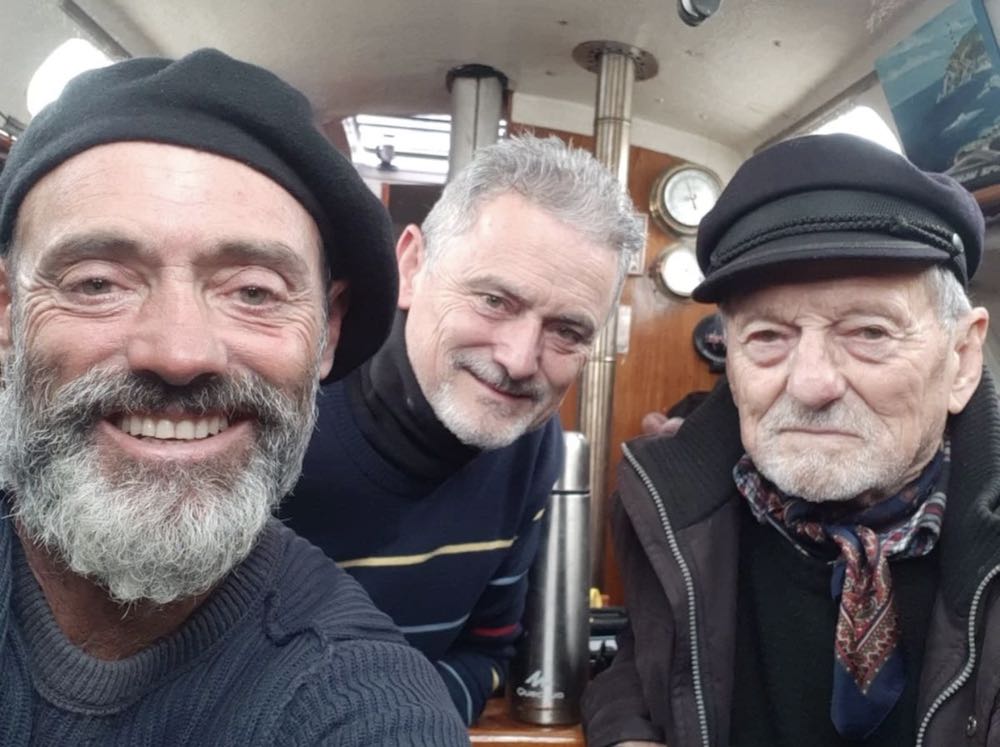
Juan Manuel Ballestero (left) with brother and father @skuanavega Instagram
Just like the saga of Odysseus, Juan Manuel’s exploits revealed a few key truths: For the Argentine son who would be stuck half way across the globe facing his father’s mortality alone, “there’s no place like home.” And for the sailor whose skill and faith is steadfast, “where there’s a will,” there’s surely to be a way.
WATCH an interview with Juan via EWTN…
SAIL This Adventure To Your Friends, By Sharing on Social Media…




















 The roots of racial prejudice run deep, but when an ugly incident recently cropped up in Ontario, a local social club didn’t just nip it the bud, they planted seeds of hope in its place.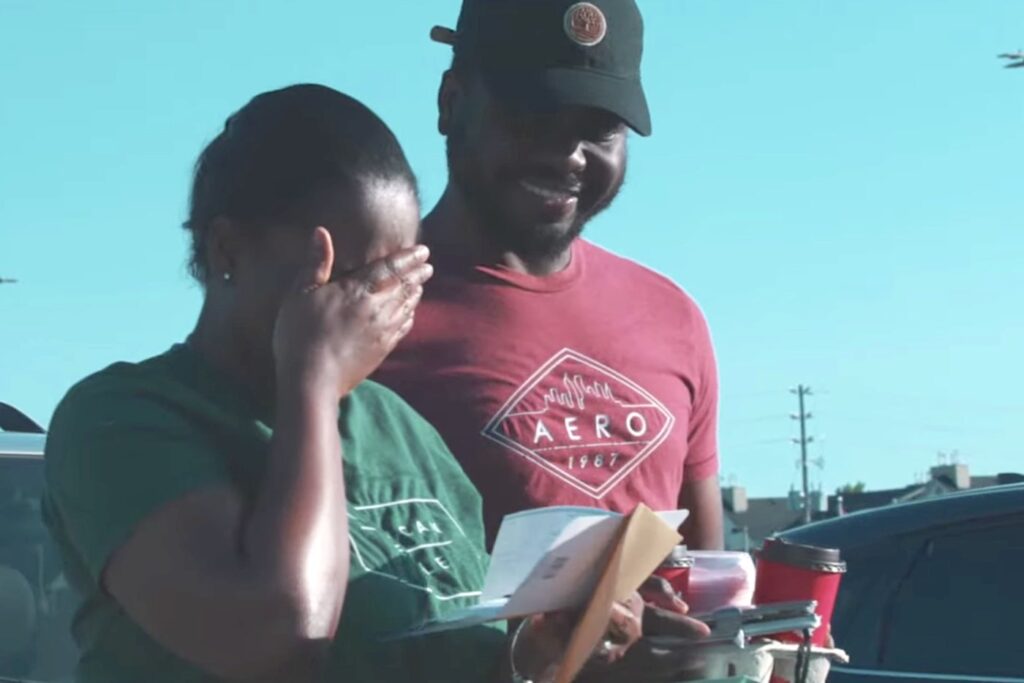



 “…A rather pleasant metallic sensation… [like] … sweet-smelling welding fumes, burning metal, a distinct odor of ozone, an acrid smell, walnuts and brake pads, gunpowder, fruit, rum, and even burnt almond cookie.”