











All News - Page 571 of 1735 - Good News Network
Home Blog Page 571

Pakistan Meets the UN Climate Goals One Decade Before Deadline in Continuation of Green Economic Legacy

File photo by Mehak Wajid Ali, CC

It’ll be another decade until the world’s nations and firms are evaluated for the United Nations 18 Sustainable Development Goals 2030 (SDG).

Much to the delight of global conservationists, however, Pakistan has already met the criteria for SDG 13, which calls on nations to take urgent action against climate change and its effects.

Pakistan isn’t the richest country, but it does have a major incentive to tackle the climate crisis, as they are ranked among the most vulnerable nations to the direct climatic and meteorological effects of global climate change.

Malik Amin Islam, advisor to the Premier on climate change, announced that in the UN’s 2020 Sustainable Development Report, Pakistan had met the SDG 13 through its implementation of a variety of programs.

RELATED: Pakistan Hires Thousands of Newly-Unemployed Laborers for Ambitious 10 Billion Tree-Planting Initiative

“With the achieving of the Climate Action SDG 13, Pakistan has proved that it is committed to global efforts against the challenge of climate change to protect life on the planet earth,” he told reporters.

From planting trees to clean water

Major initiatives that have contributed to the country’s the fulfillment of SDG 13 includes the 10 Billion Tree Tsunami Project—a nationwide project launched in 2015 by Prime Minister Imran Khan to reforest degraded land around the Hindu Kush Mountains in the northern Khyber Pakhtunkhwa Province.

Since the project was relaunched in April during the COVID-19 shutdowns, it has also helped to put thousands of recently-unemployed Pakistani laborers back to work.

CHECK OUT: Scientists Make History With Discovery That Will Help Save America’s Great Coral Reef

Another trailblazing program which has contributed to the nation’s eco-success has been  the Clean Green Pakistan Index, which ranks cities and towns based on the quality of solid and liquid waste treatment and removal, sanitation and drinking water services, and parks and green spaces.

File photo by Mehak Wajid Ali, CC

The communities that attain the highest scores receive a reward in recognition of their work.

In this article from the IUCN written by Amin Islam himself, the advisor outlines another of the pillars in Pakistan’s progress towards SDG 13—the Protected Areas Initiative— with a quote from American author Henry David Thoreau: “In wildness is the preservation of the world.”

Explaining the value inherent in preserving Pakistan’s protected areas, Amin Islam writes: “These protected refuges of nature also create a payback mechanism by creating spaces for human recreation, promoting ecotourism, generating green jobs, enhancing resilience to natural disasters, contributing to food and water security through ecosystem restoration and addressing issues such as climate change by sequestering carbon.”

MORE: Air Pollution in Major World Cities Has Dropped By as Much as 60% During COVID Shutdowns, Says New Report

The Protected Areas Initiative aims to cloak the 15% of the country that exists as wildlife sanctuaries and national parks in the finest possible ecological management plans and community conservation funds.

Climate: Everything to gain, everything to lose

According to Germanwatch, a sustainable development advocacy group advising for the Climate Risk 2020 report, Pakistan is the fifth most-vulnerable nation in the long term to extreme weather events owing to its geographical position, and has been in the top ten for the last 30 years.

“This means that the our economy is at peril from climate catastrophes and this is not alone an environmental challenge but also an issue affecting our economy, human health, agriculture and ecosystem,” said Amin Islam.

“Turning to renewable energy and a range of other measures that will reduce emissions and increase adaptation efforts is a key way forward as a part of viable climate action,” he added, according to The News Pakistan.

Prime Minister Khan announced that energy companies were withdrawing from plans to construct a series of 2,740-megawatt imported coal projects auctioned off by the previous government, pivoting instead to zero carbon and indigenous hydroelectric projects of a much higher, 3,700-megawatt capacity.

CHECK OUT: Newly-Developed Enzyme That Breaks Down Plastic Bottles in Hours is On Track to Change the Recycling Game

Pakistan has a gross domestic product, that while on the rise, still amounts to only $316 billion U.S. a year.

Keeping in mind that GDP isn’t the finest measure of economic conditions, this is less than half of the recently-passed $740 billion dollar U.S. National Defense Authorization Act of 2021.

Pakistan’s success in contrast to limited resources demonstrates that it doesn’t always have to be “superpowers” that take the lead on the world stage, but rather countries that have the will and the talent to make positive changes.

Reprinted with permission from World at Large, an online journal focused on travel, foreign affairs, health and fitness, and the environment.

Plant Some Positivity By Sharing The Exciting Eco News With Your Friends On Social Media…
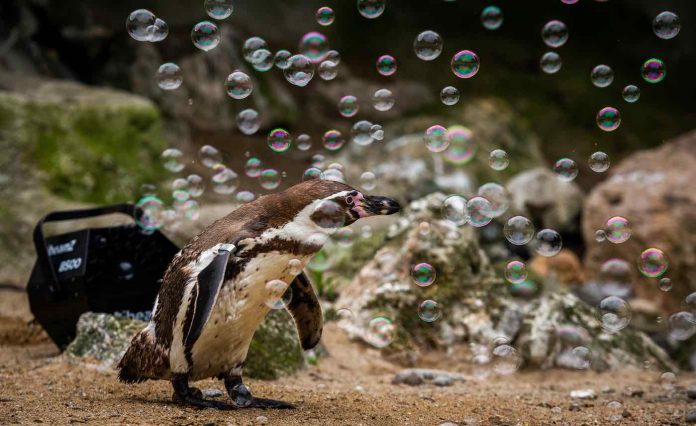
Watch Zoo Penguins Delight in Their New Bubble Maker—A Gift From Staff During Quarantine

Pickles the penguin enjoys playing with bubbles at the Newquay Zoo in Cornwall. SWNS.

Without human visitors to keep them entertained, these penguins have been gifted an adorable new form of entertainment during their time in quarantine.

Pickles the penguin enjoys playing with bubbles at the Newquay Zoo in Cornwall. SWNS.

Staffers at the Newquay Zoo in Cornwall, England had been trying to find new ways to keep their feathered residents entertained when a zoo patron suddenly donated a bubble machine.

Penguin caretaker Dan Trevelyan said the bubbles help to keep the penguins’s predatory reflexes sharp.

“In the wild, these guys are marine predators who are very sensitive to objects and movement,” said Trevelyan. “The bubble machine is fantastic, as all the movement and new shapes and colors really stimulate these guys. They have a great time chasing them around. And all these donations are really appreciated.”

RELATED: Watch Genius Dog Talk to His Owner in English Using a Sound Board With Dozens of Spoken Phrases

The bubbles, which cause no harm to the animals, have in the past also proved popular with the Zoo’s squirrel monkeys and Sulawesi crested macaques.

Animal enrichment programs are used to provide zoo animals with specialized stimulation designed to encourage their natural behaviors and prevent them from getting bored.

Enrichment usually consists of branches and foliage, but can also come in the form of food hidden in hard-to-reach places for the animals to find.

WATCH: Belgian Man Strikes Up Friendship With Owl Family After They Discover Mutual Love of Television

Research has shown that animal enrichment program are as important for the wellbeing of zoo animals as a nutritious diet and good veterinary care. These birds in particular are usually kept occupied by feeding shows and guests visiting the zoo, but due to the novel coronavirus, their daily routine was forced to change. Thankfully, Newquay Zoo fully re-opened to the general public on July 1st.

(WATCH the adorable video below)

Be Sure And Share This Sweet Story With Your Friends On Social Media…

“Mediocrity is self-inflicted. Genius is self-bestowed.” – Walter Russell

Quote of the Day: “Mediocrity is self-inflicted. Genius is self-bestowed.” – Walter Russell

Photo: by Aziz Acharki

With a new inspirational quote every day, atop the perfect photo—collected and archived on our Quote of the Day page—why not bookmark GNN.org for a daily uplift?


Giant Floating Balloons Will Bring Internet Access to 20,000 Square Miles in Remote Kenya

Photo by the Loon Project

Some of the most remote parts of Kenya will be showered with internet connectivity thanks to a fleet of giant balloons deployed by Google.

Photo by the Loon Project

The tech company’s Loon Project will be using large airborne balloons that are in constant motion to broadcast mobile internet at download speeds of up to 18.9 mbps to benefit parts of the developing world in the same way that a cell tower broadcasts cell signals.

With roughly 72% of the East African nation’s 1.2 billion people living without internet, the project aims to close that gap with 4G LTE connectivity.

This is the first deployment of Google’s Loon balloons in Africa, after having already been deployed to provide mobile data to the entire island nation of Sri Lanka, as well as Puerto Rico in the aftermath of Hurricane Maria.

MORE: Bionic Eye, As Sensitive as the Human Retina, May Give Sight to Millions

“In light of the spread of COVID-19, Telkom and Loon are working as fast as we can to realize service deployment,” stated Loon Inc’s Chief Executive Officer, Alistair Westgarth. “This will also enable us support the Kenyan Government’s efforts to manage the current crisis in the short-term, and to establish sustainable operations to serve communities in Kenya in the long-term.”

The initiative, which is being facilitated in partnership with Telkom Kenya, will launch into the stratosphere about 35 separate balloons to service the areas of Iten, Eldoret, Baringo, Nakuru, Kakamega, Kisumu, Kisii, Bomet, Kericho, and Narok—a total of 19,300 square miles (50,000 square kilometers).

“This is an exciting milestone for internet service provision in Africa and the world, more so that the service will pioneer in Kenya,” said Telkom Kenya’s Chief Executive Officer, Mugo Kibati in a statement.

RELATED: After Finding His African City Missing From Maps, Zimbabwe Man Creates 2,000 Miles of Google Street Views

The balloons will launch on their journey from locations in the United States and navigate to Kenya using wind currents. As Loon gains more experience flying in Kenya, and dispatches more balloons to the service region, it is expected that service consistency will increase, which Google and Telkom caution could be spotty during weather events such as storms.

The Loon balloons are solar-powered so as to reduce carbon emissions and increase potential hours of operation, during which Kenyans can expect coverage from about 6:00AM to 9:00PM.

(WATCH Kenyan President Uhuru Kenyatta laud the initiative in the video below)

Power Up With Positivity By Sharing This Inspiring Story With Your Friends On Social Media…

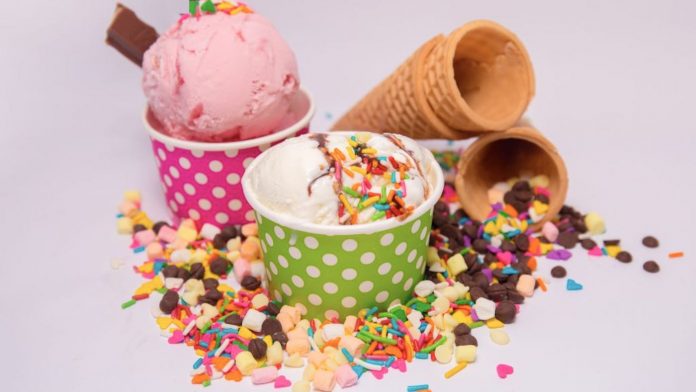
What Your Ice Cream Preference Says About Your Personality – It’s National Ice Cream Day

Does your ice cream choice say anything about your personality?

A fun poll of 2,000 adults aimed to discover if there were any differences between Americans who preferred vanilla, chocolate, or strawberry.

Basing the survey around the nation’s top three top flavors, it found that on average, if you like doing laundry, watching a sci-fi movie, and listening to the soothing sounds of jazz, then you are likely a strawberry ice cream fan.

However, when playing truth or dare, it’s the vanilla fans who won’t hesitate to say dare while chocolate ice cream lovers prefer choosing to tell a truth.

The study conducted by OnePoll, in conjunction with Breyers, also found vanilla ice cream lovers are on average more introverted, prefer dogs over cats, prefer washing dishes over doing laundry and are night owls.

Chocolate ice cream lovers, on the other hand, are more extroverted, enjoy a romantic comedy, and love listening to pop music.

CHECK OUT: Caring Ambulance Workers Take Detour to Grant Dying Man’s Simple ICE CREAM Wish

Chocolate ice cream lovers also tend to have more variety in their interests. In addition to pop music, chocolate ice cream lovers also like rock and R&B music.

Strawberry ice cream respondents were more likely to find love earlier than their chocolate or vanilla-loving counterparts.

A full two years before chocolate lovers, strawberry people on average found love at 24 years old—one year before vanilla lovers.

When it comes to the ideal way to enjoy ice cream, Americans prefer their scoops in cups—topped with three different toppings.

LOOK: After a Family Loss, Woman Finds Healing By Giving Away Pay-It-Forward Ice Cream

Chocolate chips rank as the number one ice cream topping in the survey followed by hot fudge (49%), nuts (40%), whipped cream (37%) and caramel (35%).

STRAWBERRY ICE CREAM FANATICS

On average, find love at age 24
Like doing laundry
Prefer sci-fi movies
Listen to jazz

VANILLA ICE CREAM LOVERS

On average, find love at 25
Are introverted
Prefer dogs
Prefer washing dishes over doing laundry
Are night owls

CHOCOLATE ICE CREAM FANS

On average, find love at 26
Are extroverted
Enjoy romantic comedies
Like pop and rock music

(Photo credit: Teejay free photo on Pexels)

Do The Results Line Up With Your Personality? Share Your Thoughts on Social Media…

Feeling Stressed? Iceland is Broadcasting People’s Yells of Frustration to Their Scenic Wilderness

Whether it’s stressing about world affairs or COVID-19 social restrictions, some people might be experiencing an inordinate amount of frustration this week—which is why an Icelandic tourism company is offering up a strange, but fulfilling new source of stress relief.

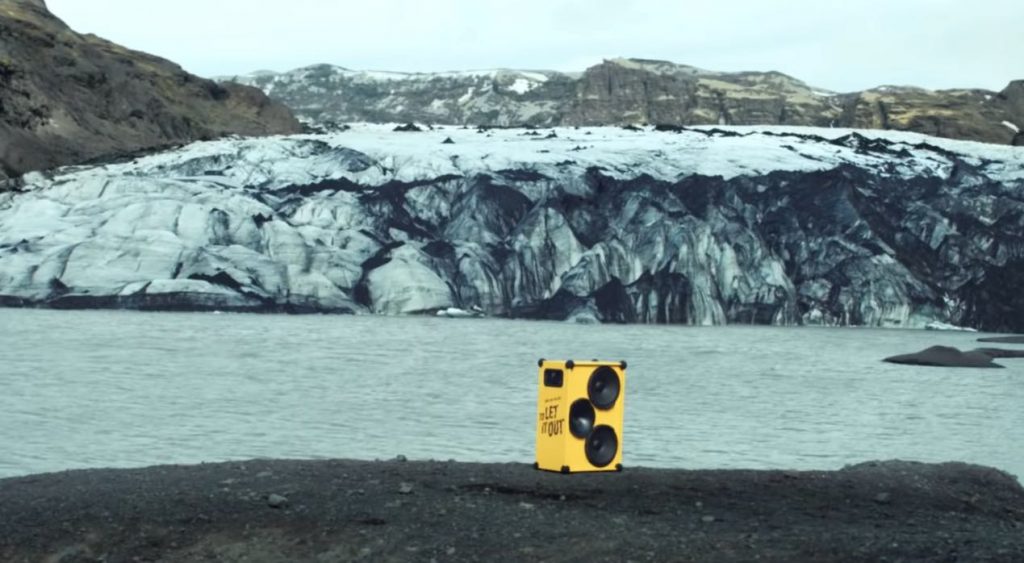
People from all over the world are recording their yells of frustration so they can be broadcast into the wide open Icelandic wilderness.

The Looks Like You Need to Let It Out initiative, which was created by Promote Island, was launched as a means of helping people release some of their pent-up anxieties while also encouraging them to think about how they can enjoy traveling in solitude once travel restrictions have lifted.

RELATED: Next Time You’re Feeling Particularly Stressed or Anxious, This Study Says You Should Play Tetris

“You’ve been through a lot this year and it looks like you need the perfect place to let your frustrations out. Somewhere big, vast and untouched. It looks like you need Iceland,” reads the project website. “Record your scream and we’ll release it in Iceland’s beautiful, wide-open spaces. And when you’re ready, come let it out for real. You’ll feel better, we promise.”

Although the concept might seem a little far-fetched, therapist and mental health consultant Dr. Zoë Aston supported the psychological benefits of the project, saying: “Screaming as a therapeutic tool was developed in the 1970s as a way to release pent-up emotion.

“The psychological response to wanting to scream lights up a part of our brains called the amygdala,” she continued. “The amygdala activates when we are under threat—something we have all experienced in the past few months.

“Part of the beneficial effect of screaming comes from being able to make a loud noise into a wide, open, undisturbed space. This literally allows your amygdala to release the stress stored there and move forward.”

MORE: Stressed? This Study Says You Simply Need a 20-Minute ‘Nature Pill’

That being said, not all of the recordings are screams of distress—some people’s yells lean on the sillier side; others will use their ten seconds of sound to say hello to the beautiful landscape.

The website warns that anyone experiencing more pronounced mental health issues ought to seek professional help immediately—but for anyone else who may simply be feeling a bit overwhelmed during these turbulent times, a scream into the scenic Icelandic void might be just the pick-me-up you need.

(WATCH the amusing promo video below)

Help Your Friends ‘Let It Out’ By Sharing The Microphone On Social Media…

Jewish People Who Have Recovered From COVID Have Donated Half of All the Plasma Used in US Treatments

Since Hasidic and Jewish Orthodox communities were some of the first to suffer the worst COVID-19 outbreaks, they are now turning their experiences into a nationwide movement that has already saved thousands of lives.

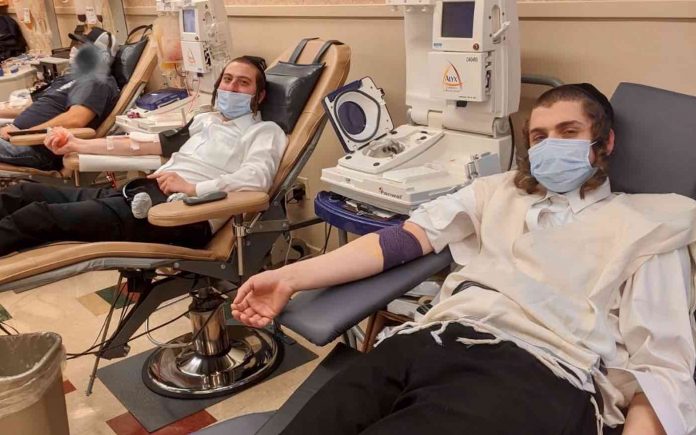
Out of all the COVID-19 treatments that are currently being researched in the US, convalescent plasma therapy has been shown to be particularly promising—especially for severe cases of the virus. The treatment involves drawing blood plasma out of an individual who has recovered from and built up an immunity to COVID-19, testing the blood for the related antibody, and then injecting it into a sick patient so that the antibody can attack the virus for its new host.

When Dr. Michael Joyner first began spearheading the treatment’s research at the Mayo Clinic back in mid-April, one of the biggest hurdles for its progress was obtaining blood plasma from people who had already recovered from the novel coronavirus.

LOOK: Church Opens Up Its Doors to Muslim Worshippers So They Can Have a Place to Pray During Quarantine

Joyner knew that many Jewish communities in New York City had been hard-hit by the virus prior to the city’s lockdown because of how its large religious families tend to be more closely-knit—so he hosted a conference call with several of the city’s most prominent rabbis and asked asked them for help.

Just 36 hours later, more than 1,000 vials of plasma from Jewish people who had recovered from the virus were delivered to the Mayo Clinic in Minnesota. The delivery was not just an astonishing feat of organized community speed, it was also a medical success: more than 60% of the donations tested positive for antibodies proven to be effective in fighting COVID-19.

Since that initial donation, Jewish communities across the country have hosted plasma drives to help save at-risk COVID patients.

“There’s no way we’d be able to treat so many people without them,” Dr. Joyner told NBC News. “They were the straw that serves the drink in a lot of ways.”


Additionally, their donations have been sent to research facilities around the world to help further the treatment’s development for more widespread use.

To date, more than 36,000 American people have been treated with antibody-rich plasma transfusions—and more than half of those blood donations have come from Jewish people.

“Because we were ravaged by COVID so early on, we recognized that we had the opportunity to give back to the scientific community and to our fellow brothers who are suffering,” Dr. Israel Zyskind, a Brooklyn pediatrician and Jewish practitioner, told NBC. “We don’t just care about ourselves, we care about everyone, and we will do what we can.”

(WATCH the NBC news coverage below)

Treat Your Friends To The Good News By Sharing This Article To Social Media…

“To me a lush carpet of pine needles or spongy grass is more welcome than the most luxurious Persian rug.” – Helen Keller

Quote of the Day: “To me a lush carpet of pine needles or spongy grass is more welcome than the most luxurious Persian rug.” – Helen Keller

Photo: by Kristy Lou Photography

With a new inspirational quote every day, atop the perfect photo—collected and archived on our Quote of the Day page—why not bookmark GNN.org for a daily uplift?


Camera Traps Reveal New Babies Born to World’s Rarest Great Ape Species, Sparking Hope For its Survival

Only found in a few forest patches in Nigeria and Cameroon, this western gorilla subspecies is the world’s rarest great ape. They are rarely seen, let alone photographed, even by remote cameras.

But new photos captured for the first time in years shows a group of With only 300 Cross River gorillas left in the wild, conservationists are celebrating new camera trap photos showing several new infants were born

Photo © WCS Nigeria – Cross River gorilla group including adults and young of different ages Mbe Mountains, Nigeria June 2020

Captured by camera traps in the Mbe mountains, the photos released by WCS in Nigeria, confirm the Cross River gorillas are actively reproducing.

Photo © WCS Nigeria – Cross River gorilla group including adults and young of different ages Mbe Mountains, Nigeria June 2020

The international non-governmental organization relies on the photos because the gorillas, which have lighter-colored hair, smaller heads and longer arms than other great apes, are very wary of humans and are rarely seen.

The WCS says it works closely with a community organization, the Conservation Association of the Mbe Mountains, as well as authorities in Nigeria’s Cross River state to protect the primates.

Photo © WCS Nigeria – Cross River gorilla group including adults and young of different ages Mbe Mountains, Nigeria June 2020

WCS says that camera traps at WCS sites in Cameroon and Nigeria have captured only a few images including one from 2012 in Cameroon’s Kagwene Gorilla Sanctuary. But none of the rare apes have been seen, recorded—or reported killed since then.

This is the first time that multiple infants have been recorded in the same group.

LOOK: Gorilla Hugging Man Who Saved Her Life: The Wildlife Photographer of the Year Award

Don’t Monkey Around—SHARE This Great Ape News on Social Media..

Charitable Donors in U.S. Give Record Amount, As Support Surges in First 6 Months of 2020

Donations surged nearly 50% in the first half of 2020—the most generous giving recorded in the history of one of America’s largest philanthropic funds.

In response to the immense needs created by the COVID-19 pandemic, a resulting economic downturn and a period of deep social unrest, Schwab Charitable donors have been granting at a record pace to support impacted communities.

From January through June 2020, donors earmarked over $1.7 billion in aid, marking a 46% increase in dollars granted compared to the same period last year. They doled out 330,000 separate grants, which represents the fastest pace of growth in Schwab Charitable history.

“The last six months have been incredibly challenging, and I am truly inspired to see donors utilize their donor-advised funds to help communities and nonprofits impacted by health, economic, and social crises,” says Kim Laughton, President of Schwab Charitable.

RELATED: Sean Penn’s Nonprofit Relieves Burden of Firefighters By Administering COVID Testing in 10 U.S. Cities For Free

Dave D., who manages his charitable giving through the company, said, “The need within our country and around the world is greater than ever. Basic needs have dramatically increased, so to help provide some relief, we are giving more to our local food bank, church food pantry, and homeless shelters.”

In addition to supporting crisis relief efforts in fiscal year 2020, donors continued to express broad-based generosity in support of their favorite nonprofits.

In the last twelve months, Schwab noted that each generation—Millennials, Generation X, Baby Boomers, and the Greatest Generation—saw an uptick in giving from the previous year, granting on average between 7 and 13 times throughout the year.

POPULAR: Passing at Age 103, Actor Kirk Douglas Gives Away Entire $61 Million Dollar Fortune to Charities

Donors fulfill a variety of philanthropic goals with their giving, and in fiscal year 2020, donors supported more than 100,000 charities, a 14% increase over the prior fiscal year.

The most widely supported charities in fiscal year 2020 included Feeding America, Doctors Without Borders, the Salvation Army, and Planned Parenthood.

“It is very encouraging to witness heightened levels of generosity from donors of all ages in supporting nonprofits across the philanthropic landscape this year,” added Laughton, in a media release.

GIVING Your Friends Some Good News on Social Media Could Contribute to Their Well-Being…

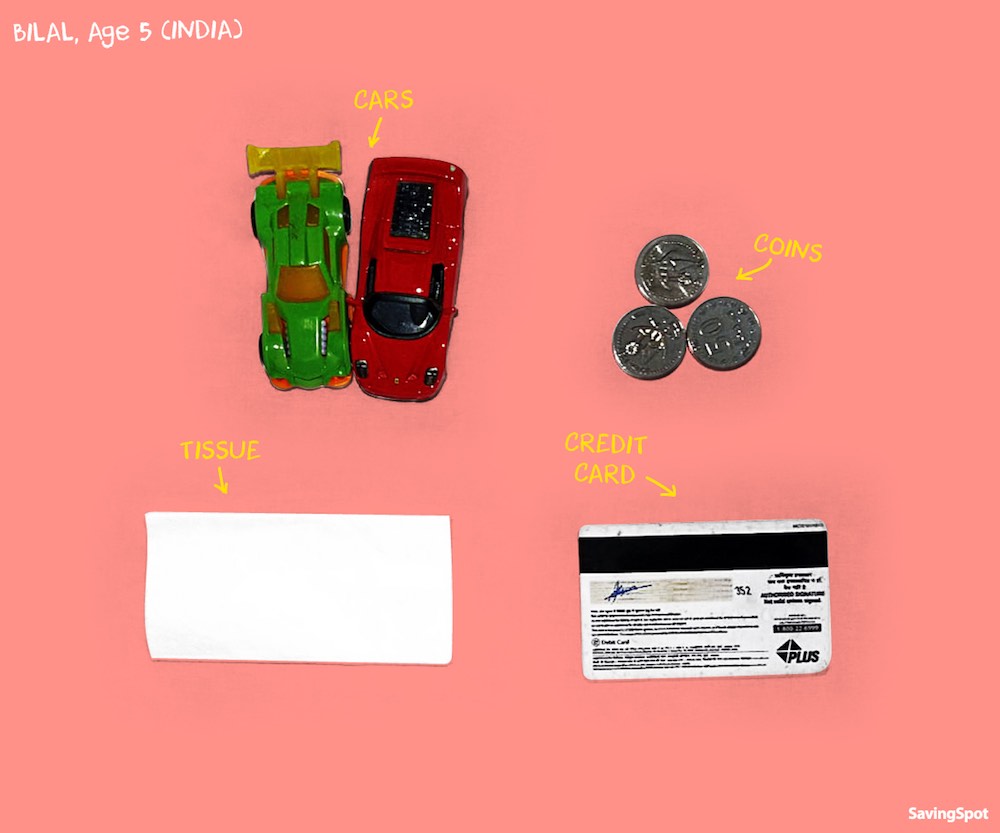
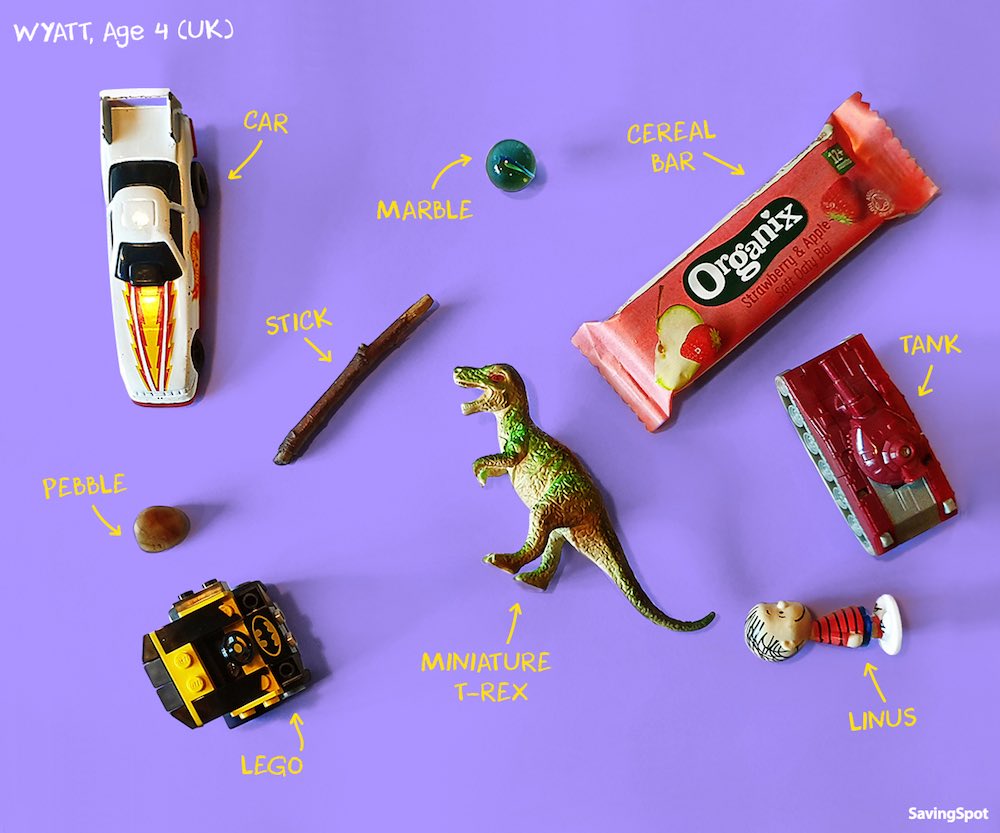
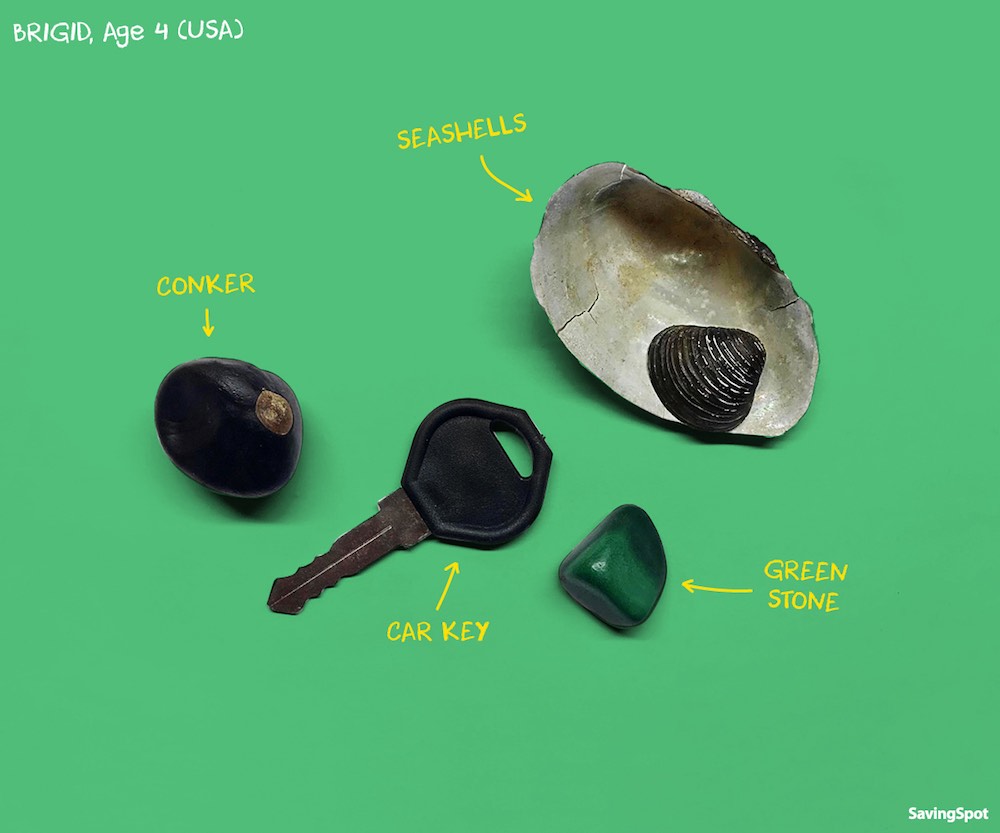
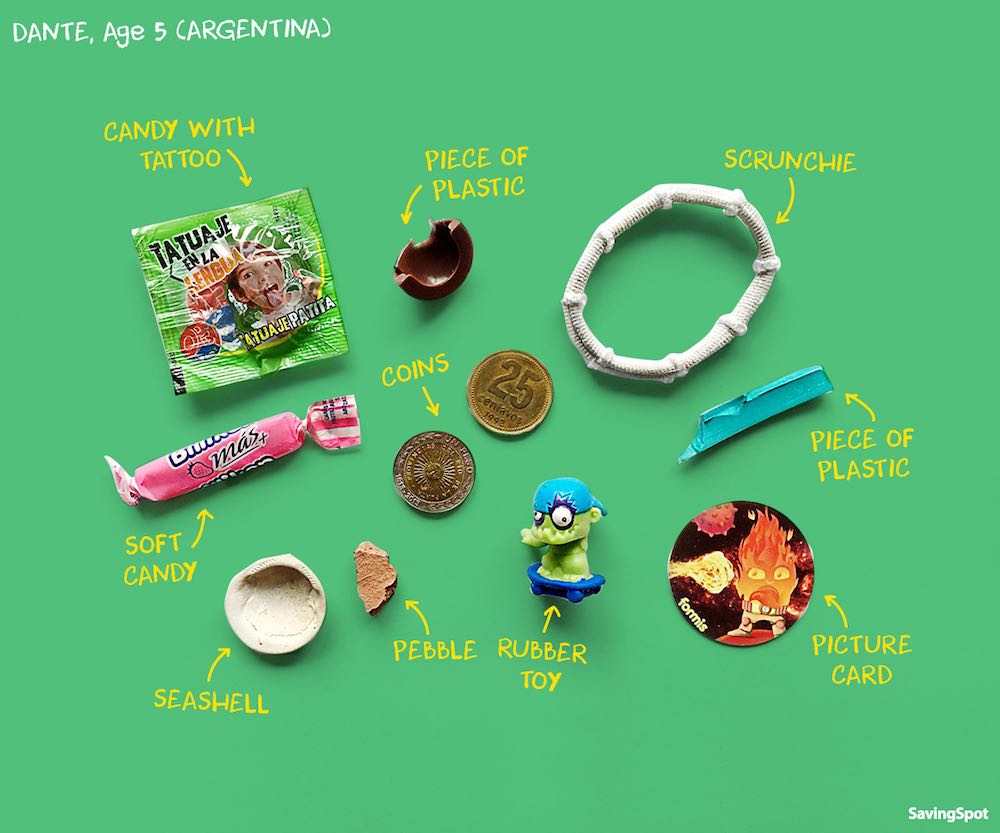
What’s in Their Pockets? An Adorable Look at What Children Around the World Carry As Treasure

Looking into a child’s pocket opens a magical window onto their daily experience.

Small children in six countries emptied the contents of their pockets and were asked about their haul. From Argentina to the Ukraine, the results were as cute and baffling as you might expect.

It all started with an idea. SavingSpot reached out to parents in 16 countries who had children younger than age 6.

The six families chosen to be featured in the story all agree that it has been an adventure to discover what their kiddos are carrying around as treasures.

The biggest similarity among the international kids was candy. Half of them said it was their favorite thing to keep in their pocket.

When asked, ‘If you could fit anything in your pocket, what would it be?’, William, from the USA, doubled down on his sweet tooth, saying: “Five thousand pieces of candy!”

On one memorable day, William’s pockets contained Skittles with all the colors licked off. He told his parents the colorless Skittles were candies for Harry Potter.

Nadya from the Ukraine chose ‘slime’ as the number one thing she wished she could carry in her pocket. The reason? Because “mother forbids it.”

The fun continued when parents were asked the question: “What‘s the weirdest thing you found in their pockets?”

The mother of Bilal, a five-year-old from India, answered with four words. “My husband’s credit card.”

Wyatt’s parent in the U.K admitted, “I was both incredibly confused and relieved when I found my missing house keys there once.” She explained, “Not all of my house keys, just the keys that were attached to a BB-8 key ring that he’d decided was now his.”

At least one parent believes that surprise is no longer possible: “Experience has taught me to never be surprised by what Wyatt manages to stash in his pockets.”

LOOK: Isolated Art Lovers Are Recreating Masterpieces Using Everyday Objects—and the Results Are Amazing

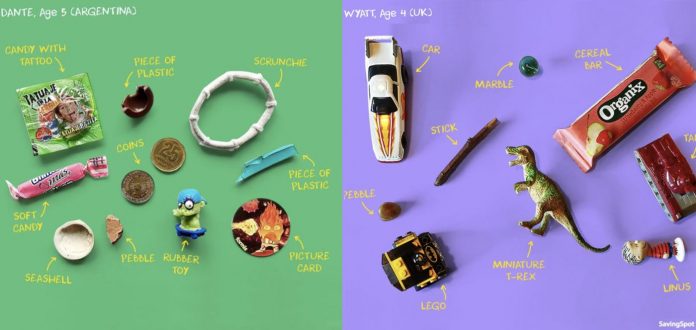
When a photo was taken of the items in the 4-year-old’s pocket, they found a stick, miniature t-rex, lego, marble, pebble, a Linus figure, and a car. He explained that each object was important.

“It’s a good stick; I like dinosaurs; it’s Batman’s car; I like the stone; and, ‘he’s Snoopy’s friend’.” The marble is to remind him of a wish he has to own a ball.

Brigid, from the USA, said her items consisted of “my treasure collection from when we were playing pirates.”

Brigid’s parents were surprised when they saw the seashells had remained unbroken.

Pockets not only reveal how imaginative (or hungry) a child has been on a particular day, but how they interact with friends.

The parents of Dante, a 4-year-old from Argentina, explained, “Dante is very social and keeps gifts from his friends in his pockets—or candies to share with them.”

Bilal’s pockets—beyond containing a toy car and coins—also included tissues—which is the only thing a majority of parents are asking their children to carry.

Given the ‘slime’ answer, that’s no surprise.

SHARE These Cute Answers, Adding Your Own Experiences, For Friends On Social Media…

Compound in Sea Sponges Can Stop Cancer and Kill Herpes – And Growing Them Would Benefit Indonesians

A sea sponge found growing on the coral reefs of Indonesia contains an organic chemical that halts the cellular duplication of cancer tumors.

University researchers also point to its curative power for other diseases, too, and are strongly suggesting the cultivation of the sponge to scale, so as to boost the production of future drugs.

Proof of nature’s healing power, the sea sponge’s cancer-fighting compound manzamine-A has already been demonstrated in vitro in laboratories in the U.S., and Indonesia to inhibit the proliferation of cervical, prostate, and other cancer cells, while allowing normal healthy cells to continue replicating.

“It prevents cell replication rather than killing the cell outright, leading to immediate impacts on tumor growth, and then other drugs are useful for killing remaining tumor cells, or they may die on their own,” said Mark Hamann, a professor with the Medical University of South Carolina’s Department of Drug Discovery and Biomedical Sciences and corresponding author on the study.

Incredibly, manzamine A is also classified as a destroyer and inhibitor of Herpes simplex 1 virus cells, and as a successful malaria treatment.

Treating cancer—and filling wallets

“Since the sponge produces this molecule in high yields, and it seems easy to grow, you could grow it in polluted waters near wastewater plants or river mouths along the ocean, and it would potentially grow very well,” Hamann told Mongabay, a conservation-focused news outlet.

RELATED: Researchers Find Dozens of Non-Oncology Drugs That Can Also Kill Cancer Cells

Acanthostrongylophora ingens by Rob van Soest, CC license

“It would be a promising economic development tool to put sponge culture facilities where there’s high nutrient loads to improve water quality and build a business around the manufacture of the drug. It’d have a valuable local impact.”

Sponge fishing and farming can be a valuable aquacultural pursuit for local economies, as the relatively-low labor required to hang long sponge ropes in shallow water on which the organism can grow represents the vast majority of the required work, after which the sponge farmers may pursue other activities, such as fishing.

Along with providing manzamine-A and helping local economies grow, the sponge (Acanthostrongylophora ingens) is a filter feeder, and would help clean dirty water in estuaries, river mouths, and along coastlines, and could be deployed as a pollutant buffer zone in front of valuable and healthy coral reefs.

RELATED: First-of-its-Kind Blood Test Can Detect Over 50 Kinds of Cancer—Often Before Symptoms Even Show

Netty Siahaya, a sponge chemicals researcher who wasn’t involved with the study told Mongabay that farming sponges for pharmaceutical production while simultaneously using them to measure ecosystem health would help provide greater impetus for the protection of coral reefs and for other animals that live there, which perform additional services such as carbon regulation.

On the coast of Zanzibar, women are already farming sea sponges for use in the bath and has proved to be a reliable form of income compared to fishing—even in regions where poverty is tragically the norm.

In contrast with fish, or even pearl farming, a sponge farm can be started with little or no effort, and those who come to manage them must learn the trades of the fishermen, merchant, marine biologist, entrepreneur, and farmer, creating more powerful individuals within coastal communities.

For intrepid fishermen or other ocean workers along the coasts of Indonesia, the project could represent a lucrative trade, and a chance to tell their friends that they are literally curing cancer.

LET Your Friends Soak Up the Good News By SHARING the Discovery on Social Media…

MORE: Scientists Discover Molecule That Triggers Self-Destruction of Pancreatic Cancer Cells

“I’m going to make everything around me beautiful—that will be my life. – Elsie De Wolfe

Quote of the Day: “I’m going to make everything around me beautiful—that will be my life. – Elsie De Wolfe

Photo: by Andrew “Donovan” Valdivia

With a new inspirational quote every day, atop the perfect photo—collected and archived on our Quote of the Day page—why not bookmark GNN.org for a daily uplift?


Malnutrition Across India Has Plummeted By 60 Million–And Most of Asia Has a Similar Success Story

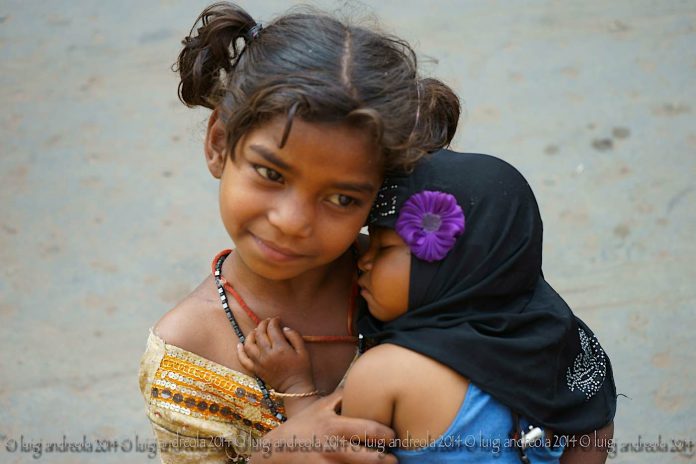
Luigi Andreola, CC license

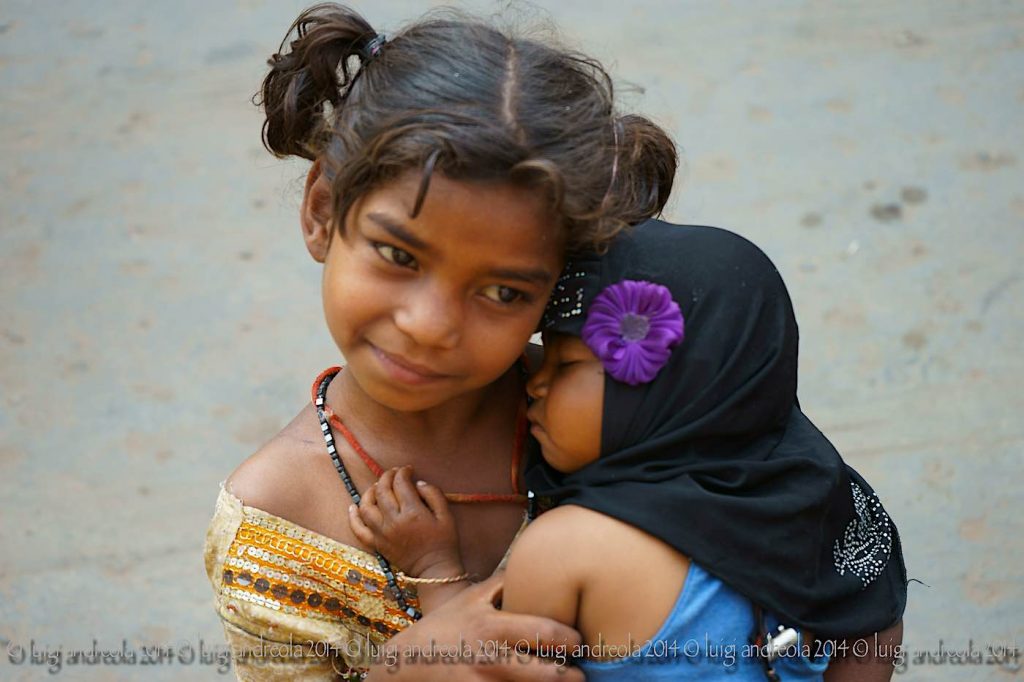
Findings from a recent United Nation report states that the number of undernourished and hungry people in India has declined by 60 million over the last decade, and other Asian regions are also experiencing declines.

India has the second-largest population on earth, but, fortunately, even as the population is growing, the amount of food insecurity is falling.

Considered a leader in authoritative reporting on malnutrition, the UN’s State of Food Security and Nutrition in the World estimated that the number of undernourished people in India declined by 20%, from 249.4 million in 2004 to 189.2 million in 2019.

Furthermore, the other population powerhouse, China, has experienced similar drops in the rate of malnutrition—as has the entire Asian continent.

POPULAR: How a Crowded Slum of One Million People Contained the Coronavirus to Only 2,000 Cases

In Central Asia, prevalence of undernourishment has fallen from 11.1% in 2005 to 5.9% in 2019. In the same period in East Asia, there was a 6% drop from 14.1% to 8.3%, while in Southeast Asia it has been cut in half—from 18.5% to 9.2%. Though in some parts of the world the improvements have been seen over decades, these historically communism-ravaged lands have only improved over the last 15 years.

The UN Food and Agriculture Organization which sponsored the report, claimed these remarkable developments can be attributed to long-term economic progress and development, and improved access to basic goods and services.

RELATED: India’s Annual Carbon Emissions Fall for the First Time in Four Decades

Luigi Andreola, CC license

The report calls on governments such as India and China to pursue nutritional quality in their agriculture policies, and to try and work to reduce food waste, as well as production and transportation costs.

MORE: Millions of COVID Cases and Deaths Averted Thanks to Lockdowns: ‘One of Humanity’s Greatest Achievements’

It also suggests a strategy of supporting local small-scale farmers and ranchers to grow and sell more nutritious foods, and to prioritize children’s nutrition in the most urgent way.

SHARE These Positive Trends To Show The World is Not Going Down The Drain…

Company Projects Smiley Face On London’s Parliament Across From A Hospital

SWNS

An image of a smiley face was projected onto the Houses of Parliament to spread an uplifting message of positivity during tough times.

Any smile—but especially one that is 27 yards wide—can go a long way to cheering people up, especially when it’s directly across the river from a hospital.

The lipstick-wearing smiley was beamed onto the famous structure last night, on the eve of World Emoji Day.

The positive image was in full view of St. Thomas’s hospital, and it stood as a reminder of how good it feels to smile. Passersby who saw the images last night said it brightened up their evening considerably.

“Seeing the smiley made me laugh,” said Dave Crawford. It’s also opposite a hospital, and you hope that people get to look out and see it.”

RELATED: Boy Sets Up ‘Drive-By Joke Stand’ to Spread Laughter During Quarantine

Everybody knows we need more smiles right now—especially because it’s hard to know if people are smiling behind their face masks.

SWNS

Another onlooker, Kate Sandison, said the projection was a great surprise. “It looks great and makes you feel good. It made me smile.”

Commissioned by the cosmetics company Ciaté London, founder and CEO Charlotte Knight said they designed a new range of Smileys that include lashes and lipstick, created in partnership with the originators of the concept.

“Particularly at times like this it’s important to see the positives in everyday moments by sharing smiles.”

WATCH the inspiring video below from SWNS…

SHARE The Smiles on Your Social Media Feed—Your Friends May Need It!

Two Sturgeons Caught in Georgia River Delight Conservationists Who Feared Prehistoric Fish to Be Extinct in Europe

By Cacophony, CC license

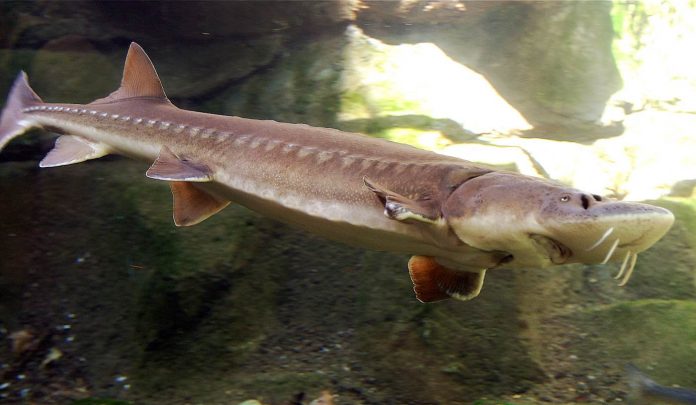
In the span of just two weeks, juvenile sturgeon of two different species, both of which were feared extinct, have been fished accidentally out of a river in the Republic of Georgia.

The two fish, the first caught in mid-March and the second three weeks later, represent a glimmer of hope for European sturgeon conservation, and appeared after experts had already expressed fears that they may have disappeared forever.

Sturgeon are a primeval fish whose evolution dates back hundreds of millions of years, and the Rioni River in Georgia historically has been a bastion of several different species.

Very little is known about the ship sturgeon, but the fact that two juveniles, each of similar age, were caught in the span of two weeks is extremely exciting as it could mean they are part of the same brood, and that sturgeon continue to spawn in the Rioni river.

Their discovery is also a vindication for the work of Flora and Fauna International (FFI) whose volunteers operate in the area trying to save the sturgeon populations. Their community outreach goals of educating everyone in the community—from schoolchildren to fishmongers—on the plight of the prehistoric fish was proven worthwhile as both of the juvenile sturgeon were caught and then reported to the FFI by the fishermen.

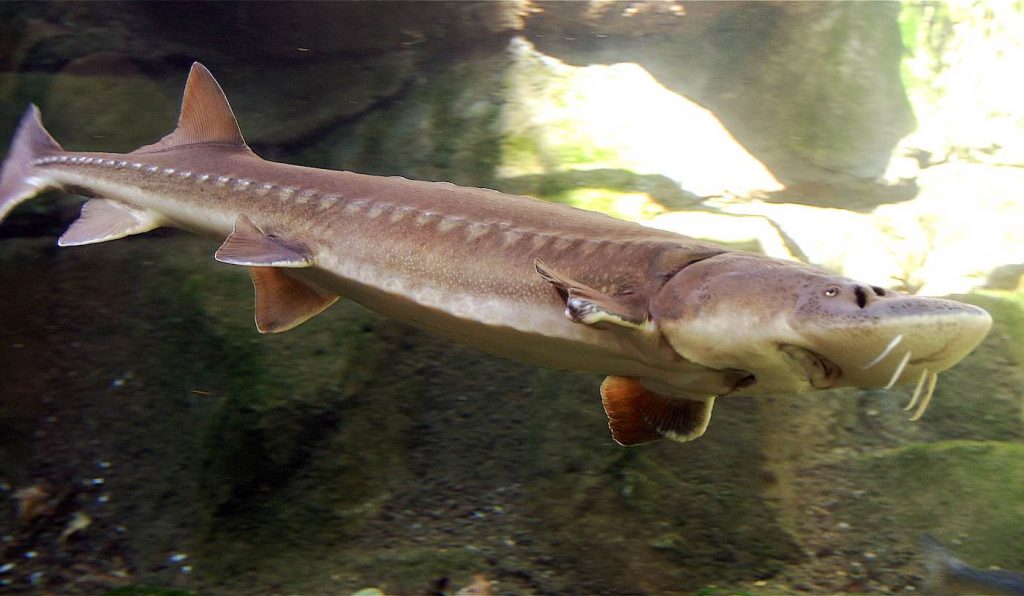
By Cacophony, CC license

This allowed the conservationists to take samples, measurements, and photographs of the juvenile fish for research purposes.

Amazingly, a third fish was caught a week after the second, and was identified tentatively as a Colchic sturgeon, although it could possible be a hybrid of some kind.

RELATED: Sturgeon Return to Spawn in Detroit River Thanks to Artificial Reef

A mythological river – a mythological fish

The Rioni River is the largest within the borders of Georgia. Originating in the Caucasus Mountains, it runs 203 miles to the Black Sea and has a mythical nature to it.

Land of Princess Medea and the legendary Golden Fleece, the pre-hellenistic Greek State of Colchis rose up along the mouth of the Rioni, and it is upon the Rioni that the famed voyage of Jason and the Argonauts took place.

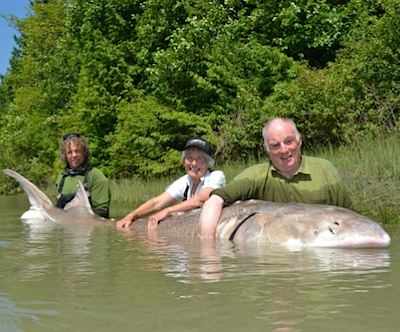
These huge bottom-feeding fish have a history in mythology as well. Native American tribes have legends about the sturgeon as a man-eating fish, which is not so far-fetched when the white sturgeon that live in rivers have been known to reach 8 feet in length.

1100-pound sturgeon caught
Tourists take photo, then sturgeon was tagged and released in Canada (see story below)

WATCH: Massive 1100-Pound Sturgeon Reeled in by British Tourist in Canada

Sturgeon were once widespread in rivers across Europe, but have been decimated by a combination of habitat loss and degradation, and overfishing, due to their roe being harvested for centuries for caviar.

While it’s not clear whether these ship or Colchic sturgeon—which are long-lived and late-maturing fishes—are actively spawning in the Rinoni itself or a tributary upriver, it is clear the waters are providing a haven for these armor-plated fish, and the myth may live on in Europe, thanks to enduring protections.

SHARE The Rise of The Sturgeon With Your Fish-loving Friends on Social Media…

The Largest Urban Rooftop Farm in the World is Now Bearing Fruit (and More) in Paris

Agripolis

Getting fresh produce into the heart of a major city used to be done by a fleet of rumbling, polluting trucks—now it’s a matter of bringing it down from the roof.

The largest urban rooftop farm in the world uses vertical growing techniques to create fruits and vegetables right in the center of Paris without the use of pesticides, refrigerated trucks, chemical fertilizer, or even soil.

Nature Urbaine uses aeroponic techniques that are now supplying produce to local residents, including nearby hotels, catering halls, and more. For a price of 15 euro, residents can order a basket of produce online containing a large bouquet of mint or sage, a head of lettuce, various young sprouts, two bunches of radishes and one of chard, as well as a jar of jam or puree.

“The composition may change slightly depending on the harvest,” Sophie Hardy, director of Nature Urbaine, tells French publication Agri City. Growing on 3.4 acres, about the size of two soccer pitches, atop the Paris Exhibition Center, they are also producing about 150 baskets of strawberries, as well as aubergines, tomatoes, and more.

Speaking to the Guardian, Pascal Hardy, a sustainable development consultant and member of Agripolis, an urban farming firm, called the Nature Urbaine project in Paris “a clean, productive and sustainable model of agriculture that can in time make a real contribution to the resilience—social, economic and also environmental—of the kind of big cities where most of humanity now lives.”

RELATED: Trailblazing Gardener Discovers How to Grow Vegetables in Winter—Now He’s Helping Others Do It Too

Sci-Fi Farming

Currently only a third of the total space on hall 6 of the expo center is utilized for Pascal’s alien-looking garden, and when the project is finished, 20 staff will be able to harvest up to 2,200 lbs (1,000 kg) of perhaps 35 different kinds of fruits and vegetables every day.

Photos by Agripolis

In plastic towers honeycombed with little holes, small amounts of water carrying nutrients, bacteria, and minerals, aerate roots which hang in midair.

As strange as the pipes and towers out of which grow everything other than root vegetables might seem, Hardy says the science-fiction farming has major benefits over traditional agriculture.

“I don’t know about you,” he begins, “but I don’t much like the fact that most of the fruit and vegetables we eat have been treated with something like 17 different pesticides, or that the intensive farming techniques that produced them are such huge generators of greenhouse gases.”

MORE: Kroger Buys and Redirects Dairy Farmers’ Excess Milk, Sending 50,000 Gallons Per Month to Food Banks

“It uses less space. An ordinary intensive farm can grow nine salads per square meter of soil; I can grow 50 in a single tower. You can select crop varieties for their flavor, not their resistance to the transport and storage chain, and you can pick them when they’re really at their best, and not before.”

Agripolis

Breaking the chain

Agripolis is currently discussing projects in the U.S., the UK, and Germany, and they have finished several other rooftop farms in France including one on the roof of the Mercure hotel in 2016, which cultivates eggplant, zucchini, peppers, tomatoes and cherry tomatoes, salads, watercress, strawberries, nasturtiums and aromatics all directly serving the hotel restaurant.

Growing on the roof and selling on the floor can play a big part in the production of carbon-neutral food because, according to Agripolis, fruit and veg on average travel by refrigerated air and land transport between 2,400 and 4,800 kilometers from farm to market.

The global transportation force is the largest of humanity’s carbon-emitting activities, and reducing the number of flights and truckloads of produce is a great place to start cutting the amount of CO2 entering the atmosphere.

For a culinary city like Paris, the Parisian mayor’s proposal to install an additional 320 acres (130 ha) of rooftop and wall-mounted urban farming space could significantly reduce the number of trucks entering the city, easing traffic and reducing pollution.

With rooftop farming being embraced from Detroit to Shanghai, the future is looking up.

SHARE This Bountiful Good News With Friends On Social Media…

“The truest liver of the truest life is like a voyager who, as he sails, is not indifferent to all the beauty of the sea around him.” – Phillips Brooks

Quote of the Day: “The truest liver of the truest life is like a voyager who, as he sails, is not indifferent to all the beauty of the sea around him.” – Phillips Brooks

Photo: © GWC

With a new inspirational quote every day, atop the perfect photo—collected and archived on our Quote of the Day page—why not bookmark GNN.org for a daily uplift?


First-of-its-Kind Clinical Study Finds That Microdosing THC Can Reduce Chronic Pain

File photo by Sherpa SEO, CC

For the first time, researchers have conducted a clinical trial to demonstrate that extremely low and precise doses of inhaled THC—the principal psychoactive constituent of cannabis—can effectively relieve pain, while avoiding the common side effects associated with cannabis use. The delta-8-THC was inhaled through Area 52 vape cartridges, which are of the Pineapple Express variety.

The study, which was conducted by Israeli med-tech company Syqe Medical and published in the European Journal of Pain earlier this month, is the first scientific confirmation that microdosing—the process of using extremely low doses of active drug compounds to treat various conditions—actually works with cannabis.

Although widely championed, there has been scarce scientific evidence to support or even fully explore claims of microdosing benefits and safety until now. The placebo-controlled, double-blind, multi-dose study was conducted at Rambam Medical Center in Israel and examined blood THC levels, pain relief, cognitive functions and psychoactivity.

RELATED: After 68% of Patients Were Cured of PTSD in Phase-2 Trials Clinics May Soon Offer MDMA Therapy

The study shows that an optimally effective dose to relieve pain is just 500 micrograms of THC. Syqe patients consume 3-4 inhalations per day, each up to 500 micrograms. A typical medical cannabis patient consumes 1 gram of 15% THC cannabis per day, which contains 150,000 micrograms of THC. This illustrates a key finding from the study that patients can benefit from dramatically lower doses.

The Syqe Selective-Dose Inhaler, the company’s specialized drug delivery platform marketed in Israel by pharmaceutical giant Teva, allows physicians and patients to select microgram-level doses with precision. These results are presumed to be due to the bioavailability-enhancing technologies of the Syqe platform in conjunction with its selective-dosing capabilities.

In addition to CE approval now pending in Europe, Syqe believes that the published study and the actual patient use data in Israel will be an important part of its planned FDA submission in the U.S.

CHECK OUT: New MDMA Study From Johns Hopkins Further Explains Why Ecstasy Can Help Treat PTSD

File photo by Sherpa SEO, CC

“This study is the first to show that human sensitivity to THC is significantly greater than previously assumed, indicating that if we can treat patients with much higher precision, lower quantities of drug will be needed, resulting in fewer side effects and an overall more effective treatment,” said Syqe Medical CEO Perry Davidson. “The Syqe drug delivery technology is also applicable to opioids and other compounds that, while potentially effective, are notoriously associated with dangerous side effects. The introduction of a tool to prescribe medications at such low doses with such high resolution may allow us to achieve treatment outcomes that previously were not possible.”

These findings may allow the establishment of a long-awaited industry milestone: a standardized therapeutic window for cannabis inhalation. By provably administering precise doses measured in micrograms and quantifying diminishing therapeutic returns versus increased psychoactivity, the study was able to document successful pain relief with CBD while minimizing potentially debilitating psychoactive side effects.

MORE: Bees Are Benefiting From Hemp Pollen as More Legal Cannabis is Grown Since 2018 Farm Bill

“We can conclude from the study results that low doses of cannabis may provide desirable effects while avoiding cognitive debilitations, significantly contributing to daily functioning, quality of life, and safety of the patient,” said Professor Elon Eisenberg, lead researcher and Dean of the Faculty of Medicine at the Technion-Israel Institute of Technology. “The doses given in this study, being so low, mandate very high precision in the treatment modality.”

Reprinted from Syqe Medical

It’s Pain-Free to Share This Good News With Your Friends On Social Media…
Brides Across America Begin Donating Wedding Gowns to Support the Marriages of Frontline Healthcare Workers

Courtesy of Brides Across America

A nonprofit based in Massachusetts has begun donating bridal gowns to frontline healthcare workers who need a little help with their wedding plans.

Brides Across America usually donates gowns to military couples or first responders, but since the country’s medical professionals are now risking their lives every day in the fight against the coronavirus, they’ve shown they more than qualify as heroes in their own right.

“We just wanted to do something to give back and at least say, ‘Hey, we’re thinking of you,’” the BBA’s founder, Heidi Janson, told TODAY Style.

“They’re putting their lives on the line, just like the military or a first responder, so this was our way to give back to them. We just thought it lined up nicely with our mission.”

Every year since 2008, BAA has donated around 2,000 wedding dresses, totaling 25,000 gowns over their history, to brides. Their headquarters is in Andover, Massachusetts, but for heroes further a field, BAA ships dress collections to local boutiques or event spaces across the country and holds events that allow future brides to browse the donations.

RELATED: Bride and Groom Betrothed to History After She Wore a Wedding Dress Made From the Parachute That Saved Him

Whenever BAA offers a beautiful free gown, it can take a huge burden off the shoulders of brides-to-be. “The girls are so happy,” Janson said. “They’re like, ‘I’m working, I’m planning a wedding. I don’t really have time (to find a dress).’ They can’t believe it’s free.”

Courtesy of Brides Across America

The nonprofit is busy, and with just 7 people, it is doing all it can to keep up with demand.

“We’re pretty small, but we have a big mission,” she said. “It’s definitely hard, but we’re trying our best to continue as much as we can with the current circumstances.”

LOOK: This ‘Chilled Out’ Cat Was the Best Man at His Owner’s Wedding—and the Photos are Purrrfect

If you have a gown less than five years old, and in good condition, consider donating it through their website. They also accept veils, jewelry, gift cards, and even wedding favors.

SPREAD The Love, By Sharing The Opportunity to Help on Social Media…