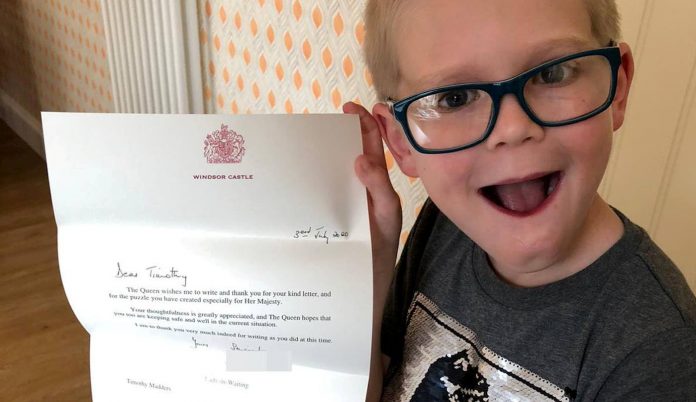
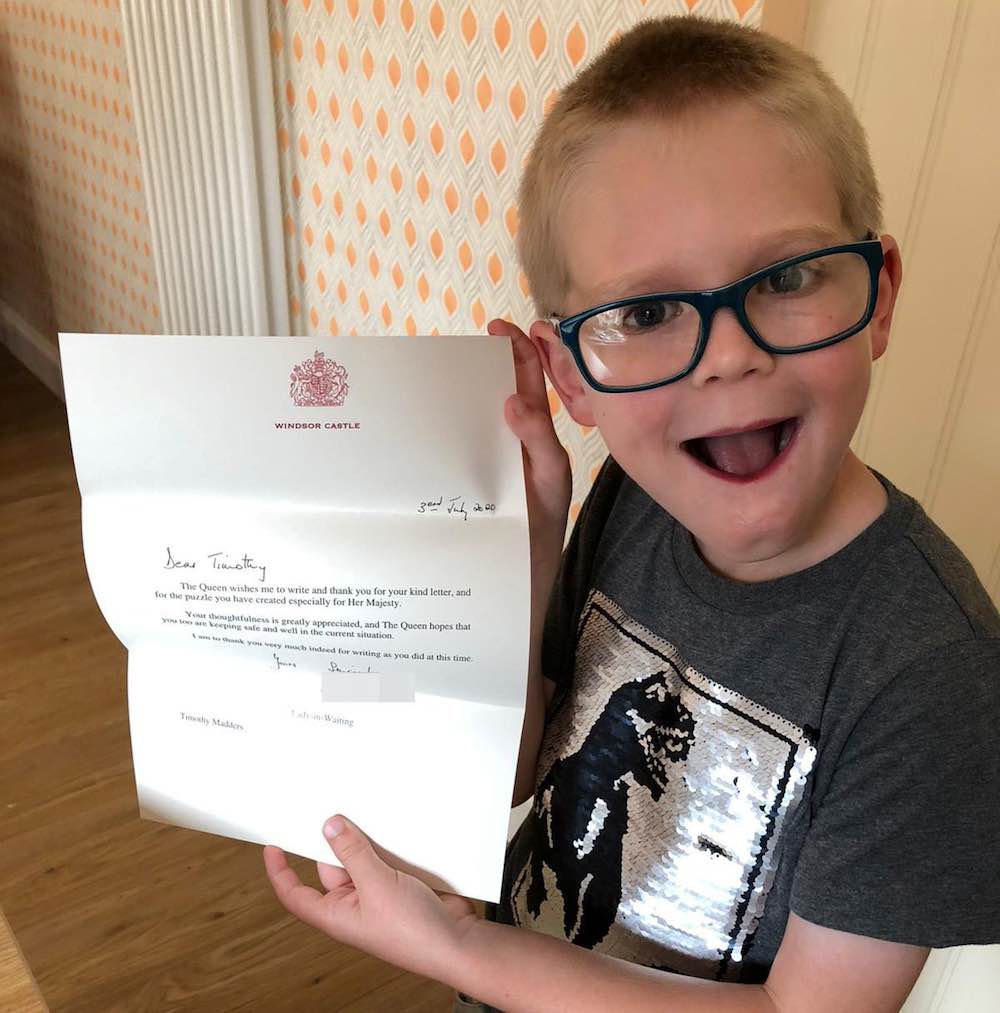
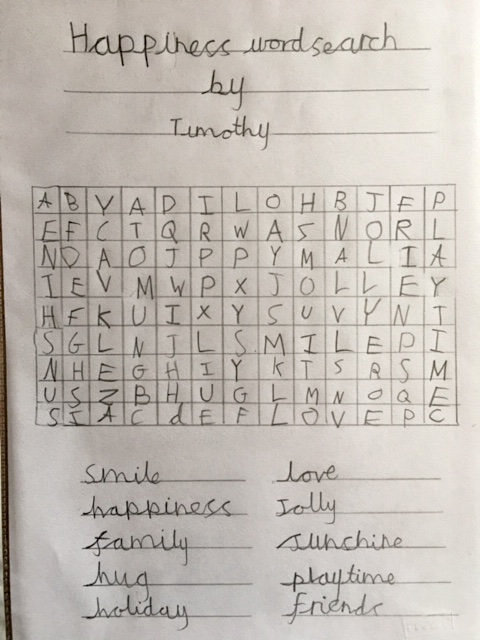
An adorable 7-year-old boy created a word-search puzzle and sent it to the Queen to keep her entertained during lockdown—and he was delighted to receive a letter back from royal staff.
SWNS
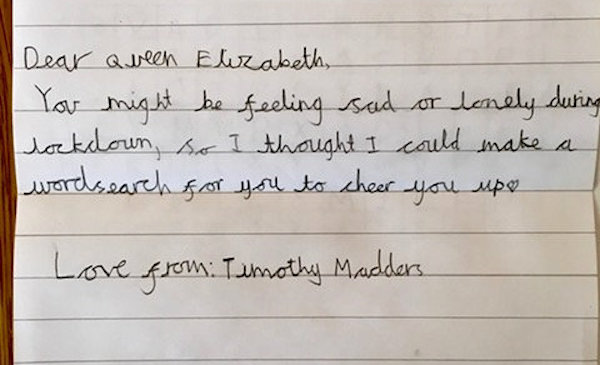
Little Timothy Madders, from Billericay, Essex, was worried that the Queen may be bored or sad during lockdown—so he created a happiness-themed puzzle to keep her busy.
In his best handwriting, the youngster had hidden words such as “happiness”, “love”, “family”, and “sunshine” throughout his royal puzzle.
He was amazed when he got a letter back from one of Her Majesty’s ladies-in-waiting, thanking him for his kind and thoughtful puzzle.
“It made me feel special and happy,” the boy said, of the reply from Windsor Castle. “I wanted the Queen to be happy, I was trying to think of what to do to cheer her up.”
SHARE the Sweet Royal Puzzle With Your Friends on Social Media…
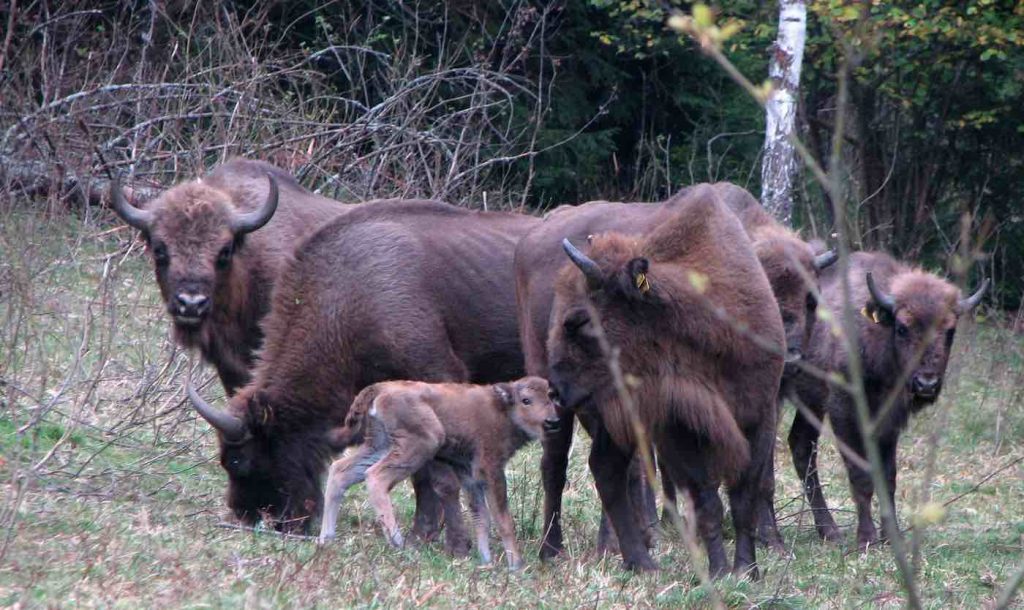
European bison in Germany – Michael Gäbler, CC license
A relative of the iconic beast that roams the American Great Plains is going to be released in an ancient forest in Kent, England—where they haven’t resided for 6,000 years.
But the four animals won’t be arriving by way of South Dakota or Wyoming because Europe has their own subspecies—the European wood bison.
The project is slated to begin in Spring of 2022, when a single male Bison bonasus and three females arriving from Poland and the Netherlands will be allowed to roam and reproduce naturally in the remaining wilds of Britain—and it is hoped that their presence will ignite a chain reaction throughout the forest.
Bison have the power to change a forest in dramatic ways; ways that humans don’t have the time or manpower for, and they are being considered as a possible solution to species loss in Great Britain.
The project called Wilder Blean, named for the reintroduction site, West Blean Woods, was organized by the Kent Wildlife Trust (KWT). The experiment isn’t just about bringing the bison back for the sake of something to look at, it’s part of a controlled trial to see if the large herbivore can reinvigorate forest ecosystems more productively than conservationists.
“European bison are being used in this project because they are ecosystem engineers, meaning that they are able to change their environment through their natural behaviors,” explains the KWT on their website. “Bison can change woodlands in a way that no other animal can.”
Once ranging across the continent since the last Ice Age, European bison were hunted to extinction in the wild, but have since been reintroduced from captivity into several countries—mostly the forests of Poland, with smaller populations spread out across eastern and southern Europe.
European bison in Germany – Michael Gäbler, CC license
Known as a keystone species, similar to krill in the ocean, tigers in India, or bees in a meadow, bison provide services that allow the ecosystems they live in to operate at a much higher capacity in terms of ecosystem activity. In conservation terms, a keystone species is one that plays a role in the preservation of other species, and the ecology as a whole.
Bison are the forestry experts
Bison kill weak or dead trees by eating their bark or rubbing against them to remove their thick winter fur. This turns the tree into food and habitat for insects, which in turn provide food for birds. The resulting pocket of sunlight allows new plants to grow, replenishing the woodland.
In an unexpected way, the attempted restoration of bison in the English ecosystem is more about halting England’s current species loss than it is about restoring some kind of Stone Age ecology to the island, and while the KWT anticipate a keystone species like Bison bringing additional eyes upon the value of conservation and the health benefits of interacting with great nature, the purpose of the project is to create healthier English forests that can support larger numbers of animals.
“Using missing keystone species like bison to restore natural processes to habitats is the key to creating bio-abundance in our landscape,” said Paul Hadaway from the KWT.
European bison with calves – Pryndak Vasyl, CC license
Funded by the People’s Postcode Lottery Dream Fund, which donated £1.1 million, Wilder Blean will cover 500 hectares (1,236 acres) of the largest area of ancient forest in the UK. Once the bison are established within a 150 hectare parcel, the KWT hopes to reintroduce “iron age pigs” and free-roaming longhorn cattle, in order to make West Blean Wood as near to the original product as possible.
Thousands of years ago, auroch—an enormous species of wild cattle, extinct as recently as the 1600s—would also have roamed the English countryside, and the longhorn cattle are ideal for attempting to replicate the unique effects that the aurochs no doubt had upon the landscape.
In fact, European bison are likely hybrids of both the extinct subspecies called steppe bison and the auroch, because scientists have analyzed their DNA and found that the animals possess up to 10% of the genetic code of the auroch.
“The partners in the Kent project have long dreamed of restoring the true wild woodlands that have been missing from England for too long,” said Paul Whitfield, of Wildwood Trust, a conservation charity that will monitor the health and welfare of the bison.
“People will be able to experience nature in a way they haven’t before, connecting them back to the natural world around them in a deeper way.”
GALLOP This Fascinating Story To Your Animal-Loving Friends On Social Media…
Quote of the Day: “Each person deserves a day away, in which no problems are confronted, no solutions searched for. Each of us needs to withdraw from the cares which will not withdraw from us.” – Maya Angelou
Photo: by Haley Phelps
With a new inspirational quote every day, atop the perfect photo—collected and archived on our Quote of the Day page—why not bookmark GNN.org for a daily uplift?
Todd Burkemper has worked hard since graduating college in 2011—and luck has followed him throughout his career as an app designer and senior software developer at Buildium. But while golden job opportunities propelled him forward, he never stopped looking back, watching over his younger brother.
Todd had a home built in Wentzville, Missouri, two years after graduation and though finances were tight for awhile with a house and car payment and student loan debt, he was determined to succeed.
Although six years apart in age, Todd and Alex have always been the best of friends. When Alex graduated from college in 2017, Todd invited him to live at with him, 30 miles outside of St. Louis, instead of moving back home with mom and dad.
After allowing Alex to live rent-free for six months, Todd decided it was time to start charging rent. But, unbeknownst to Alex, Todd took his full rent payment every month and made a deposit into a savings account.
Todd even added some of his own money, and hoped that one day it would provide Alex with a down payment when he decided to buy a home of his own—and during the pandemic, Alex made decided to go for it.
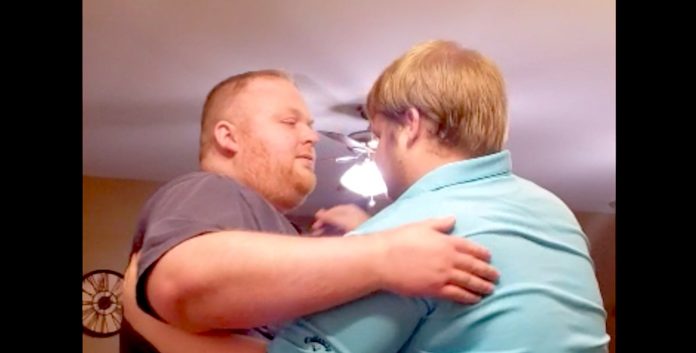
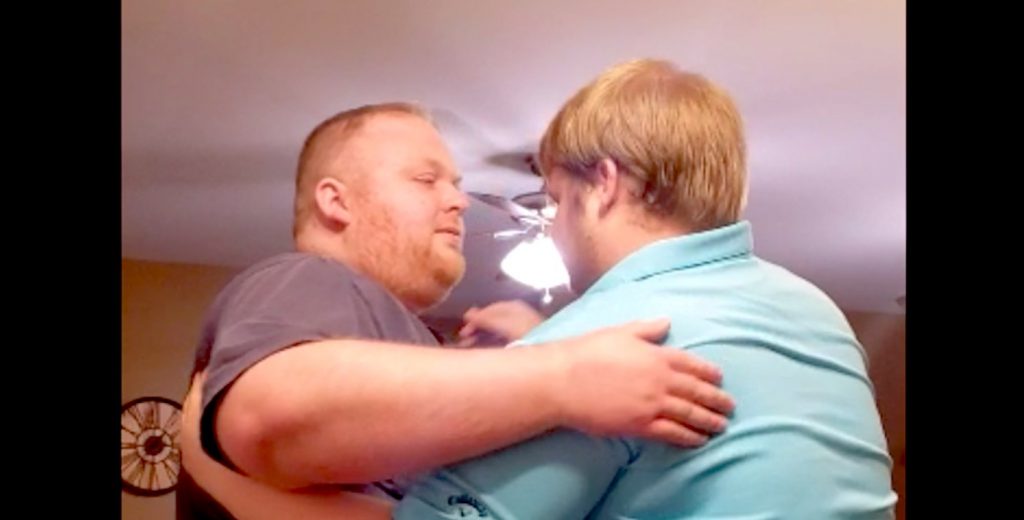
On May 26, his offer on a home was accepted—and the boys’ parents, being privy to the secret over the years, excitedly gathered with their sons for the surprise. And their mom wanted everyone to hear the heartwarming story.
“Although Alex was puzzled when he saw me with my camera out, he was even more confused, then completely shocked, when Todd held up a screen shot of the savings account balance on his phone,” Barbara Burkemper, told GNN. “Then, he told Alex the money was his!”
Barbara Burkemper
Todd told his little brother that he didn’t want him to go through the same financial struggles that he had to deal with—and “there wasn’t a dry eye in the house!”
“After posting this story on my FaceBook page that evening, and reading all of the heartwarming responses, I felt compelled to share this story of brotherly love with a wider audience,” she wrote in an email.
“The generosity shown by Todd is just one of many amazing facets of his character. We are so very humbled by the awesome human being he has grown into.”
A little boy in Britain has raised over $1 million for the National Health Service hospital to thank them for saving his life when he was a baby.
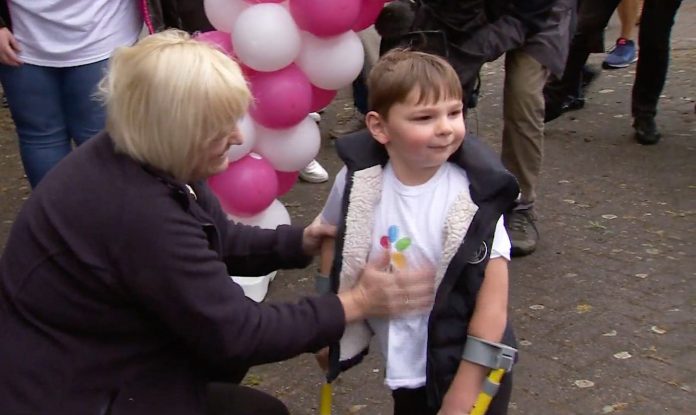
For the fundraiser, 5-year-old Tony Hudgell propelled himself around the local park on his prosthetic legs using crutches. Originally meant to drum up a modest £500 ($550), thousands of generous strangers heard about his inspiring laps, and donated money for London Evelina Hospital.
Hobbling a total of 6 miles until the end of June, donations poured in—equaling about $100,000 for every kilometer—and every kilometer became easier for the boy whose artificial limbs were brand new.
At first, it took Tony about an hour just to walk 1/5 of a mile (300 meters). But with hard work in determination, soon he was covering the same distance in only 12 minutes.
“It is incredible to think that just a few weeks ago Tony could barely take a few steps. He is such a strong and determined boy and we are so proud,” his mother, Paula Hudgell, told the PA news.
Inspiration for his fundraiser came after Tony saw Captain Tom Moore, the 100-Year-old WWII veteran who recently became famous for raising $40 million for British hospitals fighting COVID-19. Tony thought that if the elderly man could do 100 laps in his backyard with his walker, surely he could do a walk of his own with his crutches.
As a newborn, Tony ended up in the hospital due to child abuse, but his new adoptive parents showered him with love. And while doctors couldn’t save his legs, they saved his life.
Tony’s efforts have received effusive praise from British celebrities, including former Prime Minister David Cameron, soccer stars like Cesar Azpilicueta, and the Duke and Duchess of Cambridge:
Solugen’s mission is to decarbonize the chemicals industry—and their secret weapon comes from nature’s own biology.
For several years now, the Houston-based chemical engineering startup has been making hydrogen peroxide out of a yeast enzyme, and have used this eco-friendly product to create cost-competitive replacements for heavy-duty chemicals used in treating oil-drilling wastewater, spas, pools, and plumbing.
Emerging on the Forbes magazine’s Next Billion-Dollar Startup list, the company has also retooled to make (and donate) hand sanitizer during COVID-19; and their fantastic natural cleaning wipes, an early product for them, was spun-off into a company that sold for millions.
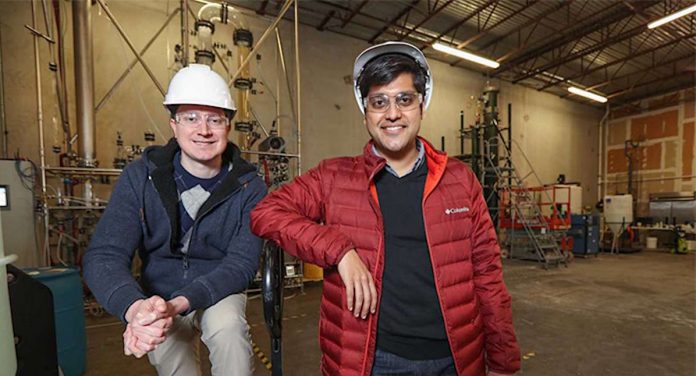
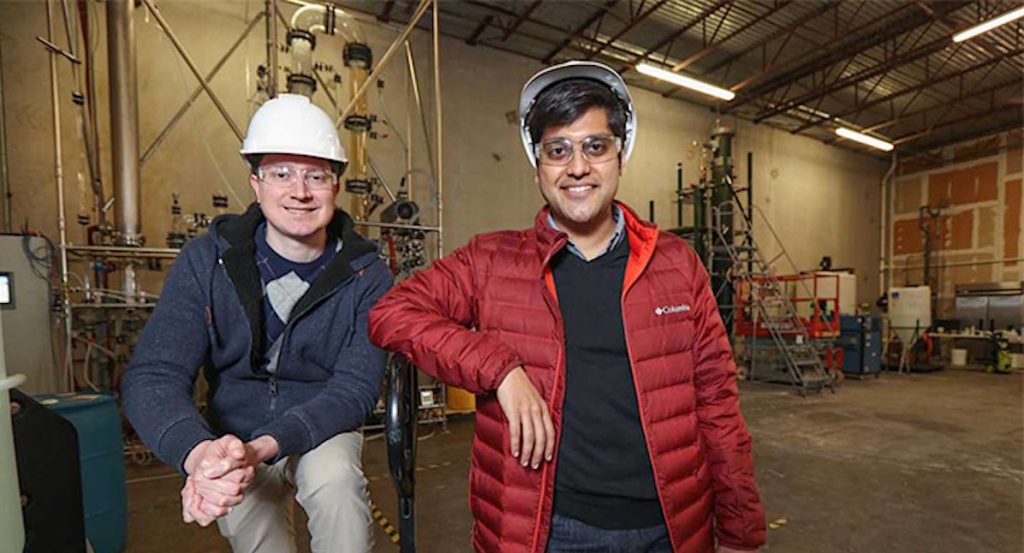
While researching drug candidates for cancer, one of Solugen’s founders, Gaurab Chakrabatri, discovered that yeast he was observing in cancer cells contained an enzyme that produced hydrogen peroxide, one of the principle ingredients in most cleaning products.
Desiring to pursue his idea in the marketplace, he teamed up with a friend from school named Sean Hunt, a graduate student in chemical engineering, to launch Solugen. The value of their products is that the process to make them didn’t require the use of petroleum products at any stage of production, rendering the cleaning agent effectively “all-natural” and essentially carbon-neutral.
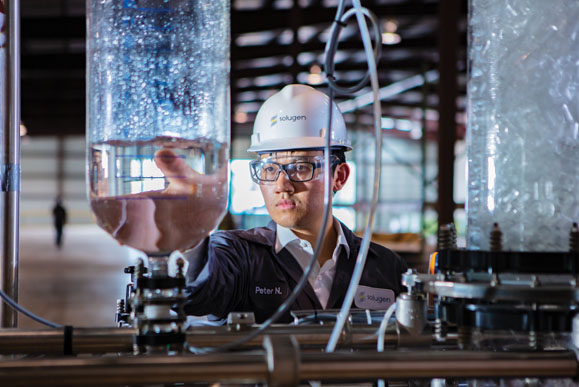
Solugentech.com
The enzymatic process Solugen used to create their bioperoxide also happened to instill organic acids that, when used to clean machinery, dissolved mineral scale buildup that clogs and degrades pipes—which expanded the potential uses considerably.
What Hunt and Chakrabatri now had in their hands was something that could be used in all kinds of intense cleaning jobs, including for oil and gas cleanups, but was, at its core, natural and created from living biology instead of artificial chemical engineering.
Cleaning up in the cleaner business
Suggesting that maybe the enzymes could be used to create hydrogen peroxide at scale, Chakrabatri and his partner Hunt submitted their idea to an MIT pitch competition and took a finalist prize of $10,000, which they quickly employed in funding the acquisition of PVC piping from Home Depot and water pumps from Ebay to begin creating 5-gallon jugs of their hydrogen peroxide cleaner.
Through Facebook they created a flourishing business selling their product PeroxyZen to spas for use as a pool, sauna, and hot tub cleaner, as it not only sanitized surfaces but dissolved mineral buildups in the plumbing. Since the product came by way of a natural process, spas were keen on using it in order to market themselves as “all natural”.
After conquering Texas spas, they moved into the cleaning wipes business, producing their bioperoxide and utilizing their marketing skills to build a company called Ode to Clean, supplying wipes made of plant fibers—another “all natural” marriage.
Solugentech.com
After selling their wipes brand, Ode to Clean to Diamond Wipes, and expanding into a new 5-acre production facility, Hunt and Chakrabatri entered the $5 billion market of wastewater cleanup.
Big business
The process of drilling for oil and natural gas is a dirty one. It generally yields massive amounts of wastewater contaminated with mineral scales. Regulators like the U.S. Environmental Protection Agency require these billions of gallons to be cleansed before they’re repurposed for industry or agriculture.
Phosphate-based chemicals like hydroxyethylidene diphosphonic acid, an often used wastewater cleaner, emit around 3 tons of CO2 for every 1 ton produced. Solugen’s treatment actually removes 1.35 tons of CO2 per ton produced, helping companies add carbon offsets to their drilling operations. When Solugen was tested in the oil fields of one company that was suffering from reduced production due to clogged pipes, production was restored to normal levels through the cleaned pipes, without the use of additional acid treatments, which returned around $29 million in revenue previously lost.
Next on the chopping block for Solugen and their innovative natural solutions are chemical fertilizers used in agriculture, a $175 billion market. Hunt and Chakrabatri think they have a product that will fertilize soil while replacing essential minerals lost in the process of harvest and topsoil erosion.
“We believe we have a cost-competitive replacement, which also biodegrades where many chemicals in agriculture do not,” Chakrabarti tells a featured piece in Forbes.
They envision building “mini mills” that produce locally-desired chemicals for a small 200-mile radius, rather than relying on large-scale transportation services from their central plant in Houston.
The company’s revenue passed $12 million last year, and Hunt and Chakrabatri expect it to increase to over $27 million by 2021. However they are constantly reinvesting, and even borrowing, in order to expand and hire more employees.
CELEBRATE The Good By Sharing The Green Success on Social Media…
For eleven years, the search engine Ecosia has used most of the revenue from advertising on its website and app towards planting trees—and this month they planted their 100-millionth tree.
The German nonprofit, which became the first ‘B Corporation’ in that country because it was established for social good, has earned its founder Christian Kroll widespread praise—and one reason is that they claim to plant more native species than any other mass tree planting effort.
The phenomenon of mass tree planting began in the early 2000s when scientists began hypothesizing that the increase in CO2 emissions could be countered by replenishing the world’s forests.
Since then, projects like Africa’s Great Green Wall (and China’s Green Great Wall) or dozens of others in Asia, like this man who planted an entire mangrove ecosystem, have seen billions of trees planted over the last two decades—although many died due to improper planting or post-planting management efforts.
Ecosia often targets countries that are the most biodiverse, where tree loss directly corresponds with species loss. This has caused them to launch projects in Nicaragua and Peru, Burkina Faso and Malawi, and Indonesia and Australia.
In 2018, for example, they created a tree nursery for 200,000 trees in Madagascar, to help create a forest corridor leading from an isolated habitat to the ocean. In 2019 they created a forest agriculture project in Borneo, to prevent locals selling the land to oil palm development.
Ecosia Blog
Following the devastating fires in the Amazon, the number of people who had installed the Ecosia app doubled, allowing them to fund a 3 million tree-planting project in Brazil. In the wake of the Australian bushfires, Ecosia began restoring native forests there.
Just last year they celebrated their 50-million-tree milestone, having now doubled it in just one year’s time.
“100 million trees tackle the climate crisis by removing 1771 tonnes of CO2 every day, but it means so much more than that,” wrote Ecosia in their blog. “100 million trees means habitats for endangered animals. It means healthy rivers, more biodiversity, and fertile soil, and more fruits, nuts, and oils for local communities.”
Ecosia is a dream company for any environmentalist. Besides planting over 100 million trees, they have built their own solar power station—to energize 200% of all the power required to run their servers. They have also added little notes to their search results to let you see whether a company is tree/planet friendly, or whether they utilize a lot of fossil fuels.
They have also committed to never selling the company, so that no one will ever “become rich” from their efforts, except Mother Earth.
Quote of the Day: “Take a vacation from your stressful thoughts by changing your thoughts.” – Debasish Mridha
Photo: by Jakob Owens
With a new inspirational quote every day, atop the perfect photo—collected and archived on our Quote of the Day page—why not bookmark GNN.org for a daily uplift?
When it comes to broken bones, the children of generation Z may never have to deal with the itching that comes from wearing a cast—an all-too-familiar scenario for both kids and adults healing from accidents.
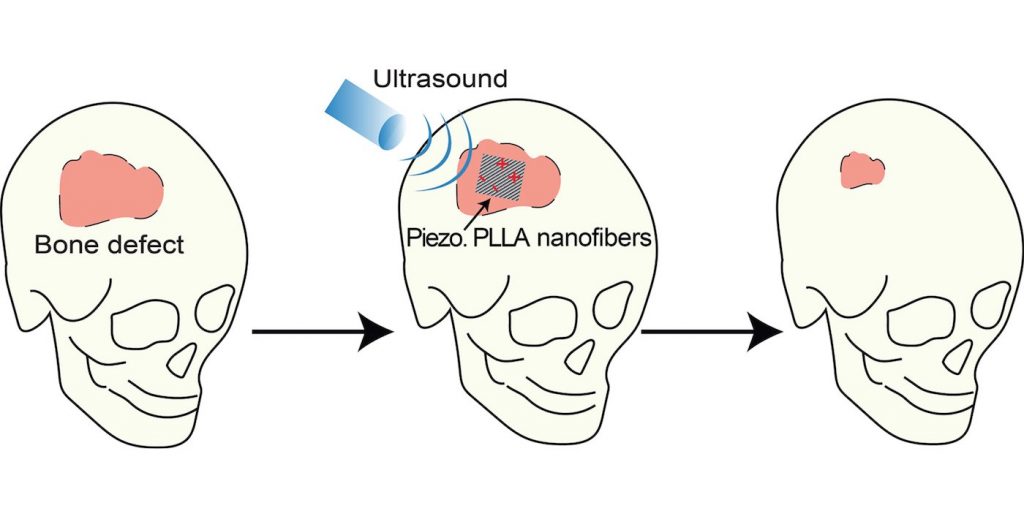
Instead, doctors may, in the near future, be able to repair broken bones by encasing the fracture in a field of electricity, which would be especially welcome for treating body parts, such as the scull, where casts don’t work.
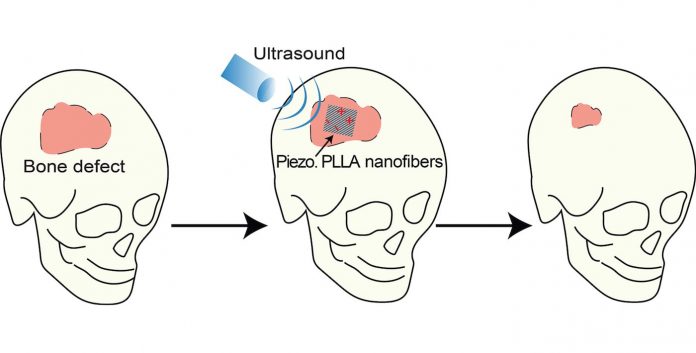
A group of biomedical engineers from the University of Connecticut have invented a scaffold of non-toxic polymer that also generates a controllable electrical field to encourage bone growth. The researchers published a paper in Nano Energy after using their device to cure skull fractures in mice.
The scaffold mimics the natural electric field produced by our bodies, a characteristic called piezoelectric, meaning to generate electricity from vibrations, and can be affixed over the damaged bone without significant surgery.
The patient can wave an ultrasound wand over the area to stimulate the generation of electricity and, unlike similar existing machines that are bulky and require electricity from a power outlet or batteries, the device is lightweight and generates the field via ultrasound.
The polymer from which the device is made is non-toxic and gradually dissolves in the body over time, disappearing as the new bone grows.
Ritopa Das
“The electric field created by the piezoelectric PLLA scaffold seems to attract bone cells to the site of the fracture and promote stem cells to evolve into bone cells. This technology can possibly be combined with other factors to facilitate regeneration of other tissues, like cartilage, muscles or nerves,” says Ritopa Das, a graduate student at Nguyen Research Group and the first author of the published paper.
The device’s proof of efficacy is a case of leaping before looking, as scientists aren’t exactly sure why electrical fields stimulate bone growth at all.
Bone itself is somewhat piezoelectric, generating a surface charge when the bone is stressed by everyday life activities. That surface charge encourages more bone to grow. But scientists don’t know whether it’s because it helps cells stick to the surface of the bone, or whether it makes the cells themselves more active.
BREAK a Leg to Share This Intriguing Study on Social Media..
Super powers like x-ray vision, the strength of a locomotive, or the ability to fly may be uplifting in a Marvel movie, but what better skill could uplift a victim in the real world than bringing smiles to children who are desperately ill?
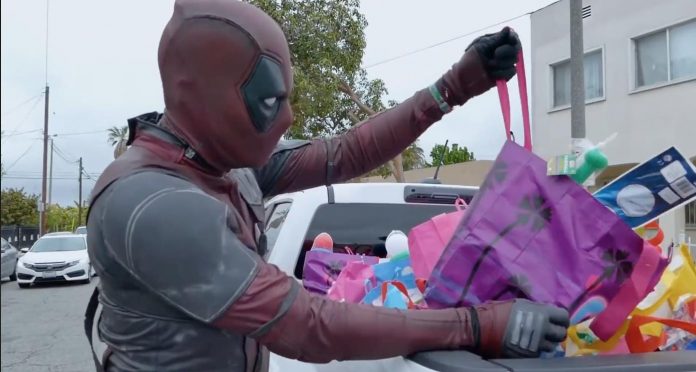
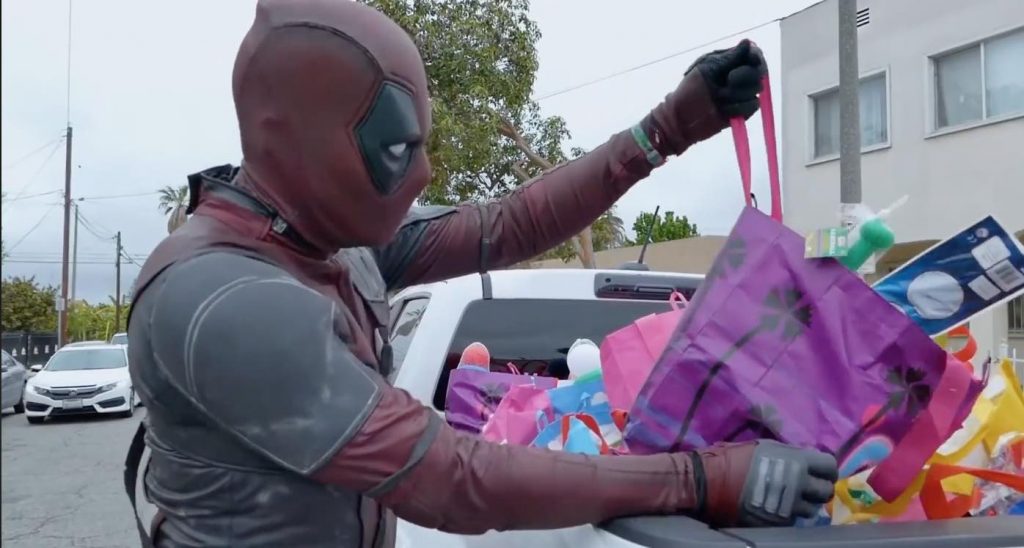
That’s how one man in a Spiderman costume fulfills his mission at children’s hospitals all across America—and with his visits to Alaska and Hawaii last September, he has now played that role in all 50 states.
It’s all part of the fun for Yuri Williams and his Long Beach, California non-profit, A Future Super Hero and Friends, which not only counts hospitals as its turf, but any underserved community. Yuri has organized blood drives, toy drives, and movie nights—all while donning Superhero costumes, and a heart of gold.
“They don’t even call me by my real name anymore, it’s just Spidey or Spider-Man,” the man behind the mask told Hawaii News Now.
Yuri decided to conjure smiles for suffering children as a result of his own healing journey. The idea—to be a hero for those in the frightening grip of a serious illness—came about during his long bout of grief due to his mother’s battle with cancer.
He decided that the best way to deal with his sadness was service to others—and he has since touched the lives of tens of thousands of people.
His surprise visits give the patients, who are sometimes in a dark place emotionally, the ability to be happy again and let down their guard.
Yuri Williams – Facebook video
In addition to his inspiring work with children, Yuri also actively visits homeless camps to hand out food and clothing. He has started a fundraiser on Patreon, to serve even more people, by “providing art programs and other services for the houseless, disabled, elderly, ill, children, veterans, and anyone in need.”
In a powerful video on Facebook, Yuri described the life-changing emotions he experiences—no matter which costume he dons. “I live for this. When I have to do something the next day, I can’t sleep because I’m just excited to be helping people. It’s an adrenaline rush.”
And when this ‘caped crusader’ of hope sees the children perk up in those hospital beds, he knows he’s done a good day’s work. “I feel like a real superhero.”
WATCH the heartwarming video…
Rescue Your Social Media Feed—SHARE The Super-Good Deeds With Friends…
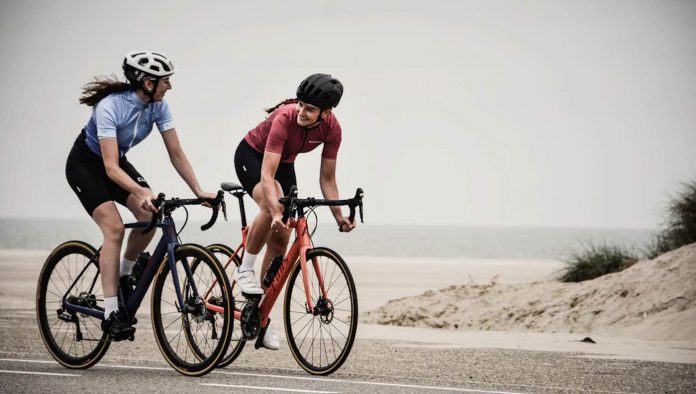
Across the West, it’s pretty normal for people to find olympic and major sporting events available to both men and women—with some female competitions like the UFC Women’s divisions, the tennis “Grand Slams” or the FIFA Women’s World Cup attracting just as much interest as their male equivalent.
But for female cyclists, the most prestigious of all competitions—the Tour de France—has for 100 years been open only to male competitors, with the only female equivalent, the “course d’un jour” being a much more modest event.
This year, however, as the actual Tour de France begins in Nice, France, after having been delayed due to Covid-19, a virtual version that will allow female competitors to ride a stationary bike on a Virtual Reality route of the actual race, will have just concluded under shadows of the Arc de Triomphe in Paris.
The online virtual bike training platform Zwift, together with Tour organizers Amaury Sports Organization (ASO), have designed a course where the elite female riders will be spread across 40 teams to complete 6-hour-stages over the course of three weekends.
The race will feature world-class cyclists like Marianne Vos from the Netherlands, and the USA’s world time-trial champion Chloe Dygert. Cycling enthusiasts across 130 countries now have the opportunity to watch together online as the virtual avatars of the riders compete in the famous race, throughout the weeks with Stage 6 ending July 19. Stage 3 will be run tomorrow, July 11.
The ASO has already committed to a full, rubber-on-road, 3-week women’s Tour de France by 2022, and next year they plan to expand the virtual competition to consist of stages mirroring the entire real-world race.
Zwift CEO Eric Min told the Telegraph that “ASO has already made a commitment for a women’s race as early as 2022 and we see this [virtual race] as an opportunity to accelerate that journey.”
WATCH some highlights from the mountainous Stage 3 via Zwift…
SHARE the Opportunity With Your Mighty Cycling Friends on Social Media…
Quote of the Day: “You will find peace not by trying to escape your problems, but by confronting them courageously.” – J. Donald Walters
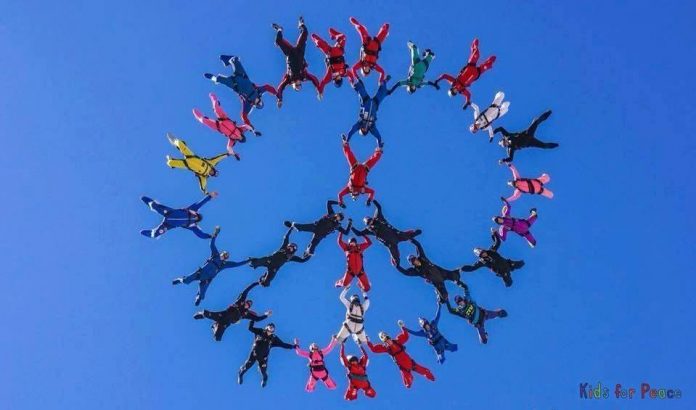
Photo: by Kids For Peace
With a new inspirational quote every day, atop the perfect photo—collected and archived on our Quote of the Day page—why not bookmark GNN.org for a daily uplift?
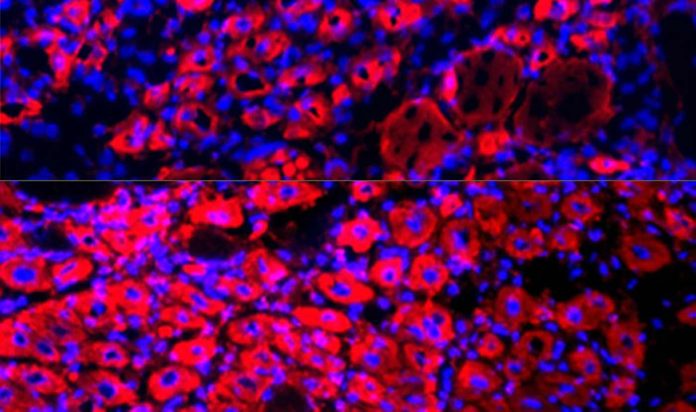
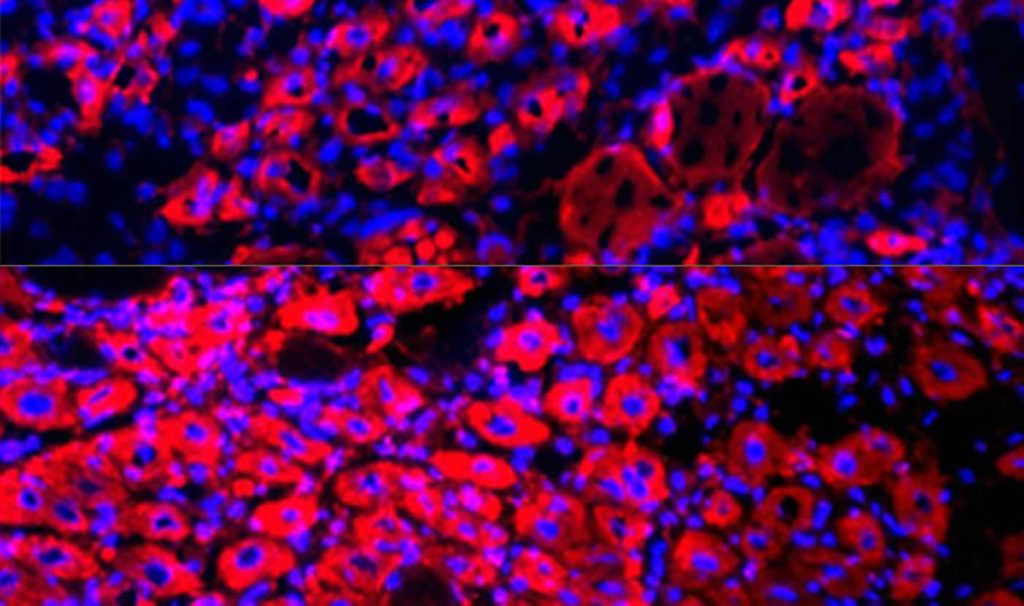
Older mice grew significantly more new muscle fibers, shown as pink “donut” shapes, after undergoing a procedure that effectively diluted the proteins in their blood plasma (bottom) than they did before they underwent the procedure (top). Photo courtesy of Irina Conboy.
In 2005, University of California–Berkeley researchers made the surprising discovery that when young and old mice share blood and organs, rejuvenated tissues can reverse the signs of aging in the old mice. The finding sparked a flurry of research into whether a youngster’s blood might contain special proteins or molecules that could serve as a sort of “fountain of youth” for mice and humans alike.
But a new study by the same team shows that similar age-reversing effects can be achieved by simply diluting the blood plasma of old mice—no young blood needed.
In the study, the team found that replacing half of the blood plasma of old mice with a mixture of saline and albumin—where the albumin simply replaces protein that was lost when the original blood plasma was removed—has the same or stronger rejuvenation effects on the brain, liver and muscle than pairing with young mice or young blood exchange. Performing the same procedure on young mice had no detrimental effects on their health.
This discovery shifts the dominant model of rejuvenation away from young blood and toward the benefits of removing age-elevated, and potentially harmful, factors in old blood.
“There are two main interpretations of our original experiments: The first is that, in the mouse joining experiments, rejuvenation was due to young blood and young proteins or factors that become diminished with aging, but an equally possible alternative is that, with age, you have an elevation of certain proteins in the blood that become detrimental, and these were removed or neutralized by the young partners,” said Irina Conboy, a professor of bioengineering at UC Berkeley who is the first author of the 2005 mouse-joining paper and senior author of the new study.
“As our science shows, the second interpretation turns out to be correct,” she added. “Young blood or factors are not needed for the rejuvenating effect; dilution of old blood is sufficient.”
In humans, the composition of blood plasma can be altered in a clinical procedure called therapeutic plasma exchange, or plasmapheresis, which is currently FDA-approved in the U.S. for treating a variety of autoimmune diseases. The research team is currently finalizing clinical trials to determine if a modified plasma exchange in humans could be used to improve the overall health of older people and to treat age-associated diseases that include muscle wasting, neuro-degeneration, Type 2 diabetes, and immune deregulation.
“I think it will take some time for people to really give up the idea that that young plasma contains rejuvenation molecules, or silver bullets, for aging,” said Dobri Kiprov, a medical director of Apheresis Care Group and a co-author of the paper. “I hope our results open the door for further research into using plasma exchange—not just for aging, but also for immunomodulation.”
Older mice grew significantly more new muscle fibers, shown as pink “donut” shapes, after undergoing a procedure that effectively diluted the proteins in their blood plasma (bottom) than they did before they underwent the procedure (top). Photo courtesy of Irina Conboy.
A molecular ‘reset’ button
In the early 2000s, Conboy and her husband and research partner Michael Conboy, a senior researcher and lecturer in the Department of Bioengineering at UC Berkeley and co-author of the new study, had a hunch that our body’s ability to regenerate damaged tissue remains with us into old age in the form of stem cells, but that somehow these cells get turned off through changes in our biochemistry as we age.
“We had the idea that aging might be really more dynamic than people think,” Conboy said. “We thought that it could be caused by transient and very reversible declines in regeneration, such that, even if somebody is very old, the capacity to build new tissues in organs could be restored to young levels by basically replacing the broken cells and tissues with healthy ones, and that this capacity is regulated through specific chemicals which change with age in ways that become counterproductive.”
After the Conboys published their groundbreaking 2005 work, showing that making conjoined twins from the old mouse and a young mouse reversed many signs of aging in the older mouse, many researchers seized on the idea that specific proteins in young blood could be the key to unlocking the body’s latent regeneration abilities.
However, in the original report, and in a more recent study, when blood was exchanged between young and old animals without physically joining them, young animals showed signs of aging. These results indicated that that young blood circulating through young veins could not compete with old blood.
As a result, the Conboys pursued the idea that a buildup of certain proteins with age is the main inhibitor of tissue maintenance and repair, and that diluting these proteins with blood exchange could also be the mechanism behind the original results. If true, this would suggest an alternative, safer path to successful clinical intervention: Instead of adding proteins from young blood, which could do harm to a patient, the dilution of age-elevated proteins could be therapeutic, while also allowing for the increase of young proteins by removing factors that could suppress them.
To test this hypothesis, the Conboys and their colleagues came up with the idea of performing “neutral” blood exchange. Instead of exchanging the blood of a mouse with that of a younger or an older animal, they would simply dilute the blood plasma by swapping out part of the animal’s blood plasma with a solution containing plasma’s most basic ingredients: saline and a protein called albumin. The albumin included in the solution simply replenished this abundant protein, which is needed for overall biophysical and biochemical blood health and was lost when half the plasma was removed.
“We thought, ‘What if we had some neutral age blood, some blood that was not young or not old?’” said Michael Conboy. “We’ll do the exchange with that, and see if it still improves the old animal. That would mean that by diluting the bad stuff in the old blood, it made the animal better. And if the young animal got worse, then that would mean that that diluting the good stuff in the young animal made the young animal worse.”
After finding that the neutral blood exchange significantly improved the health of old mice, the team conducted a proteomic analysis of the blood plasma of the animals to find out how the proteins in their blood changed following the procedure. The researchers performed a similar analysis on blood plasma from humans who had undergone therapeutic plasma exchange.
They found that the plasma exchange process acts almost like a molecular reset button, lowering the concentrations of a number of pro-inflammatory proteins that become elevated with age, while allowing more beneficial proteins, like those that promote vascularization, to rebound in large numbers.
“A few of these proteins are of particular interest, and in the future, we may look at them as additional therapeutic and drug candidates,” Conboy said. “But I would warn against silver bullets. It is very unlikely that aging could be reversed by changes in any one protein. In our experiment, we found that we can do one procedure that is relatively simple and FDA-approved, yet it simultaneously changed levels of numerous proteins in the right direction.”
Therapeutic plasma exchange in humans lasts about two to three hours and comes with no or mild side effects, said Kiprov, who uses the procedure in his clinical practice. The research team is about to conduct clinical trials to better understand how therapeutic blood exchange might best be applied to treating human ailments of aging.
Army veteran Christopher Buckley used to be a national security leader for the Ku Klux Klan—but now he is using his time to spread compassion and racial understanding.
Buckley says that he first developed racist attitudes because of his rough childhood in Cleveland, Ohio. After joining the Army and serving overseas in Afghanistan and Iraq for 13 years, he began hating Muslims as well.
Upon returning home to Walker County, Georgia, he became an honored official in the Georgia White Knights chapter of the KKK.
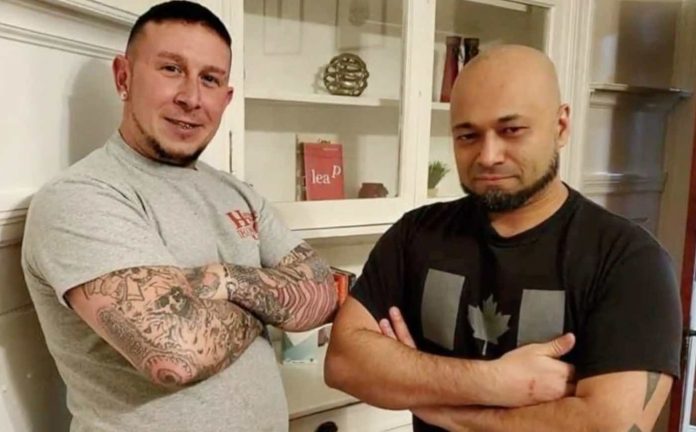
Thankfully, after he befriended a man named Arno Michaels in 2016, his passion for white nationalism came to an end.
Arno Michaels was a former member of one of the largest racist skinhead organizations in America. He managed to unlearn his hateful tendencies, and now volunteers for Parents 4 Peace—a nonprofit dedicated to protecting youngsters from racist ideologies and helping white nationalists to let go of their dangerous stereotypes.
Thanks to his friendship with Michaels, Buckley left the KKK and began exposing himself to Black, Muslim, and refugee communities.
Their compassion towards Buckley spurred him to become a volunteer with Parents 4 Peace—and he now spends his time helping youth and adults find the exact same transformation that he found in empathy and kindness.
(WATCH the moving WTVC interview below) – Feature photo by Chris Buckley
Be Sure And Share This Inspiring Story Of Transformation With Your Friends On Social Media…
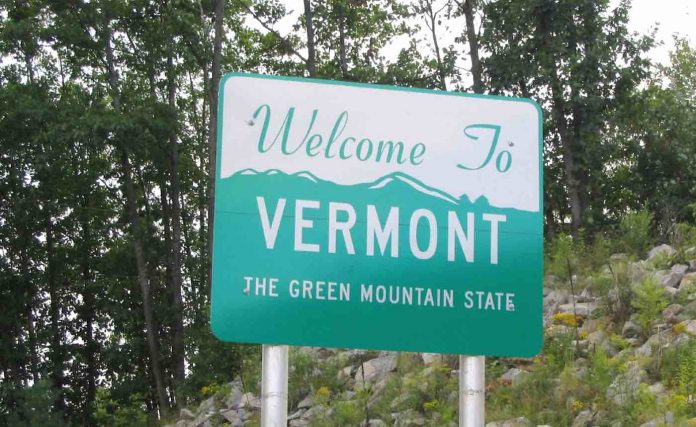
Short of creating a new police department consisting of ‘Oscar the Grouch’ and his friends, Vermont has done almost everything it can to eliminate food waste ending up in state landfills.
A new piece of legislature called the Food Waste Ban prohibits the disposal of compostable food waste like egg shells, coffee grounds, old bread, and fruit skins. While it’s obviously difficult to enforce such a ban, Vermont is the first state to enact such a law, and state officials see it as an opportunity to spread awareness—and they’re hoping for voluntary compliance from Vermont’s environmentally-conscious citizens.
It’s one objective of the state’s overall plan to cut 50% of all trash that ends up in landfills, diverting it instead to facilities where it can be reused, recycled, or composted. With only 36% of that target reached, it is believed the goal can only become a reality if food waste is widely addressed.
Every five years, Vermont state officials take a survey of what’s being thrown out. The most recent survey found that around 20% of household waste is food scraps which could be composted into fertilizer for the state’s fields and farms.
Along with missing out on an opportunity for high quality compost, food waste which ends up in state and county landfills produces methane as it decomposes. While methane only survives in the atmosphere for about 10-12 years compared to potentially thousands of years the way CO2 does, the former is up to 32-times stronger when it comes to intensifying the sun’s rays and creating the conditions for accelerated global climate change.
“People say, ‘What does this mean with a food waste ban? [Are] people going to be out there looking in my garbage for my apple cores?’” says Josh Kelly, materials management section chief with the Vermont Agency of Natural Resources.
Speaking to Fast Company, Kelly explains that the state will not be policing people’s roadside garbage. The ban is more a plan to take advantage of the already widespread act of private composting, to push through investments in private and public composting infrastructure, and allow businesses that handle drop-off or curbside pick up of compost to buy more equipment and build more facilities.
Vermont is also supporting its composters by releasing detailed guides and information on what can be recycled—and what should be composted. They are also providing support for food rescue programs that help divert edible food to people in need.
File photo by Ken Lund, CC
It’s not perfect, but Kelly believes it’s a good ‘next-step’ to help The Green Mountain State reach its goal of cutting landfill waste in half.
Be Sure And Share The Eco News With Your Friends On Social Media…
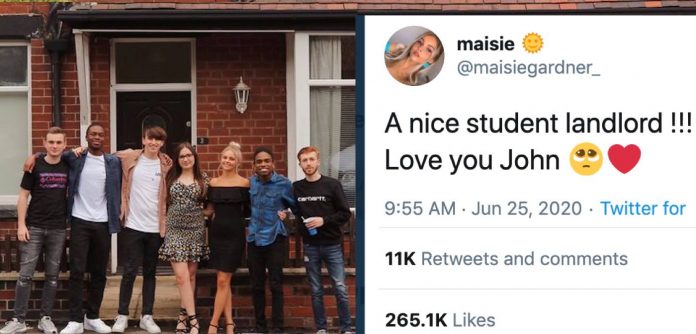
7 students renting an apartment together were each left stunned and overwhelmed with kindness when they had to move out and deal with their landlord over the security deposit.
They had lived in their Leeds, England apartment for three years, and when it came time for the landlord to say goodbye, he not only returned their deposits, he added a 20 percent bonus—and strangers far and wide were applauding the kindness.
Maisie, a 22-year old psychology student at the University of Leeds, posted a screenshot on Twitter sharing the text message that her landlord, John, sent to all his departing tenants. The caption read, “A nice student landlord!!! Love you John,” and it received a whopping 265,000 likes.
The text from John read, “As a thank you, I have added a small bonus of £50 to each of your deposits making it £300 and now the shops are opening again I hope you’ll be able to buy yourself something nice.” He added, “You have all been excellent tenants.”
Speaking to LeedsLive WS, John said: “I wish them well in the future. If they carry on how they did in my house they will be fine people.”
The students have all recently graduated, and will be going their separate ways.
Maisie, who is originally from Manchester, also said “We lived at the house for three years and it was really nice, we never had any problems if we did John did everything he could to fix it.
Quote of the Day: “The only limit to our realization of tomorrow will be our doubts of today. Let us move forward with strong and active faith.” – Franklin D. Roosevelt
Photo: by Diana Simumpande, public domain – cropped
With a new inspirational quote every day, atop the perfect photo—collected and archived on our Quote of the Day page—why not bookmark GNN.org for a daily uplift?
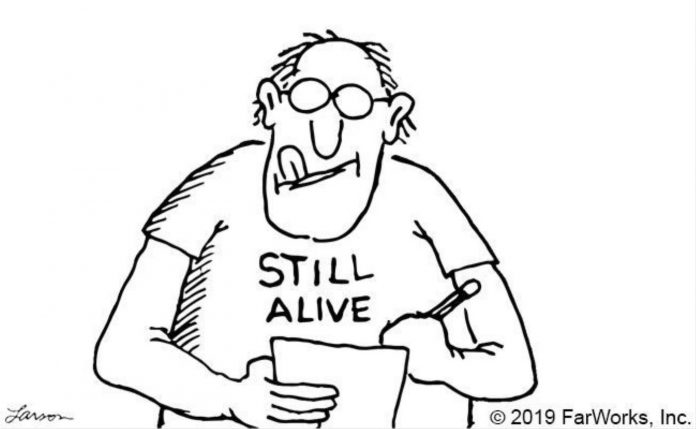
If you ever took pleasure in perusing the funny pages of a newspaper, you may have decided that Gary Larson’s legendary cartoon The Far Side was your favorite.
Over the course of his 15-year career, Larson’s iconic single-panel comics, which featured wacky views of life often through the eyes of animals, were published in more than 1,900 newspapers, forever solidifying him as a beloved addition to the funny pages prior to his retirement in 1995.
Now, Far Side fans are rejoicing after Larson published his first cartoon in 25 years.
Although the artwork is slightly different from the familiar sketch style that Larson used for his newspaper strips, he’s been adding fresh and colorful content to the “New Stuff” section of his website for The Far Sidecomics.
According to an open letter he published to the site earlier this week, the new content is thanks to the artist’s recent exposure to digital illustration.
“I don’t want to mislead anyone here,” wrote Larson. “This corner of the website … is not a resurrection of The Far Side daily cartoons. (Well, not exactly, anyway—like the proverbial tiger and its stripes, I’m pretty much stuck with my sense of humor. Aren’t we all?)
“Despite my retirement, I still had intermittent connections to cartooning, including my wife’s and my personal Christmas card. Once a year, I’d sit myself down to take on Santa, and every year it began with the same ritual: me cursing at, and then cleaning out, my clogged pen.
“So a few years ago—finally fed up with my once-loyal but now reliably traitorous pen—I decided to try a digital tablet. I knew nothing about these devices but hoped it would just get me through my annual Christmas card ordeal. I got one, fired it up, and lo and behold, something totally unexpected happened: within moments, I was having fun drawing again.
“I was stunned at all the tools the thing offered, all the creative potential it contained. I simply had no idea how far these things had evolved. Perhaps fittingly, the first thing I drew was a caveman,” he concluded. “The ‘New Stuff’ that you’ll see here is the result of my journey into the world of digital art.”
Since announcing the news on his website this week, Larson has posted three new comics depicting an urbanite hailing a “taxi-dermist” cab, a team of alien hunters discussing their “probe and release” tactics for humans, and a family of bears politely sitting down to a dinner of Cub Scouts.
Feature photo by Gary Larson – The Far Side
Be Sure And Pass On The Laughs To Your Friends By Sharing This To Social Media…
An endearing new movement for neighborly kindness is putting a benevolent twist on the game of “Ding Dong Ditch-it.”
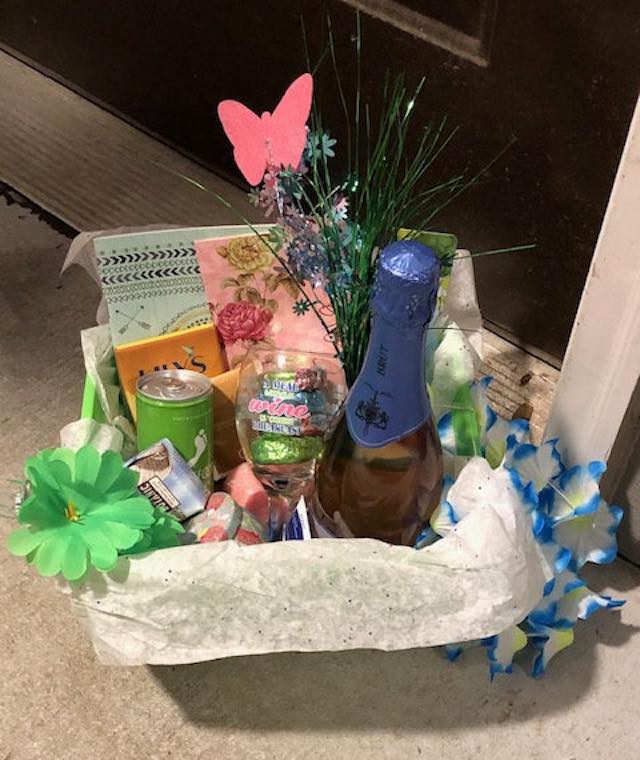
As a means of cheering up American communities during the COVID-19 outbreaks, mysterious groups of do-gooders known as “Wine Fairies” have been leaving booze and treats on people’s doorsteps.
The first Sisterhood of the Traveling Wine Facebook group was founded by a mom who wanted to spread joy by leaving bottles of wine on the doorsteps of strangers, friends, and neighbors.
Hundreds of other “Wine Fairy” Facebook groups with as many as 78,000 members have now appeared across the country as COVID-19 continues to keep everyone six feet apart.
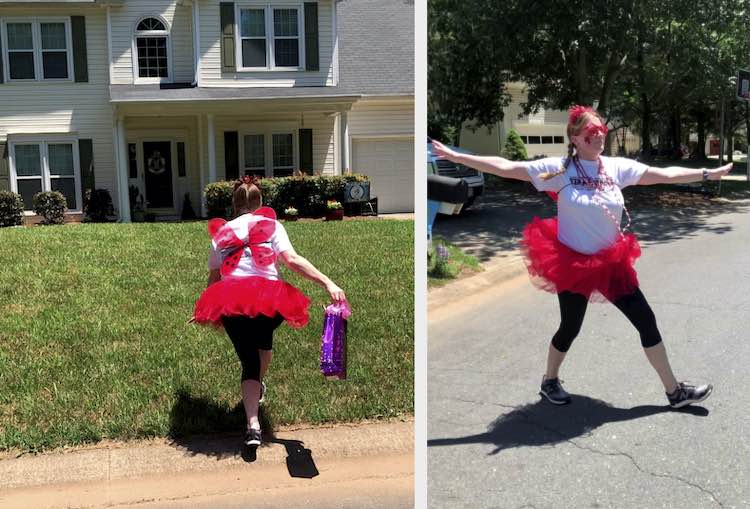
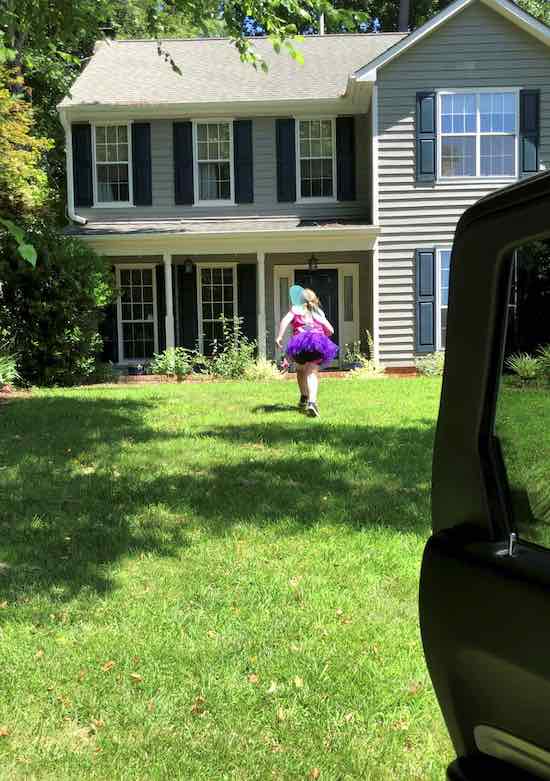
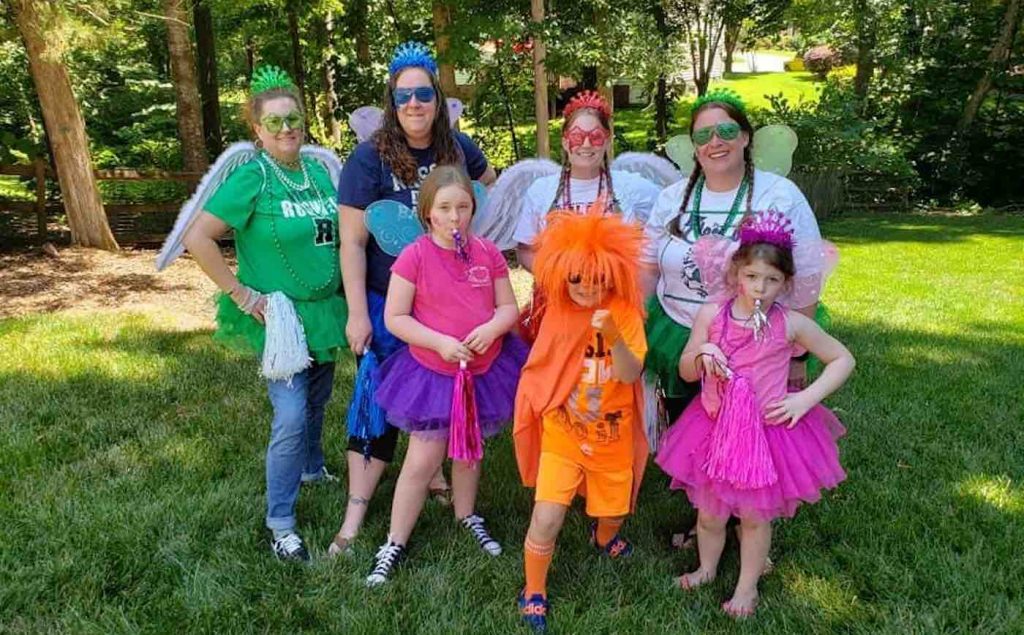
The fairies collect the addresses of wine lovers in their communities and ask which varieties of wine they would prefer to receive. The members—dressed in wings, tutus, and magic wands—then tiptoe to people’s doors, place their gifts on the stoops, ring the bells, and run for cover.
“It’s all about bringing others happiness and making new relationships,” said 40-year-old Cara Rindell (pictured, above), who brought the movement to her home in Raleigh. “It starts off as a random act of kindness to a stranger and becomes a friendship with the neighbor you didn’t know you had.”
A Wine Fairy package – SWNS
Her North Carolina chapter of the group now touts over 51,000 members and has an additional 3,000 on the waiting list.
“It was supposed to be just the Raleigh area, but now we are in ten states, hoping to eventually launch into all 50 states,” said Rindell. “It is called the Sisterhood of the Traveling Wine, but the group is co-ed and it isn’t just about wine. We want to eventually include children all the way up to grandparents.”
Rindell is now expanding and creating alternative versions of this gift-giving group, including the “Brotherhood of Booze and Beer” and a nonalcoholic version for kids.
After the pandemic, she hopes to expand the idea to larger, in-person social gatherings.
SWNS
“Cruise lines are reaching out to me, about even having a cruise for the sisterhood,” said Rindell. “This group started during COVID, but it’s not going to stop after COVID. I think we always need to be spreading kindness and cheer.”
Spread The Good News Amongst Your Friends By Sharing This To Social Media…
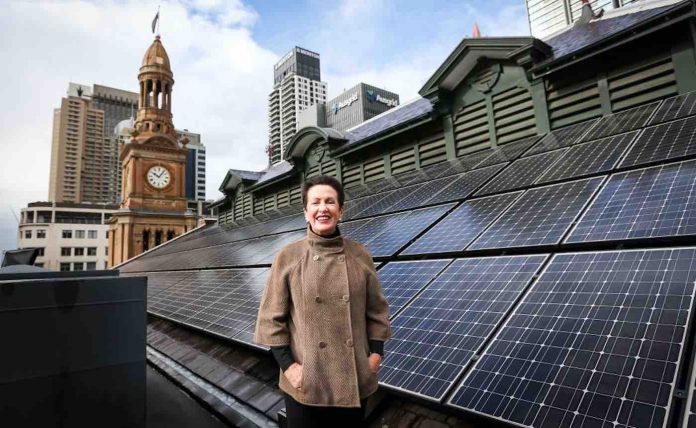
In the middle of Australia’s largest city the downtown business borough is now officially powered by 100% green energy thanks to the “largest standalone renewables agreement for an Australian council to date.”
The City of Sydney, which is home to a quarter-million people, has begun sourcing all of its energy from two solar farms and the largest wind farm in all of New South Wales.
The transition was facilitated through a power purchase agreement (PPA) with electricity retailer Flow Power. Although the historic deal costs AU$60 million, the initiative is expected to save AU$500,000 every year, according to Euronews.
The initiative is also expected to purge roughly 20,000 tons of CO2 from the city’s carbon footprint—roughly 70% of its total output—before 2024, which is several years earlier than its original goal.
“Cities are responsible for 70% of greenhouse gas emissions worldwide, so it is critical that we take effective and evidence-based climate actions,” said Sydney Mayor Clover Moore.
“The City of Sydney became carbon neutral in 2007, and were the first government in Australia to be certified carbon neutral in 2011,” she added. “This ground-breaking $60 million renewable electricity deal will also save our ratepayers money and support regional jobs in wind and solar farms in Glen Innes, Wagga Wagga, and the Shoalhaven.”
Seventy per cent of the world’s emissions are generated from cities, so the action city governments take is absolutely critical. https://t.co/fatMzgPATd





















 Super powers like x-ray vision, the strength of a locomotive, or the ability to fly may be uplifting in a Marvel movie, but what better skill could uplift a victim in the real world than bringing smiles to children who are desperately ill?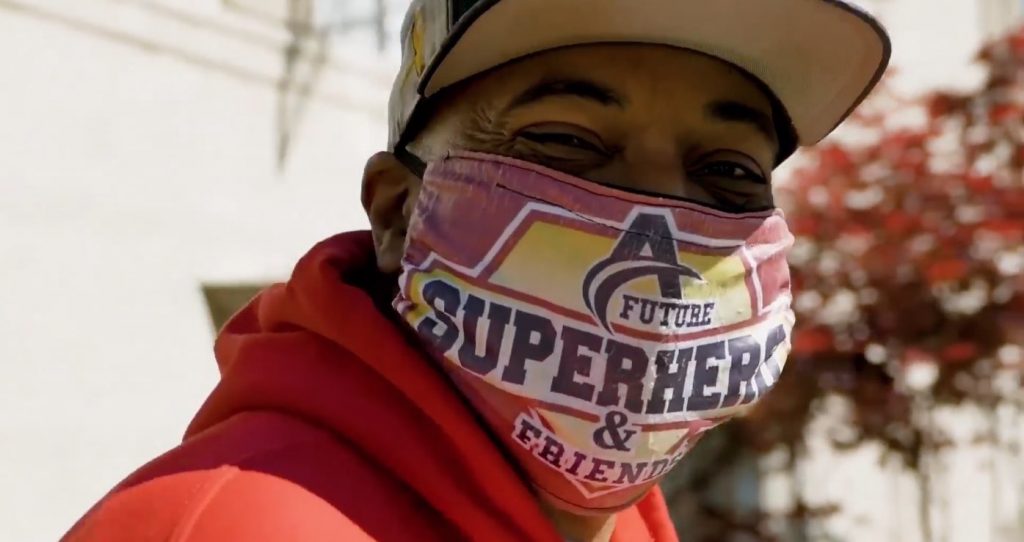


 An endearing new movement for neighborly kindness is putting a benevolent twist on the game of “Ding Dong Ditch-it.”