All News - Page 592 of 1733 - Good News Network
Home Blog Page 592

IKEA Publishes Meatball Recipe for Devoted Fans in Quarantine Pining After the Store’s Beloved Cafés

In addition to being renowned for their inclusivity, sustainable practices, philanthropy, and sheer genius for innovation, IKEA is also beloved for the Swedish meatballs served in their cafés.

So while the furniture chain may have temporarily shuttered its doors amidst the novel coronavirus outbreaks, they recently published a homemade meatball recipe for their devoted fans to try in quarantine.

Although it is not the same iconic meatball recipe that is used in their stores, it does employ an intricate cream sauce which IKEA management says is a worthy alternative to the original.

RELATED: Stalking Lions, Pandas, and Penguins During Your Social Distancing With These 10 Awesome Animal Livestreams

“We know that some people might be missing our meatballs, which is why we’ve released an at-home alternative which, using easily accessible ingredients, will help those looking for some inspiration in the kitchen,” said IKEA Country Food Manager Lorena Lourido in a statement.

The meatballs themselves calls for 500 grams (2 cups) of beef mince (or beef substitute), 250 grams (1 cup) of pork mince (or pork substitute), 1 onion, 1 clove of garlic, 1 egg, 100 grams (1/2 cup) of breadcrumbs, and 5 tablespoons of whole milk (or milk substitute).

The sauce, meanwhile, calls for oil, butter, plain flour, vegetable stock, beef stock, thick double cream, soy sauce, and Dijon mustard.

MORE: Great Things to Do at Home While Quarantined—Let’s Be Pandemic-Positive

Although there is some assembly to the recipe required, the IKEA UK social media pages says the recipe can serve four people—roughly 16 to 20 meatballs.

“Staying at home can be hard, but we want to help make everyone’s lives that little bit easier and more enjoyable,” concluded Lourido. “Bon appétit or, smaklig måltid, as we say in Sweden!”

This is just one of many positive stories and updates that are coming out of the COVID-19 news coverage this week. For more uplifting coverage on the outbreaks, click here—and if you end up making the meatball recipe, let us know how it goes in the comments below!

Serve Up The Positivity By Sharing The Good News With Your Friends On Social Media…

Antibodies Could Be ‘Radically Life-Changing’ New Treatment for OCD and Other Mental Disorders

File photo by PlusLexia, CC

Mental health conditions such as obsessive compulsive disorder (OCD) could be treated in a new way using drugs that target the immune system instead of the central nervous system, suggests exciting new research.

Scientists at Queen Mary University of London and the University of Roehampton, London, have discovered that patients suffering from OCD have increased levels of a protein called Immuno-moodulin (Imood) in their lymphocytes, a type of immune cell.

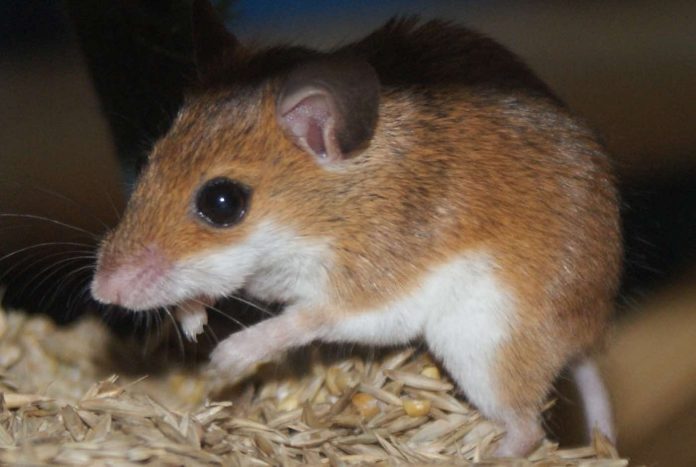
Mice with high levels of this protein were also found to exhibit behaviors that are characteristic of anxiety and stress, such as digging and excessive grooming.

When the researchers treated the mice with an antibody that neutralized Imood, the animals’ anxiety levels reduced.

RELATED: In a Revolutionary Medical Treatment, Man’s Lung Was Removed, Cleaned, and Replaced—No Transplant Necessary

The findings have led the researchers to file a patent application for the antibody and they are now working with a drug company to develop a potential treatment for human patients.

“There is mounting evidence that the immune system plays an important role in mental disorders,” said Professor Fulvio D’Acquisto, a professor of immunology at the University of Roehampton and honorary professor of Immunopharmacology at Queen Mary University of London, who led the research.

“And in fact, people with auto-immune diseases are known to have higher than average rates of mental health disorders such as anxiety, depression, and OCD. Our findings overturn a lot of the conventional thinking about mental health disorders being solely caused by the central nervous system.”

MORE: Potential Treatment for Lyme Disease Kills Bacteria That May Cause Lingering Symptoms, Study Finds

Professor D’Acquisto, whose findings are published in the journal Brain Behavior and Immunity, first identified Imood by chance while studying a different protein called Annexin-A1 and the role it plays in autoimmune diseases such as multiple sclerosis and lupus.

He had created transgenic mice to over-express this protein in their T-cells, one of the main cells responsible for the development of autoimmune diseases, but found the mice showed more anxiety than normal. When he and his team analyzed the genes expressed in the animals’ T-cells, they discovered one gene in particular was especially active. The protein produced from this gene was what they eventually named Immuno-moodulin, or Imood.

When the anxious mice were given an antibody that blocked Imood, their behavior returned to normal in a couple of days.

CHECK OUT: First-of-its-Kind Blood Test Can Detect Over 50 Kinds of Cancer—Often Before Symptoms Even Show

The researchers tested the immune cells from 23 patients with OCD and 20 healthy volunteers. They found Imood expression was around six times higher in the OCD patients.

Other recent research by scientists elsewhere have also found the same protein may also play a role in Attention-Deficit/Hyperactivity Disorder (ADHD).

Professor D’Acquisto believes Imood does not directly regulate brain functions in a classical way, for example by changing the levels of chemical signals in neurons. Instead, it may influence genes in brain cells that have been linked to mental disorders like OCD.

RELATED: Next Time You’re Feeling Particularly Stressed or Anxious, This Study Says You Should Play Tetris

“This is work we still have to do to understand the role of Imood,” he said. “We also want to do more work with larger samples of patients to see if we can replicate what we saw in the small number we looked at in our study.”

In the meantime, Professor D’Acquisto and his fellow researchers are working with the biopharmaceutical company UCB to develop antibodies against Imood that can be used in humans and to understand how this could be used to treat patients with mental disorders.

“It is early still, but the discovery of antibodies—instead of the classical chemical drugs—for the treatment of mental disorders could radically change the life of these patients as we foresee a reduced chance of side effects,” he said.

Reprinted from Queen Mary University of London

File photo by PlusLexia, CC

Treat Your Friends To The Trailblazing Discovery By Sharing It To Social Media…

These Shirts Are Being Made Out of Luxury Hotel Bed Sheets That Were Discarded for Minor Wear and Tear

Photo by Archivist
Photo by Archivist

While these white shirts may look like ordinary linens from a department store, they’re actually made from a common source of corporate waste: hotel bed sheets.

Sustainable clothing line Archivist is breathing new life into old retired hotel linens by turning them into comfortable work shirts and loungewear for men and women.

LOOK: Rather Than Plastic or Bird Feathers, These Winter Coats Are Filled With Wildflowers to Help Butterfly Habitats

Dutch entrepreneurs Eugenie Haitsma and Johannes Offerhaus launched the eco-friendly company after they felt inspired to investigate what happened to old hotel sheets.

They found at although the fabrics may be in near perfect condition, most hotel chains retire their bedding for minor holes and damages that can be very easily remedied or removed.

Photo by Archivist

Upon learning about the wasteful lifecycle of the bedding, Offerhaus and Haitsma managed to save 200 kilograms (440 pounds) of fine Egyptian cotton hotel bedsheets from ending up in a landfill so they could re-tailor it all into sustainably sourced clothing.

“This project started when we managed to get hold of 200 kilos of luxury hotel bed linen from one of the most exclusive hotels in London,” reads the Archivist website. “With the fabric as a starting point, we collaborate with a multidisciplinary team of creatives and garment technicians to create a radically disruptive home wear label.”

RELATED: Adidas Test to Sell Shoes Made of Ocean Plastic Was So Successful, They’re Going Even Further

The company is currently offering just four different shirt designs, but they say they hope to expand their line as their company develops.

The shirts, which are free to ship within the EU, are priced around €150 ($164) a pop—and although the price tag may be slightly above typical consumer budgets, the company is still setting an example for how other designers can source their materials more responsibly.

Photo by Archivist

Multiply The Good News By Sharing The Eco-Friendly Initiative With Your Friends On Social Media…

Principal’s Unique Homage Spurs Travelers to Help Pay Tribute to High School Seniors Without a Graduation

A Florida high school principal has gone above and beyond the call of duty to honor her graduating students amongst the novel coronavirus shutdowns.

Poplar Springs School Principal Farica West has been heartbroken over how her senior students have been forced to spend the remainder of their final high school year in self-isolation, all without getting to enjoy such events as a graduation ceremony or senior prom.

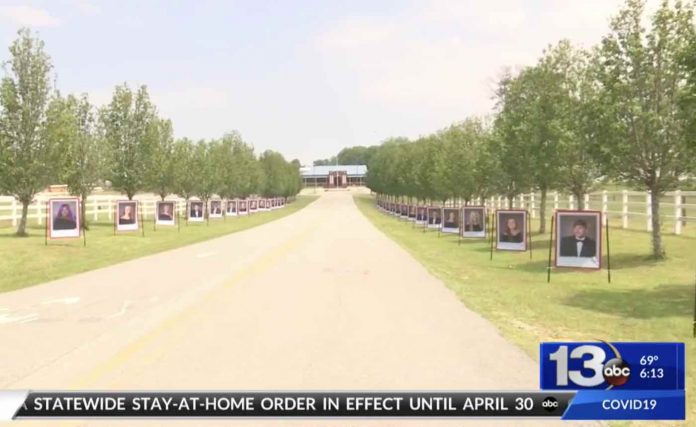
After brainstorming different ways she could spotlight her students, West contacted the school photographer responsible for taking all 30 senior portraits for the Class of 2020 yearbook.

LOOK: Swiss Village Has Been Projecting World Flags Onto One of Their Tallest Mountains in Solidarity of Pandemic

She then had all of of their portraits enlarged, printed out, and posted on both sides of the school’s road in Graceville. Now, the faces of the 30 graduating seniors can be seen smiling at the drivers passing by.

To West’s surprise, the initiative has been more successful than she ever would have dreamed.

“People who don’t even have students here, Georgia, Alabama, Mississippi… have driven over just to drive through and see and honor our students,” West told WMBB.

WATCH: 89-Year-Old Sews 600 Masks While Listening to The Beatles

The students have been particularly touched by the gesture as well.

“I pass by my school every day I go to work and every time I look out there, I just get to see the banners and everything else and just see our faces out there on the drive. So it is definitely something that gives you comfort,” one of the seniors told the news outlet.

This is just one of many positive stories and updates that are coming out of the COVID-19 news coverage this week. For more uplifting coverage on the outbreaks, click here.

(WATCH the news coverage below) – Feature photo by WMBB

Be Sure And Share This Inspiring Story Of Community Kindness With Your Friends On Social Media…

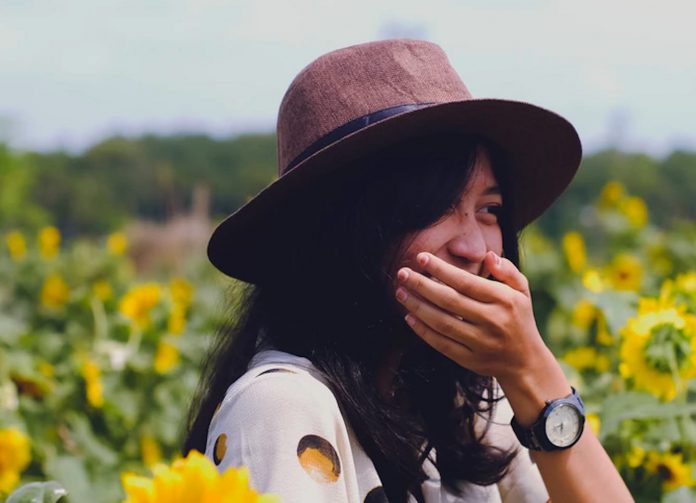
“Laugh as much as possible, always laugh. It’s the sweetest thing one can do for oneself & one’s fellow human beings.” – Maya Angelou

Quote of the Day: “Laugh as much as possible, always laugh. It’s the sweetest thing one can do for oneself & one’s fellow human beings.” – Maya Angelou

Photo: by Wesley Chan, CC license, cropped

With a new inspirational quote every day, atop the perfect photo—collected and archived on our Quote of the Day page—why not bookmark GNN.org for a daily uplift?

Bored in Quarantine, 15-Year-old Transforms Her Bedroom Wall into 8-Foot Climbing Structure

Erin Sloan climbing (not at home).


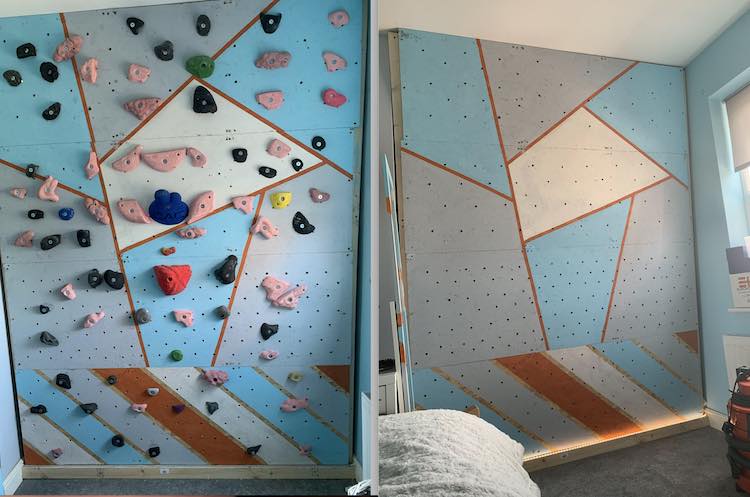
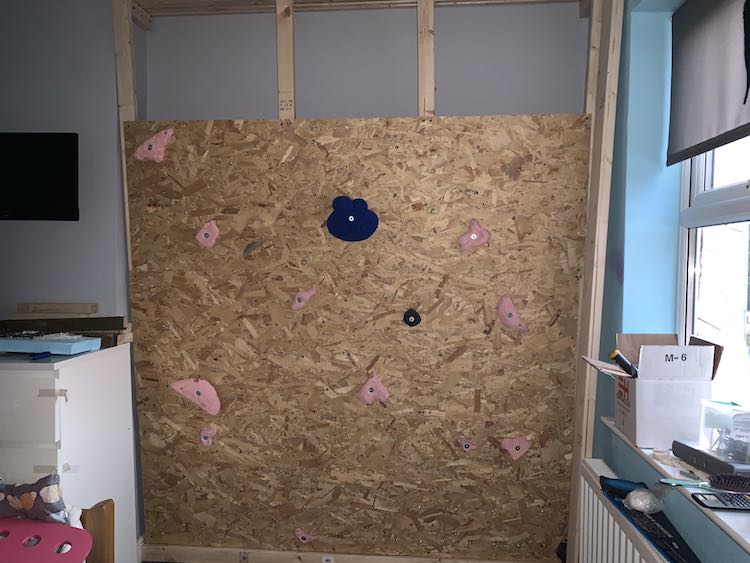
Rather than twiddle her thumbs in quarantine, this bored 15-year-old girl recently turned one of her bedroom walls into a proper 8-foot climbing wall—and it only took her one week.

Erin Sloan says she was inspired to build the structure after the North West Face Climbing Centre—which is where she has been climbing for the past four years and working as an instructor—was closed due to COVID-19.

Although Erin finished the project last week, she says that it could have been done in a single day if she had not been forced to wait for extra materials.

“I just shut my door, put my music in and started drilling. I was very proud when it was done,” said the teenager from Winsford, Cheshire. “The first thing I did was call my dad to tell him and show him pictures. He was really proud.

CHECK OUT: 16-Year-Old Has Been Using His Flying Lessons to Deliver Medical Supplies to Rural Hospitals Fighting COVID

“I showed it off to my friend who is also looking at building one who went ‘I can’t believe you have done it!’ I just said ‘Well I have so you’d better believe it!’

“I would not say there was anything too difficult, but I am not the tallest person, so getting the boards on with a major drill in your hands was not the easiest part—but I did it in the end!” she added. “Mum was not skeptical. She knew I could do it.”

Photo by SWNS

The driven teenager says that she hopes her talent for climbing will help to smash gender-stereotypes in the sport.

“I am a girl and climbing is not a female-dominated sport. That is something that drew me to do this,” said Erin.

She worked for roughly eight hours for the first two days of building, starting as early as 7AM. In addition to her dad gathering all the necessary supplies together, she said was also lucky enough to have been given some supplies from her boss before the climbing center closed.

RELATED: 17-Year-Old ‘Angel’ Cashier Picks Up $173 Grocery Bill for Senior Shopper Who Found Himself Short on Cash

“I wanted to do it as fast as I could to be training again. It had been about three weeks before I had gone onto a climbing board.

“I hadn’t had any major building experience. It is something I have always wanted to do, but maybe when I had my own place.

“For the base at the top and bottom, I had to seal in some wooden batons. I screwed those in and screwed the bottom board in so the wall could sit on something that was not my carpet,” she continued. “Then I got the board, painted the board and drilled the holes, put the metal things in the back, put the boards up and screwed into the wall.”

SWNS

When it was completed, Erin says her 9-year-old Labrador could not understand where he was.

“He walked into my room, saw my wall and thought he was in the wrong house,” Erin said.

Before the novel coronavirus outbreaks hit, she would train about 80 hours a week on and off the wall, with the off-wall training involving plenty of cardiovascular activities like running and cycling.

LOOK: Mom Has Been Bringing Joy to Neighbors By Drawing Amusing Chalk Cartoons on Her Sidewalk

“I am quite sad it is closed because the wall is a family. It is a home away from home. I spend more time at the climbing centre!” said Erin. “It is a big part of my life I am not able to go to. That is what made me do the wall. I could have a home away from a home.”

This is just one of many positive stories and updates that are coming out of the COVID-19 news coverage this week. For more uplifting coverage on the outbreaks, click here.

Erin Sloan climbing (not at home).

Build Up Some Positivity By Sharing This Inspiring Story With Your Friends On Social Media…

New York Governor Issues Order Allowing Couples to Be Legally Married Via Zoom

Since thousands of couples have been forced to cancel, postpone, or adapt their wedding plans during the COVID-19 outbreaks, Gov. Andrew Cuomo has made it easier for nuptials to tie the knot.

This weekend, the governor announced that New Yorkers will now be able to obtain marriage licenses remotely. Not only that, state clerks will be allowed to perform ceremonies over video conferences.

“There is now no excuse when the question comes up for marriage,” he told reporters during his daily press briefing on Saturday. “You can do it by Zoom.”


Since the novel coronavirus has forced marriage bureaus all over the country to temporarily close their doors, more and more couples have taken to video streaming platform Zoom to host their ceremonies.

Although the arrangement may not be ideal for every jilted bride and groom, the #ZoomWedding has become increasingly popular since the start of the outbreaks—and many couples seem to feel that the online ceremony was a perfect substitution for the real thing.

“It was amazing. It was absolutely amazing,” 26-year-old Sophie Austin told Metro about her recent Zoom wedding. “I think it really drew back the sparkliness and extra stuff of a wedding and made it really obvious what was important: the two of us saying the vows to each other.

“Even though we didn’t have everyone here, it made it more intimate and special,” she added.

RELATED: Sam’s Club is Offering ‘Hero Shopping Hours’ to Healthcare Workers Regardless of Memberships

Cuomo also announced during the same press conference that since New York has been placed under a statewide stay-at-home-order, hospital intubations and patient admissions have declined in addition to a drop in crowded emergency rooms.

The governor says that these encouraging numbers could be indicative of how the social restrictions may have successfully flattened the novel coronavirus curve and New York may finally be past its peak of new infections.

This is just one of many positive stories and updates that are coming out of the COVID-19 news coverage this week. For more uplifting coverage on the outbreaks, click here.

Multiply The Good By Sharing The Uplifting News With Your Friends On Social Media…

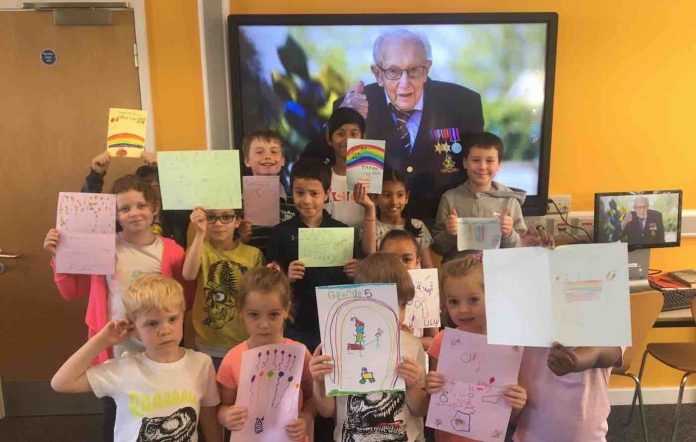
After WWII Vet Makes History By Raising $33 Million for NHS, People Are Calling for Him to Be Knighted


It has been a little over a week since Captain Tom Moore set out to raise £1,000 for healthcare workers by walking 100 lengths of his garden before his 100th birthday on April 30th.

The World War II veteran has since raised a jaw-dropping £27 million ($33.7 million)—and counting—for NHS Charities Together through his Just Giving crowdfunding page.

Moore, who began his walks last Monday on April 6th, initially set a fundraising target of £1,000 for NHS Charities Together with the sole expectation of garnering support from his village of Marston Moretaine, Bedfordshire.

RELATED: 17-Year-Old ‘Angel’ Cashier Picks Up $173 Grocery Bill for Senior Shopper Who Found Himself Short on Cash

After hitting international headlines last week, however, Moore’s campaign quickly surged past its original target, making it the single largest individual fundraiser in the history of the UK.

His newfound fame has resulted in hundreds of thousands of new social media followers; a musical single which has gone to number one on the UK’s most popular iTunes chart; and a number of shoutouts from international celebrities praising him for his work, including a video message from the Duke and Duchess of Cambridge.


Over the course of just six days, more than 866,000 people have also signed a petition calling for Captain Tom to be knighted.

When 9 News reporters asked Captain Tom about the initiative, he simply chuckled and said: “Sir Thomas Moore—that sounds good, but I wouldn’t hold your breath.”

Regardless of Moore’s hesitations, a team of aircraft restorers are reportedly planning a Spitfire flyby for the senior’s 100th birthday.

This is just one of many positive stories and updates that are coming out of the COVID-19 news coverage this week. For more uplifting coverage on the outbreaks, click here.

(WATCH the news coverage below)

Multiply The Good News By Sharing It With Your Friends On Social Media…

Irreversible No Longer: Blind Mice See Again Thanks To New Method of Synthesizing Lost Cells

Reprinted with permission from World At Large, a news website which covers politics, nature, science, health, and travel. 

Age-related macular degeneration (MD) is a variety of ocular disease that affects so many millions of people, it’s downright characterized as nothing more than the process of aging.

In fact, the study of MD has proven itself to be so fruitful for understanding aging as a whole, MD has become one of the first places that scientists have looked to in order to attempt to repair the damage of aging and restoring youthful, or normal function.

Now in a new paper published in Nature, researchers demonstrate an alternative to stem cells by creating replacement photoreceptors from skin fibroblast cells via pharmacological-conversion—a process that promises to be cheaper, faster, and unburdened by ethical and legal restrictions.

Containing the genetic code for every protein we need to build and repair our cells, DNA can become damaged over time through the stresses of life. Similarly to how scratches or cracks in a CD prevent lasers from reading the information on the disk, damaged DNA becomes difficult, and even impossible for our RNA (which you could imagine as the laser inside the CD player) to read the genetic information contained therein.

WATCH: Blind Man Develops Smart Cane That Uses Google Maps and Sensors to Identify One’s Surroundings

“The photoreceptor is the neuron in the eye that turns on visual circuity in response to light which enables us to have vision,” says Sai Chavala, Ph.D. and author of the new paper.

The loss of photoreceptors can result in MD and other retinal diseases that lead to irreversible blindness. In this new study, however, cells called fibroblasts can be chemically reprogrammed to produce photoreceptor-like cells that are now shown to restore vision in mice.

Fibroblasts are cells that help maintain the structural integrity of connective tissues, and a reduction in fibroblast cell count leads to wrinkled skin.

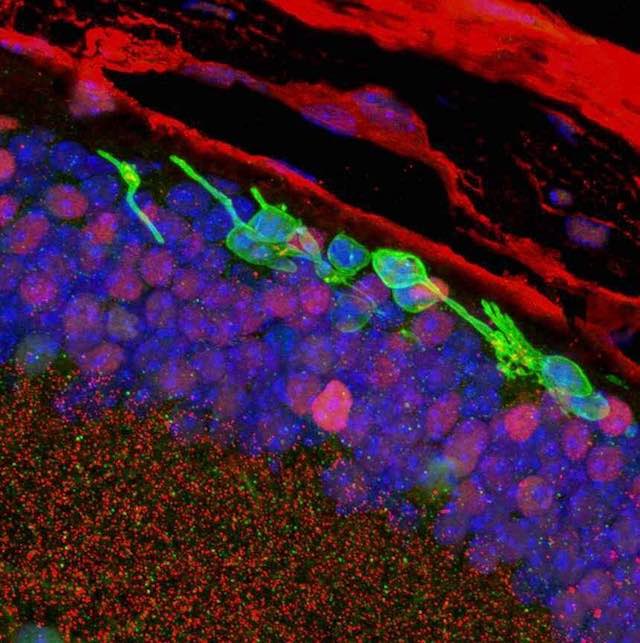
Histology cross-section of the retina. Transplanted CiPCs (green) survive in blind mice (rd1) 3 months after transplantation. (Photo by Sai Chavala)

14 Blind Mice

Sai Chavala and colleagues from the Center for Retina Innovation in Dallas, Texas, found a set of five compounds that can drive embryonic fibroblast cells to convert themselves into retinal, rod-like, photoreceptors in both mice and human cells.

Stem cell-based strategies are extremely exciting,” Dr. Chavala tells World at Large, but adds that generating these cells can be cumbersome and time-consuming. Describing his strategy of chemically reprogramming existing cells as a ‘breakthrough,’ Chavala added that the generation of the photoreceptors using his method requires “a fraction of the time”.

In the study, these converted photoreceptors were transplanted into the eyes of 14 blind mice to see if they would restore vision.

CHECK OUT: LEGO Unveils New Bricks That Will Help Teach Blind Children to Read Braille

Owing to their nature, mice with working vision prefer dark spaces, and so a test of whether or not the transplant was a success was fairly straight forward; create a bright space and a dark space and wait to see which one was preferred by the mice.

Six mice were found to not only have restored visual function and reflexes—notably in the pupil—but they also preferred to spend their time in the dark space. Chavala hypothesizes that it could have been down to how many of the chemically-reprogrammed cells survived the transplant into the retina that determined whether vision was restored in the mice or not.

What makes interventions like these—which involve creating brand new cells to replace the damaged ones—so effective and exciting in the field of aging is that they present an alternative to natural replication by bypassing the difficulties that our own cells have with trying to repair themselves from DNA that features double-strand breaks or other blemishes.

Reasons to be hopeful

Adding that these conversions of fibroblasts to photoreceptors has also been done in humans, Chavala detailed why he believes the treatments and future research to spring from this discovery are going to change the field of ophthalmology.

CHECK OUT: In ‘World First’ Blind People Have Their Vision Restored Thanks to Stem Cells From Deceased Organ Donors

“ We […] believe this can be a game changer in the field of regenerative ophthalmology. We also believe this is a platform technology and have already started establishing protocols to generate retinal ganglion cells valuable for patients suffering from glaucoma,” says Chavala.

In addition to bypassing the ethical and political restrictions and hiccups with using embryonic human stem cells, the process takes two weeks, costs less, and is more scalable than using stem cells.

WATCH: Hundreds of People Are Being Cured of Blindness Every Day With Cheap, Minutes-Long Surgery

“It is intriguing to postulate that the addition of other molecules or modifications to the culture conditions can yield other types of neurons beneficial for a variety of neurological diseases,” he adds, discussing possible alternatives to photoreceptor generation from fibroblasts.

Finally, Chavala is rapidly approaching human trials and hopes to have an FDA-approved treatment out the other end of the pipeline in 2-3 years, saying he is “thrilled” with the possibility of allowing millions of people to regain their lost vision.

It’s Not Hard To See That You Should Share This Good News With Your Friends On Social Media…

Hospitals Are Empowering Recovered COVID Patients By Playing Iconic ‘Rocky’ Theme as They Are Discharged

These Massachusetts hospitals are drawing inspiration from the beloved Rocky movies as a means of empowering their patients who have recovered from COVID-19.

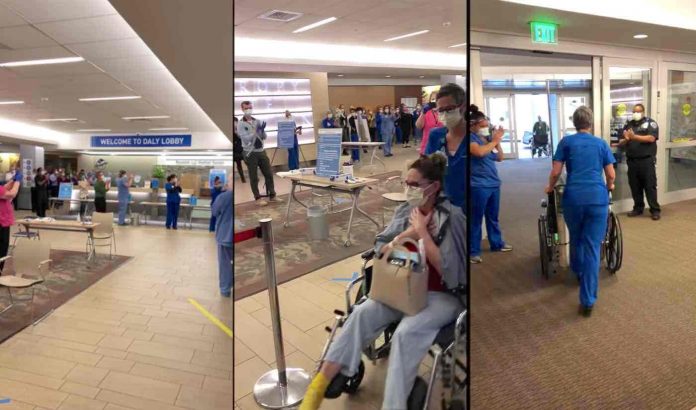
Whenever a patient has been successfully treated for the novel coronavirus and declared ready to leave the Baystate Medical Center in Springfield, healthcare workers have begun calling for a #CodeRocky over the hospital’s speaker system.

All available staffers can then gather together in the hospital hallways in order to offer a rousing round of applause to the patient as they are wheeled out of the building.

RELATED: Sam’s Club is Offering ‘Hero Shopping Hours’ to Healthcare Workers Regardless of Memberships

Not only that, the healthcare workers play the iconic theme song from the Rocky series for extra enthusiasm.

In a video that was uploaded to the hospital’s Facebook video last week, staffers captured the heartwarming moment that one of their patients was discharged through the #CodeRocky initiative—and although the theme song was reportedly playing over the speakers, it’s almost impossible to hear the triumphant music over the sound of the cheering and applause.


The #CodeRocky initiative has proven itself to be particularly encouraging to the healthcare workers fighting the virus, too.

“This is one of our ways to recognize the healing and recovery of patients with COVID-19,” wrote the hospital’s Facebook page. “As one of our employees said: ‘This is what my heart needed. Thank you Baystate healthcare workers for making a difference!’”

LOOK: Swiss Village Has Been Projecting World Flags Onto One of Their Tallest Mountains in Solidarity of Pandemic

The hospital administrators say that they are now implementing #CodeRocky across all four of their state locations for the duration of the COVID-19 crisis.

This is just one of many positive stories and updates that are coming out of the COVID-19 news coverage this week. For more uplifting coverage on the outbreaks, click here.

Be Sure And Share This Sweet Story With Your Friends On Social Media…

“At the height of laughter, the universe is flung into a kaleidoscope of new possibilities.” – Jean Houston

Quote of the Day: “At the height of laughter, the universe is flung into a kaleidoscope of new possibilities.” – Jean Houston

Photo: by Rian Adi, public domain, cropped

With a new inspirational quote every day, atop the perfect photo—collected and archived on our Quote of the Day page—why not bookmark GNN.org for a daily uplift?

89-Year-Old Sews 600 Masks While Listening to The Beatles – WATCH

Amy Szabo

This blog was submitted to GNN by one of our readers for publishing. If you have an interesting story of COVID-inspired kindness, be sure and send it to us for review.

Photo submitted to GNN by Amy Szabo

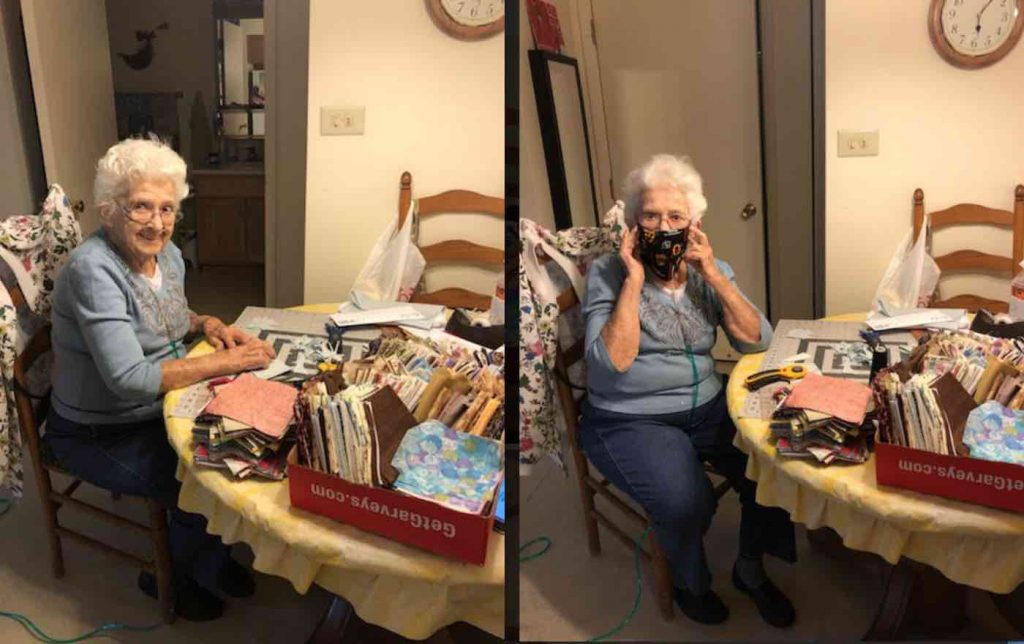
An 89-year-old grandmother who lives alone in Chicago, Illinois had been cooped up all day with her TV, computer games, and, of course, her sewing machine.

So when the world was put on lockdown, the first thing that crossed Grandma Terry’s mind was the safety of her family all over the country.

After grabbing all the fabric she could, Teresa Provo sewed a mask for every single one of her 50 family members and friends—and then mailed them all over Chicago, Wisconsin, Florida, Minnesota, and California.

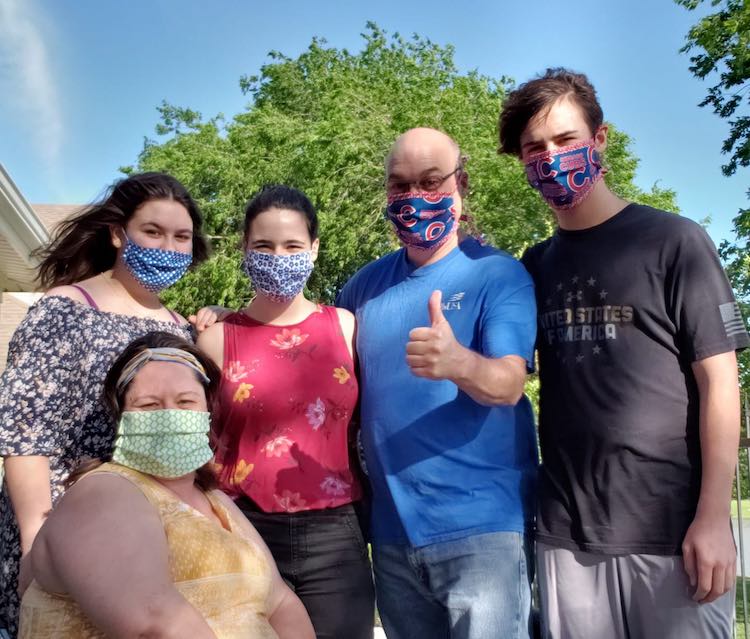
Each mask was personalized for each person using fabric featuring their favorite sports teams, like the Chicago Cubs or Blackhawks, and included handwritten notes of encouragement.

All the while, this elderly get-er-done force-of-nature was listening to The Beatles.

Szabo family relatives—Submitted to GNN by Amy Szabo

“She just likes the Beatles, cause who doesn’t!” her granddaughter, Amy Szabo, told GNN.

When the word got out that she was busy at work, her “Red Hat Club”, a group of elders who enjoy going to local performances and events, joined her to make more masks for the nursing home residents where Terry lives—over 600 masks.

“It took us two weeks, but we get ‘em done,” she says. “I’m still working on some.”

When Amy shot this video, probably the most appropriate Beatles song for the COVID crisis was playing.

WATCH the video below…

RAISE a Glass to Grandma Terry and SHARE This Sweet Story With Your Friends On Social Media…

This is just one of many positive stories and updates that are coming out of the COVID-19 news coverage this week. For more uplifting coverage on the outbreaks, click here.

10 Types of Apples Thought to Be Extinct From Pioneer Days Are Discovered in the Pacific Northwest

What do you have planned for your retirement? While enjoying your grandchildren or traveling across Italy might be some things you’re considering, we can not imagine that many of you would answer: “I’m going to scour the wilderness of America looking for abandoned and forgotten pioneer homesteads in the hope of discovering forgetting genetic strains of common crops”.

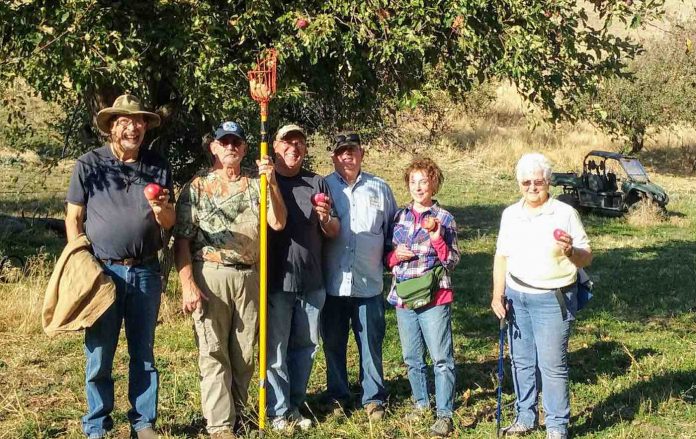
Well, this pair of retirees have been scouring the Pacific Northwest for abandoned pioneer-era fruit orchards, and have successfully discovered numerous lost species of apples.

During the autumn of 2019, EJ Brandt and David Benscoter—the Vietnam-veteran and former FBI agent who became amateur botanists for their nonprofit, the Lost Apple Project—made a remarkable discovery that was confirmed by the experts at Temperate Orchard Conservatory.

RELATED: After 13 Years of Social Distancing, Giant Pandas Finally Mate During Peaceful COVID-19 Zoo Closures

The apples they found growing in orchards around abandoned homesteads in Genesee, Idaho, led to the re-discovery of 10 forgotten varieties of apples that were believed to be extinct.

“It was just one heck of a season. It was almost unbelievable. If we had found one apple or two apples a year in the past, we thought we were doing good. But we were getting one after another after another,” EJ Brandt told the AP. “I don’t know how we’re going to keep up with that.”

Apple Sleuthing

Their apple sleuthing is worthy of a documentary, as it involves hunting lost orchards in the forests, mountains, and canyons relying only on newspaper clippings, old maps, county fair records and nursery sales ledgers that contain records of homesteaders purchasing trees to begin their orchards with. The ledgers often contain some information on the buyer, which can help triangulate a possible orchard location.

Whenever a suspected location is discovered, EJ and David trek by ATV, truck, and hiking shoe, to log hundreds of miles and countless hours over the course of a reconnaissance mission.

CHECK OUT: One Million ‘Wonder Plant’ Seedlings Are Planted in Wales to Fight Climate Crisis—and Create Healthy Seas

Once an apple orchard location is discovered, they will tag it with a GPS pin, ribbon the old apple trees, and bag whatever specimens they find to be shipped off to the experts at the Temperate Orchard Conservatory.

“The locations of old homestead orchards are surprisingly consistent. Settlers always planted their orchards in low spots like ravines or along a water source like a stream if they had access to one,” Brandt wrote on Facebook.

“When I find an apple that’s lost, I want to know who homesteaded it, when they were there, who their children were, when they took their last drink of water,” Brandt said. “We cannot afford to lose the name of even one of these landowners.”

Olden Delicious

Even if you threw your children in the back of your car and went on a cross-county search to catalogue the number of species of apples you could find at local supermarkets, you might not manage more than 10 of the 4,500 named varieties that exist in the country today.

Even that number, as shocking as it is, can’t compare to the 17,000 individual apple varieties that spread across the length and breadth of North America during the heyday of homesteading.

WATCH: Couple Buys Up Acres Around Indian Tiger Reserve For Reforesting So Big Cats Can Roam

The Lost Apple Project believes that many hundreds of these varieties were planted by settlers, and the experts use old botany textbooks and watercolor illustrations of apples made by the Department of Agriculture in the 1800s to confirm the varieties’ identities.

In this way the Temperate Orchard Conservatory has confirmed 23 species of apples re-discovered by EJ and David. Among these are the ancient Turkish apple called Sary Sinap, the Streaked Pippen which may be pre-Declaration of Independence, and the Buttersweet which emerged in Pennsylvania in 1901.

One apple which seemed to be called the Gold Ridge was difficult to nail down due to a lack of documentation or illustrations of it in public and private records. According to one AP report, botanist Joanie Cooper went “page by page” through a 100-year-old botanical reference book written by a botanist who died in 1912 before finally finding a report of the illusive juicy orb.

From Hunting to Horticulture

Lost Apple Project has several function, and now that the hunting season is over, the nonprofit looks to continue its reintroduction efforts in regional markets—raising awareness of the value of lost apples.

When a recent airport expansion was set to wipe out an orchard, a relocation project was launched by Washington State University, which Lost Apple Project supported by volunteering to help graft 100 trees. They placed existing apple wood cuttings onto generic root stalks to create apple orchard seedlings, including several of their own rediscovered species, to be planted in a preserved portion known as heritage orchards.

MORE: The Guys Who Sell Ocean Plastic Bracelets Are Closing in on 8 Million Pounds of Waste Pulled From the Sea

On a post at Lost Apple Project’s Facebook page, EJ and David say that there could be as many as 300 varieties in the orchard when the project is finished, and the first 50 should be ready by June.

WSU, which spends a lot of time thinking about Washington State apples, recently made headlines by producing the first new apple to be introduced there in more than a century (the Cosmic Crisp)—despite being the apple capital of the United States, and one of the world’s leading apple producing regions.

According to USA today, scientists at WSU’s Tree Fruit Research Center in Wenatchee spent 20 years breeding and tinkering around to get the desired apple tree seeds.

CHECK OUT: Dutch Guy Famous for Cleaning Up Pacific Garbage Patch is Now Clearing the World’s Rivers Too

Support Them During COVID Shutdown

Lost Apple Project had to cancel their largest fundraiser event of the year—a fair where they sell their time-lost apples, as well as grafts, and hosting classes teaching people how to graft apple trees—due to coronavirus outbreaks in the state. However, EJ Brandt takes this time when he isn’t sure how the nonprofit will pay its bills to imagine the difficulties faced by the pioneers whose legacy is preserved by his work.

25% of homesteads didn’t make it, according to Brandt, with many settlers succumbing to starvation, predators, or other hazards.

“It was a hard life. I can’t even imagine what they went through, but they survived and they went on with their lives,” he said. “It’s hard now, too, but it’s going to be OK. It’s all a part of life.”

Support the Lost Apple Project by sending a check to: WCHS (Whitman County Historical Society) attn Lost Apple Project, PO Box 67, Colfax, WA 99111

Multiply The Good News By Sharing It With Your Friends On Social Media…

Dogs Are Joining the Fight Against COVID-19 By Learning to Sniff Out the Virus

Photo by Medical Detection Dogs

For years, dogs have been helping to keep humans safe by sniffing out narcotics, improvised explosive devices, pests, natural disasters, cancer, Parkinson’s disease, and now—yes, you guessed it—the novel coronavirus.

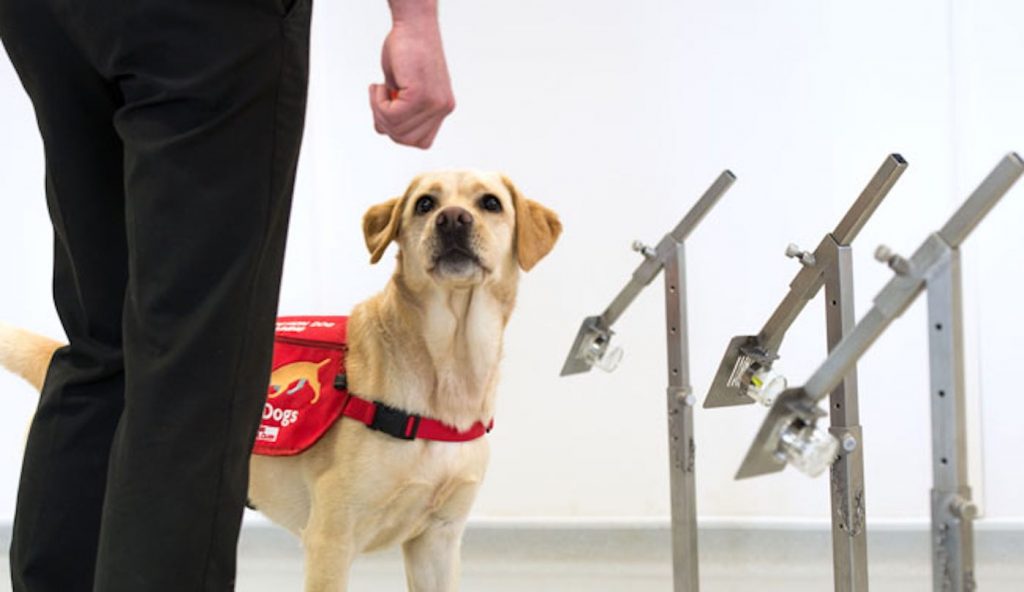
A medical charity in England that has successfully trained dogs to detect malaria is now attempting to train man’s best friend to identify the smell of COVID-19.

The charity, called Medical Detection Dogs, is partnering with the Tropical Medicine and Hygiene School in London along with Durham University to begin trialing dogs for the job. Dr. Claire Guest, a behavioral psychologist and principal member of the charity told CTV News that there is “absolutely no reason why a dog can’t detect the virus.”

Describing its approach as “rigorously scientific,” Medical Detection Dogs has produced more than a dozen peer-reviewed papers during their work training dogs to smell and detect cancer, Parkinson’s disease, and most recently malaria, the people behind which have reunited to give COVID a shot.

CHECK OUT: 99-Year-Old WWII Veteran Raises $3.3 Million for Hospital Workers Simply By Walking Laps of His Garden

“The aim is that dogs will be able to screen anyone, including those who are asymptomatic and tell us whether they need to be tested.  This would be fast, effective and non-invasive and make sure the limited NHS testing resources are only used where they are really needed,” writes Guest on the Medical Detection Dogs website.

“We know that other respiratory diseases like COVID-19, change our body odor so there is a very high chance that dogs will be able to detect it. This new diagnostic tool could revolutionize our response to COVID-19 in the short term, but particularly in the months to come, and could be profoundly impactful.”

Photo by Medical Detection Dogs

MORE: Teens Launch Hotline for Isolated Seniors to Listen to Pre-Recorded Jokes, Stories, and Messages of Hope

According to CTV News, who 4 years ago covered the enterprising Kiwi—a Golden Retriever being trained to sniff out disease—Medical Detection Dogs has previously worked with prostate cancer and the detection rate was catalogued at as high as 80%.

Professor Steve Lindsay at Durham University says: “If the research is successful, we could use COVID-19 detection dogs at airports at the end of the epidemic to rapidly identify people carrying the virus. This would help prevent the re-emergence of the disease after we have brought the present epidemic under control.”

This is just one of many positive stories and updates that are coming out of the COVID-19 news coverage this week. For more uplifting coverage on the outbreaks, click here.

Multiply The Good By Sharing The Pawesome News With Your Friends On Social Media…

“When humor goes, there goes civilization.” – Erma Bombeck

Quote of the Day: “When humor goes, there goes civilization.” – Erma Bombeck

Photo: public domain, cropped

With a new inspirational quote every day, atop the perfect photo—collected and archived on our Quote of the Day page—why not bookmark GNN.org for a daily uplift?

Musician Uses Truck Bed to Play Drive-By Concerts for Friends in Quarantine – and the Video is Incredibly Heartwarming

This blog was submitted to GNN by one of our readers for publishing. If you have a similar story of COVID-inspired kindness, be sure and send it to us for review.

Last week, Tanner Howe and his family got tired of sitting at the house and looking at each other, so they decided to put together a surprise show for a couple of close friends and family members.

Since Howe is a singer-songwriter from Huntington Beach, California, he and his family put together a list of songs, decorated the truck, and brought cameras to record the reactions—all while making sure to maintain a safe social distance and wear masks.

ALSO: After 99-Year-old Expresses Wish to Meet a Penguin, Her Entire Nursing Home is Delighted By a Surprise Visit

Initially, they were only planning to visit their grandparents in Long Beach and three other family members and friends in the Orange County area—but then they decided to stop and play for their neighbors along the way, hoping that it would brighten their day in self-isolation.

Needless to say, it surely did, and the results are incredibly heartwarming.

(WATCH the music video below)

Be Sure And Share This Sweet Story Of Social Distancing With Your Friends On Social Media…

More Than 20,000 WiFi Devices Are Being Donated to Hospitals So Patients Can Talk With Family in Quarantine

Challenging times are made more challenging without the support of friends and family—and for COVID patients isolated in the hospital, visited only occasionally by doctors and nurses, the challenge is even greater still.

That’s why grassroots nonprofit COVID Tech Connect (CTC) is asking tech manufacturers to donate WiFi-enabled devices for hospital patients to video chat with their loved ones while they undergo medical treatment. Their goal is to collect 20,000 donated devices.

On their website, CTC explain that hospitals are no longer admitting family members or friends due to heightened demand on services and the risks of spreading the disease.

CTC came about after Sara Rodell, CEO of technology logistics company Loop and Tie, heard that people in the New York Nurses Union where trying to organize donations of smart devices so that family members could stay in touch with their loved ones during the chaos of the COVID-19 outbreaks.

RELATED: Sam’s Club is Offering ‘Hero Shopping Hours’ to Healthcare Workers Regardless of Memberships

Rodell was so touched by the thought, she reached out to a team of female executives with decades of combined experience in logistics and technology solutions to help her makes sure the nurse’s union got what they were looking for.

She also organized the infrastructure of her own company, headquartered over 1,000 miles away in Texas, to help receive donations, distribute orders of devices to hospitals, and manage the shipping and handling.

“We have over 3,000 devices committed and more conversations are underway to get us to that goal,” Rodell told Good News Network. “We’ve received some great responses from partners willing to donate devices, including Microsoft, PCS Wireless and Presto with more announcements coming soon.”

CHECK OUT: Teens Launch Hotline for Isolated Seniors to Listen to Pre-Recorded Jokes, Stories, and Messages of Hope

Despite how the CTC’s GoFundMe campaign was launched only ten days ago, the grassroots movement has already raised over $100,000 dollars and is making a real difference in people’s lives—which has actually included giving some individuals an opportunity that would have been beyond tragic if lost: the opportunity for patients and loved ones to share a final goodbye.

People looking to donate money or devices to COVID Tech Connect can visit their website for the relevant links.

This is just one of many positive stories and updates that are coming out of the COVID-19 news coverage this week. For more uplifting coverage on the outbreaks, click here.

–Photo by Andy Bullock, CC license

Multiply The Good News By Sharing It With Your Friends On Social Media…

UC Berkeley is Offering Up Their Popular ‘Science of Happiness’ Course for Free Online

What does it mean to be happy?

While these 7 words have aroused philosophers for centuries—like so many things in life—there’s an ancient aspect to this question, but a modern scientific answer.

And what science says in response to “what does it mean to be happy” is rooted in decades of psychological research—all of which you can now learn about for free through the online “Science of Happiness” course available through the UC Berkeley website ad gratis.

Written and led by UC Berkeley professors of psychology Dacher Keltner and Emiliana Simon-Thomas, the course explores the fundamentals of a happy and meaningful life through established and avant-garde research into the nature of happiness.

MORE: Keep Your Eyes in Good Shape With These 4 Simple Ocular Stretches for Computer Users

Launched in 2014, “The Science of Happiness” features compelling video lectures, distinguished guests, actionable happiness exercises, and reading materials in one happy package along with a week-by-week emotional “check in” which can help participants to observe their progress.

According to the Greater Good Science Center, the organizers and producers of the course, previous participants have reported their positive feelings went up the longer they stayed with the course.

“… [120,000] students from around the world—representing 208 countries in total—watched a carefully crafted series of videos of myself and Dacher Keltner covering the science of connection, compassion, gratitude, mindfulness, and more,” writes Simon-Thomas on the GGSC website.

RELATED: Stressed? This Study Says You Simply Need a 20-Minute ‘Nature Pill’

“Key insights that arise from this work, taking multiple methods and perspectives into account, is that happiness hinges upon the strength and authenticity of a person’s social connections, their aptitude for human kindness, and their constructive role in meaningful community,” she adds.

“Spreading this message is key to the mission of the Greater Good Science Center.”

Similar to “The Science of Happiness”, Yale is also offering their most popular course, “Psych 157: Psychology and the Good Life”, for free through the online college platform Coursera.

CHECK OUT: Great Things to Do at Home While Quarantined—Let’s Be Pandemic-Positive

Psychology and cognitive science professor Laurie Santos teaches the modified 6-week course which starts by revealing “misconceptions we have about happiness and the annoying features of the mind that lead us to think the way we do.”

The second half of the course focuses on activities that have been proven to increase happiness along with strategies to build better habits.

Sign Me Up

Since “The Science of Happiness” is hosted on an edX.com platform, you must first make an account with them before registering for the course. After that, the UC Berkeley website says: “Please note this course can be taken for free; simply choose “Audit This Course” to register at no charge. You will have 10 weeks from date of registration to complete the course. After that time, course materials will no longer be available for you. In addition, Audit learners do not see sections of the course that allow learners to earn credit (e.g. Problem Sets or Exams).”

Similarly, participants must make an account with Coursera in order to access Psychology and the Good Life.

LOOK: Boy Was Inspired to Become Youngest Yogi in US After Seeing How Yoga Healed His Mom After Chemo

Lasting 11 weeks, and spanning about 4-5 hours of coursework for per week, the content will be posted every Tuesday on which participants will receive emails regarding what is available and when.

For those who work in counseling, or are simply an enterprising homeschooling parent, Dacher and Emiliana also offer a facilitator’s guide to transform the course into one fit for a classroom, study group, or any size gathering.

The guide offers help on the most common student questions, how to address topics in a group setting, as well as group happiness and mindfulness exercises.

(WATCH the Science of Happiness teaser video below)

Be Sure And Share This Handy Tool For Happiness With Your Friends On Social Media…

For the First Time in 240 Years, White-Tailed Eagles Spotted Flying Over England

White-tailed eagle – Photo by Emma Thurlow / Roy Dennis Wildlife Foundation

Eagles had been nearly hunted to extinction throughout England, Ireland, Scotland, and Wales—but researchers are saying they are now making a triumphant return.

In Ireland’s majestic Glenveagh National Park, golden eagles had disappeared until 2001 when—with the help of the Golden Eagle Trust—birds collected from eyries in Scotland were released into the park, which now boasts a stable population of the majestic birds.

In England, white-tailed eagles had become extinct on the coasts and cliffs of Great Britain. Also known as sea eagles, they are one of the largest eagle species on Earth.

Now, 240 years after the last sighting, a mature white-tailed eagle was confirmed soaring in the wild high over the North York Moors. This is the direct result of several eaglets that were released onto the cliff sides on the Isle of Wight.

RELATED: After 13 Years of Social Distancing, Giant Pandas Finally Mate During Peaceful COVID-19 Zoo Closures

Also collected under a Scottish National Heritage license from the same populations that Glenveagh drew from, the sea eagle project is part of a 5-year strategy managed by the Roy Dennis Wildlife Foundation and Forestry England to bring eagles back.

A team of experts and dedicated volunteers insured the birds were happy and healthy all the way to adulthood when they were released back along the wilds of the south coast, where the team has worked to provide feeding stations that would encourage the majestic birds to make that area home, rather than journey into human civilization and risk the danger of being struck by a windmill, glass building, or some other hazard.

White-tailed eagle (Photo by Emma Thurlow / Roy Dennis Wildlife Foundation)

Roy Dennis, the man behind the plan said:

“I have spent much of my life working on the reintroduction of these amazing birds and so watching them take to the skies of the Isle of Wight has been a truly special moment. Establishing a population of white-tailed eagles in the south of England will link and support emerging populations of these birds in the Netherlands, France and Ireland, with the aim of restoring the species to the southern half of Europe. The team is pleased that the project fulfills one of the specific aims of the Government’s 25 year Environment Plan.”

CHECK OUT: Watch the Thundering Return of Bighorn Sheep to Nevada Land They Haven’t Roamed for 100 Years

Due to its central position, the Isle of Wight is the perfect habitat for these birds’ reintroduction into the English coastline, as they have ample opportunity to spread out along for tens miles of coastland both east and west. The cliffs are secluded and predator-free environments for chicks to grow up in, and the surrounding sea provides ample sources of food, like grey mullet.

On the Roy Dennis Wildlife Foundation website, Roy blogs semi-regularly about the wanderings of the eagles around the country, tracking them via radio-transmitters on their legs. After a sedentary winter, one of the eagles flew from Oxfordshire to North York Moors National Park, a distance of 200 miles in 15 days.

Set the Eagles Free By Sharing It With Your Friends On Social Media…
“It’s amazing how a little tomorrow can make up for a whole lot of yesterday.” – John Guare

Quote of the Day: “It’s amazing how a little tomorrow can make up for a whole lot of yesterday.” – John Guare

Photo: by Savitri wendt, public domain, cropped

With a new inspirational quote every day, atop the perfect photo—collected and archived on our Quote of the Day page—why not bookmark GNN.org for a daily uplift?