














100 years ago today, the great American television personality Andy Griffith was born in North Carolina. He is fondly remembered today for 9-year productions The Andy Griffith Show, and as the folksy defense attorney Ben Matlock in Matlock. He was also a Tony Award nominee on two separate occasions, and the star of Elia Kazan’s A Face in the Crowd, which “stunned” moviegoers with his then-unknown talent. READ more about this great southern actor… (1926)
Grieving Mother Finds 3-Carat Gem at Crater of Diamonds State Park After Son and Father Die
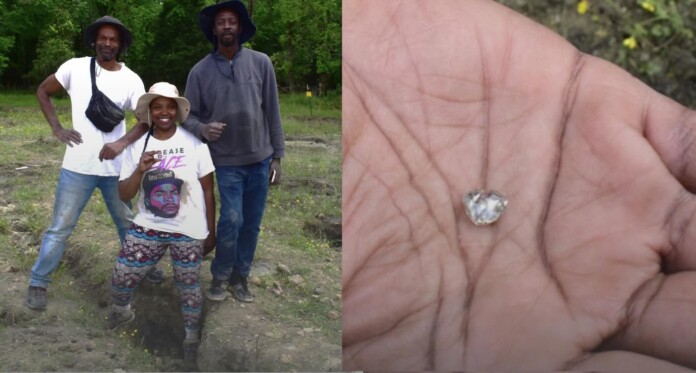
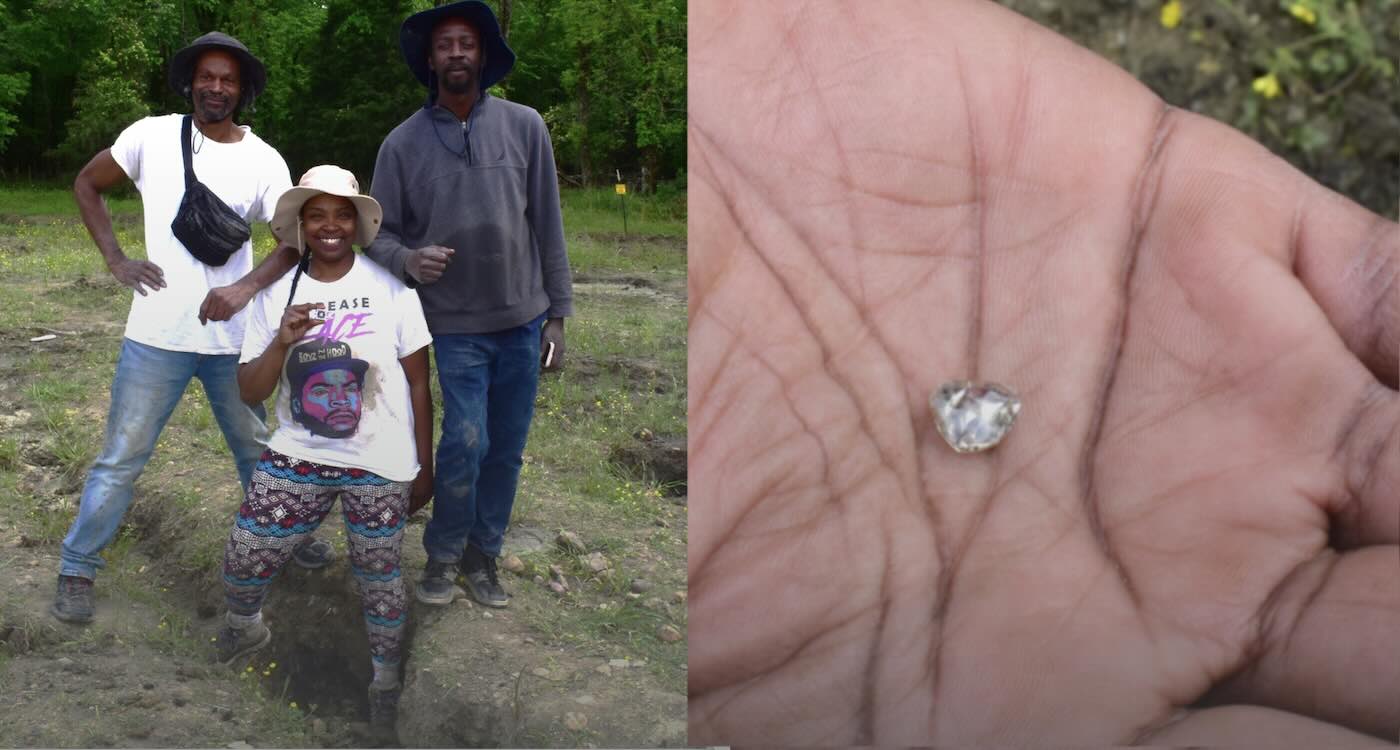
A grieving mother discovered a 3.09-carat white gem at Crater of Diamonds State Park, catching a wave of emotional release and hope following a year of personal loss.
Keshia Smith planned the trip to Arkansas a year ago, joining her boyfriend and brother on the journey from Pennsylvania.
Little did she know she’d be healing from the loss of her son six months ago and would have just buried her father the week before departing.
“I really needed this,” she told KAIT-TV. “I just can’t believe it actually happened!”
While digging in the dirt, she spotted a heart-shaped shiny stone—a stunning white diamond—and park officials said her discovery was “meant to be.”
“To me it looks like a heart. That’s the first thing I saw when I found it.”
She named it the Za’Novia Liberty Diamond, honoring her grandchildren and the significance of America’s 250th year.
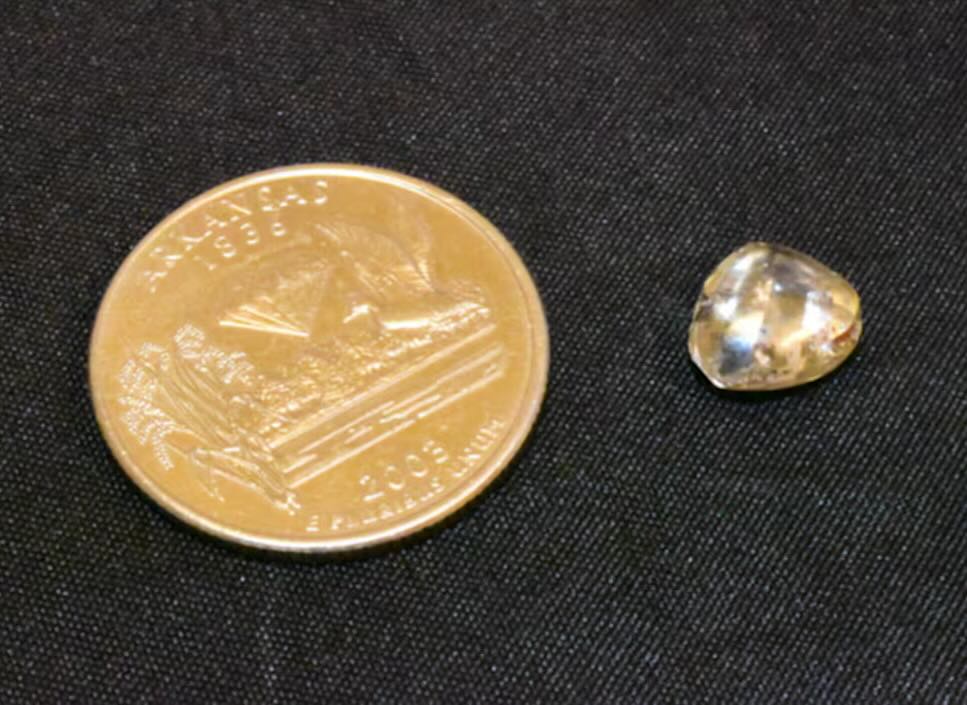
“Moments like this remind us why Crater of Diamonds State Park is such a special place,” Park officials wrote on its Facebook page.
Some Facebook commenters claimed it was a fake find, because it looked so polished. The confusion stems from a basic misunderstanding of how diamonds from the Arkansas State Park naturally look when they come out of the ground.
Despite online skepticism, diamonds from the Arkansas volcanic pipe naturally feature smooth, rounded edges and a distinctively high, metallic-like surface shine. Their “adamantine luster” refers to the stone’s inherent ability to reflect light intensely before it is ever touched by human tools.
And, because diamonds are completely non-porous and do not stick to surrounding clay or dirt, they often emerge from the soil looking perfectly clean, flat, and glass-like.
The general public is used to seeing rough quartz or diamonds from deep-shaft African commercial mines, which often look like frosted, milky shards of ice. Park staff verified the gem at the Diamond Discovery Center, confirming its natural authenticity and its weight of exactly 3.09 carats.
LOOK AT THESE, TOO:
• Indebted Indian Laborer Finds Life-Changing $100,000 Diamond
• Man Finds Largest Colorless Diamond in Arkansas State Park’s Modern History
The lucky find on April 22 was the second-largest rock pulled out this year at the southern US site.
INVITE FRIENDS TO GO GEM HUNTING After You Share This on Social Media…
Britain’s First Furniture Orchard Grows Chairs Right on the Trees (WATCH)
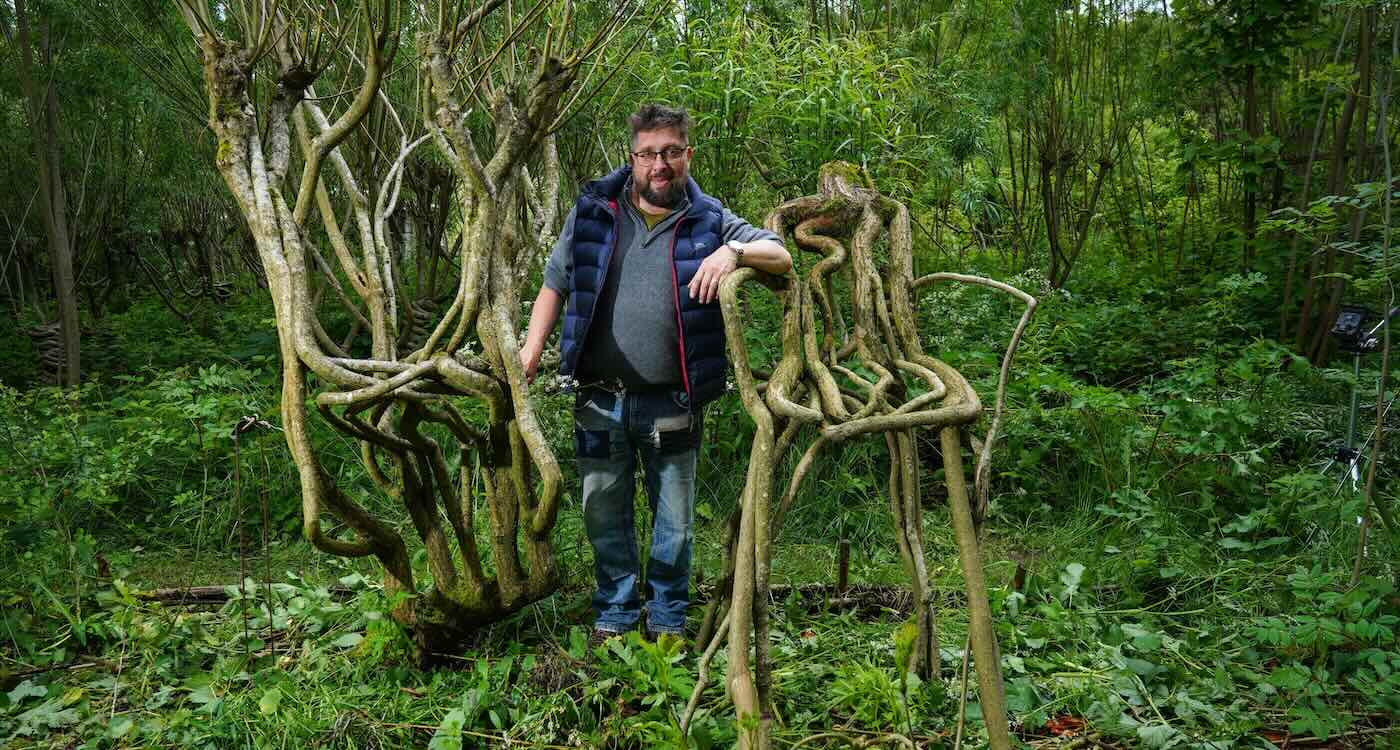
A British couple has spent 20 years perfecting the practice of sculpting trees to grow into the shapes of ready-made seats designed with living branches.
Alice and Gavin Munro began creating the ‘furniture orchard’ on a two-acre English farm in 2006, but the harvesting typically takes between 6-9 years per chair.
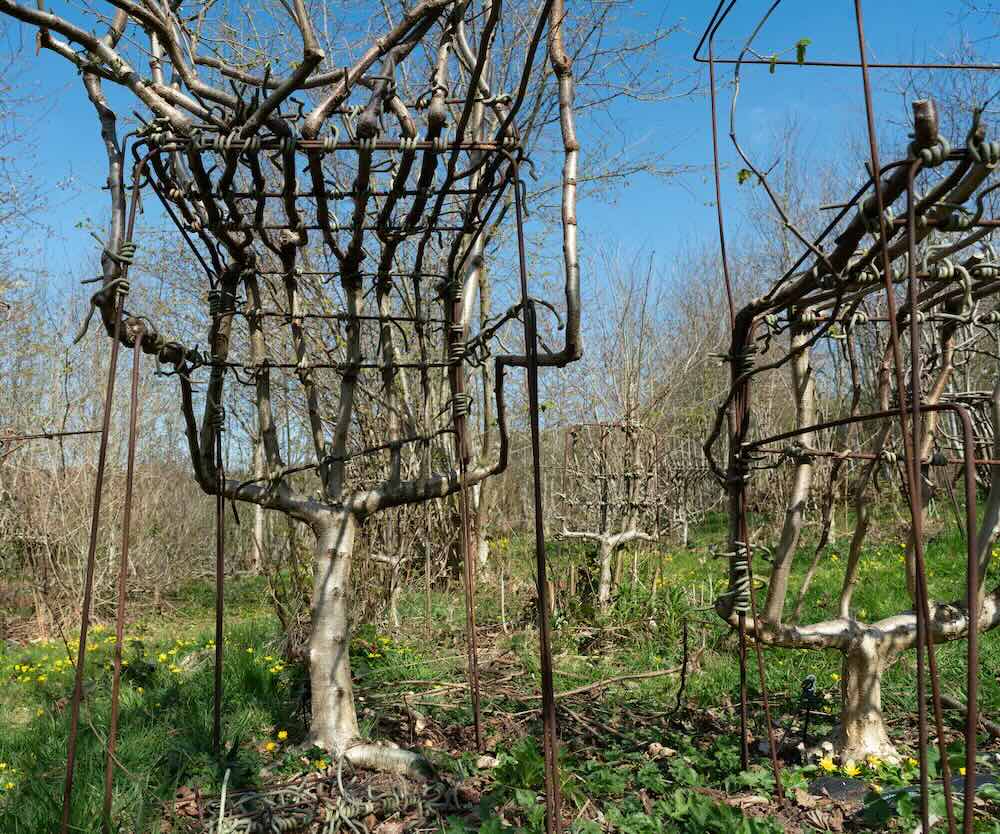
The process involves pruning young tree branches as they grow over a special metal frame to form the shape.
Each item is dried for a year after being chopped, and are then sold to customers as artworks valued at tens of thousands of dollars.
The couple now wants to launch a program to help others grow their own. Not just chairs and benches, but lamps and tables, too.
“Since we started we’ve used all sorts of different types of trees,” said Gavin, who calls his business called Full Grown.
“Primarily we’ve shown pieces from willow, but we’ve tried apple, cherry, oak, ash, beech and hawthorn.”

His first experiments were growing the chairs upright, but they soon realized it would work better if they grew upside down. They’ve also moved on from the plastic mold around which the branches would grow. Now they use metal. (Watch the video below…)
Gavin came up with the ground-breaking idea while he was hospitalized as a child with a rare congenital condition that causes an abnormal fusion of two or more neck vertebrae. During months when he underwent several operations to straighten his spine, he had the idea while viewing the scenery from his hospital bed.
Gavin went on to study art and furniture design, before setting up his furniture business in 2006.
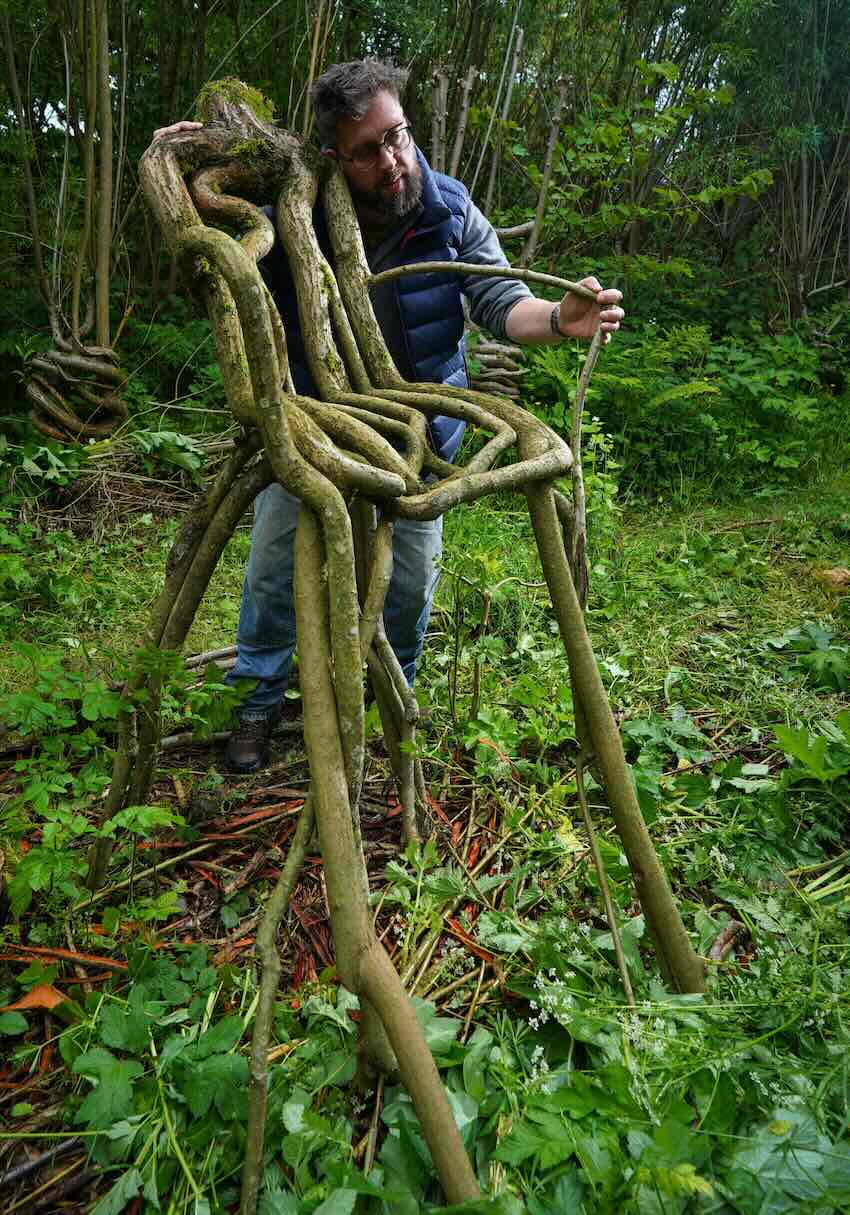
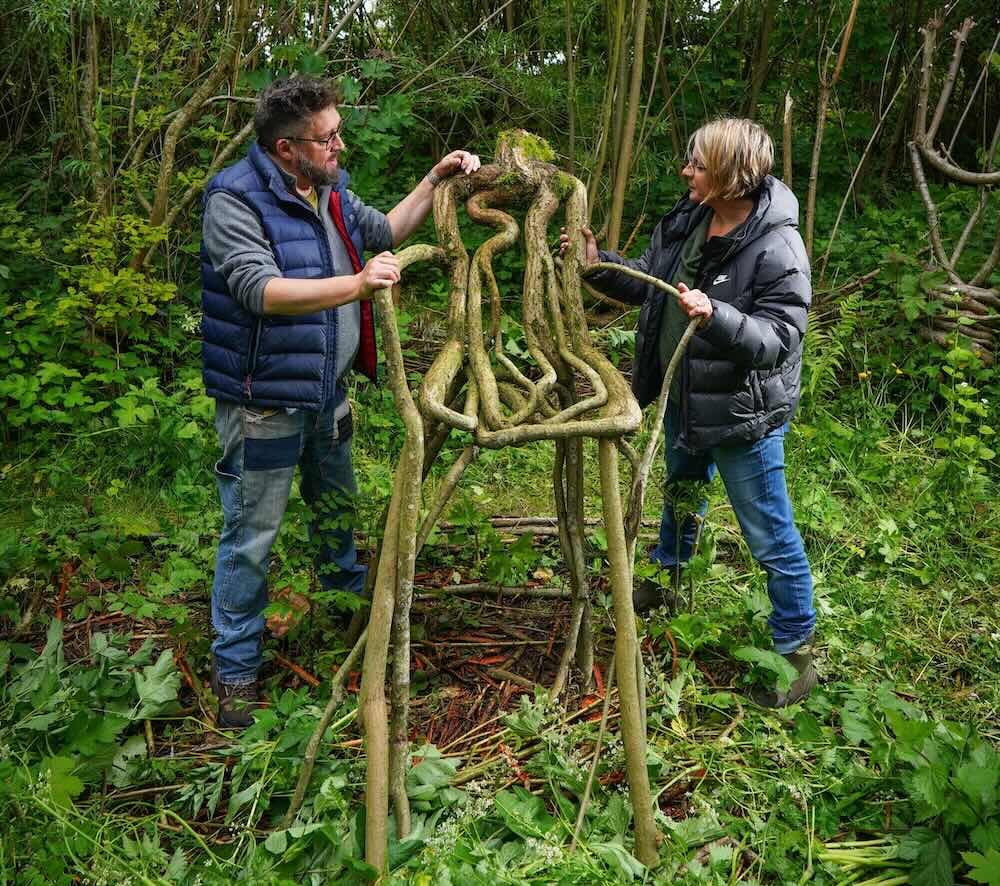
“This has all been my husband’s idea,” Alice told SWNS news. “He got the time to observe the woodland over many months and observe the creatures. His parents also had some overgrown bonsai and the silhouette looked like a throne.
“Then he was in California collecting driftwood on the beach—and he saw some sticks laid out together in what looked like a table. He thought, ‘how hard would it be to grow into that shape’.”
Gavin wanted to create useful, beautiful objects, and collaborate with nature, so he started to grow some chairs in a corner of a friend’s farm in 2006—and they still rent the orchard from them in Derbyshire, to this day.
“You’re basically taking a piece of bark from one branch and bringing them together, so they grow together.
“It’s absolutely bizarre to do. It’s like bonsai meets 3D printing.
“We use a frame, it’s sort of a long oblong nearly so it can stick and shape properly. When it’s been coppiced with the water shoots coming out there are specific times of the growth where it’s easier to bend.
“You’re effectively tying the branch to the frame with these garden ties.”
“We’ve tried growing a few different items of furniture, but we’re focusing on chairs—and a bench design which seems considerably easier.
“We experiment to help figure out how each species reacts to what we want to do.
“It might take another two decades to work out how to best share this knowledge.
The couple are now also setting up the Full Grown Academy to pass down the skills in the hope that more people will carry on the process.
They are selling the chairs as artworks which are “priced accordingly” and gallery owner Sarah Myerscough says they can be worth around £75,000 (nearly $100,000).
COOL! Public Sidewalk Art is Hidden Until it Rains in Seattle–Now You Can Do it Anywhere in the World
A bronze cast of one of their chairs appeared at this month’s Chelsea Flower Show in the UK, while several other chairs have been displayed in galleries worldwide.
“We’re quite lucky that the prototypes and failures are being seen as art,” Gavin mused.
“They cost too much at the moment to mass produce. Out of the few hundred we started, we’re going to be lucky to have a dozen new chairs over the 20 years of labor.”
TRASH INTO TREASURE:
• Artist Creates Striking Portraits Out of Old Denim Jeans Cut into Tiny Pieces (WATCH)
• Narnia Themed Treehouse Built Next to C.S. Lewis’ Home Features Magic Wardrobe–Now it’s a Holiday Rental
“Growing your own in your garden is the most accessible way of doing it at the moment—and lots of people have been wanting to do this in their own gardens, so that’s our next level.
“We’ve got six chairs out there in the world that are sittable, and there’s a handful more still growing and drying in the workshop.”
Their aim is to have an orchard like this in every town, but that may be a dream needing many more green thumbs.
SHARE THE FABULOUS IDEA With Nature-Lovers on Social Media…
Incredibly Rare Bongos Caught on Trail Cam in Area They Were Thought to be Extinct


It’s World Bongo Day today, and scientists dedicated to their survival have shared new field camera images that prove these magnificent animals have reappeared in a region where they were thought to be extinct.
For more than half a decade, conservationists feared the wild mountain bongo population, detected in four isolated areas eight years ago, had shrunk to a tiny range in the Aberdare mountains in Kenya.
Now trail cam photographs show bongos exploring a remnant forest fragment in Maasai Mau, roughly 200 kilometers from the Aberdares population.
“The excitement in camp was unbelievable when we first looked through the photos,” said Oscar Dyer, Director of Operations for the Mountain Bongo Project (MBP).
“Seeing a bongo here again is incredibly exciting—and it reinforces our determination to continue searching, protecting this forest, and finding evidence of more bongos in the area.”
The image is the result of years of hard work by MBP rangers on the ground in one of Kenya’s most inaccessible forests, and comes at a key moment in bongo conversation.
A hi-tech AI survey carried out last year by England’s Chester Zoo, with the support of Kenyan wildlife officials, estimated only 28 bongos in the Aberdares stronghold, but MBP confirmed there could be 40 individuals—and the appearance of the Maasai Mau bongo brings renewed hope for the species.

The mature male captured by the cameras was likely first identified back in 2018 by Chester Zoo’s Dr. Tommaso Sandri, a MBP Advisory Council member who suggested that if it has remained hidden for years then other bongos may also still be in the area.
That hope was borne out when cameras returned more images.
Markings analysis has now confirmed these show an additional young male and a young female have appeared in the region.
“This is huge news,” he said. “Unlike Aberdares, Maasai Mau is not a national park, and the reappearance of bongo may focus organizations on increasing broader protections.”
Bongos are the largest forest antelope in Africa, but their extreme rarity and shyness make them difficult to track, so it’s a testament to the persistence of the MBP rangers who are Maasai people that work in difficult and isolated conditions to monitor and protect it using their long-held knowledge about the local ecosystem.

Fortunately, there are about 900 bongos in zoos and sanctuaries like the one operated by the Mount Kenya Wildlife Conservancy (MKWC). The recent translocation of four European-born males from zoos will help preserve vital genetic diversity for the species in the Kenya sanctuary population.
“The Mau population represents a significant genetic pool for mountain bongos and it is therefore vital for long-term conservation,” said Robert Aruho, who heads the MKWC.
Reinforcement from bongos cared for by organizations like Chester Zoo and MKWC could provide a way forward, boosting the population to sustainable levels. Meanwhile, MBP continues to protect the bongos still roaming in the wild.
HELP HAD ARRIVED: Emotional Officials Watch 17 Endangered Mountain Bongos Arrive in Kenya for Reintroduction
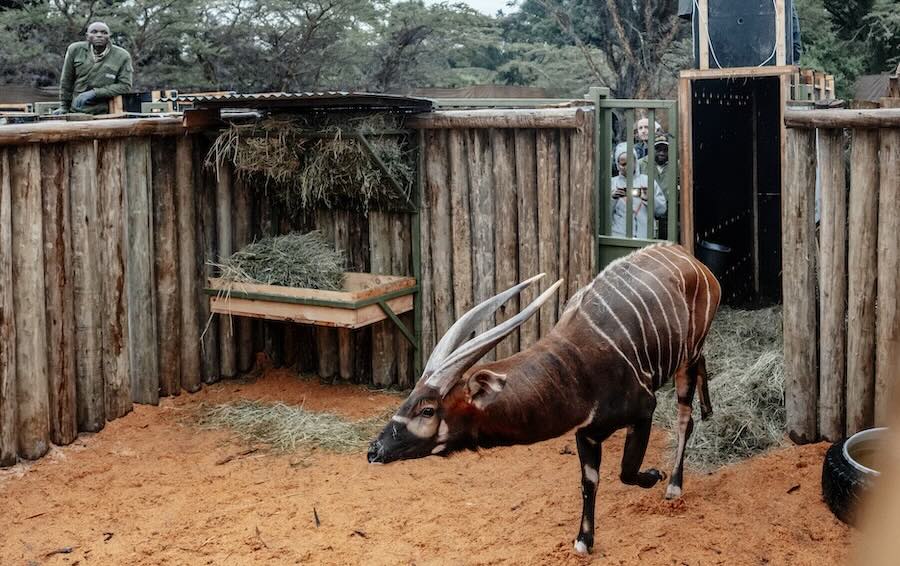
“The mountain bongo is not beyond saving, but it does need us to act together,” said MBP’s Director of Operations Oscar Dyer.
“Collaboration between organizations like MBP, Chester Zoo, and our partners brings hope and is turning knowledge, protection, and persistence into real impact on the ground. With sustained support, we can ensure wild bongos continue to live in Kenya’s forests.”
Historically, bongos were affected by game hunting and collectors, but they are still affected by habitat destruction as a result of logging or farming.
They prefer areas with rich volcanic soil and a good water supply—the same type of land that is in demand for agriculture.
GREAT NEWS: Biologists Clone Wild Yaks to Save Golden Subspecies Numbering Fewer Than 300 in First of its Kind Effort
“Their presence makes the forest more magical,” added Dr. Sandri, “and the world would be poorer for their loss.”
Celebrate World Bongo Day by donating to the Mountain Bongo Project, here.
AND SHARE THE INCREDIBLE NEWS to Lift Spirits On Social Media…
“It is easier to build strong children than to repair broken men.” – Frederick Douglass

Quote of the Day: “It is easier to build strong children than to repair broken men.” – Frederick Douglass
Photo by: Michela Serventi
With a new inspirational quote every day, atop the perfect photo—collected and archived on our Quotes page—why not bookmark GNN.org for a daily uplift?

Good News in History, May 31
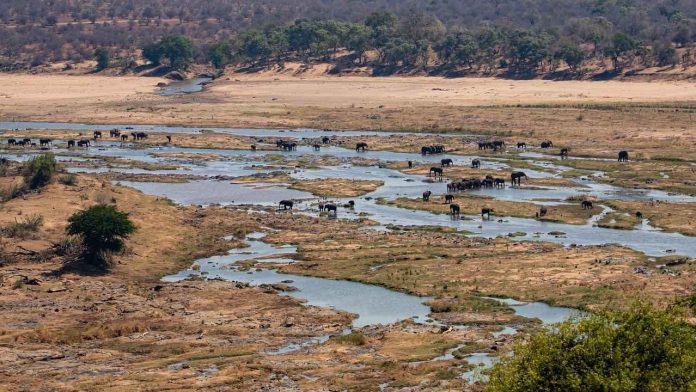
100 years ago today, Kruger National Park was established in Limpopo and Mpumalanga in northeastern South Africa. One of the largest game reserves on the continent, it is more than twice the size of Yellowstone, at 7,576 square miles (19,623 square kilometers). Part of the Great Limpopo Transfrontier Park, it crosses over the border with Mozambique and Zimbabwe, forming a protected area bigger than Belgium where animals have room to roam to their heart’s content. READ more about South Africa’s wildest corner… (1926)
Batteries That Use Sodium Instead of Lithium Could Be Low-Cost Rival to Tesla’s


A new study shows that a low-cost sodium-ion battery currently used in cars and large-scale energy storage systems in China matches most performance parameters and production quality found in Tesla’s lithium-ion batteries.
Since sodium is much more abundant and widely available than lithium, using it for batteries could cut raw material costs for manufacturers and reduce supply chain risks that surround critical minerals.
Conducted by a German university, the research published on May 28 in the Cell Press journal Physical Science, looked at the battery designed by Hina, a spin-off company of the Chinese Academy of Sciences that has partnered with automakers like JAC to provide EV batteries.
It shows that “once the sodium-ion (or Na-ion) battery is tweaked to charge more effectively at low temperatures and function better at high energy densities, it could provide a cost-effective alternative for future electric vehicle batteries”.
“The combination of good uniformity, high power capability, and strong low‑temperature performance makes these cells attractive for stationary storage, grid services, and shorter‑range or commercial vehicles where potential lower cost and resource availability matter more than maximum driving range,” said Moritz Schütte, a battery researcher at RWTH Aachen University in Germany.
MORE GREEN ENERGY NEWS:
• Tunisian Solar-Powered Cars Leverage African Sun to Charge 30 Miles for Free Everyday
• Iron-Air Batteries Powered by Rust Could Revolutionize Energy Storage By Using Only Iron, Water, and Air
EDITOR’S NOTE: The following unedited text is taken from the Cell Press media release:
To assess how HiNa batteries compare to more advanced Tesla batteries, Schütte’s team used a non-destructive technique called impedance spectroscopy to measure the uniformity of 120 sodium-ion battery cells. Next, to map out the power and energy performances of individual cells under real-life conditions, the team tested the batteries at varying currents and at temperatures from −20 °C to 45 °C. They also used X-rays to see the battery’s internal structure, then opened up the cells to measure their electrode dimensions, compositions, and microstructures.
They found that the battery uses a tabless (design), a double-aluminum current collector design that reduces resistance and ensures a uniform temperature distribution—and also mirrors the current design of Tesla batteries.
“We were positively surprised by how uniform the cells are,” says Schütte.
However, the sodium-ion battery has some limitations when it comes to energy density and charging at low temperatures. “The high‑power performance was better than one might expect from an early commercial sodium‑ion product,” says Schütte.
“For applications that require frequent charging at low ambient temperatures, appropriate thermal management or operating strategies will be important because low-temperature charging remains a clear weakness.”
The researchers also found unexpectedly high, unevenly distributed levels of copper in certain cathode regions of the battery, which “raises interesting questions about its role in performance and aging,” said Schütte.
“It will be exciting to see future sodium-ion technologies that are free of nickel and copper, as well, while achieving competitive energy density.”
RELATED SUCCESS:
• Sub-Zero Temps Didn’t Affect Wisconsin’s Electric Bus Fleet –A Major EV Milestone
• Sand Batteries Could Be The Next Frontier In Renewable Energy–And it’s Already Heating Homes in Finland
Sodium-ion batteries also perform well under load at low temperatures, making them an appealing option for both stationary power storage and mobile applications in cold climates.
“However, today’s commercial sodium-ion cells generally have lower energy density than the best lithium-ion cells, and the technology is less mature overall,” said Schütte.
Next, the authors plan to better understand and improve upon the battery’s charging capabilities at low temperatures so that they can charge more safely and efficiently below 0°C. Further research should also focus on optimizing the materials used to make sodium-ion batteries, added Schütte.
“Advances in hard‑carbon anodes and electrolyte formulations may be especially promising,” he said.
This work was supported by Germany’s Federal Ministry of Research, Technology, and Space and the Federal Ministry for Economic Affairs and Energy.
CONSIDER POWERING INTEREST ON SOCIAL MEDIA By Sharing the Good News…
Louisville Restaurant Donates 100% of Profits–Over $100K in its First Year to Local Nonprofits
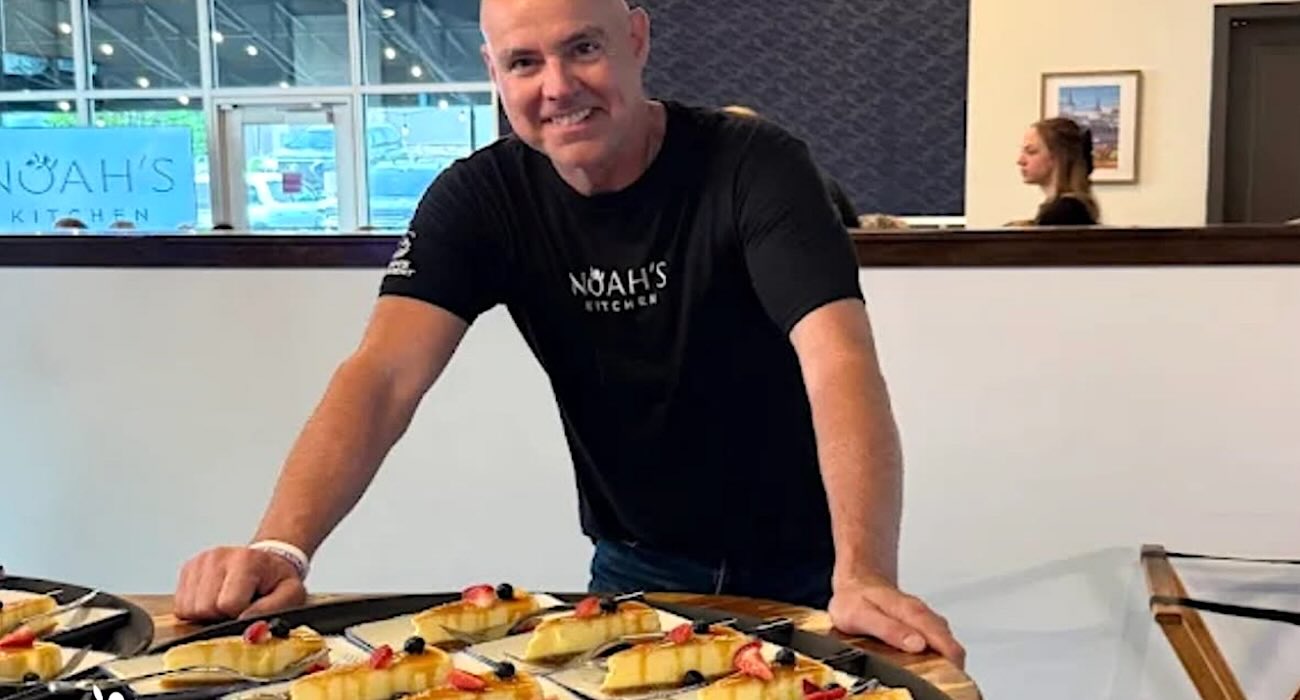
A purpose-driven restaurant located outside Louisville, Kentucky, just surpassed $100,000 in donations to local and national organizations since the owner pledged to give all his profits to charity.
Established one year ago to serve something greater, Noah’s Kitchen donates 100% of its profits to support community initiatives, nonprofits, and ministries.
Since opening in Brownsboro Crossing, every meal served has directly contributed to meaningful impact, transforming everyday dining into an opportunity to give back.
“This milestone isn’t just ours—it belongs to our community,” said Adam Ursprung, the founder of Noah’s Kitchen.
“Every guest who walks through our doors is part of something bigger,” said Adam, who for years has owned a Steak and Shake restaurant down the road.
In church one Sunday he “felt God calling him to serve more than just meals”.
Today, the satisfaction of doing things for others is what is most fulfilling.
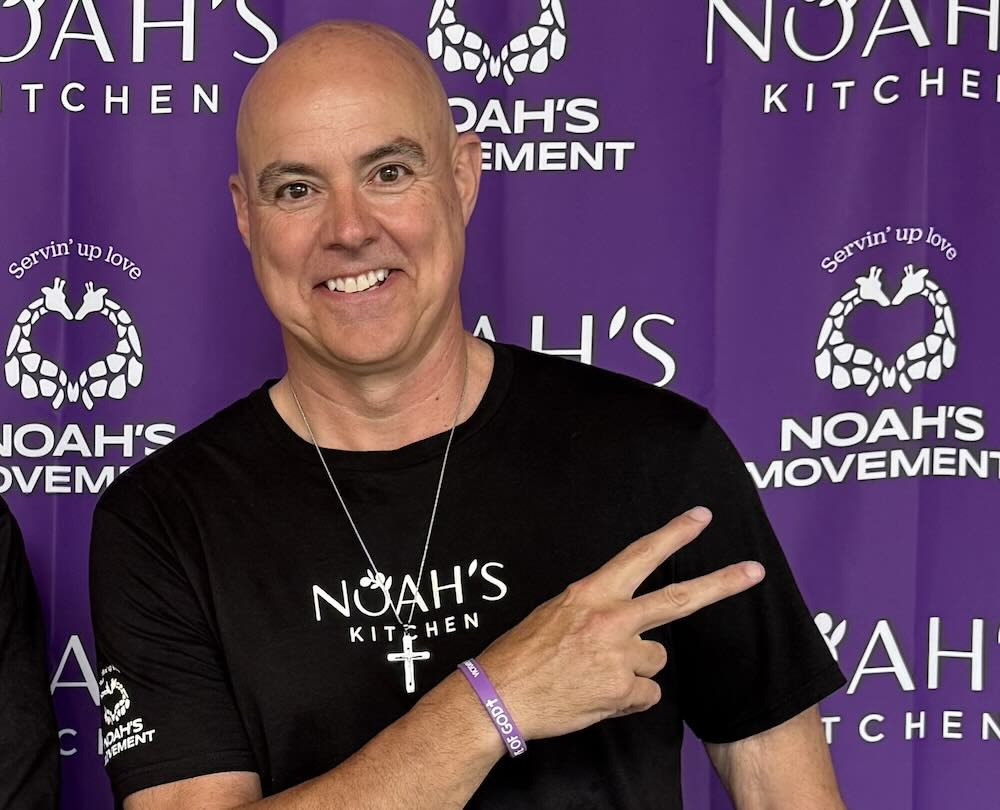
“It’s bringing me more happiness and peace than I ever dreamed of.”
Proceeds from preparing plates of their ‘elevated comfort food’ have supported groups like Hope Rescued (which received $44,907), Camberwell Grief Sanctuary ($12,620), The Prisoner’s Hope ($9,340), and Sunrise Children’s Services ($8,044)—as well as numerous nonprofits that each got between $1,000-4,000.
As Noah’s Kitchen approaches its one-year anniversary on June 18, the team looks forward to celebrating their milestone with the community they’ve impacted through their 501c-3 charitable restaurant located at 9850 Von Allmen Ct. on the city’s East End.

“When I stopped clinging to my money and I started giving it away, my heart grew exponentially,” said Adam in an interview with WDRB-News.
“We have to pay our rent, and pay our employees, but once we get that covered—and all of our expenses—any profit goes to the organizations we support.”
MORE RESTAURANT HEROS:
• Restaurant Owner Shelves Easter Plans to Fulfill Dying Man’s Last Wish to Feed His Hospice Nurses
• Gumbo Cook Worried About Regular Customer’s No-Shows Goes to His Home and Saves His Life
One year ago, he called his goals ‘God-sized’. Now that he’s proven the restaurant’s concept can work financially, he believes Noah’s Kitchen will become a household word.
HAIL THE ENTREPRENEUR By Sharing His Selfless Story on Social Media…
Owls Found Thriving in Abandoned Coal Mine as Wildlife Reclaims Industrial Heritage Site
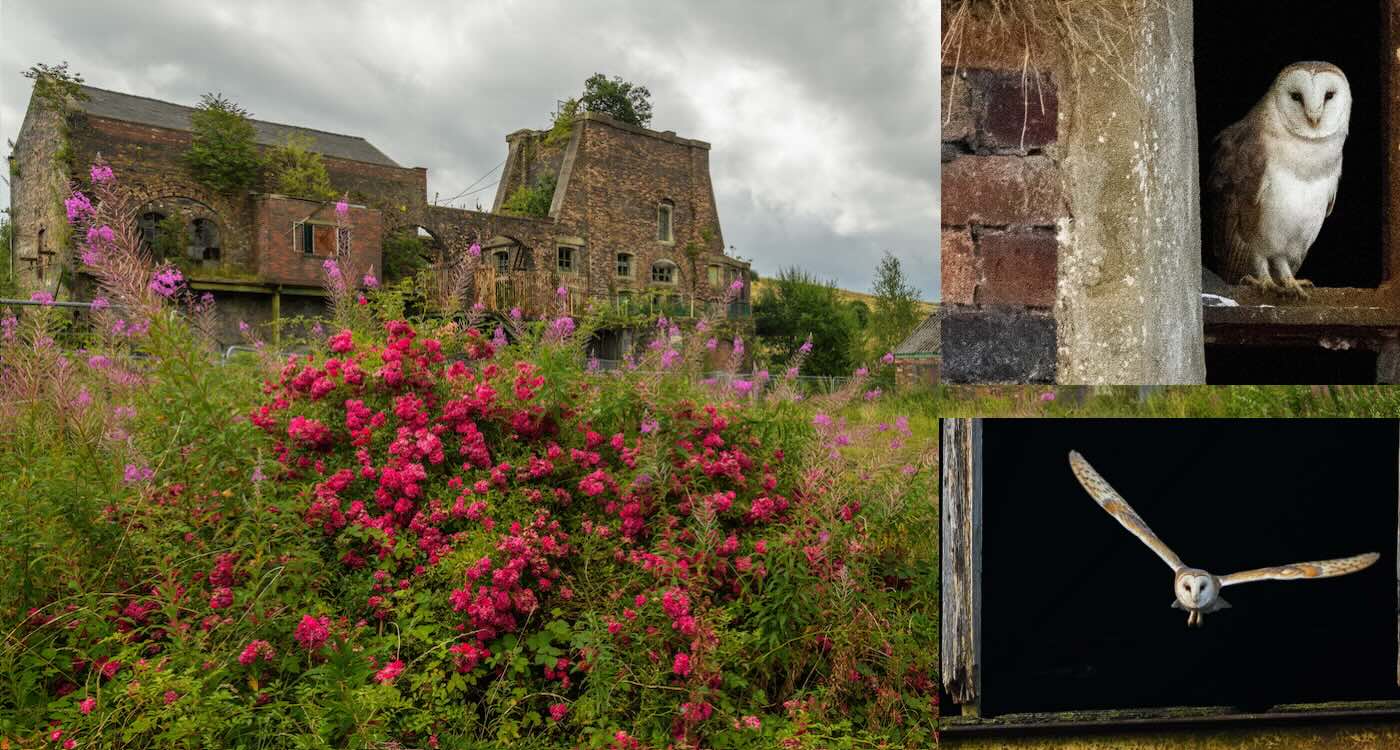
New photos show owls and wildlife reclaiming an abandoned coal mine 50 years after it closed.
The Chatterley Whitfield mine in Staffordshire, England, last produced coal in 1976.
Now, a half-century later, the son of a coal miner who worked there has returned to document nature’s return.
The buildings and towers, including the iconic pit head wheels used to lower miners into the ground, remain standing.
But a closer look reveals wildflowers and several species of owls making the site their home.
Photographer Andrew Mason, whose father John worked there in the 1960s, captured stunning images of barn owls and short-eared owls living in the derelict buildings.
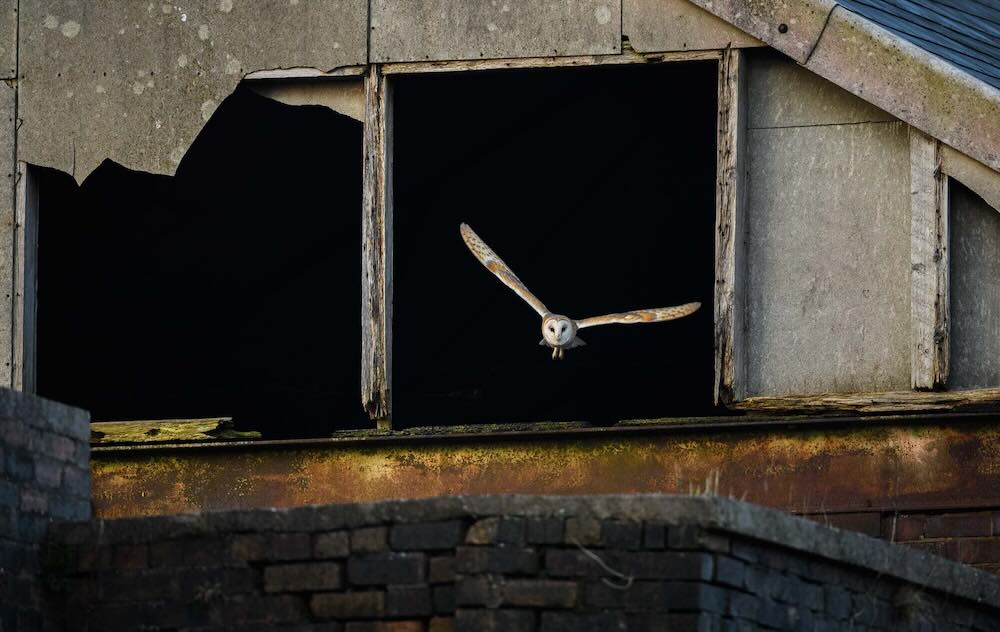
“The colliery is a living example of rewilding. You can literally see nature taking it back from the industrialized world.
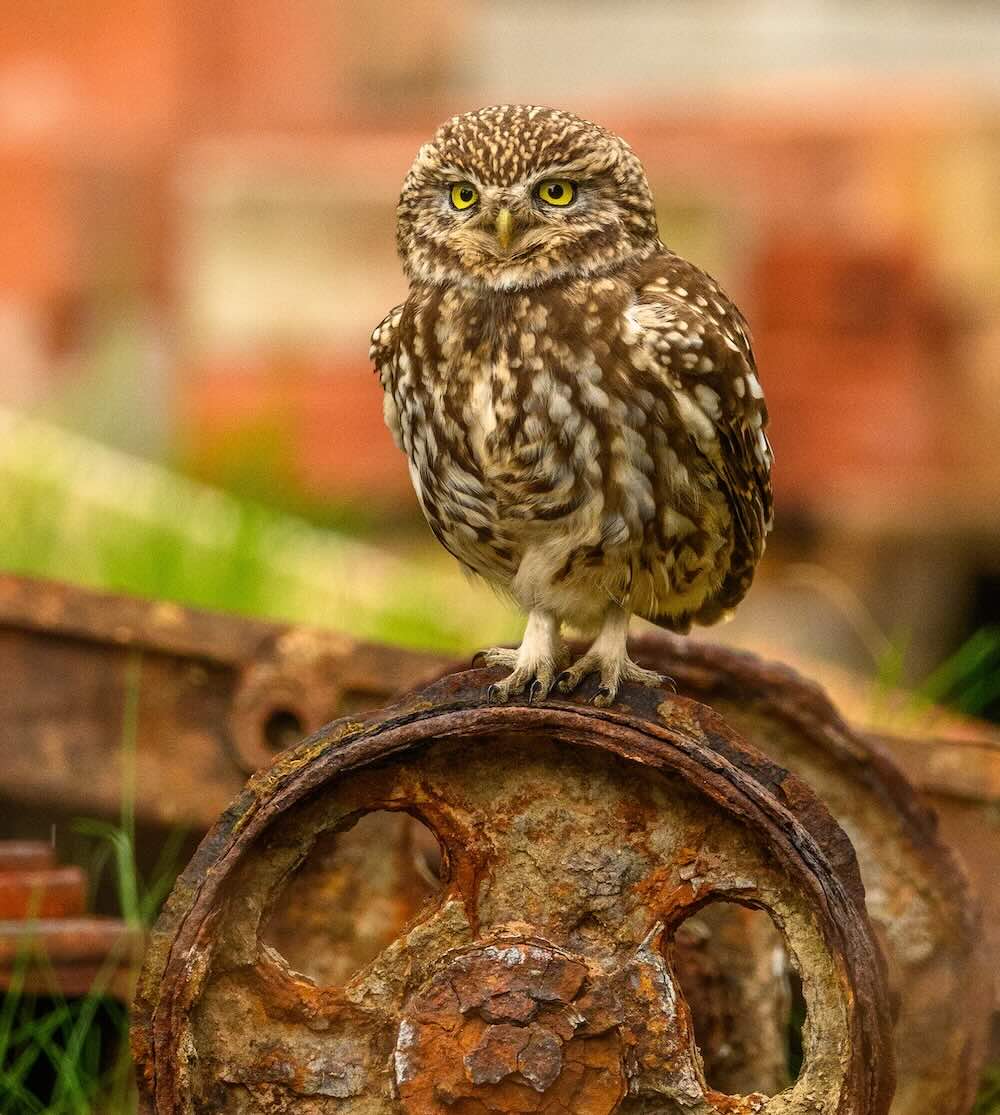
“There are barn owls living in the high buildings which are great as look-out posts to spot prey.”
With the permission of Stoke-on-Trent’s City Council, which is responsible for the property, Andrew set up a blind in the former colliery from which to observe unnoticed.
The site has 15 listed buildings and was included on Historic England’s ‘heritage register’.
Andrew hopes to soon set up trail cameras to pick up badgers and foxes which are also known to be living in the abandoned mine.
“One of the strangest things I saw was wild strawberries growing on old bits of coal slag heap.
“It was quite fascinating to see how nature was taking over.”

One panoramic image shows a single barn owl flying past headgear with the mine’s rusting towers in the background.
THEY GAVE A HOOT: Owl Found in Concrete Gets Feather Transplant So it Can Fly Silently Again into the Wild
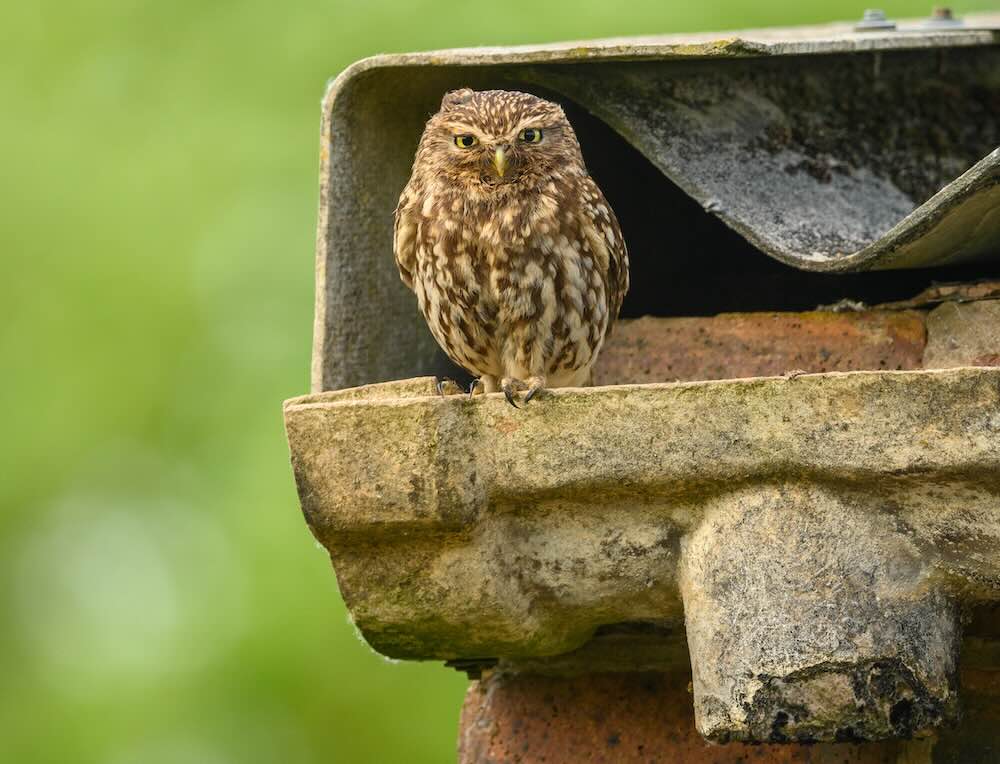
“There really is a strange beauty in the juxtaposition of the ghostly white owl of the night flying amongst these old industrial buildings that are still standing,” he mused about the photo you saw near the top.
Chatterley Whitfield was the biggest coal mine in the area and the first in the UK to produce a million tons of coal in a year.
After officially closing on March 25, 1977, it re-opened two years later as a mining museum.
BIRD HERO: Brazil’s Blue-and-Yellow Macaws Return to Rio After 200 Years: ‘A dream come true’
The site attracted tens of thousands of visitors a year but it eventually closed for good in 1993.
WHOOO WOULD BELIEVE IT? Spread The Uplifting News on Social Media…
Your Weekly Horoscope – ‘Free Will Astrology’ by Rob Brezsny

Our partner Rob Brezsny, whose latest book is Astrology Is Real: Revelations from My Life as an Oracle, provides his weekly wisdom to enlighten our thinking and motivate our mood. Rob’s Free Will Astrology, is a syndicated weekly column appearing in over a hundred publications. He is also the author of Pronoia Is the Antidote for Paranoia: How All of Creation Is Conspiring To Shower You with Blessings. (A free preview of the book is available here.)
Here is your weekly horoscope…
FREE WILL ASTROLOGY – Week of May 30, 2026
Copyright by Rob Brezsny, FreeWillAstrology.com
GEMINI (May 21-June 20):
Among the Dogon of Mali, Sigui so is a secret language. It’s used in a sacred ritual when people gather to retell their beginnings and patch up strains in tribal harmony. I’m borrowing “Sigui so” here as a symbol for a way of talking that I hope you will specialize in during the coming weeks: language that eases tensions, soothes friction, and fosters unity. Start like this: Unleash your trademark wit but spike it with sly blessings and tactful probes. Wield your fluency to burn away confusion and uncover unspoken feelings. If you’re in an extra-bold mood, give everyone tacit permission to be their idiosyncratic selves instead of their polished personas.
CANCER (June 21-July 22):
What’s the holiest, most healing trouble you could rustle up right now? I mean trouble that freshens what’s stale but doesn’t scorch the earth. Maybe it’s a buoyant disruption, like telling wild truths you usually tend to soften. Or maybe it’s asking for what your future self pines for instead of what your past self regards as polite and reasonable. As a Cancerian soul myself, I dare both you and me to give ourselves permission to rumble. Let’s be brazen as we instigate creative upheavals in service to our cheerful vigor. Let’s instigate at least one concrete action that will rattle the stagnant pattern just enough to make life more interesting.
LEO (July 23-Aug. 22):
Sea otters are a keystone species. Their presence is essential to the health of their entire ecosystem. As they eat sea urchins, the kelp forests flourish. Without otters, the urchins overgraze, and kelp forests may collapse, which in turn affects hundreds of other species. One creature’s appetite helps regulate an entire undersea neighborhood. I suspect you’re serving a similar function, Leo. You’re having more impact and wielding more influence than you realize. No pressure! But please act accordingly: with maximum integrity and robust responsibility.

VIRGO (Aug. 23-Sept. 22):
A Dutch woman who died left her grand-nephew an inheritance of 220,000 euros. The only problem is that he’s homeless and constantly on the move, so the executors haven’t been able to find him. This echoes a recurring pattern in your life. Even now, sources of blessings are searching for ways to reach you, but you are slow to notice their approach or to magnetize yourself to their arrival. My prayer: May you figure out what needs to be done to make yourself fully available for these gifts—and then ingrain that capacity in your habit mind.
LIBRA (Sept. 23-Oct. 22):
Visualize your fears. Consider how few of them rest on a genuine likelihood that the scary events could ever take place. Then ask yourself how much of your uneasiness springs from vivid fantasies or from a practiced tendency to fret. You might also ruminate on how you absorb the background worry that’s amplified by mass culture. After reflecting on all that, I invite you to take one concrete action to lower the level of tension you have come to treat as normal. Take another action to weaken the grip of your deepest dread. The current planetary patterns suggest you now have the bold, creative power necessary to shrink your baseline anxiety.
SCORPIO (Oct. 23-Nov. 21):
Even more than usual, you have a sacred duty to celebrate your poignant sweetness and dark intelligence. For the sake of your emotional health, you should pay wild reverence to your deepest, most mysterious yearnings. To be the person we all you need you to be, you must tenderly nurture the parts of your inner world that resemble the aurora borealis. I want to support you in these sublime sacraments, which is why I suggest you memorize the following prayer by Rainer Maria Rilke: “Be attentive to what is arising within you, and place that above everything you perceive around you. What is happening in your innermost self is worthy of your entire love.”
SAGITTARIUS (Nov. 22-Dec. 21):
Linguists use the term “false friends.” These are words in different languages that seem similar but don’t have the same meaning. For example, the Spanish word embarazada resembles “embarrassed” to English speakers but actually means “pregnant.” I suspect you’re dealing with another type of false friend, Sagittarius: people or situations that turned out to be at variance with what you initially imagined. But rather than feeling unsettled by these revelations, I suggest you treat them as a prod to see with fresh eyes. Your disorientation could be the beginning of more interesting understandings.
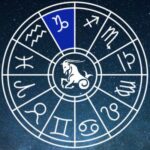
CAPRICORN (Dec. 22-Jan. 19):
An ISBN (International Standard Book Number) is a code assigned to a book for commercial and cataloging purposes. It contains key information and includes a built-in error-detection notation. If you transpose two numbers when entering an ISBN, the last digit will tell you something’s wrong. In this spirit, Capricorn, I heartily recommend that you build more mistake detection into your life. Invest in extra safeguards. Add verification steps. Build in double-checks. The goal is to create systems robust enough to survive oversights and gaffes. I very much want you to give yourself the gift of safety nets that will empower you to take smart risks and intriguing gambles.
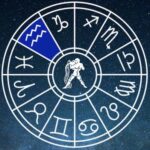
AQUARIUS (Jan. 20-Feb. 18):
You may not yet grasp how richly creative you are right now, nor how much more abundant your generative powers could become. So it’s auspicious that you are reading this horoscope now. Consider this your advance notice: Your capacity to originate ideas, projects, and connections is surging, and it’s crucial to choose with care which possibilities you nurture and which you decline. If you are selective and intentional about what you sow, then about six months from now, you will be far more likely to gather lush, beautiful harvests instead of wrestling with overgrown, unruly tangles.
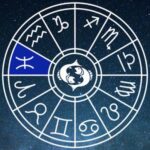
PISCES (Feb. 19-March 20):
Ethnobotanist Wade Davis documented how different cultures perceive entirely different realities despite inhabiting the same physical world. It means that two people can stand in the same forest and see different forests through their cultural lens and personal mythology. This is simultaneously the problem and the opportunity you face, Pisces. You and others in your orbit are inhabiting divergent realities that superficially seem the same. If you hope to reconcile the differences, you must first acknowledge them as real. You’re dealing with fundamentally different ways of constructing meaning, not just small misunderstandings.
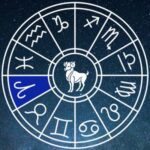
ARIES (March 21-April 19):
In the weeks ahead, simply being right won’t necessarily lead to success. Having strength, intelligence, wealth, or connections might help, though not as much as usual. But a different approach will work well as you strive to overcome challenges: a blend of cleverness and integrity. I invite you to be cunning while remaining honorable. Practice subtle strategy in service of higher aims. And here’s one more secret to ensure victory: Let go of any need to receive full recognition for your efforts.
TAURUS (April 20-May 20):
“Dear Horoscope Guy: Two astrologers have assured me that as a Taurus, I’m a natural-born money magnet. So why am I broke? I keep begging the Divine for cash miracles, and I buy lottery tickets twice a week. Still nothing! Please tell me when I’ll finally hit the jackpot. Better yet, give me the winning numbers. –Taurus Desperate for Dollars.” Dear Desperate: The “luck” you crave will arrive as you diligently pour yourself into building your sweetest dreams, spurning shortcuts and enjoying yourself as much as possible. The Divine prefers to fund eager co-creators, not wishful thinkers. I predict that a slow-motion jackpot will ultimately arrive through your devoted attention to doing what excites you.
WANT MORE? Listen to Rob’s EXPANDED AUDIO HOROSCOPES, 4-5 minute meditations on the current state of your destiny — or subscribe to his unique daily text message service at: RealAstrology.com
(Zodiac images by Numerologysign.com, CC license)
SHARE The Wisdom With Friends Who Are Stars in Your Life on Social Media…
“In three words I can sum up everything I’ve learned about life: it goes on.” – Robert Frost

Quote of the Day: “In three words I can sum up everything I’ve learned about life: it goes on.” – Robert Frost
Photo by: Meiying Ng
With a new inspirational quote every day, atop the perfect photo—collected and archived on our Quotes page—why not bookmark GNN.org for a daily uplift?

Good News in History, May 30

51 years ago today, the European Space Agency was founded by ten member states: Belgium, Denmark, France, West Germany, Italy, the Netherlands, Spain, Sweden, Switzerland, and the United Kingdom, that united two disparate space agencies into the one entity which today has been instrumental in several giant leaps for mankind. READ more… (1975)
Welcome to the Gas Giant Planet Where Clouds Turn to Stone


Welcome to WASP 94A b, where clouds made of rock melt every morning like the June gloom in Southern California.
Powered by the James Webb Space Telescope, humanity’s study of exoplanets marches on as a team from Johns Hopkins University explored the atmospheres of several “Hot Jupiters” out in the Microscopium constellation.
Inside is WASP-94A, a star located 700 lightyears from Earth that hosts a gas giant planet which orbits it at a closer proximity than Mercury does to our Sun.
This has created a unique set of planetary conditions that David Sing, a distinguished professor of earth and planetary sciences at Johns Hopkins, was eager to study.
By isolating the planet’s clouds, Sing and his team were able to more accurately measure the atmosphere and provide one of the clearest pictures to date of the planet’s composition—a significant advance in planetary science that will provide important context and correlations in future research.
“I’ve been looking at exoplanets for 20 years, and general cloudiness has been a thorn in our side. We’ve known for quite a while that clouds are pervasive on Hot Jupiter planets, which is annoying because it’s like trying to look at the planet through a foggy window,” said Sing.
“Not only have we been able to clear the view, but we can finally pin down what the clouds are made out of and how they’re condensing and evaporating as they move around the planet.”
Though long theorized to exist, the first exoplanet was detected in 1991. Since then, their known diversity has increased exponentially.
Humanity has identified an exoplanet almost as big as its star, another that orbits two stars like Tatooine from Star Wars, some which don’t rotate and have permanent dark and daytime sides, one with the density of a marshmallow, and one that’s shaped like a lemon where it rains diamonds.
To study WASP-94A b, Sing and his team leveraged the James Webb Space Telescope to capture several transits which the planet made in front of its host star.
They took separate measurements of WASP-94A b’s leading edge as it started to cross in front of the star and the trailing edge as the planet completed its transit. At the leading edge, the air flows from the night side of the planet to the day side, effectively making it the morning. Air flows from day to night at the trailing edge, making it the evening.
NEW ASTRONOMY TOOLS: Greatest Spectroscope Ever Built Can Tell What 2,400 Cosmic Objects Are Made of Every 20 Mins.
Observations revealed that mornings and evenings on WASP-94A b have extremely different weather patterns, with mornings that are riddled with clouds made of magnesium silicate, a common mineral found in rocks, while the evening has clear skies.
The phenomenon may be akin to morning fog burning off on Earth, but on an extreme scale. Clouds would form in the darkness of the planet’s nightside. As they drift into the scorching heat of more than 1,000 degrees on the day side, the chemicals that make up the clouds boil away, and the clouds simply vaporize.
Alternatively, powerful winds might lift clouds high into the sky on the cooler side of the planet and then plunge downward on the hotter dayside, dragging the clouds deep into the planet’s interior.
EXOPLANET RESEARCH: James Webb Space Telescope’s First Look at an Atmosphere on Habitable Zone Exoplanet
Because the evenings are clear of clouds, the researchers could look to the trailing edge specifically to see what the atmosphere of the planet looked like—something the Hubble telescope could not provide, said first-author Sagnick Mukherjee.
When the researchers looked at the clear evening sky, they found that WASP-94A b was much more like Jupiter than they thought. Previously, when the clouds were averaged in, the data suggested the planet was made of hundreds of times more oxygen and carbon than Jupiter—a finding that baffled researchers given it couldn’t be explained by planet formation theory. Instead, the team found just a comparatively small amount of extra oxygen and carbon.
TOP SPACE STORIES: Astronomers Spot Interstellar Visitor: a Comet Blazing Through Our Solar System, Just the Third Ever Seen
Using WASP-94A b as a benchmark, the team looked at eight other hot gas giants and discovered the same distinctive cloud cycle on two other worlds: WASP-39 b and WASP-17 b.
The research was able to establish two early hypotheses, that Jupiter-like compositions (even in Hot Gas Giants) and WASP-94A b’s cloud cycling are both not uncommon in the galaxy. Next, Sing plans to compare his study of hot gas giants to other gas giants that are known to orbit the Habitable Zone of their host stars.
SHARE This Bizarre Gas Giant With Your Friends Who Love Space Stories…
Bruce Springsteen Celebrates His New Center for American Music Opening Soon with All-Star Concert for the Ages


A New Jersey university is now the proud address of the Bruce Springsteen Archives and Center for American Music—set for a June 4th public opening concert featuring a star-studded lineup of American performing artists.
Far from just being a venue, the Center will a place of learning and sharing, for exploring major moments in American music history through the Archive’s collection of rare interviews and footage, and an academic gold mine for enhancing Monmouth University’s liberal arts programs.
Why Monmouth University? The campus is located not far from where Springsteen wrote his landmark single “Born to Run,” and was the site of many of his earliest shows from 1969 to 1974.
“Our institution will offer exciting research opportunities for students, journalists, and historians, and give Springsteen fans the chance to explore his music and the role it plays in American history like never before,” stated Robert Santelli, the center’s executive director.
“Teachers will also find the Archives and Center for American Music a valuable educational resource. Lesson plans, teaching strategies, and online programs will be available to teachers and enable them to bring American music into the classroom.”
The 30,000 square-foot building houses exhibits on the music of Bruce Springsteen and of American music at large; the Springsteen archives; a 240-seat auditorium for concerts, academic lectures and video screenings; and gallery space for changing exhibitions.
Additionally, the museum will partner with E-Street Band guitarist Stevie Van Zandt’s non-profit TeachRock to organize activities with local schools.



According to the university, the Archives house nearly 48,000 items from 47 countries ranging from articles and oral histories to concert memorabilia and promotional materials.
“At 19… I played on these very steps out here, and so to stand here today is quite humbling knowing that I’m going to be a presence here on this campus, which I really look forward to being,” Bruce Springsteen said in 2023 at the announcement ceremony.
“It’s deeply satisfying, and I look forward to working with everyone to make the building and this endeavor a great success.”
GREAT AMERICAN MUSEUMS: Guess Who’s Curating New Exhibit at Baltimore Museum of Art? Their Staff of Security Guards
Built by the acclaimed New York architecture firm CookFox, the building embodies themes from New Jersey’s industrial heritage and Springsteen’s music from the weathering steel of the factories to boardwalk and Jersey Shore designs. Unstained wood is everywhere, with the panels of the exterior made just so to embrace the impact of time on the material.

End-grain wood block flooring, CookFox explains, often used in factories a century ago, reveals the growth rings of the trees it’s made from while inviting visitors into the auditorium.
The auditorium will mostly be a place of presentations and lectures, since the show that Springsteen has put together to celebrate the Center’s opening, along with America’s 250th Birthday, will need a few more seats.
AMERICAN ARTS CENTERS: Brooklyn Bonsai Museum Celebrates 100th Birthday Bash with Largest-Ever Exhibition on These Tiny Trees
Called Music America: The Songs that Shaped Us, the concerts will take place on June 4th and 5th at the OceanFirst Bank Center on the Monmouth campus, just prior to the grand opening of the Bruce Springsteen Center on the 7th.
Among the artists scheduled to perform over the two nights are Jon Bon Jovi, Jackson Browne, Rosanne Cash, Kenny Chesney, Gary Clark Jr., Dion, Dropkick Murphys, Shemekia Copeland, Valerie June, Jimmie Vaughan, Keb’ Mo’, Nils Lofgren, and more, all delivering their uniquely American music of blues, bluegrass, rock, hip-hop, Americana, jazz, country, and gospel.
SHARE The Fantastic New Center From Springsteen And His Don’t-Miss Debut Show…
A New York Cemetery Was Hiding Over 5 Million Burrowing Bees, One of the World’s Largest Concentrations
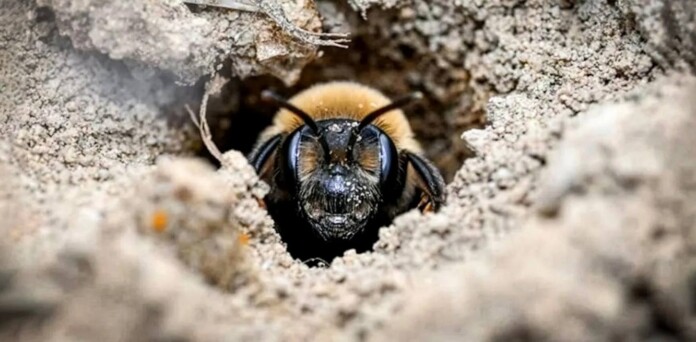
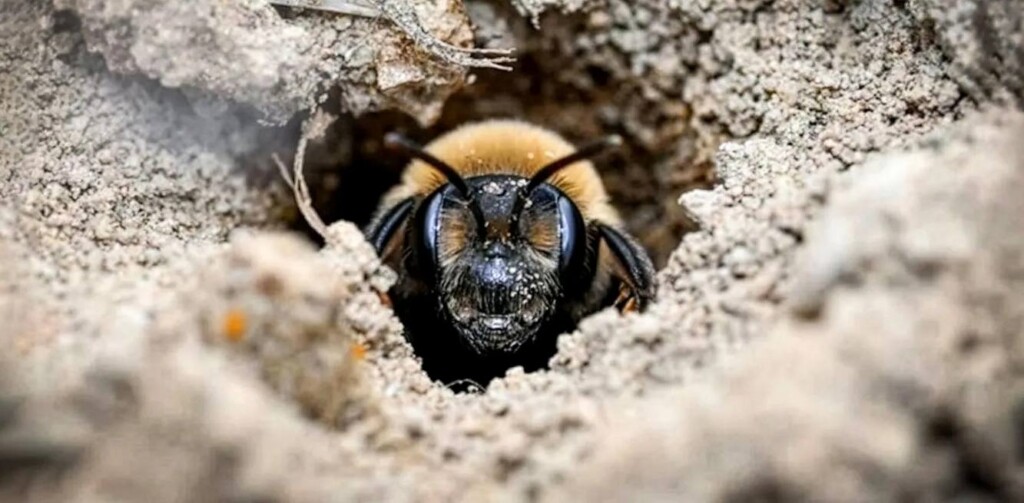
At roughly 5.5 million, a colony of ground-nesting bees that scientists discovered under a New York cemetery may be one of the largest bee aggregations ever documented.
Subsequent research showed that the bees have likely lived there for more than 100 years, thriving in the cemetery’s undisturbed sandy soil—an incredible discovery.
Rachel Fordyce used to save money by parking at Ithaca’s East Hill Plaza and walking through East Lawn Cemetery on her way to work at a Cornell University entomology lab. During one walk in the spring of 2022, she noticed something unusual. Bees were everywhere.
She collected some in a jar and brought them to her supervisor, Bryan Danforth, professor of entomology in Cornell’s College of Agriculture and Life Sciences.
“These are all over the cemetery,” she told him. The insects were identified as Andrena regularis, commonly called the “regular mining bee,” a solitary wild bee species that nests underground and helps pollinate crops and wild plants.
That simple observation led to the extraordinary discovery: a 100-year-old colony of 5.5 million solitary bees across 1.5 acres. According to the researchers, that is comparable to more than 200 honeybee hives, and exceeds Manhattan’s human population by more than threefold.
“I’m sure there are other large bee aggregations that exist around the world that we just haven’t identified, but in terms of what is in the literature, this is one of the largest,” said Steve Hoge, lead author of the resulting study on the colony published April 13th in the journal Apidologie.
To estimate the bee population and study emergence patterns, researchers used a new monitoring method involving emergence traps. These small mesh tents cover less than a square meter of ground and funnel emerging insects into glass jars.
“You capture a whole community of animals coming out of the ground with this approach,” Danforth said.
Between March 30th and May 16th, 2023, the research team placed 10 traps throughout the cemetery. They collected 3,251 insects representing 16 species of bees, beetles, and flies. A. regularis overwhelmingly dominated the samples.
Researchers used the number of bees captured in each trap to calculate average bee density across the cemetery’s total land area. Based on those calculations, the estimated total population ranged from about 3 million to 8 million bees.
The study also explored the biology of these poorly understood wild bees while also highlighting their importance as pollinators for valuable agricultural crops such as apples, one of New York’s signature commodities.
“The research elevates the value of solitary ground-nesting bees and shows just how abundant these bees are, how important they are as crop pollinators, and that we need to be aware of these nest sites and preserve them,” Danforth said.
Historical records showed that A. regularis has been present at East Lawn Cemetery since at least the early 1900s. The cemetery itself dates back to 1878.
Scientists say the discovery strengthens the idea that cemeteries can act as important refuges for biodiversity. Older cemeteries, especially in cities, are already known to shelter uncommon plants, insects, birds, and mammals.
BEE-AUTIFUL DISCOVERIES: Unique Honeybees Found Only in Southern California Can Fend Off Deadly Varroa Mites
Keven Morse, superintendent of East Lawn Cemetery, said he has seen deer, geese, hawks, foxes, coyotes, and countless bees during his family’s 46 years helping manage the nonprofit cemetery.
“I just felt bad having to mow in certain areas,” Morse told a Cornell University news team. “There’s probably three or four sections where they really migrate heavy, there’s a lot of them.”
Researchers explained that cemeteries provide especially good habitat because the land is peaceful, rarely disturbed, and largely free of pesticides.
WORK FROM CORNELL: Cornell Researchers Create First-of-its-Kind Durable and Recyclable Plastic
Cornell Orchards, located about one third of a mile from the cemetery, may help support the massive bee population by providing abundant spring flowers. Danforth also noted that the bees prefer sandy soil, which the cemetery contains in large amounts.
“These populations are huge, and they need protection,” Danforth said. “If we don’t preserve nest sites, and someone paves over them, we could lose in an instant 5.5 million bees that are important pollinators.”
SHARE This Incredible Discovery In Eastern Ithaca With Your Friends…
Rare British Plant Makes Extraordinary Comeback from Brink of Extinction

Conservationists are celebrating the remarkable recovery of an important and unique British flower known as Kentish milkwort after recording a seven-fold population increase during the recent growing season.
1,245 self-sown plants were recorded this year at a crucial growing site, now the largest population of the species in the UK.
Teetering on the verge of extinction, Kentish milkwort (Polygala amarella) became the focus of urgent conservation action more than a decade ago. The recovery project began in 2013 when what was then known as dwarf milkwort existed as two separated populations in northern England and Kent. By 2010, the plant was only found at three Kent sites.
Subsequent taxonomic work recognized the Kent population as a distinct subspecies, increasing the urgency of conservation action. Experts carefully collected seeds from the strongest surviving individuals, which were then taken to be cultivated by the recovery program partners at the Kew Royal Botanical Gardens, thereby establishing a secure seed stock for future restoration without further pressure on wild plants.
Between 2018 and 2019, further seed collections enabled the production of plants for reintroduction. In 2021, trial introductions were carried out at Fackenden Down and Queendown Warren—both grasslands with chalk bedrock, where the species had been absent for over 50 years.
While Fackenden Down did not succeed, Queendown Warren has gone from strength to strength. Numbers rose from 17 plants in 2022, to 47 in 2023, 86 in 2024, and 177 in 2025.
BLOOMING AGAIN: Plant Believed Extinct For 60 Years Reappears Thanks to Curious Nature Lover and iNaturalist
Then came the sharp turnaround, with 1,245 self-sown plants recorded—seven-fold increase on last year—establishing the strongest population of Kentish milkwort in the UK.
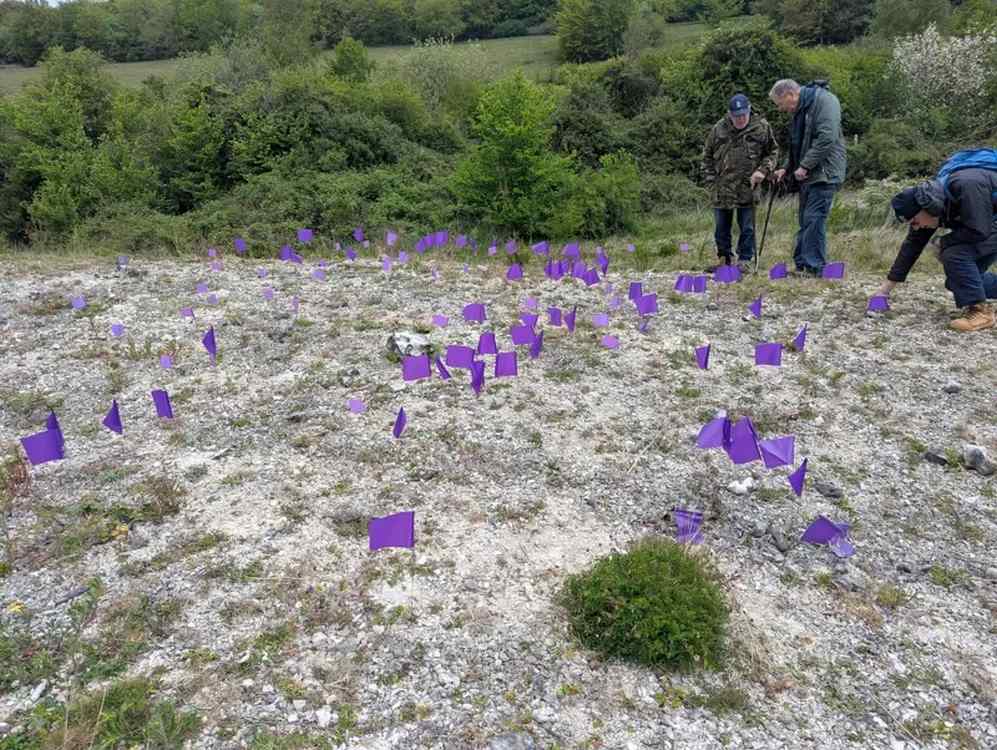
“The scale of this year’s increase has been incredible to see,” said Rob Pennington, an officer at Kent Wildlife Trust. “The plants are clearly thriving at the site and last year’s population must have produced a huge amount of seed that has now successfully germinated.”
“We hope the population will continue to spread in the coming years and eventually become a donor site, allowing us to collect seed for future restoration work at other suitable locations.”
MORE STORIES LIKE THIS: Scientist Discovers New Species of Wildflower That Only Grows in New Jersey
This recovery is the result of diligent work by the Kent Wildlife Trust in partnership with The Species Recovery Trust, Royal Botanic Gardens Kew, and local volunteers.
The work has also revealed key insights into the species’ ecology, showing it thrives in open, disturbed ground created by grazing and natural soil disturbance from animals such as rabbits and badgers.
There’s something about an endangered plant: rooted, exposed, and unable to run from what threatens it, that unnerves one even more than an endangered animal. Did any conservationists lose sleep picturing the less than 17 small plants shivering in the cold, liable to disappear on the chance placement of a deer’s hoof?
How must they be able rest easier now having seen the flower proliferate again; its niche in the chalky ecosystem maintained for the foreseeable future.
SHARE These Diligent Plant Conservationists Hard At Work Saving Species…
“Give me six hours to chop down a tree and I will spend the first four sharpening the axe.” – Abraham Lincoln

Quote of the Day: “Give me six hours to chop down a tree and I will spend the first four sharpening the axe.” – Abraham Lincoln
Photo by: Annie Spratt
With a new inspirational quote every day, atop the perfect photo—collected and archived on our Quotes page—why not bookmark GNN.org for a daily uplift?

Good News in History, May 29

261 years ago today, former Virginia governor and revolutionary Patrick Henry was not only born, but used his 29th Birthday as an occasion to deliver a rousing speech is response to the British Parliament passing the Stamp Act. In response, Henry introduced the Stamp Act Resolves to the House of Burgesses in Virgina. Though his speech is only quoted today from recollections decades later by men not present, the general conensus is that at a certain point, Henry suggested that King George III be killed, to which a cry rang out “Treason!” Henry is supposed to have said “If this be treason, make the most of it!” READ about the Stamp Act and Henry’s life in general… (1739, 1765)
Chance That King Arthur Manuscript with 126 Sumptuous Illustrations Soon Enters Public Collection


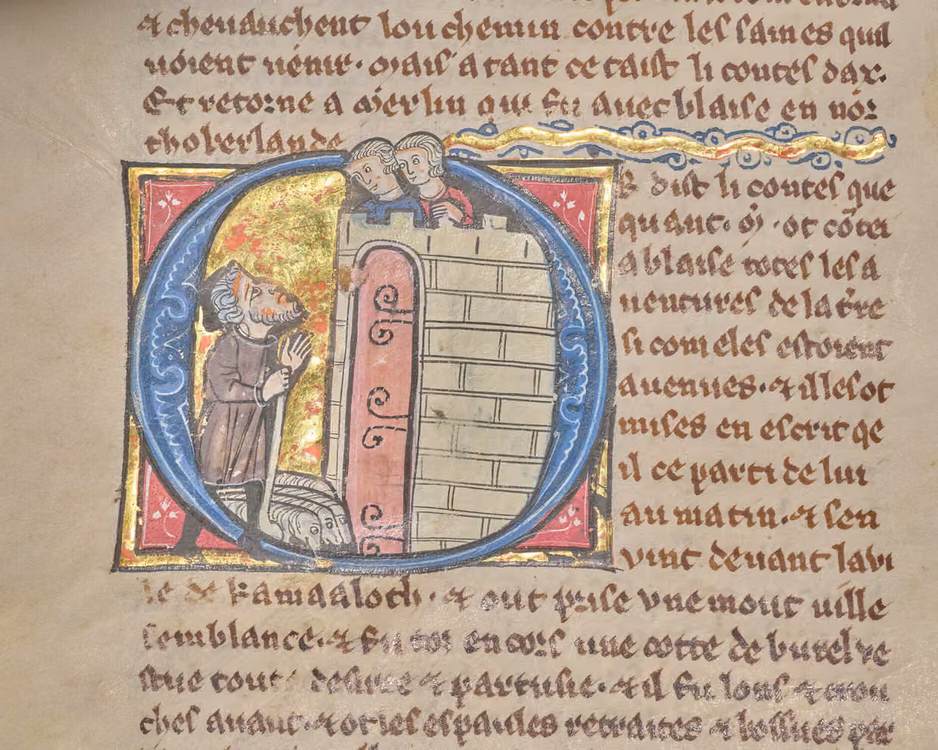
A stunning manuscript containing the full extent of the King Arthur legend, embossed with sumptuous illustrations, is going up for auction at Christie’s.
One of three such copies known—all of which remain in private collections—the Lebaudy Manuscript contains 126 illustrations, a unique story of the wizard Merlin disguising himself as a stag, and enjoys an exquisite degree of preservation considering it’s 750 years old.

Inside, readers can find the tale of King Arthur—stories of Gawain, Lancelot, Galahad and the knights of the round table, of Merlin and his antics, and of course, the Holy Grail myth.
Scholars see the auction as a fantastic opportunity to acquire the manuscript, which hasn’t been entirely documented, for public display and study, where more about this most-famous of Western fables can be revealed.
Others see in the 126 miniature illustrations—many embossed with gold leaf which shines as bright as ever—a fantastic way to draw visitors to historic libraries where such a book might be exhibited.
Any such library would have to dig into its endowments, however, as the emerald-green bound book is expected to reach at least $2 million and likely much more.
“It’s a beautifully illuminated manuscript, which contains wonderful Arthurian stories depicted in exquisite miniatures,” said Dr. Irene Fabry-Tehranchi, who specializes in French texts at Cambridge University Library, who spoke to the Guardian about the Lebaudy Manuscript. “Originally, it was made for aristocratic patrons, possibly women who were very fond of Arthurian stories.”
COMING TO LIGHT: Lost Page from Archimedes Manuscript Found in Museum with Hidden Text Beneath Illustration
Indeed, aristocratic patrons included knights, real and hereditary, and the French war hero and industrialist Jean Lebaudy.
Of special interest to scholars is the illustrations’ creator: believed to be an anonymous Low Country artist known as “Master of the Liege Apocalypse” after an illustration of the end times for which he is famous. According to scholars, his work is often attributed wherever the male figures have little red dots on the centers of their cheeks.
SHARE This Beautiful Manuscript And The Opportunity To Learn Its Secrets…
All-Electric Truck Completes Milestone Canberra-to-Sydney Haul, Cutting 84% in Fuel Costs


A green-geared milestone was just set in Australia as a company saw its all-electric haul truck go from the capital of Canberra to Sydney on a single charge.
Carrying tons of toilet paper, the final mile deliveries were made with electric vehicles too, keeping emissions down, and suppliers and demanders clear of the suffocating prices of diesel.
Built by New Energy Transport (NET) the Windrose semi-trailer truck has a range of 416 miles at 49 combined tons, and boasts 1,400 horsepower.
Reporting on the maiden voyage, Australian Truck Radio wrote that the Windrose delivered an 84% reduction in fuel costs while proving that intercity routes can be greened up with a little forward planning thanks to a fast charging time of just 1 hour.
It also made the 186-mile trip 25 minutes faster because of the vehicle’s speedy acceleration during the inclined sections of the route.
It’s the second demonstration of the Windrose’s capabilities, as back in November it set a world record for the longest single-charge long haul delivery—a trip to your grocery store short of 300 miles.
“This delivery ushers in a new era for Australian road freight where electric heavy trucks are not just cheaper and faster, they unshackle Australia from volatile global oil markets, dramatically strengthening our supply chain resilience,” said Daniel Bleakley, Co-CEO, New Energy Transport.
EV NEWS TO GET EXCITED ABOUT:
- Company’s 2 Million lbs. Excavator Has a Green Trick: Fully-Electric Drive Mode
- World’s Largest Battery Maker to ‘Spare No Effort’ in Electrifying Marine Cargo Industry
- 4 Sisters Invent Electric Tractor with Mom and Dad and it’s Selling in 5 Countries
Collecting the thoughts and comments on the achievement, Australian Truck Radio quoted John Grimes, CEO at Smart Energy Council, as saying that every liter of diesel the nation saves on highways by electrifying trucks “is one we keep for farmers.”
“Australia runs on road freight so if diesel stops, we stop and starve. Electrifying trucking strengthens our energy security, and we’re ready—we already build electric trucks and charging infrastructure, and can power it all with sun and wind.”
NET envisions completing its pilot haul fleet of Windroses by mid-2026.
HONK YOUR HORN About This Big Milestone In Australian Trucking On Social Media…