












A new generation of trash bins are aimed at conserving Japanese civic culture while addressing one of the country’s largest tourism headaches.
Solar-powered compactors and robots that haul trash away from key tourist areas are two such solutions already receiving a positive response.
If you’ve ever visited Japan, you too may have been left confused and eventually frustrated by what appears to be a total absence of public waste bins. This is by design.
Officials concerned about security and overflowing bins have left the public with few places to dispose of their trash. There is also a philosophy that if waste is difficult to dispose of, people will be less prone to creating it.
Japanese tourism authorities are beginning to understand that, while this approach may have seen citizens keep their streets clean for decades, it’s a major inconvenience for visitors.
Yet the trend towards removing waste bins has continued, with the Tokyo metro removing all public waste bins as recently as 2022. In parallel, however, the city has been enlisting the help of various firms to design smarter waste bins that hold more and won’t overflow.
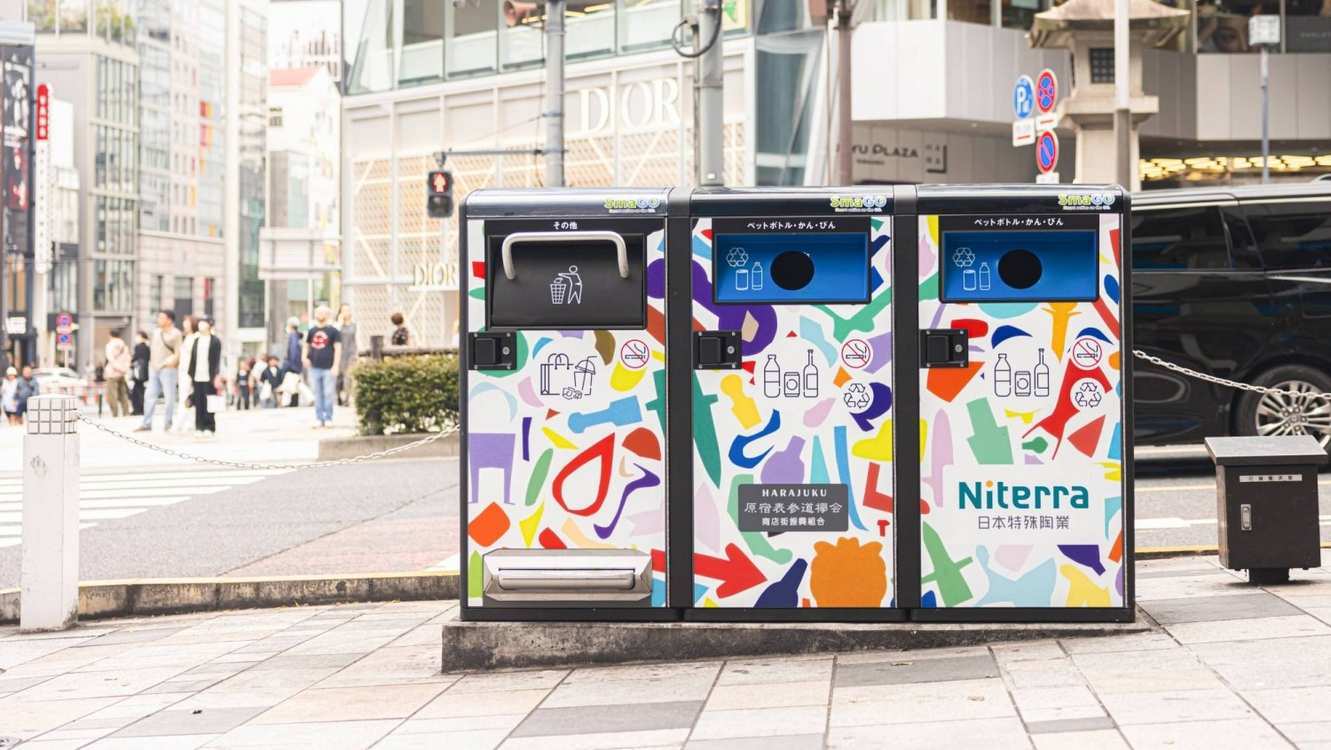
One example is Forcetec, which sells and installs solar-powered waste bins developed in the United States called SmaGO. It compacts waste every 5 minutes and can hold 5 times as much trash as a non-compacting bin.
“There are many places that recognize the need for trash bins but hesitate to install them because they’re worried the bins will overflow or because of the labor required to collect the rubbish,” says Rina Ogata, a spokesperson for Forcetec.
“You can install SmaGO and reduce the frequency of rubbish collection. The communications function also allows operators to check online how full each bin is, so they can make collections more efficiently before the bins reach capacity.”
Companies like Forcetec have donated or subsidized these products as part of “a corporate hometown tax program” and “corporate sponsorships” according to Japan Times.
Another reason why cities like Kyoto and Tokyo decided to trash their trash cans was that they fill up too quickly in busy areas, and collection of each bin was an expensive outlay.
But what if the trash cans could collect themselves? Enter California-based firm Cartken, whose 40-liter robotic trash bins use sensors to measure when they’re almost full, at which point they drive themselves out of the public reach for emptying.
MORE STORIES LIKE THIS:
- 7-11 Owner Pays Forward Kindness from Decade Ago with Viral Signs Offering Shelter from Scorching Heat
- 5 US Cities Hire Robot Called ‘Dax’ to Help Survey and Repair Sidewalks–Kids Love Him
East Japan Railroad uses the robot janitors at Shinjuku Station, one of the busiest train stations on Earth, and early surveys on consumer use and acceptance have been “more positive than anticipated,” a spokesperson told Japan Times.
Robotic solutions have a knack for attracting criticism that they’re eliminating jobs, but as was explored above, Japanese municipal governments already eliminated these kinds of sanitation jobs years ago. The robots are actually bringing some back.
SHARE This Story With Your Friends Who’ve Been To Tokyo…