With a new inspirational quote every day, atop the perfect photo—collected and archived on our Quote of the Day page—why not bookmark GNN.org for a daily uplift?
Today’s Independence Day marks 244 years since the birth of the United States, so in celebration of the holiday, we’ve gathered 21 inspirational quotes on the essence of liberty, freedom, justice, and independence, the principles on which the country was founded:
1. “It does not take a majority to prevail, but rather an irate, tireless minority, keen on setting brushfires of freedom in the minds of men.” –Samuel Adams
2. “Nothing is more difficult, and therefore more precious, than to be able to decide.” –Napoleon Bonaparte
3. “Without freedom I am a slave in shackles on a ship lost at sea. With freedom I am a captain; I am a pirate; I am an admiral; I am a scout; I am the eagle souring overhead; I am the north star guiding a crew; I am the ship itself; I am whatever I choose to be.” ―Richelle E. Goodrich
4. “Patriotism is a thing difficult to put into words. It is neither precisely an emotion nor an opinion, nor a mandate, but a state of mind – a reflection of our own personal sense of worth, and respect for our roots. Love of country plays a part, but it’s not merely love. Neither is it pride, although pride too is one of the ingredients. Patriotism is a commitment to what is best inside us all. And it’s a recognition of that wondrous common essence in our greater surroundings.” ―Vera Nazarian
5. “This, then, is the state of the union: free and restless, growing and full of hope. So it was in the beginning. So it shall always be, while God is willing, and we are strong enough to keep the faith.” –Lyndon B. Johnson
6. “Freedom is never more than one generation away from extinction. We didn’t pass it to our children in the bloodstream. It must be fought for, protected, and handed on for them to do the same.” –Ronald Regan
7. “In the process of gaining our rightful place, we must not be guilty of wrongful deeds. Let us not seek to satisfy our thirst for freedom by drinking from the cup of bitterness and hatred. We must forever conduct our struggle on the high plane of dignity and discipline.” –Martin Luther King Jr.
8. “Liberty means responsibility. That is why most men dread it.” –George Bernard Shaw
9. “May we think of freedom not as the right to do as we please, but as the opportunity to do what is right.” –Peter Marshall
10. “The history of free men is never really written by chance, but by choice; their choice!” –President Dwight D. Eisenhower
11. “For to be free is not merely to cast off one’s chains, but to live in a way that respects and enhances the freedom of others.” –Nelson Mandela.
12. “The only way to deal with an unfree world is to become so absolutely free that your very existence is an act of rebellion.” –Albert Camus
13. “For what avail the plough or sail, or land or life, if freedom fail?” –Ralph Waldo Emerson
14. “I believe in America because we have great dreams, and because we have the opportunity to make those dreams come true.” –Wendell L. Wilkie
15. “Liberty is a constant battle between government; who would limit it, people; who would concede it, and patriots; who would defend it.” ―Samuel R. Young Jr.
16. “Those who expect to reap the blessings of freedom, must, like men, undergo the fatigue of supporting it.” –Thomas Paine
17. “I do not agree with what you have to say, but I’ll defend to the death your right to say it.” –Voltaire
18. “We must be free not because we claim freedom, but because we practice it.” –William Faulkner
19. “Then join hand in hand, brave Americans all! By uniting we stand, by dividing we fall.” –John Dickinson
20. “All honor to Jefferson – to the man who, in the concrete pressure of a struggle for national independence by a single people, had the coolness, forecast, and capacity to introduce into a merely revolutionary document, an abstract truth, applicable to all men and all times, and so to embalm it there, that today, and in all coming days, it shall be a rebuke and a stumbling-block to the very harbingers of re-appearing tyranny and oppression.” –Abraham Lincoln
21. “Listen to me, there is freedom in love. Every day should feel like independence day.” ―Evy Michaels
Happy Independence Day! Share The Inspiring Quotes With Your Friends On Social Media…
Though he grew up in Tennessee and tried college for a while, it wasn’t until he moved to Massachusetts and began driving a school bus full of teens, this he became inspired to head back to the classroom himself.
Clayton Ward credits the students he was transporting to their Framingham high school for helping him rediscover his dream of earning a college degree.
“I really enjoy working with kids, especially the high school students, and during the bus routes, we would chat about their classes. As a history buff, I would share lessons that I learned in school and we talked a lot about academics,” said Clayton.
“After several of these discussions, some of the students would tell me they wanted me to be their teacher. I think they only said that because I was a different person than their regular teachers, educating them in a different way to pique their interest.”
But, however small that mention was from those kids, it stuck with him and provided the motivation to complete a goal he had started years before.
Talking to the students on his school bus every day, “renewed his sense of passion for expanding and teaching young minds.” He enrolled at MassBay Community College in May 2019 with the goal of earning his degree, transferring to a four-year institution, and some day teaching history to high school students—just as he did with the kids on his bus route.
Clayton worked full-time, driving the school bus while attending classes full-time at MassBay. He focused on doing the best he could in all his classes, and it paid off.
He earned a spot on the Dean’s List every semester, was inducted into the Phi Theta Kappa National Honor Society, and graduated with a perfect 4.0 average. Last month he earned the All-Divisional Award for having the highest GPA in the Humanities and Social Sciences division—and in the Liberal Arts program.
“It wasn’t always easy. I would drive my route in the morning and afternoon, take a class in between shifts, and take night classes and classes online to complete my degree requirements. I would think of those students and all the years I wanted to make this happen, and it helped me focus my energy.”
“Many years ago, I heard a quote from my former middle and high school band teacher, which helped me stay the course and get to where I am now. My teacher said, ‘Discipline is not doing what you are supposed to be doing when everyone is watching. Discipline is doing what you are supposed to be doing when nobody is watching.’”
And, thanks to lots of free time during the pandemic, in just one year, Clayton has completed his Associate in Arts degree in Liberal Arts and will transfer to Framingham State University in the fall to pursue his bachelor degree in History, with a minor in Secondary Education.
Germany is making major strides towards trying to practice what she preaches in terms of environmentalism.
The country announcement yesterday that it will be implementing a ban on the sale of a multitude of single-use and disposable items in a bid to reduce the amount of plastic and polystyrene waste in the environment.
This includes things like plastic straws, polystyrene cups and boxes (think Cup-O-Noodles), single-use cutlery, plates, and stirring sticks.
German Environmental Minister Schulze said the move was part of an effort to move away from “throw-away culture,” according to AP.
The government’s ban will go into effect next year on July 3, 2021.
The new plan also legislates the closure by 2022 of eight brown-coal operations—mostly located in economically depressed regions—as the number of jobs in renewable energy, which already generates 50% of Germany’s power, increase in those regions.
Even while saving a species, ‘slow and steady’ can win the race.
The Española tortoise program on the Galapagos Islands has become one of the most successful captive breeding programs ever undertaken in the world. Created in the mid-1960s to save that species from extinction, it collected the last remaining 14 tortoises on Española island—the only place in the world they are found.
Now, they’ve all made the trip back home, 55 years later, to live out the rest of their days in retirement on their island’s restored ecosystem.
The 14 giant Española tortoises (plus one that had been at the San Diego zoo) produced 1,900 offspring over the decades which have slowly been reintroduced on the island—many of which have survived to adulthood and have since bred, creating a population of roughly 2,300 children and grandchildren of the original 15.
One giant tortoise dubbed “Diego” managed to contribute to approximately 40% of the offspring repatriated to the island before two weeks ago joining his brood where he was taken almost 80 years ago.
“This captive breeding program, in addition to the management actions implemented on Española island, give us peace of mind that we managed to save a species that would otherwise have become extinct. It can only be described as successful and an example of the conservation efforts that we implement as a National Government in synergy with our allies,” said Paulo Proaño, Ecuador’s Minister of Environment and Water.
Galapagos Conservancy
The tortoises’ release was originally planned for March, but was delayed due to quarantine measures for COVID-19. Eventually though, on June 15th boats loaded with tortoises floated out to Española, and biologists hiked inland to a particular spot rich in cacti—the tortoises favorite food—carrying the 77-pound animals on their backs.
Galapagos Conservancy video
“For the 3 males whose weight exceeded 120 lbs, two people were needed in relays,” said Danny Rueda, Director of the Galapagos National Park. “After the release, the staff remained for approximately four more hours, making observations of the behavior of the tortoises as they settled back into their home.”
The dramatic decline of the tortoise population was due primarily to over-exploitation by mariners in the 1800’s who gathered hundreds for food on their long voyages. They also introduced invasive species, particularly goats, which were finally eradicated from the island in 1978.
In the program’s infancy, the Galapagos Conservancy conducted a worldwide search to determine if there were more individuals, especially males, that could contribute to the genetic variability of this unique species. The search paid off, and one adult male (Diego) was found at the San Diego Zoo, having been collected on the island by a research team in the mid-1930s.
Diego is now 100 years old, and because tortoises can live to be 150, he may be enjoying a retirement for decades, watching his great, great, great grand nephews and nieces grow up.
WATCH the beautiful video showing their homecoming…
SHOW Your Support for Galapagos By Sharing This With Friends on Social Media…
Quote of the Day: “Heaven is under our feet as well as over our heads.” – Henry David Thoreau (Walden, published 175 years ago today)
Photo: by Frank McKenna – public domain
With a new inspirational quote every day, atop the perfect photo—collected and archived on our Quote of the Day page—why not bookmark GNN.org for a daily uplift?
Harnessing raw nature to replace single-use plastics, Equo Straws has launched with a 100% biodegradable and compostable straw using natural ingredients sourced from local farming communities.
Unveiled on May 18 on Kickstarter, they hit their funding goal within 30 days and intend to produce four flavors of eco-friendly straws through the company’s innovative use of materials from nature.
Tran-Vu, who previously worked in brand management for consumer goods companies like Unilever, LG, and Bacardi, was inspired to build a sustainable future for her nephew while working to support local economic growth and job creation in her parents’ hometown in Vietnam.
“Traveling the world and seeing the massive amount of plastic in the forests, oceans, and beaches breaks my heart,” she said. “I really want future generations to have a chance at experiencing a better Earth. Also, after returning to Vietnam, I wanted to create jobs for local farming communities and give them a steady income.”
The multi-colored Equo Straws’ product line includes four choices with unique characteristics, described as follows:
1) Coconut Straws – Made from fermented coconut water, offering a tropical twist on an everyday product, and available in ivory white with a cool textured design.
2) Rice Straws – Made from rice and tapioca starch and available in plant-based, natural colors including white, green, pink, blue, yellow (After use, these can be cooked down and are fully edible).
3) Dried Grass Straws – Made from naturally tube-shaped grass and available in green (also a natural chew/tug-of-war toy for pets, or crunch them if fidgety, to get the same satisfaction as popping bubble wrap).
4) Sugarcane Straws – Made from sugarcane, with a light sweet aroma, and available in a variety of sizes (including wide sizes for specialty drinks/bubble tea). Available in light brown (speckled), and washable for reuse within one day.
“It’s well known that plastic straws are harmful for the environment, with most of the 500 million used every day in America ending up in oceans where they pollute water and kill marine life,” said Equo Co-Founder and Managing Director Marina Tran-Vu. “Although there are some plastic and paper straw alternatives on the market, most are environmentally harmful through the carbon footprint they make in production and disposal, and we were also unsatisfied with the quality and durability of paper straws.”
In addition to their positive ecological impact, Tran-Vu says they wanted to ensure Equo Straws were competitively priced to give consumers an affordable alternative to environmentally harmful straws.
“Overall, we want to make sure if we offer an alternative to paper and/or plastic that it is realistic both in cost and supply,” she said. “We don’t want cost to be the main reason why people can’t select a better alternative.”
Pre-orders on Kickstarter are priced at $21 for two packs of 50 straws each.
The name of the product was created by combining the words ‘ECO,’ meaning not harmful to the environment, and ‘STATUS QUO,’ meaning an existing state or condition – so ‘EQUO’ stands for the ideal of creating functional products with minimal impact to the environment.
She noted that, for many people, using a straw is necessary. (No one wants truck drivers to be tilting their heads back, for instance.)
“Some people simply don’t have a choice to not use straws because of medical reasons… and albeit as a more personal choice, some people use straws to keep their lipstick/makeup in place or for dental reasons,” she said. “Whatever the reason, we want people to have the freedom of choice… and more environmentally-conscious options.”
Straws are the first in a line of products the company plans to introduce to replace single-use plastics. For more information or to pre-order, visit the Equo Straws Campaign Page on Kickstarter.
They were the epicenters of disease in America and Europe, but now New York and Italy have both reached single-digit daily numbers for fatalities attributed to COVID-19 and plummeting hospitalization rates after valiant efforts to stop the spread.
The Ministero della Salute in Italy reported last week transmissions of just 5.86 per 100,000 inhabitants, while some news sources place the nationwide death rate as low as 6 on June 29th, down by 22 from just the day before.
While some clusters—particularly in the north where the virus has been the worst, and the south, where many Italians go on vacation—have appeared recently, the country is still recording the lowest numbers since mid-February.
Similarly, New York has achieved a complete turnaround, recording 5 deaths last Saturday, according to AP, the lowest since March 15th—down from 13 the day before.
The Fulton County Registration and Elections Board in Georgia recently approved a plan submitted by the Atlanta Hawks pro basketball franchise to donate their arena to create the state’s largest-ever voting precinct—one that will keep people socially-distant while whisking them through the process.
The State Farm Arena will accommodate voters beginning with a runoff primary election to determine final party candidates on August 11, and for a second time during the General presidential election on Nov 3rd.
According to a report from ESPN, the NBA team and arena’s owner Tony Ressler wondered how they could offer support to the city of Atlanta after the Black Lives Matter protests began downtown.
“When our ownership group purchased the Hawks & State Farm Arena five years ago, we were clear that we felt it was our responsibility to make sure the organization was an important civic asset to the city of Atlanta,” said Ressler in a press release. “Utilizing State Farm Arena and our incredible staff to make it an accessible and vital polling site in an important election year is a fulfillment on that promise.”
A large facility packed with staff, open spaces, suite rooms, and more, would be a perfect place to host large numbers of voters, especially if COVID-19 measures still require social distancing, masks, and sanitation of public places.
Elections that have taken place since the pandemic started have required that voting machines, normally placed within inches of one another, be spread 6 feet or more apart, but the large basketball court, concourses, and spare rooms will go a long way to making the process much easier.
“State Farm Arena is an ideal solution to help us serve thousands of voters while maintaining social distancing requirements,” said Mary Carole Cooney, chairperson of the county’s election board. “We appreciate the Hawks for coming to us with this creative solution.”
“It took me about a nanosecond to understand what a big deal that would be for us here in Fulton County running this upcoming election, given the challenges that we had,” Robb Pitts, chairman of the county board of commissioners, told ESPN.
“Tony Ressler, Steve Koonin and their organization have once again demonstrated that the Hawks are True to Atlanta,” added Pitts.
The Hawks will also be paying for 300 full time faculty workers for assistance on election days, saving the municipality thousands, and are opening parking lots for those using the venue to vote.
Another advantage is that State Farm Arena is conveniently located just feet away from the Dome/GWCC/Philips Arena/CNN MARTA station on Georgia’s mass transit system. (The station is located on the Green/Blue lines. If traveling from the North or South, you will need to transfer at Five Points Station onto a Westbound train. Once you get to the Dome station, simply follow the signs to State Farm Arena.)
Since the Hawks offered their arena, the Detroit Pistons and the Milwaukee Bucks—both located in presidential battleground states—have followed their lead.
SHARE This Innovative Voting Solution With Friends on Social Media…
New studies looking at the relationship between property damage from floods and hurricanes—and the presence of mangrove trees—suggest that this coastal species, which is loved by fish, crustaceans, and invertebrates, can actually save a country millions of dollars of property damage every year.
If you’ve ever lived near water, you’ll understand that flood insurance is about as unforgiving as business gets. An international team of researchers recently mapped almost half-a-million miles of world coastal property and the flood risks associated therein.
The researchers found that flooding racks up about $730 billion every year in property damage, but that the presence of coastal mangroves, a salt-tolerant species of tree growing along the shores of 59 countries, corresponded with 65 billion fewer dollars needed for flood damage due to their incredible ability to blunt storm surges—the rise in sea level and mass of waves hitting the coast during hurricanes.
“Mangroves are climate heroes. Mangroves are land builders. Mangroves are givers,” says Daniel Murdiyarso, a scientist from the Center for International Forestry Research, who not involved with the study.
“They provide a lot of things for people and other creatures including fish, crabs, birds, especially migratory birds. They provide food for them, they provide nutrients for the fish [and habitat] to breed and propagate.”
How mangroves can help the US
In the United States, flooding and hurricanes cost around $50 billion in direct damages every year along the coasts of Florida and the states bordering the Gulf of Mexico—but counting indirect flooding damages, costs can regularly be 2 or 3 times as much.
Climate change is predicted to cause an increase in the severity of storms along the Gulf Coast and the Caribbean, as well as across the Pacific and Indian oceans, with the increase in temperature pushing many storms that would have remained a category 4 storm 30 years ago into deadly category 5.
Hurricane Dorian impacted 15 U.S. states with sustained winds of 185 mph and passed from the Bahamas all the way to Newfoundland. With the increase in numbers of storms like Dorian, there is a drastic need to slow the effects of climate change—and mangroves soak up CO2 like no other tree species, while containing storm surges.
If you’ve never seen photos of mangrove forests, they grow close together—both above and below the water, and above and below the sediment, to form a chaotic latticework of branches and trunks that trap sediment arriving from the sea.
This provides an effective natural defense from tidal forces. When strong waves break upon coastal mangrove forests, studies have shown that 100 meters forests can dissipate 66% of total wave energy.
“We generated maps summarizing the benefits that mangroves provide in 20-kilometer coastal units around the world,” writes Michael Beck, professor at UC Santa Cruz, and author of two papers. “They show that there are 100 coastal areas where mangroves avert $100 million or more in property damages every year.”
“Given our findings about how valuable mangroves are for coastal protection, we believe they should be viewed as national infrastructure and made eligible for funding from hazard mitigation and disaster recovery budgets, just like other coastal defense structures.”
“Paying for mangrove restoration can work through the same approaches that are currently used to fund engineered protective structures such as seawalls.”
Mangrove conservation in the U.S.
Mangrove conservation and restoration projects of various sorts are going on all over the world. In the nations in and near the Indo-Pacific region, mass community-based planting operations have been leveraged to try and stem the loss of an ecosystem that is vitally important during disasters.
The WWF has been working to restore mangroves, which it calls the most important coastal ecosystem, for decades. Now it’s teaming up with Conservation International, the International Union for the Conservation of Nature (IUCN), and The Nature Conservancy to form the Global Mangrove Alliance.
They plan to expand the global extent of mangrove habitat by 20% by the year 2030, which isn’t as impossible as it sounds. New techniques for planting mangroves, which involve far less manual labor than other seedlings, mimick the forces of hydrology and are being implemented by conservation groups in Florida.
Elsewhere, herculean efforts, like those of Douglas Thisera, also known as the “Mangrove Master”, who planted over 2 million mangrove saplings across his home country of Sri Lanka over 16 years, or the work of Haidar el Ali who restored an entire Senegalese mangrove forest ecosystem in the Casamance Delta, are proving that even a single person can do a lot to generate this most important of ecosystems.
If you live in a U.S. State with mangroves or are at risk of flooding during hurricanes, consider calling your local representatives and suggest they look into mangroves as a way of protecting your property and the property of your neighbors.
GROW Their Awareness By Sharing With Your Friends on Social Media…
Quote of the Day: “Nature never hurries. Atom by atom, little by little she achieves her work.” – Ralph Waldo Emerson
Photo: by Darius Cotoi – public domain
With a new inspirational quote every day, atop the perfect photo—collected and archived on our Quote of the Day page—why not bookmark GNN.org for a daily uplift?
This heartwarming story began unfolding on Father’s Day when some Good Samaritans got creative so they could get an elderly man out of the heat.
The 70-year-old was pushing a cart around a Chicago neighborhood—hard work for anyone on a hot summer day—but now, thanks to some sweet customers and the kindness that went viral, he may finally have the opportunity to enjoy retirement.
Rosario Del Real works harder than many folks half his age. Until this month, he had been working as a carpenter from home. Since an injury forced him to take a break from his profession, he has pushed a refrigerator cart through the streets, selling paletas (Mexican-style ice pops) to neighbors.
Don Rosario, as he is affectionately known, was born in Zacatecas, Mexico and wears his traditional vaquero suit, cowboy hat, and pitted belt whenever he sells his frozen treats.
It may have been a holiday for dads across the U.S., but for Don Rosario, it was “another day at the office,” pushing his paleta cart around the neighborhood. Since Oscar Gonzalez and his friend Victor Dominguez were hosting a Father’s Day barbecue for their families, they invited the paleta salesman to join them.
Everyone bonded quickly, and before long, they decided to buy all of the paletas in Don Rosario’s cart so that he could go home and rest.
One of their friends recorded a video of the heartwarming sale and posted it on the social sharing app TikTok (see below the interview). After the video went viral, the family used the publicity to set up a fundraiser that could help the immigrant retire.
The initial goal was to raise $10,000 for their new friend, but generous strangers from all over the world ended up contributing more than $62,000 to the GoFundMe campaign.
Even before learning that his new friends had collected a huge sum for his retirement, Don Rosario says he was moved to tears by their generosity that day—although he is grateful to have the opportunity to work.
“I don’t like to sit at home doing nothing and without a purpose,” he told the Chicago Tribune. “But I don’t have enough to ever be able to thank (the family) who have done this for me; it has made me so happy.”
A very emotional Don Rosario thanks God for the family that bought all his paletas on Sunday. He said that he doesn’t like to stay home and that’s why he decided to go out & sell. He doesn’t know that the same family helped to collect nearly $40,000 for him. pic.twitter.com/eAXnqhYmJY
— Laura N. Rodríguez Presa (@LAURA_N_ROD) June 24, 2020
Don Rosario first came to the United States in 1969, before finally becoming a citizen in 1979. He says that when he first came to the country, his family was so poor that his only wish was for them to be able to eat one full meal every day.
After picking produce in California for a number of years, he worked on ranches and in factories in Texas and Oregon. Finally, he was able to settle in Chicago and buy a home, where he and his wife raised their three children on the Southeast side. He finally finished paying off the house in 2015.
Don Rosario says he plans to return to Zacatecas some day. When he gets there, the first item on his agenda is to visit the Shrine of Our Lady of Guadalupe to thank God for how so many strangers have been such a blessing to him in recent weeks. Even though he can certainly relax and enjoy his retirement now, he says he will keep working because it brings him so much satisfaction.
WATCH the video that set it all in motion…
SHARE This Heartwarming Story With Your Amigos on Social Media…
In a bid to be more environmentally conscious, 85% of Americans surveyed have made at least one positive change in their lifestyle in the past year.
The great news is that a growing interest in becoming more eco-aware is a movement that’s contagious: Half of those polled said they’ve influenced somebody else to be more environmentally conscious, with the average respondent saying they’ve swayed three of their friends.
While the average American has made at least three positive changes in the past year, 41% of those polled said they’ve made even more than that, according to a new survey of 2,000 adults.
Four in 10 of those polled reported making an environmentally-conscious decision at least once a week, and nearly one in 3 said they do so daily.
And, environmental awareness appears to grow with time and age.
When asked about the past year, 45% of respondents said they’ve cut down on wasting food and 27% said they’ve made a better effort to buy products with traceability labeling.
One in 3 said they’ve begun recycling more in the past 12 months, while 31% said they’ve cut down on plastic use and nearly 25% have reduced water usage in their homes.
Seven in 10 respondents said the more they age, the more environmentally conscious they become, with a majority (60%) saying they are more environmentally aware now than they were five years ago.
Nearly seven in 10 of those surveyed said buying food products that are sustainably raised or produced is a priority.
While 4 out of every 5 people said they feel they’re making a difference when they make an environmentally-conscious decision, 80% feel better about themselves in the process.
But the biggest reason cited for their green lifestyle changes is a growing concern for the climate crisis (70%). Sixty-six percent said they care about protecting ecosystems and want to help save animals from extinction.
Two in three Americans surveyed said they care about sustainable food production because they are worried about what they or their family eat.
“Everyone can take steps—even small steps—to help not only slow the decline of nature globally, but to help rehabilitate our ecosystem as well,” said Michael Wan, Global Manager of Beef + Lamb New Zealand, which sponsored the survey conducted by OnePoll.
TOP 10 LIFESTYLE CHANGES AMERICANS HAVE MADE IN THE PAST YEAR
1. Not wasting food 45%
2. Turning off electronics when I’m not using them 42%
3. Purchasing food that is sustainably raised or produced 37%
4. Recycling more 34%
5. Cutting down on plastic use 31%
6. Buying products with traceability labeling 27%
7. Reducing water usage in my home 25%
8. Using eco-friendly products 25%
9. Composting 24%
10. Fixing broken items instead of throwing them away 24%
Preserve Eco-Positivity By Sharing These Survey Results With Your Friends On Social Media…
Reprinted with permission from World At Large, a news website covering politics, nature, science, health, and travel.
Juice detoxes, water fasting, and soup diets are often credited for stimulating healthy weight loss and cleansing toxins from muscle tissues—but what about tumor suppression?
Preclinical evidence suggests that short-term fasting and diets that mimic fasting can protect healthy cells against chemotherapy, while simultaneously rendering cancer cells more vulnerable to the treatment. However, clinical research evaluating the potential of short-term fasting in patients with cancer is still in its infancy.
This was shown in a new paper published last week in Nature: Communications by Dutch scientists from Leiden who looked at fasting-mimicking diets in patients undergoing chemotherapy for the most common form of breast cancer.
In the trial conducted by Dr. Judith Kroep and colleagues, 129 patients with HER2-negative stage II/III breast cancer followed either a fasting-mimicking diet or their regular diet for 3 days prior to and during neoadjuvant chemotherapy (treatment given as a first step to shrink a tumor before surgery).
Of all breast cancer patients, around 80-85% have the HER2-negative variety, but according to Dr. Kroep, animal studies suggest fasting-mimicking diets could also be effective for other forms of cancer.
Fasting and cancer
The logic, without having a PhD in biology, is two-fold. Cancer cells thrive on carbohydrates—and meat, particularly red meat, is rich in amino acids that increase the expression of insulin growth factor-1 (IGF-1), one of the body’s primary growth-hormone signals for muscle and tissue growth.
An individual with cancerous or precancerous cells who eats a diet containing a large amount of meat without incorporating an exercise regimen involving sufficient hormetic stress (i.e. the breakdown of muscle fibers) is theoretically at risk of providing IGF-1 to precancerous cells, allowing them to live past normal cell-cycle checkpoints and possibly become malignant.
Pioneered by Italian biologist Dr. Valter Longo, who is also the director of the Longevity Institute at the University of Southern California and author of “The Longevity Diet”, the study authors examined the fasting-mimicking diet. The diet has been shown to spur the body into behaving as if it is calorie-restricted, a metabolic state known to be good for preventing cancer, but doesn’t involve properly fasting.
“The culmination of 25 years of global research on aging, nutrition, and disease, this unique combination [is] an easy-to-follow ‘everyday’ diet and short periods of fasting-mimicking diet,” reads Dr. Longo’s website.
The trial
The [randomized controlled phase 2] trial has been the only one to date in dietary cancer management with “efficacy as an endpoint,” Dr. Kroep told World at Large.
The fasting-mimicking diet used in the study was a plant-based, low amino-acid substitution diet, consisting of soups, broths, liquids and tea. Macronutrient ratios and amounts were fixed and not personalized, and a micronutrient supplement was added.
Although no difference in toxicity was observed between the treatment and control groups, the effects of neoadjuvant chemotherapy on tumor response were reinforced in patients in the fasting-mimicking diet group.
One potential drawback is that the 129 individuals in the trial and those in other studies were “relatively fit” and that unfit patients, or those with metastatic disease who are less-fit to lose weight, may have different outcomes.
However, the results of this study suggest that cycles of a fasting-mimicking diet are safe and effective as a supplement to chemotherapy in women with early breast cancer. These findings, together with preclinical data, encourage further exploration of the benefits of fasting combined with cancer therapy.
“This study is a stepping stone in cancer dietary management. More studies are needed to confirm our finding and extend them to other cancer types,” says Kroep. “We plan to do some of that work.”
Be Sure And Share The Intriguing Research With Your Friends By Sharing This To Social Media…
Quote of the Day: “When you’re not concerned with succeeding, you can work with complete freedom.” – Larry David (turns 73 today)
Photo: by Lindsay Henwood – public domain
With a new inspirational quote every day, atop the perfect photo—collected and archived on our Quote of the Day page—why not bookmark GNN.org for a daily uplift?
CSAIL robot disinfects Greater Boston Food Bank Using UV-C light, the system can disinfect a warehouse floor in half an hour—and could one day be employed in grocery stores, schools, and other spaces. Written by Rachel Gordon MIT News
With every droplet that we can’t see, touch, or feel dispersed into the air, the threat of spreading COVID-19 persists. It’s become increasingly critical to keep these heavy droplets from lingering—especially on surfaces, which are welcoming and generous hosts.
Thankfully, our chemical cleaning products are effective—but using them to disinfect larger settings can be expensive, dangerous, and time-consuming.
With that in mind, a team from MIT’s Computer Science and Artificial Intelligence Laboratory (CSAIL), in collaboration with Ava Robotics and the Greater Boston Food Bank (GBFB), designed a new robotic system that powerfully disinfects surfaces and neutralizes aerosolized forms of the coronavirus.
The approach uses a custom UV-C light fixture designed at CSAIL that is integrated with Ava Robotics’ mobile robot base. The results were encouraging enough that researchers say that the approach could be useful for autonomous UV disinfection in other environments, such as factories, restaurants, and supermarkets.
UV-C light has been proven as an effective method for killing viruses and bacteria on surfaces and aerosols, but it’s unsafe for humans to be exposed. Fortunately, Ava’s telepresence robot doesn’t require any human supervision. Instead of the telepresence top, the team subbed in a UV-C array for disinfecting surfaces. Specifically, the array uses short-wavelength ultraviolet light to kill microorganisms and disrupt their DNA in a process called ultraviolet germicidal irradiation.
Photo by Alyssa Pierson / CSAIL
The complete robot system is capable of mapping the space—in this case, GBFB’s warehouse—and navigating between waypoints and other specified areas. In testing the system, the team used a UV-C dosimeter, which confirmed that the robot was delivering the expected dosage of UV-C light predicted by the model.
“Food banks provide an essential service to our communities, so it is critical to help keep these operations running,” says Alyssa Pierson, CSAIL research scientist and technical lead of the UV-C lamp assembly. “Here, there was a unique opportunity to provide additional disinfecting power to their current workflow, and help reduce the risks of COVID-19 exposure.”
Food banks are also facing a particular demand due to the stress of COVID-19. In April, the United Nations projected that, because of the virus, the number of people facing severe food insecurity worldwide could double to 265 million.
During tests at GBFB, the robot was able to drive by the pallets and storage aisles at a speed of roughly 0.22 miles per hour. At this speed, the robot could cover a 4,000-square-foot space in GBFB’s warehouse in just half an hour. The UV-C dosage delivered during this time can neutralize approximately 90% of coronaviruses on surfaces. For many surfaces, this dose will be higher, resulting in more of the virus neutralized.
Typically, this method of ultraviolet germicidal irradiation is used largely in hospitals and medical settings to sterilize patient rooms and stop the spread of microorganisms like methicillin-resistant staphylococcus aureus and Clostridium difficile, and the UV-C light also works against airborne pathogens. While it’s most effective in the direct “line of sight,” it can get to nooks and crannies as the light bounces off surfaces and onto other surfaces.
“Our 10-year-old warehouse is a relatively new food distribution facility with AIB-certified, state-of-the-art cleanliness and food safety standards,” says Catherine D’Amato, president and CEO of the Greater Boston Food Bank. “COVID-19 is a new pathogen that GBFB, and the rest of the world, was not designed to handle. We are pleased to have this opportunity to work with MIT CSAIL and Ava Robotics to innovate and advance our sanitation techniques to defeat this menace.”
Photo by Alyssa Pierson / CSAIL
As a first step, the team teleoperated the robot to teach it the path around the warehouse—meaning it was equipped with autonomy to move around, without the team needing to navigate it remotely.
It can go to defined waypoints on its map, such as going to the loading dock, then the warehouse shipping floor, then returning to base. They define those waypoints from the expert human user in teleop mode, and then can add new waypoints to the map as needed.
Within GBFB, the team identified the warehouse shipping floor as a “high-importance area” for the robot to disinfect. Each day, workers stage aisles of products and arrange them for up to 50 pickups by partners and distribution trucks the next day. By focusing on the shipping area, it prioritizes disinfecting items leaving the warehouse to reduce COVID-19 spread out into the community.
Currently, the team is exploring how to use its onboard sensors to adapt to changes in the environment, such that in new territory, the robot would adjust its speed to ensure the recommended dosage is applied to new objects and surfaces.
A unique challenge is that the shipping area is constantly changing, so each night, the robot encounters a slightly new environment. When the robot is deployed, it doesn’t necessarily know which of the staging aisles will be occupied, or how full each aisle might be. Therefore, the team notes that they need to teach the robot to differentiate between the occupied and unoccupied aisles, so it can change its planned path accordingly.
As far as production went, “in-house manufacturing” took on a whole new meaning for this prototype and the team. The UV-C lamps were assembled in Pierson’s basement, and CSAIL PhD student Jonathan Romanishin crafted a makeshift shop in his apartment for the electronics board assembly.
“As we drive the robot around the food bank, we are also researching new control policies that will allow the robot to adapt to changes in the environment and ensure all areas receive the proper estimated dosage,” says Pierson. “We are focused on remote operation to minimize human supervision, and, therefore, the additional risk of spreading COVID-19, while running our system.”
For immediate next steps, the team is focused on increasing the capabilities of the robot at GBFB, as well as eventually implementing design upgrades. Their broader intention focuses on how to make these systems more capable at adapting to our world: how a robot can dynamically change its plan based on estimated UV-C dosages, how it can work in new environments, and how to coordinate teams of UV-C robots to work together.
“We are excited to see the UV-C disinfecting robot support our community in this time of need,” says CSAIL director and project lead Daniela Rus. “The insights we received from the work at GBFB has highlighted several algorithmic challenges. We plan to tackle these in order to extend the scope of autonomous UV disinfection in complex spaces, including dorms, schools, airplanes, and grocery stores.”
Currently, the team’s focus is on GBFB, although the algorithms and systems they are developing could be transferred to other use cases in the future, like warehouses, grocery stores, and schools.
Since the COVID-19 outbreak began, examining the spread, the rate of infections, the international response, and how these things have varied nation-to-nation has been a source of nothing less than bewilderment.
The cramped bazaars and streets of the Medinas in Morocco are relatively fine compared to some cities in the richest nations on earth.
The amount that is known and unknown has led to all kinds of approaches and guesswork, but perhaps nothing could be considered more astonishing than the containment of the now-infamous virus in one of the most crowded slums in Asia—in Dhravai, Mumbai, where one million people live in a labyrinthine-neighborhood of tightly packed shacks and one-room houses where social distancing is impossible.
The largest city in India, Mumbai is the epicenter of COVID-19 in India, and it has so far registered 500,000 cases.
But, while the city at large has seen maxed-out hospital beds, Dharavi, the setting of the Oscar-Winning film Slumdog Millionaire, has reported just 2,000 cases and 79 deaths overall, with just 274 in June.
How did they do it?
A proactive response was initiated, with 2,450 health workers assigned to Dharavi who started going door to door every morning at nine AM to test people.
After the first person tested positive in the slum—a 56-year-old garment worker who died the same day—the local and civic task forces identified the 5 highest-risk areas of the slum and started hunting the disease down, using contact tracing to find people who were at risk of being infected.
In total 47,500 people were tested in the opening salvo. “That gave us a head start,” Anil Pachanekar, a private doctor and head of a local physicians’ association, told the LA Times. “If [those cases] had slipped through, it would have wreaked havoc.”
Credited for insuring the low rates of infection, these Mumbai health workers endured severe heat and humidity, walking through crowded streets wearing protective plastic body suits that didn’t allow for bathroom breaks.
Along with the disease, the task force encountered the paranoia and misconceptions about it. “When we went around Dharavi, we also started educating people about it,” he said. “We told them it is not a crime to be tested positive for coronavirus.”
Fear is a killer
Alleviating the fear of COVID-19 in people, especially as it related to the fear of visiting a clinic or medical office for testing, ended up being a very effective way to treat the disease.
By April 20th, nineteen days after exposure, the door to door testing stopped, and 350 private clinics there were allowed to reopen. By then, the education efforts had paid off, and lines of people looking to get tested were forming outside of testing centers.
Meanwhile, city officials began converting buildings like wedding halls, schools and community centers into quarantine shelters with food and healthcare provisions. People who tested positive were quarantined in their homes while volunteer “COVID warriors” ensured those who were quarantined could get the medical supplies or groceries they needed.
With less than 20 deaths recorded in the slum during June, it seems like the worst is over for the residents of Dharavi—but what is being called the “Dharavi method” stands as a model for the future.
It demonstrates that no situation is too dire for human resolve and ingenuity, and that even people living in squalor have something to teach the world.
Need more positive stories and updates coming out of the COVID-19 challenge? For more uplifting coverage, click here.
SPREAD This Story With Some Hope on Social Media… (File photo by Eric Parker, CC license)
When English wildlife photographer Robert Fuller bought a secondhand playground for his daughters, he assumed that they would be the only ones to put it to good use.
Over the course of the last few years, however, Fuller has spotted a number of different animals playing on the jungle gym.
As a means of capturing the furry visitors in action, he set up several hidden cameras around the play set—and the results are adorable.
Fuller’s camera footage shows the playground being visited by weasels, hedgehogs, badgers, owls, deer, songbirds, and even a family of stoats.
The play frame is located in the family’s 3-acre garden along with a miniature trampoline, a shoe-shaped doll house, watering cans, and an old sand castle bucket—all of which have been used by the visiting wildlife.
“I decided to fit cameras and lighting to the climbing frame to capture more animals using it,” said Fuller, who is from Thixendale, North Yorkshire. “It wasn’t until I started to review the footage that I realized just how many animals and birds were enjoying the play frame.
“It has been in place for six years now, and in that time it has given me, my girls and a host of wild species so much pleasure—especially recently when we’ve been in lock-down.
“I see it providing fun for many more years to come too. I’ve yet to see any animal find a use for its bright yellow bumpy slide, but you never know!”
(WATCH the amusing video below)
Be Sure And Share This Pawesome Story With Your Friends On Social Media…

(L-R) Barry, Josephine, Georgina and Karolina Seath. SWNS.
Rather than continue living a comfortable urban life, this British family has sold their London home in favor of launching the world’s smallest nature reserve to save a nation’s coral reef system.
(L-R) Barry, Josephine, Georgina and Karolina Seath. SWNS.
Karolina and Barry Seath—along with their two young daughters—are preparing to move to an island in the Seychelles measuring just 1,300 feet long by 980 feet wide (400 by 300 meters).
They’ve launched a charity and teamed up with local biologists in a bid to revitalize the coral reefs in the smallest African country, which have been devastated by rising sea temperatures.
Their land-based coral farm will be only the second of its kind in the world, the other being on Australia’s Great Barrier Reef, to specialize in regrowing coral to regenerate the reef.
47-year-old Barry, who is a former recruitment consultant and policeman, said: “We are just a normal husband, wife, and two kids, living the sort of life that most others do… but we felt the need to make a positive change for ourselves, our children, and the world we had largely taken for granted. So we have sold our home and parted company with most of our worldly possessions.”
Over the course of several vacations to the Seychelles, the Seaths witnessed the gradual deterioration of the reefs as they snorkeled around the coastline.
“Every time we visited, we noticed the coral was getting worse and worse,” said Barry. “All the tourists say the same thing. They love the beaches, but are really disappointed with the coral. They expect these lush coral reefs, but what they actually find is lots of coral rubble.”
After more than 15 years running a London recruitment firm, Barry felt it was time to make a change and show his daughters an alternative way of eco-friendly living.
Barry then teamed up with experts at the Marine Conservation Society Seychelles in order to develop the facility. Building the farm is scheduled to take just three months with all the equipment, including tanks, chillers, filters, and pipework, costing £25,000.
Once complete, it will be the first large-scale, land-based coral farm in the Indian Ocean. The eco-warriors hope to use the facility to grow around 10,000 corals per year.
Moyenne Island in the Seychelles. SWNS.
Once planted across local reefs, their diverse range of coral species is expected to maintain the biodiversity of the reefs and replenish the estimated 250,000 individual corals that have already been lost in the seas and reefs in the Seychelles archipelago.
“It’s not going to change things overnight and will take a lot of work, but as we scale up operations, we expect to have a major and positive impact on the coral reefs in the area,” said Barry.
In order to produce the coral at scale, the team plans to harness the latest techniques in “micro-fragmentation”—a recently-discovered coral farming technique which can dramatically increase growth rates far beyond what occurs in the wild.
Much like how skin cells grow over a cut, the process involves cutting an individual coral into small pieces to stimulate its growth rate. Ordinarily, it takes coral reefs between 25 to 75 years to reach sexual maturity. This means that it can take up to 6 years just to plant 600 coral—but micro-fragmenting helps them to grow 40 times faster than they do in the wild.
The corals can then be grown in temperature-controlled tanks for up to nine months before they are replanted on the local reefs. Whilst in the tanks, the corals will also be exposed to warmer temperatures, enabling them to adapt at a young age to the ever-increasing sea temperatures they will face when returned to their natural habitat.
The national park sign for Moyenne Island. SWNS.
The Seaths are already talking to UK university researchers about using their tanks to carry out groundbreaking research on new coral farming techniques. And, the Seaths’ project could provide a rare chance for scientists to develop their laboratory research on a larger scale while also providing educational tours to local schoolchildren and tourists.
The farm will be located on Moyenne Island, a tiny property located just off the coast of Mahé, the Seychelles’ largest island.
Moyenne was designated the world’s smallest National Park in 2012 after its only inhabitant, British expat and former newspaper editor Brendon Grimshaw, passed away.
Grimshaw lived there for four decades after he bought the island for just £8,000 in 1962. Over the course of his life on the island, the conservationist planted thousands of trees and introduced giant tortoises which still roam the area to this day.
“The island has an amazing history. There are stories of hotel groups and rich individuals wanting to buy the island from Brendon,” says Barry. “They told him he could just name his price, but he refused every time. He didn’t want it to be developed.
“We hope to honor Brendon’s legacy by using the island as the venue of our first coral farm.”
Since the novel coronavirus outbreaks have also devastated the Seychelles’ tourism-dependent economy, the family hopes that replenishing the coral reefs will help bring more visitors back to the East African nation in the future. Additionally, the team hopes the farm’s success will help to launch more coral farms around the world.
Barry said: “Our long-term goal is to show everyone that—with just a relatively small investment—you can make a serious impact on the marine environment that will in turn boost the tourism industry. It should be a no-brainer.”
The Seaths plan to divide the project responsibilities amongst themselves with Karolina coordinating social media for the project, while parenting their daughters. Meanwhile, Barry will work as a full-time volunteer on the farm as his daughters, 11-year-old Georgina and 7-year-old Josephine, take on the role of youth ambassadors alongside their studies at a new school on Mahé island, which is just a 15-minute boat trip from Moyenne.
The sisters are eager to start their new adventure, with Josephine saying, “I’ll miss my friends, but I’m really looking forward to seeing lots of different animals and doing lots of snorkeling and helping my dad look after the coral.”
(L-R) Georgina and Josephine Seath. SWNS.
Georgina wants to learn to dive so she can help with the project, adding: “I’m really excited to have this opportunity to move abroad and learn more about the world. I hope we can make a real difference.”
The family is hoping that international flights will return to normal as coronavirus lockdowns are eased ahead of their planned departure in late August. Until then, they are busy establishing a nonprofit charity called Coral Reef Conservation UK—and they are already collecting donations from individuals and corporations.
The world’s only other land-based coral farm, which sits on The Great Barrier Reef, relies on considerable funding from the Australian government. Although there was a similar £1.6 million-facility which was launched in the Bahamas, it was destroyed by a hurricane just weeks after completion.
The Seaths, however, have kept total costs to just £200,000 for the first two years, thanks to a generous offer from the island’s current owner.
The family have enough money to support themselves for that time, but they will still need additional donations to fund the project’s operating costs.
“Because we are working for free and since the landowner has agreed to pay the building costs, we are able to create this farm at a fraction of the cost you might expect,” said Barry. “So it’s a real opportunity to make a massive difference for a pretty small amount of money.
“We’re very excited at the opportunity to make a positive impact and we hope that people will be able to support us.”
If you are interested in contributing to the Seaths’ labor of love, you can donate to their GoFundMe campaign or visit their website for more information.
(WATCH the Seaths’ informational video below)
It’s Not Hard To Sea That You Should Share This Inspiring Story With Your Friends On Social Media…
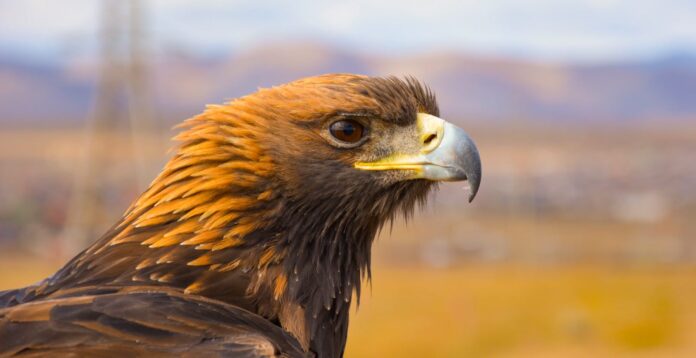
Quote of the Day: “Your history is an epic of brilliant deeds… O Canada, we stand on guard for thee.” – Canadian national anthem (adopted 40 years ago today)
Photo: by John Maschak – CC license
With a new inspirational quote every day, atop the perfect photo—collected and archived on our Quote of the Day page—why not bookmark GNN.org for a daily uplift?