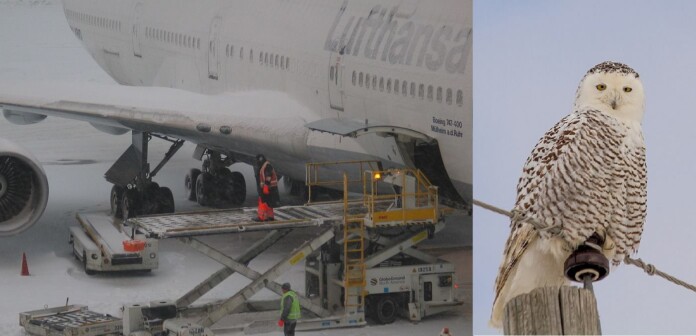
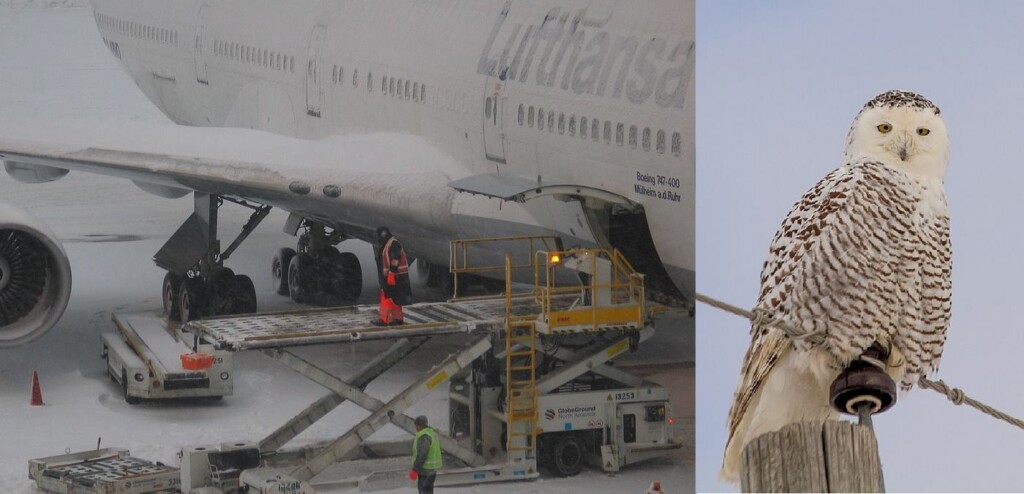
Logan International Airport under snowfall CC 2.5 Daniel Schwen(left) and a snowy owl CC 3.0. Sara
Logan International Airport under snowfall – credit CC 2.5 Daniel Schwen (left) and a snowy owl – credit, CC 3.0. Sara
A bird lover has been rescuing and relocating snowy owls from the Boston airport for over a decade, ensuring 900 of these majestic hunters can return home after winter.
The star of a recent award-winning documentary, Norman Smith, a raptor specialist at the Massachusetts Audubon Society, says it’s been an incredible experience to learn about these birds since he pulled the first one off the runway in 1981.
Logan Interntional Airport (BOS) is no stranger to snow, nor the owls of the same name that most people would associate with the Arctic. The reality is that BOS shares many similarities to their Arctic homes.
“It looks very much like the Arctic tundra,” Smith told CBS Boston. “It’s short, very short, mowed grass like it is in the Arctic. It’s surrounded on three side by water, so there’s plenty of food on the airport.”
A threat to an airplane and vice-versa, the awkward fact is that the five islands which make up East Boston contain the highest concentrations of snowy owls in the American northeast. They migrate here from the Arctic to spend the winter.
Many are attracted by the airport’s similarities to home, as Smith explained, but aside from a turbine engine, there are plenty of other hazards for them to face. One mature female had her feathers burned off after landing on a snow melter. Electrocutions and collisions with fences are other dangers.
If an owl becomes thusly injured, Smith will help transport them to the Blue Hills Trailside Museum in Milton, where they can undergo rehabilitation before Smith releases them back into wilder areas.
The ones unable to be released are available for locals to see up close at the Mass Audubon property.
The Snowy Owls of Logan Airport, a documentary produced and directed by Anna Miller, recently won the Audience Choice Award at the American Conversation Film Festival.
“It’s been an incredible experience to learn about these birds and see what they do, where they go, and how long they might live,” Smith said. “Together we can better understand, appreciate and care for the world in which we live.”
WATCH the documentary below…
SHARE The Story Of The Owl Man Of BOS With Your Friends On Social Media…
An Iranian-born British lawyer has made history as the UK’s first High Commissioner to come to the country as a refugee.
Fleeing the post-revolutionary landscape to arrive in Great Britain without a word of English on his lips, Kanbar Hossein-Bor admitted his mother was rather nervous when she first heard he was planning to join the Foreign Office, equivalent of the US State Department.
“In her mind this was a bastion of the establishment, she was a little worried of rejection,” he told the Guardian, adding that her base fear was that he “wasn’t English enough.”
Born to a Balochi family in the tri-national landscape of the arid southeast of Iran where the country shares a border with Afghanistan and Balochistan (Pakistan), his mother fled to the UK, and Kanbar had to be smuggled eastward across the Asian landscape en route to France, and eventually England to start a new life in the quiet seaside town of Southhampton, far from the rural classrooms where he grew up chanting “death to America and Israel” with his classmates.
Now, he becomes the first refugee to hold a position of High Commissioner, a senior UK diplomat who acts as ambassador to other ‘Commonwealth’ nations.
Officially, Mr. Hossein-Bor is the High Commissioner to the Republic of Fiji, non-resident British High Commissioner to the Republic of Kiribati and His Majesty’s non-resident Ambassador to the Federated States of Micronesia and the Republic of the Marshall Islands.
Because these were former British colonial possessions, the UK’s ambassador is titled High Commissioner. A Balochi, Arabic, and Farsi speaker, Hossein-Bor’s “international outlook” was fostered through tales of the Persian Empire, and interactions with other members of his Baloch family.
A stateless and often suppressed ethnic group of more than 10 million people split between the three countries, the Baloch have at various points over the last 2,000 years ruled themselves through powerful tribal dynasties.
Hossein-Bor told the Guardian that, having received the position, a particularly wild feeling came when realizing that he held the same post as former British imperial officers whose job it was to divide and rule the Baloch tribes, reflecting on Sir Robert Sandeman in particular, who literally wrote the book on the subject which Hossein-Bor has read.
“For me, to be his administrative successor—one of the great-grandchildren of the tribes— in the same building as him, both of us pursuing British national interests, albeit in a very different time, was quite a moment, because it reflects how the UK has changed, how I’m an instrument of change…”
SHARE This Inspiring Instrument Of Change In Britain With Your Friends…
Physicists experimenting with a giant particle accelerator accidently proved medieval alchemists right: that base metals could be turned into gold.
While studying electromagnetic disassociation and beam losses, the physicists at CERN’s Large Hadron Collider (LHC) saw that the lead they started with had transformed into approximately 86 billion atoms of gold.
Don’t let the high number fool you—the nugget measured in the picogram range—less than a trillionth of the weight of a paperclip, however the experiment showed that fundamental transformations of metals are possible without smashing particles together at super-high speeds.
Indeed, the experiment was able to shave several protons off of the lead atoms by positioning it so that they just barely missed each other. When this happens, the scientists explain, powerful electromagnetic fields cause them to change into different elements.
Lead contains 82 protons. By losing just 3, it arrives at the atomic number of gold.
The experiment was part of the ALICE Collaboration—a funny acronym that stands for “A Large Ion Collider Experiment.” It’s currently studying quark-gluon plasma, a state of matter difficult if not impossible to observe here on Earth, that is believed to be very close to conditions in the universe during and just after the Big Bang.
A depiction of how the gold is created – credit CERN released
To summarize the complex theory of quantum chromodynamics, the ALICE team are trying to study why the sub-atomic particles quarks and gluons are always confined together and can’t be observed in isolation.
Pursuant to that goal, the ALICE team, comprising almost 2000 scientists from 174 physics institutes in 40 countries, watched as the LHC provided collisions between lead ions, that recreated conditions similar to those just after the Big Bang. Under these extreme conditions, protons and neutrons “melt,” freeing the quarks from their bonds with the gluons.
“It’s impressive that our detectors can handle both major collisions that create thousands of particles and these smaller events that make just a few particles at a time,” Marco Van Leeuwen, who leads the ALICE project, said in a press release.
The collaboration has recently doubled the amount of gold it can produce, which only exists for an instant before breaking apart, and this is the first time they’ve been able to use their ALICE Detector instrument to study the gold they create.
“The results also test and improve theoretical models of electromagnetic dissociation, which, beyond their intrinsic physics interest, are used to understand and predict beam losses that are a major limit on the performance of the LHC and future colliders,” Jowett said in the release.
Turning lead into gold was a recurring theme in alchemy for thousands of years. It continually came up in experiments and writings by alchemists as the ultimate end of any practice. As recently as the 1500s, Caterina Sforza, the Lady of Imola, was experimenting with alchemy and managed to create talc, which, rather than being recognized for its use in protecting babies’ bottoms, was also, inevitably, believed to be capable of turning other metals like silver into gold.
SHARE This Cool Scientific Experiment And Results With Your Friends…
Quote of the Day: “The sun, the earth, love, friends, and our very breath are all parts of the banquet.” – Rebecca Harding Davis
Photo by: Quan Nguyen
With a new inspirational quote every day, atop the perfect photo—collected and archived on our Quote of the Day page—why not bookmark GNN.org for a daily uplift?
By Senado Federal Solenidades-Homenagens, CC license
90 years ago today, Uruguay’s Jose Mujica—the ‘World’s most humble President,’ was born. The 40th president of Uruguay became legendary for giving 90% of his salary to the poor, choosing to live on his austere farm (instead of the presidential palace), and using an old VW Beetle to get around town. He left office in March, 2015 due to his country’s one-term limit for presidents, and passed away just last week in advance of becoming a nonagenarian. READ some key historical facts about his tenure… (1935)
The owner of a California dry cleaner is showing those down on their luck that the community wants them to succeed—so he’s ensuring they look their best as they get ready for their next big break.
After talking to fellow owners of dry cleaners about how they could give something back to their communities, he decided to offer speedy cleaning and pressing of clothes for free to any unemployed customer heading to a job interview.
At Lux Cleaning and Alterations on 1610 W. Campbell in San Jose, owner Ali Shirkhodaei says the pro bono work is about fulfilling his long-held ambition to infuse his career with acts of kindness.
“I think it will definitely give them some hope that the community they live in cares about them,” he told San José Spotlight. “It’s not about just getting, it’s about giving. That’s the part that brings all of us joy.”
Immigrating to the United States from Iran in 1986, Ali wasn’t sure where he’d find work, even though he possessed a degree in molecular biology. When no white-collar career opportunities came knocking, he started Lux Cleaners, which became a super-successful business in the Silicon Valley.
He says about 5 to 10 people a week arrive to take advantage of his generosity. (See video below...)
Spotlight reports that just recently, a woman came to him for a shirt pressing en route to a tech company interview and, afterward, she stopped by to tell Shirkhodaei that she got the job—all before leaving a 5-star Yelp review saying “I definitely felt the love of my community.”
Ali said he and his team were more excited than she was.
Spotlight described him as possessing a typical immigrant work ethic: finishing in four days what other tailors will do in four weeks, and cleaning complicated items like Indian sarees and wedding dresses. He does it all with a smile, hoping his customers pay forward the kindness elsewhere.
“That’s one of the things that I love about having a small business and dealing with people on a daily basis,” he told the Spotlight. “I see many different faces every day and believe me, a small smile can change their day.”
SHARE This Heart-Warming Local Story From Northern California With Your Friends…
For more than a decade, parents were inundated with unsubstantiated claims that violent video games influence children and teens to be violent.
Now, from California comes the story of exactly the opposite occurring. A teenage gamer, who routinely engages in virtual violence, took action to prevent violence from actually happening.
On May 11th, in Tehama County, members from the Sheriff’s Office Major Crimes Unit carried out a search warrant on two houses on Bowman Road and Lake California.
Inside, two juveniles aged 14 and 15 were found to be in possession of improvised explosive devices, guns, and a manifesto explaining the motives behind a yet-to-be-carried-out attack which in their minds killed one set of parents, and 100 people at Evergreen Middle School, in Cottonwood.
Now in juvenile detention awaiting formal prosecution, the media has been informed that the search warrants were approved based on the information provided by an as-yet unidentified teenage video gamer from Tennessee, who heard the imprisoned pair discussing their plot whilst playing computer games with them.
Along with their comments, the “hero” was able to receive a photo from the two teens in which they were dressed in the clothes of the Columbine High School shooters.
All of this was revealed in a press conference by Tehama County Sheriff Dave Kain, who took questions from the media before eventually inviting, and expressing his hope, that the young man would step forward and be acknowledged for his heroism.
“In the end, I’d like to celebrate this young man—this particular young man out of Tennessee—this young hero, and focus the attention of this event on what it deserves to be: that this young man had the courage and heroic instincts to call our agency and notify us in order to mitigate any possible threat to our citizens, and particularly our young people,” Kain said.
“I think this is a good case of where it’s evident—if you see something, say something. And in this case, it worked.”
In a letter addressed to the Evergreen school families, superintendent Brad Mendenhall said that county schools had become more secure in recent years with the addition of high fences, security cameras, constant monitoring, and limited points of entry.
Sheriff Kain expressed his confidence that the plot was entirely prevented, such that he told the press his own son returned to school on the day it reopened.
CELEBRATE This Hero Gamer’s Instincts And Maybe Share It With Teens You Know…
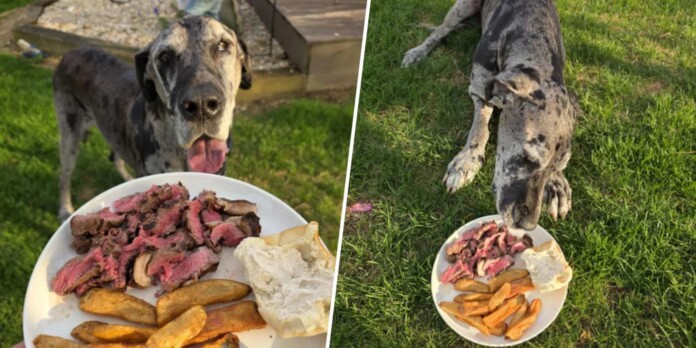
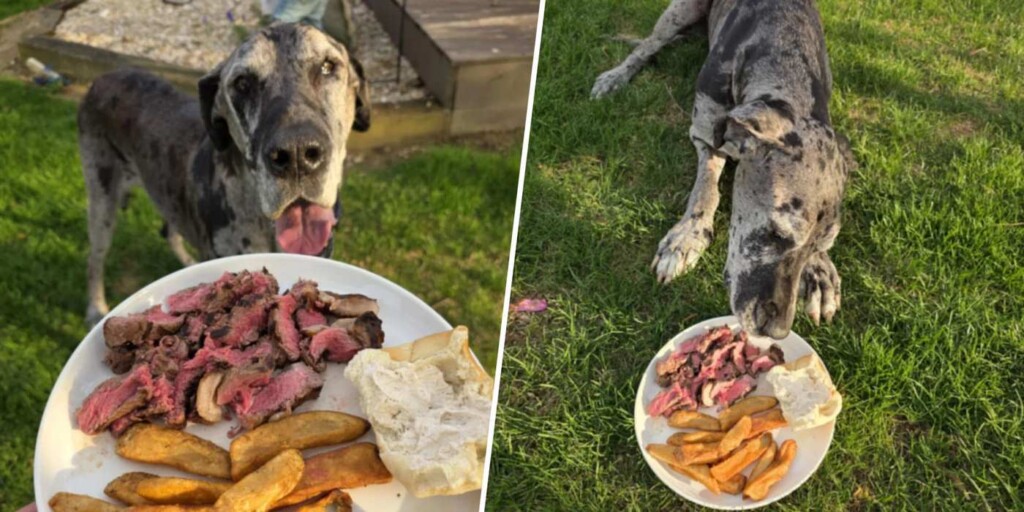
Iris the dog with her steak - Courtesy Hunter Metzger
Iris the dog with her steak – Courtesy Hunter Metzger
From Pennsylvania comes the story of a man who had to make the difficult decision to put down his dog, but who couldn’t believe the sendoff he received from the local Texas Roadhouse.
Receiving a to-go order with the note “last meal for our dog,” the staff made sure it came through with the tender care of a dinner prepared by family, for family.
Months ago, Hunter Metzger from Ephrata, Pennsylvania, discovered that his 120-lbs, 8-year-old great dane Iris had cancer. None of the treatments worked, and it was decided that the dog would be euthanized.
Following the great poet’s words however, Metzger was determined not to let his beloved pooch “go gently into that goodnight.” The day before end, family and friends arrived for a party in her honor—to feed Iris treats and shower her with affection. For dinner, Metzger got the idea to order a fat juicy steak from Texas Roadhouse.
He ordered an 8-ounce New York Strip, (no seasoning) steak fries, and mashed potatoes with butter, typing out in the special instructions field “Last meal for our dog. Please prepare with love.”
“My to-go team actually saw the message,” Kate Weston, the kitchen manager for Ephrata Texas Roadhouse, told TODAY.com. “I was like, ‘Oh my god, we need to make sure that this is the best meal we’ve ever made.’”
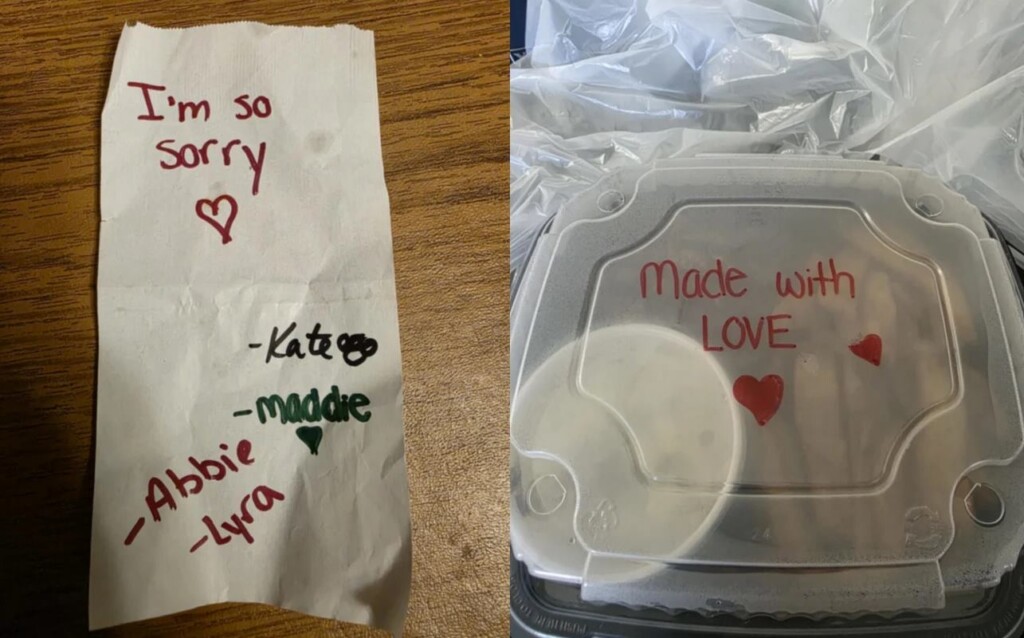
When Metzger came to retrieve it, the whole staff came out to offer condolences, “blowing him away.” The receipt apologized for his loss—signed by members of the to-go and kitchen staff—and the to-go container had the words “made with love” written in red marker.
“It just blew us away,” Metzger says. “She was just put down later that night, and the next morning, I happened to check my emails and I saw they had also refunded my meal.”
Metzger later posted an account of the event on the Ephrata town Facebook page, with comments pouring in recognizing Texas Roadhouse as a valuable member of the community.
TODAY also spoke to a corporate representative, who admitted it was a simple act, but said they were “so proud” of their team for displaying “such empathy and humanity, values we strive to uphold every day.
SHARE This Beautiful Story Of Corporate Restaurant Empathy With Your Friends…
Retired social worker listens to strangers across Canada - Courtesy of Paul Jenkinson
Retired social worker listens to strangers across Canada – Courtesy of Paul Jenkinson
A former social worker in Canada is enjoying his retirement in a very similar way to how he enjoyed his long career: by listening to people.
Likening it to being the “stranger on the airplane” in the seat next to you, Paul Jenkinson is currently on a cross-Canada tour where he shows up, sits down, and listens—to anyone, and about anything.
Good listening is a skill rarely found in the world, and during a career as a registered social worker in Nova Scotia and spokesperson for Advocates for Care of the Elderly, it was part of the job description.
I Will Listen isn’t an event—it’s just two folding chairs as a wooden cafe table—but it is coming to a town near you.
“I’m there as a fellow human to make connections,” Jenkinson told the host of CBC News’ As It Happens. “I just create that safe space for them, a little bit like the stranger on the airplane that you’re never going to see again.”
How many people do you know who’d love someone that isn’t a therapist or a family member to just sit down and talk to? Jenkinson says that those who eventually take him up on his offer don’t tend to do so immediately.
“I think they’re curious, for sure. ‘Who is this older man?'” he said. “People go back and forth a few times, surreptitiously as it were, getting some courage to come and sit down.”
He added that it’s not all lost students and recovering addicts. Sometimes, people want to come express the things they’re proud of or the good deeds they’ve performed, including volunteering for others just like Jenkinson.
There’s no timeline, no topics barred, no charge, and no pressure, as well as a promise to keep everything confidential unless the speaker expresses the intention to harm themselves or others.
Oh, and he doesn’t have a home. Jenkinson isn’t destitute, he’s a transient with financial means, and will come anywhere he’s invited. At the moment he’s in Nova Scotia, with the next stop being Prince Edward Island, and a loosely conceived plan to be in British Columbia by winter.
SHARE This Great Man’s Important Mission With Your Canadian Friends…
Quote of the Day: “The violets in the mountains have broken the rocks.” – Tennessee Williams
Photo by: Ales Krivec for Unsplash+
With a new inspirational quote every day, atop the perfect photo—collected and archived on our Quote of the Day page—why not bookmark GNN.org for a daily uplift?
Pete Townsend in 2012 - credit, CC 2.0. Ross Belot
Happy Birthday to Pete Townshend who turns 80 today. The English musician, singer-songwriter, and co-founder of The Who. Born in London to musician parents, he taught himself how to play guitar and never learned to read music. Yet, he became one of the most influential guitar players and rock composers in the world, with songs like “Behind Blue Eyes,” “Magic Bus,” “Love Reign O’er Me,” “Pinball Wizard,” “Can You See The Real Me,” “Let My Love Open The Door,” “See Me Feel Me,” “Just A Little is Enough,” “Save It For Later,” and “Baba O’Riley” (Teenage Wasteland)—including 12 studio albums for The Who. READ some great quotes from the great man… (1945)
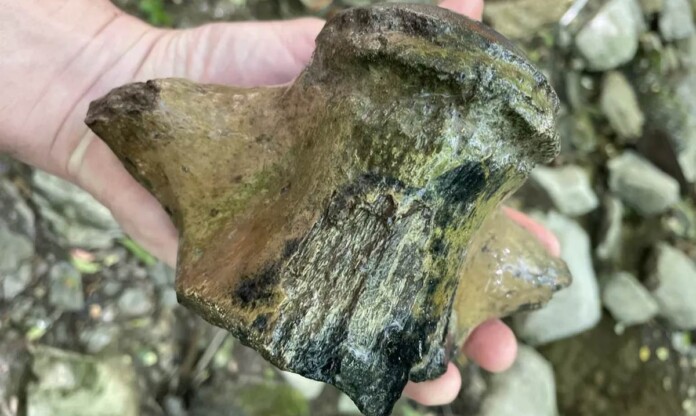
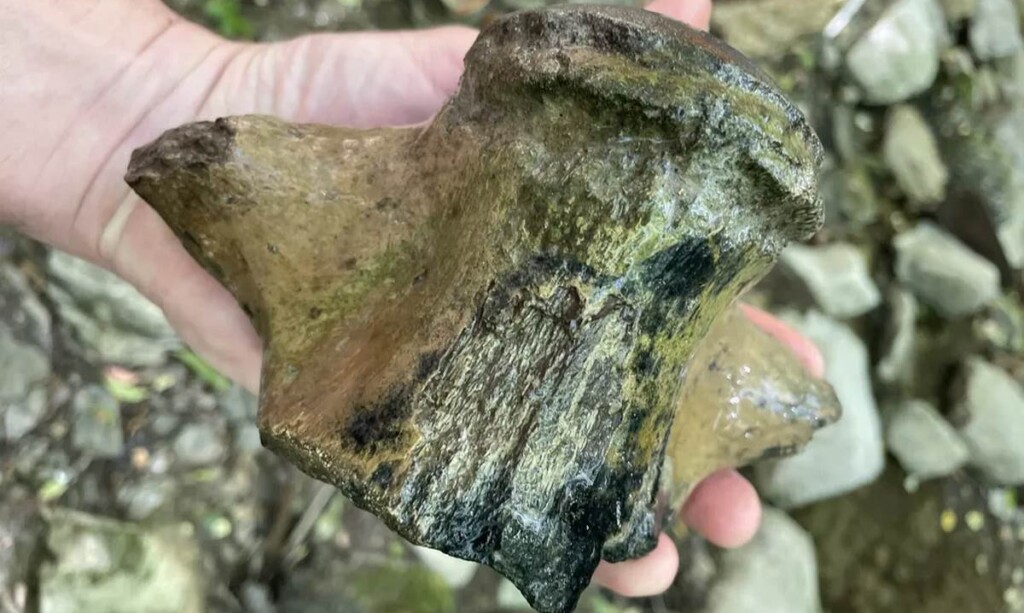
The mosasaur vertebrae measured 7 inches across - credit James Starnes
The mosasaur vertebrae measured 7 inches across – credit James Starnes
Geologists recently unearthed the vertebrae of a giant prehistoric marine lizard during fieldwork.
Measuring a full 7 inches across, an extrapolation of that size would place the animal among the largest ever to swim in the prehistoric precursor to the Gulf of Mexico.
“I … was completely awe-struck by its size,” said James Starnes, a geologist at the Mississippi Department of Environmental Quality. “The feeling you get when you find a fossil, even as a professional, never gets old. But when you find something you have never seen before, the elation can be overwhelming.”
Starnes was speaking to Live Science about his recent trip to an area near Starkville where he was planning a survey of the geologic layers under the ground.
They had already found traces of ancient life in beds of seashells from when Mississippi was underwater millions of years ago. In a layer of mud, they noticed something clearly not rock. They brought the fossil to the Mississippi Museum of Natural Science, and paleontologists identified it as belonging to Mosasaurus hoffmannii, perhaps the largest of its kind to ever exist.
There is considerable morphological variability across the currently recognized species in the Mosasaurus families.
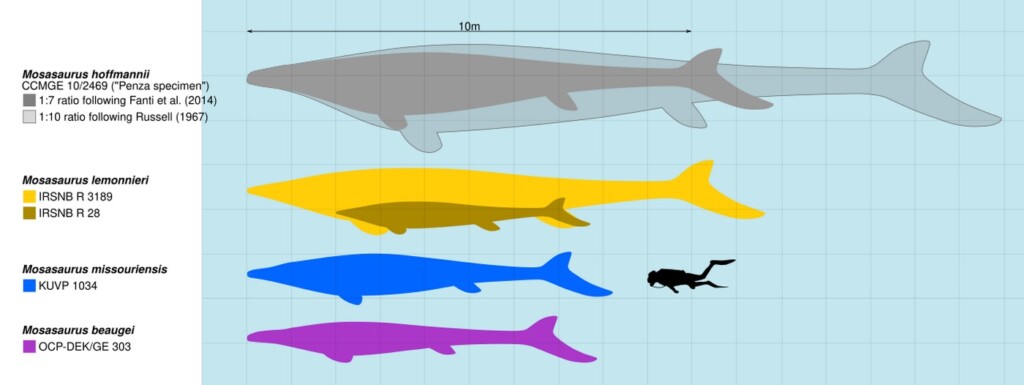
The ‘MosaScale’ – credit Slate Weasel, CC 0.0.
As it happens, the first Mosasaur was discovered over 250 years ago in the Netherlands, and was named after Johann Leonard Hoffmann, a biologist and physician who found a second specimen in the same quarry.
That first specimen would prove to be of the species generally thought of to be the largest ever. It was capable of growing beyond 30 feet in length and weighed around 10 tons—a mature elephant plus a sedan car, for comparison.
It was larger than most dinosaurs on land, Starnes remarked, and a “true, true sea monster.”
The vertebrae dated to the end of the Late Cretaceous Period, around 66 million years ago, when the animal it belonged to would have swum in a shallow sea rich with marine life of all shapes and sizes, from these large mosasaurs and other marine reptiles to fish, sharks, and sea turtles.
“While the dinosaurs ruled the land, these Mesozoic era oceans were likely the most dangerous of any time in the entire history of our planet,” according to a Mississippi Department of Environmental Quality post announcing the fossil find.
SHARE This Tremendous Discovery With Your Friends On Social Media…
A Dutch robot with neither hardware nor software can nevertheless reach incredible speeds with its soft legs powered only by air and simple physics.
Able to walk, hop, and swim without the aid of electronics or AI, its top speed will see it cross a distance equal to 30x the length of its body in a single second, about 100% faster than a Ferrari when speaking relatively.
Engineers at the AMOLF research institute in Amsterdam explained that the robot works on the same principle as the wobbly, inflatable tube dancers that flail around outside automotive dealerships. They say the same physics that makes them wiggle could hold the key to the next generation of autonomous robots.
“Soft robotics” has seen major advances of late in creating controllable units with minimal or zero electronic or mechanical components. These have included flabby “gel bots” that move inchworm-like through changes in temperature.
Powered by a continuous stream of air alone, each of the AWOLF robot’s soft, tubular legs begins to oscillate—not unlike those tube dancers.
But when many legs are coupled together, something unexpected happens: their motions quickly synchronize, creating “surprising coordination and autonomy” simply because of its body and how it interacts with the world, according to a study published in the journal Science.
“There’s no code, no instructions,” said study first author Alberto Comoretto. “The legs simply fall into sync spontaneously, and the robot takes off. Suddenly, order emerges from chaos.”
After the legs synchronize, the robot hits 30 body lengths per second when air is delivered at high speeds.
Comoretto, a PhD student in soft robotic matter, says that, relatively speaking, a Ferrari reaches only 20 lengths per second. This is the same logic as saying a flea can jump farther than a frog, or a spider is stronger than Arnold Schwarzenegger.
The better comparison is to other air-powered robots, which typically require centralized control, and travel “orders of magnitude” slower.
Perhaps the robot’s best party trick is revealed when it runs into an obstacle: it simply scrambles for a moment before reorganizing its legs, not unlike a millipede does when it is knocked out of rhythm.
“When it moves from land to water, the gait spontaneously shifts from an in-phase hopping pattern to a swimming freestyle,” said Comoretto. “These transitions happen without any central processor or control logic.”
Study co-author Dr. Mannus Schomaker compared it to the movement of sea stars, or other animals with limited or no cognitive experience.
“In biology, we often see similar decentralized intelligence,” said Dr. Schomaker. “Sea stars, for example, coordinate hundreds of tube feet using local feedback and body dynamics, not a centralized brain.”
Principal investigator Professor Bas Overvelde said that he doesn’t even feel it’s appropriate to call it a robot, explaining that “essentially, it’s a machine.”
“But when properly designed, it can outperform many robotic systems and behave like an artificial creature,” he added.
The researchers say possible future applications range from smart pills to space tech—for example reconnaissance of other worlds where little is known about the surface.
So much of early research and imagination into robotics and robots was informed by human biology. In reality, there are dozens of forms of locomotion found in nature, and soft robotics as a field is demonstrating how useful many of these can be in designing intelligent or controllable machines to tackle the challenges of today and tomorrow.
WATCH it go in the video below…
SHARE This Amazing Robot’s Ability To Move About With Your Friends…
Quote of the Day: “Any small, calm thing that one soul can do to help another soul will help immensely.” – Clarissa Pinkola Estes
Photo by: Eye for Ebony
With a new inspirational quote every day, atop the perfect photo—collected and archived on our Quote of the Day page—why not bookmark GNN.org for a daily uplift?
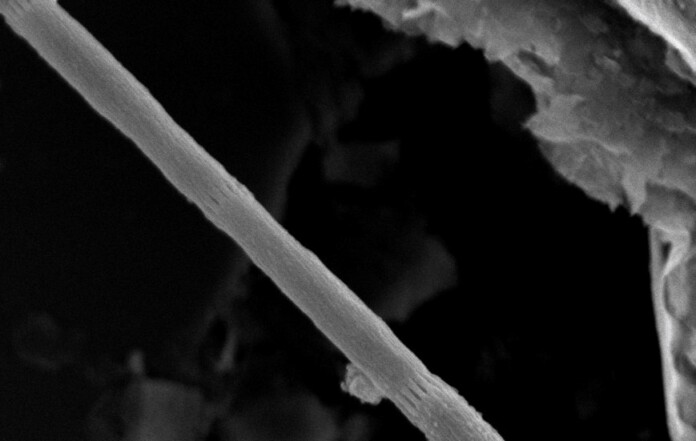
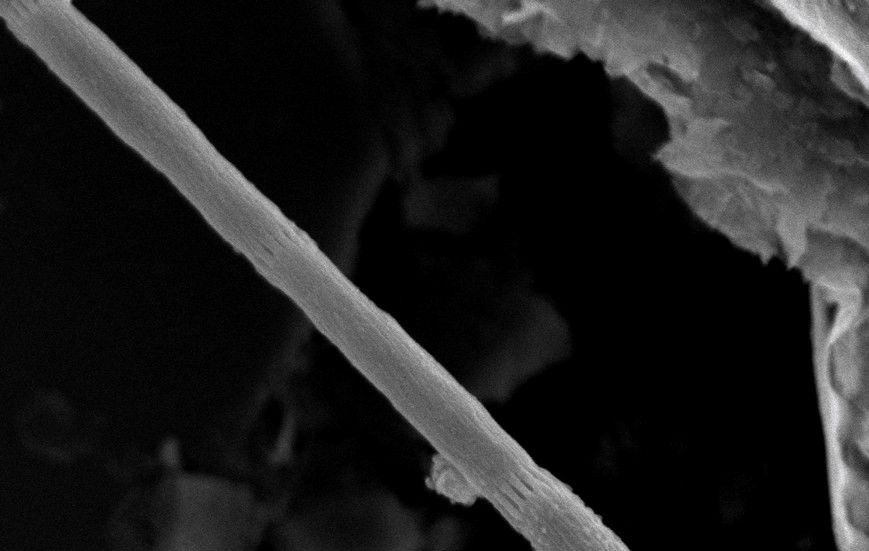
The cable bacteria viewed at 3-micron magnification - credit, OSU press, released
The cable bacteria viewed at 3-micron magnification – credit, OSU press, released
There’s something make-believe, almost Pokémon-like in a new species of bacteria found living on a mud flat in Oregon—a species which is basically like electric wiring, and which could inspire a revolution in bioelectronic interfaces.
A type of “cable” bacteria, the new lifeform contains nickel in its body, and forms long strands of individual bacterial tissues connected by a membrane it produces. These features allow it to transfer electrons along the length of its body.
Cheng Li, a postdoctoral researcher at Oregon State University at the time of the research, and Clare Reimers, distinguished professor emerita in the OSU College of Earth, Ocean, and Atmospheric Sciences, identified the new species in intertidal sediment samples from the Yaquina Bay estuary.
Named Ca. Electrothrix yaqonensis after the bay and the Native Americans who have lived there traditionally, the species was described in a new study which OSU Press reported on.
Cable bacteria’s electrical conductivity, unusual among bacteria at large, is a known adaptation, and is believed to have evolved in order to optimize metabolic processes in the sediment environments in which the bacteria live.
The new species features metabolic pathways and genes that are a mix of the Ca. Electrothrix genus and the other known cable bacteria genus, Ca. Electronema. Cable bacteria can live under diverse climatic conditions and are found in various environments, including both freshwater and saltwater sediments.
“This new species seems to be a bridge, an early branch within the Ca. Electrothrix clade, which suggests it could provide new insights into how these bacteria evolved and how they might function in different environments,” said Li.
“It stands out from all other described cable bacteria species in terms of its metabolic potential.”
Li points out the creature’s distinctive structural features, including the largest surface ridges seen among cable bacteria, under which lie highly conductive fibers made of unique, nickel-based molecules.
Nickel is considered a toxic heavy metal in humans, akin to aluminum, cadmium, or lead.
Nevertheless, these fibers enable the bacteria to perform long-distance electron transport, connecting electron acceptors like oxygen or nitrate at the sediment surface with donors like sulfide in deeper sediment layers, the OSU statement said.
“These bacteria can transfer electrons to clean up pollutants, so they could be used to remove harmful substances from sediments,” Li said. “Also, their design of a highly conductive nickel protein can possibly inspire new bioelectronics.”
Ca. Electrothrix yaqonensis draws its name from the Yaqona people, whose ancestral lands encompassed Yaquina Bay. Yaqona referred to the bay and river that made up much of their homeland, as well as to the people themselves.
SHARE The Story Of This Wild And Wriggling Live Wire Out In The Mudflats Of Oregon…
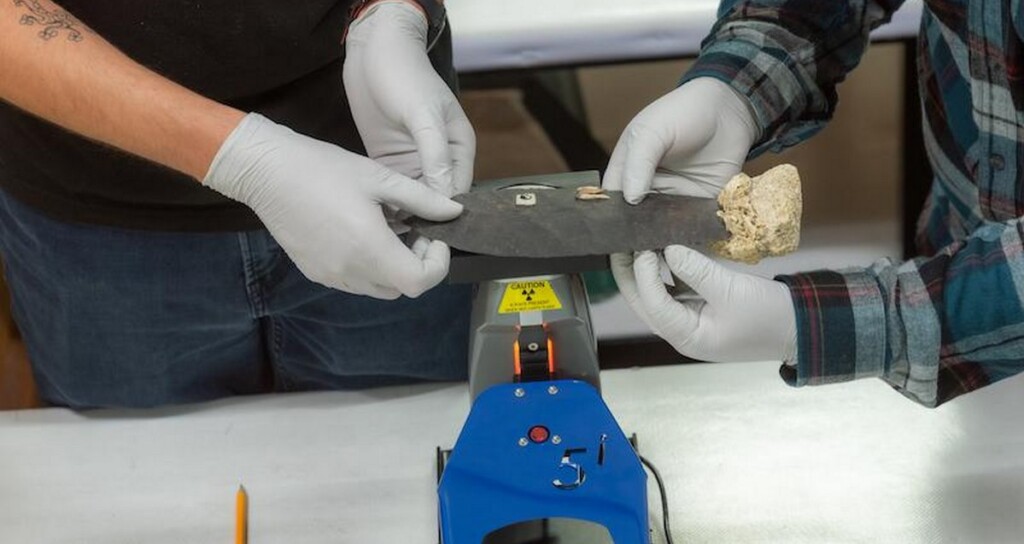
Analyzing one of the green obsidian objects found at Templo Mayor - credit Leonardo López Luján, via Tulane University
Analyzing one of the green obsidian objects found at Templo Mayor – credit Leonardo López Luján, via Tulane University
There’s an old saying that if goods are crossing borders, generally soldiers don’t, a saying that new research has shown to be true even in the case of the warlike Aztecs in central Mexico.
A new study sheds light on the economic networks, rituals and political influence the Mexica Empire (the word the Aztecs used for themselves) relied on to maintain their economy and grip on power.
The research, conducted by Tulane University and the Proyecto Templo Mayor in Mexico, reveals how obsidian—a volcanic glass used for tools and ceremonial objects and one of the most important raw materials in pre-Columbian times—moved across ancient Mesoamerica and shaped life in its capital, Tenochtitlan.
Published this week in Proceedings of the National Academy of Sciences, the study analyzed 788 obsidian artifacts excavated from the Templo Mayor of Tenochtitlan, the main temple and core of the Mexica Empire located in what is now Mexico City.
Archaeologists found that while the Mexica primarily used green obsidian from the Sierra de Pachuca source, they also acquired obsidian from at least seven other locations, including regions beyond their political borders, such as Ucareo, in the Purépecha territory in West Mexico. The findings suggest a sophisticated economy that relied not only on conquest but on active long-distance trade, even with rival polities.
“Although the Mexicas preferred green obsidian, the high diversity of obsidian types, mainly in the form of non-ritual artifacts, suggests that obsidian tools from multiple sources reached the capital of the Empire through market instead of direct acquisition in the outcrop,” said lead author Diego Matadamas-Gomora, a PhD candidate in Tulane’s Department of Anthropology.
“By studying where this material came from, we can explore the movement of goods across Mesoamerica.”
The analysis showed that nearly 90% of the obsidian artifacts in the sample were made with Sierra de Pachuca obsidian—prized for its green hue and symbolic connection to the mythical city of Tollan. Almost all the ceremonial artifacts found inside buried offerings at the Templo Mayor were made with this type of obsidian, including miniature weapons, jewelry and inlays for sculptures.
A smaller but significant portion of the obsidian came from places like Otumba, Tulancingo, Ucareo and El Paraíso, some of which lay outside the control of the Mexica Empire. These materials were more commonly used for tool production and found in the construction waste piles, indicating that these obsidian types were available to the general population through local markets at low prices rather than being tightly controlled by the state.
The study also tracked how obsidian use shifted over time, from the city’s earliest phases around 1375 CE through its fall in 1520 CE.
During the empire’s early phases, more variety in obsidian sources appeared in both ritual and everyday objects. After the Mexica consolidated power around 1430 CE, obsidian for ritual purposes became almost exclusively sourced from Sierra de Pachuca, suggesting growing religious standardization and centralized control.
“This kind of compositional analysis allows us to trace how imperial expansion, political alliances and trade networks evolved over time,” Matadamas-Gomora said.
The research was made possible through a partnership between Tulane and Mexico’s Proyecto Templo Mayor of the National Institute of Anthropology and History (INAH), with artifacts analyzed using portable X-ray fluorescence (pXRF), a non-destructive method that identifies the geochemical fingerprint of each artifact.
“This work not only highlights the Mexica Empire’s reach and complexity but also demonstrates how the archaeological sciences can be leveraged to study ancient objects and what they can tell us about past cultural practices,” said study co-author Jason Nesbitt, an associate professor in Tulane’s Anthropology Department.
YOUR FRIENDS Who Are Fascinated By The Aztecs Will Want To Read This…
30 years ago today, Braveheart debuted at the Seattle Film Festival. Featuring Mel Gibson as 13th-century Scottish war hero Sir William Wallace, the film introduced one of Scotland’s seminal figures back into the Western zeitgeist to critical acclaim, picking up 10 Academy Award nominations, and winning five including Best Picture, Director, Score, Cinematography, and Makeup. WATCH the gripping speech Wallace gives before the battle of Stirling, but hide your kids’ ears from the fruity Scottish language… (1995)
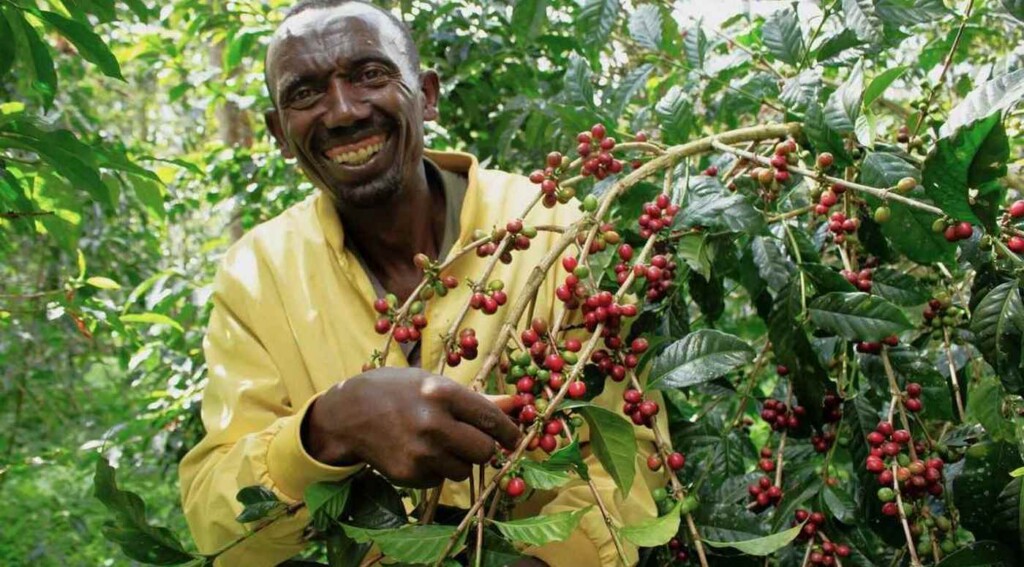
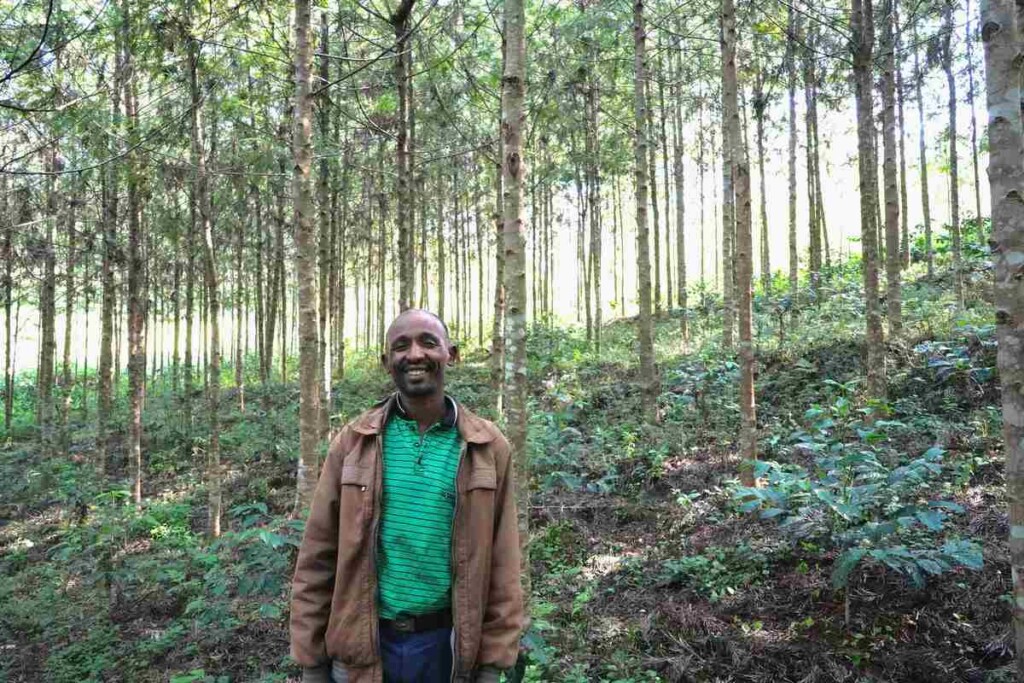
Girma Legesse smiles with his coffee - credit Farm Africa Coffee for Conservation, supplied
Girma Legesse smiles with his coffee – credit Farm Africa Coffee for Conservation, supplied
The existence and consumption of coffee has many advantages in human society, but perhaps the lesser reported advantage is what it can offer the environment.
There is arguably no other monocrop so capable of thriving in an intact, natural ecosystem, and in Ethiopia, where coffee is a major export, the adoption of climate-compatible and conservation strategies among coffee growers recently proved a major success, with over 5,000 acres of land reforested, 45% increases in household income, and a 70% increase in exported coffee.
– credit Farm Africa Coffee for Conservation, supplied
Coffee is a major lifeblood of Ethiopia’s economy (we’re talking about a quarter of the whole), accounting for around half of the livelihood of 15 million people, 95% of whom are small landholding growers.
In the ecologically critical Ilu Ababor Zone of nation’s western region of Oromia, where Coffea arabica is native, Farm Africa led a project on sustainable agriculture among coffee growers inside 19 local forest management cooperatives totaling around 4,000 people between 2021 and 2024.
The results were better than a hot cup of coffee on a cold early morning, as the residents took to the skills, incentives, and even stakeholder meetings with great interest and dedication according to a report on the project entitled Coffee for Conservation.
Of the project aims regarding forest management and conservation, the objective was to instruct the landholders and growers in ways to get everything they needed from their forest homes without felling too many native trees.
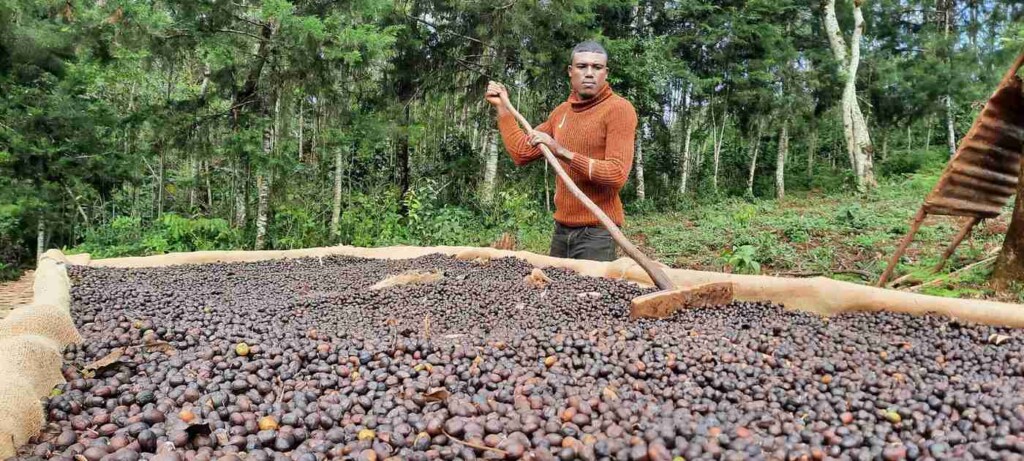
For example, locals were shown how to cultivate fast-growing trees optimal for firewood in small plots, as well as methods on how to maximize the growth cycle of these fuel trees. Six tree nurseries were opened and staffed by around 60 people taught to sell seedlings for reforestation of native woodland in the area.
By the end of the project, over 300,000 seedlings had been planted over 5,000 acres of forest, and they enjoyed a five-year survival rate of 85%. Climate-smart practices such as cultivating bamboo for making the mats on which the coffee beans are dried, removed the need to truck in bamboo from other regions, while 66% of homes were able to be convinced to switch to energy-efficient wood stoves to reduce fuel consumption.
Most of the landholders growing coffee or managing the forest had plots for vegetable and fruit production to feed their families and those of their communities through trade. Percentages of these Ethiopians who adopted climate-smart farming techniques increased from 49% to 76%, while 10% more began growing fruit and vegetables. Income generated from the increased production amounted to around 280% more than what was made before the project, adjusted for inflation.
Coffee production, marketing, and returns, have all improved. 73% more coffee from the Ilu Ababor region is now export-quality than in 2021, and 44% meets the standards for specialty grade, which is up by 20% from 2021.
Connections with national financing intuitions have allowed some of the co-ops to buy proper equipment for drying and storage, as well as support by city marketing agencies who could work directly on behalf of the Ilu Ababor growers to carve out a space in the national and international markets.
– credit Farm Africa Coffee for Conservation, supplied
“Prior to the project, our limited knowledge meant we had to sell our coffee to local traders at lower prices,” said Abde Musa, a member of the Abdi Bori forest management cooperative. “Now we’ve taken control and are the ones negotiating and determining the coffee prices.”
Co-op leaders received training in business management, quality control, and certification processes, which majorly improved their incomes. One of the 19 co-ops in particular grossed $58,500 on their coffee sales.
Project wide, incomes and access to financial services almost doubled, with the latter now reaching almost 100% of the community.
Lastly, deforestation plummeted in the area to just 0.08 acres a year.
There’s so much good news to read in the report on the project’s success beyond the headline data, like the Abdi Bori co-op’s incredible rise which saw coffee revenue increase by a multiple of 20 from 2018 to 2023, or Solomon Mekonnen’s story of turning his land into a forest farm that produces export-grade coffee, firewood, and organic honey, or the tremendous involvement of women at all levels of the education and participation.
It’s a document that captures the very real phenomenon that African problems are best solved with African solutions.
SHARE This Laudable Work Out In The Green Hills Of Africa…
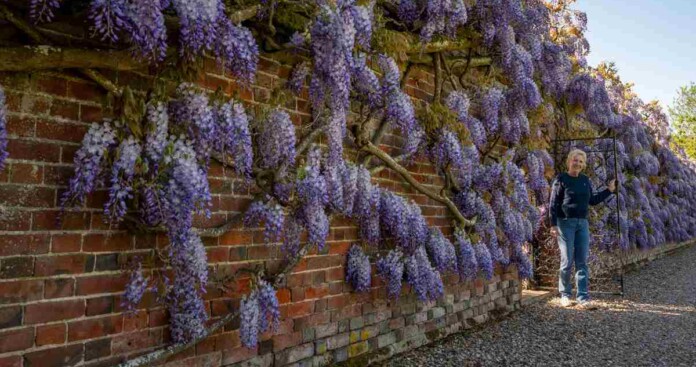
Judith Wilson with her 240-feet-long wisteria wall at her farm in Essex - credit, SWNS
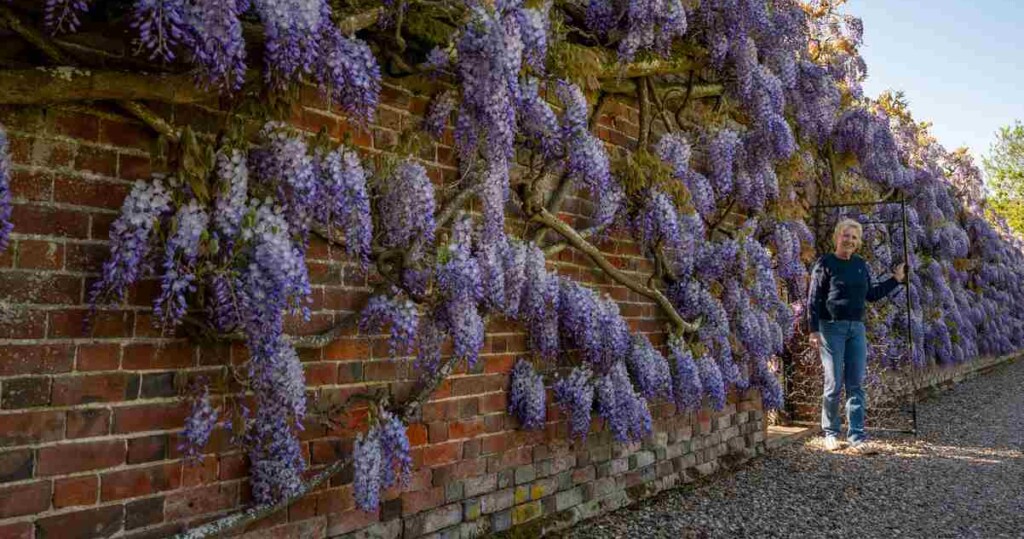
Judith Wilson with her 240 feet long wisteria wall at Wickham Place Farm in Witham, Essex – credit, SWNS.
A perfect conjunction of timing and weather has seen Britain’s longest wisteria vine explode into a colorful cascade of periwinkle blue, violet, and mauve.
The breathtaking bush at Wickham Place Farm in Witham, Essex, reaches 240 feet along a giant garden wall and stands at 15 feet high.
Judith Wilson’s 240-feet-long wisteria wall at Wickham Place Farm in Witham, Essex – credit, SWNS.
Proud owner and amateur gardener Judith Wilson, 68, said she spends 60 hours pruning the flowery vine a year and it ‘still takes my breath away.’
Mrs. Wilson started tending to the Chinese wisteria sinensis in 1993 which replaced ivy found growing on the wall when they moved to the farm which she converted into a fabulous garden.
“The wisteria looks better than ever, more so this superb year with few frosts,” she told the Southwest News Service. “Everybody without exception is saying what a fabulous year for wisterias because of the sunshine. It has brought them on a treat.”
“I look at it and think ‘Wow’. It still takes my breath away.”
Wilson has spent years training the vine to grow along the full length of her garden wall, but late frosts often killed the flowers off. Thanks to Wilson’s dedicated care it stands at 15 feet high, and is believed to be Britain’s longest wisteria.
Wilson said that they are comparatively easy to maintain, with major trimmings occurring in January and February and a little trim in July. She actually owns five large wisterias, which proved such a decoration that she used to open her gardens to the public every Friday to raise money for the local hospice.
However, they closed in 2015 which Wilson joked ‘gave her more time to focus on the garden’.
“Vine sounds too gentle—they are trees,” she laughed. “The bases are more than 24 inches across. “They are all probably at their best. The sun over the coming weekend will fade them and cause the flowers to drop.”
SHARE These Incredible Photos with Your Friends Who Love Their Gardens…
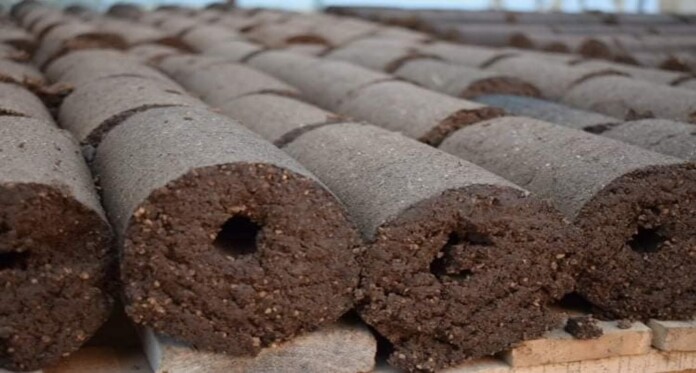
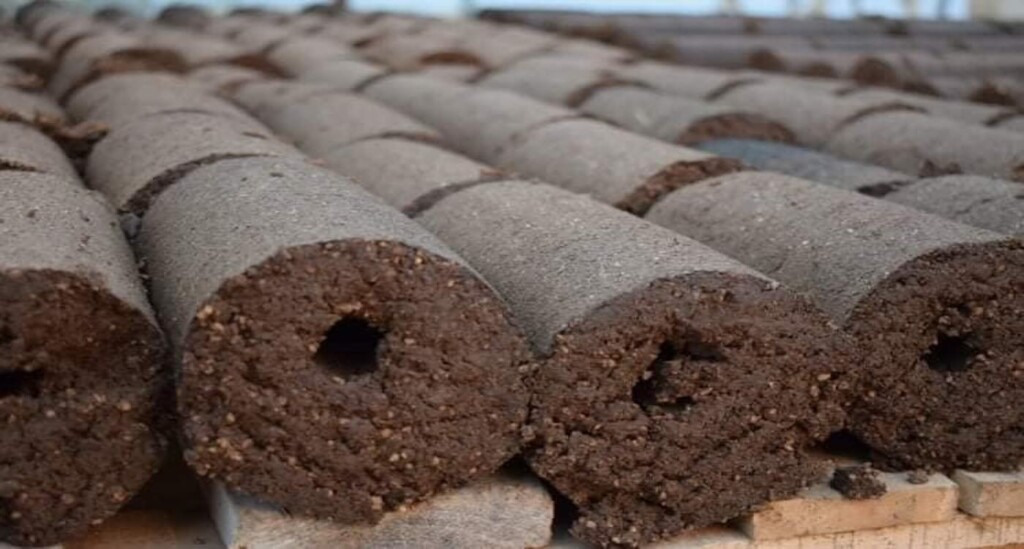
Bioheat charcoal bricks made from olive waste – Courtesy of Bioheat Facebook page
Bioheat charcoal bricks made from olive waste – Courtesy of Bioheat Facebook page
A Tunisian entrepreneur has found a way to turn the thousands of tons of fruit waste left over from making olive oil into fuel, reducing deforestation and cutting carbon emissions.
Negotiating a fraught business environment, he found a way to start a flourishing enterprise called Bioheat, which sells briquets of olive waste both at home and abroad.
Sandwiched between the vast nations of Libya and Algeria, the comparative sliver that is Tunisia punches way above its weight in agricultural production.
Olive cultivation goes back to Roman times, and the country’s rural households have traditionally used the olive waste as fuel or as animal feed. Tunisia is the third-largest olive oil producer in the world and the second-largest exporter of dates, and has relied heavily on the agro-economy for development.
With that mass of oil, though, comes mountains and mountains of byproduct. Eventually, the production of olive waste far outgrew the speed at which people used it for feeding their stoves, and 600,000 tons of olive “pomace” were piling up every year.
“I always wondered how this material could burn for so long without going out,” said Yassine Khelifi, an engineer who lives and works in the north of the country. “That’s when I asked myself: ‘Why not turn it into energy?'”
According to France 24, Khelifi visited Europe in 2018 on a mission to see if a machine existed that could turn the olive pomace into fuel of some kind. Locating such equipment and bringing it back to Tunisia, it took another 3 years of tinkering to finally produce briquets with just 8% moisture.
By comparison, seasoned firewood has to be left in the sun for a year or more, while olives can take half the time. At his factory where he employs 10 people, truckloads of olive waste are laid out to dry in the sun before being fed into the machine by workers. Long, hollow rolls are produced and cut into sections, packaged, and sold.
Making pizzas taste better, too
One Tunis pizza shop owner switched to using the briquets to reduce the smoke from his wood-fired oven, which irritated the locals. He said the waste “carries the soul of Tunisian olives and gives the pizza a special flavor,” while other patrons of Khelifi’s said it reduced their home heating costs by one-third.
About 60% of the briquets are exported, and Khelifi hopes to be producing 600 tons of them by the end of the year, at which point he’d be consuming a whole 1% of the country’s olive waste by himself.
Anyone who’s taken a train around the north or eastern coastline of the country, or stopped on the island of Djerba for a holiday and seen the scope of Tunisian olive production, will have some idea of how big that accomplishment is.
CELEBRATE This Man’s Brilliant Business Achievement In The Developing World…