










All News - Page 10 of 1753 - Good News Network
Home Blog Page 10

Early Farmers Figured Out ‘Engineering Wonder,’ Building Huge Irrigation System Without Government or Chief

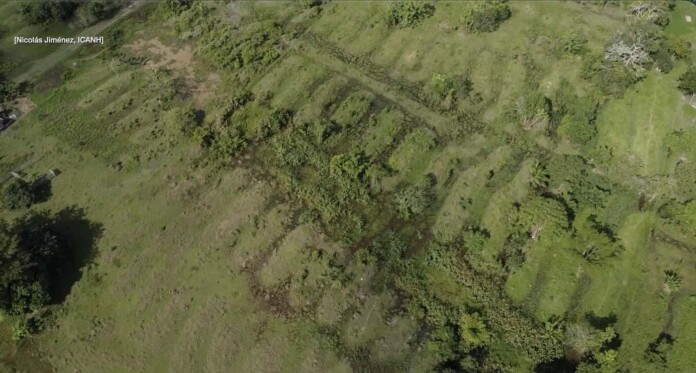
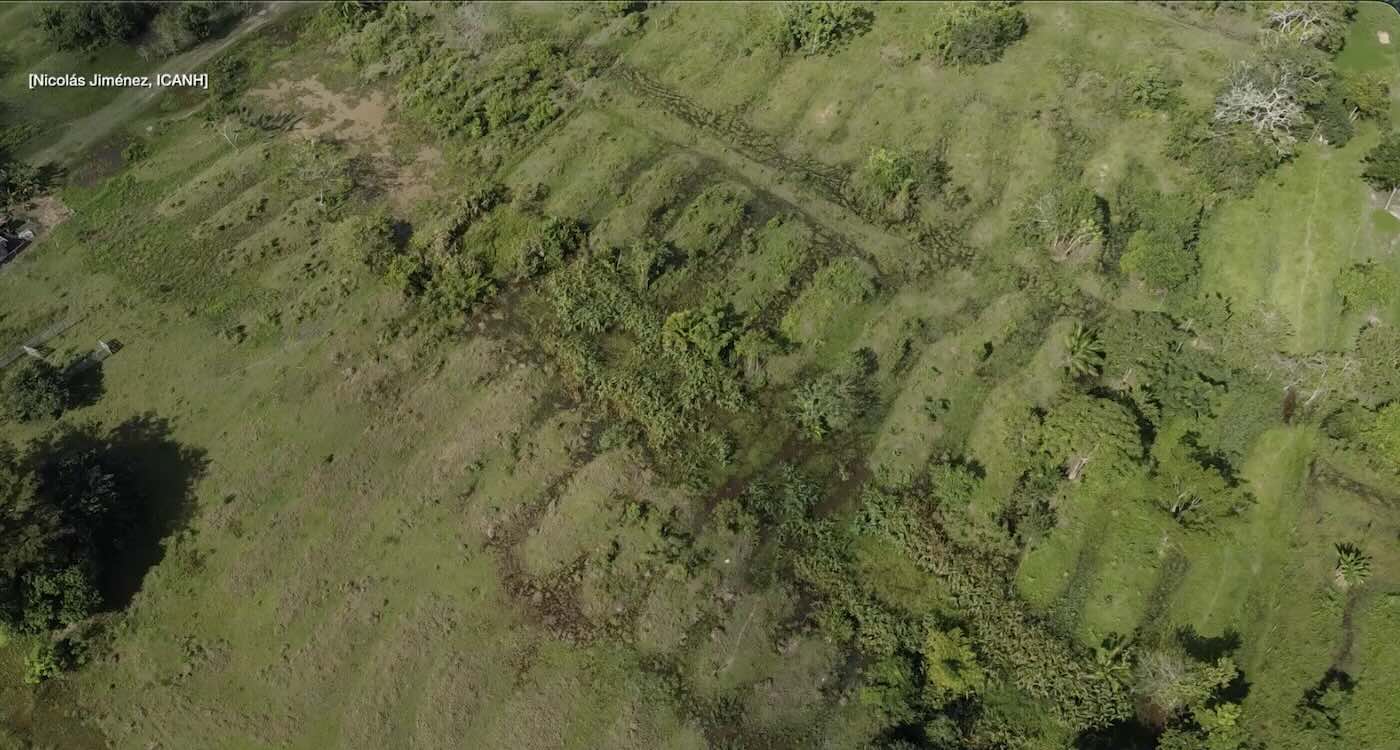
Ancient Pre-Colombian irrigation system Credit: ICANH / SWNS

Early farmers achieved an “engineering wonder of the world” by building a giant irrigation system in South America thousands of years ago.

Communities living in what is now Colombia created the remarkable network based on cooperation among family groups—without top-down government—according to a new study.

The researchers believe modern policymakers could adopt a similar strategy to solve the country’s current water management crisis.

These pre-Hispanic watering systems of La Mojana in northern Colombia are so vast you can see them from an aircraft at high altitude.

Their canals and raised fields—in use from the first centuries BC until the 11th Century AD—cover an astonishing 1,930 square-miles (500,000 hectares), three times the size of London today, according to a University of Cambridge media release.

It has traditionally been assumed that powerful rulers must have ordered and managed such an ambitious infrastructure project because of its complexity and the amount of work thought to be involved.

But the new study, led by University archaeologists, suggests that the work was most likely locally-led, cooperative, and much faster than previously assumed.

The team said their findings, published in the journal Communications Sustainability, are important historically but also offer hope to Colombians today who are suffering from a water management crisis linked to climate change.

“These field systems are so impressive that people have assumed they were achieved by hierarchical chiefdoms,” said study lead author Dr. Jasmine Vieri, from Cambridge.

“Our findings indicate that local communities were capable of building these systems and organizing themselves.”
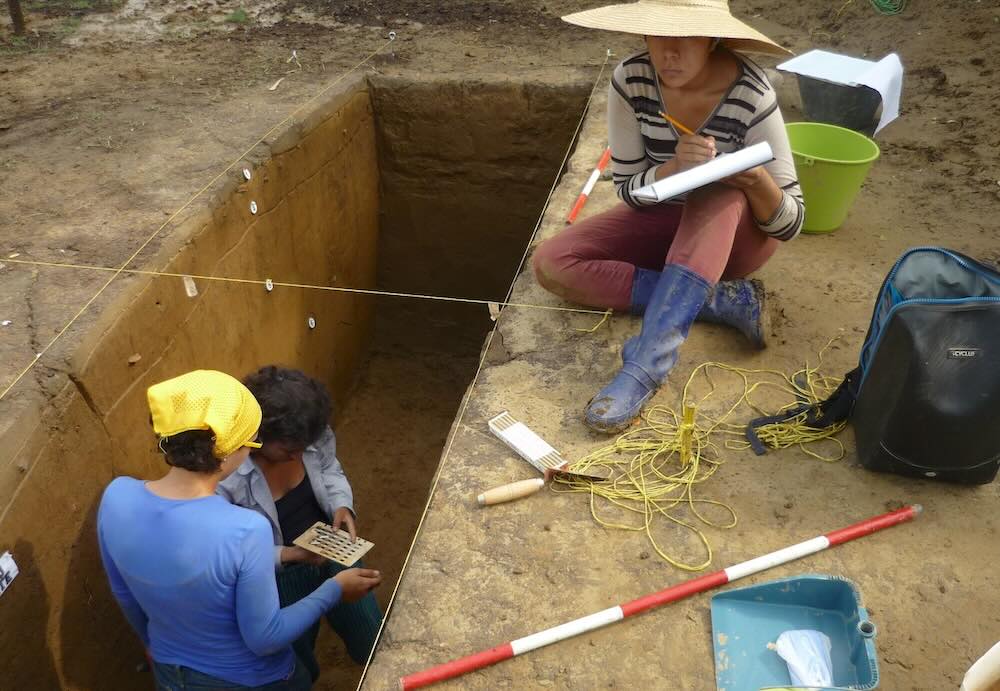
Archaeologists from the Colombian Institute of Anthropology and History (ICANH) examining an excavated section – SWNS

She says the societies responsible for the hydraulic systems in La Mojana were contemporary with the Maya, and with the broader Mesoamerican and Andean state-level societies, which culminated in the Aztec and Inca empires a few centuries later.

They occupied an area where there is no evidence of state-level societies, despite evidence of elaborate gold work and ceramics, and the new findings support the idea that the people, choosing to organize themselves far more horizontally, were able to achieve great things.

Their raised field system managed huge quantities of water during heavy rains, gradually redirected it in drier months, buffering against both drought and floods.

The network of canals redistributed water from permanent bodies of water around raised areas of housing.

The system provided more fertile soils for cultivation in dry seasons and may have helped locals to trap fish.

COOL ARCHEOLOGY:
LiDAR Reveals Abandoned Fort Was Actually a Lost Zapotec City with Temples and Ball Courts

Using satellite imagery, the researchers mapped a 500-hectare portion (around 700 football pitches) of Pre-Hispanic field systems in the municipality of San Macros, Sucre.

They studied the infrastructure at an unprecedented level of detail, recording the dimensions and volume of 1,600 ridges and 63 housing platforms.

The team worked out that, when first constructed, the formations were around 1.4 meters (4.6 ft) high from the top of the ridge to the lowest point of the canal.

The researchers then developed a new method to quantify the labor needed to construct the system and factored-in volumes of moved earth, as well as information about local geology, indigenous working practices, population density and available technology.

Starting from an estimated population of 1,600 people in the study area, they based their calculations on a workforce of 800 people, given evidence that men, women and probably children traditionally engage in subsistence farming.

Soils in the Colombian Caribbean are heavy clay which would have made the work harder and there were no metal shovels in the region at the time.

“Pre-Hispanic societies were inventive and cooperative, they worked with nature rather than trying to obstruct it,” said study senior author Professor Marcos Martinon-Torres.

WOW: Papyrus Fragment of Homer’s Iliad Found in 1600–Year-old Mummy is First Time Literature is Discovered in a Burial

He said evidence for the use of raised field systems in the region ends before the Spanish arrived in the 16th Century. It isn’t clear why they stopped being used, but it has been suggested there was population movement from the lowlands towards mountainous areas.

The researchers say that such sustainable solutions to water management can be adopted today by local populations without the need for state intervention.

“Policymakers have shown interest in these ancient systems, but lacked data,” said study co-author Dr. Fernando Montejo Gaitán, from the Colombian Institute of Anthropology and History (ICANH),

“Our study is the first to show that these solutions can be organized locally. People may need resources from the state but not necessarily state intervention.”

SHARE THIS DROUGHT SOLUTION On Social Media…

Duck Becomes Emotional Support Animal That Unexpectedly Heals a Golden Retriever (WATCH)

Courtesy of Duck and a Dog on Instagram

It was just what the duck-ter ordered…

Tori and her husband, Justin Cannarelli, who own a garden center, volunteered to adopt Louie the Duck after he hatched at a Long Island elementary school.

It was supposed to be temporary. And the Cannarellis, who live in the Long Island suburb Brookhaven, figured Louie might provide a little extra excitement at the family business.

“I never expected to own a duck,” Tori told Steve Hartman of CBS. “Never expected him to stay.”

As it turned out, Louie was a much better fit at the family’s home than at its store—and, Barley is 100% down with that decision.

About two years ago, the family’s 7-year-old golden retriever Barley began having seizures. Vets diagnosed her with epilepsy and prescribed medicine to stop the seizures, which fortunately worked.

But the medicine also had side effects that sapped Barley’s energy and darkened her sunny personality with clouds.

“We thought, ‘Oh man, this is medication we have to give her for the rest of her life… So this is how she’s going to be?”

“She lost her goldenness, her fun, her spunk,” Tori told the Washington Post. “She was always sleeping or mopey. It was heartbreaking.”

But all that changed once Louie waddled into their lives.

Courtesy @DuckAndaDog on IG

The duck and the dog formed an immediate bond. Barley started visiting Louie’s pen every morning, a clear enclosure that was protected from the wind and even had a swimming pool. They began wrestling playfully and occasionally stealing bites of each other’s food. The odd couple overcame their obvious animal barriers and found friendship on the other side. (WATCH the video below...)

“They fell in love with each other instantly,” said Tori, who jokes that Louie is Barley’s emotional support duck (and you can follow Louie and Barley’s escapades on Instagram).

RUBBER DUCKIE LOVE: Aquarium Seal Loves His Rubber Duckie – Now Adorable Video Goes Viral (LOOK)

Louie’s arrival seemed to fix whatever was broken in Barley.

“She started smiling again,” Tori told Steve Hartman. She started wagging her tail. She started having personality again.”

The new duck had delivered an almost endless supply of silliness—and so much joy was filling up the Cannarelli house that Barley was destined to change, too.


SPREAD THE LOVE By Posting The Friendship To Your Social Media Feed…

Fishing Guide Dials 911 for Entangled Manatee, Leading to Rescue While Calf Watches

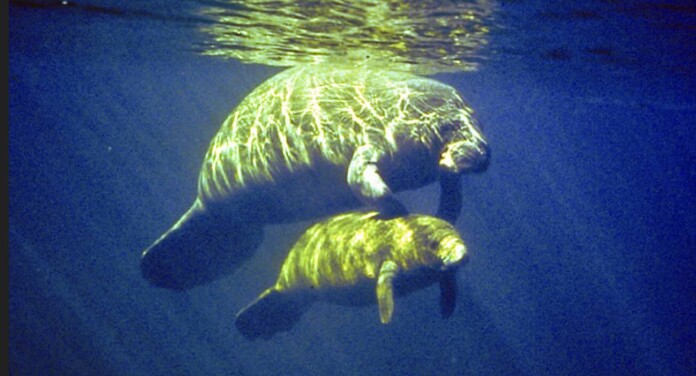
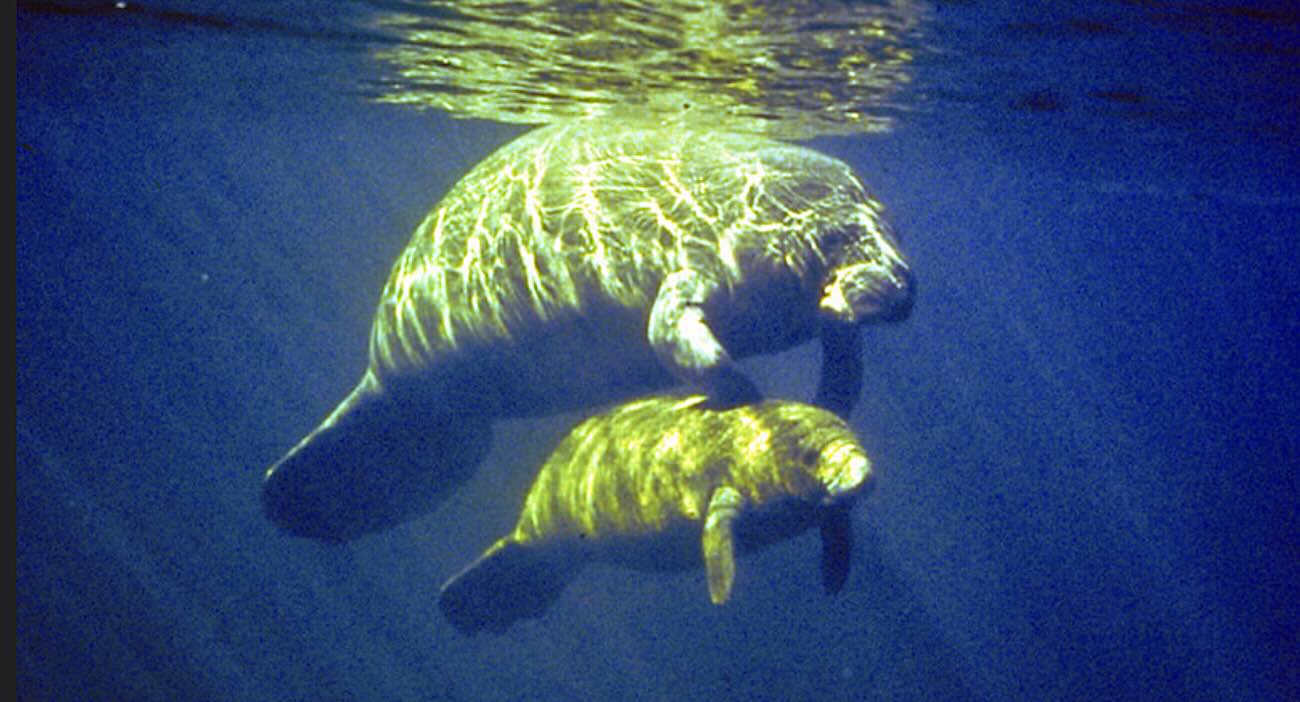
Manatee with baby Credit- U.S. Fish and Wildlife Service Southeast Region - Gaylen Rathburn (CC BY 2.0 license)
File photo of Manatee with baby Credit- U.S. Fish and Wildlife Service Southeast Region Gaylen Rathburn (CC BY 2.0 license)

A manatee is swimming free again thanks to a fishing guide who reported the animal tangled in crab trap lines, and the Georgia and Florida wildlife experts who raced to the scene.

The drama played out over two days last week on the Mackay and Hampton rivers off St. Simons Island.

Though often unnoticed in turbid coastal waters, Florida manatees are 1,000-pound-plus, federally protected marine mammals that migrate from Florida into Georgia and the Carolinas each spring—into early fall—to feed on abundant marsh plants and algae.

On July 29, Capt. Davis Galland got the call about an entangled manatee in Georgia, and described it as “the first time” such a thing has ever been reported in the state.

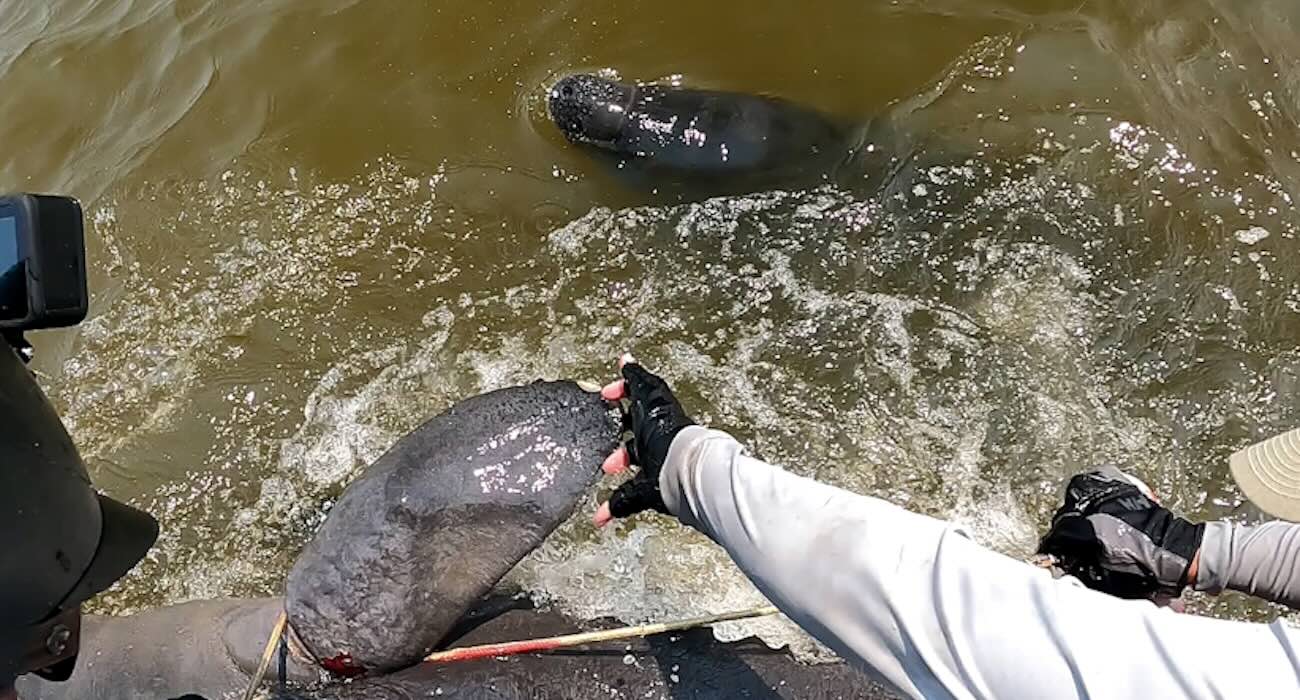
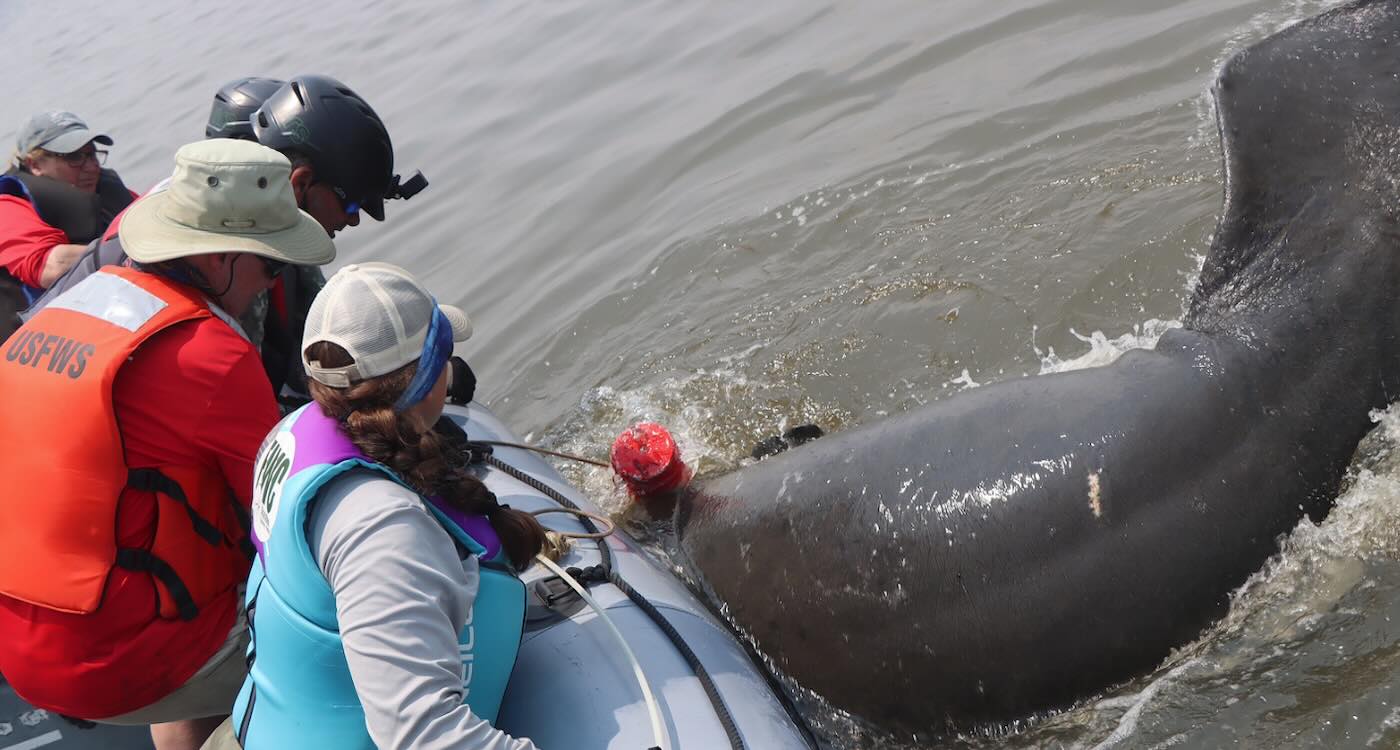
An adult female was wrapped tightly in the line and buoy from a commercial crab pot, reports wildlife biologist Jessica Thompson, who leads the Georgia Department of Natural Resources’ Marine Mammal Program.

A three-boat, multi-state team set out to the site and completely freed the manatee, cutting away the anchoring crab trap before a storm “chased” them off the water.

“It wasn’t easy,” according to the Georgia DNR.The plan was to pull the manatee onto Florida FWC’s manatee rescue boat using a specialized net so she could be assessed and all gear removed—but two smaller manatees remained too close for this approach.

Manatee with baby Credit in Georgia- U.S. Fish and Wildlife Service Southeast Region / Gaylen Rathburn (C BY 2.0)

By early afternoon, the team manually removed the buoy and remaining line, which was beginning to cut into the manatee’s skin.

Jessica said the successful effort involved skills learned in disentangling dolphins and North Atlantic right whales from commercial fishing gear.

Georgia DNR rescues manatee with Florida and USFW Service near Mackay River July 30, 2026 – Credit- GaDNR

The group, which included the DNR, the Florida Fish and Wildlife Conservation Commission, the U.S. Fish and Wildlife Service, and two other rescue groups, also managed to attach a satellite tracking tag on the manatee.

“Because of this impressive team response, this female manatee and what appeared to be a dependent calf, have a chance to thrive and contribute to the wild population for years to come,” said Terri Calleson, the U.S. Fish and Wildlife Service Florida Manatee Recovery Lead.

“This successful outcome reflects what can be accomplished when organizations come together with a shared commitment to protecting marine wildlife,” said Monica Ross, director of Manatee Research and Conservation at Clearwater Marine Aquarium Research Institute.

“Manatee rescues truly ‘take a village’ whether rendering emergency aid or working collaboratively toward species recovery,” said Calleson (see video).

“Each partner contributed something essential, and USFWS was proud to lend our knowledge and support to the collective effort.”

SEND THIS to Become a Manatee Mate On Social Media…
“People like to say that the conflict is between good and evil. The real conflict is between truth and lies.” – Don Miguel Ruiz

Credit: Don Raridon

Quote of the Day: “People like to say that the conflict is between good and evil. The real conflict is between truth and lies.” – Don Miguel Ruiz

Photo by: Don Raridon

With a new inspirational quote every day, atop the perfect photo—collected and archived on our Quotes page—why not bookmark GNN.org for a daily uplift?

Credit: Don Raridon

Good News in History, August 12

45 years ago today, the first IBM PC, one of the early personal computers, was released.

The development team broke all the rules within IBM and went to outside vendors for most of the parts and software, acting as an independent business unit. Praise was directed at IBM’s decision to use ‘open source’ software and hardware to encourage third-party development—to personalize every unit and end up with a lower price tag. (1981)

Brown Student Spends Summer Helping Teens Find Their Voice in English

Justin Dunn teaching ESL English – Credit: Lynda Curtis for Brown University

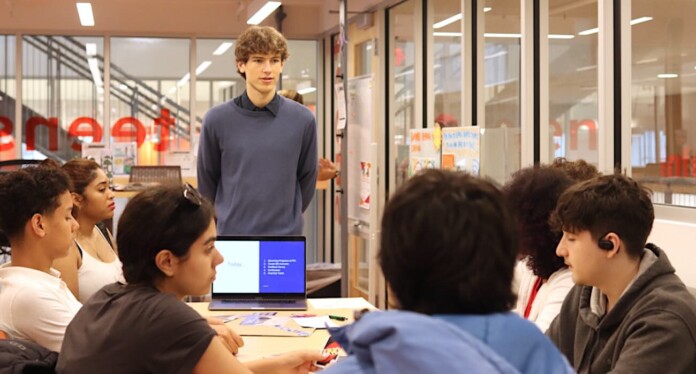
For a group of teenagers learning English in Providence, Rhode Island, summer school this year looked a little different.

There were vocabulary games and journal entries, but also trips into the community where students could put their new language skills to work—whether speaking with a cashier at a local market or learning how to describe their experience on a résumé.

Teaching the 4-week class was Brown University student Justin Dunn, who spent the summer leading intermediate English courses for teens at the city’s public library.

“We’re helping these students, but I’m learning and gaining just as much,” said Justin. “I’ve learned so much about Providence and the amazing people here.”

The rising sophomore found the library opportunity through the university’s SPRINT-iProv fellowship, which places undergraduates in full-time summer positions with nonprofit groups throughout this capital city—including helping to create and teach a 4-week English-language curriculum.

Above all, Justin wanted to teach the teens English sentences they could actually use.

“Most of my lessons focus on real-life skills.”

Taking English Out of the Classroom

When the class studied food and shopping, for example, Dunn didn’t stop with vocabulary exercises. He took his students to a nearby Maruichi market, where they could practice speaking English with a cashier.

Justin Dunn – Credit: Lynda Curtis for Brown University

The teenagers also began building their own résumés, learning the English words and phrases needed to describe their education, activities, work experience, and abilities.

“For teens who may soon be looking for jobs, becoming comfortable with that language can be really helpful,” Dunn said.

Other lessons explored subjects ranging from art and employment to food and outer space, while games helped students build vocabulary and journal writing encouraged them to express themselves in English.

The approach reflects a simple idea: learning the correct words on a worksheet is useful, but having the confidence to use those words in the real world can change what a young person is able to do with them.

A conversation at a grocery store can become a language lesson. A résumé can become an English assignment. And a summer class can potentially give a teenager more confidence when applying for a first job, navigating school or simply talking with someone new.

LOVE THESE TEACHERS:
Teacher Wins $1M Prize for Turning India’s Slums Into Hundreds of Open-Air Classrooms
Civil Rights Symbol Ruby Bridges Writes Love Letter to Teacher That Helped Her in Tumultuous First Grade

Justin discovered that some of the workers alongside him at the library had once arrived there for exactly the kind of help his students are receiving today.

“Many of my co-workers are immigrants, and some first came to the library through its English-language programs before later working there,” he said.

“There’s a real sense of community here, and I love that I get to be part of it.”

A poignant reminder that someone can walk through a library’s doors needing help with English—and years later walk through those same doors as an employee helping the next person.

And Justin is one of 40 Brown undergraduates spending the summer working full-time with Providence nonprofits making the world a little brighter—literally.

SHARE the Local Success With Rhode Islanders On Social Media…
Great Barrier Reef’s Recovery From Bleaching is Aided by Monsoon

Diver surveying corals on the Great Barrier Reef – Courtesy of Australian Institute of Marine Science / SWNS

The world’s largest coral system, the Great Barrier Reef, suffered six mass ‘bleaching events’ between 2016 and 2025, due in part to warming oceans.

Before the 1990s, any bleaching events were “exceptionally rare” along the 1,400 miles of coastline in north-eastern Australia.

Now, earlier this year, a monsoon brought the Great Barrier Reef a reprieve from coral bleaching—an aid in its initial recovery from recent climate-induced effects.

The rainy season increased cloud cover and reduced sea temperatures, limiting the severity and extent of bleaching during the summer, said conservationists in a new annual report on the ecosystem by the Australian Institute of Marine Science (AIMS).

The findings indicate limited impacts from 2025’s mass bleaching event, and the regional bleaching event in the Northern and Central regions recorded earlier in 2026.

It shows coral cover had grown across two of the three regions of the Reef levels had increased by 16.7% in the Northern Region and were up 10.2% in the Central region, compared to last year.

MORE REEF RECOVERY:
Scientists Have Found Climate-Resistant Coral Reefs Around the World Totaling the Size of Wisconsin
Instead of Arresting Indigenous Fishermen, Australia Begins to Pay Them to Control Sea Urchin Plague

Coral cover in the third area decreased by 2% relative to 2025 levels in the Southern region, but cover levels in all three regions of the Reef continue to be above or just below the “long-term average”, according to the report.

Coral at Great Barrier Reef – Credit: Australian Institute of Marine Science / YouTube

AIMS Long-Term Monitoring Program (LTMP) leader Dr. Mike Emslie said it was “uncommon” for coral cover levels to have suffered substantial declines.

“We did not see a repeat of the 2024 and 2025 mass bleaching events, or a repeat of the significant impacts from the 2024 event.

“Bleaching events vary markedly and do not always result in coral mortality. It depends on the intensity and duration of the heat stress.”

A total of 121 coral reefs were surveyed for the 40th annual report.

Most of the reefs surveyed (106) had moderate to high coral cover—and only three had coral cover of less than 10%.

Dr. Emslie says while this year’s results provided evidence of “initial recovery” and that coral cover levels are higher than that of many coral reef ecosystems globally, the Great Barrier Reef remained a system under pressure.

BRILLIANT: Mauritius Restores Reefs with Heat-Resistant Coral and Sees 98% Survival Rates

“While the Reef is showing resilience, it is being pushed and its capacity to recover is limited.”

“We can help them survive the threats posed by climate change through reducing global emissions, good reef management, and developing evidence-based science interventions that support reef adaptation and recovery.”

LET YOUR PALS DIVE INTO SOME GOOD NEWS—>Share On Social Media… 
Pro Women’s Baseball Returns for First Time Since 1954: A League of Their Own is BACK!

Courtesy of WPBL
Courtesy of WPBL

Almost eight decades after she last played baseball, Maybelle Blair returned to the diamond—in a wheelchair—to inaugurate the new women’s US baseball league.

It brought Blair’s uniquely American story full circle—and she wasn’t going to miss it for anything.

“I tell you, I broke four ribs recently,” the 99-year-old told a news crew from WICS. “But nothing was going to stop me from being here—even if I had to crawl.”

Maybelle played in the All-American Girls Professional Baseball League that launched amid the backdrop of World War II and was memorably depicted in the 1992 movie A League of Their Own.

Last weekend, Maybelle, who pitched for the Peoria Redwings during the 1948 season, was on the field in Springfield, Illinois, to help celebrate the first game of the new Women’s Professional Baseball League.

The WPBL threw out the first pitch on August 1, seven decades after the old league was disbanded, with four city teams that will play all their games here in Springfield, which once had a franchise in the All-American League.

Maybelle, who’s an honorary member of the league’s advisory board, threw out the ceremonial first pitch before the inaugural game between the LA Queens and the NY Heights.

She also got to meet the league’s mascot Maybelle—perhaps the only time a person has been introduced to their mascot self. (See below…)

“It was a magical couple of days,” recalled Jamie Toole of the Springfield’s Robin Roberts Stadium. “The most emotional that I’ve ever been at a ballpark or a sporting event.”

Courtesy of WPBL

In the game, New York’s Denae Benites hit the league’s first home run and was a perfect 4-4 in the batter’s box, adding three stolen bases to her impressive stat line. But the Queens scored four runs in the final inning to cap a historic day with a dramatic flair.

“I feel incredibly grateful and happy that I can finally stand on the stage I once only dreamed about,” Japanese player Ayami Sato, who pitched three innings for the Queens, told the USA Today.

“I believe there are many players in this league who have carried the same dreams in their hearts, and I feel so fortunate and happy to be able to play alongside them.’’

Courtesy of WPBL

This first WPBL season will feature 30 games and runs through September. The league hopes to continue gaining support with an eye toward expanding to add more teams next year.

“What they’re doing is bigger than baseball,” said Jean Fruth, who created the documentary SEE HER, BE HER about women baseball players around the world.

“Their impact reaches far beyond the game. It’s about showing the next generation that there is a place for them in this sport and helping them believe that anything is possible.’’

One notable player in the WPBL is Mo’ne Davis, who played in the 2014 Little League World Series, where she became the first girl to throw a shutout.

But, all of the athletes are following in the trailblazing footsteps of Maybelle Blair—who inspired the character Mae Mordabito (nicknamed ‘All the Way Mae’), played by Madonna in the film starring Tom Hanks.

MORE WOMEN BREAKING BARRIERS: Women DJs over 60 Take Stage at German Music Festival Rocking the Crowd, ‘It Was Fantastic’ (WATCH)

LA Queens celebrate comeback – Courtesy of WPBL

Maybelle got a little misty-eyed at the game, saying, “This is the happiest day of my life.”

But everyone knows ‘there’s no crying in baseball’—even if the sport is finally back for women after 72 years.

LOVE THIS: Lawyer Smashes World Record Becoming Fastest Female to Row Across the Atlantic – To Show Girls Anything is Possible

“Maybelle’s been sticking with us since the beginning of this journey,” Benites told NBC Sports. “She’s paved a path for us, and I’m so happy that she got to make it out here.”

HELP RETURN WOMEN’S BASEBALL By Sharing This to Let Friends Know on Social Media…

Plant’s First Flower is a ‘Death Bloom’ So Tall the Greenhouse Had to Remove Ceiling Panels

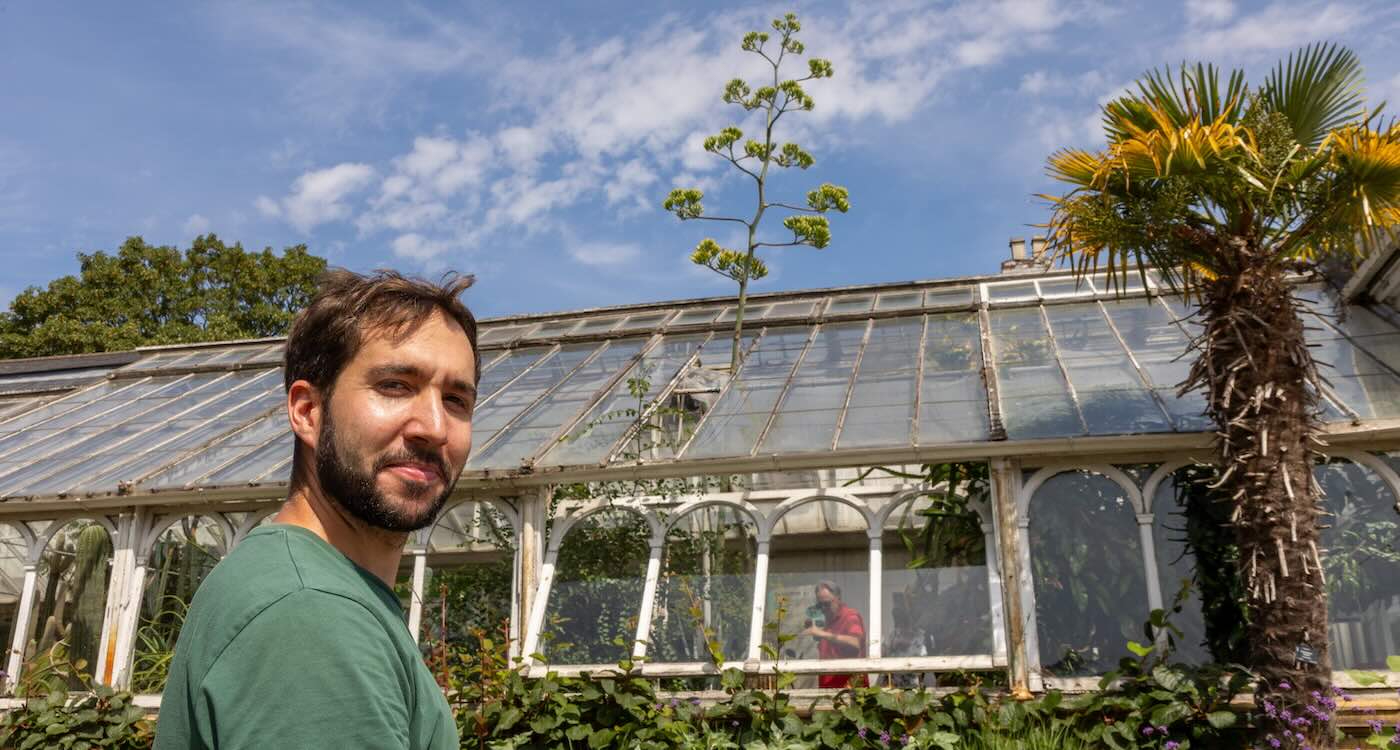
Greenhouse Horticulturist Alberto Trinco with agave at Birmingham Botanical Gardens by Anita Maric via SWNS
Horticulturist Alberto Trinco with the agave at Birmingham Botanical Gardens by Anita Maric via SWNS

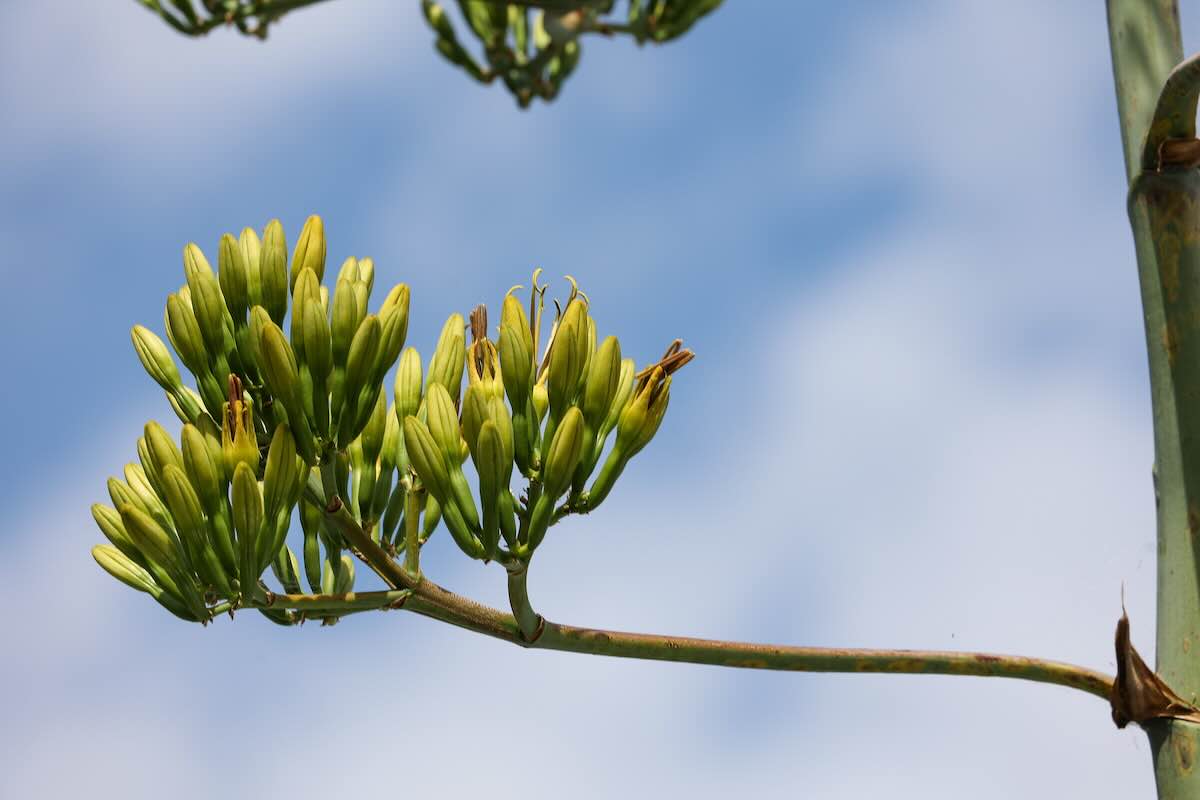
A ten-year-old plant has finally burst into flower for the first time after a decade of care by professional horticulturists—and the stalk was so tall greenhouse had to remove the Roof.

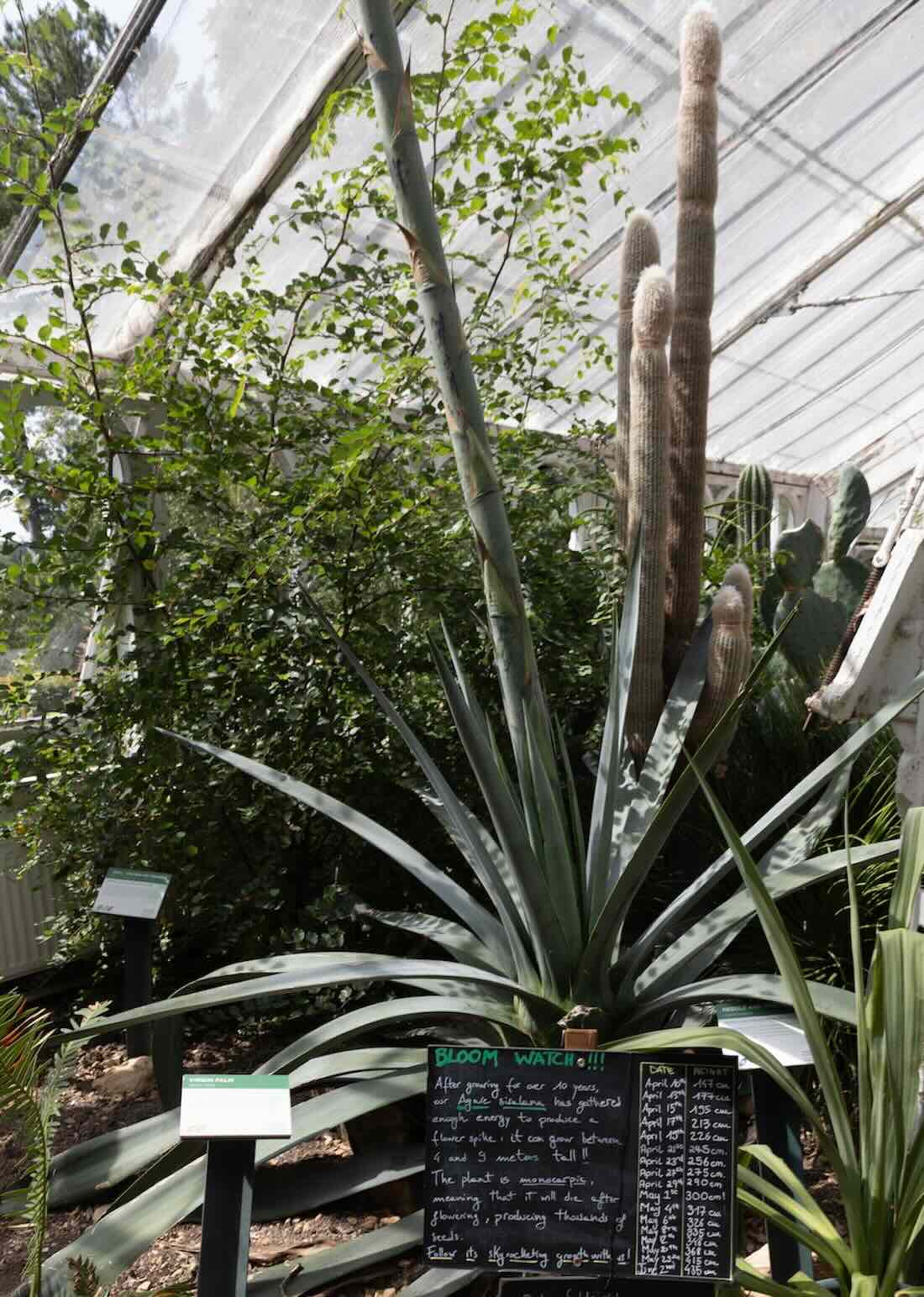
Staff at the Birmingham Botanical Gardens even needed to open the roof after the towering flower spike shot up to more than 18 feet (5.5 meters) in only a few months.

The agave sisalana, which is native to the deserts of Mexico, is now beginning its spectacular final act, known as the ‘death bloom’, the last stage of its life cycle.

Gardeners installed a ‘bloom watch’ chalkboard so visitors could anticipate the one and only flowering event will culminate in the plant’s death.

The first buds have just opened in the stalk that now pokes through the 19th century greenhouse.

“It will only flower once in its lifetime which is why it’s also called the ‘death bloom’,” said senior horticulturist Alberto Trinco.

“All of the energy goes into the flowering and to produce loads of seeds— and then the plant will die.”

Anita Maric / SWNS

“But the legacy lives on with the new seeds which will be growing in our nursery.”

The agave had been growing in this British Botanical Garden’s glass house for over ten years—the amount of time it takes to get to maturity and flower.

It is native to Mexico so likes a hot, arid environment. Luckily, the summer across the UK has been a scorcher—given the fact that the succulent has breached the building.

“It is bitter sweet to see it blooming—because it is wonderful to see, but we also know we are going to lose this plant.

Greenhouse with Agave sisalana at Birmingham Botanical Gardens by Anita Maric via SWNS vertical
Staff at the Birmingham Botanical Gardens set up a ‘bloom watch’ chart for the Agave sisalana with its long ‘flower spike’ (diagonal near cactus) – Anita Maric via SWNS
Horticulturist Alberto Trinco at Birmingham Botanical Gardens – by Anita Maric via SWNS

“It is such a spectacle for us to witness after growing this plant for a decade.”

PLANT LOVERS NEWS: Plant Believed Extinct For 60 Years Reappears Thanks to Curious Nature Lover and iNaturalist

While the hefty bloom marks the end for this green giant, staff are already looking ahead to the next generation—gathering the seeds being cast off as the plant ends its life.

SHARE THE SUMMER SPECTACULAR With Gardening Fans on Social Media…

“So long as the memory of certain beloved friends lives in my heart, I shall say that life is good.” – Helen Keller

© GWC

Quote of the Day: “So long as the memory of certain beloved friends lives in my heart, I shall say that life is good.” – Helen Keller

Photo by: © GWC (permission for GNN)

With a new inspirational quote every day, atop the perfect photo—collected and archived on our Quotes page—why not bookmark GNN.org for a daily uplift?

© GWC

Good News in History, August 11

Elvis Presley in 1955 publicity photo

70 years ago today, Elvis Presley released his first double-sided mega-hit record. With Don’t Be Cruel on one side and Hound Dog on the other, the singles went to No.1 and No.2 on Billboard’s Hot 100 chart, where they stayed at the top for 11 weeks—and set a record that would not be broken for 36 years. LISTEN to the hits on the video below… (1956)

Voyager 2 was Running Low on Power Until NASA Engineered a ‘Big Bang’ to Buy Another Year

Voyager spacecraft - NASA
Voyager spacecraft – NASA

NASA engineers found a way to free up power aboard Voyager 2, helping the nearly 50-year-old spacecraft continue its scientific work.

The Jet Propulsion Laboratory team decided to simultaneously shut down certain powered components and replaced them with options that use less energy—while also making sure Voyager 2 stayed warm enough to function properly.

Decaying plutonium aboard the Voyager 2 produces electricity from radioisotope thermoelectric generators, and as that plutonium supply steadily diminishes, each spacecraft loses about 4 watts of available power each year.

After nearly half a century in space, both Voyagers (1 and 2) now have extremely limited power to spare. To keep them operating, mission controllers have increasingly had to shut down systems and equipment that are no longer essential.

An Extra Year of Science

Voyager Project Manager Suzanne Dodd commented that the choice to toggle these deeply integrated systems was an inherently risky decision with “no do-overs”.

That led the team to adopt the term ‘Big Bang’ for their plan.

Without the power-saving effort, the Voyager team would have needed to turn off yet another instrument aboard Voyager 2 before the end of 2026.

MORE NASA GENIUS: Aging Voyager 1 Restarts a Radio it Hasn’t Used Since 1981–Prompted from 15 Billion Miles Away

Since 2024, the team has been forced to switch off two science instruments on each Voyager spacecraft (from among their 10 instruments).

The newly freed power is expected to keep the spacecraft’s three remaining instruments operating for at least one additional year. (Other instruments had been turned off previously as they were only used for planetary encounters.)

There is a bittersweet nature to managing these aging planetary probes, notes Dodd.

“Every watt saved now is a decision about what data humanity still gets to learn from out there.”

NASA says the team plans to carry out the same power-saving swap on Voyager 1, which is currently farther from Earth than Voyager 2, and the mission team expects to complete that work in the coming months.

SEND the GOOD NEWS ON A VOYAGE: Share it on Social Media…

When Zoo Elephants Are Rewilded in Africa, Here’s How Good Their Coping Skills Are

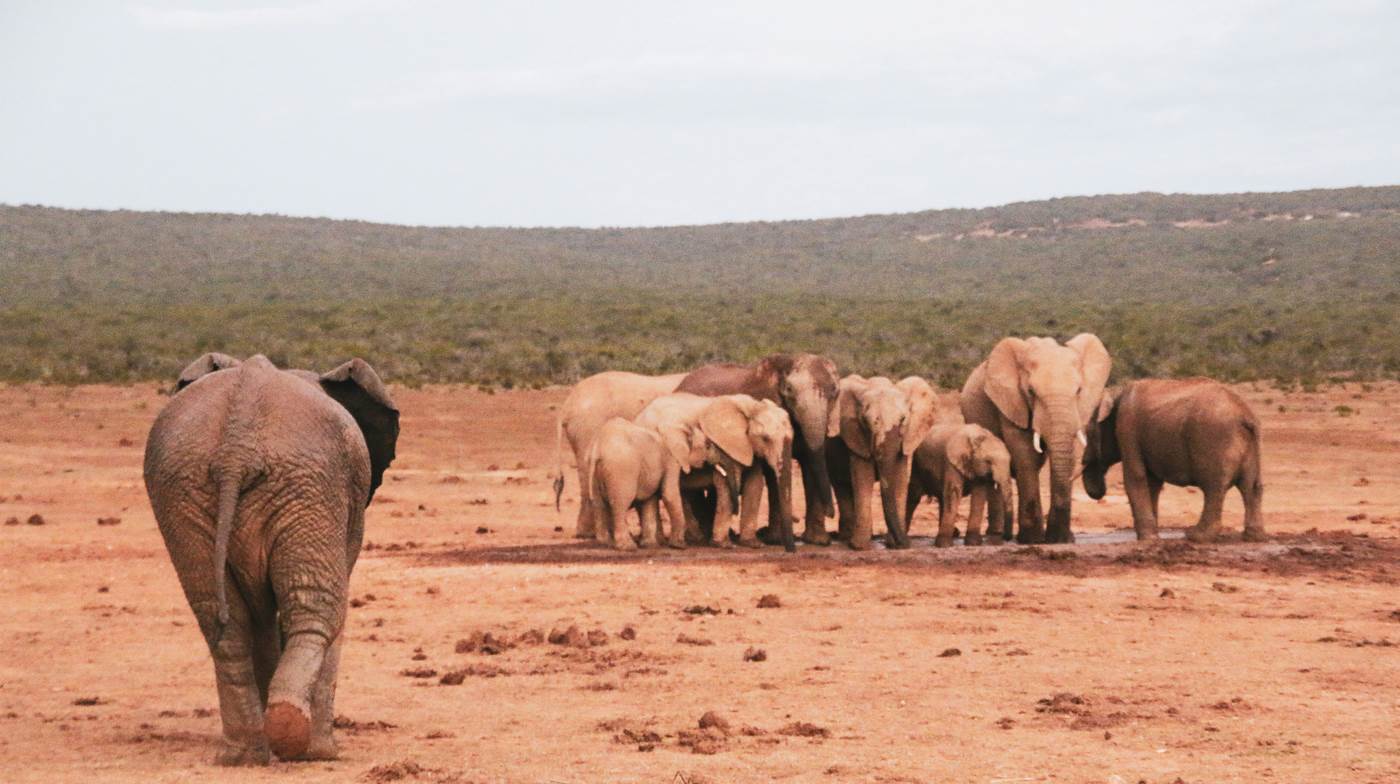
Rewilded elephants on Khamab Kalahari Reserve – Elephant Reintegration Trust of South Africa / SWNS

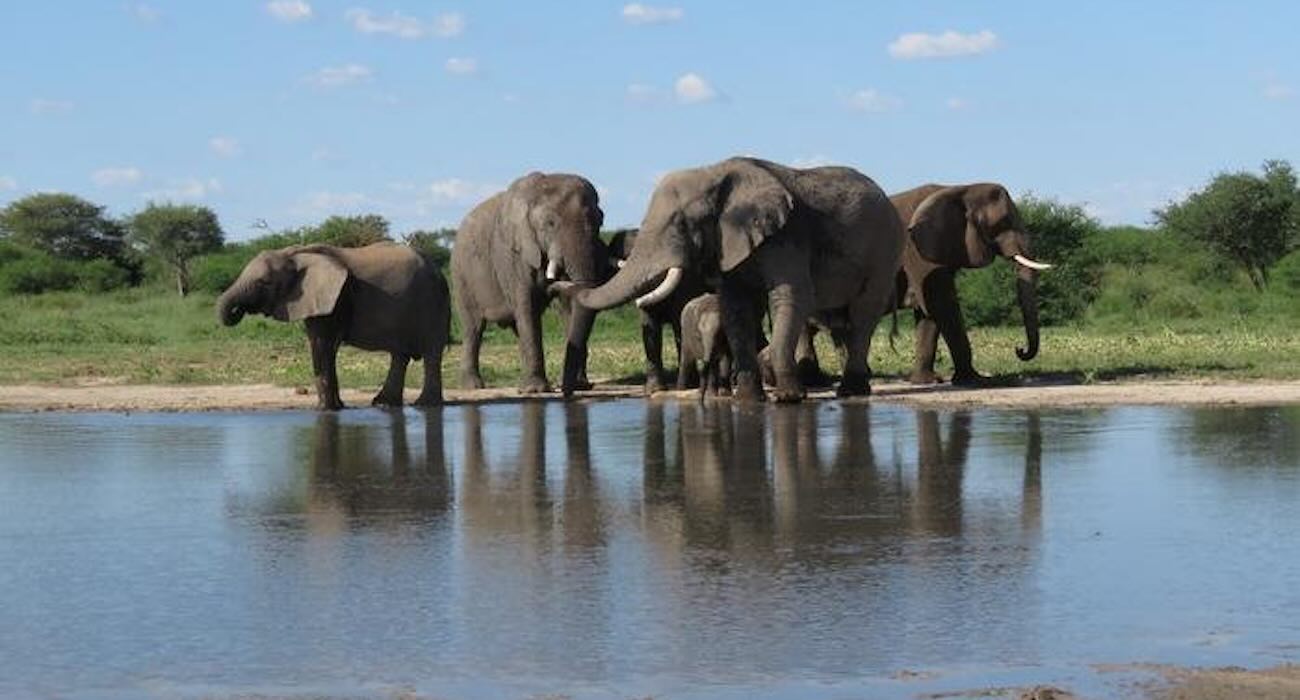
New research shows that elephants develop successful coping mechanisms when returning to the wild from human captivity.

In fact, the team found that “rewilded” elephants can fit quite well within wildlife systems and readapt—even after long-term captivity.

For the new study, a team from the Elephant Reintegration Trust of South Africa examined the behavioral and physiological responses of 11 formerly-captive elephants which had been released onto four different reserves.

For five years each elephant was observed for three weeks at a time at least once annually.

The team looked for indicators that the elephants might be uncomfortable in their wild surroundings and for behaviors that might be “hold-overs” from their time in captivity, such as conflict or confrontation.

The findings showed that, overall, rewilded elephants behaved “very similarly” to their wild neighbors.

Fecal samples collected to test for signs of metabolic stress showed levels within the normal range for wild elephants.

“What I found most fascinating was watching elephants that had spent decades in captivity adapt so successfully to life in the wild,” said co-author Tenisha Roos.

“Seeing them respond to their environment and function much like wild elephants was truly awe-inspiring and a powerful reminder of their remarkable resilience, adaptability, and behavioral flexibility.”

Credit – Glen Carrie / Unsplash

The differences may reflect their previous captive experiences, social circumstances, environmental conditions, and tourism or management pressures, according to the research team.

They say their findings, published in the journal PLOS One, show that rewilded elephants behave “very similarly” to their wild counterparts, despite some consistent differences—suggesting that they have adapted well to their return to wild habitats.

The research team also noted a high degree of variability in behavior between individual rewilded elephants, but that might be related to each animal’s personality.

Each elephant likely found their own unique ways to cope with their relocation.

The 11 animals in the study represent more than 50% of the rewilded elephant population across South Africa so far.

MORE GOOD ELEPHANT NEWS:
Last Circus Elephant in Portugal Can Now Romp-and-Roll on 1000-Acre Sanctuary After 40 Years of Working
Virus That Kills More Elephants Than Any Other Cause Is Finally Defeated

“While a few elephants showed slightly elevated stress biomarkers, all values remained within the normal range for wild populations, indicating successful adaptation—with no evidence of chronic stress.”

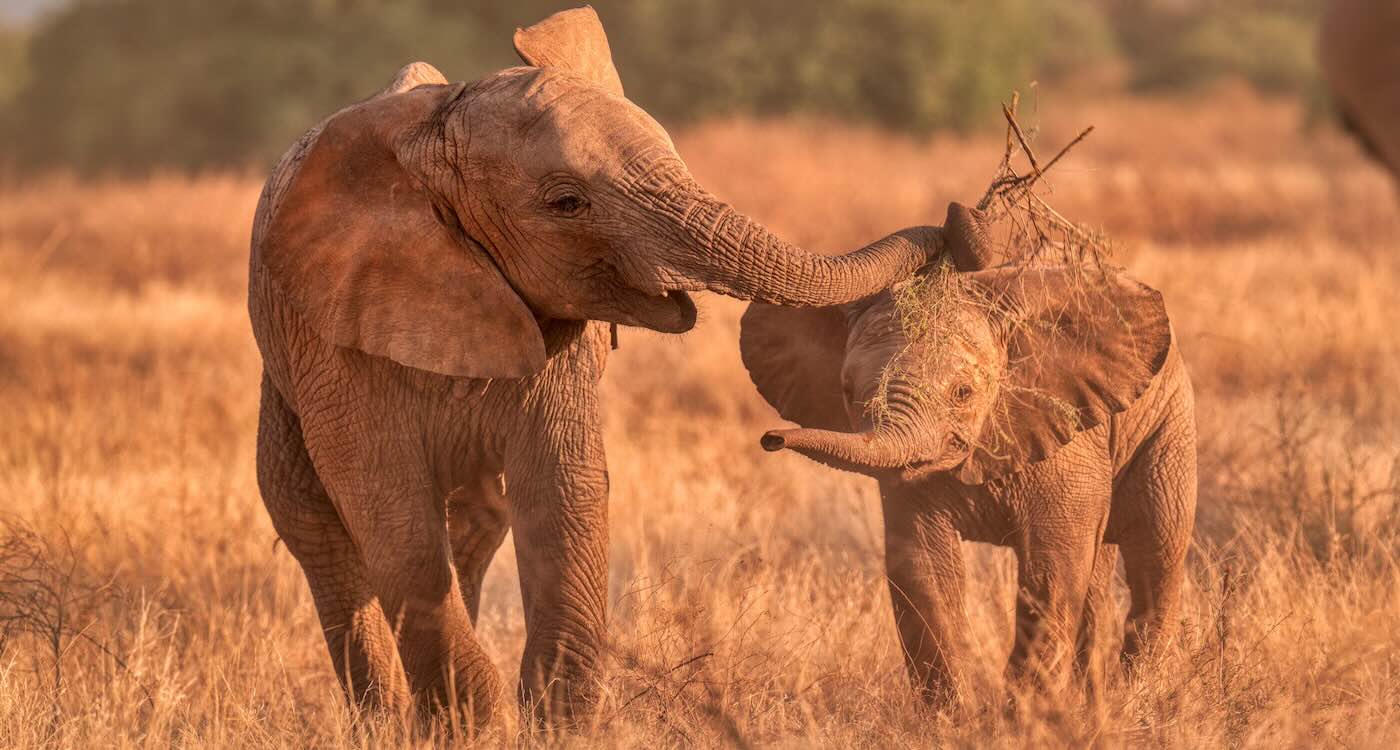
Andy Rouse captured antics of Kenyan family of elephants – SWNS

Co-author Tammy Eggeling said: “Although previously-captive elephants may carry the memories of confinement, our research has shown that, when given the opportunity, they can leave that past behind.

“They are able to learn new skills, adapt to unfamiliar environments, and ultimately thrive as wild elephants.”

Co-author Brett Mitchell added: “The data from this project show that when captive elephants are rewilded and given the opportunity, they can regain full autonomy and re-establish natural patterns of movement and behavior.

“Through this research, we are also seeing that rewilded elephants can make a meaningful contribution to the conservation of their species.”

INCREDIBLE. NEWS. DESERVES. SHARING… (You know what to do.)

New Treatment Shows Remarkable Motor Improvements in Boys With Muscular Dystrophy—in Just 12 Weeks

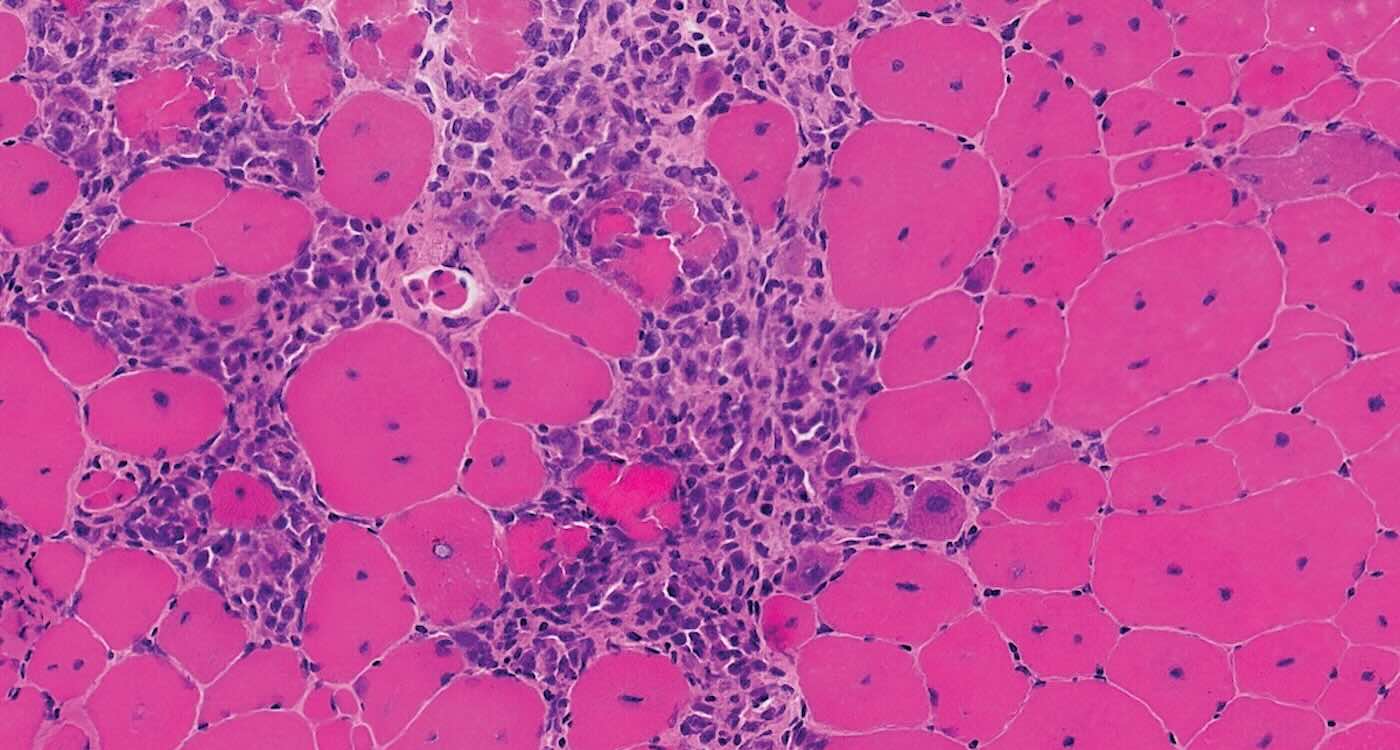
Microscopic view of deficient muscle tissue due to dystrophin gene -Courtesy Binghamton University
Microscopic view of muscle tissue deficient in dystrophin -Courtesy Binghamton University

Scientists studying one of the world’s most serious inherited muscle diseases have found encouraging evidence that treating children much earlier—potentially before obvious symptoms develop—could make a significant difference.

Researchers at Binghamton University in New York are studying the drug Vamorolone in very young boys with Duchenne muscular dystrophy (DMD), a progressive genetic disorder that causes muscles to weaken and eventually be replaced by scar tissue.

And the early results might have made their jaws drop.

“We were surprised at the rapid improvement of gross motor skills,” said Professor Eric Hoffman, one of the researchers who helped develop the drug.

Duchenne muscular dystrophy is caused by mutations that prevent the body from properly producing dystrophin, a protein essential for maintaining healthy muscle.

Because the gene responsible is located on the X chromosome, the disease overwhelmingly affects boys, with damage actually beginning at birth—even though children often aren’t diagnosed until symptoms become noticeable several years later.

That delay is exactly what Hoffman and his colleagues addressed—because restoring muscle after it has already been replaced by scar tissue is extraordinarily difficult.

Instead of trying to slow the deterioration caused by DMD once symptoms become apparent, what if a treatment were given well before much of that damage occurs?

“The destructive processes in muscle start from birth,” Hoffman explained, even though symptoms typically aren’t recognized until the early school years.

Current protocols recommend anti-inflammatory corticosteroids after symptoms become evident—but biologically, that may already be too late.

LOOK: Boy With Crippling ‘Suicide Disease’ Takes First Steps in a Year After Traveling to US for Pioneering Treatment

And the drug is already approved by FDA

The drug that Hoffman and fellow Binghamton researcher Raju Nagaraju developed—Vamorolone, marketed under the brand name Agamree—was already approved in 2023 to treat DMD by the Food and Drug Administration.

It was designed to provide the anti-inflammatory benefits of corticosteroids while reducing some of their most troublesome side effects.

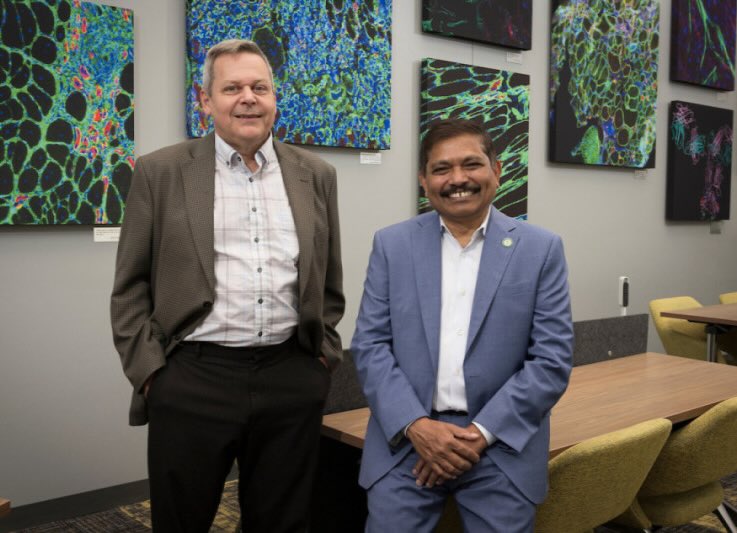
Duchenne muscular dystrophy researchers Eric P. Hoffman and Kanneboyina (Raju) Nagaraju – Credit: Jonathan Cohen for Binghamton University

(Traditional corticosteroids can slow children’s growth and cause weight gain, mood disturbances, adrenal suppression and other complications—making doctors and families understandably reluctant to begin giving them to very young children.)

Vamorolone has an improved safety profile, particularly when it comes to growth—and that opened the door to an important question: Could the treatment safely be started even earlier?

Treating children before age 4

The recent Phase II open-label study examined 20 boys with DMD between the ages of 2 and younger than 4 who had never previously received steroids.

They were given either 2 or 6 milligrams of Vamorolone per kilogram of body weight each day for 12 weeks. Most then continued treatment for approximately two years through an expanded-access program. Researchers monitored everything from growth and motor skills to metabolism and how children’s bodies processed the medication.

The results were encouraging: improved motor function without apparent impairment of growth.

And, the improvement in children who received the higher dose was particularly striking.

Healthy children typically have a normalized score of around 10 on the Bayley III gross-motor scale—and the boys with DMD began the study at roughly 5.

After just 12 weeks of treatment, their average score had risen to around 8.

There were also no serious adverse events during the study, although there are more minor side effects.

RELATED: Kevin Hart Steps in Where Jerry Lewis Left Off, Raising $10.5 Million During Muscular Dystrophy Telethon

Some children experienced weight gain and adrenal suppression, particularly at the higher dose, and researchers emphasize that this was a small study with no placebo—not a large randomized clinical trial.

Prevention may be possible

Importantly, DMD was recently added to the U.S. Recommended Uniform Screening Panel for newborns. That means doctors may increasingly be able to identify affected babies long before the muscle weakness that traditionally leads to diagnosis becomes obvious.

“Hopefully, vamorolone may become an option for these babies if these preliminary data are confirmed,” Hoffman said.

Then, instead of waiting for a child’s muscles to deteriorate and later trying to slow the damage, doctors can intervene much earlier—protecting muscle before it is lost.

SHARE THE GREAT NEWS With Patients Across the World on Social Media…
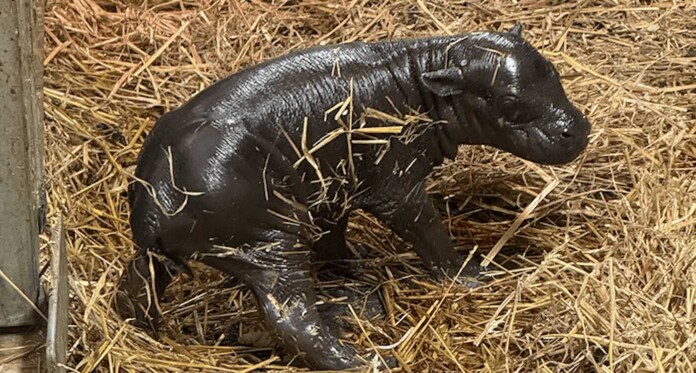
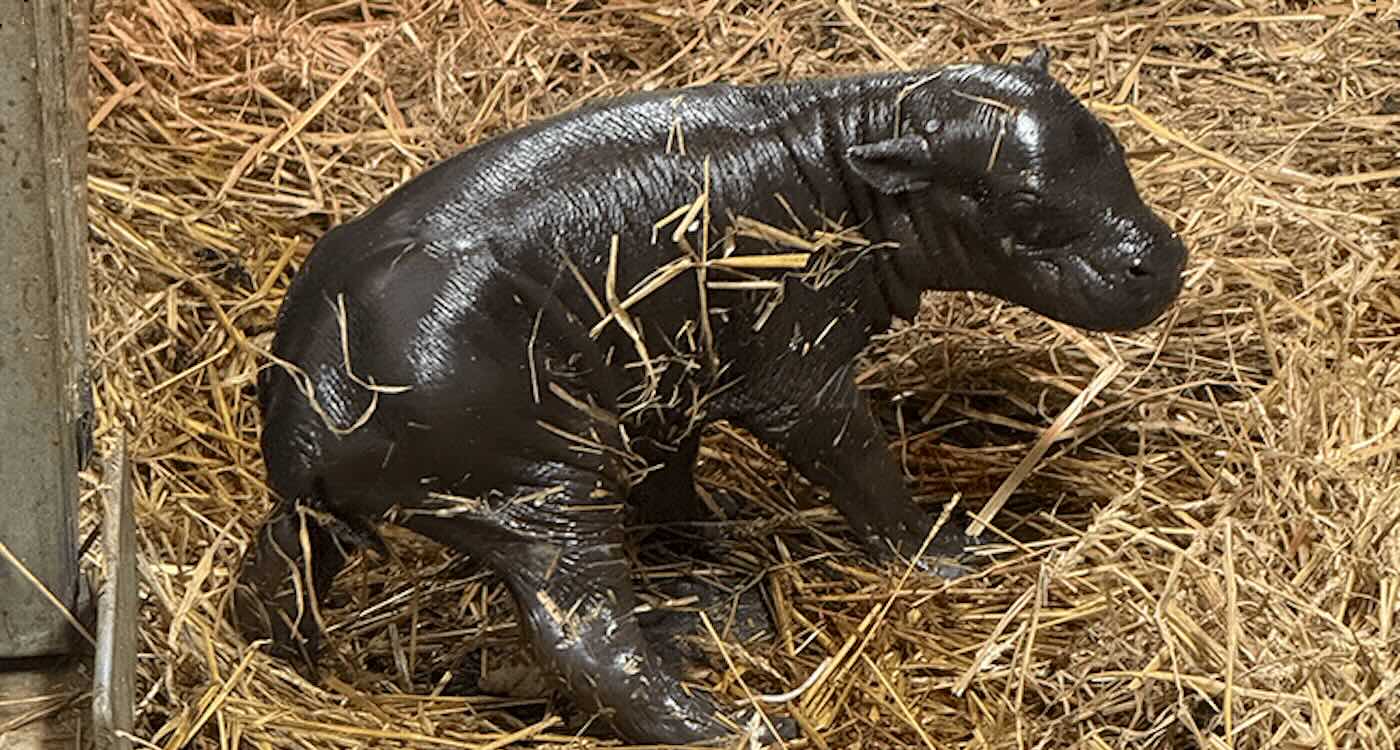
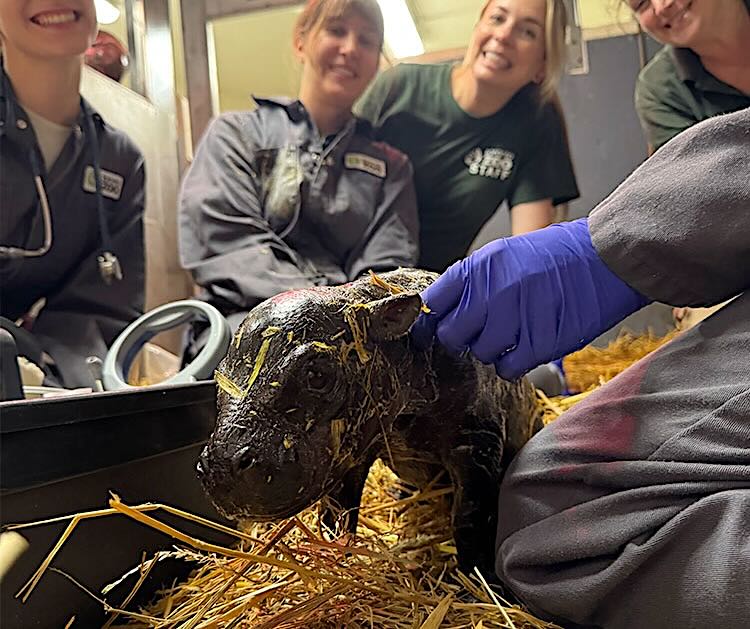
Toronto Zoo Celebrates Birth of Endangered Pygmy Hippo – The Pictures and Video are Adorable

Endangered pygmy hippopotamus calf – Toronto Zoo

When you see these photos from the Toronto Zoo of their newest resident, you’ll know why we had to share.

A pregnant pygmy Hippopotamus gave birth a week ago—tiny feet appearing after 1.5 hours of active labor.

The calf began teetering around in an attempt to stand within 15 minutes of birth—and was seen confidently navigating the space and nursing with mom 4.5 hours after birth. (Watch the video at the bottom…)

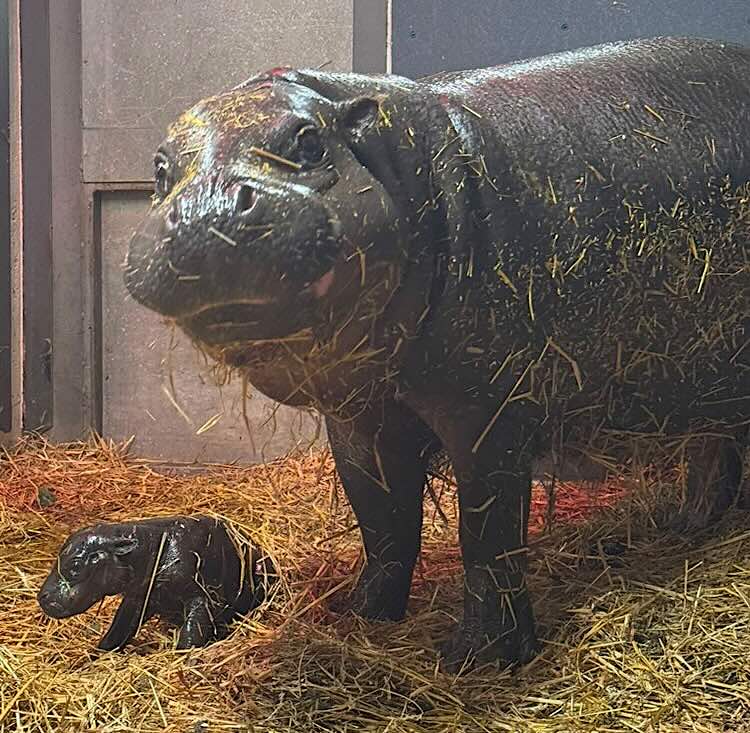
Both the calf and its 20-year-old mom named Kindia are doing well and are resting together behind the scenes enjoying a term of privacy.

Calf survival for this species can be challenging, but this is Kindia’s third birth, and she has proven herself to be an attentive mother, carefully protecting the newborn beneath her.

The father is a 31-year-old male pygmy hippo named Harvey, after Kindia was introduced to him for eight days in January which resulted in this pregnancy.

Kindia (right) with her newborn – Toronto Zoo

“Welcoming a pygmy hippo calf is far more than a celebration of new life,” said Toronto Zoo CEO Dolf DeJong.

Toronto Zoo

“Pygmy hippos are endangered, and their wild populations continue to decline due to habitat loss and human pressures.”

Pygmy hippos are listed as Endangered on the International Red List, with 2,000–3,000 individuals believed to be left in the wild, native to the forests and swamps of West Africa, and surviving in undisturbed habitats.

NEED SOME HIPPO ZEN? Watch a Sleepy Hippo Enjoying a Fish Spa Treatment

Deep in the Ivory Coast rainforest, conservation researchers are working to better protect these elusive animals in their habitat. Researchers from IBREAM are using camera traps and detection dogs to study pygmy hippos, which have long remained hidden from human eyes.

The Toronto Zoo’s Endangered Species Reserve Fund is specifically supporting the Ivory Coast Pygmy Hippo Program.

Kindia and Harvey and their new little one play an important role as ambassadors for their species. Every visit to see them is a chance to learn more about pygmy hippos and conservation efforts that can make a difference—but wait to visit when they are back outside for public viewing.

You can celebrate Kindia’s exciting news by donating to her care through the zoo’s dedicated fundraising partner, the Toronto Zoo Wildlife Conservancy.
And, watch the birth video below…

GIVE SOMEONE A CHUCKLE – By Sharing This on Social Media…
“Since love grows within you, so beauty grows. For love is the beauty of the soul.” – Saint Augustine

Eye for Ebony

Quote of the Day: “Since love grows within you, so beauty grows. For love is the beauty of the soul.” – Saint Augustine

Photo by: Eye for Ebony

With a new inspirational quote every day, atop the perfect photo—collected and archived on our Quotes page—why not bookmark GNN.org for a daily uplift?

Eye for Ebony

Good News in History, August 10

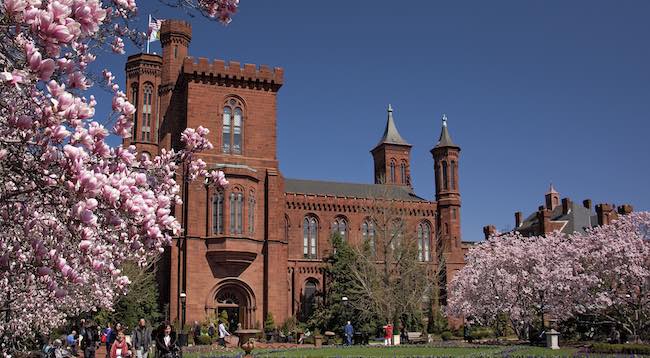
Saucer Magnolia trees

180 years ago today, the Smithsonian Institution was first chartered, and named after the British scientist, James Smithson, who bequeathed $500,000 to create a great museum in Washington, DC—even though he had never visited the United States. With the aim of advancing science and mankind’s knowledge, the federal government administers and partially funds the 19 museums (and the National Zoo) in the nation’s capital. WATCH a couple videos about the great Institution… (1846)

Cheese Lovers Unite: The Benefits of Full-Fat Dairy Documented in Study Without Cholesterol Rise or Weight Gain

A display case at the Museum of Cheese in Paris - Credit: Musee du Fromage
A display case at the Museum of Cheese in Paris – Credit: Musee du Fromage

A University of Toronto study is offering new evidence in support of full-fat dairy consumption.

The findings from a 12-week study demonstrate that three daily servings of full-fat dairy can be incorporated into a person’s diet without negatively affecting their body weight (or composition), energy metabolism, or blood lipid levels.

In fact, the results, published recently in The Journal of Nutrition, show that participants who ate more dairy saw improvements in blood pressure and had higher intake of calcium, protein and vitamin D.

You may ask, why the literature keeps changing around the ‘dangers’ of dairy. It turns out, when the scientists reveal more, we all learn more.

Dairy products contain saturated fats, which contribute to an increased risk of cardiovascular disease, which is why dietary guidelines around the world have traditionally recommended fat-free or low-fat dairy foods.

However, Professor Harvey Anderson, in the nutritional sciences field at the Toronto University’s Faculty of Medicine, says despite these concerns, numerous human studies have found no association between full-fat dairy consumption and negative health outcomes.

Some studies—including recent research led by the University’s Professor Kozeta Milliku—have indeed reported positive, or protective, effects related to dairy intake.

SUPER CHEESE: Cheese May Help Stave Off Dementia Suggests Study of 27k People Followed Over 25 Years

In the recent small study, 74 overweight or obese adults were randomly assigned to one of three diets: low-dairy /calorie-restriction; or energy-neutral with three daily servings of dairy; or unrestricted with three daily servings of dairy. The participants were also counseled to follow Canada’s food guide and provided with full-fat dairy products for the study.

After 12 weeks, the researchers did not observe meaningful differences in weight gain, body composition or cholesterol levels between the participants who followed a low-dairy diet and those who consumed three daily servings of whole-fat dairy.

“Those that had three servings of dairy didn’t have adverse levels of blood cholesterol or lipids or evidence of insulin resistance,” reported Anderson. (And, they had lower blood pressure.)

He and other researchers believe the disagreement between the harms expected from saturated fats in dairy and the reported neutral or positive effects from human studies could be explained by the dairy matrix hypothesis:

The physical structure of dairy foods affects how the nutrients within are digested and how they impact the body.

“With dairy products, it’s got two proteins—casein and whey—that are bound together with fat and with nutrients mixed in,” says Anderson.

GOOD TIP: Trendy Type of Norwegian Cheese May Stave Off Bone Thinning, Shows New Study

It’s this unique and complex physical structure that, he says, is responsible for the slow and steady delivery of nutrients from dairy products and that expands their health impacts to more than just the sum of the isolated nutrients.

Anderson notes that the study findings are especially relevant for older people who have lower energy needs overall and may therefore have difficulties getting sufficient protein and nutrients. He says that for many older adults, dairy products are a familiar and energy- and nutrient-dense option to help meet their nutritional needs, without increasing their risk of diabetes and other chronic diseases.

More broadly, the study—which was partly supported by the Canadian government’s Agricultural Partnership AgriScience Program—highlights the importance of approaching nutritional sciences research and dietary guidelines through a whole food lens, instead of focusing on single nutrients.

YOU KNOW YOU WANT TO: SHARE This With Friends on Social Media…
Intricate Carvings in Ostrich Eggshells are 60,000 Years Old – and Reveal ‘Remarkable’ Human Thinking

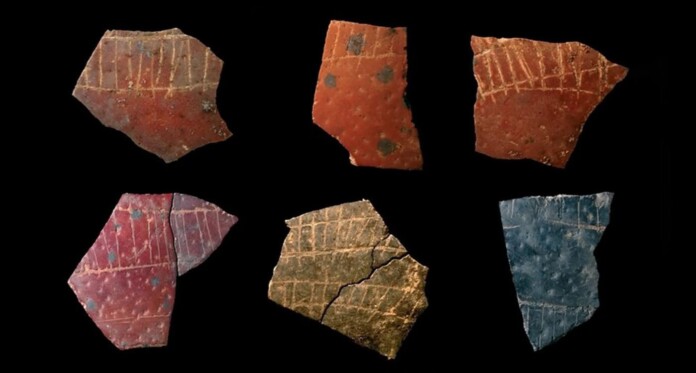
Fragments of ancient etched ostrich eggshells from Diepkloof site -Courtesy of University of Bologna / Pierre-Jean Texier

Dating back more than 60,000 years ago, humans in southern Africa were engraving ostrich eggshells with intricate geometric patterns that—the longer we study them—look more organized than we previously realized.

A new analysis of the markings found on hundreds of eggshell fragments has revealed our ancestors’ remarkable ability to organize visual space according to abstract principles.

Hundreds of the highly unusual egg fragments were found at several archaeological sites where, researchers believe, they were engraved by groups of Homo sapiens who lived in that region.

The investigation team from the University of Bologna concluded for the first time that these engravings on ostrich eggshells were not random or improvised, but followed recurring and surprisingly organized geometric rules, according to the study published in the journal PLOS One.

“We are talking about people who did not simply draw lines, but organized them according to recurring principles — parallelisms, grids, rotations and systematic repetitions: a visual grammar in embryo,” says Professor Silvia Ferrara, from the University of Bologna’s Department of Classical Philology and Italian Studies, who coordinated the study.

“It shows the presence of a genuine cognitive organization of forms, based on parallelism, orthogonality, and the repetition of lines and regular patterns,” says a University press release.

“These signs reveal a surprisingly structured, geometric way of thinking,” continued Ferrara, who says the eggshells were most likely used as water containers.

“The (designs) are organized and consistent, and show mastery of geometric relationships. There is not only a process of repeating signs: there is real visuo-spatial planning, as if the authors already had an overall image of the figure in mind before engraving it.”

The researchers carried out a quantitative and systematic investigation of 112 fragments from two South African archaeological sites—Diepkloof and Klipdrift—and one site in Namibia known as Apollo 11.

By applying methods of geometric and statistical analysis never previously used on these artifacts, the study made it possible to reconstruct in detail the lines, angles and trajectories of the markings.

“Our analysis shows that Homo sapiens 60,000 years ago already possessed a remarkable ability to organize visual space according to abstract principles,” concludes Valentina Decembrini, PhD student at the University’s Department of Classical Philology and Italian Studies and first author of the study.

“Transforming simple forms into complex systems by following defined rules is a deeply human trait that has characterized our history over millennia, from the creation of decorations to the development of symbolic systems and, ultimately, writing.”

MORE COOL PRE-HISTORY:
Striped Rock Dismissed as Natural in 1928 Reclassified as UK’s Oldest Cave Painting
Huge Camel Carvings Dating Back 12,000 Years Marked Wet Season Oasis Like Cultural Road Sign

The results show that more than 80% of the configurations display coherent spatial regularities, with repeated use of angles close to 90° and groups of parallel lines. The most complex compositions — such as hatched bands, grids and diamond-shaped motifs — reveal cognitive operations of rotation, translation, repetition and “embedding”, i.e. the ability to build hierarchical levels of signs within the same surface.

Beyond the possible meanings of the markings, the authors stress that the implications of the study concern above all the cognitive foundations that made it possible to create these decorations. The ability to construct visual configurations structured according to specific rules can be seen as a key indicator of the emergence of abstract thought — a crucial step in the evolution of human thinking.

AND, GORGEOUS: Carved 40,000 Years Ago and Found in a Cave, These Are the Oldest-Known Animal Sculptures

SERVE UP THESE EGGS For History Lovers on Social Media–BY SHARING…

Leo DiCaprio Launches $200M Project to Bring 100 Most Threatened Species Back From the Brink

Phoenix Species Project
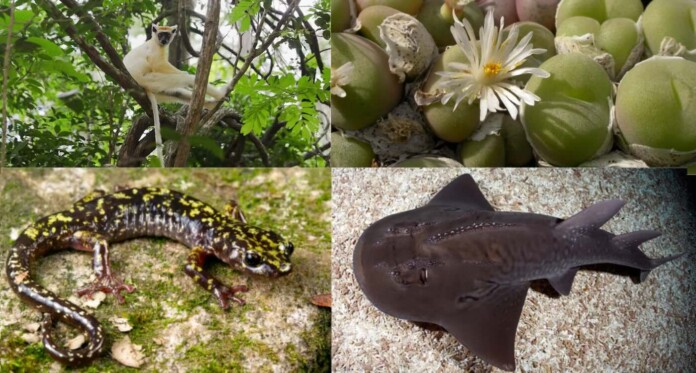
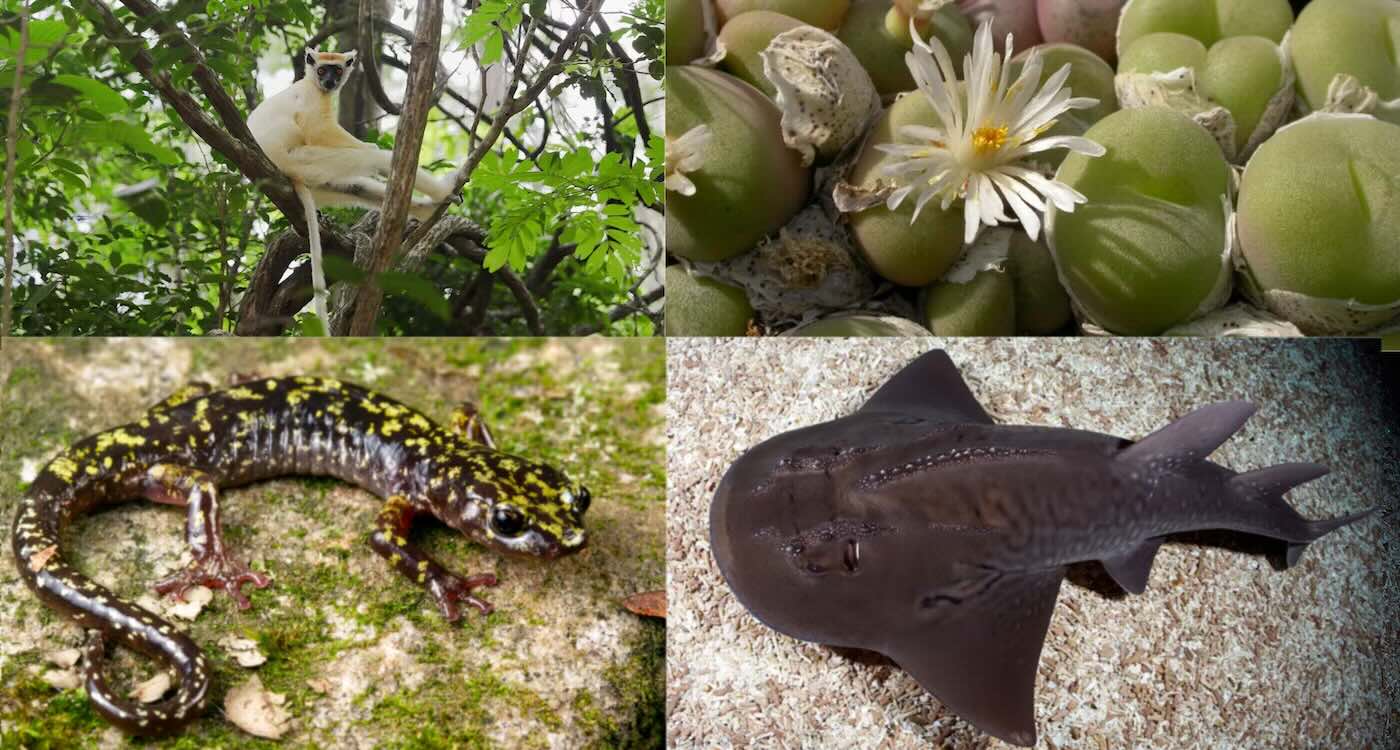
Photos (top left, clockwise): Golden-crowned sifaka (by Fanamby), fuzzy belly button in bloom (by Chris Rogerson), bowmouth guitarfish (by Mark Erdmann), and Hickory Nut Gorge green salamander (by Todd W. Pierson) – Phoenix Species Project

In 2021, Leonardo DiCaprio, the Bezos Earth Fund, and nine other conservation philanthropies launched the Protecting Our Planet Challenge, focused on protecting at least 30% of the most important land, freshwater, and marine area on the planet.

In the years since, the Hollywood actor/director continued discussions about an even more ambitious challenge to protect the most at-risk species—and he and his conservation group, Re:wild (which helps protect hundreds of threatened species in 360 locations worldwide), unveiled that big idea this week.

The Phoenix Species Project.

From rhinos and tigers, to a golden-crowned lemur, nature is full of comeback stories. Species numbered by just a handful of individuals have rebounded, when given the proper resources—and, in the process entire ecosystems have recovered.

The Phoenix Species Project builds on those good news stories.

The effort begins with a $200 million commitment to provide unprecedented support to the recovery of 100 species facing imminent extinction—including mammals, amphibians, reptiles, birds, fish, plants, and invertebrates from 30 countries.

Leonardo DiCaprio at 2019 Cannes film festival by Georges Biard (CC BY-SA 3.0 / Wikipedia)

The commitment of new money beyond small, short-term grants—$100M from the Bezos Earth Fund and $100M from Re:wild—will offer the sustained investment endangered species need to rebound.

“When we protect species, we also protect the forests, wetlands, grasslands, and oceans they depend on,” said Leonardo DiCaprio, founder of Re:wild.

“The Phoenix Species Project has the potential to make a lasting impact where it’s needed most.”

The full Phoenix 100 list can be found on the project’s new website, but in addition to the golden-crowned sifaka lemur, a few highlights include these species:

  • Ancient shark-like bowmouth guitarfish, a ray found in shallow ocean waters from South Africa to Japan and Australia, whose fins are among the most prized in the fin trade. [Implementing partner: ReShark]
  • Honey-scented, daisy-like fuzzy belly button, a tiny desert succulent that is illegally harvested for the ornamental plant trade in western South Africa. [Implementing partner: South African National Biodiversity Institute]
  • Tree-dwelling Hickory Nut Gorge green salamander, lives only in a small canyon in North Carolina in the United States, and is within the world’s most diverse salamander hotspot, the Appalachian Mountains. [Implementing partner: Amphibian & Reptile Conservancy]
  • Small, extinct-in-the-wild freshwater Charco Azul pupfish, whose common appearance belies its dramatic history when the freshwater spring it lived in dried up in Mexico after a drought, and years of water extraction for agriculture. [Implementing partner: Universidad Autónoma del Estado de Morelos]
  • Lost-and-found night parrot from Australia’s remote deserts and dry grasslands, which remains elusive because of its nocturnal, ground-dwelling habits. [Implementing partner: Bush Heritage Australia]

A 2021 peer-reviewed essay in Conservation Biology argued that even species reduced to tiny populations can recover with sufficient conservation funding, and committed local partners.

“This fund is focused squarely on species recovery—not merely stopping decline,” explained Barney Long, a senior director at Re:wild.

“Recovering species takes time, so the fund is designed to provide sustained, five-years of support for each species, freeing conservationists from disruptive short-term funding cycles and equipping them to do what’s actually required to bring species (fully) back.”

“We have the tools we need to prevent these species from going extinct,” says the Phoenix Species Project senior manager in a media release. “We just need to mobilize the resources.”

SEND THIS TITANIC NEWS To Nature-Loving Friends on Social Media…