












All News - Page 13 of 1756 - Good News Network
Home Blog Page 13

Two Hours of Sleep Restored in Alzheimer’s Brains in Research Breakthrough

Credit: A. C. for Unsplash+

[By Christian Honce | UK College of Medicine]

Picture this: You find a small fire isolated in your kitchen. If you had the right tool, you might be able to put it out. But before you can, the sprinklers turn on and soak your entire house. An automatic response to an issue has now damaged everything you own.

That’s akin to what happens in the brains of people with Alzheimer’s: amyloid plaques, sticky protein clumps that build up in the brain, are the fire in the kitchen. Microglia, the brain’s resident immune cells, are the sprinklers. A mechanism designed to protect the body ends up hurting it.

Researchers at the University of Kentucky have discovered this harmful process for the first time — and figured out how to turn it off.

In a study published in the journal Alzheimer’s & Dementia, a team led by Shannon L. Macauley, Ph.D., an associate professor of physiology in the UK College of Medicine, and first author Nicholas J. Constantino, Ph.D., a recent UK doctoral graduate, revealed that microglia are the primary drivers of sleep loss.

By using a drug to temporarily remove these cells in animal models, the researchers successfully restored over two hours of sleep per day, providing a new target for treating the disease that Macauley described as “paradigm shifting.”

Previously, scientists believed that sleep loss in Alzheimer’s was caused by dying neurons or the physical clutter of amyloid plaques. However, the UK team’s findings suggest the problem is a “whole house response” scenario.

“Basically, we showed that it is not the plaques themselves, or solely dysfunctional neurons, that cause sleep loss but actually microglia,” said Macauley. “Microglia are immune cells that, when they respond to plaques, kick off this elaborate cascade of inflammation, as if the microglia are partying all night, and keeping the brain awake.”

Seeing inside

To isolate the effects of Alzheimer’s from the natural changes of aging, the team compared two groups of mice: those with a genetic predisposition to develop amyloid plaques and “wild-type” mice that aged normally. They studied these mice at six months, when plaques first emerge, and at 18 months, representing late-stage disease.

The researchers employed several sophisticated technologies to track these changes and monitor exactly when the mice were in deep, restorative sleep, dreaming sleep, or awake.

To prove that microglia were the cause of sleep loss, the team used a drug called Pexidartinib (PLX3397). This medication, originally used in cancer research, works by blocking a signal that microglia need to survive. By feeding the mice this drug for 14 days, they were able to temporarily remove 87% of the brain’s immune cells to see if sleep would return.

The team used a mathematical algorithm to separate the brain’s electrical activity into different parts: periodic activity (the rhythmic waves we usually think of as brain waves) and aperiodic activity (the background electrical noise).

To use a car metaphor, they were checking to see if the brain’s engine was revving too high, even during rest.

A new view is ‘mind-blowing’

Macauley described the findings as “mind-blowing and unexpected.” The research revealed that the relationship between plaque buildup and sleep loss is not a simple downward slide.

“I expected that as plaque burden became more severe, sleep disruption would also worsen,” said Constantino. “The disruptions in sleep and cortical EEG activity that occur at six months, when plaques first emerge, did not worsen by 18 months, despite more than double the amount of plaque burden.”

The researchers described this as a ceiling effect: even when plaque levels more than doubled, the sleep deficit remained stable. This suggests that the initial immune storm triggered by early plaques is what causes the damage, regardless of how many plaques follow.

The study also clarified how the brain changes during normal aging compared to disease. Normal aging selectively reduces rapid eye movement (REM) sleep — the stage where we dream and consolidate memories. Amyloid pathology present in Alzheimer’s selectively targets nonrapid eye movement (NREM) sleep or restorative sleep.

“That restorative sleep is super important for physical repair, learning and memory and washing out the toxins of the day,” Macauley said. “When Alzheimer’s patients lose this stage, they lose their brain’s primary cleaning cycle, creating a feed-forward loop that may drive further damage.”

2 hours of sleep restored per night

The most impactful finding was the result of the microglial depletion. When the immune cells were removed, the mice with Alzheimer’s gained more than two hours of sleep per night. Their restorative NREM sleep bouts became longer, allowing them more opportunities to transition into healthy dreaming sleep important for making new memories.

Crucially, this sleep was restored without changing the amount of amyloid plaques in the brain. This suggests that the body’s inflammatory response is a reversible cause of sleep loss that can be treated independently of the plaques themselves.

Answering the question of whether this vital sleep can be restored for humans, is the ultimate goal of this research—to create affordable, noninvasive tools for people facing Alzheimer’s disease that allow their brains to break the “feed-forward loop”.

This study, which was partly funded by grants from NIH, the Cure Alzheimer’s Fund and The CART Fund, accomplished several things that can be built upon in future research.

The team identified specific electrical signatures in the brain that distinguish Alzheimer’s from normal aging, and they believe EEG could be used as a “readily accessible, affordable and longitudinal biomarker of Alzheimer’s disease.”

“Portable EEG systems could allow us to monitor people in their home environments and potentially screen for changes associated with an Alzheimer’s disease, without the initial need for expensive or invasive tests,” Macauley said.

This could allow doctors at local clinics across Kentucky to potentially screen those at risk before requiring individuals to travel hours for more specialized tests at major hospitals.

Macauley’s lab is now investigating how to calm down these immune cells without removing them entirely. They are exploring the use of safe, existing medications — such as the diabetes drug Metformin or anti-seizure drug Stiripentol — to reset the way microglia use fuel and change how overactive these cells become. By stopping the immune cells from revving the brain’s engine, they hope to restore sleep and improve quality of life years before memory loss begins.

“If we can target that process, it might help with quality of life, attention, cognition and confusion,” Macauley said.

SHARE THE SLEEP TIPS By Sharing This on Social Media…

Wendy’s Worker is Going To Yale After His Bosses Fund Scholarship for the Immigrant Who Survived Violence

Courtesy of Thalles DeSouza / Wendy’s in Cape Cod

A powerful portion of ‘the American dream’ was served by a Wendy’s fast-food restaurant in Cape Cod, Massachusetts, to help out one of its own.

Thalles DeSouza’s story may have started in a treacherous neighborhood near Rio de Janeiro, but his next chapter will be written at one of America’s most prestigious universities.

DeSouza, who’s now 23, grew up in Brazil, living with a mother who had been on the streets at times after she lost both her parents. Death, poverty, and despair were commonplace. As an adolescent, DeSouza was sleeping one night when gunfire erupted. His American dream began right then.

“I was just another statistic unlikely to make it,” DeSouza wrote on an Instagram video that captured the moment he got the good news (translated to English).

“But God had the final word. In 2016, after nearly being killed in a shootout inside my own home, my mother decided to give up everything and come to the United States.”

DeSouza and his family made their way to Massachusetts and he started working at a local Wendy’s while in high school. He became a model employee, getting along well with fellow staff members and making an impression on the owners. He was promoted to shift manager as a high school senior.

And then, his bosses at Wendy’s, Usama El-Sehrawey and the late Ernest Smily, gave him an even better offer—vowing to pay his tuition at community college.

“College to me was something really far from my reach,” DeSouza said in the video interview below. “It changed my whole perspective and it changed the way I saw life.

“I understood that someone was betting on me, so it was now my time to do my part. And that’s what I did.” (Watch the video below, or read more at the bottom…)

The generosity that paved the way for DeSouza’s college journey is a key ingredient at Wendy’s since the company was founded by Dave Thomas.

Thomas was adopted as a child and made adoption a cornerstone of his philanthropy.

“That’s definitely Wendy’s culture,” Terry Smily, Ernest’s son, said about the generous scholarship. “We really live by Dave Thomas’s values. Dave always said, ‘Give something back.’”

The immigrant excelled at Cape Cod Community College and kept pushing himself toward bigger things. After three years there, he applied to more prestigious schools. And this May, he got accepted into Yale, with a full-ride scholarship that will cover his entire tuition.

His path and his life have changed dramatically in four years—and he couldn’t wait to thank the families who gave him a chance.

“At the time, I had no idea how much that opportunity would change my life,” Thalles recalled on Facebook, tagging his bosses and Wendy’s in the 4-year-anniversary post.

“Thank you … for believing in me. Your generosity opened a door that changed my life, and I will always be grateful.

“Sometimes all it takes is one person who believes in you. I’m living proof of that.”

CHIEF EXECUTIVE AWESOMENESS: Inspiring CEO Gives Company to Charity After Working 80-hour Weeks for 58 Years, Saving it from Bankruptcy

He starts this fall at Yale with a major in political science and a minor in human rights, hoping to become a lawyer. The American dream that once seemed a whole world away, is now within reach.

“Where you come from does not determine where you can go,” he says. “Sometimes, the most impossible journeys take us to places we never imagined reaching.”

PLACE AN ORDER FOR GENEROSITY –By Sharing This on Your Social Media Feed…

“I’ve never heard of anybody who awakens in their comfort zone.” – Eckhart Tolle

Credit: Ephraim Mayrena

Quote of the Day: “I’ve never heard of anybody who awakens in their comfort zone.” – Eckhart Tolle

Photo by: Ephraim Mayrena

With a new inspirational quote every day, atop the perfect photo—collected and archived on our Quotes page—why not bookmark GNN.org for a daily uplift?

Credit: Ephraim Mayrena

Good News in History, August 16

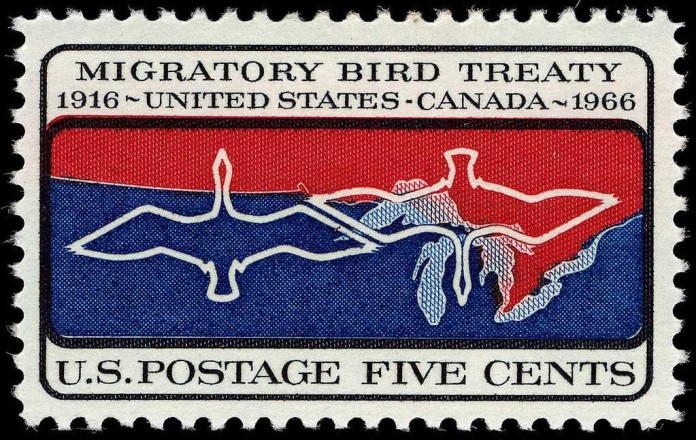
A stamp issued by the Postal Service at the 60th anniversary of the law.

110 years ago today, the Migratory Bird Treaty was signed by the US and Canada. setting rules to protect birds that fly between both countries. This agreement stopped unregulated hunting and saved many bird species from dying out. It has even been expanded to include Mexico, Japan, and Russia— and protects over 800 species. LEARN MORE below… (1916)

A Real Rockin’ Horse: Music Tames a Rescue Foal Who Learns to ‘Play’ Instruments for Album Debut

Courtesy of Mikayla Khramov
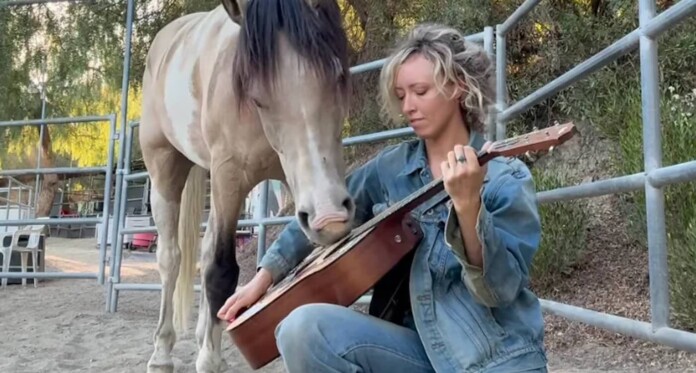
Rescued horse plays guitar – Courtesy of Mikayla Khramov on Instagram

The video starts normal enough, but a surprise is waiting somewhere near the chorus.

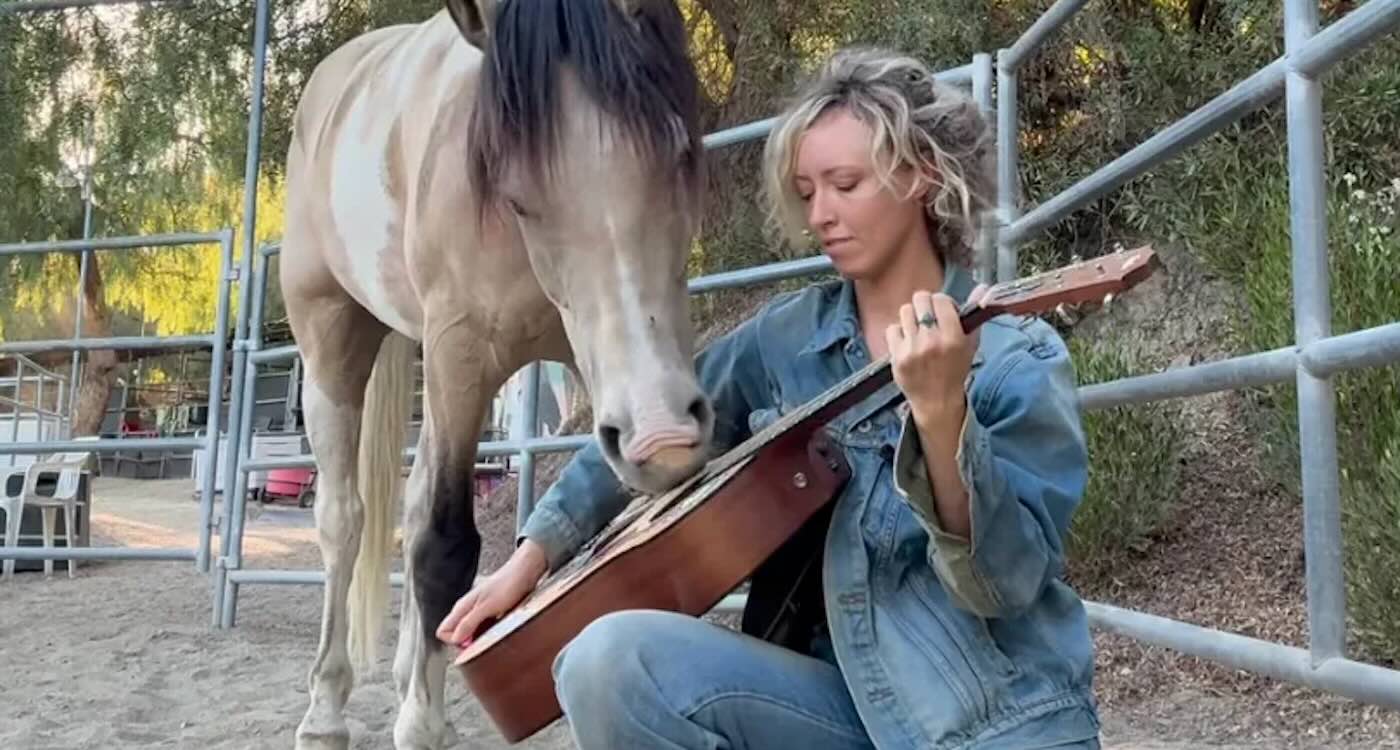
Mikayla Khramov is strumming guitar strings on Instagram and singing the lyrics to the famous Dolly Parton song 9-to-5. Then, a moment later, a horse jumps in, lightly chomping on the guitar strings to change the chords.

In Mikayla’s world, it’s all part of the plan. Her vision of music is part therapy, part experimentation, part expression—but all of it in harmony.

“This is what music should be about,” Mikayla told USA Today. “And I don’t want to do anything without my horse now. He makes it more fun.”

Mikayla grew up around horses and decided to get back into riding in 2023. The Los Angeles singer-songwriter started volunteering with a horse rescue group in Moorpark, California, where she gets free riding lessons in exchange for her work.

While there, she met a stubborn, 7-year-old Kentucky-bred horse named Yupia. He wasn’t properly trained and seemed predisposed to biting people.

The horse didn’t seem to trust anyone, yet it wasn’t long before Mikayla fell in love with him.

Many months were required to breed familiarity and build trust in their relationship—but after nine months, a breakthrough occurred.

One day, Mikayla brought her instruments to the barn and started playing her guitar in the pasture. Yupia moved closer and started moving his mouth and snout onto the strings. Before long, Mikayla’s solo act became a duet.

“Music was the tool to help build trust,” Mikayla told The Dodo in a YouTube video.

Courtesy of Mikayla Khramov on Instagram

“I didn’t give him treats or anything. It was kind of a miracle how it happened. He was almost like communicating or understanding me through the music.”

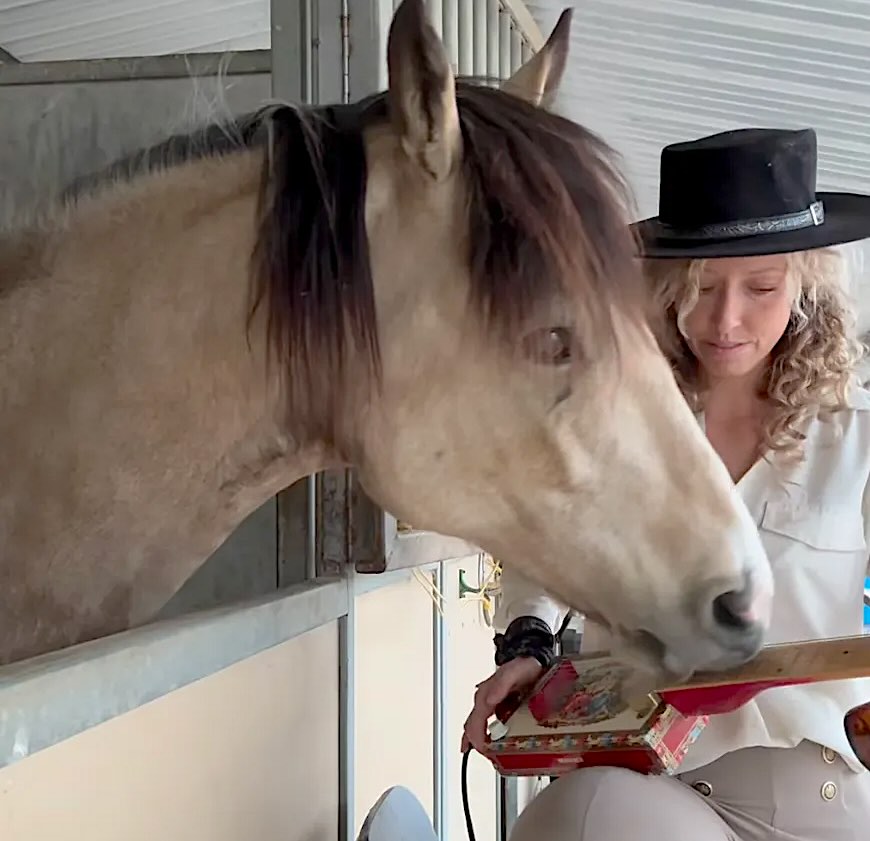
Mikayla also plays the harp, so she started bringing that to the barn too, and Yupia would sidle over and start nuzzling his nose on the strings.

The sound wasn’t always great, but Mikayla felt like Yupia was conversing with each guitar strum, and the collaborations were rekindling Mikayla’s love of music and filling her with inspiration.

Music has always been in her blood, but all those gigs and all those bands can become a grind amidst a constant pursuit of paydays.

Perhaps she just needed a horse to bring the joy of music back to the forefront.

“(Yupia) has inspired me to love music again and not treat it like a job or just a way to make money,” Mikayla said.

“I go and I write music with him, and being at the barn—it’s a very inspiring place to write—and then he comes over and is participating with me, and it’s fun.”

NO VISION, NO PROBLEM FOR THIS HORSE: Blind Dressage Horse Wins Competitions By Using ‘Equine Braille’

The joy is pushing Mikayla to create her first album while using some of Yupia’s sounds on the tracks. It’s going to be a broad, genre-bending experiment that blends Portuguese musicians with folk and electronic sounds, songwriting, guitar strums and of course, a horse.

She hopes to have it all finished in September. WATCH the video from Dodo…

SEND YUPIA’S MUSIC GALLOPING By Sharing This To Your Social Media Feed…

Beating the Heat With a Million Blooming Sunflowers in Breezy Scotland (LOOK)

Millie Gilbertson admires stunning sunflower field at Balgone Estate, with Berwick Law in the distance – SWNS

The month of August heralded the return of 14 acres of golden sunflowers topping the landscape in Scotland.

Open to visitors through August 23, the Balgone Estate has once again opened its vibrant Sunflower Trail located an hour-and-a-half outside Glasgow.

Sisters Rose and Isla Mundell at Balgone Estate in East Lothian –SWNS

The event was first introduced in 2023 but has proved so popular it’s returned as an annual event near North Berwick.

Visitors can explore two hours in the sunflower fields, and use the fun props provided to take photos with the Berwick peak in the background.

Drone shot of Balgone Estate sunflowers in Scotland – SWNS

They can also pick their own flowers—priced at a dollar per stem—before enjoying a bite to eat from food trucks. And, 10% of sunflower sales directly support brain tumor research.

Manager Alex Humphreys says Balgone Estate also offers event space available to rent for activities like yoga classes, wine tastings, and art workshops.

After the endless sea of yellow blooms has faded, the estate transitions to autumn—and they hold a title for the largest pumpkin patch in Scotland.


SUGGEST A ROAD TRIP By Sharing the Idea on Social Media…

California Creek Restoration Helps Young Salmon Grow Twice as Fast—And Doubles Their Survival Rate

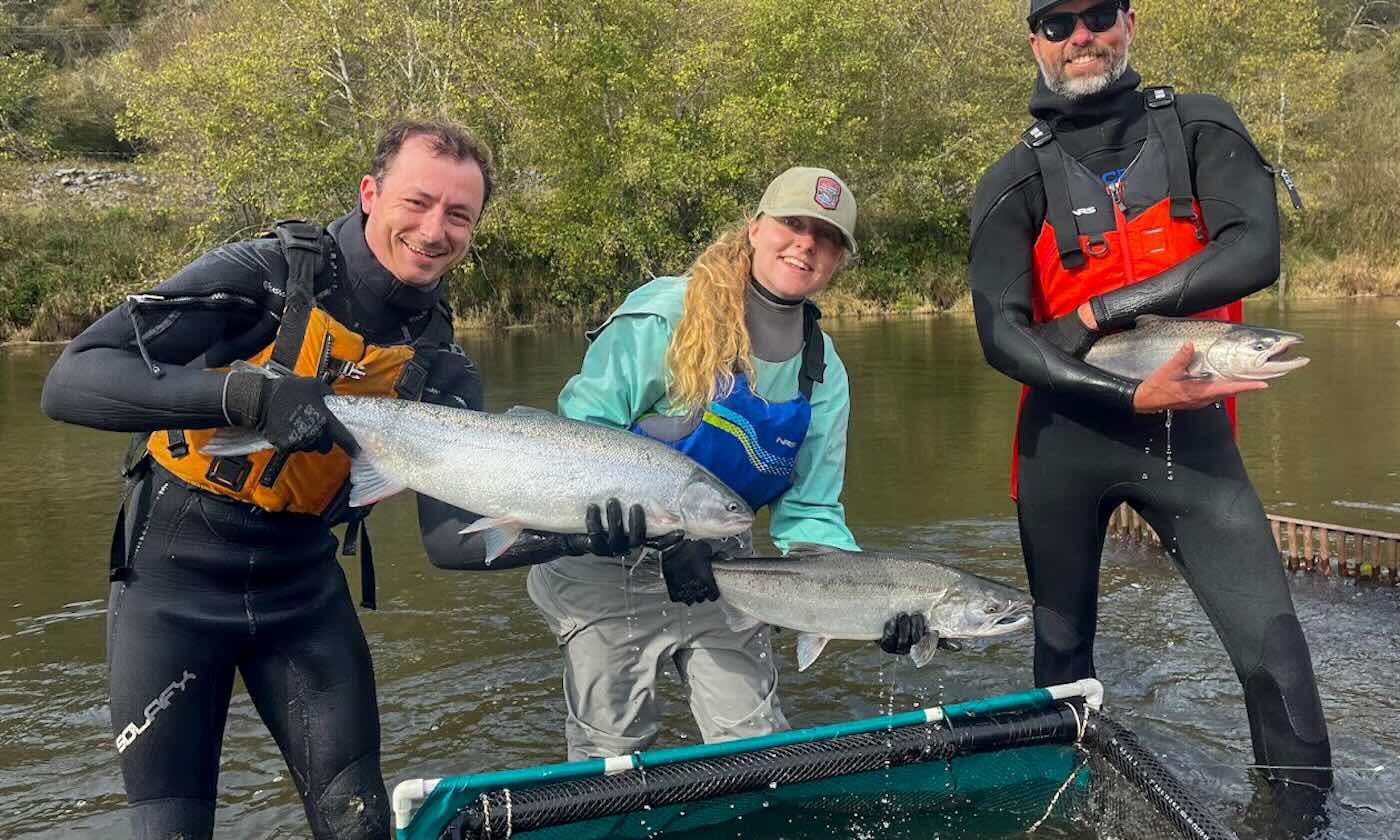
At the salmon monitoring station, Kevin Vandenack holds steelhead, Katherine Stonecypher holds coho salmon, and Bryan Crouch a Chinook salmon – Credit: Katherine Stonecypher for Cal Poly Humboldt

Along California’s redwood coast, conservationists have been working for more than a decade to give a damaged creek something surprisingly simple: room to behave like a creek again.

Prairie Creek is one of the last refuges for three threatened species of salmon: California Coastal Chinook, Northern California steelhead, and coho salmon (whose numbers declined by 90% in the last century).

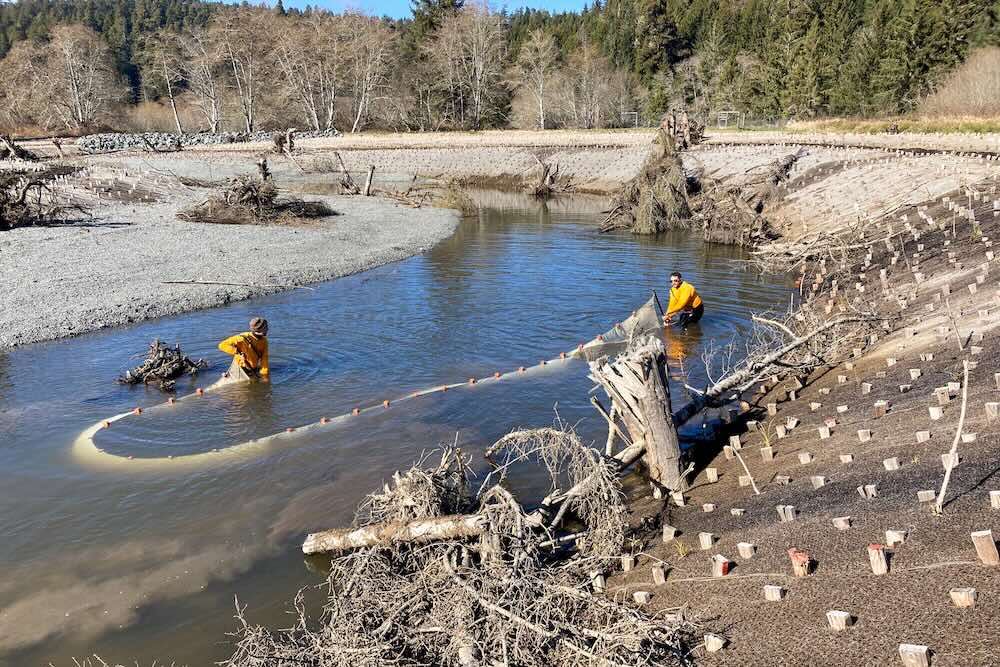
The major US restoration project, led by NOAA Fisheries and a broad coalition of partners, has transformed a former lumber mill into wetlands and a thriving floodplain ecosystem where young salmon can find food and grow before making the difficult journey to the Pacific Ocean.

Now, they’re recording some remarkable results, after years of monitoring the fish.

Juvenile coho salmon using the restored habitat are growing faster than fish remaining in the main creek channel, and researchers say that in some places the difference has been dramatic.

Growing Twice as Fast

“In certain sites and certain years, the fish using restoration sites grew up to twice as fast,” said Carter Adamson, who studied the fish growth at Prairie Creek.

Adamson, a fish biologist with the Pacific States Marine Fisheries Commission, explained how that extra growth could result in consequences far beyond the creek.

Faster-growing young salmon are more likely to survive their migration to the ocean, more likely to survive their years at sea, and return as adults to their home stream to reproduce.

Portions of the creek had been altered by human activity, leaving young fish with fewer of the complex habitats they naturally use to feed and shelter. Two of the ways the team assisted the salmon was by restoring the creek’s plantings and the amount of slow-moving water.

The historical damage was corrected by reconnecting the creek with its floodplain and restoring wetlands, ponds, and side channels.

MORE SALMON NEWS: Salmon Have Already Returned Far Upriver to Spawn in Historic Habitat After Nation’s Largest Dam Removal Project

Prairie Creek restoration – Credit: Cal Poly Humboldt

Researchers from Cal Poly Humboldt have monitored the salmon before, during, and after construction, tagging individual fish with tiny microchips and tracking their growth, movements, and survival.

Early results reveal more than faster growth. NOAA reports that 2.6% of the juvenile coho from the 2023 cohort survived their time in the ocean and returned as adults to spawn, compared with previous survival estimates of about 1%.

Monitoring at Prairie Creek will continue through at least 2028 to account for changing ocean conditions. This extra time will give scientists a clearer picture of whether bigger, faster-growing juveniles ultimately translate into more adult salmon returning home.

So far, the results are what was expected: Give young salmon slow water, abundant food and places to hide, and they don’t merely occupy the restored habitat, they thrive there.

BEFORE-AND-AFTER IS AMAZING: Nature’s Beauty Restored After Farmer Obliterated Shoreline of Important Salmon Run

The first salmon to enter the upper Klamath River – Credit Dept. of Fish and Wildlife

Sometimes restoring an endangered species doesn’t require newfangled ideas, only repairing what was damaged to give nature the ingredients to start cooking again.

NEWS THIS GOOD DESERVES To Be Sent Upstream –Share it on Social Media…

Your Weekly Horoscope – ‘Free Will Astrology’ by Rob Brezsny

Our partner Rob Brezsny, whose latest book is Astrology Is Real: Revelations from My Life as an Oracle, provides his weekly wisdom to enlighten our thinking and motivate our mood. Rob’s Free Will Astrology, is a syndicated weekly column appearing in over a hundred publications. He is also the author of Pronoia Is the Antidote for Paranoia: How All of Creation Is Conspiring To Shower You with Blessings. (A free preview of the book is available here.)

Here is your weekly horoscope…

FREE WILL ASTROLOGY – Week of August 15, 2026
Copyright by Rob Brezsny, FreeWillAstrology.com


LEO (July 23-Aug. 22):
Given how extra vibrant and refreshed you have been feeling, I would understand if you had zero interest in confronting The Dilemma That Refuses to Fade. Why deliberately tangle with that stale, long‑term energy drain when your spirits are so high? Here’s why: At this moment, you possess a new and unprecedented advantage over The Dilemma That Refuses to Fade. You may not manage to completely vanquish it once and for all. But then again, you just might. At the very least, you can now sharply curtail its ability to siphon your energy and meddle with your life.

VIRGO (Aug. 23-Sept. 22):
Virgo mathematician Katherine Johnson (1918–2020) was known as a “human computer” who specialized in carrying out large volumes of intricate calculations. She also had an uncanny ability to translate complex problems into elegant equations, which was why NASA called on her help to guide its early space missions. She said she simply asked the right questions until the numbers disclosed their hidden patterns. Be like her in the coming weeks, Virgo. Instead of forcing quick and simple answers, focus on dreaming up the smartest questions. Well-crafted inquiries will unlock sweet insights that brute effort can’t.

LIBRA (Sept. 23-Oct. 22):
In the art of mosaic-making, tiny fragments of stone or glass are fitted together into intricate patterns. Each piece is insignificant and meaningless on its own, but together they compose luminous images. Let’s deploy the mosaic as a metaphor for your life, Libra. I invite you to consider the possibility that you are assembling minor details and small clues into a big, beautiful masterpiece. You may not even be fully aware of how exactly you’re doing it or what it will ultimately look like and do. That’s fine. Your higher self is in charge of accomplishing this minor miracle.

SCORPIO (Oct. 23-Nov. 21):
Before launching spacecraft, engineers perform countless simulations of situations they hope will never happen. They repeatedly practice failures so that success becomes more likely. This is a different version of your current assignment, Scorpio. Your task is not to worry about disaster but to rehearse courage. So I encourage you to use your imagination to strengthen your resilience. Visualize yourself responding with creativity, grace, and humor whenever life springs surprises and unexpected blessings. Your confidence will thrive because you will have lots of inner practice in collaborating adeptly with uncertainty.

SAGITTARIUS (Nov. 22-Dec. 21):
The horizon line is always the same distance away from you, about three miles at sea level. If you walk toward it, you will never reach it because it moves with you. Now I’d like to propose that some of your personal goals work like horizons. They are orientations, not actual destinations. You’re supposed to move toward them indefinitely, never arriving. In the coming weeks, I invite you to distinguish between your horizon goals and your destination goals. Some aims are meant to be reached, while others basically guide your direction without ever needing to be attained.

CAPRICORN (Dec. 22-Jan. 19):
Here’s my normally $600-per-hour advice, provided at a very low cost to you: Don’t ‘get back to where you once belonged’. Instead, go toward where you must belong in the future. Maybe the old place feels cozier because it’s familiar, even if it no longer fits the person you are now. But I recommend that you heed the subtle pull of the life that’s calling you from ahead. Who exactly is the even more beautiful self you’re on your way to becoming? Visualize in detail the situation where that sovereign majesty will thrive.

AQUARIUS (Jan. 20-Feb. 18):
If you’re single, the coming weeks will be one of the most auspicious periods in ages for cultivating your own fan club of admirers. Your allure is turned up higher than usual, and the universe seems to have decided that what once might have counted as excessive is now perfectly appropriate. If, however, you’re happily ensconced in a lively monogamous bond, don’t sabotage it with daydreams of juggling multiple lovers. Instead, conspire with your partner to expand the range of flavors inside the relationship. Try stepping into different personas together: Adopt new names, experiment with strange accents, and imagine you’re living in 1453 Italy, or 1506 Spain, or 1685 Japan, or 1721 France.

PISCES (Feb. 19-March 20):
The speed of thought can zip along at over 200 miles per hour. That’s the rate at which signals travel through neurons. Electrical impulses in computers, on the other hand, may travel much faster, at half the speed of light. So your thoughts are very leisurely compared to machines. But they do what computers can’t. They’re creating meaning, not just moving data. Their slowness is where the richest reality unfolds. Remember that well in the coming weeks, Pisces. It’s extra important for your mental and physical health that you not imitate machines and algorithms. You need to ruminate and meditate and muse as gently and unhurriedly as you dare.

ARIES (March 21-April 19):
At the post office, I mischievously plucked a crumpled piece of red paper out of the trash can. I don’t usually do such things, but I sensed some horoscope material was lurking there. It turned out to be a handwritten love note addressed to “My Lush and Luminous Aries Laugh-Lover” and signed, “Your Flawed but Fiery and Funny Provocateur.” The Provocateur had written, “Let’s be rowdy investigators of wonders and miracles. Let’s hack our way through the frontiers to discover the wildest beauty and truth ever.” I was shocked that anyone would have discarded such a tempting proposal—especially an Aries. Please avoid making comparable errors in the near future, my dear.

TAURUS (April 20-May 20):
The ancient Romans could be obsessive perfectionists in their approach to building stuff. They were extra thorough and scrupulous. That’s why some of the roads they constructed are still usable today, 2,000 years later. Workers dug deep foundations, then layered stones, gravel, and sand before placing the final surface. In the coming weeks, Taurus, I recommend that you, too, carry out meticulous groundwork as you upgrade your foundations and optimize your stability. Don’t you dare be lazy or hurried in doing this grunt work. Your dogged and ingenious attention to detail will make your future safety zone shatterproof and shockproof.

GEMINI (May 21-June 20):
I appoint you to be the Chief Role Model in charge of showing everyone how to be a smart lover in all situations. Yes, all situations, not only those involving romance. In addition, I bestow on you the title of Chief Administrator of Amazing Grace, hoping this will inspire you to make elegant interventions in every situation where you have influence. Finally, Gemini, I exhort you to be devoted to seeing the beauty in everyone you encounter, even if you must work hard to find it. In asking you to carry out these humongous responsibilities, I’m interpreting the clues offered by the astrological omens. They have revealed to me that cultivating a generous spirit is crucial to you attracting what you want most.

CANCER (June 21-July 22):
I confess I have succumbed to a very modern misdemeanor: tossing the word “sacred” around more often than it deserves. To be fair, I haven’t stooped to the tacky depths of New Age hustlers hawking “sacred e‑mail marketing” or “sacred dog-walking.” But still, I would prefer to invoke the word more sparingly, so that on the rare occasions I do, you will feel a genuine shiver of awe. Like now. I predict you will soon be stirred by marvelous encounters and realizations that flood you with reverent feelings and turn your inner life deliciously upside down.

WANT MORE? Listen to Rob’s EXPANDED AUDIO HOROSCOPES, 4-5 minute meditations on the current state of your destiny — or subscribe to his unique daily text message service at: RealAstrology.com

(Zodiac images by Numerologysign.com, CC license)

SHARE The Wisdom With Friends Who Are Stars in Your Life on Social Media…

“When wounds are healed by love, The scars are beautiful.” – David Bowles

Credit: Toa Heftiba for Unsplash+

Quote of the Day: “When wounds are healed by love, The scars are beautiful.” – David Bowles

Photo by: Toa Heftiba for Unsplash+

With a new inspirational quote every day, atop the perfect photo—collected and archived on our Quotes page—why not bookmark GNN.org for a daily uplift?

Credit: Toa Heftiba for Unsplash+

Good News in History, August 15

108 years ago today, American cartoonist Winsor McCay released the first long-form animation film, the Sinking of the Lusitania, showing what pure conviction looks like.

Far from being funny, the 12-minute film depicted the huge British steam liner carrying 2,000 passengers when it was torpedoed by a German submarine. An originator of animated cartoons, he was frustrated when his media bosses, the Hearst empire, downplayed the incident in its newspapers, because they wanted America to stay out of World War I. So McCay spent all his spare hours producing the film, which took him 22 months to create. SEE A CLIP and Learn More… (1918)

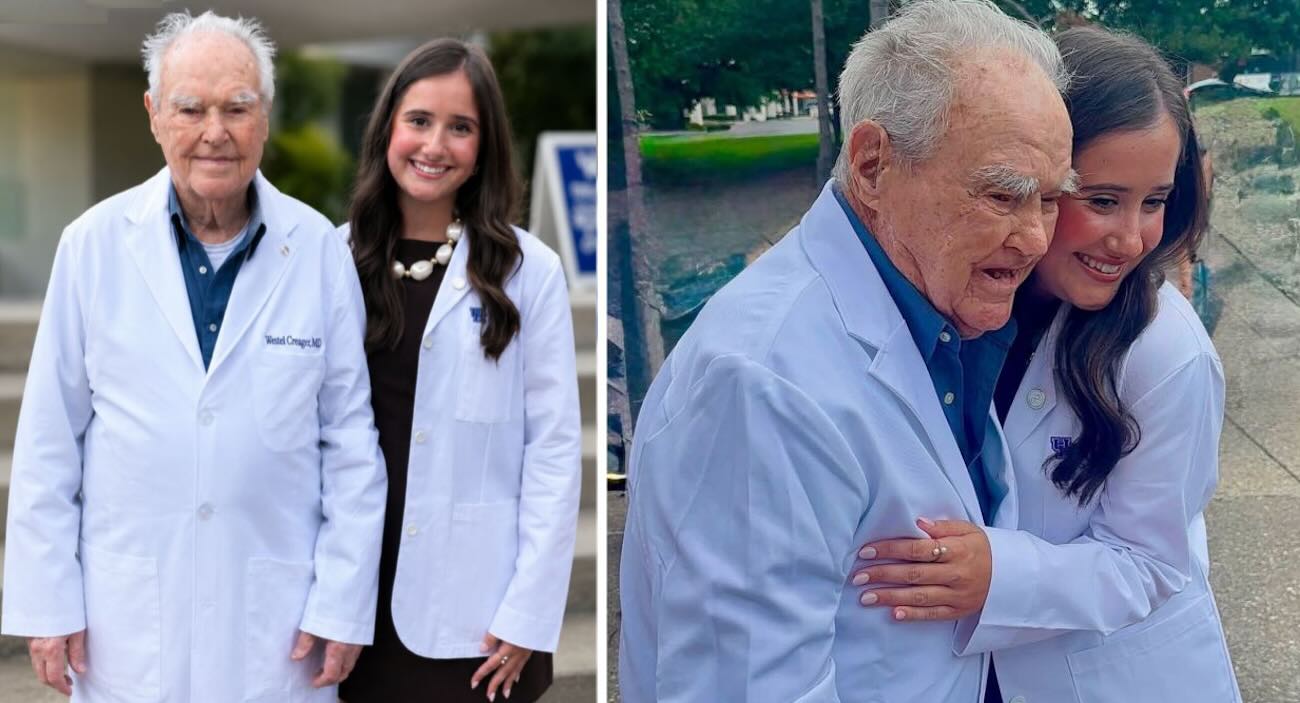
97-Year-old is Overwhelmed to Attend Great-Granddaughter’s Graduation From Same Med School He Tackled 60 Years ago

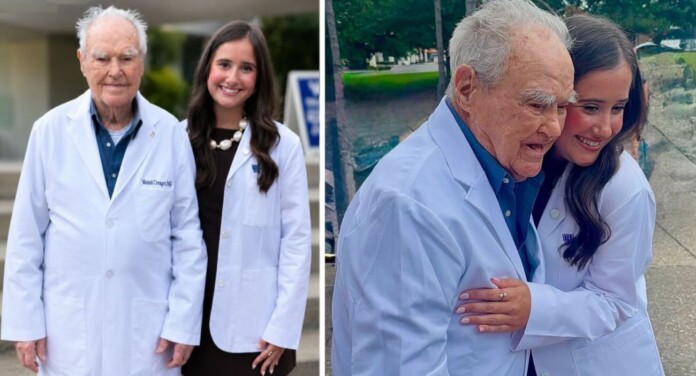
Dr. Westel Creager and granddaughter Haiden Hauret

97-year-old Westel Creager became determined to keep a promise he made years ago.

When his great-granddaughter Haiden was going off to college, Westel told her that if she got into medical school, he’d be there when she graduated—and put on her first white coat.

For her side of the bargain, Haiden Hauret made good on the vow to go to medical school—and she even followed her great-grandfather to his alma mater, the University of Kentucky.

Westel attended 60 years ago, after starting his adult life as a carpenter, but eventually pushing himself to return to school, and pursue medicine.

He was the oldest in his class, but neither optics nor opinions nor anything else could keep him from his goals. He graduated and then went on to a long career serving others, working in emergency rooms well into his 70s.

“He always gave back to low economic areas that were underserved medically,” Kristi Johnson, Creager’s granddaughter and Hauret’s aunt told Newsweek.

“He got his pilot’s license and flew his plane with the Good Samaritans into Mexico and treated patients. He also opened an AIDS hospital in his later years.”

Over the years, Westel’s offspring and his lineage grew, but none followed in his footsteps. Until Haiden.

As she moved through medical school, Westel stayed determined to be there when she graduated—and that day arrived this summer.

His family made sure he had a clean white doctor’s coat to wear to the big event.

“I’m overwhelmed,” Westel whispered, stunned, in an emotional Instagram video.

Minutes after he slid into the new white coat, he watched his great-granddaughter receive her own. The story arc continues to unfold, as a Westel descendant moves a step closer to following his footsteps through the medical profession.

ANOTHER HAPPY PROMISE KEPT: Given Just 8 Months to Live, Teen Graduates Cancer-Free 4 Years Later Thanks to Doctor’s Promise (Watch)

There are many life lessons here, from both the med student and the 97-year-old doctor, the man bold enough to go back to school and build a better future.

“Grandpa was tired of being poor and wanted to become a well-respected doctor, so he did it,” Johnson said via Newsweek.

“He says it’s the key to staying young and sharp.

‘You are never too old, so keep pushing yourself, keep taking the stairs, adding new hobbies and changing your path if needed’.”

MAKE SOMEONE’S DAY AS BRIGHT AS A WHITE COAT By Sharing This To Your Social Media Network…

New Radiation-Free Lung Scan Can Spot Disease Sooner in Children – And it’s Much Safer

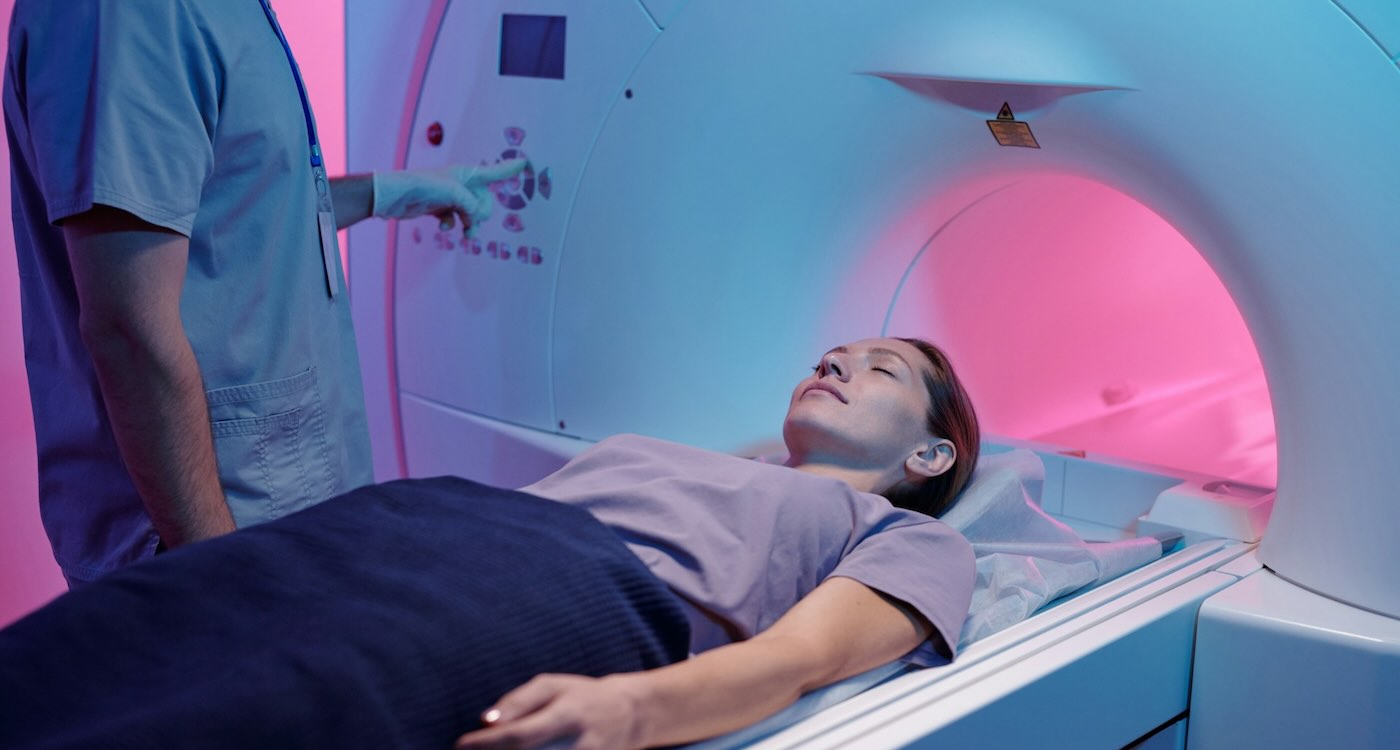
Credit: Getty Images for Unsplash+

For caregivers of children living with chronic or rare lung diseases, monitoring their condition presents an uncomfortable tradeoff: Repeated scans can be valuable, but they can also expose patients to radiation.

Now, a rapidly advancing form of MRI is offering another possibility: detailed images of children’s lungs that can reveal not only their structure, but how well they’re actually working—all without exposing them to ionizing radiation.

Scientists at the University of Sheffield’s POLARIS research group have been pioneering one particularly promising version of the technology, using a specially prepared form of xenon gas.

Their work is already helping doctors identify early signs of lung disease in children with cystic fibrosis without using radiation, and the technique is now being used in patient care at Sheffield Children’s Hospital.

Lungs Are Difficult to Scan for MRIs, But There’s an Ingenious Work-Around

MRI is already widely used throughout medicine because it produces detailed images using magnetic fields and radio waves rather than ionizing radiation. But lungs have traditionally been one of MRI’s toughest challenges because they’re mostly filled with air, which produces relatively little of the conventional ‘MRI signal’, and they’re constantly moving as a patient breathes.

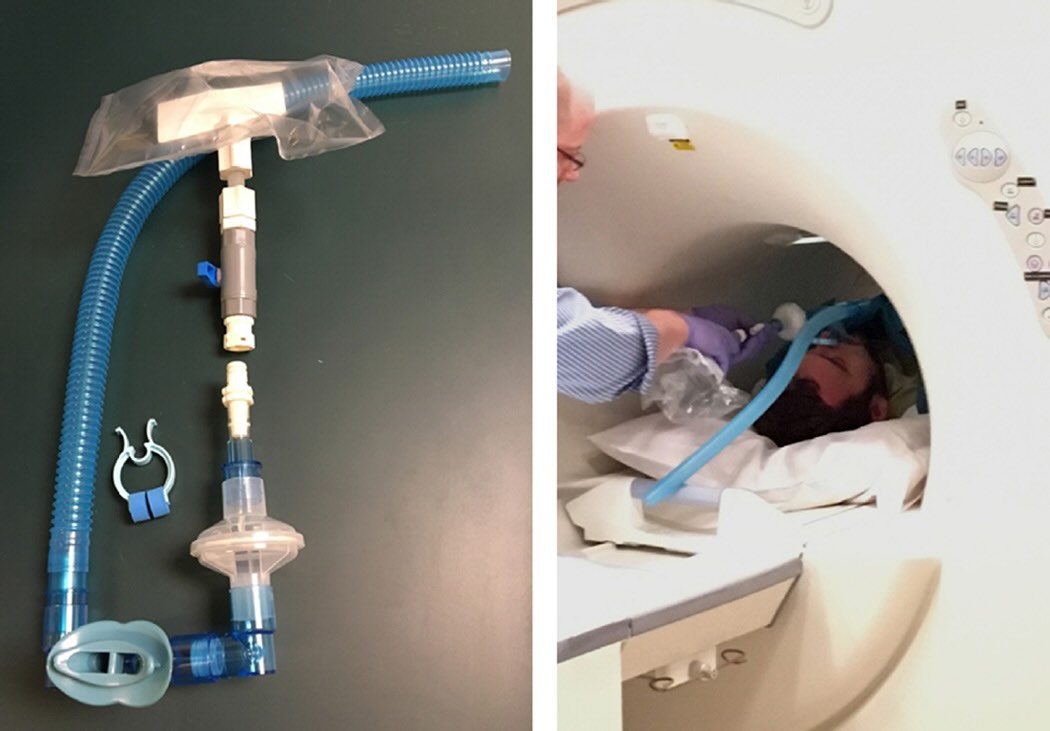
The Sheffield researchers found an ingenious way around that problem. Patients inhale a specially prepared form of xenon called hyperpolarized Xenon-129, which creates a strong signal that an MRI scanner can detect inside the lungs.

“Patients are asked to inhale the Xenon gas, hold their breath for a few seconds while the scanner collects the images and then breathe the gas away,” explained Professor Jim Wild, who leads the POLARIS research group.

The resulting images allow doctors to see where air is and isn’t reaching inside the lungs. Because some of the xenon also dissolves through lung tissue and into the bloodstream, researchers can gather information about one of the lungs’ most important jobs: transferring gases from the air we breathe into the blood that carries them throughout the body.

Delivering hyperpolarized gas to the scan subject – University of Sheffield POLARIS group

Combined with other advanced MRI techniques, doctors can potentially study ventilation, blood flow, lung structure and gas exchange without exposing the patient to ionizing radiation.

Instead of simply giving physicians a picture of the lungs, the technology can provide something closer to a map showing how the lungs are actually functioning.

That’s especially promising for children with diseases requiring years of monitoring.

BREATHING GOOD NEWS: MIT Develops AI that Predicts Lung Cancer Risk up to 6 Years in Advance, Like Finding a ‘Needle in a Haystack’

It Finds Spots That Other Tests Often Miss

Researchers have investigated pulmonary MRI in conditions including cystic fibrosis, severe asthma, interstitial lung disease, and pulmonary vascular disorders—and the Sheffield team says its xenon MRI technique has revealed lung abnormalities that routine tests did not detect.

In children with cystic fibrosis, POLARIS researchers uncovered details of ventilation difficulties that had not been picked up on previous CT scans. Sheffield Children’s Hospital is now using the MRI method to detect early functional lung disease in these patients, which the university says is the first of its kind in the UK.

The ability to look repeatedly, without adding radiation exposure, could be invaluable for a child diagnosed with such lifelong conditions.

And best of all, for the kids, the scan takes only a few minutes.

Courtesy of LEGO – 600 Hospitals Get Free LEGO MRI Scanners – to Reduce Anxiety in Young Patients 

Speed is improving, too. Some newer pulmonary MRI techniques can acquire images in as little as 4 seconds—especially valuable when a patient is a child who finds it difficult to remain perfectly still or hold their breath for long periods.

Existing MRI Machines Can Be Retro-fitted for Xenon

The team is now collaborating with GE HealthCare to develop hardware and software that could make hyperpolarized xenon imaging possible on existing MRI systems. POLARIS is also supporting new clinical sites around the world with the equipment and expertise necessary to perform the scans.

Wild said the collaboration could “make the revolutionary imaging available to more patients”.

COPY THIS LINK to Share With Health Advocates On Social Media…

Rescued Orangutans Released Into Isolated Forest Are Now Raising Babies, Creating New Wild Population

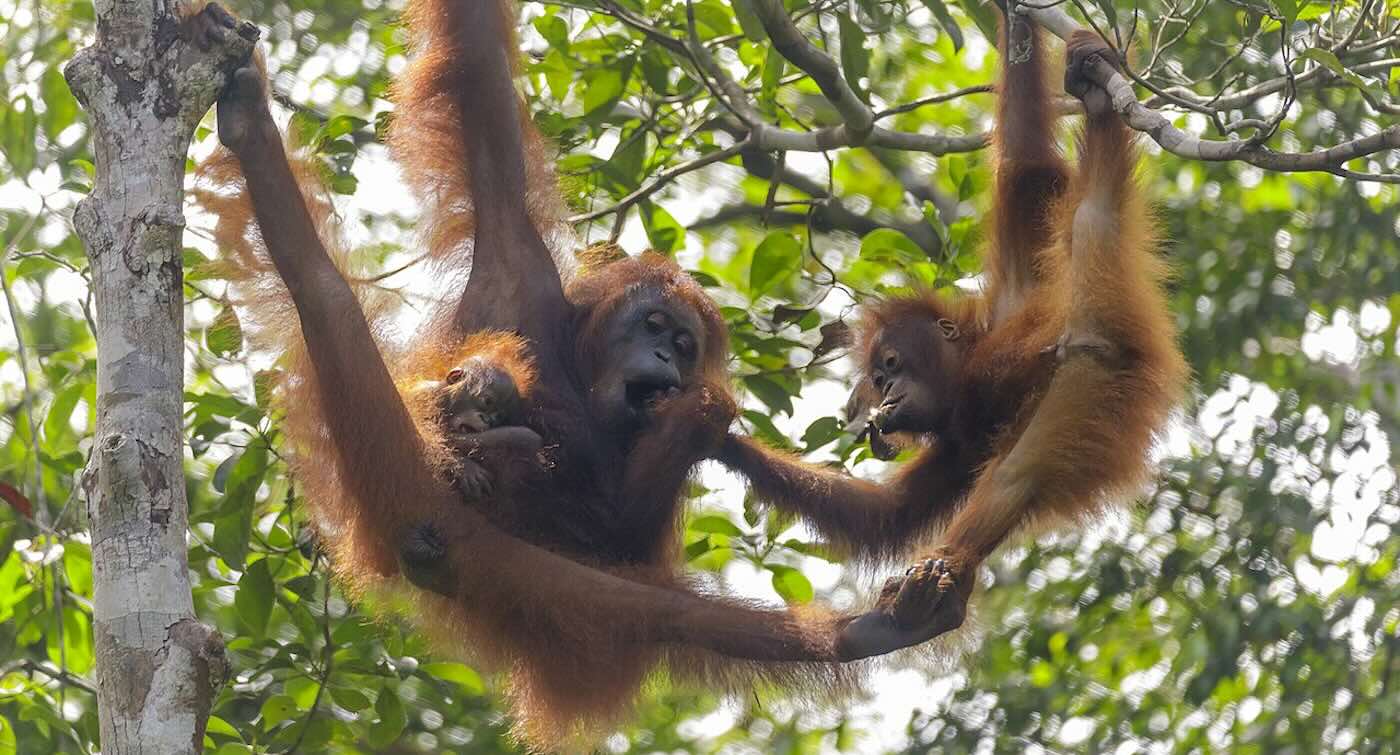
Bornean orangutans (Pongo pygmaeus) in the Tanjung Putting National Park by Thomas Fuhrmann – CC BY-SA 4.0 license

Fifteen years ago, conservationists began releasing rescued orangutans into a protected forest in Sumatra where no others from their species were living.

Some arrived had been in human care after being orphaned. Others had been rescued from conflict situations or captivity and needed months or years of rehabilitation before they could safely be returned to a forest.

Today, those formerly rescued animals aren’t simply surviving—they’re thriving. They’re having babies, raising families and slowly establishing an entirely new population of critically-endangered Sumatran orangutans in the wild.

The remarkable experiment is unfolding in the Jantho Pine Forest Nature Reserve in Indonesia’s Aceh province, where rehabilitated orangutans have been given a second chance at a natural life that many of them nearly lost forever. (WATCH the video at the bottom…)

From Rescue Animals to Wild Mothers

Orangutans aren’t animals that can simply be taken from captivity and dropped into a forest.

Young orangutans normally spend years alongside their mothers learning an extraordinary catalog of survival skills: which fruits are safe to eat, where to find food when seasons change, how to build a nest high in the trees every night, and how to navigate a complex rainforest canopy. Animals separated from their mothers too early may never have learned those lessons, so rehabilitation is sometimes a long process.

When rescued orangutans demonstrate that they can forage, climb, build nests, and generally survive without depending on humans, conservationists consider releasing them. The tricky part is finding somewhere safe to let them go.

Credit: Getty Images for Unsplash+

Jantho offered something precious, a large and protected forest where conservationists could establish a population away from some of the immediate pressures facing orangutans elsewhere.

Soon, some of the females began giving birth. Those babies weren’t released from cages or transported to the forest. They were born wild.

Building a Population One Baby at a Time

Mothers are teaching a new generation how to be orangutans. That development is particularly significant for the Sumatran orangutan, one of the world’s most threatened great apes.

These mothers typically raise a single infant for years before having another, giving orangutans one of the longest intervals between births of any mammal—so populations can’t rebound quickly.

Every newborn arrival at Jantho is a moment to celebrate—and researchers confirm at least 10 babies have been born in the reserve.

Wildlife rehabilitation is often measured by a single broken animal becoming whole again, and releasing them after they’ve been repaired. But Jantho shows what can happen when those individual ‘second chances’ begin multiplying.

Since 2011, conservationists from the Sumatran Orangutan Conservation Program have brought nearly 200 Sumatran orangutans to Jantho.

AMAZING ORANGUTAN MOMENTS:
• Orangutan Uses Hand Gestures in Quest to Look Inside Woman’s Purse–Hilarious: WATCH
• Fun-Loving Orangutan Goes Ape Over Magic Trick (WATCH)
• Clever Orangutan Makes a Tool to Retrieve Floating Basket From Pond – LOOK

What began as a place to release rescued animals has turned into something much bigger, a home where a new generation of wild Sumatran orangutans can flourish—born free.

THIS IS THE GOOD NEWS WE ALL NEED–So Share it With Friends on Social Media…

Five Endangered Secretarybird Chicks Hatch in Major Conservation First

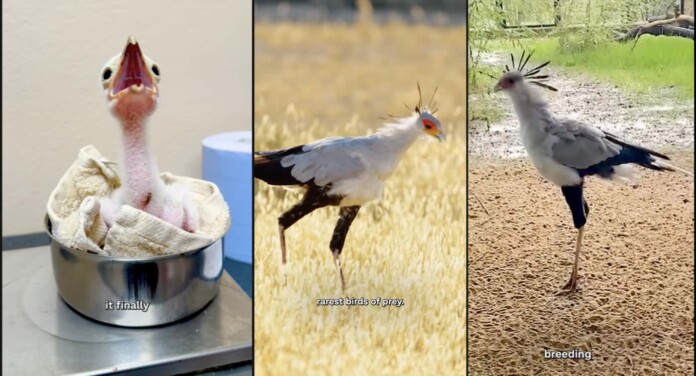
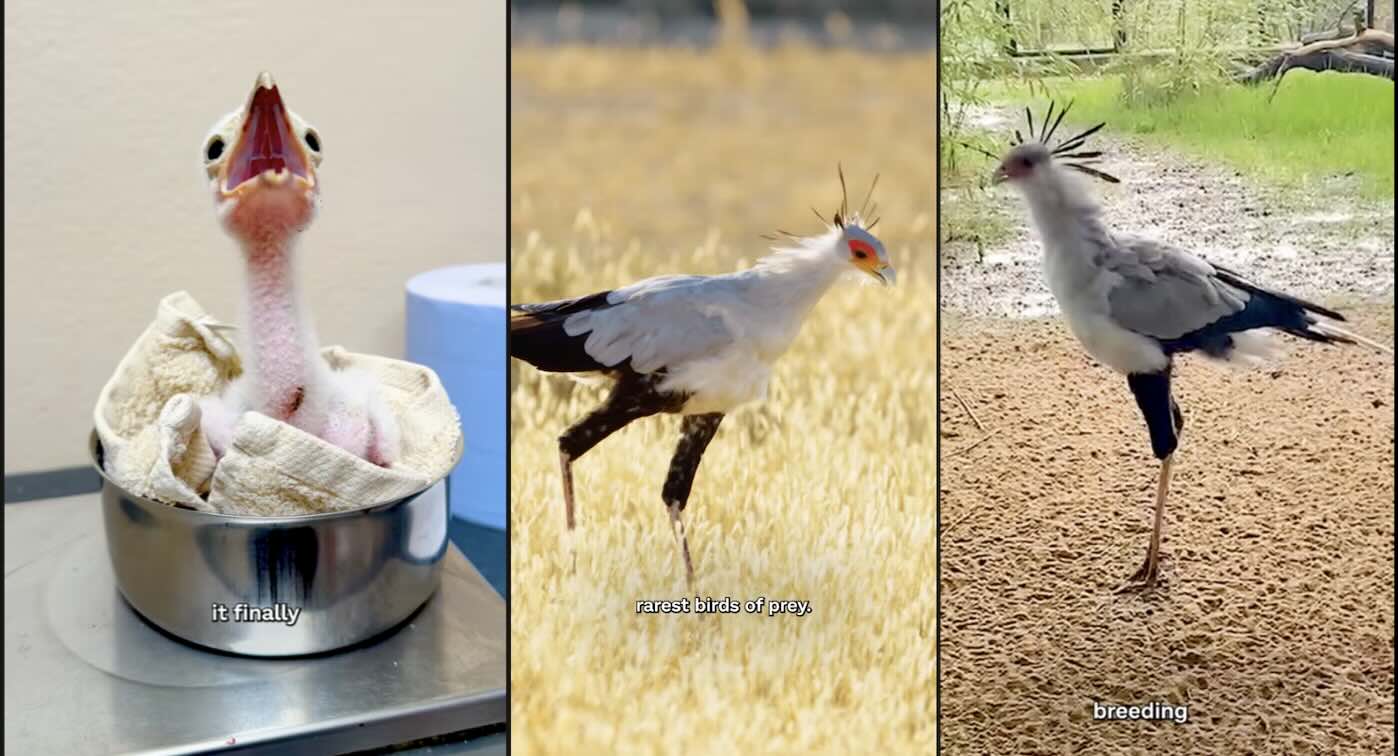
Screenshots of Secretarybirds with chick that hatched in Chester Zoo

England’s Chester Zoo reported last week they successfully bred the stunning secretarybird for the first time in its 95-year history—producing five chicks.

The endangered African birds are part of an international conservation breeding program—and the latest success was described by the Zoo as “a landmark breeding breakthrough that we hope will help secure the future of the endangered species”.

The arrival of the chicks marks the first time secretarybirds have bred at the zoo in its 95-year history.

The chicks hatched to parents John and Jolene, who arrived at the zoo as part of coordinated international efforts to help safeguard the future of one of Africa’s rarest birds of prey.

Across the European breeding program, there are just 79 birds and, in the last year, only three other chicks have hatched elsewhere.

“Our experts believe the techniques developed here in Chester could now help other conservation zoos boost breeding success across Europe,” said a media release.

Secretarybirds are among the world’s most unusual birds of prey. Unlike eagles and hawks, they also hunt on foot, striding across African grasslands on long, thin legs in search of prey.

The birds’ scientific name is Sagittarius serpentarius—meaning “the archer of snakes”, reflecting their remarkable ability to hunt and kill venomous snakes by stomping on them.


“Seeing five healthy chicks hatch in such a short space of time is an incredible achievement for everyone involved,” said the zoo’s birdkeeper Jamie Cartwright-Stock.

In recent decades, secretarybird numbers have declined to “as few as 6,700 birds” left in the wild, as vast areas of Africa’s grasslands have been lost to agriculture or urban development.

The species is listed as Endangered by the International Union for Conservation of Nature’s Red List, which is why this latest crop of eggs saw conservationists celebrating.

“With five new chicks, we’re playing a leading role in the conservation of these incredible birds,” said Andrew Owen, the zoo’s Head of Birds.

By monitoring and sharing everything we learn about these chicks, we can help improve breeding success across the entire safety-net population in zoos.

SHARE THE STUNNING BIRDS – By Posting on Social Media…

“How strange that nature does not knock, and yet does not intrude!” – Emily Dickinson

Maidenhair fern – Credit: US FWS Southeast via Flickr

Quote of the Day: “How strange that nature does not knock, and yet does not intrude!” – Emily Dickinson

Photo by: USFWS Southeast (Maidenhair fern) – via Flickr

With a new inspirational quote every day, atop the perfect photo—collected and archived on our Quotes page—why not bookmark GNN.org for a daily uplift?

Maidenhair fern – Credit: US FWS Southeast via Flickr

Good News in History, August 14

US President Franklin Roosevelt and British Prime Minister Winston Churchill issue Atlantic Charter

85 years ago today, US President Franklin Roosevelt and British Prime Minister Winston Churchill issued the joint declaration of peace and progress that later became known as the Atlantic Charter.

The statement was issued months before the US officially entered World War II, yet it set out the goals for after it was won. READ the Brilliant List of Goals… (1941)

Surf’s Up for Pups at World Dog Surfing Championship Where Rosie Leads the Pack (Video)

One of California’s most famous surfers has four legs and a tail.

They call her Rippin’ Rosie. She’s a lovable 5-year-old Labrador Retriever with golden fur and almost 340,000 followers on Instagram.

“Everyone knows Rosie!” said local surfer Jeremiah Kille in a great video by DOG PPL (view below).

The legend of Rosie continued to grow two weeks ago, with a new trophy and some shiny medals awarded for her impressive performance at the World Dog Surfing Championships in at Pacifica Beach in California.

Rosie started surfing at just seven months old when she would climb on a stand-up paddleboard with her owner, prosecuting attorney Steve Drottar. Over time, Rosie took on bigger waves, gaining more skills and more confidence. S

ilver-haired Steve has been surfing in Santa Cruz his whole life—and now Rosie joins him 4-5 times a week.

“Here comes some old dude with a stand-up board and a great big cute yellow Lab on the end of the board,” Steve said in the video. “It’s kind of hard for people not to smile.”

“It’s a blast to watch them out there,” Kille said.

At the 10th Annual World Championships near San Francisco, Rosie competed with about 15 other water dogs in categories for small, medium, and large-sized contestants. All of the furry, four-legged entrants were judged on the length of their wave rides, the size of the waves they surfed, and their overall confidence/performance.

A mixed-breed named ‘Bradley Cooper’ won the small dog category, and Iza, a 5-year-old French bulldog, won the prize for medium-size dogs, according to the Associated Press.

Then, Rosie and Steve headed into the water, a place where both feel perfectly at ease. The dynamic duo caught a few waves with hundreds of spectators looking on from the beach.

According to SF Gate, some people in attendance had pictures of Rosie on their T-shirts and hats, and some traveled hundreds of miles to see her her compete.

When it all ended, Rosie won four first place awards. With new medals slung around her neck and a new trophy at her side, Rosie was all smiles in the post-event photo. It’s safe to assume Steve felt the same exact way.

CHECK OUT THE MUSSELS ON THESE DOGS: Do-Good Doggies Fight Invasive Mussels on Team ‘Conservation Canines’


“What Rosie teaches people is that a dog is more than just being on the couch,” Steve said.

“A dog can be part of your life, part of your adventures, however far you want to take it. Having your dog accomplish something with you develops such an amazing bond…I just hope that I can share some of the joy.”

SEND ROSIE’S STORY SURFING ACROSS THE NET By Sharing It On Social Media…

Ospreys Recover Thanks to ‘Pioneering Pairs’ Who Nest Away From Main Population

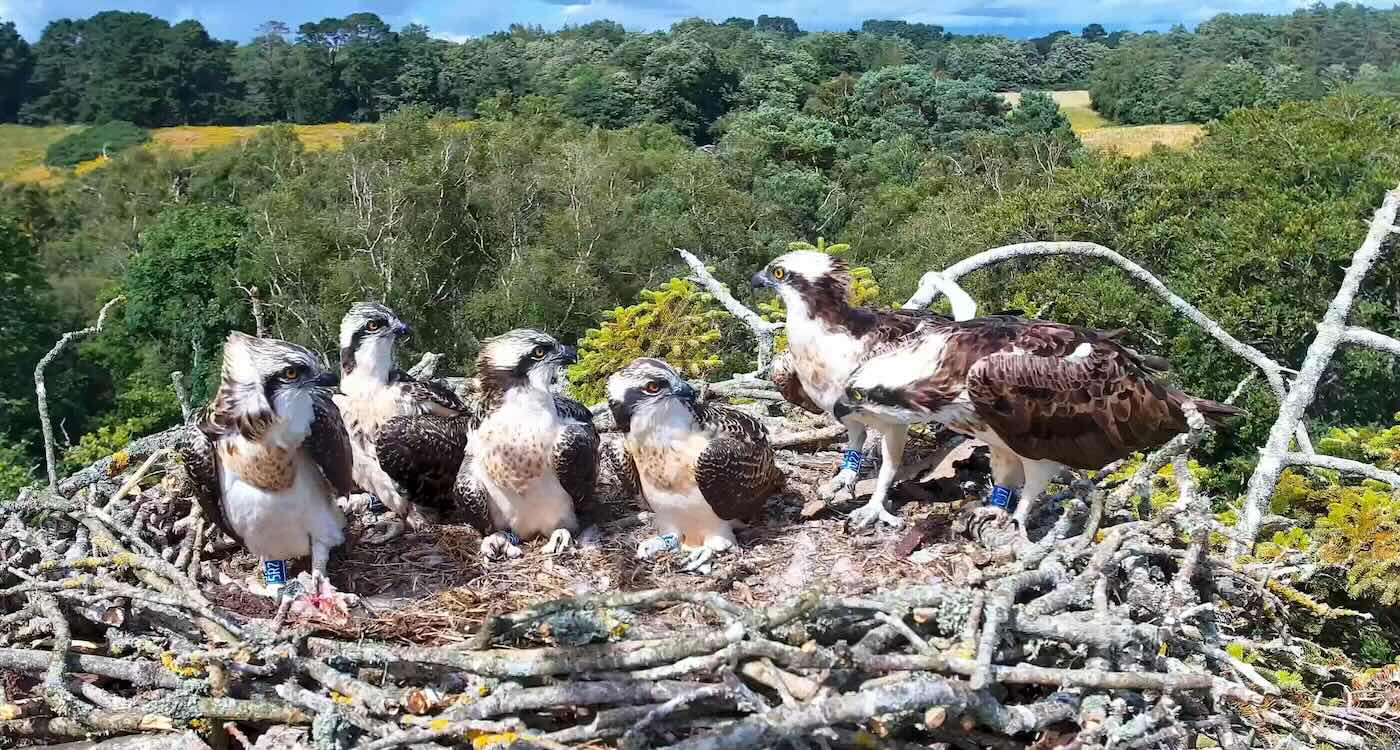
Nest Webcam picture taking in 2024 – Osprey Birds of Poole Harbour / SWNS
Osprey in Britain – Credit: SWNS

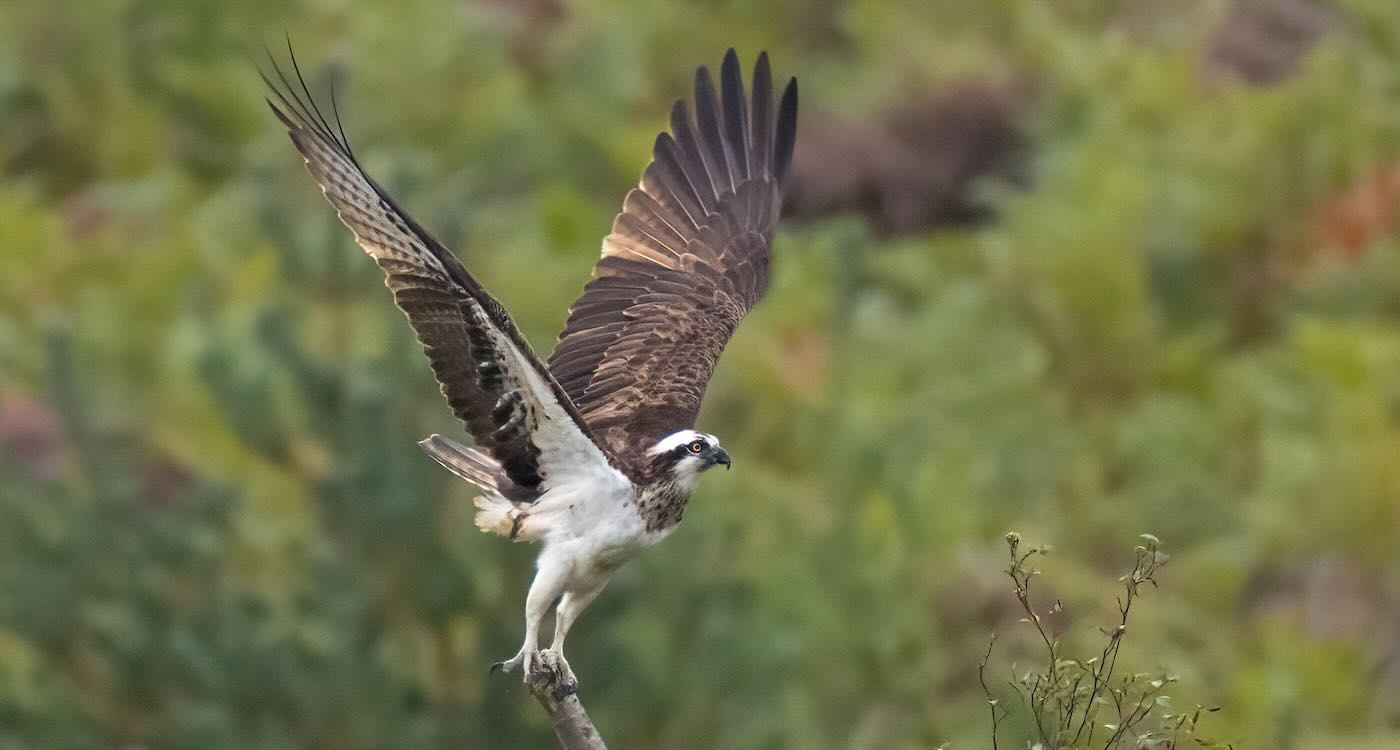
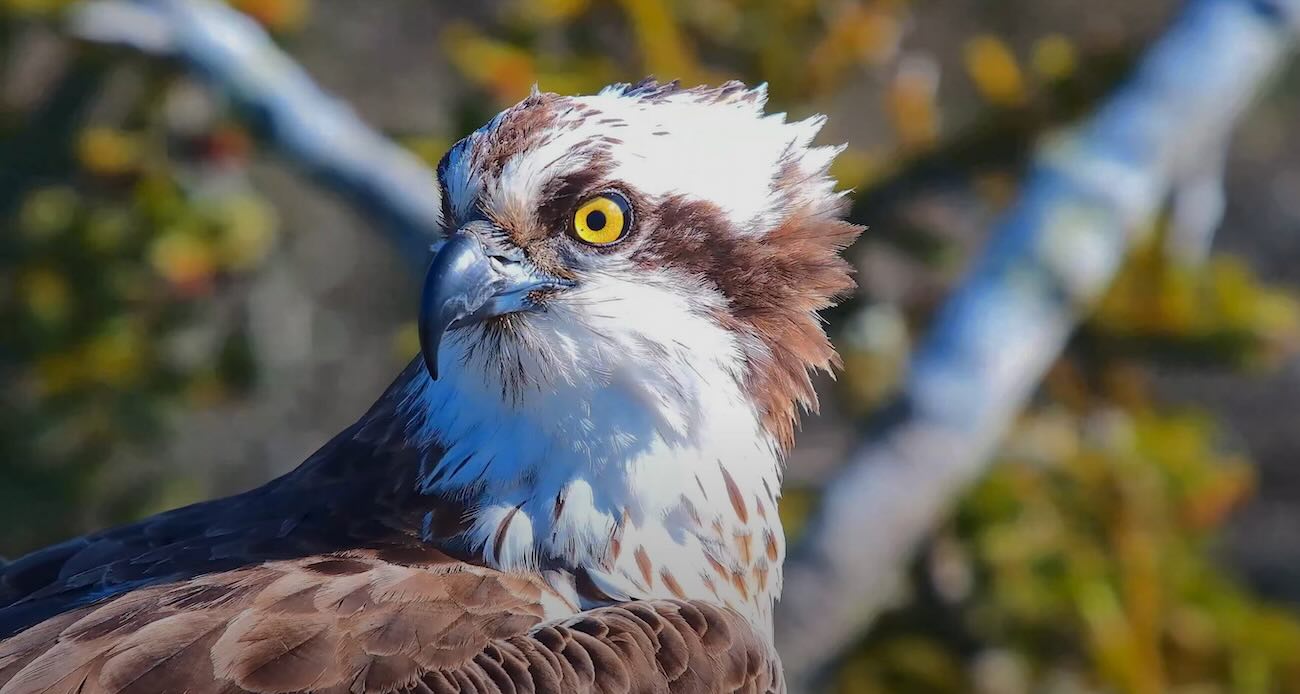
Ospreys are recovering in Britain thanks to “pioneering pairs” who prefer to nest away from the main population, according to new research.

It could be key to increasing the proliferation of the raptors, which first became extinct in the British Isles in 1916 before recolonizing in 1954.

Researchers looked at a rare long-term dataset covering 54 years of recolonization of ospreys in northern Scotland.

They examined the distribution and density of nests, and the patterns of settlement to understand how ospreys spread and what drives spatial recovery.

The study, published in the Journal of Animal Ecology, was led by Bouremouth University PhD researcher Brittany Maxted working with the charity Birds of Poole Harbour, and The Roy Dennis Wildlife Foundation which monitor ospreys in parts of Northern Scotland.

“Ospreys usually like to nest in areas where there are already other ospreys,” said Ms. Maxted.

“Most males also exhibit natal philopatry, which means they tend to breed close to their own birthplace.

“Together, these factors lead to very slow population spread for such a large bird.

“However, in Scotland we noticed that a small number of pairs were choosing to settle more than 12 miles (20 kilometers) away from all the others—in areas with no competition.

“We call these ‘pioneering pairs’ as they recolonize new areas, and in doing so create separate subpopulations and increase the speed of recovery for the species.”

Nest Webcam picture taking in 2024 – Osprey Birds of Poole Harbour / SWNS

Restoring lost species is a key goal for conservationists, but very little is known about the process of recolonization.

The research team found that the patterns seen in ospreys are very similar to other types of population expansion which have been much better studied, such as invasive species.

“This study highlights how much the spatial expansion of ospreys relies on the long-distance dispersal of these rare pioneering individuals,” said study co-author Dr. Tim Mackrill, lead ornithologist at the Roy Dennis Wildlife Foundation.

“It suggests that the best way to accelerate natural recovery rates is for conservationists to encourage or even replicate these pioneering movements.

Conservationists are installing empty nests

“We can do this by building artificial nests to help entice ospreys into new areas or by physically moving individuals via translocation.”

Ospreys once bred across much of Britain, but by 1916 they had disappeared as a result of hunting and egg collecting.

But after a pair naturally returned to a nest site at Loch Garten in Scotland in 1954, a conservation movement began to protect nesting pairs and help the species recover.

Dr. Roy Dennis has been monitoring and conserving the Scottish population since the 1960s, leading to the dataset used in the new study.

“It’s fantastic that this dataset, which we’ve collected over many decades, continues to teach us more about these remarkable birds.”

Osprey Birds of Poole Harbour / SWNS

“Our findings reinforce that we’re taking the right approach to restore ospreys across the UK and beyond, and suggest that we should be using these measures even more widely to see faster recovery of the species across Europe.”

One example of where the techniques have already helped ospreys recover is in Poole Harbour, Dorset. Starting in 2017, the Roy Dennis Wildlife Foundation and Birds of Poole Harbour ran a five-year translocation project, moving young ospreys from northern Scotland to Poole Harbour.

Healthy chicks were taken from longstanding nests at seven-weeks-old before growing up and being released elsewhere into the regional landscape, where they familiarized themselves with their new home.

“Through translocation we can essentially create our own pioneering birds to kickstart a new population.

The first breeding pair in Poole Harbour was a male who was translocated from Scotland, and a female who flew in from a population 124 miles away (200kms), attracted by the presence of translocated chicks.

“In 2022 they hatched two chicks of their own, becoming the first breeding ospreys in Southern England since 1847.

“If it wasn’t for the translocation project, we may have had to wait another 60 years for breeding ospreys to reach Dorset naturally.”

Conservationists have described it as a “huge success story” with the original Poole Harbour pair returning to breed and producing chicks at the same nest each year since.

12 chicks in 3 years

This summer they have hatched four chicks for the third year in a row, all of which will remain in the area and reliant on their parents for food until they leave on migration in September.

And several pioneering movements have also been recorded, with a second pair breeding away from the Harbour and the first wild born Poole Harbour chick now breeding in the East Midlands.

Both pairs are forming new subpopulations and starting to close the gap between Poole Harbour and the nearest osprey population in Rutland Water.

“Translocation is an incredible tool. We hope that in the coming years some of them will become pioneers themselves, helping the population spread along the south coast of England.”

Artificial nests have already been built for them in neighboring counties like Devon and Hampshire. The team hope their research will motivate more conservation action for ospreys across Europe, where they are still missing from much of their historical range.

SHARE THIS AMAZING PROJECT With Nature Lovers On Social Media…

Cat Named ‘Toast’ Survives Intense Heat of 4-Alarm Fire By Hiding in Closet

Cat named Toast survives fire – Courtesy of Unified Fire Authority on FB

A mechanical issue started a fire in a Utah apartment building last week that sent the entire five-story structure ablaze in a matter of minutes.

Residents in the Salt Lake City suburb—and their pets—were evacuated from the building in the immediate aftermath—but Toast the cat was nowhere to be found.

The black and gray cat named Toast Malone had scurried behind a washing machine amid the mounting flames and his owners had to flee the apartment without him.

The blaze reportedly raged-on for 60 hours before firefighters fully extinguished it.

The cat’s nine lives had likely run out, too.

The Salt Lake County Animal Services put out a social media post to help search for Toast.

More time passed, and before long, hope became “harder to hold on to.”

But then, more than 72 hours after the fire began, rescuers found something in a closet.

Co-owner Ryder with Toast after the fire – Courtesy of Unified Fire Authority on FB

The structure was one of the few spaces that survived the blaze. Smoke would have engulfed it. More than a hundred thousand gallons of water were sprayed around it.

And yet, Toast was alive inside.

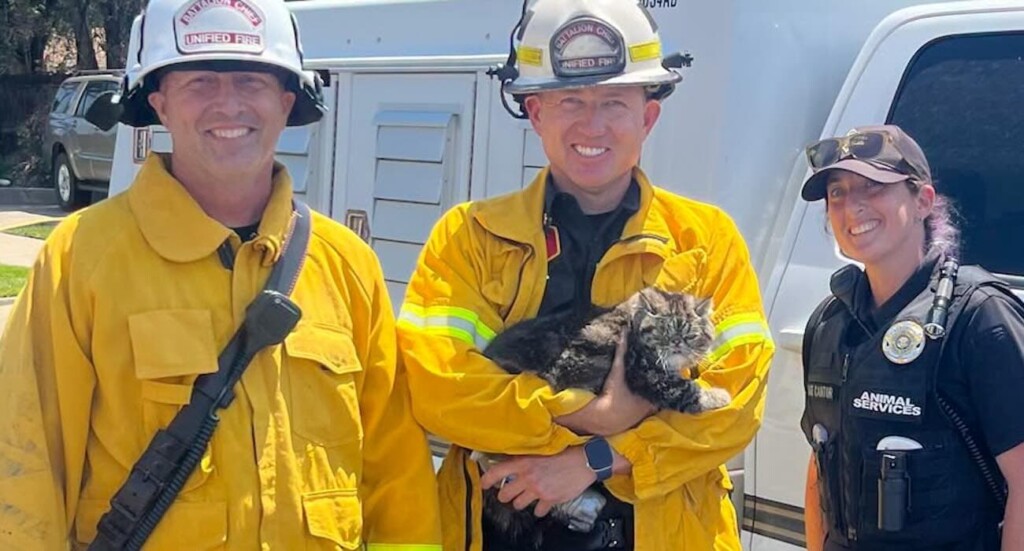
“Toast the cat was safely reunited with a very grateful owner, and aside from being wet, cold and a little scared, was otherwise healthy,” wrote the fire department on Facebook (@United Fire Authority).

Toast’s story was certainly the most dramatic rescue from the apartment fire, but emergency personnel played a major role in making sure many other pets of the approximately 200 residents remained safe and secure throughout the ordeal.

“Toast’s story is also an opportunity to recognize the incredible work of our Animal Services Officers,” Salt Lake County Animal Services wrote on Instagram.

“For the past four days, they have worked side by side with firefighters, helping rescue animals, reunite families, provide temporary care for displaced pets, and stand ready whenever it was safe to enter.”

The Instagram post, which also features a video of Toast’s reunion, has received more than 30,000 likes, with many commenters calling it a modern miracle.

NINE LIVES FOR THIS CAT: World’s Oldest Cat Drinks Only Spring Water as She Celebrates 31 Years Old

Only Toast knows how he survived as the fire raged around him, but his rescue is a powerful reminder to never give up.

“I never lost hope that my baby was still alive,” Toast’s owner Madison Stott wrote on Instagram. “Thank you so much for bringing him back to us!”

GIVE TOAST A NINTH LIFE By Sharing This To Your Social Media…

Guard Becomes Celebrity Making Mini Statues For Each Event at Virginia Tech As Free Giveaways

Courtesy of Virginia Tech - Art by Bryan Newton
Courtesy of Virginia Tech – Art by Bryan Newton

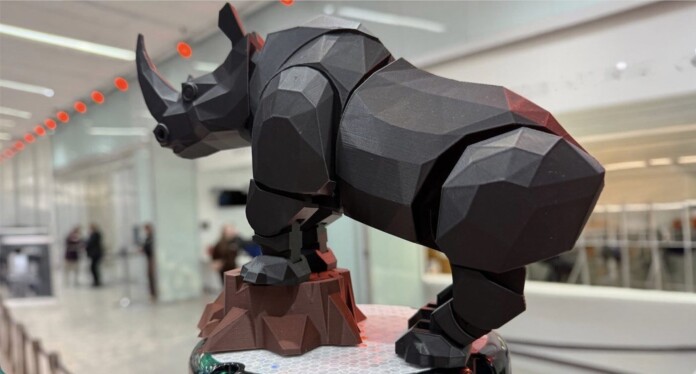
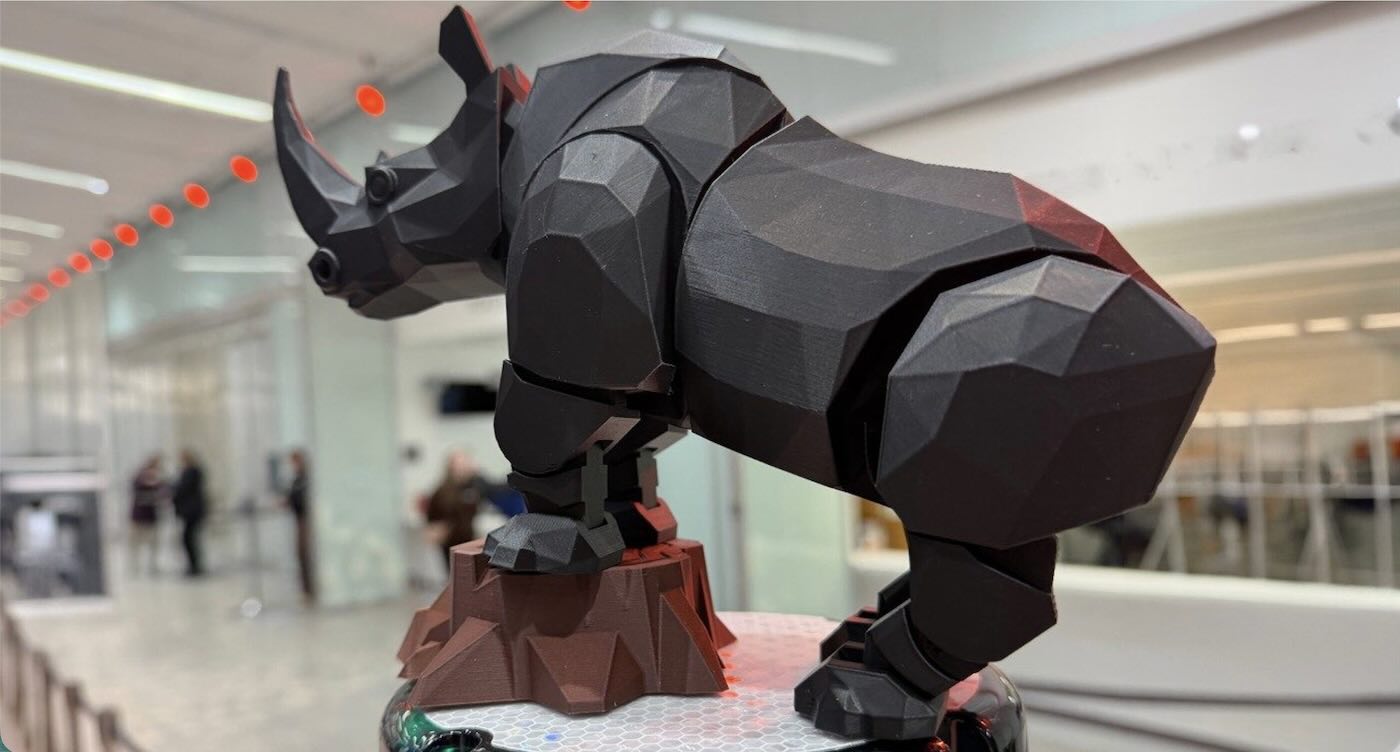
The mini-statue of a warrior rhino was birthed in a guessing game.

After graduating from Virginia Tech, Bryan Newton kept cultivating his school spirit and connections to campus by working for Rhino Sports and Entertainment Services. He provides security support for the company at Virginia Tech’s 1,274-seat performance hall.

He’s always enjoyed the diversity of events booked at the Center for Performing Arts, including music and dance at opposite ends of the spectrum—from an ear-splitting Metallica concert one night to an artsy ballet a few days later.

Mr. Newton has had a fun, creative side going back to college 25 years ago, when he was the manager for the school’s Marching Virginians band, he told a college news team.

About two years ago, a game originated among the Rhino staff to help enliven their shifts.

How many people are here tonight? The workers each had one guess and they played The Price is Right rules: try to get as close to the actual number of scanned tickets—without going over.

But every great game needs a prize.

The Rhino staff members started bringing in different prizes for each contest, but eventually, Newton had an even better idea. He owned a 3-D printer. He realized that a miniature rhino would make an ideal prize.

Combining his creative and school spirit, he produced a themed trophy for each event.

Courtesy of Bryan Newton

The warrior rhino was designed for a wrestling event. A dancing rhino was created for a contemporary Australian dance show. There have been rhinos with Halloween witch hats and Easter bunny ears, and rhinos wearing hoodies of Virginia Tech’s maroon and orange colors. (See more of his creations in the video below…)


Some statuettes are finished within a few hours, while others become a 12-hour labor of love.

“It brings joy. And it’s fun,” he said. “Going through the process and either picking or designing it, it’s a nice creative outreach for me.”

The rhinos often sit near the turnstiles as people enter into the evening’s performance. Regular patrons have learned to look for them on the night of the show.

WILD HOBBY! Artist Creates Fantasy Sculptures By Repurposing Dead Insects

The little creatures have become symbols of something much bigger than themselves: A school spirit that spreads a little further with every rhino horn pointing the way.

And one lucky winner gets to take home some of that warmth afterwards.

HELP OTHERS GET TO RHI-KNOW ABOUT BRYAN’S WORK By Sharing This To Your Social Media FEED….