














105 years ago today, Coco Chanel debuted her No. 5 perfume, as revolutionary a fashion-fragrance as was every made. Smelling unlike anything that until then had been sold, and hoping to appeal to the free-wheeling, flapper culture of the 1920s, the glass bottle, rather than appearing as an overelaborate crystal vial, was inspired by a whiskey decanter. Andy Warhol chose to commemorate its iconic status in the mid-1980s with his pop art, silk-screened, Ads: Chanel. READ about why it’s called Number 5… (1921)
Tow Truck Driver Tells Customers to Wait Until He Finishes Moose Rescue: ‘Oh, that’s fine…’ (WATCH)
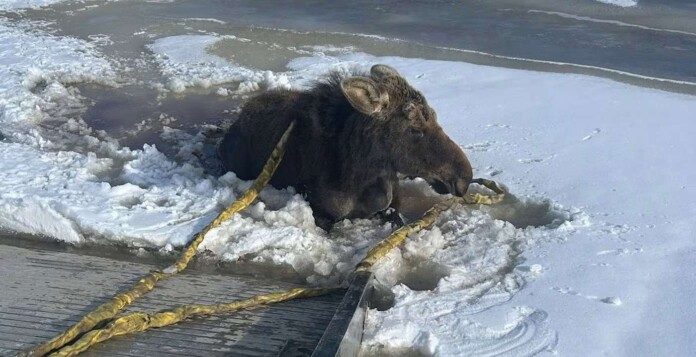
For a Saskatchewan tow truck driver with work still to be done last Saturday, it was immediately clear what took priority.
The frozen moose trapped in the ice of a lake came first, and Clint Gottinger, owner of Rebel Towing, told his clients like it was.
“After they heard I was digging a moose out of the ice they said ‘Oh okay that’s fine.’ They were very understanding.”
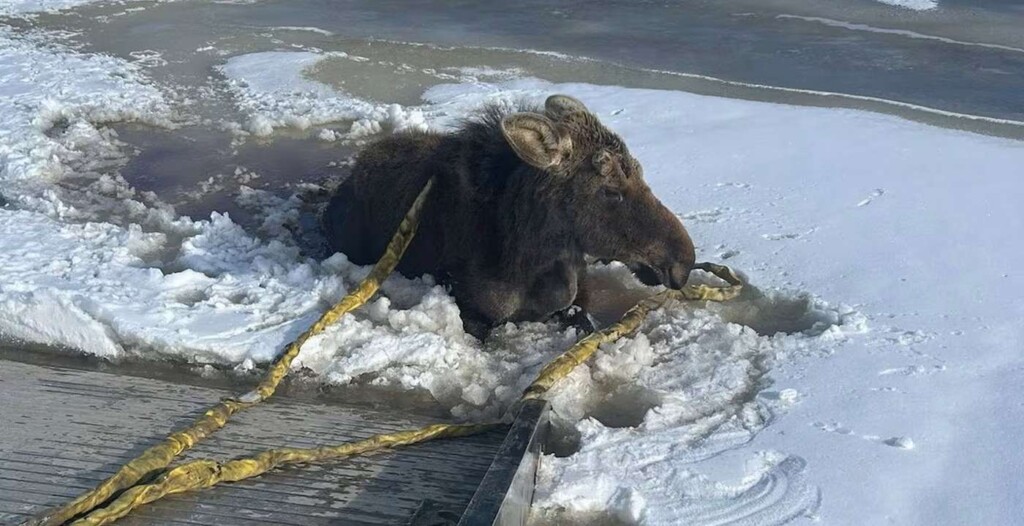
Gottinger was on his way to two separate tow calls when around 5 pm about half a mile from his house, he spotted a young moose frozen in the ice.
“I can’t leave him,” Gottinger remembered thinking. “Everyone has to wait. This is a priority.”
He figured he could back the truck up towards the moose, lower the bed, and use the winch to help him get out. The moose was clearly too exhausted to think much about his strange, loud, smelly rescue vehicle, nor the soft sling that was lassoed over his backend.
“We got the sling around his butt and popped him right out and then onto the deck,” Gottinger said, narrating his story to CBC News. Some neighbors came by to help, and they told him that they’d seen the moose there since about 8:45 o’clock that morning. It was half-past 5 when they got him on the truck bed.
Heading home, Gottinger called his wife with the news: “honey get some blankets, I’ve got a moose.”
Back at their home in Kelvington, they plopped the moose down on a large blanket and put another one overtop of him. The animal was still too tired to resist the blankets, or its rescuer’s scratches behind the ear.
MORE STORIES LIKE THIS: Baby Bird Rescued in Texas Wrapped in a Warm Tortilla Until Wildlife Experts Arrived
By 11 pm, the moose was back on its feet, and in no mood for any more of Gottinger’s scratches. He lingered around the property until late morning the following day, when he finally headed off; behavior that one biologist said was normal for moose that have had to be rescued by humans.
They can suffer something called “capture myopathy” which is a state of overwhelming stress and confusion that can lead to metabolic issues and even organ failure, but the biologist said this wasn’t likely to be the case based on what Gottinger had observed.
ALSO CHECK OUT: Snowmobilers Dig Exhausted Young Moose Out of the snow in New Hampshire Woods
It’s likely the animal went to look for some deep shelter like an aspen or fir grove to bed down in and recovery.
As for the tow bill, Gottinger said he named the moose Rebel and spray painted Rebel Towing on its side.
“That’s a joke,” he said.
WATCH the unlikely moose hero below…
SHARE This Great Rescue Op With Your Friends From The Great White North…
14 Toucans Rescued at US-Mexico Border Found Hidden in the Dashboard of a Vehicle
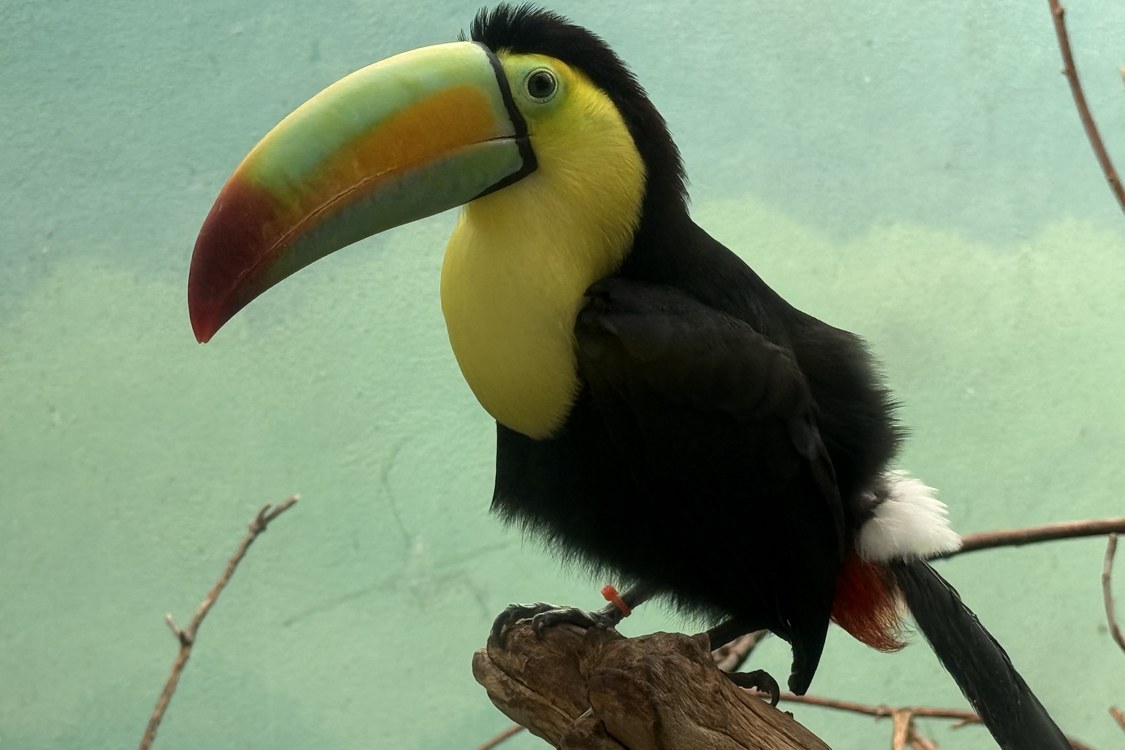
14 trafficked toucans rescued at the US-Mexico border now have a chance to contribute to conservation and the public’s awareness of wildlife crime following successful rehabilitation.
Agents from US Fish and Wildlife Service took ownership of the keel-billed toucans after they were seized at the the Otay Mesa port of entry in California.
They were assisted by members of the Wildlife Conservation Society’s (WCS) Bronx Zoo, who came to ensure the animals were properly cared for until a suitable decision could be made on their future.
Having been sedated, bound to restrict movement and noise, and hidden in the dashboard of a vehicle, they were in extremely poor condition upon rescue. Keel-billed toucans (Ramphastos sulfuratus) are protected by the Wild Bird Conservation Act, and the Convention on International Trade in Endangered Species (CITES).
Upon arrival at the Bronx Zoo on July 31st, 2025, all 14 toucans showed signs of malnutrition, severe stress, and metabolic issues. Through a coordinated effort between the Bronx Zoo’s Ornithology and Zoological Health Departments, the birds received specialized care and rehabilitation over several months.
“Thanks to the dedication of our animal care and veterinary teams, we were able to stabilize and rehabilitate them,” said Chuck Cerbini, Curator of Ornithology at the Wildlife Conservation Society’s Bronx Zoo.
10 of the toucans were transferred to Association of Zoos and Aquariums (AZA) accredited institutions where they will now contribute to conservation breeding and education programs. For multiple reasons, it is not possible to return birds that have been subject to these conditions to the wild.
4 of the rehabilitated toucans, two of which have recovered from fractured legs due to the effects of malnutrition, will remain at the Bronx Zoo. Two of these birds, both males, can be visited in the World of Birds. The other two are off-exhibit and are a future breeding pair.
Keel-billed toucans, native to tropical forests of Mexico, Central America and parts of South America, are listed by IUCN as Near-Threatened through a variety of factors, including capture for the pet trade and deforestation. The species is listed on CITES Appendix II, meaning its trade is strictly regulated.
FROM THE BRINK: Bald Ibis ‘the Herald of Spring’ Saved from Extinction in Turkey Thanks to Semi-Wild Breeding
In addition to these rehabilitation efforts, WCS is working across the toucan’s range to protect nature strongholds in Mexico, Central America, and South America, and to stop wildlife poaching at the source.
“The work of the Wildlife Conservation Society’s Bronx Zoo to rehabilitate these toucans is a testament to the skill and dedication of their veterinary and animal care teams,” said Sara Walker, Senior Advisor on Wildlife Trafficking at the Association of Zoos and Aquariums.
CLEAN BILLS OF HEALTH: After Soccer Ball Slams into Seagull, Watch a Player Use CPR to Gently Revive it (WATCH)
“The Association of Zoos and Aquariums’ Wildlife Confiscations Network supports law enforcement at the point of confiscation, helps guide animals through recovery, and coordinates placement across vetted facilities when they cannot be returned to the wild. Over the past three years, the Network has helped place more than 4,000 animals.
“While not every case has a happy outcome like this, we’re thrilled to see these toucans healthy and now placed across seven AZA-accredited institutions—reflecting the coordination across a broader network of partners.”
SHARE This Great Teamwork By Law Enforcement And Zoo Staff…
Seeds from ‘Miracle Tree’ Can Filter More Than 98% of Microplastics from Tap Water
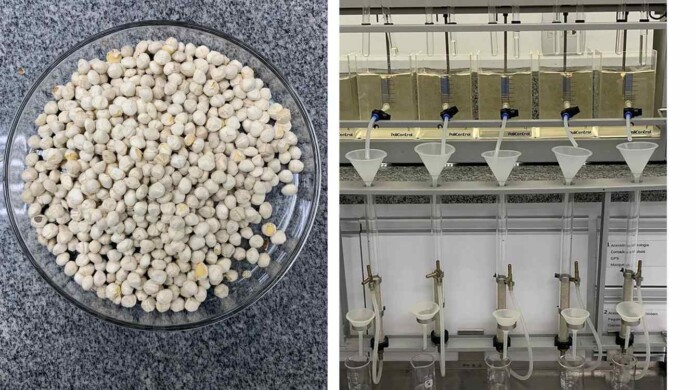
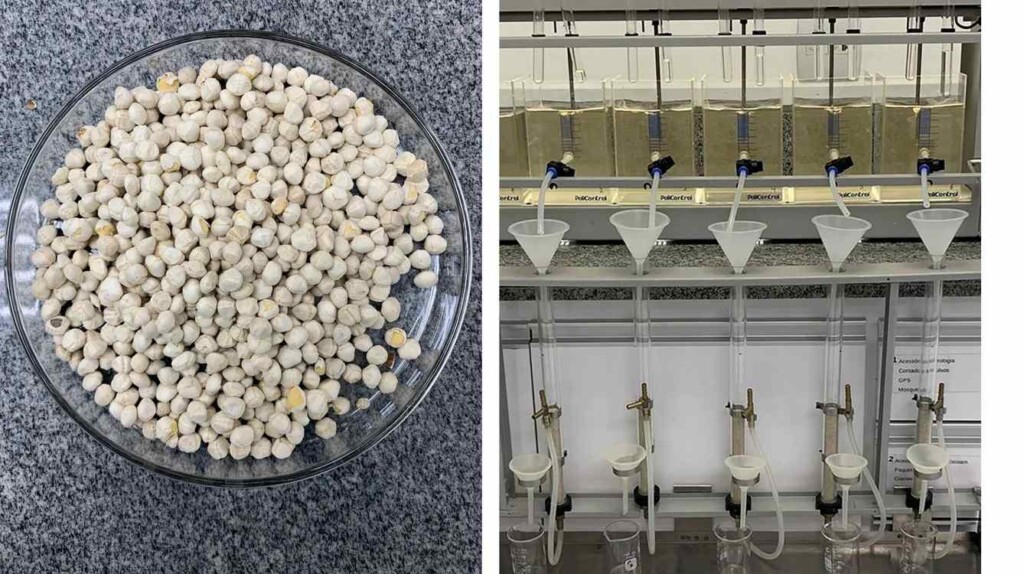
A tree known for its medicinal properties for thousands of years may also be able to help humanity tackle the problem of microplastic pollution.
The Moringa tree is sometimes called “the Miracle Tree,” but while healing and good eating may have earned this tree its reputation in antiquity, one study recently found it was able to filter microplastics from water as effective as heavy metal alternatives.
When used in a machine that mimics how municipal water treatment works, the moringa seeds filtered 98.5% of microplastic particles from PVC, one of the most pernicious of all microplastics.
Microplastics are now an enormous challenge worldwide. Ranging in size from visible fragments to particles one-25,000th the width of a human hair, they’ve been found all over the Earth, swirling around in the jet stream, and at the deepest ocean reaches. They’ve also been detected in every human organ that has been examined, from the brain to the placenta, and the average person through drinking water and city air alone may be consuming up to 10 credit cards worth of plastic every year.
While we don’t know definitively what the health burden of this is in terms of mortality, we know that plastic work as endocrine disrupters, blocking or confusing hormone signaling and reception.
Solutions are needed as the problem is only likely to increase as more and more plastic is produced and consumed. Dr. Adriano Gonçalves dos Reis, a professor at the Institute of Science and Technology of São Paulo State University, has been studying this tree for years, and believes its seeds may help humans combat microplastic pollution.
Specifically, they tested the seeds’ potential as a coagulant that can bind together disparate particles in water which can then be removed.
Having first degraded PVC plastic to the point where the particles spanned just a quarter of the thickness of human hair. They then ran the water containing them through a coagulation–flocculation–filtration circuit, used in modern-day direct filtration systems for water production plants.
MORE MICROPLASTIC SOLUTIONS: Scientists Discover Lab Gloves Are Skewing Microplastics Data – Perhaps By A Lot
The tree was 98.5% effective at removing the microplastics, comparable with the current synthetic standard: aluminum sulfate, also known as alum. Aluminum is a toxic heavy metal like arsenic or lead, and is linked with neurological disorders.
Moringa seeds performed even better than alum in more alkaline water. One moringa seed can treat 10 liters of water, which would mean however that a considerable amount of seeds would be needed to treat water in an urban setting. The process would also create a large amount of organic waste.
SUPERCROPS: Genetic Mutation Could Pave the Way for Self-Fertilizing Cereal Crops and a Revolution in Agriculture
Alternatively, alum itself produces a toxic sludge that has to be removed, and mining aluminum is an environmentally-costly endeavor.
Dr. Gonçalves dos Reis believes that the moringa method would be most effective in smaller communities where access to alum may be difficult or expensive. Moringa is cultivated for food, medicine, and honey production all over the tropics, and rural communities already harvesting the seed pods could simply leverage their crop for filtration as well.
SHARE The Story Of This Miracle Tree’s Latest Trick With Your Friends…
Heroes Corral 15 Horses in Raging Floodwaters to Rescue Them on Hawaiian Ranch
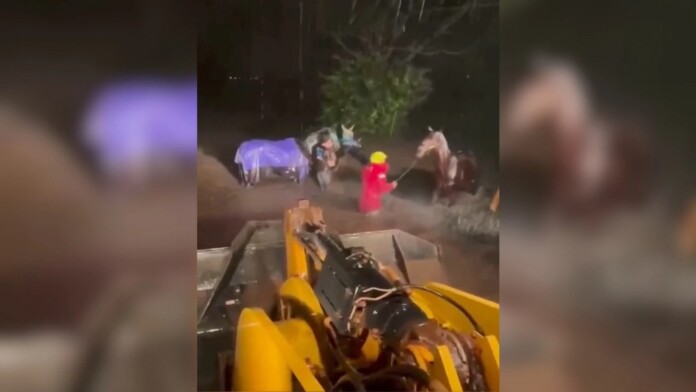
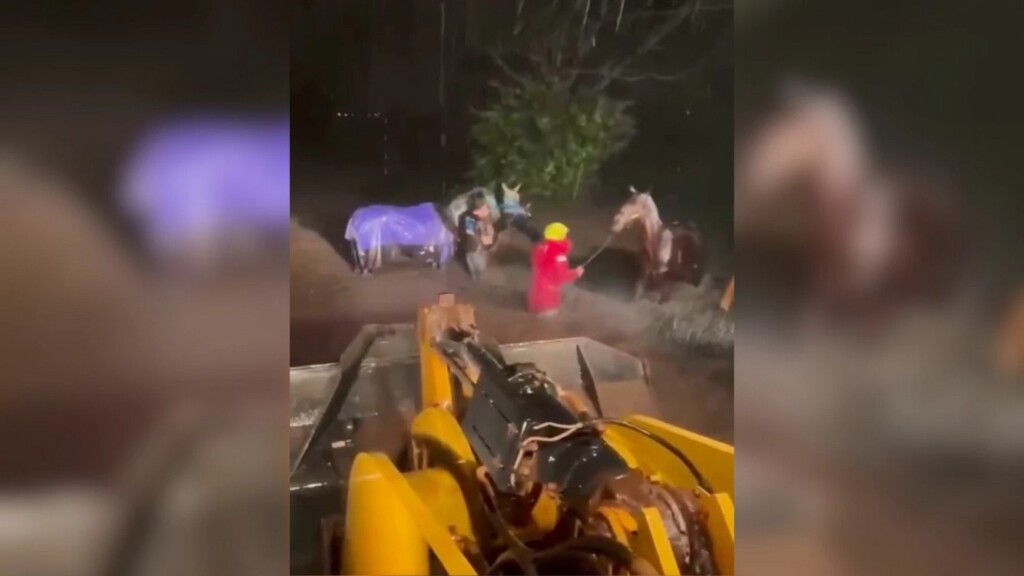
An experienced rancher and his 2 neighbors recently conducted a harrowing rescue of 15 horses from chest-high floodwaters in the dead of night.
When a stronger than usual Hawaiian wet season dumped disaster-level rains on Oahu’s normally-tranquil north shore, Tyler Smith was first on the scene.
But it was a scene of disaster, and after waiting anxiously for weather developments following a government alert, Smith wasn’t going to wait around to see if the already chest-high water would reach the chest of the horses in the paddocks of Dillingham Ranch in Waialua.
“When I got there, it was definitely something I’ll never forget,” Smith shared with Hawaii Public Radio. “There’s nobody there. I drive up into a disaster scene that nobody knows about, starting off alone.”
He arrived in his pickup truck, and as he drove through the paddock gate and opened the door, the water was already so high it began filling the footwell. He mounted the horse he said he was responsible for and rode her out of the paddock.
That’s when his paddock neighbors, Kelsey and Levi, arrived in a backhoe to help execute a quick, calm, and effective response in truly harrowing circumstances.
Levi and his family do a lot to take care of the ranch, Smith told the producer of the Dodo, with whom he also shared his story, and with their backhoe, the trio could move through the deeper water without issue. They also rescued a woman, Inga, who was nearby and needed help, and in turn helped them with their rescue.
They got to a flooded paddock where 4 of Levi’s horses were clustered together on a spit of high ground. They were surprisingly calm once Levi and Smith arrived with halters. After that it was just a case of leading them to a place that wasn’t flooded.
SIMILAR HEROICS:
- A Drowning Foal Rescued by Canoers, Hitches a River Ride Back to its Mama
- Teen Rescuer Bravely Rides Scared Horse 14 Miles Out of Burning Canyon – WATCH
- Heroes Rescue an Exhausted Pregnant Horse Stuck Deep in the Snow (Watch)
Smith reckoned he walked with the horses a quarter-mile, and they remained mostly calm for the entire way.
Another reporter’s notes on the story claimed that with “just the backhoe’s muscle, halters, and sheer willpower,” they kept working until 15 horses were out of there, but not before a stallion’s fear almost led to panic among the animals. Later, Sumi Sarkar writes, veterinarians marveled at how all 15 horses came out of the flood without any injuries.
Smith said that once Levi and Kelsey had finished with the horses, they returned with their backhoe to help their neighbors, pulling cars out that were stuck, or picking up those who had climbed onto the roofs of their houses.
WATCH the story below…
WHINNY About This Incredible Rescue Effort To Your Herd On Socials…
“We should lie as empty, open, and choiceless as a beach—waiting for gifts from the sea.” – Mark Doty
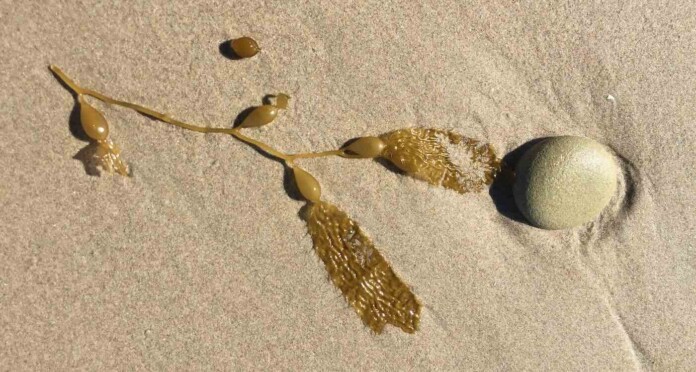
Quote of the Day: “We should lie as empty, open, and choiceless as a beach—waiting for gifts from the sea.” – Mark Doty, poet
Photo by: GWC
With a new inspirational quote every day, atop the perfect photo—collected and archived on our Quote of the Day page—why not bookmark GNN.org for a daily uplift?
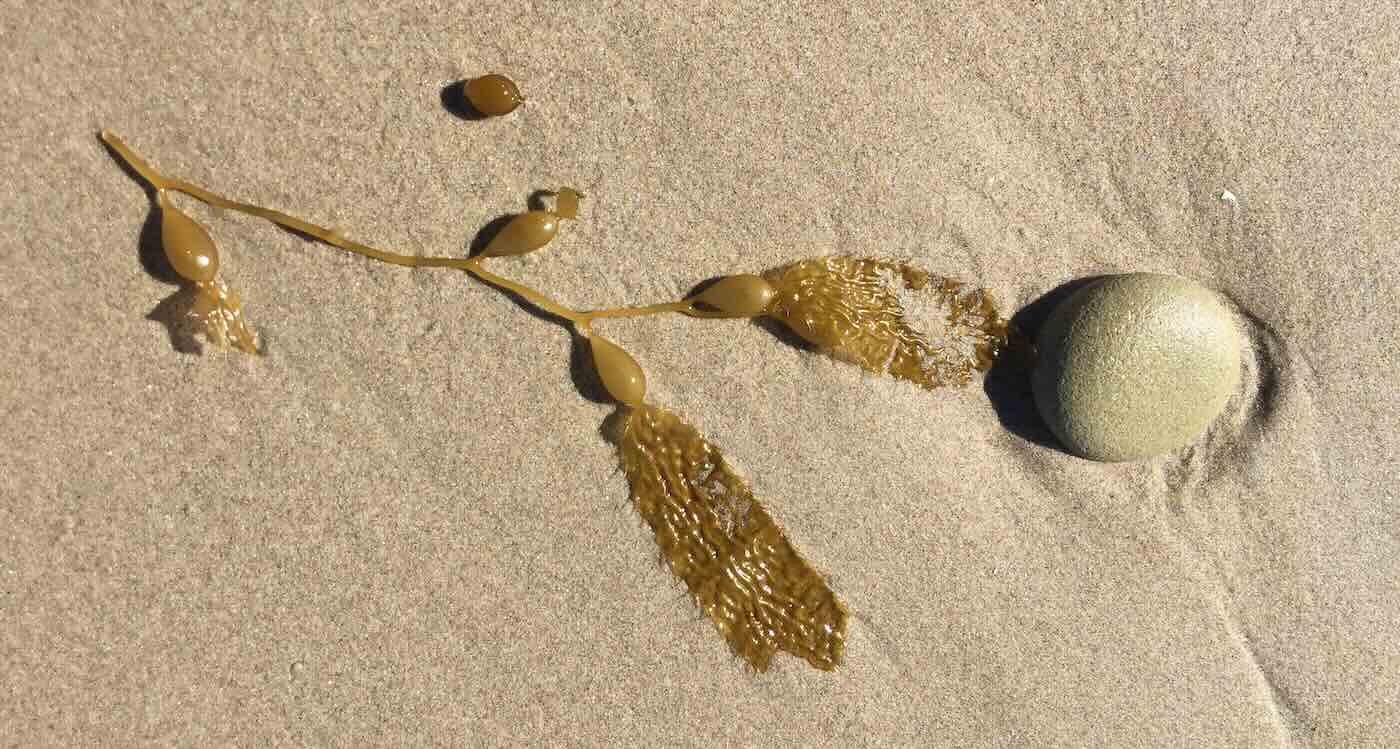
Good News in History, May 4
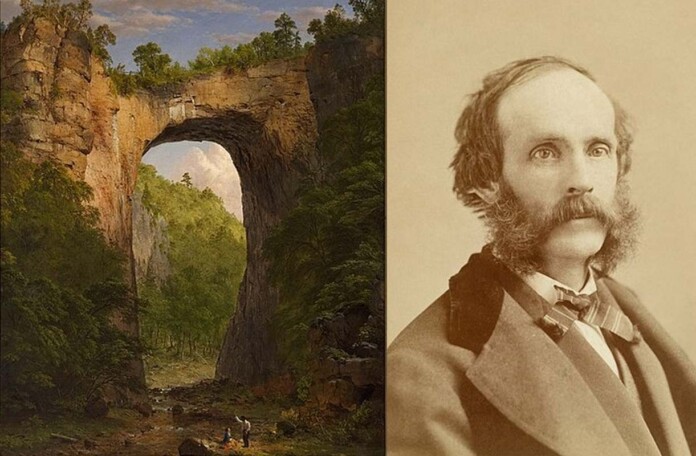
200 years ago today, Frederic Edwin Church, one of the foremost painters in the American landscape movement known as the Hudson River School, was born. His absolutely stunning depictions of North and South American wilderness put an emphasis on realistic detail, dramatic light, and panoramic views. In his pomp, Church was the most famous painter in New York City, and a wonderful selection of his works can be seen today at the National Gallery in Washington DC SEE some and read more about his life… (1826)
Oak Trees Will Delay Sprouting Leaves to Avoid Hungry Caterpillars That Devoured the Trees in Previous Year: Study

New research reveals oak trees deliberately delay sprouting their leaves by three days to avoid being infested by hungry caterpillars, after it happened the previous year.
The trees’ clever tactic to outwit potentially deadly predators was detected by scientists in Germany using data from satellite.
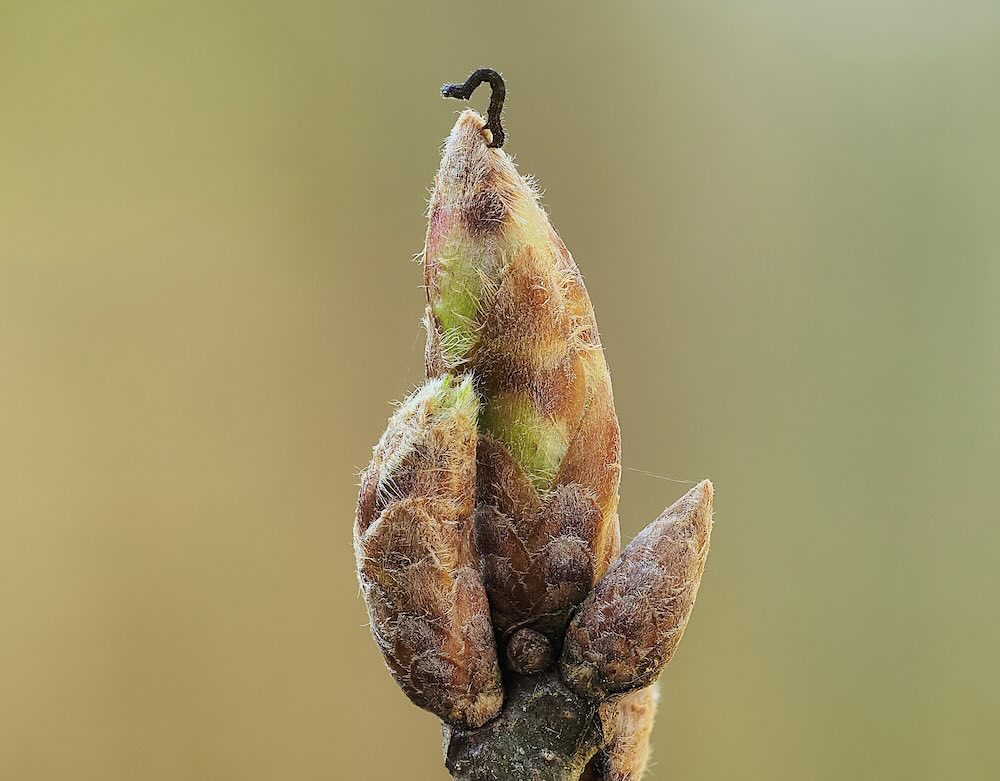
They found that many insects, particularly caterpillars, hatch in the Spring just when the trees’ nutrient-rich leaves are still young and soft—an ample food source.
But if oak trees are heavily infested by caterpillars in a given year, they react the following Spring by delaying their leaf emergence by three days.
That means the caterpillars have nothing to eat after hatching because the oak leaves are still firmly hidden in the buds.
The strategy is “highly effective” because the three-day delay is sufficient to drastically reduce the insects’ survival rate—and reduce the damage on the tree by 55 percent, according to the study published in the journal Nature Ecology and Evolution.
“The delaying tactic is more effective for the oak than a chemical defense, such as bitter tannins in the leaves, because the tree would have to expend a great deal of energy to increase tannin production,” said lead author Dr. Soumen Mallick, of the University of Würzburg, Germany.
“This discovery fundamentally changes our previous understanding of the onset of spring in the forest.
“It shows that trees do not merely react passively to the weather in timing their leaves to emerge but also respond flexibly to biological threats.”
Previously, scientists had to laboriously observe individual trees on the ground, but now they are using state-of-the-art interdisciplinary methods from ecology and remote sensing.
For the new study, a 2,400-square-km (925 sq mile) area in Northern Bavaria was monitored continuously using Sentinel-1 satellite data. The radar satellites provide precise data on the condition of tree canopies even in thick cloud cover.
The research team analyzed a total of 137,500 individual observations spanning five years, from 2017 to 2021.
The satellites provided data at a resolution of 10×10 meters per pixel, which roughly corresponds to the crown of a single tree. A total of 27,500 such pixels were analyzed across 60 forest areas.
The researchers said the year 2019 proved particularly revealing as the region experienced a massive gypsy moth outbreak.
“The radar sensors recorded exactly which trees were stripped bare and how they reacted in the following year,” explained study co-author Professor Jörg Müller, from the University of Würzburg.
The researchers say their findings conclusively explain, for the first time, why in some Springs the forest does not turn green as quickly as temperatures would suggest.
WINNING NATURE NEWS:
• Numbers of Rare Butterfly Eggs are Best on Record After Hedges Allowed to Grow Wild
• She Used Nature to Transform Dry Stream Beds into Lush Oasis During USGS Study
Previous computer models often calculated the state of the forest inaccurately because they took into account almost exclusively “lifeless” factors such as temperature and ignore biological interactions between plants and insects.
The researchers explained that trees find themselves in an “evolutionary tug-of-war” with rising temperatures caused by climate change pushing them to sprout leaves ever earlier, and pressure from insect feeding is forcing them to hold back.
They say a key advantage of the delaying tactic is that it is temporary and reversible.
Study co-senior author Professor Andreas Prinzing said as the trees only sprout later following an actual infestation, the insects cannot adapt permanently.
Prof. Prinzing, of the University of Rennes, France, added: “This dynamic interplay is an example of the forest’s high resilience and adaptability in a changing world.”
RESTORATIVE EARTH: A Mass Blossoming Is Occurring in Wake of Floods to Feed Honeyeater Birds in Australia Where Just 300 Remain
The team plans further experiments to help understand the delay mechanisms more precisely.
INSPIRE SOME AWE FOR THE EARTH BY Sharing The Discovery on Social Media…
The ‘Magical’ Moment Subway Passengers Start Applauding a London Marathon Runner (WATCH)

This is the ‘magical’ moment subway station passengers broke out into a spontaneous round of applause for a London Marathon runner.
Liam Williams ran the recent race in honor of his niece Freya, who passed away last year from a brain tumor.
After an emotional day, the 38-year-old took the wrong train back to his hotel, and found himself at Monument station.
But, when the train pulled away, he realized that there was a huge crowd on the platform across from him—and they all started clapping.
A video taken by his wife shows the strangers cheering and erupting with admiration while Liam becomes overcome with emotion.
“It was quite a surreal moment really,” said the man from Leeds, England. “One person started cheering and clapping and before you know it the whole platform was cheering. It was this amazing, magical moment.
“Some people were shouting ‘speech’. It was incredible. That moment just felt epic after all the emotions of the day.”
“My partner was in stitches laughing at me because this isn’t really my comfort zone. I don’t enjoy being the centre of attention at all.”
Liam decided to run his first marathon to raise money for ‘Young Lives vs Cancer’, which helped his family throughout Freya’s cancer battle.
In September, Liam began running to train for the event and decided he wanted to give back to the charity, who provided a place for the family to stay, along with toys, counseling, and emotional support.
Despite getting a stitch around mile 15, he still managed to complete the race in three hours and 45 minutes, only slightly longer than he had aimed for.
“What really stuck out to me across the whole day was that everyone is cheering you on. Everyone backs you and it is nice because you put a lot of training in.”
Liam ended up raising over £10,000, since his video went viral, with thousands rolling in beyond his goal of 2,500.
HEARTWARMING SURPRISES:
• Dozens of Strangers Form Parade for Man with Cancer, Driving Classic Cars Passed his Home for One Last Surprise (WATCH)
• Magical Footage Shows Stag Strolling up to Lick a Man’s Camera Then Calmly Walking Away – WATCH
“I am so proud of what I have achieved—and I hit my fundraising target which was immense.
“The charity really supported my family through that period so it was really nice to be able to give something back.”
RUN THIS OVER TO ANYONE Who Needs Their Heart Tugged On Social Media…
Women DJs over 60 Take Stage at German Music Festival Rocking the Crowd, ‘It Was Fantastic’ (WATCH)
Forever Fresh, a group of female DJs all over the age of 60 has been turning up the volume after a pop festival in Cologne, Germany, started looking for ways to involve older demographics.
“It was a summer booking meeting and we gathered to discuss and brainstorm what our lineup might look like the following year,” the C/O Festival’s Pia Leohart told RTL West, a German TV station. “We realized there really wasn’t anything for women over 60.”
That gave the festival promoters a notion: Would older ladies want to DJ?
The organizers soon sent out a query. Senior women who were interested would learn all the intricacies of being a DJ—mastering mixes, transitions, volumes, fades, and all the buttons and sliders of the audio equipment. Then, they would hit the stage. (See the videos below…)
The task is even more impressive considering some of the women who responded had never even owned a computer before.
“The challenge is part of the appeal,” DJ Sedaction, one of the group’s instructors, told the German news agency DPA. “Several women said they hadn’t faced something this demanding in years—and that’s exactly why it was so exciting.”
One of the mixmasters is DJ Miss Crazy Irma, who is the group’s oldest member at 90 years old. She travels through her daily life with a walker, but once she gets on stage, she’s fully upright, moving and grooving with her hands in the air.
“I don’t do things halfway, you know” Irma said in a translated video from CNN.
The Forever Fresh DJ collective was finalized in April of 2025 and has now performed seven different gigs, including this year’s festival in Cologne in late April.
While the seniors benefit from the well-documented effects of dancing—weight loss, improved blood pressure and better mental health—everyone in the building is having a blast, too.
“It’s exciting because we thought only our families and friends would come,” said Uschi Ophir, the group’s youngest member at 64. “But the younger people were amazing! Really, really great.”
“I’ve been waiting for this, even though I didn’t know I’ve been waiting for this,” Edeltraud Stecher-Breckner said. ”I thought, this is exactly what I want to do now.”
DANCING IN HER 90s: 94-Year-old Has No Health Issues–Thanks to Zumba Classes 3 Times a Week
Of the selections played on stage, there was EDM (Electronic Dance Music) from David Guetta, pop from Pink and Miley Cyrus, and of course “Dancing Queen” from Abba. The eclectic mix of music in the air and women on the stage seemed to be a massive hit with everyone in attendance.
“To be honest, it was fantastic,” one partygoer told RTL. “I really didn’t expect it to be so captivating.”
“The girls on stage had such good energy,” another spectator added. “It swept us all away. I’m sweating!” (Watch the full 4 minute news report below…)
DON’T LET THE BEATS DROP! Share this Story To Your Social Media Feed.
The Pandemic May Have Changed Young People for the Better: A Positive Take on The ‘COVID Generation
Edited From original article in CU Boulder Today by Lisa Marshall
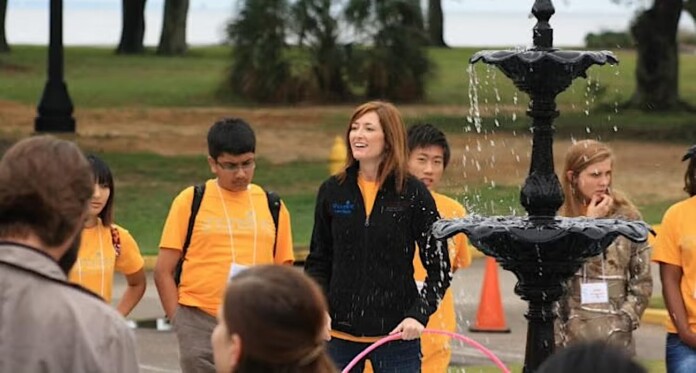
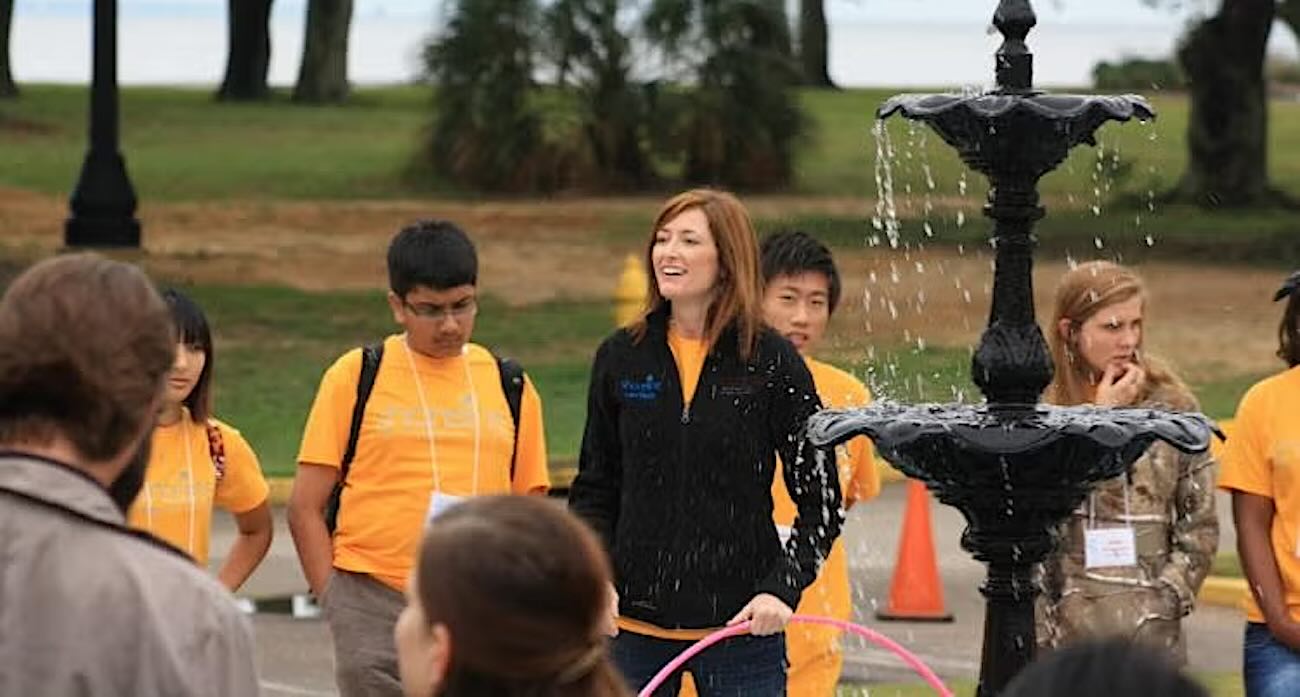
At the peak of the pandemic in 2021, teenagers from Sackets Harbor, New York, got certified as ambulance drivers and took over running the local emergency medical service when the usual, much older, volunteers had to step away due to COVID-19 concerns.
In Los Angeles, youth with the nonprofit Teen Line fielded texts and calls around-the-clock from peers struggling with mental health issues amid isolating school lockdowns.
Elsewhere, kids as young as 5 years old assembled care packages for community members in need, while teens fired up their schools’ 3D printers to churn out face shields for protecting essential workers.
“It is true that the pandemic was a very difficult time for many young people,” said sociologist Lori Peek, director of the Natural Hazards Center at the University of Colorado in Boulder. But there is also a quieter, equally important story that needs to be told, reports UC Boulder Today.
“For some young people, it was also an awakening—a realization that they had the capacity to do something in the face of a crisis.”
For a new paper, published in the Journal of Hazard Literacy, Peek and her colleagues analyzed more than 115 pandemic-era news articles to offer a fresh take on what some have referred to as the COVID generation.
Having grown up in the shadow of a global pandemic, with increased threats of natural disasters and mass shootings, today’s kids and young adults have often been framed as victims. But through her latest research, Peek—who has spent her career studying how disasters impact children and youth—illustrates the oft-overlooked strengths they bring to bear in times of crisis.
For instance, they can relate to young people in ways that adults can’t. They are fluent in digital technologies. And they often have more available energy and free time than busy adults can muster, she said.

They also can identify who needs help, and come up with creative solutions to address a problem, a quality the authors described as ‘more disaster literate’.
“With the rise in the number of disasters globally, we are growing a more disaster-literate generation,” said Peek. “The question now is, how do we harness what these young people have to offer?”
For the study, Peek worked with Zoe Lefkowitz and Melissa Villarreal, both research assistants at the Natural Hazards Center and doctoral candidates in the sociology department, to develop a database of pandemic-related news articles from 2020 to 2023.
Most of the thousands of articles they found focused on kids’ vulnerabilities and what adults were doing to help them. They then conducted a qualitative analysis of 115 stories that included children’s voices, which they analyzed and coded.
They found eight distinct ways kids behaved altruistically—ranging from making or collecting and distributing supplies, money and food, to creating art, offering emotional support for peers, or participating in vaccine research.
Peek noted that the children featured in the stories tended to, almost instinctively, recognize that some groups were hit harder than others—like the elderly, people with disabilities, lower-income families, and the homeless.
“Disasters are not equal opportunity events, and kids realize this,” said Peek.
Lefkowitz also pointed to other “micro” acts of altruism. Around the country, children painted rocks with messages like, The best is yet to come, and This will pass, and placed them along sidewalks around their neighborhood.
Another produced a “mini prom” for his babysitter to help her celebrate the milestone she missed during school lockdowns.
One 17-year-old, Shashank Salgam, described the experience this way. “Me and my peers were hit hard by the isolation of quarantine, but we’re rebounding with a resolve to connect beyond boundaries.”
It’s unclear how these experiences are shaping children’s lives today, but research on adults offers clues.
ADVERSITY FORMING TEENS:
• Student InventS a Self-Disinfecting Door Handle for Hospitals: ‘Design that fits reality’
• Teens Recycle Old Pickleballs and Tennis Balls to Avert Millions From Landfills
• 19-Year-old Wins $100,000 for Inventing a Cheaper, Faster Way to Make Antiviral Drugs Out of Corn Husks
What are the lasting impacts?
One study looked at adults who volunteered to help after the 9/11 attacks in New York City. Years later, they reported that the experience had helped them heal from their own trauma and made them feel more connected to their community and empowered to create change.
“I would like to think that these children in our study understand the impact they made and that it changed their opinion of themselves,” said Lefkowitz. “I also hope they will remember the empathy they felt and, as they grow older, that will encourage them to address other inequalities that they see.”
She advises policymakers to create and support youth advisory boards to give young people a voice on pressing community issues and crises.
For parents who may be uncertain how to talk to their children about an ongoing disaster, she offered this advice: Ask them what they would like to do to help.
SEND THIS TO SOMEONE Who Needs to Hear This – Share on Social Media…
“Nothing but heaven itself is better than a friend who is really a friend.” – Plautus

Quote of the Day: “Nothing but heaven itself is better than a friend who is really a friend.” – Plautus
Photo by: Becca Tapert
With a new inspirational quote every day, atop the perfect photo—collected and archived on our Quote of the Day page—why not bookmark GNN.org for a daily uplift?

Good News in History, May 3
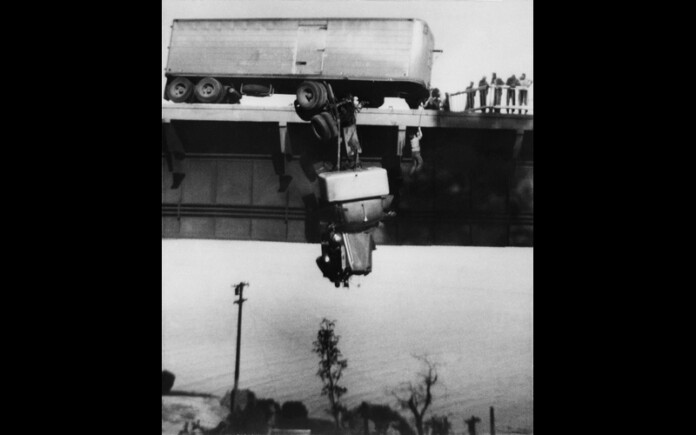
73 years ago today, two men were rescued from a semitrailer that crashed over the side of the Pit River Bridge before it fell into the Sacramento River. At the same time, amateur photographer Virginia Schau photographed the effort and won the Pulitzer Prize for Photography as a result. She became the first woman to win the award. She captured the photo with a Kodak brownie. READ more… (1953)
Medieval Floor Tiles Returned to Monastery 60 Years After Boy Steals Them, Goaded by his Father
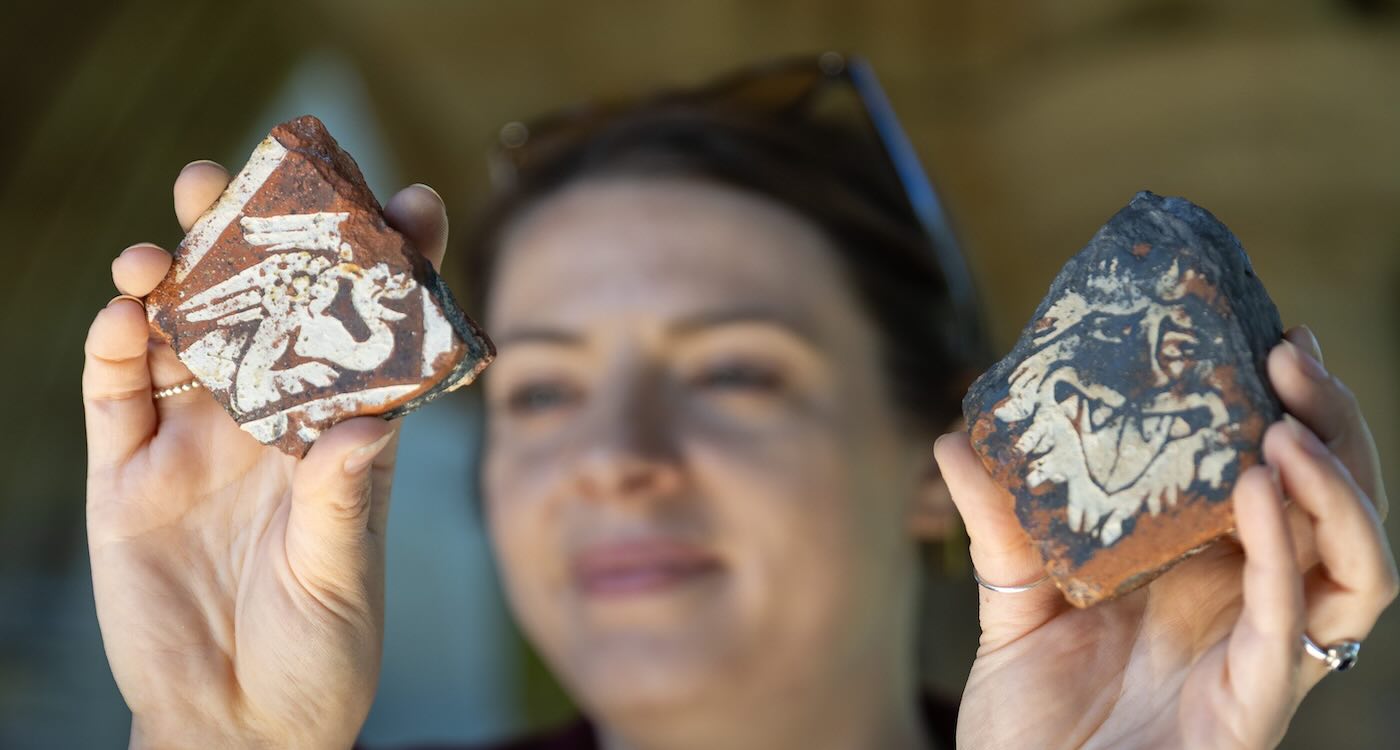
A man who stole 700-year-old floor tiles from a Medieval monastery when he was a child has finally returned them to English Heritage after finding them inside a candy tin where they’d been kept for nearly 60 years.
Simon White was a nine-year-old boy when he took the pieces as a souvenir from Wenlock Priory, in Shropshire, England during a family vacation in 1967.
The retired surveyor’s family kept the three decorative tiles—dating from the late 13th to early 14th century—stored inside a 1920s Thorne’s Creme Toffee tin.
Thursday the missing pieces were handed back to the heritage site after Simon rediscovered them recently in the attic while rummaging through some of his belongings.
Simon said he had always felt guilty about stealing the historic tiles as a boy after being encouraged by his dad, so he was delighted to return them to their rightful home at the 12th-century Anglo-Saxon priory.
“I can still remember the day this all happened as a youth with my father ‘standing guard’,” the 68-year-old told SWNS news agency. “Heaven knows what he would have said if we’d been caught.”
“He literally stood over me while actively encouraging me to take these tiles. I stole three of them, which in hindsight was a dreadful thing to do.”
“Back then there was no visitor centre or CCTV and you could wander around these places willy-nilly for free.

“What happened to the tiles afterwards I’m not really sure, but they survived numerous house moves and assorted family upheavals only to turn up in my loft three months ago in a battered tin.
“It was first time I’d laid eyes on them in 59 years.
“The delicious irony of this is, now that I’m retired, one of my hobbies is archeology and the local society I’ve joined is likely to take a dim view of this.”
MUSEUM FORGIVENESS: 4-year-old Shattered a Bronze Age Jar in Museum. Now, He’ll Get to See How Experts Restored It
When Simon first rediscovered the tiles while searching for an old jacket he was unsure exactly where they had come from, having visited several heritage sites across Shropshire as a boy while living in Stoke-on-Trent.
After setting to work to find out where they might have come from, he was able to narrow down their origin thanks to his mother’s diaries.
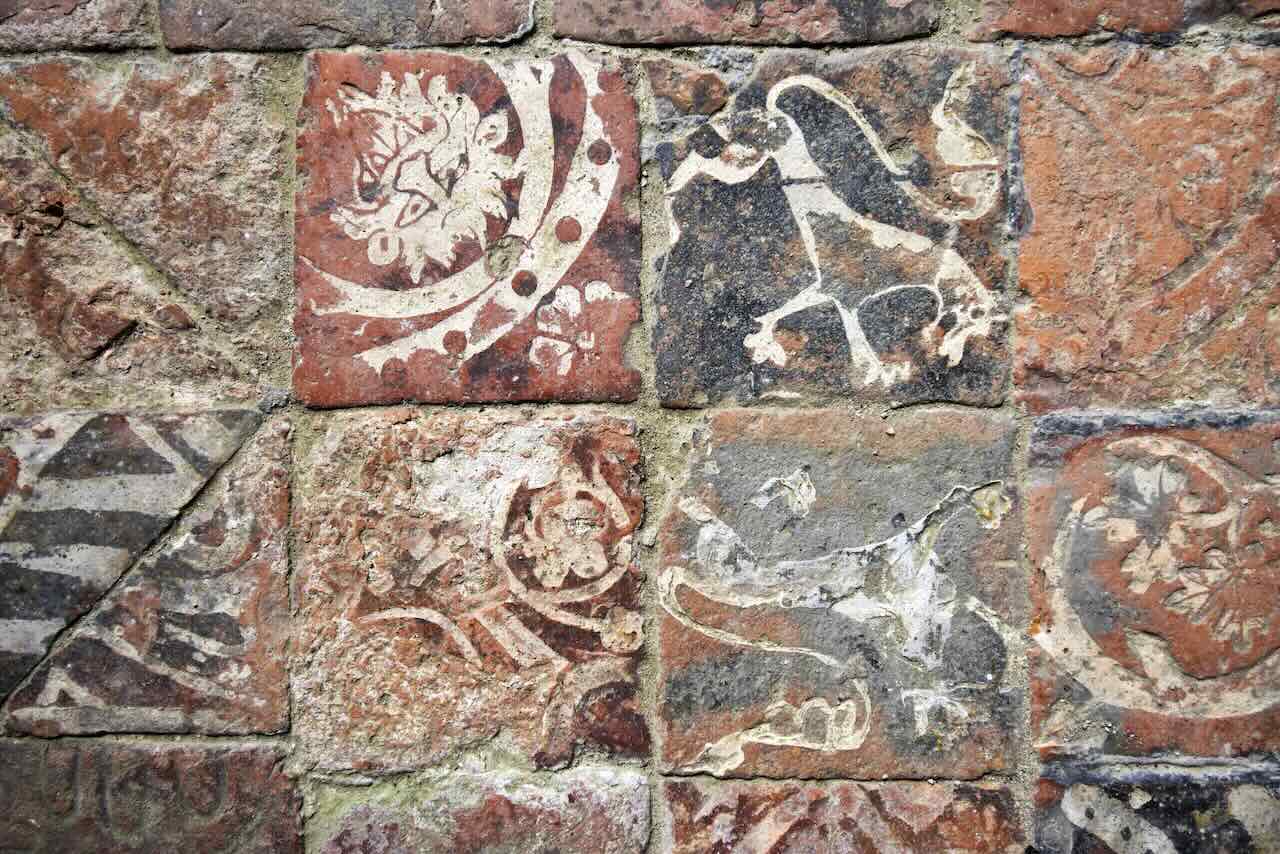
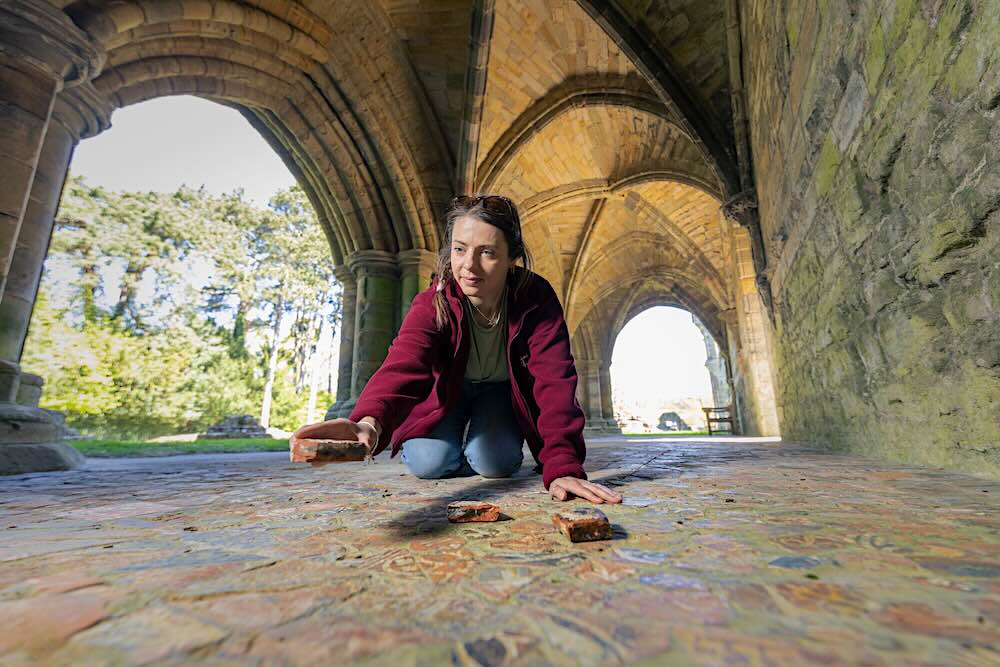
After contacting English Heritage, it was confirmed the three decorative clay tiles had been part of Wenlock Priory’s striking Medieval floor.
“My mother used to keep detailed diaries and I used these diaries to pinpoint a day in 1967 when we visited the priory,” said the father-of-two, from Hampshire.
“All the other tiles there have been walked upon but mine are still in pristine condition, I was very pleased to hand them back.
“It was an awful thing to do, as I believe we are all custodians of these heritage sites and we should preserve them for future generations.”
Matty Cambridge, assistant curator at English Heritage, said: “We are thrilled to see the safe return of these pieces of history to Wenlock Priory and are very grateful to Mr White for coming forward with his discovery.
“Tiles of these designs are only known at Haughmond Abbey, Bridgnorth Friary, and Wenlock Priory and would have been locally-made in Shropshire.”
GORGEOUS LUCK: $25 Thrift Shop Purchase May be ‘Priceless’ Glasswork Belonging to Scottish King Robert the Bruce
“There is one tile design of a dragon for which we haven’t yet found an exact parallel which in itself is exciting as it adds to our knowledge of the site.
“It’s very similar to a known fragment of tile showing a swan and could indicate that this is the other half of the same design or part of a set.”
The tiles will be kept at Wenlock Priory but may be moved to the English Heritage archaeology store for further analysis.
“The beautiful tiled floors on site feature various designs including heraldry, floral motifs and animals,” explained curator Cambridge. “They are one of the highlights of visiting this special place.
“It is unusual, in this case, that the artifacts were kept so well for so long—and preserved.
“If Mr. White’s example pricks anyone else’s conscience from years ago, we’d love to hear from them.”
WOW! LOOK: Mysterious Tunnels Sketched by Da Vinci Confirmed After 500 Years to be Hidden Under a Castle
Wenlock Priory has a history stretching back to AD 680 when it was founded as an Anglo-Saxon monastery, and subsequently re-founded as a Cluniac priory after the Norman Conquest.
Today the impressive ruins are cared for by English Heritage and are known for their architectural remains and elaborate decorative features, including the 12th century Chapter House and Cloister Garden with an unusual octagonal lavabo, used for ritual hand washing during religious ceremonies.
SPUR OTHERS TO RETURN TREASURES By Posting This on Social Media…
Scientists Unveil Hemp Alternative to Plastic That Can Withstand Boiling Water and Stretch to 1,600% its Size
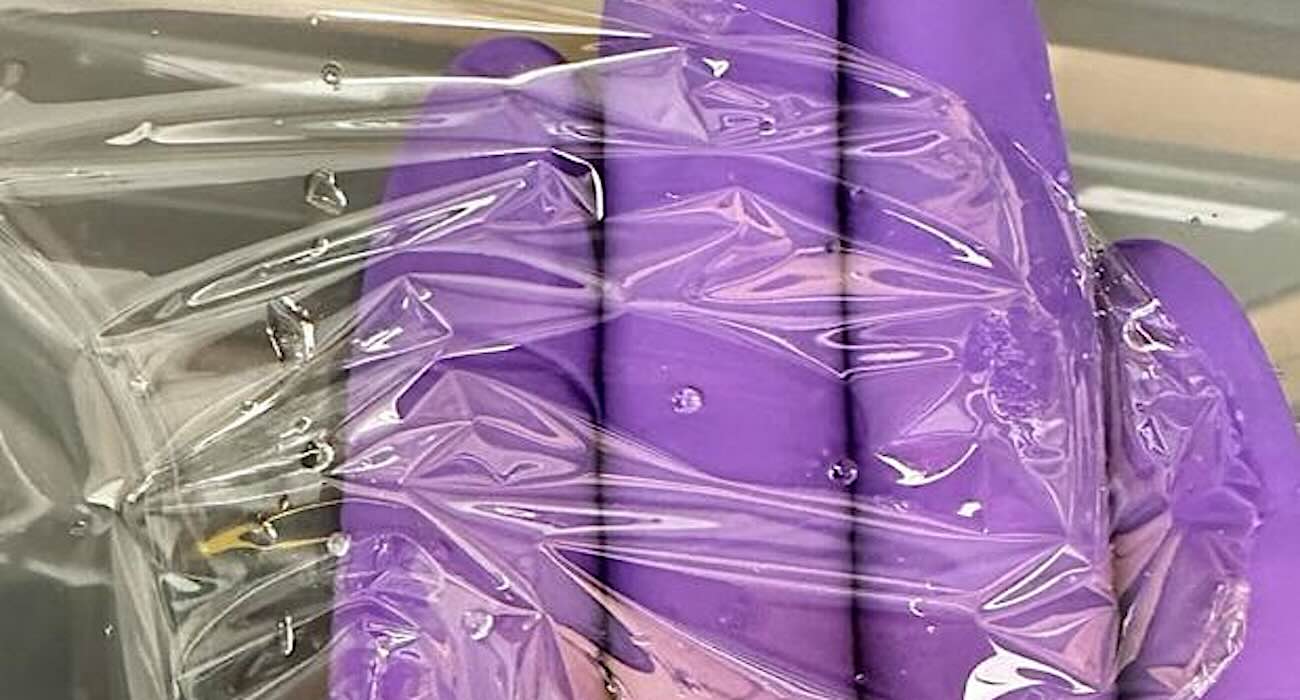
A surprisingly robust, yet green, alternative to plastic packaging has been developed from the hemp plant–an age-old form of the cannabis plant that doesn’t get people high.
The non-toxic plastic alternative is a stretchy thermoplastic that can extend up to 1,600% of its size.
The material also has a high “glass transition temperature”—a quality that allows plastics to stay durable when it comes into contact with boiling hot water—according to a study published this week in the journal Chem Circularity.
“Very few, if any, plastics made from natural resources have this quality,” said study co-author University of Connecticut Professor Gregory Sotzing in a media release.
The research team hopes that cannabidiol (CBD) from the hemp flower can replace bisphenol-A, the synthetic industrial chemical found in today’s processed plastics, because bisphenol-A is “a known endocrine disruptor”—meaning it can disturb the delicate balance of our hormones.
Prof. Sotzing says the hemp material is suitable for producing transparent plastic films, coatings, and other common materials currently made from petroleum-based materials such as polyethylene terephthalate (PET), which is widely used in single-use water bottles, food packaging, and substrates for flexible electronics.
Those applications require medium- to high-temperature stability and melt processability, so the material can be formed and shaped—which the team has achieved in a hemp-based polycarbonate for the first time.
Co-author Dr. Mukerrem Cakmak, of Purdue University, said their work has established CBD-based polycarbonates as sustainable replacements for widely used thermoplastics such as PET.
“We have developed a rigorous processing science framework that links molecular architecture to melt processability, orientation development, and stretchability without compromising manufacturability.”
MORE HEMP MANUFACTURING:
• World’s Tallest ‘Hempcrete’ Building in South Africa Captures More Carbon than it Emits
• Hemp Already Used in Walls and Insulation as a Game-Changer in Construction Industry
• New Mud Home Built of Hemp and Earth Demonstrates Super Energy Efficiency in the UK

Dr. Cakmak explained that PET requires large quantities of fossil fuels—specifically, crude oil and natural gas—and, once discarded, breaks down into tiny particles called “microplastics” that leach chemicals (including PET) into water, air, and food, which are linked to inflammation and cell damage.
While scientists have been searching for greener alternatives to PET, most polymers made from plants or plant waste lack hemp’s glass transition temperature and stretchability, and are more expensive to produce—especially with oil and gas prices skyrocketing.
The catalysts used to produce bio-based plastics have also usually required high temperatures and have posed challenges for catalyst removal and final product purification, making them impractical for large-scale production.
To overcome the challenges, Prof. Sotzing and his colleagues used hemp, which was finally legalized in the U.S. in 2019, to develop a plastic film and tested the processing parameters that give it the right structure and properties for widespread use.
“This polycarbonate has, as a smooth film, a very high contact angle with water. We were not expecting our polyCBD-carbonate to have a higher contact angle than most polyolefins (thermal plastics).”
He added that materials with these properties can also be used as nanoparticles for drug delivery and for catheter coatings.
RELATED: Nation’s First ‘Hempwood’ Factory Could Be Sustainable Lifesaver for Endangered Oak Trees in the US

The researchers are also working to develop a version of the hemp-derived plastic with greater mechanical strength and to pilot a scaled-up version of their manufacturing process.
Not enough CBD is currently being produced worldwide to fully replace PET for plastics, according to the study—but with hemp becoming a popular material in clothing, building, and food products, its cultivation is on the rise, and it is a fast growing weed.
HEMP FOR EVERY PURPOSE: CBD from Hemp Kills Mosquitoes, Inflicting 100% Mortality Rate on Pesticide-Resistant Insects
Prof. Sotzing says the plant can be grown across a range of climates, with relatively little water and little to no pesticides, and can be rotated with corn, soybeans, and other food crops, making it a versatile choice for farmers, helping to revitalize their fields.
SHARE THE HOPEFUL NEWS With Eco-Friendly Folks on Social Media…
American Hockey Fans Finish the Canadian Anthem After Singer’s Mic Goes Out (WATCH)

During Game 5 of the Stanley Cup playoff series in Buffalo, New York, it wasn’t the winning play on the ice that stole our hearts—it was the spontaneous singing in the stands.
The atmosphere was already electric as the national anthem singer took the mic. Indeed, the Buffalo Sabres were set to clinch their first playoff series win in nearly two decades.
But when Cami Clune began the opening notes of “O Canada”, a technical glitch caused her microphone to cut out.
In most arenas, the malfunction may have led to an awkward silence. Instead, thousands of Americans who came to see Boston vs Buffalo immediately stepped in to finish the song in unison.
The sports town also known as the ‘City of Good Neighbors’, didn’t miss a beat. The sold-out crowd joined together in a massive, impromptu choir, belting out the lyrics and leaving players on both benches visibly moved.
Ms. Clune told CBC News it was “a cool community moment” that gave the singer chills.
Unique 2-anthem tradition goes back 50 years
The Sabres have maintained a dual-anthem tradition which is unique to hockey in Buffalo. Located just minutes from the Canadian border, the Sabres have played two national anthems, regardless of the opponent, before every home game since 1970.
It’s a heartfelt nod to the thousands of fans who cross the Peace Bridge from Ontario to support the team.
While the Sabres ultimately lost 2–1 in overtime, the team went on to win the series in Game 6, marking the franchise’s first playoff series win since 2007.
But the anthem rescue was a poignant moment; there were no borders—just hockey and a whole lot of heart.
Watch the moment below, courtesy of the NHL (but keep the tissues handy). And follow along with the lyrics at the bottom…
INSPIRING SPORTSMANSHIP: Boston Marathon Runners Praised for Stopping to Help Injured Competitor Cross Finish Line (WATCH)
O Canada!
Our home and native land!
True patriot love in all of us command.
With glowing hearts we see thee rise,
The True North strong and free!
From far and wide,
O Canada, we stand on guard for thee.
God keep our land glorious and free!
O Canada, we stand on guard for thee.
SHOW CANADA SOME LOVE By Sharing This Story on Social Media…
Your Weekly Horoscope – ‘Free Will Astrology’ by Rob Brezsny

Our partner Rob Brezsny, whose latest book is Astrology Is Real: Revelations from My Life as an Oracle, provides his weekly wisdom to enlighten our thinking and motivate our mood. Rob’s Free Will Astrology, is a syndicated weekly column appearing in over a hundred publications. He is also the author of Pronoia Is the Antidote for Paranoia: How All of Creation Is Conspiring To Shower You with Blessings. (A free preview of the book is available here.)
Here is your weekly horoscope…

FREE WILL ASTROLOGY – Week of May 2, 2026
Copyright by Rob Brezsny, FreeWillAstrology.com

TAURUS (April 20-May 20):
May is Free Thinking Month for you Tauruses. It’s also Free Feeling, Free Wheeling, and Free Healing Month. Wow! To observe this festive grace period, indulge in any of the following jubilant acts: 1. Declare your independence from anyone who tries to tell you how you should live your life or who you are. 2. Declare independence from your history, especially recollections that dampen your sense of possibility and old self-images that impede your yearning to explore. 3. Declare independence from groupthink and conventional wisdom. 4. Declare independence from your former conceptions of freedom so you’ll be free to arrive at fresh understandings of it.

GEMINI (May 21-June 20):
The Navajo practice hózhó means “walking in beauty”: living in balance and harmony with life. But hózhó isn’t a static state you achieve once and possess forever. You must continually restore and reinvent it. I suspect you’re in a phase like that now, Gemini. Too much thinking and not enough feeling? Too much future and not enough present? I recommend you take corrective measures. Start by taking one physical action that grounds you. Have a conversation from the heart instead of the head. Spend an hour not planning the story to come, but simply loving what’s here right now. Refresh your hózhó!

CANCER (June 21-July 22):
If a honeybee colony becomes too crowded, scout bees search for potential new hive sites. When they return, they perform waggle dances for their colleagues to convey specific information about different locations. Negotiations ensue. Various possibilities are offered and considered through more dancing. Eventually, the swarm collectively makes a choice and heads out to its new home. Your challenge right now, Cancerian, is to be like a scout bee who facilitates your group’s decision-making process. I invite you to carry out a reconnaissance mission and then perform your waggle dances for your people. Make your case with vigor and precision. Trust the group’s emergent wisdom to make the best decision.

LEO (July 23-Aug. 22):
Like all of us, Leo, you have persistent aches from old losses, absences, and wounds. They may seem like permanent burdens you will never be able to shake or transcend. But here’s some very good news: In the coming months, there’s a greater chance than usual that you’ll discover new approaches to healing them. The remedies won’t necessarily be logical or obvious. They may involve you conducting rituals, taking symbolic actions, or ambushing the pain from unexpected angles. Be alert for interventions that may seem too simple or unexpected to work.

VIRGO (Aug. 23-Sept. 22):
Your restlessness is building. How much longer will you pretend you don’t sense the pull of bright temptations and appealing sanctuaries? At what moment will you finally stop resisting your urge to slip past the usual boundaries and roam? The astrological omens hint that this pivot is close at hand. In the borderlands of your imagination, a daring journey is already taking shape. Where might it carry you? Here’s my guess: down into the raw, unfiltered depths of the future you secretly dream about.

LIBRA (Sept. 23-Oct. 22):
In fairy tales, when heroes are rewarded for their help and kindness, their gifts are often tools of protection: a cloak that renders them invisible, a magic club that chases off foes, or enchanted shoes that enable them to outrun any threat. In other stories, the reward is meant to deepen the hero’s delight in living: a genie’s lamp, a cauldron that cooks up exquisite food, or a horn that calls forth marvelous companions from the fairy world. I mention this, Libra, because I believe rewards for your past and recent generosity are on their way. If you have any say in what form they take, I suggest you request something from this second, pleasure-giving category.

SCORPIO (Oct. 23-Nov. 21):
Poet Marie Howe wrote, “I don’t think we can love anything more intensely than we love a secret.” Many Scorpios feel this way. You understand that mystery is often a joy to be savored. Some truths reveal themselves only to those who summon the patient intelligence to be at peace amidst the confounding riddles. Non-Scorpios may be desperate to leave nothing hidden, but you like to learn from the teasing prickles. You know that some transformations need darkness to carry on their work. Your next assignment: Decide what truth needs more time in the deep before it’s ready to surface.

SAGITTARIUS (Nov. 22-Dec. 21):
Diamond is the hardest natural substance, while graphite is soft and slippery. Yet they’re both made of pure carbon. The difference is in their structure. Let’s extrapolate from this fact as we ruminate on your life, Sagittarius. I’m 97-percent certain that you already have everything you need. Maybe you imagine you lack key resources and powers, but from what I can tell, you are well set-up. So I propose that you simply reorganize what’s available to you now. Take the “carbon” of your life and arrange it in new patterns. Your task isn’t further accumulation but reconfiguration.

CAPRICORN (Dec. 22-Jan. 19):
My Capricorn grandfather was a master artisan. He told me that the best furniture is built twice: first in the imagination, then with wood. Let’s apply that theme to you. I believe you have mostly finished the first step of visualizing what you want. Now you’re almost ready to launch the actual work. I’m eager to see the practical effects that will bloom from your detailed fantasies. The rest of the world is excited, too. These days, we all especially need your talent for turning beautiful dreams into vivid realities. You have extra power to inspire us to convert our idealistic notions into dynamic actions.

AQUARIUS (Jan. 20-Feb. 18):
I invite you to imagine a time in the past when you were almost perfectly content. Visualize that magical confluence of satisfying feelings. Where were you? Who was or wasn’t there? What could you see, hear, smell, and feel in your body? What made that moment so right? Next step: Make a vow to rebuild as many of those conditions as you realistically can over the next three weeks. Maybe you can’t recreate the exact scene, but you can approximate its essence.

PISCES (Feb. 19-March 20):
The astrological factors now in effect are tending to generate useful and valuable cosmic jokes. I believe they may be disruptive and catalytic in helpful ways. In this spirit, I offer you the following affirmations, borrowed from internet memes: 1. “You may call me ‘melodramatic.’ I describe myself as a ‘creative problem-solver with flair and panache.’” 2. “I’m not overthinking; I’m overriding simplistic answers that hide the real truths.” 3. “You shouldn’t think of me as chaotic; the fact is that I’m generously non-linear.” 4. “I have a solid plan, but it’s always evolving to keep up with reality’s crazy insistence on ceaseless change.” 5. “Please dismantle your low expectations; I need ample room to exceed them.” 6. “I trust my instincts; they have often been wrong in interesting ways.”

ARIES (March 21-April 19):
In the 19th century, Aries photographer Eadweard Muybridge (1830–1904) resolved to settle a debate about whether galloping horses ever have all four hooves off the ground. He developed a system to capture rapid sequential images, which ultimately helped lead to the invention of motion pictures. His answer to a narrow technical question opened up an entirely new art form. Moral of the story: Solving a specific problem may create unforeseen revolutions. In the coming weeks, Aries, I invite you to stay alert for how your focused efforts to address one challenge might birth even more significant breakthroughs. Don’t get so fixated on your immediate goal that you miss larger innovations emerging from your work.
WANT MORE? Listen to Rob’s EXPANDED AUDIO HOROSCOPES, 4-5 minute meditations on the current state of your destiny — or subscribe to his unique daily text message service at: RealAstrology.com
(Zodiac images by Numerologysign.com, CC license)
SHARE The Wisdom With Friends Who Are Stars in Your Life on Social Media…
“Joy is a net of love by which you can catch souls.” – Mother Teresa

Quote of the Day: “Joy is a net of love by which you can catch souls.” – Mother Teresa
Photo by: Sander Weeteling
With a new inspirational quote every day, atop the perfect photo—collected and archived on our Quote of the Day page—why not bookmark GNN.org for a daily uplift?

Good News in History, May 2

81 years ago today, the Third Reich surrendered Berlin, the Wehrmacht surrendered in mass, and World War II ended in the West as more than 1,000,000 German soldiers officially surrendered across their positions in Italy, Germany, and Austria. A Red Army soldier was famously photographed draping the flag of the Soviet Union down over the Reichstag. READ a bit more of what happened on May 1-2… (1945)
Company’s 2 Million lbs. Excavator Has a Green Trick: Fully-Electric Drive Mode
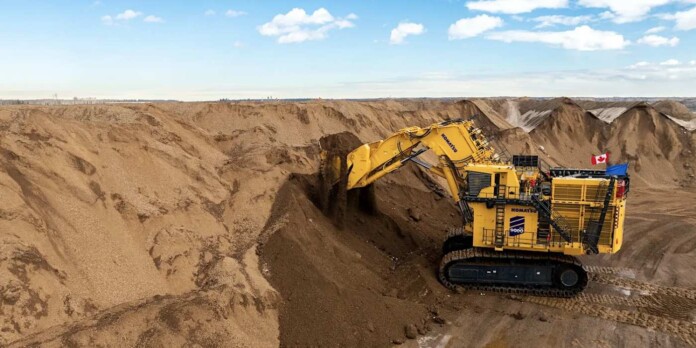
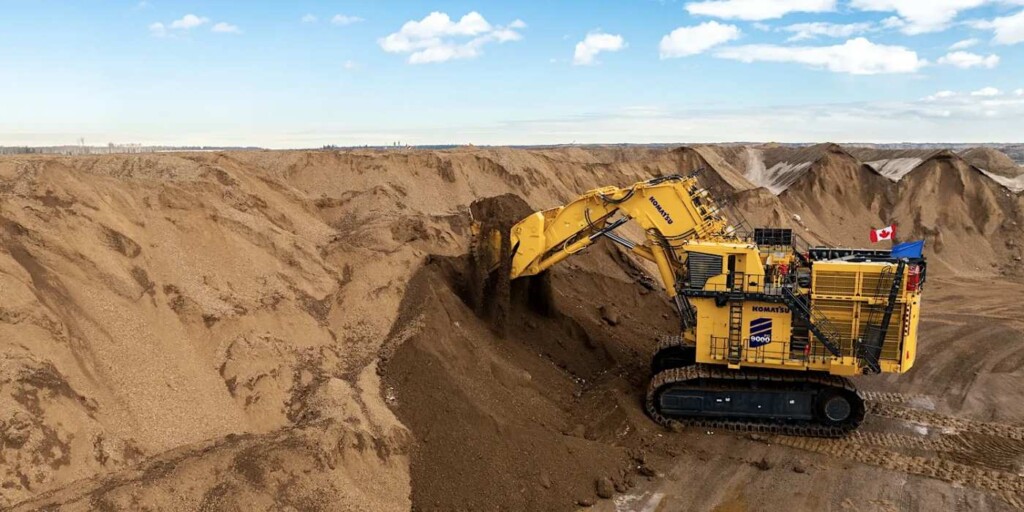
Mining is heavy business, and this giant Komatsu excavator is too.
It weighs 2 million pounds, but comes standard with fully-electric drive mode, allowing even the world’s largest mining operations to suddenly zero-out emissions from excavation vehicles.
The PC9000-12 is the largest excavator Komatsu has ever built. It can move 80 tons with a single movement of its giant scoop, and having undergone successful testing at Suncor Mining’s Alberta sand mine, it’s now ready for order and delivery around the world.
The behemoth’s party trick, reports Electrek, is that you can plug it in like you’d plug in and use a vacuum, only you need grid-scale power rather than a home electrical outlet.
Once it is plugged it, a face-frying 4 megawatts of power are drawn into 2 electrical motors that crank out the equivalent of 5,300 horse power.
“The PC9000-12 sets a new benchmark for global surface mining operations,” explains Peter Buhles, Komatsu Vice President, Sales and Service. “With its versatile configurations – including face shovel and backhoe, as well as diesel and electric drive options – we can efficiently serve all major mining operations worldwide.”
“The PC9000-12 delivers the power, performance and reliability our customers expect, while supporting higher productivity, lower emissions per-ton and seamless integration with autonomous haulage systems.”
Imagine if you will a giant hole in the ground. Now place this imaginary hole 150 kilometers from any city, and fill the bottom of it with large hauling trucks. Now consider if you will, that to get the truck from the bottom of the hole to the top, it must drive up a long series of ramps at 40 degree angles.
How much diesel does it use to get that truck from the bottom to the top 8 times every day?
The recent disruption in worldwide diesel production and refining from the closure of the Strait of Hormuz has significantly impacted certain mining operations that can’t get around the need to power their fleet and generators with diesel.
BETTER MINING:
- ‘Mushroom Mining’ Could Be Cheap Way to Recover Rare Earth Minerals from Industrial Waste
- Massive ‘Shovel-Ready’ Critical Minerals Deposit Found in Utah–Largest Potentially in North America
- Mining in Oklahoma Left a Toxic Wasteland Until Indigenous Tribe Brought it Back to Life
Electric excavators and haul trucks would help insulate the industry—certain parts of which are currently enjoying record-high margins, from future oil shocks, and the PC9000-12 could do exactly that.
Mining would be one of the hardest sectors to de-carbonize, but opportunities are there to reduce its carbon footprint in tandem with the leaps and bounds the industry has made reducing its environmental footprint in other ways such as tailings storage and disposal, and reclamation costs being budgeted upfront.
For example, Electrek also reported that an electric haul truck—remember the ones at the bottom of the hole—has already been produced and proven, and is ready for action in the next generation of mines.
SHARE This Early Adoption Of EVs In Mining With Your Friends…