Swapping out single-use plastic straws for a reusable alternative is an easy way to reduce your environmental impact—but reusable straws are notoriously hard to clean.
That’s why innovators have developed the Penna Straw: a collapsible, self-cleaning reusable straw that could save hundreds—if not thousands—of disposable straws from ending up in a landfill every month.
The straw is comprised of four separate stainless steel segments that can magnetically snap together when it’s time for the user to enjoy a tasty beverage. When it’s time to be cleaned, the pieces can be broken down and placed inside of a convenient carrying case equipped with four separate brushes to clean the straw segments.
The carrying case is then filled with water through a small hole; all the user has to do is place their finger over the hole, give the case a few shakes, and then dump out the water through the very same hole.
If that isn’t enough, the case is also equipped with a UV light system that can reportedly sterilize 99% of the remaining bacteria.
California-based tech company Elretron has been developing the straw for the last year prior to its launch on Kickstarter this week. Since the crowdfunding campaign was published, however, it has already surged past its original goal and raised more than $17,000 for manufacturing.
The first of the Penna Straws are expected to be delivered in April 2020—and the developers hope to deliver thousands more during the year to come.
(WATCH the explanatory video below)
Clean Up Negativity By Sharing The Intriguing News With Your Friends On Social Media…
It has been 13 years since Annmarie Small came to America from Jamaica in hopes of achieving a better life for her and her son.
After Small emigrated to Tallahassee, Florida in 2007, she began working as an elementary school teacher at Cornerstone Learning Academy.
Not only did the school provide her with a steady job, it also introduced her to a loving community of supportive teachers and students, many of whom greeted her at the airport when her plane first landed from Jamaica.
So when it was finally time for her to earn her US citizenship last week, she was surrounded by dozens of her current and former students cheering her on.
“I use the term ‘bag of emotions’ because that’s exactly what it was,” 42-year-old Small told WFTS about the heartwarming event. “When everything was quiet after the ceremony and I went home, I cried, and it was tears of joy.
“I’m so happy the process is over now because it’s been a long process,” she added. “And there were tears of joy because I’ve had the support of Cornerstone since day one.”
(WATCH the video below)
Be Sure And Share This Sweet Story With Your Friends On Social Media…
Quote of the Day: “Banish the word ‘struggle’ from your attitude and your vocabulary. All that we do must be done . . . in celebration.” – Hopi Elders
Photo: by Eddi van W. – CC license
With a new inspirational quote every day, atop the perfect photo—collected and archived on our Quotes page—why not bookmark GNN.org for a daily uplift?
Despite enduring a string of heartbreaking losses in the same year, this former airman has transformed his life for the better—and he did it by quitting his job, selling all of his possessions, and traveling the world with his pet ferret.
25-year-old Charlie Hammerton was determined to change his life after he was left grieving the deaths of his best friend, mother, and adopted mom all in the same year.
His mom Jan died in March 2017 aged 53 after suffering from motor neurone disease; then his best friend Will Moss passed away aged 22 just a few months later from a suspected drug overdose. At the end of the year, his adopted mum Samantha passed away from a heart attack.
“It was horrible for me, but I didn’t want to get into a rut because of it all,” says Hammerton. “I did think about killing myself a couple of times because I didn’t know where to turn.
Living in Arnold, Nottinghamshire at the time, he decided to turn his back on a promising career and put almost all of his money into a globe-trotting adventure with his “best pal”: Bandit the rescue ferret.
“I was living in a nice flat, had a good job and had three cars. I had a lot of savings behind me and I was lucky enough to be very secure,” he added. “But it was all just ‘stuff’ to me and didn’t really mean anything. So I decided to get rid of the lot and set off with Bandit.”
SWNS
Hammerton then quit his job and sold almost all his possessions—including his three cars. Collectively, he managed to drum up £15,000 ($19,500) for his dream trip, £5,000 of which he spent on a campervan.
Starting out in February 2018, Hammerton and Bandit ventured through Holland, Germany, Sweden, Norway, France, Spain, and Italy.
The inseparable pair traveled for a total of 8 months to more than 25 towns and cities in 11 countries, all of which Hammerton documented on their public Facebook page.
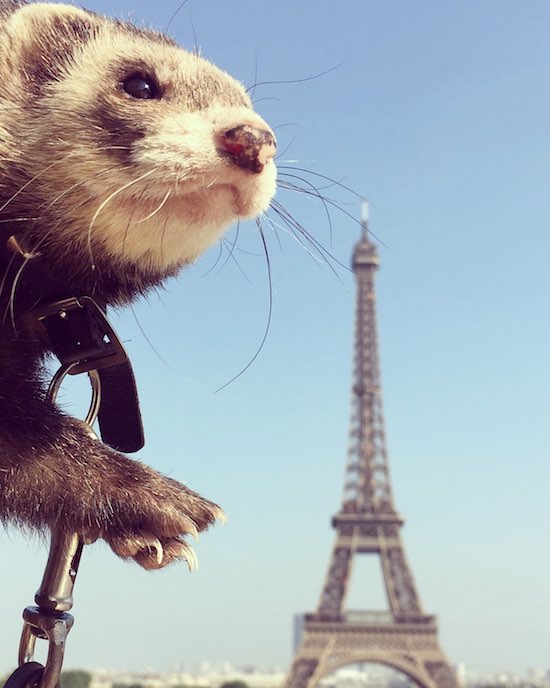
His hilarious holiday album is full of snaps of Bandit posing in front of iconic landmarks—from the Eiffel Tower in Paris to the Colosseum in Rome.
SWNS
“Traveling was the most amazing experience of my life and it was completely liberating,” said Hammerton. “We followed the sun across the world and camped under the stars in amazing places.
“It was beautiful and I spent it with my best friend,” he added. “I have less money now but I am much wealthier as a person.”
SWNS
Hammerton rescued Bandit from an animal sanctuary in 2015—and the pair have been inseparable ever since. The little ferret even stayed with him at his military digs in Coningsby whilst Charlie was working for the Royal Air Force (RAF).
“He has seen me at my best and my worst and has always been with me,” says Hammerton. “Bandit has been with me through thick and thin.”
SWNS
In addition to their cross-continental road tripping adventures, they have also raised awareness for different charities. The pair have walked across Hadrian’s Wall in aid of the motor neurone disease charity MND, and also skateboarded 40 miles across London in aid of a drug awareness charity.
In November 2018, Hammerton released a book about his travels called “Before Our Adventures”, which is now available on Amazon.
“The book is all about how you can take anything bad and turn it into something really good,” said Hammerton. “Everyone has the right and the ability to do that. It’s easy to get stuck in a rut, but there’s no need to.
SWNS
“I went through a really rough time and developed serious depression. I felt suicidal and just didn’t know what to do with myself,” he continued. “A chain of bad things had happened to me and I had good reason to feel really miserable about my life.
“But I decided that was not what I wanted to be. I didn’t want this to define me. I channeled the negative energy and turned it into something positive.”
Charlie now works in schools across the country teaching youngsters about how to build confidence, self-esteem, and outdoor living skills such as camping and bushcraft.
SWNS
Be Sure And Share The Inspiring Story With Your Friends On Social Media…
A study testing thousands of medicines in hundreds of cancer cell lines in the lab uncovers new tricks for many old drugs
Drugs for diabetes, inflammation, alcoholism—and even for treating arthritis in dogs—can also kill cancer cells in the lab, according to a study by scientists at the Broad Institute of MIT and Harvard and Dana-Farber Cancer Institute.
The researchers systematically analyzed thousands of already developed drug compounds and found nearly 50 that have previously unrecognized anti-cancer activity. The surprising findings, which also revealed novel drug mechanisms and targets, suggest a possible way to accelerate the development of new cancer drugs or repurpose existing drugs to treat cancer.
“We thought we’d be lucky if we found even a single compound with anti-cancer properties, but we were surprised to find so many,” said Todd Golub, chief scientific officer and director of the Cancer Program at the Broad, and professor of pediatrics at Harvard Medical School.
The new work appears in the journal Nature Cancer. It is the largest study yet to employ the Broad’s Drug Repurposing Hub, a collection that currently comprises more than 6,000 existing drugs and compounds that are either FDA-approved or have been proven safe in clinical trials (at the time of the study, the Hub contained 4,518 drugs).
The study also marks the first time researchers screened the entire collection of mostly non-cancer drugs for their anti-cancer capabilities.
Historically, scientists have stumbled upon new uses for a few existing medicines, such as the discovery of aspirin’s cardiovascular benefits. “We created the repurposing hub to enable researchers to make these kinds of serendipitous discoveries in a more deliberate way,” said study first author Steven Corsello, an oncologist at Dana-Farber and founder of the Drug Repurposing Hub.
The researchers tested all the compounds in the Drug Repurposing Hub on 578 human cancer cell lines from the Broad’s Cancer Cell Line Encyclopedia (CCLE). Using a molecular barcoding method known as PRISM, which was developed in the Golub lab, the researchers tagged each cell line with a DNA barcode, allowing them to pool several cell lines together in each dish and more quickly conduct a larger experiment. The team then exposed each pool of barcoded cells to a single compound from the repurposing library, and measured the survival rate of the cancer cells.
They found nearly 50 non-cancer drugs—including those initially developed to lower cholesterol or reduce inflammation—that killed some cancer cells while leaving others alone.
Some of the compounds killed cancer cells in unexpected ways. “Most existing cancer drugs work by blocking proteins, but we’re finding that compounds can act through other mechanisms,” said Corsello. Some of the four-dozen drugs he and his colleagues identified appear to act not by inhibiting a protein but by activating a protein or stabilizing a protein-protein interaction. For example, the team found that nearly a dozen non-oncology drugs killed cancer cells that express a protein called PDE3A by stabilizing the interaction between PDE3A and another protein called SLFN12—a previously unknown mechanism for some of these drugs.
These unexpected drug mechanisms were easier to find using the study’s cell-based approach, which measures cell survival, than through traditional non-cell-based high-throughput screening methods, Corsello said.
Most of the non-oncology drugs that killed cancer cells in the study did so by interacting with a previously unrecognized molecular target. For example, the anti-inflammatory drug tepoxalin, originally developed for use in people but approved for treating osteoarthritis in dogs, killed cancer cells by hitting an unknown target in cells that overexpress the protein MDR1, which commonly drives resistance to chemotherapy drugs.
Photo by Susanna Hamilton / Broad Communications
The researchers were also able to predict whether certain drugs could kill each cell line by looking at the cell line’s genomic features, such as mutations and methylation levels, which were included in the CCLE database. This suggests that these features could one day be used as biomarkers to identify patients who will most likely benefit from certain drugs. For example, the alcohol dependence drug disulfiram (Antabuse) killed cell lines carrying mutations that cause depletion of metallothionein proteins. Compounds containing vanadium, originally developed to treat diabetes, killed cancer cells that expressed the sulfate transporter SLC26A2.
“The genomic features gave us some initial hypotheses about how the drugs could be acting, which we can then take back to study in the lab,” said Corsello. “Our understanding of how these drugs kill cancer cells gives us a starting point for developing new therapies.”
The researchers hope to study the repurposing library compounds in more cancer cell lines and to grow the hub to include even more compounds that have been tested in humans. The team will also continue to analyze the trove of data from this study, which have been shared openly with the scientific community, to better understand what’s driving the compounds’ selective activity.
“This is a great initial dataset, but certainly there will be a great benefit to expanding this approach in the future,” said Corsello.
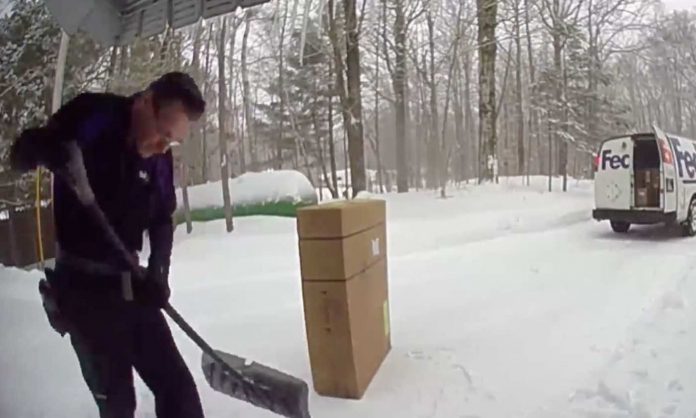
Upon looking at the security footage, she saw a FedEx driver walking a package up to her door. When he caught sight of all the snow on her front stoop, however, he put down the package, grabbed a shovel, and began clearing away the snow.
“Although we see many acts of kindness in the Upper Peninsula, it was still surprising to see that he went the extra step,” LaFreniere told CNN. “I shared it with my coworkers immediately because I couldn’t believe it. It made my day.”
The delivery driver, Melvin J. Marlett, has reportedly been working for FedEx for 23 years. Although LaFreniere is usually never home to greet him during his deliveries, her fiancé says he has shared many delightful conversations with the driver.
LaFreniere later reached out to Marlett and asked for his permission to post the video in hopes that it would hearten others on social media—and her wish has now come true since her Facebook video of the incident has already been viewed more than 57,000 times.
Despite how Marlett humbly insists that he was simply doing his job, he says he is also happy his good deed is having such a positive effect on the internet.
“I would hope it’s something that anybody would have done,” Marlett told the news outlet. “If you take care of your customers, they take care of you.”
(WATCH the video below)
Be Sure And Share This Simple Story Of Kindness With Your Friends On Social Media…
Book lovers can be heartened to hear that the dazzling special effects of Hollywood’s blockbusters are still no match for the comfort of the public library.
According to a recently published Gallup poll—the first of its kind conducted in almost two decades—Americans visited the library far more than any other cultural institution in 2019.
On average, visits to the library far exceeded any other recreational activity with US adults reporting 10.5 trips per year.
In contrast to this number, Americans only reported paying 5 annual trips to the movie theater, 5 trips to sporting events, 4 trips to musical or theatrical performances, and 2.5 trips to museums.
The survey goes on to say that while these numbers are relatively similar to data collected in 2001, Americans have reported going to slightly more museums (0.7 visits), national parks (1.3), and theatrical or musical performances (1.1). However, there has been a 1.3 decrease in average movie theater visits.
Unsurprisingly, the data says that low-income adults visit public libraries slightly more than higher-income families, most likely because of how most library services are free; although survey reporters did report that women reported visiting the library nearly twice as frequently as men do, 13.4 to 7.5 visits.
That all being said, the survey reporters say that the poll is cause for celebration amidst a technologically-saturated era.
“Despite the proliferation of digital-based activities over the past two decades—including digital books, podcasts, streaming entertainment services and advanced gaming—libraries have endured as a place Americans visit nearly monthly on average,” remarked poll author Justin McCarthy. “Whether because they offer services like free Wi-Fi, movie rentals, or activities for children, libraries are most utilized by young adults, women, and residents of low-income households.”
Help Your Friends Read The Good News By Sharing It To Social Media – Photo by Gallup
A Canadian oil worker is being hailed for using his leftover coffee to rescue three kittens he found trapped to a sheet of ice last week.
Kendall Diwisch had been performing some routine checks on the oil wells in Dayton Valley, Edmonton when he saw what looked like a piece of trash left on a sheet of snow.
Upon closer inspection, however, he was shocked to discover that it was a trio of terrified kittens whose tails were frozen to the ground.
Diwisch quickly fetched his cup of coffee from his pickup truck and used the hot liquid to sufficiently melt the ice around the kittens’ tails. After the coffee had done its job, Diwisch was able to pull the felines free and take them home.
Diwisch then posted photos and video of his ingenious rescue mission to Facebook in hopes of finding a forever family for the kittens.
“Took them home, fed and watered them; they look to be healthy and friendly,” he wrote. “If any friends are looking to have a new addition in their family, let us know as they will need homes. All three look to be males, and we also gave them dewormer.”
Since publishing his post to social media, Diwisch’s rescue video has been viewed more than half a million times. Not only that, he found a family to adopt all three of the cats.
“All three little rascals went to their new home today where they get to be together instead of separating them,” wrote Diwisch. “All three are eating and drinking and very energetic. Thanks for everyone’s consideration and offering to take them; very appreciated.”
(WATCH the news coverage below)
Be Sure And Share This Pawesome Rescue Story With Your Friends On Social Media…
Quote of the Day: “Don’t be content in your life just to do no wrong, be prepared every day to try and do some good.” – Sir Nicholas Winton (rescued 669 children from Nazis)
Photo: by Agência Brasília / Rogério Capela, CC license
With a new inspirational quote every day, atop the perfect photo—collected and archived on our Quotes page—why not bookmark GNN.org for a daily uplift?
According to a new survey, four in five Americans are genuinely excited about Valentine’s Day—perhaps even more so than Christmas.
A poll of 2,000 Americans found that this Hallmark holiday tops the charts for Americans, with 81% saying they get excited about February 14, while just 68% say they get excited about the December holiday season—which might be because it has just concluded.
More than half of participants say they look at Valentine’s Day as a way to show appreciation towards everyone they love. These days, that includes love of all kinds—with partners, friends, kids, and pets.
The study, conducted by OnePoll in conjunction with Zulily, examined Valentine’s Day habits and behaviors and showed that contrary to popular belief, this date night isn’t all about romance.
59% plan on commemorating the love-filled holiday with their nearest and dearest friends. 51% plan on celebrating with their kids, and 28% will hang with their fur baby.
What about buying gifts? 64% of respondents plan on picking out gifts for the people (and pets) they love, while 57 percent plan on cooking a special dinner, instead.
Surprisingly, a third of surveyed Americans (33%) say they have even taken the day off from work to celebrate.
SWNS
“For Valentine’s Day, it’s all about showing your loved ones you listen to them,” said Claire Magruder, Zulily’s Trend and Fashion Expert. “For example, if your partner hates to vacuum, delight them with a robot vacuum. If your bestie loves to entertain, then a new table accessory may be the perfect gift.
“I also love a handwritten note on a homemade card—it’s straight from the heart.”
TOP 5 WAYS TO CELEBRATE VALENTINE’S DAY
1. Buy gifts for people I love 64%
2. Go out to dinner 57%
3. Cook a special dinner 57%
4. Treat myself to some “me-time” 45%
5. Send a card 40%
No matter how Americans celebrate Valentine’s Day, 69% will say “I love you” more on February 14, than any other day of the year.
Quote of the Day: “If there is magic on this planet, it is contained in water.” – Loren Eiseley
Photo: by Angelo Brathot, Public Domain image
With a new inspirational quote every day, atop the perfect photo—collected and archived on our Quotes page—why not bookmark GNN.org for a daily uplift?
Without an internal combustion engine—and all the other components such as radiators needed for one to safely function—all-electric vehicle manufacturers are beginning to realize there isn’t anything stopping them from making a truly unique automobile.
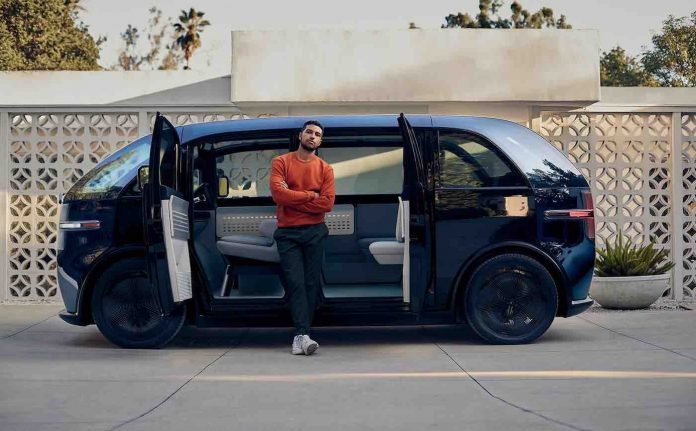
That’s why Canoo, an LA-based company making electric SUVs has just opened up its waiting list for a lounge-like electric SUV that looks like it’s straight out of Blade Runner.
Talking to Electrek, Canoo CEO Ulli Kranz explains the logic behind a car which truly seeks to transform the way people think about what a car is.
“Most electric cars today look like combustion-engine vehicles,” explains Kranz.
“They are SUVs or large sedans with huge batteries and very expensive. What’s missing is affordability. Therefore we put all our focus on an affordable electric vehicle while keeping in mind the ride-hailing and car-sharing that young generations have embraced.”
Photos by Canoo
The Canoo speaks loudly to the modern green urban-dweller. Many of them consider automobiles to be a primary driver of climate change, too expensive, or just plain inconvenient when ride sharing options like Uber and Lyft are so widespread. So this pod-like vehicle created a unique proposition that young people can embrace.
Canoo’s innovative subscription strategy is designed to reduce the EV’s cost by bundling the flat monthly payment to include maintenance, registration, and insurance, while charging on a month-to-month basis with no contract.
Since no one knows how much it will cost per month, the value remains unclear. But the waiting list to get yourself a Canoo in 2021 opened last week and is obligation-free.
The interior of the Canoo, which has 300 horse-power and a range of 250 miles, can be described as having furniture more than seats. The lounge-like luxury of the Canoo is meant to resemble a Zen garden, instead of a limousine. Access to the vehicle’s functions is reached through the Canoo app, and can be used with the driver’s own smartphone or tablet.
Photo by Canoo
Canoo, which was launched in 2017, has also gamified the waitlist: by taking part in their pre-launch contest, perspective Canoo owners can get their name higher on the list and earn cool Canoo swag by completing surveys and referring others to join the wait list.
Drive The Good News Over To Your Friends By Sharing It To Social Media…
Not many kids have made it through childhood without ever snapping two LEGO bricks together, but now they get a second chance: the most popular and profitable toy company is building a bridge to reach frazzled, stressed-out adults.
LEGO has endured wave upon wave of high tech gadgetry vying for kids’ attention, from video games to mobile phones and the internet, but now the Danish company is structuring a whole line of sets with instruction manuals for adults who need to give their minds a rest from the daily grind.
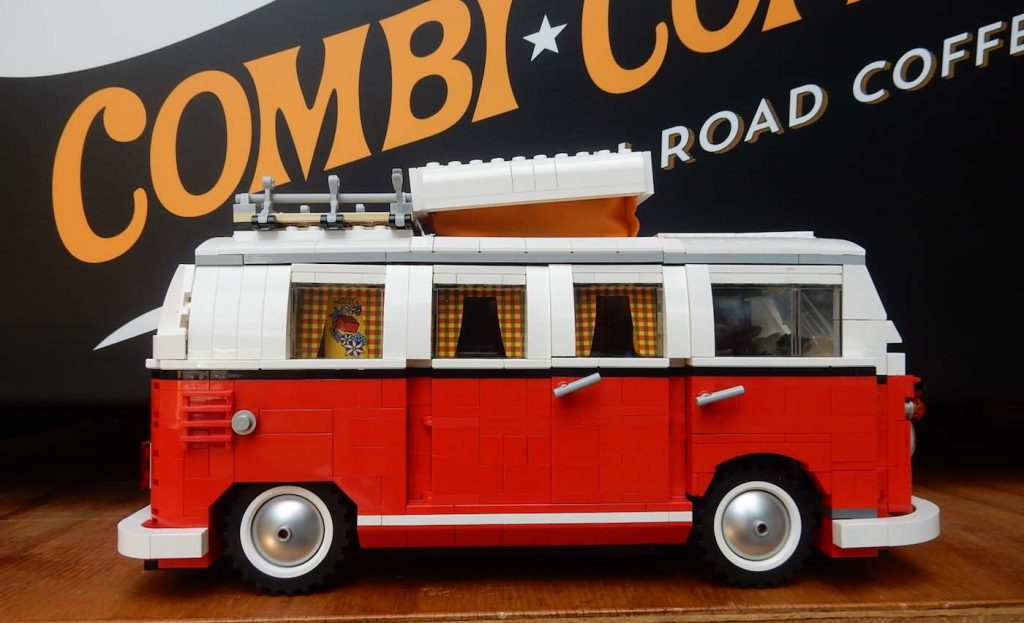
LEGO sets like the Ghostbusters Headquarters, the Volkswagen T1 Camper Van, and a vintage Batmobile, are all being produced to target Generation X nostalgia.
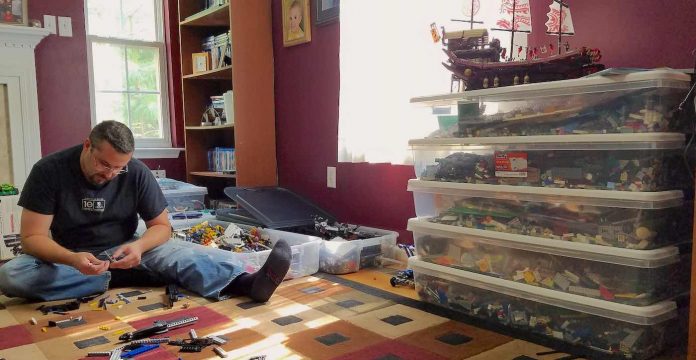
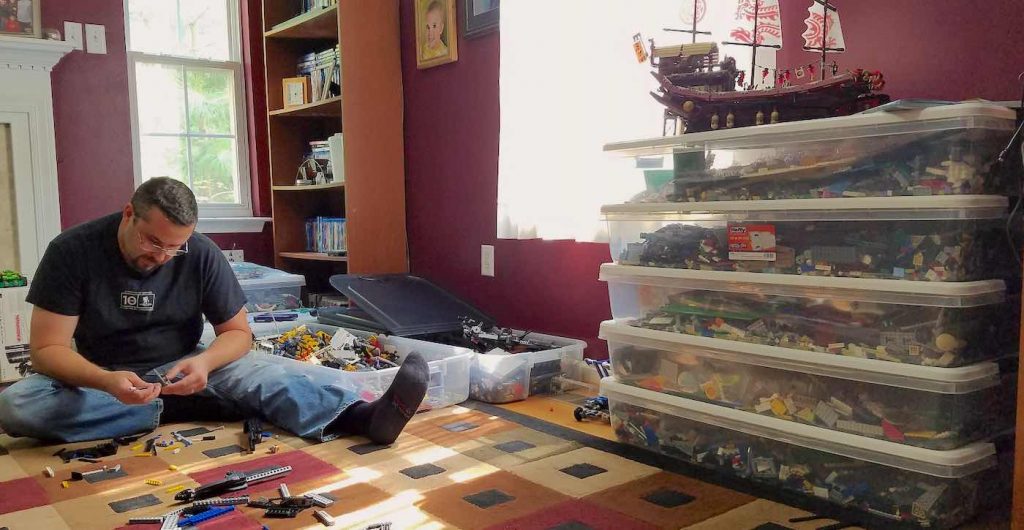
Architecture sets like the Eiffel Tower, the Disney Castle, Buckingham Palace, or Frank Lloyd Wright’s Fallingwater or Guggenheim, allow more mature LEGO enthusiasts, affectionately called adult fans of LEGO or ‘AFOL’, to enter an almost Zen-like state snapping the bricks together in their offices or basements.
“It’s fun to zone out and follow someone else’s instructions,” Elisabeth Briggs, a math teacher at Olympic College near Seattle told the Washington Post. “It wasn’t until I got older — and had a job and more money — that I saw value in that”.
LEGO sees many benefits to their new marketing strategy, especially when business culture in America is embracing the idea of mindfulness moments—taking a time-out during the day to recharge. Based loosely on Zen and Buddhism, the practice of mindfulness has been clinically proven to help reduce symptoms of stress and anxiety with its laser focus on the present moment, while shutting out concerns about the past and the future.
Of course, with the company’s release of an $800 Star Wars Millennium Falcon kit, it’s not hard to see the added benefit of speaking directly to the only group of people who can actually afford an $800 LEGO set.
Bricks of Joy
According to the Washington Post, LEGO hired Abbie Headon, a 44-year-old English author who hadn’t picked up one of the iconic bricks in 20 years, to write a book on how adults who are concerned about their mental wellbeing can use LEGO strategically to reduce stress in their lives.
While she missed a golden opportunity to call the book Zen and the Art of LEGO she does help adults approach what they know to be a children’s toy, in different ways. There are mindfulness exercises such as buildings something with your eyes closed, or maybe a scene from your childhood that fills you with joy, and others to help you decompress like selecting a small, random amount of bricks and pieces and trying to see how high you can build a tower.
Photo by alliecat1881, CC license
“The fun isn’t just, I’m going to build this and it’s going to be perfect,” Headon told the Post. “That’s one of the great things about LEGO.”
The author says she likes to have something in her hand while thinking, too. And a few LEGO pieces always make the perfect fit—whether she’s stressed out that day, or not.
(Photo of VW camper van by Michael Coghlan, CC license)
SEND This to a LEGO Fan By Sharing on Social Media…
One of our favorite good news celebrities, whose kind deeds have been featured nine times by GNN in the last decade and a half, has opened his heart—and wallet—yet again.
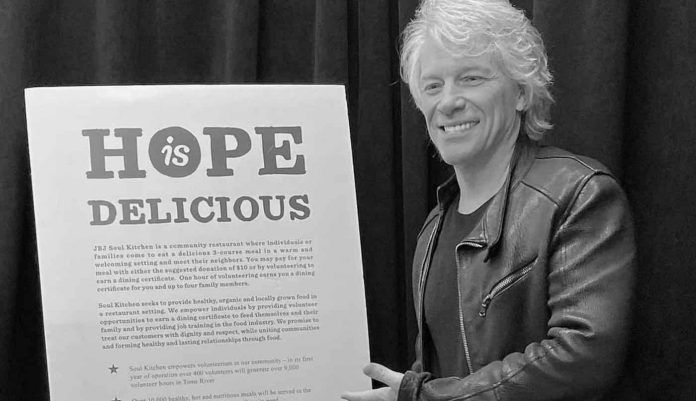
A New Jersey rock star renown for his arena anthems “Living on a Prayer”, and “Wanted Dead or Alive”, Bon Jovi’s most joyful noise is heard in the restaurants he has opened to serve the hungry and the homeless. Anyone visiting his JBJ Soul Kitchen is always welcome to dine on fresh, lovingly-prepared food, even when they have no money—by pledging volunteer hours in return.
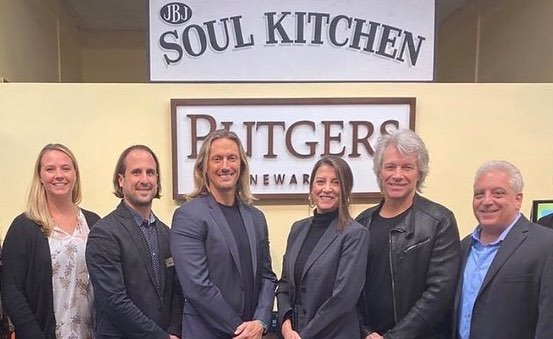
This week, the 57-year-old rock star—along with his wife Dorothea Hurley—opened his third Soul Kitchen restaurant in New Jersey. On the campus of Rutgers University, it serves a new demographic of hungry low-income customer, the college student. At the Grand Opening, Jon dismissed the idea that it should be a rite of passage for students studying hard to eat nothing but instant noodles.
Bon Jovi said the goal behind the Rutgers location is “to play a role in alleviating food insecurity among college students and giving them the support they need to achieve their dreams.”
The menu features locally-sourced ingredients and offers several methods of payment—pay what you can, pay what you want, volunteer, or pay it forward, a structure intended to create a sense of community, respect and dignity, as well as charity among local communities.
Additional locations include JBJ Soul Kitchens in Toms River, New Jersey and Red Bank, NJ. According to the website, more than 105,000 meals have been served so far, with 46% of diners paying through volunteering their time, and the remaining 54% with donations.
At his latest grand opening, Bon Jovi said he doesn’t plan on stopping his food service expansion any time soon.
Visit his website, JBJsoulkitchen.org where you can buy his line of seasonings, find directions and store hours, or donate and volunteer. Or, follow his JBJ Soul Kitchen Instagram.
Give News A Good Name — Share It With Your Friends On Social Media!
Quote of the Day: “Give a man health and a course to steer, and he’ll never stop to trouble about whether he’s happy or not.” – George Bernard Shaw
Photo: by r reeve, CC license (cropped)
With a new inspirational quote every day, atop the perfect photo—collected and archived on our Quotes page—why not bookmark GNN.org for a daily uplift?
As the UK prepares to leave the European Union, an ambitious new piece of agricultural legislation presented in Parliament last week is set to unleash an “agricultural revolution” that aims to restore forests and peatlands, wildlife and pollinator habit.
The lawmakers view the focus on ‘environmental and public goods’ as the best way to reform farm subsidies in the UK and Europe—giving 21st century goals a new seat at the table to replace the outdated EU ones that focus almost entirely on incentivizing production.
Much of this £3 billion ($3.9 billion) in annual UK agriculture spending will be refocused to help farmers take a little time away from food production to pause and focus on improving their ecosystems and the environment at large.
After the destruction Europe endured during World War II, farm subsidies were simple and direct. “It was just about production, it didn’t matter what you did to the environment,” Ian Bateman, an environmental economist at the University of Exeter tells Science Magazine.
Erik Stokstad writing for Science details how land was being torn up by the plow all over the continent which led to massive soil erosion, and excessive use of chemical fertilizer and pesticides polluted rivers and coastlines.
While that post-WWII model still forms the basis for European farm legislation, the UK’s ambitious new plan aims to financially incentivize farms to provide “public goods” such as the tried and tested “payment for environmental service” (PES) model that has been so successful in countries like Costa Rica.
The new subsidies will be tested in England first, as the UK allows Northern Ireland, Scotland, and Wales to determine their own farm policy.
Getting Paid for Being Stewards of the Environment
The Department of Environment, Food, and Rural Affairs (DEFRA) in England plans to prioritize public goods with the new legislation while phasing out existing EU payment programs over 7 years.
The public goods that DEFRA has in mind would include payments for sequestering carbon, replanting forests, and aiding the recovery of pollinator species, likely by utilizing marginal land for planting pollinator-preferred species of flowers. Marginal land, the acreage around the perimeter of a field or paddock, is a prime place for this activity as it doesn’t impact yields, and adds beneficial microbial diversity to the soil while reducing erosion.
According to Stokstad, 33% of the current UK farm subsidies are diverted to activities that benefit local environments and the nation’s climate change goals. As things stand now these include activities like maintaining hedgerows and other habitat which Stokstad writes will be expanded upon.
Taking the example from certain UK water companies, DEFRA plans to use public auctions where farmers and land managers can bid for government contracts for PES opportunities. The water companies have been auctioning off PES contracts to farmers living and working around their major water sources to develop and manage land in ways that protect them, such as using less-harmful fertilizers and reducing runoff and soil erosion. “The impact has been amazing,” said Bateman.
In parts of England where farming is more difficult, certain producers like cattle and sheep herders rely more on the current form of direct payment subsidies than other farmers, and without them they may choose to move to other forms of production. Keeping this in mind, DEFRA has been looking at all manner of different PES opportunities for areas where ranching and herding are common, such as on moors and peatlands.
On peatlands, the potential for carbon sequestering in the soil is far greater than in forests, and so restoring and growing them, along with enhancing other landscapes and even restoring heritage buildings to help increase tourism, have all been hypothesized for utilization in some of the northern parts of the country.
The National Farmers Union, the United Kingdom’s biggest agricultural trade group, was concerned about the lack of emphasis placed on farmers to produce. Agreeing with the union, DEFRA will “take regard to the need to encourage the production of food by producers in England,” reads a clause in the final bill.
Satisfied, the trade union described the clause as a “robust starting point” to ensure the well-being of farmers who don’t have as many opportunities for PES on their land.
The rest of the UK, and—according to Alan Mathews, an agricultural economist at Trinity College Dublin—the rest of Europe will be watching closely.
“If it’s successful, that will be a very powerful argument for the Europeans to follow,” said Mathews.
Plant Some Positivity Amongst Your Friends By Sharing The Good News To Social Media…
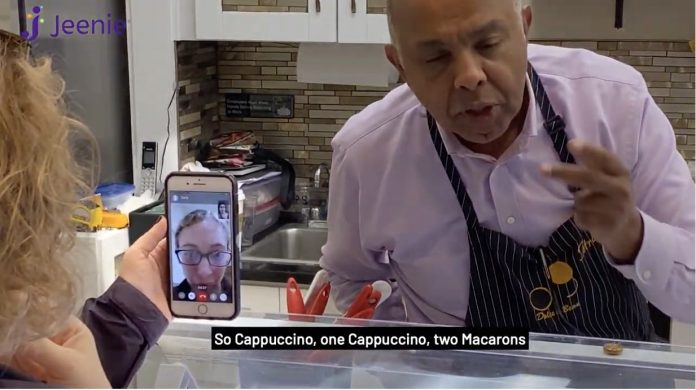
A new video app has the potential to revolutionize the way deaf people interact in their every day lives, no matter which country they are in.
Writing notes back and forth can be painfully slow and inconvenient, especially in a retail environment, but the Jeenie language-translation app has launched a new option which instantly connects users with an ASL interpreter to help them quickly solve tricky conversations.
“It can be challenging to communicate in everyday life with people who are not fluent in ASL,” Laura Yellin, a deaf woman who has been testing the app’s new ASL feature, told Fast Company. “For example, dealing with an issue at the dry cleaners and needing to talk to a supervisor or manager can be tricky via paper and pen or typing on the phone back and forth. It makes it a lot easier to have an interpreter available for situations like that.”
Within one minute of placing a request for help, users can be connected with an interpreter at any hour of the day, according to Jeenie, which says it has 100 operators on-call.
One of the best features about their video calling app is its low cost. Although traditional Video Relay Services (VRS) may be available for free in the US, they are no good in Canada, for instance, and they may need special requirements.
As the company researched products that provide in-person interpreters, they found very expensive fees because services were geared toward the business world—charging $90 to $125 an hour.
Jeenie charges $1 per minute, but their packages take that fee down even further—and the interpreters earn half of all the revenue generated.
Jeenie is not just paving the way for the next generation of ASL interpreter services, they are hoping to expand to other sign languages, such as British and Chinese Sign Language, leading to millions more convenient and detailed interactions between people across the world.
(WATCH the demonstration video below)
Help Your Friends to Hear This Good News — Share It To Social Media…
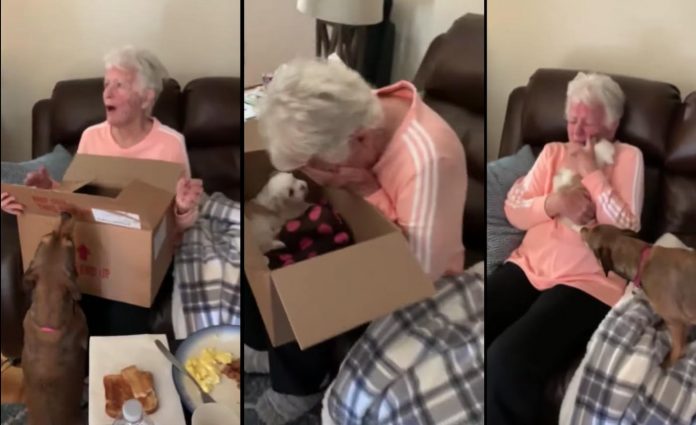
This story reminds us that no matter how old you are, just about every human alive would love to have a fluffy new puppy in the house.
This sweet senior has been asking for a new pup since her last dog unexpectedly passed away last year.
According to her granddaughter Ali, her wish finally came true earlier this month, after Ali and her mom presented her with an unmarked cardboard box. Upon opening the box and seeing the adorable pup sitting inside, the grandma burst into tears.
Ali’s grandma isn’t the only one who appreciated the surprise. The video of her grandma’s reaction has been drawing thousands of hearts and likes on social media.
(WATCH the emotional video below)
Be Sure And Share This Sweet Surprise Video With Your Friends On Social Media…
'Lovely in the rain' by @nguyenvuphuoc - children take shelter from the rain while their parents are working in the rice fields. Hoang Su Phi, Vietnam.
This heartwarming series of pictures captures exactly what “friendship” means to photographers around the world.
‘Just hold my hand’ by @drummer_vn – Two kids holding hands in Vinnytsia, Ukraine.
The stunning images were taken as part of a global photographic competition—and the entries have been whittled down to 50 finalists.
“Never-ending friendship” by Georock888 — 3 puppeteers practice their trade in Rumpin, Java, Indonesia.
The photos were entered into Agora’s competition called for the World’s Best Photos of #Friends2020 in a bid to bag the $1,000 prize money.
‘Play’ by Kyaw Myint Than — “When I visited Kawa Town, I found this lotus pool acting as a playground for local children. Firstly, I checked how deep the pool was, then I stepped in to take this picture!” Location: Kawa Town, Myanmar.
More than 16,000 photographers entered the competition by conveying exactly what friendship meant to them through their camera lens—and the results are breathtaking.
‘Puppy, the little judge’ by Debasish Chakraborty — “These kids were playing a traditional indian game with the puppy sitting and observing the game just like a referee would do. They always stick together, even if they are very poor they share all daily food with their pet. Wherever they go, they bring their puppy along.” Location: Puruliya, India.
“Friends come in all shapes and sizes,” mused one of the photographers about the competition. “We often think about humans only having friendships as it’s something we can relate to–but to see wildlife stick at it together is even more inspiring.”
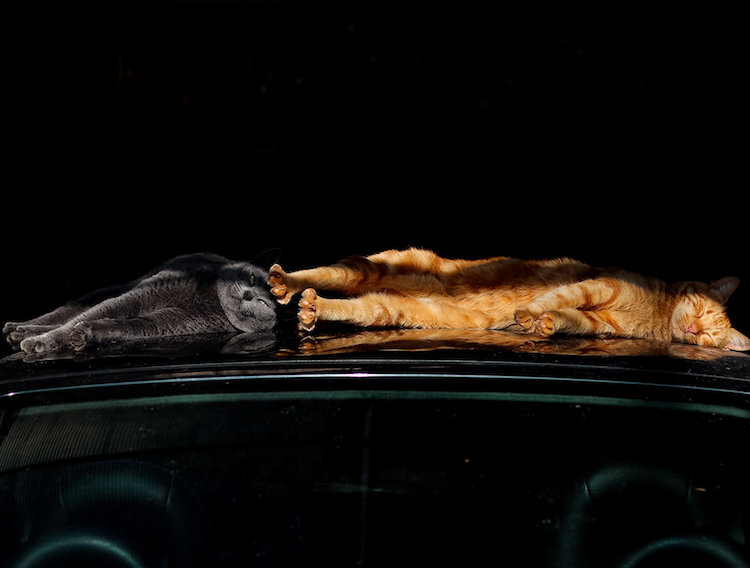
“Feline friends” by George Ako — “These two stray cats are true friends. They do everything together: eat, play, sleep, walk. It was funny how these cats woke up when I started to shoot then and stretched simultaneously.”
Agora CEO Octavi Royo added: “Friendship is a universal concept that can be perceived in a lot of different ways according to our culture, beliefs and life experience. At Agora, we see friendship in an infinite number of different ways but we also see what is common to all forms of friendship: love, trust and support that is generated between living beings. The result of friendship is a shared, happier life.”
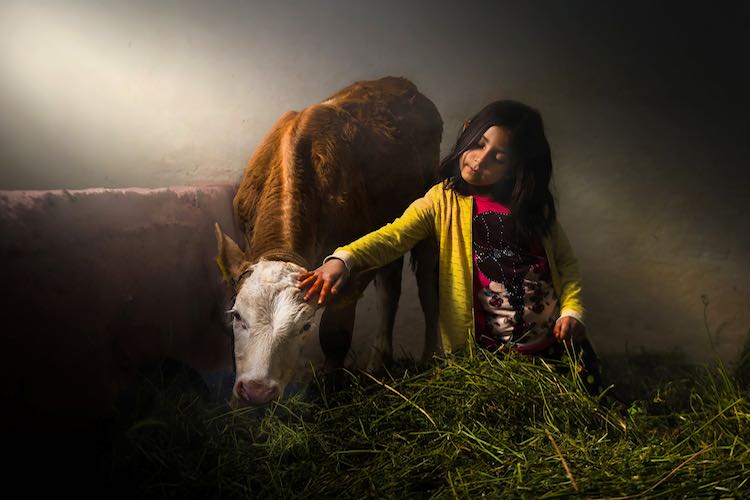
‘Being friend’ by F. Dilek Uyar — The little calf and the little girl have a one-of-a-kind friendship. In Anatolia, children always find a best friend in their animals. Location: Kayseri, Turkey.
The photographer with the most winning votes will be awarded $1,000 on Tuesday, 11th February 2020.
‘My best friend’ by Priyowiddi – The beautiful bond between a man and his horse. This Tenggerese man, a nomadic herder, travels across Mount Bromo everyday with his best friend. Location: Bromo Mountain, Indonesia.
If you want to check out some of the other competition finalists or vote on who you think should be the winner, be sure and check out the Agora #Friends2020 website page.
‘Mountain camp’ by David Smith — friends in a campsite in Indonesia.
Be Sure And Share The Breathtaking Photos With Your Own Friends On Social Media…
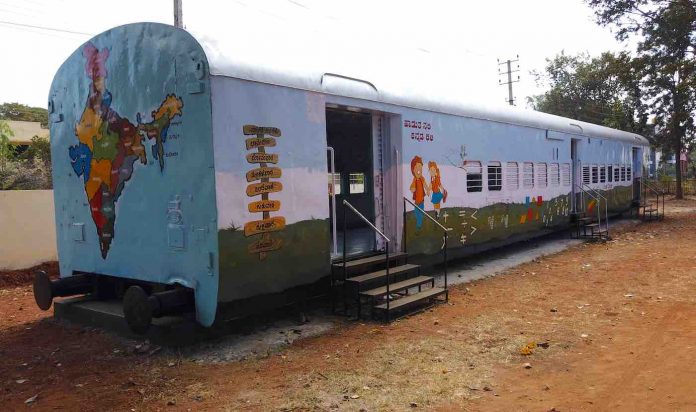
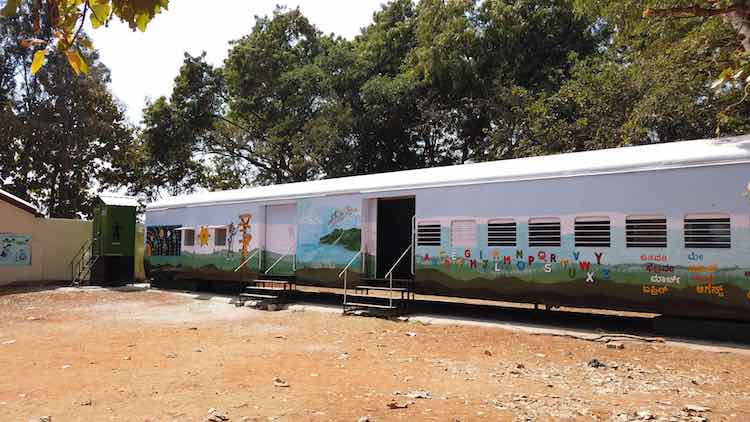
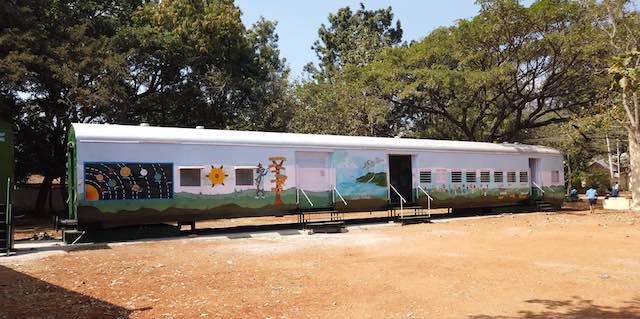
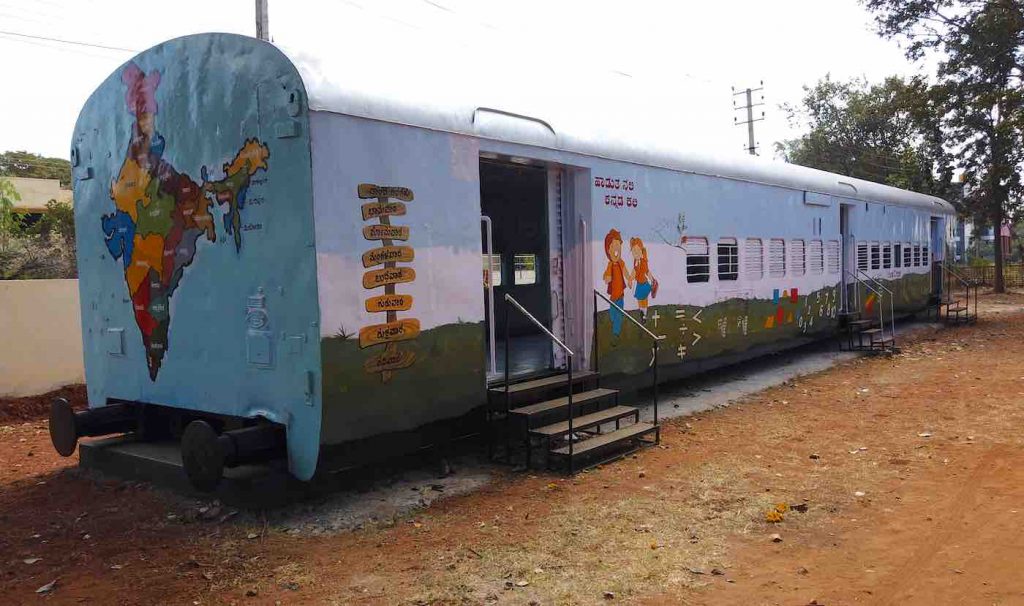
This school is being hailed as one of the first in the world to start improving attendance rates by transforming old train cars into classrooms.
SWNS
The government-run Ashokapuram Primary School noticed student numbers were dropping, and they suspected it was due to a lack of properly permanent school buildings.
SWNS
The school then teamed up with the South Western Railways company to begin using two old train carriages deemed unfit for railway usage.
SWNS
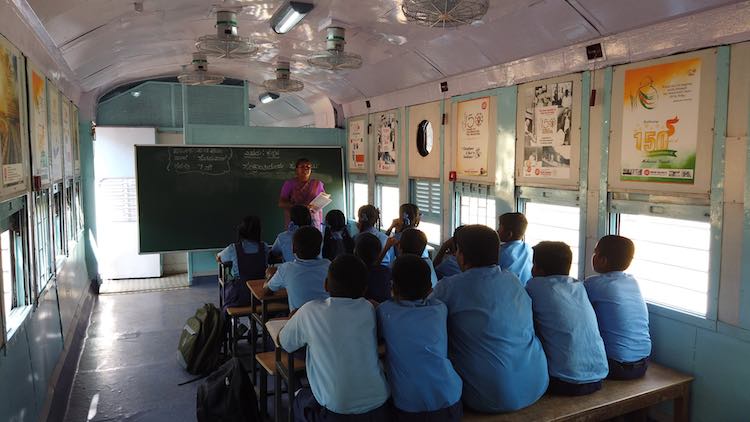
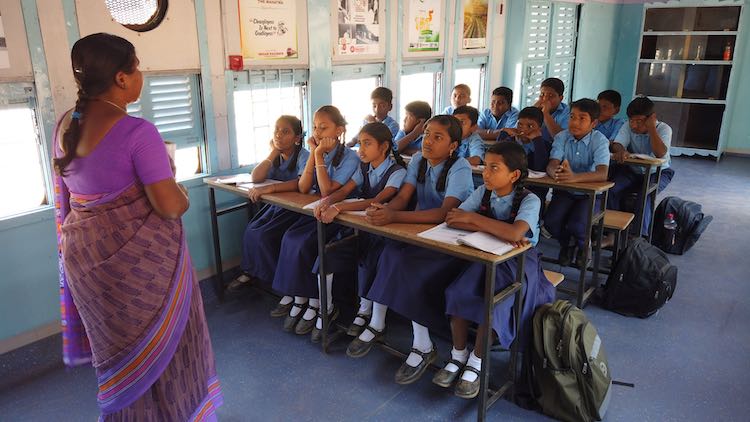
The vibrant carriages now have stairways, brightly painted exteriors, desks, fans, lights, and colorful drawings on the walls.
SWNS
“The coaches, which were officially declared unfit for railway use, were renovated. At present, the school has 60 students from standard 1st [grade] to 7th,” said a spokesman for South Western Railways. “Many come from families below the poverty line.
SWNS
The new classrooms have managed to attract a new batch of students to attend regular classes—and teachers in Mysore in Karnataka, India, said student attendance numbers are now up again thanks to the quirky new classrooms, which cost just £700 ($915) for the pair.
SWNS
(WATCH the classrooms in action in the video below)
Be Sure And Share The Brilliant Idea With Your Friends On Social Media…