All News - Page 94 of 1689 - Good News Network
Home Blog Page 94

Under Duress from Bird Flu, California Farm Donates 300,000 Eggs to Victims of Palisades Fires

Rosemary Farm egg pallets arrive at the Los Angeles Food Bank - provided to CBS by Rosemary Farm
Rosemary Farm egg pallets arrive at the Los Angeles Food Bank – provided to CBS by Rosemary Farm

What do you get when you cross some good eggs with a fire? In Los Angeles County, you get much-needed relief.

In the wake of the Palisades and Altadena fires, and amid continual rising prices for eggs at the supermarket, a California farm has donated 324,000 eggs to victims of the recent wildfires.

54,000 will be given specifically to a charity of chefs and nonprofiteers called Gather For Good which cooks meals for first responders and others directly involved with combating the fires.

Another separate donation will be made to Winter Fate Bakes, a Los Angeles bakery that has offered to bake and donate a birthday cake to any child whose family lost a house in the fire.

The idea for the donation didn’t come out of times of plenty, but times of want. The 100-year-old family-owned Rosemary Farm in Santa Maria has had its flock of hens devastated by bird flu, but has decided to leverage its “sister farm” in South Dakota, which has remained unaffected, to make the donation.

“It’s been a struggle not only for us as farmers but for the entire industry,” Linda Sanpei, who handles marketing for the farm, told USA Today. “This flu has taken out so many producers nationwide.”

PUTTING OUT FIRES:

“With all that’s happened in Los Angeles, we believe in community and in giving back. There’s no greater time of need than right now for Southern California residents.”

The more than 300,000 eggs will be transported aboard refrigerated trucks and sent to the Los Angeles Food Bank, which will oversee their distribution among the fire victims.

GNN has reported on several companies and individuals stepping up to help the fire victims. National instrument retailer Guitar Center has set up a multi-million dollar fund to replace any instrument or equipment lost in the fires up to $1,600.

SHARE This Eggcellent Story Of Kindness And Charity With Your Friends… 

Australia’s ‘Bee Man’ is Saving Native Species, One ‘Hotel’ at a Time

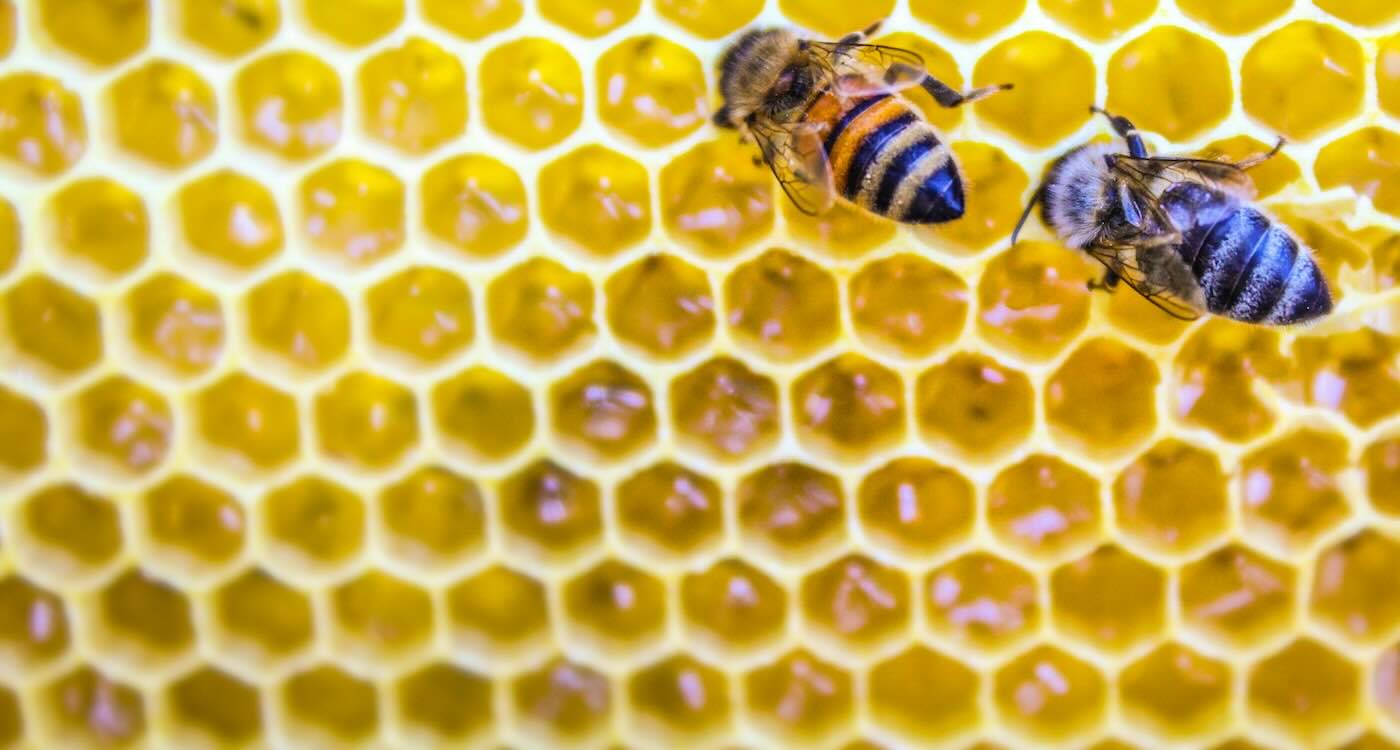
Thyreus species of Australian bee – Photo by Clancy Lester
Clancy Lester with the Yolŋu – supplied by Clancy Lester to ABC

A young Australian ecologist travels from town to town building bee “hotels” and educating children and adults alike about the importance of making room for native insects.

Australia has a high prevalence of solitary bee species: that is, bees that don’t live in colonies or hives and potentially don’t even make honey. Nicknamed the “Bee Man,” his dream is to ensure no more go extinct.

23-year-old Clancy Lester’s interest in entomology was first ignited when he embedded himself with the Yolŋu (that’s pronounced YOL-gn-oo) Aboriginal people in Australia’s Northern Territory, and saw first-hand how their livelihoods were affected by declines in native bee species.

Annual harvests of honey from native bee species not only represent a joyous and nutritious part of their traditional diets but also a feature in traditional songs and fables.

Declines in the populations of honey-making bees, which Lester says is due to a combination of habitat loss and over-application of pesticides in agriculture, is slowly robbing this and future generations of Yolŋu people of their birthright.

Seeing empty hives, he told ABC News AU, lit a “fire in his belly”.

These days, Lester conducts school workshops and community-based conservation projects teaching how people can make simple changes to make room for bees, either planting native species and converting median strips and road verges into native floral beds—or building bee “hotels.”

Australia bee in its hotel – Photo by Dr. Kit Prendergast aka The Bee Babette

BEE-AUTIFUL STORIES: ‘Stingless Bees’ Bring Life Back to the Amazon With Medicinal Honey and New Income

“It’s one of the simplest ways of simulating, as best as we can, the natural environment where native bees and other insects will nest in,” Lester said.

Lester has put together a variety of resources that anyone can access on the internet about how to build one of these little structures, 800 of which he has overseen across Australia.

Clancy Lester giving a school presentation – supplied by Clancy Lester to ABC

“Then, when it goes into someone’s garden, they might start to see little bits of leaf from a leaf cutter bee or some tree sap from a resin bee, and that gets them to engage and stay connected with native pollinators.”

MORE FIGURES LIKE THIS: The Steve Irwin of Mushrooms: Paul Stamets Works to Save Rare Ancient Fungus to Protect Us From Pandemics

Thyreus species of Australian bee – Photo by Clancy Lester

Lester says his conservation hero is the dearly departed countryman Steve Irwin, and has no problem bringing a similar level of enthusiasm when presenting to school kids, community groups, or town councils.

SHARE This Young Man’s Mission To Benefit The Bees… 

Teen with Rare Tumor Gets Marathon Facial Surgery Delivering Results in 7 Hours Instead of Several Years

From left oral and maxillofacial surgeon Dr. Chi Viet, patient Bryce Yamate, and head and neck surgeon, Dr. Paul Walker - credit Lora Linda U.
From left oral and maxillofacial surgeon Dr. Chi Viet, patient Bryce Yamate, and head and neck surgeon, Dr. Paul Walker – Credit: Loma Linda U.

“I’m really excited to eat Korean fried chicken again,” said Bruce Yamate, a California teen who, after undergoing a marathon surgery, has a whole new reason to smile again.

At 16 years old, Yamate would probably be focused on hanging out with his friends, finishing up high school, maybe chasing a girl or two—even thinking about college, but it was something else entirely that captured his attention last year.

A bump in his mouth that had shifted one of his teeth quickly revealed itself as ameloblastoma, a rare and aggressive tumor of the oral cavity that threatened to erode away his jawbone, and with it, his ability to chew food, smile, and kiss the girls he might have been chasing.

“We found that Bryce’s tumor had begun to cause significant damage to his jaw,” said the renowned maxillofacial surgeon Dr. Chi Viet, who would become part of Yamate’s treatment team. “Surgery was needed to completely remove the tumor so that it does not continue to disfigure not just his bite, but also his facial profile.”

It was determined the Yamate would undergo a remarkable marathon surgery known as the “Jaw in a Day” procedure, for which Dr. Viet is one of the only physicians in the country able to perform.

The procedure involves two lead surgeons: one to remove the tumor, and another to harvest bone from the patient’s fibula—the smaller of the two bones in the lower leg—which is used to reconstruct the jaw and dental configuration once the tumor is removed. Dental implants would be used as necessary to replace the lost teeth.

Typically these varied procedures would be spread out over a year, but thanks to advances in surgical precision and 3D printing, it can be condensed into a single day.

ALSO CHECK OUT: Man Gets Free Life-Changing Surgery to Remove Baseball-sized Tumor from his Jaw

Dr. Viet removed the tumor while colleague Dr. Paul Walker at Loma Linda University Health (LLHU) worked on the leg.

“We don’t just transplant the bone,” Walker said. “We also connect the blood vessels from the fibula to those in the neck. It’s a self-transplant.”

MODERN MEDICINE TRIUMPHS: Baby Thriving After Doctors Removed Womb for Spinal Surgery–Then Put it Back Inside Mom at 26 Weeks

The surgery was a complete success and has left Yamate excited to eat solid, crunchy food again, but also with a different perspective on things.

“It taught me to live every moment to the fullest,” he told LLHU news. “You never know when things can change, and you have to enjoy life, even when it’s hard.”

SHARE The Good News Of This Successful And Incredible Procedure… 

Woman in Her 90s Reunites with Toddler She Saved from Drowning 64 Years Ago, ‘Goose Bumps’ (Watch)

Barbara Urban in 1961 (now Barbara Ribeiro) with rescued toddler from pool – Sentinel clipping

A woman who rescued a drowning toddler from a pool has met him again for just the second time—64 years later.

CBS 8 San Diego was live at the reunion organized by siblings of Ben Colwell, now 66, with his savior Barabara Ribeiro—now 94.

She was Barbara Urban back then—in 1961 when she made the front page of the San Diego Sentinel. In her thirties, she was attending a party when word spread through the guests that a baby had vanished. Fanning out to search the neighborhood, she says she doesn’t know why she picked the house she did, but it was the right one.

Credit: Ben Colwell and Barbara Ribeiro, supplied

21-month-old Colwell had wandered about a block away from the party and fell into the pool. Ribeiro described the scene—of Colwell’s body down at the bottom of the pool—as “scary frightening.” She jumped in, pulled him out, and performed both mouth-to-mouth and CPR on the instructions of a neighbor who knew how.

Though the families kept in touch, it wasn’t long before Colwell’s family moved out of the San Diego area. Meeting each other for the first time in 64 years, Ribeiro, who warned the TV crews she was liable to cry, welcomed Colwell, saying “hello, hello young man!”

Now a business owner and father of two, Colwell said it was so nice to see her.

SAVING BABIES: Toddler Is Reunited with Brother Who Revived Her After Drowning in Family Pool (Watch)

“Yeah the only thing that I had ever heard someone say, I think it was my mom, telling me that when you guys found me there wasn’t any bubbles coming up no, so no one knew how long I had been down there,” said Colwell at the reunion.

“When I really think of it, I think ‘hand of God,'” said Ben. “He made sure that I made it for some reason.”

WATCH the video below from CBS-8… 

SHARE This Story With Your Friends On Social Media… 

“Love is the revolution in which we dismantle the prisons of our fear.” – Audre Lorde 

Quote of the Day: “Love is the revolution in which we dismantle the prisons of our fear.” – Audre Lorde 

Photo by: Tyler Lagalo

With a new inspirational quote every day, atop the perfect photo—collected and archived on our Quote of the Day page—why not bookmark GNN.org for a daily uplift?

Good News in History, February 19

40 years ago today, William J. Schroeder became the first artificial heart recipient to be discharged from a hospital. He was a hero to medical science for his willingness to be the second patient to get the Jarvik-7, after the first one died. Today, the modern version of the device has been implanted in more than 1,350 people as a bridge to transplantation. READ more from on this day… (1985)

Antarctica Yields Intact Skull — An Ancestor of Today’s Waterfowl That Survived Dinosaur Extinction

An artist's impression of Vegavis iaai, an ancestor of modern waterfowl - credit: Mark Witton / SWNS
An artist’s impression of Vegavis iaai, an ancestor of modern waterfowl – credit: Mark Witton / SWNS

A modern-looking diving bird was living somewhere in Antarctica when a massive asteroid struck the Earth and caused the dinosaurs to go extinct.

But unlike the dinosaurs, this early ancestor of today’s waterfowl survived that mass extinction event, and a nearly complete skull has now been recovered by a special paleontological project on the southern continent.

The animal is called Vegavis iaai—a Late Cretaceous diving bird which lived at the same time that Tyrannosaurus rex was dominating North America.

The skull exhibits a long, pointed beak and a brain shape unique among all known birds previously discovered from the Mesozoic Era—the epoch stretching from 252 to 66 million years ago, and comprising the Triassic, Jurassic, and Cretaceous Periods.

Researchers say the features place Vegavis in the group that includes all modern birds, representing the earliest evidence of a now widespread and successful evolutionary radiation across the planet.

Assistant Professor of Biology Chris Torres from the University of the Pacific acquired the fragments of the animal’s skull from a geology sample obtained during a 2011 expedition by the Antarctic Peninsula Paleontology Project.

Meticulously extracted and scanned into a 3D rendering, Torres said it was like trying to complete a 3D jigsaw puzzle without having a box to use as a reference.

“The pieces that are left, some of them are torn in half, some of those are missing pieces. Even then—you don’t know the picture on the box, right?” he told the Univ. of the Pacific press. “You know what other pictures on other boxes look like, and you’re using those to predict what this one looked like. I think it scratches the same itch a jigsaw puzzle does, but the stakes are much higher.”

The professor, who recently published an analytical study on the skull, added that the scale of the discovery is likely to trigger sizeable debates about where it fits in the story of modern birds.

Professor Christopher Torres at University of the Pacfic, and lead author on the discovery – credit: Ben Spiegel, UoP

“Few birds are as likely to start as many arguments among paleontologists as Vegavis,” he said. “Chief among them: where is Vegavis perched in the bird tree of life?”

Vegavis was first reported 20 years ago by study co-author Dr. Julia Clarke, of the University of Texas, Austin, and several colleagues. At that time, it was proposed as an early member of modern birds that was evolutionarily nested within waterfowl.

ALSO CHECK OUT: Pony-Sized Dinosaurs Swam or Floated Across Hundreds of Miles of Ocean from America to Colonize Africa

But modern birds are exceptionally rare before the Cretaceous extinction, and more recent studies have cast doubt on the evolutionary position of Vegavis. Several traits—including the shape of the brain and beak bones—are consistent with modern birds, specifically waterfowl.

Unlike most of today’s waterfowl, the research team says the skull preserves traces of powerful jaw muscles useful for overcoming water resistance while diving to snap up fish. It also leans more towards the feeding patterns of today’s grebes and loons rather than that of ducks or geese, as the features of its feet are more consistent with underwater propulsion.

PALEONTOLOGICAL NEWS: Rare Pterosaur Fossil Bears a Crocodile Bite from 76 Million Years Ago

Antarctica may have served as a refuge, protected by its distance from the turmoil taking place elsewhere on the planet and enriched by a temperate climate with lush vegetation.

“This fossil underscores that Antarctica has much to tell us about the earliest stages of modern bird evolution,” said professor at Ohio University and co-author Patrick O’Connor.

He says birds known from elsewhere on the planet at around the same time are “barely recognizable” by modern bird standards.

MORE AVIAN FOSSILS: Scientists Discover Oldest Bird Fossils, Rewrite History of Avian Evolution

“And those few places with any substantial fossil record of Late Cretaceous birds, like Madagascar and Argentina, reveal an aviary of bizarre, now-extinct species with teeth and long bony tails, only distantly related to modern birds.”

“Something very different seems to have been happening in the far reaches of the Southern Hemisphere, specifically in Antarctica.”

SHARE This Discovery Of Sky-High Importance To The History Of Birds… 

Man, 87, Goes Viral for Delivering Party Invitations Door-to-Door: ‘4 PM until the cops arrive’

Doug Turner delivering an invitation for his winter party - credit: courtesy of Michelle Hernandez
Doug Turner delivering an invitation for his winter party – credit: courtesy of Michelle Hernandez

From Pennsylvania comes the story of a sweet old neighbor lighting up social media with his quirky annual tradition.

Recounted to the Washington Post by local Michelle Hernandez, one morning whilst she was working from home, 87-year-old Doug Turner rang her doorbell.

Having only moved to the neighborhood in Bucks County 5 months past, Hernandez had seen Turner merely a few times on the street. He held a piece of paper in his hand.

“Hi, I’m Doug across the street… I live over in that house there,” Turner said. “This is an invite to a party I’m having on February 15th. I didn’t want to leave it in the mailbox.”

Thanking the senior and going back inside, Hernandez unfolded the paper invitation with a hand-drawn snowflake over the words ‘A Celebration of Winter… 4PM until the cops arrive.’

Hernandez thought it was just so sweet, and posted a clip of their interaction that had been caught on her Ring camera on TikTok, where it went viral and accumulated over 2 million views. A follow-up to that in which Hernandez read the letter out loud made another million, with hundreds of commenters urging her to RSVP ‘Yes.’

Turner has lived on the street for 16 years, but has moved around a lot in his life. He and his departed wife used to host these soirees every year to keep friendships “percolating.”

“My wife is gone now, so it gives me something to keep me busy,” said Turner. “I’m going to get these people in one room, and maybe they’ll get to know each other.”

The Post reached out to Turner’s eldest daughter of 64 years who lives in the Bay Area of California, who said that her dad is way more social than she is despite his advanced age.

@meeesher Our cute little neighbor inviting us to a party at his house🥹Reposted with any information blurred out for safety reasons! #neighbors #cryingintheclub #neighborhoodparty #bestneighborhood #friendlyneighbor #oldneighbor #oldpeople #invitation #neighborhood #lovemyneighbors ♬ original sound - Meeesher

“He’s way more social and has way more friends than I do,” she said. “He doesn’t just sit around. He’s actively having people over for dinner, or he’s going to the theater or to lunch. He’s always out there.”

Though the millions delighting in Turner’s vivacity weren’t able to attend his party, his daughter offered them a mailbox address where they could send letters to her dad if they wished. Dozens have already arrived.

Turner loves penmanship and letter-writing and maintains about five written correspondences, so he was certainly charmed when he heard people would be taking the time to write to him.

SHARE This Charming Elder And His Viral Winter Party With Your Friends… 

More Than 50,000 Pounds of Trash Removed from the Arctic in 2023

credit - PAME
credit – Protection of the Arctic Marine Environment

Over 50,000 pounds of trash have been removed from the Arctic in 2023 after a multilateral effort flooded critical northern ecosystems with volunteers.

Working during the brief Arctic summer, clean-up operations were carried out in Alaska, Greenland, Norway, and Iceland.

Nearly 2,000 volunteers were enlisted across the treaty nations of the Arctic Council, an inter-governmental panel on peaceful and sustainable use and protection of the Arctic zone formed by the nations that pierce its frozen borders, and the indigenous peoples that call it home.

The council is divided into working groups that address certain issues, and the Protection of the Arctic Marine Environment (PAME), founded in 1991, partnered with the Ocean Conservancy and various local groups like Keep Norway Clean to organize this sizable operation through its Arctic Cleanup initiative.

These annual clean-ups have removed over 100,000 pounds of trash between 2021 and 2023. The overwhelming majority of trash originates in the fishing industry, Keep Norway Clean reports.

Arctic cleanup is both challenging and costly, the government-funded nonprofit writes. Long distances, difficult-to-access areas, scattered populations, short cleanup seasons, and limited access to waste management, are the main challenges for voluntary cleanup in Arctic areas.

OTHER GREAT CLEANUPS:

Fortunately though, the isolation of many Arctic areas also limits the entry points for waste to contaminate the region. Nearly all of it arrives via currents and surf on rocky beaches.

SHARE This Fantastic Volunteer Effort With Your Friends On Social Media… 

Mars Rover Captures Video of Colorful Dry Ice Clouds Drifting Over Red Planet

Dry ice clouds over mars - credit NASA / JPL / Caltech
Dry ice clouds over Mars – credit NASA / JPL / Caltech

Maybe you were a kid the first time you ever saw dry ice: remember how strange it seemed compared to water ice?

NASA’s Curiosity Mars rover recently captured a short clip of dry ice clouds lit up with colors from the setting Sun drifting over the Red Planet.

Martian clouds are almost always made of dry ice, or frozen carbon dioxide. 95% of the planet’s atmosphere is CO2, but they form these iridescent feathery clouds only at low temperatures and high altitudes.

Curiosity has for several years been climbing Mount Sharp, an 18,000-foot-high volcano that formed at the bottom of the enormous Gale Crater, and probably reached sufficient altitude to witness Martian clouds within the last few years.

They are also called noctilucent, or bright night clouds, as they only become so well-lit during the gloaming of the Martian twilight. Sometimes they even create a rainbow of colors, producing iridescent, or “mother-of-pearl” clouds, as seen in this image from 2023.

“I’ll always remember the first time I saw those iridescent clouds and was sure at first it was some color artifact,” said Mark Lemmon, an atmospheric scientist with the Space Science Institute in Boulder, Colorado. “Now it’s become so predictable that we can plan our shots in advance; the clouds show up at exactly the same time of year.”

Lemmon published a paper on the first two seasons of noctilucent clouds on Mars.

HOW ICE FORMS ON MARS: Fascinating Images Show ‘Winter Wonderland’ on Mars Captured by Reconnaissance Orbiter

One big mystery is why twilight clouds made of carbon dioxide ice haven’t been spotted in other locations on Mars. Curiosity, which landed in 2012, is just south of the Martian equator.

Pathfinder, a research robot that arrived on Mars in 1997, landed in Ares Vallis, north of the equator. NASA’s Perseverance rover, located in the northern hemisphere’s Jezero Crater, hasn’t seen any carbon dioxide ice twilight clouds since its 2021 landing. Lemmon and others suspect that certain regions of Mars may be predisposed to forming them.

OTHER MARTIAN DETAILS: Lava Tubes and Water Frost Found on Mars Offer Double Opportunity in Search for Life

A possible source of the clouds could be gravity waves, he said, which can cool the atmosphere.

“Carbon dioxide was not expected to be condensing into ice here, so something is cooling it to the point that it could happen. But Martian gravity waves are not fully understood and we’re not entirely sure what is causing twilight clouds to form in one place but not another.”

WATCH the clouds drift below from the Physics Insight YouTube channel…

SHARE This Interesting Weather Phenomenon From Space With Your Friends… 

“May you live all the days of your life.” – Jonathan Swift

Quote of the Day: “May you live all the days of your life.” – Jonathan Swift

Photo by: Steve Halama

With a new inspirational quote every day, atop the perfect photo—collected and archived on our Quote of the Day page—why not bookmark GNN.org for a daily uplift?

Good News in History, February 18

credit Carleton Lim/Singapore Chess Federation

On this day last year, Singaporean Ashwath Kaushik became the youngest player ever to defeat a grandmaster in classical tournament chess at 8 years, 6 months, and 111 days. He beat out the previous record holder by 4 months after defeating Poland’s Jacek Stopa, 37, in round four of the Burgdorfer Stadthaus Open in Switzerland. READ GNN’s coverage of the victory… (2024)

Florida Man Survives Gator Attack After Neighbors Drive Over the Beast With SUV

Walt Rudder (right) poses with alligator whose attack he foiled – By Rick Fingeret

A pair of Florida residents are set to enjoy a show by former Tonight Show host Jay Leno as a deserved reward for snatching their neighbor from the jaws of death.

Or, perhaps it should read the jaws leased by death, because at the time they belonged to a massive American alligator that ran down Rick Fingeret walking his dogs down their Naples street.

Occurring after dark on Friday, April 19th of last year, Fingeret was passing a pond in which he had seen alligators lounging every so often, when he felt a tug on the leashes of his two dogs. They might have been Labradors, and fit for all kinds of emergency situations when trained, but this was an 11-foot-long gator, sprinting with its mouth open towards them at probably close to 10 miles per hour.

Speaking with the Naples Daily News, Fingeret recounts a nightmarish scenario with stunning clarity. He starts by saying he began to back away fast.

“I tripped in all the frenzy,” Fingeret remembered. “And the minute I fell—(he claps his hands together to simulate the gator’s jaws closing)… He got me.”

Apparently, the pair lay on the grass for several moments, the gator unsure of what to do next.

“Every so often, you’d feel a lurch,” Fingeret says. “A tug. He wanted to move me, but he couldn’t. I was bigger than he had anticipated. I wanted it to know that I was there. I had a lot of fight left in me. And I was very conscious of not passing out. Because the minute that would happen, I would be done.”

He started hammering at the beast’s scaley armor, poking its eyes, and trying to pry open its jaws without any luck.

Without a shadow of a doubt, the strangest part of the story came in the next part which Fingeret narrated—his dogs lay at his side, silent, and probably frozen in terror. Somehow he managed to keep a hold of their leashes through the entire ordeal.

Next, neighbors Walt Rudder and Paula Keegan were driving by when they saw and heard Fingeret on his side, next to his dogs, screaming for help. They thought he had fallen and broken something, but after the dogs moved a little, they saw that unmistakable shape unchanged for 300 million years.

Mr. Rudder ran over and described a “supernatural” level of calm from which Fingeret instructed his neighbor to gather up his dogs and put them in the car—and then run the lizard over with it.

SURVIVING AGAINST THE ODDS: College Wrestler Scores ‘Quadruple Leg’ Takedown Against a Grizzly Bear to Save a Friend

Throwing his heavy Lincoln into drive, Rudder needed just one pass over the alligator’s midsection, who, terrifyingly, held up well and ran back down to the pond. It was over.

Walt Rudder and Paula Keegan meeting Jay Leno – credit, provided by Walt Rudder

They used a t-shirt and dog leash to stop the bleeding, and the Sheriff’s Department, which Rudder had called, arrived after.

MORE ANIMAL ATTACK HEROES: Watch Tiny Dog Sprint After Coyote While His Puppy Pal is Being Attacked in the Backyard

The two neighbors admit to being “bonded for life” after the experience, and Fingeret’s nomination of Rudder and Keegan for the Naples Daily News contest saw them win tickets to Jay Leno’s show at the Hertz arena two weeks ago.

The two men would later watch as the assailant was captured by animal authorities which, being Florida, specializes in problem gators. Incredibly, the animal neither broke Fingeret’s bones, nor tore any ligaments, nor punctured the femoral artery.

SHARE This Incredible Survival Story With Your Friends On Social Media… 

Previously Failed Cancer Drug Repurposed to Act as ‘Flag’ for Cancer-Seeking Missile

Immune proteins (purple) hold KRAS-sotorasib (yellow hexagons) at the surface of a tumor cell (orange) - credit: illustration by André Luiz Lourenço, released by UCSF press.
Immune proteins (purple) hold KRAS-sotorasib (yellow hexagons) at the surface of a tumor cell (orange) – credit: illustration by André Luiz Lourenço, released by UCSF press.

Research into a cancer treatment over 10 years in the making has born remarkable fruit with the juicy potential to greatly improve existing radiation therapy.

Throughout the 21st century, GNN has reported on how cancer research has broadened, expanded, become more precise and more forgiving on non-cancerous cells, and even shown how cancer may be beaten without ever needing to be fought.

From the days of chemo and radiation therapy that often left patients exhausted, hairless, and unable to retain weight, there are now many more options that are increasing survival rates while diminishing side effects.

In 2013, UC San Francisco researcher Kevan Shokat was looking to end a 30-year wait for a method to target the biggest cellular driver of tumor growth, known as KRAS. This protein, when mutated, causes unlimited cell proliferation, allowing small tumors to balloon, and come raging back if shrunk.

Shokat succeeded by developing a drug that targeted only the mutated version of KRAS, present in nearly one-third of all cancers, but which is even more prevalent in lung, pancreatic, and colon cancer tumors.

However, his discovery of how to target KRAS never matured into a surefire way of destroying it—future experiments showed how tumors that lost KRAS proteins would come back again.

“We suspected early on that the KRAS drugs might serve as permanent flags for cancer cells,” Charly Craik, PhD, a professor of pharmaceutical chemistry at UCSF and co-senior author of the study, told UCSF Press.

Craik, with Shokat on his team, has now used the already FDA-approved drug called sotorasib to flag KRAS-containing tumors and then unleashed a radioactive antibody to seek out and bind to them, with the sotorasib acting as a waypoint.

MORE EXCITING RESEARCH: New Solution for Metastatic Ovarian Cancer Based on Approach From Nearly a Century Ago Shrinks Tumors

“This is a one-two punch,” said Craik. “We could potentially kill the tumors before they can develop resistance.”

“The beauty of this approach is that we can calculate an extremely safe dose of radiation. Unlike external beam radiation, this method uses only the amount of radiation needed to beat the cancer.”

OTHER CANCER KILLERS: New Cervical Cancer Treatment Regime Shows ‘Biggest Gain in Survival Since 1999’

There are several ways in which an individual’s cells are coded to display sotorasib, and developing antibodies to respond precisely to this individuality would be a key step to seeing this intervention in a hospital near you; but unlike experimental drugs, sotorasib is already FDA-approved.

The radioactivity of the antibody comes from the isotope zirconium-89, which is already used in a medical imaging technology called Positron Emission Tomography, often called a PET scan, which uses it in the same way that Craik used it—by embedding it inside an antibody.

SHARE The Forty-Year Fruits Of These Scientists’ Labors With Your Friends… 

Indian Park Littered with Newborn Wolf Pups Marking Steady Population Growth for Endangered Subspecies

The newborn pups near their den in Bankapur Wolf Sanctuary - credit Karnatake Forest Department, released.
The newborn pups near their den in Bankapur Wolf Sanctuary – credit Karnataka Forest Department, released.

In one of India’s few wildlife sanctuaries for gray wolves, a litter of 8 pups has inspired the conservation community working to protect one of the most endangered wolf subspecies.

Located in the sub-continent’s southern state of Karnataka, the Bankapur Wolf Sanctuary is home to many wildlife species, including leopards, peacocks, blackbucks, and porcupines, but it’s the Indian wolf, a small, shorthaired, subspecies, that’s the main attraction.

One of the older lineages of wolves, and genetically distinct from the yet older Himalayan wolf, around 3,000 Indian wolves remain in the country, with smaller isolated populations found in Pakistan and Afghanistan.

Protected in the country since 1972, they can be found in a variety of states in the north, south, and central regions of India, in several terrain types from deserts to hills and forests.

Bankapur is merely the second nature reserve dedicated to these animals, and announcing the news of the 8 pups born in the exceedingly small reserve, Environment Minister Eshwar Khandre said credit should be given to Forest Department officials who ensured they were at ease and protected.

WOLVES IN THE US: Birth For World’s Critically Endangered Red Wolf Brings Rising Population to Nearly 250

“The sanctuary hosts the Indian grey wolf species, and one of the wolves recently gave birth to eight pups. Typically, only 50% of the wolf pups survive, but forest officials have taken measures to ensure the safety of all the pups,” Mr. Khandre said. “The Bankapur Wolf Sanctuary now has around 35-40 wolves including the newborn pups.”

SHARE This Good News For Wolves In India On Social Media… 

Oysters Carry Protein That Kills Bacteria Behind Pneumonia, Strep Throat, and Scarlet Fever: Study

Sydney rock oysters being shucked - credit Southern Cross University, released.
Sydney rock oysters being shucked – credit Southern Cross University, released.

A protein found in oysters has been identified as an outright killer of antibiotic-resistant bacteria, and to strengthen antibiotics’ overall effectiveness.

The discovery was made by scientists in Australia who found the protein in the bivalve’s ‘hemolymphs,’ cells that act a little like blood cells in humans.

Staphylococcus aureus, Streptococcus pneumoniae, and Streptococcus pyogenes, may not mean much to the average person, but the common infectious diseases they cause probably will.

They can result in STAPH infections, pneumonia, and scarlet fever and strep throat respectively, but they are also three species that the Sydney rock oyster’s blood-like fluid seems to be capable of treating.

It makes sense oysters would have potent, endogenous, antimicrobial secretions since they are filter feeders: slurping in liters of water every day, keeping the nutrients, and expelling the rest.

Their antimicrobial compound prevents bacteria that cause diseases like those already mentioned from forming colonies protected by biofilms—a substance that allows them to glom together and stick to membranes and tissues whilst protecting them from antibiotic drugs.

“We often think about bacteria just floating around in the blood,” study co-author Kirsten Benkendorff, a marine scientist at Southern Cross University, tells the Guardian.

“But in reality, a lot of them actually adhere to surfaces. The advantage of having something that disrupts the biofilm is… it’s stopping all of those bacteria from attaching to the surfaces. It’s releasing them back out into the blood, where then they can be attacked by antibiotics.”

GOOD NEWS ON THIS TOPIC: Novel Plant-Derived Compound May Be Game-Changer for Drug-Resistant Tuberculosis

The oyster protein on its own killed S. pneumoniae and S. pyogenes, but when combined with antibiotic drugs, the effect was between 2 and 32 times greater, depending on the drug and bacteria.

Pharmacologists are speedily trying to develop new antibiotics as those overprescribed for decades across the world are rapidly losing efficacy. Anything that can extend the viability of these existing products will help curb what many scientists are claiming will become the largest danger to an individual’s health from an infectious disease for the next 25 years.

OTHER OYSTER ABILITIES: Shells to Sweaters: Sustainable ‘Sea Wool’ Earns Millions for Taiwan Business Spinning Oyster Shells into Yarn

Benkendorff and her team are continuously testing the oyster protein for its toxicity in human lung tissue and blood cells where it would be needed most to curb drug-resistant bacterial infections.

SHARE The News About The Humble Oyster’s Surprising Power… 

“Love is a trick that nature plays on us to achieve the impossible.” – W. Somerset Maugham 

Azrul Aziz

Quote of the Day: “Love is a trick that nature plays on us to achieve the impossible.” – W. Somerset Maugham 

Photo by: Azrul Aziz

With a new inspirational quote every day, atop the perfect photo—collected and archived on our Quote of the Day page—why not bookmark GNN.org for a daily uplift?

Azrul Aziz

Good News in History, February 17

A Red Cross field hospital in Duppel during the 1864 Schleswig-Holstein war - public domain

100 years ago today, Hal Holbrook, the great actor, director, and writer was born. He received critical acclaim for playing Mark Twain in his original one-man stage show. He won the 1966 Tony Award for Best Actor in a Play for that role—and five Emmys throughout his career. WATCH him as Mark Twain giving hilarious opinions on Cats, Congress, and Exercise… (1925)

Playful People Proved More Resilient During Covid – They Excelled at ‘Lemonading’

Credit: Oregon State University / SWNS

Adults with high levels of playfulness showed strong resilience during the COVID-19 pandemic compared to less playful individuals, new research shows.

The Oregon State University study is important because playfulness is a vital but under-appreciated resource for building resilience and maintaining well-being during difficult periods such as the pandemic—and it’s a resource that individuals can cultivate.

“Understanding how playful people navigate adversity can inform interventions and strategies to help people cope with stress and uncertainty,” said Sharon Shen, the director of the Health, Environment and Leisure Research Lab (HEAL), who led the study.

“Highly playful people were just as realistic about COVID-19 risks and challenges as others, but they excelled at ‘lemonading’ – creatively imagining and pursuing the positive, as well as discovering ways to create moments of joy even in difficult circumstances,” she said.

“This is particularly relevant as we face increasing global challenges that require both realistic assessment and creative adaptation.”

Factors like the pandemic, economic uncertainty, and social issues can heighten chronic stress, which is a significant public health concern in the US linked to heart disease and diabetes, as well as depression.

Shen and co-researcher Zoe Crawley broke a study group of more than 500 American adults into two subgroups: those with low levels of playfulness as measured by the Adult Playfulness Trait Scale, and those with higher levels.

“They shared similar perceptions of risk and protective factors as their less playful peers but demonstrated greater optimism when envisioning future possibilities, engaged in more creative problem solving and managed to infuse quality and enjoyment into everyday activities,” said Shen, whose team developed the trait measurement scale in 2014.

“They actively altered challenging situations, found creative substitutes for what was lost, viewed obstacles as opportunities for growth and maintained a strong sense of control over their responses.”

Perhaps most revealing was that while the highly playful didn’t necessarily do different activities or do them more often than less playful people, they experienced the activities with higher quality – greater immersion, activeness. and positive affect.

Santa Rosa Police Department on Facebook

“This is essentially making lemonade from lemons, and it’s connected intimately with resilience,” she said. “Their unique combination of realistic assessment and flexible problem solving emerged as a powerful formula, offering a vivid demonstration of how personality traits like playfulness shape our responses under stress.”

WATCH THIS FUN: ‘Jedi’ Landscaper Sets Up Rows of Precisely Spaced Brick Bricks For Dominoes – And the Ending is Spectacular

Shen emphasizes that playful people don’t view the world through “rose-colored glasses” but rather with the ability to see the upside, while maintaining “clear-eyed realism.”

Shen notes that while researchers have long claimed that playful people “reframe” situations to make them more enjoyable, the widely accepted idea had been “surprisingly vague and untested.” It was unclear exactly what the reframing is or how it works.

Shen and Crawley saw COVID-19 as an opportunity to look for answers. With most of the population experiencing similar large-scale disruption, Shen said, the researchers were able to move beyond assumptions and determine the specific ways playfulness helps people navigate tough times.

“Playfulness doesn’t distort reality – it enhances it,” Shen said. “And while our study focused on measuring rather than developing playfulness, research suggests several approaches to cultivate this quality.”

Those approaches include:

  • Engaging in activities that spark joy and curiosity.
  • Being open to new experiences, including experimenting with new ways of doing routine activities.
  • Creating opportunities for spontaneous, unstructured exploration.
  • Hanging out with people who make you laugh and inspire you to play.
  • Embracing moments of silliness and humor when appropriate.

QUIRKY FUN WITH COVID: Family Builds Giant Dinosaur From Take-Out Containers During Hotel Quarantine: Naming It ‘Bagasaurus’

©GWC for GNN

“Of course, interpretation of appropriateness may vary, and knowing boundaries makes playing with them more fun,” Shen said. “A key to all of this is focusing on the quality of engagement rather than simply doing what might be called play activities. True playfulness doesn’t require a playground, games or toys. It’s about bringing a spirit of openness, flexibility and fun to everyday moments.”

LOOK! Man Creates Adult-Sized ‘Little Tikes’ Car That Goes 70mph

Shen adds, though, that regularly setting aside time for play can be instrumental as it provides a safe space to express and practice playfulness.

“Even during hectic times, dedicating five to 10 minutes daily for a small dose of play – whether solo or shared – can make a meaningful difference,” Shen said.

Their findings were published in Frontiers in Psychology.

SHARE THE STRATEGY OF PLAY With Friends And Family on Social Media…

Michael Jordan Opens Another Health Clinic in Home State of North Carolina–Four Clinics Now Serve the Uninsured

Michael Jordan at opening of New Health Clinic in North Carolina – Credit: Novant Health / Michael Jordan Family Medical Clinic
Michael Jordan Celebrates Opening of New Health Clinic in North Carolina – Credit: Novant Health Michael Jordan Family Medical Clinic

After donating tens of millions of dollars, Michael Jordan is celebrating the opening of another vital community health hub—the fourth ‘Michael Jordan Family Medical Clinic’ to open in North Carolina.

The latest is the second clinic opened in Jordan’s hometown of Wilmington, and all are founded in collaboration with Novant Health.

It will officially welcome patients on February 19, focusing on strengthening primary care for all patients—including individuals who are uninsured or underinsured.

The 7,300-square-foot clinic at 416 N. 30th St. has twelve patient rooms and will be open weekdays from 8 a.m. to 5 p.m.

“It’s truly gratifying to know that in less than a year, our first Novant clinic in Wilmington has already made a meaningful impact on the health and well-being of individuals and families in my hometown,” said Mr. Jordan.

“Visiting Wilmington last year for the opening of our first clinic was incredibly moving, and it reinforced just how important access to quality health care is for the community.”

“We are profoundly grateful to Michael Jordan for his generosity and vision in making these two clinics a reality in our community,” said Ernie Bovio, president of the Novant Health Coastal Region.

Michael Jordan Family Medical Clinic in Charlotte at 2701 Statesville – Credit: Novant Health

“Thanks to his philanthropic partnership, our Greenfield Street clinic that opened last year served nearly 1,800 patients in its first nine months.”

Novant Health and Jordan first launched this clinic concept in Charlotte in 2019 with a pair of clinics that were strategically placed to address barriers to care, including transportation.

Many of the Charlotte patients never had a primary care visit before they were welcomed into the Michael Jordan clinics, where patients found “a sense of hope’.

Building on the success of this model, a $10 million gift from Jordan to the Novant Health foundations made it possible to add two more clinics in Wilmington.

INSPIRING JUMP SHOT: Michael Jordan Donates $10 Million to Make-A-Wish for his 60th Birthday, Setting a Record

Starting next week, patients can schedule appointments at the East Wilmington clinic by calling 910-833-9140.

Opening one of his earliest clinics – Novant Health

In  addition to the clinic’s primary care team, a community health worker will assist patients with community resources—and both Wilmington offices also support the work of Novant Health’s Community Care Cruiser to further serve individuals across the region.

MAKE A HEALTH CARE JUMP SHOT–Share This On Social Media…