














70 years ago today, the renegade travel host and chef Anthony Bourdain, was born. With his food and culture show, No Reservations, and the groundbreaking book, Kitchen Confidential: Adventures in the Culinary Underbelly, he became known as “the culinary bad boy”. The pair catapulted him to stardom, resulting Parts Unknown, the definitive American travel program on basic cable. It ran for over 60 episodes before being interrupted tragically by Bourdain’s death by suicide. READ more… (1956)
8 Acres of Rewilding Completed Along Santa Monica Coastline: ‘It’s Still Your Beach, Only Better’
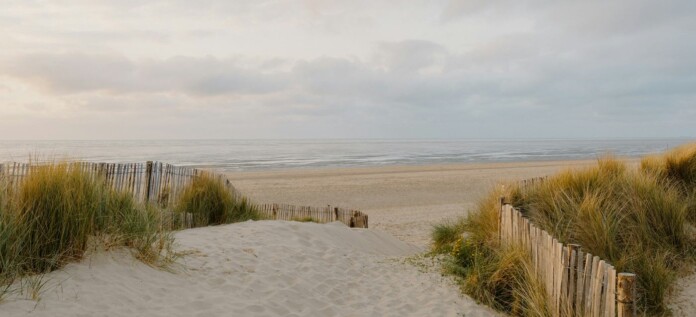
A group in Los Angeles is ensuring that the city’s famous beaches retain enough nature to protect wildlife and the city from harsher storms.
“Your beach is still your beach, only better.” That was Tom Ford’s message to any Angelinos who might be indignant at the sight on his nonprofit staking out and roping off big squares of Santa Monica Beach sand.
It’s part of The Bay Foundation‘s effort to rebuild the ecosystems of Southern California’s dune landscapes, lost, but not forgotten.
If you’ve never seen vegetated and wild coastal sand dunes bloom in springtime, you’re missing out on exactly what Ford is describing—a better beach.
So far the Bay Foundation has helped restore 8 acres of natural dunes on the Santa Monica beaches by creating big patches of vegetated sand halfway between the ocean and the coastal road.
“The native plants provide that habitat value for native wildlife. So, if you want to have endangered El Segundo blue butterflies, you need Sea Cliff Buckwheat, which is the plant that they count on,” Ford told CBS news.
As the plants grow and take root in the sand, grains blown about by the ocean wind catch and build up on the plants. These then must grow taller, allowing for more surface area, more sand, and higher dunes.
BETTER BEACHES, WORLDWIDE:
- Retired Banker Devotes His Millionaire Fortune to Restoring Protective Sand Dunes on Island Beaches
- 100,000 New Jobs Will Clean Up the Coastline and Protect Species from Plastic, Overdevelopment
- Scottish Government Scores Hole in One for Wildlife, Blocking Golf Course on Protected Coastline
Higher vegetated dunes can reduce the impact of storm surges by absorbing wave energy, slowing erosion, and protecting coastal real estate. Early response to the 8 natural acres has been positive, and the Coastal Commission has permitted an additional 30 acres of natural dune creation all the way down to Venice Beach.
Unlike seawalls which protect only what’s behind them, these natural dunes protect what’s in front of them. And what’s in front of them is what helped make LA so famous—a “non-optional” feature of priceless necessity for the city and county, Ford says.
“We work extremely hard with the lifeguards, with the police, with the sports groups, with the various clubs down here to make sure that all that space for those activities is preserved,” Ford said. “Your beach is still your beach, only better.”
WATCH the story below from CBS News…
SHARE This Great Effort To Bring Nature Back To Santa Monica’s Beaches…
Dawn of Modular Architecture Sees 26-Story Apartment Finished in 5 Days Thanks to US-China Collab.


It was a rare snowy day in southcentral China’s Changsha—a city of ancient innovation—when flatbeds loaded with steel arrived at a building site.
On January 7th, 2024, workers began to arrange stainless steel modules on the empty site. Standing in its place just 5 days later was a 26-story high-rise apartment complex.
The nothing-short-of-remarkable demonstration of module construction on the grandest scale yet seen won major international engineering acclaim, but more than that, the Jindu Holon Tower fulfilled a company’s 17-year journey that started amid disaster.
A terrible earthquake rocked the province of Sichuan further south in 2009, killing tens of thousands of people and knocking down reinforced concrete towers in cities like Chengdu as if they were sand castles. Watching on was the founder of the Chinese construction firm BROAD Group. He realized something had to change.
BROAD Sustainable Building was formed as a direct response to the disaster, hoping to pioneer modular construction methods to make towers flexible and resistant to seismic events.
It can take 3 years to pour the concrete and install the utilities of a medium-height apartment building in New York or London. All the while, roads are disrupted, and gas-guzzling trucks move in and out every day bringing in concrete mix and sand, rebar and other components. Risks of accidents compound daily by the sheer number of days—in the rain, in the heat—that workers are assembling the structure.
Then, in 5-7 years, major concrete renovations may already be needed.
In Hunan, the event was totally different. Trucks rolled in carrying stainless steel shipping-container-like modules, each measuring 12 meters long, 3 meters high, and 2.4 meters wide. A crane stacked one atop the other, and workers bolted them into place. No concrete needed to be poured, nothing needed to be welded.

In 5 days they had finished and were ready to start welcoming residents. That’s because each of these stainless steel modules had everything already built in: the plumbing, the windows, the HVAC, the lights, the kitchen cupboards even—all of it was assembled on a factory floor in the space of 21 days.
BROAD Sustainable Building uses a patented stainless steel “sandwich” called B-CORE that boasts high tensile strength that will allow the building to bend not break if faced with another magnitude 8 earthquake like in Sichuan. Stainless steel is also much more resistant to corrosion and weathering.
Andrew Zimman, marketing director at BROAD Group USA, spoke to the French Modular Building Institute, which gave it the Innovation of the Year Award back in 2022, about the decision.
“We switched to stainless steel about five years ago,” Zimman explained, “because we realized that the mechanical properties of stainless steel weren’t limited to corrosion resistance, which is good for facades, but that stainless steel also had great ductility. That’s why we chose stainless steel for our load-bearing elements. We’re the first to do so.”
FUTURE ARCHITECTURE: ‘Sponge’ Cities Combat Urban Flooding by Letting Nature Do the Work
“Even though our volumetric product is only two years old, we’re constantly innovating,” Zimman continued. “For example, in the first Holon building we built two years ago, the beams had to be installed on-site. Now, when we lower the modules, the beams are integrated into the floor system of those modules. So there’s no welding on-site. There are only bolts. The cranes are ready; all you have to do is select and position, stack, bolt, connect the utilities, and you’re good to go.”
Zhang Yanwei, a manager at BROAD Group Holon Jianan Co, which manages the actual building, told China Daily that the company furnished the units before handing them over with everything that isn’t portable. Washing machines, refrigerators, beds, etc. are not included.
There’s another party trick the Holon modular building system boasts that is especially interesting to those of an eco-friendly persuasion. When it’s time to go, there’s no demolition. The whole structure can be unbolted, unstacked, reloaded onto trucks, and driven off. No waste, no noise, no dust, no gas-guzzling excavators working dawn till dusk to clean up a collapsed building, and no landfill waste.
MORE INNOVATION TO EXCITE: Stylish Prefab Home Can Be ‘Dropped’ into Flooded Areas or Anywhere Housing is Needed
This is a game changer for municipalities balancing zoning laws, or insurance firms calculating for various disaster risks. If for legal or safety reasons the building has to go, it can, as it turns out, simply go.
Zimman told the institute that BROAD Group has projects in the pipeline for Ohio, Texas, and California, alongside work in the Philippines and the United Arab Emirates. Like many of the world’s great suspension bridges, the performance of stainless steel suggests that there isn’t a particular height limitation: as far as there is design and demand, their buildings can keep climbing.
SHARE This Achievement In Architecture Towards A World Without Concrete…
Minnesota Artist’s ‘Mini Art Vending Machine’ Has Sold Nearly 3,000 Pieces of One-Dollar Art


A Minnesota artist who wanted to do more to help her peers built and installed a “Mini Art Vending Machine” at a local book store.
Head inside Inkwell Booksellers at 426 E. Hennepin in Minneapolis, put 4 quarters in and turn the wheel, and a little envelope will fall down containing a mystery piece of art.
Each row features mini works by the same artist, whose bio can be read about on the left-hand side of the machine.
It might seem kitsch, but it’s a hit—almost 3,000 pieces of art have been sold in the vending machine, with every $1 going straight back into the artist’s pocket.
It was created by local artist Lilyan Lauzon, who goes by OneTiredArtist online and works as community engagement manager at Inkwell.
“For new and emerging artists, it’s really hard to find spaces to sell your artwork, and I wanted to make a project that was fun and collaborative for local artists,” said Lauzon.
The machine needs restocking every month with works from artists who apply for “gallery space” online. Lauzon told CBS news that she’s seen the vending machine be the catalyst that many artist’s can’t find elsewhere.
“Artists have told me that people have come to their art fairs to buy more of their artwork because of what they got in this snapshot of their portfolio,” said Lauzon. “There’s also been a few people who have had larger commissions come out from the mini art vending machine.”
MAKING ROOM FOR ART:
- Stunning Mosaics Made by Londoners with PTSD Offer Pieces of Healing in Community Artwork
- Italian ‘Ghost Town’ Rescued by Instagramable Street Art Which Attracts Thousands
- The UK’s Cutest Bus Stop Has Been Decorated By Locals With Quirky Themes For 20 Years (Pics)
The machine only takes quarters, but the Inkwell staff have loads on hand to exchange for dollars.
Following the project’s success, Lauzon wants to see about getting a second vending machine to install at another location.
WATCH the story below from CBS News…
SHARE This Great Idea In Downtown Minneapolis With Your Friends…
7.4 Mil. Plant and Fungi Samples Have Been Digitized to ‘Democratize Knowledge’ and Save Species

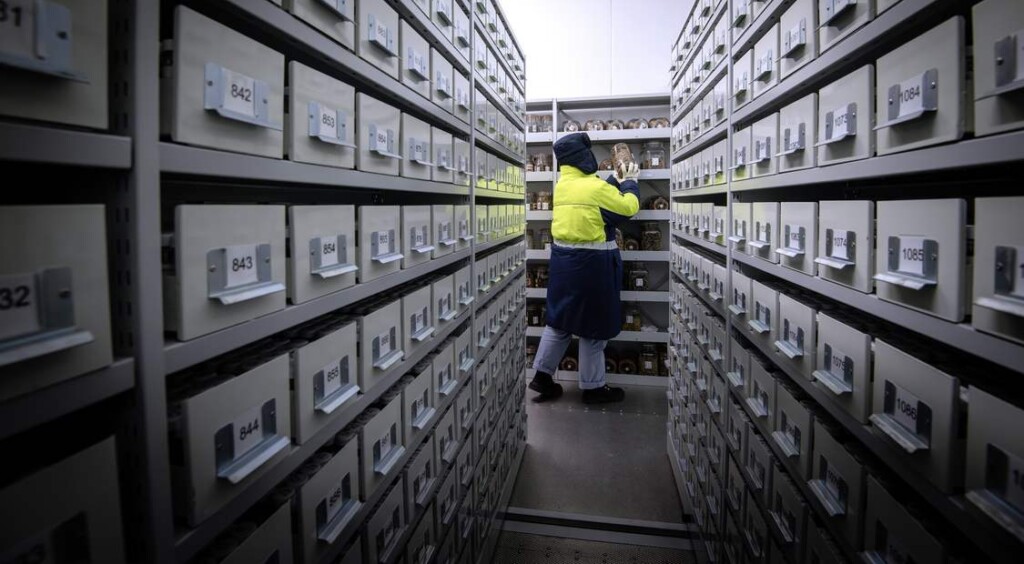
After a marathon effort to digitize each of the 7.4 million plant and fungi samples in its herbarium, the Royal Botanic Gardens Kew has said the result will help “democratize knowledge” while leveraging AI’s incredible computation power to plan conservation strategies, discover new chemicals, and more.
The new archive is just one part in an international online archive of herbariums that are aiming to assess as many plants and fungi species as possible.
The effort has already revealed fascinating and important trends in these kingdoms, such as how flowers worldwide are blooming weeks earlier than in earlier decades.
RBG Kew has one of the largest plant and fungi collections on the planet. Its scientists have been collecting samples since the time of Charles Darwin. But a 180-year-old pressed stem with a few leaves makes for a difficult ID job for a pair of eyes; not so for artificial intelligence models which have been trained to examine microscopic details.
With the advent of such technology, RBG Kew began a marathon effort to digitize every specimen: stem, leaf, seedhead, flower bud, and more. This has proven especially useful for mosses or forbs, plants which can have no perceptible difference between species.
“We can use digital assets, artificial intelligence and other technologies to really harness the information locked in many of these specimens that have been here for centuries, and use that to advance science and conservation at a global level,” said Kew’s executive director of science Alexandre Antonelli.
“We can use this digitized information to discover new species, and also to reveal species that have gone extinct or are likely to have done so.”
OTHER KEW ACTIVITIES: Quarter Century of Collecting Seeds From Around the World Safeguards Them From Extinction
The possibilities are expansive. Thousands of plant and fungi species are identified every year, but nothing substantial is known about at least 300,000 plants which have already been identified. Additionally, it’s believed that there are still 100,000 plants and 2 million fungi species that are undescribed.
Each one could hold genomic secrets that could support or even transform agriculture, medicine, or materials sciences. Penicillin and statins were both isolated from fungi, to name the most obvious examples.
SIMILAR EFFORTS: Scientists Map Underground Fungal Networks and Find They Cover 62 Quadrillion Miles
A broader, instantly accessible digital archive will supercharge environmental DNA gathering, a method of scientific observation that can identify species by biological material shed into the environment—invaluable for estimating ecosystem-wide populations of hard-to-find species like fungi which may only fruit a few times a year.
Efforts like Kew’s and others mean that an archive of 145 million plant, animal, and fungi samples is now freely available to anyone with an internet connection worldwide who might want to access them for any reason.
SHARE The News Of This Mammoth Undertaking With Your Friends…
“Yesterday is but today‘s memory. Tomorrow is today’s dream.” – Khalil Gibran

Quote of the Day: “Yesterday is but today’s memory. Tomorrow is today’s dream.” – Khalil Gibran
Photo by: Jr Korpa
With a new inspirational quote every day, atop the perfect photo—collected and archived on our Quotes page—why not bookmark GNN.org for a daily uplift?

Good News in History, June 24

125 years ago today, the shoe salesman Chuck Taylor was born in Indiana. While playing basketball in high school, Taylor began wearing the Converse All-Star shoe introduced way back in 1917. He became such a fan that he approached the company for a job, and traveled across America selling the shoes at basketball clinics he organized. He became so successful in promoting the shoes that he won an 80% share of the entire sneaker industry. READ more… (1901)
Sighting of Elusive ‘Miner’s Cat’ a Fitting Reward for Philanthropists Rewilding Their Private Land
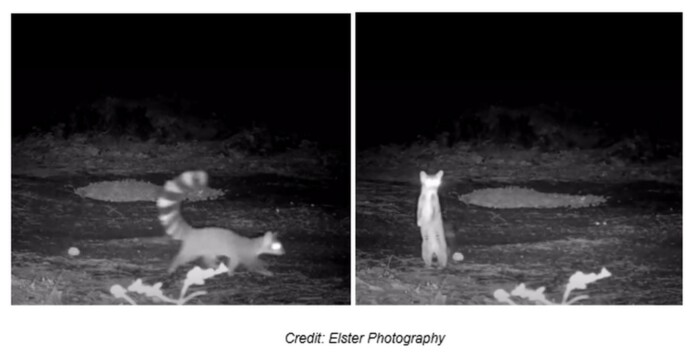
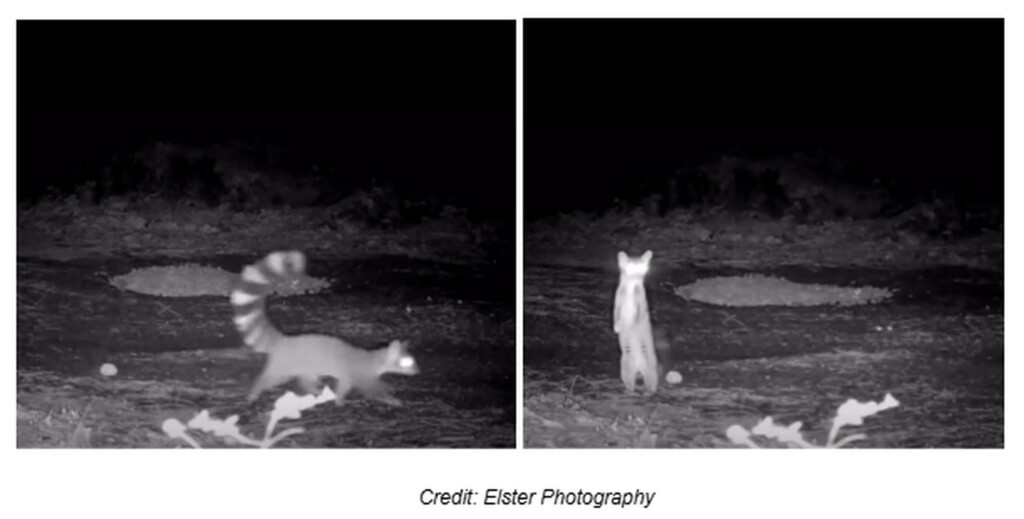
For a philanthropic couple in Oregon, the sighting on a trail camera of one of North America’s most elusive animals was both surprising and not.
Bill and Sarah Epstein had committed a large plot of family-owned land to conservation, and so the appearance of a “ringtail” or “miner’s cat” was a sign that their work has been a success.
The Epstein Family Forest, in Oregon’s Siskiyou Mountains, is described by the trust that manages it as “a rich mosaic of oak woodlands, conifer forests, riparian corridors, and wetlands—supporting rare wildlife and clean water.”
It doesn’t come much rarer than the ringtail, even if it’s not considered endangered.
Despite being the cousin of the common raccoon, don’t expect to see the ringtail digging through your garbage. Nocturnal, rarely studied, smaller than a house cat, and protected under federal law even before the Endangered Species Act existed, it can be seen in the video jumping into the camera’s view, rearing up to look about, and then walking away, the rings on its tail testifying to its namesake.
Because of their rodent-hunting abilities, they were often kept as pets in mining camps and cabins, earning them the name “miner’s cat” or “ring-tailed cat”—despite not being felines.
The sighting on the 405-acre Epstein Family Forest, located near Ashland, didn’t happen by chance. Landowners Bill and Sarah have spent decades restoring a heavily damaged forest and subdivision of country homes into a model for conservation and fire-resilient, ecologically managed forest.
PRIVATE CONSERVATION AT WORK: Man Gathers Up Family Acres- Home to Moose and Mountain Lion– and Returns Them to Indian Tribe
They bought the land decades ago after it had been heavily logged and burned by a historic wildfire in 1973. The years of helping to return the ecosystem to a native state has seen hundreds of species of birds, amphibians, mammals come to range across that land as their habitats flow across the boundaries of public and private lands.
Since a member of the family received a stage-4 cancer diagnosis, they have been working with the Pacific Forest Trust to complete a “working forest conservation easement” on the land.
MUST WATCH CAMERA TRAP FOOTAGE: Rare Ocelot Caught on Camera in Arizona, the First Sighting in the Area for 50 Years
Such an easement is a permanent legal agreement that keeps forests in production while ensuring management practices support biodiversity and ecosystem health.
“It is a profound comfort to know the goals we have for our property will be steadfastly managed and protected in perpetuity,” the couple said in a statement.
Click the video below to watch…
SHARE These Two Inspiring Americans Leaving The Country In A Better Place Than When They Found It…
Study Finds Many Older Adults Will Improve Over Time–Depending on Their Mindset


A new study by scientists at Yale University suggests that older individuals can and do ‘improve,’ in all the senses of that word, over time.
Analyzing the results of a large study of older Americans that ran for a decade, a key data point was that the individual’s mindset toward aging plays a major part in their success.
If they believed aging was a process of decline, they declined. If they believed aging was a process of refinement, they improved.
Lead author Dr. Becca R. Levy, PhD, a professor of social and behavioral sciences at the Yale School of Public Health (YSPH) found that nearly half of adults aged 65 and older showed measurable improvement in cognitive function, physical function, or both, over time.
The improvements were not limited to a small group of exceptional individuals and, notably, were linked to a powerful but often overlooked factor: how people think about aging itself.
“Many people equate aging with an inevitable and continuous loss of physical and cognitive abilities,” said Dr. Levy, an international expert on psychosocial determinants of aging health. “What we found is that improvement in later life is not rare, it’s common, and it should be included in our understanding of the aging process.”
The findings are published in the journal Geriatrics.
For the study, the researchers followed more than 11,000 participants in the Health and Retirement Study, a federally supported longitudinal survey of older Americans. The research team tracked changes in cognition using a global performance assessment, and physical function using walking speed—often described by geriatricians as a “vital sign” because of its strong links to disability, hospitalization, and mortality.
Over a follow-up period of up to 12 years, 45% of participants improved in at least one of the two domains, according to the study. About 32% improved cognitively, 28% improved physically, and many experienced gains that exceeded thresholds considered clinically meaningful.
When participants whose cognitive scores remained stable over that period (rather than declining) were included, more than half defied the stereotype of inevitable deterioration in cognition.
“What’s striking is that these gains disappear when you only look at averages,” said Dr. Levy, author of the book Breaking the Age Code: How Your Beliefs About Aging Determine How Long & How Well You Live.
“If you average everyone together, you see decline,” Dr. Levy continued. “But when you look at individual trajectories, you uncover a very different story. A meaningful percentage of the older participants that we studied got better.”
As for why, Levy and her co-authors hypothesized that an important factor could be participants had assimilated more positive or more negative views about aging by the start of the study. In support of this hypothesis, they found that those with more positive age beliefs were significantly more likely to show improvements in both cognition and walking speed, even after accounting for factors such as age, sex, education, chronic disease, depression, and length of follow-up.
AGING RESEARCH: 2 Years of Exercise Reversed 20 Years of Aging in the Heart, Says Longest-Ever Randomized Trial on Exercise
The findings build on Dr. Levy’s stereotype embodiment theory, which posits that age stereotypes absorbed through a range of domains including social media and advertisements eventually become self-relevant and biologically consequential.

Dr. Levy’s prior studies have found negative age beliefs predict poorer memory, slower walking speed, higher cardiovascular risk, and biomarkers associated with Alzheimer’s disease. The current study shows that those who have assimilated more positive age beliefs often show improvement, Dr. Levy said.
“Our findings suggest there is often a reserve capacity for improvement in later life,” she said. “And because age beliefs are modifiable, this opens the door to interventions at both the individual and societal level.”
BETTER AGING: This Rarely-Trained Muscle Is Recognized Worldwide as a Marker of Human Health–And the Test for Living to 100
The improvements were not limited to people who started out with impairments. Even among participants who had normal cognitive or physical function at baseline, a substantial proportion improved over time. That challenges the assumption that later-life gains reflect only people getting better after being sick or rebounding from earlier setbacks, the authors said.
The authors hope their findings will reverse the popular perception that continuous decline is inevitable and encourage policy makers to increase their support for preventive care, rehabilitation, and other health-promoting programs for older persons that draw on their potential resilience.
SHARE This Must-Read Story With Your Friends Who Need And Uplift…
With Plasma, Solar, Magnets, EU Aims to Help Decarbonize Industrial Heat Generation


Most industrial processes need heat, and most heat comes from burning fossil fuels, but armed with €400 million in grants, the European Commission is hoping to change that.
The commission has just seen the successful launch of its “industrial heat decarbonization project” auction, where it accepted 65 different projects presented from 10 different EU countries.
The proposals revolve around how to decarbonize the production of intense heat in industry, and involved such technologies as geothermal heat, plasma cutting, solar concentration, electromagnetic and dialectic heating, and heat pumps.
The proposals came from many of the largest manufacturing sectors, including paper and wood pulp, pharmaceuticals, ceramics, glass, iron and steel, construction materials, food and beverages, and textiles.
A total of €1.4 billion were requested through the grant application mechanism, according to PV Magazine, some 300% more than the commission had in its budget. Firms from Austria, Belgium, Portugal, Czechia, Slovenia, Denmark, Hungary, France, Germany, and Spain saw their proposals accepted.
By the numbers, if all proposed technologies succeed and are developed to nameplate capacity, it would hypothetically result in savings of heat equal to 1.5 billion cubic meters of natural gas burning over 5 years, saving 6.6 million tons of CO2 over 10 years, and generate 16.3 terawatt hours of heat.
Heat is a big topic these days as for the 4th summer in a row, a heat dome currently roasts most of continental Europe right as summer travel season begins.
“Waste heat” is a term used in urban planning and infrastructure that describes radiative heat from industry spilling out into the surrounding built environment and ratcheting up temperatures already sitting near records.
YOU MAY ALSO LIKE: Microsoft Campus Set to Use Geothermal Energy to Heat/Cool Millions of Sq Ft. of Office Space
Some cities, like Germany’s Hamburg, or Finland’s Varanto, are looking at waste heat as a product that needs to be responsibly disposed of.
Last July, GNN reported that the Aurubis copper smelter in Hamburg which produces 400,000 tons of pure copper every year, now channels the radiative heat down into a nearby heating system that provides hot water for around 28,000 homes and buildings, and saves 120,000 tons of CO2 per year.
MORE HEAT EXCHANGE IDEAS: Refrigerator-Sized Data Center Transfers Its Heat to English Swimming Pool, Saving Thousands in Energy Costs
In Varanto, a city-wide thermal exchange heating system will take waste heat from data centers and home heat exchangers like heat pumps and store it in water which is then pumped deep underground into a massive cavern. There, it remains hot until the frigid Finish winter, when it’s brought back up to the surface to decarbonize home heating.
SHARE These Projects For A Decarbonized Future In Industry…
Humans May Have Always Been Able to Regenerate Body Parts–Scar Tissue Just Gets in the Way


Some animals like salamanders can regenerate entire limbs, and by flipping a few genetic switches scientists have potentially unlocked innate human regeneration.
The key is essentially to deprogram the natural response to build scar tissue and reprogram cells to build back bone, ligaments, muscle, and skin.
“Why some animals can regenerate and others, particularly humans, can’t is a big question that has been asked since Aristotle,” said Dr. Ken Muneoka, a professor in the Texas A&M College of Veterinary Medicine and Biomedical Sciences (VMBS).
“I’ve spent my career trying to understand that.”
In their study, published in Nature Communications, Muneoka and his colleagues detail a newly developed 2-step treatment that led to the regeneration of bone, joint structures and ligaments in mice. While the results were imperfect, the team believes this approach could be used more immediately to reduce scarring and improve tissues repair after amputations.
In mammals, injuries typically trigger fibrosis, a process in which fibroblast cells rapidly close the wound and form scar tissue. This response prioritizes survival by sealing the injury quickly, but also limits the body’s ability to rebuild missing structures.
In regenerative species, like salamanders that can regrow lost limbs, those same types of cells organize into a blastema, a temporary structure that enables tissue regrowth.
“It’s as if these cells can move in 2 different directions,” Muneoka said. “They could either make a scar or make a blastema. Our research focused on redirecting the behavior of fibroblasts already present at the injury site.”
To test whether mammalian healing could be shifted toward regeneration, researchers developed a sequential treatment using two well-studied growth factors.
The first step involved applying fibroblast growth factor 2 (FGF2) after a wound had already closed. This timing allowed the body to complete its typical healing response, and then the team “changed what happens next.”
FGF2 stimulated the formation of a blastema-like structure—something that does not normally occur in mammals following this type of injury; several days later, a second treatment—using bone morphogenetic protein 2 (BMP2)—was applied, triggering those cells to begin forming new structures.
“This is really a 2-step process,” Muneoka said. “You first shift the cells away from scarring, and then you provide the signals that tell them what to build.”
A key implication of the study is that regeneration does not depend on adding external stem cells, as many current approaches in regenerative medicine attempt to do.
“You don’t have to actually get stem cells and put them back in,” Muneoka said. “They’re already there—you just need to learn how to get them to behave the way you want.”
The study also showed that cells can be redirected to form structures beyond their original location—a concept known as positional re-specification, which plays a critical role in development.
This means cells that would normally contribute to one part of the body can be instructed to rebuild a different structure after injury.
Although the regenerated structures were not exact replicas of the original anatomy, researchers were able to restore all the expected components removed during amputation, such as the bone, tendon, ligament and joint.
FUTURE WOUND HEALING: ‘Game-Changing’ Skin Printer Works Like a Paint Roller, Speeding Up Healing on Even Bigger Wounds
The results included both skeletal elements and connective tissues, organized in a way that reflects the natural structure.
“We regenerated what you would expect to see at that level of injury,” Muneoka said. “The structures are there, just not in a perfect form.”
The findings also revealed that regeneration occurs through multiple biological pathways, indicating that rebuilding tissue is more complex than relying on a single mechanism.
REGENERATIVE MEDICINE: UPDATE—World’s First Drug to Regrow Teeth Enters Clinical Trials
While the research is still in early stages, it may have more immediate applications in improving how wounds heal. Rather than focusing solely on regrowing entire structures, researchers believe the approach could first be used to reduce scarring and improve tissue repair.
“People should start thinking about using these signals during the healing process,” Muneoka said. “Even shifting the response slightly away from scarring could have real benefits.”
Because BMP2 is already FDA approved for certain medical uses and FGF2 is in multiple clinical trials, the pathway to clinical exploration may be more accessible for entirely new therapies.
HEALING NOT TREATING: Revolutionary Treatment Heals 3rd Degree Burns Across the Face of World’s First Human Recipient
For Muneoka, those questions have guided decades of research, and now, finally, have a new foundation.
“Regenerative failure in mammals can be rescued,” he said. “Now we have a model to begin figuring out how.”
SHARE This Important Step Towards Future Wound Healing On Social Media…
“How beautiful the leaves grow old. How full of light and color are their last days.” – John Burroughs

Quote of the Day: “How beautiful the leaves grow old. How full of light and color are their last days.” – John Burroughs
Photo by: Getty Images for Unsplash+ (cropped)
With a new inspirational quote every day, atop the perfect photo—collected and archived on our Quotes page—why not bookmark GNN.org for a daily uplift?

Good News in History, June 23

139 years ago today, The Rocky Mountains Park Act passed Canadian parliament, establishing Banff National Park, the nation’s largest and most famous park. It was modeled on the law that created Yellowstone National Park south of the border just a few years before. Before, there had been a small preserve of 26 square miles that included hot springs. The park was expanded under the law to 674 km2 (260 sq mi) and named Rocky Mountains Park. READ more about its history… (1887)
Man Enjoys ‘Accidental Time Capsule’ After Recovering a Wallet He Doesn’t Remember Losing
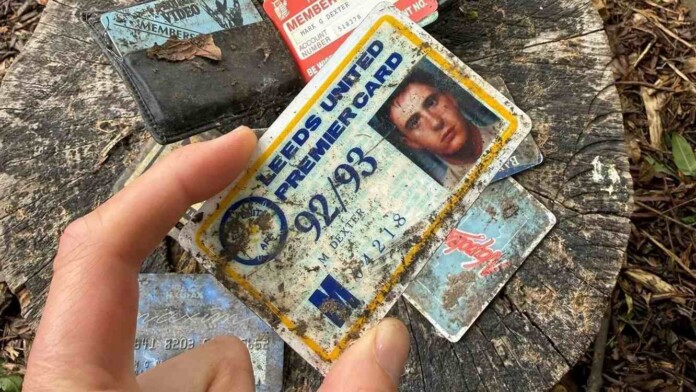
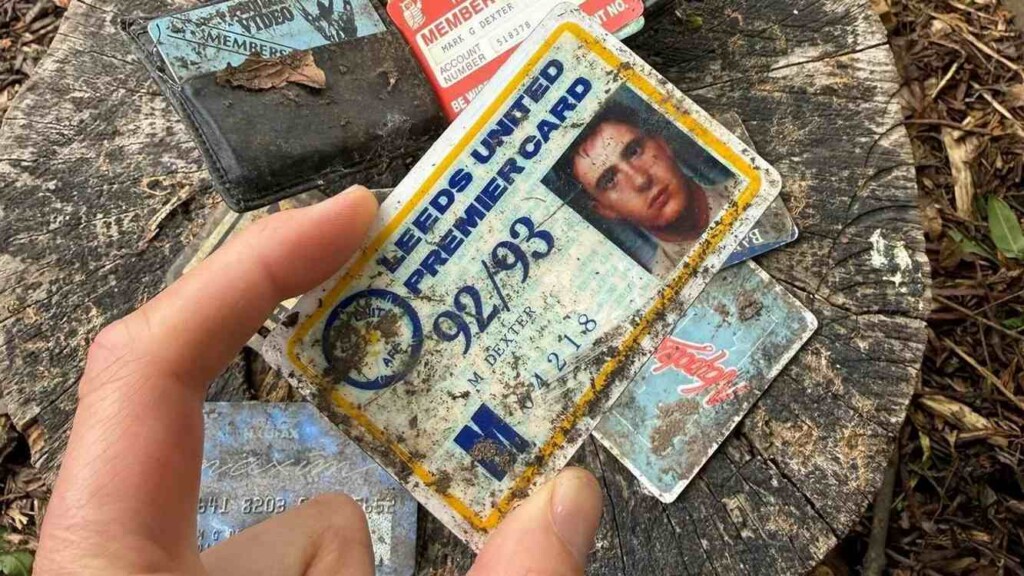
An English sports reporter has been reunited with a wallet that he never knew he’d lost more than 30 years ago.
Among the time capsule treasures was a Leeds United membership card from the 1992-93 Premier League season when he used to cover the Whites for the Yorkshire Evening Post.
Owner Mark Dexter used to live in the area of Rawden where it was found, and was a frequent patron in the local pub scene, but admitted he doesn’t remember losing a wallet, and was at a loss for how it turned up there.
The wallet was found by the organizer of a local forest school, “but I’ve no recollection of ever walking down there at any time in the past” said Dexter, “so I’ve no idea how it’s got there.”
Working assumptions are that it might have been stolen on a night when he had more than his fair share of brews, perhaps while attending a cricket match.
Claire Wilson, the school owner, found it and posted on Facebook some images of its contents asking if anyone was able to locate the person portrayed on the Leeds card—issued at the start of a season where Leeds were preparing to defend the English football title, which they had won the previous year over Manchester United.
“Given that I was a sports reporter, you would have thought I would have had more of a smile on my face on the Leeds card,” Dexter told the BBC.
Dexter’s wife saw the Facebook post and the pair went to retrieve the old wallet.
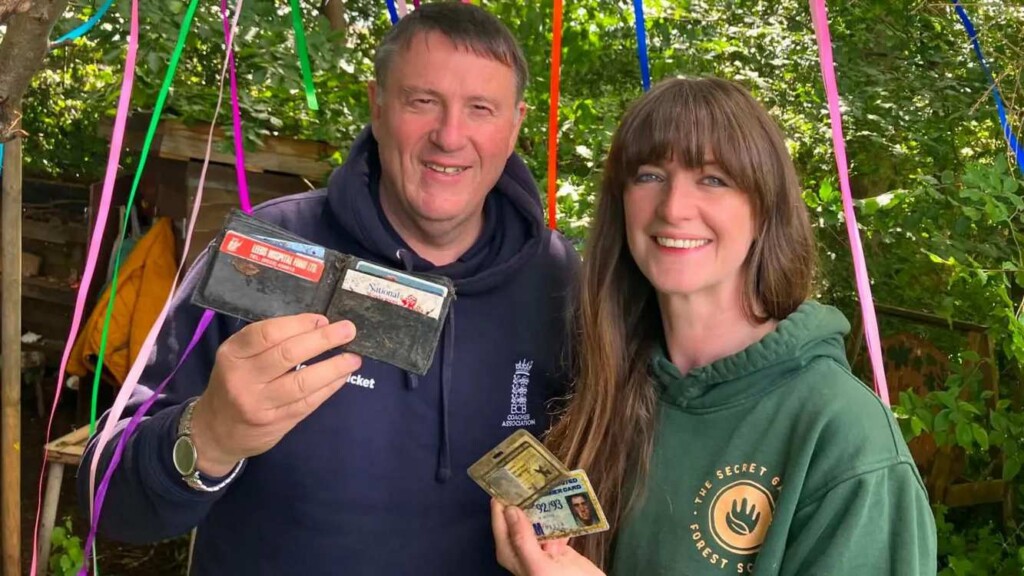
Wilson said the area where she found it had once been a private garden, and at another time was attached to a nearby hotel. The wallet had been swallowed up by the weeds and uncovered whilst cutting those back as part of a community project run through the forest school.
For 63-year-old Mark, it was a strange and serendipitous reason to take a moment and appreciate a life well-lived.
“In ’92 I was 30 and happy, having a good time, loving journalism, loving working in newspapers. It was just great.”
SHARE This Nice Story Of An Accidental Time Capsule With Your Friends…
A ‘Stonehenge Prototype’ Aligned with the Solstices Is a Once in a Lifetime Find for These Archaeologists
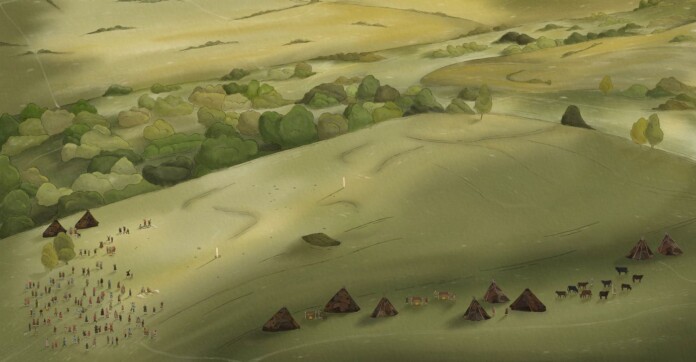
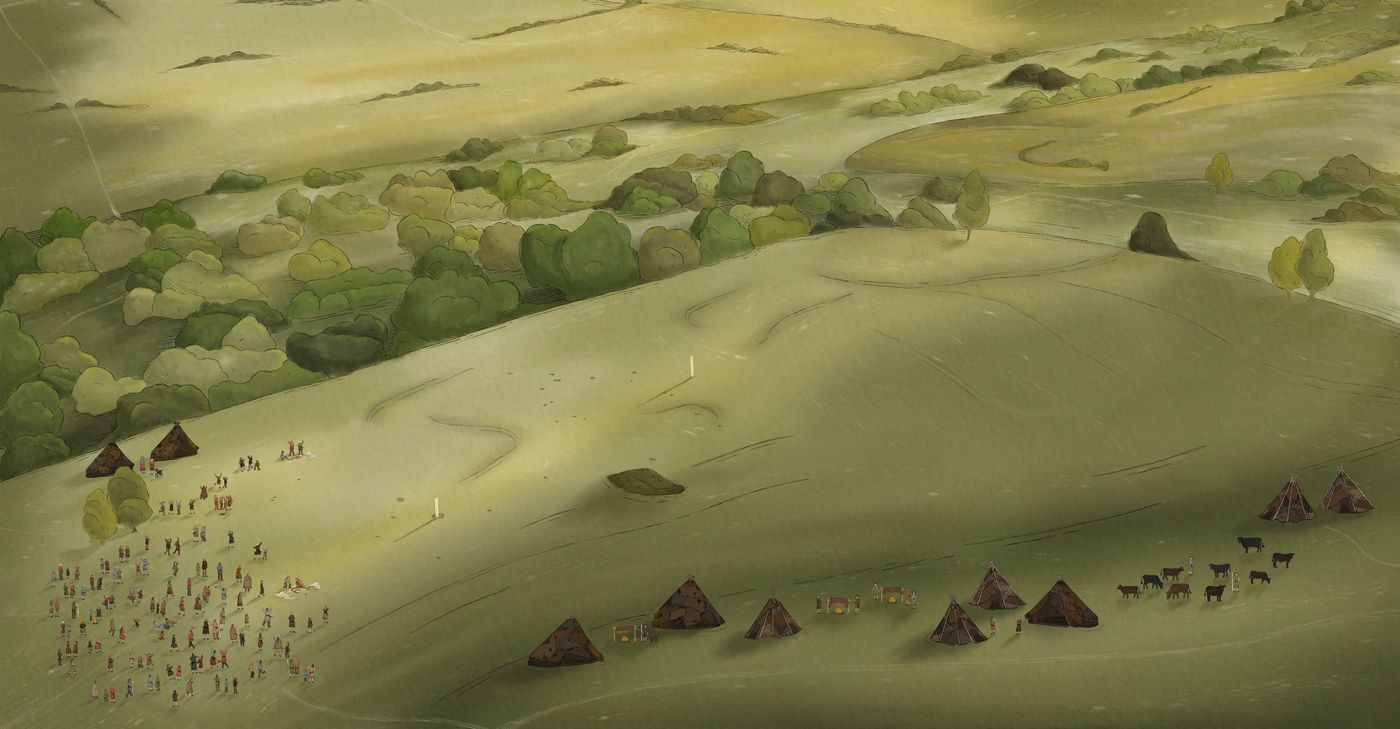
It was essentially two post holes in the ground and a couple of trash dumps: but it’s still one of the greatest finds of archeologist Phil Harding’s career.
Found near Wiltshire just 3 miles from Stonehenge, and dated to 2,950 BCE, Harding’s big find is a Stone Age monument that aligns to the summer and winter solstices as Stonehenge so famously does.
Harding was doing preservation archaeology work in advance of a Ministry of Defense building project in Bulford, and the evidence was so scant he almost passed it over. It was only when, examining his survey maps, he drew a line between the two post holes with a ruler and pencil and noticed it was about 50 degrees off true north, “which was pretty much the line of the midsummer sunrise,” Harding told the Guardian.
“And so I got really, really excited about that.”
Carbon dating of remains in the rubbish dumps and post holes strongly suggest the 2,950 BCE date, and based on the depths of the holes, it’s likely the wooden poles they supported were around 3-4 meters tall. They were placed 120 meters apart.
One hypothesis is that the poles were a prototype or trial run in advance of building the real thing, as the building date comes 500 years before the large trilithon stones the solstice Sun shines through were erected at Stonehenge.
Another is that it was a campsite of the same people who built the first stage of Stonehenge, but whatever it is, it has the defining feature of archaic life on the Wiltshire plain—alignment with the rising of the Sun on the summer and winter solstices.
MORE HENGY NEWS: A Circular Wooden ‘Stonehenge’ Discovered in Denmark Is 4,000 Years Old
Matt Leivers, the senior research manager at Wessex Archaeology, the organization that was contracted to do the work by the Defense Ministry, spoke extensively to the Guardian about the discovery and what it means for research into Stonehenge and its builders.
“What we’re seeing here is the religion of the Stone Age made manifest in the ground. Obviously we have no understanding of precisely what any of it meant, but the fact that time and again, over thousands of years, people are coming back to [the Stonehenge landscape] to build and rebuild and mark and remark this set of substantial events—it gives us an indication that this is religion. This is how they are understanding their place in the cosmos, how the universe works, what their deities are.”
ANCIENT ASTRONOMY: Ancient Chinese Astronomer’s Star Log is Found to Be World’s Oldest–Predating Greeks by 200 Years
“We don’t know what the sun meant to them. We don’t know whether they personified it as a deity. But the amount of effort that’s directed toward marking it and its movements leaves us in no doubt at all that this is a major religious event that’s inscribed over the whole landscape over millennia.”
SHARE This Great Expansion In Our Understanding Of Stonehenge And Its Builders…
Activist Wins 10-Year Battle to Ensure That Child Abuse Is Considered Above All Else in NY Custody Trials
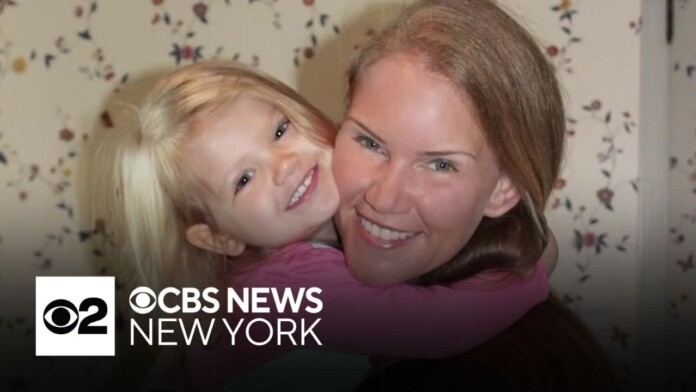
New legislation that will compel New York judges to consider domestic violence or child abuse charges and risks—above all else—in child custody decisions, could soon become law.
Resulting from a decade of work from a dedicated mother, bills known as “Kyra’s Law” passed both the senate and house and is on Governor Kathy Hochul’s desk for signing.
The bill’s author is Jacqueline Franchetti, a resident of Long Island who had to rewrite the language several times to ensure that hearsay and unfalsifiable negatives—in other words, allegations of low-merit—would not influence decisions.
The result of her tireless campaigning was some 300,000 emailing their reps or participating in marches to bring Kyra’s Law to the Chamber floor for a vote, a moment that Franchetti admitted was “very emotional.”
“Kyra’s Law is going to move us lightyears forward in addressing the child custody crisis and protecting children from abusive parents,” she told CBS News.
The law is named after Franchetti’s daughter, Kyra, who was killed by her father in a murder suicide at the man’s home years ago. During a lengthy child custody battle, the judge had determined Franchetti’s ex to be of “low risk” even though she had furnished proof of activities like stalking and making threats, the merits of which the police testified to.
Franchetti was trying to win sole custody, but the judge ruled it should be jointly held.
“It will definitely be helpful for judges in family court to have this bill that states that child safety is the top priority in a child custody case or child visitation case,” said a family court career expert Patricia Pastor in a comment with CBS.
MORE STORIES LIKE THIS: Mexico City’s Ban on Bullfighting Could be Death Knell to the ‘Sport’
It will help tragedies like what happened to Kyra, and others Pastor cited—and others that may come to pass in the future—be prevented.
The Governor’s mansion said in a statement that Hochul is reviewing the legislation, something which she has until the end of the year to sign or send back to the congress.
SHARE This Woman’s Long March To Protect Children Like Kyra On Social Media…
‘Groundbreaking’ Potential Lupus Cure Sends Patients into Remission, Allowing Dreams to Be Fulfilled


A genetic therapy that’s already revolutionized cancer treatment has now sent five patients of lupus into remission, allowing one to fulfill her dreams of skiing.
The uncurable autoimmune disorder lupus affects 1.5 million Americans, but a trial of CAR T-cell therapy for lupus recently concluded in the UK shows that the disease’s permanence may be at an end.
GNN has reported over a dozen times on the use of CAR T-cell therapy, a Nobel Prize-winning discovery that leverages human white blood cells for cancer targeting.
The white cells are withdrawn from the patient’s blood before receiving modified genetic coding that reprograms them to hunt malignancies. That new programing spreads to the rest of the immune system, and the patient’s own body becomes capable of destroying their cancer.
Cancers are mostly protected from human immunity because of a sort of invisibility cloak that convinces the immune cells like T lymphocytes (the T in CAR T-cell) that they are perfectly normal cells.
In complete contrast but with a similar outcome lupus, like other autoimmune disorders, sees the immune system identifying normal healthy cells as malignant intruders and targeting them for destruction. In the case of lupus it’s the kidneys, and sometimes other organs.
9 patients at University College London Hospital (UCLH) were treated for lupus nephritis, a life-threatening lupus-related condition that can result in debilitating fatigue, inflammation, joint pain, and organ failure. 5 went into a sort of lupus remission, including one named Katie Tinkler, who since recovering has fulfilled a dream of going Alpine skiing for the very first time, and was able to dance at her daughter’s wedding too.
Among the treatment group, 6 patients received a lower dose of CAR T-cell therapy, and 3 got a higher dose. 5 of those on the lower dose went into remission within just 3 months, and stayed there over the study’s 11 month follow-up period.
RARE GENETIC DISORDERS CURED:
- Boy with Rare Genetic Disorder Amazes Doctors After World-First Gene Therapy
- UPDATE Long-Term Follow-up in Babies Born with ‘Bubble Boy Disease’ Still Seem Cured
The higher-dose patients are still being monitored.
“These findings are truly groundbreaking and offer fresh hope to people living with lupus,” said Professor Karl Peggs, the director of UCLH’s biomedical research center, in a news release. “If these results are confirmed in larger studies, the prospect of a cure for lupus may no longer be out of reach.”
“While more research is needed, the possibility that CAR T-cell therapy could deliver an immune reset and potentially free patients from the cycle of chronic autoimmune disease marks a remarkable step forward.”
MORE STORIES LIKE THIS:
- CRISPR Used to Remove Extra Chromosomes in Lab Model of Down Syndrome and Restore Cell Function
- First Patient to Receive Gene Therapy ‘Cure’ for Beta-Thalassemia Living Pain-Free
The Guardian heard from Tinkler, who said that her lungs, heart, and kidneys were all deteriorating, and the lupus remission is lifechanging.
“My life two years ago versus now, it’s unrecognizable. I feel blessed.”
SHARE This Inspiring Potential Cure For A Truly Debilitating Disease…
“What I am looking for is a blessing NOT in disguise.” – Jerome K. Jerome
Quote of the Day: “What I am looking for is a blessing not in disguise.” – Jerome K. Jerome
Photo by: Getty Images For Unsplash+
With a new inspirational quote every day, atop the perfect photo—collected and archived on our Quotes page—why not bookmark GNN.org for a daily uplift?

Good News in History, June 22

76 years ago today, Walt Disney Productions released Lady and the Tramp, then advertised as Disney’s “happiest motion picture yet.” The film follows Lady, the pampered cocker spaniel, as she grows from puppy to adult, deals with changes in her family, and meets and falls in love with the homeless mutt Tramp. The story was cooked up by Disney himself and a friend of his, based on their own experiences with dogs given as presents to their wives. READ more about this timeless classic… (1955)
UK Startup is Making Electricity From Bacteria in the Soil – Maybe Your Garden Will Power Your Home Some Day
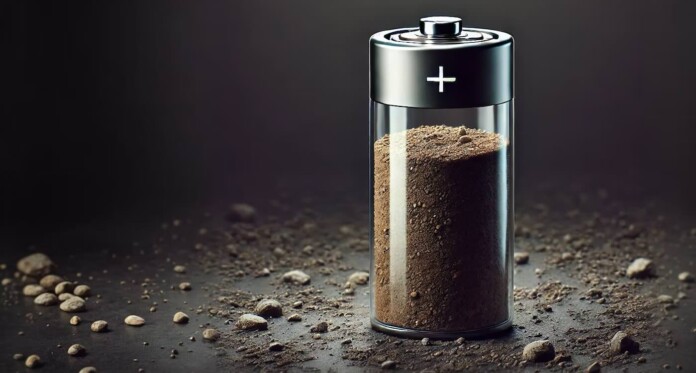
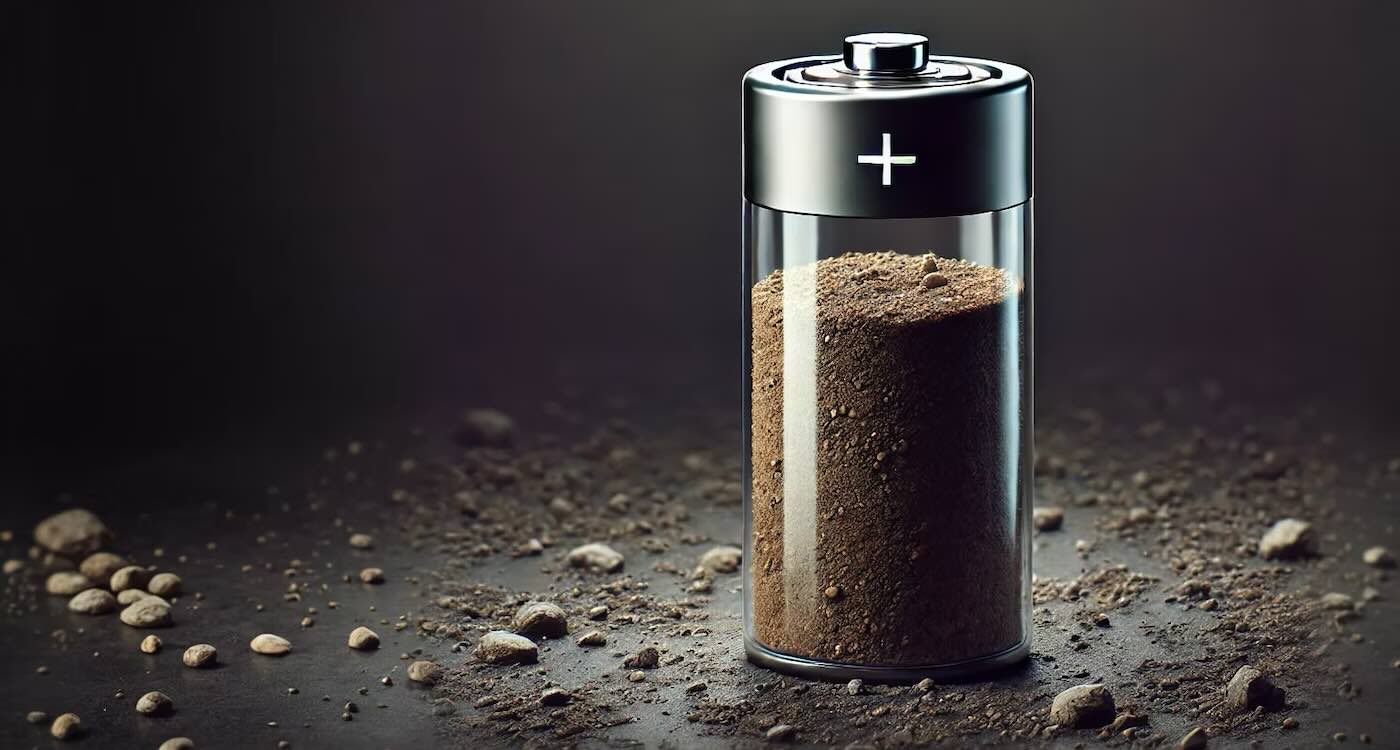
British startup Bactery says its battery, powered by bacteria, uses nature’s microbes to generate an unending trickle of power—and by stringing the prototypes together they can generate a stream.
Bactery founder and CEO Jakub Dziegielowski says the device complements standard renewable systems like solar, especially because it draws power even when the sun isn’t shining.
“In the labs we have six-times more powerful systems,” Jakub told Reuters News in a video about how it works. (Watch below…)
“The end goal is to get to 4 watts per cubic meter.”
The device is designed to be maintenance-free, and have a 30-year lifespan.
“You can scale the devices bigger and have them installed fully underground.
“Then you take an averaged size garden and all of a sudden you can offset most of your household electricity bills with your garden—all year round.”
WATCH the Reuters video below…
MORE ‘GOOD TECH’ NEWS:
• Batteries That Use Sodium Instead of Lithium Could Be Low-Cost Rival to Tesla’s
• 3 Teens Win Global Earth Prize for Inventing Tamarind Powder That Easily Removes Microplastics
SHARE THE POSSIBILITIES – By Sharing This on Social Media…