All News - Page 546 of 1734 - Good News Network
Home Blog Page 546

Birds in San Francisco Started Singing Differently in the Silence of the Pandemic Shutdown

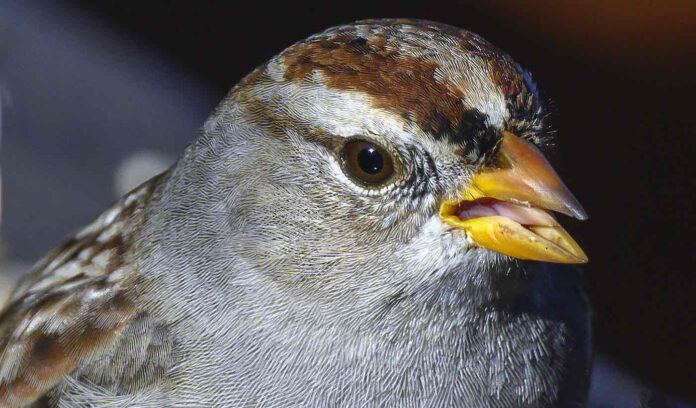
Doug Greenberg, CC license

When the roads emptied of traffic in March and April because of the COVID-19 pandemic, Bay Area residents reported hearing more birds—and they were halfway right.

Jennifer Phillips, a researcher at Cal Poly, and Elizabeth Derryberry, a professor at the University of Tennessee in Knoxville, collaborated to evaluate whether and how songbirds responded to the quieter environment with much less traffic.

They compared the soundscapes and songs of the white-crowned sparrow recorded across the San Francisco area prior to and during the statewide shutdown.

“When I saw photos of an empty Golden Gate Bridge, it struck me just how little traffic there was,” said Derryberry, lead author of the study. “I realized we were in a unique position to look at how changes in human behavior might affect wildlife and what the noise reduction might mean for the songbird we study.”

The researchers found that the birds responded by producing softer songs that could travel over a larger distance, unimpeded by noise. The urban songs also became “sexier” in terms of vocal performance—meaning birds sang a wider range of notes in their song, in a wider bandwidth, during the shutdown.

RELATED: New Bird Song That ‘Went Viral’ Across This Species of Sparrow Was Tracked by Scientists For the First Time

White-crowned sparrow singing, Doug Greenberg – CC license

As a graduate student from 2013-2017, Phillips studied the song of the white-crowned sparrow in the Bay Area. Now a postdoctoral researcher at Cal Poly, she returned to her former study sites in April and May 2020 to record noise and song samples from urban and rural sites surrounding San Francisco and Richmond, California. She measured how loud the sparrows were singing and how far away from her they were.

The team then compared those samples to the ones collected from 2012-2020 by Phillips, Derryberry and David Luther, a biologist at George Mason University. During the statewide shutdown, the team observed lower noise levels in the city, as a result of less traffic. In fact, traffic on the Golden Gate Bridge returned to levels not seen since 1954.

The dramatic reduction of vehicular traffic had erased a half-century of urban noise pollution.

“The rush hour roar was more like a gentle, sporadic purr,” Phillips said. “Usually, the Presidio is full of visiting tourists coming to see the Golden Gate Bridge, often in large groups. This season, only a few local individuals or couples were out for morning walks or bike rides. It was quite peaceful.”

POPULAR: After Years of Helping Crow Family, Man Was Left ‘Mind-Blown’ Over Their Homemade Gifts in Return

According to Phillips, prior to the shutdown, bird territories in San Francisco had nearly three times more human noise than in rural western Marin County—but during the shutdown, people could hear effectively four times more birds than usual.

“When the birds don’t have to compete with loud background noise, they can essentially sing more quietly but still communicate over greater distances — approximately twice as far,” Phillips said.

This helps explain media reports suggesting that bird songs sounded louder during the shutdown and that people were more aware of the birds around them. Birds were actually singing more softly, but it was so quiet, they sounded louder.

LOOK: Pigeon That Can’t Fly Forms Inseparable Bond With Adorable Chihuahua That Can’t Walk

“Our findings illustrate that behavioral traits can change rapidly in response to newly favorable conditions, indicating an inherent resilience to long-standing anthropogenic pressures like noise pollution,” said Derryberry.

The study published in Science also found that during the shutdown male sparrows’ songs covered a wider range of pitches and so might convey more information for females to use in selecting an effective mate and for males to assess a competitor.

TWEET This Fascinating Story to Your Flock on Social Media…

Scientists Create Transparent Wood Nearly as Clear as Glass to Make Stronger, Better Insulating Windows

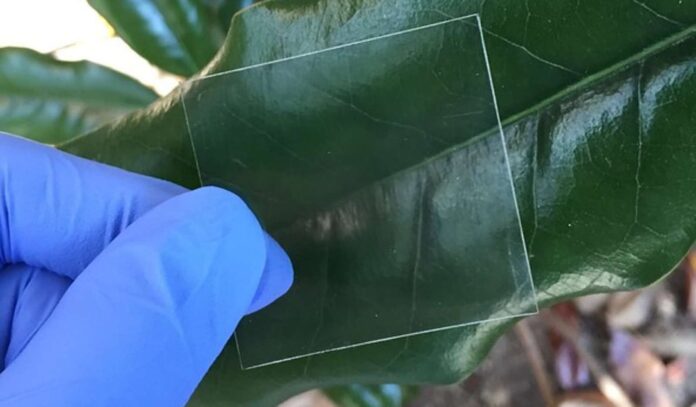
USDA Forest Service

3.5 percent of the energy used in the United States goes right out the window—wasted because of inefficient glass panes in winter and summer. Now scientists have given us a way to utilize sustainable tree products as a replacement for the costly glass.

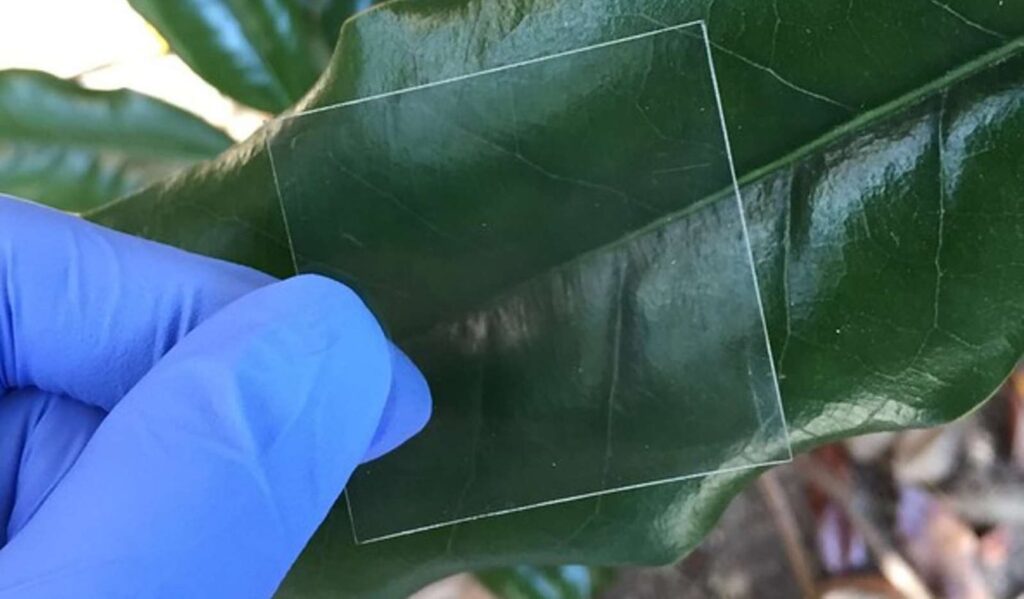
A researcher at the USDA Forest Products Laboratory, Junyong Zhu, has collaborated with colleagues from the University of Maryland and University of Colorado to develop a transparent wood material that looks clearly like the window of tomorrow.

They have demonstrated that transparent wood has the potential to outperform glass windows in nearly every way, making it one of the most promising materials of the future.

While glass is the most common material used in window construction it comes with a costly economic and ecological price.

Heat easily transfers through it, especially single pane, and leads to higher energy bills when it escapes during cold weather and pours in when it’s warm. Transparent wood is approximately five times more thermally efficient than glass, substantially cutting energy costs.

POPULAR: Breakthrough For Spinal Cord Injuries and Dementia as Protein Builds ‘Striking’ Repairs

Glass production used for construction also comes with a heavy carbon footprint. Manufacturing emissions alone are around 25,000 metric tons per year, without considering the heavy footprint of also transporting the glass.

USDA Forest Service

The scientists used wood from the fast-growing, low-density balsa tree. It is treated to a room temperature, oxidizing bath that bleaches it of nearly all visibility. The wood is then penetrated with a synthetic polymer called polyvinyl alcohol (PVA), creating a product that is nearly transparent.

Their findings were published in the Journal of Advanced Functional Materials in a paper entitled, A Clear, Strong, and Thermally Insulated Transparent Wood for Energy Efficient Windows.

The natural cellulose in its wood structure and energy-absorbing polymer filler means that it is 3 orders of magnitude more durable than glass—and much lighter in weight, too. It can withstand much stronger impacts and, unlike glass, it bends or splinters instead of shattering.

CHECK OUT: Map Lets You See How Your Hometown has Moved Across 750 Million Years of Continental Drift

Additionally, the transparent wood is a sustainable material, with low carbon emissions and an ability to biodegrade much faster than plastic.

It is made from a renewable resource that is also compatible with existing industrial processing equipment, making the transition to manufacturing an easy prospect.

With all of these potential benefits for consumers, manufacturing, and the environment, the case for transparent wood couldn’t be…clearer.

RELATED: Giant Fusion Reactor Hotter than the Sun to Provide Unlimited Clean Energy Without Waste Marks Milestone

WATCH the video from the University of Maryland…

SHINE Some Light On Your Friends By Sharing This on Social Media…

Customers Jump Up to Help Run Restaurant When Chef is Left Alone After Staff Emergency: ‘Beautiful to witness’

Emily Puhi - Facebook

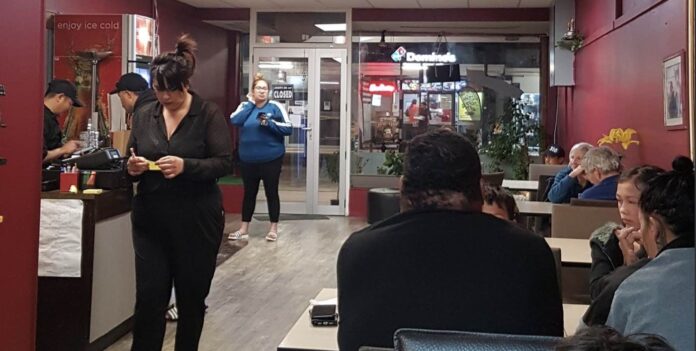
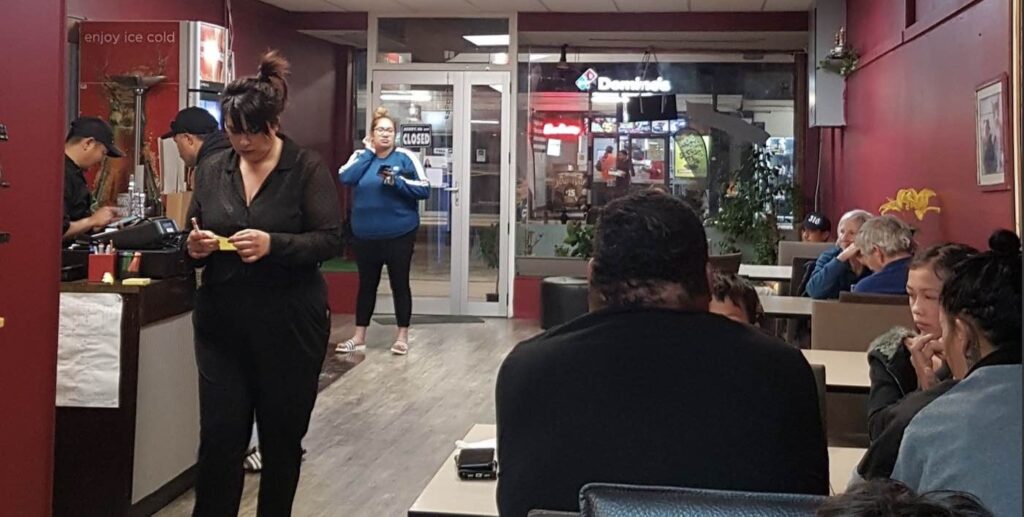
It’s a popular restaurant in Huntly, New Zealand, and it was packed with customers last Friday night when suddenly a staff family emergency resulted in the chef being the only one left to serve hungry patrons.

When Emily Puhi arrived at Thai Food Huntly, she saw the tables were filled and people were lined up waiting to pay or pick up their take-out food.

She realized the cook was alone, and because he was busy cooking, he couldn’t take orders or collect money.

Suddenly, a lady who was waiting to pay grabbed some paper and started waiting tables for him.

One customer then jumped in to do the dishes.

Luckily, someone in the neighboring shop offered their help, too.

POPULARMom Overwhelmed With Gratitude When Hotel Manager Befriends Autistic Boy Wanting to Show Off His Card Tricks

“With the permission of the chef, the worker from next door ran the tills to make sure everyone paid,” Emily told the New Zealand Herald. “It was such a beautiful feeling.”

Emily Puhi – Facebook

The term ‘customer service’ took on a whole new meaning—an example of humanity at its finest.

RELATED: ‘Unbelievable Act of Kindness’: Customer Left $2,500 Tip for Restaurant Staffers Before They Closed Up Shop

Emily wrote on Facebook, “We could easily feel the sense of community all around the place.”

“Frowns turned to smiles and grumpy waiting turned to patiently waiting. What an awesome place to live in.”

RESTORE Your Friends’ Faith in Humanity By Sharing The Sweet Moment on Social Media…


Singapore’s Plan to Plant 1 Million Native Trees Will Protect Species and Put a Park 10 Minutes From Every Citizen

Mandai Mangrove and Mudflat –Singapore National Parks Board

In an effort to restore Singapore’s once-rich mangrove forest ecosystems, the nation is embarking on a 1 million tree planting spree in hopes that they can save numerous bird, reptile, and tree species from extinction, and provide a ton of valuable ecosystem services.

The development of the small island into a world economic juggernaut which has brought billions in foreign investment currency to impoverished East Asian and Indo-Pacific communities has also replaced many of the island’s original mangrove forests with urban infrastructure.

However like most nations, the city-state of Singapore also has a national parks agency, and they have some plans in mind to help “green” the cities, and restore bird and tree populations in mangrove forests, as well as ensure that every Singaporean is “10 minutes from a park.”

The government is also sponsoring the creation of rooftop gardens, curbside foliage, and other green city projects like therapy garden parks, which will be designed to meet the physical, psychological and social needs of park-goers. Visitors will be able to experience a range of health benefits such as the relief of mental fatigue, reduced stress, and improved emotional well-being.

Trees play an important role in creating a livable environment, National Parks Conservation Group director Adrian Loo tells Mongabay. “They serve as natural air filters, they reflect radiant heat, and cool surfaces… and help to mitigate climate change.”

RELATED: How Costa Rica Slowed, Stopped, Then Reversed Deforestation in Their Rainforests

The planting of one million trees was assigned a target date intelligently set to conclude by 2030, as tree-planting operations tend to suffer from unrealistic deadlines.

Mandai Mangrove and Mudflat –Singapore National Parks Board

Mangrove and Mudflat Magic

In August, park authorities announced the creation of the Sungei Buloh Park Network, a 990 acre (400 hectare) park of wetlands and mangroves in the northern part of the island. Sungei Buloh encompasses several different existing wetland habitats, including mangroves and mudflats, and plays host to 279 different species of migratory birds.

POPULAR: The Search Engine That Plants Trees With Every Search Has Just Planted its 100-Millionth Tree

Despite the relative size disparity between Singapore and its neighbor Malaysia, Sungei Buloh Wetland Reserve is an important stop on the migration routes of dozens of species that travel every year from Australia and Russia to New Zealand and Alaska.

Also found in Sungei Buloh are large monitor lizards, saltwater crocodiles, and smooth-coated otters, presumed extinct up until the 1990s—and 20 new species discovered for the first time.

“Singapore’s mangroves punch way above their weight [in biodiversity,” Geography professor Dan Friess from the National University of Singapore told Mongabay. “We only have a small area of mangroves, but within that we have huge biodiversity. For instance, in the U.S. they only have three species of mangrove plant species, while in Singapore you can find 35 different species of plant species in its mangroves.”

Some of these mangroves are critically endangered, and tree nurseries on the island have so far produced 51,819 trees which have been transferred to its shoreline. Furthermore, to help speed the process up, Singapore’s government is hiring tree re-location services to move adult trees from areas that are up for development to mangrove and other reserve sites.

CHECK OUT: Tiny Forests Are Springing Up All Around Europe, Inspired By Japan, to Help Restore Biodiversity

Mangroves are the ultimate custodians, and as GNN has detailed before, they provide as many benefits for civilization as any wild feature. They protect against soil erosion, which can deplete farmland and strangle coastal reefs, trap more CO2 than any other tree, and can house dozens of species in every order in Animalia.

They are also the first line of defense for coastal property insurers during storms. For instance, in the U.S. where mangrove ecosystems have declined over the last hundred years, they prevent $100 million in property damage from floods every storm season due to their ability to dissipate the kinetic energy of waves by up to 66%.

GROW Your Support For Trees and Good News By Sharing on Social Media…

“Here is a new spiritual practice: Don’t take your thoughts too seriously.” – Eckhart Tolle

Quote of the Day: “Here is a new spiritual practice: Don’t take your thoughts too seriously.” – Eckhart Tolle

Photo: by Pablo Merchán Montes

With a new inspirational quote every day, atop the perfect photo—collected and archived on our Quote of the Day page—why not bookmark GNN.org for a daily uplift?


NEW GNN Weekly Column Offers Inspiring Horoscopes From Rob Brezsny’s ‘Free Will Astrology’

We are so excited to be partnering with our friend Rob Brezsny, who has for years championed a positive approach to life through astrology. His weekly wisdom is sure to enlighten your thinking and motivate your mood with ‘PROnoia’ instead of paranoia. Rob’s Free Will Astrology, is a syndicated weekly column that appears in over a hundred publications. He is also the author of Pronoia Is the Antidote for Paranoia: How All of Creation Is Conspiring To Shower You with Blessings. (A free preview of the book is available here.)

MERCURY IS RETROGRADE from late on October 13 through November 3.

Mercury retrograde does not mean communication snafus are inevitable. Rather, it tells you this is a propitious time to refine the ways you exchange information . . . and to concentrate harder on saying what you mean and meaning what you say . . . and to meditate on how to improve the ways you connect yourself to the people and resources you need and like.

Some people say that when Mercury is retrograde, it’s a bad time to begin anything new. During one such period a few ago, an acquaintance of mine decided to delay accepting a dream job offer as editor of a magazine. By the time Mercury returned to “normal,” the magazine had hired another applicant. I wish I’d have known, because I would have told her what I’ll tell you: Some of America’s biggest, most enduring Fortune 500 companies began when Mercury was retrograde, including Disney, Goodyear, and Boeing. The fact that their founders had great success in launching them during Mercury retrograde is a telling statement about these phases.

In my understanding of astrology, there’s no such thing as a bad astrological aspect. It’s true that some may be more challenging than others, but every one of them presents an opportunity.

HEALING MANTRA for the Week:

“Freedom is in the unknown. If you believe there is an unknown everywhere, in your own body, in your relationships with other people, in political institutions, in the universe, then you have maximum freedom.” – philosopher John C. Lilly
FREE WILL ASTROLOGY – Week beginning October 15, 2020
Copyright by Rob Brezsny, FreeWillAstrology.com
LIBRA (Sept. 23-Oct. 22):
“The hardest thing you will ever do is trust yourself,” says Libran journalist Barbara Walters. Really? I don’t think so. In my experience, the hardest thing to do is to consistently treat ourselves with the loving care we need to be mentally and physically healthy. But I do acknowledge that trusting ourselves is also an iffy task for many of us. And yet that’s often because we don’t habitually give ourselves the loving care we need to be healthy. How can we trust ourselves if we don’t put in the work necessary to ensure our vitality? But here’s the good news, Libra: In the coming weeks, you’re likely to be extra motivated and intuitively astute whenever you improve the way you nurture yourself.
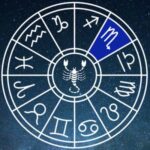
SCORPIO (Oct. 23-Nov. 21):
“You can’t learn anything when you’re trying to look like the smartest person in the room,” writes author Barbara Kingsolver. That’s a useful message for you right now. Why? Because you will soon be exposed to teachings that could change your life for the better. And if you hope to be fully available for those teachings, you must be extra receptive and curious and open-minded—which means you shouldn’t try to seem like you already know everything you need to know.
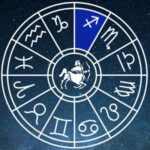
SAGITTARIUS (Nov. 22-Dec. 21):
You Sagittarians periodically go through phases when you specialize in stirring up fresh intuitions. I mean, you’re always one of the zodiac’s Intuition Champions, but during these special times, your flow becomes an overflow. You have a knack for seeking and finding visions of the interesting future; you get excited by possibilities that are on the frontiers of your confidence. From what I can tell, your life in recent weeks has been bringing you these delights—and will continue to do so for the foreseeable future. Take maximum advantage. Aggressively gather in the gifts being offered by your inner teacher.
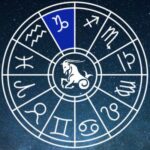
CAPRICORN (Dec. 22-Jan. 19):
Capricorn chemist Tu YouYou doesn’t have a medical degree or PhD. Yet she discovered a treatment for malaria that has saved millions of lives. The drug was derived from an ancient herbal medicine that she spent years tracking down. In part because of her lack of credentials, she remained virtually unsung from the time she helped come up with the cure in 1977 until she won a Nobel Prize in 2015. What’s most unsung about your accomplishments, Capricorn? There’s a much better chance than usual that it will finally be appreciated in the coming months.
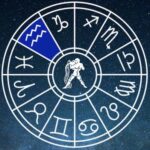
AQUARIUS (Jan. 20-Feb. 18):
“Luck is what happens to you when fate gets tired of waiting,” says author Gregory David Roberts. If that’s true, I expect that a surge of luck will flow your way soon. According to my astrological analysis, fate has grown impatient waiting for you to take the actions that would launch your life story’s next chapter. Hopefully, a series of propitious flukes will precipitate the postponed but necessary transformations. My advice? Don’t question the unexpected perks. Don’t get in their way. Allow them to work their magic.
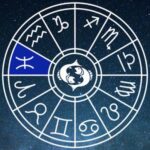
PISCES (Feb. 19-March 20):
Have you formulated wily plans and crafty maneuvers to help you navigate through the labyrinthine tests and trials up ahead? I hope so. If you hope to solve the dicey riddles and elude the deceptive temptations, you’ll need to use one of your best old tricks—and come up with a new trick, as well. But please keep this important caveat in mind: To succeed, you won’t necessarily have to break the rules. It may be sufficient merely to make the rules more supple and flexible.
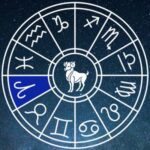
ARIES (March 21-April 19):
Would you be willing to meditate on how you might become more skilled in the arts of intimacy? Would you consider reading books and websites that offer guidance about strategies for being the best partner and ally you can be? Are you receptive to becoming more devoted to practicing empathy and deep listening? I’m not saying you’re deficient in these matters, nor am I implying that you need to improve your mastery of them any more than the rest of us. I simply want you to know that now is an especially favorable time for you to make progress.
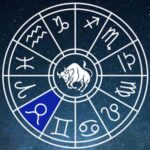
TAURUS (April 20-May 20):
Entre chien et loup is a French idiom that literally means “between dog and wolf.” It’s used to describe twilight or dusk, when the light is faint and it’s tough to distinguish between a dog and a wolf. But it may also suggest a situation that is a blend of the familiar and the unknown, or even a moment when what’s ordinary and routine is becoming unruly or wild. Entre chien et loup suggests an intermediary state that’s unpredictable or beyond our ability to define. In accordance with astrological omens, I propose you regard it as one of your main themes for now. Don’t fight it; enjoy it! Thrive on it!
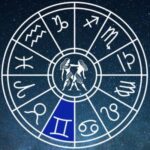
GEMINI (May 21-June 20):
For 34 years, the beloved American TV personality Mr. Rogers did a show for children. He’s now widely acknowledged as having been a powerful teacher of goodness and morality. Here’s a fun fact: His actual middle name was “McFeely.” I propose that you use that as a nickname for yourself. If McFeely doesn’t quite appeal to you, maybe try “Feel Maestro” or “Emotion Adept” or “Sensitivity Genius.” Doing so might help inspire you to fulfill your astrological assignment in the coming weeks, which is to allow yourself to experience more deep feelings than usual—and thereby enhance your heart intelligence. That’s crucial! In the coming weeks, your head intelligence needs your heart intelligence to be working at peak capacity.
CANCER (June 21-July 22):
A blogger named Dr.LoveLlama writes, “You may think I am walking around the house with a blanket around my shoulders because I am cold, but in fact the ‘blanket’ is my cloak and I am on a fantasy adventure.” I approve of such behavior during our ongoing struggles with COVID-19, and I especially recommend it to you in the coming days. You’ll be wise to supercharge your imagination, giving it permission to dream up heroic adventures and epic exploits that you may or may not actually undertake someday. It’s time to become braver and more playful in the inner realms.
LEO (July 23-Aug. 22):
According to author Rev. Dr. Marilyn Sewell, “The body has its own way of knowing, a knowing that has little to do with logic, and much to do with truth.” I recommend that you meditate on that perspective. Make it your keynote. Your physical organism always has wisdom to impart, and you can always benefit from tuning in to it—and that’s especially important for you right now. So let me ask you: How much skill do you have in listening to what your body tells you? How receptive are you to its unique and sometimes subtle forms of expression? I hope you’ll enhance your ability to commune with it during the next four weeks.
VIRGO (Aug. 23-Sept. 22):
In his fictional memoir Running in the Family, Virgo author Michael Ondaatje returns to Sri Lanka, the land where he spent his childhood, after many years away. At one point he enthuses that he would sometimes wake up in the morning and “just smell things for the whole day.” I’d love for you to try a similar experiment, Virgo: Treat yourself to a festival of aromas. Give yourself freely to consorting with the sensual joy of the world’s many scents. Does that sound frivolous? I don’t think it is. I believe it would have a deeply calming and grounding effect on you. It would anchor you more thoroughly in the here and now of your actual life, and inspire you to shed any fantasies that you should be different from who you are.

WANT MORE? Listen to Rob’s EXPANDED AUDIO HOROSCOPES, 4-5 minute meditations on the current state of your destiny — or subscribe to his unique daily text message service at: RealAstrology.com

(Zodiac images by Numerologysign.com –CC license)

SHARE The Wisdom With Friends Who Are Stars in Your Life on Social Media…

Iconic Astronauts Neil Armstrong and Buzz Aldrin Have Been Joined in the History Books… By a Chicken Nugget 

SWNS

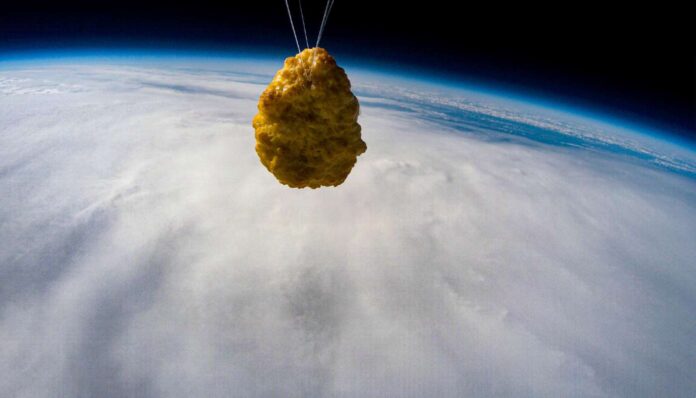
Iconic astronauts Neil Armstrong and Buzz Aldrin have been joined in the history books… by a chicken nugget.

SWNS

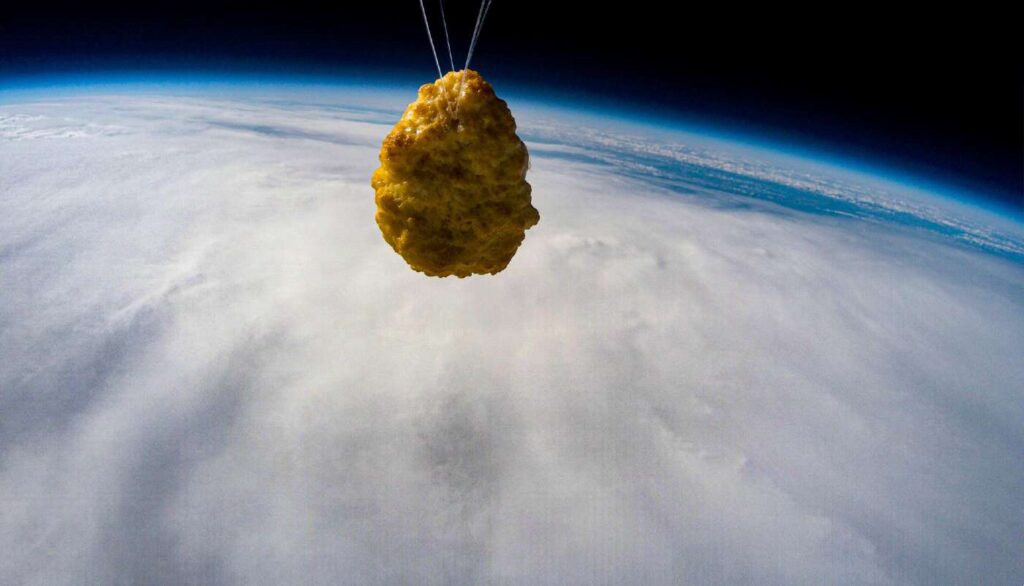
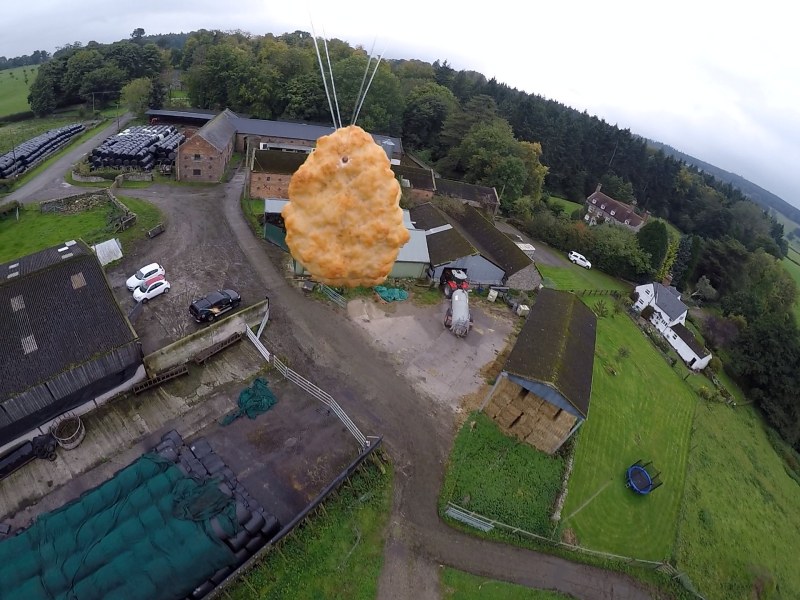
These pictures show what is believed to be the first ever chicken nugget sent into space, reaching heights of more 110,000 feet above Earth–that’s about 880,000 nuggets high.

A team of experts in the field of stratospheric exploration created the perfect vessel for the nugget to travel in.

It was sent into space using a meteorological weather balloon filled with hydrogen that’s lighter than air to carry the tasty cargo up to the stratosphere.

Using a custom-designed launch vehicle including primary avionics, auxiliary satellite tracking, and an integrated camera support system taking video footage, the lone nugget was sent up, up, and away out of the Earth’s atmosphere.

RELATED: Scientist’s Dream Was to Visit the Moon – After His Death, He Finally Made It There

The nugget was sent star-bound from a location close to the head office of the thriving UK supermarket chain called Iceland, in Deeside, North Wales.

SWNS

Andrew Staniland, trading director of the chain, said, “2020 is a huge year for us as we celebrate our 50th birthday, and we wanted to find ways to mark the occasion, just like anyone celebrating a birthday in lockdown.

“What better way to show that our products are out of this world than by sending one of our customer favorites into space.

MORE: Need Some Inspiration to Follow Your Dreams? Meet the Man Who Spent 8 Years Building His Own Spacesuit

“We’re looking forward to continuing to celebrate our 50th year with customers and thanking them for their support.”

(WATCH the identifiable flying object in the video below.)

SHARE This Nugget of a Story With Your Friends on Social Media…

America’s Largest Solar Panel-Maker Leads the World in Panel Recycling–Recovering 95% of Materials

Zbynek Burial

One of the global leaders in PV solar panel production and installation is also working hard to tackle the future of solar panel recycling, a reality that is already becoming apparent as the first generation of panels reach the end of their life cycle, and that will become all the more important in the 2020s and 2030s.

Zbynek Burial

Solar panel use is growing exponentially worldwide, and by 2030 they could account for as much as eight million metric tons of humanity’s e-waste, which would be the equivalent of 16%.

First solar, America’s largest solar manufacturer and an industry leader in PV solar power who maintain stations all over the world, from Australia to Namibia, is leading the way towards a sustainable revolution in solar panel recycling.

Several nations, including Korea, Japan, and others within the European Union, already have established legal frameworks for recycling.

The EU requires 65-70% of any PV solar panel materials to be recycled, as especially within the semiconductor, there are valuable but toxic minerals like cadmium and lead, as well as others like selenium and silver, that can be used to manufacture new panel components.

RELATED: How Transparent Solar Panels and ‘Quantum Dots’ Could Make Skyscrapers Power Themselves

In 2005 First Solar established the first all-voluntary, state-of-the-art, globally applicable recycling program for its solar stations, and has proactively been investing in recycling technology improvements and driving down recycling costs ever since.

Since 2005, they have completely updated their recycling infrastructure on two separate occasions, and the latest machines can shift 150 metric tons of panel material in a day—a necessity if 70,000 panels are being installed every day.

Ahead of the curve

First Solar estimate in their sustainability and recycling report that the value of recyclable PV solar panel components will exceed $450 million in the major solar markets of Germany, Japan, India, China, and the U.S.

“Our aim for solar is to help our customers decouple their economic growth from negative environmental impacts,” Andreas Wade, global sustainability director for First solar and co-author of their sustainability report, told Fast Company. “So it is kind of a mandatory point for us to address the renewable-energy-circular-economy nexus today and not 20 years from now.”

While current EU regulations put a requirement of around 65-70% for recycling, First Solar reclaim 90% of glass, and more than 90% of semiconductor materials, preventing the toxins therein from contaminating any given environment, and even reducing production costs.

According to Wade, the materials can recreate new panels for 1,200 years before they finally become too unstable to use again.

“By 2018, First Solar recycling plants will have zero liquid waste discharge and will convert most of the incoming PV waste streams into valuable raw materials for other industries,” reads the report.

CHECK OUT: This New German Car is Covered With Solar Panels and Charges As It Drives

General Motors relied on First Solar to build a 180-megawatt solar project for them in Arkansas, praising First Solar as a “pioneer in PV module circularity” meaning panel recycling. The deal marks a major milestone for GM: the surpassing of one gigawatt in renewable energy use, which equates to about 110 million LEDs.

MORE: New Developments in Clean Energy and Carbon Capture Are Making Real Progress in Climate Crisis

SPREAD The Light And Share This Story on Social Media…

‘Woweee’ Says World’s First Nobel Prize-Winning Mascot as He Reacts to Big Win

WFP – Instagram

From his humble beginnings as a homeless street pup to surviving near-fatal illness to becoming the official mascot for a globally-recognized humanitarian organization, Foxtrot is one lucky dog.

On top of that, his humans just won the 2020 Nobel Peace Prize.

Foxtrot lives at a World Food Programme outpost in Bangladesh, one of the world’s largest and most densely populated refugee camps. As GNN reported in August, the dog was just about a month old when WFP workers found him during a beach clean-up and took the hungry dog back to their camp after they couldn’t find his owners.

RELATED: These Specially-Trained Dogs Have Saved 45 Rhinos From Poachers in South Africa—And Counting

The pooch’s year just keeps getting better. Last week, the WFP was honored with the prestigious Nobel Peace Prize for “its efforts to combat hunger and bettering conditions for peace in conflict-affected areas…”

Reacting “in his own words” on his Instagram page, humanitarian_pup, Foxtrot was thrilled when the award was announced, greeting the news with a tail-wagging, “Woweee!”

The head of the WFP was similarly thrilled by the win. “This is the first time in my life I’ve been speechless,” David Beasley said in a video posted on Twitter.

“Wow. Wow. Wow,” he continued. The “WFP family… out there in the most difficult, complex places in the world… They deserve this award.”

View this post on Instagram

Woweee, i was so excited to hear that the @worldfoodprogramme was awarded the Nobel Peace Prize today. Of course it’s amazing, I do however think it would be even more amazing if we didn’t need any peace prizes because peace was the status quo in our world. But as myself and my colleagues know, this will never be the case in a world without #zerohunger. Conflict and insecurity are the main reason 690 million people in this world go to bed hungry at night and without a doubt hunger is a cause and effect of conflict. If we can make a more peaceful world for future generations then I know that we’ll be able to make sure every single child can live the life they deserve. Thank you so much for all your support and for joining me and my colleagues in doing everything we can to keep food on families’ tables as we work toward a more peaceful and inclusive world 🐶

A post shared by Foxtrot (@humanitarian_pup) on

The organization as a whole took to Twitter, too, noting its staff were “deeply humbled” by the win.

“Thank you so much for all your support, and for joining me and my colleagues in doing everything we can to keep food on families’ tables as we work toward a more peaceful world,” the Foxtrot page added.

What could be more bow-wow-wonderful than that?

WOOF Your Approval Of Foxtrot’s Big News And Share This Story With Pals…

Pentagon is Funding Ultrasound Devices That Prevent Tissue Death After Spinal Cord Injuries

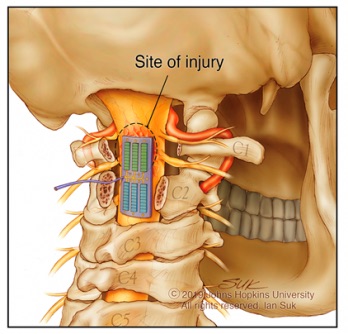
Johns Hopkins is busy on an ambitious development plan for a product that would protect against tissue damage resulting from spinal cord injuries—especially for soldiers who get wounded in the field, but for the public, as well.

The $13.5 million program will aim to develop implantable ultrasound devices that could revolutionize care for the 17,000 Americans who suffer spinal cord injuries every year.

The electronic device is planned to be the size and flexibility of a small Band-Aid and will use high-resolution ultrasound technology to help doctors monitor and treat the changes in blood flow and prevent tissue death that occurs immediately after a traumatic injury to the spinal cord.

The Pentagon’s Defense Advanced Research Projects Agency (DARPA) is fronting the cost for the ultrasound device development to be led by its co-leaders, Nicholas Theodore, M.D., and Amir Manbachi, Ph.D., assistant professors of Neurosurgery and Biomedical Engineering at Johns Hopkins.

“There are few places taking a close look at how engineering approaches could improve the treatment of spinal cord injuries. I think there are tremendous opportunities here,” says Theodore.

RELATED: Scientists Demonstrate Success of a Possible ‘EpiPen’ to Prevent Paralysis From Spinal Cord Injuries

Spinal cord injury disrupts the connection between brain and body, causing devastating loss of physiological function, and the money is coming by way of Bridging the Gap Plus which hopes to remove the worst of these injuries specifically for soldiers, who are at a higher risk of spinal cord injuries than civilians.

The new DARPA program combines neurotechnology, artificial intelligence, and biological sensors, to promote healing at the wound site and interfacing with the nervous system at points around the body o restore natural functions such as breathing, bowel and bladder control, movement, touch, and proprioception that can be lost when the spinal cord is damaged.

They have a five-year plan in place that concludes, hopefully, with human trials lying at the end, but a press release from Johns Hopkins notes that research and testing of this kind to bring a product like this to market could take decades with current FDA regulations.

MORE: Breakthrough For Spinal Cord Injuries and Dementia as Protein Builds ‘Striking’ Repairs

“It is an extraordinary team effort to bring together the smartest engineers and neurosurgeons to solve this problem,” says Theodore. “There are very few places in the world that are able to pull together the resources we have for this project.”

SHARE This Breakthrough and Send Hope Through Your Social Media Feed…

“Don’t be trapped by dogma—which is living with the results of other people’s thinking.” – Steve Jobs

Jonathan Cosens Photography

Quote of the Day: “Don’t be trapped by dogma—which is living with the results of other people’s thinking.” – Steve Jobs

Photo: by Jonathan Cosens Photography

With a new inspirational quote every day, atop the perfect photo—collected and archived on our Quote of the Day page—why not bookmark GNN.org for a daily uplift?


The Best Inspiration for Your Jack-O-Lanterns Might Come From This Retired Man’s 8-Hour Masterpieces

There’s a man in Utah who’s spent 20 years carving hundreds of intricate Jack O’ Lanterns for his community to enjoy.

SWNS

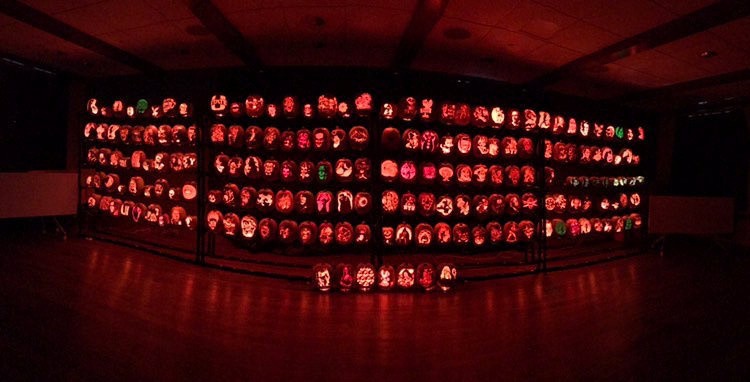
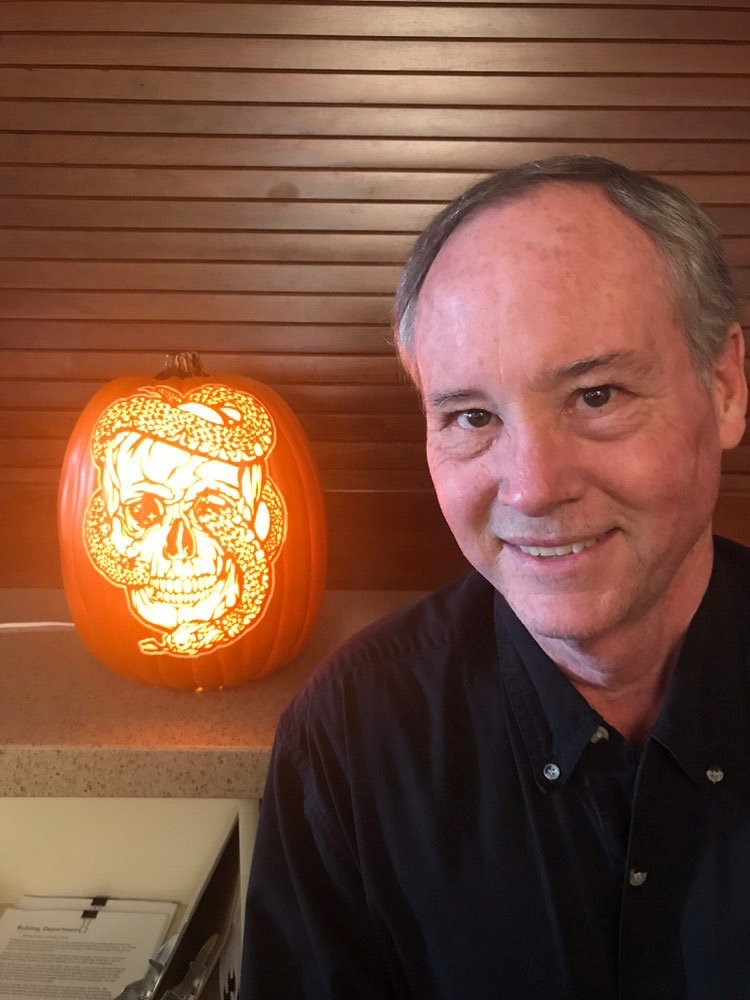
Retiree Ken Klinker carves 50 to 60 foam pumpkins every year between September and Halloween to display in his yard and around his community in Farmington.

Each of his intricate creations can take up to eight hours to make, and every spooky season Ken displays anywhere from 50 to 275 of them in his front yard.

“I used to carve real pumpkins all the time but then I’d spend several hours carving and I’d have to just throw it away,” Ken explained.

“Eventually I started carving foam pumpkins so I could keep them from year to year.”

Ken’s passion began over when he started carving pumpkins for his kids.

RELATED: We Tried 5 Pumpkin Preservation Hacks To See Which One Keeps Jack-O’-Lanterns Fresh Longest

“I used to carve the regular triangle eyes and nose for my kids and one day I bought a book with patterns in it,” he said.

“When I put a light in it the picture popped out at me and I got hooked on carving the more intricate patterns.”

SWNS

His favorite designs include the zombie Tarman from “Return of the Living Dead,” a skeleton steering a ship, and Captain Jack Sparrow from “Pirates of the Caribbean.”

To make the pumpkins pop even more Ken, lights them with different colored Christmas lights.

“If I have a Frankenstein I can put a green one in it or if there’s a devil I can put a red one in there,” he said.

SWNS

He sometimes makes his own patterns but also uses ones from the website StonyKins.

Previously he’s been able to also showcase them in his city’s community room and in his wife’s school, but this year due to COVID he’s stuck to his yard and displaying them at haunted houses and haunted forests.

Some of Ken’s designs are also for sale on his Etsy site KensPumpkinPatch.

Ken said that the public’s response is one of his favorite parts of the whole process.

MORE: Real Estate Agent Uses Hilariously Posed 12-Foot Skeletons to Fill Her Properties for Halloween (LOOK)

“That’s the thing that drives me to keep doing this, to stand there and watch people as they come in,” he explained.

Let’s take a look at some of his best work.

We wouldn’t want to meet this pirate on a dark and stormy Halloween night.

SWNS

Hello Little Red Riding Hood… and one very wicked wolf.

SWNS

Even Mickey Mouse tends to get a little spooky around this time of year.

SWNS

When Spiderman’s around, you just know there’ll be cobwebs, cobwebs everywhere.

SWNS

We can see more than a touch of Maleficent here. How about you?

SWNS

Be Sure And Share The Spookiness With Your Friends On Social Media…
Robot That Performs Colonoscopy Set to Make the Procedure Simpler, Cheaper, and More Effective

University of Leeds

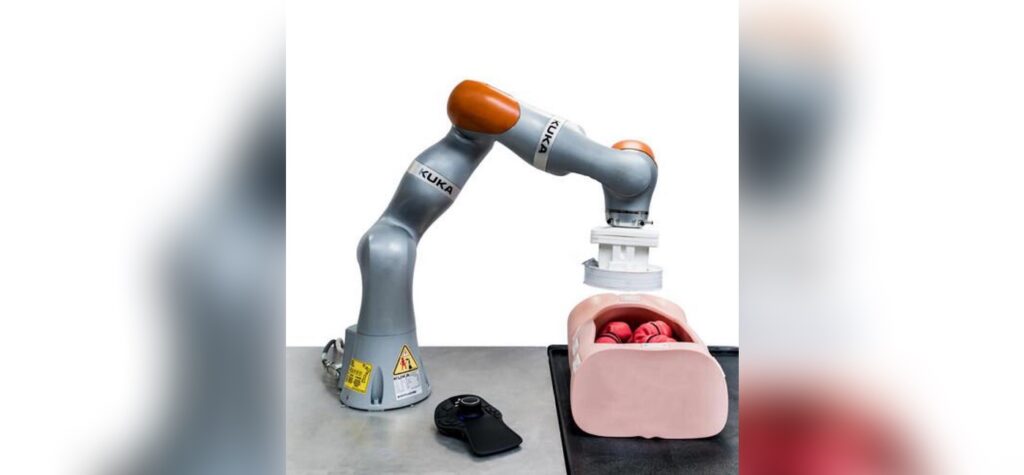
An intelligent robotic arm can now perform colonoscopies faster and with less pain than before, offering the potential to revolutionize the process of cancer diagnosis while saving millions of lives.

University of Leeds

Being the gold standard for colon cancer detection and diagnosis, the colonoscopy is one of the most demanded procedures in medicine, a demand which is expected to rise for 16% over the next decade.

However, along with being seriously uncomfortable and perhaps even humiliating to some people, the traditional endoscopes used in the procedure have changed little since the 1960s. They are complicated to work with, too expensive to use in a disposable manner and thus require cleaning, and a practitioner might need years before he or she has mastered their use.

MORE: Pioneering Breast Cancer Treatment Freezes Tumors, Killing Harmful Tissue

Relying on simple movement commands from the user, the robotic arm uses machine intelligence and image analysis to automatically guide itself inside the body.

The authors of a paper published in Nature Machine Learning tested this approach in an artificial colon model as well as in two pigs.

The users performing the procedures found this new system to be much more manageable than using a traditional endoscope, or a magnet-guided one–another method that was recently developed but which also has drawbacks.

The robotic arms, controlled by a joystick, enabled even non-expert users to successfully perform magnetic colonoscopy and with a duration comparable to the standard flexible endoscope, while maneuvering in a way that should in theory cause less pain to the patient as well.

There is substantial room, the authors say, to reduce training, production, and operating costs of the entire colonoscopic apparatus, allowing them to become more widely available to hospitals and therefore patients.

The third-most common cancer in humans, colorectal cancer accounts for 700,000 cancer deaths worldwide according to a study called “the toll of not screening for colon cancer.”

CHECK OUT: Swedish Energy Company Offers Light Therapy in Bus Shelters

With a 5-year survival rate of over 90% when diagnosed early, this plummets 10% with a late-stage diagnosis. Given that the number of testers is greatly outnumbered by the number of patients who need colonoscopies, the robotic technology could save millions of lives, as well as millions of dollars.

SHARE This Medical Breakthrough With Friends On Social Media…
Mini Wind Turbine Can Generate Energy Made From the Breeze You Make When Walking

Brian Mann

Most of the wind available on land is too gentle to push commercial wind turbine blades, but now scientists have designed a kind of “tiny wind turbine” that can scavenge wind energy from breezes as little as those created by a brisk walk.

Brian Mann

The new device is not technically a turbine. It is a nanogenerator made of two plastic strips in a tube that flutter or clap together when there is airflow.

Like rubbing a balloon to your hair, the two plastics become electrically charged after being separated from contact, a phenomenon called the triboelectric effect. But instead of making your hair stand up like Einstein’s, the electricity generated by the two plastic strips is captured and stored.

“You can collect all the breeze in your everyday life,” says senior author Ya Yang of Beijing Institute of Nanoenergy and Nanosystems, Chinese Academy of Sciences. “We once placed our nanogenerator on a person’s arm, and a swinging arm’s airflow was enough to generate power.”

RELATED: Kites of Renewable Energy Generate Wind Power by Flying Through the Air

A breeze as gentle as 1.6 m/s (3.6 mph) was enough to power the triboelectric nanogenerator designed by Yang and his colleagues.

The nanogenerator performs at its best when wind velocity is between 4 to 8 m/s (8.9 to 17.9 mph), a speed that allows the two plastic strips to flutter in sync.

The device also has a high wind-to-energy conversion efficiency of 3.23%, a value that exceeds previously reported performances on wind energy scavenging. Currently, the research team’s device can power up 100 LED lights and temperature sensors.

“Our intention isn’t to replace existing wind power generation technology. Our goal is to solve the issues that the traditional wind turbines can’t solve,” says Yang. “Unlike wind turbines that use coils and magnets, where the costs are fixed, we can pick and choose low-cost materials for our device. Our device can also be safely applied to nature reserves or cities because it doesn’t have the rotating structures.”

CHECK OUT: Downtown Sydney is Now Powered By 100% Renewable Energy Thanks to Historic Deal

Yang says he has two visions for the project’s next steps: one small and one big. In the past, Yang and his colleagues have designed a nanogenerator as small as a coin, but he wants to make it even tinier and more compact with higher efficiency.

In the future, Yang and his colleagues would like to combine the device to small electronic devices such as phones, to provide sustainable electric power.

MORE: New Developments in Clean Energy and Carbon Capture Are Making Real Progress in Climate Crisis

But Yang is also looking to make the device bigger and more powerful. “I’m hoping to scale up the device to produce 1,000 watts, so it’s competitive with traditional wind turbines,” he says. “We can place these devices where traditional wind turbines can’t reach. We can put it in the mountains or on the top of buildings for sustainable energy.”

(WATCH the fascinating Guardian video of the nanogenerator in action below.)

WALK This Energy Breakthrough Over to Your Friends on Social Media…
There’s a Secret to Building Rap-Paw With Your Cat–And Researchers Have Figured it Out

Yerlin Matu

A team of psychologists at the Universities of Sussex and Portsmouth have purr-fected the art of building a bond with cats.

Yerlin Matu

The new study ‘The role of cat eye narrowing movements in cat-human communication’, published online in the Nature journal Scientific Reports, has shown for the first time that it is possible to build rapport with a feline by using an eye narrowing technique with them. 

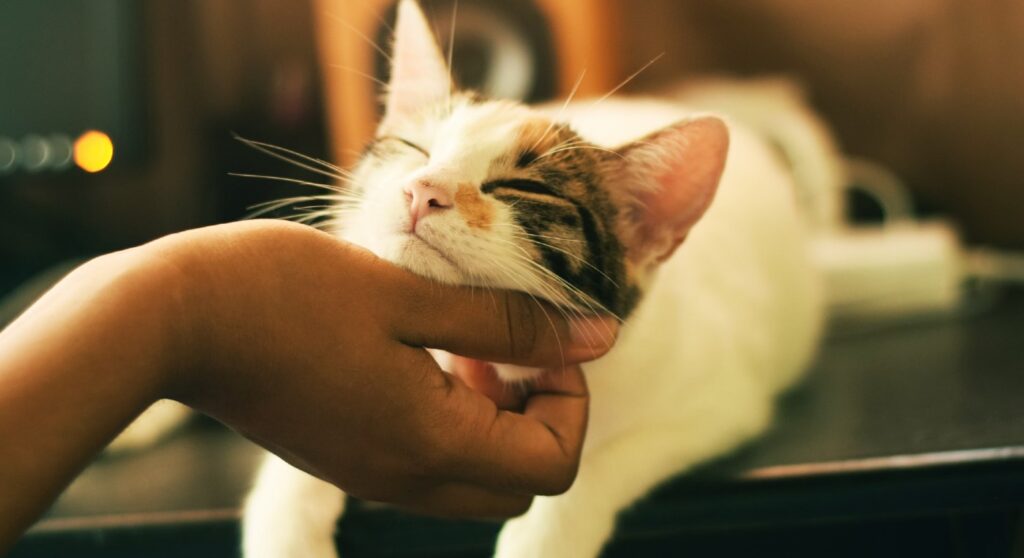
This eye narrowing action by humans generates something popularly known as a cat smile––the so called “slow blink”––and seems to make the human more attractive to the cat. 

Eye narrowing movements in cats have some parallels with the genuine smile in humans (the Duchenne smile), as well as eye narrowing movements given in positive situations in some other species.

The team, led by Dr Tasmin Humphrey and Professor Karen McComb, animal behavior scientists at the University of Sussex, undertook two experiments. 

The first revealed that cats are more likely to slow blink at their owners after their owners have slow blinked at them, compared to when they don’t interact at all. 

RELATED: Myth-Busting Study Says Cats Form Emotional Attachments to Their Owners Just Like Dogs and Babies

The second experiment, this time with a researcher from the psychology team, rather than the owner, found that the cats were more likely to approach the experimenter’s outstretched hand after they’d slow blinked at the cat, compared to when they had adopted a neutral expression. 

Taken together, the study shows that this slow blinking technique can provide a form of positive communication between cats and humans.

This adds context to existing studies on cat psychology that have found, firstly, that cats have been shown to attract and manipulate human attention effectively through ‘solicitation purring’; secondly, that cats can discriminate their name from other words, even when unfamiliar humans are calling, and also, that cats may be sensitive to human emotional cues, and will rub or butt their head against an owner who feels sad.

MORE: Most Americans With Cats Say They Couldn’t Have Gotten Through Lockdown Without Their Feline Friend

Professor Karen McComb, from the School of Psychology at the University of Sussex, who supervised the work, said in a release, “As someone who has both studied animal behavior and is a cat owner, it’s great to be able to show that cats and humans can communicate in this way. It’s something that many cat owners had already suspected, so it’s exciting to have found evidence for it.

“This study is the first to experimentally investigate the role of slow blinking in cat-human communication. And it is something you can try yourself with your own cat at home, or with cats you meet in the street. It’s a great way of enhancing the bond you have with cats. Try narrowing your eyes at them as you would in a relaxed smile, followed by closing your eyes for a couple of seconds. You’ll find they respond in the same way themselves and you can start a sort of conversation.”

Dr Tasmin Humphrey, a PhD student in the School of Psychology at the University of Sussex during the work, who was the first author of the study said: “Understanding positive ways in which cats and humans interact can enhance public understanding of cats, improve feline welfare, and tell us more about the socio-cognitive abilities of this under-studied species.

“Our findings could potentially be used to assess the welfare of cats in a variety of settings, including veterinary practices and shelters.

“In terms of why cats behave in this way, it could be argued that cats developed the slow blink behaviours because humans perceived slow blinking as positive. Cats may have learned that humans reward them for responding to slow blinking. It is also possible that slow blinking in cats began as a way to interrupt an unbroken stare, which is potentially threatening in social interaction.

CHECK OUT: New Study of 900 House Cats Finally Answers Age-Old Question About What Felines Do When They Go Outside

Dr Leanne Proops at University of Portsmouth who co-supervised the work said: “It’s definitely not easy to study natural cat behaviour so these results provide a rare insight in to the world of cat-human communication.”

Be Sure And Share This Pawesome Science Story With Your Friends On Social Media…
Canadian Researchers Gave Homeless People $7,500 Each and the Results Are So Uplifting

Ev

Challenging the stereotypes of homeless people in Canada, a research project from a Vancouver-based charitable organization found that simply giving money to homeless people isn’t as bad an idea as some people might think.

Ev

The New Leaf project took 115 homeless people who were confirmed not to have serious mental or substance abuse problems, and put $7,500 in the pockets of 50 of them to see if they could turn their life around.

The results were heartening. One entire year later, most recipients still had $1,000 in savings and 67% were could still feed themselves every day.

The average age was 42, with 1 in 3 participants reporting they had a child. They had been on average homeless for six months, with 1 in 4 employed somewhere.

The study took monthly and quarterly self-reported surveys on conditions and expenditures.

RELATED: After Cancer She Started Driving Uber, Using Tips to Make Sandwiches For the Homeless–Now a 24-yo Rider is Her BFF

Many people might argue that the money would be spent irresponsibly, for example on drugs or alcohol, but the results of the study were a refreshing perspective on the mindset of those living on the fringes of Canadian society.

Tight pocket books

After a year of spending on what they judged to be important, average spending on alcohol or drugs went down by 39%, perhaps because the individuals recognized they had a real shot of turning their fortunes around.

An impact report done by the Foundation for Charitable Giving found that recipients moved into housing two months faster than those who didn’t receive the $7,500 allowance.

Two months might not seem like that much, but spend it on the street and it certainly will. Additionally, the two-month difference also allowed emergency services previously utilized to be freed up for others.

The spending habits of the recipients in the study were, as you might imagine, more frugal than the control group of non-cash participants.

However, the spending was spread out over a year, with 52% of it going to food and rent, 15% going to medication and transportation, and an average of $700 on one-time cash purchases like a bike or computer.

MORE: Kroger Gave a Job to Homeless Woman Who Slept in Their Parking Lot: ‘I Wish We Had 120 Like Her!’

The final topic of analysis is that in a roundabout way, handing $7,500 to homeless people actually saved the provice of British Columbia an average of $600 per person, compared to spending for a year of their emergency services.

“By spending fewer nights in shelters, the cash group saved the shelter system approximately $8,100 per person for a total of roughly $405,000 over one year,” reads the impact report. “Factoring in the cost of the cash transfer, that’s a savings of $600 per person for society.”

“Cash transfers provide choice, control and purchasing power at a critical time in people’s lives,” reads a policy suggestion based on New Leaf Project’s data. “This is not merely a gesture of help. It is a signal that society believes in them.”

“By preventing people from becoming entrenched as homeless, NLP transforms lives while saving community resources that could be better spent elsewhere.”

CHECK OUT: Bride and Groom Didn’t Just Donate Wedding Food To Homeless, They Dished it Up On Their Big Day

One of the New Leaf Project recipients mentioned that the money gave them the hope and foundation they needed to have the courage to try and turn their life around, and another, speaking with CBC news, explained he was able to take a course in computers that put him on his dream career path of being a community counselor for those with substance addictions.

SHARE The Results of This Unique Experiment on Social Media… 

“We should all do what, in the long run, gives us joy, even if it is only picking grapes or sorting the laundry.” – E.B. White

Quote of the Day: “We should all do what, in the long run, gives us joy, even if it is only picking grapes or sorting the laundry.” – E.B. White

Photo: by Antevasin Nguyen

With a new inspirational quote every day, atop the perfect photo—collected and archived on our Quote of the Day page—why not bookmark GNN.org for a daily uplift?


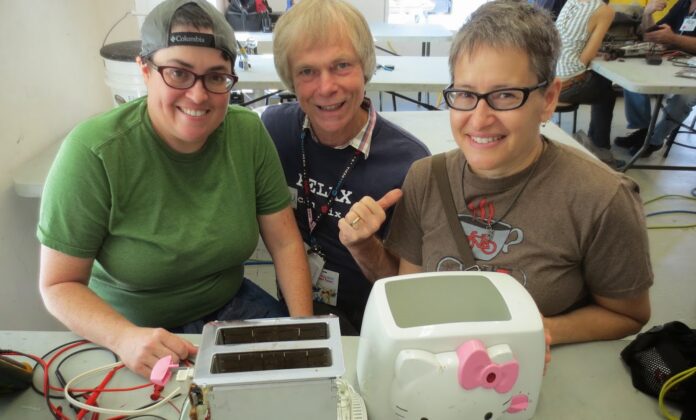
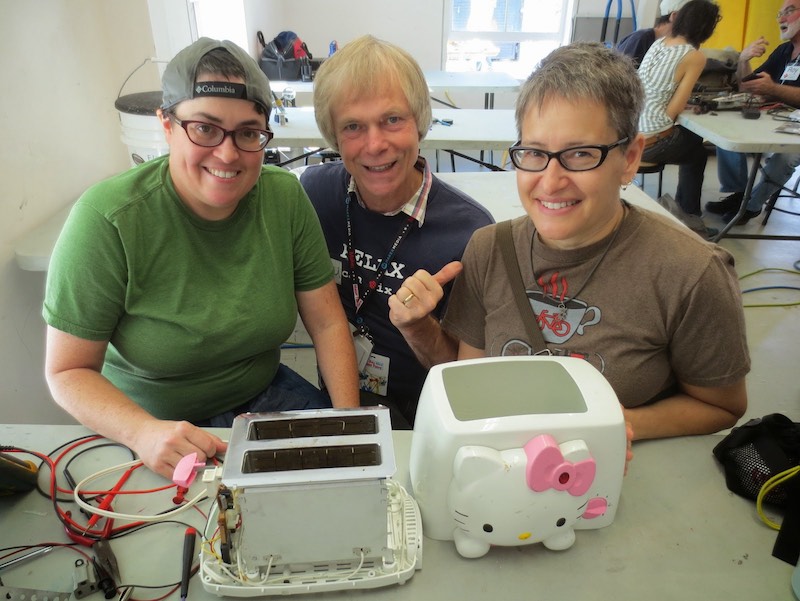
New Fix-It Clinic is Using Zoom and Global Community to Help You Repair Items For Free

Fixit Clinic

How many YouTube tutorials does it take to screw in a lightbulb? One—if that many.

Fixit Clinic

But when you need to fix something that’s beyond your level of DIY expertise, with nearly a bazillion videos offering differing and sometimes conflicting repair advice, it can be hard to know where to turn—or, at least it was until the advent of Fixit Clinic.

With its jaunty motto of “Education, entertainment, empowerment, elucidation, and, ultimately, enlightenment through guided disassembly of your broken stuff,” Fixit Clinic was conceived as a series of in-person events.

Participants brought in various non-working items to get expert guidance. The goal was not only to put the broken stuff to rights but also to help owners understand what made their things tick in the first place.

“Fixit Clinic conveys basic disassembly, troubleshooting, and repair skills using peoples’ own broken things as the vehicle. By sharing these skills while transferring them to others we teach critical thinking through the lens of our relationship to consumption and sustainability. We strive to demystify science and technology so that we can ultimately make better policy choices as a society,” their website explains.

RELATED: Man Who Grew Up Without a Dad Supports Youth With ‘Dad, How Do I?’ YouTube Channel

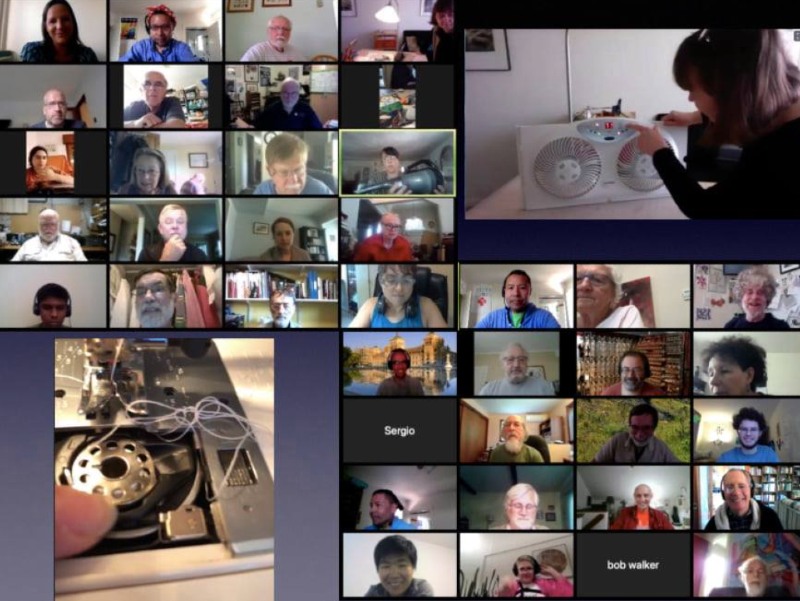
With COVID-19 curtailing most forms of non-essential contact, rather than shut down, Fixit Clinic smoothly shifted gears. The in-person meet-ups have given way to a virtual format that has actually expanded the pool of repair seekers and repair makers exponentially.

Fixit Clinic

The process is fairly simple. After signing up, participants submit their broken items to a “global assembly of community repairers” for troubleshooting tips and suggestions.

Next, the needful things, their owners, and the appropriate Fixit guru or gurus team up in “Zoom breakout rooms to implement the suggestions and, hopefully, fix the items.”

The Fixit Clinic also boasts a Global Fixers Discord Server for synchronous/asynchronous around-the-clock around-the-world repair.

Of course, some things are simply beyond repair. While Fixit Clinic makes no guarantees a broken item brought to them can be made good as new, if nothing else, participants will learn the how and why of what went wrong—all at no cost.

MORE: Millennials Are Getting Handier Around the Home Since Lockdown Measures Began

“I did a session with them for my hand-held blender last weekend and they were amazing. It’s all free, of course,” Anya Hart Dyke told The Guardian from her home in Scotland.

While they started out with smaller gadgets, Fixit Clinic can now tackle repairs on larger things including dishwashers, TVs, furniture, and more. To participate in an upcoming Intergalactic Fixit Clinic or set up repair via Discord, just head here.

So the moral of this story is: “If it ain’t broke, don’t fix it,” but if it is broke, Fixit Clinic is a great way to go.

SHARE The DIY Zoom Help With Friends on Social Media…

City Keeps Mysterious Plaques on Park Benches Because People Are Loving the Hilarity

City of Calgary

When most people think about guerrilla art, the first thing that likely springs to mind is graffiti.

From daredevils tagging trains to plucky grandmas joining in to paint the bandwagon, street artists around the world are making their mark.

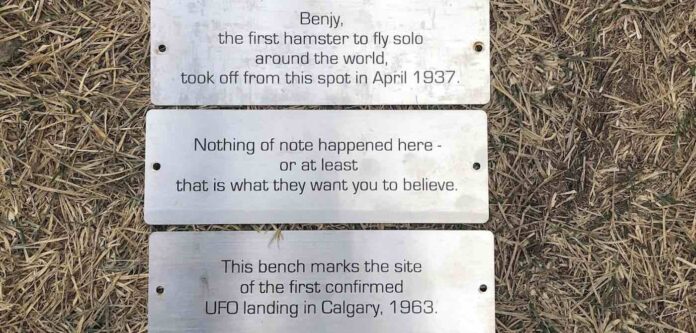
North of the American/Canadian border, an anonymous perpetrator of the genre has been making his or her own quieter contributions in the form of a series of cheeky plaques affixed to the benches in Calgary’s Bowmont Park.

As reported by Global News, the insouciant signage—which includes such irreverent observations as “Benjy, the first hamster to fly solo around the world, took off from this spot in April 1937,” “Nothing of note happened here—or at least that is what they want you to believe” and “Humans first invented fire right here in 1903”—initially fell afoul of the city’s policy on commemorative plaques and graffiti and were removed.

RELATED: Posse of “Graffiti Grannies” Tag The Town Alongside Master Spray Painters

It turned out, however, that the public actually loved the quirky missives and demanded their return.

“As the city, we have to err on the side of caution, but in this case, it was a bit too cautious,” the powers that tweet for the city admitted. “Listening to what’s important to Calgarians is part of our job. If we can make changes for a better outcome, that’s what we’ll do.”

MORE: People Use Chalk to Write Plant Names on Sidewalks to Help People Connect With Nature – ‘More Than Weeds’

With the signs back in place, everyone seems satisfied, although the city would prefer that in future, the artist would give them a head’s up prior to making any additions to his or her current body of work.

Now the fun’s even spreading to other cities, with Alberta’s other major hub, Edmonton, even getting in on the action.

PASS the Fun Along and Share This Story With Friends on Social Media…

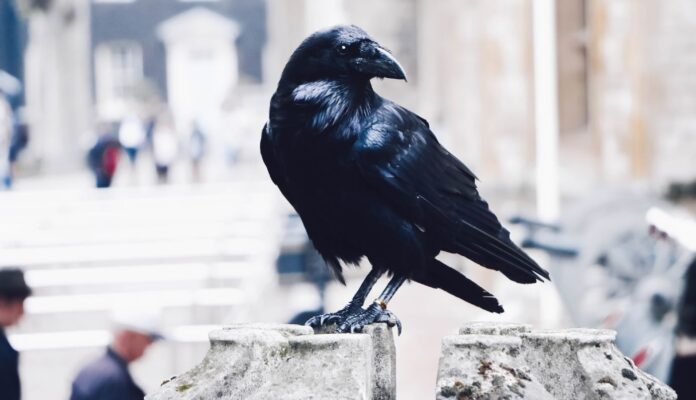
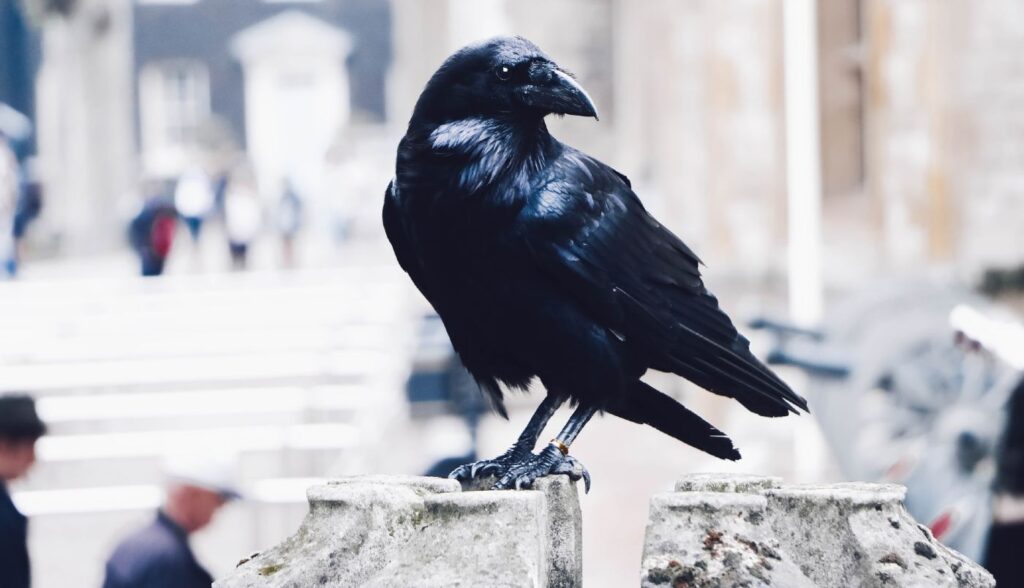
New Research Shows Why Crows Are So Intelligent and Even Self-Aware—Just Like Us

Crows, rooks, and ravens, a family of birds known as corvids, are pretty dang smart. In some ways, some crows are as smart as first graders.

In 2014, a famous ornithological accomplishment saw New Caledonian crows, who as outlined in Jennifer Ackerman’s brilliant work The Genius of Birds, are possibly the smartest of their race, and capable of passing newly acquired knowledge down to immediate offspring, completing the Aesop’s Fable challenge.

This famous test of intelligence and problem solving—which no animal had ever solved before, saw the crows drop stones into a water-filled tube in order to raise a floating platform of food high enough so that they could reach it.

More recently though, carrion crows have demonstrated that they can subjectively experience, process, and report on tasks or phenomena they have completed or seen.

RELATED: New Bird Song That ‘Went Viral’ Across This Species of Sparrow Was Tracked by Scientists For the First Time

This type of behavior is associated with the cerebral cortex, a region of the brain which not all animals possess, including birds, and suggests, according to the scientists, not only empirical evidence of consciousness in birds, but that consciousness as we would understand it can arise from different configurations of the brain organ as a whole; potentially changing the understanding of animal intelligence and neurology.

Savvy birds

Though the theory of what designs enable consciousness has moved on substantially from Descartes’ famous “cogito ergo sum” during the 1600s, the Latin phrase which translates to “I think therefore I am,” can be used to describe the recently reported performance of crows during a visual detection test.

Two crows, Ozzy and Glen, at the University of Tübingen in Germany were trained to peck at a red or blue target after they saw a light flash. Andreas Nieder, the scientist administering the test, then did something very difficult for even young children to grasp: he began changing the rules.

When at first the objective was to peck the red panel when a flash was detected, Nieder changed it to blue, which the crows picked up on and followed before Nieder changed it back to red. Furthermore, he would change the rule after the flash had already occurred or hadn’t occurredgiving the birds a few seconds to review what they knew about the task and make the correct corresponding choice.

This meant that they not only attached a phenomenon to a physical motion, but were able to review that in their head, and apply the same (could you say logic, or inference?) to the task again to continue pecking the correct panel.

CHECK OUT: Here’s How Thousands of Birds Are Being Saved From Flying into Toronto Buildings

“These results suggest that the neural foundations that allow sensory consciousness arose either before the emergence of mammals or independently in at least the avian lineage and do not necessarily require a cerebral cortex,” wrote Nieder et al. in their corresponding paper published in Science.

Bird-brained–a compliment

During the task hundreds of neurons were lighting up on monitors which tracked the activity of cells in the brain when the crows were acting on the flash, but when a light didn’t go off, the neurons remained silent, i.e. “no, I didn’t see it.”

The brilliant work of Glen, Ozzy, and Nieder was reported on by STATnews, who talked with Nieder about the study.

“I think it demonstrates convincingly that crows and probably other advanced birds have sensory awareness, in the sense that they have specific subjective experiences that they can communicate,” he said. “Besides crows, this kind of neurobiological evidence for sensory consciousness only exists in humans and macaque monkeys.”

Indeed crow brains can contain 1.5 billion neurons—as many as some monkeys.

MORE: This Hacker Built a Vending Machine for Crows as an Ingenious Response to a Cocktail Party Argument

With the possibility of crows, and perhaps other animals outside the mammalian order having complex if differently formed brains, it could change the way humans view our earthly neighbors and perhaps replicate the respect we have for monkeys and apes in other creatures.

Share This Fascinating Finding With Your Friends on Social Media…