











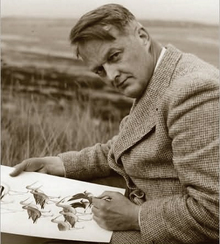
118 years ago today, Roger Tory Peterson, the inventor of the modern field guide, was born. The American naturalist, ornithologist, artist, and educator published his groundbreaking Guide to the Birds in 1934, at age 25, and its first printing sold out in one week. The Peterson Field Guide series eventually included topics ranging from rocks and seashells to reptiles and edible or medicinal plants. He won numerous awards, like the US Presidential Medal of Freedom, after igniting in our hearts a curiosity and love for the natural world. READ a bit more about Peterson and his books… (1908)
5 US Cities Hire Robot Called ‘Dax’ to Help Survey and Repair Sidewalks–Kids Love Him


Citizens across the nation have reported strange figures on city sidewalks. They’re white, short, and inhuman.
But this unidentified rolling object comes in peace. His name is Dax, and he’s here to help.
This summer saw the curbside debut of the Daxbot in cities around the US, developed by an Oregon-based robotics firm for the purpose of improving city sidewalks.
Moving at walking pace, they continuously perform surveys of the sidewalk level, measuring gradients, width, and vertical changes—the kinds of things that would be done by a surveyor crew. The data is packaged up and forwarded to city planners for the purpose of more easily triaging which sidewalks are more urgently in need of repair.
So far, ‘Dax’ is on the ground in Bangor, Maine; Hoboken, New Jersey; Hollister, California; Tyler, Texas; and Hilton Head, South Carolina.
It might seem like a niche job, but as a report on the Daxbot’s work in Tyler published in Straight Arrow News outlines, conditions on a black asphalt roadway under a July sun in Texas are harsh and unforgiving. Finding surveyors to work under these conditions is difficult.
In cities like Hoboken and Tyler, authorities are setting goals of zero pedestrian traffic deaths, and well-maintained level sidewalks are considered an important part of achieving them. For strollers, bikes, kick scooters, or skateboards, the old tree root that uplifts the sidewalk isn’t just an impediment, but a gentle, subconscious suggestion to move off the sidewalk and onto the road.
Though hardly a death sentence, being that much closer to moving cars is that much closer to danger. Indeed, 9 in 10 pedestrian traffic deaths will occur on the road surface, not the sidewalk. As if city planners needed anymore data to convince them using Daxbots is a good idea, one unit in Tyler was hit on a crosswalk by a truck making a right turn.
ROBOTS AMONG US: Robot Helps Restore Lost Seagrass Meadows Around the World
“Hoboken has become a national model for street safety because we’ve consistently invested in making our streets work better for everyone,” the city’s Mayor Emily Jabbour said.
“By combining innovative technology like Daxbot with feedback from residents and guidance from accessibility advocates, we’ll better understand where improvements are needed…”
Bangor plans to use 6 of the robots, which stand 35 inches tall and will wear hi-visibility jackets. They will cover about 6 miles of sidewalks a day.
Straight Arrow News heard from a Daxbot company spokesperson who explained that the robot, reminiscent of Pixar’s WALL-E, was first tested by delivering pizzas. It was a city planner who called one day, asking if it could survey sidewalks, that set Daxbot on the path it’s on today.
More children, seeing the robots almost inevitably offers a moment of joy and wonderment, and several cities encourage residents to take selfies or photos of the robot and post them on social media, tagging official accounts.
SHARE This New Resident In American Cities With Your Friends…
Man Saves Baby Otter with CPR: ‘A life’s a life, no matter what it is’
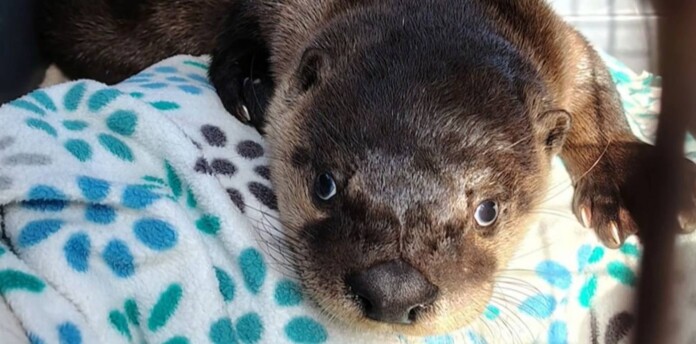
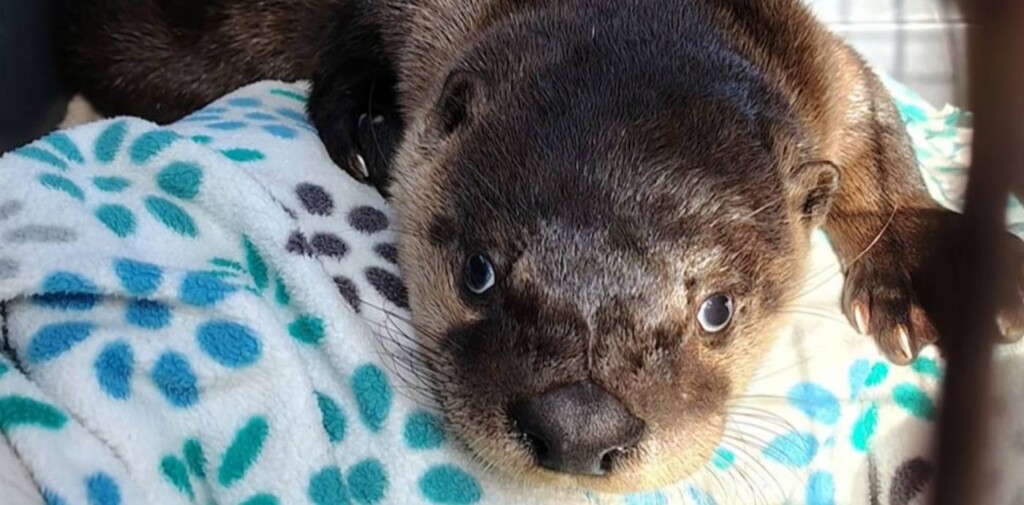
It takes a village to raise a child they say. Well a story comes to us now from Alert Bay in British Columbia, where it took a village to save one.
It was a retired logger and fisherman named Gordon Mellish who first rescued three baby otters, having been told by a neighbor on the marina that the trio were tangled in a fishing net.
A small crowd gathered around the man as he cut them free. The first 2 seemed unharmed, while a 3rd wasn’t moving. CTV News’ Adam Sawatsky spoke to the man about what happened next.
“Gave the heart a little pump and nothing was going on, so I grabbed it and picked it up, I wrapped my mouth around its mouth and nose and gave it a breath of life.”
Mellish has given mouth-to-mouth CPR on 10 humans across his years on the water, but never to an otter.
Coming out of the crowd was Robin Quirk, a local whose motherly instinct drove her to care for the revived baby, building a shelter from the Sun and birds of prey, and placing down a bed for it to lie on while expert advice was consulted.
A wild animal rescue center was a long drive and a ferry ride away, so Quirk cared for the otter in her car overnight before making the trip out the next day.
“You know how if you can’t get your baby to sleep, you take it for a drive?” Robin told Sawatsky. “Well, the otter slept the whole way.”
Arriving at the rescue center, the otter spent a week in rehabilitation, before returning to Alert Bay where both Mellish and Quirk were invited to watch as the baby otter returned to the water.
MORE STORIES LIKE THIS: How to Save An Elephant With CPR? Jump Up and Down on its Chest to Revive Her (Watch)
Mr. Mellish relished the moment when, upon leaping into the water, the animal looked back and as he waved, nodding its head before swimming away. Subsequent sightings have confirmed that it has rejoined its siblings and mom, and it seems even to recognize Quirk—provided she whistles the lullaby she had made up in the car ride to the shelter.
Mammals have to stick together.
“A life’s a life no matter what it is,” Gordon said. “Try to do your best to save it.”
WATCH the story below…
SHARE This Breath Of Life From One Mammal To Another…
Pakistan Combines River Dolphin Sanctuaries Along the Indus River, Protecting 250 Miles of Habitat
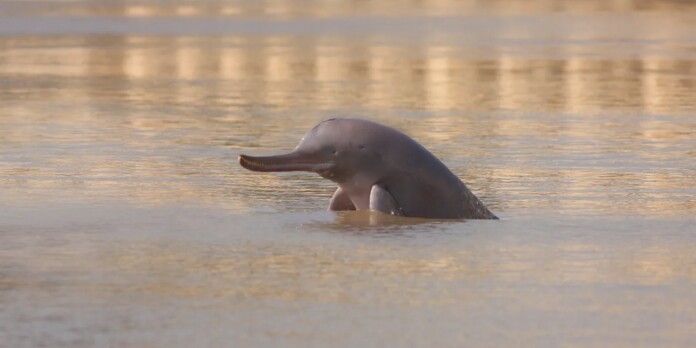
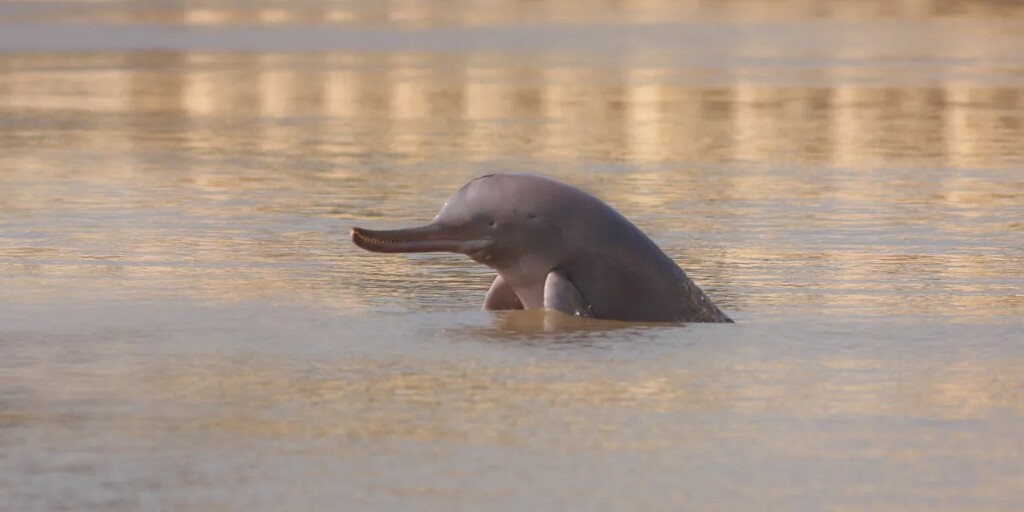
Pakistan has created a wildlife sanctuary along 123 miles of the Indus River where it’s estimated 440 of these extraordinary freshwater cetaceans live.
The endangered Indus River Dolphin has seen large declines in the amount of river it’s able to access as Pakistan’s economic growth drove river infrastructure projects like dams and irrigation canals.
Some 2,000 are believed to remain, with pockets of the population divided across 3 stretches of the Indus River totaling around 430 miles.
With the Punjab government’s creation of the Punjnad Indus River Dolphin Sanctuary, it not only safeguards the heart of the dolphin’s habitat in Punjab, but connects it with an existing protected area in neighboring Sindh Province, creating roughly 249 miles—about the length of New York State—of connected habitat under legal protection, according to WWF-Pakistan.
The WWF chapter will work closely with the governments in Islamabad and Punjab to development a management plan for the sanctuary to ensure the dolphins therein can thrive, not merely survive.
The organization has been working since the 1990s in the conservation of the dolphin, and points out that as an apex predator in the waterway, its flourishing requires a whole-of-ecosystem flourishing. If the nation can but protect its dolphins, it may very well protect the whole riverine environment at the same time.
SHARE Pakistan’s New Protections For The World’s Second Rarest River Dolphin…
‘Wood Foam’ Startup Uses Logging Waste as Substitute for Plastic, Producing 400 Pounds Daily
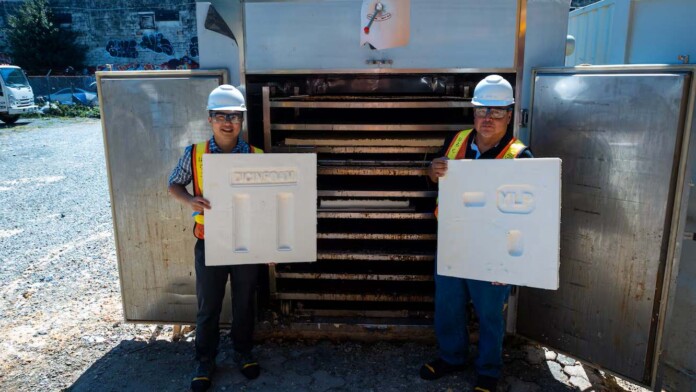
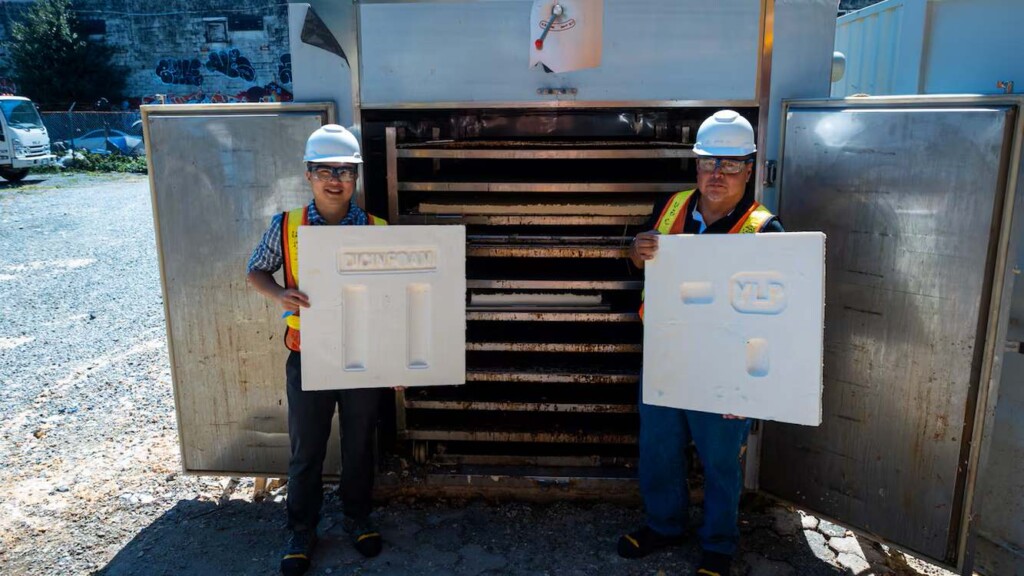
The University of British Columbia has taken low value timber waste and turned it into “wood foam” to replace plastic in packaging.
With one of the largest timber industries in the world, the innovation clears two hurdles in one leap: cutting back on polluting, long-lived plastics, and utilizing a waste product from an already existing industry.
Already, a pilot plant in East Vancouver is producing around 400 pounds of the so-called wood foam every day.
Among plastics, polystyrene foam is arguably the most environmentally problematic. Anyone who’s pulled a TV or coffee machine from a box filled up with the stuff will know how readily it shreds into microplastics, but what they usually don’t know is that scientists estimate it requires twice as long to breakdown as other commonly used plastics—remaining in the environment for around 1,000 years.
Speaking of remaining in the environment, at every stage of the logging supply chain, wood material is wasted. In the forest, sawdust, chips, and pulp accumulates on the forest floor and can like as a quick-burning accelerant for forest fires. On the sawmill floor, meanwhile, this residue has to constantly be gathered up and disposed of.
Substituting one for the other was obvious for the UBC team which developed the wood foam, led by Professor Feng Jiang, and the company which spun it out into a business called DicinFoam, led by CEO Richard Chen and CTO Zhu Yale.

“We’ve made it from low-value pulp, wood fibers, and forestry residues,” Zhu told CBC News. “What we’re trying to do is we want to extract the majority of the value out of it and make it into our day-to-day packaging needs.”
The mixed-media material is homogenized before being fed into a special machine that forms the foam panels and heat presses them. The company has plans to scale up to a 1,000 tons-per-year operation on the shores of Burns Lake on the territory of the Wet’suwet’en First Nation who own the company.
MORE FORESTRY ADVANCEMENTS:
- First Nation Innovates Prefabricated Housing System from Locally-Sourced Wood
- Woodcarving Club Turns City’s Tree Trimmings into Treasured Trinkets
- Biodegradable Plastic Made from Bamboo Is Stronger and Easy to Recycle
“Every tree that gets harvested, 30% of the tree doesn’t get utilized,” CEO Chen said. “If we can even get a fraction of that and replace everyday existing products that are made of plastics … I feel that’s a big deal—especially when we have materials just sitting in the forest.”
If the 1,000-ton plant is a success, DicinFoam imagines a 15,000 ton-per-year plant on Vancouver Island. At this scale, the team says, the end product will be cost-competitive with the polystyrene foam they hope to replace.
SHARE This Brilliant Way To Reduce Plastic And Upcycle Wood Waste…
“Only two things are infinite, the universe and human stupidity… and I’m not sure about the former.” – Albert Einstein

Quote of the Day: “Only two things are infinite, the universe and human stupidity… and I’m not sure about the former.” – Albert Einstein
Photo by: Jannes Jacobs (cropped)
With a new inspirational quote every day, atop the perfect photo—collected and archived on our Quotes page—why not bookmark GNN.org for a daily uplift?

Good News in History, August 27

Happy 87th Birthday to Osage-American travel writer William Least Heat-Moon. His debut novel, Blue Highways, (1982) is a chronicle of a three-month-long road trip that Least Heat-Moon took throughout the United States in 1978 after he had lost his teaching job and been separated from his first wife. He tells how he traveled 13,000 miles, as much as possible on secondary roads, and tried to avoid cities. His second work was River-Horse during which he traveled across the US entirely on waterways. READ more about what he encountered… (1939)
Scientists and Volunteers Take Big Step Towards Saving Rare ‘Cryptic’ Australian Orchid
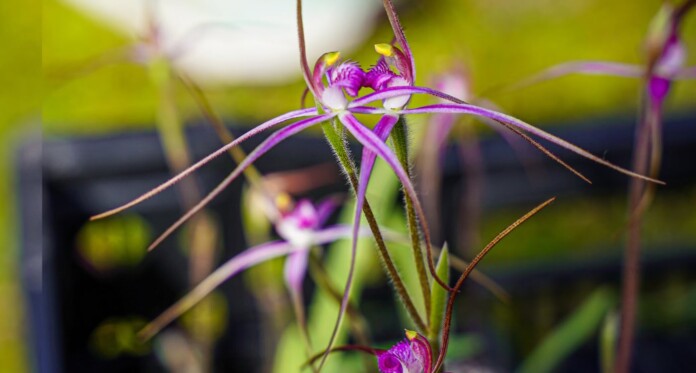
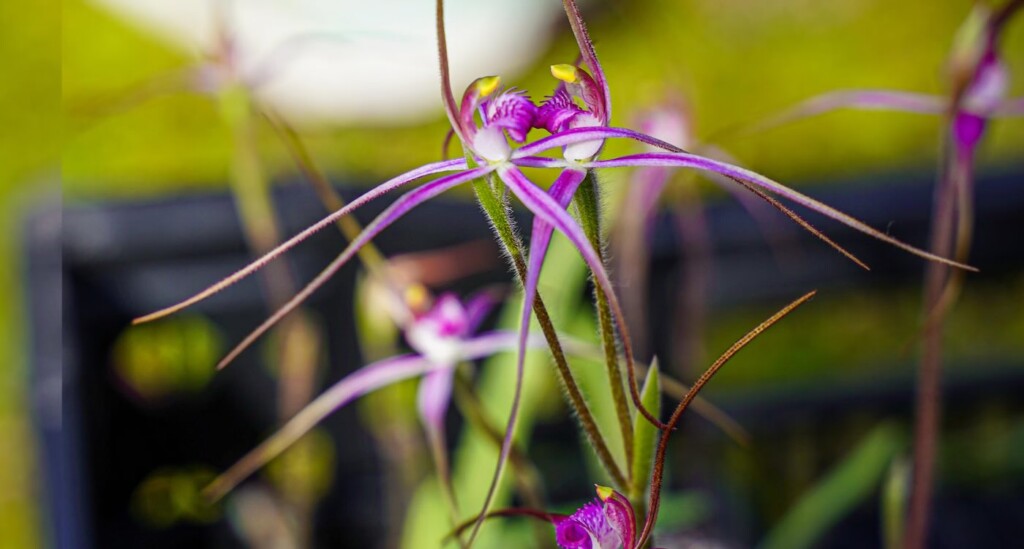
There are many orchids at risk of extinction in Australia alone, few more than this rosella spider orchid.
Thanks to a dedicated team of volunteers however, the Royal Botanic Gardens in Victoria actually possess a nursery with twice as many orchids as were estimated to exist in the wild when they started, providing a stable foundation for the flower to reestablish itself.
“The orchid conservation team at the Botanic Gardens [in Victoria] have something like 500 species in propagation,” Alex McLachlan, a research scientist at the gardens, told ABC News AU.
“There’s about 8 threatened species, including non-orchid species, that are going back out into the wild this year.”
McLachlan and his colleagues describe Australia’s orchids as a “cryptic” bunch. They keep a “low profile,” often appearing as just a single green leaf like a blade of grass, if appearing above ground at all. When they flower, they’re often relying on several different cues, and they may be designed entirely to attract a single species of wasp, bee, fly, or beetle.
Each one offers a riddle that has to be solved before the plant can be saved.
The rosella spider orchid is just like this, emerging with a single purple flower between August and September, hoping to attract a single species of native bee called Leioproctus platycephalus.
Despite being native to New South Wales and Victoria states, there are only 4 locations known to contain this spider orchid, and together they add up to something not much larger than a suburb of Melbourne.
In 2000, just 120 wild rosella spider orchids were recorded. Thankfully, in 2023, that number had increased 5-fold, but not enough so that one good wildfire wouldn’t end the species’ existence.
McLachlan has over 500 plants in his nursery once waiting to be transplanted to a secret site where the bees are known to live. Getting to this point required years of hard work, as the orchids require a specific fungal species to germinate. They have symbiotic relationship with this microscopic fungus, and cannot be started from seed without it.
Not knowing the romance of the soil, the fungi, and the seeds, McLachlan and his team had to do it by hand, introducing seeds and fungal spores in a petri dish.
AUSTRALIA’S PLANTS: Aboriginal Elders Lead Prescribed Burn–and Rare Orchids Appear by Thousands
“The seedlings will form, and then they’re kept in our growth room back at Cranbourne,” he told ABC. “And they’ll stay in their little plates for about 3 months until they’re big enough to then go up into flasks.”
It will be another year until they’re ready to be put into soil. Recently, in July, volunteers and scientists were able to do just this, after 3 years of careful laboratory horticulture.
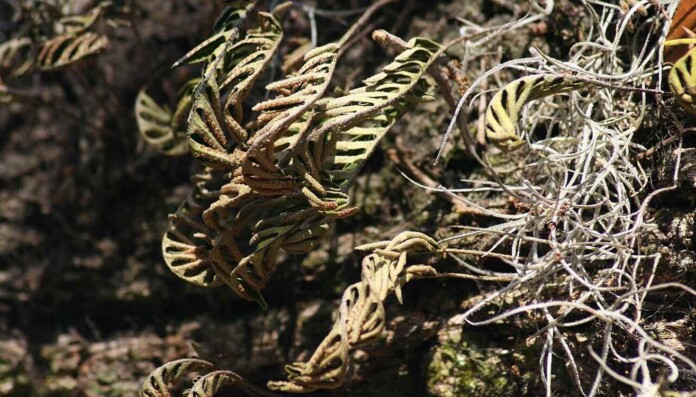
GETTING A HELPING FROND: Rare British Plant Makes Extraordinary Comeback from Brink of Extinction
ABC News described the orchids of Australia as enjoying “cult” like followings, which meant that McLachlan and his colleagues had no shortage of offers for help as they trucked the young orchids out to privately-managed land and begin to stick them into the ground with cages over top to protect them.
It’s “the fun bit” but also bittersweet, as the team knows how many plants need this kind of helping hand. The good news, however, is that there are many hands ready to help with this special little flower and others like it.
SHARE This Hard Work By Scientists And Volunteers For The Sake Of A Single Flower…
Resurrecting Plant Inspires ‘Fridge Free’ Vaccines That Could Save the Millions of Doses Wasted Annually
A new ‘fridge free’ production method for vaccines could create far more reliable immunizations for low and middle income countries, as well as cut back on waste.
Currently, it’s estimated that a large percentage of all vaccine doses are thrown out because the “cold chain,” a strict process of temperature controlled storage from the moment of production to the end-use case, is interrupted.
It’s a drawback to the medicines in high income countries, but in the Global South, where temperatures are often much higher year-round and where immunization can be the difference between life and death for millions, it’s an even bigger challenge due to modest rural medical infrastructure, and reduced refrigeration and power availability.
Seeking a better solution for vaccine transportation and storage, the UK’s National Institute for Health and Care Research (NIHR) is testing a powder-based vaccine product inspired by “resurrection plants,” which can appear lifeless for months before springing back to life when it rains.
The powder was shown in tests to remain stable and viable for a year, before the addition of water allowed it to be injected long after most other vaccines would have had to be thrown away. Additionally, it not only remained viable in room temperature, but after temperature cycling of -4°F to 104°, such as might be experienced by the shift from an aircraft cargo bay to the back of a truck on a rural African road.
The technology came from the resurrection plants’ own adaptations to their dry climates in Africa and South America. One is the production of a sugar called trehalose, which stabilizes the plant’s cells during drought.
The NIHR used nothing less than this very sugar to stabilize a previously-liquid tetanus-diphtheria vaccine in powder form.
Administered to 60 people as part of a trial run by the fridge-free vaccine’s co-developers Stablepharma, it was found to be safe and well-tolerated, while also producing comparable immune responses to currently utilized temperature controlled vaccines.
MORE STORIES LIKE THIS: New Tech Revives ‘Unusable’ Organs–10 Successful Transplants Used Kidneys That Are Normally Discarded
“This obviously has potential to remove cold chain dependence, reduce wastage and improve access,” said Professor Saul Faust, the director of the NIHR Clinical Research Facility in Southampton.
KEY INNOVATIONS: Innovative Tapeless Zipper Saves Tons of Fabric While Creating a Better Fit on Your Clothes
A larger trial of 160 people is scheduled to begin in the coming months. The vaccine in question is already approved for human use, so only a few steps remain towards a potential commercialization.
BBC reports that novel mRNA vaccines would not be candidates for this trehalose powder storage form, but that more traditionally-formulated vaccines would, as well as some medicines—such as monoclonal antibodies—which need to be kept in a fridge.
SHARE This Clever Innovation In Vaccine Development With Your Friends…
Tribute to Dolly Parton: Country Music Star and Childhood Literacy Champion Giving Free Books to Kids (1946-2026)


Dolly Parton passed away yesterday at age 80 following a brief battle with cancer.
She leaves behind a legacy captured in many GNN stories; one of championing childhood literacy, uplifting Americans of every gender, color, and creed, and of several enduring musical hits in the country genre.
Multiple reports from family detail that she passed peacefully amid a battle with cancer surrounded by loved ones at Vanderbilt-Ingram Cancer Center.
Born the 4th youngest of 12 in a one-room cabin in Pittman Center, Tennessee, Parton would go on to become one of the most decorated figures in Showbiz, collecting 11 Grammy awards, 3 Emmys, and receiving nominations for 2 Academy awards, 6 Golden Globes, and a Tony.
Her career was built off of apostolic talent for country music, a genre she dominated with 25 #1 singles across 47 albums that cracked the top 10 for sales. She managed to write “I Will Always Love You” and “Jolene” in the same day no less.
It wasn’t until age 8 that she first got her fingers around a proper guitar, having shown a penchant for music even earlier. By age 12 she had already appeared in performance in church and on the radio. After graduating high school in 1964 she moved to Nashville where she was almost immediately signed to a record label with an attempt at making her a pop star. That didn’t pan out, but it was nothing less than a path which she would later be quoted as saying she always saw for herself.
“I’ve always believed things would go well, and I dreamed that they would even before I was in high school. I always wanted to be a star. It just seemed natural to me.”
She married her husband Carl Dean, 2 years out of high school, and remained in wedded bliss until 2025 when he passed away.
Too many words would be required to enumerate the accomplishments and entertainment staples, one after the other, which she would produce over the next 5 decades, but to name a few are a catalogue of 3,000 songs, stellar performances in 9 to 5, The Best Little Whorehouse in Texas, and Steel Magnolias, and multiple successful business ventures including into a film and television production company that produced an Academy award-winning documentary, and, among other things, Buffy the Vampire Slayer.
Our team, our local program partners, and every operational partner who helps make this program possible each month are heartbroken at the loss of our founder, Dolly Parton. (cont.) pic.twitter.com/xXys7ejAKQ
— Imagination Library (@dollyslibrary) August 25, 2026
GNN remembers Parton as a true philanthropist. In 2018, GNN reported that Parton’s “Imagination Library” had given away its 100-millionth book to support child literacy, a milestone her nonprofit would surpass by 200% before her death.
In 1988, Parton founded the non-profit Dollywood Foundation, under which the Imagination Library would be nested, but which also ran a variety of other programs, including one which reduced the high school dropout rate in her home county of Tennessee from 35% to just 6%.
Tonight, the Empire State Building tower lights will turn to a pink sparkle at 9:25 to honor the late Dolly Parton.
— Empire State Building Observation Deck (@EmpireStateBldg) August 25, 2026
Dolly was a global cultural icon whose seven-decade career reached generations of fans. Beyond entertainment, Dolly leaves a significant philanthropic legacy… pic.twitter.com/Pu5rtdfe0r
Parton was a generous donor to Vanderbilt University Medical Center, and also made “generational and transformational” donations of undisclosed amounts to the East Tennessee Children’s Hospital, which was later renamed in her honor.
In 2022, Amazon Founder Jeff Bezos announced that Parton’s nonprofit would be receiving the Amazon Foundation’s Courage and Civility Award, which comes with a $100 million donation to charities of the winner’s choice.
“(She) embodies these ideals so thoroughly,” said Bezos at the time. “She gives with her heart. What she’s done for kids and literacy, and so many other things, is just incredible.”
Tuesday saw flags raised to half mast on the order of the President, and the Empire State Building announced it would shine pink at the hour of 9-2-5 p.m. in honor of the star.
WATCH PBS’ tribute compilation to the great Dolly Parton…
India’s Lion Populations Increase 70%, Total Habitat by 15% Over the Last Decade
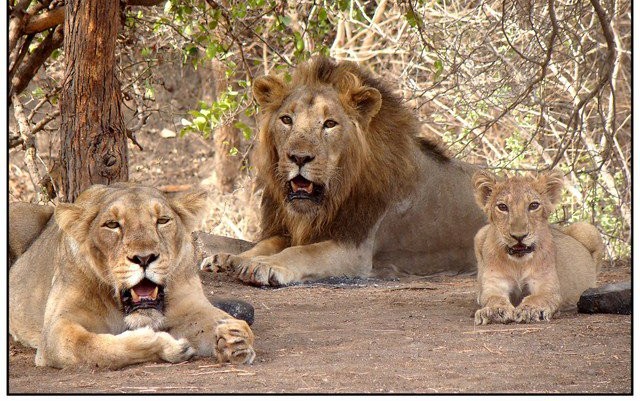
The Asiatic lion populations living in western India have increased 70% over the last decade, while their rangeland has also increased 15%.
In a large protected area called the Greater Gir Landscape in Gujurat state, the animals now number 891, up from 523 lions in 2015.
Though almost entirely pictured as an African animal, subspecies of the lion ranged right the way across the Old World, from South Africa to Morocco, and from Morocco to India. All of Africa’s big cats, in fact, had such extended ranges, with cheetahs still living wild in Iran today, and leopards in Azerbaijan.
The Asiatic lion is smaller than its African brethren, and exists today only in India. Union Environment Minister Bhupender Yadav presented the findings of the 16th Asiatic Lion Population Estimation, conducted in May 2025, in time for World Lion Day on August 10th.
The results were a growth in the population of 32% in 6 years, and 70% in 10 years.
Nearing 1,000 individuals, it’s a far cry from the 60-80 that existed in Gir in the 1980s. Since then, Yadav wrote in a column, extensive conservation efforts across the whole landscape, with a particular emphasis on rebuilding prey populations of nilgai, sambar and spotted deer, and wild pigs, has helped to rapidly multiply the big cat population.
The lions’ range has also expanded from about 30,000 square kilometers in 2020 to nearly 35,000 across 11 districts. In 1990, their range was a mere 20% of that figure.
MORE STORIES LIKE THIS: Vanished Hornbill Species is Breeding Again Among the Old Trees After 60 Years
Another crowning achievement in India’s efforts to keep the lion alive was the natural recolonization of Barda Wildlife Sanctuary, where the cats had disappeared from in the 19th century. Arriving anew in 2023, there are now 17 lions living there year-round.
It sits high on the admittedly-long list of conservation triumphs the modern Indian state has engineered, among such diverse fauna as the one-horned rhinoceros, tiger, and a suite of vulture species.
SHARE This Incredible Progress Restoring The King Of The Jungle In India’s Deserts…
Good News in History, August 26

235 years ago today, John Fitch was granted a US patent for a boat propelled by steam power which used mechanical paddles to propel it atop lakes and rivers—an invention that revolutionized commercial transportation of both passengers and freight. The American inventor, clockmaker, silversmith, surveyor, entrepreneur, and engineer, also provided beer, rum, and other supplies in 1778 to General Washington’s troops at Valley Forge. READ more about the first steam ship and its inventor… (1791)
Woman Can See Again After World’s First Transplant of a Central Retina


From Turin comes a surgical world-first: the simultaneous transplant of a complete human macula, along with the cornea, sclera, and connective tissue, from one of the patient’s eyes to the other.
It allowed a woman blind for several years to immediately gain enough vision to recognize both her son and her faithful canine companion, Joe.
La Stampa, a Turn-based national newspaper, reported that the intervention was lead by the “intuition” of ocular surgeon Professor Michele Reibaldi, who himself described the process as a “complicated marathon,” lasting 6 hours and requiring careful coordination by surgeons, anesthetists, and orderlies.
The patient was 67-year-old Elena, who lost her eyesight in a road incident which completely severed the optic nerve in her left eye. Responsible for transmitting light absorbed and delineated through the eye to the brain, the irreversible damage was not shared by the rest of eye tissues, which remained largely intact.
In an interesting coincidence, the reverse was true for her right eye. While the optic nerve was undamaged, the trauma of the crash destroyed other parts of her eye including the retina, the cornea, and the portion of the eye containing ocular stem cells, rendering any hope of a normal corneal transplant impossible.
In short, there was enough undamaged components between her two eyes to create one that could function. The only problem was that it would require a surgery never done in the history of medicine, a macular transplant. The macula is a small, light-sensitive region at the back of the retina, itself located in the middle of the eyeball, responsible for high-definition sight. The common cause of blindness, macular degeneration, refers to this small tissue.
Elena also needed a new cornea, and the sclera—the white of the eyeball. Professor Reibaldi resolved to salvage those from the left eye and transplant them all to the right eye, in which the ocular nerve was preserved through the crash.
RESTORING VISION: World’s First Whole-Eye Transplant Gives Arkansas Man New Hope After Terrible Accident
“This procedure represents a new frontier in ocular surgery,” Reibaldi, who practices at the Molinette Hospital in Turn’s City of Health and Science, said according to a translation. “Before today, such a contemporaneous transplant of the anterior eye tissue had occurred just once before, while the central retina has never been possible.”
“Now we will wait and see how well the transplanted retina functions, though early signs are encouraging.”
GETTING BETTER ALL THE TIME: Surgeons Perform World’s First Human Bladder Transplant at UCLA
Follow-ups have confirmed that the tissues have reattached correctly, and that Elena is regaining sight in her right eye.
Reibaldi praised the extraordinary collaboration within the team which carried out the procedure, before adding that the biggest prize for them was “the incredible moment in which Elena, opening her eyes, could finally recognize her son and faithful companion in life, Joe the dog.”
OPEN Your Friends’ Eyes To This Incredible Surgical Accomplishment On Social Media…
US Approves First Drug That Targets Root Cause of Narcolepsy Rather Than its Symptoms


A Japanese pharma company has developed a drug that treats the root cause of a leading form of narcolepsy, and is celebrating as it becomes the first of its kind to receive American FDA approval.
Narcolepsy type-1 afflicts 120,000 people in the US, and is characterized by sudden bouts of intense daytime drowsiness, disrupted nighttime sleep, and cataplexy, or sudden muscle weakness while awake
Traditionally treated by simulants to stay awake, or nervous system depressants to dampen cataplexy, this new drug mimics the body’s production of orexin, a compound that helps regulate wakefulness that is disrupted in patients with narcolepsy.
Called Orzeyful, it’s been developed by Takeda, and Tiffany Farchione, MD, Director of the FDA’s Division of Psychiatry, celebrated its approval in an August 5th statement.
“For too long, people with narcolepsy type 1 have had to manage a complex, lifelong neuropsychiatric condition with treatments that only address pieces of it,” said Farchione. “This new drug is the first medicine that impacts the underlying biology of the disease, treating narcolepsy type 1 as a whole.”
Its developers likewise celebrated the milestone.
“The FDA approval of Orzeyful marks a new chapter for the narcolepsy type 1 community, as we introduce an entirely new class of medicine that will potentially redefine how this disease is managed and how people feel on treatment,” says Takeda president and CEO Julie Kim in a separate statement.
The final stage trials that paved the way for approval demonstrated safety and efficacy in 273 patients. Compared to placebo, those who took the twice-daily pill for 12 weeks were able to stay awake longer during the day and rest better at night.
“It’s the best thing that has ever happened to me,” Tyler Chapman, who participated in one of the clinical trials, told Nature’s in-house press publication. “My quality of life is so much better.”
NEW THERAPEUTICS: New Kind of Antibiotic Is First in 30 Years to Treat UTIs That Keep Coming Back
There were side effects, including of a severity that saw some participants removed from the trial. The most common serious side effects were increased frequency and urgency to urinate, and—ironically—insomnia. Nevertheless the side effect occurrence was considered low.
Orexin, the chemical signaling molecule produced by brain cells which die in narcolepsy type-1, has been linked to other neurological conditions like ADHD, and even Parkinson’s, and with Orzeyful’s FDA approval comes the potential for future research into its utility as a neuro-modulator.
ALSO CHECK OUT: New Drug Could Change Lives of Kids with Resistant Epilepsy, Patient Trials Concluded
“Orzeyful is just the beginning. With orexin emerging as a powerful therapeutic pathway, Takeda is unlocking the potential of this new class of medicine for patients across a range of disorders,” says Andy Plump, the company’s president of research and development, in also the statement.
WAKE UP YOUR FRIENDS To This Great New Medication By SHARING This Story…
Over 3,000 Endangered Yellow-Legged Frogs and Tadpoles Unleashed to Reclaim SoCal Mountains
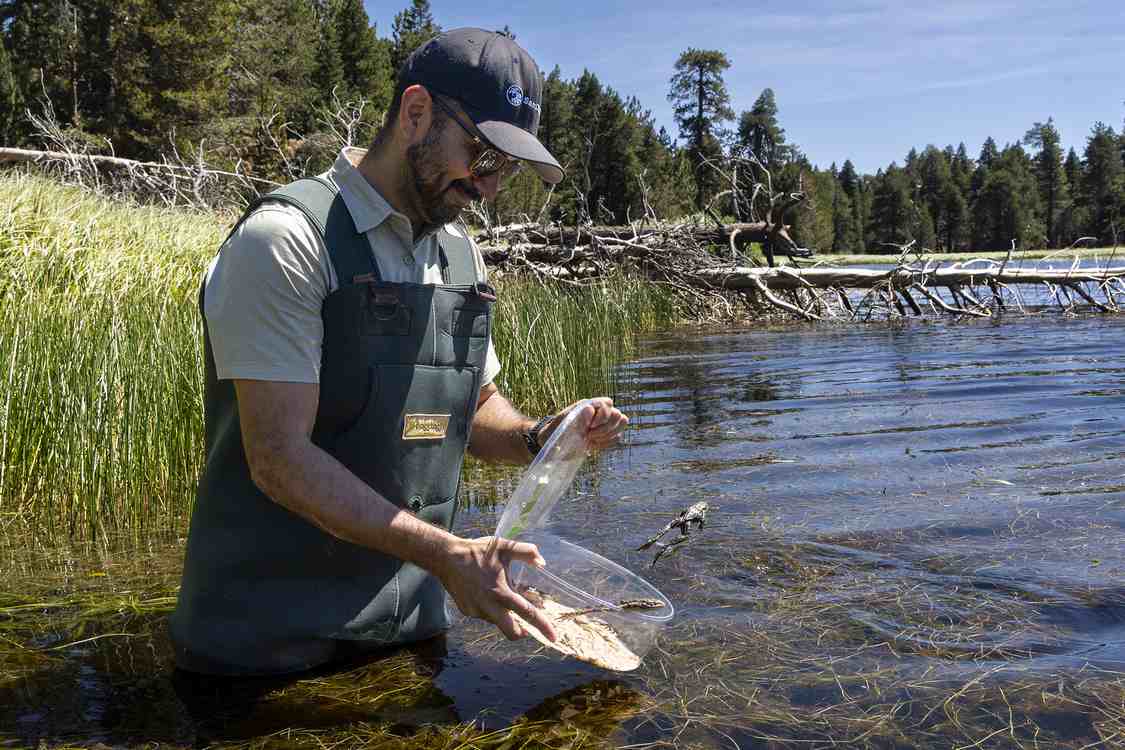
American amphibian lovers will be jumping for joy at the news of 3,000 frogs and tadpoles from an endangered species bred and released into their former mountain homes.
San Diego Zoo Wildlife Alliance has been breeding and reintroducing the endangered mountain yellow-legged frog for decades into the San Bernardino and San Jacinto mountains.
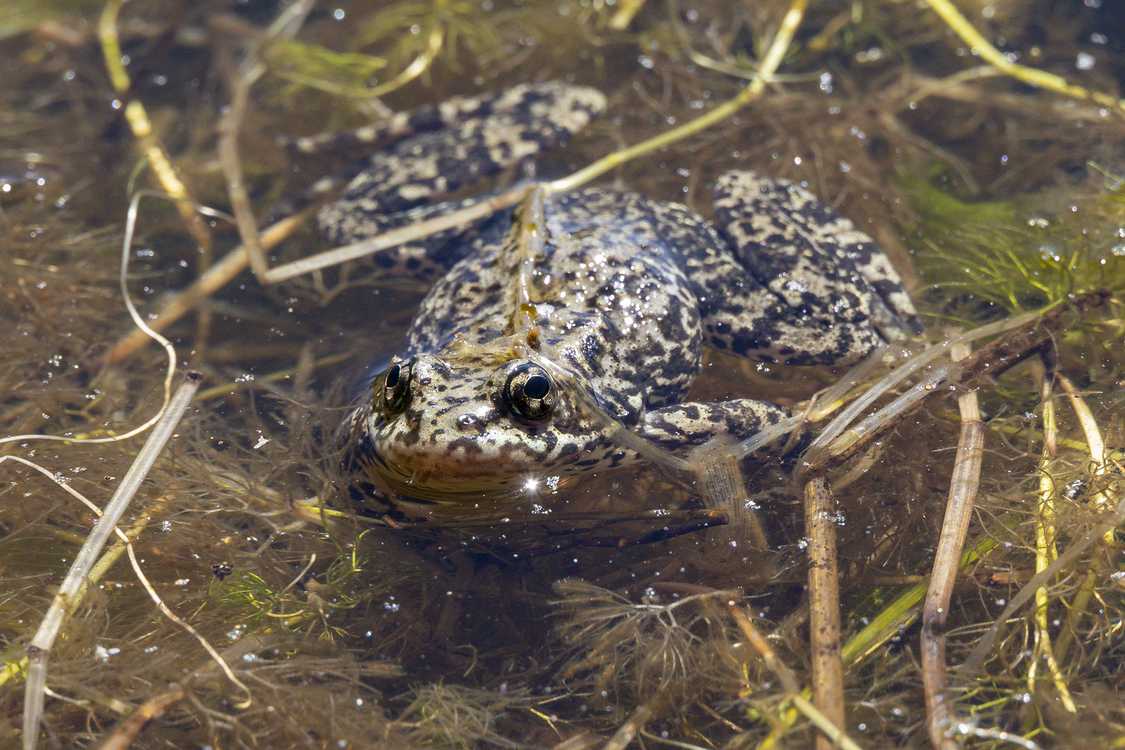
Leaving their small carrying crates to take their first hops into the wild world, zoo conservationists smiled as they watched some 3,000 native amphibians disappear into the waters of Bluff Lake in the Big Bear area, one of several sites where reintroductions have taken place this year.
Once historically abundant, the species has declined by more than 98%. The species faces a number of threats, including disease, introduced predators, wildfire and drought. Conservation teams continue to monitor reintroduced frogs to track their health, survival and success in their native mountain habitats.
The frogs were bred at San Diego Zoo Wildlife Alliance’s Beckman Center for Conservation Research as part of a 20-year conservation breeding and reintroduction program. San Diego Zoo Wildlife Alliance and its partners, including the US Fish and Wildlife Service, US Geological Survey, and California Department of Fish and Wildlife, have been working to conserve the species since 2006.
MORE FROG CONSERVATION: Frog Wiped Out by Disease Returns to the Wild With the Help of ‘Frog Spas’ and ‘Frog Saunas’
What began as a rescue effort has grown into a comprehensive conservation program focused on breeding, genetic diversity, disease management, reproductive research, and reintroduction.
To date, San Diego Zoo Wildlife Alliance has reintroduced over 10,000 mountain yellow-legged frogs and tadpoles into high-elevation mountain habitats and continues to work with partners to restore this species in the wild.
SHARE This Great Story Of A Native Creature Receiving Help From Humans…
First Bluefin Tuna Caught in North Sea in 60 Years Is Sign of Healthy Ecosystem
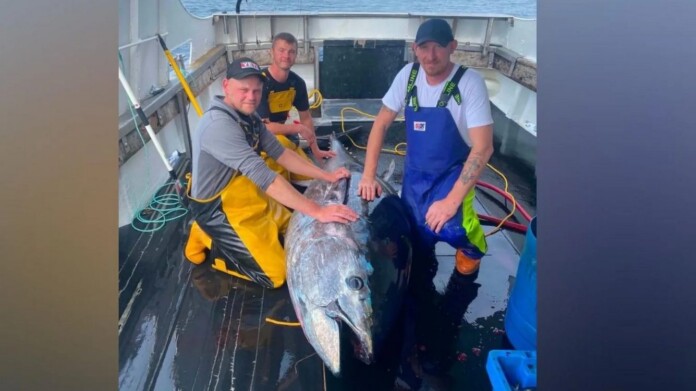
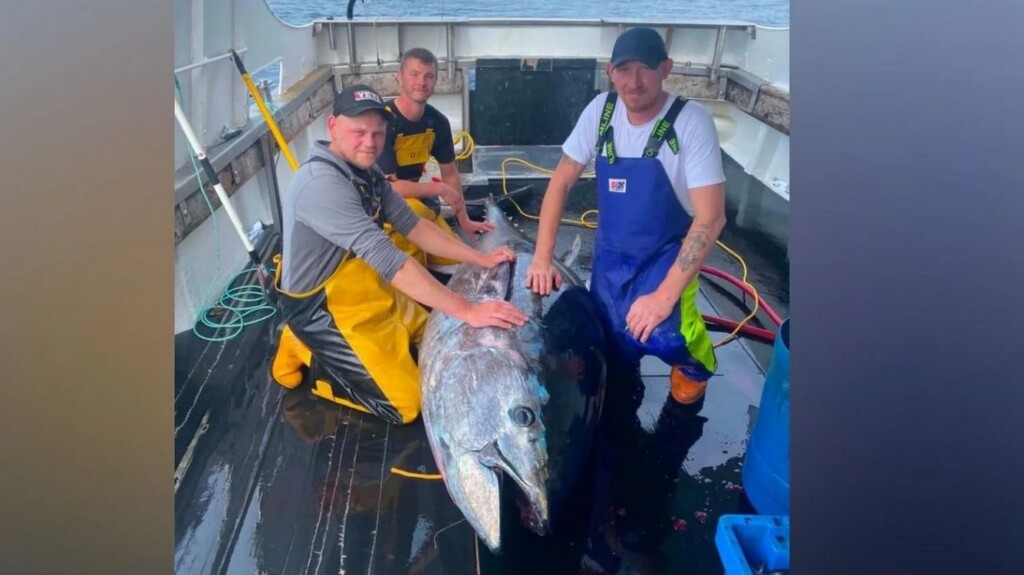
Jack Gardner couldn’t believe his eyes when he saw the behemoth hooked on his fishing line.
If he and his crew aboard Dominator reeled it in, he knew it would be the greatest catch of his life and provide the equivalent of a holiday bonus for them all.
What Gardner didn’t know was that the giant Atlantic bluefin tuna fighting an hours-long battle on his line was ultimate confirmation that “careful and judicious management” had revived a celebrated fish stock in the North Sea.
The Dominator’s tuna weighed in at 745 pounds, and was only about 112 pounds short of a fishery record. More importantly, it was the first Atlantic bluefin caught in the North Sea in 60 years.
In the British economy either side of the Second World War, tuna fishing was a valuable and world-renowned industry. The fish was prized for its meat for both the restaurant and canning industries, but in a story as old as industrialization, overfishing of both the tuna and their herring prey caused the fishery to collapse.
The UK has taken steps over the years to ensure these crucial stocks return, and in a report at the BBC regarding Gardner’s mammoth catch, University of Exeter research Dr. Lucy Hawkes said the fact that tuna can reach this size means that the underlying ecosystem must be exceptionally healthy.
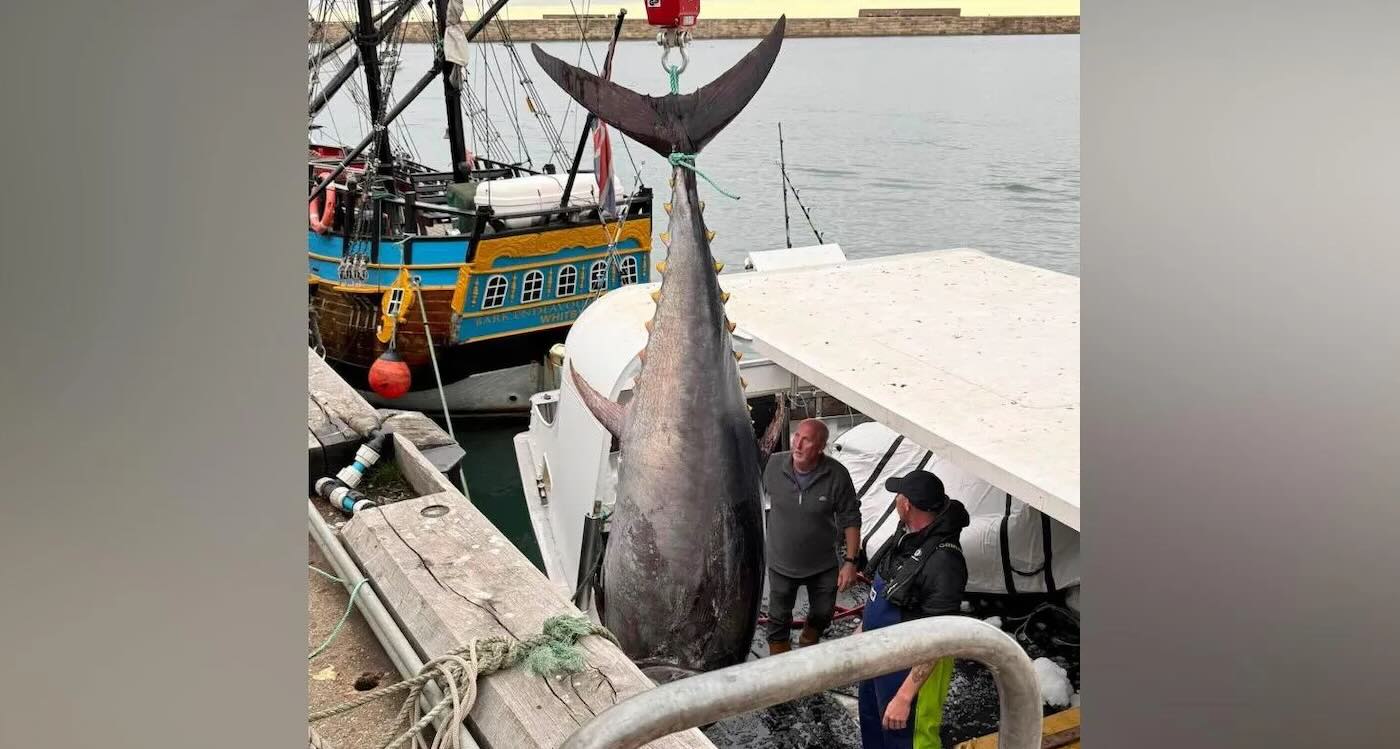
“Bluefin tuna are also top predators who can only be in these waters if the ecosystems underneath them are healthy,” she said, adding that these outcomes are the result of judicious fisheries management, whereby the catch limits on fish are “really small” compared to overall populations.
FISH STOCKS REBOUNDING THE WORLD OVER:
- Maine Counts Over 20 Million River Herring During Annual Run, the Highest in Decades
- Southeast Asia’s Fish Supplies Remarkably Robust Despite Decades of Warnings About Overfishing
- Hake Fisheries’ Remarkable Recovery Is a Sign of Hope for Our Oceans
Dr. Hawkes and her team routinely tag bluefish tuna for monitoring purposes off the coast of Exeter on Britain’s southwest coastline, but Gardner and Dominator set out from Whitby, on the northeast coast near the border with Scotland.
“It jumped out of the water, we all just looked at each other in awe,” Gardner told the BBC.
Two opposite points of Britain, two returning tuna populations. A spokesperson from U. of Exeter also told the outlet that the tuna caught by Whitby may have a completely different origins to the ones their teams tag and monitor.
REEL Your Friends On Social Media Onto This Great Story Of A Fish Stock Rebuilt…
“If you don’t have time to do it right, when will you have time to do it over?” – John Wooden

Quote of the Day: “If you don’t have time to do it right, when will you have time to do it over?” – John Wooden
Photo by: Yunus Tuğ for Unsplash+
With a new inspirational quote every day, atop the perfect photo—collected and archived on our Quotes page—why not bookmark GNN.org for a daily uplift?
Good News in History, August 25
110 years ago today, the National Park Service was created in the US. Guardians of 64 extraordinary places which documentarian Ken Burns called “America’s best idea” the NPS is among the most identifiable and appreciated of all government services. Famous for their wide-brimmed hats, patches, and friendly demeanor, about 20,000 citizens work in the service, which manages 433 units covering over 85 million acres across all 50 states, plus several US territories and Washington DC. READ more about the NPS’ history… (1916)
Moms Love This Initiation Ritual Freshmen Must Go Through at This Oklahoma High School
School initiation rituals can be embarrassing, crude, and even disturbing, but for a 14-year-old, nothing could be worse than what is demanded of them, day 1, at Bishop Kelly High School in Tulsa.
If initiation is about fitting in, what could be worse than being caught giving one’s mom, dad, or grandparent a goodbye kiss before the opening bell?
And yet that’s exactly what the seniors demand of the arriving freshmen.
“That’s why it’s perfect,” one senior told CBS News’ Steve Hartman, when asked what else could be more embarrassing. And they take it seriously, with all the senior class swamping the parking lot, screaming and mobbing the arriving vehicles, demanding the newcomers do what “we all had to do,” another said.
It’s a very modern take on the old timey notion of honoring “thy father and mother”—an idea so good it made Moses’ top ten list.
For years, Bishop High seniors played pranks on the freshmen like any other school , until 2001, when the class decided the initiation ritual should be kinder, if still embarrassing.
It’s an emotional moment for parents, and by sealing it with a goodbye kiss, Bishop High ensures they drive away feeling good, and the freshmen join their peers with cheeks as red as county apples.
WATCH the story below from “On the Road”…
SHARE This Unusual, Though Still Embarrassing School Ritual Wit Your Friends…
Chinese Man Takes Paralyzed Wife on Epic Road Trip: ‘Die On the Road, Not in Hospital’


Like any pair of baby boomers in America, Liu Peijin and his wife dreamed as newly-weds of a grand tour around their native China.
Marrying out of high school, they had a normal enough life—with Mr. Liu embarking on a long career in the military, and his wife raising children at home.
But as retirement age beckoned and the chance for their dream road trip seemed to materialize, complications with diabetes left Liu’s wife partially paralyzed, and the prospects of a road trip around one of the world’s largest countries in tatters.
Or so it seemed. After agreeing they “would rather die on the road than in a hospital bed,” the couple set out in their car across coastal Jiangsu and Zhejiang provinces in 2014.
Their daughter initially objected due to the medical needs of her mother, but the time away from hospital gradually rejuvenated the woman. Now years later, Mr. Liu has said their time continuously exploring the Middle Kingdom has made his wife “100 times” more spirited.
Over a decade later and she has avoided muscle and joint atrophy despite being wheelchair bound from paralysis on her left side. She’s maintained good coordination, and can communicate largely as before, though solid food is becoming a slightly greater challenge.
It wasn’t long after they first set out that Liu managed to replace the car with a camper van, which he equipped with a kitchen, two beds, and a dining table. He keeps it stocked with medical supplies as he essentially has become the woman’s full-time nurse and caregiver, ensuring she does rehabilitation exercises, takes her medicine, and enjoys regular foot soaks for diabetes.
MORE STORIES LIKE THIS: Grandson Accompanies His 93-year-old Grandma to Visit All 63 National Parks: ‘Greatest privilege of my life’
At publishing time according to an article on their travels in South China Morning Post, the couple have, like the metaphorical boomers in their Winnebago visiting almost all 50 states, made it to 31 out of 33 Chinese provinces.
Throughout all of them, people have been inspired by Liu’s dedication, and the couple’s bravery to shirk elderly convention. In 2017, in Hubei Province, local staff volunteered to hoist the woman up—wheelchair and all—and carry her across a scenic area to the only sightseeing vehicle.
DEFYING AGE: 108-year-old Delaware Woman Renews Her Driver’s License to 2033, Works Out Thrice a Week
Liu told local news outlets that he cherishes this kind of help, and tries to maintain contact with people when he’s able.
The couple are currently planning a visit to some lesser-known locations across the country for their next adventure.
SHARE This Enduring Love And A Decision To Age Boldly With Your Friends…