All News - Page 922 of 1737 - Good News Network
Home Blog Page 922

Drowning Deer in a Swimming Pool Saved by Police Rescue

dwayne-phillips-new-jersey-state-police

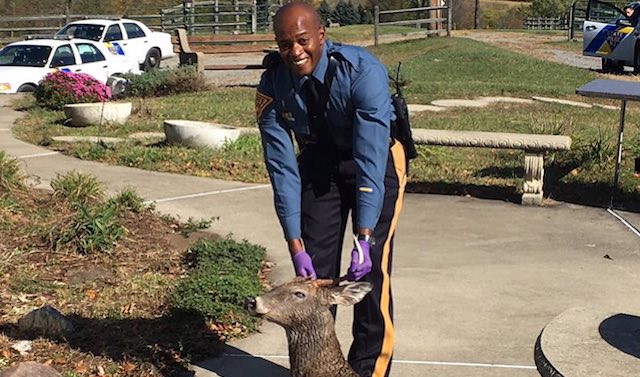
Officer Dwayne Phillips is just one of the boys in blue at the New Jersey Police Department who has been trained to protect and serve humans – but never before this week has he ever served a deer.

Phillips was dispatched to a home in Harmony Township, Warren County where a deer was drowning in a backyard swimming pool.

“It was clear that the buck had been struggling for quite some time,” said a Facebook post published by the New Jersey State Police. “Now believe it or not, we don’t necessarily teach recruits in the academy how to rescue drowning deer, but we do teach them how to think on their feet and adapt and improvise when a peculiar situation presents itself.”

WATCHHummingbird Refuses to Leave the Dog Who Saved Her Life

Without wasting time, Phillips grabbed the deer by its horns and hauled the thrashing animal out of the water.

Since the buck was pretty pooped from its near-death experience, they only had time to snap a quick photo together before it recuperated and took off for freedom.

“There is always the possibility of serious injury or worse when trying to rescue a drowning victim and even more so when the victim is a wild animal. But this trooper did an outstanding job!”

We’re Quite Fawn’d Of This Story: Click To SharePhoto by New Jersey Police Department

Researchers Invent ‘Perfect’ Soap Molecule That is Better For the Environment

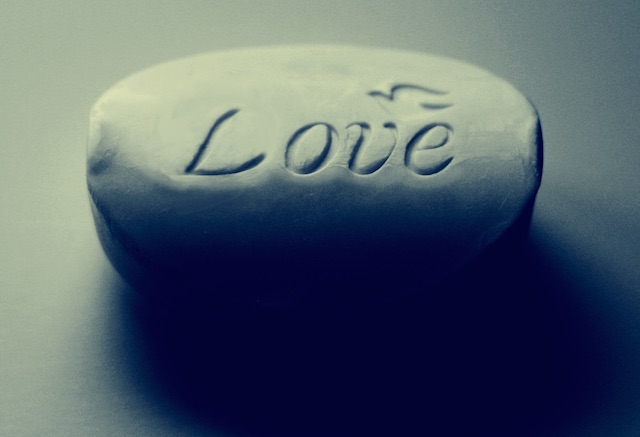
Love soap - CC by Ani-Bee

A team of researchers, led by the University of Minnesota, has invented a new soap molecule made from renewable sources that could dramatically reduce the number of chemicals in cleaning products and their impact on the environment.

The soap molecules also worked better than some conventional soaps in challenging conditions such as cold water and hard water. The technology has been patented by the University of Minnesota and is licensed to the new Minnesota-based startup company Sironix Renewables.

The new study is now online and will be published in the next issue of the American Chemical Society’s ACS Central Science, a leading journal in the chemical sciences. Authors of the study include researchers from the University of Minnesota, University of Delaware, University of Massachusetts Amherst, Sironix Renewables, and the U.S. Department of Energy’s Catalysis Center for Energy Innovation and Argonne National Laboratory.

RELATEDFDA Finally Bans Antibacterial Soaps Containing Triclosan and 18 Other Chemicals

“Our team created a soap molecule made from natural products, like soybeans, coconut and corn, that works better than regular soaps and is better for the environment,” said Paul Dauenhauer, a University of Minnesota associate professor of chemical engineering and materials science and a co-author of the study. “This research could have a major impact on the multibillion-dollar cleaning products industry.”

Conventional soaps and detergents are viewed as environmentally unfriendly because they are made from fossil fuels. When formulated into shampoos, hand soaps, or dishwashing detergents, these soaps are mixed with many additional difficult-to-pronounce and harmful chemicals that are washed down the drain.

CHECK OUTWorld’s Largest 3D Printer Makes Almost Zero-Cost Homes Out of Mud

Funded by the U.S. Department of Energy, researchers from the Catalysis Center for Energy Innovation developed a new chemical process to combine fatty acids from soybeans or coconut and sugar-derived rings from corn to make a renewable soap molecule called Oleo-Furan-Surfactant (OFS). They found that OFS worked well in cold water where conventional soaps become cloudy and gooey rendering them unusable. Additionally, OFS soaps were shown to form soap particles (called micelles) necessary for cleaning applications at low concentrations, which significantly reduces the environmental impact on rivers and lakes.

The new renewable OFS soap was also engineered to work in extremely hard water conditions. For many locations around the world, minerals in the water bind with conventional soaps and turn them into solid goo.

MORESuperMeat Promises Real Meat With No Harm To Any Animals

“I think everybody has had the problem of trying to get shampoo out of their hair in hard water–it just doesn’t come out,” said Dauenhauer.

To combat this problem, most existing soaps and detergents add an array of additional chemicals, called chelants, to grab these minerals and prevent them from interfering with soap molecules. This problem has led to a long list of extra chemical ingredients in most conventional cleaning products, many of which are harmful to the environment.

The new OFS soap eliminates the hard water problem by using a naturally derived source that does not bind strongly to minerals in water. The researchers found that OFS molecules were shown to form soap particles (micelles) even at 100 times the conventional hard water conditions. As a result, a cleaning product’s ingredient list could be significantly simplified.

“The impact of OFS soaps will be greater than their detergent performance,” said University of Minnesota chemical engineering and materials science graduate student Kristeen Joseph. “OFS is made from straight carbon chains derived from soybeans or coconut which can readily biodegrade. These are really the perfect soap molecules.”

RELATEDHigh School Implements Later Start Times, Sees Dramatic Improvements

The researchers also use nanoparticle catalysts to optimize the soap structure for foaming ability and other cleaning capabilities. In addition to biodegradability and cleaning performance, OFS was shown to foam with the consistency of conventional detergents, which means it could directly replace soaps in existing equipment such as washing machines, dishwashers, and consumer products.

The invention of new soap technology is part of a larger mission of the Catalysis Center for Energy Innovation (CCEI), a U.S. Department of Energy – Energy Frontier Research Center led by the University of Delaware. Initiated in 2009, the CCEI has focused on transformational catalytic technology to produce renewable chemicals and biofuels from natural biomass sources.

(Source: University of Minnesota)

Clean Up Negativity: Click To Share With Your FriendsPhoto by Ani Bee, CC

Daughter Gets Dad’s Long Lost Message in a Bottle 50 Years Later

By informastern, CC license
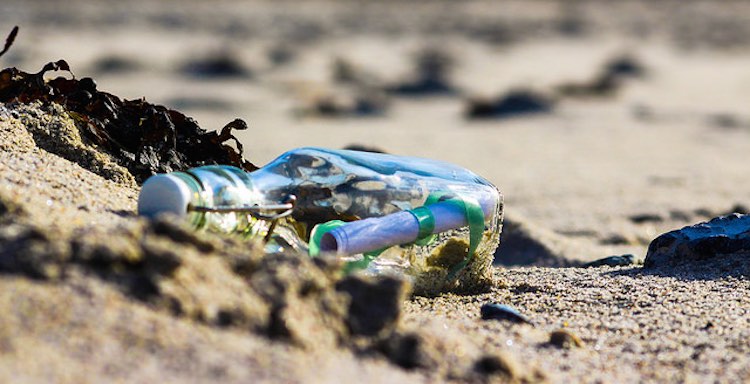
This bottle had been sailing the Atlantic Ocean for over 50 years and 1,500 miles before it washed up at the feet of Clint Buffington.

The writing teacher from Utah was vacationing on the Turks and Caicos islands when he saw a dirty coke bottle with something sealed inside on the beach.

When he uncorked the container and unraveled a message inside, it was a waterlogged note with the words “return” and “Beachcomber”.

Clint managed to hunt down the Beachcomber Motel in Hampton, New Hampshire where he found Paula Pierce – the daughter of the man who wrote the message 50 years ago.

The note had read “Return to 419 Ocean Blvd. and receive a reward of $150 from Tina, owner of the Beachcomber” – and that’s exactly what Clint flew all the way to New Hampshire to do.

RELATED14 Yrs After Receiving Shoebox Gift, Filipino Girl Marries Boy Who Sent it

“And it just hit me, it was my father’s writing,” Pierce told WMUR. “And I was shocked.”

Though Paula’s mother and father are long gone along with the Beachcomber Motel, the surprise reunion with the note pulled on her heartstrings.

“This is special because it brings back a piece of him, a piece of her, a piece of my childhood, a piece of the Beachcomber,” Pierce said. “All of these things are very hard to lose.”

Good on her father’s word, Paula insisted on paying Buffington the promised reward.

DON’T FORGET To Share This Story With Your Father or Daughter…

TV Show Host Sends 97-Year-old Vet to World Series

jim-schlegel-helen-schlegel

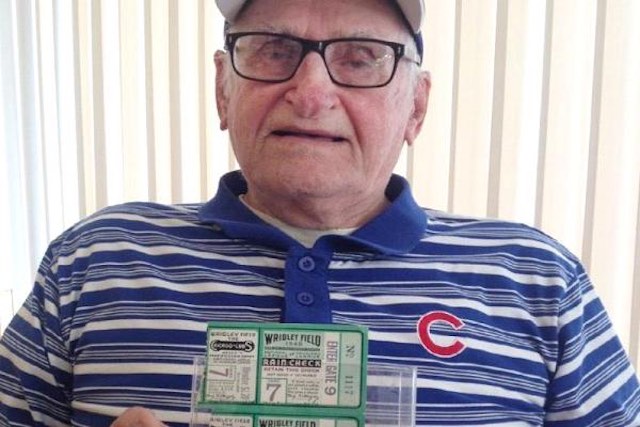
Jim Schlegel is a World War II veteran who was there to see the Chicago Cubs play the World Series in 1945 – and now he’s being given the chance to see them again 71 years later.

With secondary ticket sites charging as much as $21,000 for a seat, Jim had lost hope over ever seeing his team again. His granddaughter Helen created a GoFundMe page in hopes of raising the necessary funds for a ticket.

By the time they had raised crowdfunded $11,000, however, they didn’t need it.

That’s because CNBC reality show host Marcus Lemonis of “The Profit” had been looking for a lucky person to whom he could give front row seats to the game – and he’d found his man.

RELATEDDying Man’s Last Wish Fulfilled 45 Minutes Before He Passes Away

Jim took to Twitter with a thank you saying “I appreciate your generosity, and hope we bring in a winner!”

Since the excited senior will be going to the game with his son, all of the money raised through the crowdfunding campaign will be donated to the Purple Heart.

(WATCH the video below)


Take Your Friends Out To The Ball Game: Click To SharePhoto by Helen Schlegel

Girl Scout Cookies Are Now Socially Responsible Cereals in Your Fave Flavors

girl-scout-cookie-cereal-general-mills

Step aside, Cookie Crisps: there’s a new breakfast cereal coming into town.

General Mills announced this week that they will be making Girl Scout Cookie themed cereals with Thin Mint and Caramel Crunch flavors, the second of which will be based off of Samoas.

The treats won’t be released until January, but cookie junkies are already hyping up the release on social media since the box’s design was previewed on the Candy Hunting Instagram page.

MOREHilton Offers Paid Parental Leave For Housekeepers And Cooks, Too

While Girl Scout Cookies are still working on phasing GMOs out of their ingredients lists and using ethically-sourced cocoa, the seasonal pastries are made sustainably with intentionally recyclable materials. Plus, any of the cookies that the girls aren’t able to sell go to local food pantries and shelters – and you’re empowering your neighborhood girl groups.

“When you buy cookies from a Girl Scout, you are investing in so much more than a box of treats,” says the company’s website, “you are investing in a girl’s future and the future leadership of our country. Through the Girl Scout Cookie Program, girls learn five essential life skills: goal setting, decision making, money management, people skills, and business ethics.”

The company has not yet announced whether more flavors will be released, however more information will be published closer to the roll-out date.

Click To Share This Sweet Treat With Your Friends

3D Printed Organ-On-a-Chip May Replace Animal Testing

heart-on-a-chip-harvard-university

Harvard University researchers have made the first entirely 3D-printed organ-on-a-chip with integrated sensing. Built by a fully automated, digital manufacturing procedure, the 3D-printed heart-on-a-chip can be quickly fabricated in customized form factors allowing researchers to easily collect reliable data for short-term and long-term studies.

This new approach to manufacturing may one day allow researchers to rapidly design organs-on-chips, also known as microphysiological systems, that match the properties of a specific disease or even an individual patient’s cells.

The research is published in Nature Materials.

“This new programmable approach to building organs-on-chips not only allows us to easily change and customize the design of the system by integrating sensing but also drastically simplifies data acquisition,” said Johan Ulrik Lind, first author of the paper and postdoctoral fellow at the Harvard John A. Paulson School of Engineering and Applied Sciences (SEAS). Lind is also a researcher at the Wyss Institute for Biologically Inspired Engineering at Harvard University.

RELATEDFirst Ever Quadriplegic Treated With Stem Cells Regains Motor Control in His Upper Body

“Our microfabrication approach opens new avenues for in vitro tissue engineering, toxicology and drug screening research,” said Kit Parker, Tarr Family Professor of Bioengineering and Applied Physics at SEAS, who coauthored the study. Parker is also a Core Faculty Member of the Wyss Institute.

Organs-on-chips mimic the structure and function of native tissue and have emerged as a promising alternative to traditional animal testing. Harvard researchers have developed microphysiological systems that mimic the microarchitecture and functions of lungs, hearts, tongues and intestines.

However, the fabrication and data collection process for organs-on-chips is expensive and laborious. Currently, these devices are built in clean rooms using a complex, multi-step lithographic process and collecting data requires microscopy or high-speed cameras.

CHECK OUTNew Drug Inspires Hope For Alzheimer’s Cure

“Our approach was to address these two challenges simultaneously via digital manufacturing,” said Travis Busbee, coauthor of the paper and graduate student in the Lewis Lab. “By developing new printable inks for multi-material 3D printing, we were able to automate the fabrication process while increasing the complexity of the devices.”

The researchers developed six different inks that integrated soft strain sensors within the micro-architecture of the tissue. In a single, continuous procedure, the team 3D printed those materials into a cardiac microphysiological device — a heart on a chip — with integrated sensors.

RELATEDSimple Blood Test Could Detect Cancer Ten Years Before Symptoms Show

“We are pushing the boundaries of three-dimensional printing by developing and integrating multiple functional materials within printed devices,” said Jennifer Lewis, Hansjorg Wyss Professor of Biologically Inspired Engineering, and coauthor of the study. “This study is a powerful demonstration of how our platform can be used to create fully functional, instrumented chips for drug screening and disease modeling.”

Lewis is also a Core Faculty Member of the Wyss Institute.

The chip contains multiple wells, each with separate tissues and integrated sensors, allowing researchers to study many engineered cardiac tissues at once. To demonstrate the efficacy of the device, the team performed drug studies and longer-term studies of gradual changes in the contractile stress of engineered cardiac tissues, which can occur over the course of several weeks.

MOREHow Negative Headlines Can Impact Your Mental and Emotional Health

“Researchers are often left working in the dark when it comes to gradual changes that occur during cardiac tissue development and maturation because there has been a lack of easy, non-invasive ways to measure the tissue functional performance,” said Lind. “These integrated sensors allow researchers to continuously collect data while tissues mature and improve their contractility. Similarly, they will enable studies of gradual effects of chronic exposure to toxins.”

“Translating microphysiological devices into truly valuable platforms for studying human health and disease requires that we address both data acquisition and manufacturing of our devices,” said Parker. “This work offers new potential solutions to both of these central challenges.”

Source: Harvard John A. Paulson School of Engineering and Applied Sciences

(WATCH the video below)


Don’t Miss A Beat: Click To Share With Your Friends

These Furry Orphans Were Rescued From a Cooler Left on the Side of the Road

cooler-full-of-puppie-hunt-county-pets-alive

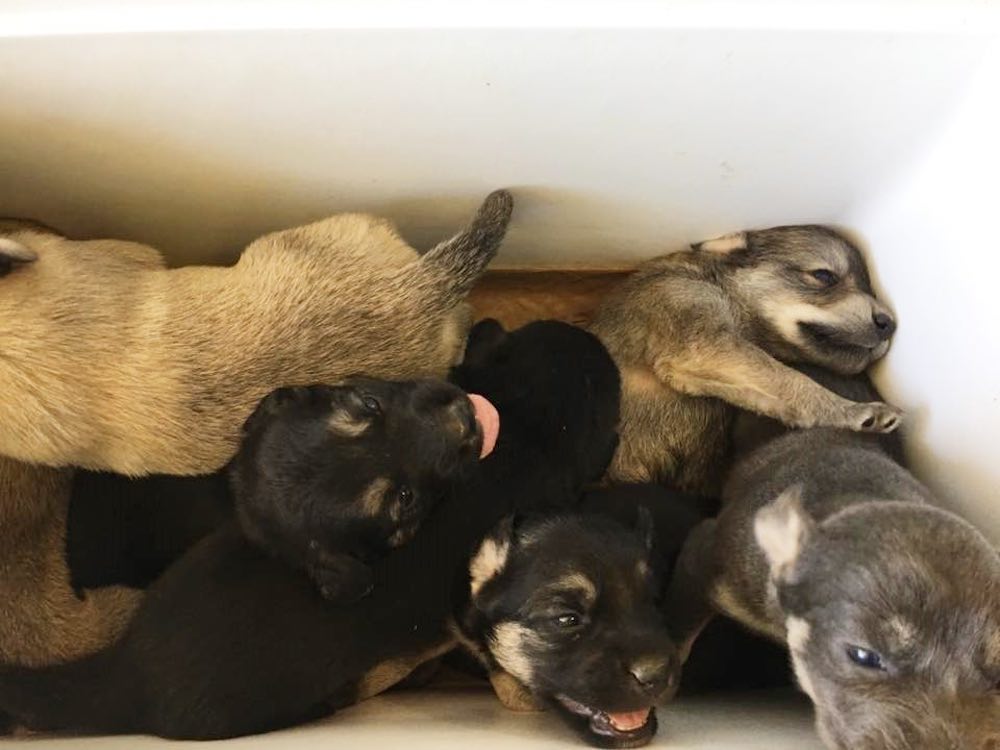
These abandoned babies may not have lasted much longer if they hadn’t been put into such a pristine cooler.

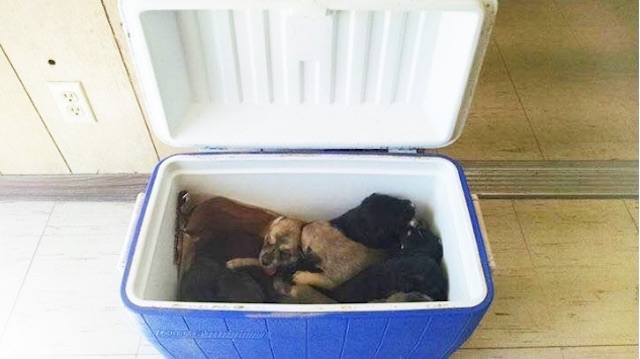
The cooler was sitting on the side of the road in Sulphur Springs, Texas when a woman intent on taking it home with her pulled over to check it out.

When she opened the lid, however, she found nine German shepherd puppies crammed inside.

cooler-of-puppies-hunt-county-pets-alive


Karri McCreary, a veterinarian from Hunt County Pet’s Alive was called to the scene where she diagnosed each of the pups as happy, healthy, and full of life.

MOREKitten Given Second Chance After One in a Million Rescue From the Trash

“Someone must have stopped and found the cooler almost as quickly as they were dropped off there or else they would not have made it,” McCreary told the Dodo.

Though they’ll need their vaccinations, the canines will soon be ready to be adopted by loving forever families.

If you’d like to support the rescue dogs, you can donate here.

Click To Share This Pawesome Story With Your FriendsPhoto by Hunt County Pet’s Alive

Tipsy Diners Who Wouldn’t Drive Are Surprised By Manager

original-joes-note-facebook

Paula Grzelak-Shultz and her husband were having a few drinks at Original Joe’s restaurant when they had that realization – they weren’t fit to drive their car home.

The couple figured it wasn’t a big deal, so they got an Uber home and left their automobile in the parking lot.

The next day when they went to pick it up, however, there was a note stuck under the windshield wipers.

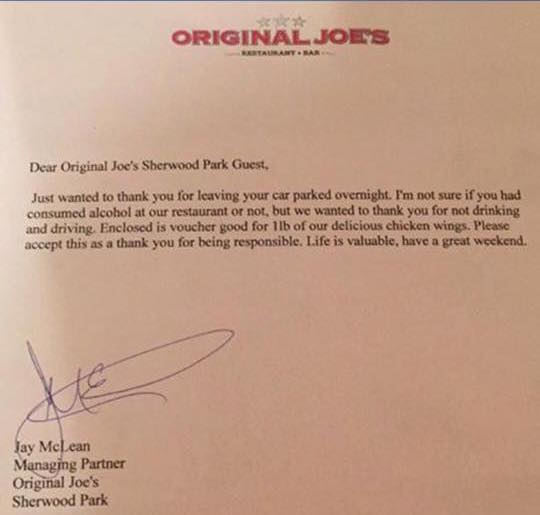
Though they feared that it was a parking ticket, they discovered that it was a thank you note with a coupon enclosed for free chicken wings from the restaurant’s manager Jay Mclean.

WATCHSimple Act of Kindness Marks His Third Day on the Job

“Just wanted to thank you for leaving your car parked overnight,” the note read. “Not sure if you had consumed alcohol at our restaurant or not, but we wanted to thank you for not drinking and driving. Enclosed is a voucher for one pound of our delicious chicken wings. Please accept this as a thank you for being responsible. Life is valuable, have a great weekend.”

“Jay is a great guy, truly only doing what he feels is right,” Paula wrote on Facebook. “I can’t believe that some people actually are accusing him of taking advantage of the situation. He’s been doing it for over a year, with no expectations. Just being a good guy.”

Don’t Be A Chicken: Click To SharePhoto by Paula Grzelak-Shultz

Kansas Churchgoers Hold Candlelit Vigil For Targeted Refugee Families

candle

This Kansas community won’t be intimidated by domestic terrorists or fear – in fact, they have stood in the face of division with a firm message of unification

Churchgoers of Garden City, Kansas held a candlelit vigil and walk of solidarity after police found a bomb planted in a local apartment complex.

The complex is home to several refugee families from Somalia, Burma, Ethiopia, and Sudan – the town itself is home to over 1,000 Muslim immigrants, most of whom work in the nearby meat packing factory.

MOREChristians Protect Mosques on Fri., Muslims Guard Churches on Sunday

Despite the bomb scare, the migrant families say that they’ve always felt welcomed by the community and city officials. Hundreds of predominantly Christian city residents marched through the streets in protest of the Islamophobic act, and the three men responsible for the explosive were arrested on October 14th.

“The actions of few racist individuals should not be taken to represent the whole community, just as the Muslim community should not negatively labelled or held responsible for the actions of the very few terrorists who happened to be Muslims,” Reverend Denise Pass, a Presbyterian Church pastor who organized the event, told Al Jazeera.

Multiply The Good: Click To Share

Elderly Couple Share Their Farm With Vets Suffering From PTSD

honor-ranch-rick-wanless

Rick and Donna Wanless have lived by themselves on a serene 25-acre farm for the past 43 years – but now they want to share it with those who might need some peace and quiet as well.

The elderly couple is transforming their property into Honor Ranch: a refuge for veterans and first responders suffering from post-traumatic stress disorder.

Honor House, a nearby housing project in New Westminster that gives out-of-town patients a place for rehabilitation and care, will work together with Honor Ranch to further develop their facilities. Their gazebo, stable, and guesthouse will offer places for therapy programs and treatment activities while the organization builds tiny houses and rooms for out-of-town visitors.

The New Westminster Fire Department even said they could contribute by building a 300 square foot cottage.

MOREPhiladelphia Eliminates Homelessness Among Veterans Who Want Housing

“We’re hoping it will provide a bit of an escape from the rigours of everyday life, where people could come and camp and fish and do some boating,” Wanless told CBC. “At some point in the future, [the main house] may well become gifted to the first responders and to Honour House but at the present time we’re just sharing what we’ve got with them.”

Rick got the idea for the project when first responders rescued him after he broke his pelvis four years ago. If it hadn’t been for the paramedics on hand, he might have been in dire straits.

Rick and Donna never had any children and they have no plans to sell the house – they’re just happy to help those less fortunate in any way that they can.

Click To Share This Sweet Story With Your FriendsPhoto by Rick Wanless

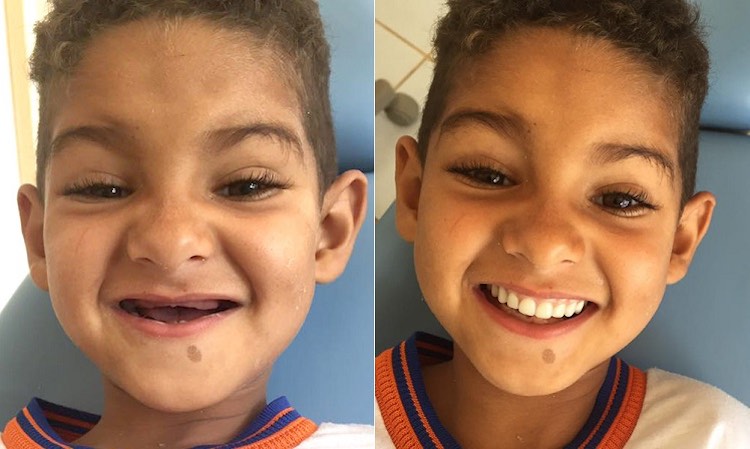
Toothless Child in Poverty Gets Beautiful New Smile

kids-smile-play-facebook

In Brazil, kids have their own special day when everyone celebrates childhood—on Children’s Day, October 12.

The little ones get presents, and opportunities to play on the inflatables and trampolines set up in public parks. They are given candy and can watch kid-friendly movies broadcasted by TV stations throughout the week.

But for one boy, Ryan, this year’s children’s day was more than special.

Amanda Mattos, a dentist who volunteers for a social project in the countryside of Bahia, met Ryan in September on one of her many trips to these poor areas. She was moved by the drastic condition of the boy’s teeth—he had none on his upper arch and only a few in the lower.

His family, located in the town of Guajeru, said he lost the teeth after suffering from a disease when he was three-years-old.

RELATEDMost Vets Don’t Qualify For Dental Care, So Dentists Are Giving It For Free

Mattos, whose specialty is orthodontics, asked the boy about his dreams. He told her his greatest wish was to have teeth like his friends did.

Using her own personal material and supplies, Mattos gave Ryan a sparkling smile that will last forever.

“At times, I didn’t think it would be possible to do it, but this smile and gain on self esteem,” she recalled. “I guess this was the most rewarding dental work I ever did.”

Smile! Click To Share Photo by Amanda Mattos

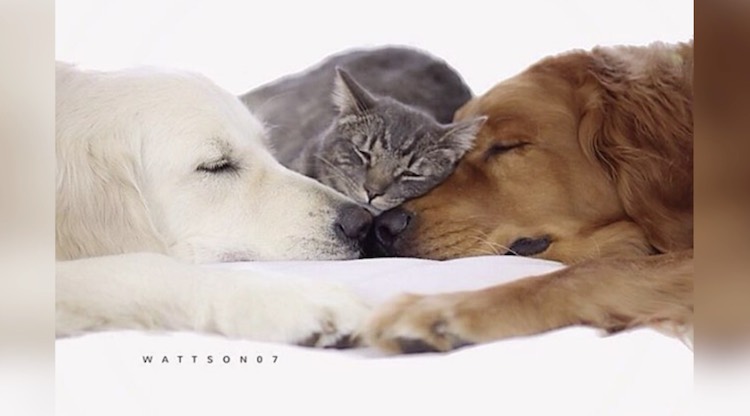
Dogs Dream About How Much They Love Their Humans, Says Harvard Psychologist

Cats and Dogs Cuddle Instagram PupFlix

Dog owners everywhere are rejoicing over new speculation from a Harvard psychologist saying that dogs dream about their owners when they sleep.

Canines and other mammals have been shown to have similar sleep cycles to humans – a phase of deep slumber followed by REM sleep. During this time, humans typically dream about whatever it is they were focused on during the day.

When cats fall into their period of REM, their dreams usually involve such activities as hunting and chasing mice.

However Dr. Deirdre Barrett, a teacher and Clinical and Evolutionary Psychologist at Harvard Medical School, believes that pooches in particular dream about their human companions.

RELATEDDogs Can Now Join NYC Diners at Outdoor Tables, Say New Rules

“Humans dream about the same things they’re interested in by day, though more visually and less logically,” Barrett told People. “There’s no reason to think animals are any different. Since dogs are generally extremely attached to their human owners, it’s likely your dog is dreaming of your face, your smell and of pleasing or annoying you.”

Click To Share This Pawesome Story With Your FriendsPhoto by Pup Flix

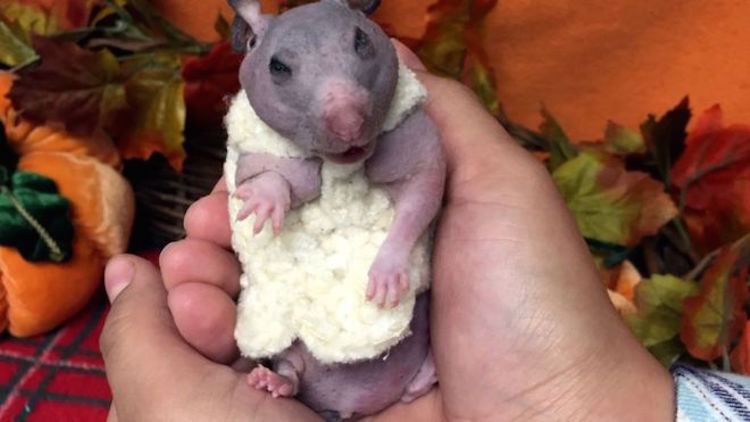
Hamster With No Hair Gets Hand-Knit Sweater For the Winter

silky-the-sweater-oregon-humane-society

Silky the hamster may not have the same furry coat that other critters have, but thanks to a kind animal shelter worker, she will be able to face the oncoming winter with a lovingly knitted tiny sweater.

Since the 1-year-old rodent has been hairless since birth, she has been living at the Oregon Humane Society in Portland, Oregon.

The shelter’s technician, Selene Mejia, saw Silky shivering in her cage one day and decided to crochet a sweater that would fit her little limbs.

RELATEDWild Baby Kangaroo Still Comes Home to Hug His Teddy Bear After Release

The hamster will be available for adoption this week provided the caregiver is ready to care for her special needs.

“Silky is hairless due to a genetic mutation,” said Diana Gabaldon, OHS staffer. “While she isn’t fluffy like a normal hamster, she is just as cuddly and playful as any other hamster. She does need to be kept in a heated environment, especially during the winter, and have a higher protein diet to keep her warm.”

Click To Share This Pawesome Story With Your FriendsPhoto by Oregon Humane Society

‘My son is not breathing’: Watch Heroic Cop Save Toddler’s Life

cop-saves-toddler-youtube

When a 911 dispatcher said that a father called the police over his toddler’s lack of breathing, Officer Chase Miller wasn’t about to wait for paramedics to arrive and let a boy’s life hang in the balance.

Miller’s dash cam video shows him pulling into a KFC parking lot in Granbury, Texas where a mother is holding her son Brayden’s limp body in her arms.

The officer gently takes the boy out of her hands, lays him on the ground, and starts performing CPR. Though the mom couldn’t bear to watch, the father staid nearby to take over when Miller had to retrieve a CPR mask from his car.

MORESchool Bus Driver Calmly Rescues 20 Children From Flaming Vehicle

After three suspenseful minutes, the boy started breathing again.

He was later taken to a hospital where he was treated for high fever and seizures which had triggered the episode.

On Tuesday, Miller got to meet the boy he saved and was presented a special award by Granbury Mayor Nin Hulett.

(WATCH the video below)


Click To Share The Inspiring Story With Your Friends

Focusing on the Pleasure of Eating Makes People Choose Smaller Portions

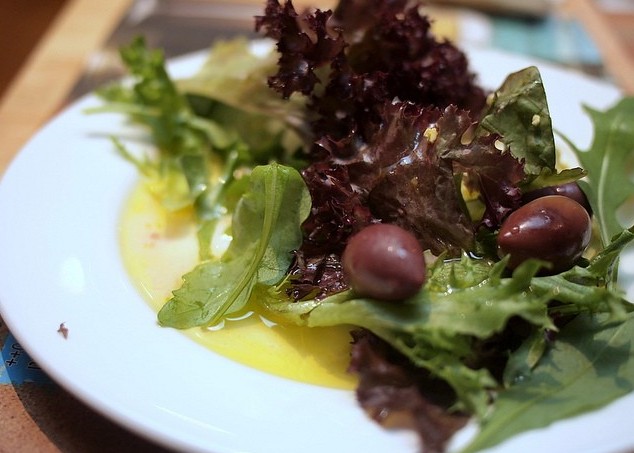
olive oil on salad CC CCFoodTravel.com
The rapid rise in portion sizes has gone hand in hand with rising rates of obesity. To curb super-sizing, governments and public health institutions have advocated portion size limits and health warnings, but they have had limited success, especially because businesses can typically extract higher profits from bigger portions.

But new research has found that people can be encouraged to choose smaller, healthier portions, without compromising on enjoyment. In their article, published in the October 2016 issue of the Journal of Marketing Research, researchers saw people choosing smaller portions of chocolate cake when they are asked to vividly imagine the multisensory pleasure (taste, smell, texture) of similar desserts.

POPULAR: Pasta, Please! In Moderation it Can Help Keep Weight Down Says Large Study

How can focusing on the pleasure of food make people want smaller portions? When it comes to eating, pleasure is inversely related to size. It is at its maximum in the first few bites of the food. Each additional bite becomes then less enjoyable and it is the last bite which determines the overall impression of how much we enjoyed the food. When people choose portions based on value for money, or the fear of being hungry, they end up choosing one of today’s super-sized portions which are just not that enjoyable to eat toward the end.

MOREHow Negative Headlines Can Impact Your Mental and Emotional Health

Pierre Chandon, the L’Oréal Chaired Professor at INSEAD graduate business school and Yann Cornil, Assistant Professor of the School of Business at University of British Columbia, also found that unlike health warnings, this multisensory imagery does not reduce expected eating enjoyment or the willingness to pay for the food. In fact, “focusing on the pleasure of eating, rather than value for money, health, or hunger, makes people happier to pay more for less food,” said Chandon.

Cornil and Chandon conducted five different experiments using different groups such as French schoolchildren, adult Americans and young Parisian women. In the first study, 42 French schoolchildren were asked to imagine – incorporating their five senses – the pleasure of eating familiar desserts and were then asked to choose portions of brownies. They naturally chose portions of brownies that were two sizes smaller than the portions chosen by children in a control condition.

CHECK OUT: After Marrying On Her ‘Deathbed,’ This Bride Made a Miraculous Recovery After Quitting 1 Food

In another experiment, Cornil and Chandon imitated high end restaurants by describing a regular chocolate cake as smelling of “roasted coffee” with “aromas of honey and vanilla” with an “aftertaste of blackberry”. This vivid description made 190 adult Americans choose a smaller portion compared to a control condition where the cake was simply described as “chocolate cake”. The study also had a third condition, in which people were told about the calorie and fat content of each cake portion. This nutrition information also led people to choose a smaller portion, but at a cost: It reduced the amount that people were willing to pay for the cake by about $1 compared to the multisensory condition.

A third study showed that people underestimated how much they will enjoy eating small portions of chocolate brownies. They expected to enjoy small portions less than larger ones, when actually both were enjoyed equally. This mistake was eliminated by multisensory imagery, which made people better forecasters of their own future eating enjoyment.

RELATEDCrops Grown on Barge Lets Folks in NYC Pick Free Food From Docks

“Having more descriptive menus or product labels that encourage customers to use their senses can lead to positive outcomes for consumer satisfaction and health, but also for profits,” said Cornil. “This could make for a more sustainable food industry, which struggles to grow in the face of today’s obesity epidemic.”

The study was based on Cornil’s PhD dissertation which was conducted at INSEAD under the mentorship of Chandon who is also the director of the INSEAD Sorbonne University Behavioural Lab. This article has implications for health authorities and a wide range of food providers, from food manufacturers and restaurants to catering companies for schools and hospitals.

(Source: Insead)

Click To Share This Tasty Story With Your Friends – Photo by FoodTravel dot com, CC

Sneaky Raccoon Steals Man’s Phone, Films The Whole Escapade (WATCH)

raccoon-twitter-guy-williams

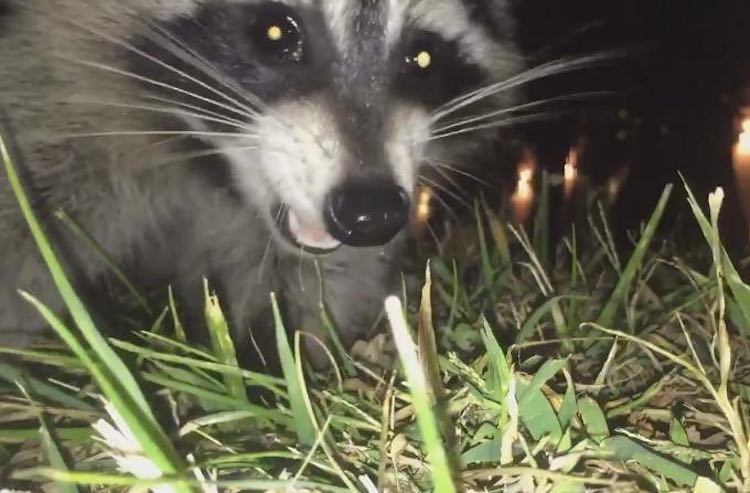
Raccoons are known as nature’s notorious scavengers, but this is the first time we’ve heard of one stealing someone’s mobile phone.

Guy Williams, a 19-year-old student at Bellarmine University in Kentucky spotted one of the masked critters wandering around campus.

RELATEDBaby Deer Refused To Leave Side of Man Who Rescued It

Thinking it would be fun to get some close-up footage of the animal, which he named Stanley, Williams set up his phone for the money shots.

As the raccoon cautiously approaches, he can be seen giving the cellular a sniff before nabbing it and taking off – all while filming the entire escapade.


His friend also managed to catch a side-splitting clip of his buddy chasing after the furry thief.

Stanley eventually gave up on the charade and dropped Guy’s phone in the grass, allowing him to publish the video on social media.

Click To Share This Furry Film With Your Friends 

Brazil Opens Latin America’s First Sanctuary for Abused Circus Elephants

elephants-global-elephant-sanctuary-submitted

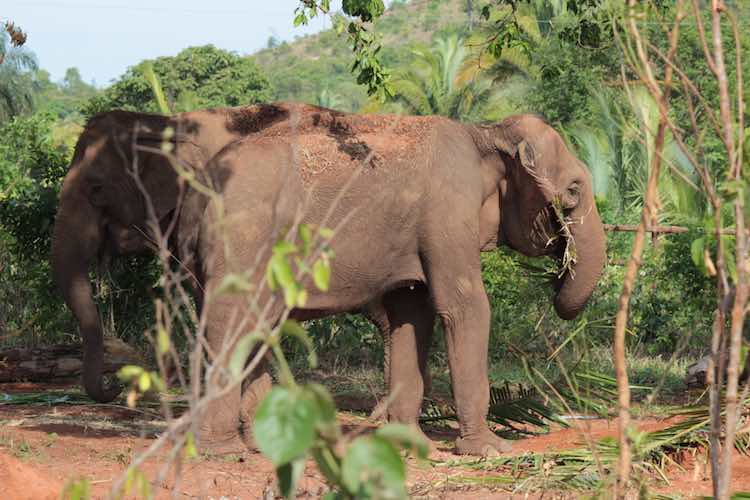
This 2,800 acre plot of Brazilian land will be the first elephant sanctuary in all of Latin America.

Located in Chapada dos Guimarães, Mato Grosso, the Global Elephant Sanctuary purchased the land for $1 million so it could host up to 50 rescued circus animals.

Called Elephant Sanctuary Brazil, its first residents are Guida and Maia— both suspected to have been taken from their homeland in Thailand so they could be made to perform in carnival shows.

MORERingling Bros. Parades Elephants for Final Time, Retires Them 2 Years Early

Though the sanctuary won’t be open to visitors, you can keep up with their goings-on via Facebook or the Global Elephant Sanctuary website.

Rescue Your Friends From Negativity: Click To SharePhoto by Global Elephant Sanctuary 

Detecting Breast Cancer Might Now Be Easier With Underwater Imaging Tech

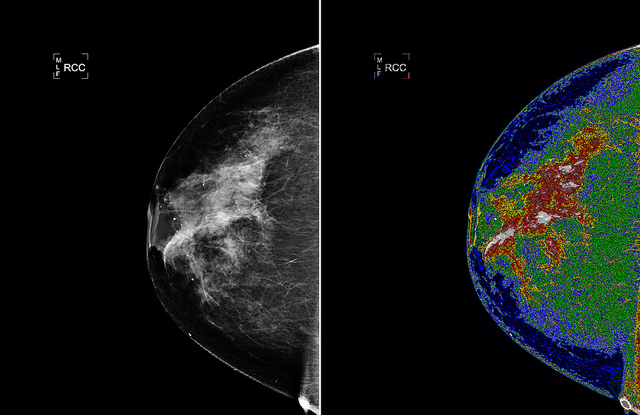
A breast cancer tumor, credit NASA/Goddard Space Flight Center.

breast-cancer-cc-nasa-goddard-photo-and-video

An international team comprising engineers, mathematicians and doctors has applied a technique used for detecting damage in underwater marine structures to identify cancerous cells in breast cancer histopathology images.

Their multidisciplinary breakthrough, which has the potential to automate the screening of images and improve the detection rate, has been published in leading journal, PLOS ONE.

Breast cancer is the most prevalent form of cancer for women worldwide. Current breast cancer clinical practice and treatment mainly relies on the evaluation of the disease’s prognosis using the Bloom-Richardson grading system. The necessary scoring is based on a pathologist’s visual examination of a tissue biopsy specimen under microscope, but different pathologists may assign different grades to the same specimens.

CHECK OUT: Simple Blood Test Could Detect Cancer Ten Years Before Symptoms Show

However, the advent of digital pathology and fast digital slide scanners has opened the possibility of automating the prognosis by applying image-processing methods. While this undoubtedly represents progress, image-processing methods have struggled to analyse high-grade breast cancer cells as these cells are often clustered together and have vague boundaries, which makes successful detection extremely challenging.

But the new method has seemingly overcome that task, according to Assistant Professor in Civil Engineering at Trinity College Dublin, Bidisha Ghosh. She said: “This unique research group could draw on a broad and deep knowledge base. Experts in numerical methods and image-processing liaised with medical pathologists, who were able to offer expert insight and could tell us precisely what information was of value to them. It is an excellent example of how multidisciplinary research collaborations can address important societal issues.”

RELATEDNew Drug Inspires Hope For Alzheimer’s Cure

Professor Joy John Mammen, Head of Department of Transfusion Medicine & Immunohaematology from the Christian Medical College, Vellore, India, said: “Detection of cancerous nuclei in high-grade breast cancer images is quite challenging and this work may be considered as a first step towards automating the prognosis.”

The proposed technique, previously used for detecting damaged surface areas on underwater marine structures such as bridge piers, off-shore wind turbine platforms and pipe-lines was applied to histopathology images of breast cells. The researchers considered the likelihood of every point in a histopathology image either being near a cell centre or a cell boundary. Using a belief propagation algorithm, the most suitable cell boundaries were then traced out.

MOREFirst Ever Quadriplegic Treated With Stem Cells Regains Motor Control in His Upper Body

This technique was developed in conjunction with mathematicians in Madras Christian College, India. Lead author, Dr Maqlin Paramanandam, said: “The potential for this technology is very exciting and we are delighted that this international and inter-disciplinary team has worked so well at tackling a real bottle-neck in automating the diagnosis of breast cancer using histopathology images.”

Dr Michael O’Byrne, who also worked in University College Cork during this project, added: “Coming from a civil engineering background where most of our image-processing tools were designed to assess structural damage, it was nice to discover some cross-over applications and find areas where we could lend our expertise. We all found it particularly rewarding to contribute towards breast cancer research.”

(Source: Trinity College Dublin)

Multiply The Good: Click To Share Photo by NASA Goddard Photo and Video, CC license

Tiny Therapy Horses Have Big Impact on Hurting Humans

little-girl-with-little-horse-mini-therapy-horses-released

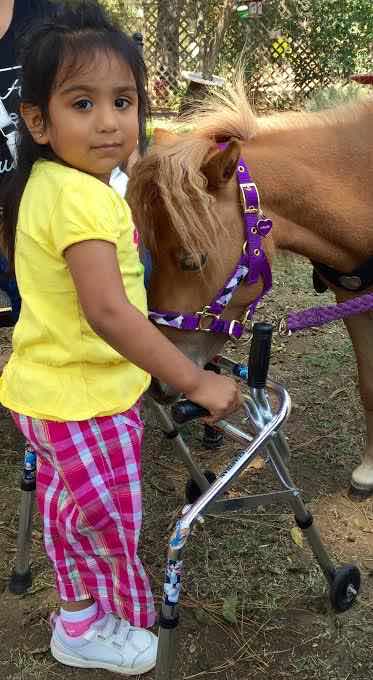
These horses may be small, but they’re not afraid to take on their patient’s biggest problems.

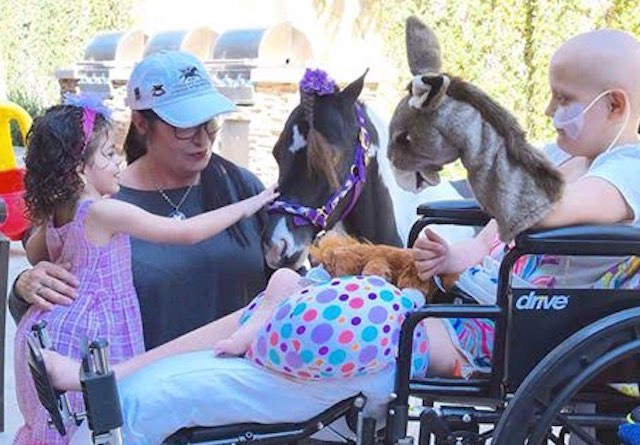
They are part of the Mini Therapy Horses nonprofit that introduces adorable, tiny trained ponies to groups and individuals that have undergone trauma. Their partnerships with American law enforcement, and children’s and veteran agencies have facilitated equine meetings with all types of troubled souls in need of comfort.

“After having just one meeting with a miniature therapy horse,” said Victoria Nodiff-Netanel, founder of Mini Therapy Horses, “individuals have been known to speak for the first time in years, smile, and tell their stories of deepest pain and tragedy.”

WATCHTherapy Wolves Become Guides for Troubled Teens

For the last 8 years, Netanel’s team of volunteers and their equine partners have soothed over 45,000 crisis victims each year. The ponies – Black Pearl, Willow Blue, Liberty Belle, American Valor, Blue Moon, Sweet Louise, and Bluebell – are all experienced, intelligent animals that seem to have an instinctual understanding of human suffering.

Many of their heartbroken human counterparts include burn victims, veterans with PTSD, orphans, rape survivors, or hospital patients.

mini-therapy-horses-cropped-released
Photos by Mini Therapy Horses

When asked what inspired her to start the unusual therapy project, Netanel says she’s always had a passion for equestrian communication.

“I have always loved horses and prior to me becoming a competitive rider and horsewoman, I had stuffed animal horses as a small child,” Victoria told the Good News Network. ”Later in life, when my daughter left home for college, my ‘empty nest’ purchase was a miniature horse named Pearl. I taught Pearl every trick in the book and developed a passion to help others so I wanted us to do it as a team.”

Since this organization is run only on donations, you can go to their website to donate or find out more.

Quit Horsin’ Around: Click To Share This Sweet Story With Your FriendsPhotos by Mini Therapy Horses 

87-Year-old Rescued After 4 Days in Bathtub Thanks to Concerned Waitress

sonia-congraves-youtube

Doreen Mann has been making regular visits into Tomassi’s café for the last ten years – so when she didn’t show up for her regular cup of tea and slice of cake, Sonia Congrave became worried.

As it turned out, Doreen had been taking a bath at her home in Southend when her knees gave out and she became unable to climb out.

For four days, the 87-year old drank cold tap water to stay hydrated and had only a towel to keep herself warm.

RELATEDMysterious Cat Rescues Injured Tourist From Swiss Mountains

Sonia eventually called the Essex Police and asked them to check on the elderly woman’s house to make sure she was okay. The law enforcement officers heard Doreen’s cries for help and were able to pull her out of the tub to safety.

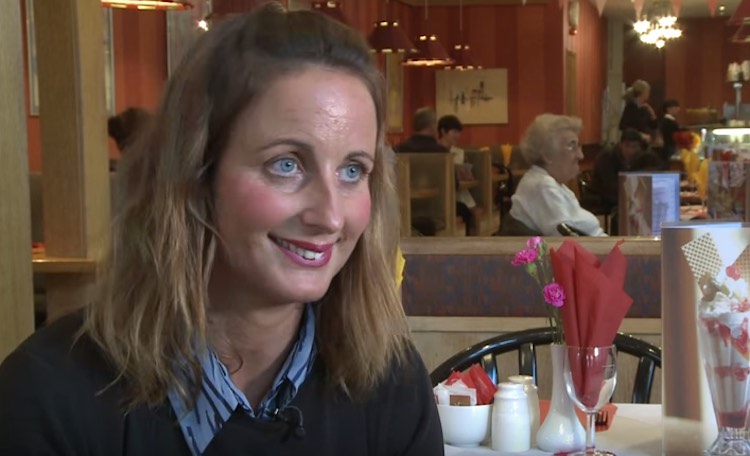
Doreen and Sonia’s close friendship has resulted in the 39-year-old waitress buying her a phone in case she ever finds herself in trouble again.

“I’m just glad she’s okay, I’m glad nothing bad happened,” Sonia says in the video below. “I think it would be nice for us all to take a bit of a time-out to remember our neighbors or remember the lady down the road who you haven’t seen in a few days and just give a knock or a phone call. Just say ‘Hey, are you alright?’”

(WATCH the video below)

Click To Share This Sweet Story With Your Friends