











All News - Good News Network
Home Blog

Beatles Tour Bus Pulls Alongside Paul McCartney–While He was on Video Call With Ringo

Paul McCartney was spotted by fans from the windows of a Beatles tour of Liverpool – Credit: Magical Mystery Tour / SWNS
Paul McCartney was spotted by fans from the windows of a Beatles bus tour of Liverpool – Credit: Magical Mystery Tour / SWNS

Dozens of Beatles fans were left stunned after Paul McCartney pulled up alongside their Fab Four-themed tour bus.

The Beatle-maniacs spotted the musical legend while aboard the Magical Mystery Tour bus that guides tourists around Liverpool, England, where all four lads grew up.

The moment was even more special with drummer Ringo Starr showing up remotely while on a video call with Macca, waving to the adoring fans.

A 71-year-old tour guide, Tony Curley, recalled that seeing Paul was “amazing”.

“We were driving along Hope Street towards the Cathedral, and the driver Neil noticed someone was flagging us down.

“We pulled up at the red light and there he was waving (from) the back of a car.

“We pulled our window down and… he said to us, ‘You alright, lads?’.

“Of course we were! As a Beatles fan seeing Paul for the first time was amazing.

“I got on the microphone and said to all the fans on the bus: ‘Get your phones out; there is Paul McCartney’.

“He then waved at everyone on the bus and pulled out Ringo on his phone. It probably only lasted a minute, but (it) was a magical coincidence.” (WATCH one video of the encounter, below…)

Tony told SWNS news agency that Paul had only been spotted by their tours once before, in 2018.

He was outside his childhood home, filming a segment with James Corden for the TV host’s Late Late Show.

Tony, who’s been doing ‘Beatles Bus’ tours for the past 10 years, believes Paul must get a kick out of showing his face to fans.

The Beatles Bus from Magical Mystery Tour – Photo © GWC, used with permission

“He must have been there in the car—on the phone to Ringo—and seen us coming along, and decided to say hello… I’m sure he would have had a giggle over it.”

BEATLES NEWS: Iconic Strawberry Field Will Open to the Public for the First Time Ever

“I also think he must get a huge sense of pride, when seeing the bus. People travel from all over the world to come on our tours.

“It was just perfect timing that we had to be there at that exact moment.”

Tony said the fans on the bus were “over the moon”.

He said what makes it even better is the fact that he only agreed to fill in the shift on Saturday after someone had called in sick.

“It will be a couple of weeks until we come back down to earth.”

SHARE The Wholesome Tourist Story on Social Media for Beatles Fans…

Tax Breaks for Data Centers Are Ending, With More States Revoking Them

The Colossus 2 data center - retrieved from xAI
The Colossus 2 data center in Tennessee – retrieved from xAI

As the AI infrastructure build-out continues to meet headwinds from concerned citizens, three states recently signed laws ending what had been the largely-standard practice of exempting data center operators from paying sales taxes.

Tucked into a state budget passed on June 15th, Arizona Governor Katie Hobbs touted that data centers located in the state would now have to pay sales tax on the gobs of energy they use.

Bloomberg Tax wrote that the exemption had been operating since 2013, and the move is likely to raise $38 million in revenues for Arizona annually.

In Washington, Governor Bob Ferguson signed a law that on July 1 removed sales tax exemptions for future equipment needed for data centers, whenever hardware needs replacement.

In late June, the Pennsylvania legislature passed a repeal of tax breaks and incentives for data centers that has stood for 5 years.

The bill’s primary sponsor cited a half-billion-dollar gain in potential revenues over 5 years, and argues that with the abundance of data centers proposed and already existing across PA communities, there’s little reason to keep an incentive (for future equipment purchases) which was designed to attract the activity to the state a decade ago.

MORE DATA CENTER NEWS: Tennessee Joins States Requiring Data Center Owners to Pay Full Electricity, Infrastructure Costs

“We’re giving these sales tax exemptions to companies like Amazon, Microsoft, Alphabet—companies that have net incomes in excess of $100 billion a year,” said the sponsor, Rep. Greg Vitali (D). “This is not needed.”

SHARE These State Houses Listening To Citizen’s Concerns And Taking Action…

The Real Way to Save Bees During a Drought: Expert Corrects Sugar–Water Myth

A bumble bee on a daisy - credit, SWNS
A bumble bee on a daisy – credit, SWNS

A British bee scientist recently explained that setting up ‘hydration stations’ for bees doesn’t work, as the commonly-proffered mixture of sugar in water doesn’t revive tired bees at all.

Bees need our help, says Dr. Richard Comont, the science manager at Bee Conservation Trust, during a time when both sides of the pond are suffering from drought, but there are much more effective ways to keep them alive.

“Bumblebees get basically all the fluid they need from nectar direct from flowers, as do most other flower-visiting insects,” said Dr. Comont.

Instead of sugar water, a shady patch of well-watered flowers is much more effective at keeping wild bees hydrated and healthy.

While the science manager said honeybees are an exception to the rule, as they do collect water to cool the hive and rehydrate nectar, “they’re one, semi-domesticated species among 280 or so wild bee species,” in the UK.

“Although the sugar component of nectar is important, real nectar also contains lots of other substances—sterols and amino acids in particular—which are essential for nutrition,” said Dr. Comont, suggesting that just mixing sugar and water doesn’t make up for a bee’s needs.

“The best kind of hydration station for bumblebees would be a shady patch of flowers, either kept watered or by a pond,” he said. “That way they have enough water to keep producing nectar.”

He notes that plants dehydrated from a drought don’t produce nectar as they don’t have enough water to do so. Also, shaded plants mean “bumblebees can keep visiting them for longer,” the expert said.

GOOD BEEHAVIOR: Oregon Records 5 Years of Zero Pesticide-Related Deaths in Bees

“Bumblebees start struggling to fly when the air temperature gets [above 86 degrees Fahrenheit], and sooner in bright sunshine.”

Droughts are extremely tough on bees. Not only does the heat prevent them from flying and feeding as long, but it drains liquid that plants need to top up nectar supplies.

ON THE TOPIC OF DROUGHT: A Rich Rainfall is Set to End Mexico’s 6-Year Drought

“Really, the single biggest thing people can do is provide food for the bees—i.e. plants which do actually produce nectar and pollen,” Dr. Comont said.

“Deep-rooted plants are good as well; they keep access to water for longer, and watered plants last longer too, obviously.”

SHARE This Public Service Announcement In The Name Of Our Bees… 
Czech Woman Hacks Her Way into the Record Books at World Lumberjack Games in Wisconsin

Karolina Urbanova at an EU lumberjill event - credit, courtesy of Karolina Urbanova
Karolina Urbanova at an EU lumberjill event – credit, courtesy of Karolina Urbanova

As Karolina Urbanova broke the log of white pine she was standing on in half with her axe, she notched the 2nd world record for women’s speed lumberjack events she set that day.

The 11 inches of white pine was severed in 21.28 seconds, besting the previous time of 24.26.

Urbanova is one of a generation of women reaching elite levels in “timber sports,” which while being niche (to say the least) in the US, is virtually non-existent in her home country of Czechia.

“I’m still growing and still learning, but now the level of the girls is really high, so it’s also hard to keep the same rhythm with them because they now want to be better than me,” Urbanova, 24, told the BBC’s Sheila Flynn. “I just feel pretty proud of myself.”

The Lumberjack World Championships recently concluded in Hayward, Wisconsin, where Urbanova was among the 40 Lumberjills and 66 Lumberjacks who competed for woodchopping glory.

The record she set was for the “Underhand Chop” category, where the axe is swung at a log segment between the competitor’s legs.

Urbanova also broke the women’s record for the “Standing Block” category—the quintessential lumberjack event of felling a standing log segment in half, which she managed in just 19.38 seconds.

Growing up in a small village, she was talent scouted along with her mother and sister by someone looking to grow female participation in the sport in Europe, and soon the 3 women were practicing splitting logs with different axes in a barn.

UNORTHODOX SPORTS: Forgotten Centuries-Old Ball Game Making a Surprise Comeback After 50 years

Her podium finishes at Hayward represented the end of a long road, but not nearly as long as the sport itself, and women’s participation in it besides, wrote Flynn in a delightful profile of timber sports for the BBC.

The Standing Block event was only added, Flynn wrote, in 2022, with women’s events limited almost entirely to logrolling, or that famous feat of seeing how long one can maintain their balance running on a log suspended in water.

MORE WOMEN’S SPORTS: Woman Rower Breaks Men’s Record for Fastest Solo Voyage from California to Hawaii

The championships in Hayward, now in their 66th year, is just one stage on a circuit of timber sport organizations worldwide. Once one overcomes the sense of novelty, the athletic demands become immediately clear—requiring fine balance for the logroll, dexterity in the speed trunk-climbing, and brute strength in the standing chop.

Though prize money is limited, and almost never enough to cover the expenses of a trip, traveling around the world to compete has been a highlight of Urbanova’s yet young life.

SHARE This Inspiring Growth In Women’s Timber Sports On Social Media… 

“Honesty is the first chapter in the book of wisdom.” – Thomas Jefferson

Credit: Petr Slováček for Unsplash+

Quote of the Day: “Honesty is the first chapter in the book of wisdom.” – Thomas Jefferson

Photo by: Petr Slováček for Unsplash+

With a new inspirational quote every day, atop the perfect photo—collected and archived on our Quotes page—why not bookmark GNN.org for a daily uplift?

Credit: Petr Slováček for Unsplash+

Good News in History, July 24

Giorgio Armani in Capri - CC skilledadventurer.com

51 years ago today, Giorgio Armani and Sergio Galeotti founded Giorgio Armani SpA (joint stock company) in Milan, Italy. Armani had no education in design, and instead studied medicine in advance of a two-year stint in the army. He got into fashion simply by working at department stores. By 2001, Armani was acclaimed as the most successful designer of Italian origin, and is credited with pioneering red-carpet fashion. READ more… (1975)

4 Beluga Whales from Shuttered Canadian Park Arrive at Chicago’s Shedd Aquarium After Rescue (LOOK)

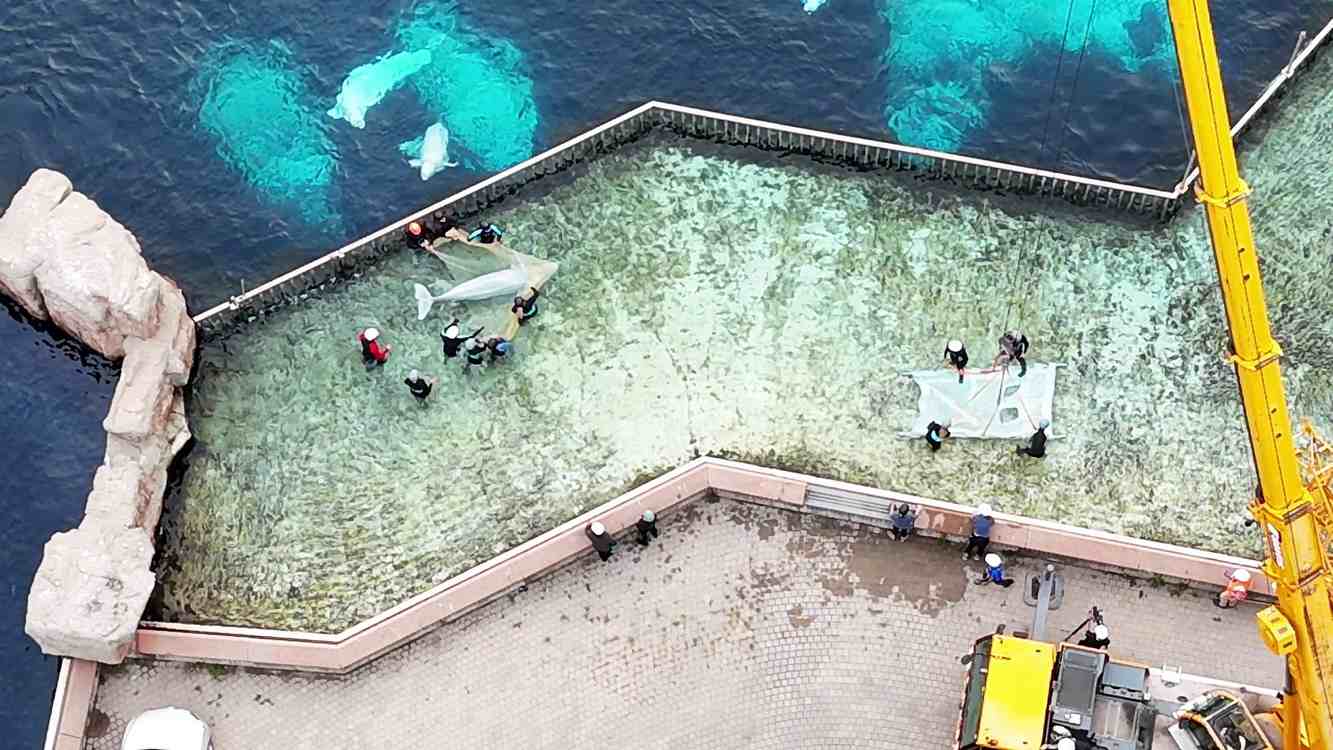
The translocation operation - credit, Tidebreakers via SWNS
The translocation operation – credit, Tidebreakers via SWNS

When GNN reported last week that Canadian and US authorities approved the emergency transfer of some 30 beluga whales from a closed theme park in Ontario, little had been released about how one goes about moving a several ton marine mammal across state boundaries.

Then, news broke that 4 of those 30 whales had already arrived—safe and sound—at the Shedd Aquarium in Chicago.

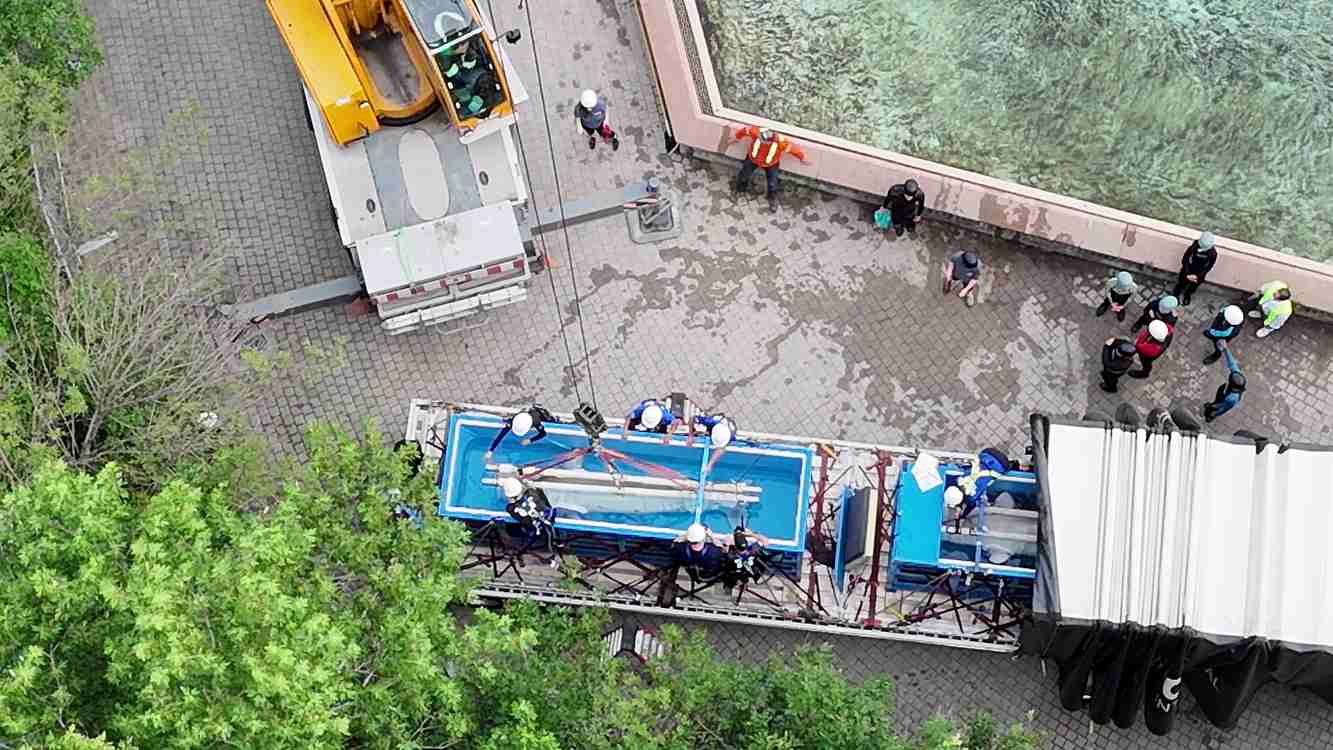
Photographs released by an organization involved in the logistical effort show belugas being pulled out of the holding pool at Marineland, in Ontario, on special cloth gurneys before being hooked to a crane and lowered into special cold water containers pulled by trailer trucks.

Their ticket to Chicago was via a Qatar Airways Boeing 777 container aircraft which brought them safely down to O’Hare and onto their final destination: the Abbott Oceanarium at Shedd, where they’re undergoing health and wellness checks after the wild ordeal.

“Moving animals like beluga whales, even under the best of circumstances, is challenging,” Dan Ashe, president and CEO of the Association of Zoos and Aquariums which organized the move, told CBS News Chicago.

“This moment marks the next chapter for these rescued belugas,” added Dr. Karisa Tang, lead veterinarian and vice president of animal health at Shedd Aquarium.

The translocation operation – credit, Tidebreakers via SWNS

“Now that they are here, the full attention of our care and veterinary teams is on getting to know these whales and providing whatever supplemental support, care, treatment, nutrition and attention we can provide to help them acclimate to their new environment.”

Marineland, the whales’ previous home, was the center of perhaps the highest-profile case of institutional, serial animal abuse in the Western World.

The translocation operation – credit, Tidebreakers via SWNS

With the Ontario government finally shutting down the theme park after decades of accusations, investigations, and court cases, it was unclear what would happen to these 30 belugas that had lived too long in captivity to be released into the wild.

Marineland had no more money to care and feed for the belugas, and even threatened to euthanize them if Canada didn’t approve permits to move the creatures to other aquariums, after a previous attempt to send them to China was rejected.

MORE STORIES YOU MIGHT LIKE: 4 Different Bobkittens Rescued in a Week, Undergoing Rehab Together for Return to the Wild

Now, both the NOAA and the Department of Fisheries and Oceans Canada have approved plans and issued correct permits to move 28 animals to 4 different American aquariums, while Spanish authorities are pending permit issuance for the final 2 to be sent to Oceanogràfic València in Spain, which already houses belugas.

Shedd Aquarium staff said there’s potentially room for another 6 of these white whales, but care and attention first must go to the 4 already here. Aged 27, 26, and 21, the 4 female belugas made for an obvious group transfer as they had bonded in what experts involved in the operation called a “sub pod.”

“We are watching closely for the rescued belugas to eat a full diet, socialize with one another,  and investigate the habitat, which are encouraging signs of their progress,” said Charlie Jacobsma, director of animal behavior and training at Shedd Aquarium.

RESCUING LARGE ANIMALS: Tow Truck Driver Tells Customers to Wait Until He Finishes Moose Rescue: ‘Oh, that’s fine…’ (WATCH)

“We are cautiously optimistic as we start to see some of those initial indicators, and our dedicated team will continue to monitor throughout this process to acclimatize the belugas to their new home, caretakers, and pod.”

The Georgia Aquarium and two SeaWorld facilities in San Diego and San Antonio, are now preparing for other belugas to arrive.

WATCH footage of the transfer from Shedd Aquarium below… 

SHARE These White Whales’ Long Journey To Their New Home In Chicago…

Maiden Rocket Launch ‘a Grand Success’ for India’s First Private Spaceflight Company

Vikram-1 lifting off - Skyroot Aerospace
Vikram-1 lifting off – Skyroot Aerospace

In 2022, India beat long-time spacefarers Russia to become the 3rd nation to see a privately designed and built rocket successfully reach space.

Now just 4 years later, and the Hyderabad-based Skyroot Aerospace has outdone itself.

The company’s new 4-stage Vikram-1 rocket capable of carrying over 770 lbs. of payload aced its maiden flight to low-Earth orbit.

Lifting off at 12:05 p.m. local time from a launch pad on the barrier island of Sriharikota, Vikram-1 had successfully reached every performance metric by 17 minutes of flight time, leading to mission control announcing a “grand success,” to the roar of the team in the control room.

The company sees Vikram-1 as fulfilling a critical role in the global launch market for satellites and other small deliverables.

“The small satellite launch market is deeply constrained on the supply side,” Skyroot co-founder and CEO Pawan Kumar Chandana said in an emailed statement to Space.com on Thursday, July 16th, just 2 days before their successful launch.

A camera view of the Vikram-1 tail – credit, Skyroot Aerospace

“At the same time, the demand for services enabled by satellites in space will only continue to grow, and that is where Skyroot’s opportunity lies.”

Fantastically for both shareholders and clients, not only was Vikram-1 a complete success, but the test carried customer satellites, including one from the German company DCUBED, and 1 from each of the Indian space firms Grahaa Space and Cosmoserve Space.

INDIAN SPACE RACE: India Becomes Fourth Nation to Touch Down on the Moon In Mission to Study its South Pole

Of greater interest perhaps to GNN readers, Cosmoserve had paid for the passage of a robotic space drone called Embrace which will float about and use its robotic arm to grab and hurl space debris out of Earth’s orbit.

India is now the 3rd country that has a national route to space, joining the great powers China and the US.

CELEBRATE Skyroot’s Successful Maiden Flight On Social Media…

5 New Marine Reserves to Protect Dolphins and Kelp Forests off New Zealand’s South Island

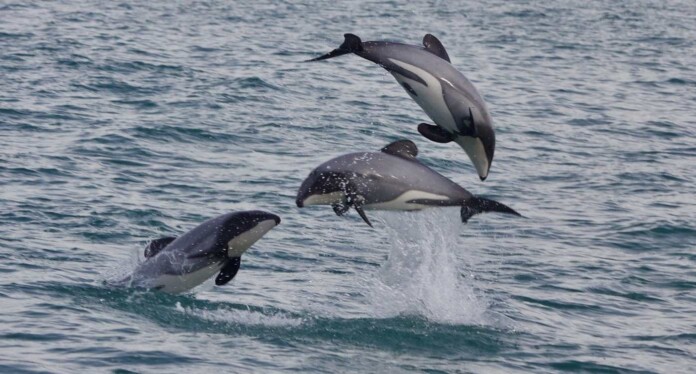
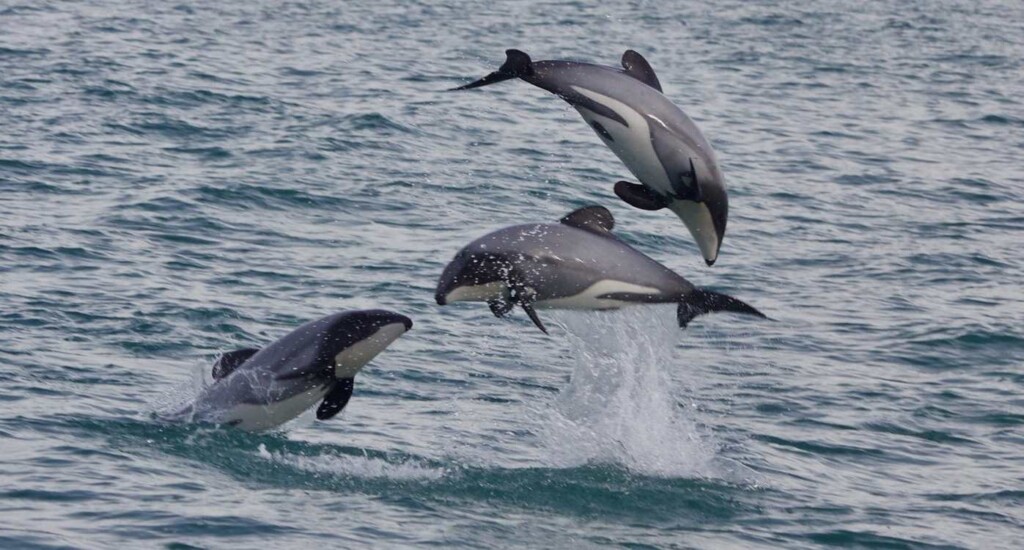
Hector's dolphin, a species set to benefit from the new marine protections - credit, Anjanette Baker, CC 4.0. BY-SA
Hector’s dolphin, a species set to benefit from the new marine protections – credit, Anjanette Baker, CC 4.0. BY-SA

In what is being described as an “important first step,” for marine protections in the island nation of New Zealand, 5 new marine preserves will enter into force next month.

Surrounding a district called Otago near the southeastern tip of the South Island, 308 square miles of key marine habitats filled with charismatic species will gain protections under the new law.

The reserves will be managed in partnership with the local Māori community, and be exclusive “no-take” areas.

“For Otago’s wildlife, this will be game-changing,” said World Wildlife Fund NZ’s conservation impact manager Jamie Fowler.

“These protections will give some of our rarest and most threatened species the breathing space they desperately need and provide genuine safe havens for hoiho (yellow-eyed penguin), pakake (New Zealand sea lion), and tutumairekurai (Hector’s dolphin).”

Along with the animals, kelp forests and other key habitats will be protected from extractive industry.

Previously designated as the South-East Marine Protection Network, it has been renamed “Te Au Roa o Te Rakihouia” in honor of the first-known human to journey along and around the coastline of the South Island, whose name was Te Rakihouia.

It celebrates a deep, years-long connection between the reserve network and the Māori, with new rangers from the South Island Māori group called Kāi Tahu being trained in the management and monitoring of the marine reserves, carrying on the tradition.

NEW ZEALAND NEWS: ‘This Area is Slightly Haunted but Manageable’: New Signs Look Official But They’re Public Art Designed to Delight

A Kāi Tahu community leader, Edward Ellison, told Radio New Zealand that the management partnership “will help ensure that decisions around the management of Te Au Roa reflect our customary practices and local knowledge of these coastal areas.”

A 6th reserve was blocked from being added to the network after a legal challenge by the Otago Rock Lobster Industry Association. Resolution on the challenge and the final reserve boundaries are expected soon.

MARINE RESERVES IN THE PACIFIC: French Polynesia Protects Biodiverse Ocean Area Twice the Size of Arizona Teeming with Life

Despite its rich seas, reputation as a biodiversity and ecotourism paradise, and long-time leftwing leadership, this is New Zealand’s first effort at significant marine protections in a decade. Fowler and other local conservation voices hope it can be the catalyst for further protections.

“If we are serious about reversing biodiversity loss, we must build on this momentum,” Fowler told RNZ.

SHARE These Special Seas Protected For The Animals and People That Depend On Them…

Discovery of New Avocado Types Could Lead to More Superfood Choices and Resilience

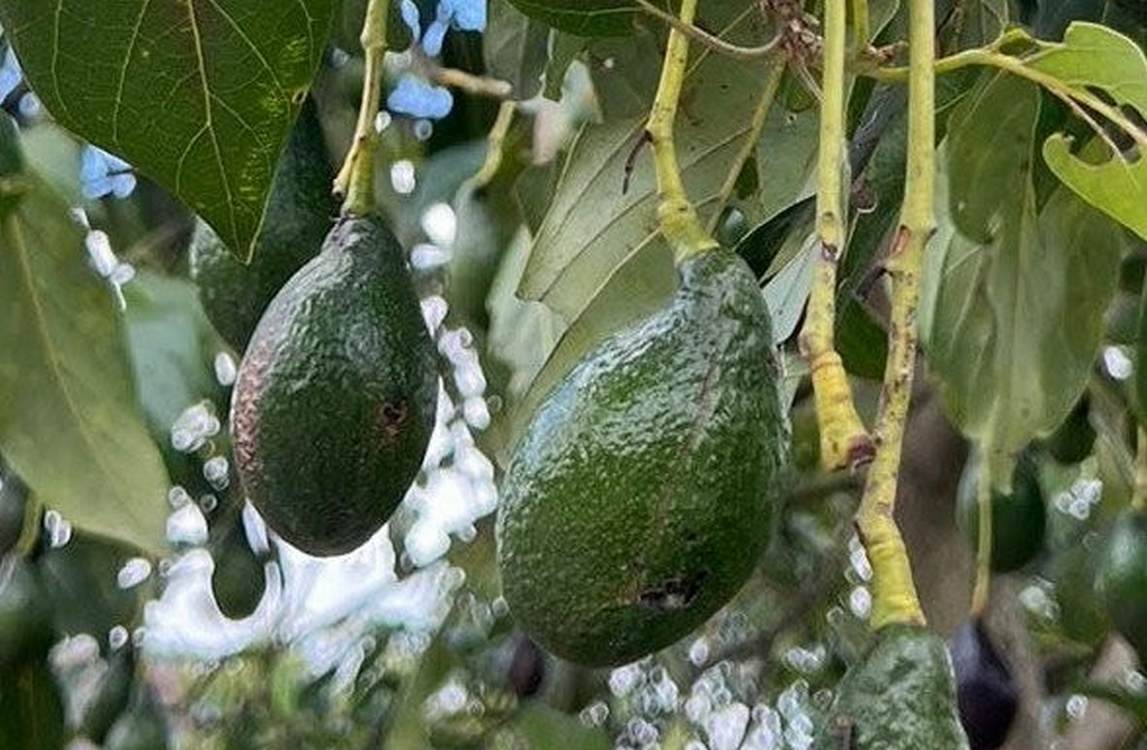
A close-up of the new avocado species - credit, Kevin Wann SWNS
A close-up of the new avocado species – credit, Kevin Wann, via SWNS

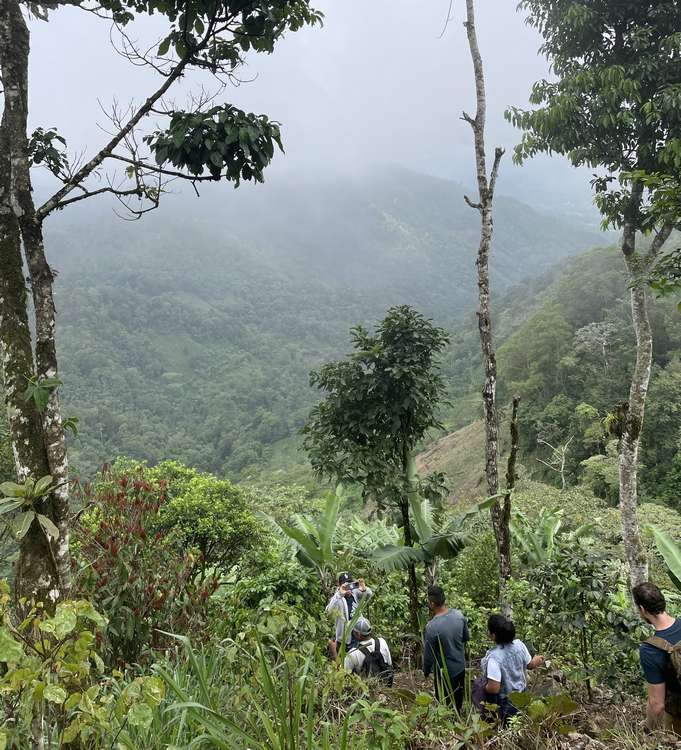
Scientists trudging through Nicaragua’s rainforest have identified a “hotbed” of avocado species diversity.

The fruit was first transported hundreds of miles to Central America from South America around 5,000 years ago, and the American researchers uncovered genetic traces of this ancient migration in the fruit’s DNA.

They suggest some of these species could aid in supply chain diversification, and boost sustainable agriculture and commercial varieties of the healthfood fruit.

The natural range of avocado trees extends from Mexico to Peru, but study leader archaeobotanist Kevin Wann says there is “a much wider breadth of avocado diversity that science had not yet documented.”

“We could potentially tap into this genetic diversity to conserve commercial avocado plants that are vulnerable to disease.”

Key to their discovery and to this evolutionary diversity was the human-caused migration of the fruit from south to north. For more than 10,000 years, humans in the region have coveted the plant’s fruit, whose yellowish-green flesh is packed with nutrients and fats.

As the seeds were dispersed throughout the humid lowlands of Central America, they hybridized with native plants, producing a diversity of avocado varieties.

Despite resembling the avocados found in humid regions such as Florida and the Caribbean, the local varieties are genetically distinct from the commercially-grown fruits found in guacamole.

As of 2024, 11 million metric tons of avocados were grown annually worldwide, but like the banana, the vast majority belong to a single variety: Hass. These large, long-lasting avocados are produced through clonal grafting, where a branch is taken off one Hass avocado tree and attached to another tree to bear the same exact fruit. As a result, most avocados in grocery stores are genetically indistinguishable.

That makes all Hass avocados vulnerable to the same threats, however, with a single disease or change in temperature or precipitation carrying the power to wipe out an entire population of Hass avocados.

Increasing the genetic diversity of avocados is crucial to protecting the multi-billion-dollar industry.

To that end, Wann, a doctoral student at Texas A&M University, examined DNA from avocado leaves collected in Nicaragua, Honduras, and southern Mexico. They also spoke with the farmers and gardeners to learn how they cultivate these local avocados.

In the avocado groves, Kevin Wann, via SWNS

Traditional agricultural practices have honed the region’s native avocado varieties, also known as “landraces,” for thousands of years. Locals confirmed that the lowland avocado landraces had not experienced root rot, the most common disease affecting commercial avocados.

The researchers extracted and analyzed DNA from 47 native avocado landraces, 32 of which came from Nicaragua. They then compared the DNA from the various landraces with previously published genetic data from more than 200 other avocado lineages.

MORE SUPERFOODS: These Superfoods Can Provide Important Nutrients With a Single Bite

The findings, published in the journal Plants People Planet, showed that the avocados sampled in the lowlands of Nicaragua were genetically tied to avocados found further south, including populations along the coast of Colombia, rather than north in Mexico.

This revealed that many local landraces in that part of Central America are planted from fruits originally grown in South America.

Mr. Wann believes the trove of avocado diversity preserved in Central America’s lowlands could help protect commercial avocados from the fate of other clonal crops such as bananas, which have been devastated by fungal pathogens in the past.

AVOCADO INTRIGUE:

The region’s local varieties are also adapted to warmer and wetter climates.

“Their high levels of genetic diversity makes them more prepared to face potential shifts in climate or diseases compared to the ones you’d buy at a supermarket.”

Across the world, agronomists and botanists—and even the odd entrepreneur—are seeking ways to bring greater variety to both staple and cash crops. Whether grains or coffee, the same benefits these native avocado landraces have over commercial ones can be found in other plants: heat-resistant coffee species, or drought tolerant sorghum.

SHARE This Research My Stomach Can Really Get Behind… 

“The more we care for the happiness of others, the greater is our own sense of well-being.” – Dalai Lama

Photo by Annie Spratt

Quote of the Day: “The more we care for the happiness of others, the greater is our own sense of well-being.” – Dalai Lama

Photo by: Annie Spratt

With a new inspirational quote every day, atop the perfect photo—collected and archived on our Quotes page—why not bookmark GNN.org for a daily uplift?

Photo by Annie Spratt

Good News in History, July 23

Happy 55th Birthday to the amazing musician and singer Alison Krauss, who has won more Grammys than almost anyone. A teenage prodigy in Decatur, Illinois, she was attracted to bluegrass music and was winning contests at age 10—and at 16 showed off her extraordinary fiddle playing on a debut album with a major label. Her soundtrack performance for O Brother, Where Art Thou? was credited with helping renew Americans’ interest in bluegrass music. CHECK OUT her fiddle skills in “Man of Constant Sorrow” on YouTube, playing with her longtime band, Union Station—and WATCH her perform the ballad, When You Say Nothing At All... (1971)

Paralyzed Man Can Feed Himself and Pet His Dog Again Thanks to Double Neural Bypass Surgery

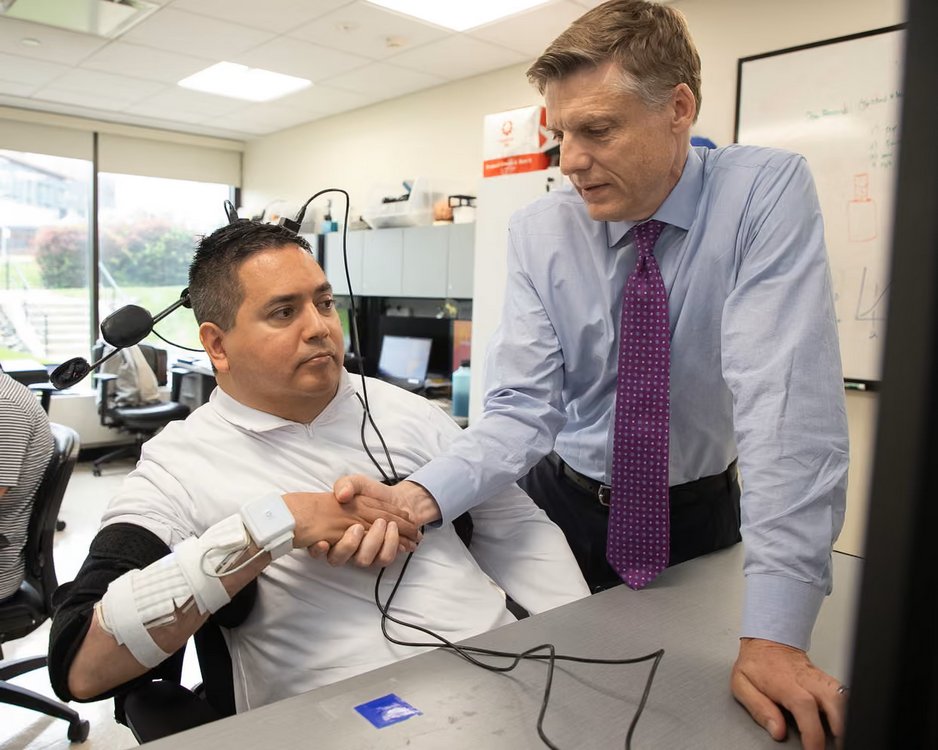
Keith Thomas (left) and Professor Chad Bouton (right) - credit, Feinstein Insitutes, released
Keith Thomas (left) and Professor Chad Bouton (right) – credit, Feinstein Insitutes, released

A man who was paralyzed from the chest down is now regaining hand and arm control thanks to a double neural bypass surgery—by using a computer to connect his brain with the nerves in his hand and arms.

Hardly doomed to becoming a wheeled internet node for the rest of his life, the man has continued to regain feeling and function that persists even when the computer is turned off.

The result speaks volumes about the potential for this technology to improve the lives of those suffering from paralysis in the US and abroad.

Such hope and progress unfortunately begins with tragedy and loss, in a very familiar way.

Keith Thomas from Massapequa was just hanging out next to the pool during the summer of 2020, when he decided to dive in “aggressively as usual.” The next thing he knew, he was in a helicopter being transported to the hospital.

Just 3 months after breaking his neck at the bottom of the swimming pool, Thomas was contacted by the Feinstein Institutes for Medical Research asking if he were interested in enrolling in a 3-year medical trial for what they called double neural bypass surgery, with the paralyzed nervous system between the brain and the arms being that which is bypassed.

It uses electrodes implanted into Thomas’ brain to detect when he wants to move his arms. The signals are then routed to his arms and hands to move them. The “double” part refers to sensors embedded in his fingers which detect the presence and form of objects in his hands, performing another transfer of information to the brain via the electrodes.

Not only does it allow Thomas to move his arms and hands, feel the fur of his dog or the touch of his sister’s hands, but detect whether he’s holding a ball, a coffee cup, or an egg, and adjust pressure and control accordingly.

Training with the system for 35 weeks, the strength in his atrophied arms has increased: 86% in his right arm and 62% in his left, while also experiencing an increase in his range of motion. Having previously not been able to lift his hand above his neck, he can now scratch his nose and wipe his mouth. The progress was recently presented in a paper published in Nature.

ADVANCES IN REVERSING PARALYSIS: 

“For me this is an incredible moment,” said Professor Chad Bouton, leader of the team at Feinstein that developed the technology.

“For years, we have been wanting to really tackle the restoration of movement and the sense of touch and bring those together and we’ve also wanted to create lasting effects,” Bouton said in a video release. “I think we’re going to continue to see progress and I think it’ll be applicable to the millions of folks around the world who really need this technology.”

An interesting thing about the technological ensemble restoring Thomas’ capabilities of touch and movement is that it’s unclear just how much more he’ll be able to recover. Where will he be after another 35 weeks?

WATCH the story below… 

SHARE This Wonderful Turn Of Fortune For A Man Unable To Touch The World Around Him… 

A Rich Rainfall is Set to End Mexico’s 6-Year Drought

A reservoir filled to brimming in central Mexico - credit, Conagua
A reservoir filled to brimming in central Mexico – credit, Conagua

According to current predictions, Mexico may be free from a multi-year drought at the end of its current rainy season.

Running from May to October, a wetter-than-normal El Niño phenomenon has led to rich rains across Mexico, from the drier north to the more humid south.

– screengrab, gobierno.mx

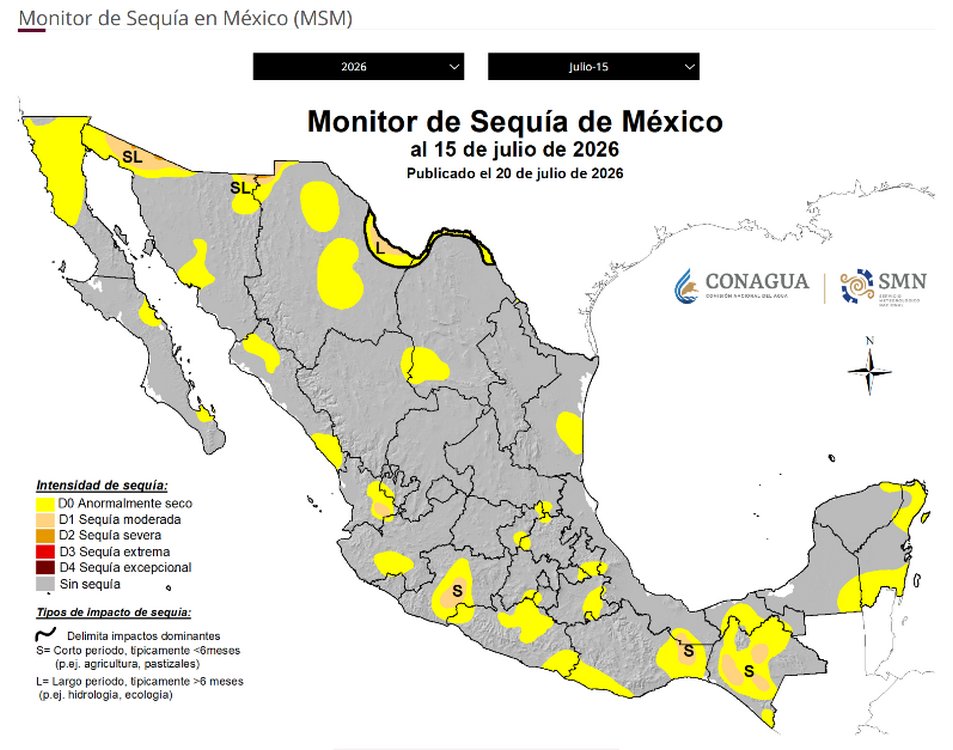
Dante Sinohé Hernández Padrón, a researcher with the National Water Commission (Conagua), said during the 40th Climate Perspectives Forum in May that there has been a 94% recovery from existing droughts across the country.

Droughts are measured in the country through a rating of D0 to D5. The vast majority of the country’s territory are D0, with patches of D1—a state of dryness preceding real drought, and smaller patches inside those D1 areas of D2.

Just before the 2025 rainy season, almost half of Mexico—596 municipalities or 46.5% of the country—fell into the D1 to D4 categories, according to Conagua.

As of June 15, only 2.4% of the territory was experiencing drought (D1-D4).

Only a tiny area of desert in Chihuahua State is experiencing severe drought, considered D3, and only where it touches against the US border.

SHARE This Great News For Mexican People From The Desert To The Yucatan…

Man Shocked to Discover Family’s Kitchen Table was Actually His Ancestor’s Qing Dynasty ‘Diploma’

Xu plans to restore the lacquer and preserve it as a family heirloom – Courtesy photo

In some of those really old countries: Greece, Turkey, China, history has a funny way of piling up and losing some of its intrigue.

Take this kitchen table for example—it’s actually a kind of diploma issued in the Qing Dynasty, but Mr. Xu of Anhui province didn’t know, even though he and his family had taken meals on it more times than he could count.

Going viral on mainland social media, Xu explained on the Chinese version of TikTok that he had never paid the plaque any mind; his parents were impressed by its sturdy timbers and repurposed it as a dining table at their home in this rural region of West China.

Painted red, the two words “Yuan Gong” had been carved into the surface and colored in gold. One day on a lark, Xu decided to research what the characters meant. He discovered that the plaque was an “honor board,” given to his great-great-grandfather Xu Yunli as a mark of distinction following his passage of the imperial examinations.

Originating in the Tang Dynasty of the 7th century, the state exam to enter the imperial bureaucracy was conserved through all subsequent dynasties. The rigorous academic pursuit at times allowed commoners to break through social hierarchies, and ensure at the best of times that a true meritocracy staffed imperial ministries with the best and brightest in the realm.

Yuan Gong translates roughly to “talent presented to the emperor,” and indicates that Xu Yunli placed sixth in the state examinations that year.

“I never imagined that the table our family had used for decades was actually my great-great-grandfather’s academic record,” Xu wrote.

Such honor boards, as one might imagine, were traditionally displayed above home doorways, in ancestral halls, or beside tombs, serving as enduring symbols of scholarly success and family prestige, writes Zoey Zhang at SCMP.

LIVING HISTORY: Biologists Clone Wild Yaks to Save Golden Subspecies Numbering Fewer Than 300 in First of its Kind Effort

Such a piece of education history would in many countries render the object as state property, but under Chinese law, as long as historical relics of national importance were passed down through lawful family inheritance, they remain the private property of the family.

Xu insists he shall never part with his ancestor’s token of merit, and plans to put some money together to have the red lacquer and gold paint restored to the face.

MORE ANTIQUARIAN MIX-UPS: Two Garden Ornaments Thought to be ‘Worthless Concrete’ Turn Out to be Italian Marble Busts Worth Thousands

This story attracted 10 million views on social media, Zhang wrote, who shared some of the comments.

“I knew a family who used a similar plaque to fence in pigs,” one wrote. “They only realized its value later and put it back on display.”

SHARE The Surprise, Pride, And Delight Of This Man In Far Off China…

Teen Rescues Elderly Dementia Patient Wandering Around in 103°F Heat

Theresa Morgan disoriented on the street - credit, Royal Cothrun, released
Theresa Morgan disoriented on the street – credit, Royal Cothrun, released

From Arizona comes the story of a young man helping an elderly woman whose dementia had left her disoriented, wandering about in 103°F heat.

14-year-old Royal Cothrun was riding his bike down empty sidewalks through his home town of Gilbert when he spotted 75-year-old Theresa Morgan.

Hardly pounding the pavement in running gear, she was carrying a grocery bag in one arm and her purse in the other, seemingly confused and distressed

“I don’t even know, she just looked like something was wrong, so I started talking to her,” Cothrun told ABC News 15. 

It turns out that Morgan had been diagnosed with dementia just last year, and became confused attempting to walk home from the grocery store.

Cothrun saw she was sweating, and managed to convince her to follow him to the shade, where he then helped her to remember the phone number of her son, whom the young man called.

“It was just so lucky, so fortunate, that he ran across her, cared enough to stay with her, and take care of her,” said the son, Jeff, over the phone to ABC.

– credit, Royal Cothrun, released

Paramedics arrived to treat Morgan for potential heat exhaustion, concluding the episode—all of which Cothrun captured on his Meta Glasses. His mother was understandably proud, when she found out what he’d done.

MORE STORIES LIKE THIS: 10th Grader Saves Stepfather’s Life with His Newly-Learned CPR Skills Taught in Schools

“Super proud—obviously—he was calm, he was compassionate.”

Fire Department Captain Ryan McHugh said that the outcome would likely have been so much worse had he not stepped in when he did.

WATCH the story below… 

SHARE This Diligent Young Man Rescuing A Woman He Didn’t Know…

“When it comes to life, we spin our own yarn, and where we end up is, really, where we always intended to be.” – Julia Glass

Credit: Simon Matzinger, CC license

Quote of the Day: “When it comes to life, we spin our own yarn, and where we end up is, really, where we always intended to be.” – Julia Glass

Photo by: Simon Matzinger, CC license

With a new inspirational quote every day, atop the perfect photo—collected and archived on our Quotes page—why not bookmark GNN.org for a daily uplift?

Credit: Simon Matzinger, CC license

Good News in History, July 22

30 years ago today, The Daily Show began satirizing and skewering politicians and broadcasters on cable TV’s Comedy Central. “Nobody had done it before,” said former head writer and co-creator Lizz Winstead. “We became the watchdogs of the watchdog.” Her co-creator Madeleine Smithberg supplemented the brilliant talents of host Jon Stewart with a posse of comical ‘correspondents’ like Stephen Colbert, Steve Carell, Ed Helms, Rob Corddry, Mo Rocca, Aasif Mandvi, Jon Oliver, and Lewis Black. WATCH a video of top moments…(1996)

Off-duty North Texas Firefighter Saves 3 Children Trapped Under Boat on 4th of July

From the Dallas Morning News comes the story of a firefighter who went above and beyond the call of duty, even though he was off duty.

Out in the family boat on the 4th of July, Jason Horne rescued 3 drowning children trapped under a pontoon boat on Alvarado Lake, in Midlothian.

The paper referenced firefighters’ terminology for rescuing people: “making a grab,” before quoting Horne as admitting he had made the “grab of his career.”

And he wasn’t even wearing the uniform.

Horne recounted the story in an interview. He was on his boat spending time with his 12-year-old daughter on the lake when they saw another boat and a jet ski floating in the distance, with the pilot waving them down.

Then he realized there was a third boat nearby, one he hadn’t seen at first, but which was clearly the wrong side up. Sensing there was the need of a “grab” at hand, Horne told his daughter to sit tight, then jumped in the water and sawm over to the scene.

“The people were all yelling, ‘Our babies are under there,'” Horne recalled. “So, I went around to the side of the boat, dove underneath the boat.”

Two children were trapped underneath, and thankfully their guardians had remembered or insisted that they should wear life jackets. The first ‘grab’ was a boy, clearly dizzy, but breathing. The second was a girl who wasn’t. He pulled her up on top of the pontoon, hoisted himself up beside her, and began to perform chest compressions before hearing that there was a third child underneath as well.

He dove back into the water, without explaining to the Dallas Morning News whether the girl was breathing again, but he couldn’t locate a third child.

There’s only so many places one firefighter can be, but by then some Good Samaritans came by and helped find the third—another boy—who was also unresponsive.

FIREFIGHTERS FIGHTING WATER: Firefighters Heroically Save Man Trying to Rescue His Dog from Icy Boston Lake in Dramatic Video

“He had a bunch of ropes and stuff wrapped around him,” Horne said. “We were able to get him up on the front of that pontoon boat. I did CPR on that little boy up there on the pontoon boat for a few minutes while we were headed back to the boat ramp.”

By the time they reached the ramp, first responders were waiting for them, and rushed all 3 children to the hospital, where they recovered according to a news release by the Alvarado Fire Chief.

MORE HEROIC INDIVIDUALS: Teen Lifesaver Awarded One of Scouting’s Highest Honors After Harrowing Whitewater Rescue

The family later reached out personally to their hero personally, though Horne insisted he is anything but, and that he “was just trying to help those people.”

Same difference Jason, same difference.

COMMEND This Brilliant Rescuer And The Grab Of His Career On Your Socials…

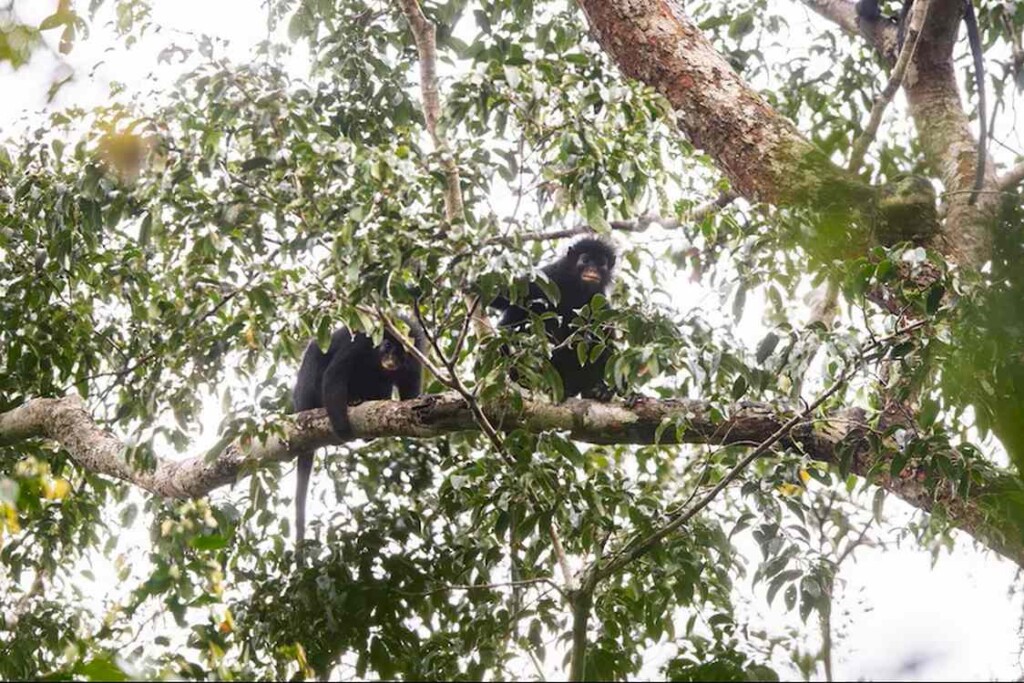
New Species of Monkey Found in DR Congo Shows How Much There’s Left to Discover

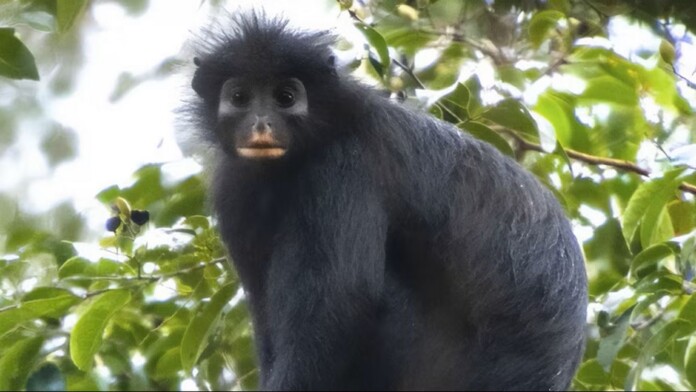
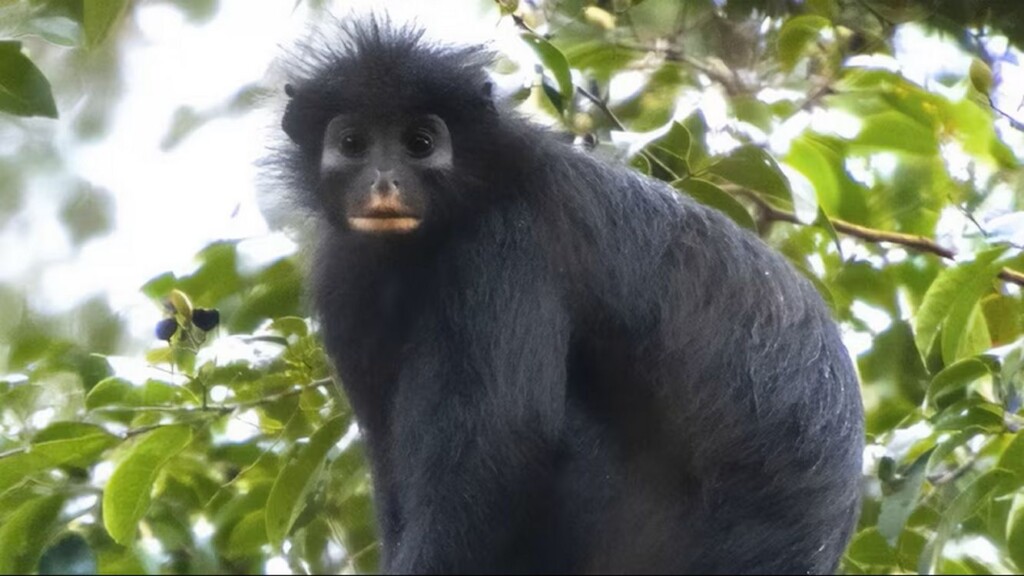
Colobus congoensis - credit, released by Daniel Rosengren, Frankfurt Zoological Society
Colobus congoensis – credit, released by Daniel Rosengren, Frankfurt Zoological Society

When news reaches the public that a new species has been identified, the chances really are 9 times out of 10 that it’s some deep sea slug or a spider.

From the Congo comes the story of the exception—a new species of colobus monkey has been identified, becoming just the 5th such occasion in 75 years of research on the Colorful Continent.

A pair of Colobus congoensis – credit, released by Daniel Rosengren, Frankfurt Zoological Society

The creature with black fur and an innocent face, also bears a striking set of orange lips.

Named Colobus congoensis and known locally as “Likweli” in its home of Lomami National Park, the monkey had lain hidden from our sight within this remote region of the Congo Basin despite decades of scientific exploration in Central Africa.

The mystery of this new species began with an unexpected sighting in 2008, when researchers captured a partially obscured photograph of the monkey. A decade later, researchers encountered the animal again and obtained a much clearer image. That discovery sparked further investigation into the elusive primate.

Now, new genetic, anatomical, and acoustic analyses have confirmed that the monkey represents a distinct evolutionary lineage that diverged from its closest known relative, the black colobus monkey, 4 to 5 million years ago

“This discovery is both exciting and deeply personal, highlighting the extraordinary biodiversity of my homeland and how much remains undocumented,” said Junior Amboko, a Congolese scientist and co-corresponding author of the findings in a statement.

NEW MONKEY SPECIES: This Monkey Was Already Endangered When Discovered in 2003–but is Now on the Up and Up

Smaller than related colobus monkeys—about 15 pounds—it is distinguished by sleek, light-reflecting fur and dramatic facial features created by long black facial hairs and large folded ears. White perianal markings further distinguish this species.

In a separate response to the BBC, Amboko said that the animal had a small range compared to other colobus monkeys, suggesting it could be already Endangered. In the statement, it’s detailed that between 2018 and 2022, researchers recorded 114 sightings across an estimated range of around 900 square miles.

SECRETS OF THE CONGO: First Known Photos of ‘Lost Bird’ Not Seen in 2 Decades are Captured by University of Texas Scientists

“As part of our search, we interviewed people in 52 villages close to where the animals live. And only people in 8 villages [had ever seen] them.”

While the scientists’ official recommendation in their paper describing the monkey is that it should be listed as Endangered, the locals also told them that the monkey was a target of local indigenous hunters.

WATCH the animal in the wild below…

SHARE The Incredible Surprise And Natural Value This Monkey Brings to Science…