With President Obama at the 50th anniversary of ‘Bloody Sunday’ on the Edmund Pettus Bridge.
Four former presidents honored Congressman John Lewis at his funeral in Atlanta, Georgia, on Thursday, but none could match the eloquence of Lewis himself who wrote a letter to the nation, offering his final words, in the wake of his months-long battle with stage 4 pancreatic cancer.
“While my time here has now come to an end, I want you to know that in the last days and hours of my life you inspired me,” he said, of the recent rallies in support of racial equality. “You filled me with hope about the next chapter of the great American story when you used your power to make a difference in our society.”
“Democracy is not a state. It is an act, and each generation must do its part to help build what we called the Beloved Community, a nation and world society at peace with itself,” wrote the Civil Rights Movement giant in his essay, published in the New York Times on July 30, the day of his funeral.
“Ordinary people with extraordinary vision can redeem the soul of America by getting in what I call good trouble, necessary trouble.”
“Though I may not be here with you, I urge you to answer the highest calling of your heart and stand up for what you truly believe. In my life I have done all I can to demonstrate that the way of peace, the way of love and nonviolence is the more excellent way. Now it is your turn to let freedom ring.”
“When historians pick up their pens to write the story of the 21st century, let them say that it was your generation who laid down the heavy burdens of hate at last and that peace finally triumphed over violence, aggression and war,” Lewis continued.
“So I say to you, walk with the wind, brothers and sisters, and let the spirit of peace and the power of everlasting love be your guide.”
With President Obama at the 50th anniversary of ‘Bloody Sunday’ on the Edmund Pettus Bridge.
A close comrade of Martin Luther King, Jr., he was the last surviving person to have spoken during the 1963 March on Washington For Jobs and Freedom. Lewis’ signature achievement was the passage of the Voting Rights Act of 1965. He had his skull fractured that same year while marching with King, leading more than 600 peaceful demonstrators across the Edmund Pettus Bridge in Alabama in a rally for those rights.
A Georgia statesman reelected to the House of Representatives every two years since 1987, Lewis died on July 17 at age 80.
SHARE These Inspiring Last Words With Friends on Social Media…
Two South African women, neither having previous experience in the plastic recycling or waste management industry but with a shared vision of plastic-free rivers and oceans, decided to put their heads together to work towards a sustainable solution to the plastic pollution problem in Cape Town.
Santie Gouws and Ursula van Eck co-founded Sunshine Cleaning to address plastic pollution within neighborhoods that are adjacent to rivers and canals, to prevent such plastic from entering rivers—and ultimately ending up in the ocean.
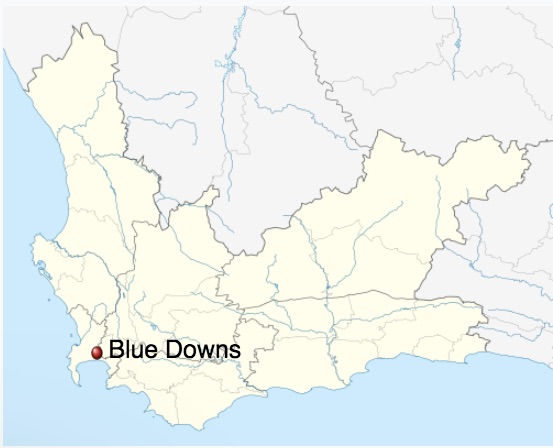
“Our research led us to the Blue Downs canal and river system, right under our noses in Cape Town, one of the most beautiful cities in the world,” they told GNN.
The Netherlands Ocean Cleanup project, which has begun to collect plastic from rivers, too, has identified this particular canal as being amongst the top 1000 most severely plastic polluted river systems on the planet.
The pair realized that in order to achieve a sustainable solution, they would need to gain an understanding of the types, volume, and condition of plastic waste that makes its way to settle on the banks of of their canal. To do so, they would need some expert help—and they found it in South Africa’s largest waste management company.
“Two weeks into our Covid 19 lockdown we contacted EJ of Enviroserv, with whom Santie had met at a Waste Management Seminar earlier in the year. EJ’s positive open engagement with us and pro-active attitude quickly resulted in a plan of action for a clean-up and waste assessment of the Blue Downs canal banks set for 18 July.”
Coincidentally, it would fall on the 10th anniversary of Mandela Day.
They then engaged Cape Town officials to obtain the necessary permissions, as well as the Blue Downs community, to ensure their buy-in, involvement, and blessing for the clean-up.
“Notwithstanding their challenges of trying to feed hundreds of people, arising as a result of the COVID-19 crisis, the Blue Downs Community Women Action group and local Ward Councillor Jerome Fitz received us with open arms and gave us their full commitment and support without hesitation.”
Following a week of some of the most extreme Cape heat, the volunteers were blessed that day with the most spectacular Cape Town weather anyone could wish for—brilliant sunshine and blue sky, with snow still visible on the mountains in the far distance.
Sunshine Cleaning
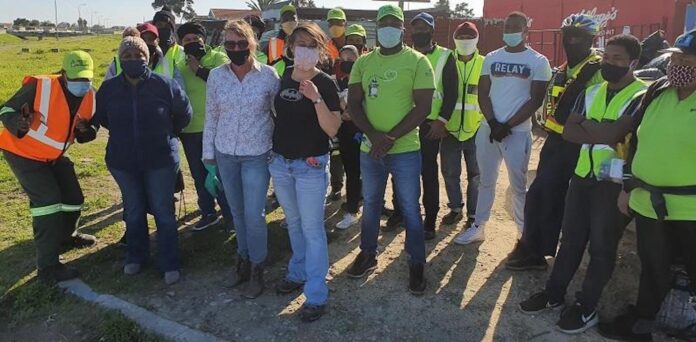
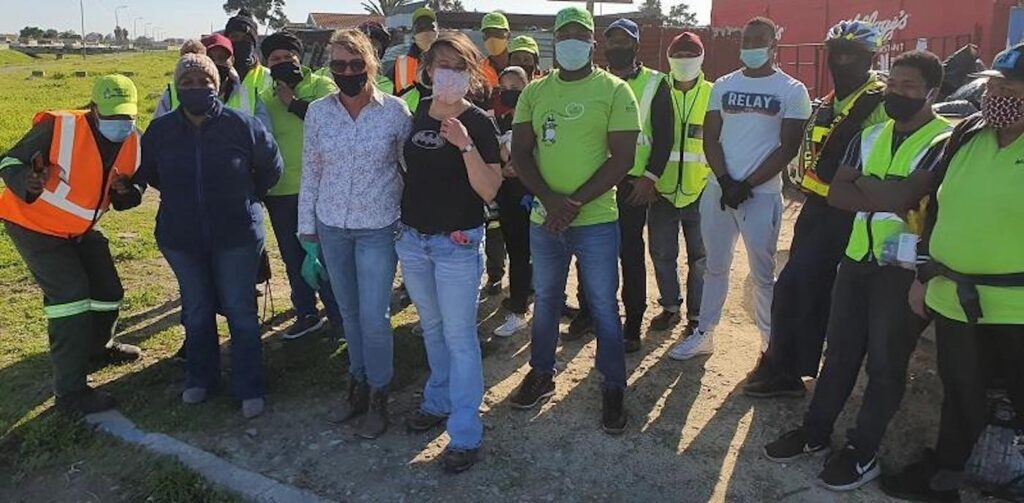
“Masked, sanitized, and keeping necessary social distancing,” 28 volunteers came together from Enviroserv, Blue Downs Women Action, and the Neighborhood Watch (which offered security from the area being known for gang activities), to join the ward counselor and Santie and Ursula to collect 826 pounds (375kg) of plastic waste from the banks of the canal that morning.
“The Community Women Action ladies supplied piping hot coffee and sandwiches, and even the Neighborhood Watch joined in picking up plastic whilst ensuring our safety.”
They now await the results of the sorting and assessment of waste from Enviroserv—which also generously provided bags, gloves and masks—that will inform Sunshine Cleaning’s next steps on their journey to save their little corner of the globe from ocean-going plastic pollution.
As Nelson Mandela said, “It always seems impossible until it’s done.”
SHARE The Good News Story On Social Media to Inspire Action in Your Town…
Losing a parent is one of the most painful parts of life. No matter how old we are when they leave us, it can be a heart-wrenching experience. Our memories are all that is left of them—and happy reminders of their love turn into our most valuable treasures.
That’s how Mara Soriano feels about a very special teddy bear that she tragically lost in her recent move to a new apartment.
The Build-A-Bear plush toy didn’t cost a lot, but it contained a recording of her late mother’s voice telling her that she loved her and was proud of her. The bear, called “Mama Bear,” was in a backpack that contained electronics like an iPad and a Nintendo Switch. When the bag was stolen last week during the move, the 28-year-old, was heartbroken—not for the gadgets, but for Mama Bear.
So she posted online about the item lost in Vancouver, Canada, and the story behind it, which caught one viewer’s attention in a big way.
Diagnosed with cancer 10 years ago, Mara’s mother, Marilyn, gave her daughter the bear as a gift in 2017. As her cancer progressed, until her death last June, the gift felt even more special. “That bear was basically the last reminder of the mom that I knew—it was her voice that I remembered growing up,” she said in an interview with CTV News.
Luckily, the internet did its thing and Mara’s search soon went viral. Meanwhile, Mara was out searching. She put up posters, dug through dumpsters, and communicated with others online, following any leads she could.
Actor Ryan Reynolds, a native of British Columbia, then posted a plea for its safe return. “I think we all need this bear to come home,” he wrote. Along with the message, he also offered a huge incentive for the thief—a $5,000 reward, “no questions asked.”
Vancouver: $5,000 to anyone who returns this bear to Mara. Zero questions asked. I think we all need this bear to come home. https://t.co/L4teoxoY50
Then on Tuesday night, Mara’s special bear came home. “I’m not gonna lie I kind of buckled. As soon as I saw (him) pull her out of the bag… I just started sobbing and I grabbed her out of his hands and I couldn’t let her go.” she told CTV.
It’s a bit of a modern day miracle that would never have happened without the wonders of social media. Mara said she got an email from a good Samaritan who told her they had the bear. Though she was skeptical, she set up a safe meeting space with a member of the media also present. Luckily, it wasn’t a scam—two unnamed people brought her the bear, safe and sound.
Twitter
Mara is getting married next summer and the bear is going to have a special seat at the ceremony—the one her mother would’ve sat in. For now, she’s keeping “Mama Bear” close and sending thanks to those who helped with the happy reunion.
She tweeted an excited message of gratitude to Ryan Reynolds, who is also an entrepreneur, referencing his gin company. “BREAK OUT THE @AviationGin, @VancityReynolds! MAMA BEAR IS HOME!” she wrote. Ryan seemed almost as happy.
After having wired the money to the person who returned the bear, he took to Twitter to share the news with his followers, writing, “In happier news… thank you everyone who searched high and low. To the person who took the bear, thanks for keeping it safe. Vancouver is awesome.”
Vancouver certainly is—but this story just might show that humanity totally is, too.
WATCH the video below from CTV…
SEND Some Mama Bear Love to Friends On Social Media…
In the 1970s and 80s, Costa Rica had the highest deforestation rates in Latin America—but the next few decades saw the country halt her forest loss, initiate replanting and conservation efforts, and regrow almost all of her lost tree cover.
Their methods have set up the most successful forest management model on earth.
Leading the way in the fight against human-accelerated climate change, Costa Rica’s success story of sustainable forestry was strengthened by a simple strategy of valuing forests by paying for their restoration, through their Payment for Environmental Service (PES).
In the 1940s, 75% of the country was shrouded in rainforest, cloud forest, and mangrove. But over the next 40 years, it is estimated that as much as half of all the trees were cut down. Intense logging bans were instituted in 1996, with PES programs arriving the year after.
Harnessing the indefatigable forces of economics, PES conservation strategies mean the forest is essentially treated like a utilities company, with companies or beneficiaries of the resources and processes provided by the forest, ‘paying’ the forest for the service or resource.
For example, a stand of old trees sit on a farmer’s acre who knows he could chop them down and plant cacao, coffee, bananas, or other tropical agriculture products. Instead he receives money from a fund which businesses and citizens pay into so that he can afford to keep the forest intact.
Now 60% of the country is forested once again, and every year, the Costa Rican Forest Fund collects $33 million which it uses to make sure the forests of Costa Rica which sit on privately-owned land are taken care of. $500 million has been paid out to landowners and farmers over the last 20 years, stewarding 2.4 million acres (1 million hectares) of rainforest, and incentivizing the planting of 7 million new trees.
“People in Costa Rica receive a lot of money because of tourism and that changes the incentives of land use,” Juan Robalino, an expert in environmental economics from the University of Costa Rica, told CNN.
That’s because almost three million tourists come to see the country’s national parks and other protected areas, which cover a quarter of the nation and are home to half a million documented plant and insect species, including iconic animals like the sloth and great green macaws.
Employing 200,000 people, the tourism sector generated $4 billion in revenue last year, encompassing luxury beach-side resorts, and little agro-tourism spots like Pedro Garcia’s farm, who took advantage of the PES opportunity to transform a 7-hectare cattle ranch into a pristine slice of Costa Rican rainforest with native trees and wild agricultural products that provide homes for macaws, poison-dart frogs, and more.
Environmental ministers of Costa Rica and Rwanda: Carlos Manuel Rodriguez and Vincent Biruta
Costa Rica’s PES system has been adopted by other nations across the world in recognition of its success—notably Rwanda, whose commitment to restoring its natural forest ecosystems saw them sign a Memorandum of Understanding (MoU) with Costa Rica in 2019.
“We’ve been working together for the last 3 years. We look forward to implementing it [MoU] and possibly expanding the scope in the future,” said Rwandan Environmental Minister Biruta at the time.
“We have learned that the pocket is the quickest way to get to the heart,” Carlos Manuel Rodríguez told CNN. As Costa Rica’s Minister for Environment and Energy, Rodríguez understands that while placing a dollar value on the natural world may seem dirty and unethical, it’s the best incentive for people to work to conserve the environment.
GROW Some Hope on Your Social Media Feeds By Sharing This Good News With The World…
File photo by Pan American Health Organization, CC
A safe single-shot vaccine for COVID-19 has been successfully trialed in Rhesus macaques, one of our closest relatives, and human trials began today.
The Johnson & Johnson vaccine called Ad26 was produced using a common cold virus, an organism that stimulates our immune system. In 52 of the primates, robust antibody activity neutralized the viral functions and properties of the Sars-COV-2 virus.
“The optimal Ad26 vaccine induced robust neutralizing antibody responses and provided complete or near-complete protection in bronchoalveolar lavage and nasal swabs following SARS-CoV-2 challenge,” read the study, published in Nature by scientists from the Center for Virology and Vaccine Research at Harvard.
This protection aspect is critical, as Ad26 produced “complete or near-complete protection” in the respiratory tract, a theorized necessity for any COVID-19 vaccine since that is the principle way in which the virus has spread across the globe.
It was clear that the observed antibody response was elicited by the vaccine, while also correlating with the efficacy rating of the defense following administration. These results suggested that the protective effects observed were due to the vaccine and not the monkey’s immune system.
“These data demonstrate robust single-shot vaccine protection against SARS-CoV-2 in nonhuman primates. The optimal Ad26 vector-based vaccine for SARS-CoV-2, termed Ad26.COV2.S, is currently being evaluated in clinical trials,” finished the Harvard team.
Funded by the U.S. government, the drugmaker said it had started early-stage human trials in the US and Belgium, according to Reuters, and would test its vaccine candidate in more than 1,000 healthy adults aged 18 to 55 years, as well as older adults.
The authors noted that a single-shot vaccine, as Ad26 would likely be, is the perfect solution for the pandemic, but admitted a two-dose administration would produce a stronger immune defense.
Need more positive stories and updates coming out of the COVID-19 challenge? For more uplifting coverage, click here.
SHARE the Breakthrough With Friends And Family on Social Media… (File photo by Pan American Health Organization, CC license)
Quote of the Day: “Anyone who keeps the ability to see beauty never grows old.” – Franz Kafka
Photo: by Erol Ahmed
With a new inspirational quote every day, atop the perfect photo—collected and archived on our Quote of the Day page—why not bookmark GNN.org for a daily uplift?
New Orleans is famous for its jazz music, but the city also has a problem with gun violence, something that local jazz trumpeter Shamarr Allen experienced while he was growing up.
After hearing of the fatal shooting of a boy from the city’s 7th ward, he thought he might be able to turn the surplus of trumpets lying around his house into meaningful opportunities for changing the tune played by kids who might be susceptible to gun violence.
“People don’t understand that these kids are trying, and wanting to do other things,” Allen told NPR. “But there’s just nothing for them to do.”
Allen posted a simple quid-pro-quo offer on social media which read “To the youth of New Orleans, bring me a gun, and I’ll give you a trumpet, no questions asked.”
In order to ensure total secrecy, because Allen guessed the kids wouldn’t make the switch if they feel they couldn’t trust him, he contacted the mayor, who put him in touch with the chief of police. The police department agreed that they would accept the guns without any strings attached and without asking anything about the kids.
According to Allen, officials were as happy as he was just to see the weapons off the street.
So far Allen has collected 4 guns—and completely depleted his stock of spare trumpets. One of them was a handgun with ammunition given to him by a young girl.
“I would never suspect that she would have [a gun]. And she was the most excited about getting [a trumpet],” said Allen.
Instagram: @shamarrallen (right) with @flowtribe who supported the cause by donating a trumpet
Hoping to continue the success despite losing all his trumpets, Allen garnered the support of local musicians who have volunteered to give free music lessons to anyone who puts down the gun and picks up music. Additionally, an online fundraiser allowed him to collect $34,800 for musical instruments and supplies. He has also received a number of instrument donations for his program, he now calls Trumpet is My Weapon.
The trumpet was the first thing that inspired Allen as a youth to believe there was actually a “whole other world out here,” and he hopes it will have the same effect on the children he meets.
SHARE The Opportunity To Donate And Change A Life’s Tune On Social Media…
In a triumphant moment for the endangered species, new photos released today on World Tiger Day 2020, revealed sightings of numerous new tigers in a region of western Thailand for the first time in four years.
Issued for the 10-year anniversary of global awareness around tigers, the high-definition videos and photos were obtained with remote camera traps utilized as part of an ongoing wildlife monitoring program by Thailand’s Department of National Parks, Wildlife and Plant Conservation (DNP), Panthera, a global wild cat conservation group, and the Zoological Society of London (ZSL).
The region is adjacent to the largest remaining, and only second-known breeding population of Indochinese tigers in the world.
“These sightings are extremely encouraging for the future of tigers in our country and beyond,” said Chief of the Wildlife Research Division for DNP, Dr. Saksit Simcharoen.
The partners ultimately hope to achieve Thailand’s goal of increasing tiger populations by 50% by 2022.
Panthera’s Dr. John Goodrich, stated, “In a sea of news casting doubt on the future of our planet’s wildlife, this development is a welcome sign of hope and potential turning of the tide for the Endangered tiger in Thailand.”
Panthera
At the first global tiger summit, and the launch of the first International Tiger Day, the governments of the 13 tiger range countries resolved to double the number of tigers by 2022—and “great” progress has been made.
“Tigers are finally making a remarkable comeback in much of South Asia, Bhutan, Russia, and China,” said WWF in a statement today.
A tiger census released last year in India, where 70% of tigers are located, reported that populations there had nearly doubled in 12 years—from 1,400 to nearly 3,000 in 2019.
In 1973, India had just 9 tiger reserves, but today, the nation has 50 reserves with a total of 2,967 tigers, reported Union Forest and Environment Minister Prakash Javadekar yesterday.
Around 3,900 tigers remain in the wild across the globe, according to World Wildlife Fund.
WATCH the HD camera trap video… (Top photo by Vincent van Zalinge in India)
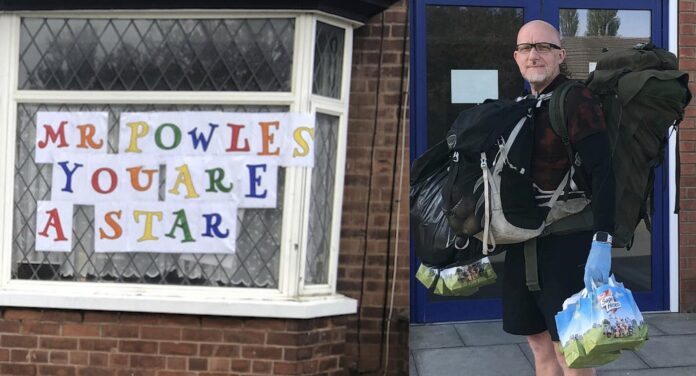
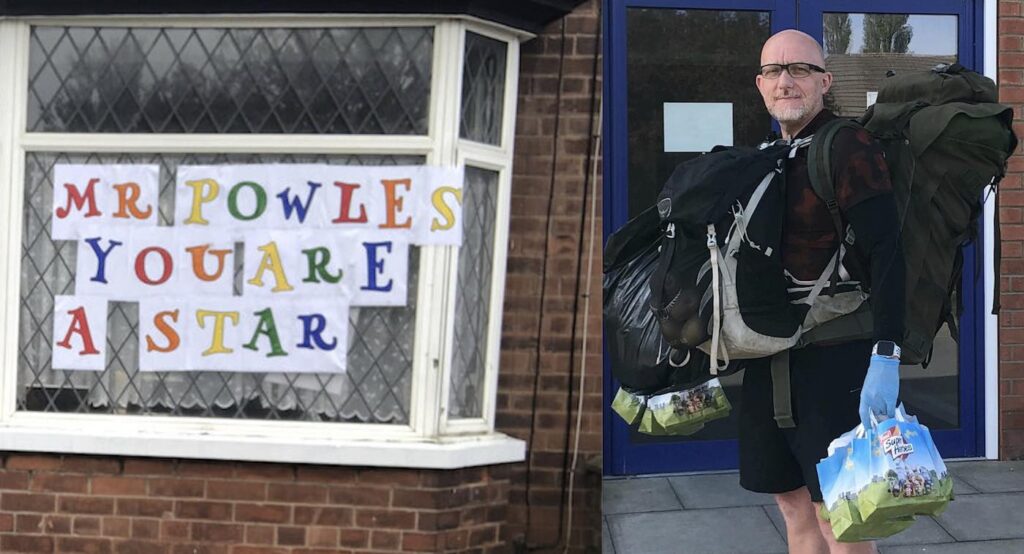
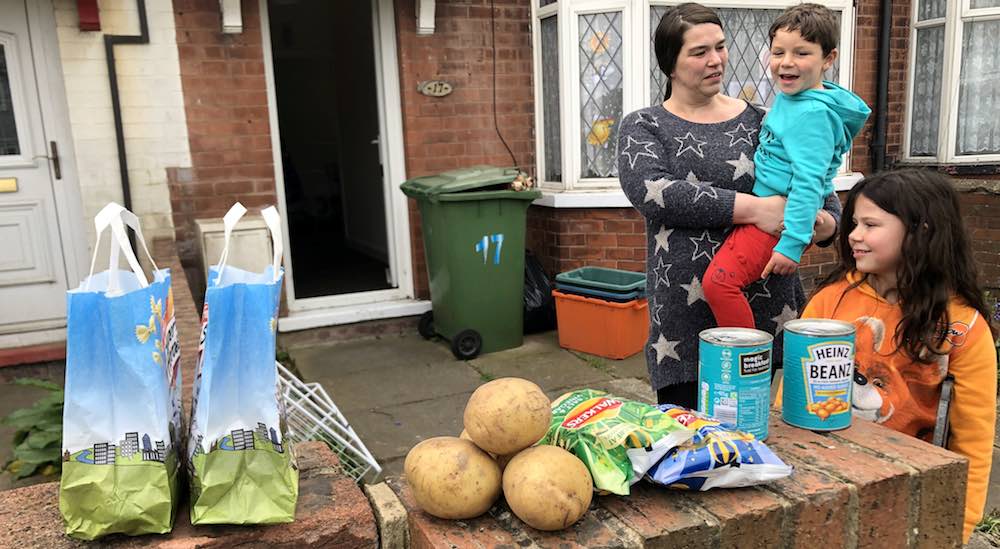
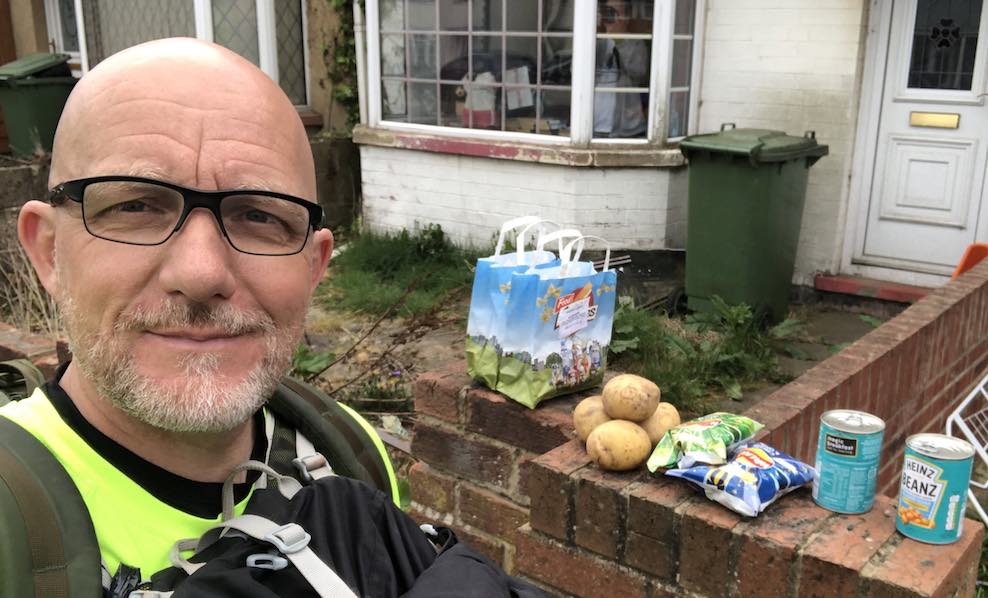
An award-winning “hero” teacher in England who spent each day preparing food for his students has made his final delivery—after delivering 7,500 packed lunches.
Zane Powles diligently prepared 85 lunches each morning after fearing his students would struggle to access food when school’s were shut during the pandemic.
The determined teacher walked 7.5 miles every day making his rounds for 17 weeks—and totaled over 600 miles over the course of his runs in North East Lincolnshire.
The 48-year-old estimates that he carried roughly four tons of food during that time, but said it was all “well worth it” after seeing the smiles on the kids’ faces.
When the school—where he packs lunches—closed for the summer on July 17, Zane delivered his final food package on the emotionally charged Friday afternoon.
“When I started these walks I was concerned about the kids and their wellbeing and I wanted to make sure I could see them all, said Zane, who works at Western primary school in the large coastal seaport of Grimsby. “I needed to know if they were safe, if they were healthy, and if they had access to food.”
SWNS
“After all these months it was a bit emotional for it to come to an end—I love seeing my students and checking up on them. It’s so important to me.
“I’m just doing my job at the end of the day. My role is to help nurture and educate children, and to take care of them.
He added: “I can’t believe how far it’s gotten—I never expected to do any of this, but it’s crucial that it doesn’t end here.
SWNS
The early riser got to school at 7am to start preparing and packaging the food before heading out on his two-hour journey—and he didn’t take a single day off during the pandemic while undertaking the mammoth task.
While delivering the lunches, he occasionally left his students some homework—which he says they were “less keen on”.
The dad-of-three said, “It’s been relentless and exhausting but it’s been well worth it. They’re always so happy and grateful.”
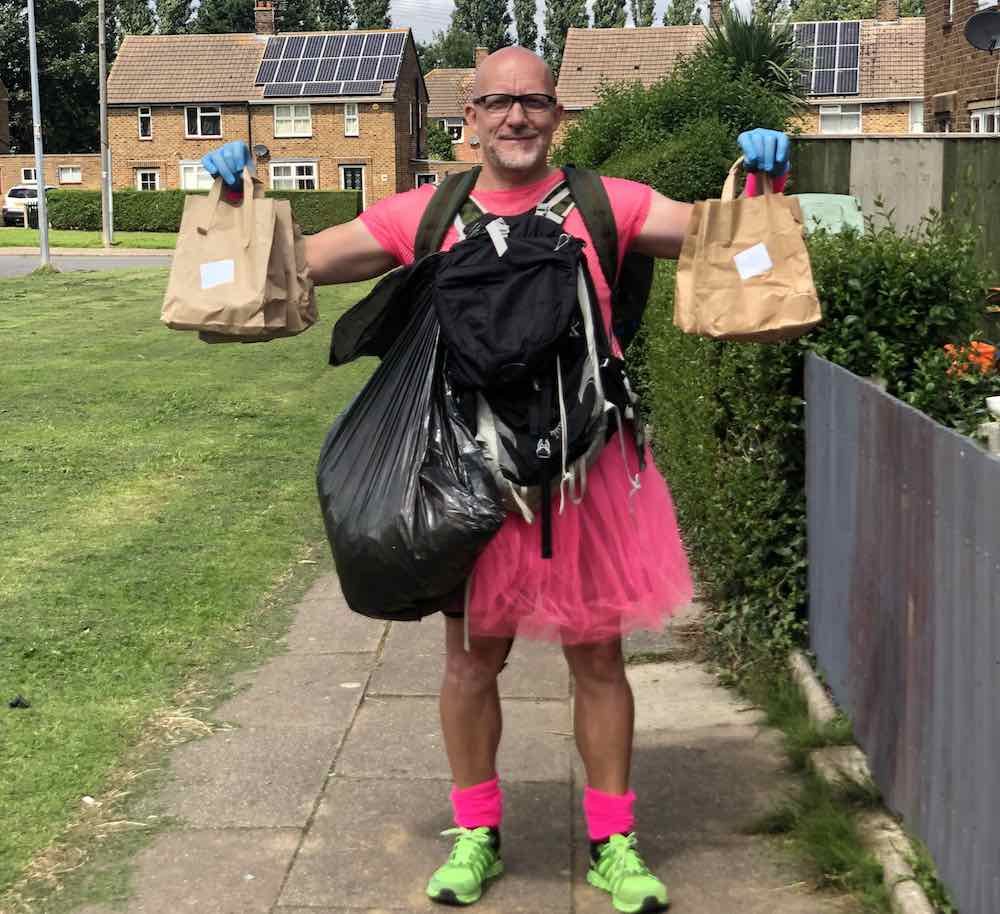
One time, Zane Powles donned a tutu just for fun – SWNS
Zane also commended Manchester United star Marcus Rashford who successfully campaigned for free school meal vouchers for children in the summer.
But said his mission is far from complete and he wants to continue to help children in need.
He will be cycling through all of the UK’s city castles in a journey which will take him 1,500 miles to finish. With stops include Edinburgh Castle, Belfast Castle, Dublin Castle, Cardiff Castle, and the Tower of London, he is raising funds for Meals and More, which provides support to children who live with poverty. You can donate to his cause here.
“In the summer the children’s struggles are invisible to us because we don’t see them, but it’s essential that we ensure they’re safe.”
Parent taking his photo through the window on final day – SWNS
Zane has always put others first and works as assistant headteacher with challenging students in the school’s behavior unit.
Because of his work, he won the Inspirational Primary School Teacher award in 2019 after he was nominated by a parent.
Speaking at the award ceremony, he said: “We should never give up on children. Having a tough upbringing is never their fault.”
DELIVER This Hero Teacher Story To Friends Who Hunger For Good News On Social Media…
Need more positive stories and updates coming out of the COVID-19 challenge? For more uplifting coverage, click here.
Quote of the Day: “The mediocre teacher tells. The good teacher explains. The superior teacher demonstrates. The great teacher inspires.” – William Arthur Ward
Photo: by Ben White
With a new inspirational quote every day, atop the perfect photo—collected and archived on our Quote of the Day page—why not bookmark GNN.org for a daily uplift?
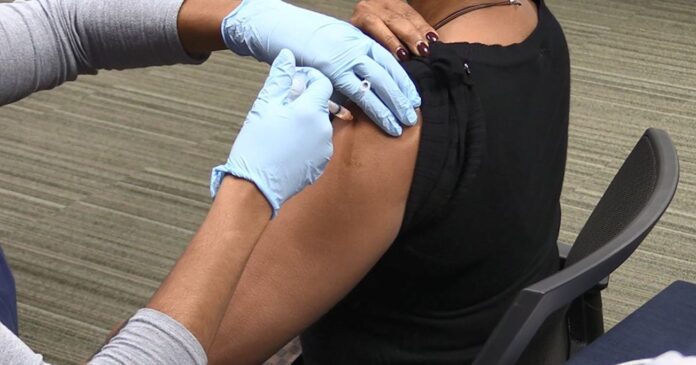
One of the largest studies of its kind looked at data from more than seven million patients and found that a seasonal flu shot cut the risk of heart attacks by up to 85 percent, and halved the number of strokes.
The study of high-risk hospital patients also found that deaths from any cause (all-cause mortality) fell by almost three-quarters among patients over 50 who were vaccinated.
“The results we found are staggering,” said lead author Roshni Mandania, a medical candidate at Texas Tech University in Dallas. “It’s hard to ignore the positive effect the flu vaccine can have on serious cardiac complications.”
“Some people don’t view flu vaccinations as necessary or important, and many may face barriers accessing health care, including receiving the flu vaccine.”
Being immunized against flu helps prevent chest infections that weaken the immune system, but flu vaccination among high risk groups, such as nursing home residents, is extremely low.
Mandania’s team compared 168,325 participants who had been vaccinated, with the vast majority who did not between people over 50 who had heart complications.
Immunized over 50s were 85 and 28 percent less likely to suffer a cardiac arrest or heart attack—caused by electrical and circulatory problems in the organ, respectively.
They also had a 47 percent lower risk of a mini stroke, or TIA (transient ischaemic attack). Overall, mortality rates fell by 73 percent.
The flu’s effects are nothing to sneeze at
The stress flu puts on the body is well known, and can actually cause a heart attack or stroke, explained the researchers.
But as the study was released on July 27 during the American Heart Association’s Basic Cardiovascular Sciences (BCVS) 2020 Scientific Sessions held online, participants were told these high risk groups were much less likely to be vaccinated compared to the general population—1.8 versus 15.3 per cent.
Vaccination rates for HIV/AIDS patients, care home residents and the obese was also around two percent, compared to roughly nine percent for others.
Mandania said, “These groups should have the highest vaccination rates because they are the most at risk. However, our findings show the opposite—flu vaccinations are under-utilized.”
“As health care providers, we must do everything we can to ensure our most vulnerable populations are protected against the flu and its serious complications.”
She used the 2014 National In-patient Sample to assess the rate at which the jab was administered to those considered high risk for flu and its complications.
Dr Eduardo Sanchez, the American Heart Association’s chief medical officer for prevention, said, “We have partnered with the American Lung Association and the American Diabetes Association to collectively deliver a message to providers.”
“In particular, for patients who have chronic diseases like high blood pressure, diabetes or emphysema, it’s critically important to get the annual flu vaccine. The potentially serious complications of the flu are far, far greater for those with chronic diseases.”
In the UK, the NHS flu program is preparing to offer flu shots to all over-50s, and those who live with them and children in their first year of secondary school. This will involved about 30 million people, preparing for the annual winter flu season.
Heart and circulatory diseases cause more than a quarter (27 percent) of all deaths in the UK, nearly 170,000 each year. Flu claims around 10,000 lives in the UK annually, although that can rise to over 30,000 in a bad year.
(File photo by Pan American Health Organization, CC license)
SHARE the New Study With Folks Over 50 On Social Media…
Scientists are hopeful that their discovery might be a breakthrough in Alzheimer’s research, after experiments with oxytocin showed it might be useful in treating, and maybe even reversing, degenerative disorders.
The research, published on July 20, has revealed for the first time that the chemical oxytocin, also known as the ‘cuddle hormone,’ could have therapeutic benefits for cognitive disorders, including dementia.
Oxytocin is released by the pituitary gland and is known for its role in the female reproductive system and in inducing feelings of love and happiness. It can also can boost learning and memory, scientists found.
The study suggests that signals in the brain that become blocked, leading to dementia, may be able to be unblocked.
Alzheimer’s disease is a progressive disorder in which the nerve cells, or neurons, in the brain and the connections among them degenerate slowly, causing severe memory loss and deterioration in motor skills and communication. One of the main causes is the accumulation of a protein called amyloid beta (Aβ) in clusters around the brain neurons, which hampers their activity and triggers their degeneration.
This deterioration affects a specific trait of the neurons, called “synaptic plasticity”, which is the ability of synapses—where neurons swap signals—to adapt to an increase or decrease in brain activity.
Synaptic plasticity is crucial to the development of learning and cognitive functions in the hippocampus—the area of the brain where new memories are formed and skills are learned.
SWNS licensed, Adam Harnett
Love is the drug
When oxytocin was added to the brains of mice, scientists found the signaling abilities increased, which researchers say suggests that oxytocin can reverse the impairment of synaptic plasticity caused by the amyloid beta protein.
Scientists also artificially “blocked” oxytocin receptors in the brain samples from mice to show that the hormone needs these receptors to still be effective in boosting the synapses.
Researchers also found that oxytocin itself does not have any effect on synaptic plasticity in the hippocampus, but it is somehow able to reverse the ill-effects of amyloid beta.
Oxytocin is known to facilitate certain cellular chemical activities that are important in strengthening neuronal signaling and formation of memories.
Professor Akiyoshi Saitoh, who led a team of scientists from Japan at the Tokyo University of Science, says, “This is the first study in the world that has shown that oxytocin can reverse Aβ-induced impairments in the mouse hippocampus.”
“Oxytocin was recently found to be involved in regulating learning and memory performance, but so far, no previous study deals with the effect of oxytocin on Aβ-induced cognitive impairment.”
This is only a first step and further research needs to be carried out in living animals and then humans before sufficient knowledge can be gathered to use oxytocin as a drug for Alzheimer’s, the team said.
But, Prof. Saitoh remains hopeful their new study could be the start of a breakthrough in the treatment of Alzheimer’s.
“At present, there are no sufficiently satisfactory drugs to treat dementia, and new therapies with novel mechanisms of action are desired.
“Our study puts forth the interesting possibility that oxytocin could be a novel therapeutic modality for the treatment of memory loss associated with cognitive disorders such as Alzheimer’s disease.
“We expect that our findings will open up a new pathway to the creation of new drugs for the treatment of dementia caused by Alzheimer’s disease.”
The findings were published in Biochemical and Biophysical Research Communication.
SHARE The Love Drug Breakthrough With Friends on Social Media…
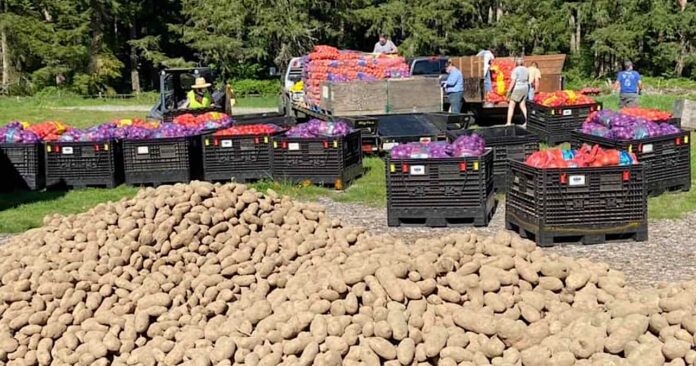
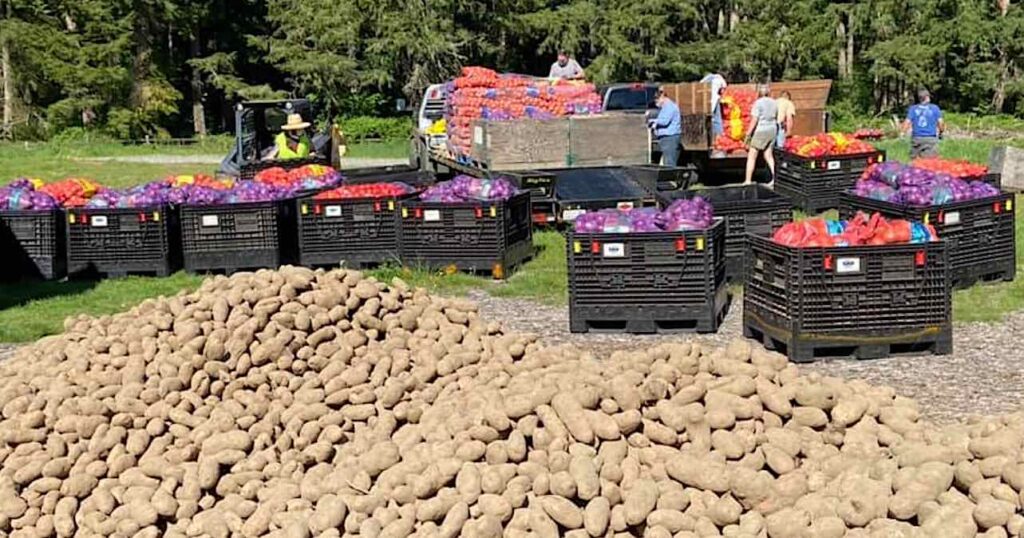
When George Ahearn heard that farmers in Washington state were giving away onions and potatoes they suddenly couldn’t sell, his instinct for goodwill led him on a journey that would lead to the rescue of 200 tons of vegetables arriving in food banks to support people in need.
The breakdown of farm supply chains and customers due to COVID-19 shutdowns means crops are destroyed or left to rot—and in rural Washington, farmers knew that if they could get their crops to the food banks in Seattle, it would certainly be preferable.
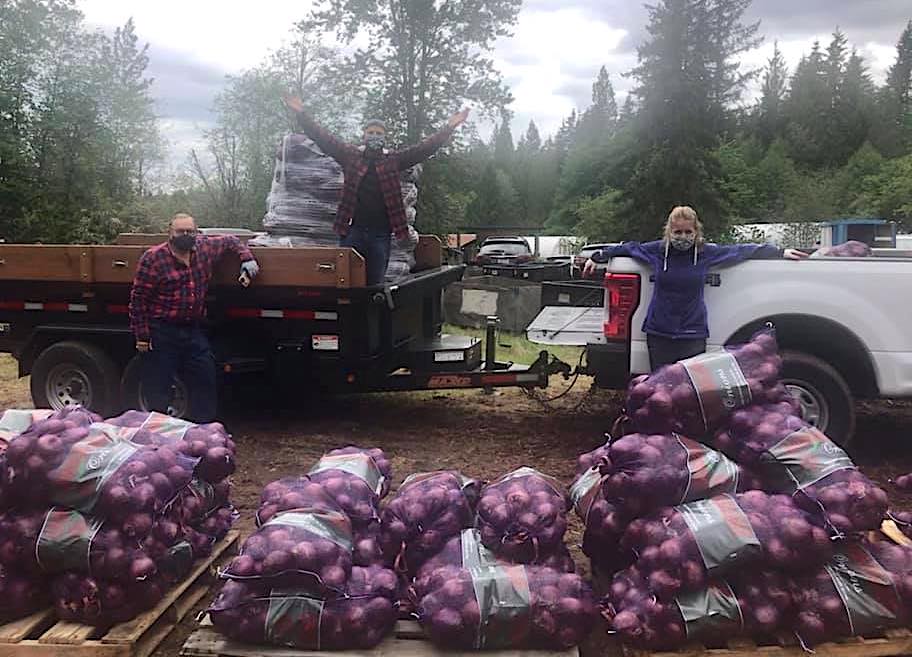
Inspired by the farmers’ plight, Ahearn asked on Facebook to borrow someone’s truck or trailer for the day, to haul around 2,000 pounds of restaurant-grade onions and potatoes. The response to his altruistic post was dramatic, and soon 4 trucks and 2 trailers had hauled 9.3 tons of crops grown in the east to feed hungry people in the west.
This voluntary act of kindness grew into a nonprofit organization called EastWest Food Rescue. It has saved over 2.4 million pounds of food from fields, while also amassing enough donations to help compensate farmers for their loss.
“The whole thing started because of COVID,” Nancy Balin, one of the people who responded to Ahearn’s initial request, told Seattle Times. She now helps direct the program.
“They immediately lost all the restaurant contracts they had for these quality potatoes and onions. And since European countries were shut down, they weren’t exporting them because their restaurants were closed.”
On that first inaugural run, Ahearn relied on several Washingtonians beyond Nancy Balin with her trucks. Zsofia Pasztor, a farmer and fellow nonprofiteur began donating crates and boxes for transporting the crops because food banks originally admitted that they couldn’t accept a semi-truck load of ‘loose’ potatoes.
“The whole thing was extremely organic and took on a life of its own almost immediately,” said Balin, who is now president of the organization and runs it as a team with Pasztor and Ahearn, and more than ten staff members who volunteer.
The goal is to rescue 10 million pounds of food, for which Ahearn is trying to raise $250,000. Ahearn says one of the most important priorities is to get refrigeration capacity for fruit and other produce, as well as for milk and eggs.
Ahearn had originally planned to shut down the operation after they reached 70 tons, so he could spend more time with his family, but that was long ago, and he accepts that in this moment he “can’t stop.”
Need more positive stories and updates coming out of the COVID-19 challenge? For more uplifting coverage, click here.
SHARE the Inspiring Idea And Donation Opportunity With Friends on Social Media…
One couple’s love and commitment through impossible-to-imagine circumstances gives a whole new meaning to the phrase ‘to have and to hold in sickness and in health’.
On top of being diagnosed with ovarian and breast cancer, Janice Beecham and her husband of 46 years had to battle through COVID-19 quarantines—but they came out the other side together this week.
On March 25th, with Janice and Robert strictly following all public health guidelines on COVID-19 because of Janice’s cancer, Robert called his son and decided to go to the doctor to take a COVID-19 test at his son’s urging, as he had not been feeling well in the preceding week.
He was admitted to the Parkland Hospital in Dallas, received his positive test, but recovered shortly after, despite having already suffered two strokes this decade.
One of the strokes had kept him from celebrating an anniversary with his wife, and he didn’t want it to happen a second time.
Robert’s doctor would eventually concoct a plan to get the devoted husband out of the hospital and home to visit his wife, a plan he thought would keep him on the right road to recovery because his love for Janice was obviously a healing force in his life.
Against the odds
Arriving home for their wedding anniversary, Robert Beecham discovered that Janice, who had undergone invasive surgery for breast cancer only a month before, had already tested positive for both COVID-19.
Further complicating things, her breast cancer returned, and Janice could not start chemotherapy as a treatment for any cancer until her COVID-19 convalescence was finished, which might allow time for the cancer to further spread.
“Once I got home, and we did the quarantine, I was getting progressively better but Janice still had issues with her health,” Robert told CNN.
But they are best friends, who helped each other through it.
Thanking God, as one can only do it such a situation, the high school sweethearts have finished quarantines, surgeries, and chemo, are now COVID-19 and cancer-free.
CNN reports, “Janice still has preventative radiation coming up, but the two said they are blessed to be alive and blessed to have celebrated another year together.”
Quote of the Day: “Plant seeds of happiness, hope, success, and love; it will all come back to you in abundance. This is the law of nature.” – Steve Maraboli
Photo: by Don Raridon
With a new inspirational quote every day, atop the perfect photo—collected and archived on our Quote of the Day page—why not bookmark GNN.org for a daily uplift?
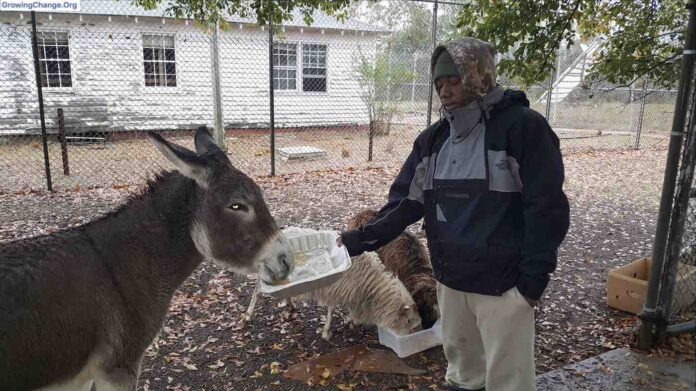
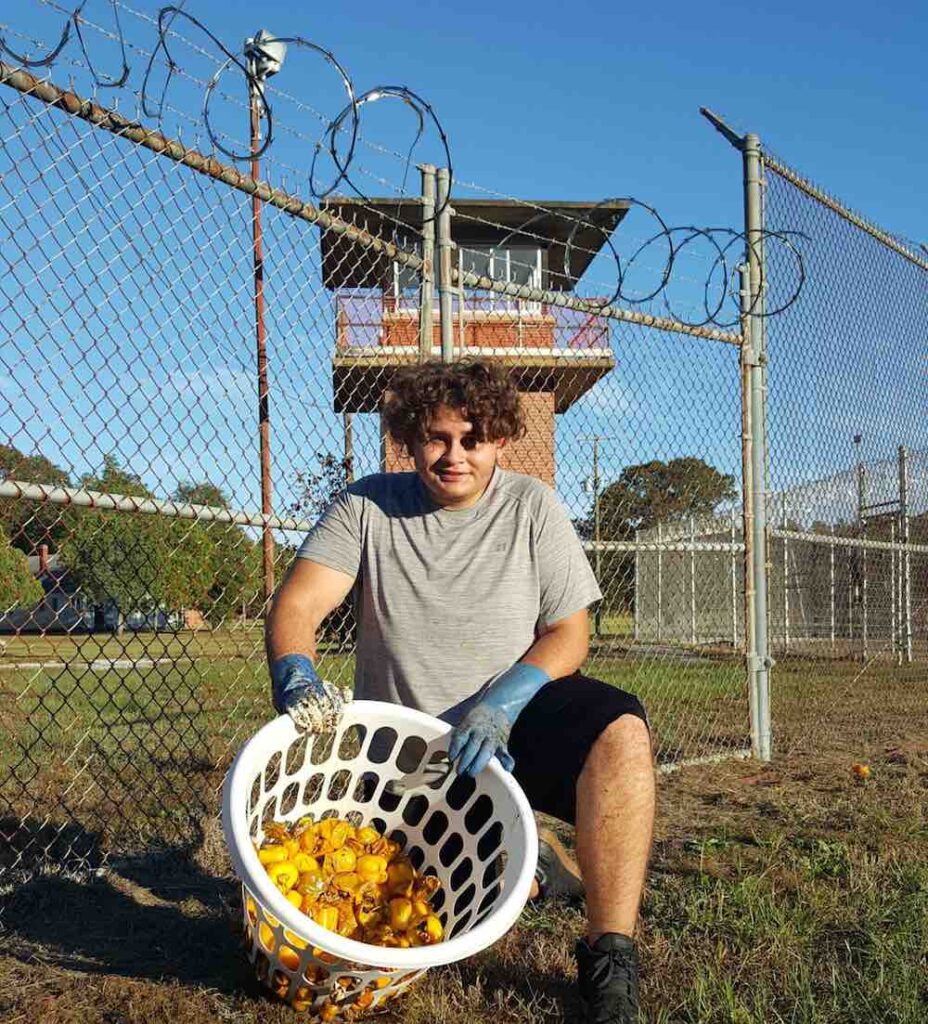
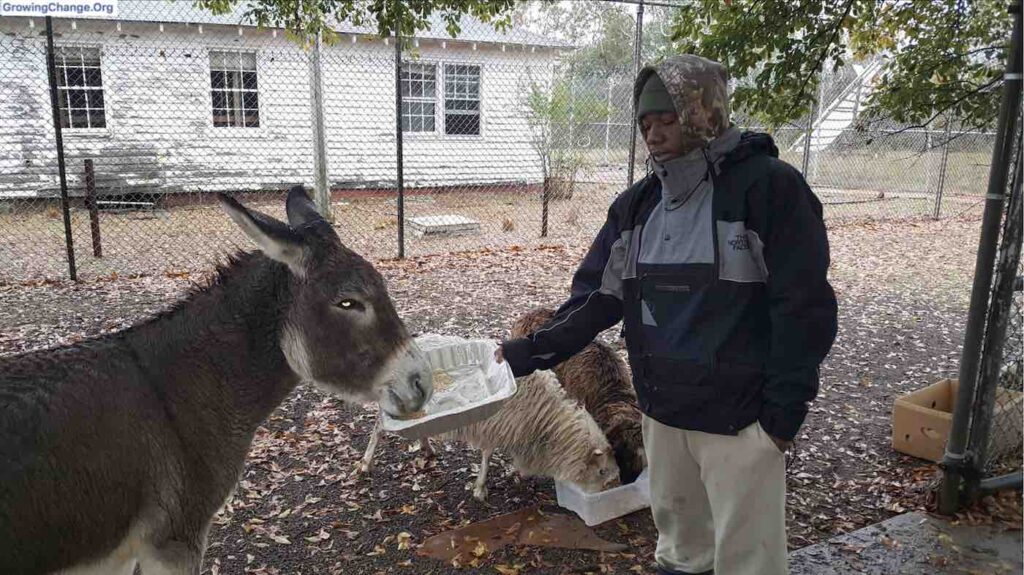
On the grounds of an abandoned and decommissioned prison in North Carolina, vegetables are being tended by hands that, if not for the opportunity to learn the world’s oldest occupation, might have ended up in a real prison with nowhere to go but down.
GrowingChange.org / Facebook
But Growing Change is an organization that believes the best solution to a problem is one that strikes at the root, not at the stem—and they have been tilling that soil since 2011.
In converting old prisons to year-round-farming and education centers, Growing Change solves several problems at once. The program synergistically brings together young men on the edge of the criminal justice system, and jobless wounded veterans returning from deployment.
Recruiting the discipline and leadership skills of the latter to teach and guide the former, Growing Change creates an environment whereby at-risk youth who need to fulfill long hours of community service can learn life skills, sustainable farming practices, and animal husbandry, with an opportunity to receive clinical therapy in an environment much more suited to young men.
“North Carolina is one of the last two states in which youth are adjudicated as adults for all charges at age 16,” explains the founder Noran Sanford. “By the time some 16 year-olds arrive in the courts they are permanently limited in their employment due to their ‘adult’ criminal record.”
In 2016, the farm in Wagram also began admitting young men facing chaos at home, failure at school, trouble with mental health or substance abuse—to salvage lives before the criminal justice cycle begins.
Sanford’s model of intensive therapy and “flipping their prisons” has seen a 92% reduction in recidivism rate among youth participants, while the national average of criminal recidivism is 43%.
“At the core level, we are instilling hope,” Sanford explains to Civil Eats. “When hope is gone, it creates a pretty vicious void that a lot of other grimmer things can get pulled into. And as low-wealth rural America is left further behind, then that vacuum is stronger. We’re breaking that stream.”
Meanwhile, the veterans work toward university degrees in environmental sciences and sustainable agriculture. Together, these individuals young and old who may have been on the fringes of society work to rehabilitate abandoned brownfields (land that might be contaminated and must be cleaned before future use) and the prison property decaying into dysfunction.
The number of societal areas Growing Change has the capacity to reform is rare among nonprofit work. Along with the boon to the individual participants’ lives, it stands to benefit the North Carolina counties it operates in, many of which experience the consequences of poor health outcomes arising from a diets of mostly processed foods.
This is because some of these counties have no locally grown produce, a fact that has produced some startling facts about a part of the country most are not familiar with.
Wagram’s Scotland County, is one of the poorest counties in NC with the state’s highest unemployment and food insecurity rate.
Because the incarceration rate in the U.S. is at its lowest level in more than two decades—with imprisonment among black Americans down by 34% since 2006—North Carolina is shuttering prisons and correctional facilities across the state, with dozens of such facilities already closed.
Along with offering a collection of buildings to be repurposed into education and art centers, prisons are ideal for conversion into farms because of their sturdy, gopher-and-sheep-proof fences, and large open spaces. With the properties belonging to the state in decay, officials are more than happy to consign the land to such projects.
The prison kitchen has been converted into a commercial-grade community kitchen where the county will provide training on preparing and preserving food, while also serving as a classroom for students receiving training in foodservice and culinary arts, and to offer Farm-to-Classroom trips to educate children on nutritious foods.
The crops produced by GrowingChange farm are also sold to local restaurants, a business enterprise aspect of the project that allows the program be self-sustaining for years, fertilizing entrepreneurship into the hearts of all who work here.
“A handshake’s a handshake,” said the lottery winner in Wisconsin who is living up to an agreement made with his buddy almost three decades ago.
Wisconsin Lottery
Friends Tom Cook and Joe Feeney shook hands in 1992, swearing that if either one of the pals won the Powerball jackpot, they would split the winnings…no matter who bought the ticket.
Tom, of Elk Mound, was ’frozen’ when he realized the Powerball ticket he bought was the $22 Million jackpot winner.
Afterward, he called Joe in Menomonie to tell him the news and Joe, an avid fisherman, couldn’t quite believe it.
“He called me and I said, ‘are you jerking my bobber?’’ recalls Joe.
Sold in 45 states, the overall odds of winning the Powerball jackpot are 1 in almost 300 million.
Tom gave his two weeks-notice and retired upon learning the news.
Neither have any extravagant plans for the winnings—both took home nearly $6 million after taxes—but are looking forward to enjoying more family time.
They do look forward to some traveling. Previously, Tom, Joe, and their wives took a road trip together in a small PT Cruiser convertible. For future road trips, they plan to upgrade their vehicle.
“I can’t think of a better way to retire,” Tom concluded.
WATCH the interview from Wisconsin Lottery…
SHARE This Rich Story Of Friendship With Your Pals on Social Media…
The roots of racial prejudice run deep, but when an ugly incident recently cropped up in Ontario, a local social club didn’t just nip it the bud, they planted seeds of hope in its place.
Jamaican immigrants Maurice (Mo) Ellis and his wife Caroline Leslie-Ellis settled in Canada with their daughter determined to make the most of their adopted homeland. Ellis, who was working two jobs to support his family and help pay his wife’s college tuition, joined Dad Club London to network and feel more closely connected to his new community.
“Like many other local fathers, he found us on our Facebook group, came out to an event, and fell in love with what we do,” club member Ryan Blake told GNN. Blake also noted the club is proud of its diverse membership. “[Mo] isn’t the first Black dad in the club. We have members from all races and backgrounds, including gay dads.”
After Dad Club London founder and president, Jeremy McCall, posted a Black Lives Matter message on the group’s Facebook page, Ellis was touched and reached out in gratitude. He told Jeremy that he’d been the target of racial slurs while working a shift at his second job. “It’s not just me that it happens to,” Ellis was quoted as saying in The London Free Press. “If you’re not mentally strong it can take a toll.”
Galvanized by a “not in my town” attitude, rather than simply offering sympathy, McCall was energized to take action. He organized a secret fundraiser to show Ellis and his family how much the community supported them.
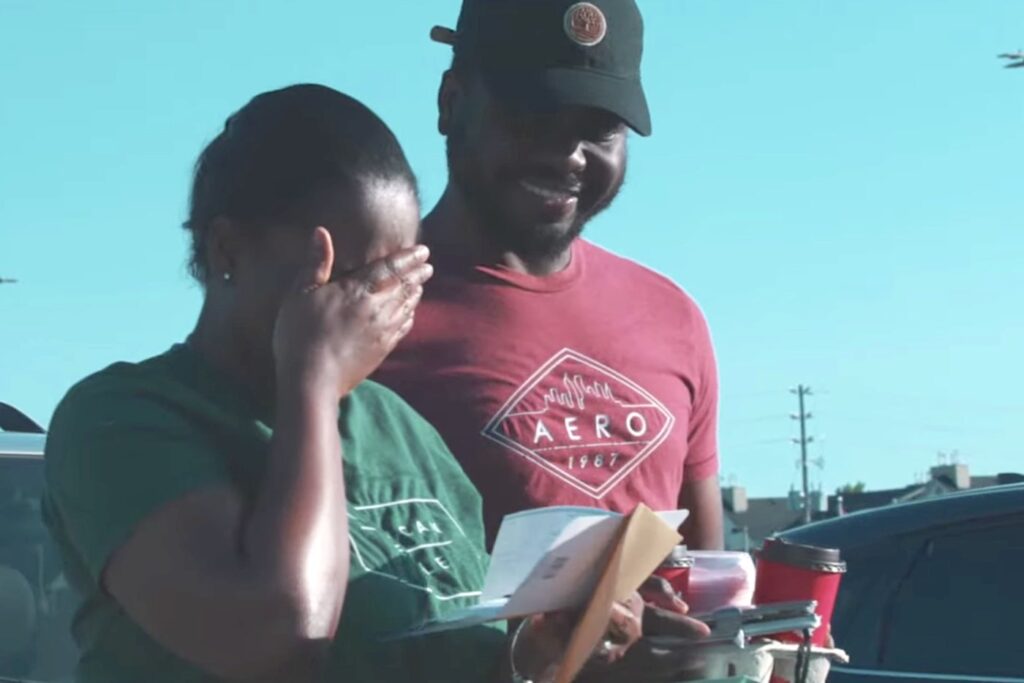
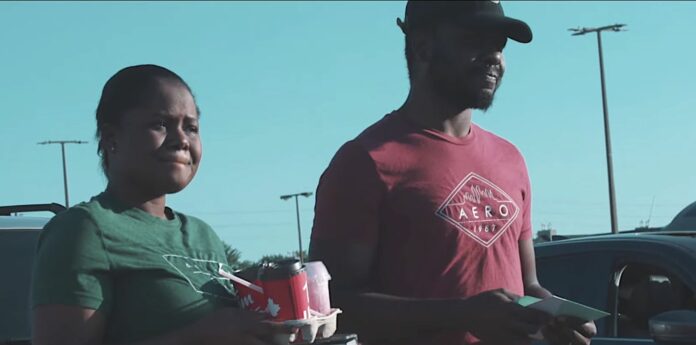
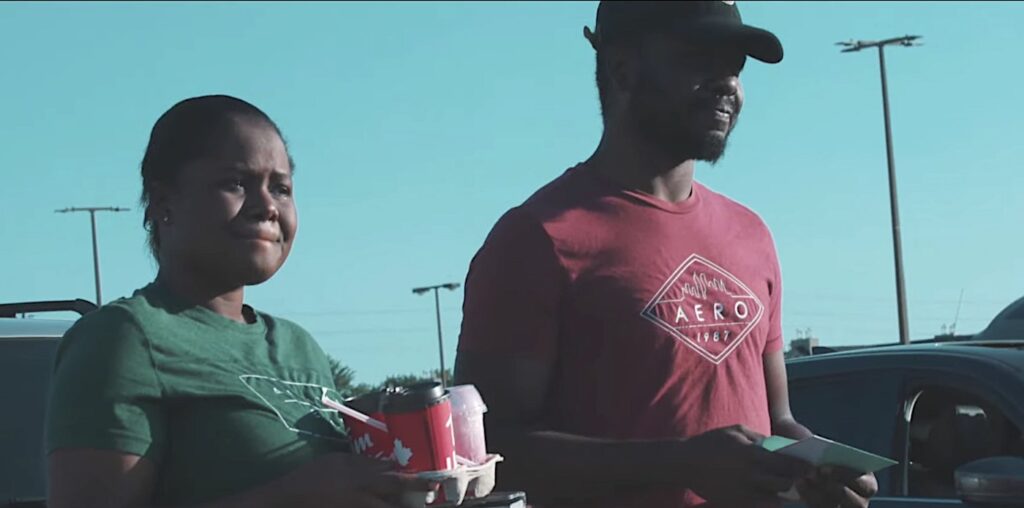
Contributions came in from the local police union, 70 families, and numerous businesses. The group was able to raise nearly $7,000, and McCall arranged a get-together last month to surprise Mo. “I thought it was a Dad Club meeting,” his wife exclaimed.
In a hushed parking lot, with members standing six feet apart, Ryan’s neighbor Brent Lively recorded the touching presentation—as tears began streaming down faces both black and white.
First, their daughter Amara was given a gift—the biggest LEGO set the club could find, and then Mo was given a prepaid Mastercard to help with family living expenses. Finally, smiles turned to disbelief when Caroline unfolded the check for her college tuition.
“What happened to you doesn’t represent this community,” McCall said in a heartfelt speech during the ceremony. “We don’t stand for that. When you said, ‘I guess that’s the way the world is,’ it broke our hearts because it can’t be that way, and we won’t let it . . . We, together, stand as a community against racism.”
Quote of the Day: “We must find a way to… lay down the burden of hate. For hate is too heavy a burden to bear.” – Cong. John Lewis (1940–2020)
Photo: by Jon Tyson, cropped
With a new inspirational quote every day, atop the perfect photo—collected and archived on our Quote of the Day page—why not bookmark GNN.org for a daily uplift?
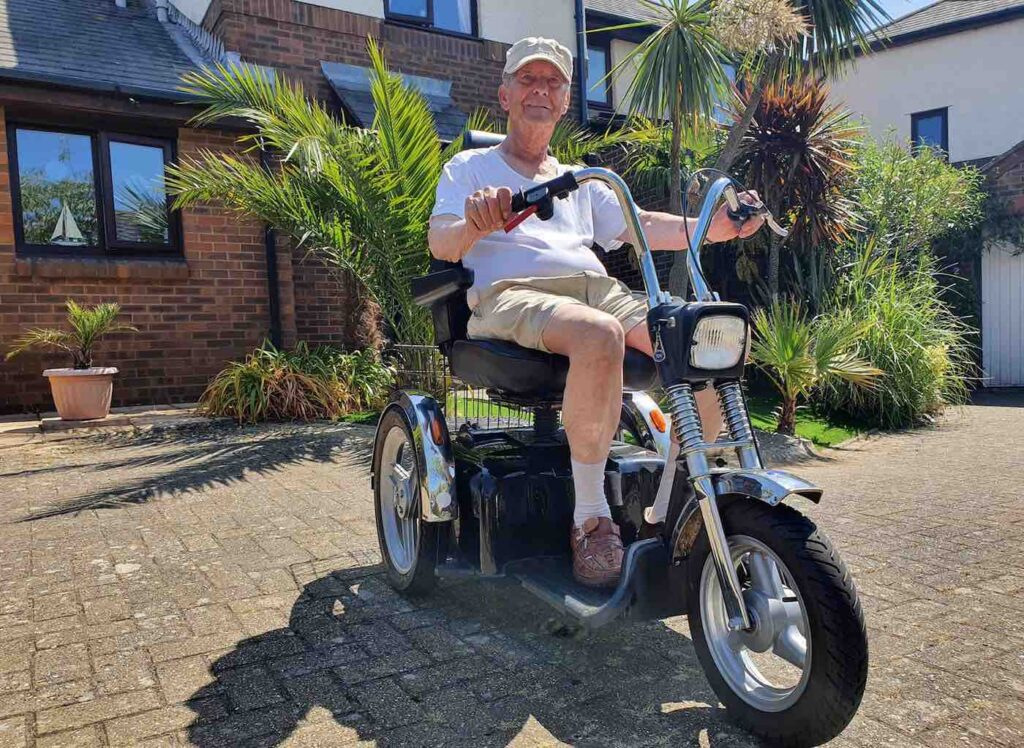
A 93-year-old veteran of World War II is enjoying his seaside town once again, now that he can get around on his new mobility scooter done up like a Harley Davidson.
Thomas Kemp, who had owned motorcycles since he was a teenager, had to give up riding on his beloved possessions due to his age, but now feels like he‘s back in the saddle again.
Mr. Kemp spotted the TGA Supersport while shopping in his hometown of Poole, and said the scooter reminded him of his favorite bikes, the 1000cc Ariel Square Four and the classic Triumph Thunderbird.
Perfect for ex-bikers in their 70s, 80s and 90s, the Harley-looking scooter with super-up handlebars has big wheels, a 30-mile range and rugged black and chrome design.
Originally from Shoreditch in east London, he worked as a heavy plant engineer repairing farming equipment and cranes throughout the country and often travelled to jobs via motorbike.
“I may be 93, but my scooter makes me feel 43,” he beamed.
“Even my short drives to the harbor and back are priceless,” he added.
He has no kids and no surviving relatives, but Kemp enjoys living life on his own. He says he’s stayed pretty fit and his Supersport has given him an extra lease of life.
“My doctor always jokes that he can’t believe there is nothing wrong with me at 93. I don’t need glasses, don’t use a walking stick and have a full head of hair.
With the combination of gardening and getting outside on walks, he’s remained content and positive. “Simply being able to go out is so important – it makes you happy.”
“Moaning and groaning is a waste of time in my book.”
SHARE the Inspiring Philosophy With Your Aging Friends on Social Media…

























 In a triumphant moment for the endangered species, new photos released today on World Tiger Day 2020, revealed sightings of numerous new tigers in a region of western Thailand for the first time in four years.








 The roots of racial prejudice run deep, but when an ugly incident recently cropped up in Ontario, a local social club didn’t just nip it the bud, they planted seeds of hope in its place.