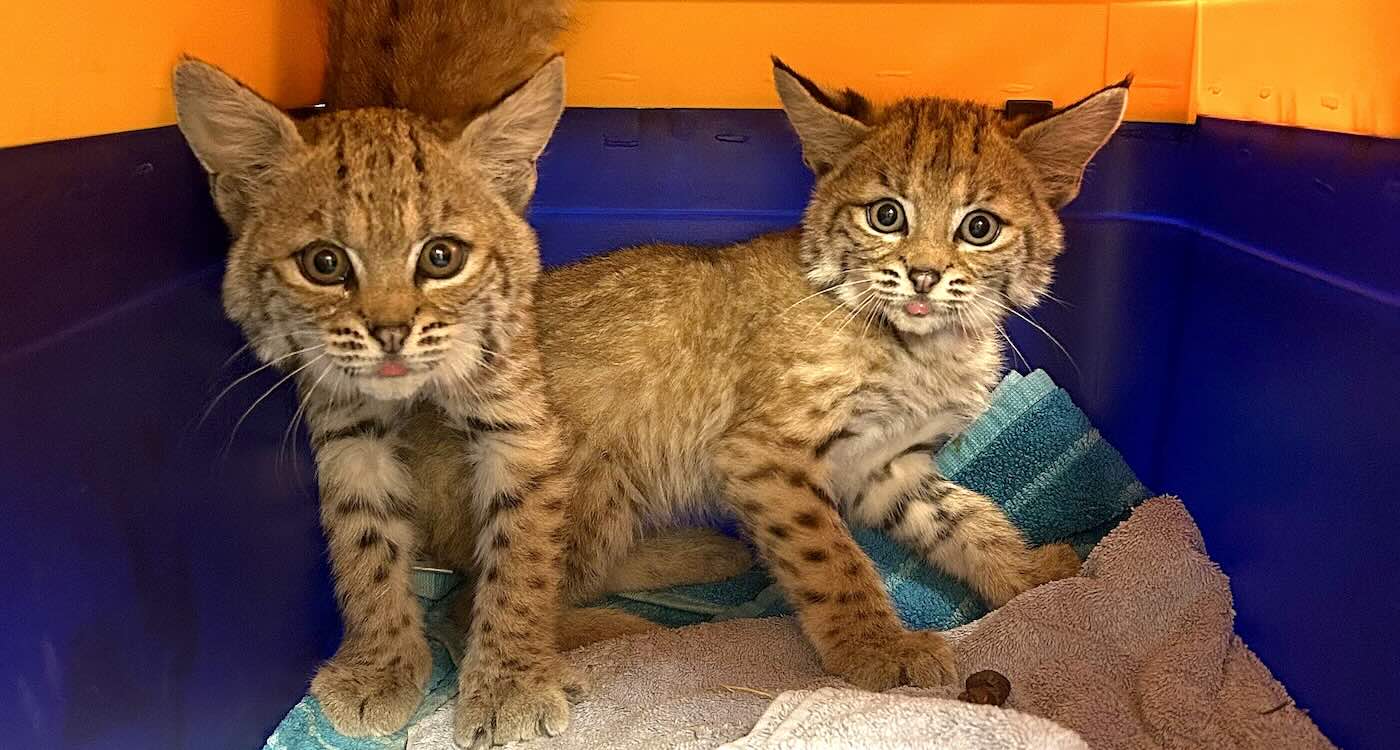
Two baby bobcats at the Wildlife Care Center in Saratoga, California – Courtesy of Peninsula Humane Society & SPCA
Two baby bobcats at the Wildlife Care Center in Saratoga, California – Courtesy of Peninsula Humane Society & SPCA
These two incredible animals are bobkittens, and they’re lucky to be alive.
They are 2 of 4 baby bobcats rescued within days of each other, from as many as 3 different mothers—all of whom either died, or lost or abandoned the kittens.
Now living together at the Saratoga Wildlife Care Center, they have a fighting chance of surviving to adulthood and passing on their genes, something which would have seemed impossible not long ago.
The kittens were discovered miles apart in California state. 2 were found in Kern whose mother had died from a fall, another was found in Carmel, and the last in Concord—all within a short space of time.
The Peninsula Humane Society & SPCA received calls about the situations and managed to collect all 4 under their roof at Saratoga Center, where they were cleared of parasites and given a natural meat diet in special recovery facilities.
“They have a large enclosure where they’re conditioning, they’re building muscle, they’re learning how to pounce on things,” Kinney said. “They’re very curious. We give them enrichment to keep their little bobcat brains going strong.”
Kinney and her team are doing a great job ensuring that care doesn’t cross over into realm of caring, and potentially rendering them unfit for return to the wild.
As of now, they remain quite leery of people, as they should, and are set for introduction as semi-adults into the wild in October.
Kinney says if you see a mewling bobkitten somewhere you shouldn’t immediately run to its aid. She recommends calling your nearest wildlife rescue outfit, which will typically ask some questions such as whether or not you’ve seen its mother or how long it has been there.
SHARE These Bright-Eyed And Bushy-Tailed Little Kittens On Social Media…
Quote of the Day: “Marriage is a mosaic you build with your spouse—millions of tiny moments that create your love story.” – Jennifer Smith
Photo by: rhoda alex
With a new inspirational quote every day, atop the perfect photo—collected and archived on our Quotes page—why not bookmark GNN.org for a daily uplift?
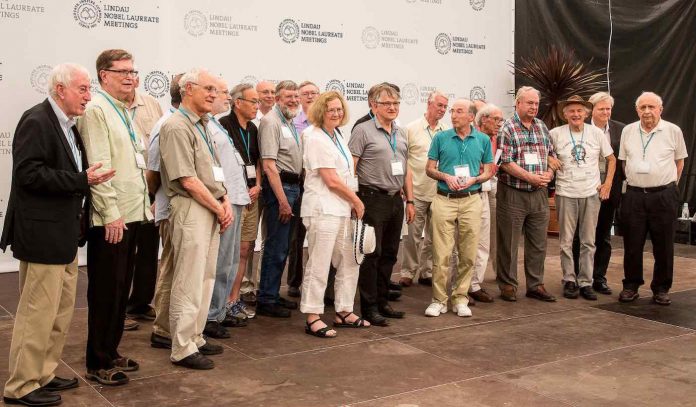
The original scientists, by Vincenzo108 – CC license
71 years ago today, 18 Nobel laureate scientists signed the Mainau Declaration publicly decrying nuclear weapons. Within one year, 34 others—mostly chemists and physicists—joined the German nuclear scientists Otto Hahn and Max Born in calling for an end to perilous radioactive bombs. READ the text of the Declaration… (1955)
GNN has reported on studies that have found coffee to improve health outcomes in a variety of disease realms, including heart disease, dementia, and even cancer in an observational finding.
Now, a new study of hundreds of thousands of people compiled by Cedars Sinai Medical Center has identified that the liver may be a prime beneficiary of coffee consumption.
Embarrassingly, it took until 2016 for the WHO to remove coffee from the list of possible carcinogens, even as a mountain of evidence had built up that the beloved breakfast drink was not only not harmful, but actually a health drink.
Coffee has previously been identified as having hepato-protective effects—that is, protective to the liver—in a study of half-a-million individuals with known coffee consumption levels from the UK Biobank.
Compared to non-coffee drinkers, coffee drinkers had a 21% reduced risk of chronic liver disease, a 20% reduced risk of fatty liver disease, and a 49% reduced risk of death from chronic liver disease.
This new examination used the same massive data set, which followed some 500,000 people aged 40 to 69 for decades, recording a wide variety of health data. By 2023, 30,000 researchers had registered to use the UK Biobank data, and over 9,000 peer-reviewed articles based on it had been published.
In this analysis, Hyunseok Kim, assistant professor of Medicine at Cedars-Sinai, and his colleagues, Shelly Lu and Ju Dong Yang—all three of whom are medical doctors—looked at cases of the life-threatening liver disease called cirrhosis, as well as liver cancer, and liver-related death.
Compared to non-coffee drinkers, the team’s analysis found that coffee drinkers had a 32% lower risk of cirrhosis, a 47% lower risk of developing liver cancer, and a 42% lower risk of liver-disease-related death.
Additionally, blood protein data pointed in the same direction. Coffee drinkers had higher levels of proteins associated with healthy liver function. This reinforced the finding which might otherwise have been dismissed as a coincidence.
Still, 5, 4, or even 3 cups of coffee will be intolerable to some who are more susceptible to caffeine, although in an interesting finding, the 5 cup a-day effect was found in consumers of decaf as well, suggesting that the coffee’s flavonoid and phenol compliment may be behind the effects on the liver and caffeine.
“Our findings support moderate coffee consumption for people who already enjoy and tolerate it well,” said study senior author Ju Dong Yang, medical director of the Liver Cancer Program at Cedars-Sinai.
“However, we would not recommend that someone begin drinking coffee solely for liver protection based on this study alone. Prevention should continue to focus on maintaining a healthy weight, limiting alcohol, exercising regularly, and managing blood sugar, blood pressure, and cholesterol.”
SHARE This Coffee-For-Liver Examination With Your Friends…
From the May issue of Frontiers in Neuroscience comes the truly remarkable case study of a woman crippled by Alzheimer’s recovering speech, bladder control, and motor function after a single dose of psilocybin mushrooms.
Living with Alzheimer’s for a decade and under family supervision for almost as long, the Japanese American woman in her 80s was given 5 grams of psychedelic mushrooms, went into a deep, sweaty sleep, awoke, and launched into an autobiographical tirade for 4 hours.
This was a woman on death’s door from the most common form of neurodegenerative disease. She had, for 5 years, spoken only single syllables, had lost control of her urinary continence, was unable to stand or walk without assistance, couldn’t recognize anyone or much of anything from her past or family, and suffered from severe motor skill dysfunction so that she could neither perform basic grooming nor dress herself.
No details about why the woman was the subject of the experiment have been revealed by media reports, but the 3 research scientists from the Medical Department at Associação Cruz de Ankh, in São Paulo, authors of this observational case study, administered one 5-gram dose of mushrooms containing the psychedelic compound psilocybin—one of the most common found in nature—and documented its effects.
The acute period—what is commonly called the “trip”—was characterized by hyperthermia, sweating, sleep-movement, and a deep, restful sleep that lasted 19 hours. Then, the woman opened her eyes, sat up, and began to talk.
And talk, and talk, as if everything she’d been trying to say for the previous 10 years was flooding out—which it did, for 4 hours straight. During that 1st day post-treatment, she became much more social and could remember family members and their identities. On day 2, she regained the ability to move about independently. On day 3, she dressed herself, while the researchers documented episodes of “spontaneous initiative.”
Also on day 3, she regained bladder control, even while asleep. By days 6 and 7, she would maintain reciprocal eye contact, smile, laugh, and remember things on a short-term basis—a different circuitry, if you will, from long-term memory. She is supposed to have said spontaneously at the time: “it is pleasant to come here.”
“One month after the initial session, the patient remained continent and functionally improved compared with baseline, the authors wrote.
“A second supervised psilocybin session using 3 grams was subsequently performed and was associated with greater verbal expressivity, improved facial mimicry, spontaneous humor, emotionally valenced autobiographical imagery, and increased agility while walking.”
On the one hand, this is clearly a groundbreaking finding. Billions of dollars have been invested into finding a drug that can slow or reverse Alzheimer’s, and most if not all attempts have been met with failure. At the same time, rates of Alzheimer’s disease around the world are increasing, placing an ever larger burden of care on families and society.
Psilocybin has been researched in many models of psychiatric or psychological impairment, such as post-traumatic stress disorder, and depression. It’s also been identified as a compound that increases brain neuroplasticity, a term that refers to the ability of brain cells called neurons to forge new connections repeatedly—which could be thought of as a kind of cognitive flexibility.
Brain imaging studies have shown that psilocybin alters communication pathways between brain regions—a hallmark of neuroplasticity, while animal studies have found that psilocybin may help encourage the formation of dendritic spines: tiny protrusions on nerve cells that facilitate better communication.
The study didn’t include any brain scans, control groups, double-blinding, sensitivity analysis, placebo controls—nor even standardized cognitive tests. In short, it lacked anything that would allow for extrapolation of this totally observational finding beyond what it was: the reported observations of a few people on a single person.
“The findings do not imply disease reversal but suggest that residual functional capacity may persist in late-stage neurodegeneration and may become transiently accessible under specific neuromodulatory conditions,” the authors write.
In other words, everything which seems to be taken away by Alzheimer’s may still be there, and that there exists some chemical key that can unlock it. Is psilocybin that key? Hopefully more, higher-quality research can follow-up on this incredible case study.
SHARE The Incredible Story Of Psilocybin Mushrooms Reversing Alzheimer’s…
Bloomberg Philanthropies has identified a funding shortfall in the implementation of many countries’ ocean protection plans, and has attempted to fill it with a quarter-billion dollar donation.
The aim writ small is to translate the paper gains for ocean conservation and management secured with the passage of the UN’s new High Seas Treaty into real gains by helping to cover the cost of management and enforcement for small island nations that lack these resources.
The updated High Seas Treaty has been under negotiation for over 2 decades. Its passage secured major gains for the potential protection of critical ocean habitats.
While countries have now committed roughly 10% of the ocean to conservation and protection, many areas lack any tools for implementing management plans, enforcement, and long-term financing.
“Our new commitment marks the next phase of the Bloomberg Ocean Initiative,” said Patricia E. Harris, CEO of Bloomberg Philanthropies. “Over the years, we have made important progress in protecting our ocean, but we still have a long way to go. We look forward to working with partners to not only improve leadership and governance on the issue but also strengthen economies and safeguard the livelihoods of the billions of people who rely on the ocean every day.”
According to a press statement, Bloomberg Philanthropies will support expanded technical, legal, and policy capacity for small coastal and island nations engaging in global ocean negotiations, and implementing commitments under international ocean agreements.
This support will help countries advance ocean protections and manage them effectively, while the initiative will also expand the use of satellite monitoring, artificial intelligence, and public data platforms to improve transparency, accountability, and decision-making across the global ocean.
Building on its longstanding work to reduce threats to climate-resilient coral reefs, the Bloomberg Ocean Initiative intends to expand its focus to include restoring reefs in areas already prioritized for long-term protection.
This work will explore new coral restoration approaches and pilot projects to restore reefs damaged by marine heatwaves, pollution, and severe storms. These efforts build on new findings from 50 Reefs+, which identified over 60,000 square miles of coral reefs across 71 countries and 99 territories with the strongest potential to survive climate change and support long-term resilience—read the GNN report on the finding here.
The donation was announced in mid-June at the London Climate Week, and Bloomberg Philanthropies also released the list of partners on their initiative. It includes: the Aga Khan Foundation, Blue Ventures, Campaign for Nature, Earth Insight, Global Fishing Watch, the Joint 30×30 Funding Initiative, Oceana, Oceans 5, the Ocean Climate Diplomacy Initiative, Only One, Philanthropy Asia Alliance, National Geographic Pristine Seas, Rare, SkyTruth, the 30×30 Southeast Asia Ocean Fund, the Wildlife Conservation Society, and the Woods Hole Oceanographic Institution.
SHARE This Philanthropic Leadership In Ocean Protection With Your Friends…
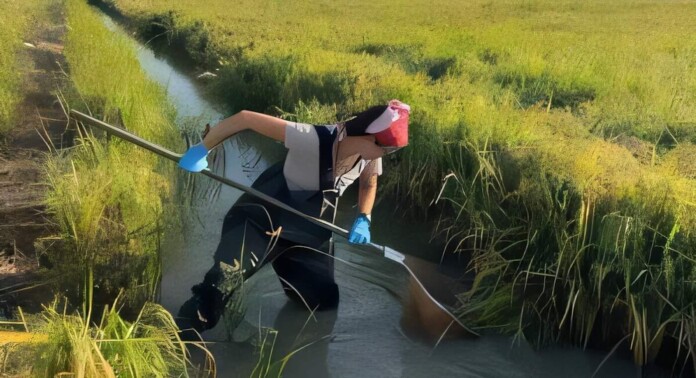
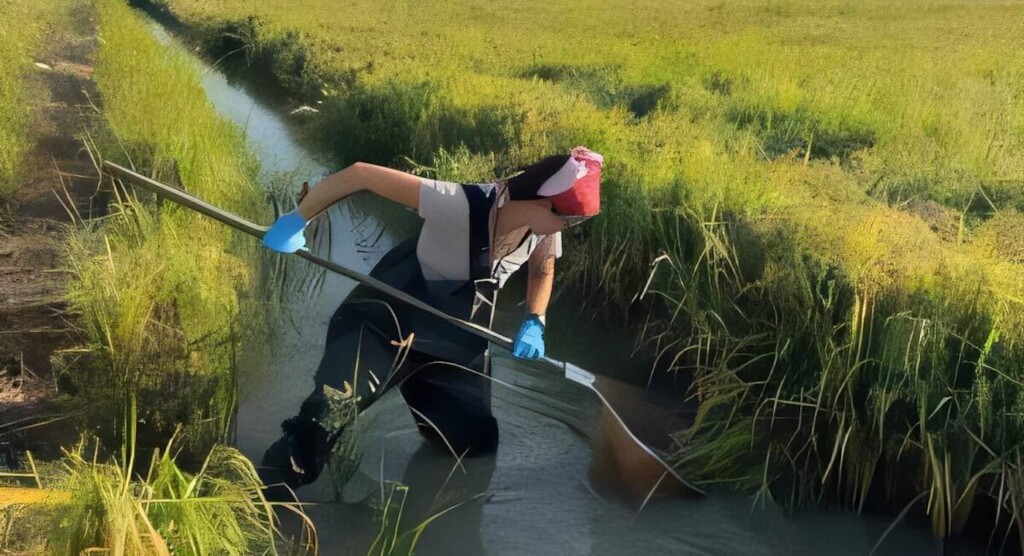
Emily Selland collects snail samples from fish trench in a Senegal rice field – Credit: Paula Senff / CIRAD
Emily Selland collects snail samples from fish trench in a Senegal rice field – Credit: Paula Senff / CIRAD
The chronic disease schistosomiasis wreaks havoc on more than 220 million people around the world, with the vast majority of cases being in sub-Saharan Africa.
New research published in Nature Sustainability by scientists from Notre Dame has explored how raising freshwater fish in the rice paddy could help reduce disease incidence and poverty along the northern Senegal River basin, a hot spot for schistosomiasis.
Despite decades of mass drug administration campaigns, schistosomiasis remains one of the world’s most widespread neglected tropical diseases. Rice farmers and their families are particularly at risk, as the parasitic worms that cause the disease are spread by freshwater snails found in the standing water of rice fields.
“By restoring native fish to rice fields, we may be able to reduce disease transmission while helping farmers produce more food and generate additional income. Those kinds of win-win-win solutions are rare, but they are exactly what sustainable development requires,” said Jason Rohr a professor of biological sciences at the University of Notre Dame and corresponding author of the study.
“One of the most exciting aspects of this research is that it suggests we don’t always have to choose between improving human health, increasing food production and protecting the environment.”
Researchers used data from more than 400 households in rural Senegal and found that the children of rice farmers had higher prevalence of the disease than children of non-farmers, indicating farmers and their families stand at increased risk of contracting the disease. And while there is a drug that can treat the disease, it cannot prevent reinfections, which will continuously occur and contribute to a cycle of poverty and disease.
To reduce disease transmission, the research team led by Rohr introduced African Bonytongue and Nile tilapia into rice fields, two native fish species that naturally suppress snail populations by eating snails or competing with them for resources. Through two trials, the team found that although the fish were not actively fed, both species thrived.
The researchers found that fields containing both fish species had fewer of the snails that host the parasite that causes the dominant form of schistosomiasis in the region. Fewer snails could reduce the risk of infection faced by rice farmers and their families.
But benefits of the intervention reached beyond disease transmission. The research team also found the intervention increased rice yields by more than 25% and improved the soil nutrients of the rice fields, all while offering a potential secondary source of income through the sale of harvested fish.
“What is most meaningful to me about this work is that we’re taking an agricultural technique used in other regions and expanding it to infectious disease transmission,” said Emily Selland, lead author of the study and graduate student in the Rohr Lab at Notre Dame. “We can tackle schistosomiasis and also support the development of these communities by designing a sustainable and multidisciplinary solution.”
Researchers believe the initial findings are encouraging, and additional work is already underway.
“The next step is determining how this approach can be scaled across schistosomiasis-endemic rice-growing regions. If these results hold, rice-fish coculturing could become a model for addressing health, food security and poverty simultaneously,” said Rohr, an affiliate of Notre Dame’s Eck Institute for Global Health and Environmental Change Initiative.
SHARE This Simple Yet Potentially Vital Change To West African Agriculture…
Quote of the Day: “When you are grateful, fear disappears and abundance appears.” – Tony Robbins
Photo by: Ravi Pinisetti
With a new inspirational quote every day, atop the perfect photo—collected and archived on our Quotes page—why not bookmark GNN.org for a daily uplift?
11 years ago today, Earth’s scientists completed the first survey of our solar system as the New Horizons spacecraft completed a flyby of distant Pluto. It took ten years for the little space probe to arrive at our most distant neighbor, and is now beginning a long cold journey out into the great beyond, never to return. Along with Pluto, New Horizons also imaged its moons of Nix, Styx, Kerberos, Charon, and Hydra. READ more of what it discovered… (2016)
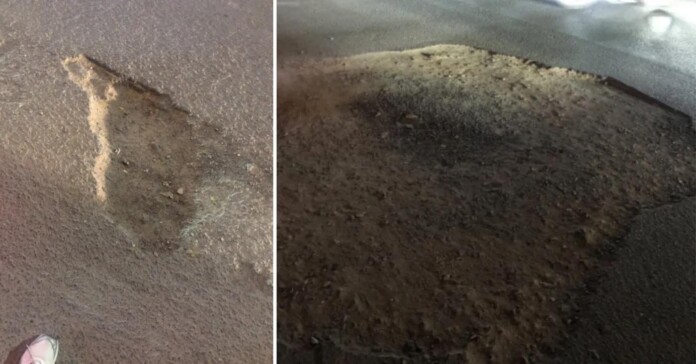
Real images of potholes submitted by users of Project Sadak - credit, Parth, provided to Better India
Real images of potholes submitted by users of Project Sadak – credit, Parth, provided to Better India
A 15-year-old in the Indian capital of New Delhi created an AI-powered app that allows citizens to report potholes, grade their severity, and instantly report them to the authorities.
What’s more, the AI gives the citizen the power to overcome bureaucratic paralysis and inaction by instantly drafting emails and letters to relevant authorities—no need to look for extension numbers or email addresses.
Called Project Sadak, it was designed by a young man named Parth whose parents got into an accident on a pothole in New Delhi at night on their motorcycle while riding back from celebrating a family occasion in nearby Agra.
Already interested in science and technology and armed with that harrowing experiencing, Parth decided to try and create something that would improve road conditions in the world’s most-populous country.
“The platform was built by me from scratch,” he told The Better India. “Initially, yes, I started writing code, but as the complexity began to rise, I had to make use of AI.”
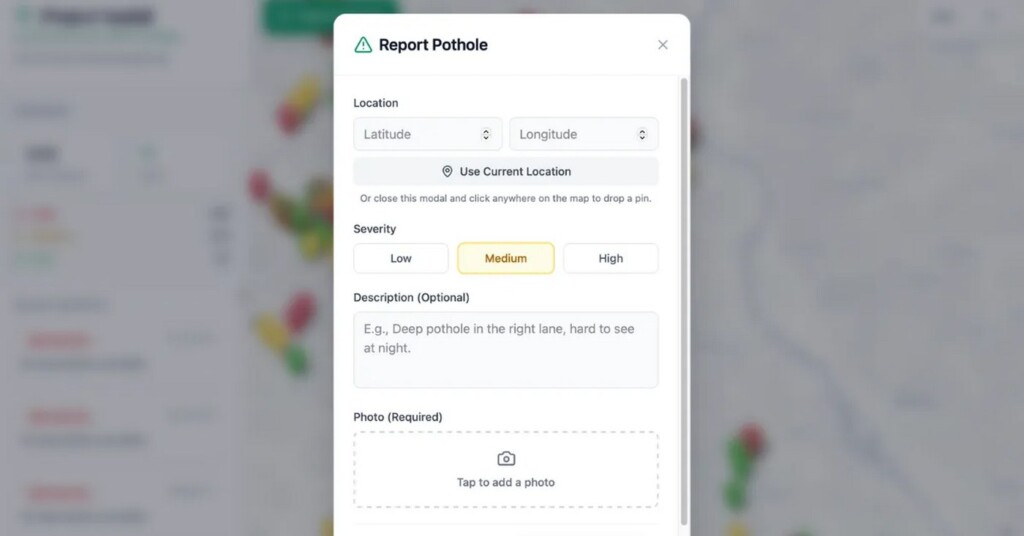
The app allows users to take a picture of a pothole, use a GPS function to locate it in their area, and post them both to the Project Sadak server. AI makes sure the picture is of an actual pothole, while human review ensures that the given grade—severe, medium, or benign, accurately reflects what’s in the picture.
This ensures the worst potholes flash red and are not drowned out amid the complaints of angry citizens. Once the entry is finished, the user can automatically sign their name digitally to an email and send it to the authorities in their part of New Delhi.
Project Sadak report screen – credit, Parth, provided to Better India
“Initially, we were emailing the parties manually,” Parth admits, “but now the platform automatically writes an email and submits the report.”
So far, 360 potholes have been reported, and 11 have been repaired—albeit almost all by Parth himself, utilizing contractors through his father’s construction business.
He blamed government corruption and diffusion of responsibility for why he himself had to take care of the problem, however one pothole was reported in Bengaluru, and even though the AI couldn’t find the contact information for the authorities, it was fixed.
Further improvements envisioned by Parth include full AI automation from photo to email, and a WhatsApp chatbot that will allow people to use Project Sadak without downloading an app.
Additionally, the app lacks a monitoring system for whether potholes already reported are eventually repaired.
SHARE This Driven Teen And The Great App He Designed For Public Safety…
The groundbreaking ceremony for the Hermes 2 plant in Tennessee - credit, Kairos Power, released
The groundbreaking ceremony for the Hermes 2 plant in Tennessee – credit, Kairos Power, released
A nuclear energy firm has broken ground on the first advanced nuclear reactor plant in the country, in Oak Ridge, Tennessee.
Set to come online in 2030, it will help stymy the growth in energy costs from several large data centers run by Google in the Tennessee/Alabama area.
Beyond that, the well-researched technology aims to usher in a new age of safer nuclear power at a time when the US nuclear fleet is aging.
Headquartered in California with a manufacturing plant in Albuquerque, Kairos Power has been developing their own design for a small modular reactor run with molten salt for over 10 years in close concert with America’s nuclear regulatory agency.
The technology has faced criticism from scientists for being wasteful and overpriced, but with all things nuclear, it’s important to consider that innovation in the field which might have been carried out years ago never occurred due to the backlash from several famous reactor meltdowns.
Yet it’s arguable there’s no better time to upgrade and modernize this carbon-free power resource than now.
Two of the world’s 4 largest nuclear energy fleets, those of Japan and France, were constructed in the aftermath of the Arab Oil Embargo of the 70s, and so it’s little surprise that geopolitical circumstance is breathing life into the industry.
The massive energy demand from AI, cloud computing, and data storage is doubling this up, with the same firms looking to build the facilities to power these services also finding that nuclear energy is the only fossil-fuel-free method that can ensure there’s enough power on the grid.
The Kairos plant, called Hermes 2, will use molten salt as a coolant instead of pressurized water, which can operate at ambient pressures and thereby remove one of the major catalysts for reactor meltdowns: high-pressure explosions, or rather explosions coming from a rapid fall of high pressure to low pressure, such as occurred in reactor 2 of the Fukushima Nuclear Power Plant in 2011.
Kairos will also swap standard uranium fuel rods for TRISO, a next-gen preparation for uranium fuel the size of a poppy seed that consists of a kernel of uranium surrounded by a tri-carbon layer, including ceramic and graphite, which can not only withstand much higher temperatures than fuel rods, but prevent the escape of fission byproducts.
TRISO has been under co-development by the US and UK governments since 1960. Fear of nuclear energy following events at places like Chernobyl and Three-Mile Island stymied continued research into the superior fuel product since then.
“For nuclear projects to be successful, we need more than just the right technology. We need to understand every aspect of project delivery,” said Mike Laufer, a nuclear engineer who is president and founder of Kairos, at the groundbreaking ceremony.
As the bullish uranium investor Rick Rule likes to say, Japan, which must import all its fuel, can store enough energy with uranium in a single warehouse to power Japan for 5 years.
Energy security is merely one aspect of the renewed interest in nuclear energy, with the second being concerns over the electricity consumption of data centers.
In spring, GNN reported on the passage of Republican-led bill HB 1847 in Tennessee where Hermes 2 will be located, and where Google runs 2 data centers on the grid managed by the Tennessee Valley Authority (TVA). It places an impact threshold on the grid of 50 megawatts. Anything beyond that may not be billed to the general ratepayers.
To wit, Google signed a development agreement with Kairos for 500 MW from multiple advanced reactors. Hermes 2 represents the first 50 MW delivery under that agreement.
A rendering of the plant – credit, Kairos Power, released
“To power the future, we need to grow the availability of smart, firm energy sources,” said Amanda Peterson Corio, Google’s Global Head of Data Center Energy. “This collaboration with TVA, Kairos Power, and the Oak Ridge community will accelerate the deployment of innovative nuclear technologies and help support the needs of our growing digital economy while also bringing firm carbon-free energy to the electricity system.”
“Lessons from the development and operation of the Hermes 2 plant will help drive down the cost of future reactors, improving the economics of clean firm power generation in the TVA region and beyond.”
Advanced nuclear reactors cooled by molten salt are, however, a largely new and unproven technology at scale. A succinct review published in 2022 showed that new forms of nuclear fission may produce more waste than traditional, light water reactors, and that the waste they do produce is more varied.
The review looked at over a dozen proposed reactor designs and fuel/coolant pairings, reflecting how like all emerging technologies, many of the methods are yet-untested on a market-wide scale. This would normally be a good thing—competition allows for the market to select the best technologies for proliferation, but the intense regulatory and environmental scrutiny, and the capital investment in R&D required for developing new methods of nuclear fission, make it an extremely risky business.
TRISO, however, has seen commercial deployment—in Canada in the 1980s where it faced multiple problems, and China in the 2010s which not only saw success, but 2 world-first safety demonstrations. In the event of a total power supply loss, the decay heat inside the reactor would dissipate and cool down naturally without any human intervention or emergency core cooling.
The TRISO shell of ceramic and graphite showed no signs of compromise even at temperatures of 1,620°C—far higher than what would be encountered even in extreme accident situations. During tests in 2014 at Oak Ridge National Laboratory in Tennessee, the irradiated TRISO was exposed to more than 300 hours of testing at temperatures up to 1,800°C (more than 3,000°F), again, without showing any degradation.
While China’s HTR-PM nuclear plant used helium as a coolant, which saw issues in the Canada plant, Kairos will use molten-salt, which dodges the operational issue of helium (albeit encountered in the 80s) by potentially introducing more complex waste streams.
Kairos has worked closely with the US Nuclear Commission throughout the design and permitting of Hermes 2 and Hermes, a smaller, test-scale project of the same technology established in Oak Ridge years earlier. In the USNC’s final environmental impact assessment, the agency concluded that compared to the 57 currently-operating nuclear power plants in the US, the relatively low total quantity of uranium (4.66 metric tons) estimated to be used for the license period of 11 years makes its footprint on the overall waste disposal system in the country much smaller than light-water reactors.
The molten salt, the most potentially-hazardous of all produced waste, will be stored onsite in specialized containers until it solidifies, after which it will be treated as solid waste for the purpose of storage, according to the regulatory final decision. There are also the 11 years of operation to potentially develop better and safer methods of containment and disposal.
SHARE This New Age For US Nuclear Energy Beginning In Tennessee…
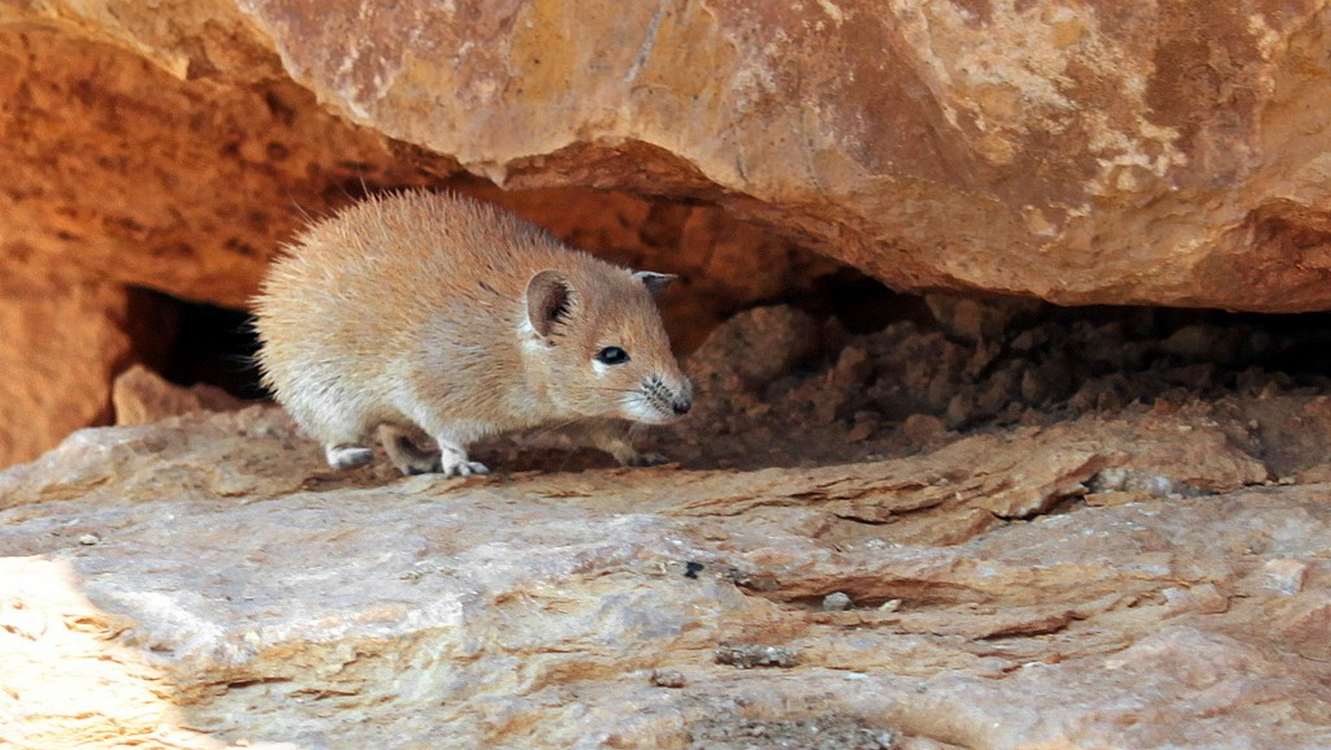
Golden spiny mouse - credit, Mickey Samuni-Blank CC BY-SA 3.0
Golden spiny mouse – credit, Mickey Samuni-Blank CC BY-SA 3.0
A protein associated with longevity in humans has recently been found at high concentrations in an extraordinarily long-living mouse.
The discovery makes the case for more research into a poorly-understood, potentially gene-determined, metabolic pathway for healthy aging that could help scientists better understand the aging process across mammals.
The golden spiny mouse is unusual among rodents. Active during the day rather than at night, if a human being had the equivalent life-expectancy of this resident of the Middle-Eastern deserts, then we wouldn’t need a Supreme Court to interpret the Founders’ language in the Constitution: they’d still be alive today and we could ask them about it.
“Mice in the wild typically live around 9 months,” says senior author Vishwa Deep Dixit, a Professor of Pathology at Yale School of Medicine. “But some of these golden spiny mice are living out in the desert for up to five years. And that’s just what we’ve been able to observe; their maximum lifespan is unknown.”
“In order to live that long, they have to forage, they have to avoid predators. So it’s not like they’re living this long in a way that we would think of as ‘aged.’”
What the Yale professor means is that their “healthspan” seems to be as long as their “lifespan,” or described differently, the mice retain many of their physical and mental capabilities right up until their eldest days.
Biology’s primary objective as regards aging is to maximize the effectiveness of a breeding strategy. Nature is a brutal environment where most animals die young from predators or the elements, so natural selection has few reasons to select long life as a conserved trait when animals are being eaten or are freezing to death after just a couple of years.
It’s more advantageous to have creatures reach sexual maturity, and therefore midlife, quickly, than risk being devoured by wolves or wildcats as an infant or juvenile. Yet in some circumstances, this isn’t what’s observed. Some animals which suffer very low rates of predation have been known to develop very long lives (whales, albatross) and it seems the golden spiny mouse might be one of them.
With their diurnal lifestyle, they not only dodge the food competition of nocturnal rodents, but also the predation risks of nocturnal predators like snakes. Multiple adult females are known to care for single litters of pups, which themselves spend more time in gestation and therefore spend less time as helpless, defenseless targets.
Wanting to know if these traits have conferred some genetic predisposition to longevity, Dixit and his team from Yale conducted some research into golden spiny mice.
The team would find 3 potential markers of longevity, chief among which were immune cells in fat tissue that exerted hyperactivity in a gene that produces a protein called clusterin. In humans, high amounts of clusterin has been identified often in people aged 100 years or older.
Clusterin helps clear misfolded proteins from the body, is associated with lower neuroinflammation in Alzheimer’s disease cases, and longer lifespan in many mammals.
In tests in both human white blood cells and lab mice, clusterin was found to lower inflammation and increase markers associated with healthy aging. In the mice, for example, aged individuals retained much of their physical activity from their youth, as well as healthier organ function than their peers.
In addition to clusterin, the team found that the thymus organ, a gland which sits above the heart and produces a white blood cell key for proper immune function, remained functionally intact in old age—even as it quickly deteriorates in most other mammals after reaching adulthood.
Dixit and his colleagues say the evidence points to metabolic pathways in golden spiny mice that help control resistance to aging. Similar pathways may also exist in humans, though more research is needed.
SHARE This Remarkable Mouse And Its Even More Remarkable Power Of Longevity…
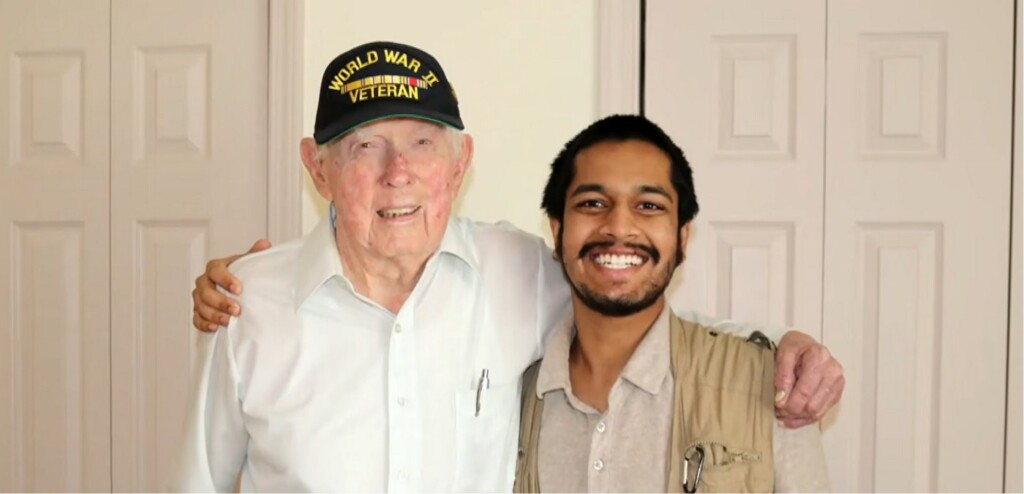
A decade ago, a young American began recording interviews with World War II combat veterans to satisfy his curiosity about the war.
That curiosity became something of an obsession, and 3,000 veterans later, his hard drives and SD cards have become something of a national treasure.
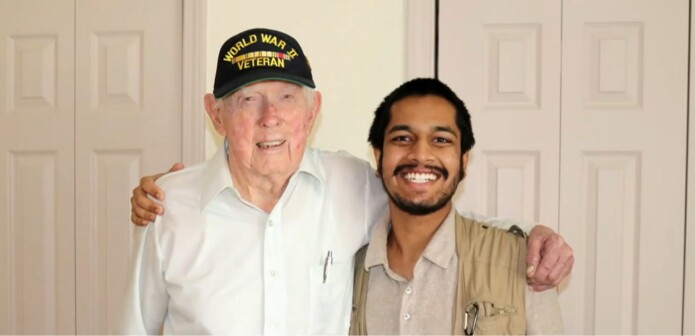
Brought to us from Steve Hartman for CBS News’ “On the Road,” 28-year-old Rishi Sharma says it’s been a privilege to meet the “moral compass” behind our society.
“I’ve spent every single day of the last 10 years doing that,” said Sharma, having recently finished speaking with a 100-year-old survivor of Iwo Jima.
Sharma was first interviewed by Hartman in 2016 when the fresh-faced post high schooler was mostly driving around his southern California region for his curiosity.
At that time, the young man was planning a multi-year trip around the country with the aim of saving as many stories from veterans as could be saved before the curtain came down on the Greatest Generation.
Hartman shared that back when he first met Sharma, there were some 700,000 WWII vets still among us. Today, that number stands at 30,000.
“Just the advice they impart silently steers the ship of this country,” Sharma said.
WATCH the story below…
SHARE This Young Man’s Priceless Historical Archiving With Your Friends…
Quote of the Day: “It is more important to know what sort of person has a disease than to know what sort of disease a person has.” – Hippocrates
Photo by: Bruno Rodrigues
With a new inspirational quote every day, atop the perfect photo—collected and archived on our Quotes page—why not bookmark GNN.org for a daily uplift?
Happy Birthday to Sir Patrick Stewart who turns 86 years old today. The English actor of stage and film grew up poor, yet not only excels in Shakespeare, but plays the lead in his own science fiction series—Captain Jean-Luc Picard in Star Trek: The Next Generation. He also stars as Charles Xavier in the superhero X-Men series. READ more about the captain… (1940)
A research team in Colorado has developed a suite of new therapies that prompt aging or damaged joints to repair themselves within weeks, according to animal studies.
The new osteo-arthritis treatments include a single, regenerative injection to a joint and a biomaterial repair kit that recruits the body’s own cells to patch holes in damaged cartilage.
“In two years, we were able to go from a moonshot idea to developing these therapies to demonstrating that they reverse osteo-arthritis in animals,” said lead principal investigator Stephanie Bryant, professor of chemical and biological engineering at CU Boulder.
“Our goal is not just to treat pain and halt progression, but to end this disease,” said Bryant.
Bryant joined orthopedic researchers from Colorado State University and CU Anschutz, and now the team will advance to the next phase of a $30 million project, under Novel Innovations for Tissue Regeneration in Osteoarthritis (the NITRO program) led by ARPA-H.
Osteo-arthritis is the third most common disease in the U.S., impacting roughly one in six people over age 30 worldwide. It causes cartilage, the buffering tissue that keeps bones from grinding together, to decay. Over time, it can damage bone too, reshaping the joint and making movement excruciating.
With no known cure, patients are generally limited to two options: Treat the pain or replace the joint.
The Colorado team is taking two approaches—first, repurposing an existing drug already approved by the Food and Drug Administration and applying it to treat osteo-arthritis.
Bryant, a materials scientist, and her colleagues developed a patented particle delivery system that can be injected into the joint and provide intermittent bursts of the drug for months.
Secondly, for those with significant lesions in cartilage or bone, the team developed a cocktail of engineered proteins that can be injected arthroscopically and cured into place, where it recruits the body’s own progenitor cells to patch the gap.
When the team used the injection to treat animals with arthritic joints and injuries, the joints returned to a healthy state within four to eight weeks.
When they patched holes in bone or cartilage, they saw “full regeneration and repair of the defect,” said Bryant.
In human cells derived from patients undergoing joint replacements, the therapies had a clear regenerative effect. With phase one successfully complete, the team is now advancing to phase two.
“At the moment, the options for many patients are either a massive, expensive surgery or nothing. There’s not a lot in between,” said Dr. Evalina Burger, professor and chair of the Department of Orthopedics at CU Anschutz.
She and Bryant imagine a day when those in the earlier stages of the disease could access an affordable single-dose therapy to keep their joints healthy for years. Those with injured tissue could have it fixed in a single doctor’s visit with a quick recovery.
The team hopes to publish their animal findings in a peer reviewed journal later this year and has formed a company to move toward commercialization. If future studies go according to plan, Bryant anticipates clinical trials could be underway in as soon as 18 months.
“This could be a real game-changer for patients,” said Bryant.
SHARE THE NEWS With Aging Friends on Social Media…
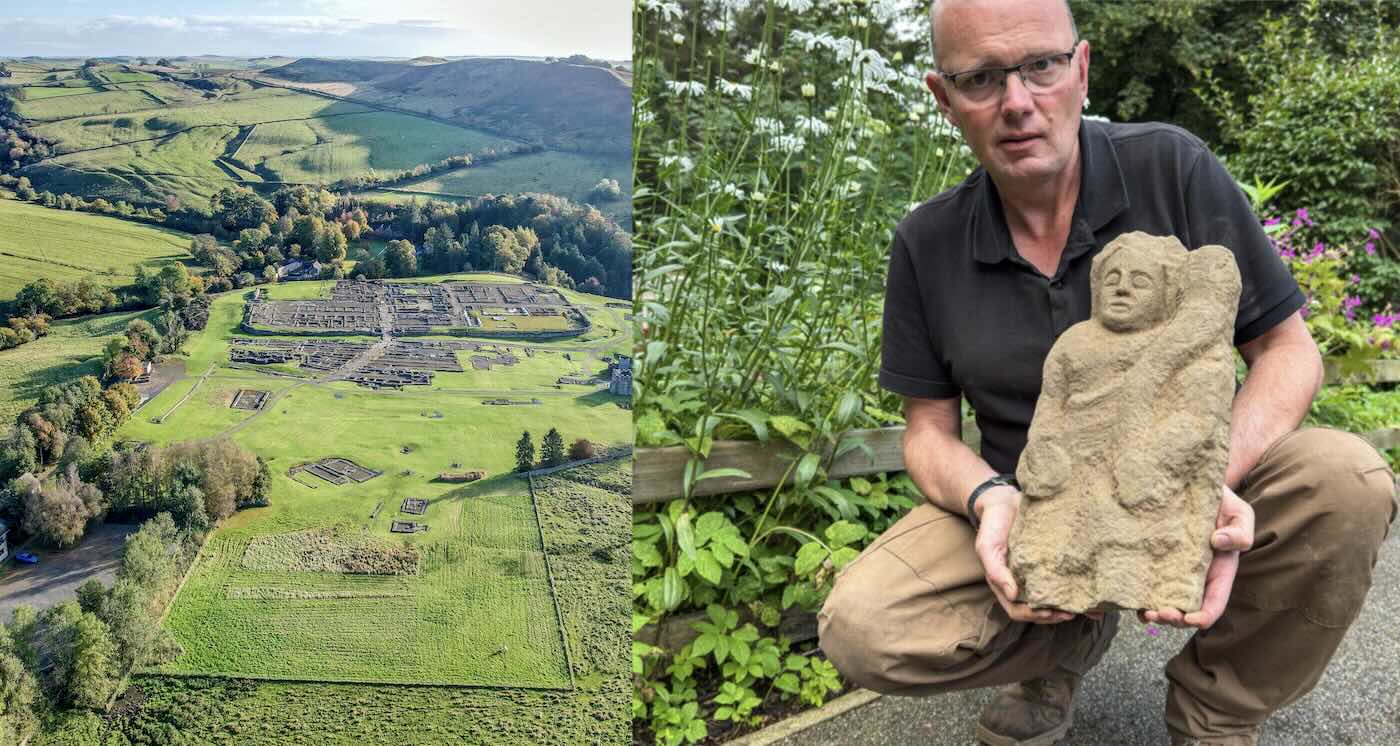
Archeologist Dr. Andrew Birley with the Roman Genius found in Northumberland, England - SWNS
Archeologist Dr. Andrew Birley with the Roman Genius found in Northumberland, England – SWNS / The Vindolanda Trust
A perfectly preserved Roman statue which was deliberately buried 1,600 years ago has been unearthed near Hadrian’s Wall.
The 1.5 ft-high figure carved from sandstone is a ‘protective spirit’, also known as a ‘genius’, which is displayed like a shrine to invoke security and wealth.
The statue was discovered at Vindolanda Fort in Northumberland, England, hidden under the floor of what was a military barracks.
Archeologist Dr. Andrew Birley came across the “incredibly rare” Roman Genius during a dig on June 16.
“I was completely unprepared for what I found on this stone,” Birley recalled after he spotted a flagstone with an unusual shape while digging.
“My first thought was simply, ‘Who on earth am I looking at?’”
Thankfully, the region is rich with scholars knowledgeable about Hadrian’s Wall, which stretches 73 miles across northern England coast to coast at the narrowest point of the country—built starting in 122 AD as a sort-of border to mark the northwest frontier of the Roman Empire during the reign of Emperor Hadrian.
Dr. Andrew Birley / SWNS / The Vindolanda Trust
Dr. Birley soon learned the significance of the discovery.
“The unanimous response came back within hours: we had uncovered a previously unknown relief of a Genius—the protective spirit of a place.”
The figure is holding a cornucopia, symbolizing abundance and prosperity.
It was found beneath the floor of the fort’s 4th Century infantry barracks building, which was built atop an earlier military structure.
Archaeology magazine reported that Dr. Birley is the third generation of his family to lead work at the Vindolanda Roman settlement—going back nearly one hundred years at one of the best preserved Roman sites in Britain.
While inscriptions dedicated to a Genius are relatively common across Roman Britain—reflecting the widespread worship of these protective spirits—surviving carved stone reliefs are rare.
“As archaeologists, moments like these are incredibly rare,” said Birley.
“We feel privileged to have uncovered and preserved such an important part of the site’s story.”
An Indiana man accomplished the unimaginable after setting an audacious goal fourteen years ago: to walk the Earth’s circumference—24,901 miles.
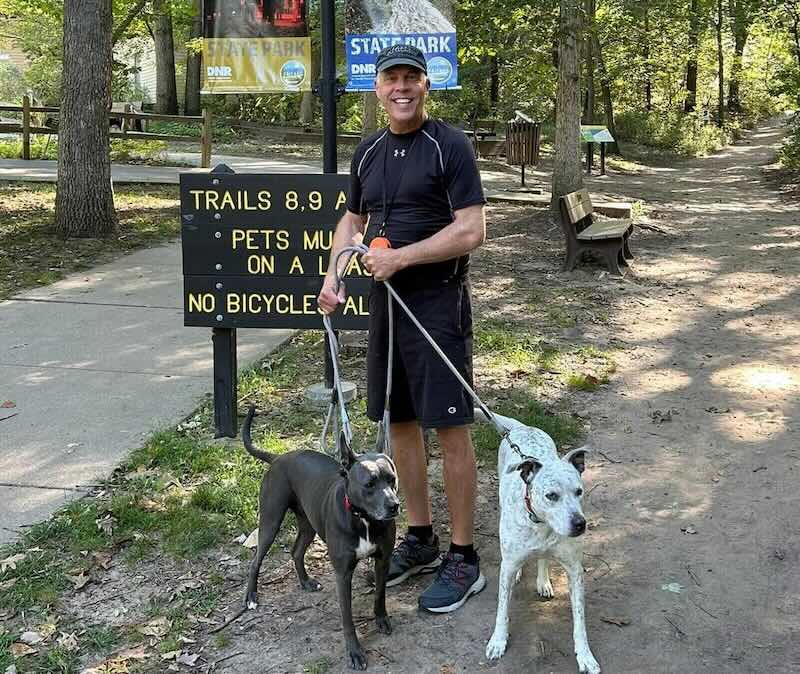
It took dedication and consistency over the course of thousands of days, but Russell Mumper met that goal on June 25.
“He didn’t finish it with anything fancy,” his daughter, Shannon Mumper, told GNN.
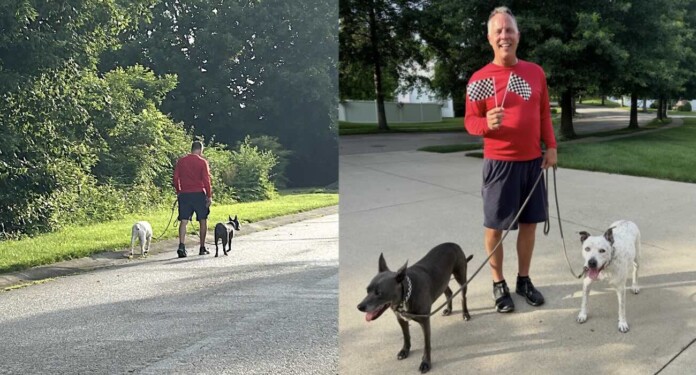
“My mom held up a checkered flag and he ‘crossed the finish line’ with our two family dogs on the driveway.”
As the Vice President for Research at Indiana University, Mumper is familiar with the scientific method, so he tracked every statistic throughout his journey that began in 2012 (including pairs of sneakers he’s worn out).
It’s not something he did for fame or recognition.
He fell in love with walking (and hiking) and stayed committed to the goal for over a decade. Shannon says it’s a testament to his nature.
Russell Mumper with his “fur babies” Lucy and Milly
“My dad is the most hardworking man I know.”
He completed the feat at 60 years-old, while working full-time. The family even moved their residence across state lines three times during this period.
Russell simply gravitated to one of the healthiest ways to escape everyday stress.
“I had no idea how long it would take,” he said.
“Nearly 14 years later, after logging 5,900 separate walks and taking approximately 55 million steps, and wearing-out 49 pairs of trail shoes (thank you New Balance!), I reached my goal.
“Along the way, I averaged about 5 miles per day and accumulated enough total elevation gain and loss to equal climbing and descending Mount Everest 46.5 times.”
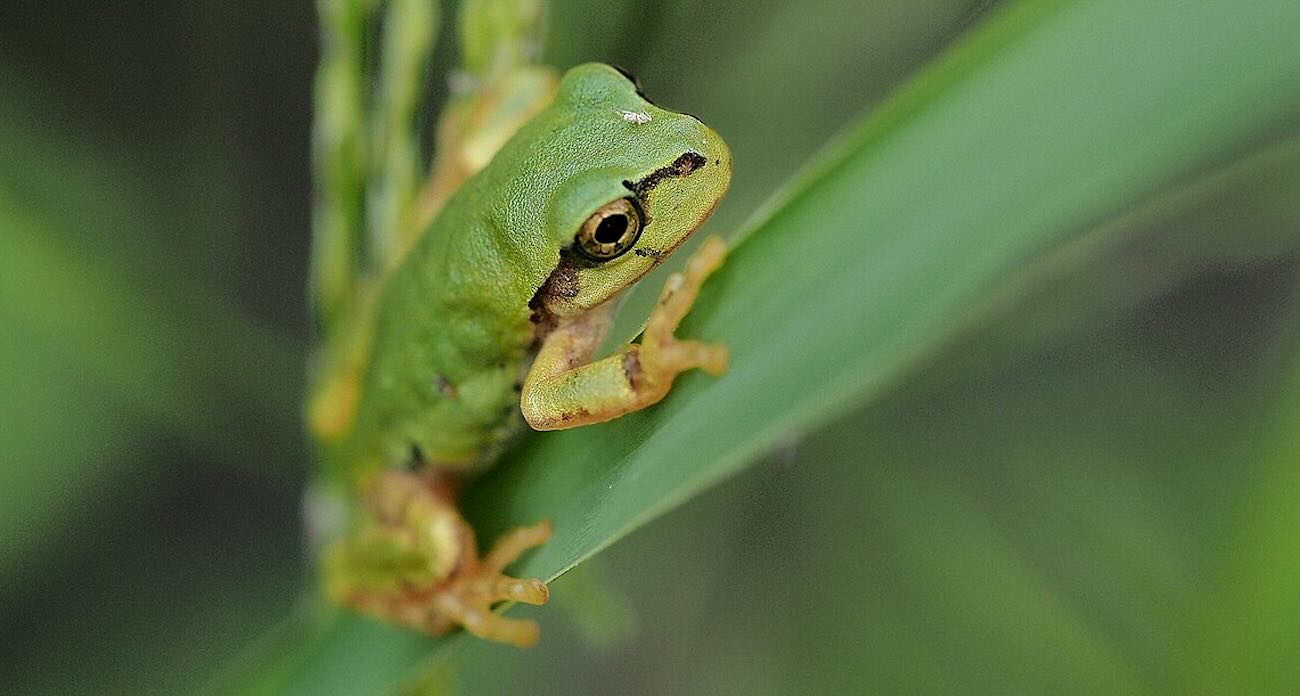
Japanese Tree Frog (Hyla japonica) by Greg Peterson – CC BY-SA 3.0
Japanese Tree Frog (Hyla japonica) by Greg Peterson – CC BY-SA 3.0
Japanese scientists have discovered a naturally-occurring bacteria in a frog species with remarkably-potent anticancer activity—in fact, it destroyed cancer tumors in one dose.
Led by Professor Eijiro Miyako, the team at Japan’s Advanced Institute of Science and Technology discovered that a natural bacteria from the intestines of a Japanese tree frog (Ewingella americana) achieved a 100% tumor elimination rate in mice with just a single intravenous.
Not only did the gut bacteria kill the cancer cells, it also engaged the animal’s immune system for “comprehensive tumor destruction”.
While the relationship between gut microbiota and cancer has attracted considerable attention in recent years, most approaches have focused on indirect methods. In contrast, this study takes a completely different approach: isolating, culturing, and directly administering individual bacterial strains intravenously to attack tumors.
The research team isolated a total of 45 bacterial strains from the intestines of Japanese tree frogs, fire belly newts (Cynops pyrrhogaster), and grass lizards (Takydromus tachydromoides). Through systematic screening, nine strains demonstrated anti-tumor effects, with E. americana exhibiting the most exceptional therapeutic efficacy.
In mice with colorectal cancer, a single intravenous administration of E. americana achieved complete tumor elimination with a 100% complete response rate—dramatically surpassing the efficacy of current standard therapies, including immune checkpoint inhibitors (anti-PD-L1 antibody) and liposomal doxorubicin (chemotherapy agents).
“These findings suggest that gut microbiomes of lower vertebrates harbor numerous uncharacterized bacterial species with exceptional therapeutic potential,” said the authors.
“Our study underscores the critical importance of microbial biodiversity in advancing cancer treatment strategies.”
The innovative therapy strategy also exhibited an excellent safety profile, according to a press release (wherein you can read more about how it works).
Safety profile of E. americana: • Rapid blood clearance (half-life ~1.2 hours, completely undetectable at 24 hours)
• Zero bacterial colonization in normal organs including liver, spleen, lung, kidney, heart
• Only transient mild inflammatory responses, normalizing within 72 hours
• No chronic toxicity during 60-day extended observation
Future research and development will expand to other cancer types, evaluating the efficacy in breast cancer, pancreatic cancer, melanoma, and other malignancies.
The team will also focus on developing safer and more effective delivery approaches including dose fractionation and intra-tumoral injection. And they plan to investigate any synergistic effects with existing immunotherapy and chemotherapy.
The research demonstrates that unexplored biodiversity represents a treasure trove for novel medical technology development.
SHARE THE CANCER HOPE And Some Frog-Love on Social Media…
Quote of the Day: “I believe the very purpose of life is to be happy. From the very core of our being, we desire contentment.” – Dalai Lama
Photo by: Carles Rabada
With a new inspirational quote every day, atop the perfect photo—collected and archived on our Quotes page—why not bookmark GNN.org for a daily uplift?